Langtang Valley Trek: Flora, Fauna & Biodiversity of Langtang National Park, Nepal
31 Jan 2026
Explore the flora, fauna, and biodiversity of the Langtang Valley Trek in Nepal, from rhododendron forests to rare Himalayan wildlife.

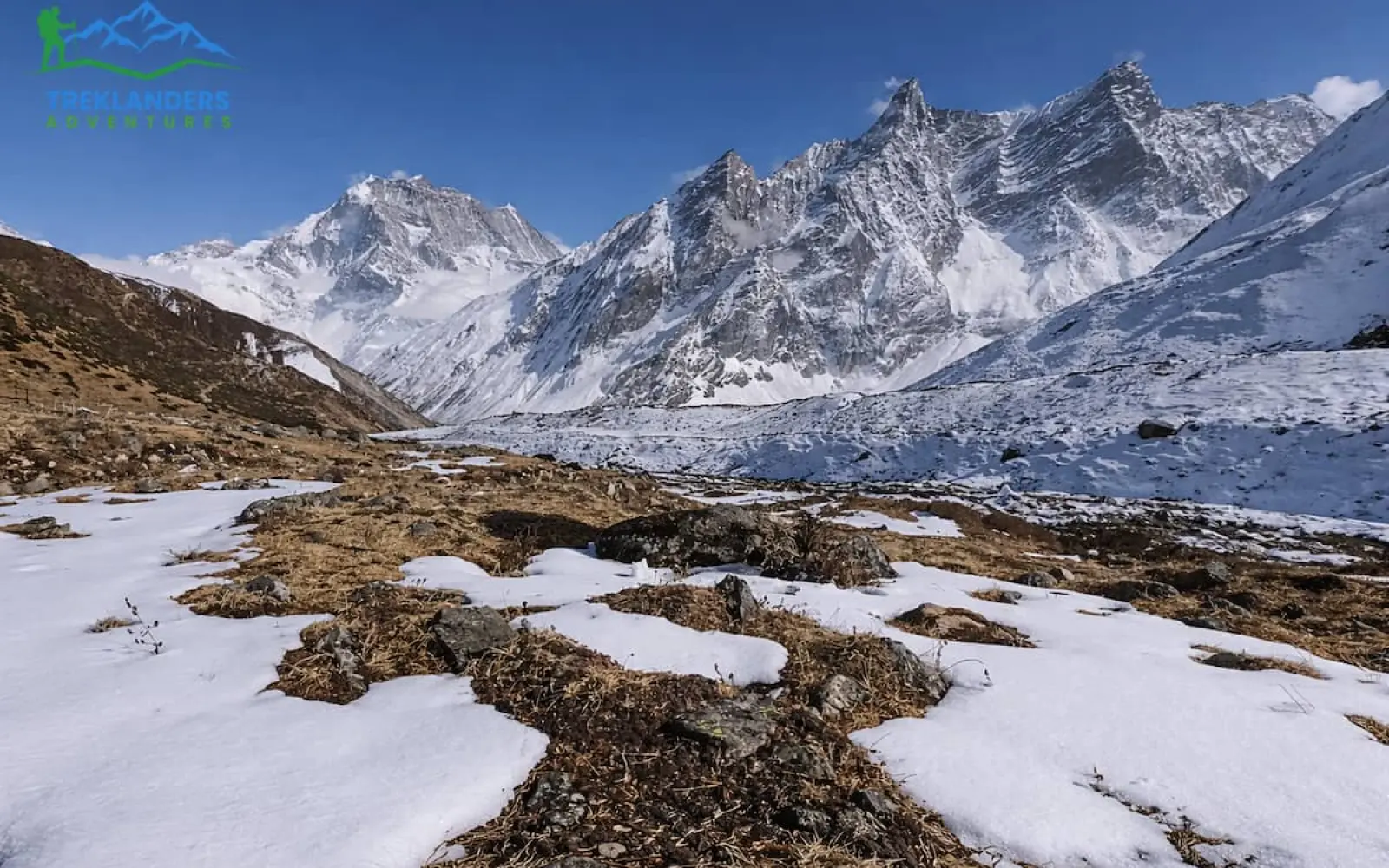
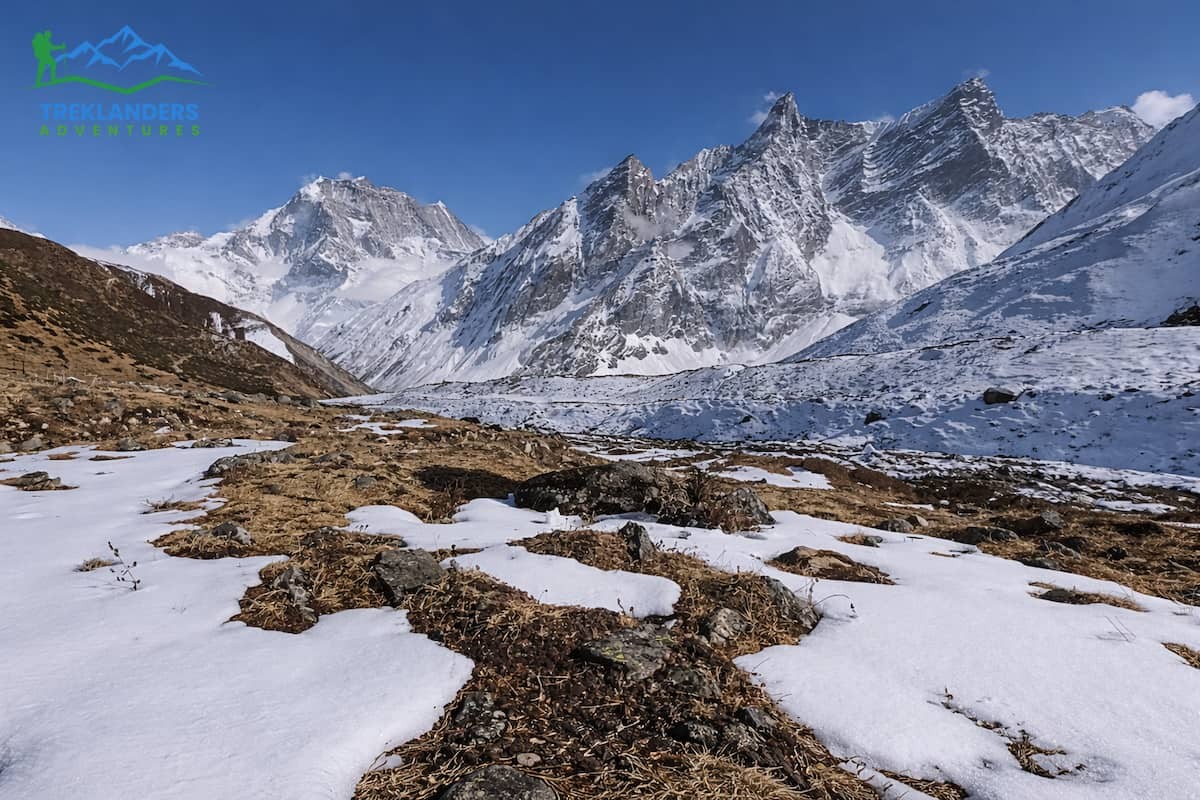
The Manaslu Circuit Trek is among the most rewarding and less commercialized trekking routes in Nepal. It goes around Mount Manaslu (8,163 m), the world's eighth-highest peak. Located in the isolated Gorkha area near the Tibetan border, this trek offers a unique opportunity to witness breathtaking Himalayan scenery, the vibrant Buddhist culture, and the lifestyles of mountain communities that have remained largely unchanged for centuries. In contrast with the more popular and crowded routes like Everest Base Camp or Annapurna Circuit, the Manaslu Circuit maintains a quieter and more genuine trekking experience.
The Manaslu Circuit Trek covers a distance of about 170-180 kilometers, depending on the selected starting and ending points. Typically, the trek starts from Soti Khola or Machha Khola and ends at Dharapani, where it connects with the trails of the Annapurna region. Most tour schedules require two to three weeks to be full, thus providing enough time for acclimatization and resting days. Besides, trekkers encounter various natural and cultural sights such as dense forests, narrow gorges, alpine meadows, and quaint villages linked by suspension bridges and ancient trade routes.
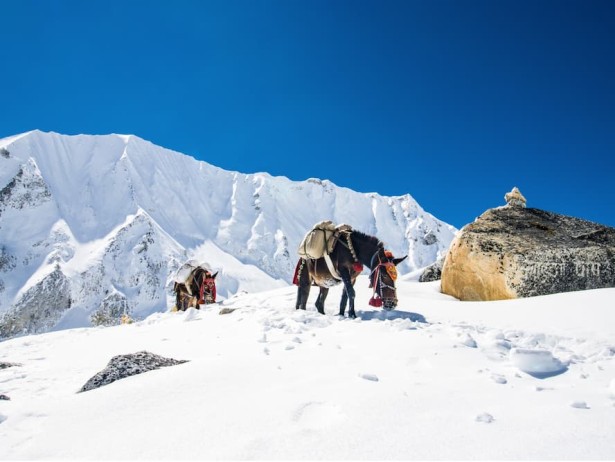
As for the level of difficulty, the Manaslu Circuit Trek is rated from moderate to difficult. The trek itself is non-technical, thus no mountaineering skills are necessary; however, it significantly challenges the body and spirit due to the long hours on foot, continuous ups and downs, and the exposure to high-altitude. The toughest part is the crossing of Larkya La Pass (5,160 m), which, besides requiring close attention to acclimatization, also needs suitable weather conditions.
Because the Manaslu Circuit is a restricted trekking area, the issuance of special permits is necessary for it. Besides the Manaslu Restricted Area Permit, Trekkers need to have conservation permits, and trekking has to be done with a licensed guide. The set of rules is there to keep the region's environment not only natural but also culturally unique.
The most suitable time for the Manaslu Circuit trek is spring (March to May) and autumn (September to November) as during these seasons the weather is generally stable, the visibility is good, and the trail conditions are most suitable for crossing the high passes.
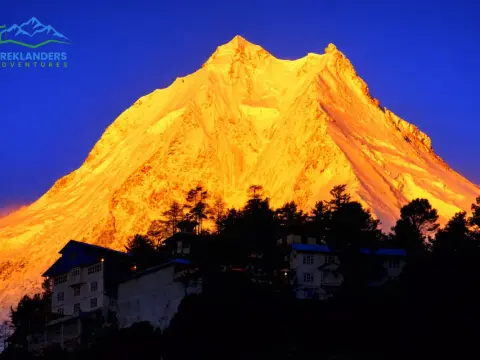
Mount Manaslu is the 8th highest mountain in the world at 8,163 m. The Manaslu Circuit is a spectacular trek that literally circles Mount Manaslu. This circuit-style route provides continuous views of massive Himalayan peaks while the sense of wilderness is maintained. In contrast to out-and-back treks, a mountain circuit offers changing landscapes, cultures, and perspectives; it is one of Nepal's most complete high-altitude trekking experiences.
The trek is located in the Gorkha district of Nepal near the border with Tibet (China). The bordering of the region with Tibet has a significant impact on the culture, architecture, and way of life. Upper villages are Tibetan in appearance, with stone houses, monasteries, and prayer flags. Being a remote area also accounts for why the Manaslu Circuit is less crowded and more regulated than well-known trekking areas such as Everest and Annapurna.
The total distance of the Manaslu Circuit Trek is around 177 km, and it can vary with sidetracking and different starting points. This considerable distance demands the ability to move with stamina and with a steady pace. Unlike shorter treks, the length provides a gradual altitude gain which aids acclimatization. Along with this, the longer journey means trekkers enjoy a wider diversity of climates, ecosystems, and terrains during the trek.
Most hikers finish the Manaslu Circuit within 12 to 18 days, which also includes days for acclimatization and rest. Depending on one's level of fitness, travel schedule, and additional activities like the Manaslu Base Camp, the number of days required can vary. This period is a good compromise between safety and pleasure: it diminishes the chances of getting altitude sickness and at the same time gives an opportunity to experience the local culture. The trek can be shortened, but the result will be an increase in the physical challenge and the risk to health.
The Manaslu Circuit Trek is traditionally initiated from either Machha Khola or Soti Khola, and both these places can be reached by road from Kathmandu. These two points, from where the trek starts, are at a low altitude, and thus it is easier for a gradual ascent that is always recommended. The initial parts of the trekking route run along the valleys of rivers, waterfalls, and farms on terraces. Starting at a lower level physically helps the trekkers get themselves prepared and, at the same time, provides a gentle introduction to the Himalayan setting that is quite demanding.
Dharapani is where the hike finishes, and this is a small settlement that links up with the Annapurna Circuit trail. Likewise, travelers there can think of either proceeding on foot or taking the road by vehicle to Besisahar or Kathmandu. Stopping at Dharapani permits flexibility and facilitation of one's exit from the trek. Because of this link, the Manaslu Circuit is further attractive to the trekkers who would like to merge it with the segments of the Annapurna region.
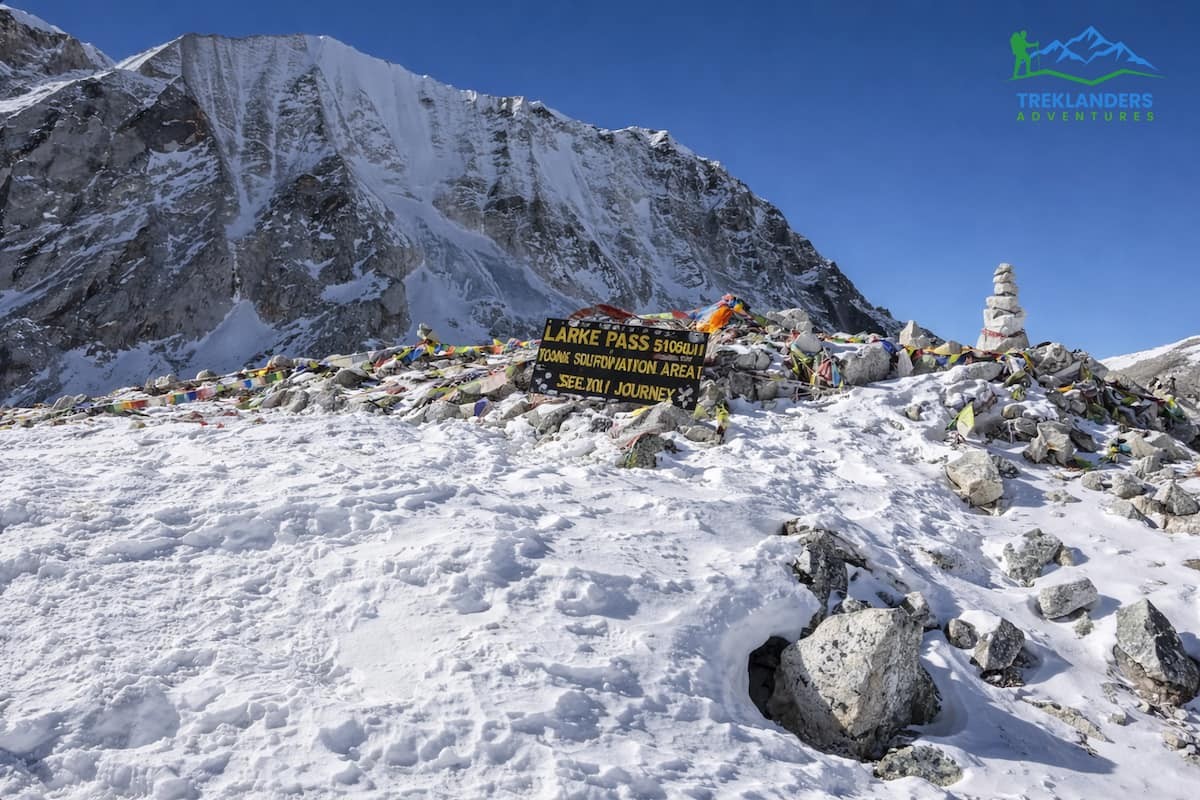
Larkya La Pass at 5,106 meters is the highest point and the most difficult part of the trek. Because of strong winds and weather changes, one must start very early to cross the pass. Snow and ice can be found especially during off seasons. To get this high, it is necessary to be properly acclimatized, physically fit, and mentally strong, which is why it is a major highlight and the biggest test of the trip.
Manaslu Circuit is classified as moderate to challenging mainly due to its long distance, high altitude, and remoteness of the area. The path doesn't require any technical climbing skills; however, the combination of daily ascents, rough paths, and being at high altitude makes it more difficult. Having some prior trekking experience would be beneficial but not compulsory if one is well-prepared. This level of difficulty grants the trekkers the privilege of experiencing solitude, authenticity, and stunning mountain landscapes.
It is possible for beginners to finish the Manaslu Circuit, but it is highly advised to have previous experience in high-altitude trekking. Being acquainted with long walking days, recognizing the symptoms of altitude, and knowing the basic routines of trekking enhance one's safety and make the trek more enjoyable. Veteran trekkers are quicker in adapting, better at handling tiredness, and wiser in their decision-making. This trek is ideal for those who want to go beyond easy routes designed for beginners.
Most trekking days involve 6 to 8 hours of walking, depending on elevation gain and trail conditions. Some days are shorter for acclimatization, while pass-crossing days can exceed this average. The steady daily routine requires stamina rather than speed. Adequate rest, hydration, and pacing are crucial to maintain energy throughout the multi-day trek.
The Manaslu Circuit Trek lies entirely within the Manaslu Conservation Area, a protected region established to preserve Himalayan ecosystems and diverse wildlife, including endangered species. Strict conservation rules limit environmental impact and encourage sustainable tourism. Trekking here directly supports local communities and conservation through permit fees and responsible travel.
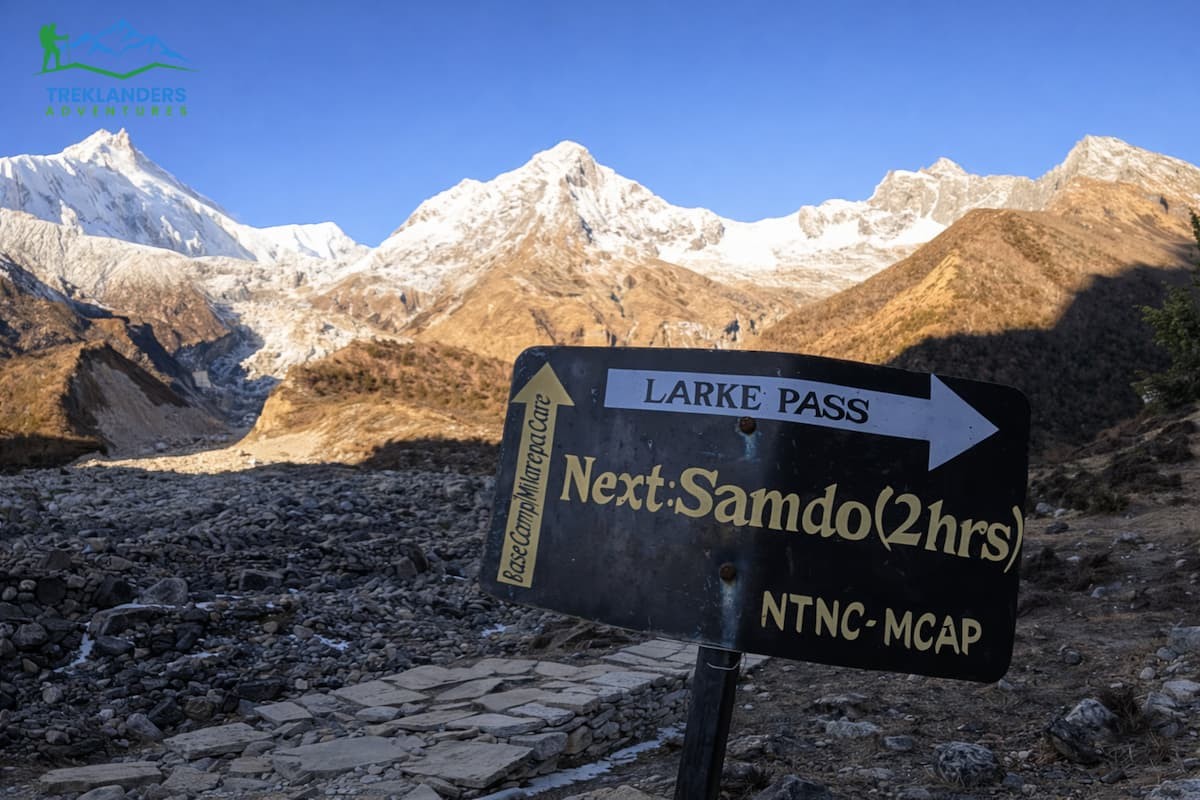
Trekkers encounter traditional Gurung villages at lower elevations and Tibetan-influenced settlements higher up, each reflecting ancient lifestyles, architecture, and customs. Stone houses adorned with prayer wheels and flags are common, as are stone or mani walls that may contain prayer wheels. Cultural interactions offer unique insights into Himalayan life that has changed little over generations.
Due to its highly sensitive border location, Manaslu remained off limits to foreign trekkers until 1992. Since its opening, tourism has been strictly controlled to preserve cultural integrity and environmental balance, while infrastructure development was slow, contributing to its unspoiled atmosphere today. This late opening is one reason the Manaslu Circuit still feels wild and remote today.
Manaslu Circuit Trek has been officially designated by the Government of Nepal as a restricted area trek in order to regulate tourism while protecting local culture and ecosystems. Special permits are mandatory, and independent trekking is strictly forbidden compared with unrestricted trails; this ensures controlled tourism without over-tourism impacting its peaceful, off-beaten-path character.
Solo trekking on the Manaslu Circuit is not permitted, requiring all trekkers to travel in groups of at least two, accompanied by a licensed guide. This rule enhances safety in remote terrain where rescue options may be limited while also promoting cultural understanding and adhering to conservation rules. Furthermore, this restriction significantly decreases overcrowding and unplanned trekking on this epic trek.
Employing a government-licensed trekking guide is required when trekking the Manaslu Circuit. Guides help maintain route safety, manage permits, assist with altitude-related issues, and provide cultural insights, communication with locals, and logistical support - as well as emergency evacuation coordination should a disaster arise. This requirement enhances both safety and the overall trekking experience.
To obtain a restricted area permit, at least two trekkers must apply together, which prevents solo travel in isolated high-altitude regions. Even if traveling alone, trekkers tend to group together through agencies in order to fulfill this requirement - providing safety, regulation, and access while still protecting its remote nature.
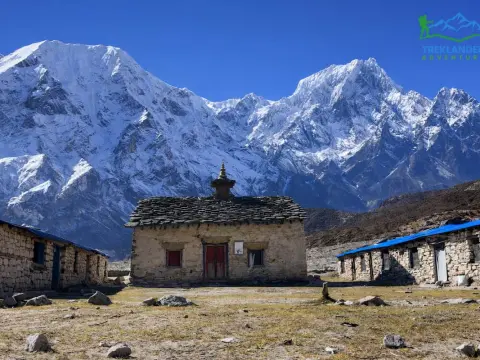
A Restricted Area Permit (RAP) is the primary permit necessary for the Manaslu Circuit Trek and covers specific sections between Jagat and Samagaon. RAP fees vary by season; their proceeds go toward funding local administration, infrastructure development, and conservation initiatives in the region.
Trekkers must obtain both the RAP and MCAP. These permits support wildlife protection, trail maintenance, sustainable tourism development, and nationality requirements within conservation areas. These funds go directly towards environmental preservation initiatives as well as community projects.
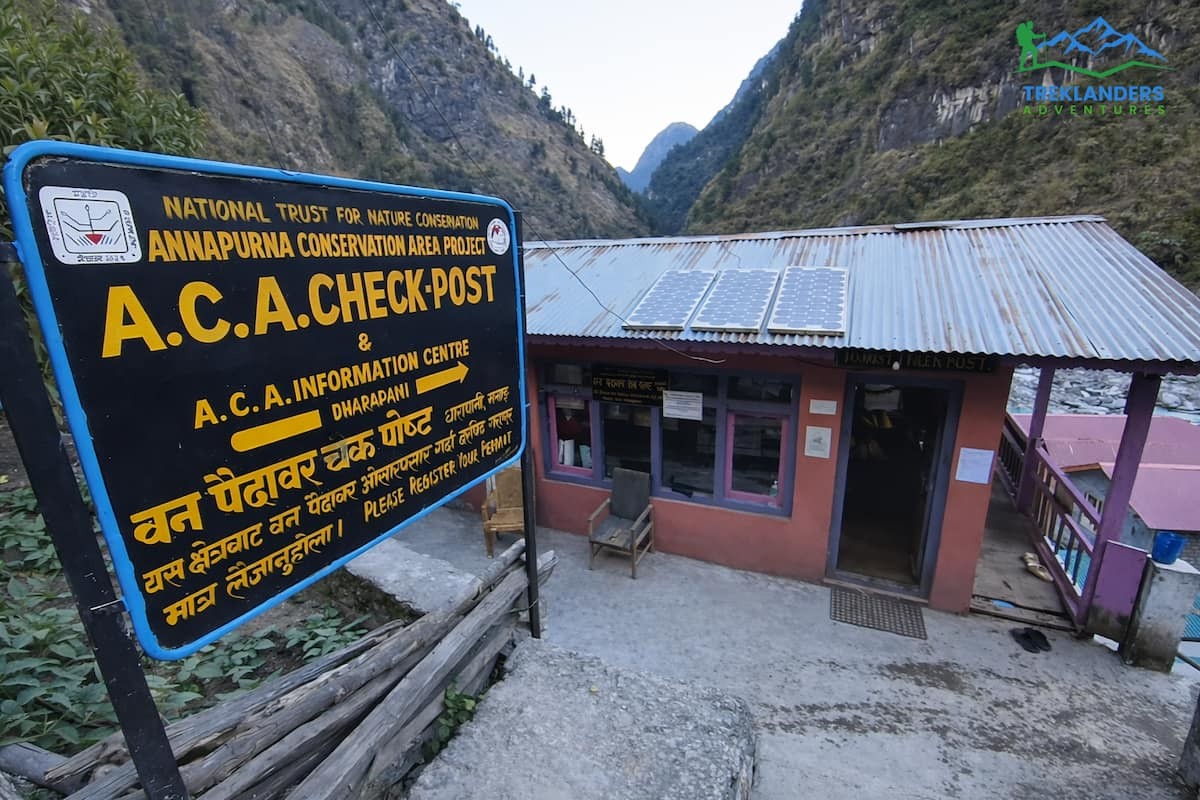
As the Manaslu Circuit connects with Annapurna at Dharapani, trekkers must also have an Annapurna Conservation Area Permit (ACAP). This permit provides legal entry into the Annapurna territory after finishing the Manaslu section; fees from ACAP support conservation and infrastructure initiatives within one of Nepal's largest protected trekking regions.
Permit costs for the Manaslu Circuit Trek are based on the combination of seasonal demand and the limited number of restricted sections. Autumn being the most popular season, permit fees are highest then. Permits for the off-season are cheaper, but weather risks are higher. These varying costs help limit the number of trekkers and, at the same time, generate funds for conservation and administrative services in the area.
Restricted Area Permit (RAP) cost peaks in the months of September to November when nature is at its best, and the trails are stable and dry. The higher price thus acts as a lever to control the number of tourists and minimize their impact on the environment during this highly visited season; the balance is maintained between tourism and conservation.
During this period, expenses for getting the RAP are cut down drastically so as to attract trekkers in the off-season. Nevertheless, winter is associated with very harsh weather conditions and snow, while the monsoon season brings about landslides and leeches. The low-price level is thus a trade-off for the tougher conditions, which also makes local communities less dependent on tourism only during the high season.
When compared with the EBC trek, the Manaslu Circuit is mostly lower in price. One major way it saves you money is that you do not have to take a domestic flight to get there, which is huge in terms of budget. Even though the permit prices are a little higher, you end up spending less overall because you have road access and the infrastructure is not complex. It is an excellent choice if you want the thrill of a high-altitude trek and, at the same time, are on a budget.
This covers necessities such as permits, guide fees, accommodation, meals, and ground transport. Different factors like the length of the trek, group size, and level of service can alter costs. Although it is a restricted area trek, it is a great value for a remote Himalayan experience.
Most Manaslu Circuit trekking packages include the main services like permits, licensed guides, teahouse accommodation, and daily meals. By combining these services, it not only simplifies the logistics but also ensures compliance with the regulations. Even though personal expenses, such as drinks, charging, and tips, are extra, the all-inclusive packages make the budgeting for the trip a predictable and stress-free process.
Going in and out is totally by road from Kathmandu, hence a saving in cost and no risk of flight delays. This is a huge plus, especially during the peak seasons when the weather is often unfavorable to mountain flights. Furthermore, road access allows for itinerary changes on the fly.
Traveling by jeep or bus from Kathmandu is much cheaper than flying. Better roads also mean that emergency evacuation and the transport of supplies are easier. However, the still quite poor condition of the roads in the initial sections is one of the parts that contribute to the trek being rugged and adventurous.
Accommodation on the Manaslu Circuit consists mainly of local teahouses. These lodges provide basic rooms, shared toilets, and simple dining areas. While facilities are modest, teahouses offer warmth, meals, and cultural interaction. Staying in teahouses supports local families directly and maintains the traditional trekking model of Nepal.
Although teahouses in the Manaslu region are simpler than those in Everest or Annapurna, facilities are improving each year. Many lodges now offer better insulation, cleaner rooms, and expanded food menus. Infrastructure development remains controlled to preserve the region’s character while gradually improving comfort for trekkers.
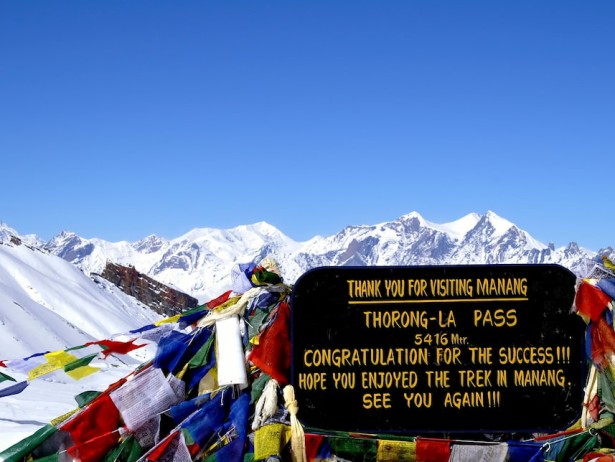
Most villages along the Manaslu Circuit are using solar energy to generate electricity. Due to the remoteness of the area, there is a very limited or no connection at all to the national grid. Solar energy is used for lighting and provides limited charging facilities in the teahouses. The availability of power depends on the weather and, in particular, on the sunlight. This makes the use of energy very restricted and emphasizes the necessity of carrying power banks during the trek.
Charging your electronic devices, such as mobile phones and cameras, at teahouses is normally an extra charge. Prices go up with the increase in altitude because of the limited power supply. Charging might only be possible in the common area and not in the room. To avoid inconvenience, additional expenses, and the extra charge, trekkers should reduce the use of their devices and bring spare batteries or a solar charger.
The internet on the Manaslu Circuit is very limited and changes from time to time. Only some lower villages have a Wi-Fi connection, and it is usually slow or not stable. At higher altitudes, there is no or very rare connectivity. This limited access to the internet discloses the fact that trekkers are supposed to turn off their devices and concentrate on the trekking experience. It is better not to count on Wi-Fi for communication.
Mobile phone network is present mainly in the lower villages like Machha Khola and Jagat. The higher the altitude, the weaker the network signal until it completely disappears. Even where there is coverage, the data speed is very slow. Trekkers should notify their families beforehand and consider the fact that connectivity is limited when planning for logistics or emergency communications.
There are no ATM facilities along the Manaslu Circuit Trek route. Once you leave Kathmandu, it will be impossible to get cash from the ATM. Trekkers must have enough Nepali currency to cover their food, accommodation, and extra expenses. Proper budgeting is very important as prices increase with altitude, and emergency needs may arise.
Due to the lack of banks and ATMs, all the cash needed must be arranged in Kathmandu before the trek. Trail payments are cash-only. It is a good idea to carry extra money for unexpected situations such as weather delays, medical needs, or emergency evacuation. Also, the safe storage of money is very important.
One of the major risks that altitude sickness poses to a trek on the Manaslu Circuit is due to the rapid elevation gain and the high maximum altitude. Symptoms include a headache, nausea, dizziness, and fatigue. It can be very risky if early signs are ignored. Proper acclimatization, hydration, slow ascent, and awareness are the main factors for reducing the risks of altitude sickness.
The body is helped to get used to the decreasing oxygen levels during the acclimatization days that are included in the standard itineraries. The days off usually include short hikes to a higher elevation and then going down to a lower sleeping altitude. Omitting acclimatization may lead to altitude sickness, which in the worst-case scenario could result in trek abandonment. One should always put safety first, not speed.
Samagaon is the most important acclimatization village on the Manaslu Circuit. Located at around 3,530 meters, it provides an ideal place for rest and altitude adjustment. Trekkers often spend an extra night here and take side hikes to nearby viewpoints or Manaslu Base Camp to improve acclimatization.
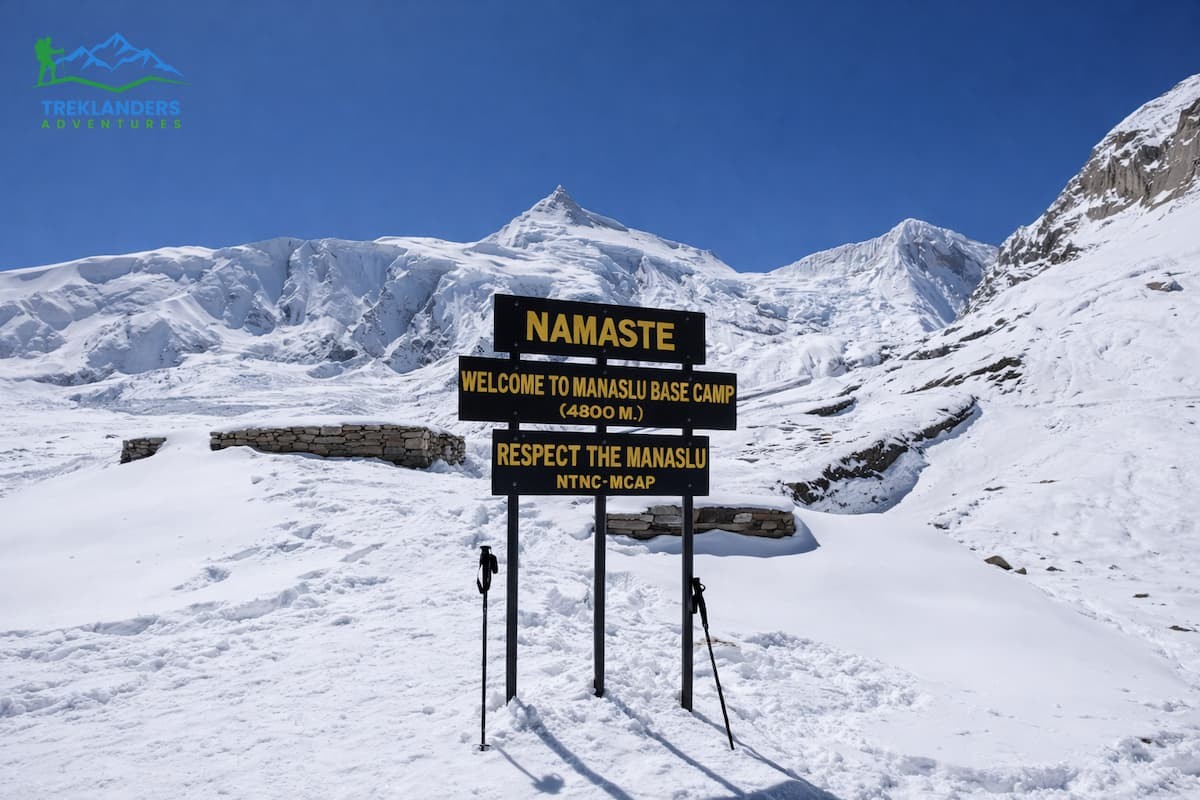
A popular acclimatization hike from Samagaon is the side trip to Manaslu Base Camp. This hike offers stunning glacier and mountain views while helping the body adjust to altitude. The trail is physically demanding but rewarding. Including this side trip enhances both safety and the overall trekking experience.
Spring is generally considered the ideal time for the Manaslu Circuit Trek because the weather remains quite stable and temperatures are neither too hot nor too cold. Snow does not cover the tracks, and rhododendron forests at the lower levels are teeming with flowers. Days are pleasantly warm with excellent visibility, while nights, although cold, are not too harsh. In spring, there are also fewer people than in autumn, which means more connection with the wild.
Autumn is the season with the clearest views and most stable weather. Right after the monsoon, the air is clear, and visibility is great. Hence, most trekkers decide to come in this period since they can rely on good weather and have dry trails at their disposal. However, the cost of permits and accommodation is increased, and the most popular teahouses might get overcrowded during the peak months.
In winter, you can do the Manaslu Circuit Trek only if you are a very experienced mountain trekker, since the extreme cold and the possibility of heavy snowfall can be the main problems. Temperatures can drop significantly below the freezing point, especially when you are at higher elevations. The snow may cause Larkya La Pass to be closed. There will be very few teahouses available, and hence it will be more difficult for you to find a place to stay. So you should bring all the necessary winter clothes with you and be mentally prepared to change your plans at any time.
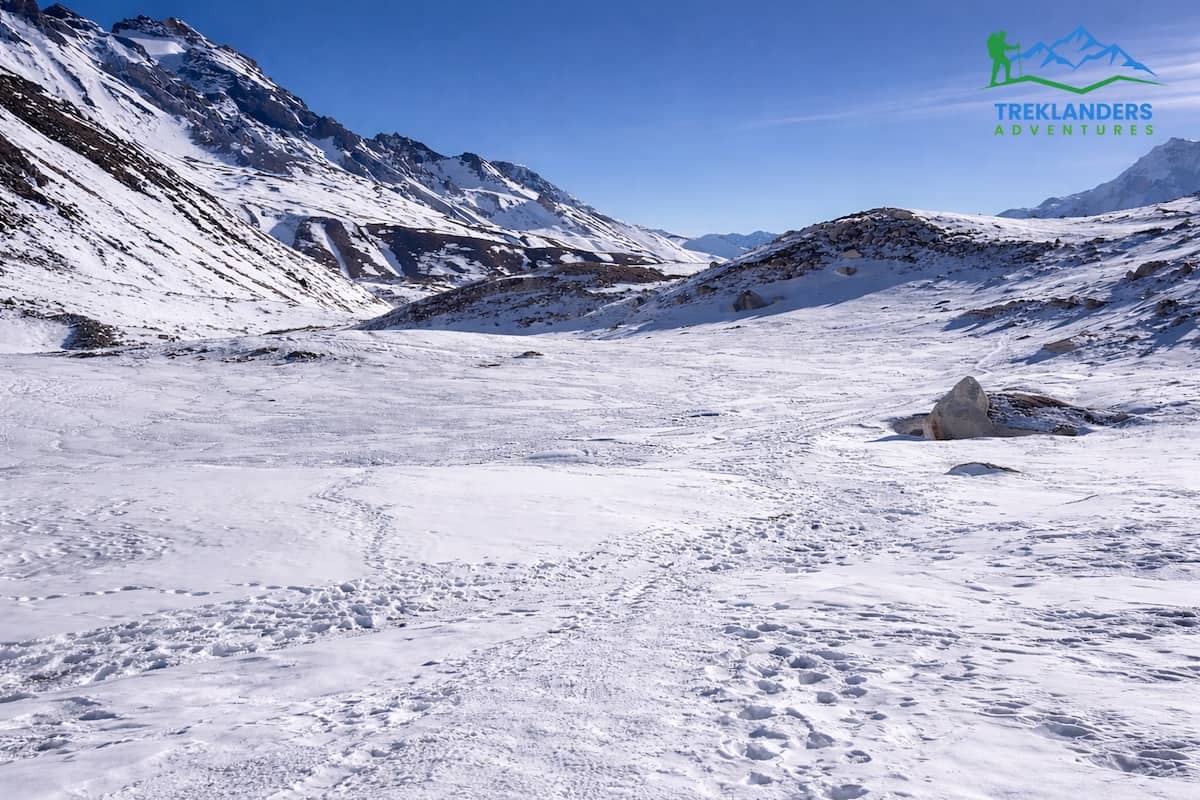
Larkya La Pass is quite a challenging spot when it comes to the weather, and so, after heavy snowfall, it can be next to impossible to get through, especially in winter and spring. In addition, there can be strong winds and ice, which will only make it more dangerous. If the pass is closed, you may have to change your plans or even finish your trek earlier than planned. It is therefore very important to keep track of the weather forecast and, if possible, have some extra days for your trek for any such contingency.
During the monsoon season (JuneAugust), incessant rain causes landslides, the trails turn slippery, and rivers overflow. Leeches flourish in the thickets of the lower wooded areas. Mountain views are often obscured by clouds. Although the land is refreshed and gets a beautiful green covering, the trek gets uncomfortable, and the risk escalates. Trekking during the monsoon is mostly discouraged.
Amazingly, one of the spring trekking pleasures is the flowering of rhododendron trees. The slopes are covered with the colors red, pink, and white, lending great beauty to the trek. Such groves are mostly found in the lower and middle-altitude zones. The mix of blossoms, bright, clear sky, and cool temperature is very attractive in spring for nature enthusiasts.
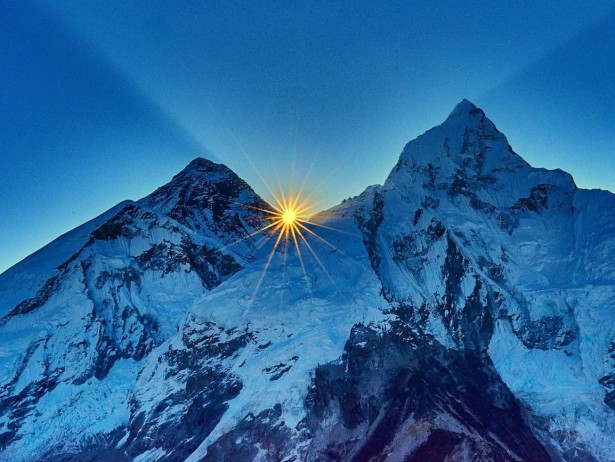
Autumn has always been popular for its extremely clear mountain views because the atmosphere is very stable shortly after the monsoon.
Decorated peaks of mountains stand out as amazingly beautiful against the deep blue sky. The mornings and evenings are really spectacular. Thanks to this clearness, the fall season is wonderful for photography as well as for the beginners at high-altitude trekking who want safe and stable weather.
Typically, during the day in spring and autumn, the temperatures at the middle altitudes are between 10 and 20 °C. These are nice temperatures that allow one to walk for extended periods. Yet, the temperature falls sharply both at the highest altitudes and at night. It is necessary to wear several layers of clothing so as to be adaptable throughout the day as weather conditions fluctuate.
At higher elevations, night temperatures often fall below freezing, even in peak trekking seasons. Cold nights are common in villages near Larkya La Pass. Proper sleeping bags and insulated clothing are necessary for warmth and comfort. Inadequate preparation for cold nights can affect sleep quality and overall trekking performance.
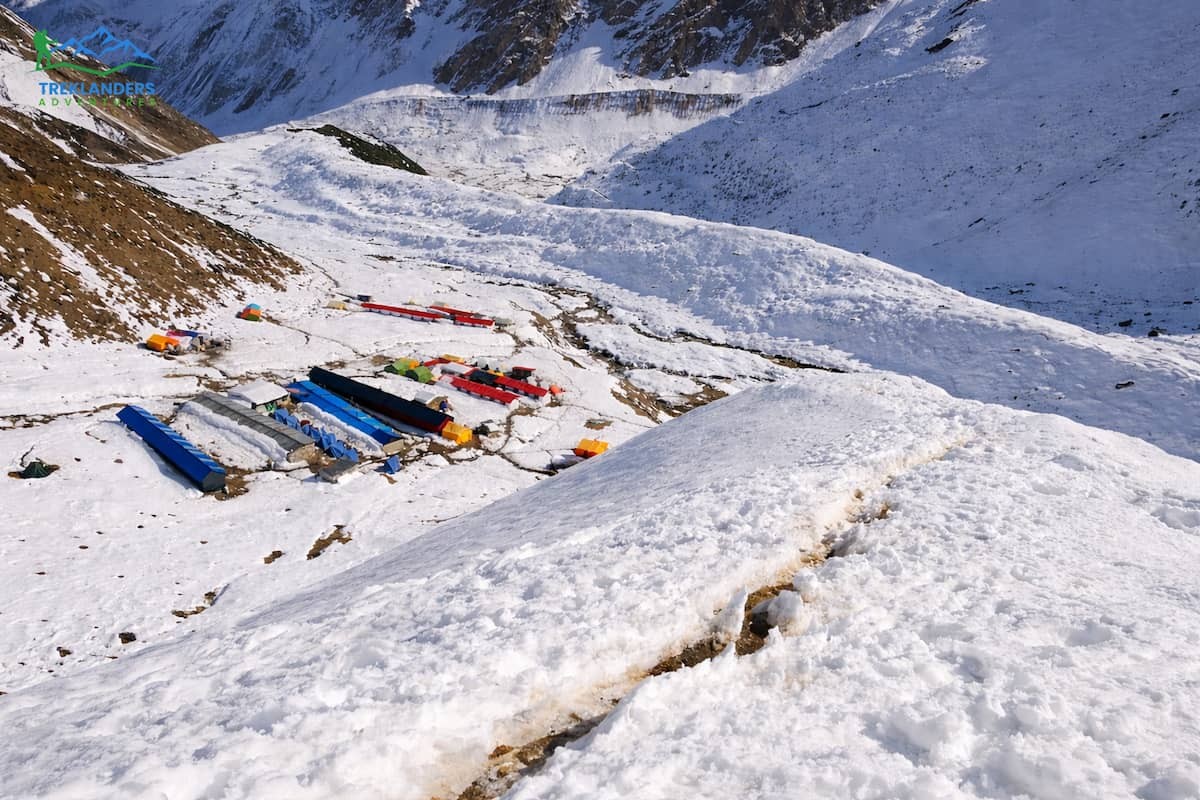
Snowfall becomes increasingly common above 4,000 meters, especially during the shoulder and winter seasons. Snow-covered trails can slow progress and increase difficulty. Trekking poles, micro spikes, and proper footwear improve safety. Snow adds to the scenic beauty but requires cautious movement and flexible planning.
The Manaslu Circuit Trek in its first segment traces the Budhi Gandaki River quite closely. Along the river, the route travels through beautiful deep gorges, waterfalls, and narrow valleys that the river has carved over time. This stretch experiences lots of dramatic natural beauty and numerous suspension bridges. The ever-present flowing water of the river not only enhances the beauty of the trek but also facilitates guiding the trekkers smoothly to the higher elevations.
Trekking the Manaslu Circuit means crossing many suspension bridges, some of which are very long and quite high above the rivers whose waters can be heard roaring from below. These bridges are the only link between the isolated villages, and therefore, they are what make trekking through the steep terrain possible. Even though they are safe, they can be quite scary to first-time trekkers. The crossing of such bridges is one of the most exciting parts of the whole adventure, and this experience is complemented by the nice and unforgettable views of the valleys and the rivers that the bridges overlook.
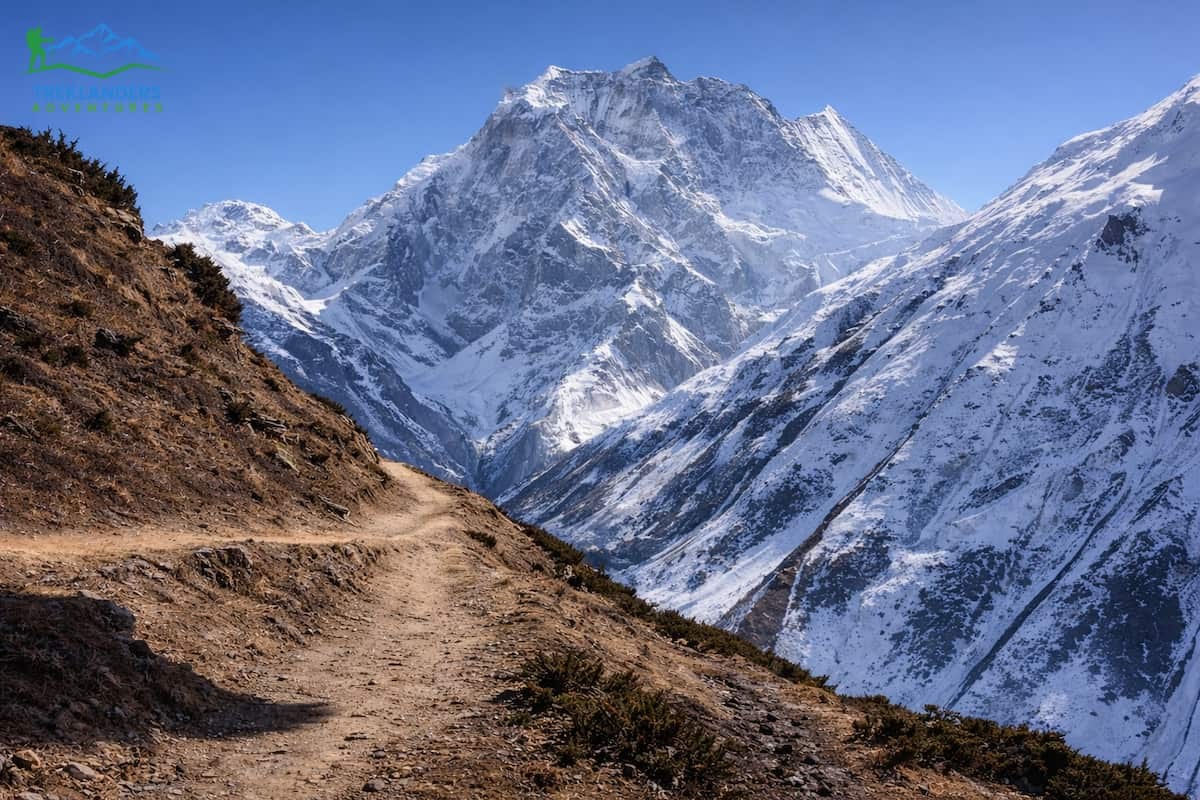
On the Manaslu Circuit trek, one gets to feast the eyes with the amazing sights of the world's biggest mountain peaks that include Manaslu, Him lung Himal, and Cheo Himal, among others. The trail passes around the region; thus, these mountains come into sight from different locations. The array of vantage points serves as a source of visual pleasure all the time, and this is one of the reasons that the Manaslu Circuit is held to be one of the most picturesque trekking routes in Nepal.
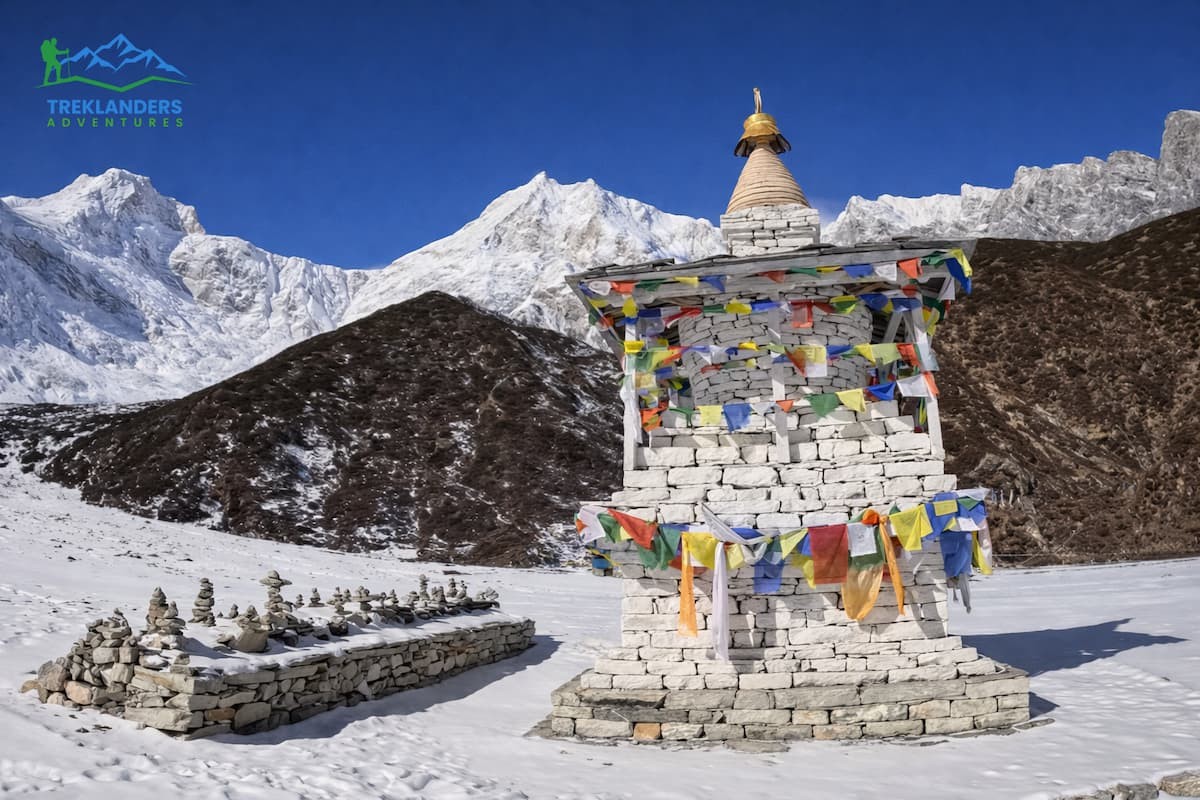
As one goes higher and higher, the traces of Tibetan Buddhist culture become clearer and clearer. The localities have monasteries, chortens, mani walls, and prayer flags as their main attractions. The inhabitants follow traditions found to be of Tibetan origin and which have been there for centuries. The cultural change, in this case, is so natural that it does not even look like one at all, and hence, it offers the trekkers both the cultural and the physical journey through the Himalayas.
Mani walls are basically stone structures with Buddhist mantras inscribed on them. They are accompanied by prayer flags that are of different colors. Along a trail leading to higher villages, these two can be found quite frequently. When walking along the mani walls, it is courteous to give the left side of the mani wall to the trekkers who are passing. Such spiritual stuff not only creates a serene ambiance but also shows local communities' deep religious faith all over the Manaslu region.
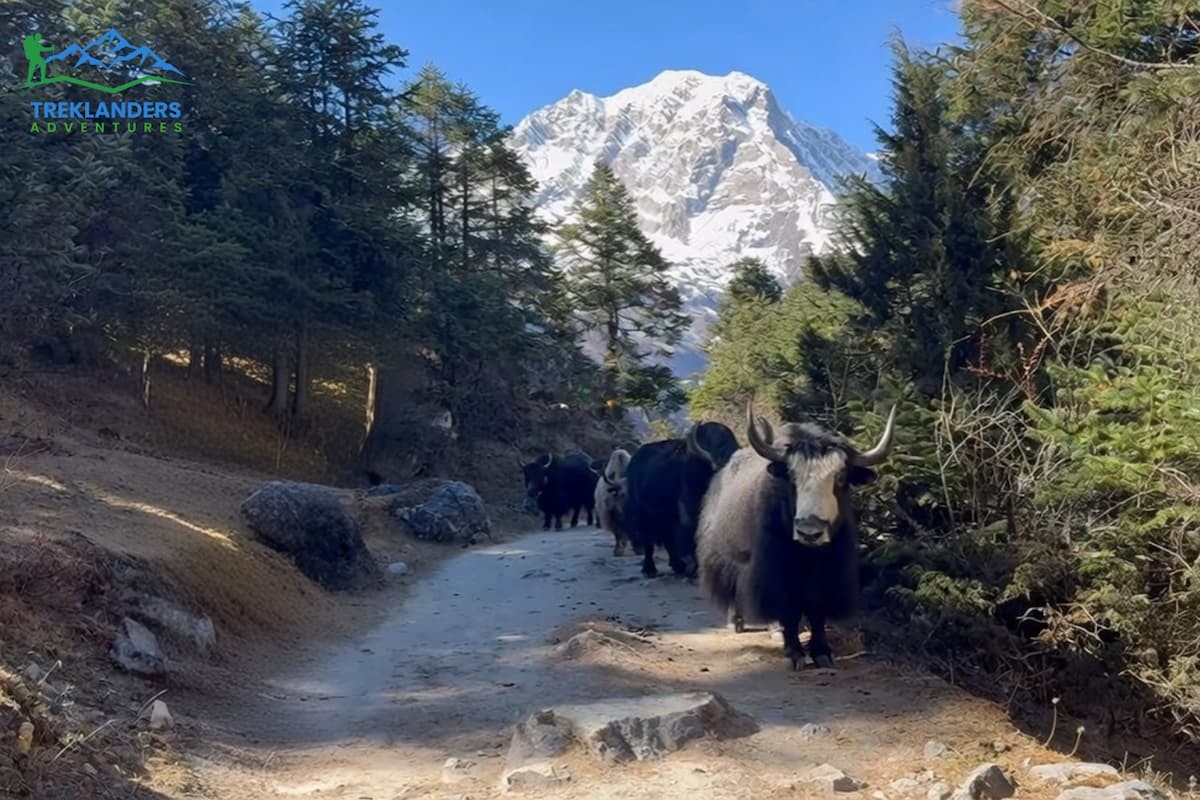
Once you get above the tree line, the thick forest disappears, and you will see an open alpine landscape along with pastures for yaks. Yaks are really important for the locals as they get a lot of their necessities, like transport, dairy products, and wool, from yaks. Watching the yaks as they graze in front of the snow-covered peaks is one of the main characteristics of the Manaslu Circuit. It also underlines the traditional Tibetan high-altitude life.
With the ascent of the mountain, the variety of food decreases because of the difficulty in transportation and limited food supplies. Menus become quite simple by focusing on staple meals only. Imported things are costly and rare. Therefore, trekkers should lower their expectations and eat whatever locals have to offer. At the same time, light carbohydrate meals keep the body's energy going at a high level.
Dal bhat, the staple food of Nepalis consisting of rice, lentil soup, and vegetables, serves as the best dependable meal throughout the Manaslu Trek route. It is a healthy combination that fills you up, and what is most interesting is that you can usually ask for another serving at no cost. Dal bhat is a sustaining type of energy, and since in most teahouses it is freshly cooked, it becomes perfect for a long trekking day.
In the higher villages above Samagaon, locals generally discourage eating meat because there is no refrigeration, and the meat takes a long time to be transported. Meat might be brought from the lower elevations, which means the risk of meat spoiling is higher. To be safe, lots of hikers opt for vegetarian meals. It is also a way of practicing the local Buddhist culture, which is based on non-violence and hence vegetarianism.
The water from taps or streams along the Manaslu Circuit is unsafe for consumption unless it is treated. Trekkers have to use tablets, filters, or boiling to make water safe. Water in bottles is not only costly but also causes a lot of pollution. At high altitude, it is very important to stay properly hydrated, and at the same time, water purification should be a continuous daily habit throughout the trek.
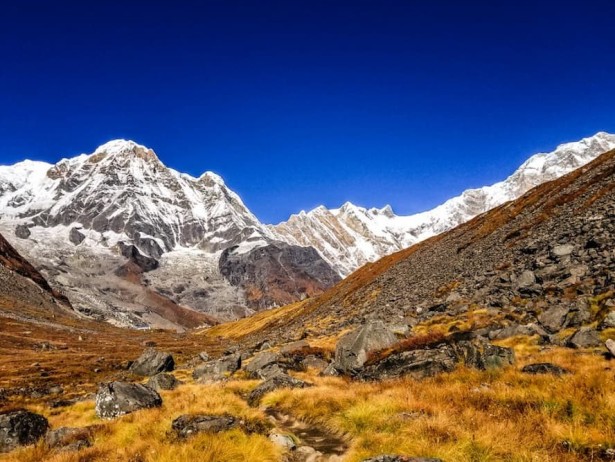
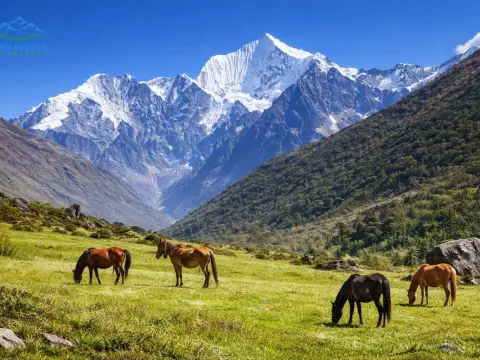
Explore the flora, fauna, and biodiversity of the Langtang Valley Trek in Nepal, from rhododendron forests to rare Himalayan wildlife.

Langtang Valley blends Tamang culture, Tibetan Buddhism, and ancient Himalayan heritage beyond trekking.

Manaslu Circuit Trek in February is a challenging winter adventure with snowy trails, fewer crowds, and stunning Himalayan views.



