
Langtang Valley Trek in February: Complete Winter Guide, Costs, Weather & Safety Tips
27 Jan 2026
Experience the Langtang Valley Trek in February with quiet trails, winter scenery, plus weather, Itinerary, packing list, and safety tips.

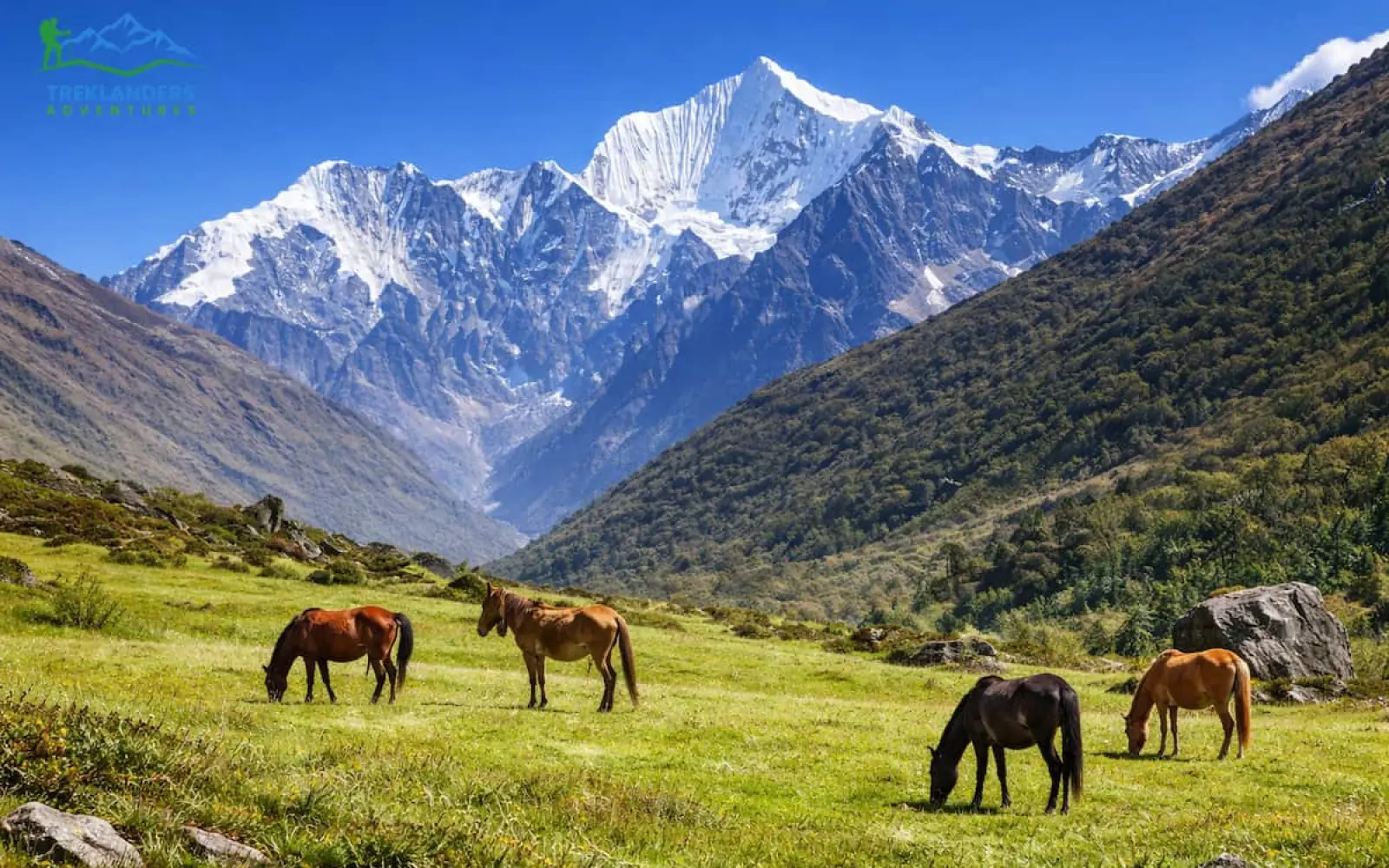
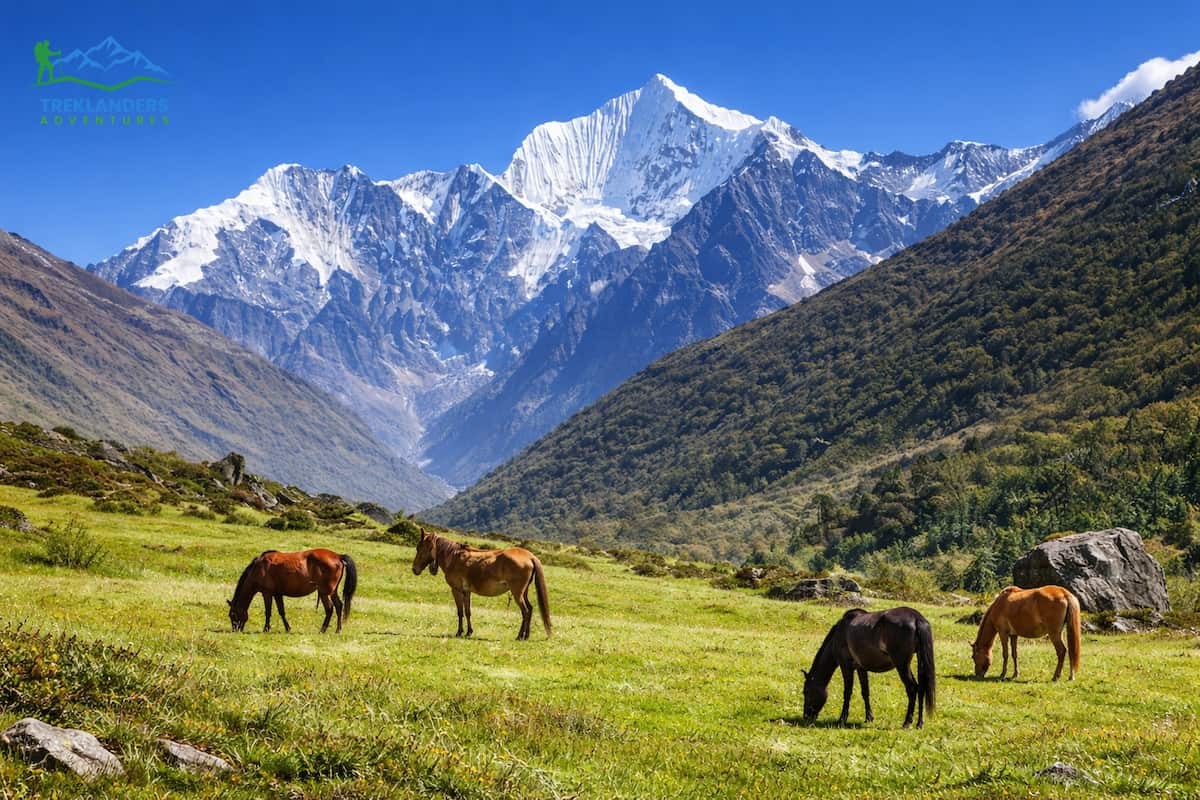
The Langtang Valley Trek is undoubtedly one of the best adventures for nature lovers in Nepal. It gives the traveler a chance to experience the magnificent & diverse landscapes, blending rich biodiversity with the unspoiled Himalayan wilderness. Langtang Valley is situated just north of Kathmandu and shares its border with Tibet. The valley is also a part of the Langtang National Park, which was the first Himalayan national park in Nepal. Although the valley is close to the capital, it has retained its quietness, which is a great advantage for those who want to go trekking in a beautiful place without many people around.
On the rising trail along the valley, trekkers are fortunate to stay in the company of the thick forests, which are subtropical at the base of the valley and temperate at the higher parts. These forests have the dominance of oak, pine, maple, fir, and the bright rhododendron, which is the flower of the nation in Nepal. The flowering trees and shrubs in these forests signal the arrival of spring by their various colors, and thus the passage for trekking becomes a walking botanical garden. Going up, one witnesses the alpine meadows, rocks entirely covered with moss, and shrubs which are very tough and thus capable of surviving even the harsh mountain climate as it is. The valley's plant life is diverse and can be seen through the different altitudes.

The Langtang Valley Trek is famous not just for the stunning landscape but also for the diversity of its wildlife. The national park covers the habitat of some endangered species like the red panda, Himalayan black bear, snow leopard, and musk deer, the latter being extremely rare, and any sighting is a prized moment. Most often, one can see langur monkeys, Himalayan tahrs, yaks, and a plethora of bird species, such as Himalayan monals, eagles, and vultures. This diverse wildlife is a mirror of the ecological value of the area and its well-maintained natural surroundings.
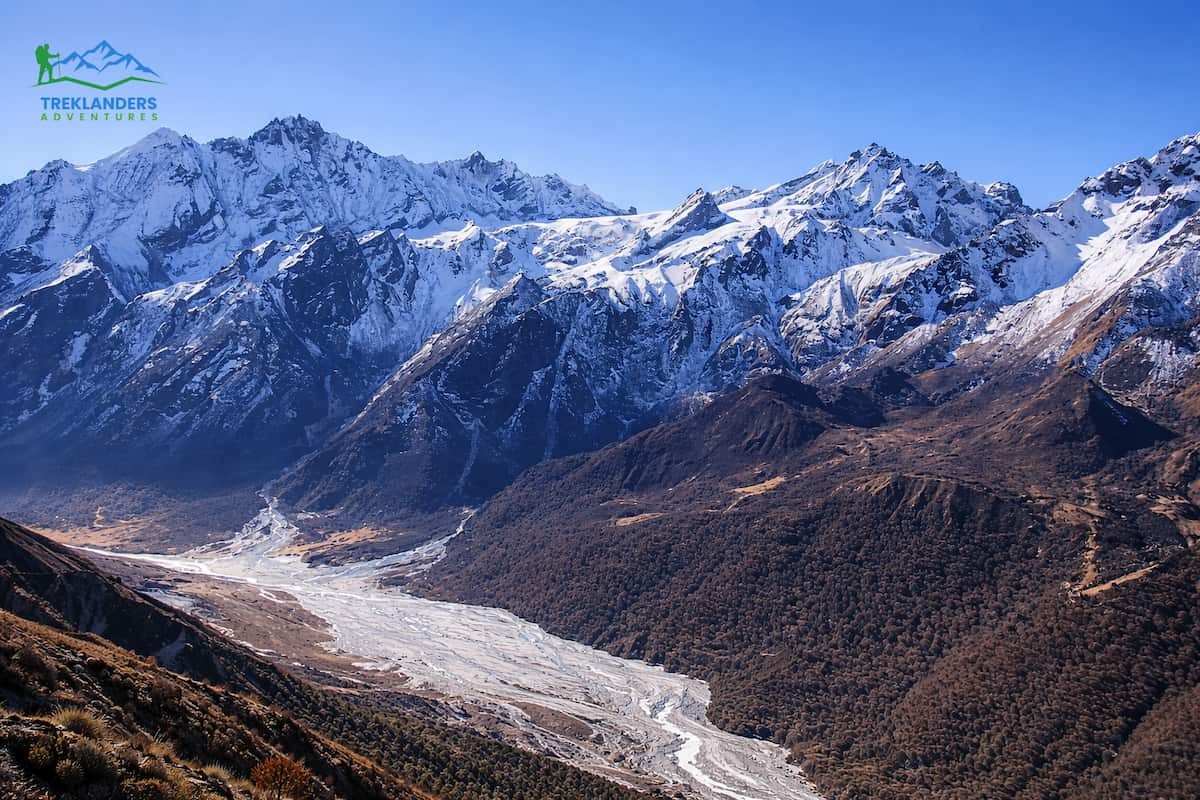
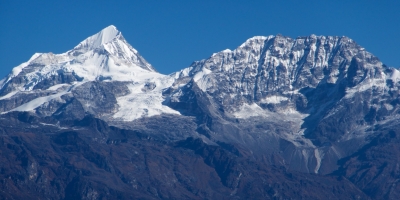
Along the skyline are the majestic snow-covered peaks of Langtang Lirung, Dorje Lakpa, and Gang Chhenpo that will keep impressing you throughout your trek. The natural beauty of the valley is further increased by the glacial rivers, waterfalls, and scenic mountain viewpoints. You will have a different stunning view every day because you move from valleys full of different vegetation to rugged mountain terrain.
Besides the visual enjoyment, the Langtang Valley Trek is a perfect getaway into the world of nature, where trekkers can witness the Himalayan ecosystem in its most intact state. The near-native conditions of the plants, animals, and nature, in general, at this trek make it a real discovery of Nepal's natural treasures and an unforgettable adventure for anyone who loves mountains.
| Category | Species Count | Examples Found in Langtang Valley |
|---|---|---|
| Plants | 1,000+ species | Rhododendrons, oak, pine, fir, bamboo, alpine herbs |
| Mammals | 46+ species | Red panda, snow leopard, Himalayan black bear, musk deer, langur, Himalayan tahr |
| Birds | 250+ species | Himalayan monal (Impeyan pheasant), blood pheasant, snow pigeon, Himalayan griffon |
| Reptiles | 10+ species | Himalayan pit viper, skinks, mountain lizards |
| Amphibians | 8+ species | Frogs, Himalayan toads near streams |
| Butterflies | 70+ species | Swallowtails, cabbage whites, alpine butterflies |
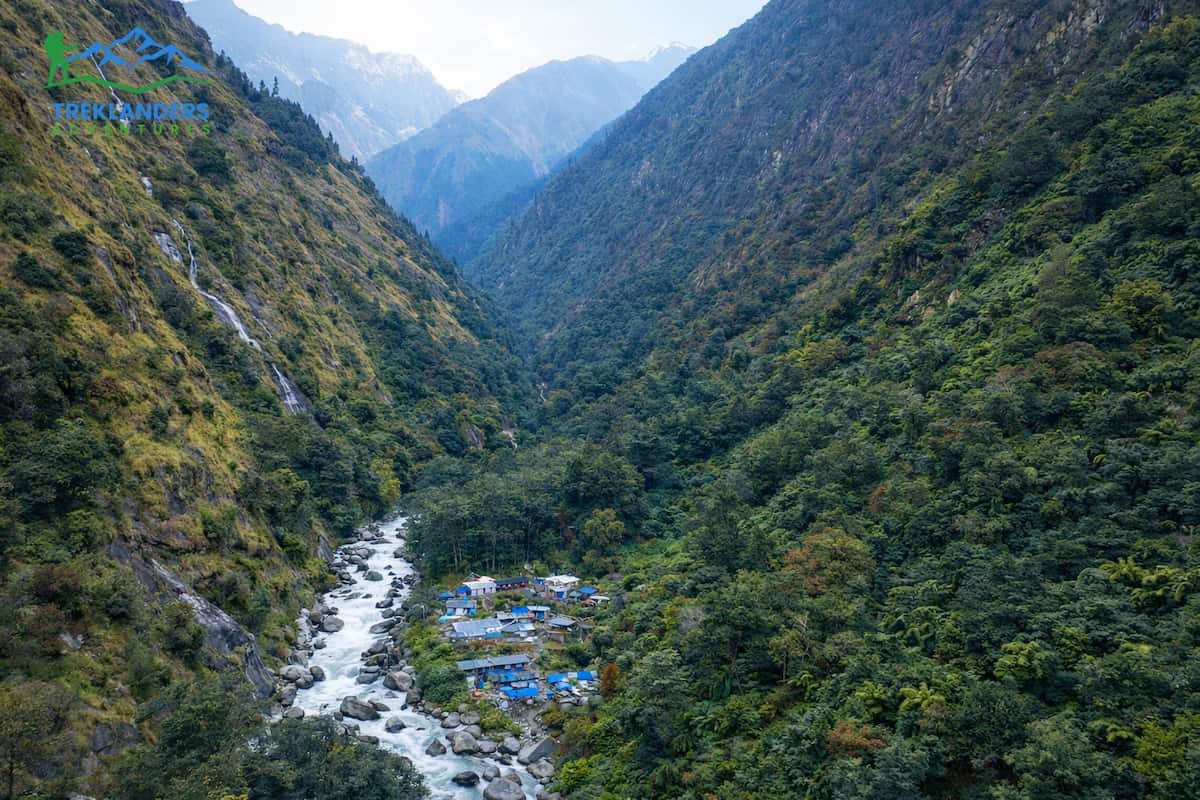
The Langtang Valley shows a distinct and clear zonation of vegetation with altitude, providing a perfect example of Himalayan ecological diversity through the trek. Up the hill, changing conditions of temperature, rainfall, and soil set the stage for different plant communities, each of which is specialized and fitted to its particular environment.
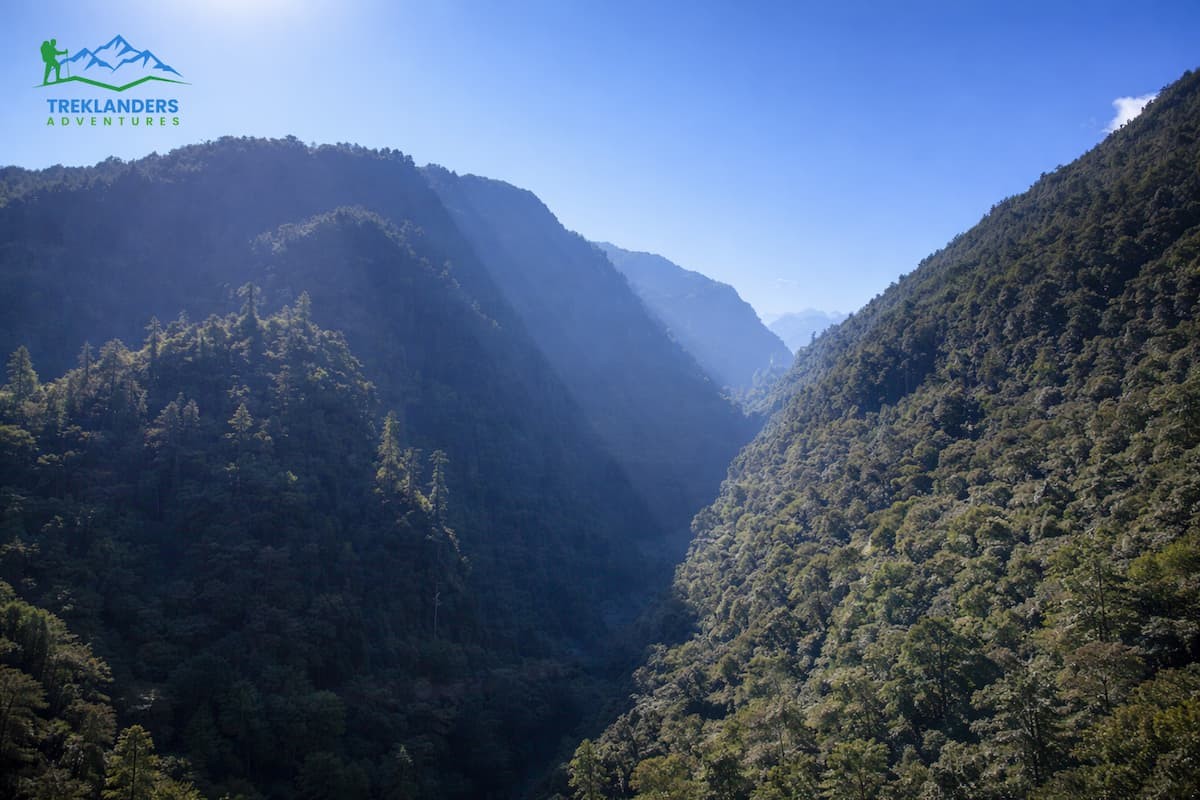
From 1,000 to 2,000 meters, the lower part of the valley is covered by subtropical vegetation. Mixed forests of sal (Shorea robusta), schima, and Castanopsis take the lead in this zone, and among them, bamboo thickets and ferns are found. The warm temperature and fairly high moisture allow a dense and rich undergrowth, which becomes home for insects as well as birds and small mammals.
At 2,000-3,000 meters, the area is mostly covered by temperate forests. This part of the Langtang Valley trek is a feast for your eyes. Big trees like oak, maple, hemlock, fir, and pine line the valley, while there are splendid rhododendron forests, especially in spring. The cool, damp environment is perfect for mosses, lichens and wildflowers; they beautify the forest ground and help keep the soil together.
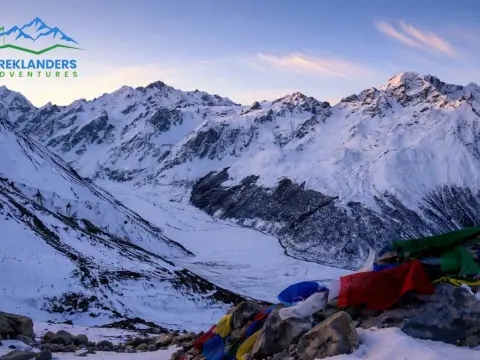
As the route goes up to 3,000-4,000 meters, the vegetation changes to the subalpine zone. Because of lower temperatures and stronger winds, tree cover becomes scarce. Juniper, birch and dwarf rhododendron take the place of taller trees, while alpine shrubs and tough grasses form a carpet on the exposed slopes. This area is used for yak grazing and is also a good habitat for species like Himalayan tahr and musk deer.
At more than 4,000 meters, the alpine zone covers most of the area. Severe weather conditions allow only a few types of plants to grow, such as low-lying grasses, sedges, mosses and wildflowers that only appear in summer. These plants are able to withstand short growing seasons, freezing temperatures and high solar radiation. In the summer, alpine meadows produce flowers that, for a short time, color the landscape.
Past 5,000 meters, there is almost no plant life, marking the nival zone of permanent snow and ice. In general, the altitudinal vegetation zones of Langtang Valley reflect the valley's extraordinary range of ecosystems and are essential in sustaining the diverse fauna and the natural equilibrium.
The Langtang Valley Trek is famed for the stunning rhododendron forests and an array of flowering plants that bloom through the seasons, thus bringing remarkable colour and ecological wealth to the Himalayan scenery. Rhododendron, which is the national flower of Nepal, stands out as one of the most conspicuous plant species scattered along the trekking paths, particularly in the temperate and subalpine zones of Langtang National Park.
Rhododendron forests occur predominantly at altitudes ranging from 2,500 to 3,500 meters, where the combination of cool temperature and moisture provides the perfect environment for their growth. This area is home to various species such as Rhododendron arboreum, Rhododendron campanulate, as well as some dwarf alpine species. These trees come into full bloom during the spring season (March to May), displaying a plethora of colours, including red, pink, white, and purple, that effectively turn the trekking routes into natural, colourful pathways. Apart from spectacularly adding to the scenery, the thick canopy also serves as a habitat and source of nourishment for birds, insects, and small mammals.
Equally, rhododendrons, the Langtang Valley is home to a variety of seasonal flowering plants that fluctuate according to altitude and season. At lower elevations, trekkers might spot wild orchids, primulas, and anemones, while the mid-altitude meadows are graced by blue poppies, edelweiss, and potentilla in late spring and early summer. By attracting the wild bees, butterflies, and birds, the ecosystem gains a great deal of its health from them.
In the rain and early summer, alpine meadows at an elevation of more than 3,500 meters are decorated with very pretty but short-lived flowers. Gentians, saxifrages, and Himalayan asters that grow wild in the season, flower fast before cold comes again. It is amazing how they manage to survive under such difficult conditions.
In addition to the beauty of rhododendron forests and seasonal flowers, they are also valuable to local people in different and traditional ways. A number of the flowering plants are used for medicinal purposes, while the others are being conserved due to their environmental benefits. These flowering plants make the Langtang Valley Trek even more fascinating by giving trekkers a great visual treat and a better understanding of Himalayan flora.
The Langtang Valley Trek is renowned not only for the spectacular Himalayan landscapes it offers but also for the abundance of medicinal and aromatic plants along the way. Since the route winds through the Langtang National Park, trekkers have the chance to see a vast array of plants that locals, Tibetans, and Ayurvedic practitioners have been using for centuries as medicines. This treasure trove of nature makes the trek a dream come true for those who love plants and for scholars of ethnobotany.
Low and middle-elevation belts (1,800-3,000 meters) are filled with oak, pine, and rhododendron trees, providing cover to several medicinal plants, of which chiraito (Swertia chirayita) is the most prominent one, being a natural medicine to lower fever and cure digestive problems. Similarly, bojho (Acorus calamus) is a plant that is often used to alleviate respiratory and throat issues. Timur (Zanthoxylum armatum), a fragrant plant of great renown, can also be encountered along the trekking route, and it is abundantly used both in cooking and as an herbal medicine for alleviating toothache and stomach disorders.
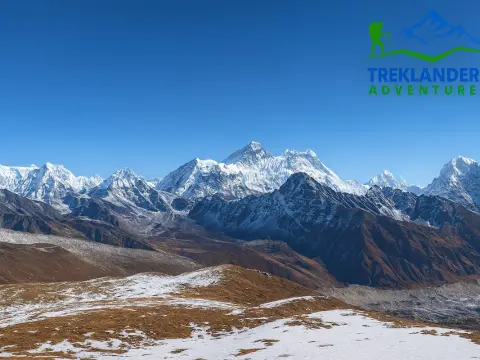
Going higher, subalpine and alpine zones (3,000-4,500 meters) are places where you can find very precious medicinal plants. Jatamansi (Nardostachys Jatamansi) has a lovely, relaxing scent and is used for calming and the treatment of diseases related to the nerves, and it can be found growing on the rocks of alpine areas. Kutki (Neopicrorhiza scrophulariiflora) is yet another important plant native to this part of the world, which for centuries has been used as an effective treatment for liver ailments and in bolstering the immune system. Because of the unique environmental conditions, these alpine plants grow very slowly, and they are extremely vulnerable to being over collected.
Among other things, Langtang Valley is well-known for its aromatic plants such as wild mint, juniper, and Himalayan thyme. Locals use juniper branches and berries for making incense and conducting purification rituals. These plants give off a natural fragrance which is particularly noticeable and enjoyable when you are trekking in the dry alpine air.
Flowers and herbs are not only crucial for the local culture but also for the economy of the region. Yet, within Langtang National Park, conservation measures are put in place to limit the impact of human activities on these species through regulated harvesting and community education initiatives. For trekkers, seeing these plants growing naturally allows them to comprehend more about the ecological and cultural beauty of the valley, and thus, Lantang's image as a herbal paradise of the Himalayas gets a further boost.
Langtang National Park is an area where one can experience a large number of mammals. Therefore, the park is among the wildlife areas of Nepal that are of great significance. The park, which is set in the central Himalayas, comprises a wide range of altitudes; thus, the different ecosystems vary from the subtropical forests to the highest alpine zones. Such a diverse climate and habitat mix allows many mammal species to flourish along the trekking routes through the Langtang Valley.
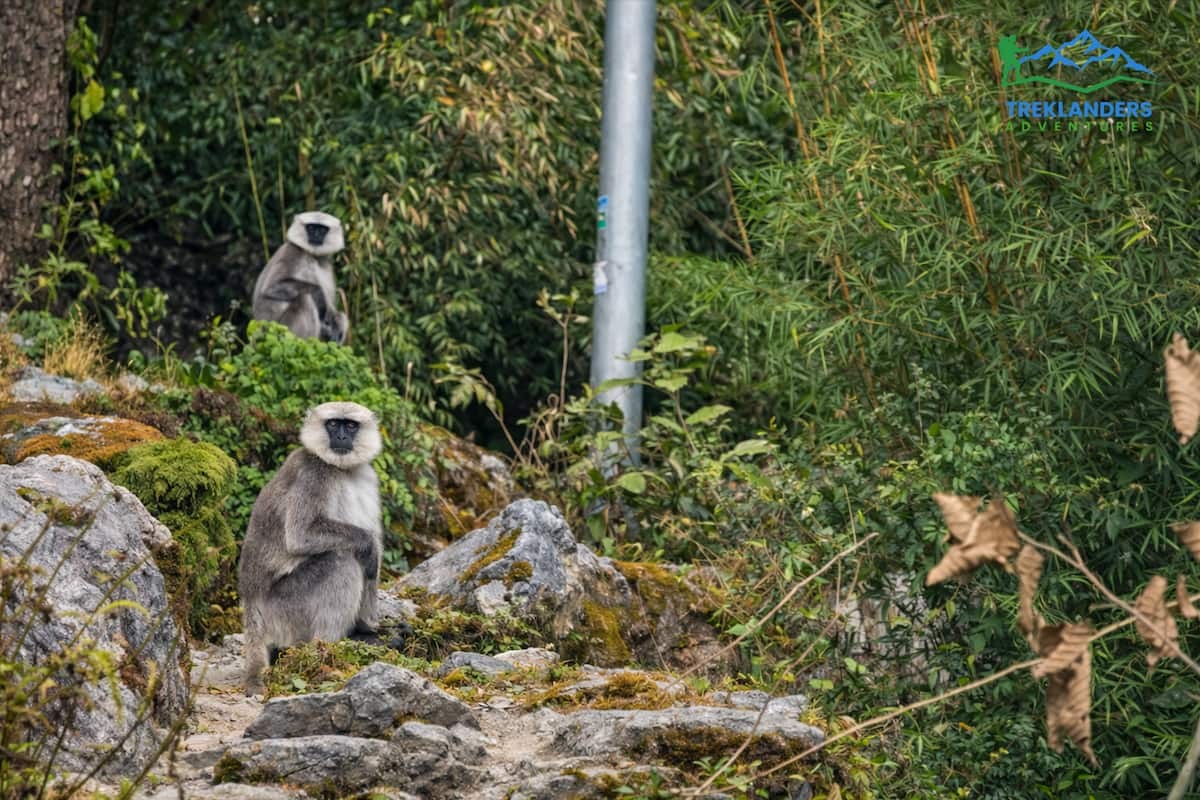
The Himalayan langur is probably one of the mammals that one is most likely to see along the trekking routes. These monkeys are known to form groups and are most often spotted in the wooded areas, especially in the oak and rhododendron forests. They live on a diet of leaves, fruits, and seeds and, thus, have the necessary physiological adaptations to survive the cold and harsh mountain climates. Besides, another animal that one can easily come across is the Himalayan tahr, which is a species of wild goat that occupies the rocky slopes and alpine grasslands. Thanks to their excellent climbing skills, they are generally spotted foraging in very small groups high up in the mountains.
The musk deer is yet another very vital mammal species living in Langtang National Park. This animal is quite retiring and thus really hardly seen, yet it prefers to live in the thick woods and the alpine scrub areas. Musk deer got their name from the musk gland that is located in the males and has been used in traditional medicine. Due to the fact that they were intensively hunted, today they are under the protective umbrella of conservation laws.
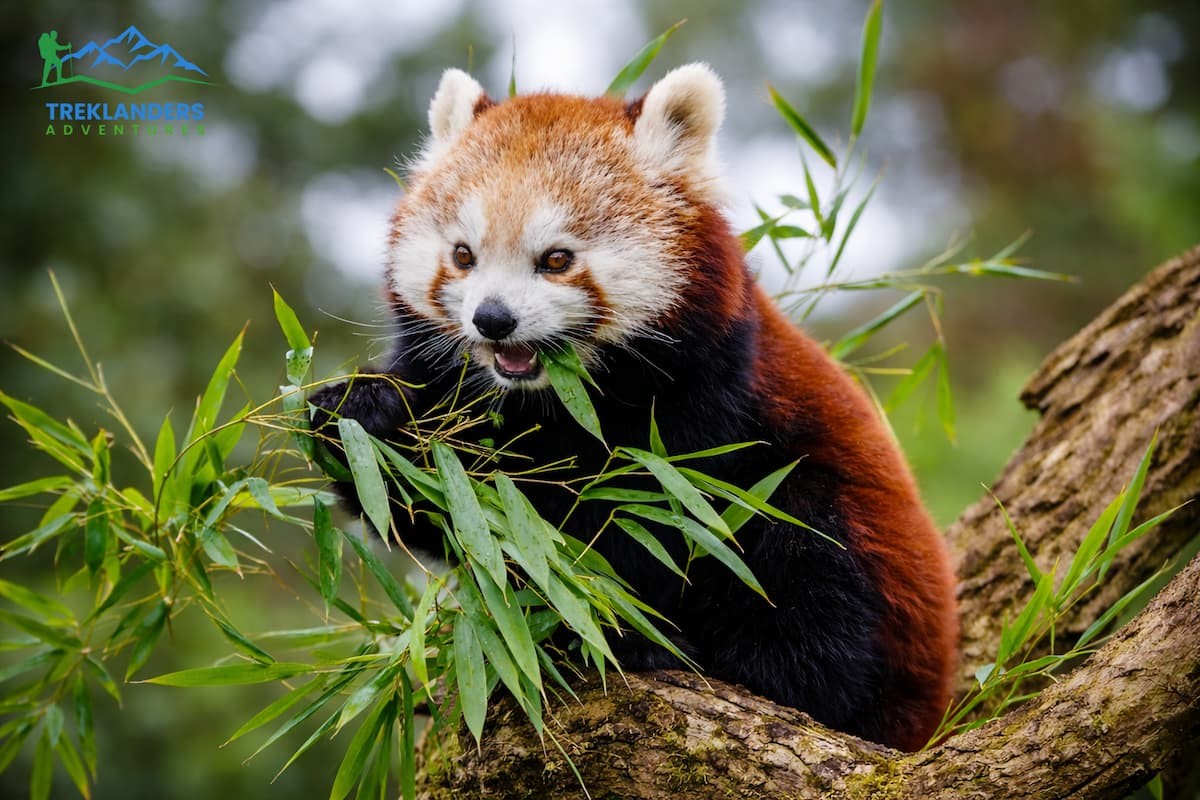
Langtang National Park is also well-known for housing some of the rare and endangered species, such as the red panda and the snow leopard. Red pandas dwell in bamboo forests, and they are mostly active early morning and evening. Snow leopards live in the high, rugged mountains above the tree line. Their sightings are very rare, but it is generally thought that their presence is an indicator of a healthy mountain ecosystem.
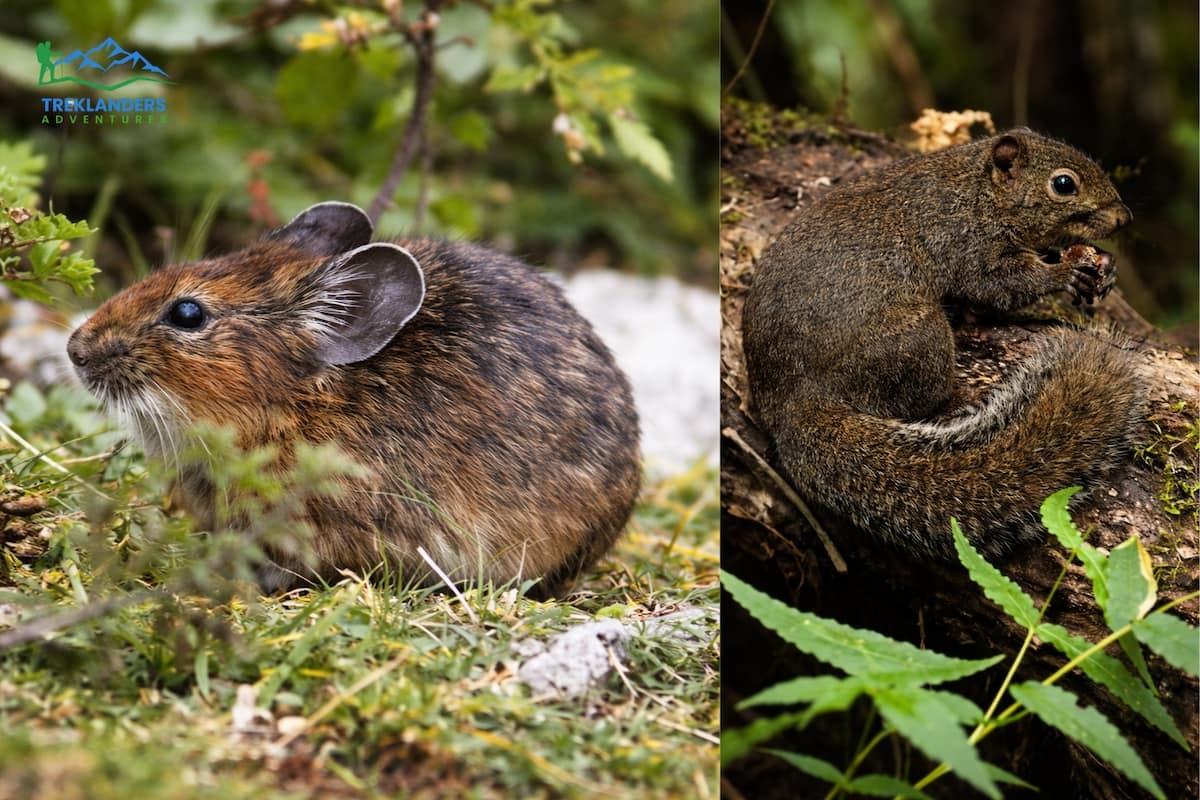
Other mammals that can be seen in the park are Himalayan black bears, wild boars, yellow-throated martens, and pikas. These creatures significantly contribute to the ecological balance by helping in the proper control of vegetation and prey populations. In short, the mammals of Langtang National Park enrich the trekking experience with a great ecological value. Watching animals in the wild can be a deeply moving experience for trekkers and can also convey the conservation message of the area and the rich biodiversity very effectively.
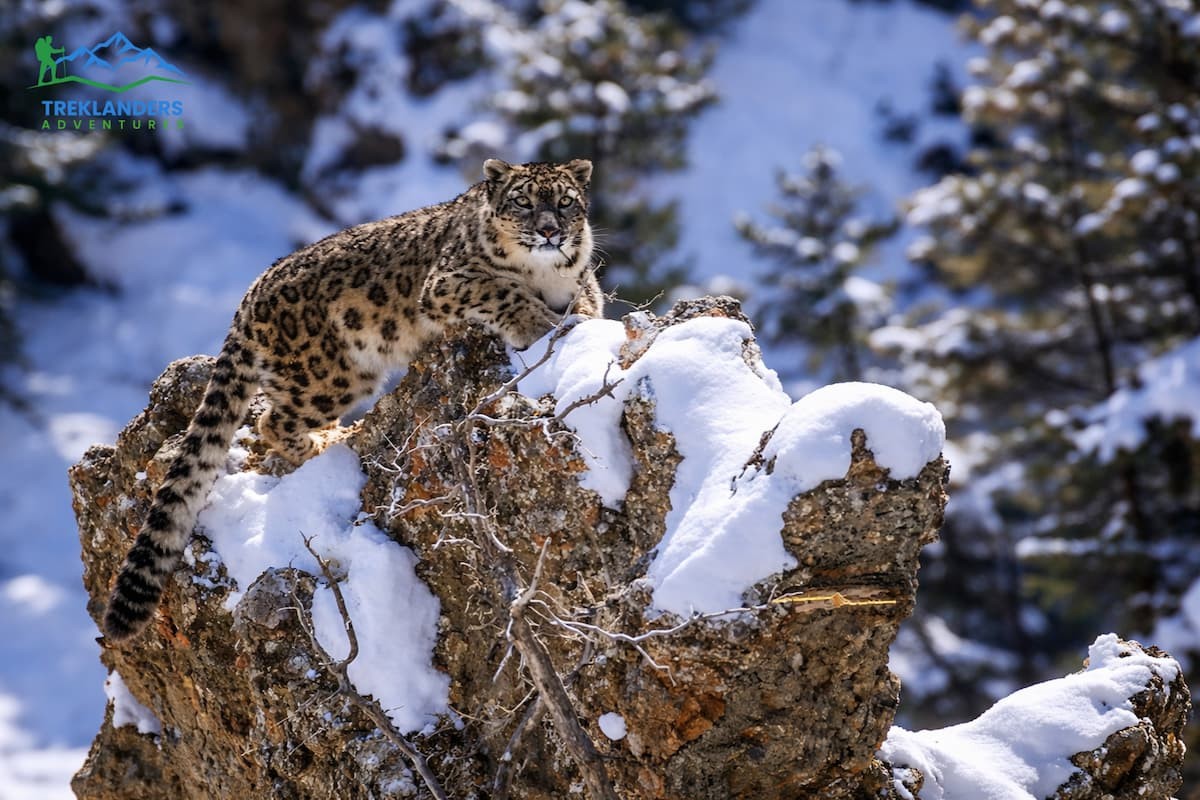
Langtang National Park is undoubtedly one of the most significant protected areas in Nepal for the conservation of rare and endangered species of wildlife. The park's vertical span of various altitudes, ranging from forested valleys to towering Himalayan peaks, provides suitable environments for a myriad of animal species, some of which are even threatened. Due to their diminutive numbers in the wild and high vulnerability to extinction, these species have been singled out for protection. Hence, conservation efforts in Langtang are crucial.
Among the different endangered animal species in the park, the snow leopard is probably the best-known. This secretive and rarely seen big cat inhabits the rocky regions at very high altitudes beyond the tree line. Snow leopards are difficult to spot because they are timid and their fur blends in well with their surroundings. As apex predators, however, they are integral to the ecosystem by controlling herbivore populations and thus preserving ecological balance.
Langtang is also home to the red panda, an uncommon animal species that dwells in cool forests where bamboo is abundant. The red panda is a crepuscular species, which means it is mainly active during the early mornings and late evenings. The main reasons for their endangerment are the loss of habitat and climate change, both of which lead to a decrease in bamboo, the red panda's main food source. Therefore, forest conservation is a prerequisite for their continued existence.
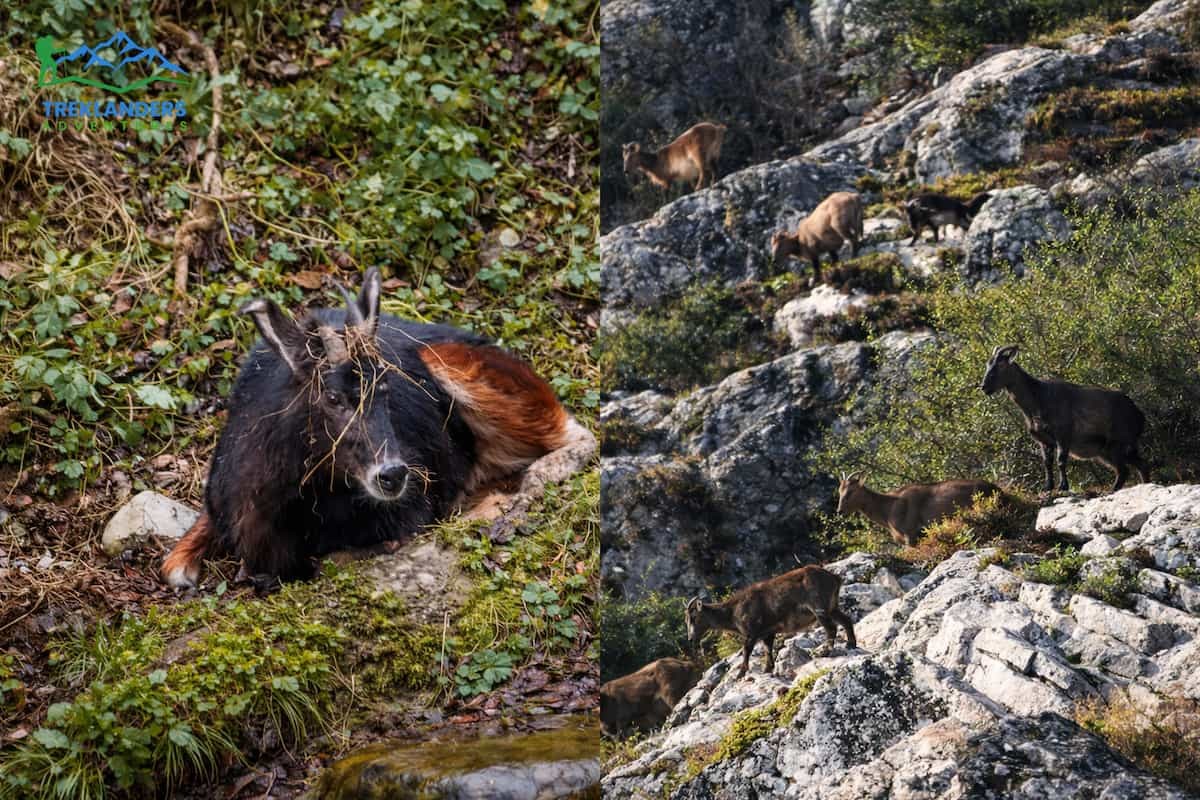
The musk deer is one of the endangered species in Langtang National Park. It inhabits dense forest and alpine scrub areas. Musk deer have been overexploited in the past for their musk glands, which are highly valued in traditional medicine. Illegal poaching has been curbed to some extent as a result of strict laws and park protection, but the animal is still at risk.
Langtang also provides a habitat to the Himalayan black bear that is endangered due to habitat loss and conflicts with humans. These bears are typically found in forested areas and spend the winter months in hibernation. In a similar way, the Himalayan wolf and Tibetan fox, although seldom seen, are crucial elements of the high-altitude ecosystem.
The park is also a refuge for a number of rare bird species, including the Himalayan monal (the national bird of Nepal) and the blood pheasant. These birds are highly vulnerable to changes in their environment and any sort of disturbance in their habitat. In fact, the existence of such rare and endangered wildlife species in Langtang National Park points to the region's ecological value. The animals are safeguarded through conservation measures, local people's participation, and eco-friendly trekking, thereby making sure that Langtang continues to be a secure natural habitat for future generations.
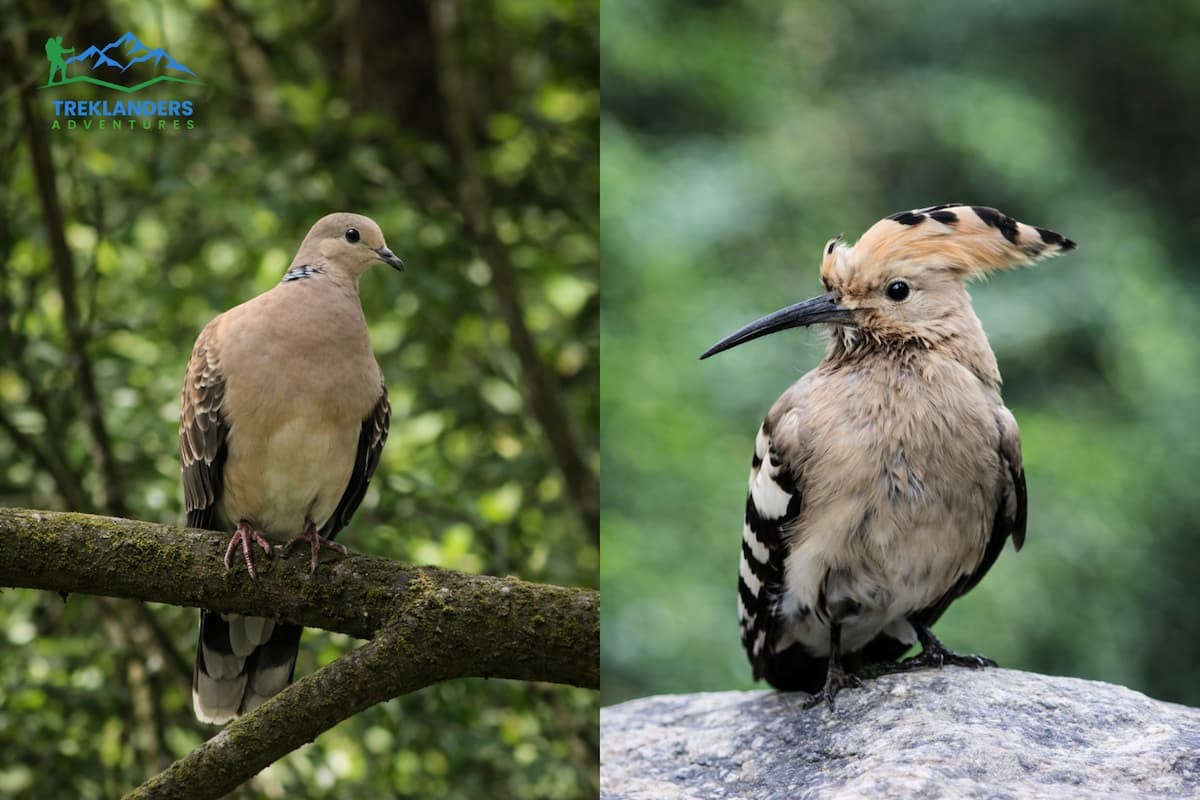
Langtang Valley is like a bird lover's heaven. Birds of many species can be seen in the forests, the alpine meadows, and even in the high mountain areas. The valley itself is in Langtang National Park. Nature has been very generous to Langtang. The valley has a great mixture of habitats at different altitudes, so it breathes life into a vast number of bird species. Bird lovers can enjoy the valley very much during the Langtang Valley Trek very much since they will get to see both resident and migratory birds in the valley.
Down to the lower and the middle levels of the mountain, one can find dense forests of oak, pine, and rhododendron where many forest bird species find a home. The species most frequently spotted are laughing thrushes, minivets, woodpeckers, and flycatchers. Exercising their natural services, such as pest control and seed dispersion, these birds contribute to the health of the ecosystem. Come spring, the woods fill with bird songs as it is their mating season.
There is one particular bird which is very well known in Langtang Valley - the Himalayan monal, a.k.a. the Impeyan pheasant and the national bird of Nepal. Its beautiful plumage and rather elusive character make it a sought-after target for the trekkers, with great excitement when the bird is spotted! Apart from these, you can also find blood pheasant and kalij pheasant in this region. Normally, they are in higher forested areas and subalpine regions. Even the highest areas of the Himalayas have a diversity of birds to offer, due to the altitude range and the habitat diversity of the Langtang Valley.
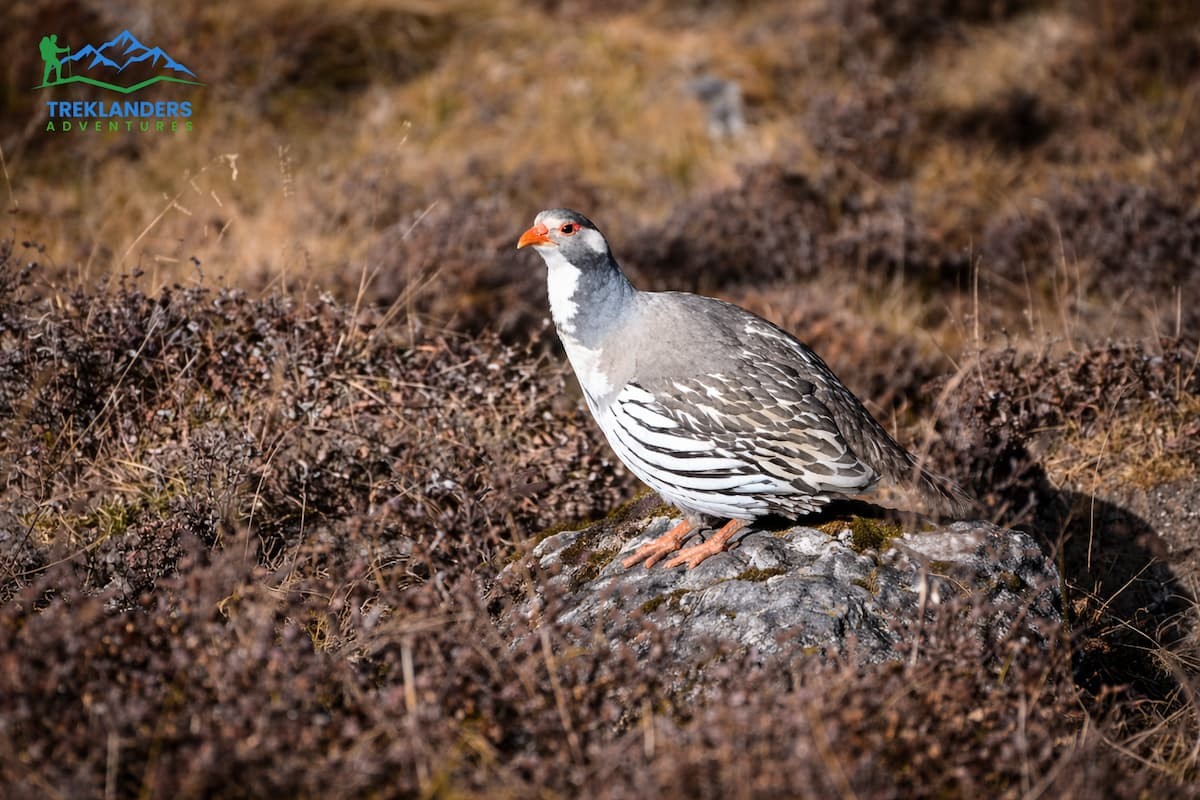
As trekkers ascend, the bird species they encounter change. Birds that are adapted to cold and windy conditions live in alpine zones and areas above the tree line, where there are open landscapes around the snow line. Snow pigeons, red-billed choughs, and Himalayan snowcocks are the three most common birds that you can find high up in the mountains.
Himalayan griffons, golden eagles, and lammergeiers (bearded vultures) are large birds of prey that often fly high above the valleys, using air currents to locate their prey. Along the trekking trail, there are wetlands, rivers, and streams that are also home to birdlife. Brown dippers and wagtails are among the species that are frequently seen near running water. These birds need water that is clean so they can survive; therefore, they can be used to point to a healthy environment.
To sum up, Langtang Valley's abundant avian life significantly enhances the trek's natural value. Watching a variety of birds in their natural environment allows trekkers to understand the ecological significance of the area and the need for ongoing conservation work.
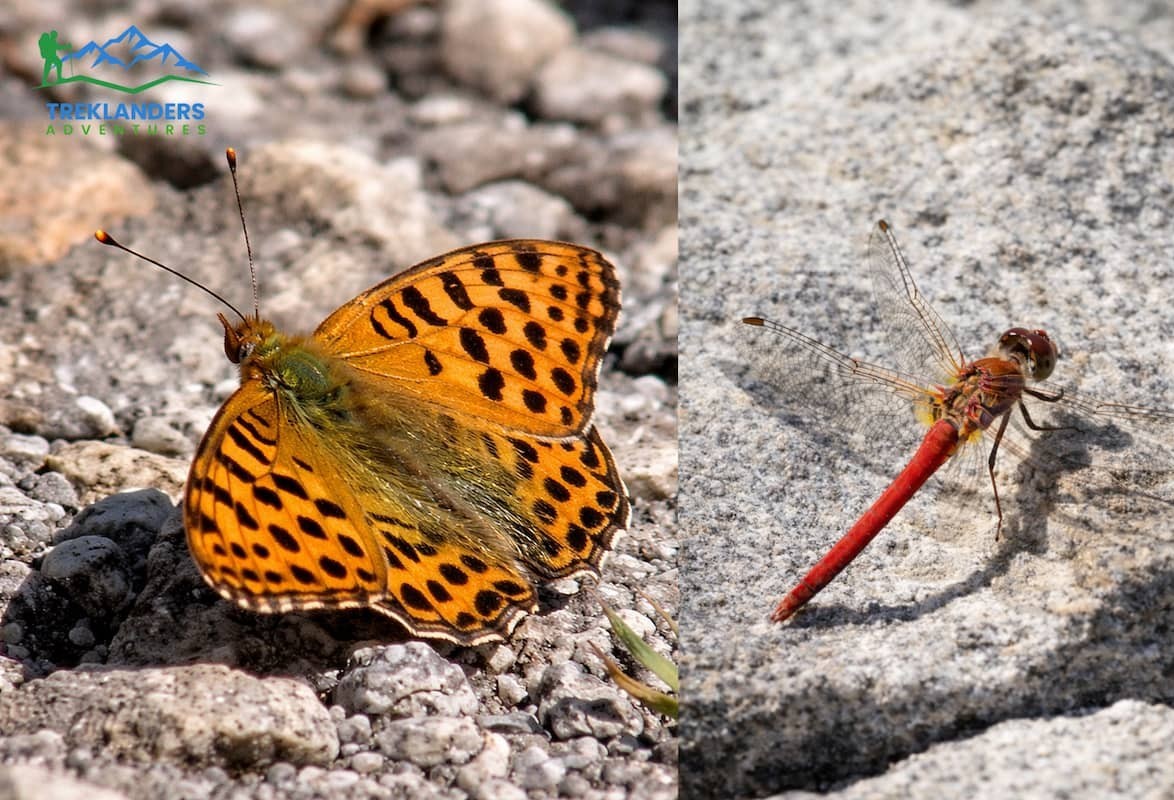
Langtang Valley is famous not only for large mammals and birds but also for its diverse insect, butterfly, and small fauna population. These tiny creatures are essential in maintaining the ecological balance and represent the beauty of nature that you can see while trekking in Langtang Valley.
In the Langtang National Park, insects can be seen in different vegetation zones. Lower and mid-altitude forested regions have beetles, ants, grasshoppers, and various species of flies and bees. Insects are helpers for nature by pollinating, decomposing, and contributing to the good health of the soil; hence, they are necessary for plants to grow. Bees and hoverflies are especially important as they pollinate flowering plants and crops that are used by the local people.
During spring and summer, butterflies give colour and life to hiking paths. Among the commonly occurring species in Langtang Valley are swallowtails, cabbage whites, blue apollos, and a variety of alpine butterflies. Butterflies come out mainly during sunny days, and you can often spot them on flowers, near riverbanks, and in open meadows. Since butterflies react quickly to changes in their surroundings, their presence is a good sign that the ecosystem is healthy.
The valley is also inhabited by many small mammals and reptiles, usually referred to as small fauna. Pikas, which are small rabbit-like creatures, are frequently spotted in rocky alpine zones. They keep grass for the winter and serve as a key food source for predators like birds of prey. Mice, shrews, and voles are the inhabitants of woods and meadows, thus aiding in seed dispersal and soil aeration.
Although less conspicuous, reptiles and amphibians are also members of Langtang's small fauna. Typically, mountain lizards, frogs, and toads can be located near warm rocks, rivers, and damp forest floors. These animals are beneficial in managing the number of insects and ensuring the ecological balance.
To sum it up, insects, butterflies, and small fauna may be small in size, but they play a crucial role in the ecosystem of Langtang Valley. Watching them during the trek gives one a deeper insight into nature's interdependent systems and emphasizes the need to protect even the tiniest forms of life.
The forests and wildlife of Langtang Valley serve as an integral part of the life of the local people. The inhabitants of the valley are quite dependent on the natural surroundings for their food, fuel, medicine, and income. If they continue to use these resources in a sustainable manner, it will be possible both to support the economy and to preserve the ecological balance of the area.
Wood, firewood, and fodder for the livestock are just some of the things that the forests provide. Daily life depends so much on these things that one can say that human life is impossible without them. Locals collect leaves, grasses, and shrubs to feed yaks, cows, and goats. The woods are rich in herbs that are used for medicinal purposes, such as chiraito, Jatamansi, and Kutki. These are taken out and used in traditional medicine or sold in the local markets, thus generating a supplementary income. Bamboo is yet another significant forest product that helps the locals to make a living. It is used in construction, for making handicrafts, and for household items.
Animals contribute to the economy indirectly. Mammals such as the Himalayan tahr, musk deer, birds, and other species attract tourists and trekkers from all over the globe. Ecotourism employs guides, porters, and homestay owners, making it possible for the locals to earn a living without causing harm to animals. Local people are sometimes involved in conservation programs. Their tasks may include monitoring endangered species or participating in anti-poaching activities. Local people get the jobs and are environmentally aware at the same time.
Besides that, forests and animals help in preserving the fertility of the soil, watering the earth naturally, and stabilizing the land to prevent landslides, which is highly beneficial to farmers in the valley. Intact natural areas guarantee the success of staple crops like maize, potatoes, and barley; thus, food security is directly supported.
Nevertheless, the excessive use of natural resources can be a threat to both the livelihoods of people and the flora and fauna. Once aware of this, the local people of Langtang have been cooperating with the park authorities and NGOs to implement sustainable methods, e.g., regulated cutting, planting of trees, and animal conservation. Such initiatives guarantee that forests and wildlife will keep on providing people with economic, social, and environmental benefits.
In conclusion, forests and wildlife are not only a part of Langtang Valley's picturesque scenery, but they are also indispensable to the survival and welfare of the people living there. Safeguarding these natural assets will allow humans to coexist with nature and maintain their traditional lifestyle at the same time.
The Langtang Valley Trek offers a great opportunity to spot a variety of plant and animal species, but the amount and type of wildlife you will encounter depend significantly on your timing. The valley's picturesque features vary with the seasons, and different times of the year are more suitable for seeing animals, birds, and flowering plants.
One of the best times of the year for flora is Spring (March to May). At that time, the trees and the ground are covered with rhododendrons, primulas, orchids, and other wildflowers. Rhododendron woods, especially, are most beautiful and colourful in April and May when the trail is marked with red, pink, and white flowers. This is also a perfect period to see butterflies and insects since they are the most active amongst the flowers. Birds like Himalayan monals, flycatchers, and laughing thrushes are easily spotted as they are quite lively during the nesting season. The weather in spring is not too hot or cold, and the sky is usually clear. The nature walk can be quite enjoyable, and one can admire the colourful natural scenery at the same time.
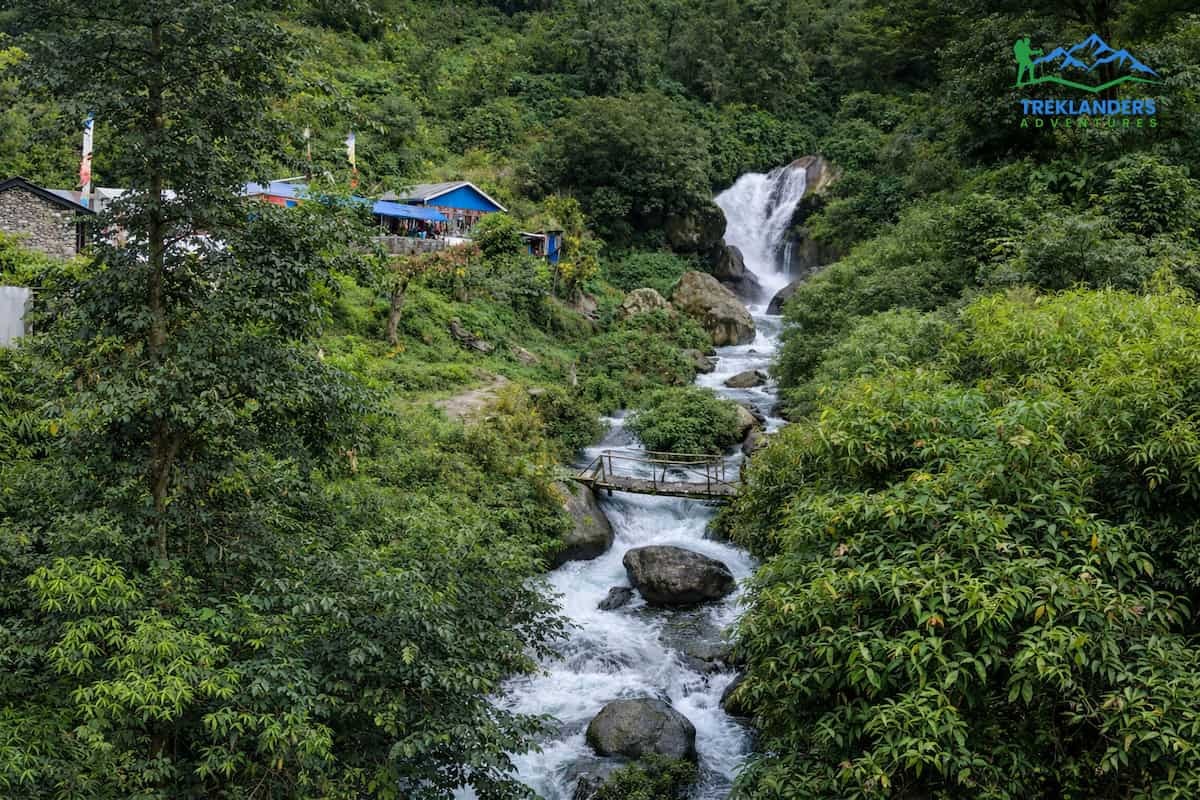
Summer and Monsoon (June to August) result in heavy rains in the area. Though the valley becomes green and full of life, the pathways may be wet and slippery, and animals may be difficult to spot since plants have become overgrown, and it is raining most of the time. Yet, it is a great period if you wish to see amphibians, like frogs and Himalayan newts, as they come out and show more activity during the rainy season. Moreover, rivers and waterfalls are very full and thus look very beautiful.
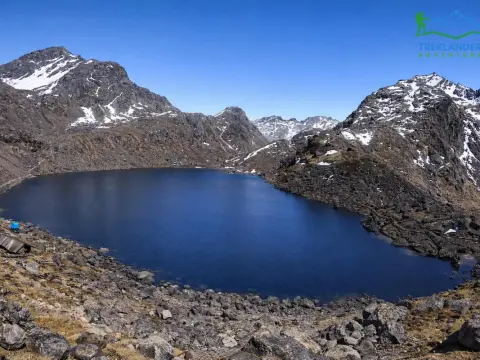
Autumn (September to November) is the other great season for watching flora and fauna. The woods and fields still look green after the rain, there are still flowers, and the weather is nice and cool. Birds like pheasants, eagles, and vultures are seen, and langurs and Himalayan tahr are the mammals that are mostly seen on open slopes. Autumn also offers the best views of snow-capped mountains, which are a great natural scenery background.
Winter (December to February) is a time of cold weather and snow in higher areas. Most plants are in a resting stage, and animals go down to lower areas, which makes it difficult to see nature and wildlife at their best. Nevertheless, animals like yaks, pikas, and some birds that are at high altitudes can still be spotted, and the valley is very quiet since there are fewer people.
In conclusion, spring and autumn are the most suitable times to witness the greatest variety of plants and animals of the Langtang Valley. On the other hand, summer and winter may give you a chance to see animal species that are different, but in smaller numbers. Therefore, if you want to make the most of the trekking experience in nature, it is always a good idea to schedule your trek during these two seasons.
Langtang Valley, a part of Langtang National Park, is a biologically diverse and ecologically rich area in Nepal. Besides a variety of plant and animal species, it also contains oxygen-producing, carbon-absorbing, and otherwise ecologically indispensable ecosystems. Nevertheless, the valley is not devoid of human-induced and natural threats to biodiversity and the environment in general.
The locals' dependence on forest resources for firewood, timber, and livestock feed leads to deforestation and habitat loss, which is the major problem in the area. Continuous woodcutting and gathering of leaves without proper regulation can result in loss of tree cover and wildlife habitats. In addition, the extension of human settlements, farming, and building tourist facilities also breaks up the forest area, which makes it difficult for the animals to get food and places to hide.
Besides this, illegal hunting and poaching are other factors that are causing problems for the endangered species, such as the snow leopard, musk deer, and red panda. There are laws that are considered very strict in this matter; however, the desire to have meat, fur, and ingredients for traditional medicines still pushes people to break the law, thus exerting more pressure on the already vulnerable population.
Another issue that concerns the locals and the authorities is the effect of tourism. Tourism by trekking has been the main source of income for the locals, but if tourism continues to be unmanaged, it may lead to littering, pollution, and soil erosion. On the part of animal life, the noises and activities of tourists can frighten and stress the animals, making them behave unnaturally.
The changing climate also contributes adversely to the valley's flora and fauna. Among the effects are the reduction of glaciers, changes in the timing and features of flowering, and the displacement of animals' habitats. The alpine plants and highland animals that are so well adjusted to the cold conditions could be threatened by the erratic weather and the rise in temperature.
To mitigate the above challenges, various protection measures have been implemented. Langtang National Park has implemented very strict regulations on the use of forest, hunting, and trekking permits to ensure that the impact of man is limited. Community-based conservation programs engage communities in protecting forests, wildlife monitoring, and the use of natural resources in a sustainable way. Eco-tourism projects are also geared at fostering responsible trekking, proper waste disposal, and increasing environmental awareness among visitors.
Furthermore, trees have been planted, and the process of returning to nature has been accelerated to give the animals a good place to live. Schools and villages have also been targeted with education campaigns on the importance of nature and conservation work so as to build a society that is environmentally aware.
In brief, Langtang Valley contends with various conservation issues ranging from habitat degradation, illegal hunting, climate change, and tourism pressure. On the other hand, stringent protection measures, local community support, and sustainable development have since been key in preserving the valley for posterity. Such efforts guarantee that the flora, fauna, and natural habitats of the valley will continue to be healthy and support the living of the local community.
The Langtang Valley Trek represents a fascinating and unforgettable way to discover one of the most diverse and picturesque regions of Nepal. The valley is a perfect combination of nature's beauties, where one can go through dense rhododendron forests to alpine meadows, come across rare wildlife and vibrant birdlife. The wealth of seasonal flowering plants, the variety of medicinal and aromatic herbs, and the presence of mammals, birds, insects, and small animals are all vivid examples of the ecological richness of the region and the delicate balance of the Himalayan ecosystem.
Besides giving aesthetic pleasure and recreational satisfaction, watching the flora and fauna on the trail helps us to understand how deeply the forests and wildlife are ingrained in the culture of the local people, not to mention their economy. However, at the same time, the conservation problems such as the decrease of natural habitats, poaching, negative effects of tourism, and global climate change highlight the importance of responsible trekking and the necessity of extra conservation measures. The collaborative efforts between park rangers and local communities, through their respective projects, contribute to the protection of endangered species and the sustainable functioning of the area's natural ecosystem, thus making Langtang Valley a good living environment for both people and animals.
As a whole, the Langtang Valley Trek goes far beyond a simple walking adventure; it is a fascinating, eye-opening, and educational adventure deep into the Himalayas. Walking through its woods, watching its creatures, and recognising its ecological and cultural importance, the trekkers get a more profound and comprehensive insight into the marvels of the natural world. Ensuring the protection of this very delicate ecosystem is the only way that future generations will be able to benefit from the natural assets of the valley, and hence Langtang can be considered as a real model of symbiosis of humans with nature.

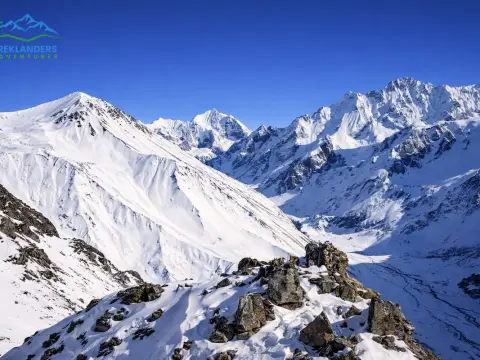
Experience the Langtang Valley Trek in February with quiet trails, winter scenery, plus weather, Itinerary, packing list, and safety tips.
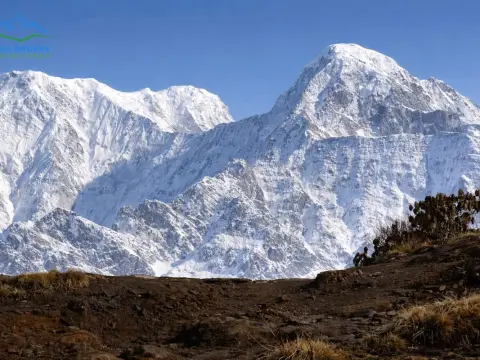
Explore the Mardi Himal Trek in Nepal—a short, scenic Annapurna trail with stunning mountain views, peaceful forests, and authentic village life.
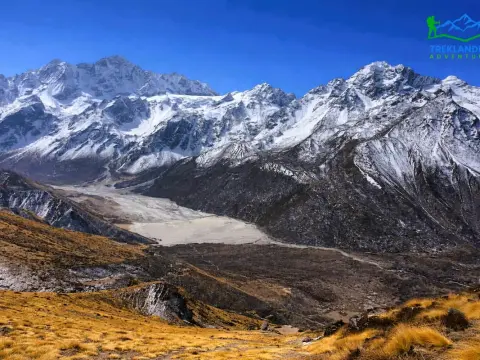
Explore the Langtang Valley Trek in spring with clear Himalayan views, blooming rhododendrons, and ideal trekking conditions near Kathmandu.



