Langtang Valley Trek in February: Complete Winter Guide, Costs, Weather & Safety Tips
27 Jan 2026
Experience the Langtang Valley Trek in February with quiet trails, winter scenery, plus weather, Itinerary, packing list, and safety tips.

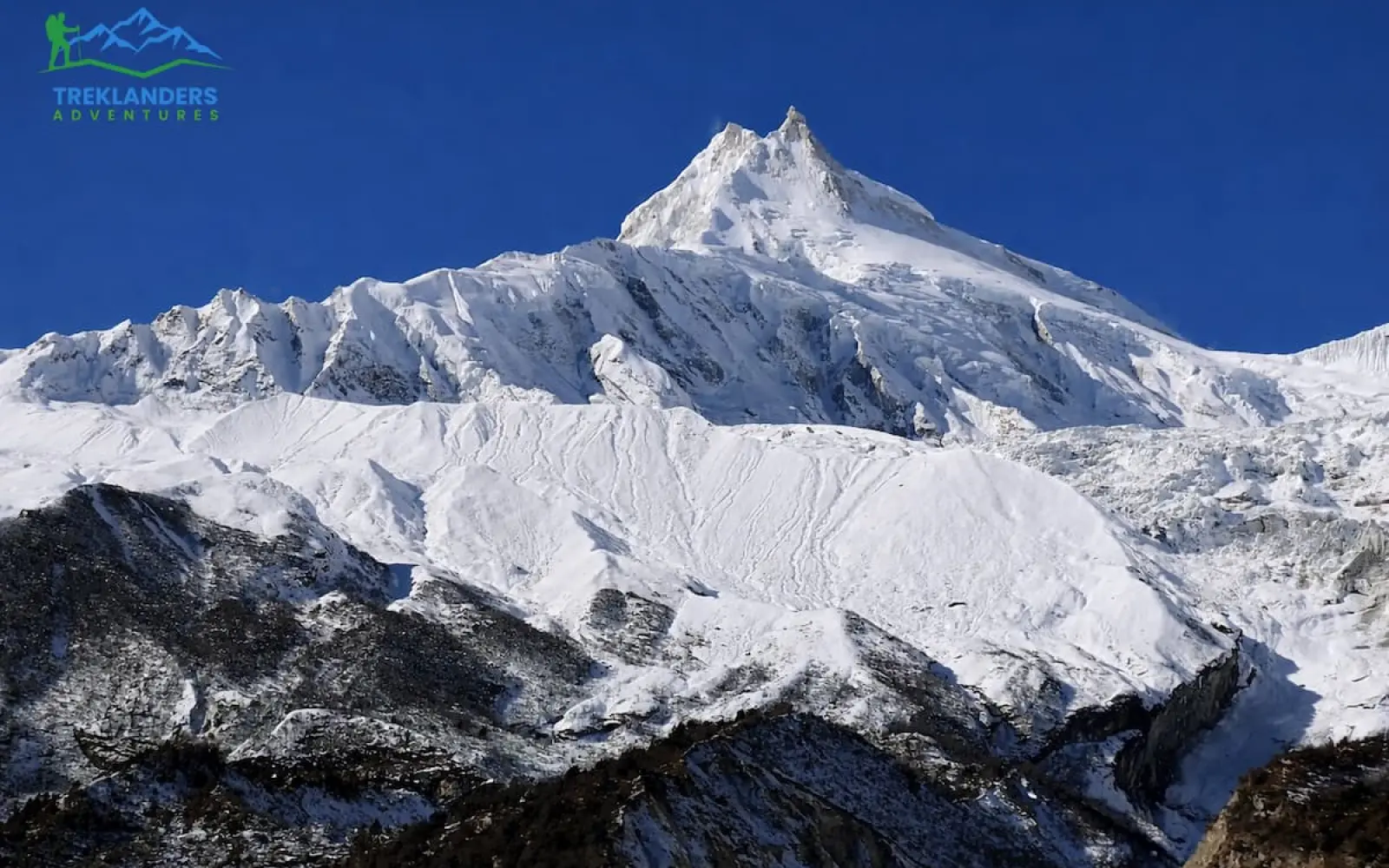
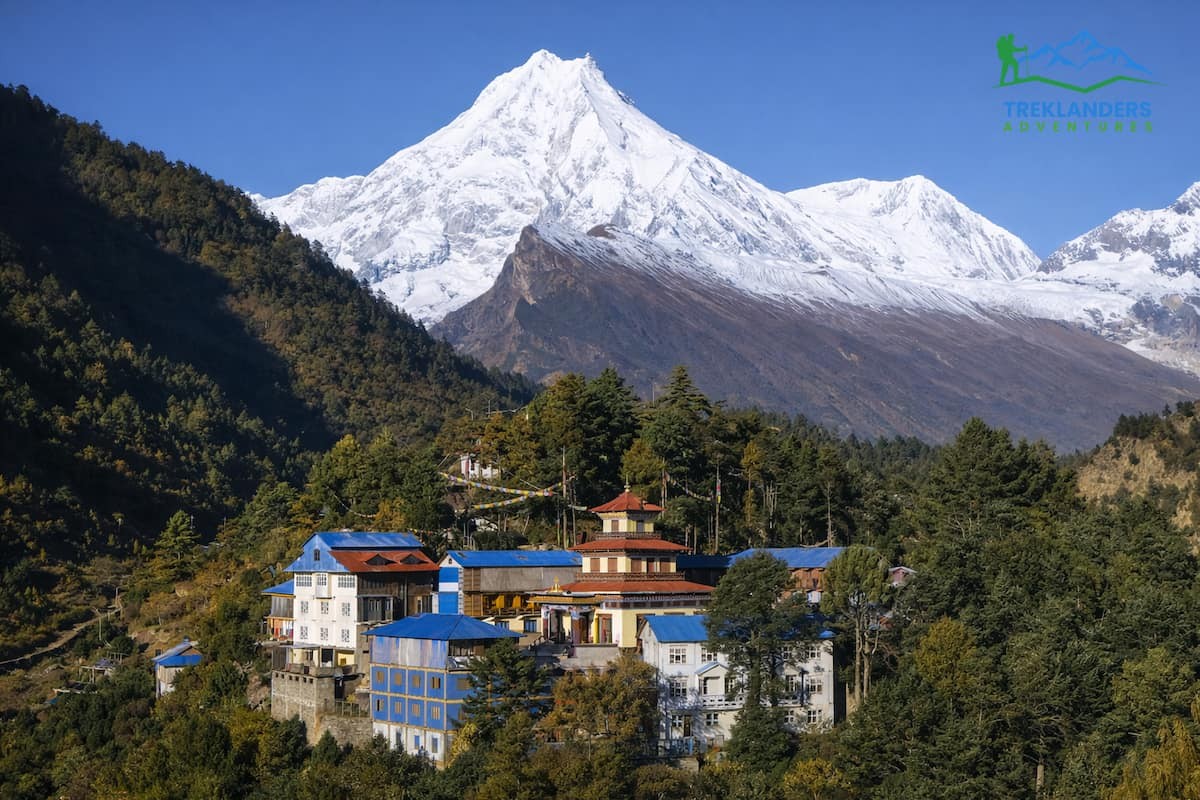
The Manaslu Circuit Trek in February is a unique adventure for those seeking complete isolation and experiencing the beauty of the winter season in the Himalayas without crowds. It's a trek around the peak of Mount Manaslu (8,163 m), the world's eighth-highest mountain, and along the way, you pass through remote valleys, various old Tibetan-influenced villages, majestic mountain passes, and untouched alpine nature. As it's a winter birthday, the trek can be more physically demanding, but you will be amazed by your well-deserved achievements.
It is a great advantage that February offers a quiet and serene path where snow-capped peaks, icicles, and azure skies are the main scenic elements. The lower parts of the trek, following the rivers Soti Khola and MachhaKhola, are still relatively warm, while at elevations such as Samagaun, Samdo, and the legendary Larkya La Pass (5,106 m), you will be walking on fresh snow.
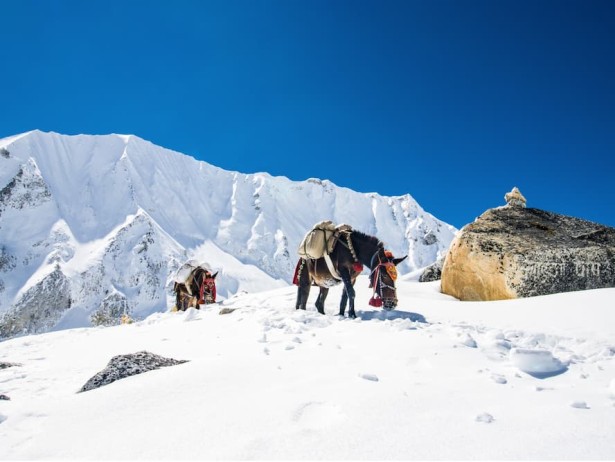
Weather-wise, February is a cold and dry month on average, with daytime temperatures ranging from 5 degree in 10-degree Celsius the lower regions and the thermometer falling to near zero at the higher ones. Even though snowfall may sometimes obstruct the trail or the pass, it likewise beautifies the trek, and the risk of landslides is lower than in the monsoon season. With the right mountaineering equipment, excellent fitness level, and a well-thought-out program, a Manaslu Circuit trek in February can be a dream come true.
February, from a money point of view, is seen as a low season, so generally, you can expect to get lower prices for guides, porters, and accommodation. Fewer visitors in the teahouses mean that the hospitality becomes more intimate, and locals such as Gurungs and Tibetans offer a direct and friendly interaction. Nevertheless, because of the limited area regulations, the trek will always require special permits and a licensed guide, no matter what time of the year you go.
This winter guide will tell you everything about the Manaslu Circuit Trek in February - detailed weather information, what to pack, costs, safety, and a working schedule - thus, helping you to make a decision if this tough but wonderful winter trek is your thing.
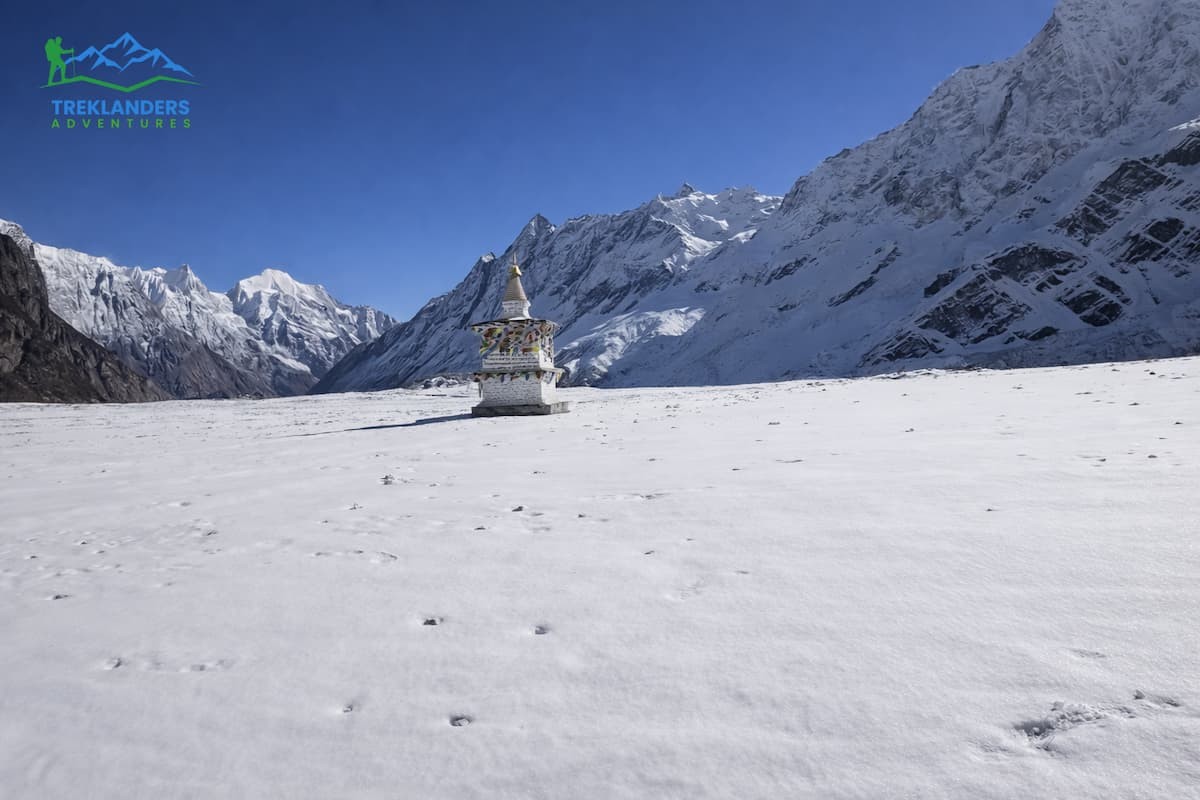
Trekking the Manaslu Circuit in February requires thorough consideration of the facilities and the sections of the trail that are open for the winter season. The trek is doable, but February is an off-season month, and certain services might be scarce due to cold weather and fewer tourists.
On the trail, most of the main trekking route from Soti Khola to Samagaun is still open during February. Lower-elevation villages like MachhaKhola, Jagat, Deng, Namrung, and Lho can be visited easily, and basic teahouses and lodges remain open.
These teahouses offer basic services such as food, minimal heating (usually in the dining area), and simple accommodation. Since there are not many trekkers, rooms can usually be found without prior reservation.
The trail itself is typically in good shape at lower and middle levels because February is a dry month with very little rain. Suspension bridges, stone steps, and established footpaths are taken care of throughout the year as locals use them for daily travel. Permit checkpoints at Jagat and Samagaun are also operating, as the Manaslu region is a restricted area that can be accessed all year round with proper paperwork.
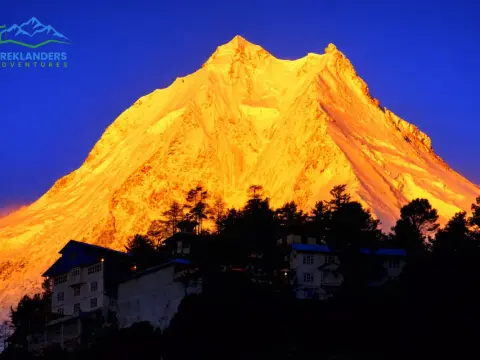
At the higher altitudes, the availability of services decreases. Once you are over Samagaun and Samdo, depending on the amount of snow and whether the villagers are staying for the winter, some of the teahouses may be closed or only partially operating. There will be fewer options for meals, and in general, rooms are not heated.
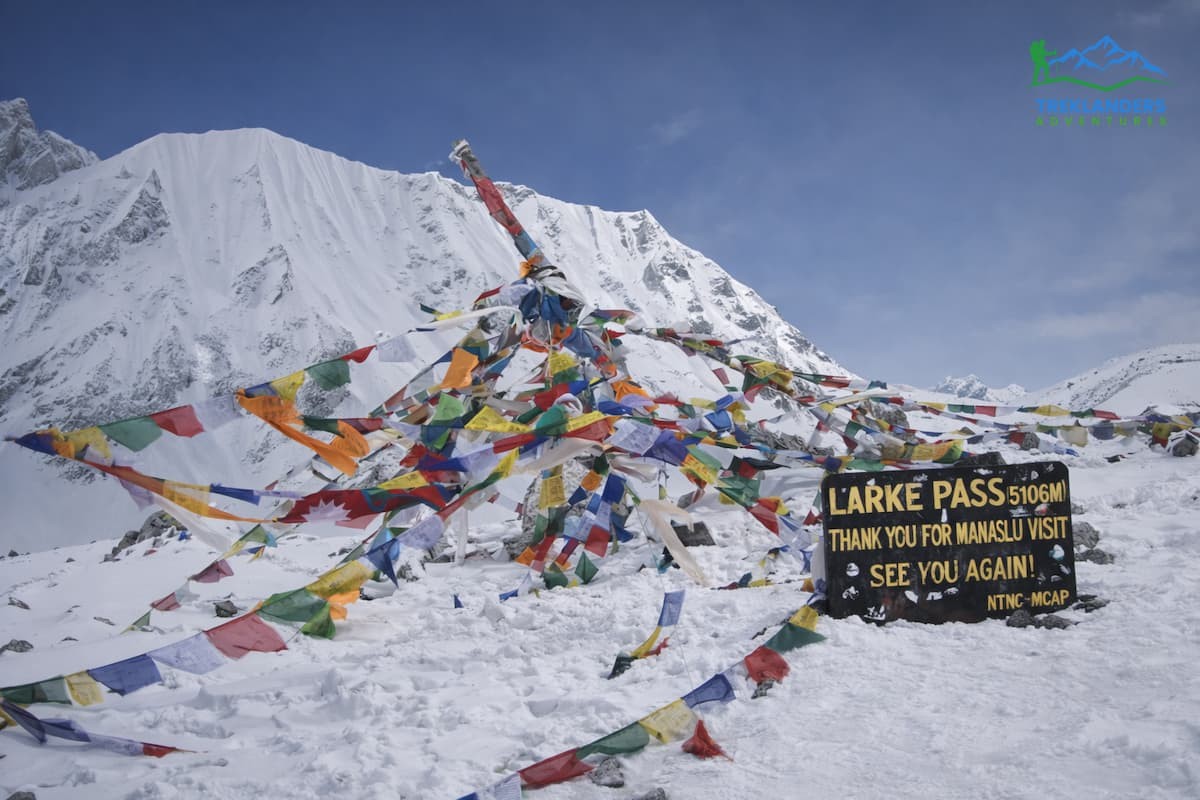
The most crucial factor is the Larkya La Pass (5,106 m). This highway might be closed temporarily or deemed unsafe due to heavy snow, ice, or strong winds during February. If there has been a lot of snow, the local authorities or guides may suggest postponing the crossing or going back. Sometimes, trekkers have to wait for several days to get a weather window or for locals/other trekking groups to break the trail.
Winter is the time when shops that sell trekking gear, charge gadgets, and provide hot showers are mostly closed, or these services are not reliable. Networks for both the internet and mobile phones are also weak, and in remote areas, you might not get a network signal at all.
This is the summary of the situation
Manaslu Circuit is half working in February. The lower and mid sections are accessible and functional, but the higher altitude sections are subject to weather.
If you have an experienced guide, a flexible schedule, and have done a proper winter preparation, you can go trekking in February but you should be prepared to change your plans if the weather is not favorable.
During the winter months from December to February, the Manaslu Circuit Trek is generally seen as moderate to hard, mainly because the temperature drops, the trails get covered by snow, and there are hardly any facilities available at the higher altitudes. However, even though the track doesn't technically call for any climbing skills, you can't compare the difficulty level quite easily or at least, it is not wise to do so. Winter trek is much more challenging than the usual autumn or spring seasons.
One big issue is the freezing weather, especially when you are at a height of more than 3,500 meters. There is a good chance that the temperature will be less than 0 during the day, and at night in villages such as Samagaun and Samdo, the temperature can reach -10 °C or even less. If you don't equip yourself properly with insulated clothes, winter sleeping bags and layers of clothing, the cold can give you frostbite and even hypothermia.
Snow and ice are difficulties that can't be compromised either. The winter season on the trails just above Samagaun might mean that you have to walk through snow all the time, which will make it hard and very tiring. When the path is slippery, streams are frozen, and the stairs are full of ice, you have to be very careful about where you step. The most difficult part is undoubtedly the Larkya La Pass (5,106 m) since the pass can be covered with snow so deeply that the winds are so strong and the visibility is so poor that the pass is considered either very dangerous or not passable for the time being. At times, the winter conditions might be tough enough that the trekkers would have to stay several days waiting for the weather to get better or even go back completely.
Winter still sees the high-altitude problems as a major factor. The impact of low oxygen combined with the cold might make one tired very fast and even cause AMS. Rest days for acclimatization are a must, especially at Samagaun. Besides, winter conditions on the mountain may hinder the side hikes that are usually helpful for acclimatization.
On top of the difficulties related to the natural environment, there are the logistical problems, which, in fact, can greatly increase the level of the trek. In winter, the number of operating teahouses is low, food options are scarce, and the heating is generally available only in the common dining room. Hot showers, mobile charging, and the internet may be unreliable or even totally unavailable. It means that the trekker's mental readiness to live quite simply is a must.
Go to Manaslu in winter, and you will have a good experience if you are an experienced trekker and well-prepared trekker. These three characteristics are the only ones the Manaslu Circuit can offer. The trails are quiet, the scenery is dramatic with snow-covered peaks, and the sense of isolation enhances the adventure. Provided there is strong physical fitness, prior high-altitude trekking experience, a licensed guide, and itinerary flexibility, Manaslu Circuit Trek in winter is difficult but doable and unforgettable.
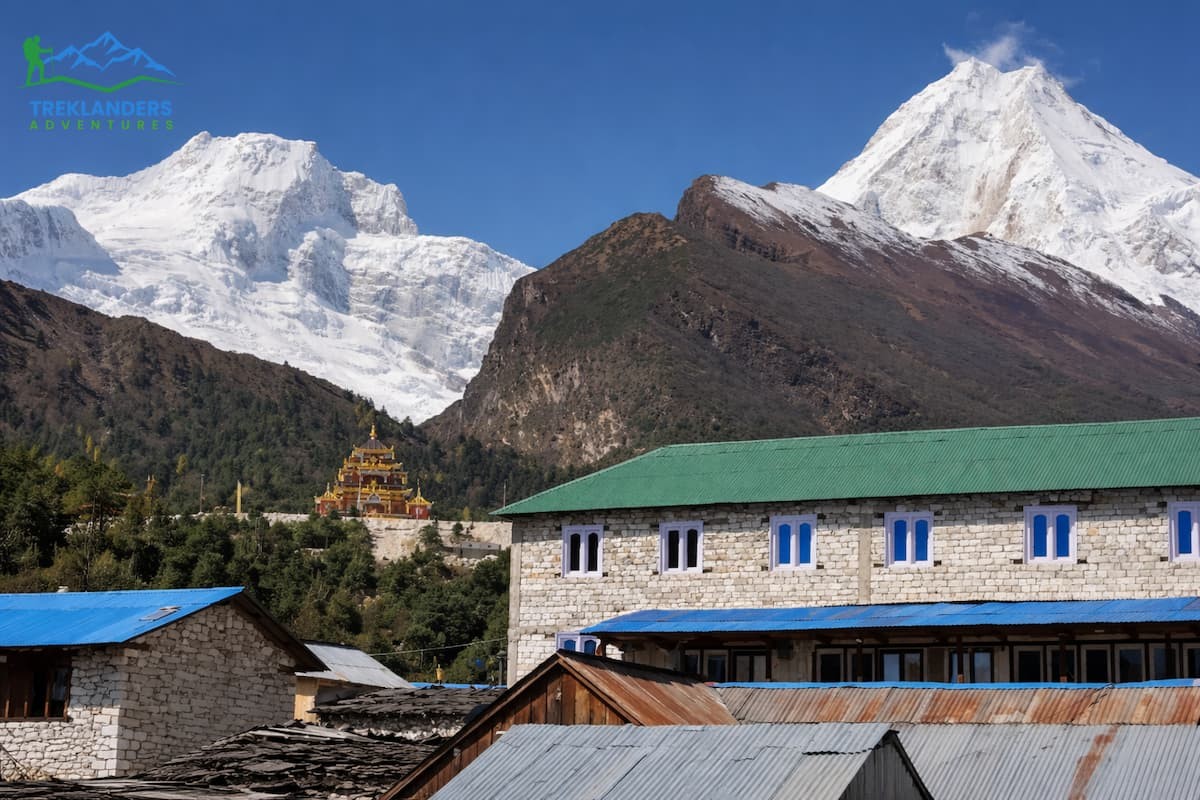
The price of a Manaslu Circuit Trek in February varies significantly from the peak trekking seasons, such as spring (March-May) and autumn (September-November), mainly because of changes in demand, availability of services, and operating conditions. Even if the fundamental necessities of the trek remain unchanged, the total cost is generally more adaptable and easier to manage in winter than in the peak months.
February is off-season for trekking, thus there are hardly any international trekkers on the trail. Due to low demand, trekking companies are usually more ready to negotiate on their guiding services, porter arrangements, and even customized itineraries. Accommodation rarely becomes an issue, as teahouses still have plenty of vacant rooms and trekkers are therefore not forced to pay the high seasonal rates. Thus, February remains a good choice for budget-conscious trekkers who don't mind the basic winter conditions.
On the other hand, peak season trekking results in a higher demand for all kinds of services. Guides and porters are usually booked months ahead, and agencies are running at full capacity. This demand-driven situation leaves less room for flexibility, and trekkers usually have to pay the standardized rates with almost no possibility for negotiation. Manaslu Circuit teahouses would be busier than usual, and the popular villages of Samagaun and Samdo might even feel overcrowded, especially in October.
Another big difference is in how well things are run. Normally, supplies of food, transportation, and accommodation are all set to be very efficient, and they function smoothly during the peak season because of the constant trekking traffic. In February, however, fewer supply chains and fewer lodges open at the higher elevations may lessen the choices available. This does not necessarily mean that the costs will go up, but it certainly means that one would have to plan better and be prepared to make some compromises on comfort.
The permit requirements are the same in all seasons because the Manaslu region is a restricted area. However, in February, the overall trekking experience becomes more personal as the guides can pay more attention to each individual when groups are smaller.
Seasonal variations also have an impact on indirect costs. For example, trekkers in the winter may have to spend more on special cold-weather gear, while those trekking during the peak season mostly use standard trekking equipment. However, peak season trekkers will probably have to deal with more incidental expenses because of the crowds and the limited availability of services.
To sum up, doing the Manaslu Circuit Trek in February is typically more flexible and financially easier than trekking during the peak season, whereas the peak months provide more comfort, stability and predictability. Ultimately, the best decision will be based on whether a trekker values solitude and the ability to adjust or convenience and best conditions.
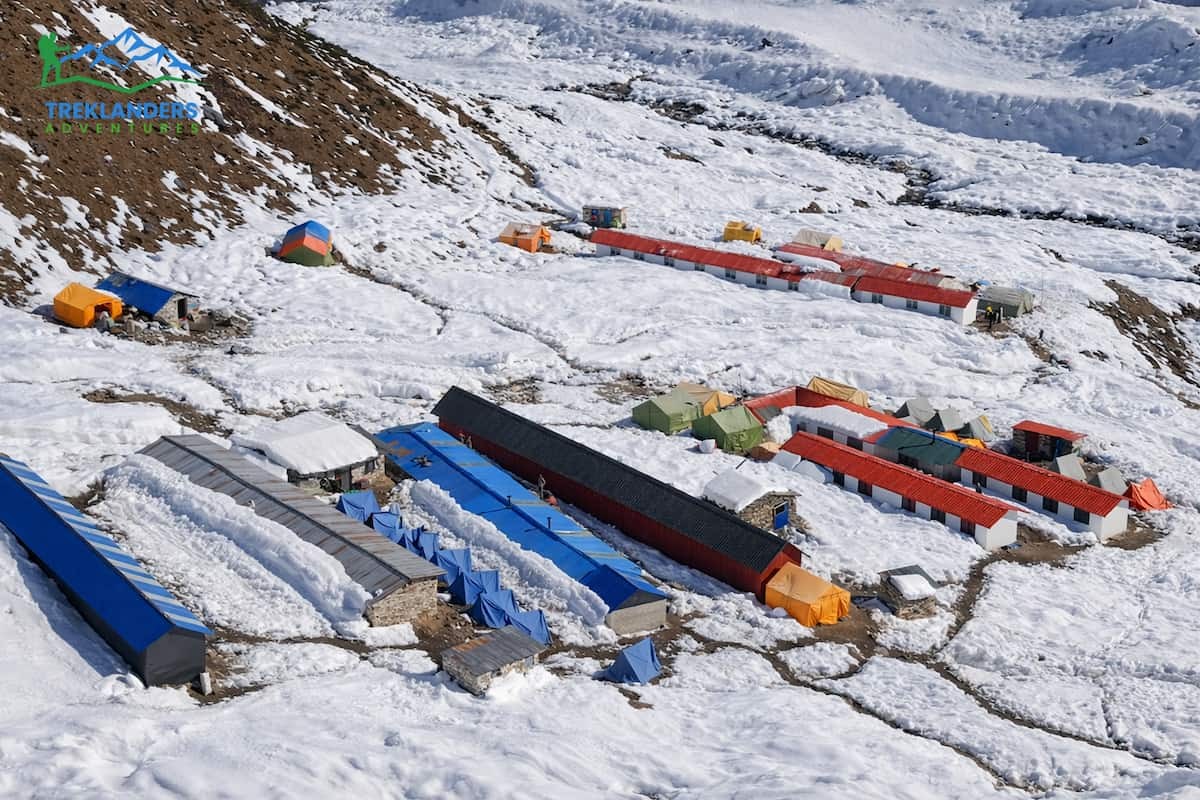
In February, the Manaslu Circuit Trek adds the bonus of solitude and beautiful winter landscapes, along with the challenge of needing very thorough preparation. There are a large number of trekkers who have issues on the route, not because it is unachievable, but due to their foolish acts, which could have been easily avoided. Knowing these mistakes at a glance is a huge step towards a safer and more enjoyable trek.
The biggest mistake that people make is to underestimate the power of the winter weather. February is very cold, especially at an altitude of more than 3,500 meters, where it is freezing. Those who are relying on a lightweight gear set meant for the spring or autumn season are the ones who find it hard. If you come with a sleeping bag without adequate insulation, gloves that are not of good quality, or you simply don't have thermal layers, then you might end up literally suffering to the extent that there is a risk to your health. When you are going to embark on a winter trek, you have no choice but to have a wardrobe and gear that is made for the cold of below zero.
The other common mistake is not knowing the Larkya La Pass very well and hence being overly confident about it. There are times when some trekkers take for granted that the pass will be there in front of them all the time, but the reality is that snow and ice can be the reasons for the pass being closed, or if not, then unsafe for use. There is a danger in having a plan that does not allow for days when you get stuck. In February, it is almost a must to have a good plan because the weather is quite unpredictable, and one may be forced to stay in a place for some time before moving on to the next. Ignoring local people's advice and the weather forecast is basically playing with fire.
Disregarding acclimatization is a grave error as well. The cold weather frequently hides the signs of altitude sickness, so the trekkers unintentionally go higher too fast. If you skip acclimatization days, especially in Samagaun, you are at a greater risk of Acute Mountain Sickness (AMS). No matter how fit you are, a slow ascent and adequate rest are essential.
Another error that many trekkers make is that they expect peak-season facilities. In February, at some higher-elevation teahouses, you may find doors shut, the menu limited, and heating available only in the dining area. If you expect hot showers, constant electricity, or internet, you will likely be disappointed. The preparedness of the mind for the basic living condition is equally important as physical fitness.
Another common mistake is poor logistical planning. Running out of cash, not having enough backup snacks, batteries, or personal medicines may turn into a problem since there are very few shops and no ATMs on the trail. Also, winter may affect the transport schedules, so it is quite risky to rely on tight travel connections.
Last but not least, trekking without a skilled licensed guide is a major mistake. The Manaslu Circuit is a restricted area, and due to winter, navigation may be a problem as the snow covers the trails. A good guide makes the trek safer, is able to check weather and trail conditions, and in case of emergencies, he helps with decision-making.
That is why, if you want to safely, confidently, and realistically enjoy Manaslu Circuit in February, you should do the same.
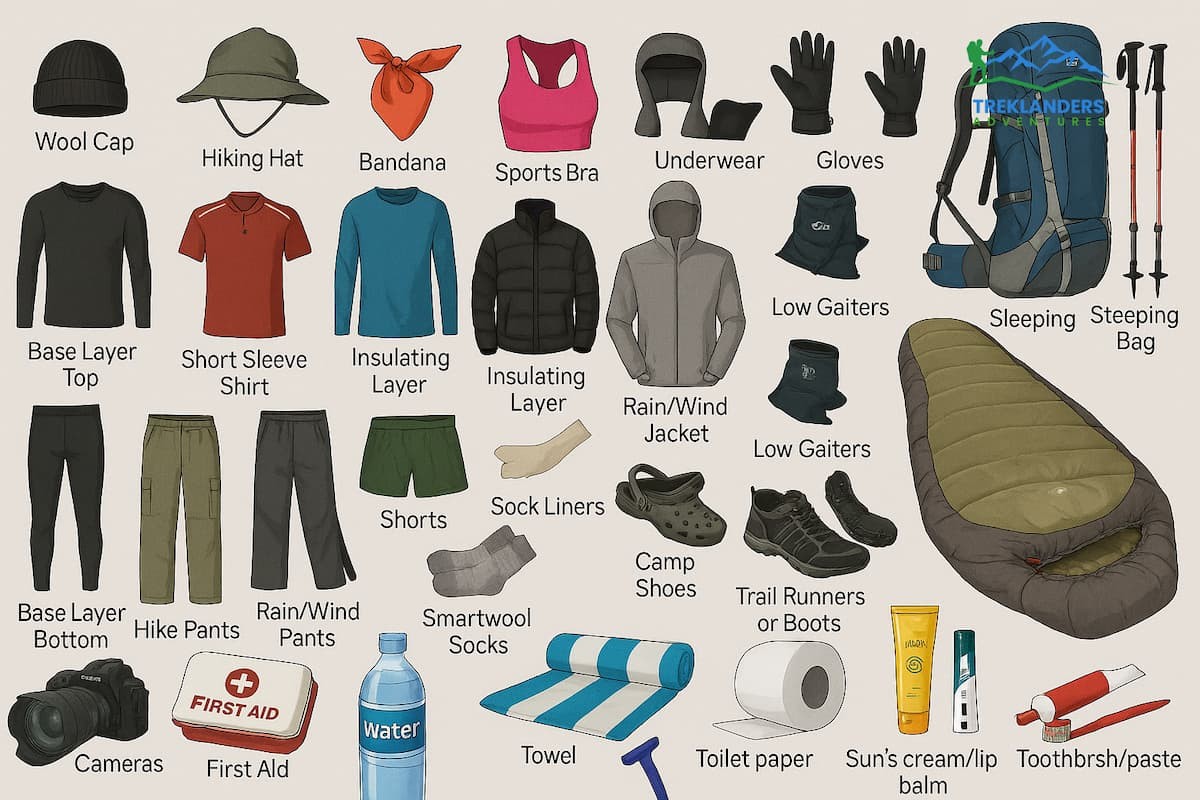
Packing correctly for the Manaslu Circuit Trek in February is paramount, as you will need to be warm, safe, and self-sufficient during the winter. At higher elevations, temperatures can fall below zero, and since the facilities are not always there, you should make sure that every piece of your equipment is necessary and useful.
A good layering system is a must. With thermal base layers (top and bottom), you will be able to keep your body heat. For the insulating layers, you can choose a fleece or down jacket. A very warm down jacket is the most important thing for mornings, evenings, and high-altitude sections. For the outer layers, you should have a waterproof and windproof shell jacket and pants to stay dry and shielded from the cold and wind. Besides warm trekking pants and insulated gloves, you should have a woolen hat and neck gaiter or balaclava to cover your face.
In order to face the snowy and icy paths, you will definitely need solid, waterproof trekking boots with ankle support. They should be worn with thermal trekking socks, and you also need to have some extra pairs for when you get wet. Gaiters are very helpful in keeping snow off your boots when you are close to Larkya La Pass. Using micro spikes or crampons in February is almost a must if you are going to encounter icy sections. Besides helping you to keep your balance, trekking poles also let you rest your knees during the snow-covered descents.
A four-season sleeping bag designed for temperatures below zero is a must-have, as the blankets in local teahouses may not be enough in winter. A sleeping bag liner can be used to provide additional warmth. A headlamp with spare batteries is a good idea since the days get shorter. A thermos or insulated water bottle is a smart choice to keep the water from freezing.
A simple first-aid kit with altitude medicine, painkillers, blister treatment, and your personal prescriptions should be included. Sunscreen, lip balm, and sunglasses are must-haves since the sun's rays get intensified by the snow's reflection. Hand warmers may be used to increase the level of comfort on very cold days. Take some high-energy snacks, such as nuts or energy bars, because the food choices become limited as the altitude increases.
Necessary permits, several identification copies, and travel insurance papers should be kept in a waterproof pouch. A power bank is a necessary item because charging points are not very reliable during the winter season.
A meticulously prepared winter-specific packing list, ranging from the safety aspect to comfort and confidence, will let you enjoy the Manaslu Circuit Trek in February to the fullest, even when the weather is very harsh.
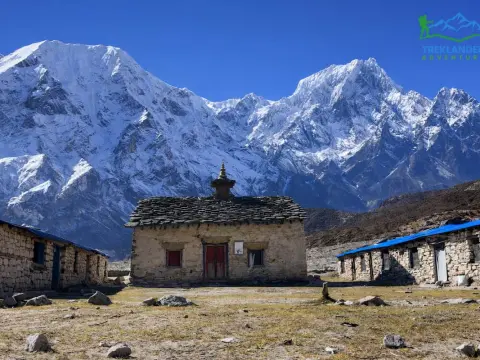
Your journey begins with arrival in Kathmandu, the cultural and trekking hub of Nepal. After airport pickup, you are transferred to your hotel in the city. This day is mainly for rest and recovery after international travel. In the evening, you may attend a short briefing about the trek, permits, winter conditions, and safety protocols. February evenings can be cool, but Kathmandu remains relatively mild. Overnight stay at a hotel.
The long scenic drive takes you westward from Kathmandu along the Prithvi Highway and then north toward the Budhi Gandaki River. You pass terraced hills, rural villages, and winding mountain roads. In winter, roads are generally dry, but landslide-prone sections require careful driving. MachhaKhola is a small riverside settlement with basic lodges. Overnight at a teahouse.
The trek officially begins as you follow the Budhi Gandaki River through narrow gorges and suspension bridges. The trail includes gradual ascents, descents, and occasional stone staircases. February temperatures are pleasant during the day at this elevation. Jagat is a checkpoint village where permits are verified, marking entry into the restricted Manaslu region. Overnight at a teahouse.
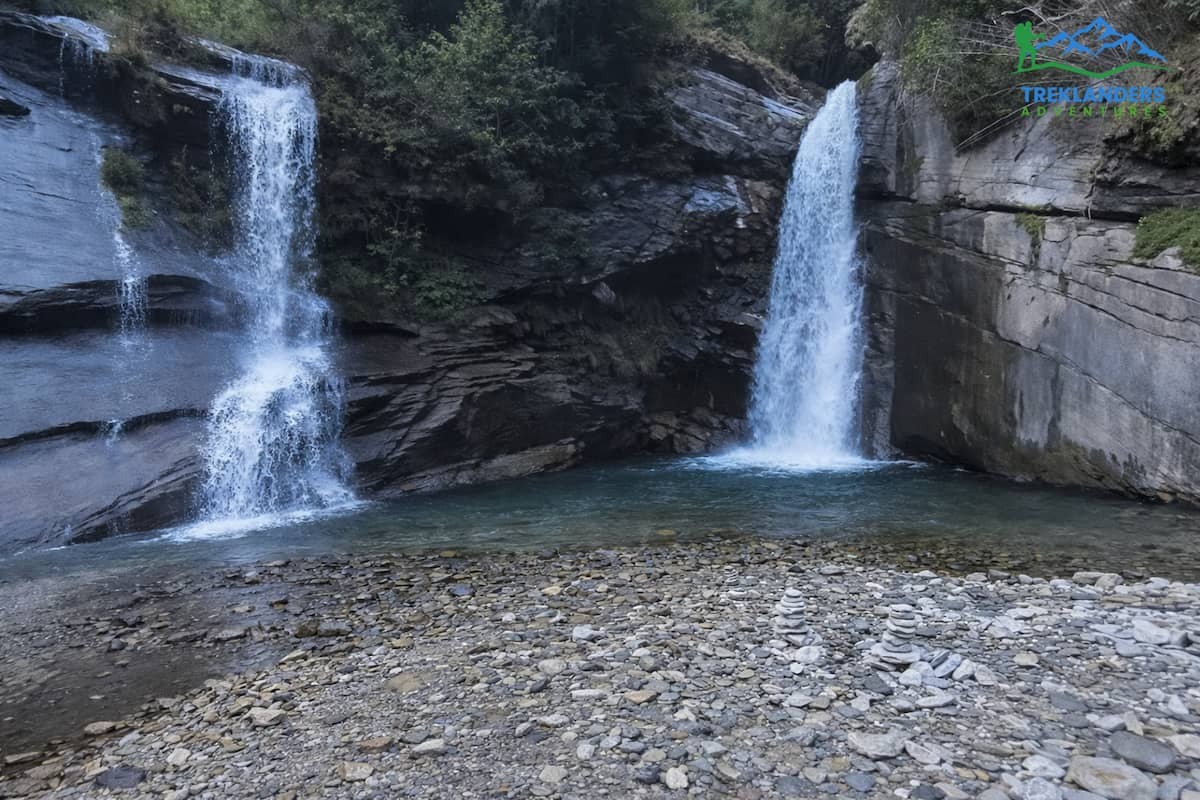
The trail climbs steadily through forested hills and traditional Gurung villages. You pass Philim, a larger settlement with cultivated fields and mani walls reflecting Tibetan Buddhist culture. As altitude increases, the air becomes cooler. Deng is a quiet village with limited winter lodges, offering basic accommodation. Overnight stay at a teahouse.
This is a significant ascent day. The trail passes through alpine forests, narrow valleys, and Buddhist chortens. You begin to notice dramatic changes in landscape and architecture influenced by Tibetan culture. On a clear February day, the first views of Mount Manaslu appear. Lho Gaun is a beautiful village with stone houses and a monastery overlooking the valley. Overnight at a teahouse.
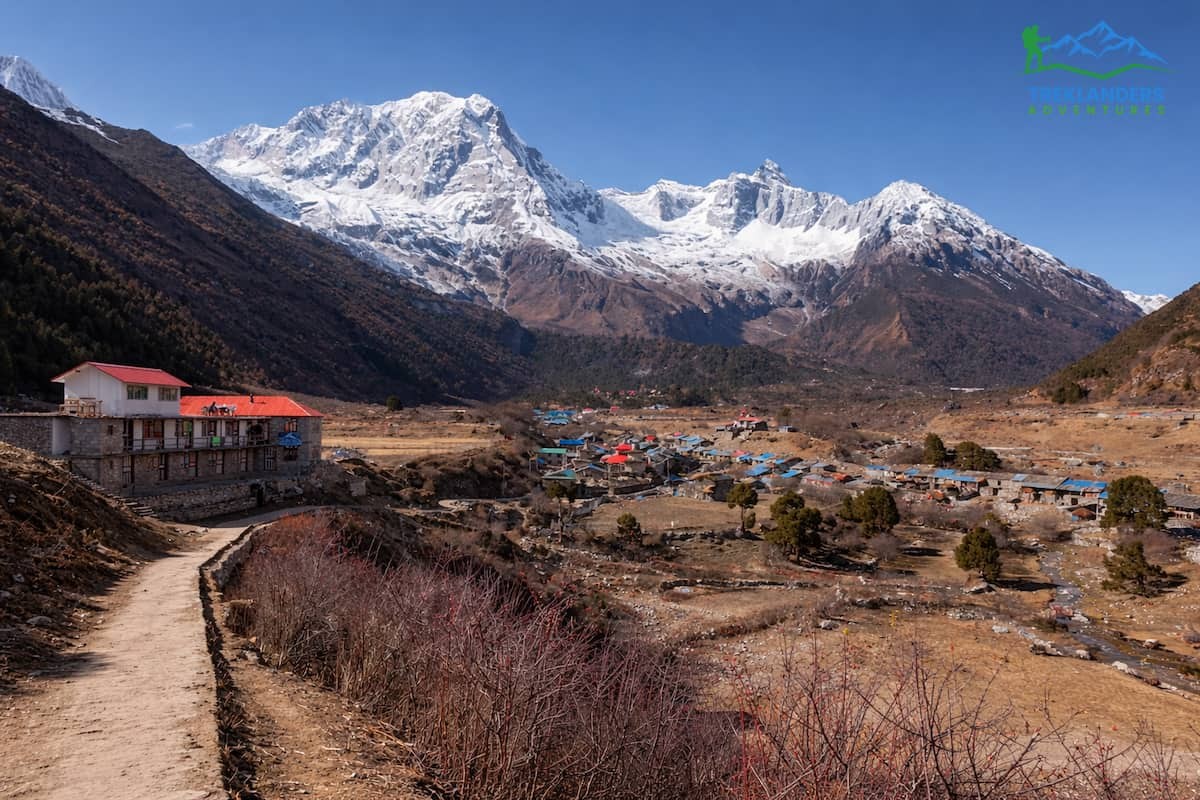
This shorter trekking day allows gradual altitude gain. The trail is relatively gentle, offering stunning views of Manaslu, Naike Peak, and the surrounding glaciers. Winter conditions become more noticeable here, with colder temperatures and possible light snow. Samagaun is one of the most important villages on the circuit and serves as a key acclimatization point. Overnight at a teahouse.
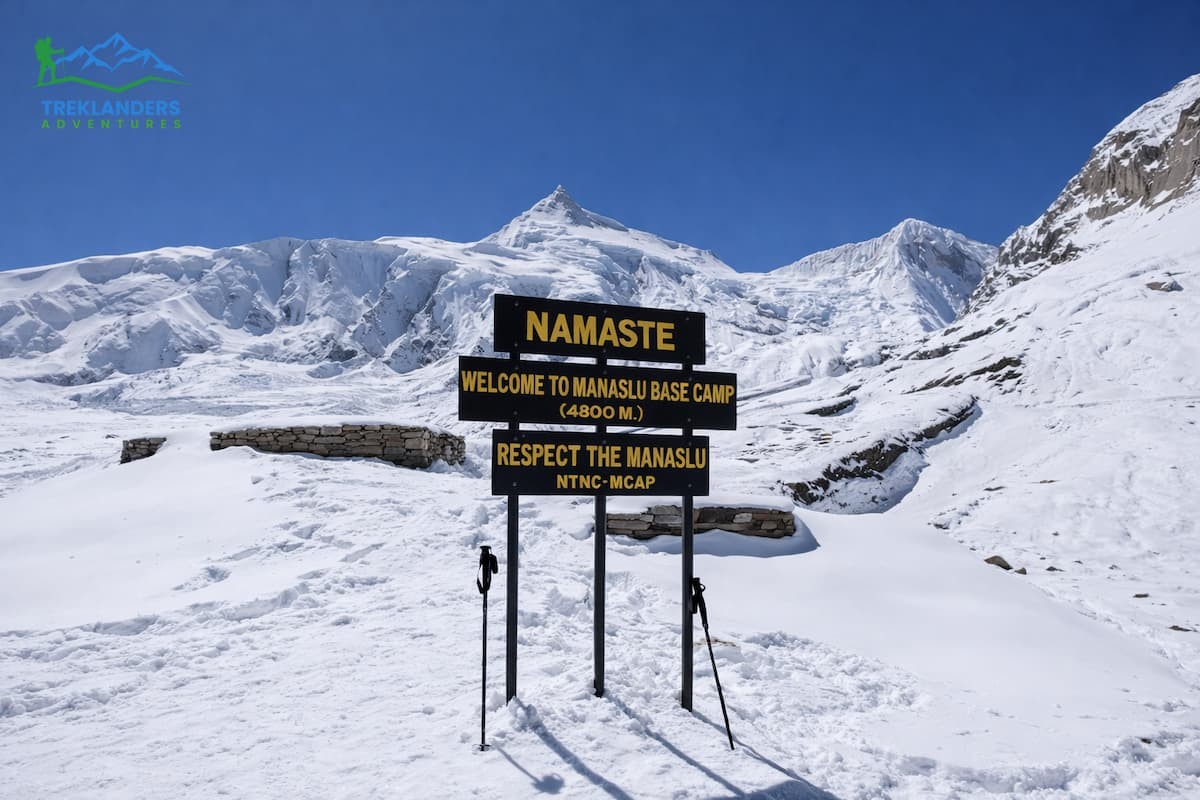
This rest day is crucial for altitude adaptation. Optional side hikes include walking toward Manaslu Base Camp or Pungyen Gompa, depending on weather and snow conditions. February may limit higher hikes, but light activity helps acclimatization. You can also explore the village, monasteries, and interact with locals. Overnight at the same teahouse.
The trail gradually ascends through barren landscapes with fewer trees. The environment feels more remote and alpine. Strong winds and cold temperatures are common in February. Samdo is a small Tibetan-influenced village near the Nepal–Tibet border, with limited winter lodges. Overnight at a teahouse.
This is a short but challenging day due to the altitude. The trail climbs steadily across open terrain, often covered with snow in February. Dharamsala, also known as Larkya Phedi, is a basic seasonal settlement used as a base camp before crossing the Larkya Pass. Facilities are minimal, and nights are very cold. Overnight at a basic lodge.
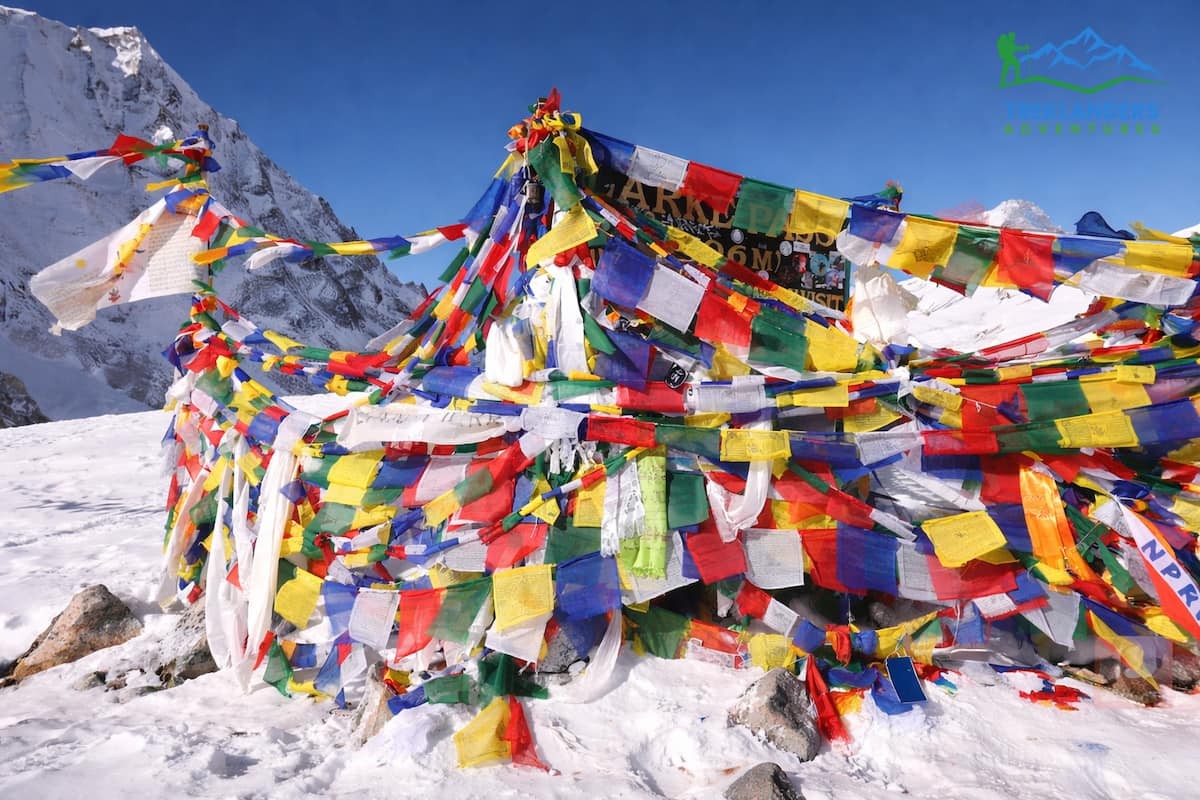
The most demanding and rewarding day of the trek. You start early, before sunrise, to cross the Larkya Pass safely. The ascent is steep, icy, and cold, often requiring micro spikes in February. From the top, panoramic views of Him lung Himal, Cheo Himal, Kang Guru, and Annapurna II are breathtaking. The long descent leads to Bhimthang, a beautiful valley with more comfortable lodges. Overnight at a teahouse.
Descending into lower altitudes, the landscape becomes greener with forests and rivers. The trail passes through rhododendron forests and landslide-prone areas. Temperatures gradually become warmer. Tilje is a traditional village with better facilities compared to the higher sections. Overnight at a teahouse.
A short trek through villages and cultivated land leads to Dharapani, where the Manaslu Circuit connects with the Annapurna Circuit route. From here, you drive to Besisahar via rough mountain roads. Overnight at a hotel or lodge.
The return drive follows major highways back to Kathmandu. Upon arrival, you check into your hotel and enjoy a hot shower and rest. Evening free for shopping or farewell dinner.
Your Manaslu Circuit winter adventure concludes as you transfer to the airport for your international departure, carrying unforgettable memories of a remote Himalayan trek in February.
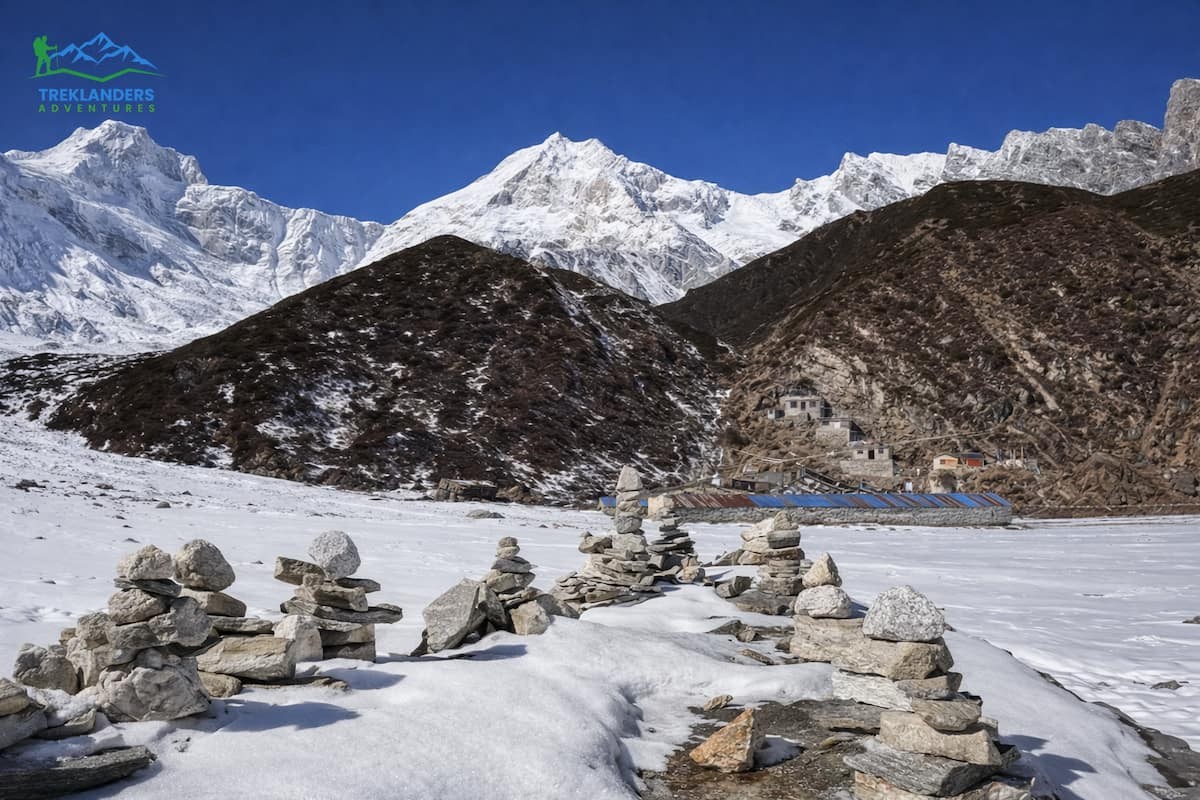
Health and safety should be a top priority while trekking in the Manaslu Circuit in February. Winter means that the trek is more difficult, not just because of the altitude and terrain but also because of the weather. Only proper preparation, self-awareness, and thoughtful decision-making can guarantee a safe and successful trek.
The trek reaches up to Larkya La Pass (5,106 meters), which makes altitude sickness a major threat. Cold weather might hide the symptoms of Acute Mountain Sickness (AMS), such as headache, nausea, or tiredness. Therefore, a slow climb, spending an acclimatization day at Samagaun, and drinking plenty of fluids are vital. Trekkers should never hurry their schedule and must be ready to go down if their condition gets worse.
At night, the temperature in February can be very cold, sometimes below freezing. Hypothermia and frostbite risks are especially high if one is exposed to the elements or starting the trek very early in the morning. Basically, one has to wear different layers of clothes, cover hands, feet, and face, and avoid getting wet. Should one be caught in wet clothes, these have to be changed right away, and if it is possible, one should take breaks in a place protected from the wind.
After Samagaun and the Larkya Pass, snow and ice can make the paths slippery. Hence, the use of trekking poles and traction devices like micro spikes is not only a good idea, but it also increases one's safety. The weather can change rapidly in winter and bring strong winds or snowfall. One should keep listening to their guides, check out the weather forecast, and the local conditions, and if in doubt, avoid the pass during bad weather."
It is very important to maintain good hygiene during the winter because our bodies do not heal as quickly from illnesses. You should only drink boiled or water that has been treated water because when you are at high altitude, dehydration is a big risk factor. You should also eat hot, freshly made meals to keep your energy up and maintain your body temperature. Stay away from undercooked foods and limit your alcoholic drink intake because it will only increase your dehydration and make you feel colder.
You should always have a personal first-aid kit with you that is well-stocked with, among other things, altitude medication, painkillers, blister treatment, and whichever personal medications you usually take. It is a must to have travel insurance that covers trekking at high altitudes as well as emergency helicopter evacuation. Since mobile phone coverage is almost nonexistent, it is customary for the guides to have communication devices to be able to call for help when needed.
One of the greatest challenges of winter trekking is that it requires a great deal of mental toughness. Things such as short days, cold nights, and rudimentary facilities can really test your limits. Keeping a positive mindset, sticking to the group's decisions, and taking the locals' advice are ways to ensure your safety. You should definitely be accompanied by a licensed, experienced guide if you decide to do a trek in the month of February.
By planning wisely and being mindful of the winter conditions, it is possible to safely and confidently finish the Manaslu Circuit Trek in February.
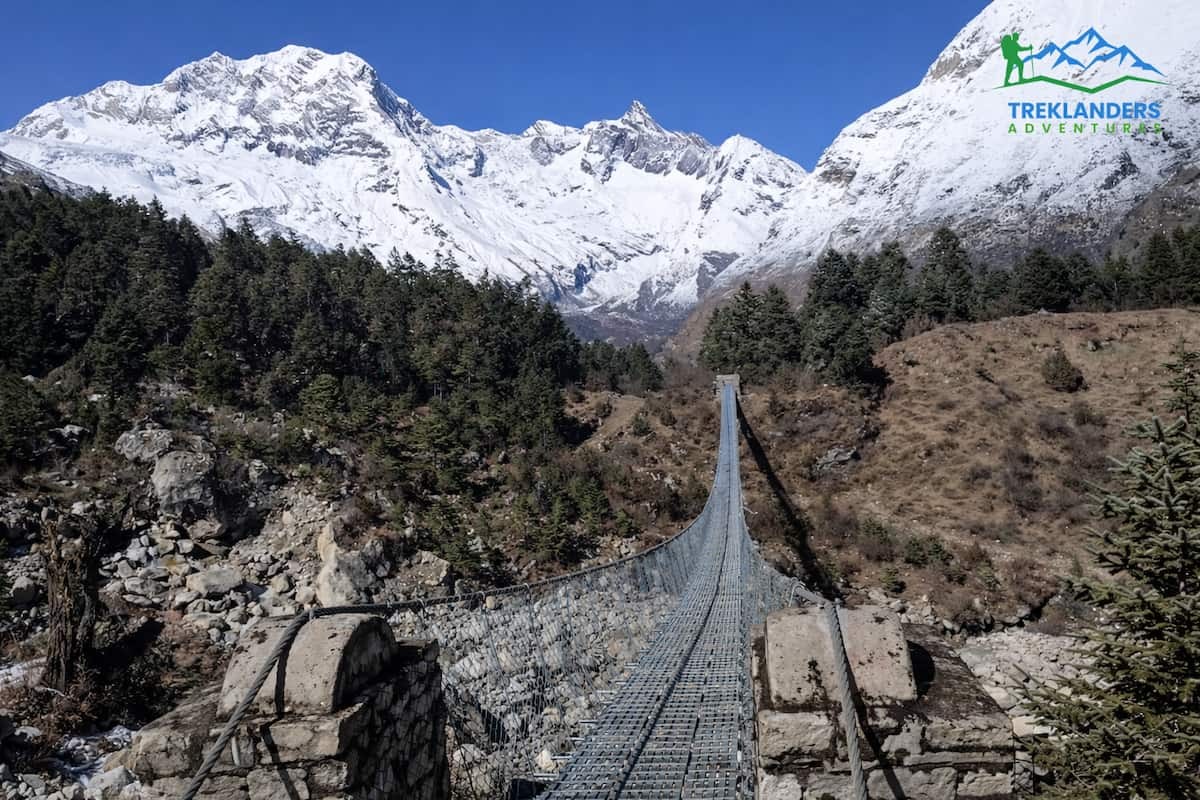
The Manaslu Circuit Trek in February is really a Himalayan adventure for those who want to get away from the crowd, experience raw nature, and live the mountain life more deeply. While it is the opposite of the peak seasons, winter changes the Manaslu region into a silent and virgin environment where the snow-covered mountains, frozen rivers, and tranquil villages will all arouse a feeling of being in a primal forest. Such a unique scenario turns February into a perfect time for the ones who choose tranquility over comfort and popularity.
However, trekking in the winter season is more of a commitment, and thus, you have to prepare yourself accordingly and set your expectations right. Besides the cold weather, the snow-covered paths and the lack of facilities, especially at the top of the mountain, will increase your level of effort. You will face different issues, such as going over the Larkya La Pass, dealing with the very cold weather, and changing your plans according to the weather conditions. These issues will require not only a good physical condition but also a strong mind and a bit of luck. In fact, proper acclimatization is necessary both for the success and your safety as well as for the enjoyment of the trek.
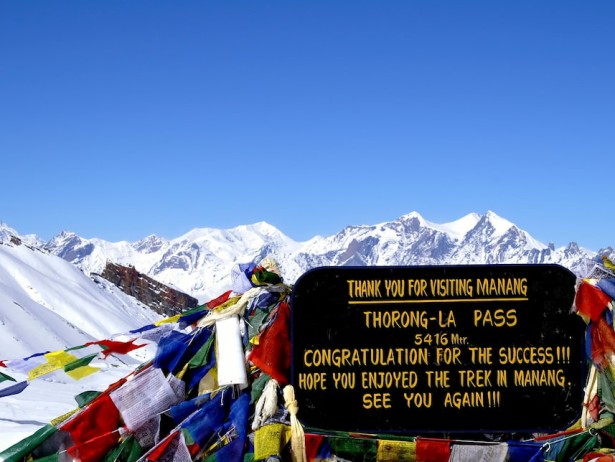
One of the biggest benefits of the Manaslu Circuit trek in February is the potential to get an unspoiled experience. Since there are only a few trekkers, the locals of the Gurung and Tibetan cultural areas greet and treat you with warmth and openness. The teahouses seem to be more relaxed, the monasteries more untouched, and you can very much feel the cultural rhythm of the mountain-inhabited people. It is during the busy months that you cannot find such a feeling of remoteness and a way of life so simple.
Winter trekking also makes one take smarter choices, such as more suitable gear, better health management, and, depending on experts all these are necessary practical ways of thinking. If one is tough enough to endure limited comforts, then one will be able to enjoy almost naked mountain views, spectacular winter nature, and the great feeling that you have done one of Nepal's most difficult circuits in the toughest season of the year.
Finally, trekking along the Manaslu Circuit in February is not something the average person does, but the right person will be immensely satisfied with it. It is an unforgettable trek for those who have experience at high altitude before, are willing to change their way of living, and respect the winter conditions. When one is well prepared, cautious, and with a good attitude, one will see February as the perfect time of the year to go to the Manaslu region and enjoy it in the most beautiful and majestic way possible.
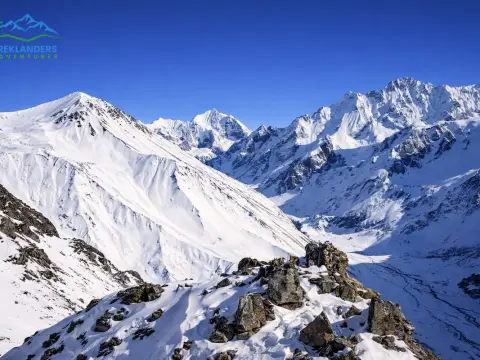
Experience the Langtang Valley Trek in February with quiet trails, winter scenery, plus weather, Itinerary, packing list, and safety tips.
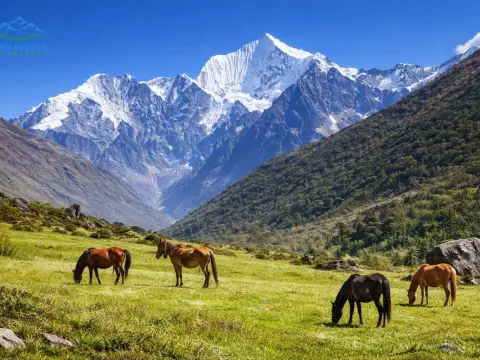
Explore the flora, fauna, and biodiversity of the Langtang Valley Trek in Nepal, from rhododendron forests to rare Himalayan wildlife.

Langtang Valley blends Tamang culture, Tibetan Buddhism, and ancient Himalayan heritage beyond trekking.



