Everest Base Camp Trek 14 Days: Complete Itinerary, Cost, Altitude, Route & Kala Patthar Sunrise Guide
24 Feb 2026
Explore the 14-Day Everest Base Camp Trek with detailed itinerary, cost, altitude, and the iconic Kala Patthar sunrise.

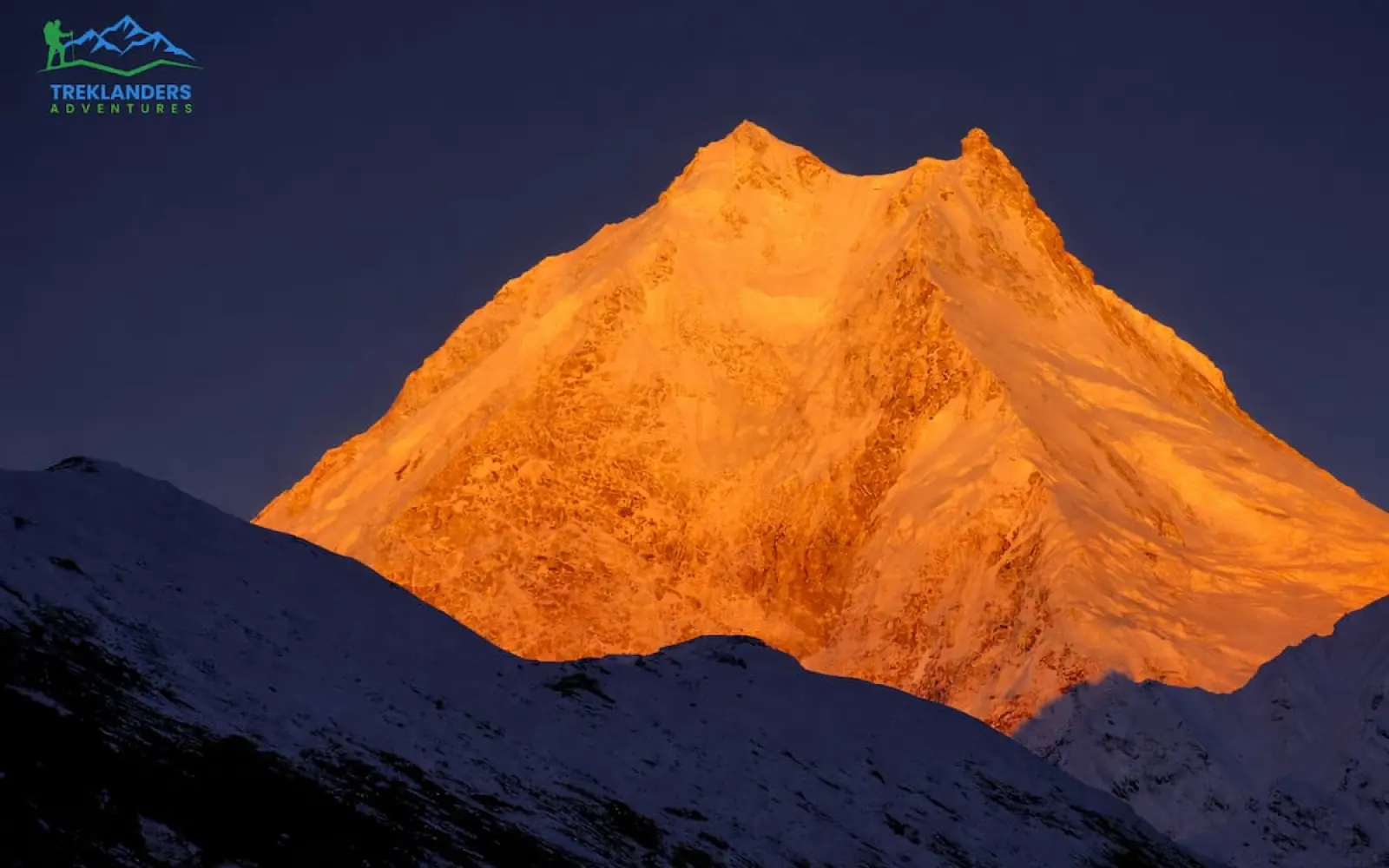
The Manaslu Circuit Trek is a breathtaking yet less crowded Himalayan journey in Nepal that makes wonderful outdoor photography, from the mountains, culture, and high-altitude scenes, possible. The circuit trail around the world's eighth-highest peak - Mt. Manaslu (8,163 m) - to the locals of the area is not only a way of life but also the means of continuing their culture, traditions and sharing the lifestyle of Nepalese Himalayan villages through their art. Compared to the bustling regions of Everest and Annapurna, the Manaslu Circuit still keeps its original face, which makes it perfect for photographers looking for unique and atmospheric images.
Walking from the lower Budhi Gandaki Valley, where the tropical forest is thriving, up to the Larkya La Pass (5,106 m) with its barren alpine scenery, we experience huge changes in the altitude, vegetation, and lighting conditions. In the mornings, the peaks covered with snow are bathed in the gentle golden light, while in the evenings, the silhouettes of the rugged ridges stand out against the fiery Himalayas sky. There are a lot of features that make a great background for a photo, such as crystal-clear rivers, waterfalls, suspension bridges, and hills with terraces.
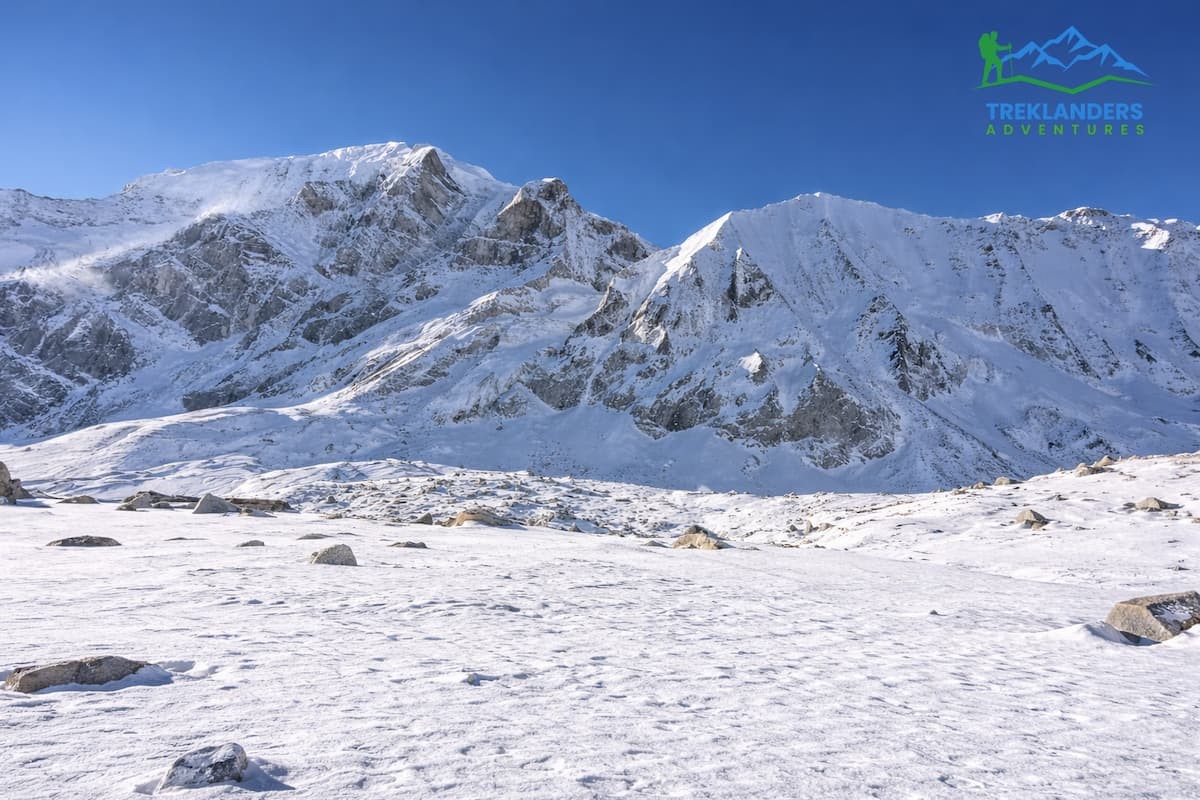
The Manaslu Circuit Trek tops the list as one of the most fruitful photography routes in Nepal, for it blends dramatic mountain scenery, authentic culture, and ever-changing landscapes in a single journey. Contrary to the busier trekking areas, the trail around Mount Manaslu has the charm of being remote and peaceful. This means photographers can take pictures of clean, natural scenes without big crowds appearing in the frame. The serene environment enables you to concentrate on composition, lighting, and storytelling.
One of the main benefits of this trek is its vast diversity of landscapes. In a matter of days, you can experience the change from subtropical forests and rivers to alpine meadows and snow-capped peaks. The Budhi Gandaki River, with its waterfalls and suspension bridges, forms stunning gorge scenes that are ideal for dynamic landscape shots. The higher you go, the more open and rugged the surroundings get, unveiling the towering Himalayan giants and glacial valleys.
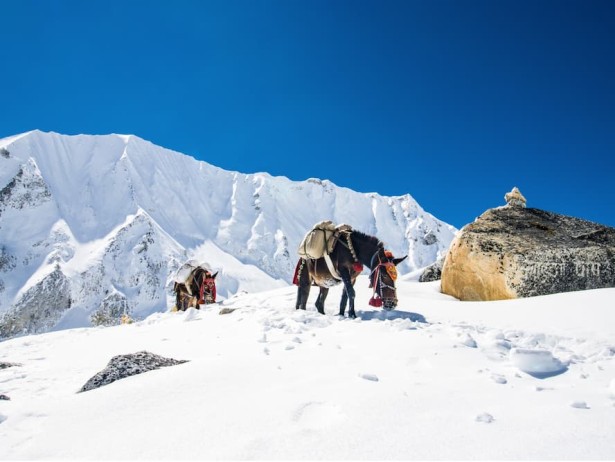
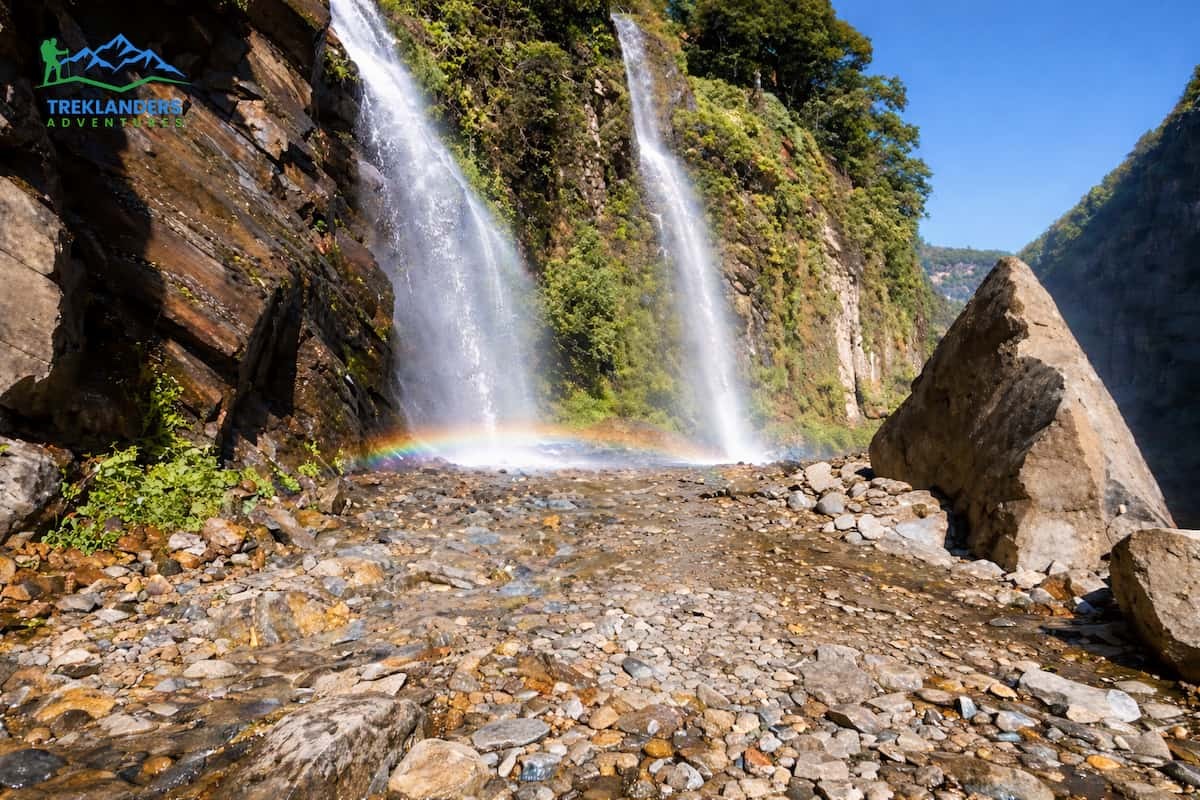
The stretch of the Circuit Trek occurring between Soti Khola and Jagat marks the initial stage of the Manaslu Circuit Trek, and it exhibits huge potential for river and landscape photography. Following the route of the mighty Budhi Gandaki River is this lower-altitude area, which offers breathtaking views of the river with its white-water rapids, rocky cliffs, and deep gorges. The noise of the river energizes the whole scene, visually it provides strong leading lines, for very compelling compositions.
The trail leads the traveler through heavily wooded areas, terraced farmlands, and small village communities. Dawn light penetrates the foliage gently, producing beautiful silhouettes and light spots. At times, the sun's rays reflect from the river's surface, creating shining patterns which, in the photos, look very impressive. A longer exposure time can be used to depict the smooth flow of the water and waterfalls; thus, the pictures get a professional touch.
One of the most scenic aspects along this route is the suspension bridges. These extended steel bridges, suspended at great heights over the river, and sometimes adorned with brightly colored prayer flags, offer the viewer a strong feeling of depth and perspective, and this is especially true when the surrounding hills and cliffs frame the picture. The inclusion of a trekker crossing the bridge in the frame refers to a human factor and a sense of scale, and thus, makes the photograph more impactful.
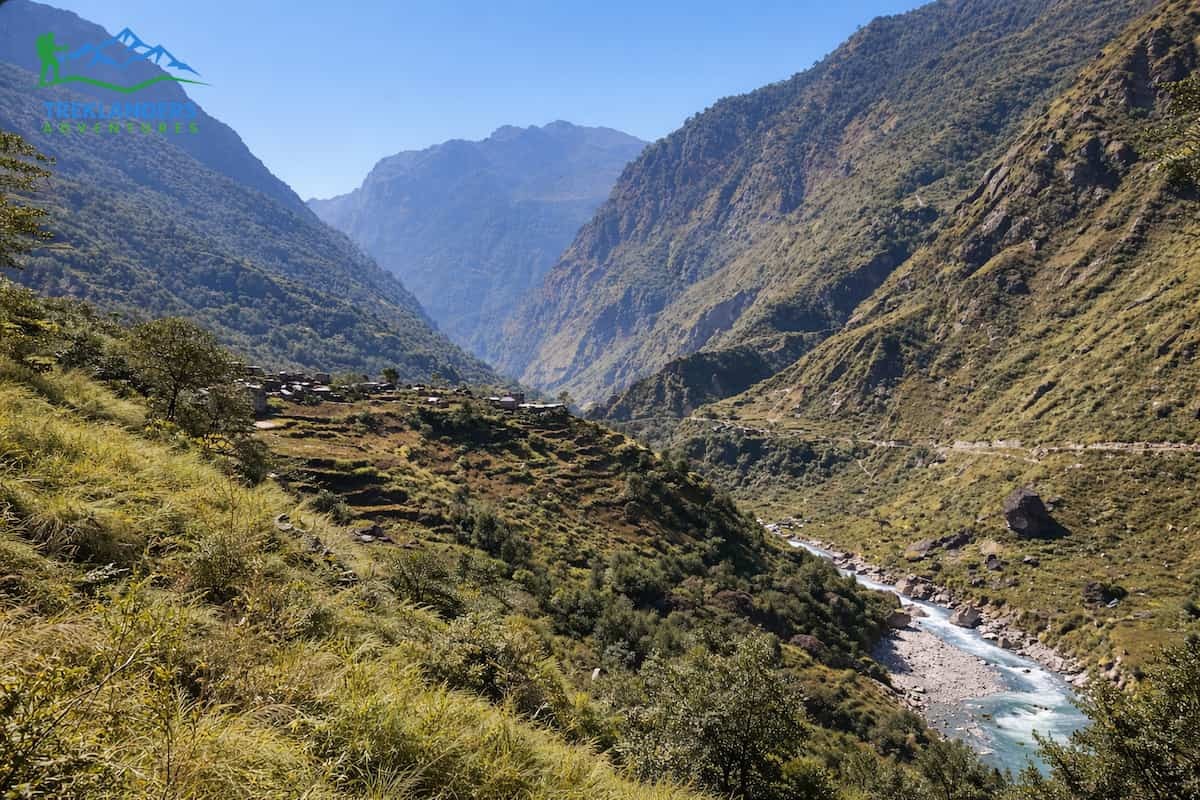
On your way up the Manaslu Circuit Trek, the villages of Deng and Namrung mark a significant cultural and landscape transition. The tropical forests start receding, the air gets colder, and the style of buildings reflects strong Tibetan influence. For photographers, this stretch presents the perfect balance of traditional Himalayan village life and the newly appearing mountain views.
Deng is one of those quiet villages surrounded by pine forests and steep hills. The village is so peaceful and hardly commercial that it is perfect for taking pictures of authentic rural life. Houses made of stone with wooden windows, firewood stacked neatly, and narrow village paths make typical village scenes. The sun's first light here is quite exceptional as the gentle sunlight touches the rooftops, and the prayer flags flutter in the light of the wind.
The higher you go, the more spectacular the scenery turns out to be. The valley gets bigger, and you can see farther snow-capped mountains and get wider mountain views. Namrung is one of the most magnificent villages for photography on the trek. The stone houses are traditional; carved wooden doors and miniature chortens (Buddhist shrines) depicting the region's cultural heritage. In addition, the village provides one of the earliest unobstructed views of the major Himalayan peaks in the area, such as Mount Manaslu and its nearby summits.
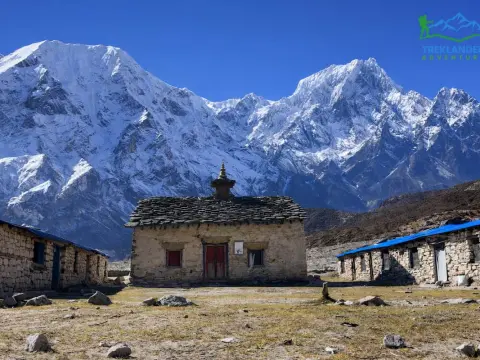
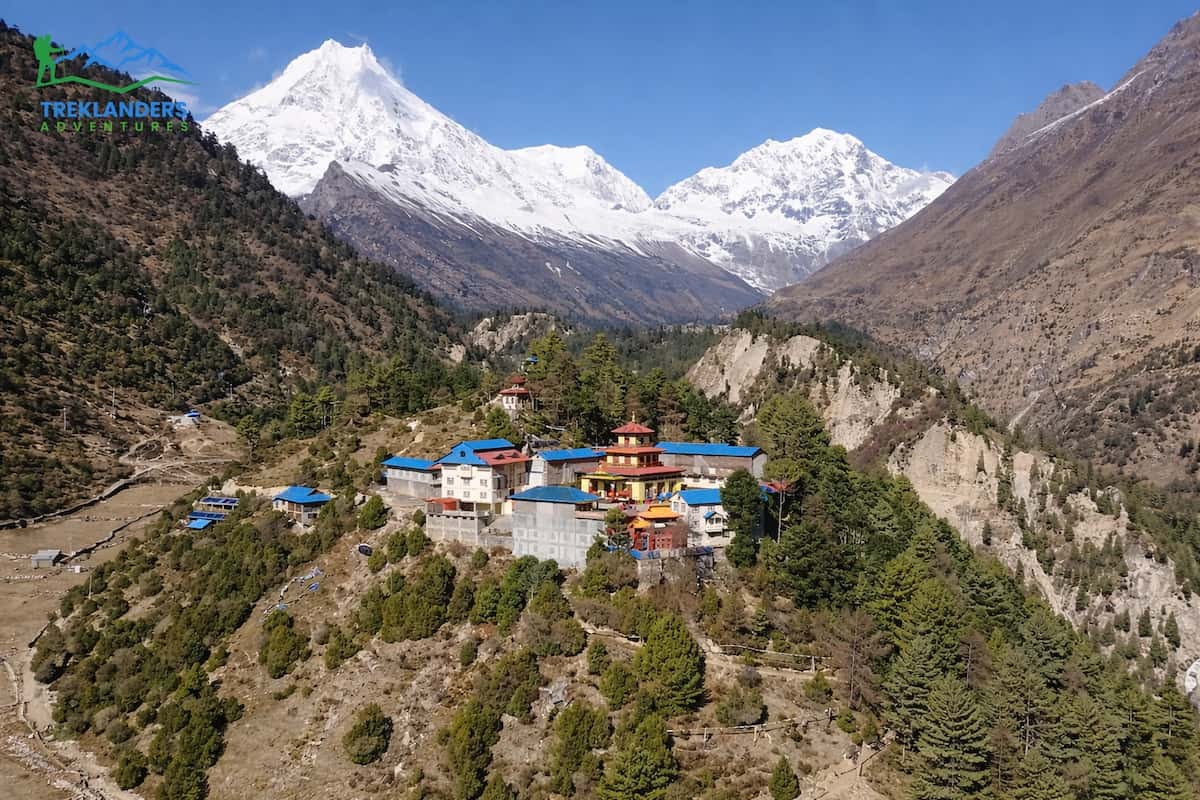
Lho Village is, without a doubt, one of the best photography spots along the Manaslu Circuit Trek. At an altitude of about 3,180 meters, the quiet village is the source of the most spectacular, breathtaking, and crystal-clear views of Mount Manaslu. Just right from the window of the massive snow-covered peak, traditional stone houses will look as if they have been put there deliberately to form the perfect combo of culture and mountain scenery.
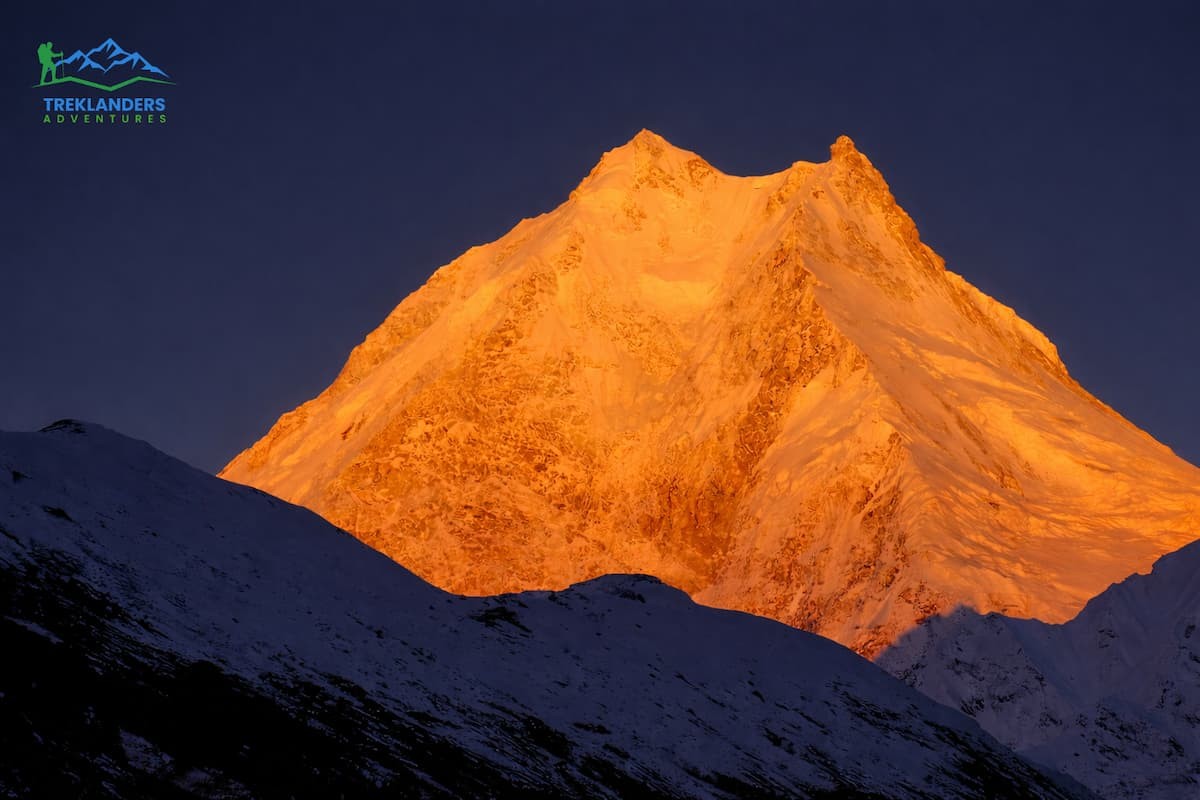
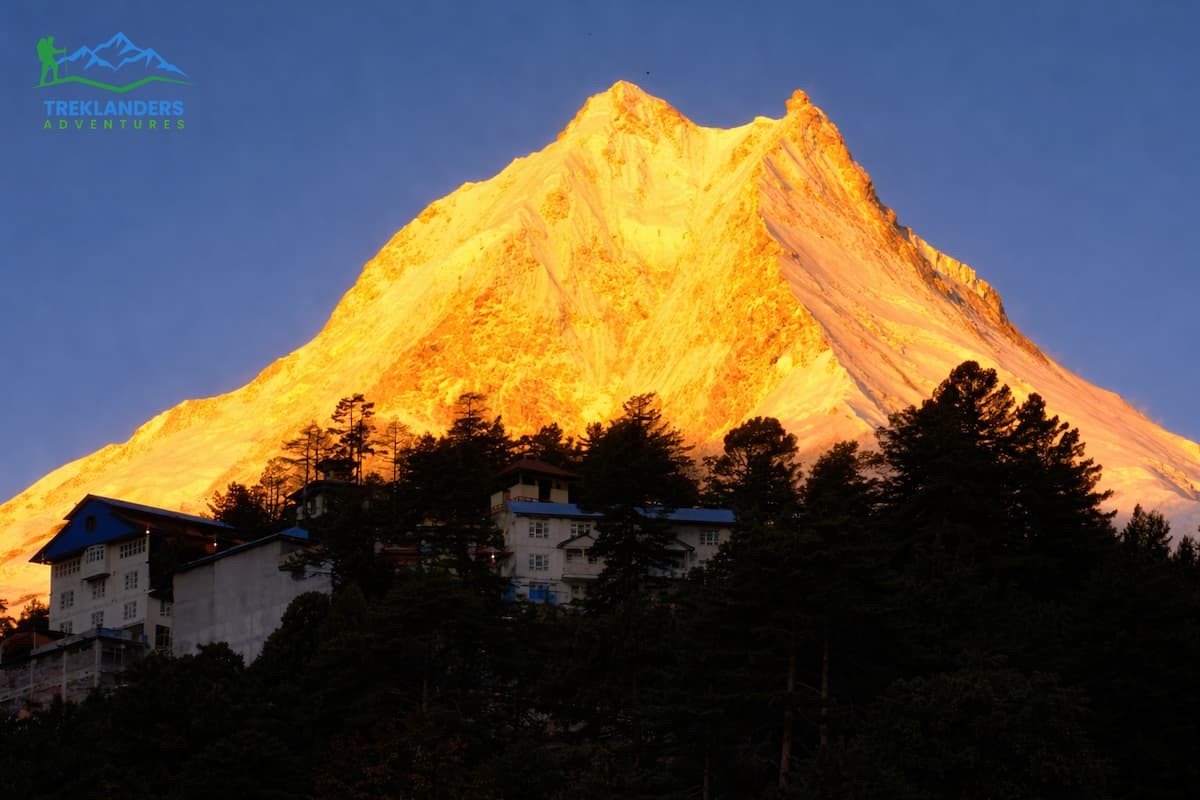
A top-notch place for taking pictures if you are in Lho is by the Ribung Monastery, which is located a little bit above the village. With this monastery view, one will be able to take a photo with Mt. Manaslu in the background, while colorful prayer flags and white monastery walls will be the elements in the foreground. If you are an early riser, you will be rewarded with the first rays of sunlight touching the summit and turning it golden while the sky remains deep blue. The soft light at that time gives dramatic contrast and sharp contours.
The village, with all its charm, is a big canvas for photographers. Houses of traditional Tibetan style are separated by narrow stone pathways that meander between them. Wooden windows stacked firewood and small courtyards provide warmth and lively scenes for your pictures. Prayer flags that are hung over the roofs are swaying gently in the wind and thus add a dynamic element and color to the otherwise still mountain scenes. On clear days, the snow on Manaslu is dazzlingly bright, and thus it becomes the main attraction against the backdrop of the darker hills below.
Lho is a wonderful place for capturing lifestyle photography. You may observe local farmers tilling the fields, taking care of the animals, or children walking to school. Yaks grazing near the village make great foreground subjects with the mountain towering behind them. Such pictures depict the lifestyle of people living in the high Himalayas.
Sunset in Lho is another amazing time for photography. The sunlight turns golden, and the mountain sometimes glows pink and orange for a few minutes. Capture these incredible moments of nature's beauty by having your camera ready during this golden hour.
In conclusion, Lho Village is undoubtedly one of the most photogenic spots on the Manaslu Circuit Trek. Here you can get astonishing views of the mountains and capture the genuine Himalayan culture, all in one frame.
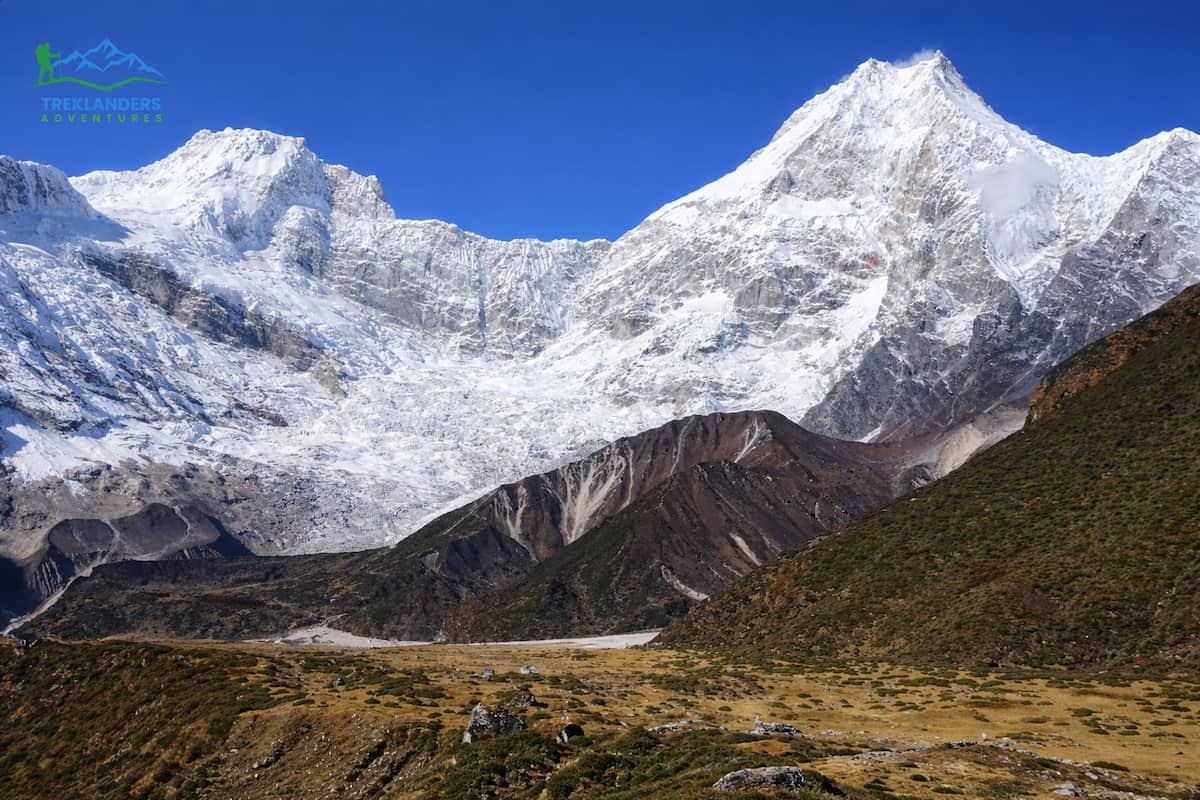
Samagaun, a charming village situated at an altitude of approximately 3530 meters on the Manaslu Circuit Trek, is truly a photographer's dream. The village, encircled by majestic Himalayan peaks, is located just below the glaciers of the Manaslu area, thus providing a perfect setting for one to capture both the culture and natural landscapes in a single shot. Samagaun, on one hand, is a typical Tibetan-style village and on the other hand, it is surrounded by dramatic glacial scenery, hence, it offers varied photography opportunities.
Photographers are drawn mainly by the local monasteries. Samagaun Monastery, with its whitewashed walls and neatly red roofs, faces the snow-capped peaks behind it in a very picturesque way. A flutter of multicolored prayer flags in the wind adds color and life to the photographs. Placing these religious buildings in the foreground with the mountains at the back gives the viewer an idea of the vastness of the area and a shot of the equilibrium between culture and nature.
Above Samagaun, the glaciers are also worth mentioning. Through some windows of the village, you can observe the ice flowing and the rugged glacial terrain coming down the valleys. These icy sceneries are in complete contrast with the warm hues of the stone houses and the terraced fields; thus, they add to the depth and the texture of your pictures. Especially, the time of sunrise and sunset is enchanting here when the gentle golden light of the sun illuminates the peaks and the glacial surfaces, thus producing stunning shadows and highlights.
Exploring the village of Samagaun not only gives the chance for memorable moments but also for capturing beautiful photographs. You can add a bit of story to your photographs by locals working on their fields, herding yaks, or walking along narrow trails. Besides, integrating these daily scenes with the magnificent Himalayan scenery in your photographs will make them unforgettable.
Moreover, the countryside around offers the chance to take wide-angle photos. You can get a shot of rolling hills, alpine meadows, and distant mountains all at once in a single photo, thus showing the grandeur and the beauty of the Manaslu region. If you are a drone user, the bird's-eye view over Samagaun and its glaciers is stunning, but don't forget to comply with local laws.
To conclude, Samagaun is a great mixture of quaint Himalayan tradition and glacial and mountain scenery, which makes it one of the most attractive stops on the Manaslu Circuit Trek for photographers into both landscape and culture.
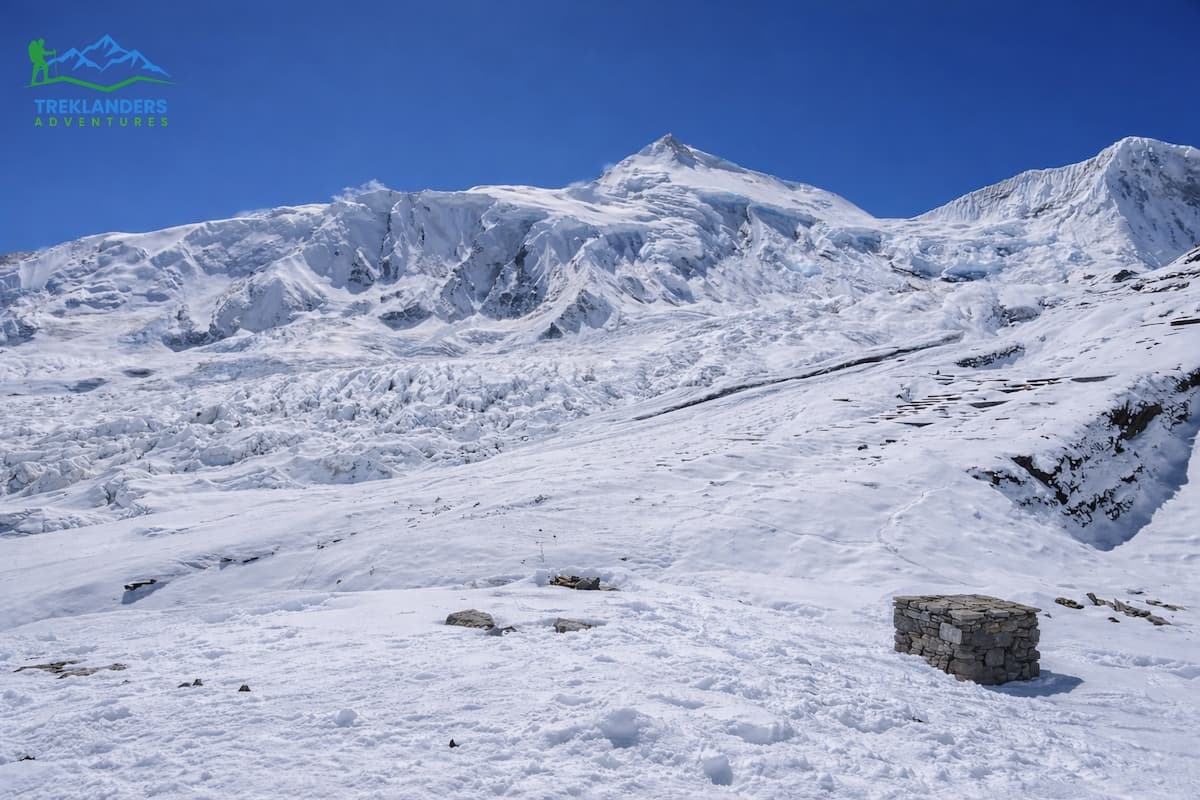
The Manaslu Base Camp (MBC) is undoubtedly one of the most exciting photography venues along the Manaslu Circuit Trek. Located at around 4,800 meters, it lets you encounter Mount Manaslu's magnificence by giving you its stunning views from the close quarters of its peaks, glaciers, and rugged ridgelines. To photographers, this is the place where the gigantic scale of the Himalayas really hits the eye, and it offers them some landscape shots to hold on to forever.
Besides the stunning natural scenery, the trek to MBC is a photographic journey of itself, going through alpine meadows, moraine valleys, and glacial streams, which means several opportunities for foreground elements in photography. Photographers usually rely on rocks, glacial boulders, and streams as natural leading lines to direct the viewer's eyes to Manaslu's gigantic summit. Wide-angle lenses are most suitable here to depict the scale and detail of the enormous mountains and the surrounding landscape extending far and wide.
One highlight of MBC is the chance to photograph the glacier up close. The base camp is located pretty much at the end of the glacier, where the ice moves down from the higher areas. Shots taken really close to the broken ice, crevasses, and moraine rocks make for a picture full of intense textures and patterns. With the morning light, these features get an extra punch, making the bright ice and the shadowed valleys so different and thus so appealing.
The camp also provides opportunities for lifestyle and human-scale photography. Climbers and trekkers resting at the camp, tents pitched against the icy backdrop, or expedition teams preparing for their ascent, add a human element that emphasizes the scale of the mountains. These photos tell the story of adventure and endurance in the high Himalayas.
Weather and light conditions play a crucial role. Early mornings often provide clear skies and soft golden light, while afternoons can bring clouds swirling around the peaks, adding drama and atmosphere to images. Sunset is particularly stunning, with the last sunlight illuminating the summit in warm tones while shadows deepen the valleys.
Overall, Manaslu Base Camp offers photographers the chance to capture intimate yet epic Himalayan scenes. From glaciers and rugged peaks to trekking life at high altitude, MBC combines natural drama and adventure, making it a must-visit location for anyone wanting to take close-up, breathtaking images of the Himalayas.
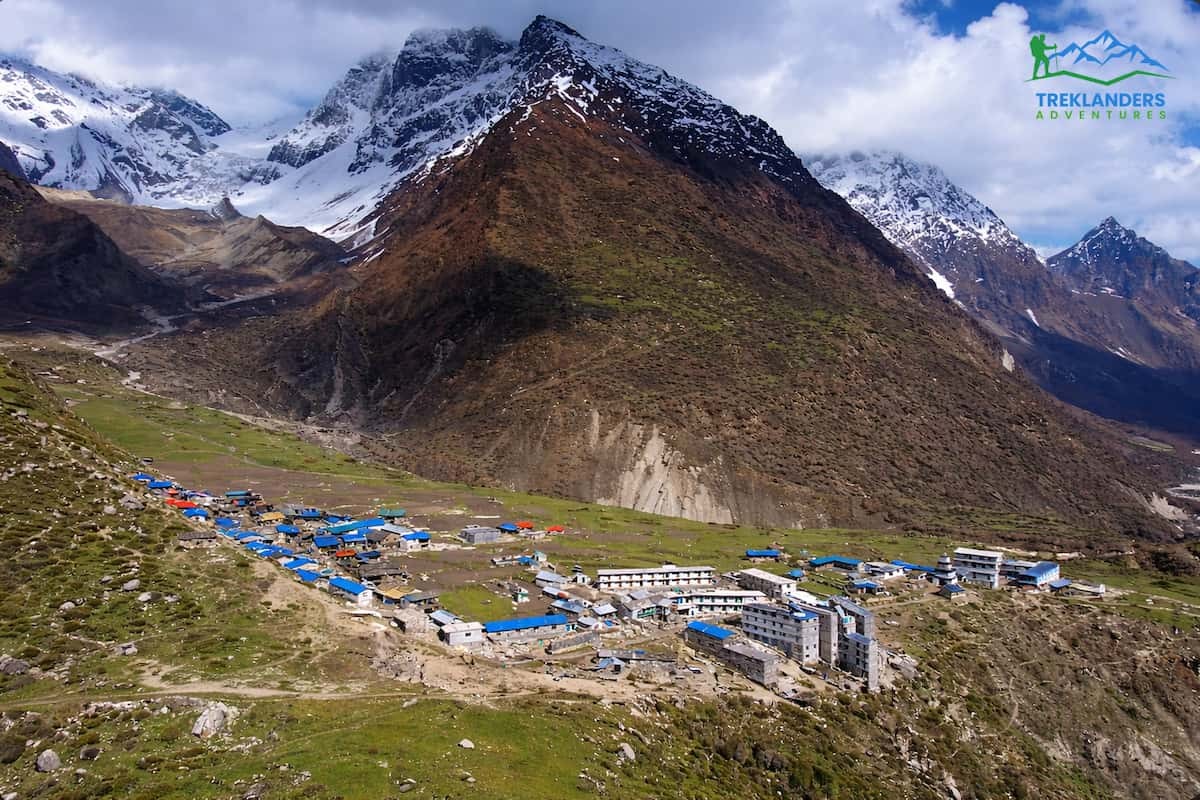
Samdo is a charming high-altitude village located around 3,900 meters on the Manaslu Circuit Trek. It is the last permanent settlement before the high alpine zones and Larkya La Pass, making it a perfect stop for photographers interested in capturing both culture and the rugged Himalayan landscape. The village is surrounded by rolling hills, alpine meadows, and grazing yak pastures, offering countless opportunities for scenic and cultural photography.
One of the highlights of Samdo is its traditional Tibetan-influenced lifestyle. The village features stone houses with wooden windows, small chortens (Buddhist shrines), and colorful prayer flags that flutter in the high-altitude wind. Early mornings and late afternoons are the best times to photograph these features, as the soft sunlight enhances textures and adds warmth to stone structures. Villagers are going about their daily activities, herding yaks, tending small fields, or carrying supplies along mountain trails adding life and storytelling to your images.
The yak pastures around Samdo are especially photogenic. Herds of yaks grazing against the backdrop of towering Himalayan peaks create a striking contrast between wildlife and mountains. Including yaks in your compositions also adds scale, showing just how vast and dramatic the landscape is. Photographers can experiment with wide-angle shots for sweeping panoramas or zoom lenses for capturing the yaks and villagers in intimate detail.
Another great advantage of Samdo is that it offers stunning mountain views. You can see peaks like Manaslu and the rocky ridges around from the top. The changing seasons also give you different photogenic scenes. Spring has green meadows and blossoming alpine flowers, while autumn gives you clear skies and golden sunlight that make the mountains look even more spectacular.
Both cultural and landscape photographers will find Samdo is a place where they can get natural high-altitude life shots combined with beautiful mountain scenery. When you interact with locals politely, you get real portraits without them having to stop their daily activities. The wide-open spaces, yaks, and villages decorated with prayer flags are some of the reasons why Samdo is an unforgettable photography destination on the Manaslu Circuit Trek.
In a nutshell, Samdo is a good representation of the high Himalayan lifestyle. It has a great mix of cultural attractions, animal photography, and beautiful mountain landscape, which is quite an exciting combination for any trekker used to the cold mountain trail.
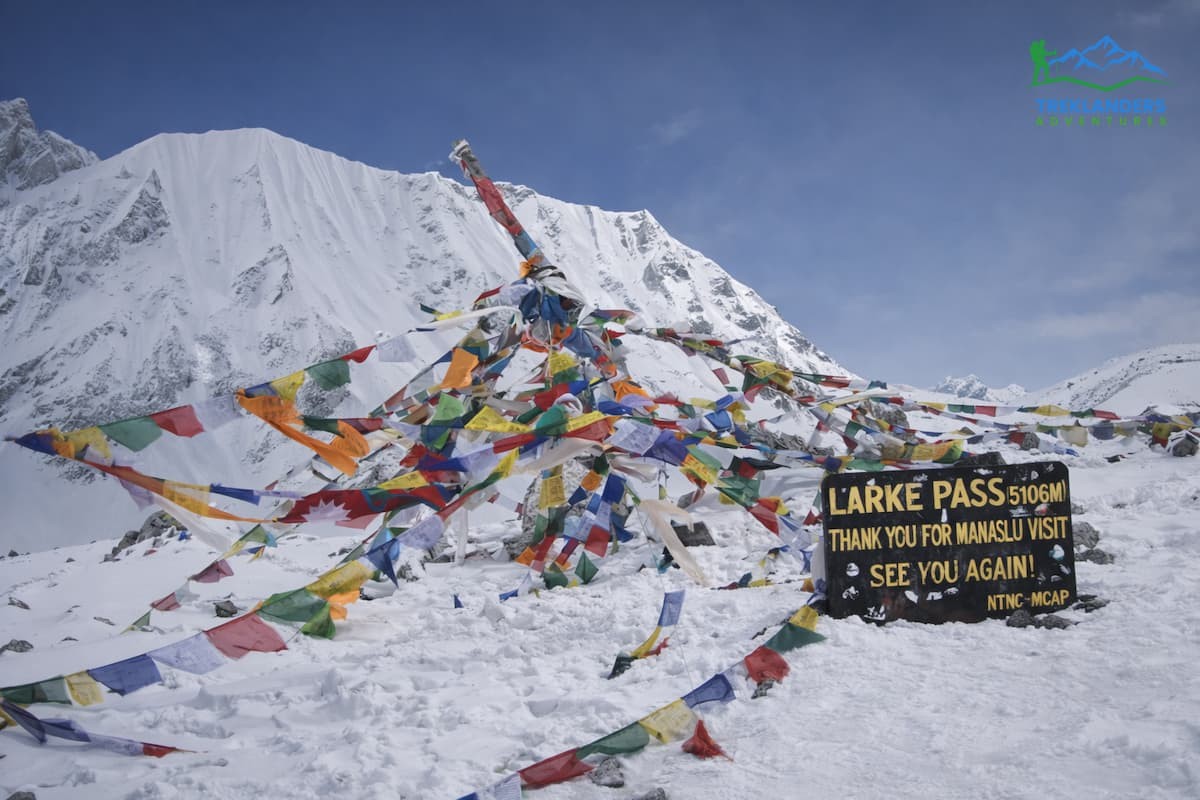
The Larkya La Pass ranks among the most breathtaking and worthwhile photography spots on the Manaslu Circuit Trek. At an altitude of 5,106 meters, it is the highest point of the trek and offers a complete visual feast of snow-capped peaks, glacial valleys, and rugged Himalayan ridges. For photographers, it's basically an empty holy altar, a place where they can worship and offer a sacrifice of the spectacular Himalayas.
Getting to Larkya La involves a tough climb, but the sights at the summit will live with you forever. At this point, one can see Mount Manaslu and its nearby summits photogenically from above and, at the same time, create a series of landscapes portraying the scale, beauty, and majesty of nature in this area. A wide-angle lens should be your first preference when aiming at the mountains and the valleys around; however, a telephoto lens can help you spot and capture snow texture, glaciers, and rocky formations.
The pass is also very much alive with photo opportunities if you want to play with your background. The snowfields, rocks, and trekking sticks or cairns can be used in the composition of the photo as leading lines to the distant mountain peaks. Photographers like to catch the golden hour light of early morning or late afternoon because, when the sun shines on the snow and mountains, it leaves warm patches of light, and the shadows bring out the rough texture of the land, the clouds, or the mist that are sometimes seen floating over the peaks can be used to add drama and atmosphere to the pictures.
Larkya La is another spot that presents great chances for human-scale photography. Photographers looking for a very colorful scene will be happy to see trekkers crossing the pass with vibrant jackets and backpacks, which help to show the size of the surrounding mountains. Such a combination narrates a powerful visual story of folks' adventure and endurance in extreme altitudes. Plus, taking photos of people interacting with the environment brings more life and a feeling of accomplishment to the pictures.
The weather at such a high altitude is disastrously changeable, so photographers must be ready for anything. Sunny weather is great for clear and sharp pictures, whereas clouds and gentle snow can inspire you to take beautiful and moody pictures. Never forget to protect your camera from the cold, wind, and dampness, as well as carefully select your time for the best lighting conditions.
In summary, Larkya La Pass is the most spectacular part of the Manaslu Circuit for mountain panoramic photography. It offers a wonderful combination of high altitude, amazing snow-covered peaks, and stunning landscapes to give photographers an opportunity of a lifetime to depict the true spirit of the high Himalayan region.
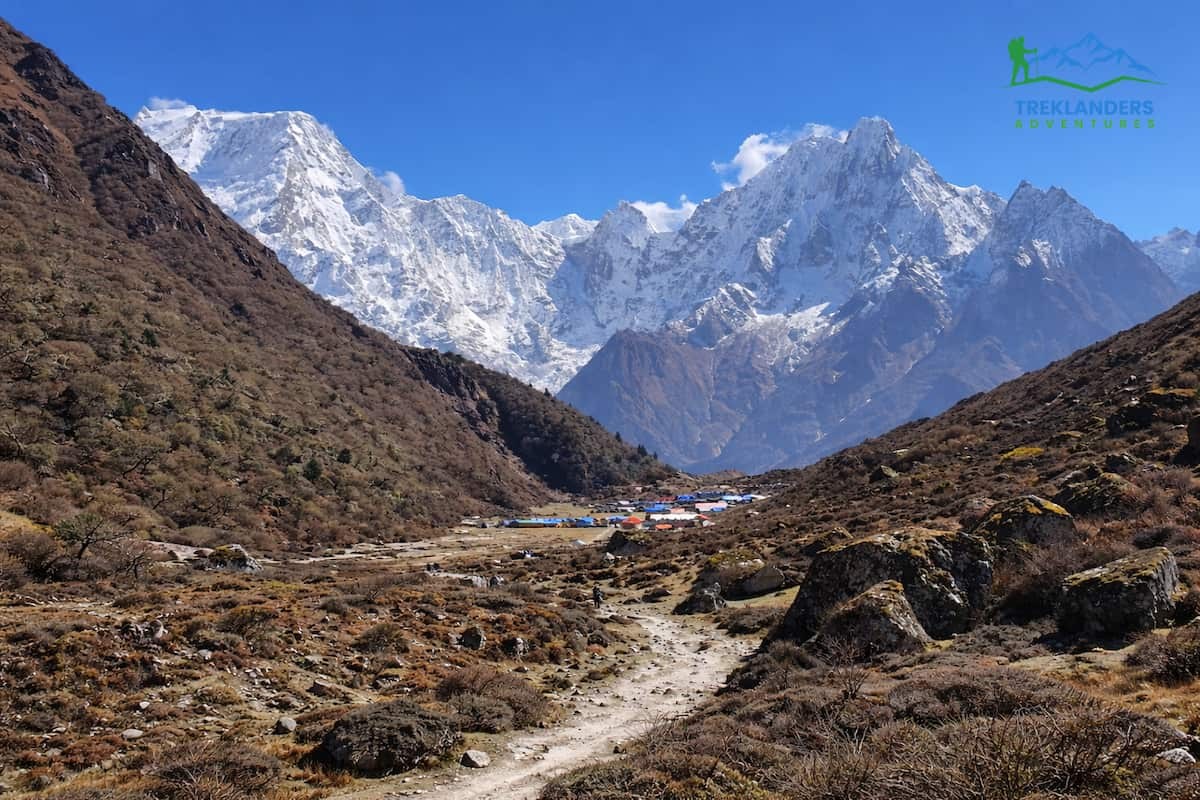
Bimthang, situated at an elevation of about 3,720 meters on the Manaslu Circuit Trek, is undoubtedly one of the most charming and tranquil spots for photography along the route. Being in a high-altitude alpine valley, Bimthang gives you beautiful sunrise views, large meadows, and mountain panoramas that will surely delight landscape and nature photographers.
The village is enclosed by gently rolling hills, open grasslands, and pasture lands for yaks, thus you get natural foregrounds that can add interest to your shots. The break of day in Bimthang is an enchanting time to do photography. When the sun appears from behind the summits, the valley is bathed in a soft golden light, which also creates long shadows and earthy red colors on the alpine meadows. You can get beautiful mountain silhouettes and vivid landscapes during this time.
Careful timing is essential when planning a trip to the Manaslu Circuit for photography. The trekking route offers various terrains and ecosystems, ranging from subtropical forests to high alpine environments, which means the weather and light conditions vary with the seasons. Generally, the spring (March to May) and autumn (September to November) months are considered the best time for photography as during these seasons the sky is mostly clear, the visibility is good, and the colors look vivid.
During spring, the lower valleys and hills boast a carpet of rhododendrons, orchids, and other wildflowers. The striking reds, pinks, and whites stand out nicely against the green terraces and rivers, making it a dream location for both macro and landscape photography. It is also the time when the snow on the high peaks starts to melt, uncovering glaciers and rocky slopes. Spring dawns are often peaceful and have a soft, warm light, so they are ideal for photographing mountain scenes as well as villages.
Photographers also get a lot of sunshine, fresh air, and warm-colored light in autumn. The air gets clean again after the monsoon, and Mount Manaslu, as well as the other peaks, can be seen quite clearly without any obstructions. The temperature is low, and the sunlight is evenly spread throughout the day. In addition, autumn is suitable for taking sunrise and sunset shots as the sun at a lower angle beautifully lights up the mountains, the valleys, and the villages. You can take advantage of this season for a collection of panoramic pictures or photography at a higher altitude, like at Larkya La Pass, Samdo, and Bimthang.
Looking at the seasons from a photographic point of view, winter (December to February) may present you with some amazing snow-capped scenery and exceptional lighting, but be aware that temperatures are extremely cold, the paths are very slippery, and some parts might be quite challenging to hike.
On the other hand, summer (June to August) is not so good a time to photograph as it is the season of monsoons, heavy rains, fog, and clouds that mask the mountains. The rivers are at their highest level, and therefore, the paths are muddy, which makes it tough for outdoor photography.
If you make a photo shoot plan, consider the early morning or late afternoon when the light is best. Golden hour gives an extra touch to things in your pictures, color intensities, and different levels. The middle of the day sun can be very strong, and as a result, your photos, especially the ones of the snow, can turn out to be quite flat.
All in all, Manaslu Circuit Trek photography will bring you the most splendid scenes of nature with clear skies, glorious nature, and perfect light if you do it in spring or autumn. If you decide to go for your trek in these months, you will be able to take wonderful photos of the Himalayan scenes and culture that you will remember forever.
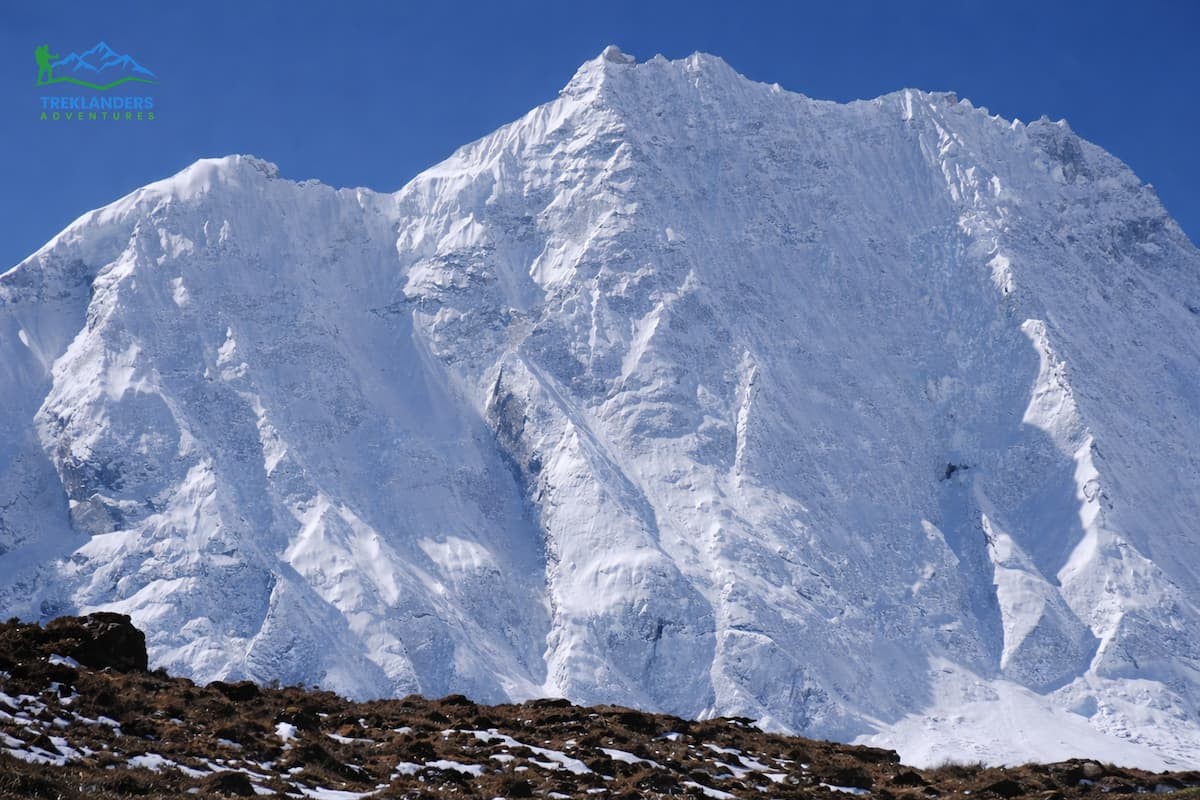
Manaslu Circuit Trek unfurls a wonderful canvas for photographers with a harmonious combination of nature, culture, and adventure. The rushing waters and hanging bridges at Soti Khola and Jagat, the peaceful alpine valleys of Bimthang, and the awe-inspiring Larkya La Pass heights all offer great chances to depict various aspects of the Himalayas. Settlements like Deng, Namrung, Lho and Samdo still keep the local culture alive through stone houses, monasteries, prayer flags, and daily street scenes that can be beautifully captured in your photographs.
The journey encompasses a wide range of landscapes - from subtropical forests and terraced fields to glacial valleys and snow-capped peaks, which, along with the light changes throughout the day, provide infinite opportunities for incredible photographic compositions. The time of year is equally important as the season changes with spring and autumn delivering the clearest sky, the most colourful landscape, and the perfect light for both nature and cultural shots. The soft golden light of early mornings and late afternoons accentuate the textures, contrasts, and depth in every frame.
Photographers find the Manaslu Circuit not merely a place to shoot mountains but a platform to show the balance between humans and nature, the tough plight of high-altitude communities, and the stunning vastness of the Himalayas. By engaging with locals in a respectful manner, being vigilant about the weather, and having the right gear, you can be sure that your focus will only be on making beautiful images in a safe and responsible way.
In the end, it doesn't really matter if you're a pro photographer or a camera-carrying travel enthusiast; Manaslu Circuit Trek is that once-in-a-lifetime window to the world of magnificent scenery, real culture, and the iconic Himalayas. A picture-story is behind each village, river, meadow, and mountain, which is why this trekking trip in Nepal will remain in your memory forever if you are into photography.

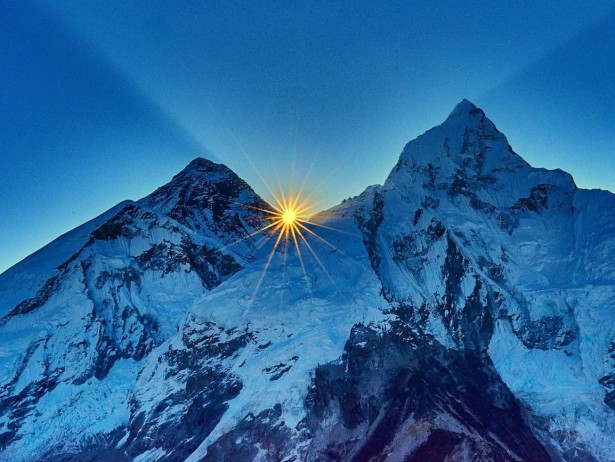
Explore the 14-Day Everest Base Camp Trek with detailed itinerary, cost, altitude, and the iconic Kala Patthar sunrise.

Discover the Langtang Valley Trek in Nepal — a stunning Himalayan journey to Kyanjin Gompa, Tserko Ri (4,984m), and close-up views of Langtang Lirung.
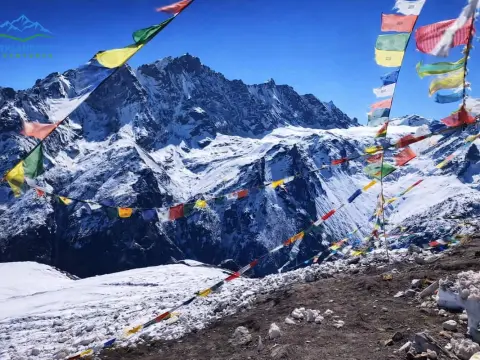
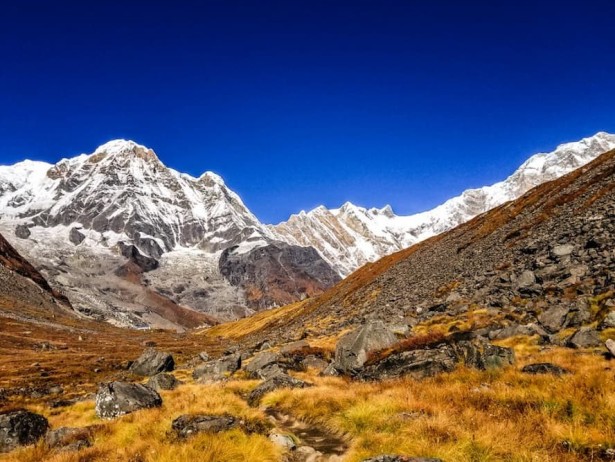
Discover the best photography spots on the Langtang Valley Trek, from sunrise mountain views to Tamang culture and wildlife in Nepal’s Himalayas.



