Short Everest Base Camp Trek 12 Days: Complete Fast Track Guide, Itinerary, Cost & Difficulty
23 Feb 2026
12-Day Short Everest Base Camp Trek guide covering itinerary, cost, difficulty, and best time to reach EBC and Kala Patthar.

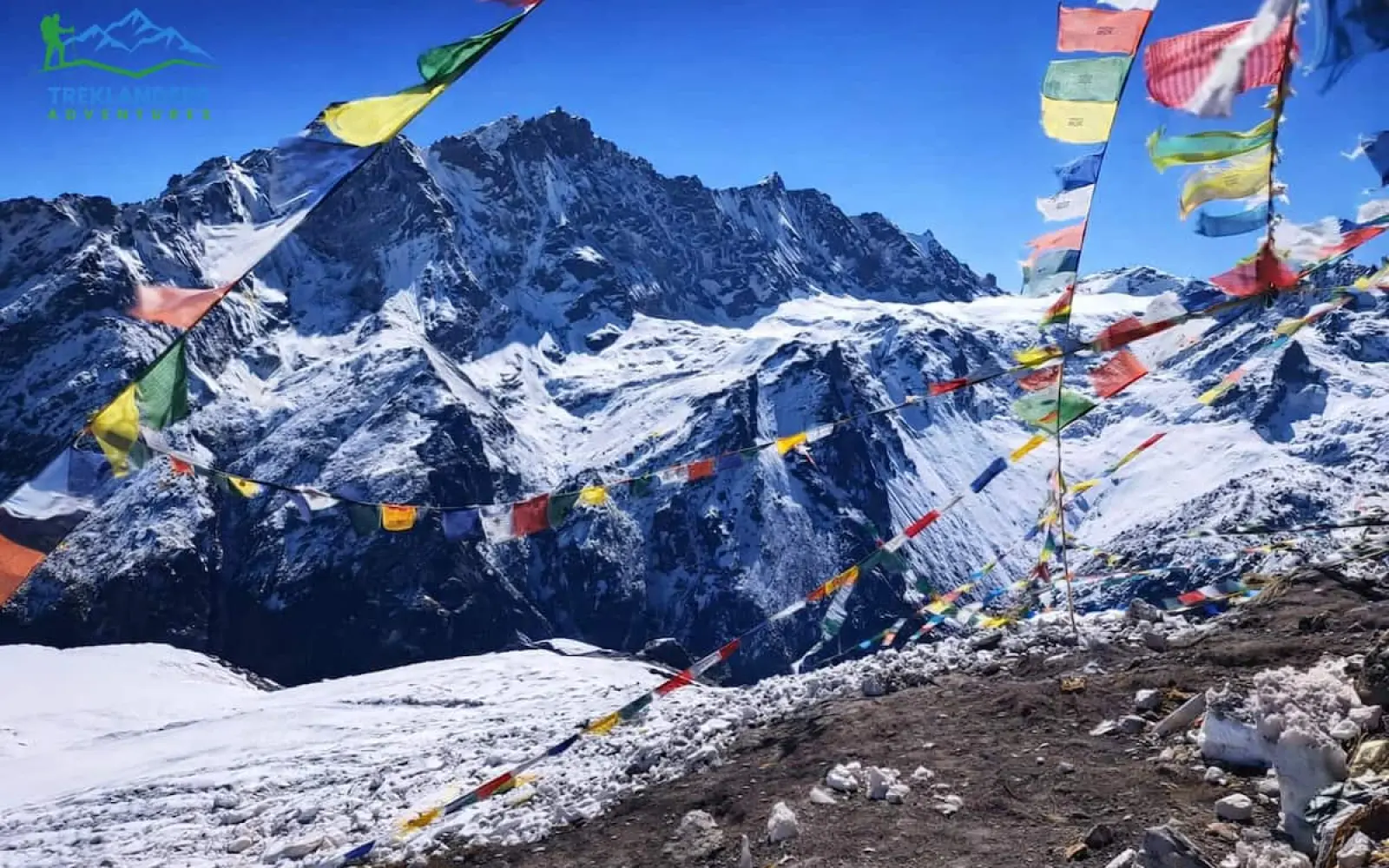
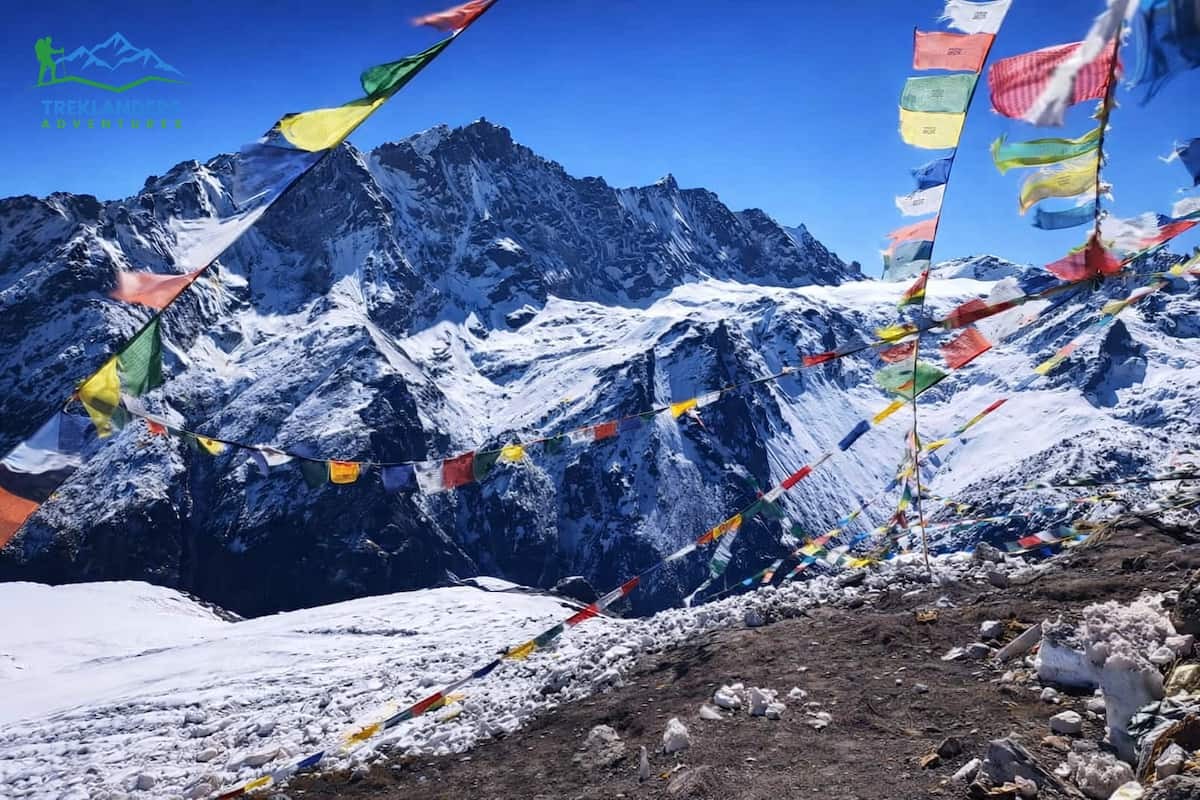
The Langtang Valley Trek is widely regarded as one of the most stunning trekking routes in Nepal and a dream for photography lovers. This area, which is just north of Kathmandu and close to the Tibetan border, provides incredible mountain views, charming villages, green forests, and rugged mountain landscapes. In contrast to other, more crowded trekking districts like Everest or Annapurna, Langtang is less popular and more pristine, hence it is the best place to capture the genuine Himalayan beauty.
Right at the start of the trek, photographers are treated to a varying landscape. The path winds through the thick forests of rhododendron and bamboo, crosses suspension bridges over fast-flowing rivers, and gradually ascends towards snow-capped peaks. Going through the trail, one can see that the scenery from the different altitude’s changes from the lush green hills to the broad valleys and finally the rocky mountain terrain. Such diversity enables travellers to take different types of pictures within the short span of just a few days.

Close-up mountain vistas are undoubtedly the chief draw for visitors to the Langtang Valley. Mountains like Langtang Lirung appear in their full splendor especially when the sun is rising or setting. The sun's rays touching the snow-covered surfaces result in striking and colourful pictures that every photographer wishes to get. Besides being mountainous, the valley has abundant cultural facets as well. Picture-taking of the locals' cultural aspects is made possible by the traditional Tamang villages, prayer flags, mani walls, and ancient monasteries present in the valley.
Wildlife and nature are among the factors that make Langtang unique. You might be able to photograph Himalayan birds, yaks grazing in the pasture, or even rare animals like the red panda if you are lucky... In spring, the colourful rhododendron flowers bloom, which give bright colours to the scenery.
The Langtang Valley Trek is not only about reaching the destination, but it is also about having fun at every step. Every bend in the path reveals a new opportunity for photography. It does not matter if you are using a professional camera or just a smartphone; Langtang provides you with a virtually unlimited number of opportunities to take unforgettable pictures. In this post, we will show you some of the best spots to take pictures in Langtang Valley that you should definitely see when you go on the trek.
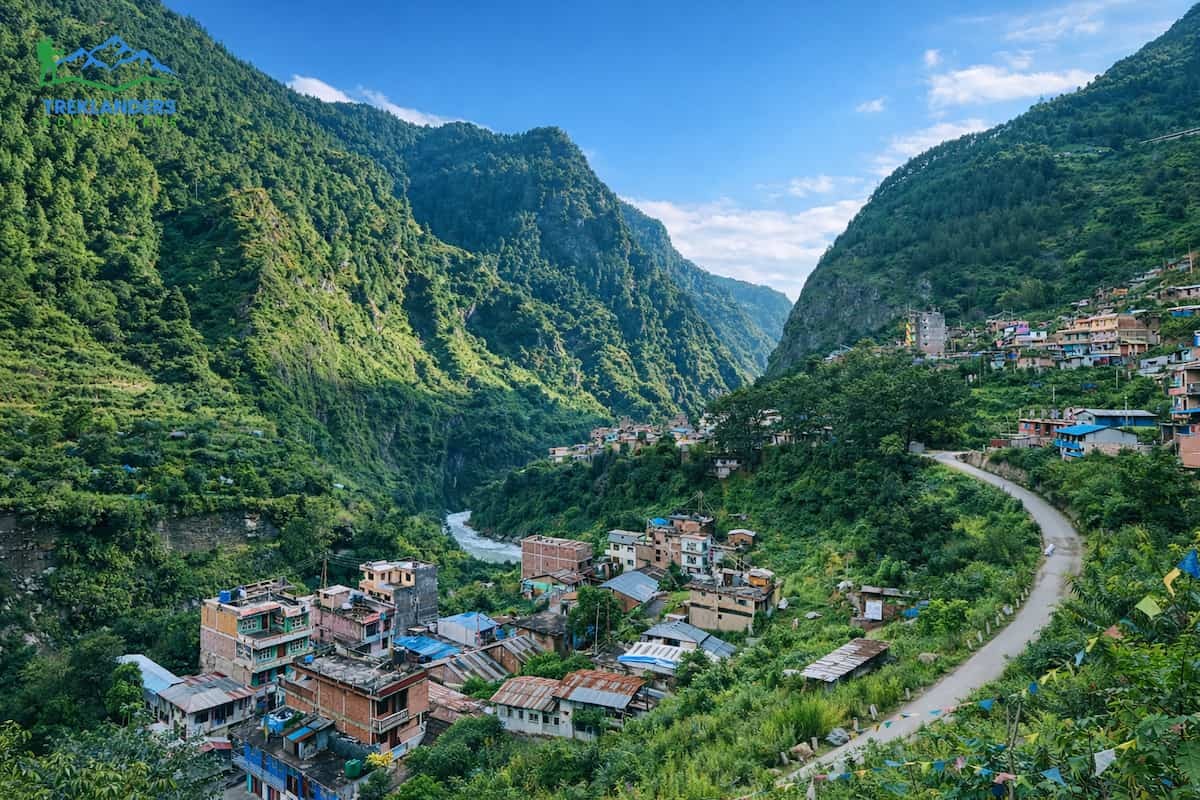
Syabrubesi is the gateway to the Langtang Valley Trek and has gorgeous countryside for photography lovers. This tiny settlement is located on the banks of the Bhote Koshi River and is enclosed by green hills and fields of terraced crops. Morning is the ideal time to photograph here as the gentle sunlight touches the hills and the fields get a warm glow.
Stone houses with tin roofs bring an authentic Himalayan flavor to your pictures. Suspension bridges, rivers, and people at work make the scenes naturally engaging. Since this is the lower altitude area, the landscapes are green and full of life, especially in spring and monsoon. Photographers get to mix landscape, culture, and village life shots before the trek to the alpine area.
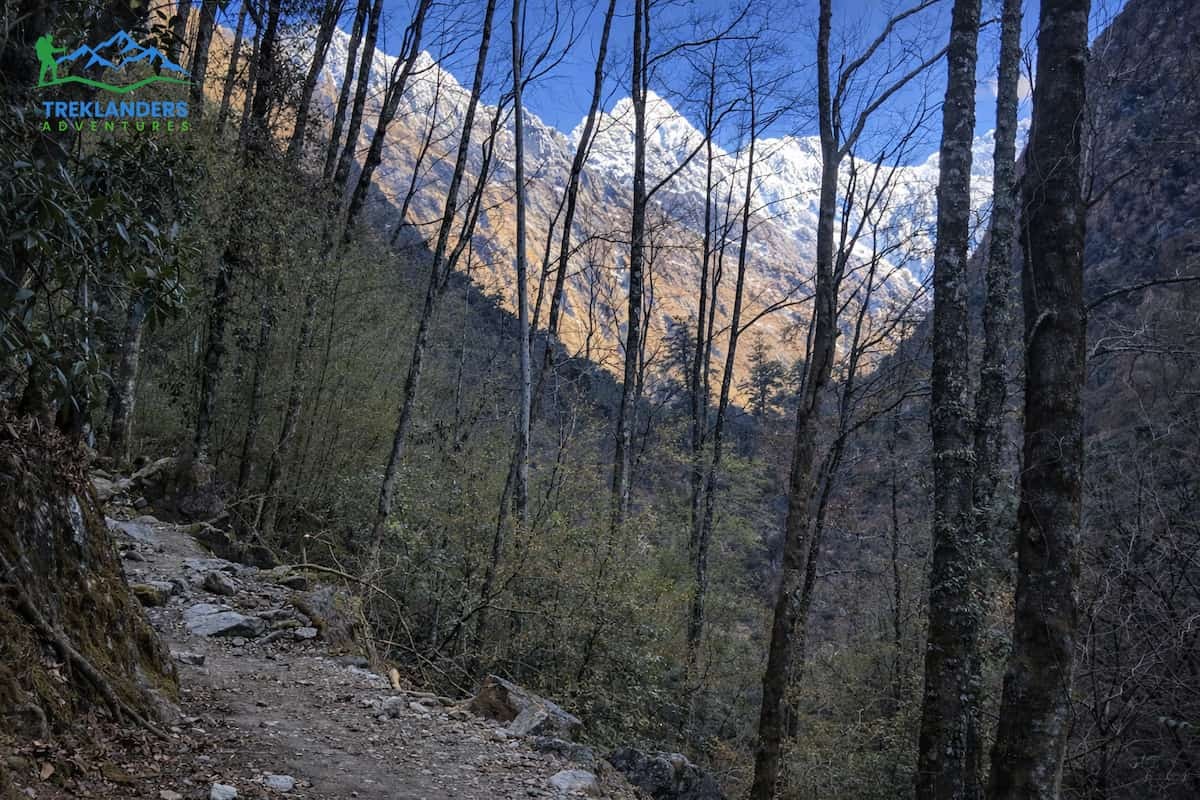
Situated deep in a thick forest and next to the Langtang River, Lama Hotel is a place where you can indulge in nature photography. The way to this hotel is lined with forests of rhododendrons and bamboo, which make beautiful light spots and shadows at all times of the day.
In the springtime, the cute little petals of rhododendrons cover hills in red and pink colours. The river alongside is a wonderful spot for long-exposure shots, mainly at dawn when the water gives off mist. You can see all the textures of nature - tree barks, rocks covered by moss, running water - in the calm setting of the forest.
There is also a chance of wildlife photography because the neighboring forest shelters birds and small animals of the Himalayas. In Lama Hotel, nature lovers can capture enchanting forest scenes with natural depth and detail.
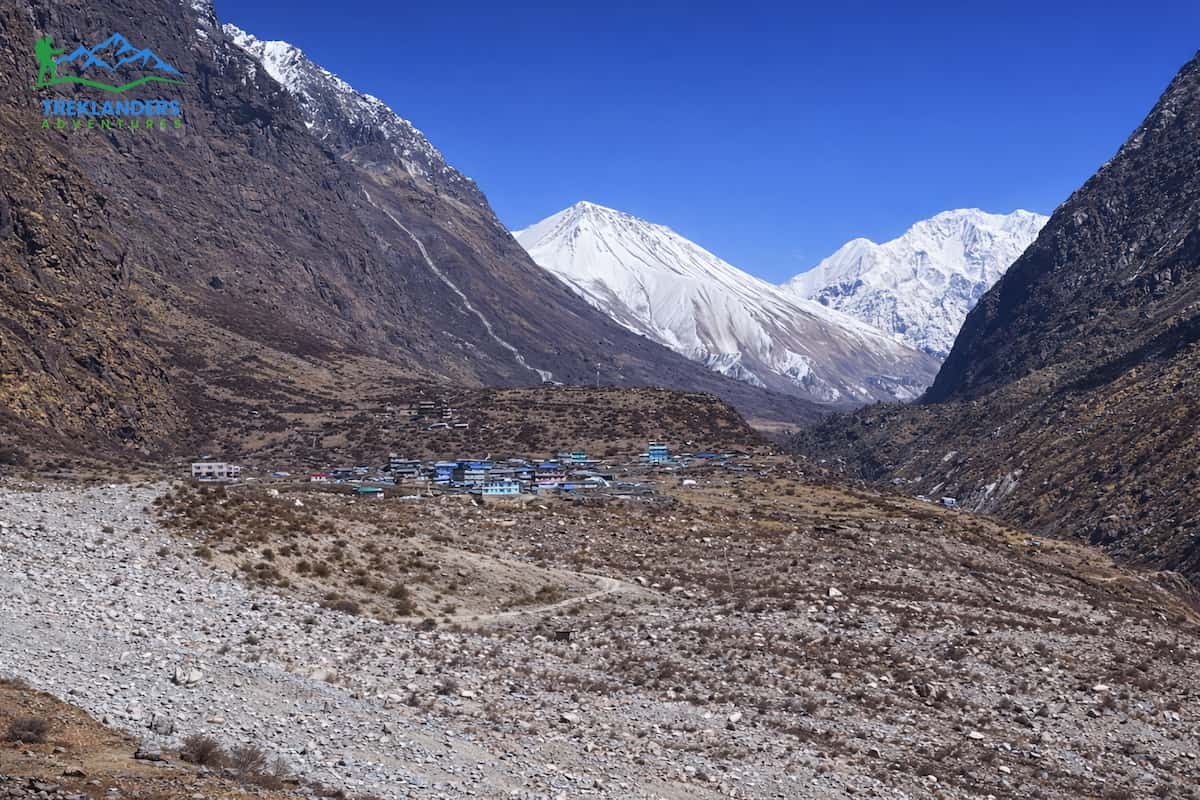
Langtang Village is a place where you can get spectacular mountain views alongside an authentic cultural experience, making it one of the most photogenic spots on the trek. The village was reconstructed after the 2015 earthquake and is located right under the massive Langtang Lirung peak.
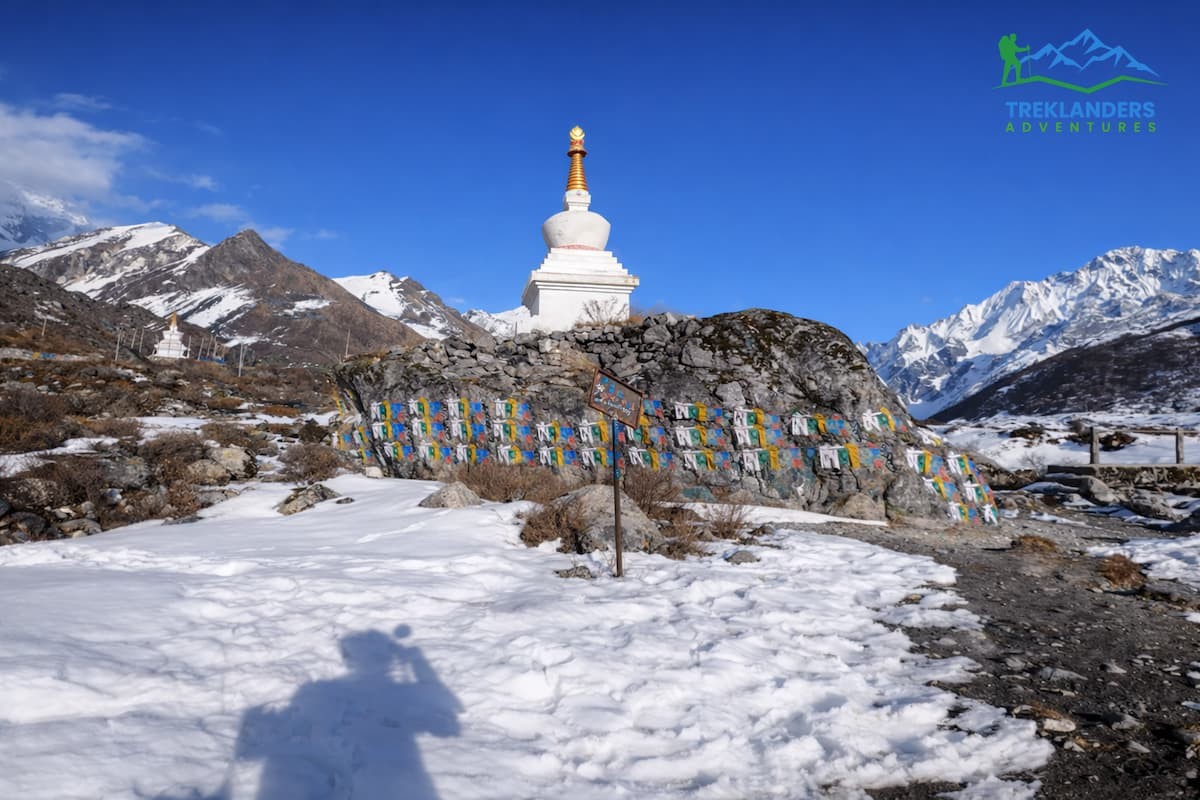
The contrast of the village's stone houses against the snow-covered mountains offers some really impressive compositions. Elements like prayer flags, mani walls, and chortens not only make the locals' spiritual journey evident but also give an extra layer of cultural depth to any landscape shot.
Because it is set in an open valley, Langtang Village is perfect for capturing wide panoramic shots, especially at sunrise when the first light of the sun turns the peaks into a golden spectacle. In addition, the local Tamang community's candid portraits can also be a result of your visual story after getting their respect first.
Combining natural beauty with human resilience, Langtang Village is a place that can emotionally touch anyone through storytelling and photography. It signifies a harmonious blend of culture and mountains within a single frame.
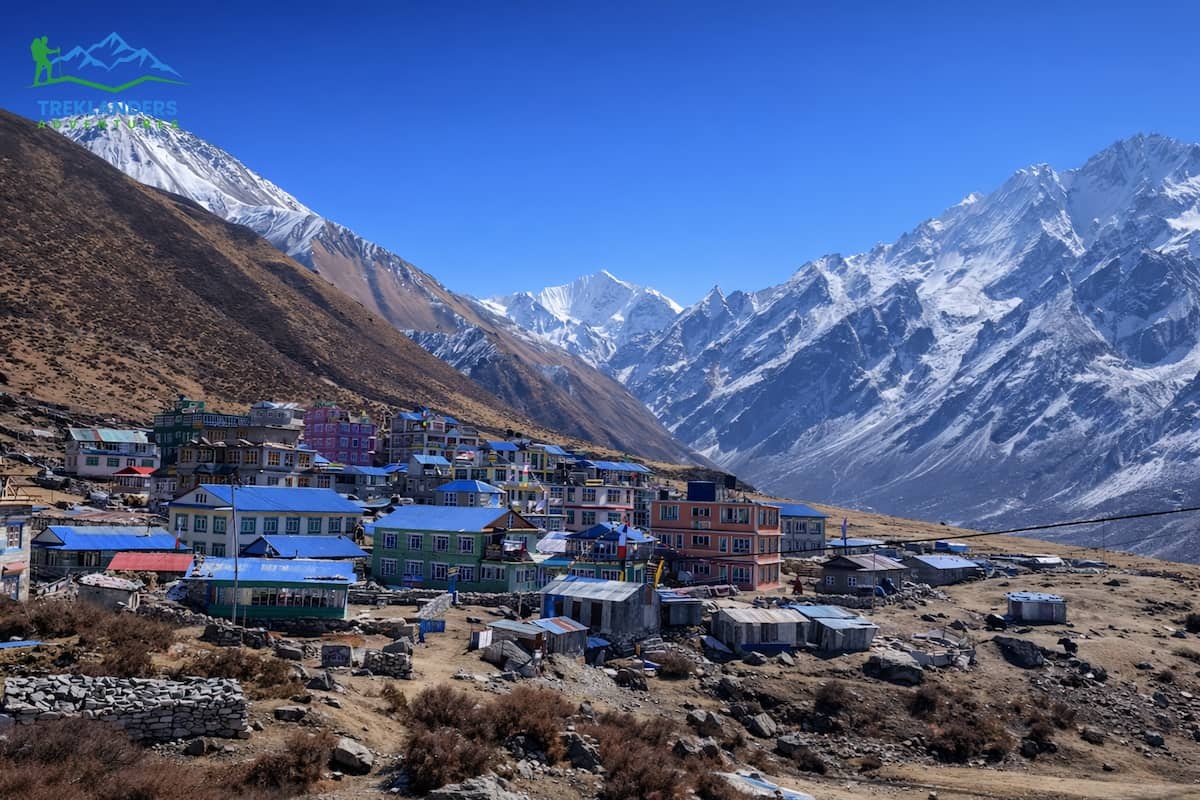
Kyanjin Gompa, a small Himalayan monastery, is one of the most beautiful and most scenic places in Langtang Valley to take pictures. You can see the huge, snow-covered Himalayan mountains right from your house at this little settlement. The renovated monastery, the colourful flags, and the yaks grazing on the open pastures all make good foreground elements for balanced compositions. The majestic mountain of Langtang Lirung towers above the village and thus becomes a perfect backdrop. The best moments to take pictures are sunrises and sunsets, as the snow-covered peaks are bathed in warm golden and pink colours.
The vastness of the landscape lets you take wide-angle panoramic shots without anything getting in your way. Star photography is also a possibility due to the minimal light pollution. Kyanjin Gompa combines a spiritual environment with the grandeur of the mountains and hence, is a perfect location for landscape photographers who want to spend some serious time outdoors.
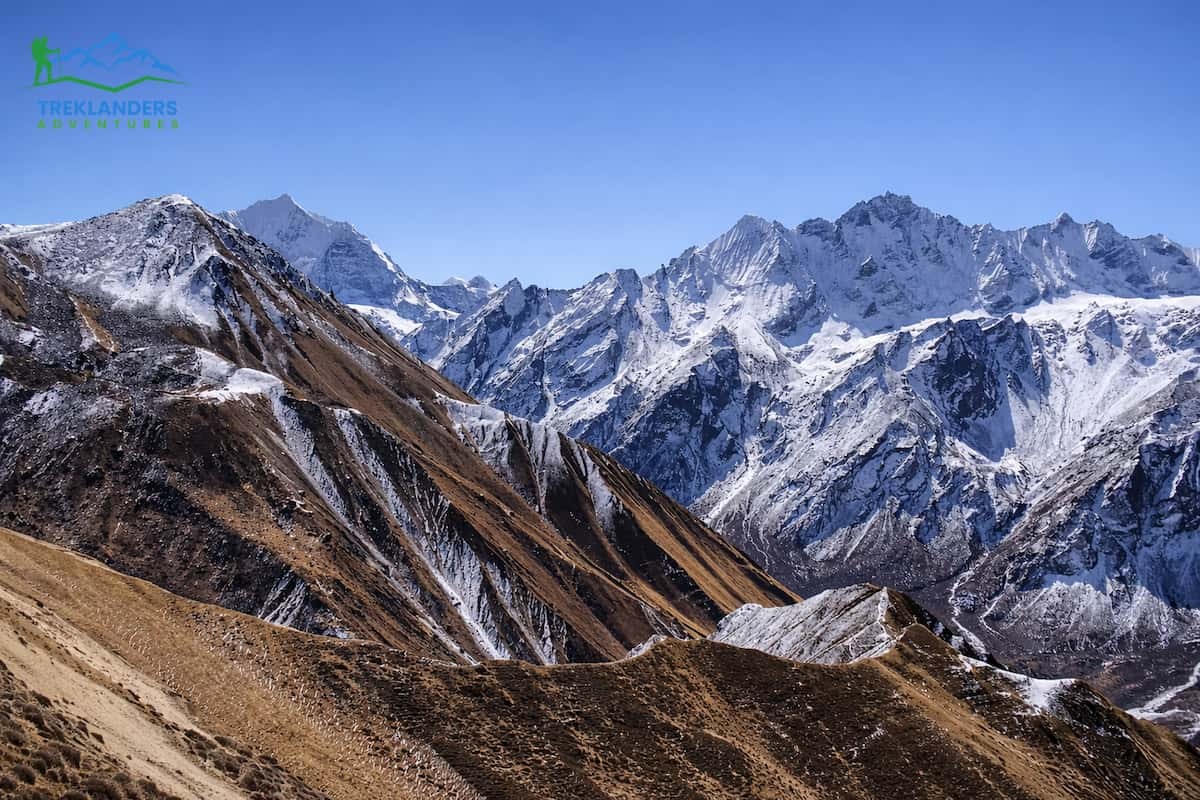
Kyanjin Ri is a popular viewpoint above Kyanjin Gompa and offers some of the best sunrise and sunset photography in Langtang Valley. The climb is short but steep, rewarding trekkers with sweeping views of Langtang Lirung and surrounding peaks. From the top, the valley below appears wide and peaceful, providing excellent depth in landscape shots. Sunrise photography is especially dramatic, as the first light illuminates the snowy summits against a deep blue sky.
During sunset, the mountains reflect warm orange and pink hues. The elevated position allows photographers to capture 360-degree views, ideal for panoramic compositions. Tripods are recommended for low-light conditions. Kyanjin Ri is perfect for capturing classic Himalayan sunrise scenes with clear mountain detail and dramatic lighting.
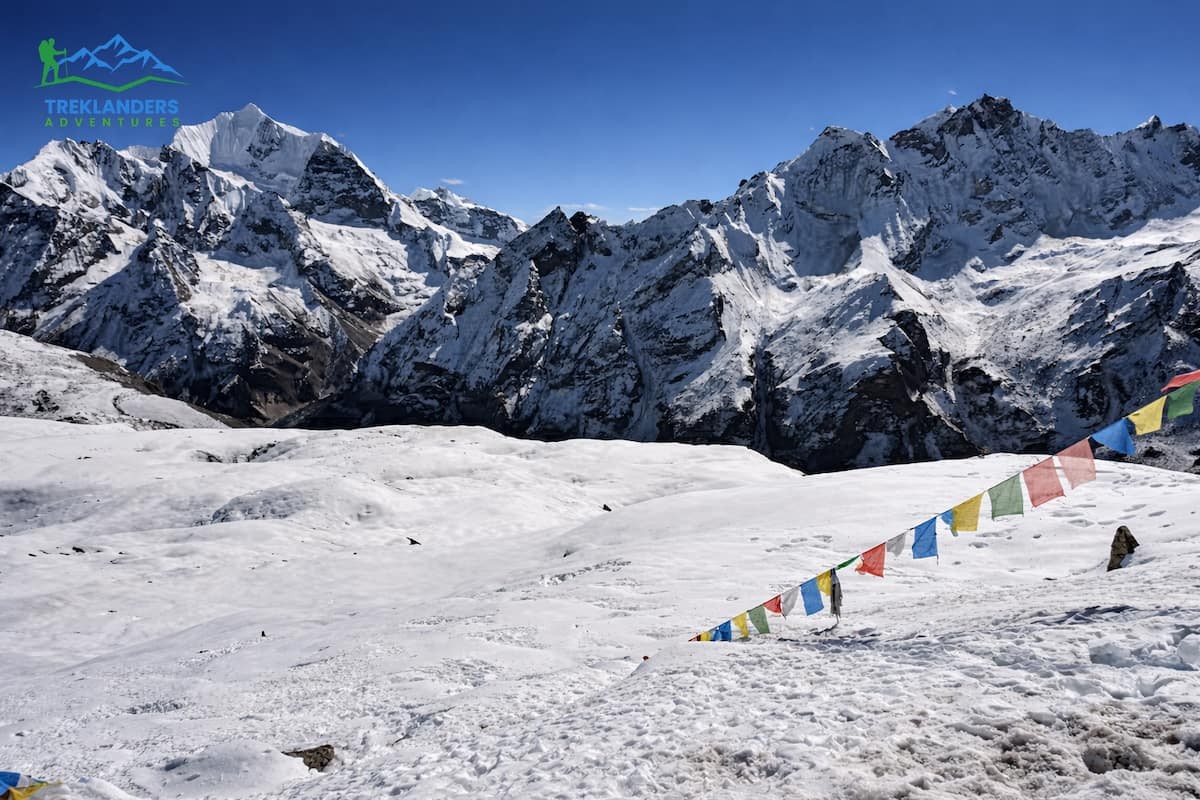
Tserko Ri offers one of the highest-altitude views in the Langtang Valley. The trek is quite steep and strenuous, but the photographic results make it well worthwhile. A shooting itinerary from here could feature a nice series of shots of the surrounding giant peaks, such as Langtang Lirung, Dorje Lakpa, and glaciers near the summit.
Being at such a high altitude brings a special experience, as it makes the mountains seem gigantic in the photo. You will find morning to be the ideal time at this location for photography, as typically the sky is clearer and the mountains will be crisply outlined.
Along the way, there will be a few spots where snow remnants can be seen that will give your pictures a nice texture and colour contrast. Since very few people go up Tserko Ri, photographers can often work without any disturbance. That makes this spot perfect for the use of a wide-angle lens and for showing the high Himalayas in all their stunning glory.
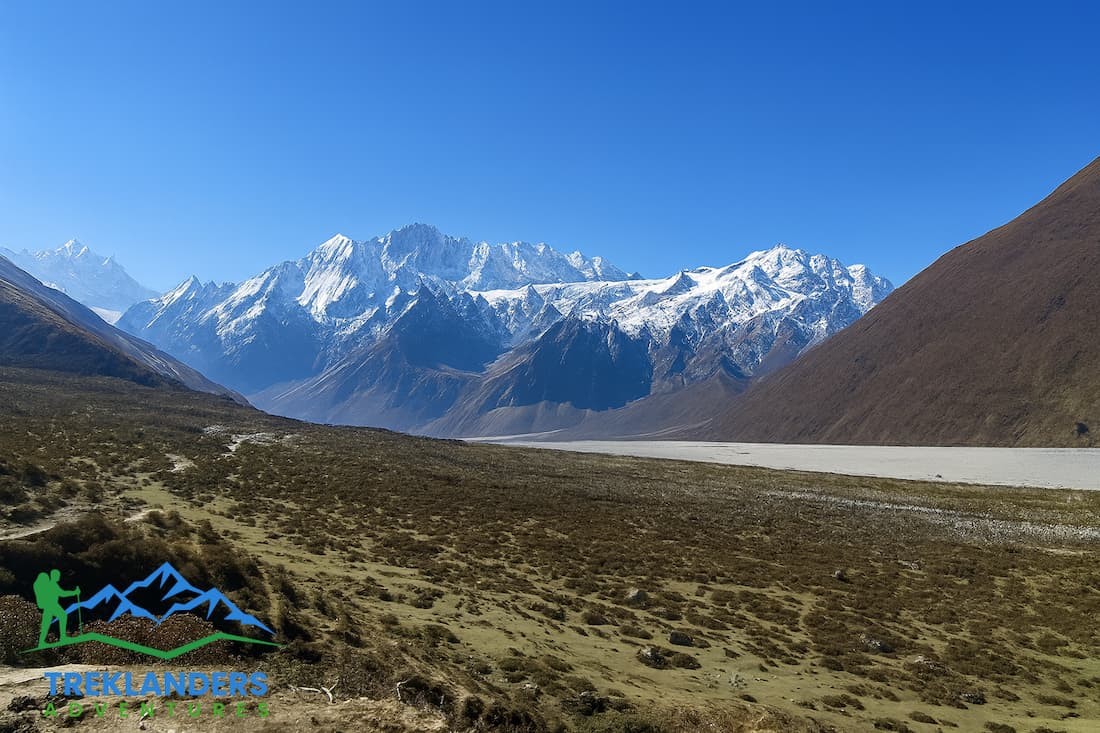
Langshisa Kharka is a seldom-visited side to the Langtang Valley journey. It is away from the noise of the valley and offers a magnificent, serene alpine scene. The valley offers a large open field enclosed by towering snow-capped mountains and glaciers. Such a sharp contrast between the flat grazing land and the steep mountain ridges creates stunning landscape images. Besides that, due to the area being uncrowded, you can take uninterrupted panoramic photographs.
There are several small streams that meander through the valley, which is great for your photos as they provide reflections as well as leading lines. The feeling of being secluded and in an untouched piece of nature, thus, contributes significantly to the emotional depth of the photos. As the clouds move over the high peaks, they produce varying lighting conditions at different times during the day. Langshisa Kharka is the photographer's dream, who wants to capture the raw beauty of the Himalayas, the broad views of valleys, and the glacier scenery in a calm, natural environment.
One of the most spectacular times to capture the scenic beauty of Langtang Valley is spring, when the forests are decorated with flowering rhododendrons. The path from Syabrubesi to Lama Hotel is filled with flowers during March and April. The slopes are decorated with flowers in shades of red, pink, and white, which stand out brilliantly against the dark green forest. This natural coloring gives a vibrant and fresh look to the landscape photographs.
Along the path, rhododendron trees create a series of green tunnels that provide lovely frames for the photos. The gentle sunlight filtering through the foliage casts artistic light and shadow patterns. The ideal time for taking pictures is early in the morning when the light is soft, and the atmosphere is typically clear. Besides, close-ups of flowers complemented by the mountains in the background also make delightful pictorials.
Besides flowers, the spring photoshoot in Langtang also highlights other elements. All scenes are livelier thanks to clear skies, mild temperatures, and fresh greenery. The flowering woods give a new dimension and colour to the hike, hence this time of the year is perfect for both nature admirers and landscape photographers.
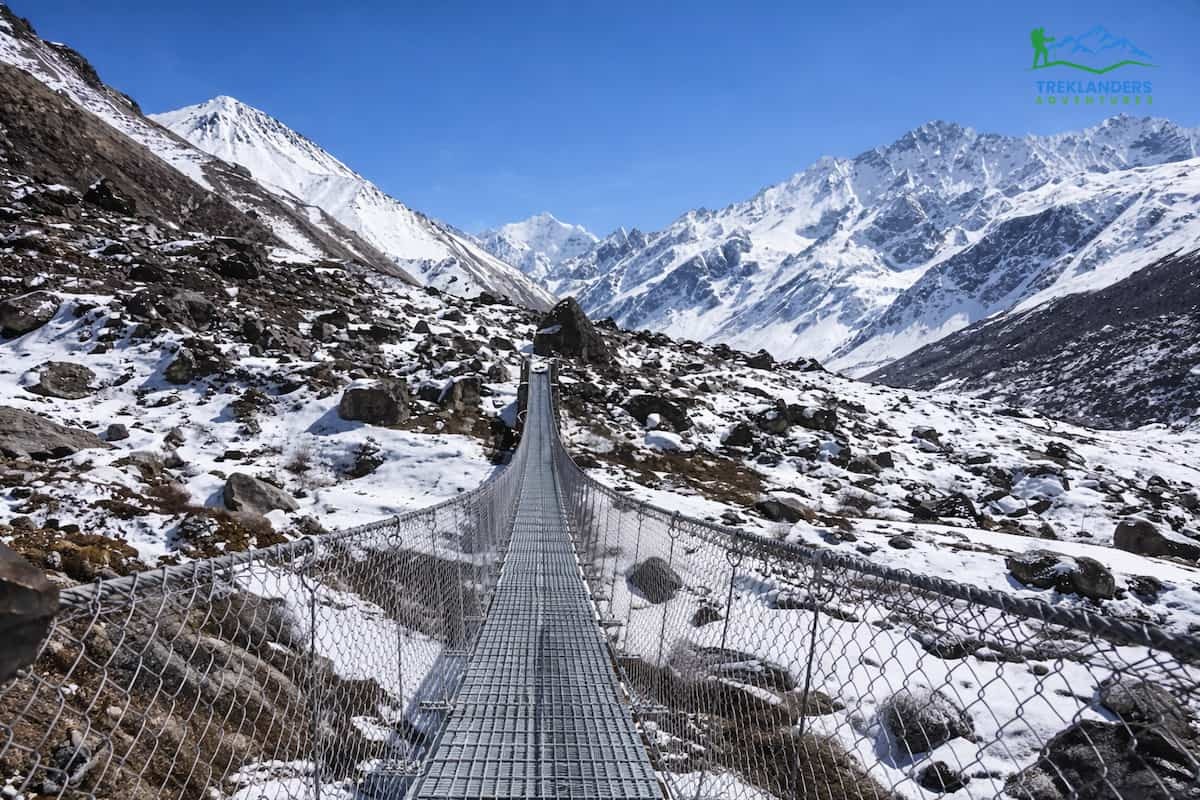
The Langtang Valley becomes a tranquil, snowy wonderland in winter. During December to February, high-altitude places such as the Langtang Village, Kyanjin Gompa, and surrounding viewpoints are usually snow-covered. This results in pure, neat scenery ideal for striking photos.
Snow cover reveals the contours of the mountains, ridges, and paths. The contrast of bright white snow with deep blue sky produces crisp, energetic images. The first thing in the morning is the best moment to take winter pictures because the sunlight wonderfully reflects on the snow-capped peaks.
Footprints in powdery snow can also be an element of storytelling in your photos. Winter photography needs great attention towards exposure, as snow can be overly bright in photos. By properly adjusting camera settings, one can portray nature's details.
Besides, the silence of winter also brings fewer trekkers, so the shots can be uninterrupted. Though it is cooler and difficult, winter offers a rare chance to photograph the pristine Himalayan beauty. The tranquility and stunning mountain views feature this season uniquely for the landscape photographers.
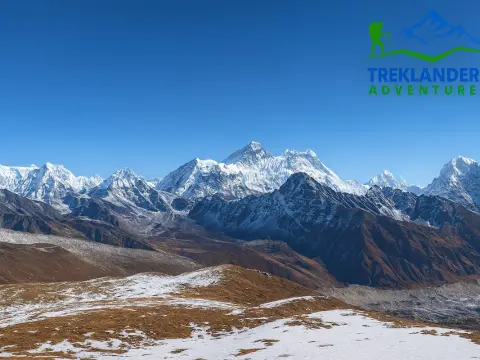
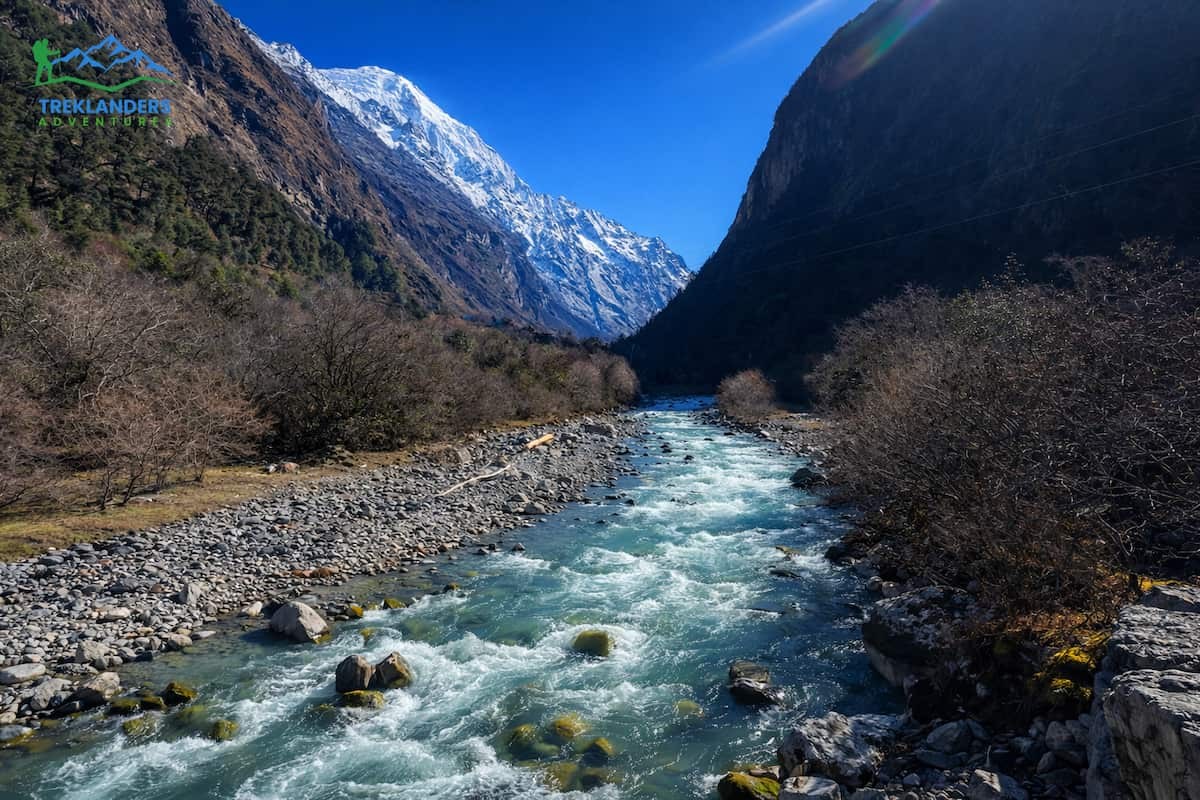
The Langtang River can be seen winding through the valley, giving a sense of motion and vibrancy to the landscape photos. The river gently flows next to the trek path from Syabrubesi to Lama Hotel, providing many picturesque scenes to capture with a camera. The suspension bridges over the river also provide strong leading lines in photographs.
Photography of waterfalls is especially interesting on forest parts of the trek. Techniques such as a slow shutter speed will let the photographer obtain images of water changes with a smooth, silky effect. A time shortly before sunrise or on a cloudy day is perfect for river photography because the light is less intense and reflections can be seen more clearly.
The character of the river varies with elevation. At lower altitudes, it is a green forest-lined stream, while at higher elevations, it is a river flowing through barren rocky landscapes and grass-covered valleys. Photographers are thus provided with different textures and scrolls through the landscapes.
One can add more harmony to river photos by using rocks, trees, or bridges in the foreground. The Langtang River is far beyond just a natural feature; it is, in fact, a critical element that ties the entire valley together visually and geographically.
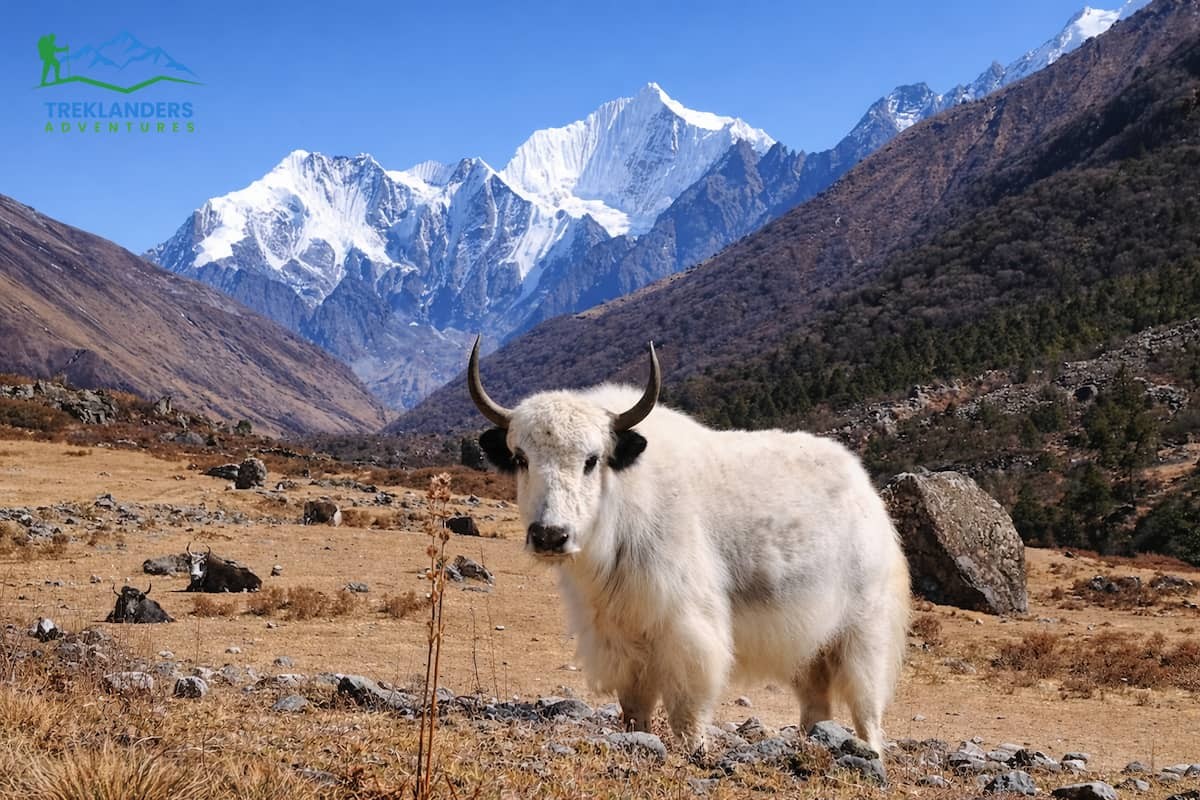
When trekking up Langtang Valley, the scenery gradually changes into vast alpine meadows and yak pastures. The places near Langtang Village, Kyanjin Gompa, and Langshisa Kharka are famous for these natural landscapes. These meadows constitute beautiful yet simple scenes with the mountains towering in the background.
Another feature that can be used to great effect in pictures is yaks grazing quietly. Their dark colour forms a nice contrast with green grass in summer or white snow in winter. A shot of yaks with mountain peaks in the background will add layers and a narrative element to the pictures.
Alpine meadows are also great places for an ultra-wide lens trick. Such featureless grounds make the surrounding peaks and glaciers easily visible. The grass looks fresh and colourful in summer, while the fall brings golden colours.
Since these places receive fewer visitors, the photographer can afford to try different angles and lighting. The tranquility of yak pastures and alpine meadows is the true reflection of the Himalayan spirit and thus a very important theme of nature and landscape photography in Langtang Valley.
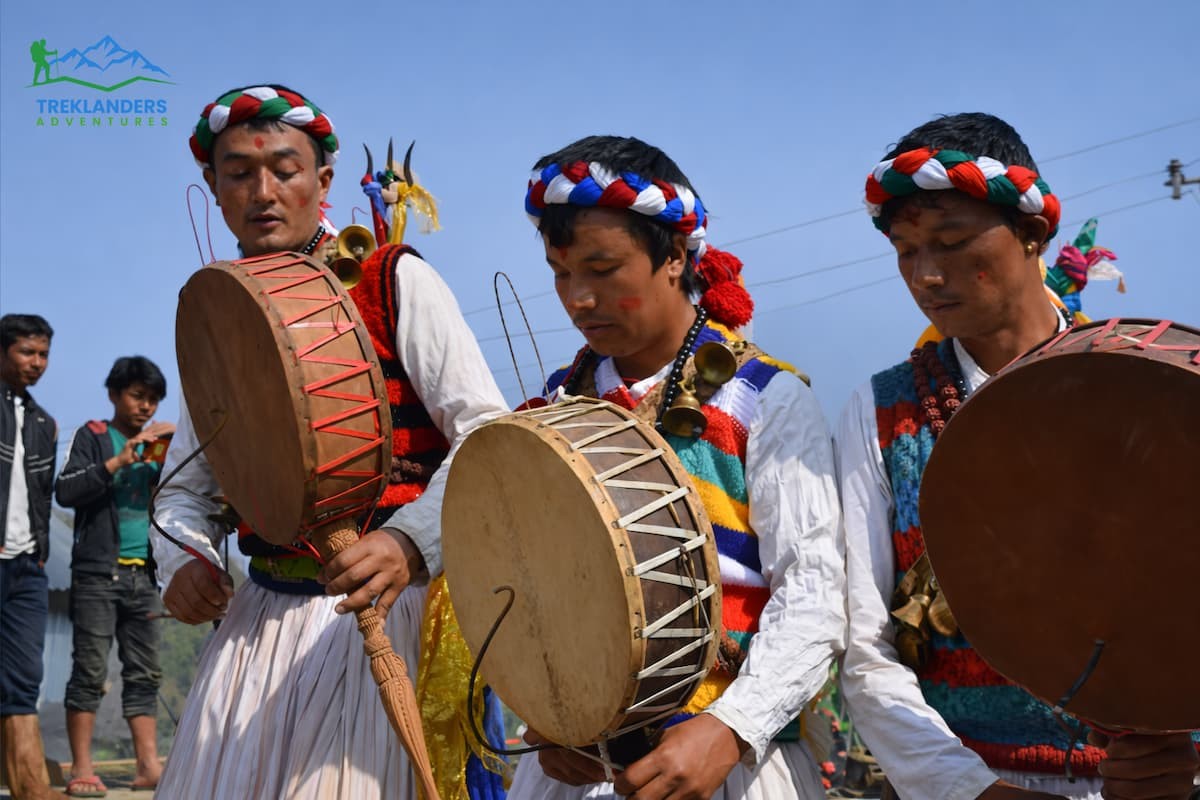
The Langtang Valley is the place where the Tamang community lives. They are the major ethnic group in the Himalayan region of Nepal. Photographing the Tamang villages can give you a cultural experience which is even more meaningful than just mountain landscapes. Settlements like Langtang, Mundu, and a few other small ones along the trail display traditional stone houses, wooden windows, and neatly piled firewood. These little things offer genuine and natural photo compositions.
The life of the Tamang people in these villages is simple and very close to nature. You can get pictures of people there working in the fields, carrying firewood, spinning prayer wheels, or taking care of yaks. Portraits of elderly people in traditional dresses and ornaments can be very striking. On the other hand, you should always ask for permission before taking a close-up photo of a person.

Sunrise is the best time for photographing villages since it illuminates the surfaces of the stone buildings, and the shadows are very gentle. The smoke coming out of the kitchen chimneys can be a great element of the story told by the pictures. Besides, the mountains that surround the villages represent another picture-perfect natural background. This sets you up for cultural and nature photography in the very same shot.
It is not only about the photographs when telling the story of the Tamang lifestyle through pictures, but also about showing respect to them. One way of achieving that is by depicting the daily life of people with truthfulness and empathic consideration; this will enable you to portray the real spirit of the Langtang Valley and its sturdy mountain communities.
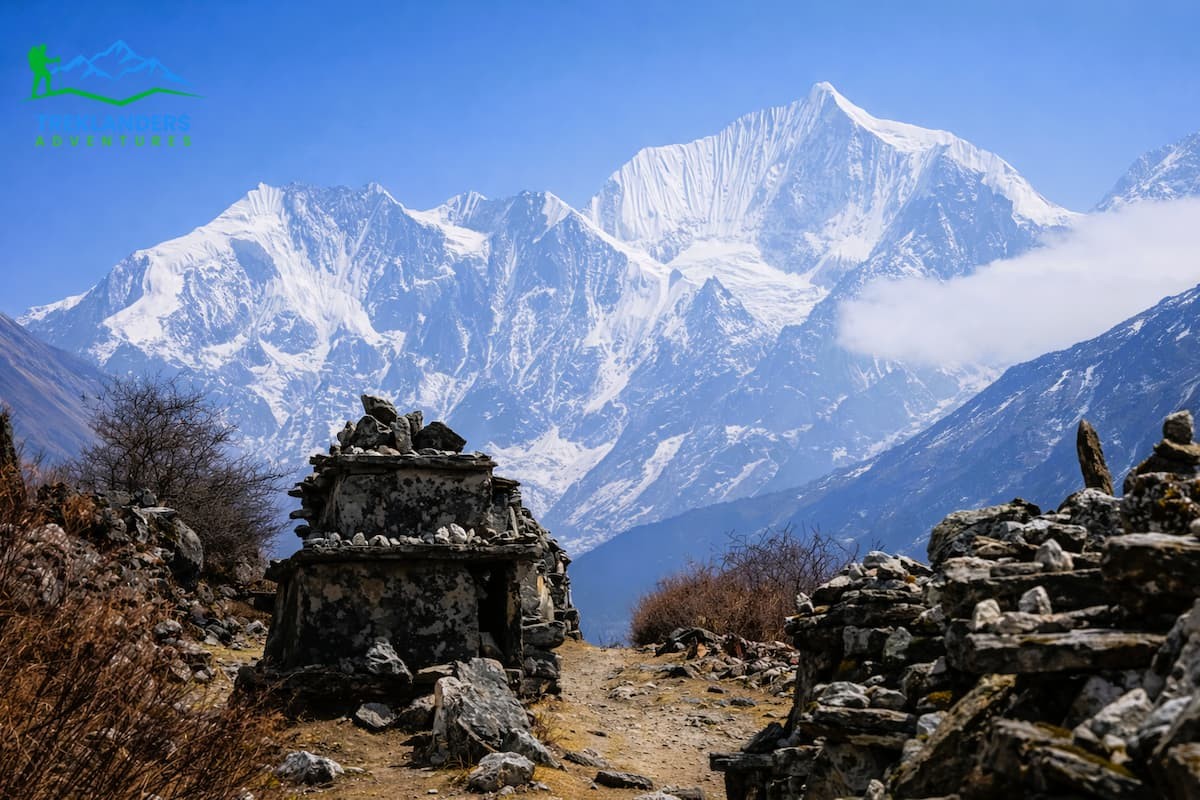
Religious symbols in the Langtang Valley, Nepal, offer an intricate insight into the culture of the locals going about their daily lives. Photography enthusiasts can find interesting, albeit spiritual, subjects all along the hiking paths in the valley. People's faith is expressed in various forms of sacred architecture, which frequently overlap with natural elements.
Monasteries, for example, the one at Kyanjin Gompa, are holy places nestled among the mountains. The colored doors, frescoes and prayer wheels make up a vibrant palette of subjects for photographers. The least disruptive light that occurs at dawn and dusk works wonders with the colours and shapes of the features.
Prayer flags present to the photographer an entire range of attractive possibilities. Decorated bridges, houses, and hills, with colourful flags fluttering in the air, thus adding dynamism to the photos. The rich colors blue, white, red, green, and yellow are easily noticeable against the snow-capped peaks or clear sky. The use of the combined elements of prayer flags and mountain peaks is a great way of portraying a locale.
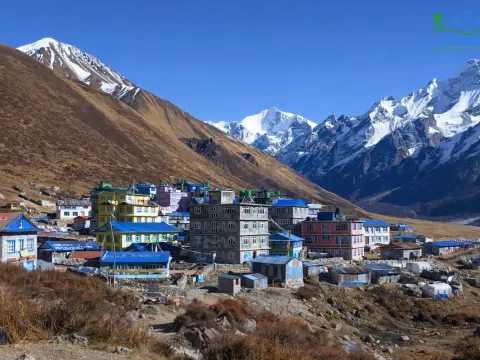
Mani walls are long walls along which are inscribed Buddhist prayers and chants. These, too, are great for close-ups, furnishing a dramatic interplay of light and shadow brought upon by the irregular and carved surfaces. The combination of materials and skills put into the making of these objects serves as a manifestation of the locals' dedication and faith. The act of photographing religious places, however, requires a great sense of respect and appropriate behavior especially during events and ceremonies.
These aspects of spirituality contribute a lot to the cultural variation photographer's motion picks up and displays the strong bonding between belief and everyday high-altitude living.
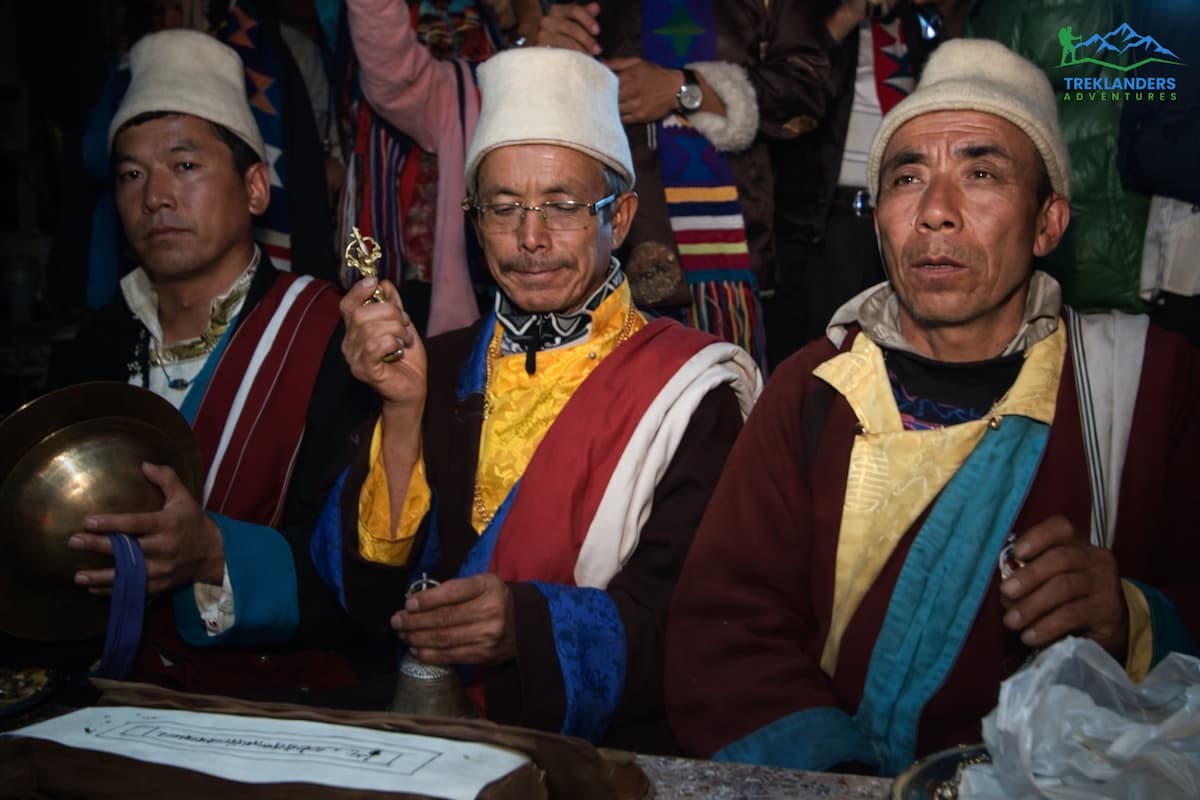
Local festivals in the Langtang region present vibrant, lively, and lively photography opportunities. The Tamang community comprises traditional Buddhist festivals all year round, especially when the special lunar calendar events take place. During these festival celebrations, villagers put on their traditional outfits, jewellery, and at times, they also perform cultural dances. The festival moments are full of emotions, colours, and natural expressions.
Festival photography documents the movement, the interaction, and the communal spirit. Monks in temples chanting with prayers, villagers congregating in monastery courtyards, and children playing are some of the vibrant scenes created. The use of natural light helps in keeping the moment as original as possible. It is always a good idea to be respectful and not to burp in ceremonies.
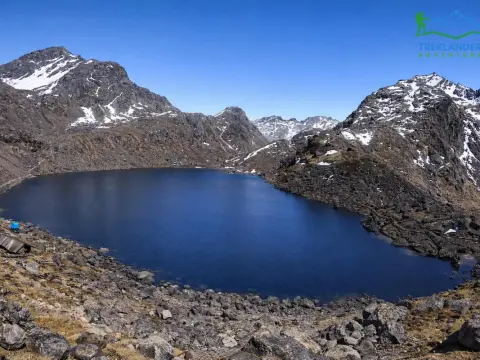
Mountain life, even during non-festival days, offers resourceful pockets and themes for photography. Villagers in the mountain village in the morning hours are getting food stock, taking animals to the field, or simply walking on the path. The farmer in the field and the shepherd with the yaks mirror the simple order of Himalayan life.
To photograph these ordinary moments is to narrate a life story of high-altitude villages from a different angle. In contrast to staged paintings, the portrayal of everyday life is authentic and truthful. The combination of the human touch with the dramatic mountain environment results in outstanding storytelling photographs.
Taking pictures of local festivals, along with daily activities, opens the trekkers' eyes to the cultural wealth of the Langtang Valley, besides its famous mountain peaks.
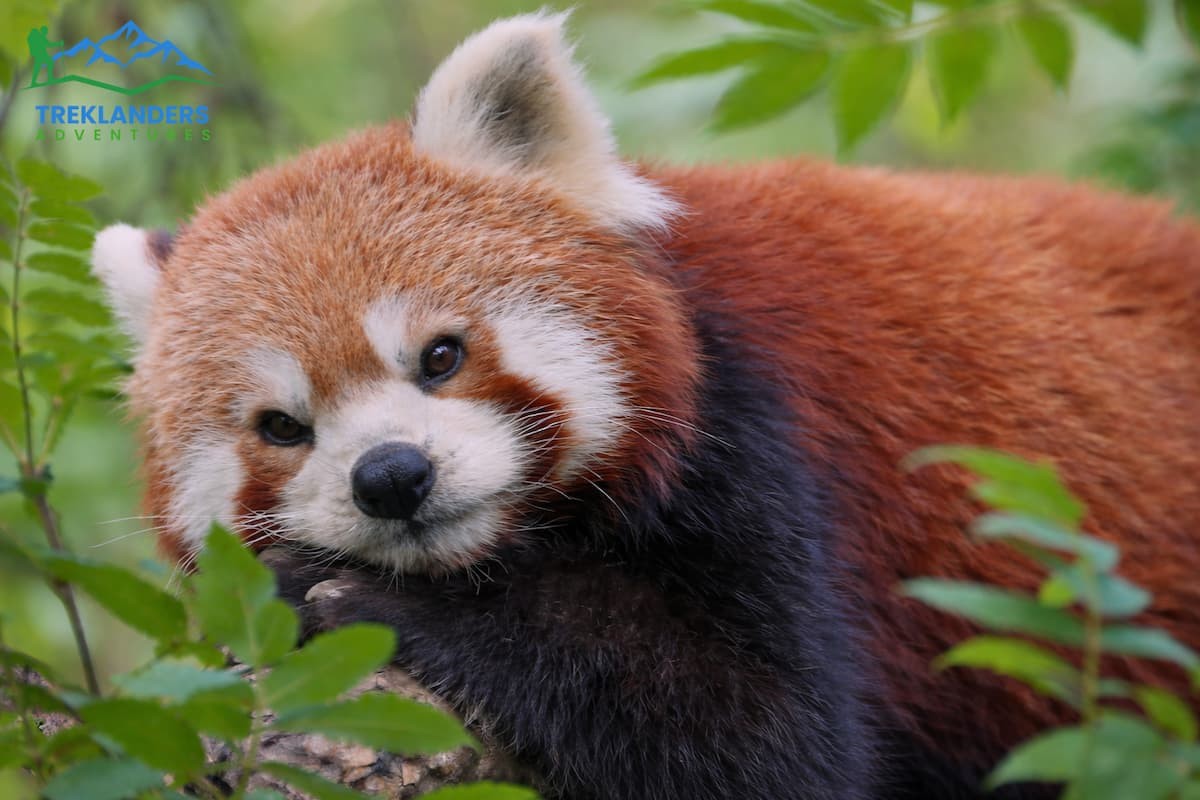
The Langtang Valley boasts a variety of wildlife, among which the striking red panda is one of the rare species. Although they are very elusive, adding Himalayan animals to the list of your trek photographs definitely makes the experience more memorable. Red pandas are mainly located in dense bamboo forests of higher elevations. The optimum time for wildlife photography is generally early in the morning or late in the afternoon, as animals are active, and the light is gentle.
Besides the red panda, there are Himalayan tahr, musk deer, and Himalayan black bears, as well as smaller mammals like Himalayan marmots and langurs. Photographers who cannot see the animals directly may still be able to develop a wildlife narrative by capturing tracks, droppings, or signs of feeding. Zoom lenses will give you tightly framed photos without the need to get close and scare the animals. When engaging with wildlife photography, being slow and silent is a must for getting good shots.
Keeping the Langtang National Park looking after these animals and being a conscious photographer is very important in this case. Appreciating wildlife at a distance, no use of flash, and no intervention in their natural behavior are some of the ways to ensure proper wildlife photography. Besides, adding mountain or forest backgrounds in the wildlife photos not only gives more meaning to the pictures but also the narrative of the species' natural environment. Therefore, even a quick look at a wild animal can make the photographic story of a trek livelier and thrilling.
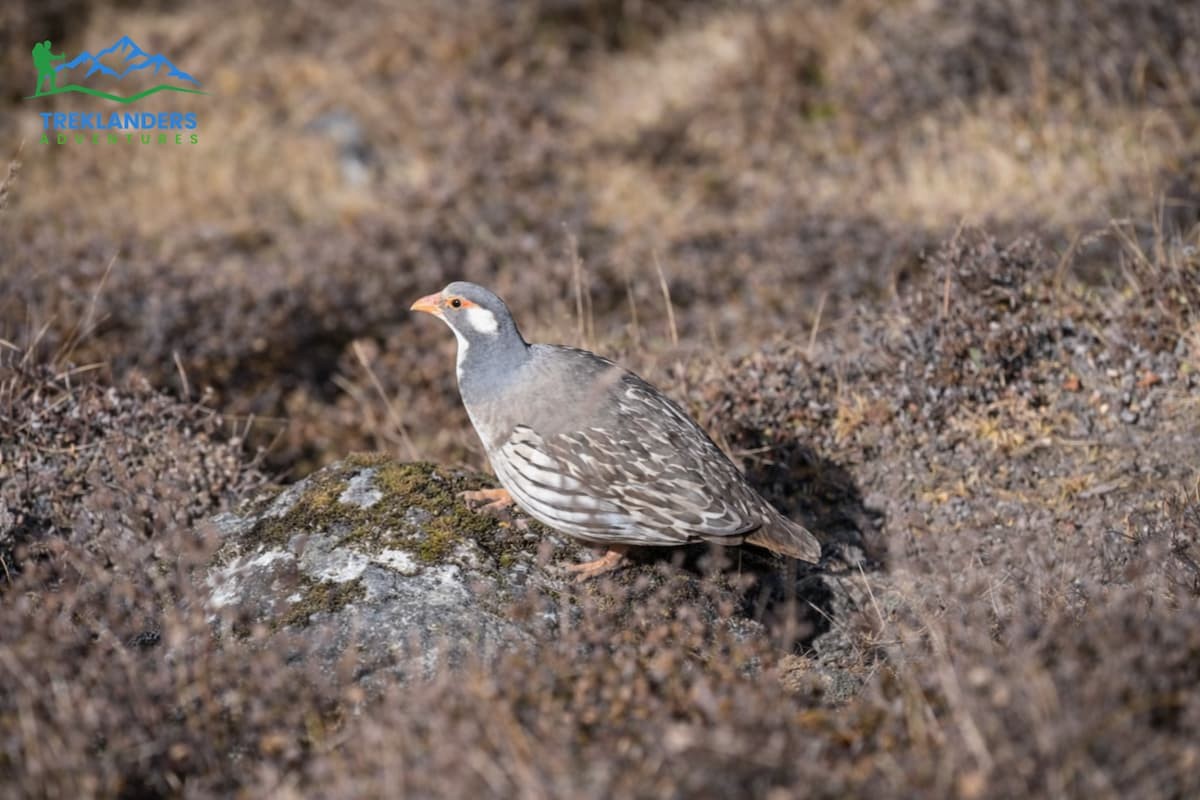
Langtang National Park is a great birdwatching destination, providing chances for both landscape and bird close-up photography. The park houses more than 100 species of birds, the Himalayan monal, blood pheasants, snow pigeons, and various brightly colored songbirds being some of the examples. The wooded areas near Lama Hotel and Langtang Village are perfect for spotting small birds, while the alpine zones are home to high-altitude species.
As light is soft and birds are active, the early morning is the best time for bird photography. A telephoto lens is a must for photographing small, fast-moving species. Backgrounds such as snow-capped peaks, babbling rivers, or flowering rhododendrons make bird photos visually more attractive. Watching the birds' behavior e.g. feeding or calling, is an excellent way to produce exciting pictures.
Photographers should take a slow and quiet approach to not frighten the birds. Patience is very important, as some species are shy and hard to get close to. Binoculars are a great tool to first locate birds and then try to capture them in a photo. Ethical bird photography in Langtang also involves not disturbing nests or habitats. Taking pictures of birds living in their natural Himalayan setting is a great way to add colour and life to your trekking photography.
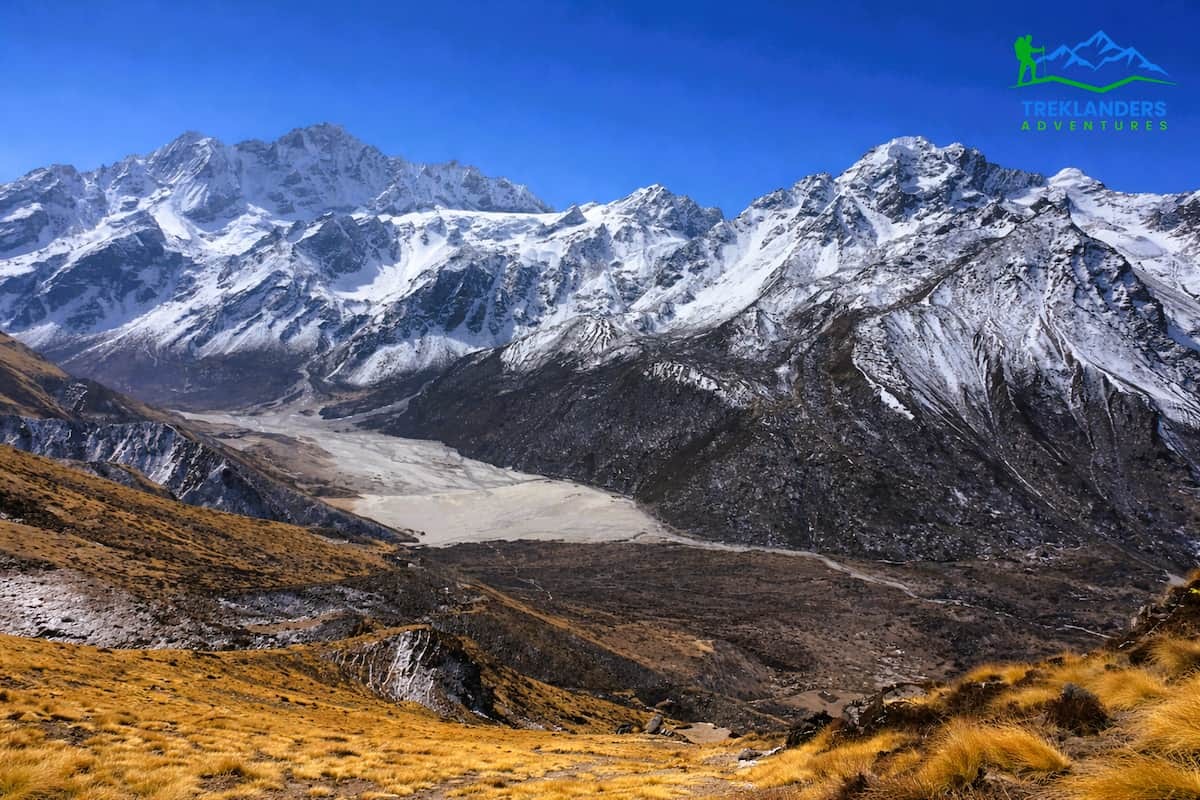
Time is a major factor in taking great photos in the Langtang Valley. The valley's scenery gets transformed not only due to natural effects but also due to sunrise, sunset, and weather changes. By familiarizing yourself with the peak times for photography, you can greatly optimise your journey and end up with the most fabulous pictures.
Dawn in the Langtang Valley is a marvellous scene to capture, almost like a dream. The sunlight at first appears on the mountains and gives them a tinge of soft golden and pink tinge, especially the top of Langtang Lirung and Dorje Lakpa. The Valley, the forests, and the river might be covered by mist in the morning, which can make your photos more captivating. Generally, the weather is clear and still, so the visibility of the farthest peaks is excellent. Besides, you might suddenly spot some wild animals or birds that are more active during this time and thus get some perfectly natural and spontaneous shots.
When the sun is directly overhead, the light gets very intense, and it makes strong shadows that visually flatten the land in photographs. Nevertheless, the midday period is great for catching villages, paths, and cultural moments as the vibrant colours in the garments, prayer flags, and buildings are accentuated by the daylight. Also, it is an ideal moment for forest photography where the sun rays passing through the trees can bring out lovely contrasts between light and shadow.
Light in the late afternoon, the so-called golden hour just before sunset, is soft and warm, ideal for landscapes. Mountains are glowing with the colours of orange and red, thus the pictures become very dramatic and eye-pleasing. Rivers, waterfalls, and snow-covered slopes become the perfect mirrors of warm light. Sunset is the time to catch those really long shadows, which add to the depth in pictures of valleys and forests.
Night photography can be done in Langtang as there is very little light pollution. When the sky is clear, one can do astrophotography, recording stars, the Milky Way, and the outlines of mountains. For night shots, tripods and long exposures are a must.
If you schedule your photography to coincide with the above-mentioned times, you will be able to depict the natural beauty, culture, and wildlife of Langtang Valley at the most favorable light. Every time of the day comes with different chances, thus your photography will be varied and unforgettable.
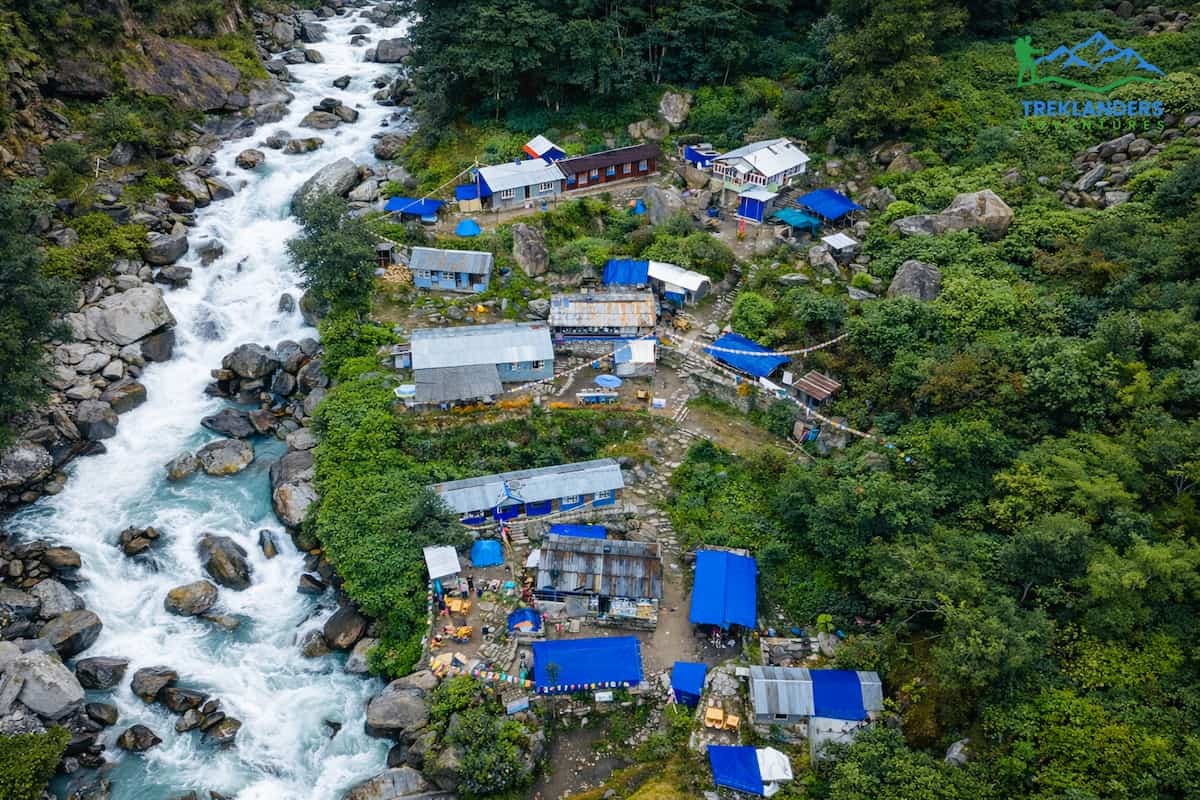
Utilizing drones in the Langtang area is a great means of getting spectacular aerial shots of the mountains, valleys, rivers, and villages. Nevertheless, in order to guarantee safety, show respect to the locals, and abide by Nepalese law, it is necessary to strictly follow the regulations set out. Before flying a drone during your trek, it is very beneficial to familiarize yourself with these rules.
Initially, drone operators are required to register their drones with the Civil Aviation Authority of Nepal (CAAN). This is even for tourist drone operators, who should provide the drone details, the purpose of use, and their personal identification. The use of unregistered drones is liable to bring about a hefty fine or confiscation of the drone by the authorities. A commercial photography drone shoot needs to obtain additional permission from CAAN.
Subsequently, there exist some restrictions in the Langtang Valley, especially where you can no longer fly your drone at will. Against the law is drone flight around a military base or a government facility. Also, to respect privacy and religious culture, one should avoid flying over monasteries, religious sites, and local schools. For Kyanjin Gompa and other holy places, drones should only be used if you get an explicit go-ahead from the local government or the community leaders.
Third, safety in the mountains should be your foremost concern. High winds, sudden weather changes, and the thin air at high elevations make drone operation difficult. Besides, keep your drone always close to you to see, do not fly over people, and stay away from trekking groups. Make sure the battery of your drone is fully charged, and due to safety reasons, plan your route thoroughly before starting the flight.
Fourth, be good to the environment, and respect the local people's culture while doing drone photography. Do not frighten wild animals like yaks, birds, or other creatures in the valley. The noise of a drone can cause great stress to animals and even lead to environmental degradation. Ask for permission if you want to film people.
And lastly, the use of drone photography should be viewed as a tool to complement the trekking experience and not to substitute it. Only shoot in a manner that is considerate of the natural surroundings, the valley, the glaciers, and the vast mountain landscapes. If you abide by these guidelines, not only will you be able to safely enjoy aerial photography, but you will also help to preserve the cultural respect and natural beauty of the Langtang region.
Using drones in a responsible way is an excellent approach to helping the environment, the local communities, and maintaining the stunning Himalayan scenery for both future trekkers and photographers.
The Langtang Valley offers an extraordinary mix of natural beauty, cultural richness, and wildlife, making it a paradise for photographers. From the lush rhododendron forests and rushing rivers to the towering snow-covered peaks and peaceful alpine meadows, every part of the trek provides unique photography opportunities. Traditional Tamang villages, monasteries, prayer flags, and local festivals add cultural depth, while rare Himalayan wildlife and bird species bring life and excitement to your shots.
Timing, lighting, and perspective are key to capturing the best images. Early mornings and late afternoons offer soft, warm light that enhances landscapes, while midday light works well for capturing vibrant cultural scenes. Responsible photography, including respecting local traditions, wildlife, and drone regulations, ensures that your work is both ethical and meaningful.
Whether you are using a professional camera, smartphone, or drone, Langtang Valley allows you to combine landscapes, culture, and wildlife in a single journey. Each turn of the trail presents a new frame, encouraging patience and creativity. Ultimately, photography in Langtang is not just about pictures; it is about experiencing the Himalayan environment deeply and sharing its beauty with others. This valley reminds every photographer why the Himalayas remain one of the most inspiring places on Earth.
12-Day Short Everest Base Camp Trek guide covering itinerary, cost, difficulty, and best time to reach EBC and Kala Patthar.

Explore the 14-Day Everest Base Camp Trek with detailed itinerary, cost, altitude, and the iconic Kala Patthar sunrise.

Discover the Langtang Valley Trek in Nepal — a stunning Himalayan journey to Kyanjin Gompa, Tserko Ri (4,984m), and close-up views of Langtang Lirung.



