
Langtang Valley Trek vs Manaslu Circuit Trek: Which Nepal Trek Is Best for You?
11 Jan 2026
Compare the Langtang Valley Trek and Manaslu Circuit Trek to find which Nepal trek is best for your time, fitness level, and trekking experience.

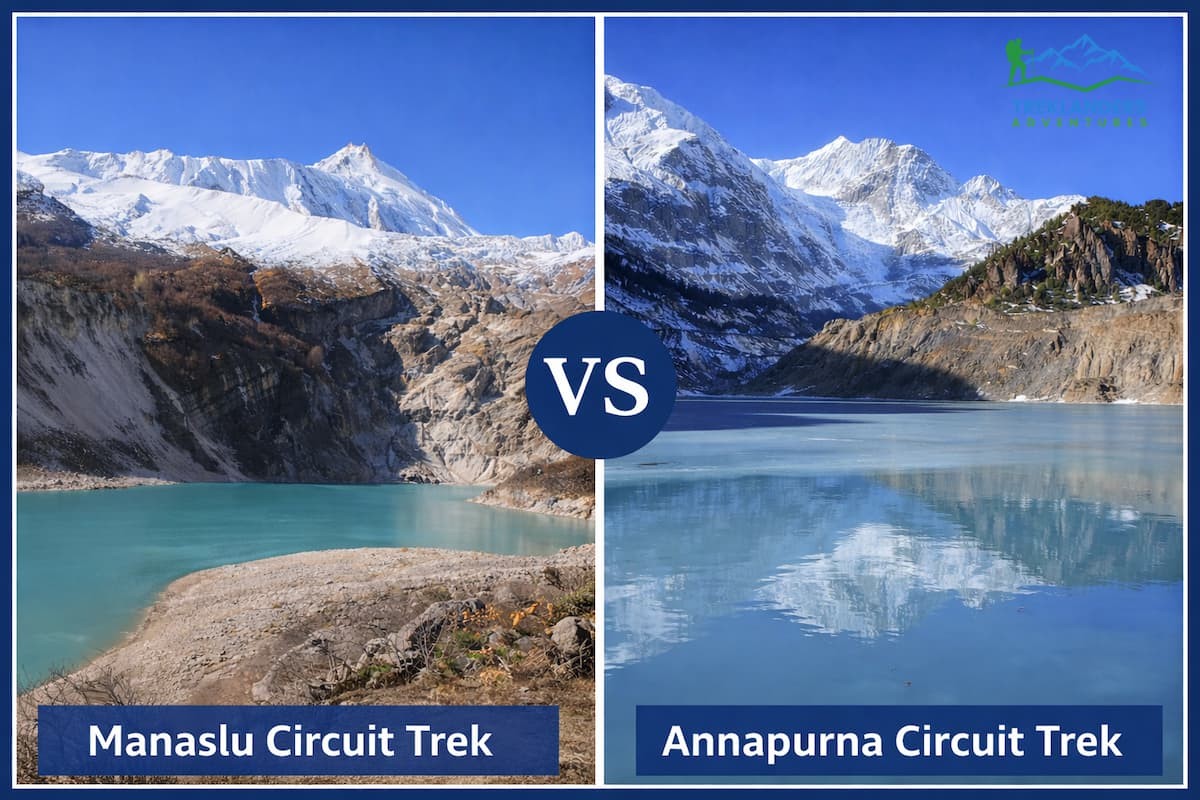
A comparison of the Manaslu Circuit Trek vs. the Annapurna Circuit Trek is among the top predicaments for locals seeking a Himalayan adventure in 2026. Both treks go around huge Himalayan Mountains, pass through high mountain passes, and give you the beautiful (scenic) outdoors, but there are differences in what they offer in terms of culture, remoteness, difficulty, and infrastructure.
The Manaslu Circuit Trek is a less commercialized and more authentic trail. It goes around Mount Manaslu (8,163 m), the world's eighth-highest peak, and runs along the dramatic Budhi Gandaki River valley before crossing the high Larkya La Pass (5,106 m). This trek perfectly matches the desire of those who seek to be in less crowded places, discover the untouched nature, and get the Tibetan culture vibe directly. The villages are tranquil, the paths are not very wide, and the facilities are quite simple, although they are improving. Since the area is restricted, the trekkers have no other option but to hire a licensed guide. This adds a certain order and safety to the trek but also raises the overall expenses a bit.
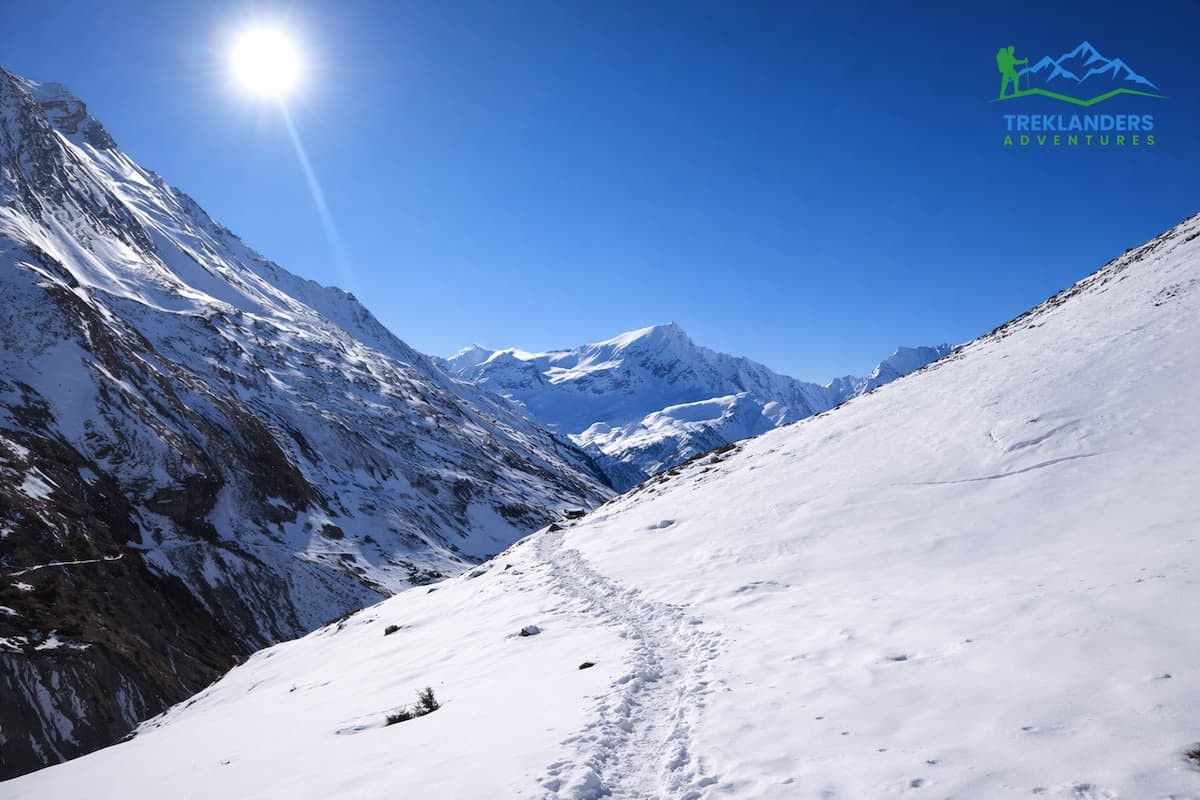
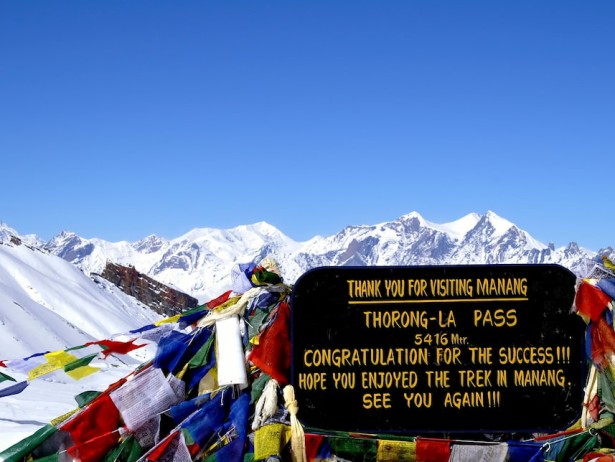
However, the Annapurna Circuit Trek, being one of the most canonical and traditionally popular treks in Nepal, comes as a contrast. It goes around the Annapurna Massif and crosses the immensely popular Thorong La Pass (5,416 m). The trek is characterized by a great variation of scenery subtropical forests, alpine valleys, high deserts, and vivid villages like Manang and Jomsom. Annapurna depicts better infrastructure, offers a wide selection of tea-houses, and more freedom, including the possibility of an independent trek. Loss of the traditional atmosphere due to road access in some parts has been compensated for by easier logistics.
From a difficulty standpoint, both treks are quite challenging, but Manaslu is more isolated, and there are fewer breaks, so the total time physically on your feet is longer, while Annapurna provides more opportunities to rest and take detours. As for the culture, Manaslu is mainly Tibetan Buddhist in style, while Annapurna is a melting pot of Gurung, Thakali, and Manangi cultures.
With the year 2026 in mind, it is really about the type of trek you want. A trek through the Manaslu Circuit is more wildernesses, less crowded, and a restricted-area adventure. On the other hand, if you are into well-known routes, good facilities, and flexibility, the Annapurna Circuit will always be a great Himalayan experience.
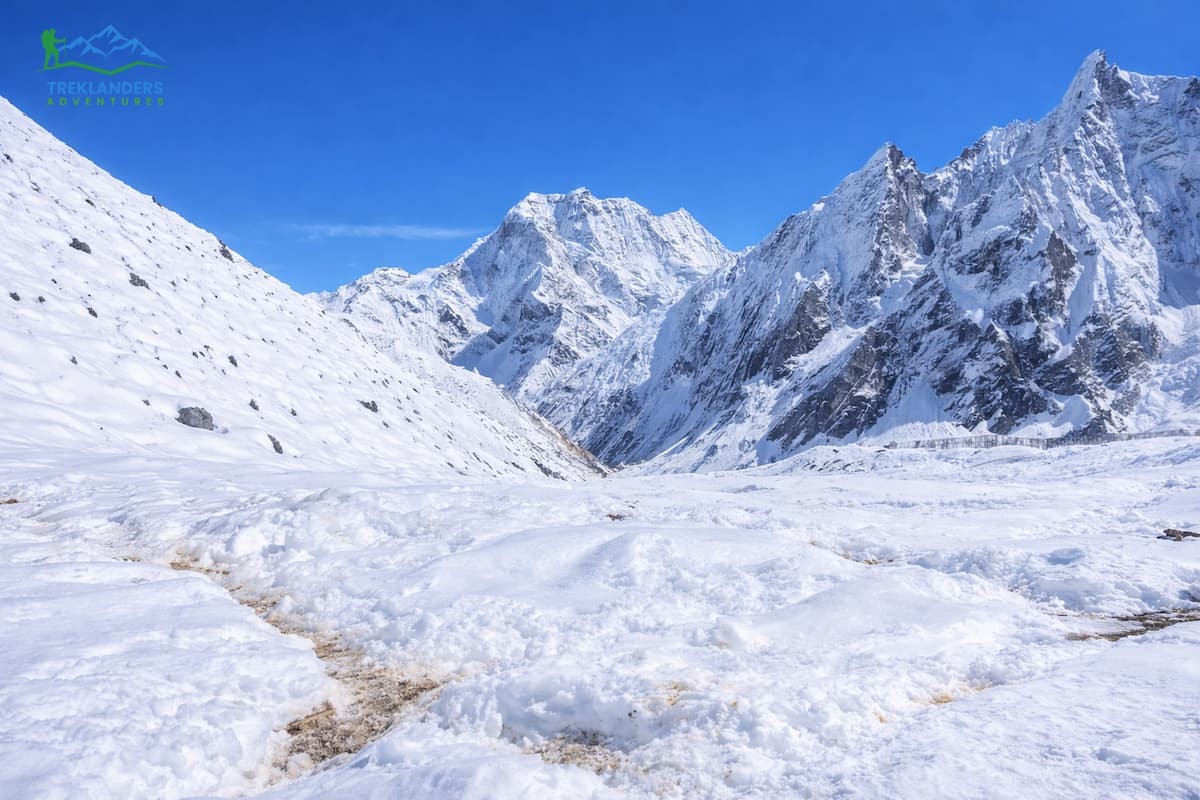
Remote & Less Crowded Trails – A peaceful trekking experience away from mass tourism.
Larkya La Pass (5,106 m) – One of Nepal’s most dramatic and rewarding high passes.
Spectacular Mountain Views – Close-up views of Mt. Manaslu, Him lung, Cheo Himal, and Annapurna II.
Authentic Tibetan-Influenced Culture – Ancient monasteries, Mani walls, and traditional villages.
Diverse Landscapes – From subtropical valleys to alpine terrain and glaciers.
True Adventure Feel – Restricted-area trekking with a strong sense of exploration and achievement.
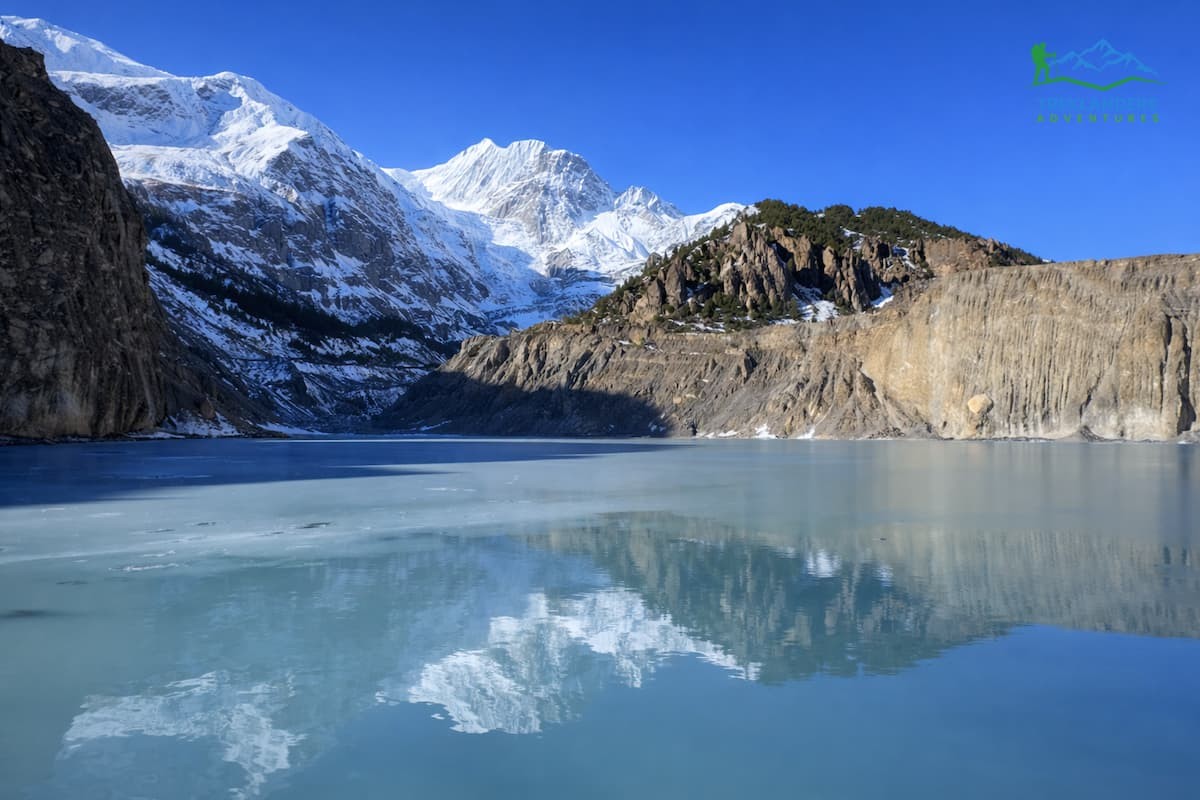
Manaslu Circuit Trek vs. Annapurna Circuit Trek – Comparison Table (2026) | ||
|---|---|---|
Aspect
| Manaslu Circuit Trek
| Annapurna Circuit Trek
|
| Region | Manaslu Conservation Area (Restricted Area) | Annapurna Conservation Area |
| Maximum Altitude | Larkya La Pass – 5,106 m / 16,752 ft | Thorong La Pass – 5,416 m / 17,769 ft |
| Trek Duration | 14–18 days | 12–18 days |
| Crowd Level | Low (remote and less commercialized) | Medium to High (very popular route) |
| Cultural Experience | Strong Tibetan Buddhist influence | Mixed Gurung, Thakali, and Manangi cultures |
| Infrastructure | Basic but improving teahouses | Well-developed lodges and services |
| Road Impact | Minimal road exposure | Some road sections affect trekking feel |
| Permit Requirement | Restricted-area permit required | Standard ACAP permit |
| Difficulty Level | Moderate to challenging (remote conditions) | Moderate to challenging (better facilities) |
| Best For | Adventure seekers, solitude lovers | First-timers, classic trek enthusiasts |
The Manaslu Circuit Trek and the Annapurna Circuit Trek are geographically close, both in north-central Nepal, but their accessibility and the way logistics are handled differ so much that it impacts the overall trekking experience.
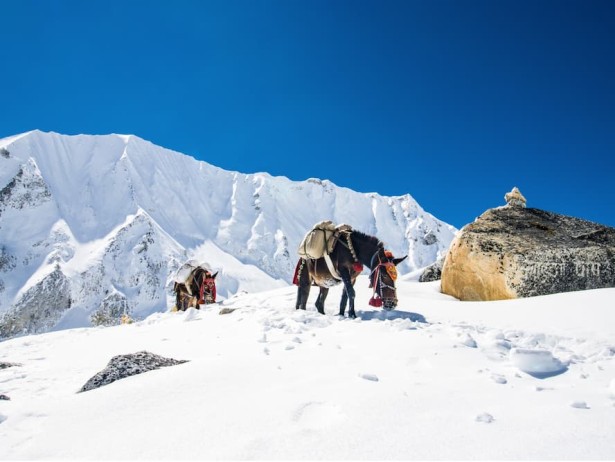
Located in the Manaslu Conservation Area and restricted border regions with Tibet, the Manaslu Circuit Trek is a slightly different route. It starts after a long road journey from Kathmandu to Machha Khola or Soti Khola, which usually takes 7-9 hours depending on the condition of the road. The access route is along rough mountain roads which follow the Budhi Gandaki River and are often in poor condition and even closed due to landslides during the monsoon season. No domestic flights are involved, and once the trek starts, there are very few points where you can leave the trail. This feature of being away from the crowd is one of the main attractions of Manaslu, giving the trekkers a genuine wilderness experience, but the trek also has to be carefully planned. Because the area is restricted, you must be accompanied by a licensed guide and have special permits, which ensure that the number of visitors is controlled, but you lose some freedom in your travel. Of course, the option of evacuating in an emergency is there, but the availability of such options will depend on the terrain and weather, so you should be well-prepared and properly acclimated.

By comparison, the Annapurna Circuit Trek is more approachable and flexible from a travel perspective. Typically, the trek takes off from Besisahar or Chame, both of which can be reached by paved or semi-paved roads from Kathmandu or Pokhara. Depending on the mode of transport, it can take anywhere from 6 to 8 hours, and travelers can choose from tourist buses, private cars, or local jeeps. Besides, the circuit can be terminated at several places, like Jomsom, where trekkers may opt to take a flight or drive back to Pokhara. This multiple-entry and exit access makes Annapurna highly adaptable to different schedules and fitness levels.
Furthermore, Annapurna's openness is backed by the excellent infrastructure along the route, with a high number of villages, sections connected by roads, and communication facilities. Although the extension of roads has led to a decrease in trail length in certain areas, it has also resulted in increased safety, availability of supplies, and emergency response.
To sum up, Manaslu has fewer but more adventurous access options that are perfect for trekkers who crave solitude and untamed nature, whereas Annapurna offers more straightforward access, a variety of route options, and greater logistical conveniences; thus, it will be the right choice for a wider spectrum of trekkers in 2026.
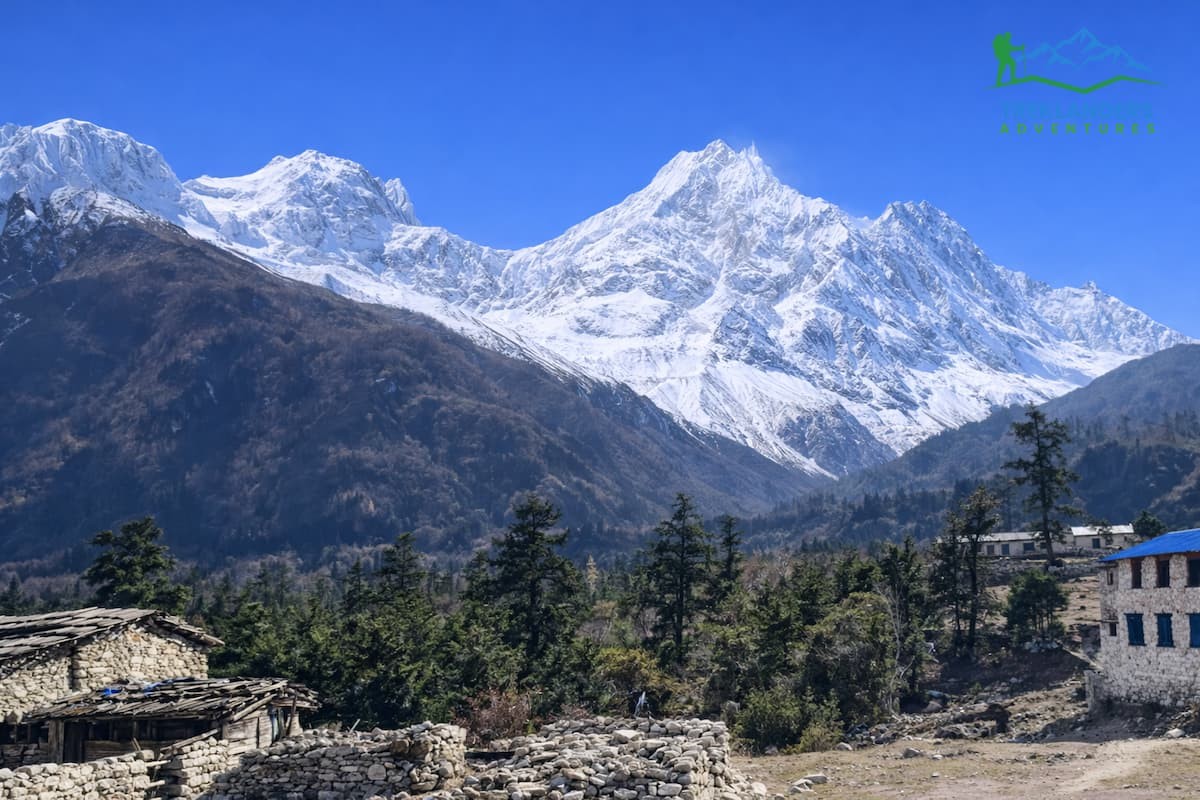
When it comes to comparing scenery and mountain views for the Manaslu Circuit Trek vs. the Annapurna Circuit Trek, both of these offer outstanding Himalayan views. However, the visual character and the vibe of these two treks are quite different from one another.
The Manaslu Circuit Trek is all about the raw, spectacular, and largely undiscovered nature. The path runs along the deep gorge of the Budhi Gandaki River, where towering cliffs, roaring waterfalls, and precarious suspension bridges set the feeling on a grand scale. As one goes higher, there is a transition from thick forests to alpine meadows, glacial valleys, and high mountain deserts. The mountains look bigger and very imposing. Mount Manaslu (8,163 m) is visible and there for most of the trek. Other significant peaks in the area are Him lung Himal, Cheo Himal, Ngadi Chuli, and Annapurna II. Since this region is less developed, distractions such as roads or large settlements that are common in other places are hardly present here, which makes the landscape wild and engaging. The Larkya La Pass ascent is one of the most spectacular panoramic viewpoints in Nepal, surrounded by glaciers and towering Himalayan walls.
Meanwhile, the Annapurna Circuit Trek is renowned for its incredible variety of scenery rather than one dominant peak. The trek goes through subtropical farmland and terraced hillsides, then to alpine forests, open valleys, and finally the dry, wind-swept terrain of the trans-Himalayan region. Hikers have stunning views of Annapurna I, Annapurna II, Annapurna III, Gangapurna, Tilicho Peak, Machhapuchhre, and Dhaulagiri. The scenery changes almost every day, which makes the trek visually dynamic and varied. The Thorong La Pass features vast, open views instead of the enclosed drama found in Manaslu, thus stressing scale and distance.
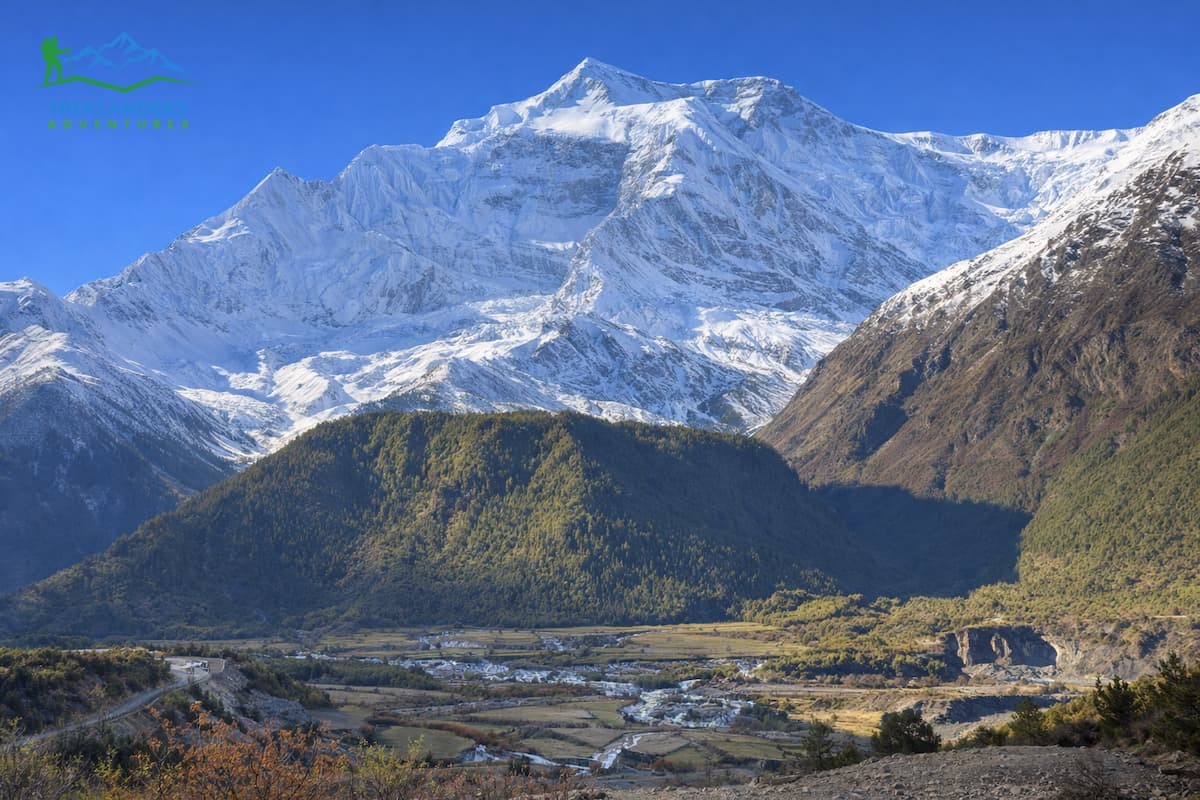
Although Annapurna provides more extensive panoramas and greater landscape variety, some parts of the trek are impacted by roads and modern infrastructure, which slightly undermines the feeling of being in the wilderness. Manaslu, on the other hand, offers a more consistent sensation of seclusion and unspoiled mountain scenery.
Overall, Manaslu offers spectacular Himalayan drama and wilderness aesthetics, while Annapurna is known for its breathtaking views, ecological diversity, and classical Himalayan scenery. Picking one depends on whether trekkers want unspoiled landscapes or visual variety and iconic viewpoints.
Manaslu Circuit Trek and Annapurna Circuit Trek are two of the most popular trekking routes in Nepal. Understanding their difficulty level and fitness requirements is a prerequisite if you're torn between these two routes. Both are generally labeled as moderate to challenging high-altitude treks, but the way they present their difficulties is quite different.
The Manaslu Circuit Trek is known to be tougher mainly because of its isolation, the nature of the longer continuous walking days, and the lack of infrastructure. Normally, the daily trekking hours are between 6 and 8, with not many chances for rest days apart from the standard acclimatization ones. Trails are narrower, parts of them are steeper, and the terrain is more rugged, especially in the lower Budhi Gandaki valley and at the Larkya La Pass area (5,106 m). On top of that, the weather can change quickly, and getting medical help or evacuations is a big issue. Therefore, trekkers are expected to be physically fit, have a good sense of balance, and be mentally strong. It is highly advisable to have previous multi-day trekking experience. Technical climbing knowledge is unnecessary, but the physical challenge is constant, and the effects of fatigue add up.
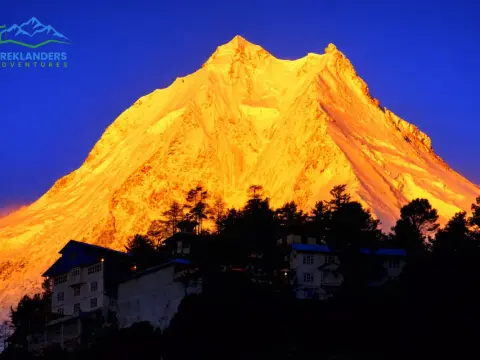
The Annapurna Circuit Trek is a bit more lenient, although it goes to a higher altitude at Thorong La Pass (5,416 m). The path is wider, in better condition, and there are more villages and teahouses. Trekkers can opt to have shorter hiking stages, take rest days, or change their schedule according to their fitness level and acclimatization requirements. This adaptability makes Annapurna a feasible option for healthy first-time high-altitude trekkers. Still, the long climb up to Thorong La and the very early summit day call for a good level of cardiovascular fitness and stamina.
Altitude represents the major challenge for these two treks rather than the level of technical skill required. Those going on the trek should consequently be capable of walking for a few hours each day on rocky ground while carrying only a small bag. It is necessary to be in good cardiovascular shape, have strong legs, and maintain basic core stability. The advised activities to get in shape include going for hikes regularly, climbing stairs, doing endurance exercises, and gradually introducing strength training to the routine for a minimum of 6-8 weeks before starting out.
Manaslu requires a higher overall fitness level and a stronger trekking background due to the remoteness and continuous exertion, whereas Annapurna presents similar altitude challenges with better infrastructure and greater adaptability.
Both treks will be a safer and more enjoyable Himalayan experience for well-prepared trekkers in 2026.
Altitude severely impacts the Manaslu Circuit Trek and the Annapurna Circuit Trek; acclimatizing properly is the key to safe and successful trekking.
Altitude gain on the Manaslu Circuit is gradual but persistent, with major stops for acclimatization at Samagaun (3,530 m) and Samdo (3,875 m) before crossing Larkya La Pass (5,106 m). Since the Manaslu region is quite isolated with very few medical facilities, it is very important to strictly adhere to acclimatization schedules and to climb slowly in order to reduce the danger of altitude sickness.
Whereas the Annapurna Circuit climbs to a higher point at Thorong La Pass (5,416 m), it is more flexible. A typical acclimatization day is spent in Manang (3,540 m), and going for a hike to Ice Lake or Gangapurna Lake is an optional way to help with adaptation.
Both the Manaslu Circuit and the Annapurna Circuit require that you follow the right pace, take enough fluids, and have days of rest to be able to handle the problems caused by high altitude.
The highest points of the Manaslu Circuit Trek and the Annapurna Circuit Trek are not only the most difficult but also the most fulfilling points of each journey.
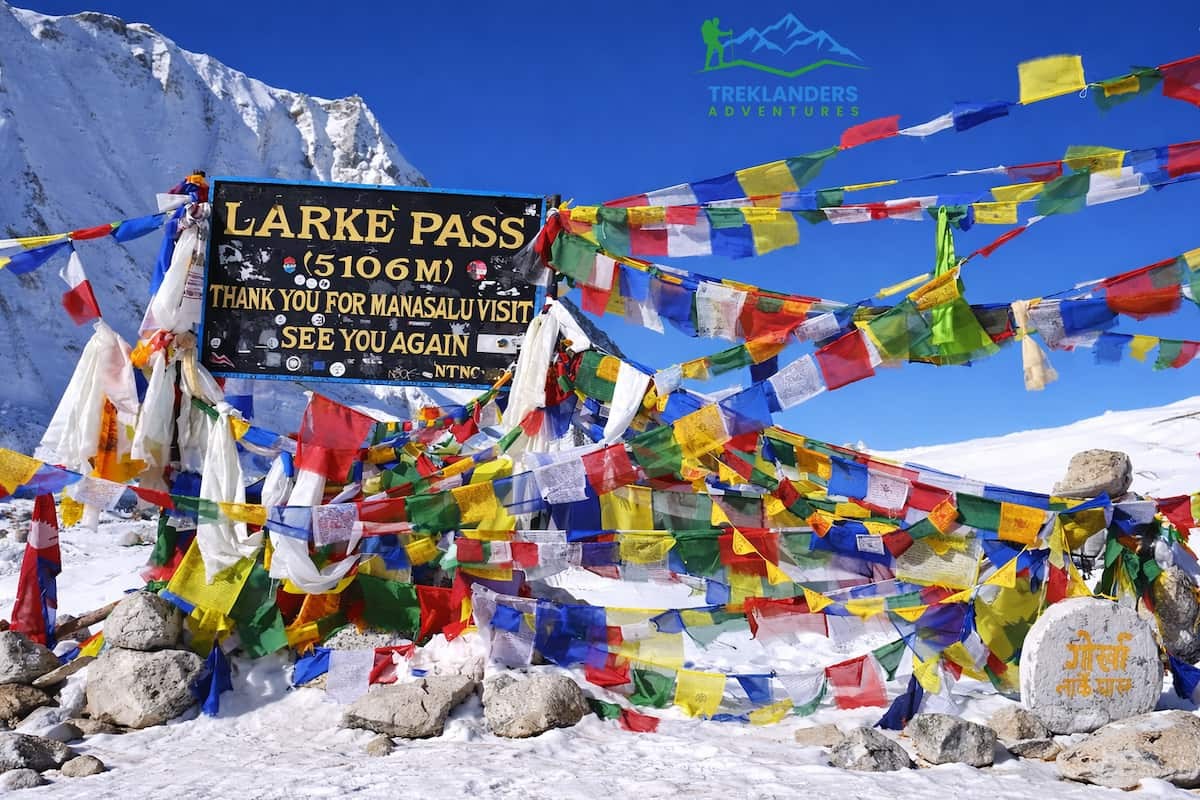
The Larkya La Pass, which is 5,106 meters (16,752 feet) high, is the highest point of the Manaslu Circuit Trek. It is very physically demanding to cross such a high mountain pass because of the altitude, cold temperatures, and long hours of walking. The climb is steady but continuous, while the descent is steep, so one needs to have strong endurance and also be careful when walking. From the pass, trekkers can admire the stunning views of Him lung Himal, Cheo Himal, Kang Guru, and Annapurna II, thus making this one of Nepal's most spectacular high passes.
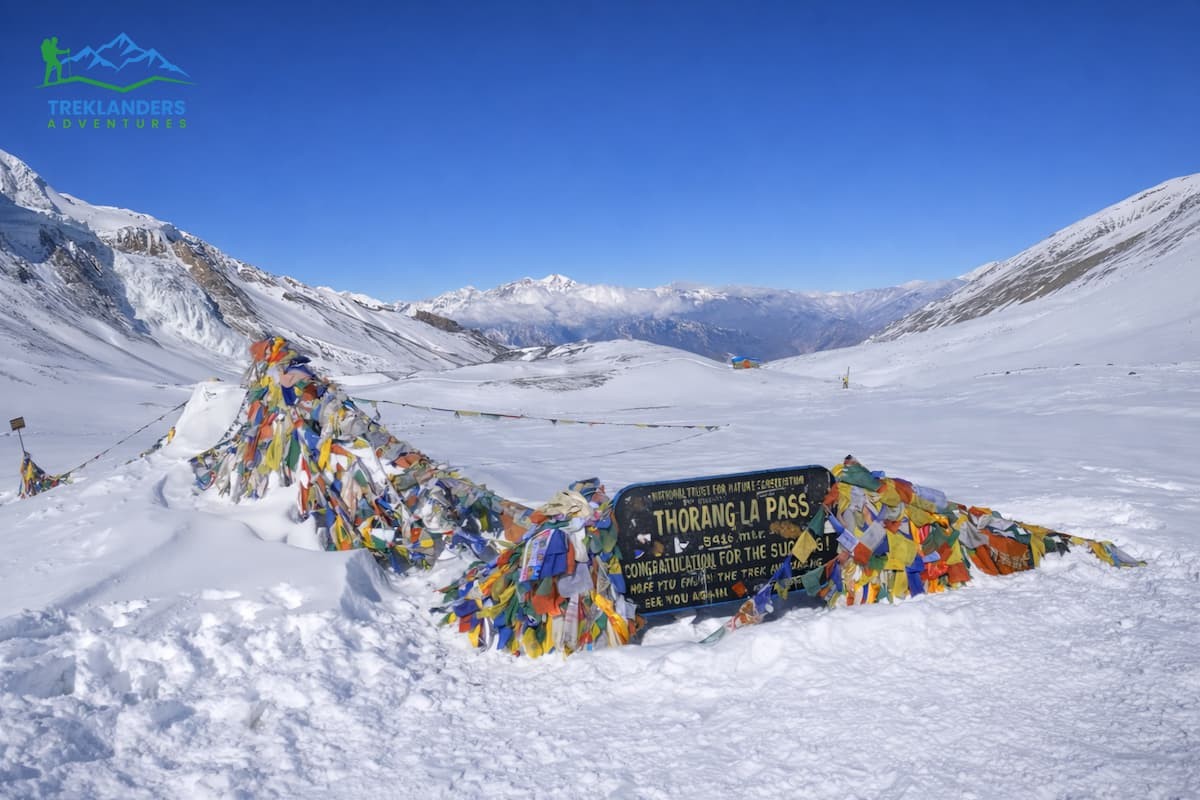
The Annapurna Circuit Trek attains its highest point at Thorong La Pass, 5,416 meters (17,769 feet) high. Being one of the highest trekking passes in the world, it is necessary to cross it early in the morning to avoid strong winds. The incredible views spread across the Annapurna and Dhaulagiri ranges, and it is a great accomplishment for the trekkers to complete the circuit.
The risk of altitude sickness is definitely one of the major factors to consider while on the Manaslu Circuit Trek and the Annapurna Circuit Trek, since both of these treks go above 5,000 meters.
On the Manaslu Circuit Trek, the risk is moderate to high as the area is very isolated and there are fewer options for acclimatization. Altitude gain is gradual, and since there are very few medical facilities, any symptoms such as headache, nausea, dizziness, or fatigue should be taken very seriously. Proper acclimatization days at Samagaun and Samdo are necessary, together with slow pacing and sufficient hydration.
The Annapurna Circuit Trek, on the other hand, goes to a higher altitude at Thorong La Pass (5,416 m), but overall, it is a bit less risky due to the better infrastructure and more options for acclimatization in Manang, for example. Side hikes and flexible itineraries allow the body to get used to the changes.
Early recognition of symptoms and a conservative ascent are the two main factors to help one stay safe on both treks.
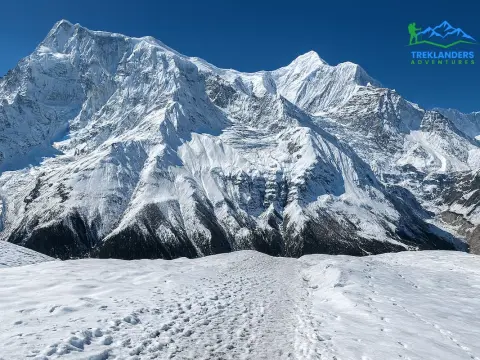
Proper acclimatization days are very important for safe and successful journeys on the Manaslu Circuit Trek and the Annapurna Circuit Trek since both of them reach heights of over 5,000 meters.
Acclimatization on the Manaslu Circuit Trek is usually scheduled at Samagaun (3,530 m), with a Manaslu Base Camp or Pungyen Gompa hike options and, at times, an extra night stay at Samdo (3,875 m). These breaks prepare the body for the quite challenging Larkya La Pass crossing.
As for the Annapurna Circuit Trek, the key acclimatization day is in Manang (3,540 m). Trekkers usually go on side hikes to Ice Lake or Gangapurna Lake, which are great adaptation techniques based on the climb high, sleep low before the Thorong La Pass crossing.
In fact, the inclusion of this day basically helps in significantly reducing the risks of altitude sickness and enhancing the comfort and overall success of the trekking experience.
For those trek enthusiasts whose health is sensitive to altitude, the Annapurna Circuit Trek is generally considered to be a safer and easier route than the Manaslu Circuit Trek.
It is true that Annapurna, through Thorong La Pass (5,416 m), has a higher maximum altitude, but it has better options for acclimatization. The longer stay in Manang (3,540 m), several optional side hikes (like Ice Lake), and the possibility of adding rest days help trekkers to adapt step by step. Besides, the route is better equipped, has more frequent teahouses, and medical support or evacuation can easily be arranged if a person develops symptoms.
On account of Manaslu, it has more of a continuous altitude gain with scarcely any acclimatization choices and very few exit points. Because the area is so remote, even slight altitude symptoms must be handled very carefully since the availability of medical facilities and the chances of getting a rescue are very limited. Even though the highest point, Larkya La Pass (5,106 m), is lower than Thorong La, altitude-sensitive people may find their overall physiological stress level to be greater.
The Manaslu Circuit Trek is a very authentic cultural journey based on Tibetan Buddhist culture. Remote villages like Samagaun and Samdo, with their ancient monasteries, mani walls, prayer flags, and traditional lifestyles in the highlands, give you the feeling of hardly being touched by mass tourism.
The Annapurna Circuit Trek, on the other hand, has a wider cultural variety as it passes through Gurung, Thakali, and Manangi communities. Busy villages like Manang and Jomsom are a mix of tradition and the modern trekking culture, thus they offer a good combination of local interaction and improved facilities.
Manaslu is a good match for those who are pure in culture, want to be away from everything, and are isolated, while Annapurna is for the trekkers who want variety and comfort.
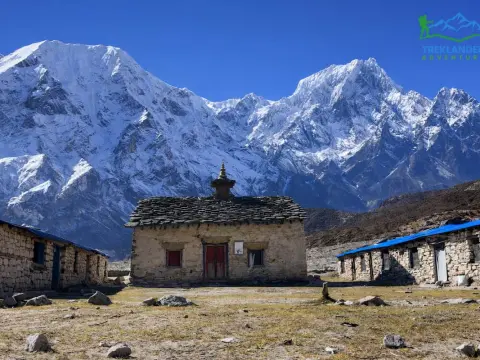
Cultural experience is one of the essential features that distinguish the Manaslu Circuit Trek and the Annapurna Circuit Trek. Although it is a common factor, the nature of cultural interaction and local life greatly differs between the two regions. Manaslu Circuit Trek takes you to the culturally most preserved Himalayan communities of Nepal.
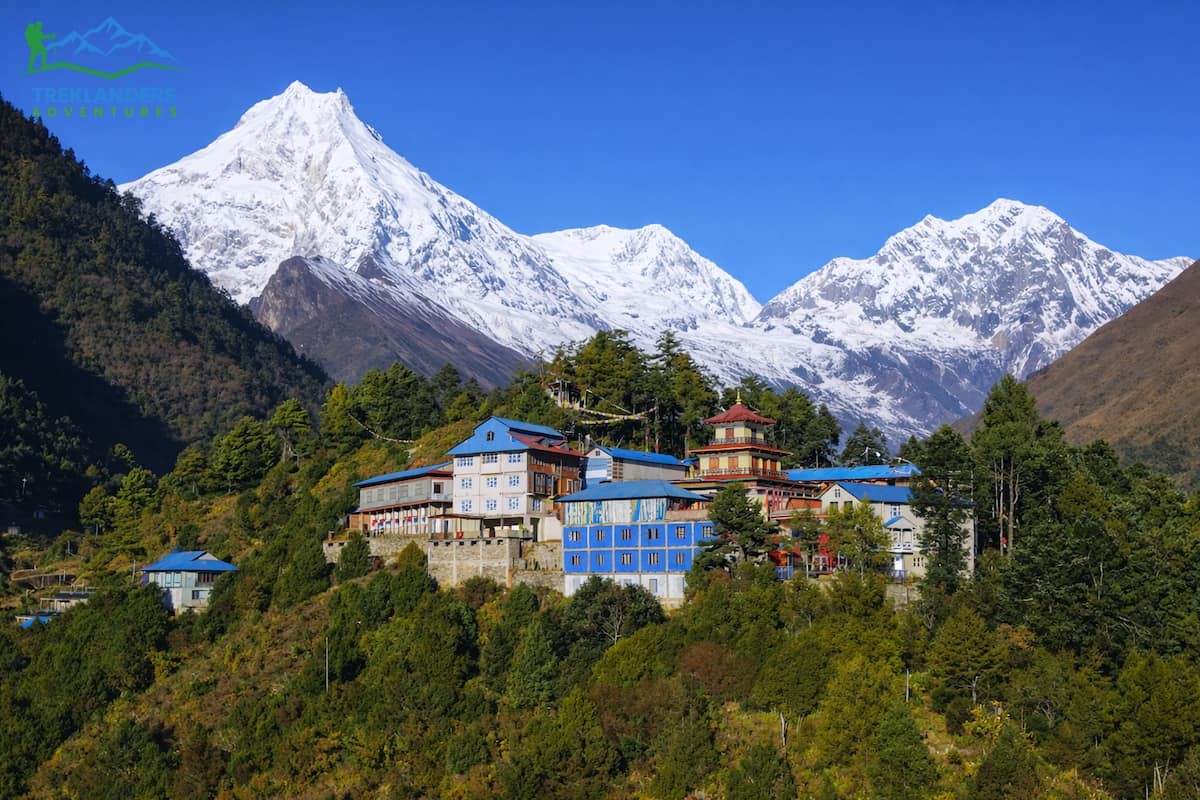
Due to their closeness to the Tibetan border, many of the villages in the upper Manaslu region, like Samagaun and Samdo, are heavily influenced by Tibetan Buddhism. The local people belong to the ethnic groups of Tibetan origin and live according to the traditions of their ancestors, dating back hundreds of years. Mani walls, chortens, prayer flags, and monasteries are not just religious landmarks for tourists but are deeply ingrained in the daily life of the locals. Agriculture, yak herding, and seasonal trade are still the main sources of income, and these villages got their first glimpses of modernization in a very gradual way.
Since the number of trekkers is limited through restricted-area regulations, the locals' presence is often felt by the tourists in such a way that the interactions seem personal and genuine. Hospitality is simple but sincere, and it is through this that the visitors get a very rare opportunity to experience a traditional Himalayan lifestyle almost unchanged over several generations.
Instead of a cultural island story, the Annapurna Circuit Trek is a great example of Nepal's cultural diversity through the local communities. On its path, one can meet the Gurung villages occupying the lower region, the Manangi dwellers living in the high valleys, and the Thakali people settling in the trans-Himalayan zone. Each of them has its own different languages, traditions, architectures, and flavors. Furthermore, Manang and Jomsom have been well-known trading centers for a long time, and they are perfectly adapted to trekking tourism. Hence, the local people are very friendly, and cultural exchanges are generally very lively and open. Although monasteries, gompas, and traditional festivals are still significant, daily life is now visibly mixed with modern amenities, education, and tourism-related businesses.
Even though Annapurna allows one to experience a greater range of cultures and there is an easier flow of communication, the trip to popular villages can sometimes come across as more commercial. On the contrary, Manaslu gives you a great opportunity to experience the Tibetan-influenced culture, which is well-preserved.
To conclude, trekkers whose main objective is to discover the real and traditional Himalayan culture will have a more satisfying time at Manaslu, while those who wish to be introduced to several ethnic communities and have better comfort and accessibility will be delighted by the Annapurna Circuit. Both offer culturally insightful experiences, deeply influenced by geography, history, and trekking development.
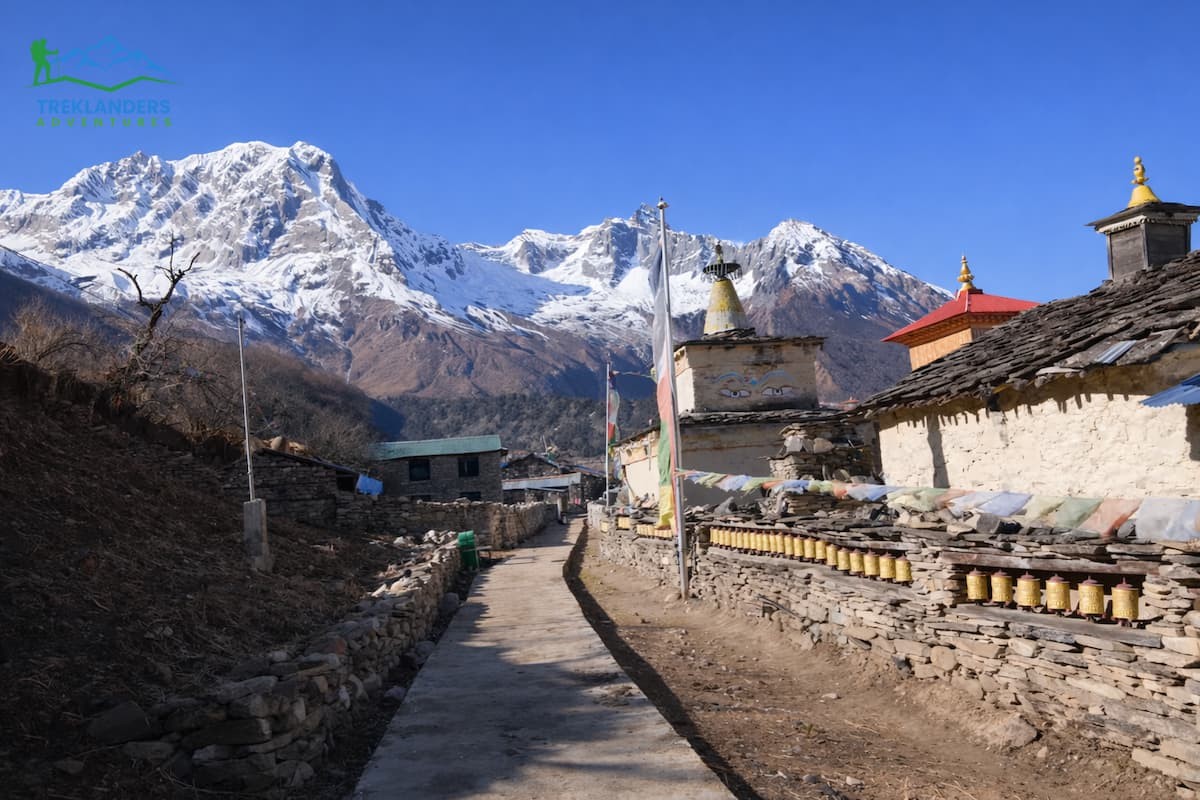
Along the Manaslu Circuit Trek, you will find the small villages to be quaint, isolated, and very traditional. Places like Jagat, Samagaun, and Samdo are the sights of a serene Himalayan lifestyle influenced by Tibetan Buddhism, subsistence farming, and yak herding. Teahouses here are simple, and since there are fewer trekkers, daily interactions with locals feel intimate and genuine. The Annapurna Circuit Trek heads through the larger, more developed villages such as Manang and Jomsom. Life in the villages here is a combination of tradition and tourism; you can expect cultural encounters along with the presence of facilities, cafes, and accommodation options of different kinds.
If you want to experience culture at its most natural level, the Manaslu Circuit Trek is the one that takes you the deepest. The restricted area access limits the crowds, and that is why the Tibetan-influenced traditions, monasteries, prayer rituals, and village life have remained almost unchanged. Cultural practices are hardly tourist showcases but are part of everyday living.
The Annapurna Circuit Trek offers a greater cultural diversity among the Gurung, Manangi, and Thakali communities, but tourism has made the interactions more commercial. Although the cultures are rich and fascinating, the cultural experiences are wider rather than deeper.
Conclusion: Manaslu is the place where you can have the most genuine and culturally immersive journey.
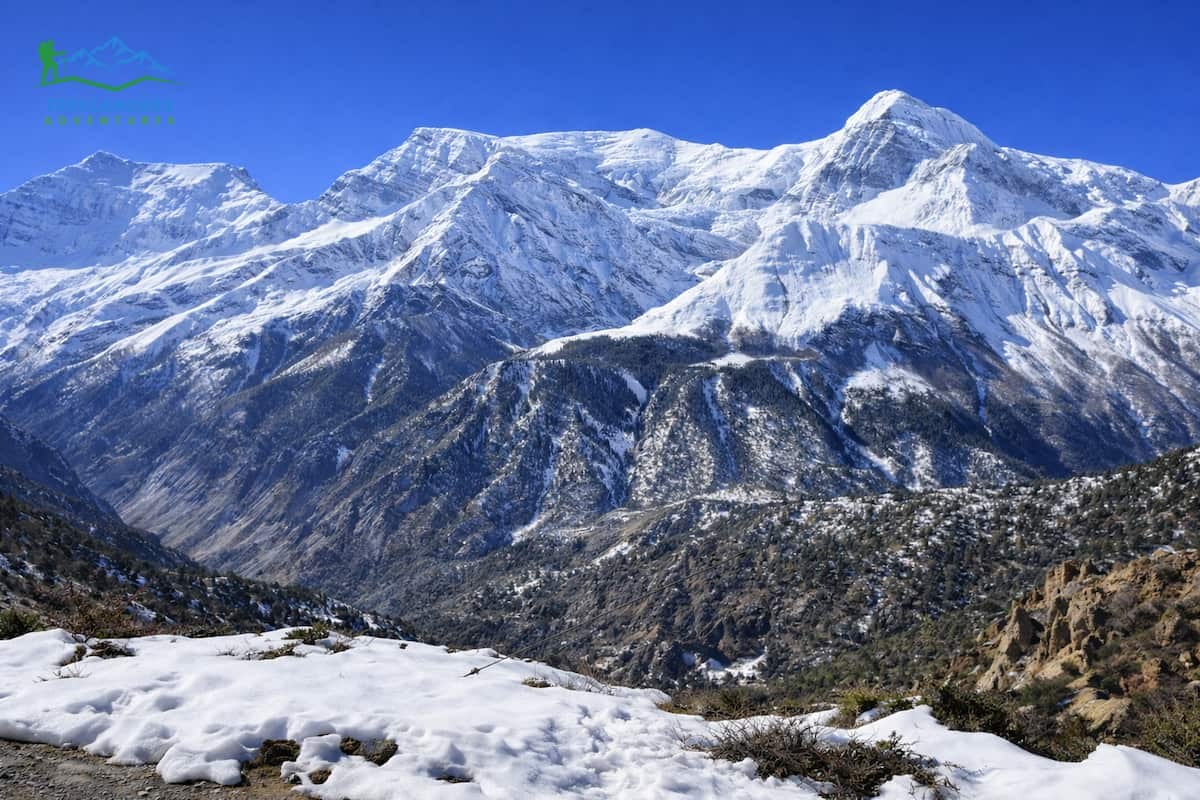
Seasonal weather analysis is an important aspect of deciding between the two trekking routes, Manaslu Circuit Trek and Annapurna Circuit Trek, as the climate has a direct impact on safety, visibility, and trekking comfort.
The two treks are best enjoyed in the spring (March-May) or autumn (September-November) seasons. In these months, weather conditions are fairly stable, the sky is usually without clouds, and the mountains are visible and at their most beautiful. Temperatures during the day are comfortable, and the mountain passes are mostly clear of heavy snow. Autumn is especially favored because of dry air and good visibility, while spring is the time when the lower elevations of the forest are covered in flowering rhododendrons.
Because of its isolation, scarce shelters, and local terrain, Manaslu is generally subject to more changeable and colder weather, especially at higher altitudes. Near the Larkya La Pass, it is quite usual to experience sudden snowfall and strong winds. Annapurna, although it is also high and exposed, has better infrastructure and weather patterns that are a little more predictable. When it comes to temperature, during the day both treks have similar highs at the peak seasons, but the nights at Manaslu feel colder as there are fewer insulated lodges.
Winter hiking in these two areas is tough in both cases. A lot of snow can block the way through Larkya La Pass on Manaslu and Thorong La Pass on Annapurna. Manaslu is more dangerous in the winter because the isolation, extreme cold, and very limited ways of rescuing someone increase the risk. Annapurna is a bit doable in the early winter, as you can still get to the road, stay in decent lodges, and there are different exit points, but it is still very tough and only for very skilled hikers.
In the monsoon, both areas experience rain, landslides, leeches at lower altitudes, and poor visibility. Manaslu is more impacted due to the narrowness of the paths and the landslide-prone gorges. Annapurna has some sections in the rain shadow, especially after Manang, which makes some parts of the trek easier, but generally, the conditions are still tough.
In general, the Annapurna Circuit Trek experiences better and more manageable weather because of stronger infrastructure, flexible itineraries, and partial rain-shadow protection. Manaslu delivers stunning rewards in peak seasons but is less accommodating in extreme or off-season conditions.
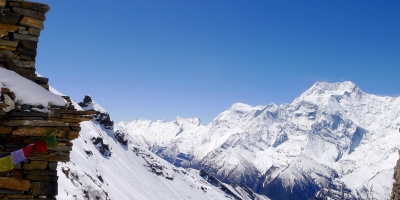
A few major points of difference between the Manaslu Circuit Trek and the Annapurna Circuit Trek stem from the fact that the former is a restricted area trek, so there are lots of differences in terms of overall planning, regulations, and logistical infrastructure, which obviously have an impact on how each trek is held and experienced. Manaslu Circuit Trek is a restricted-area trek. The trekkers have to be accompanied by a licensed guide and can only trek in a minimum group, and special permits are also required. These rules are geared towards tourism control, and at the same time, they contribute to the protection of the local culture and environment.
Manaslu trek also offers very limited accommodations to the extent that these are only basic teahouses where the provisions for the tea houses are carried over long distances, which, therefore, results in how the services are arranged. Because there are very few exits and the places are hardly accessible by road, the plan has to be very tight right from the start, with hardly any possibility of change after the trek has started. The guide and porter in the support staff are indispensable for advancing the safety, offering the proper direction, and handling the overall logistics of the journey.
On the other hand, the Annapurna Circuit Trek provides a lot more freedom in the way of planning the journey. Both guided and independent trekkers are welcome, and the permit requirements are less complicated. The trail goes through well-established villages that offer a wide range of teahouses, food options, and amenities. In addition, several road access points allow the trekkers to lengthen or shorten the trek as necessary, making it possible to change the plan even during the journey. Trekkers can also find emergency services, communication facilities, and alternative transport options more easily.
One more major discrepancy is that of infrastructure and service availability. The mature Annapurna trekking network not only supports but also offers varied accommodation standards and meal choices, whereas a Manaslu trekking circuit has only consistency and basic comfort. Both treks have the same kind of equipment needs. However, the Manaslu trek demands more preparation ahead since there is limited availability of gear and supplies along the route.
In brief, while Manaslu is geared towards stricter regulations, guided travel, and fixed logistics aimed at protecting a remote region, Annapurna, on the other hand, has flexible planning, easy access, and a variety of service options. The decision is less about money and more about what level of flexibility, remoteness, and structural support one wants during the trek.
The roles of guides and porters on the Manaslu Circuit Trek and the Annapurna Circuit Trek are significantly different, mainly because of restrictions, the nature of the ground, and the development of facilities.
Since the Manaslu Circuit Trek is within a restricted area, hiring a licensed guide is compulsory according to the rules. Besides, a minimum number of people are required to be on the trek, and therefore, guides are necessary for the handling of permits, finding the right way, explaining the culture, and ensuring the overall safety of the locals and the area as well. The paths are hardly marked, the weather is unstable, and there are few options for evacuation, which is why it is so important to have expert guides and porters for the trip to be safe and comfortable. Porters take care of the luggage during the long days of continuous trekking so that the trekkers can concentrate on getting used to the altitude and building their stamina instead of being physically worn out.
On the other hand, people have the option of guided or independent trekking when doing the Annapurna Circuit Trek. There is no requirement at all to use a guide and a porter, although many trekkers still do so for getting a local perspective, sorting out the route, and being comfortable. Treks have become more accessible due to well-marked trails, frequent villages, and better communication facilities. Using a porter is a common practice to minimize exhaustion, especially during the long climb to Thorong La Pass.
To sum it up, guides and porters are a must for Manaslu because of the regulation and the area's remoteness, whereas on Annapurna, they are a matter of choice but very useful for safety, getting to know the culture, and having a more relaxed trekking experience overall.
Accommodation and food experiences vary significantly between the Manaslu Circuit Trek and the Annapurna Circuit Trek, mainly due to the differences in remoteness and the level of infrastructure development.
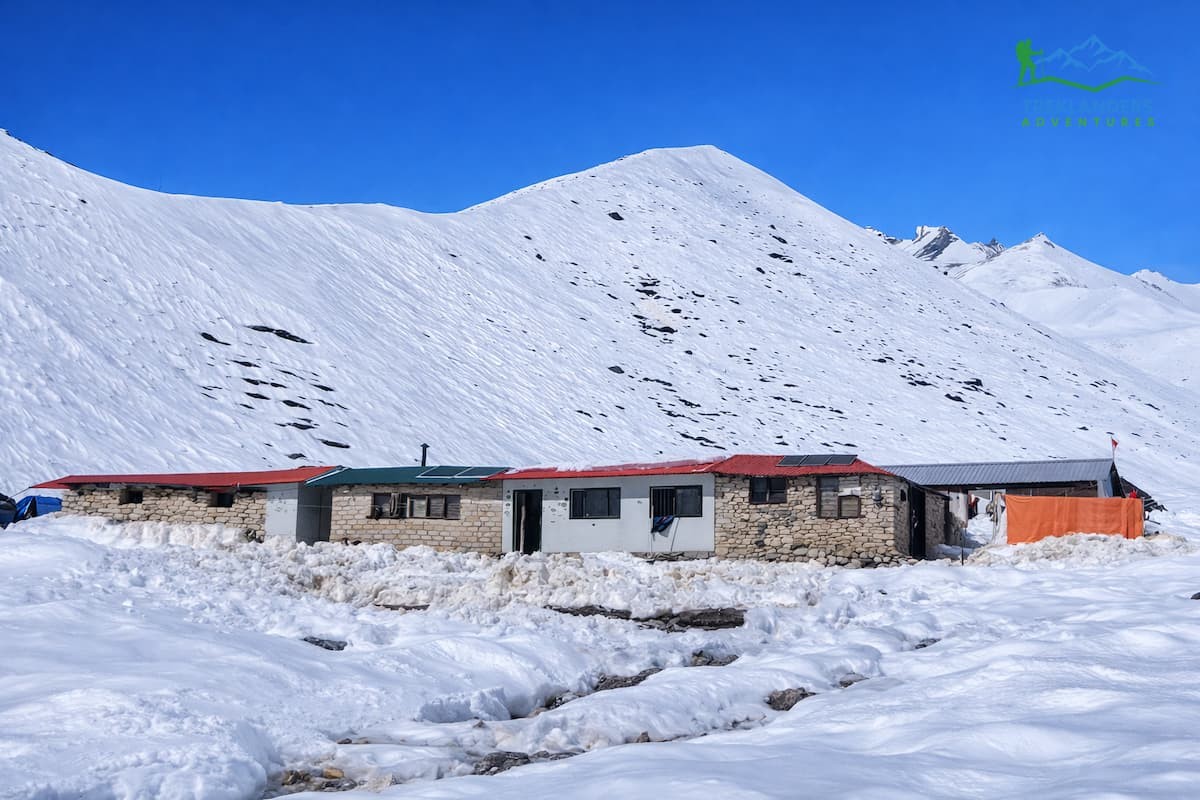
Along the Manaslu Circuit Trek, the accommodation options are basically local teahouses with very basic facilities. Rooms are quite simple, normally twin-sharing, bathrooms are shared, and there is little or no heating, especially at the high altitudes. The objective is to provide the hikers with a place to get warm and have a safe shelter rather than a comfortable room. Food menus are simple, typically consisting of dal bhat, noodles, rice, soups, potatoes, and basic Tibetan-style dishes. What is available on the menu depends on what the supply caravans bring, and so the choices of the menu become more limited with the increase in altitude. The meals are healthy and provide enough energy, but not too varied.
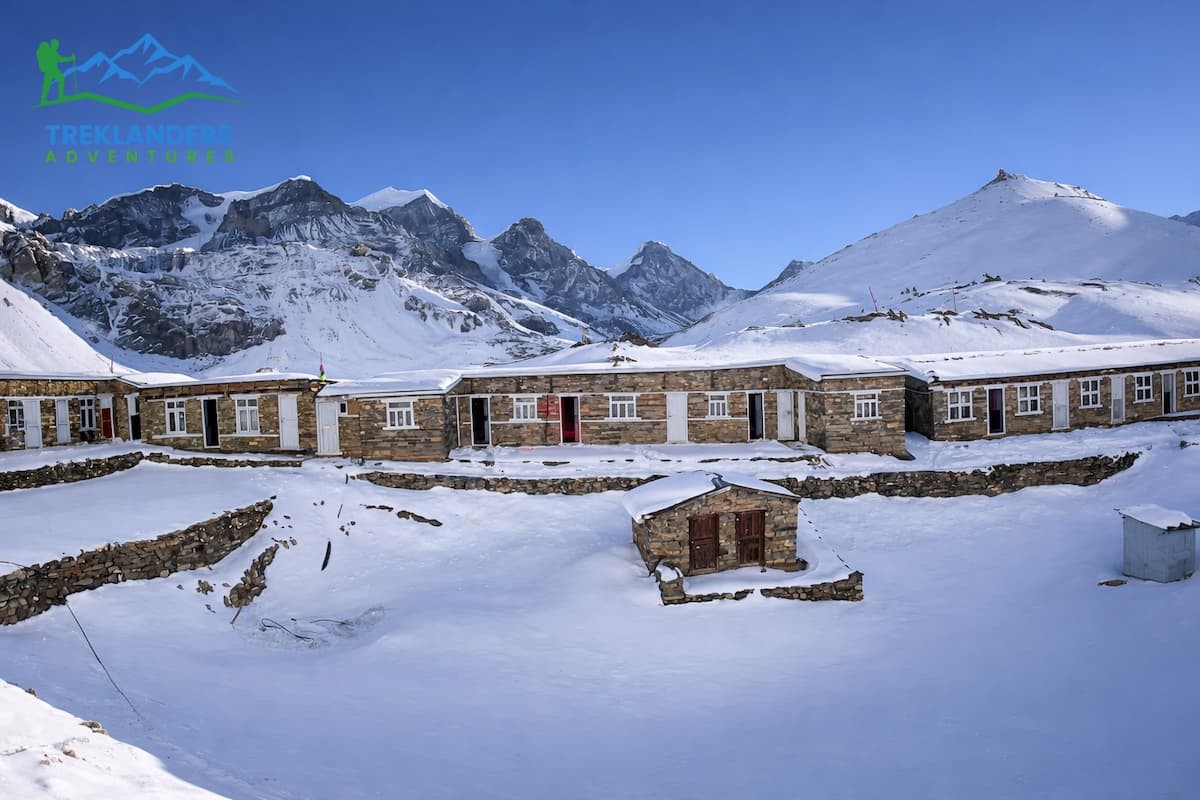
The Annapurna Circuit Trek, on the other hand, has a wider range of better-developed accommodation options. The spectrum of teahouses ranges from simple lodges to mountain guesthouses of moderate standard, especially in the villages of Manang and Jomsom. Offering private rooms, attached bathrooms (in some locations), and heated dining areas is more frequent. Food options are wider, and they include Nepali, Tibetan, and simple international dishes such as pasta, pancakes, soups, and bakery items in popular stops.
In general, Manaslu focuses on keeping things simple and authentic, whereas Annapurna caters to your greater comfort, diversity, and availability of options in accommodation and food.
If you are looking for a remote, less crowded adventure, strong cultural immersions, and a real wilderness experience, go for the Manaslu Circuit Trek. It is for those with solid trekking experience who appreciate solitude, like having a planned itinerary, and being guided.
Annapurna Circuit Trek is the way to go if you want a classic Himalayan route with a variety of landscapes, the possibility of doing your own thing, and better facilities. This is the right choice for first-time high altitude trekkers or those who want comfort and variety.
In the end, it comes down to your level of experience, the way you like to do trekking, and whether you prefer the remoteness or the flexibility.
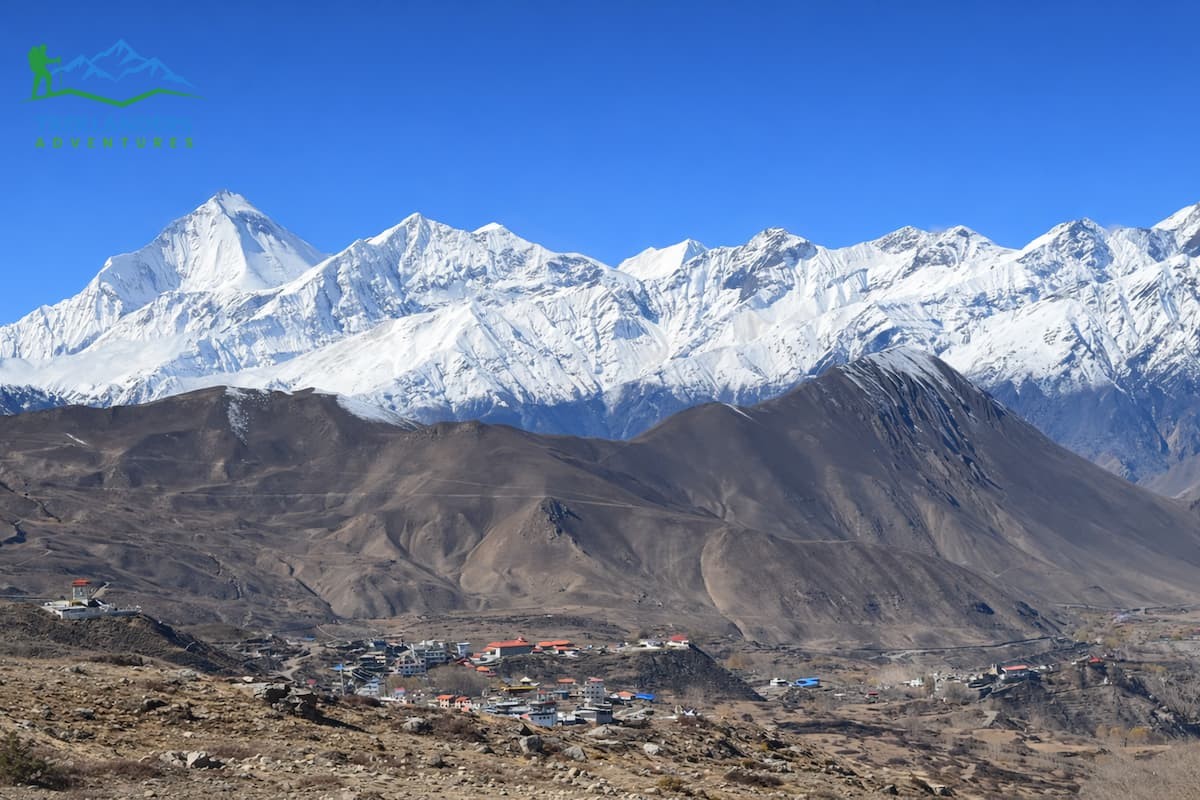
Both the Manaslu Circuit Trek and the Annapurna Circuit Trek are magnificent Himalayan adventures, and each of them can provide an entirely different trekking experience.
Manaslu is known for its seclusion and unspoiled surroundings; also, the deeply preserved Tibetan-influenced culture is a great point of attraction there. Hence, it is perfect for those hikers who want to find solitude and be authentic. In contrast, Annapurna is a place that will impress you with the variety of its landscapes, cultures, and logistical flexibility, which is supported by the well-developed infrastructure.
There is no better trek. It totally depends on what your trekking objectives, experience, and comfort levels are. When you are well-prepared, choose the right time, and have a guide, you will get a Nepal Himalaya experience that is challenging, rewarding, and unforgettable from either trek.
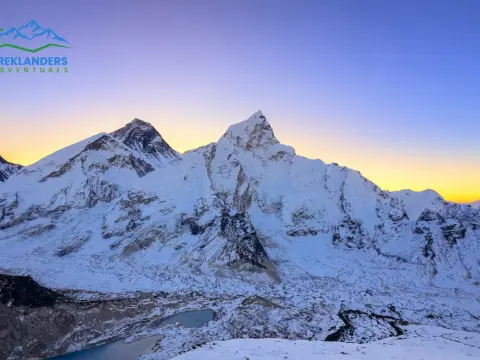
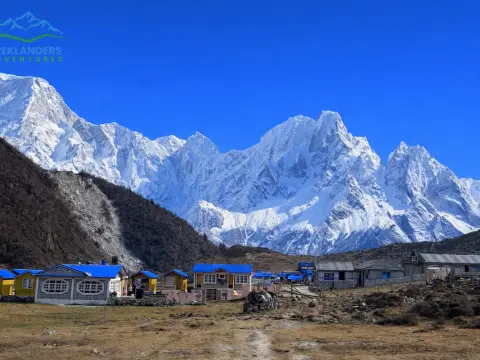
Compare the Langtang Valley Trek and Manaslu Circuit Trek to find which Nepal trek is best for your time, fitness level, and trekking experience.
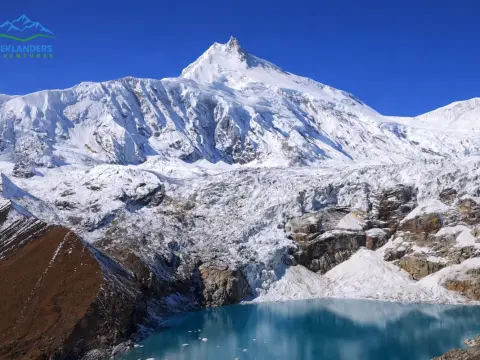
Explore the best Manaslu Circuit Trek viewpoints in 2026, including Larkya La Pass (5,106 m), spectacular Himalayan views, and a clear trek itinerary.
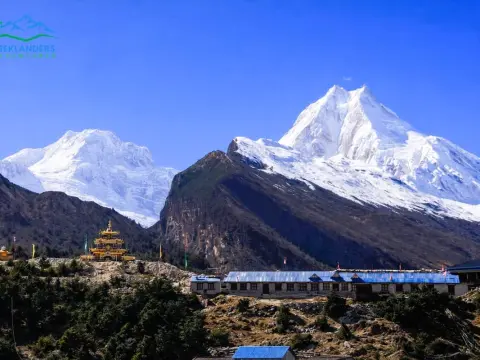
A comprehensive guide to Manaslu trekking facts covering routes, permits, altitude, culture, difficulty, seasons, and preparation.



