
Langtang Valley Trek vs Manaslu Circuit Trek: Which Nepal Trek Is Best for You?
11 Jan 2026
Compare the Langtang Valley Trek and Manaslu Circuit Trek to find which Nepal trek is best for your time, fitness level, and trekking experience.

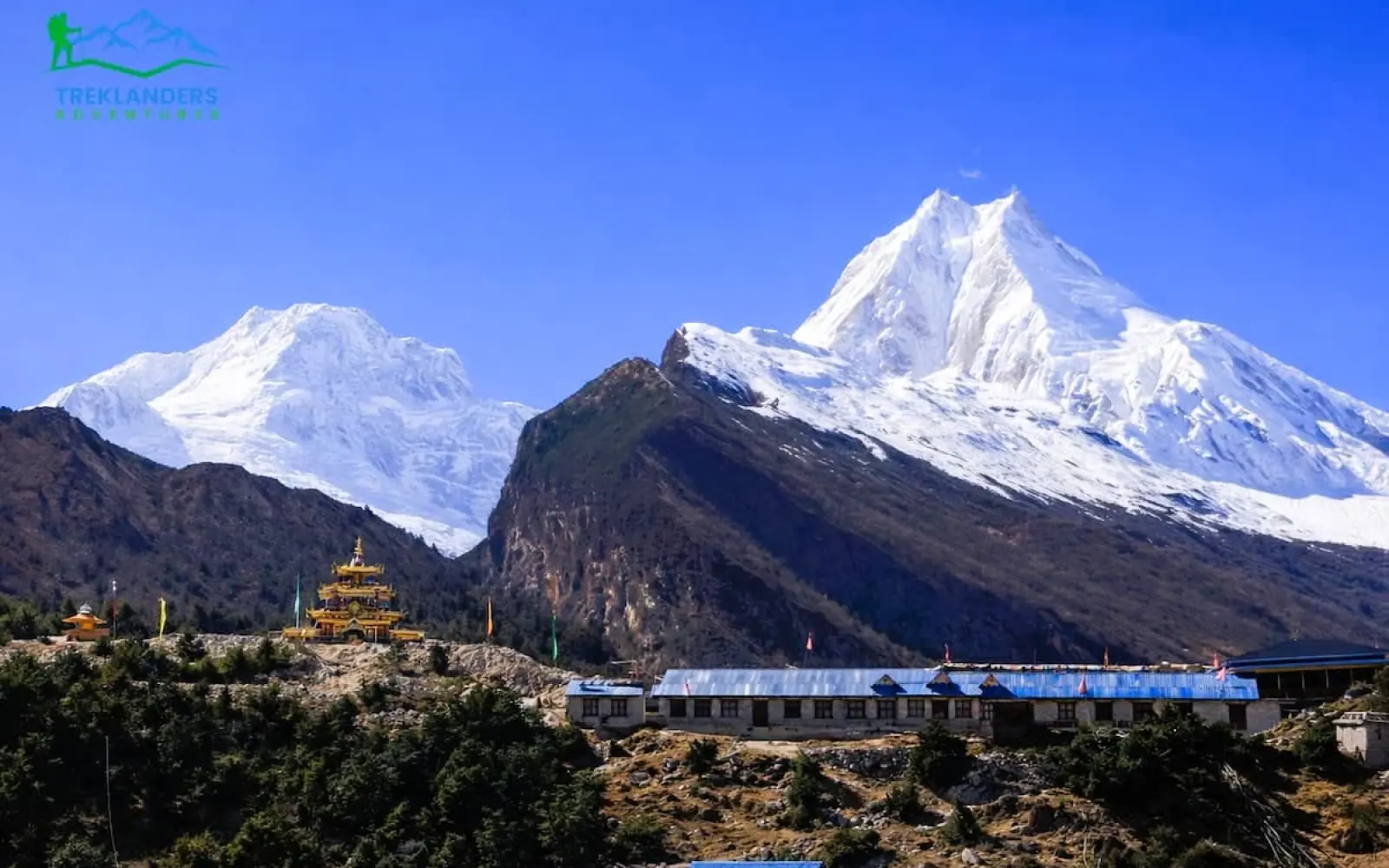
The Manaslu trekking area is undoubtedly one of the most versatile and culturally rich regions in the Himalayas of Nepal, with trekking routes that extend well beyond the famous circuit trail. The region is situated in the remote western Himalaya and radiates around Mount Manaslu (8,163 m), the world's eighth-highest mountain. The area is full of classic long-distance treks, sacred valleys, and tranquil side routes - there is no technical peak climbing, but exceptional trekking experiences are guaranteed.
This guide to Manaslu Trek Facts: Everything You Need to Know before You Go compiles the major trekking options in the region, including the Manaslu Circuit Trek, Tsum Valley Trek, Manaslu Base Camp Trek, and combined Manaslu-Tsum itineraries. These treks traverse deep river gorges of the Budhi Gandaki, high alpine landscapes, glacial valleys, and typical villages influenced by Tibetan Buddhism.
Perhaps the most well-known fact about the Manaslu trek is that it is located in a restricted area where special permits and a licensed guide are mandatory. This rule has contributed to the preservation of the natural environment and the old culture of the region. Trekkers get to see old monasteries, Mani walls, prayer flags, and villages such as Jagat, Samagaun, Samdo, and Chhokang Paro, where traditional ways of life have been preserved.
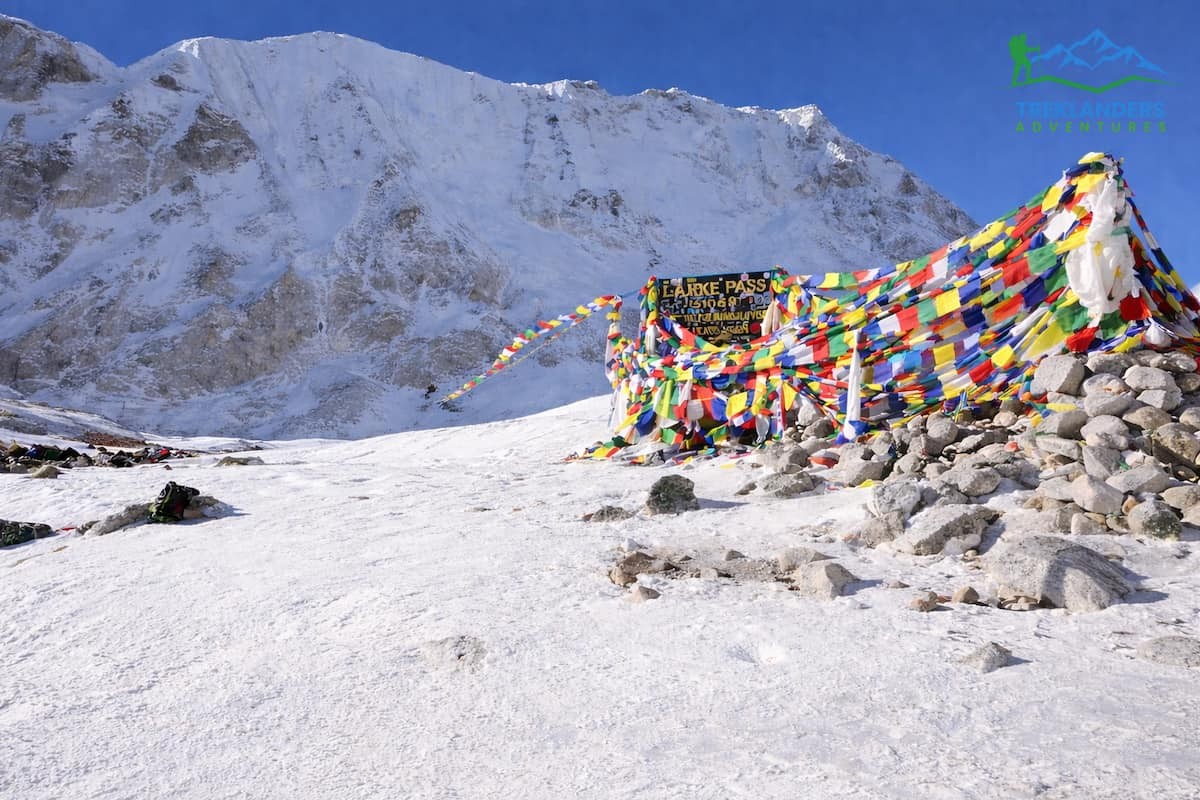
The region can accommodate all types of adventurers with its diverse range of trekking difficulties. It is common knowledge that the Manaslu Circuit trek includes the arduous Larkya La Pass (5,106 m / 16,752 ft), but on the other hand, the Tsum Valley trek is about immersing yourself in culture rather than reaching high altitudes. Manaslu Base Camp treks are also an option if you only want to enjoy the spectacular mountain views and not the entire circuit. There are tea-house accommodations on all main routes, although the facilities will be less developed and are located further away from the cities compared to those in the Everest or Annapurna regions.
Knowing these Manaslu facts covering routes, permits, altitude, culture, seasons, and logistics will allow trekkers to both select the right itinerary and prepare responsibly. Manaslu trekking is a full, genuine Himalayan experience offering high Himalayan passes, spiritual valleys, and well-worn trails, which require no technical mountaineering.
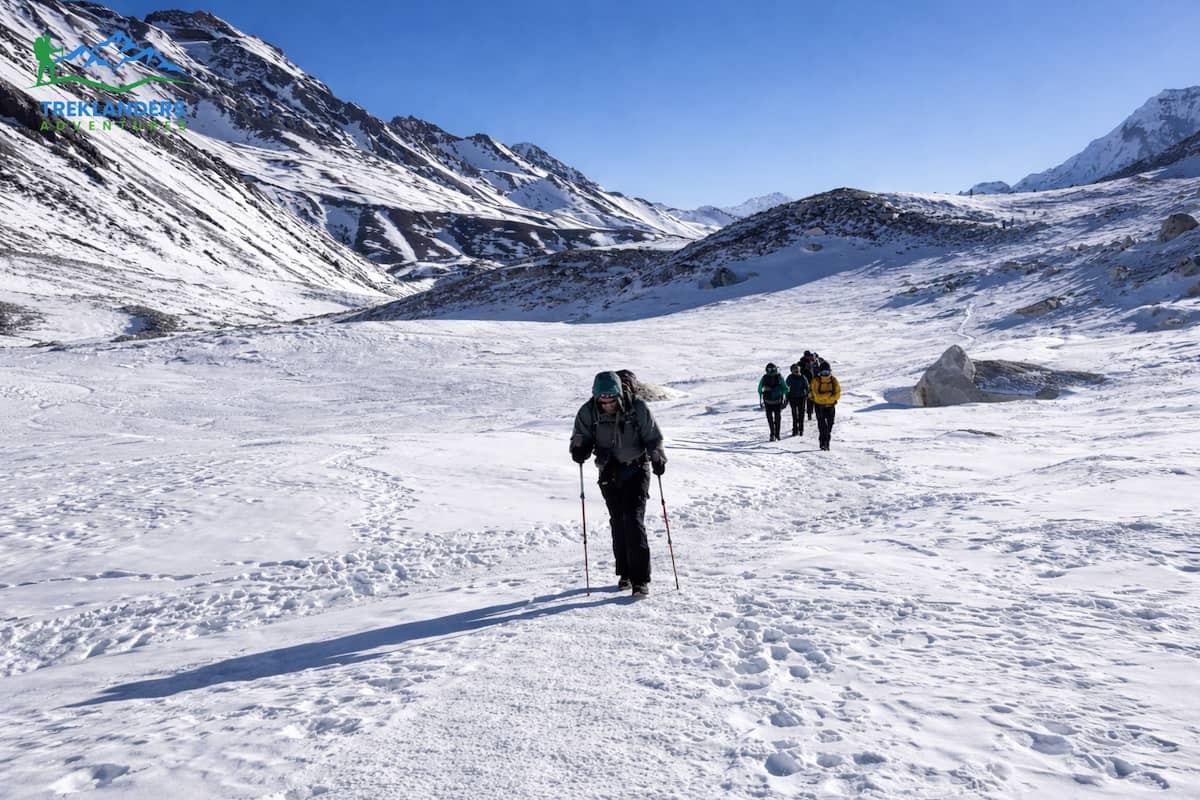
The Manaslu region is designated as a restricted area by the government of Nepal. Trekkers have to get special permits and are required to be accompanied by a licensed guide. This measure is beneficial in a way that it helps the council of local culture, tourism management, and the protection of a fragile Himalayan environment.
Manaslu trekking is not just a single trail. It offers the Manaslu Circuit, Tsum Valley Trek, Manaslu Base Camp Trek, and its combined routes that give different experiences without the need for technical climbing skills.
In the Manaslu region, the highest point of trekking is the Larkya La Pass (5,106 m / 16,752 ft). Going to this pass is a sweaty job and one that requires good acclimatization and good weather conditions.
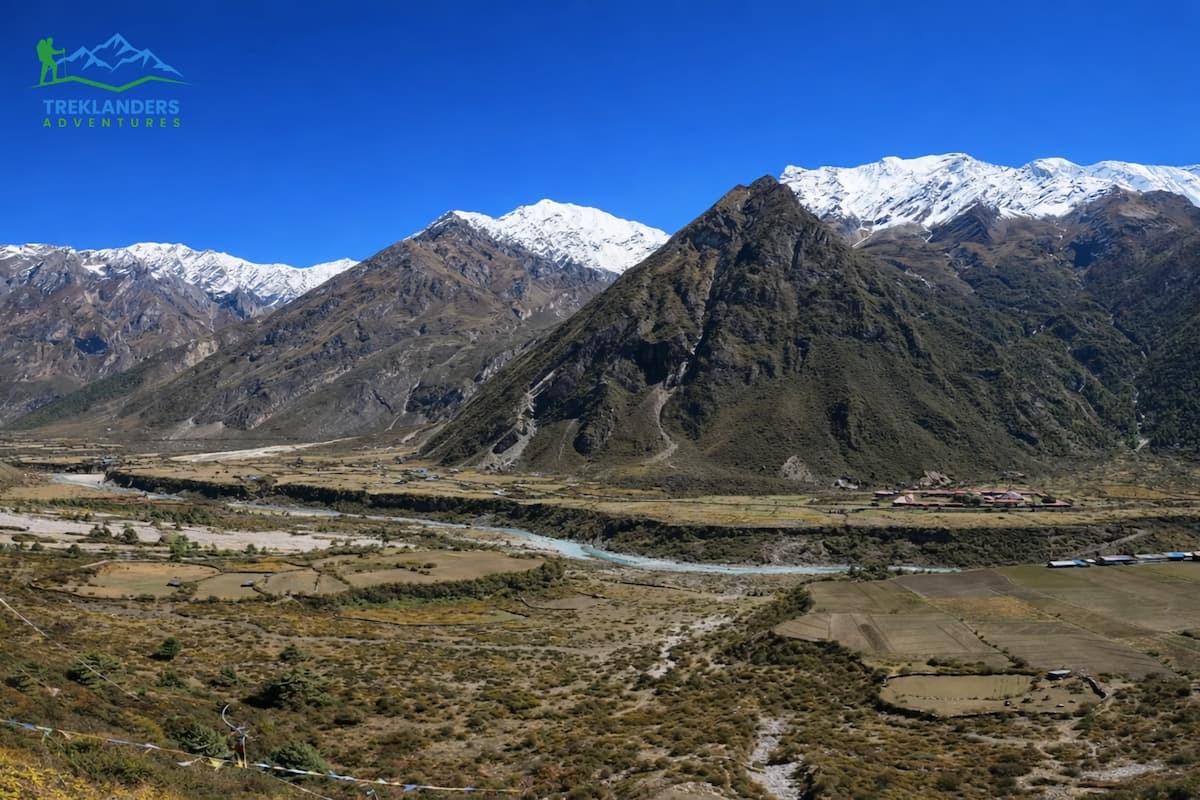
Tsum Valley is a spiritually and culturally sacred area. The valley features some ancient monasteries, Mani walls, and villages where traditional lifestyles and spiritual practices have been very well preserved.
Going solo is not allowed in Manaslu. Trekkers have to be in groups of at least two people with a registered guide. This way, safety is enhanced, and unregulated tourism is confined.
Manaslu trekking routes are visited by far fewer trekkers than Annapurna and Everest. For this reason, the region can be termed as a haven for those who are into quiet trails, authentic villages, and a remote Himalayan experience.
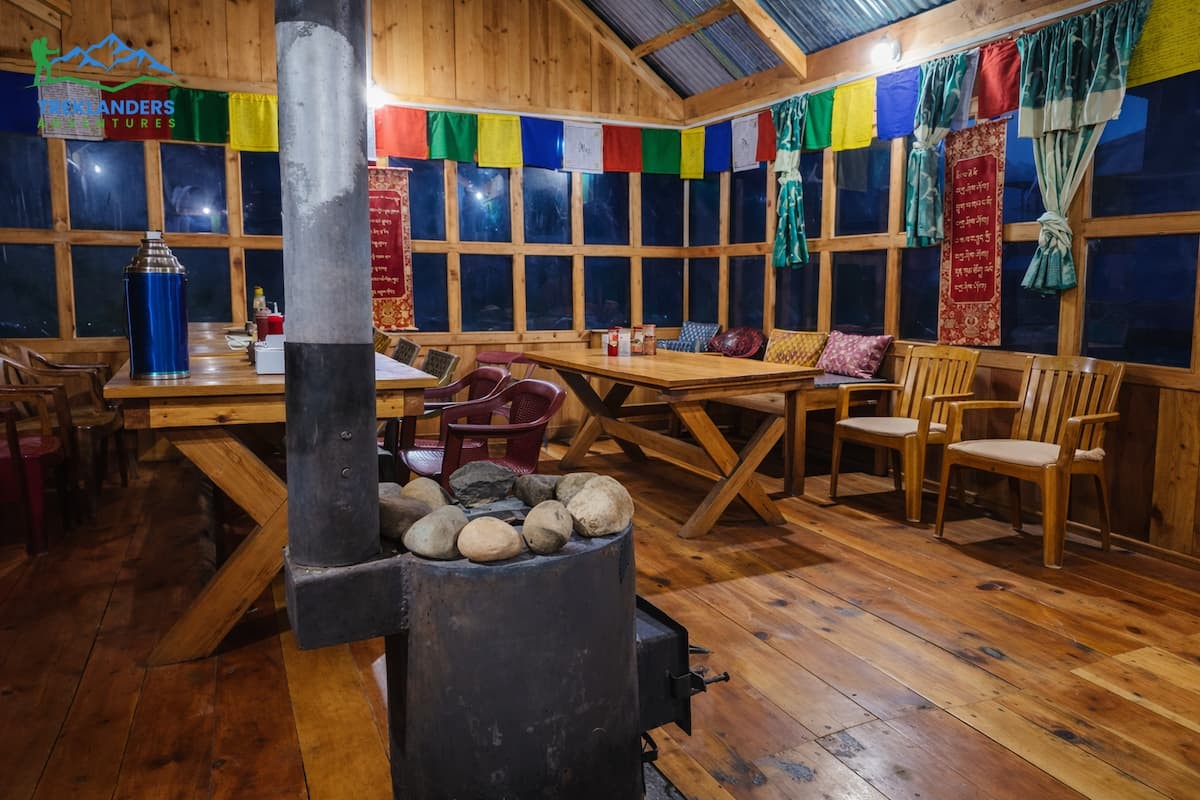
Tea houses can be found all over the Manaslu region, but their facilities remain quite basic. You can only expect a simple room, a shared toilet, only a few hours of power, and a limited food menu, especially as you go higher up the mountain.
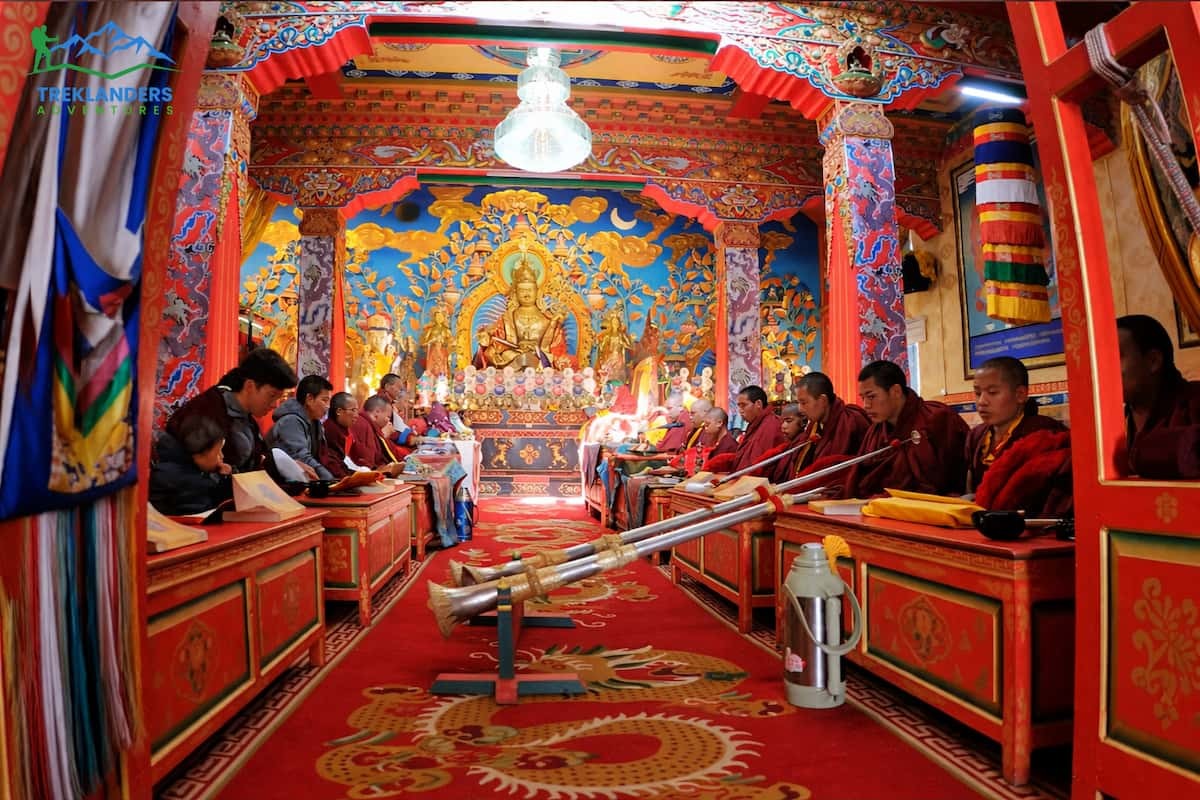
Most of the villages in the Manaslu area practice Tibetan Buddhist culture. Prayer flags, stupas, temples, and daily rituals are an integral part of the local life on the trekking paths.
The best seasons for Manaslu trekking are the spring (March-May) and the autumn (September-November). These seasons provide the most stable weather, the clearest mountain views, and the safest trail conditions.
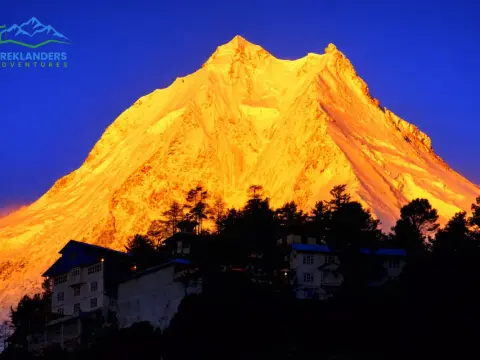
The Manaslu trek is characterized by long hiking days, very steep elevations, very high altitudes, and very remote areas. No mountaineering skills are required; however, good fitness and having been on a trek before are strongly recommended.
Most Manaslu trekking trails are in the Manaslu Conservation Area. This is a protected area. The status of the area, therefore, helps to preserve the forests, animals, rivers, and alpine ecosystems, and at the same time, it supports the development of sustainable and responsible trekking tourism.
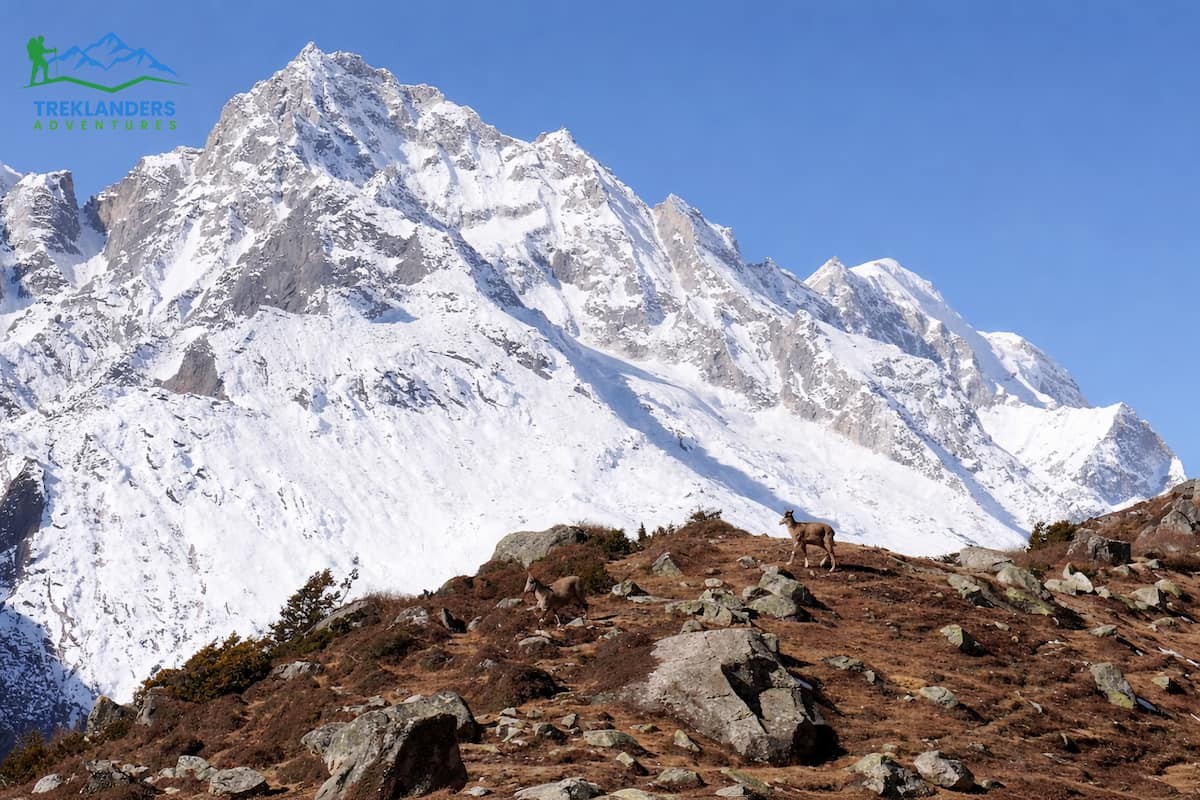
The Manaslu region is habitat of Manaslu is home to tahr, bharal, musk deer, and the occasional snow leopard. Because the area is so isolated, sightings of the animals that live there can take place, but they cannot be assured.
The Manaslu trekking trail normally follows a gradual slope; however, the altitude change is quite considerable. It is very important to take proper acclimatization days to stay safe and healthy from altitude sickness, especially before the high pass.
The trail does not offer safe drinking water at any point. You will have to take purification measures such as tablets, filters, or boiling, since only a few bottles of water are available, and the use of bottled water is discouraged to save the environment.
There are a lot of different food items available in the lower villages, but as the altitude goes up, the menus get simpler. Most of the meals consist of local staples such as dal bhat, noodles, soups, potatoes, and rice-based dishes.
With the recent work on the road, some days' trekking has been cut down due to the fact that there is a jeep that can go to the villages at a lower level. On the other hand, the upper parts of Manaslu treks are still remote and largely untouched.
The number of healthcare facilities in the Manaslu area is extremely scarce. It is advisable that trekkers carry their own medications and have travel insurance that not only covers high-altitude trekking but also emergency evacuation.
Showing respect for local customs is particularly vital in monasteries and sacred villages. A good example of cultural awareness is to walk clockwise around the Mani walls and ask people's permission before taking their photos.
The Manaslu Circuit comes close to the Annapurna region at Dharapani, which means that trekkers can either continue their journey by the route or return by the well-known Annapurna trekking routes.
In essence, Manaslu trekking is a secluded and authentic wilderness experience that features fewer people, deep cultural immersion, and stunning mountain scenery, thus ranking it as one of the most satisfying treks in Nepal for non-climbers.
Manaslu trekking permits are more expensive than the standard trekking permits in Nepal. The increased permit charges are used as a weapon to limit the influx of visitors and to aid in the conservation and development of the local community.
A government-licensed guide is required for every trek in Manaslu.
Guides facilitate safety on the route, handle the permits, help with acclimatization, and provide cultural interpretation throughout the trek.
According to Nepalese rules, at least two trekkers are needed to obtain the Manaslu restricted area permits.
The main reason for this is to improve safety and discourage solo trekking in remote areas.
The Manaslu trekking routes are narrower and less developed than those of the Everest and Annapurna regions. As a result, the whole experience is more adventurous, although you should be able to maintain good balance and watch your steps carefully.
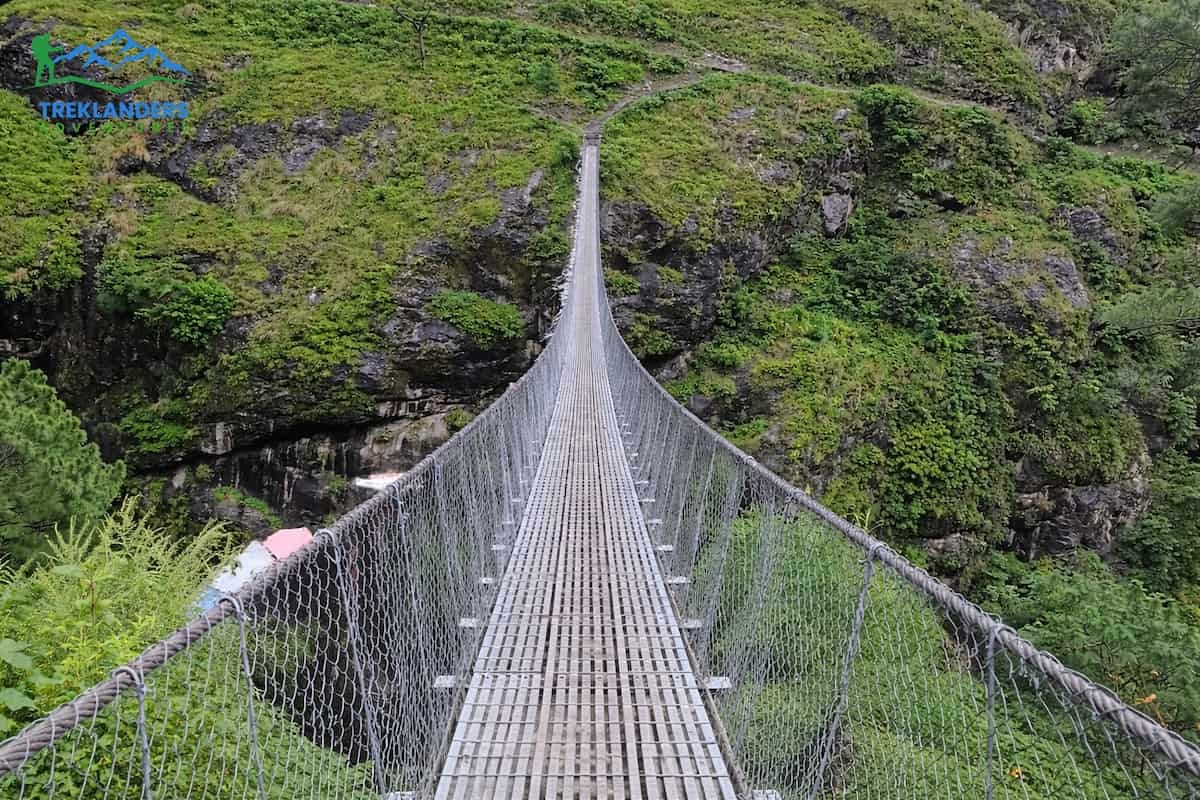
Trekkers go over many suspension bridges following Manaslu routes, predominantly in the Budhi Gandaki valley.
These bridges are completely safe, but they can give you a bit of a scare if you are a first-time trekker.
If you choose Manaslu for your trekking holiday, be prepared for very limited mobile signal and internet access.
Communication becomes marginally better in the bigger villages, but still, it is not safe to rely on it at all.
Most tea houses use solar energy to light and charge customers' devices.
Electronic charging is often an additional expense, especially as you go higher in altitude.
The weather in the Manaslu Mountains is highly changeable. What may be a bright morning can very soon become a windy or snowy day. This is especially true when you are near high passes or on exposed ridgelines.
During acclimatization days, instead of staying at isolated camps, people normally stay and acclimatize in villages like Samagaun and Samdo. At the same time, they can also see the local culture and village life.
The Manaslu trek is a test of one's patience, physical fitness, and mental strength. When you have prepared well, not only can you be safer, but you can also get more out of this Himalayan adventure, far away from the crowd.
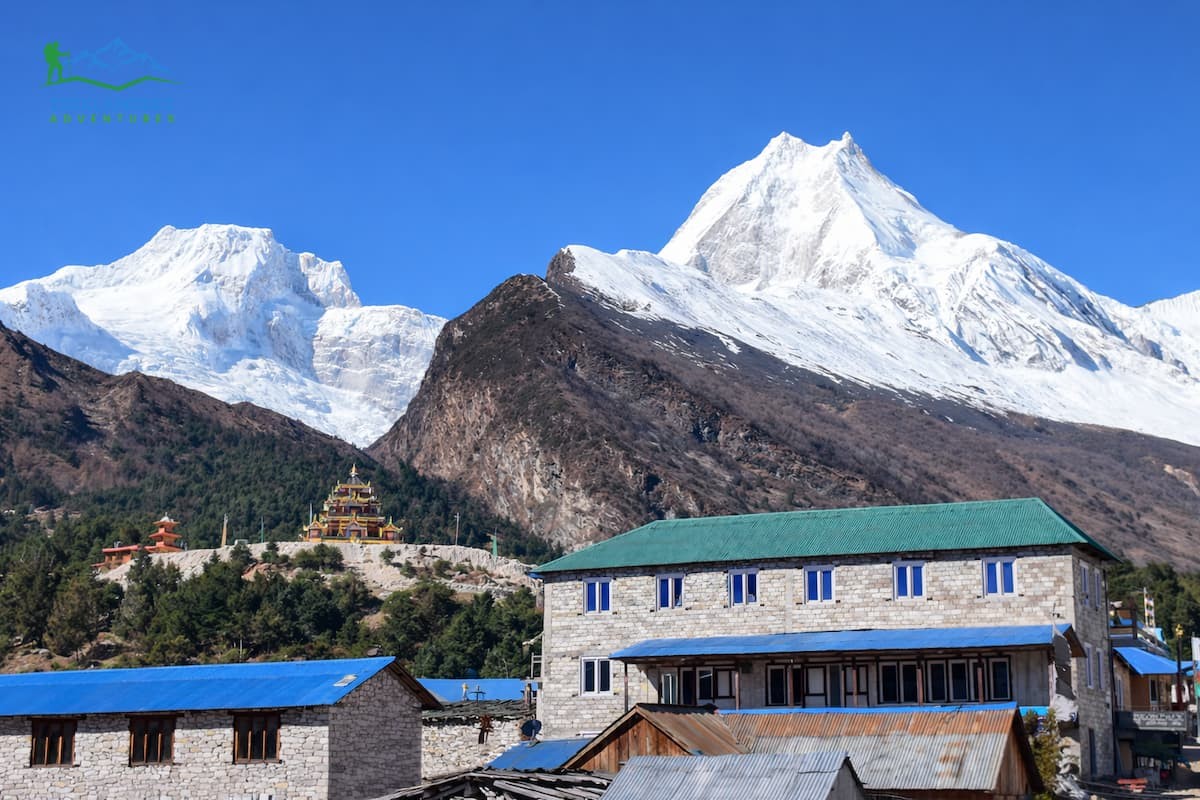
Most tea houses, guides, and porters in the Manaslu region are locals. Trekking thus directly injects money into village economies and helps establish sustainable livelihoods in these remote Himalayan areas.
To carry heavy luggage on Manaslu treks, porters are very often employed. In this way, trekkers can walk in a relaxed manner, and locals get to work.
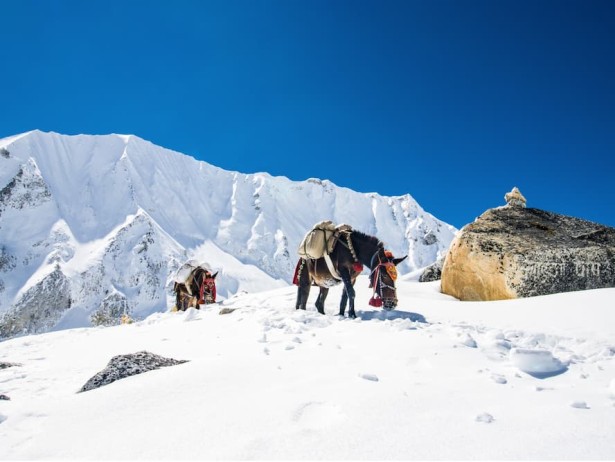
Contrary to some trekking areas, pack animals such as mules and yaks are not frequently used at the higher parts of Manaslu. This is because the terrain is very steep and the paths are narrow.
The majority of the water found along the route is from natural springs and streams. Even though the water is usually clean, it is still necessary to treat it before drinking in order to avoid health problems.
On the Manaslu treks, the daily walking hours are quite often between 6 and 8. The terrain, altitude, and weather can cause the shortest of distances to be very demanding physically.
Depending on the time, trekkers could come across local Buddhist festivals. These occasions provide a unique window into traditional ceremonies, dances, and community life.
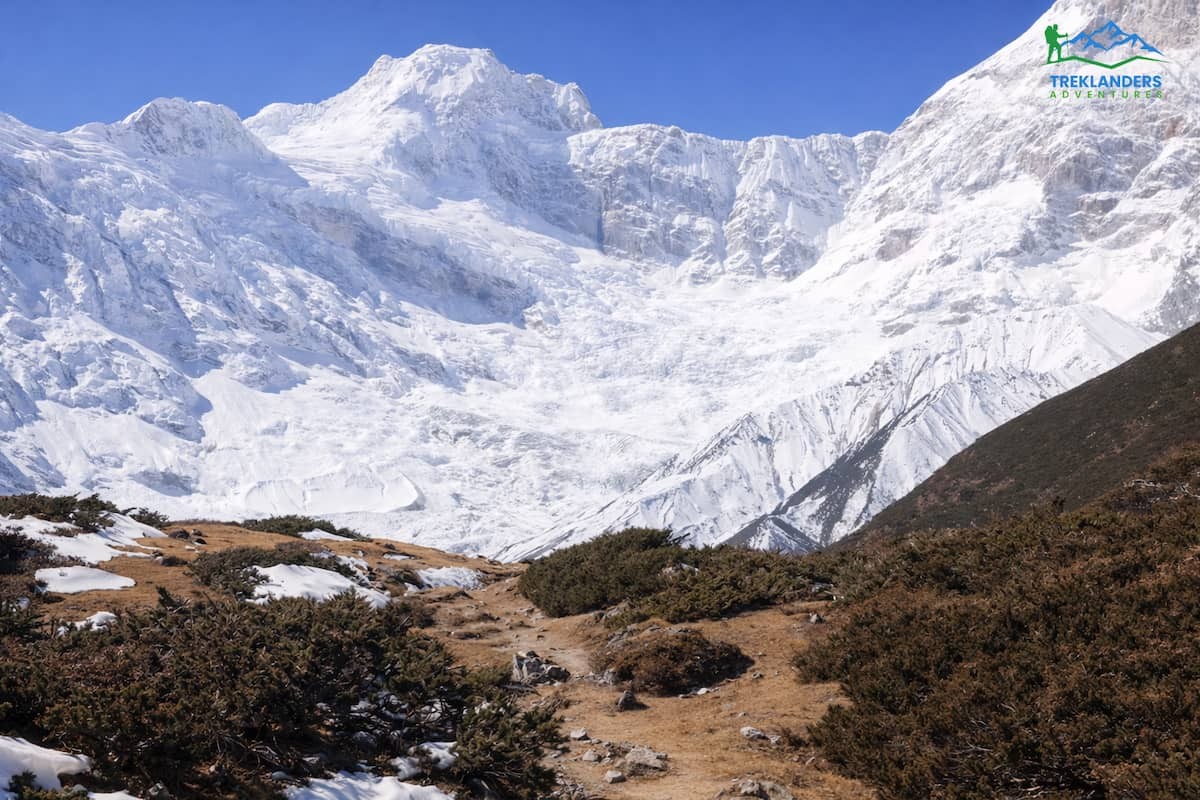
Manaslu trekking has beautiful scenery, glaciers, monasteries, and village life, which altogether provide an excellent opportunity for landscape and cultural photography.
Even though photography is mostly accepted, it is necessary for trekkers to always get the consent of the people before taking their photos or photos of religious ceremonies, so as to be in line with the local customs.
In comparison with major trekking regions, Manaslu offers far fewer luxury lodges, stores, and tourist services, which keeps its genuine and traditional vibe intact.
Manaslu trekking is most appropriate for the trekkers who already have some high-altitude experience and who are quite at home with remote paths, simple facilities, and the changing conditions.
Manaslu trekking, along with its restricted status, isolated location, and high-altitude nature, calls for careful daily planning. Though it is less commercial than the main trekking areas, Manaslu still provides a few changes after the permit issuance, thus making advanced planning necessary. The itinerary should be well-planned, including a gradual increase of altitude, planned days of acclimatization, and extra days for postponements due to weather or trail conditions. Incorrect planning can make a situation worse due to altitude sickness, tiredness, or invalidity of your permit. The difficulty of trekking days differs, and certain areas need longer walking hours because of uneven terrain. Careful planning, therefore, is a safety measure, a comfort booster, and a way for the trekkers to familiarize the culture and nature of the region without any of the inconvenience caused by the physical or logistical stress.
In the Manaslu region, an emergency evacuation can be done, but there are only a few options due to the terrain and weather conditions. In case of a serious medical situation, a helicopter rescue can be organized; however, evacuation may be postponed if there is poor visibility, strong winds, snowfall, or no suitable landing spots.
Compared with Everest, Manaslu has fewer established rescue points and medical posts. For this reason, it is very important to recognize the symptoms at an early stage and prevent them.
It is essential to get a comprehensive travel insurance that not only covers trekking at high altitudes but also helicopter evacuation. Trekkers should not depend on rescue availability alone and must adhere strictly to guide instructions. Proper acclimatization, hydration, and pacing greatly lower the risk of emergencies in this remote Himalayan region.
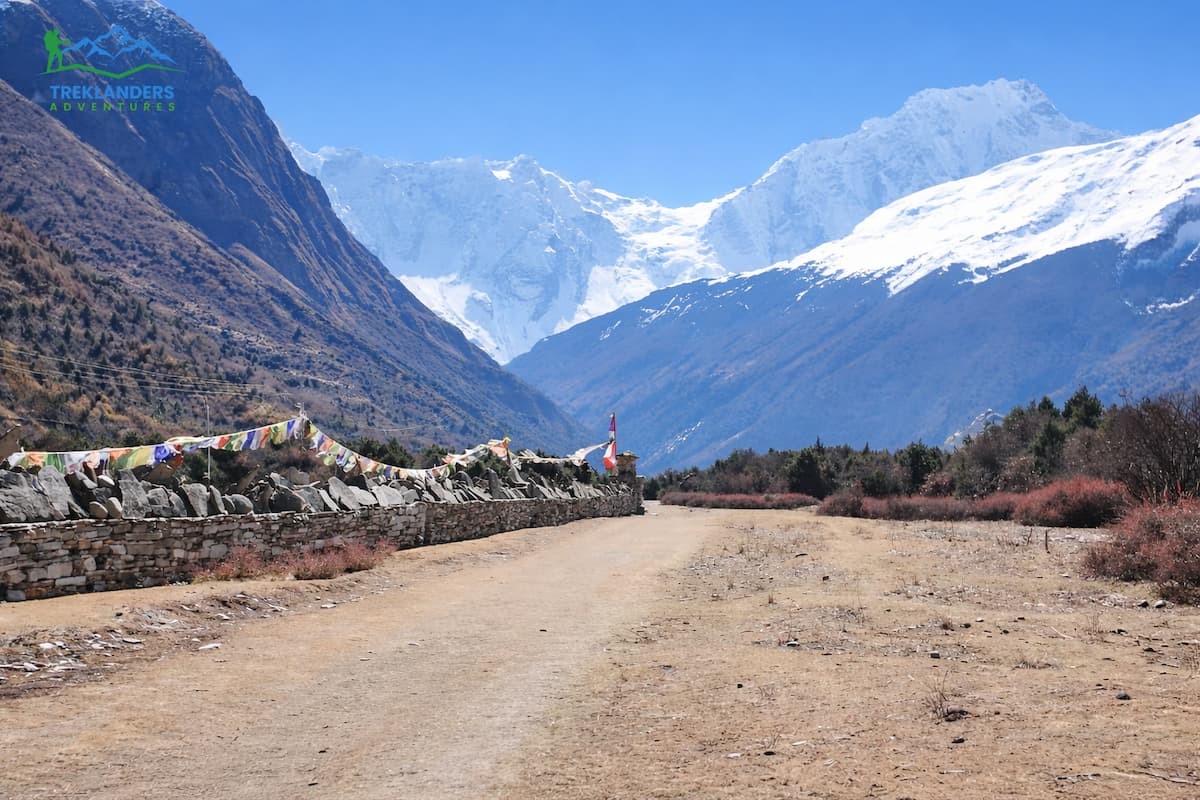
Many of the trekking routes around Manaslu are essentially the same as the ancient trade and pilgrimage roads that were historically used for the movement of goods and people between Nepal and Tibet. In the past, these routes were the main arteries for the exchange of salt, wool, and grain, and thus have a very long history in the Himalayas. By walking along these trails, not only do you get to see beautiful landscapes, but you literally walk through history in terms of centuries of intercultural and spiritual journeys. You can clearly see the significance of these routes through the stone pavement, the old and abandoned settlements, and the well-planned villages. The presence of a strong Tibetan culture throughout the area can be largely attributed to these ancient routes. If you go trekking on these paths, you will get a sense of the history and the cultural layer of the Manaslu region, which goes beyond just physical adventure.
Manaslu trekking is characterized by extreme temperature variations, which are a result of steep altitude changes. The lower parts of the trek may feel warm and humid, while the upper levels can be so cold that one needs to vest fur cap, a windbreaker, and snow, all in one day. Usually, mornings are crisp and calm, but by noon, there might be gusts or sudden changes in the weather. At night, temperatures in villages located at high altitudes often fall below zero. So, trekkers are advised to bring layers of clothing that can be used in both hot and cold weather. A good grasp of the temperature variation and adequate preparation will enable one to stay comfortable, safe, and avoid getting illnesses caused by cold during the Manaslu region high-altitude trekking.
Early starts are a very common and significant thing in the Manaslu trek. Trekkers generally get off the track in the morning to utilize the weather when it is stable, along with mountain views that are clear. Moreover, the weather in the afternoon is usually cloudy, windy, or even snowy, especially at higher altitudes. Getting off the track early, therefore, provides enough time to arrive at the destination before dark, which is very important in areas where there are very few facilities. Travelling at dawn also means that you are less tired and thus have a lower risk of getting cold and hurt during a pass-crossing. Hence, sticking to a morning routine on your trek will not only boost your security but also help you to better cope with the altitude and generally make your Manaslu adventure more pleasant.
Crossing the highest point of the Manaslu trek, that is Larkya La Pass, largely depends on the weather. Conditions such as very strong winds, heavy snowfall, and lack of visibility can make the pass very dangerous, if not impossible, and the trekkers would have no choice but to stay indoors. Depending on the favorable weather windows, trekkers may be forced to spend some extra days waiting necessarily postponing their trip. Going through unharmed is possible, but in bad weather, one is likely to suffer from frostbite, be extremely tired, and even get into an accident. The guides keep a keen eye on the weather and the trail's current state so that they can decide the safest time for the crossing. One of the main benefits of buffer days that are included in your plan is that they increase the likelihood of the high pass crossing being successful and safe.
The food supplies of local tea houses in the Manaslu are mainly transported by porters to the upper areas from the lower villages. This is because the upper regions are not accessible by road, carrying supplies over long distances becomes very hard, and the time consumed is quite long. This has a direct impact on the availability of food, the variety of the menu, and pricing at the higher elevations. With the increase in altitude, the meal options become less complicated and more focused on staple foods such as rice, lentils, noodles, and soups.
Knowing how this supply system works helps trekkers understand the higher food costs, and thus, they get encouraged to make responsible food choices. Besides, it gives an insight into the indispensable role of porters in maintaining the trekking infrastructure.
Manaslu trekking is a slow travel type of holiday, naturally, because of altitude, terrain, and cultural richness. It is not like other fast-paced trekking routes where the trekkers overlook the locals; rather, Manaslu allows them to move slowly so that they get enough time to get acclimatized and also have real interaction with the local communities.
By slowing down, one's risk of health is almost zero, and at the same time, one's cultural understanding gets deepened. Trekkers are not only able to see the village scenes, but also visit the monasteries and participate in the local rituals. This slow pace makes the trekkers forget about hurrying to get to their destinations and, instead, they focus on the trip itself.
The slow-travel feature of Manaslu makes it a very nice place to get the most out of trekking activities for those looking for inner experience, reflection, and genuine Himalayan encounters.
One of the main reasons why culture in the Manaslu region has been preserved is that local people and authorities are very committed to it. Besides, limited tourism keeps traditional architecture, local languages, religious practices, and village lifestyles intact. The modernization process is limited, hence no large-scale commercial activities are allowed. There are still many villages where people practice age-old customs influenced by Tibetan Buddhism. Tourists are required to show respect for the locals by dressing modestly and following cultural etiquette. Due to this heavy emphasis on preservation, visitors get to see a genuine Himalayan culture that has changed very little. Thus, responsible trekking is one of the elements that will help keep this cultural treasure for the descendants.
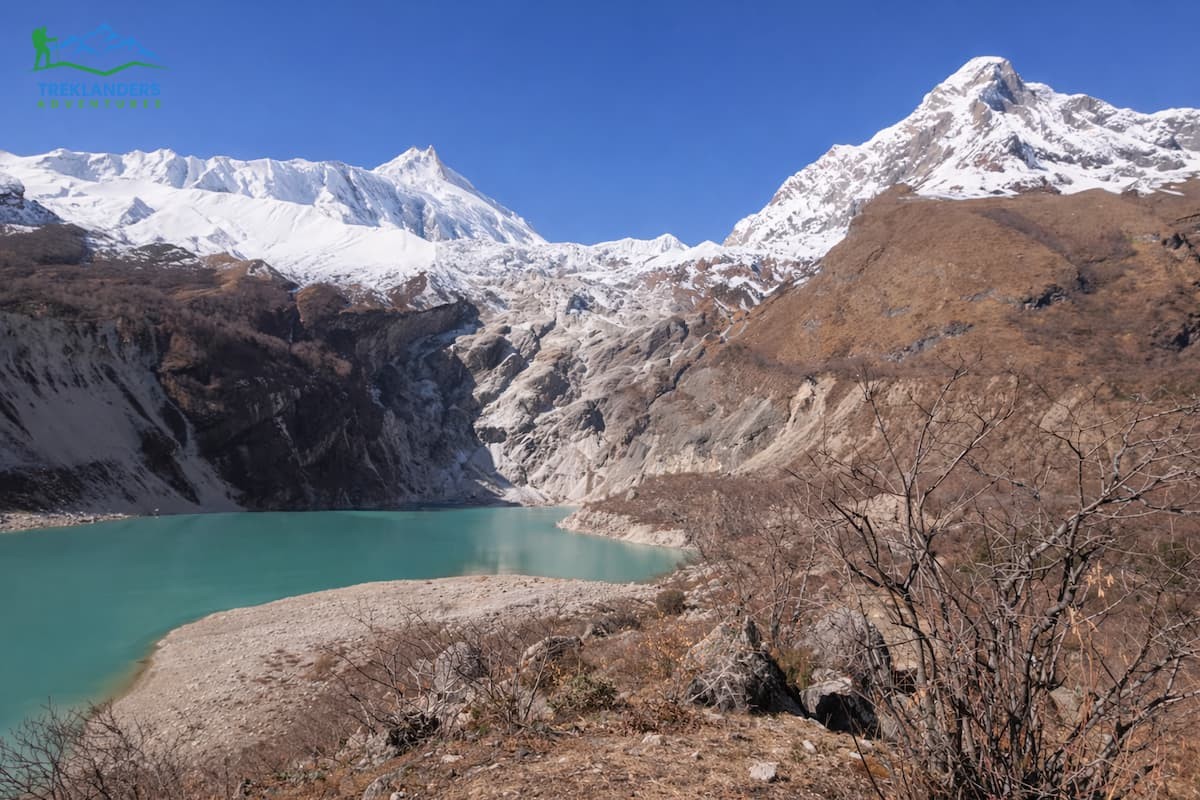
In a nutshell, Manaslu trekking is not only about physical exercise but also about lots of other benefits that reach the inner parts of the person. To embark on such a venture means getting into a state where you can tolerate difficulties, be patient, and have self-confidence when confronted with the wilderness and tough conditions. Interaction with locals changes one's worldview and brings appreciation for the Himalayan way of living. It is a very common thing when people who went on a Manaslu trek say that they came out of it with self-understanding, maturity, and a feeling of achievement. It's the mixture of being alone, the environment, and culture that makes you possess the memories even after a long time since the end of the trek. Therefore, Manaslu trekking is full of emotional, cultural, and personal riches that will be felt for a long time by those who want to have a valuable experience rather than a comfy one.
It is not only through your body that Manaslu trekking tests you; it is also your mind that it challenges. The days of walking could be long, the facilities could be very basic, the nights could be freezing, communication could be very limited, all these could try a trekker's temper and endurance. In contrast to the more commercial routes, there are no comforts and fewer diversions, hence the trekkers will be forced to a simpler lifestyle for quite a long time. Besides, weather delays, altitude effects, and trail conditions may require one to be flexible and to be able to calmly make decisions. Your mental readiness is a major factor in your enjoyment of the trek, especially when you are in high altitude sections and when you stay in remote villages. When a trekker goes to Manaslu with realistic expectations and a positive attitude, the experience tends to be so much more meaningful and satisfying.
Use of proper acclimatization is of utmost importance if you want to trek safely on Manaslu, given the big jump in altitude. Samagaun and Samdo are some of the villages that the trekkers use as stops for acclimatization on their way, thus helping them to gradually get used to the elevation. When you discard acclimatization, you get to increase your chances of suffering from Acute Mountain Sickness (AMS), which can even be experienced by a seasoned trekker. Some of the signs include: headache, nausea, tiredness, and loss of appetite that should not be taken lightly. Trek success and safety can be greatly improved with a masterfully planned program that includes rest days, drinking water, and slow ascent. Besides lessening health risks, proper acclimatization also makes trekking more fun and more productive.
Manaslu trekking comprises steep uphill walks, long downhill walks, narrow ways, and rough ground. The distances covered in a day may not look long on paper, but the height and the conditions of the path significantly make the journey difficult. A trekker should be in good physical shape and have no problem walking for 68 hours per day, for several days in a row. Cardiovascular fitness, leg strength, and endurance are particularly important. It is nice to have prior trekking experience at a moderate altitude, but it is not compulsory if you prepare properly. Training before going on the trek means that things will be safer, you won't get tired so quickly, and you will be able to enjoy the scenery and cultural experiences fully without the physical discomfort.
Weather conditions essentially determine safety and the level of comfort on a Manaslu trek. At any time, a clear morning can turn into a windy, snowy, or cloudy afternoon, especially when one is near the high passes. A sudden change in weather can lead to the trails being hardly visible, and the crossing of Larkya La Pass might be delayed. Even at the best of times, trekkers should be equipped with warm clothes and be prepared for snow and strong winds at high altitudes. Having flexible schedules and extra days in hand is advisable to be able to deal with weather-related situations. Knowing the weather at different times of the year and heeding the guide's instructions will considerably lower the risk and make the trek in the Himalayas even more enjoyable.
In comparison to trekking routes to Mount Everest and Annapurna, the Manaslu route remains low-impact on purpose. The tea houses are small, run by families, and basic with bare rooms and shared toilet facilities. Such controlled development safeguards the vicinity's natural environment and cultural fabric. While this entails fewer comforts, it also means a more peaceful and authentic trekking experience. Trekkers shouldn't expect luxury services but rather should be ready for bare facilities, occasional loss of power, and a very small selection of food. This basicness distinguishes Manaslu and is an additional reason why it has become a wilderness trek.
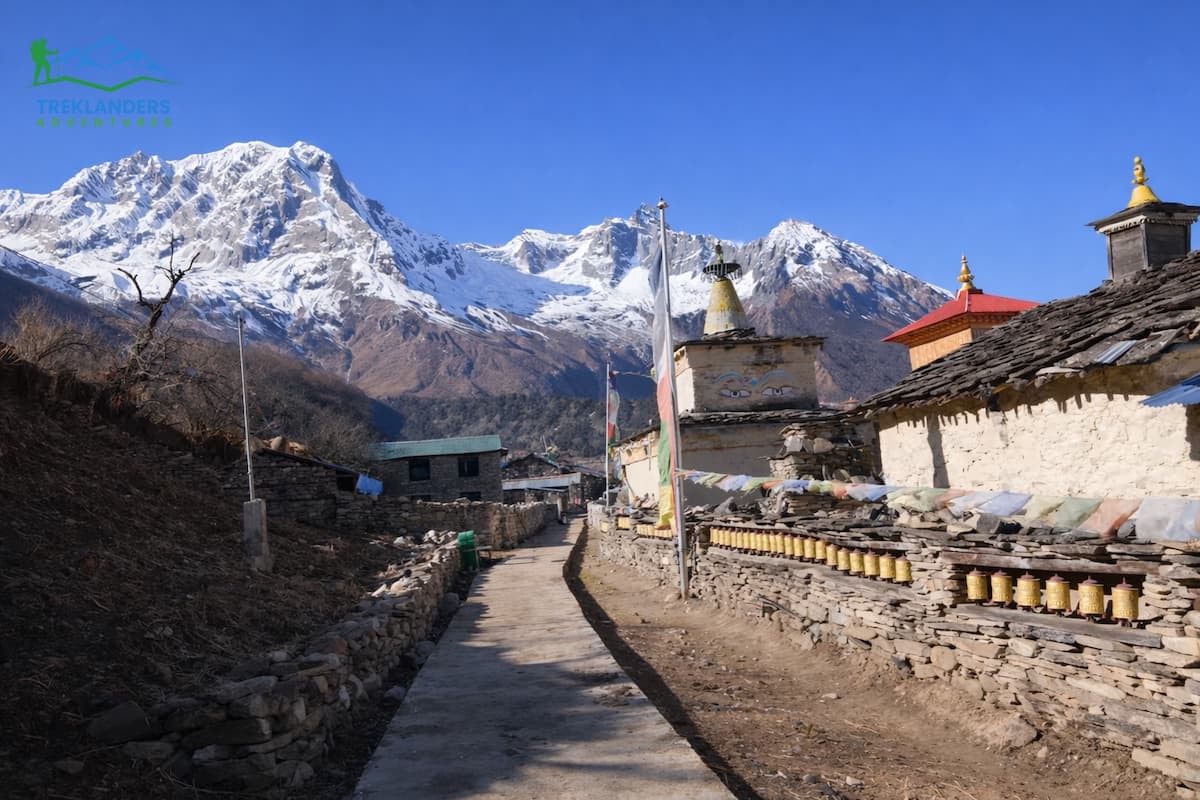
There is a deep cultural immersion on this trek due to the low number of tourists and strong adherence to local traditions. In many villages, you will find Tibetan-style houses, traditional costumes, and ancient Buddhist rituals, all still unchanged. In addition, the route weaves past monasteries, prayer wheels, and prayer flags, which are integral to local life. You get to interact more intimately with locals than in crowded areas. Moreover, showing respect not only increases cultural exchanges but also ensures that they remain positive. Those whose interests lie in culture as well as in the view, Manaslu offers some of the most culturally-rich trekking experiences of Nepal.
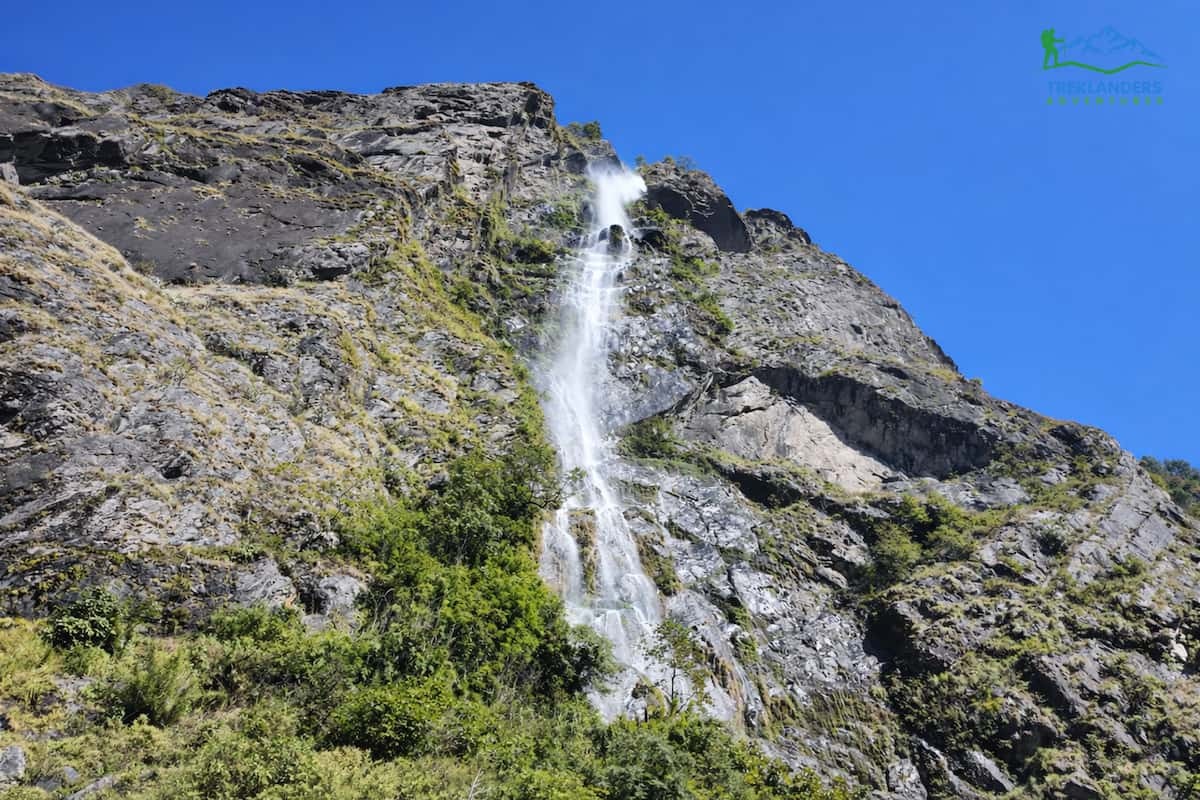
The environment around Manaslu is very delicate, so it is important that trekkers behave responsibly. Since the area has very few landfill sites, it is crucial for visitors to reduce their use of plastics and bring along their own refillable water bottles. In addition to these measures, one can help the environment by not disturbing the wildlife, walking only on the marked paths, and obeying the local conservation regulations. The permit fees are used for the development of the community as well as for the conservation of the environment. Responsible tourism is one of the ways Manaslu trekkers can help keep the area unspoiled for generations to come. Here, environmental consciousness is not something a person can decide to leave out, but rather it is an integral part of keeping the trekking really responsible in the area.
Since special permits, compulsory guides and lack of facilities are required in the Manaslu region, which is a restricted area, the cost of trekking there is normally higher than unrestricted treks. The price of a Restricted Area Permit depends on the season and how long the stay is, which means there is more money added to the walker's expenditure. Even though the money is a lot, it is aimed at limiting the number of tourists and supporting the environment. Along with that, the trekkers get to enjoy less crowded paths, preserved culture, and they are safer than before. Having an idea about the pricing structure enables the trekkers to make a realistic plan and stay away from any unexpected costs. More often than not, the extra money is worth it because Manaslu offers a unique and less crowded trekking experience.
A thorough preparation is rewarded by a Manaslu trek. Studying the route, taking the right gear, working out adequately, and knowing the effects of the altitude are some of the ways the experience is greatly enhanced. Since it is a very remote area, there is a great risk of serious consequences if one is wrongly facilitated. Trekkers with a solid plan usually have a smooth journey, good acclimatization, and fewer health problems. Preparation also helps him/her to consider the beauty, culture, and fulfilling the self that are the benefits of the trek rather than the mere problems. In Manaslu, preparation is a step towards safety, comfort, and happiness.
The Manaslu trek offers a mixture of unspoilt nature, breathtaking mountain views, the crossings of the high Himalayas, and the immersion in a rare culture without the technicality of climbing. It is perfect for those who are looking for authenticity rather than modernity in their walks. The regions controlled tourism, traditional villages, and varied landscapes create a balanced and enriching experience. If you are ready to leave the highly crowded trails behind, Manaslu will reward you with a genuine feeling of discovery and triumph. In general, it ranks as one of the most satisfying trekking destinations without climbing in Nepal.
The picturesque Tsum Valley resembles a serene Tibetan Buddhist heaven (beyul). Besides that, the valley is dotted with a number of monasteries and has a strong spiritual tradition and village lifestyle that is very laid-back.
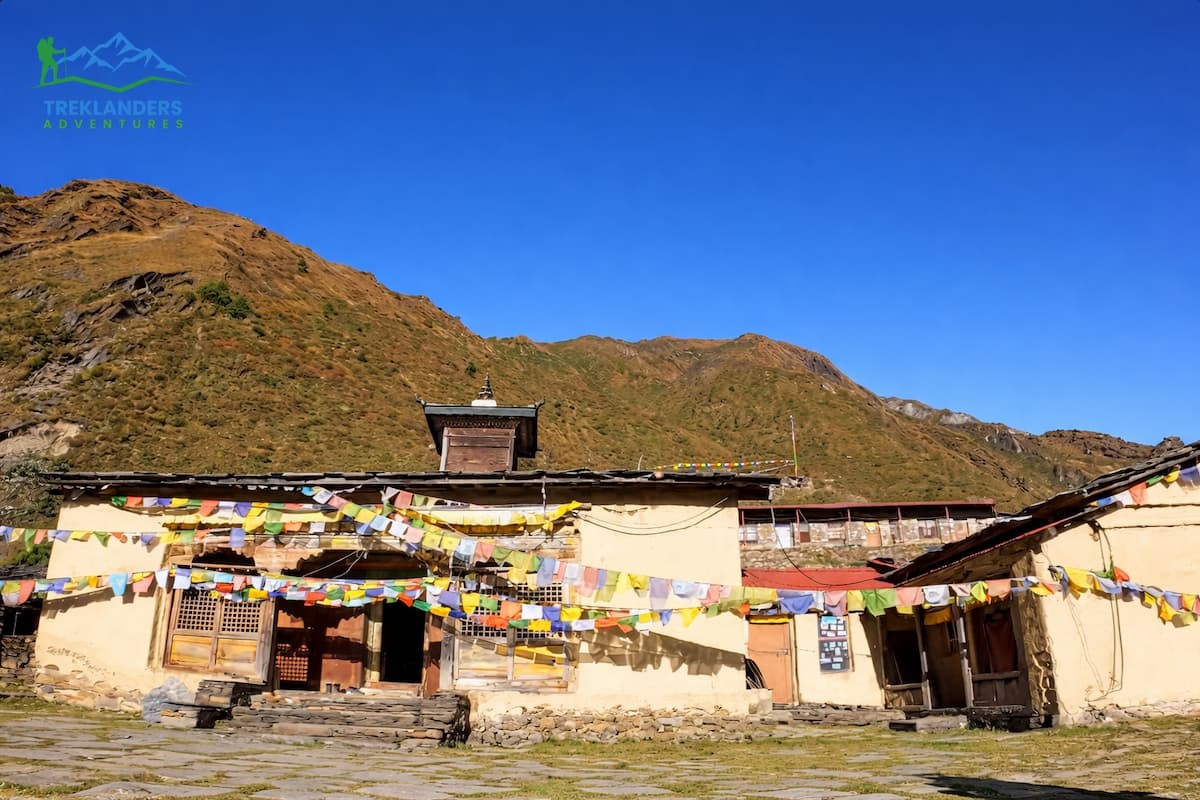
The Tsum Valley Trek is less about physical exertion at extreme altitudes and more about discovering the culture and spirituality. So, if you are a person interested in tradition, religion, and village life, then this trek is perfect for you.
The valley was off-limits to foreign trekkers until 2008. Most of the culture, the style of the buildings, and people's way of life have been preserved without much influence from the outside world.
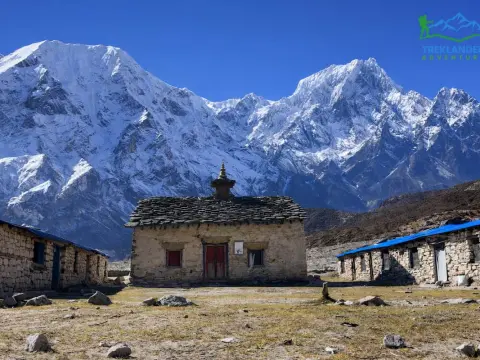
Tsum Valley is an area with a strong influence of Tibetan Buddhism. You can tell by the monasteries, mani walls, prayer flags, and the various religious ceremonies that are done on a daily basis.
Killing is not allowed in many parts of the Tsum Valley. That's because people adhere to the Buddhist principle of non-violence and compassion.
The Tsum Valley Trek is very different from the Manaslu Circuit in that you don't have to go over the high mountain passes. So it is less physically challenging but still very secluded.
Just like the other trips to the Manaslu region, you have to get a Tsum Valley Restricted Area Permit, and you must have a guide with you who is licensed.
Places like Chhokang Paro and Nile still have the stone houses of the olden days. Not only that, but they also have the local dress and the daily customs that have been going on for hundreds of years without being changed by modern tourism.
Tsum Valley doesn't have luxurious accommodation like the Everest or Annapurna areas.
In fact, tea houses provide only the essential facilities, so if you are used to more comfort, this might be a problem.
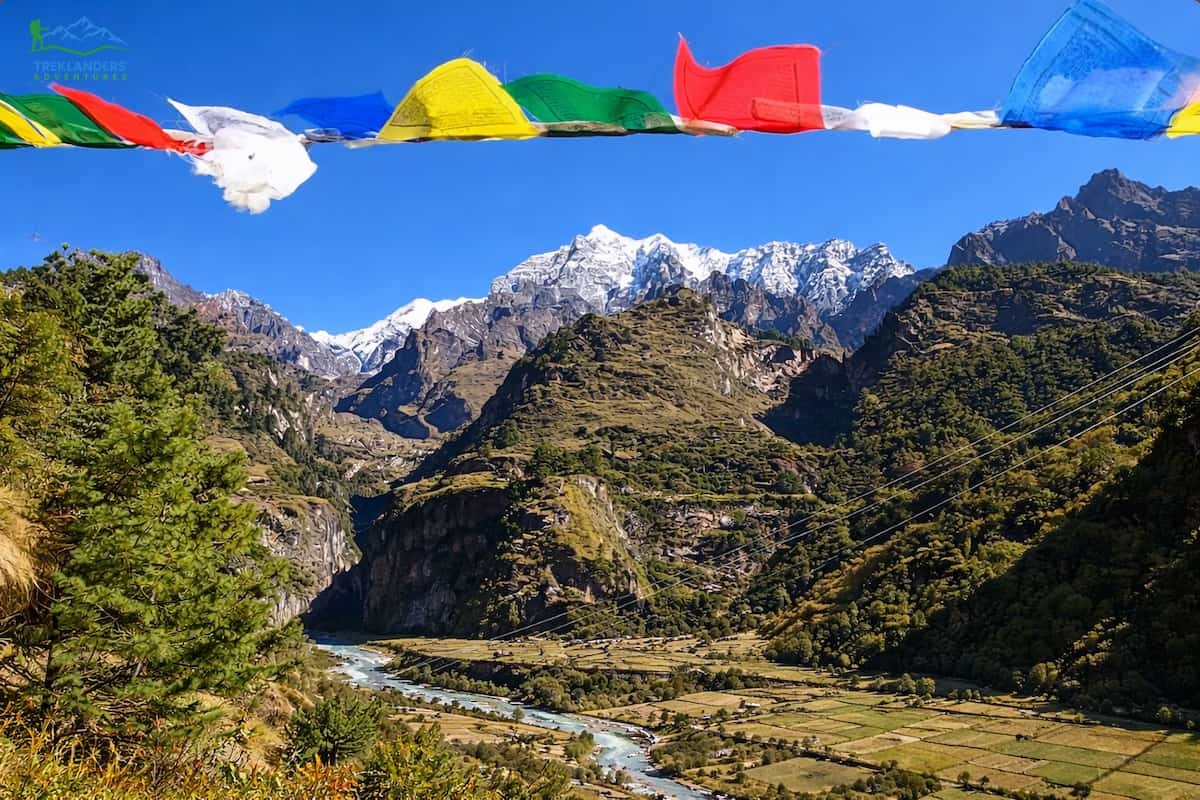
If you are an experienced trekker, and your priority is spiritual depth, cultural authenticity, and quiet Himalayan trails, then Tsum Valley is the right place for you.
You'll find very few high passes or physical extremes here.
One can admire the beautiful Mount Manaslu up close via the Manaslu Base Camp Trek without the need for technical mountaineering. Clearly, the route in the high mountains of Manaslu provides the opportunity to experience the beautiful scenery, but without the risk.
Samagaun village is the usual starting point of most Manaslu Base Camp itineraries. Besides being a major acclimatization stop, it is a center for culture and logistics in the Manaslu region.
Instead of a long, stand-alone trek, people usually do the Manaslu Base Camp side hike during their acclimatization days on the Manaslu Circuit.
There are a handful of side valleys in the Manaslu region that are hardly frequented by trekkers, and thus visitors can enjoy tranquil paths, unspoiled nature, and more interaction with locals in their villages.
Not only do the villages look like Tibetan villages because of the stone houses, prayer walls, and monasteries, but also because of the traditional clothing. It is clear that the cultural influence of the border has been there for many years.
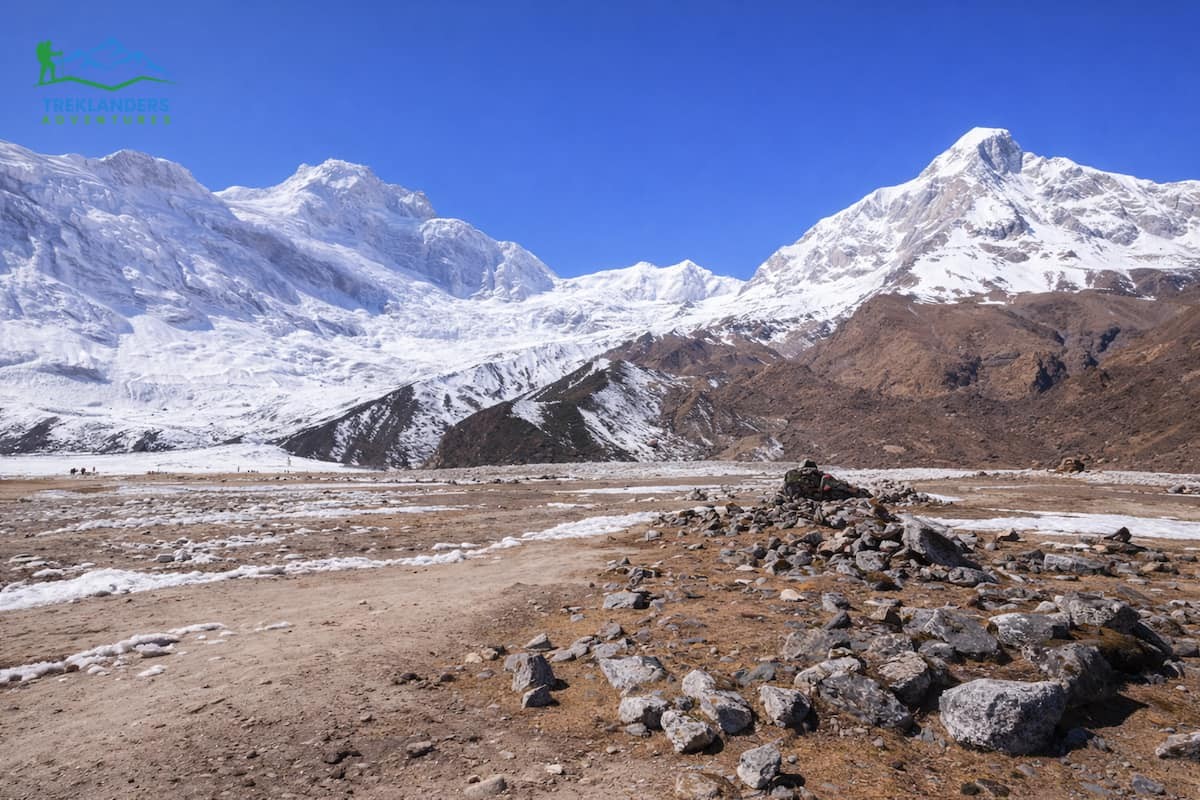
Among the side valleys known for their picturesque scenery is Pungyen Valley, which is located close to Samagaun. The main features of this valley comprise the tombs of the monks, the alpine meadows, and the magnificent ice-covered peaks of Manaslu.
Short local hikes within the side valleys are an opportunity for acclimatization, combined with the natural exploration of the hidden beauties of the valleys, without having gained altitude too fast and unnecessarily.
Tea houses in the side valleys are fewer in number and of lower standard than those on the main routes. You will need to plan your trip very carefully and be prepared to either stay at local lodges or make a return hike.
Due to less tourism exposure, traditional farming, animal husbandry, and cultural practices in these villages have remained largely unchanged.
A trek through Manaslu Base Camp and its side valleys not only provides stunning mountain views but also offers a great cultural experience and quiet exploration away from the main trail.
Compare the Langtang Valley Trek and Manaslu Circuit Trek to find which Nepal trek is best for your time, fitness level, and trekking experience.
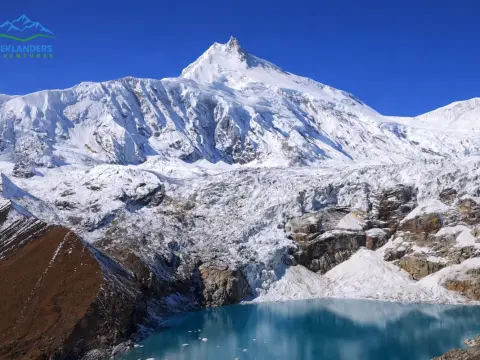
Explore the best Manaslu Circuit Trek viewpoints in 2026, including Larkya La Pass (5,106 m), spectacular Himalayan views, and a clear trek itinerary.
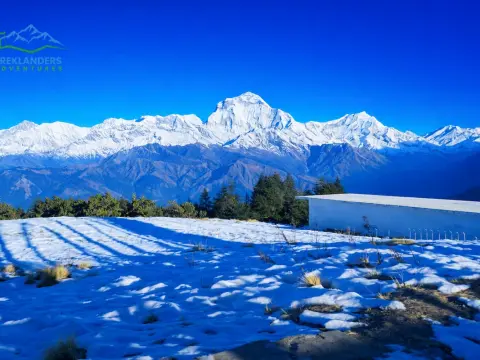
Langtang Valley vs Ghorepani Poon Hill Trek 2026: altitude, difficulty, scenery, culture, and best choice.



