
Langtang Valley vs Mardi Himal Trek – Which One Should You Choose? Full Comparison Guide
26 Dec 2025
A quick guide comparing Langtang Valley vs Mardi Himal Trek to help you choose the right Himalayan adventure.

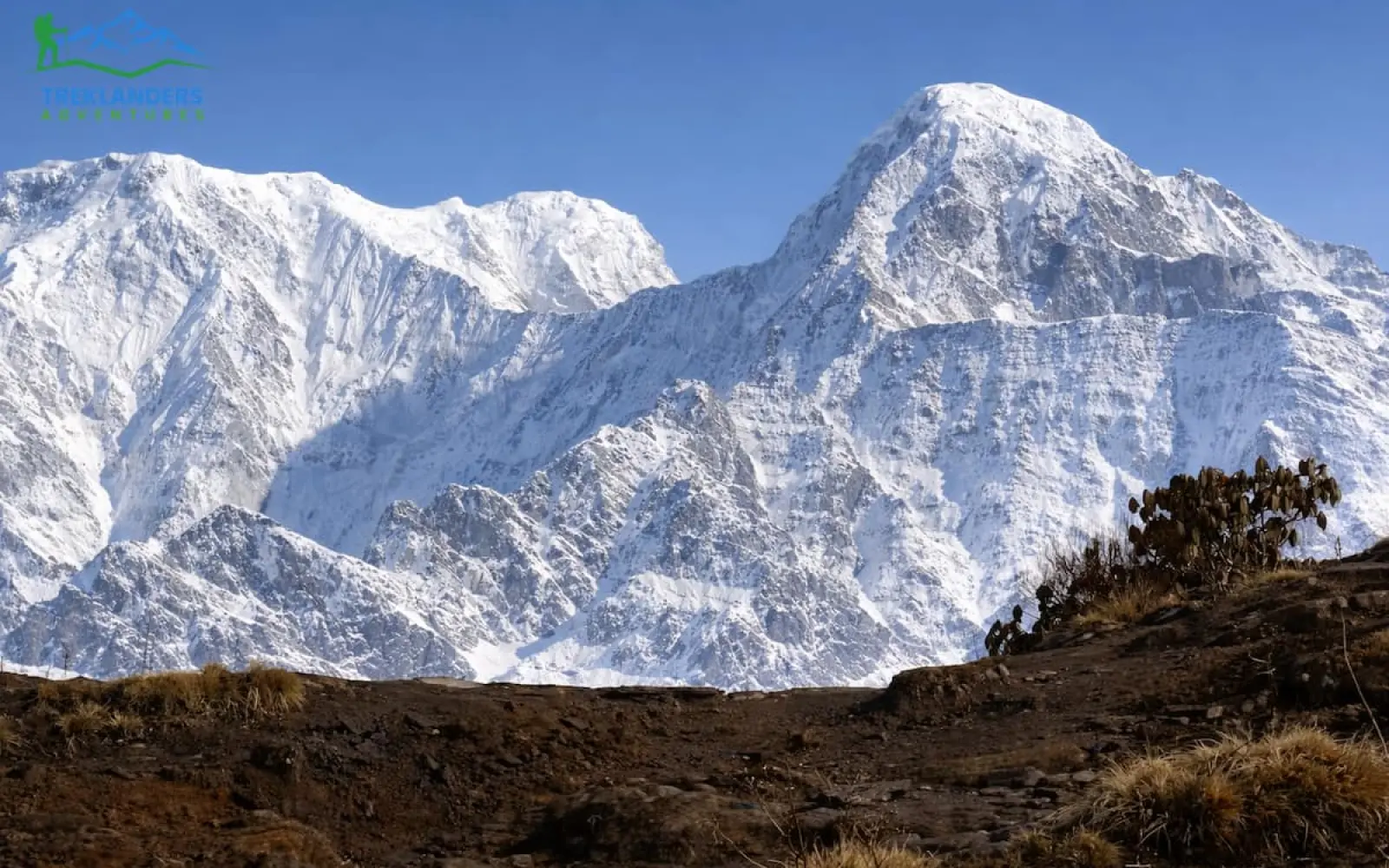
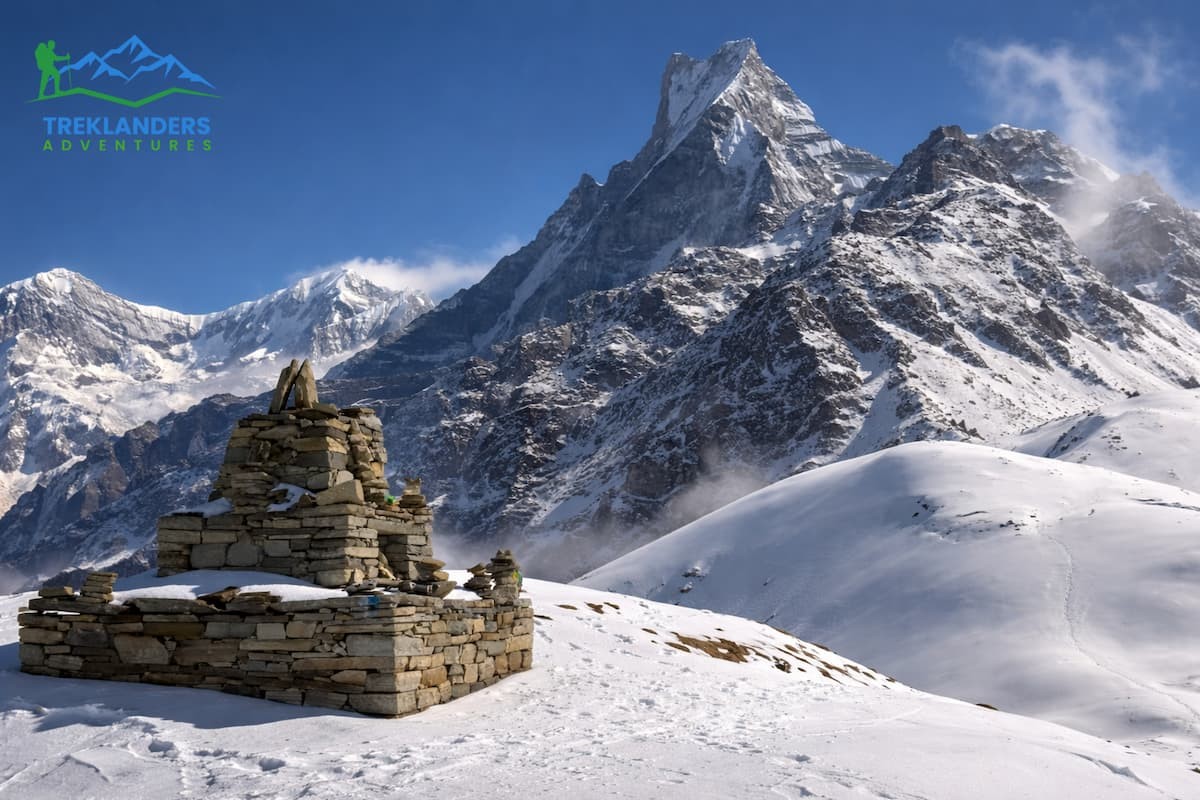
The Mardi Himal Trek ranks as one of the most rewarding short treks in Nepal. It features an exceptional combination of spectacular mountain scenery, diverse flora and fauna, and human interaction. The Mardi Himal is in the eastern part of the Annapurna region and is a less-crowded trail perfect for those who want to enjoy nature without trudging on commercial routes. The trek is a great journey from sub-tropical forests to alpine ridgelines and offers a never-ending scenic view that will make every day unique and unforgettable.
One of the major attractions of the Mardi Himal Trek is the fact that it offers great diversity within a small area. The path is through lively rhododendron, oak, and bamboo forests in the first stages. Here, trekkers go under dense canopies filled with bird songs and occasional animal sightings. When you reach higher altitudes, the setting becomes more open with alpine meadows and rocky areas, and you will get a chance to see the whole Annapurna range without any obstruction. The gradual change from the green lowlands to the bare high-altitude landscapes is one of the most memorable features of the trek.
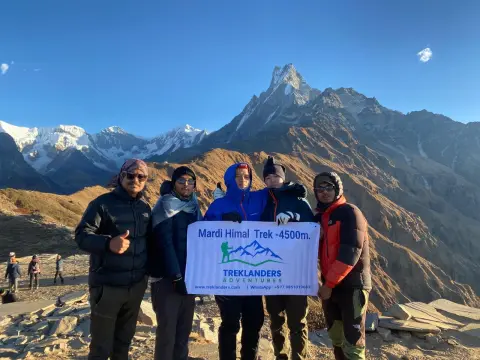
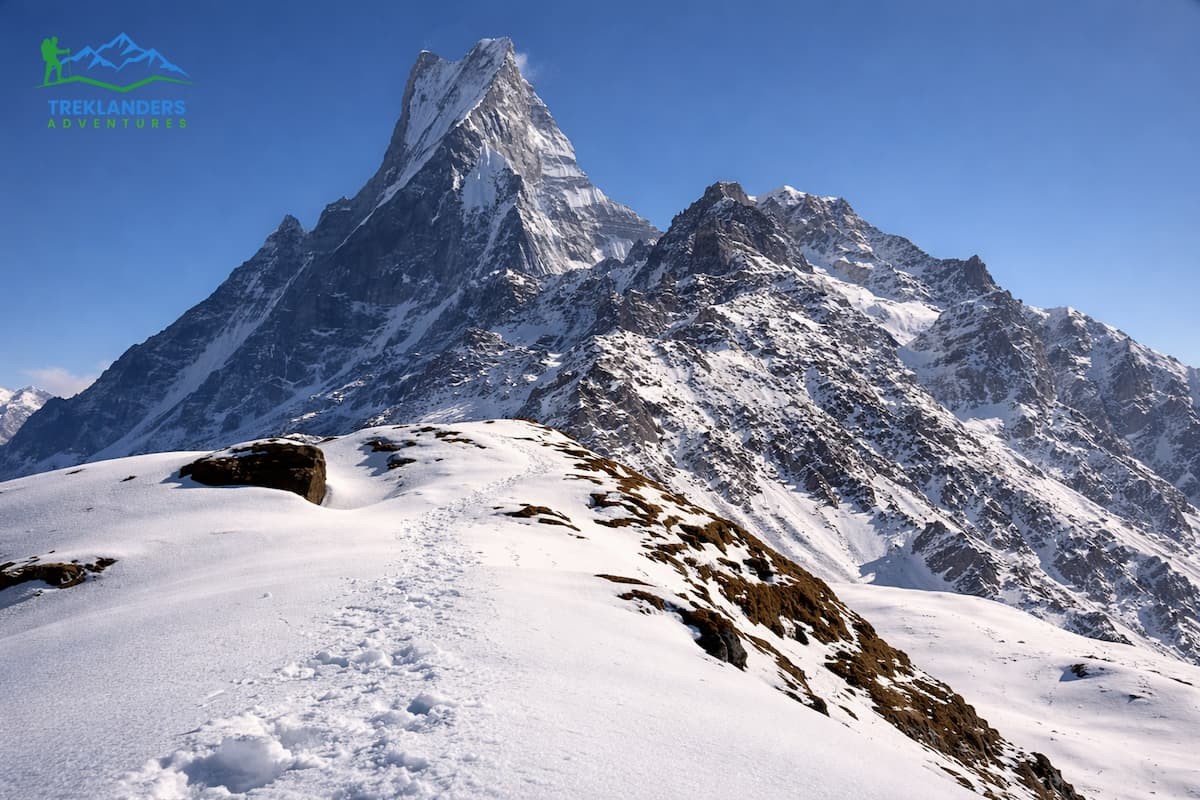
The trek has gained special popularity due to the spectacular mountain views that you can enjoy at close range. Unlike in some trekking routes where you only see the peaks at a distance, the Mardi Himal Trek takes you to the feet of famous Himalayan giants such as Machhapuchhre (Fishtail), Annapurna South, Hiunchuli, and Mardi Himal itself. The sun-rise and sun-set scenes from the high ridges and viewpoints are truly breathtaking, with the golden rays highlighting the snow-capped peaks set against a crystal-clear sky.
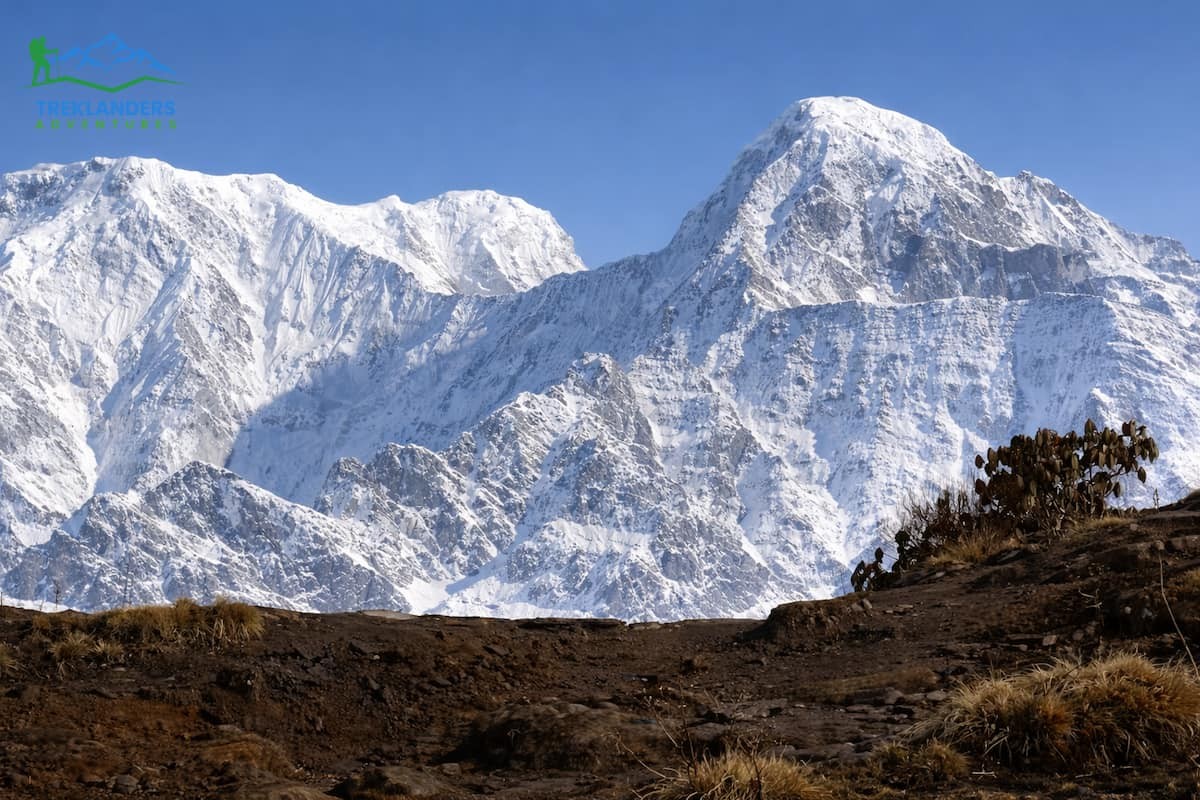
Cultural encounters have a significant positive effect on the trekking experience. The Trail of traditional villages provides a glimpse into the way of life, customs, and the great hospitality of local Gurung and Magar communities. Charming and modest teahouses serve tasty food and offer cozy rooms for rest, enabling trekkers to have a personal connection with the locals while admiring the stunning mountain views. Apart from being places for an overnight stay, these villages are also cultural highlights that enrich the journey.
In brief, Mardi Himal Trek is remarkable because it offers a harmonious blend of natural beauty, easy access, and seclusion. Its main attractions, which include a wide variety of flora in the forests, serene villages, stunning ridgelines, and proximity to the Himalayas, make it not only an excellent choice for a beginner trekker but also for a seasoned one. By visiting these must-see places and the scenic highlights, you will understand why the Mardi Himal Trek is gaining popularity as one of Nepal's hidden trekking gems.
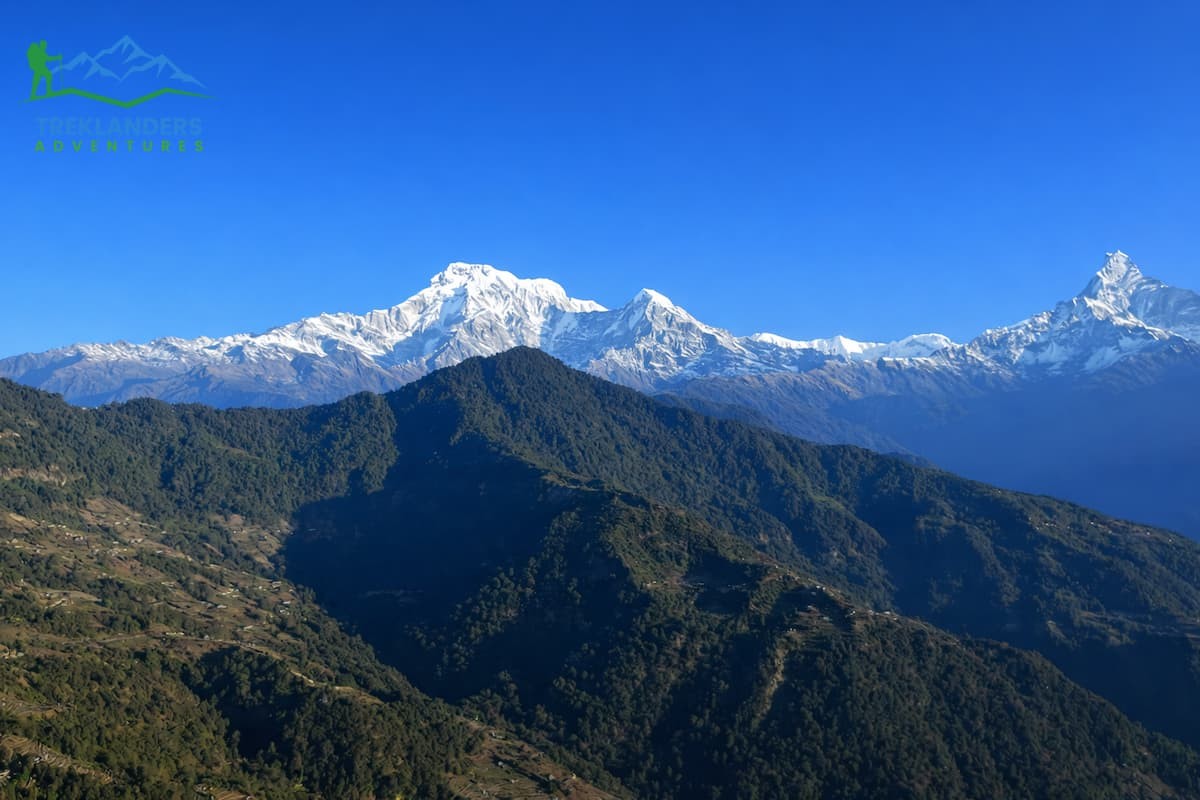
Kande is the most popular and most convenient place to start the Mardi Himal Trek. It is located at 1770 meters above sea level in the suburbs of Pokhara Valley. Kande can be reached very easily, as it is just a short drive from Pokhara. It serves as a natural gateway to the eastern Annapurna region and the start of a gradual ascent to the high Himalayan landscapes. Because Kande is so accessible and it is surrounded by beautiful scenery, it is the preferred trailhead for those who want to embark on a short but rewarding journey like the Mardi Himal Trek.
One reason why people love Kande is that it is the place where they can see the Annapurna Mountain range for the first time. Trekkers can see Annapurna South, Hiunchuli, and Machhapuchhre (Fishtail) from the village and the trails if the sky is clear. These first glimpses of the snow-covered mountains make one feel very excited, and the dramatic scenery of the trek is foreseen. For many trekkers, Kande is the place where the change from cityscapes to Himalayan wilderness starts.
The path starting from Kande quickly goes into dense forests and terraced hillsides, giving a short but steady climb that is very helpful for natural acclimatization. Stone stairways and well-kept paths pass through rural settlements and cultivated farmland, giving trekkers the opportunity to see different lifestyles and local farming. Early cultural exposure adds another layer to the trekking experience, and at the same time, it keeps the trek easy to handle.
Kande also enjoys the advantages of basic trekking facilities such as small teahouses and the availability of short breaks, which make it a suitable place for trekkers of different levels of experience. Because of its accessibility, beautiful mountain scenery, and easy trail conditions, Kande is definitely one of the best places to start the Mardi Himal Trek. Starting the hike here gives trekkers a chance to slowly get ready for the trip while also being treated to some of the initial and stunning views of the Annapurna mountains.
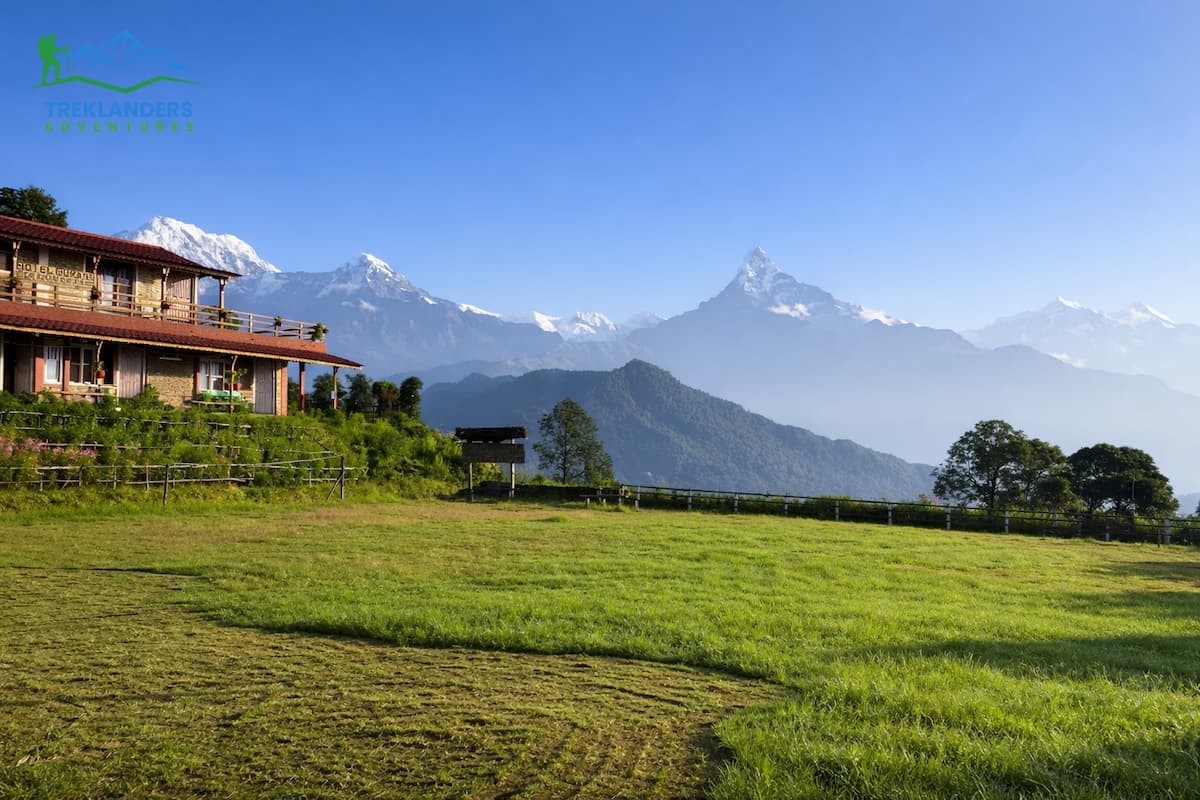
Australian Camp is the most visited viewpoint on a hill near Pokhara, Nepal. It is famous all over the world for its wonderful sunrise and sunset views of the mountains. It is situated at an altitude of about 2,060 meters, which is perfect for travelers who wish to see the magnificent Annapurna Mountain range but do not want or are not able to go on long and difficult hikes. The place to see the view is very well known for having very wide and open views that show green rolling hills, terraced farmlands, and snow-covered mountains in the distance.
The beauty of Australian Camp doubles at sunrise. When the first ray of the sun reaches the skyline, the mountains slowly change their colors from light blue and purple to dazzling gold and pink. The peaks such as Annapurna South, Hiunchuli, Machhapuchhre (Fishtail), and Lamjung Himal become very distinct, thus enhancing the natural beauty of the skyline. The serene morning vibe, generally, with the mist flowing through the valleys beneath, makes it a very quiet and memorable moment.
Sunset at Australian Camp is just as stunning. The sky is beautifully painted with various warm shades, such as orange and crimson, when the sun sets, and these colors, along with the sun, create long shadows on the hills. The mountains look more magnificent when the light that is about to disappear outlines their rough surfaces. Many people choose to stay at the place for a while, enjoying the peaceful environment and the fresh mountain air as the day gradually transitions into night.
Besides the picturesque setting, Australian Camp is also famous for its congenial atmosphere. The local Gurung homes are an easy walk from here and provide a glimpse into the way of life of these people, thus bringing a human element to the natural wonder. Hence, the combination of landscape, serenity, and local life makes Australian Camp not only a beautiful spot but also a great place for lovers of nature and photographers to visit.
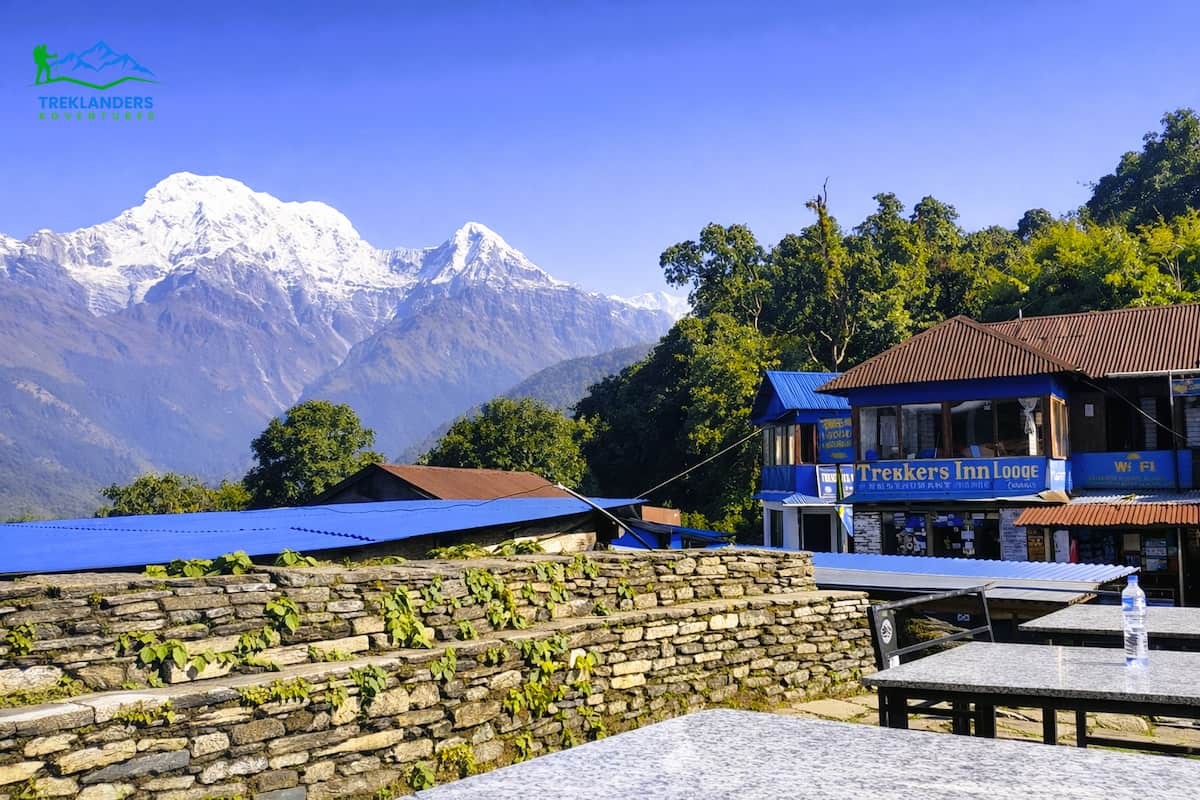
Pitam Deurali is a beautiful wooded village on a ridge-line located along the Annapurna trekking routes close to Pokhara, Nepal. It is known for its gradually expanding Himalayan views. Deurali is a bit higher than Australian Camp, and so it is less enclosed. Here, the space around you opens up, and the landscape gets more and more spectacular with every step you take upward. Being on the top of a ridge gives you a great advantage in enjoying the wide, uninterrupted views of the gentle hills, the deep valleys, and the faraway snow-capped mountains.
Pitam Deurali has been deliberately kept small primarily to protect the serenity and nature of the place. In fact, the camp area is just a few steps from the trekking trail at the highest point of the ridge. There is a cafeteria where hawkers, local households, hotels, and tea houses conduct business with the tourists. The most remarkable aspect of the gradual unveiling of the Himalayas at Deurali is that if the sky is clear, grand peaks like Annapurna South, Hiunchuli, Machhapuchhre (Fishtail), and Dhaulagiri will be in the line of sight. You can stand on the earth and almost feel that the sky is just above your head. This is especially when one is most captivated by the spectacle during the early morning when clouds are drifting below the ridge, and the golden sunlight is falling on the mountain tops. The sunrise is very quiet and very inspiring, which is why it is often chosen as a point to lie down to rest on a trek.
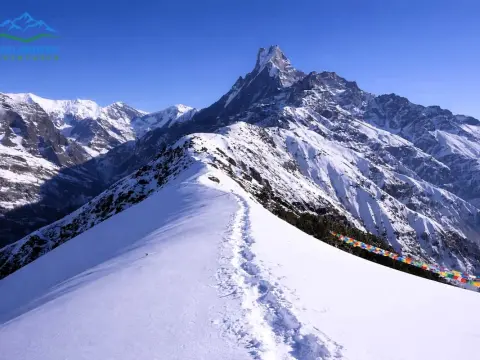
Pitam Deurali is also a great place if you are seeking peace and tranquility in a perfect setting. It is less crowded and feels more remote and quiet, allowing visitors to totally get in touch with nature. Along the ridge, you can find small teahouses and lodges which offer simple accommodation, home-cooked meals, and the chance to establish a connection with local hosts. These settlements are a mirror of the traditional mountain lifestyle and hospitality of the area.
Besides the natural beauty, Pitam Deurali is a key point of change on popular short treks like the Australian Camp-Dhampus route. The mix of spectacular Himalayan vistas, a peaceful atmosphere, and the warmth of the local culture makes Deurali Camp an unforgettable stop for those who want to combine nature and tranquility in their trek.
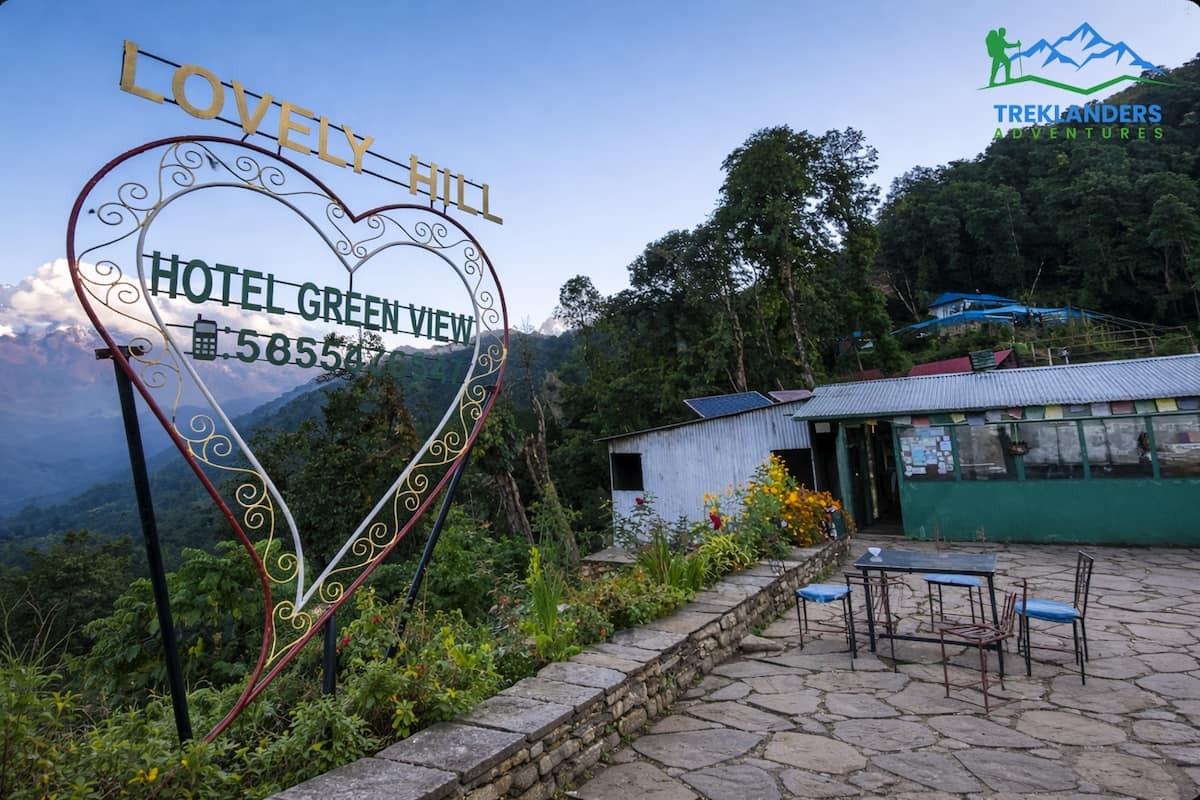
Lovely Hill is a picturesque place to stop during the Mardi Himal Trek, at an elevation of around 2,245 meters (7,365 feet). It is a favorite spot for panoramic views and a quiet atmosphere. After Siding Village, it is commonly the first main resting site. The area around the hill has a combination of green forests, terraced fields, and rhododendron, which makes it an excellent location for hikers to unwind and appreciate the natural beauty of the Annapurna region.
The path leading to Lovely Hill is quite easy, with a gradual uphill that can assist the trekkers get used to the altitude before proceeding to higher places like Forest Camp and Mardi Low Camp. In the vicinity, there are several small teahouses and lodges where tourists can have traditional Nepali dishes and meet the local people.
Lovely Hill is also a great place to see the Annapurna mountain range and Machapuchare (Fishtail) from, particularly at sunrise and sunset when the peaks are illuminated by the warm golden light. The MarchMay period of the year is good for trekking if you want to see the rhododendrons in bloom, while September to November is suitable for clear skies, and you get to see the mountains very clearly.
This place serves well for a short break, taking pictures, and immersing oneself in the peaceful Himalayan scenery, which is why it is an integral part of the Mardi Himal trekking journey.
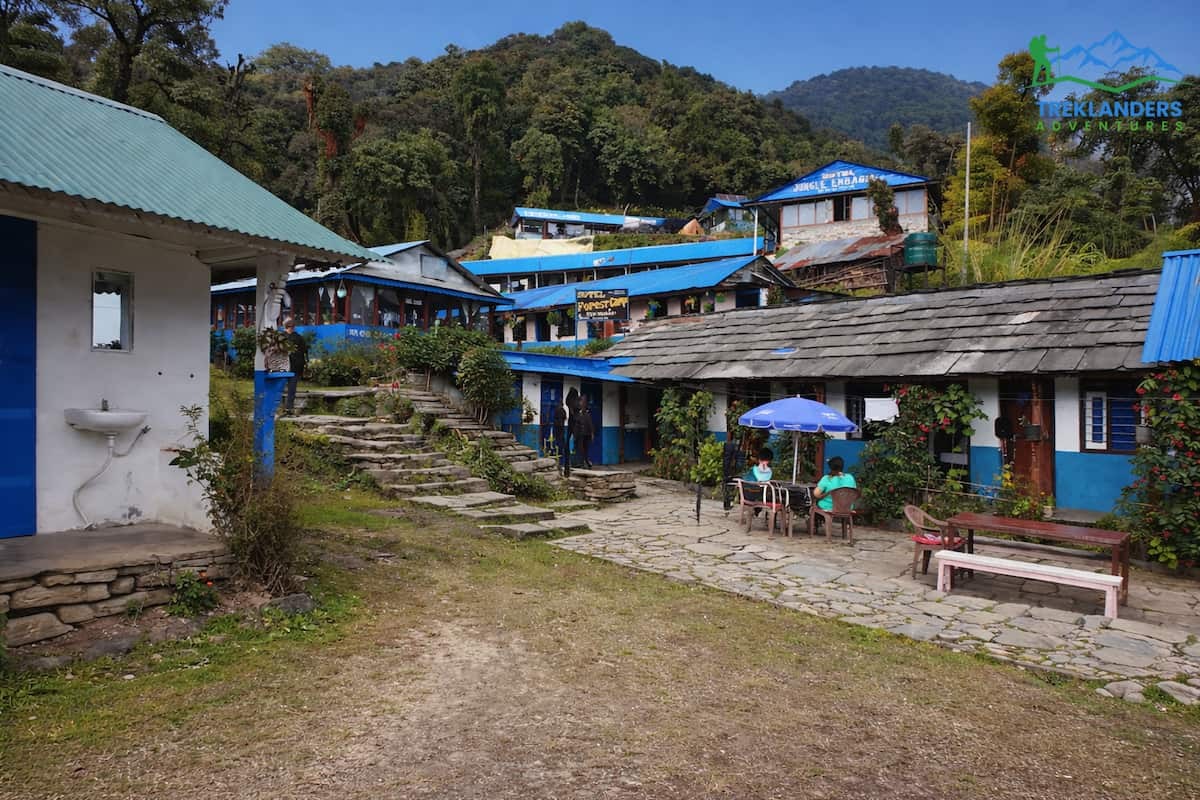
Forest Camp or Kokar is probably the quietest and most atmospheric point of the Mardi Himal Trek. Located at an altitude of almost 2,520 meters, this isolated camping place is surrounded by rhododendron, oak, maple, and bamboo forests. True to its name, Forest Camp, it is basically a very secluded place, where trekkers go completely into their natural surroundings and stay away from roads, settlements, and other types of modern distractions.
The route to Forest Camp is through very beautiful forest parts of the whole trek. The path is covered with shade, and the air is cool, so the walking is quite comfortable even during hot times. In the spring, you will be amazed by a colorful show of rhododendrons flowering in various tones of red, pink, and white, lining the whole path. The place is also diverse in flora and fauna. Bird watching is a common activity here, and sometimes one may be lucky enough to see langur monkeys roaming around, thus the feeling of being in the wild is greatly emphasized.
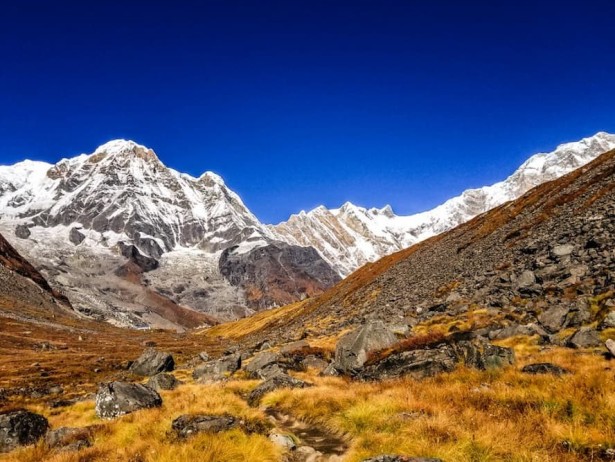
Forest Camp is one of the necessary steps in the gradual acclimatization process. The gentle climb through the woods gives trekkers the opportunity to ascend a little higher in altitude without overexerting themselves, and at the same time, it is a nice environment to take a rest and recuperate. The soft rustle of leaves, the babbling of brooks, and the overall peacefulness make it a favorite spot of anyone wanting to spend a relaxed night.
The accommodation at Forest Camp is really basic but quite comfortable, and there are a couple of teahouses serving warm meals and basic lodging. The evenings are quite quiet, providing a clear night sky and the opportunity to unwind by the fire after a day's walk. The unspoiled natural environment of Forest Camp, along with the tranquility of the place and the fresh forest air make it one of the most enjoyable and rejuvenating places to stay on the Mardi Himal Trek.
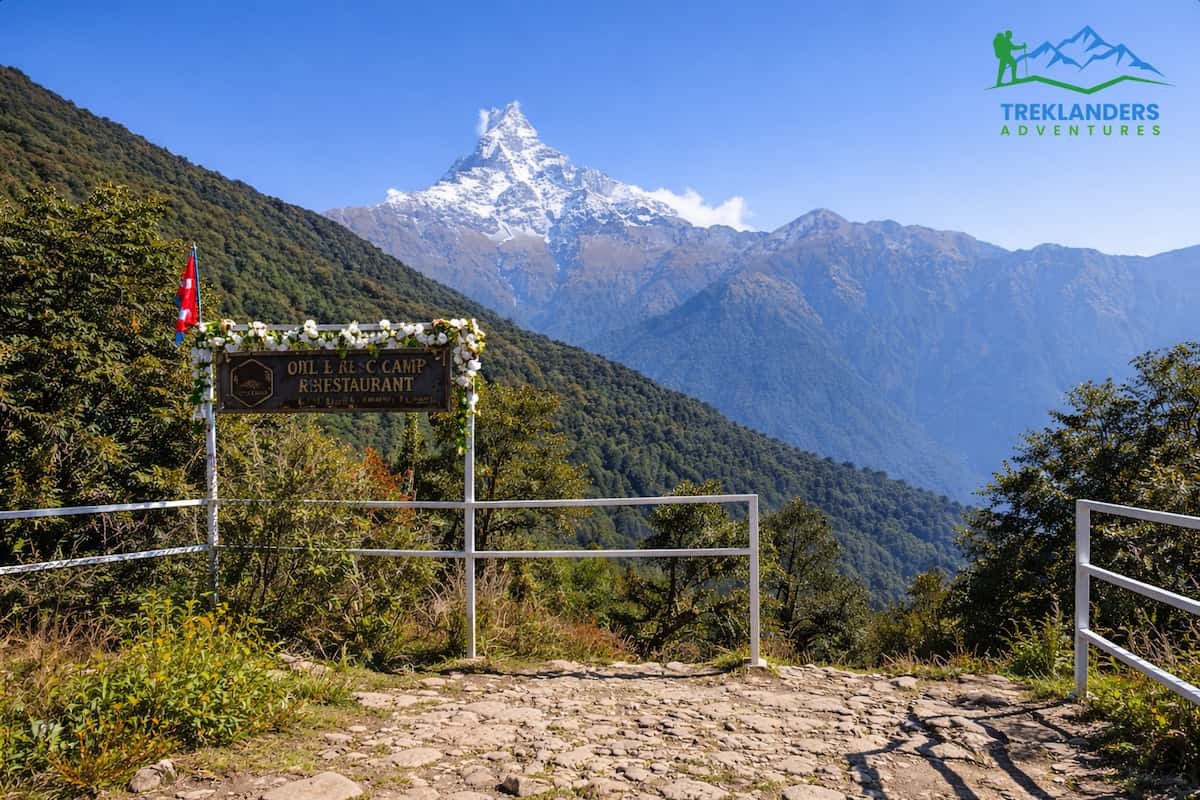
Rest Camp is a small but important stop on the Mardi Himal Trek, located between Forest Camp and Low Camp at an altitude of approximately 2,550 meters (8,366 ft). It is a natural resting point where trekkers take a break after ascending through dense rhododendron and oak forests.
As the trail climbs above Forest Camp, the landscape begins to open up at Rest Camp, offering the first clear views of Machhapuchhre (Fishtail) along with glimpses of Annapurna South and Hiunchuli. The transition from forested trails to alpine scenery makes this place especially scenic and refreshing.
Rest Camp has a few basic teahouses that provide simple meals, hot drinks, and accommodation. It is a quiet and peaceful location, perfect for relaxing, enjoying mountain views, and preparing for the next stretch toward Low Camp and High Camp.
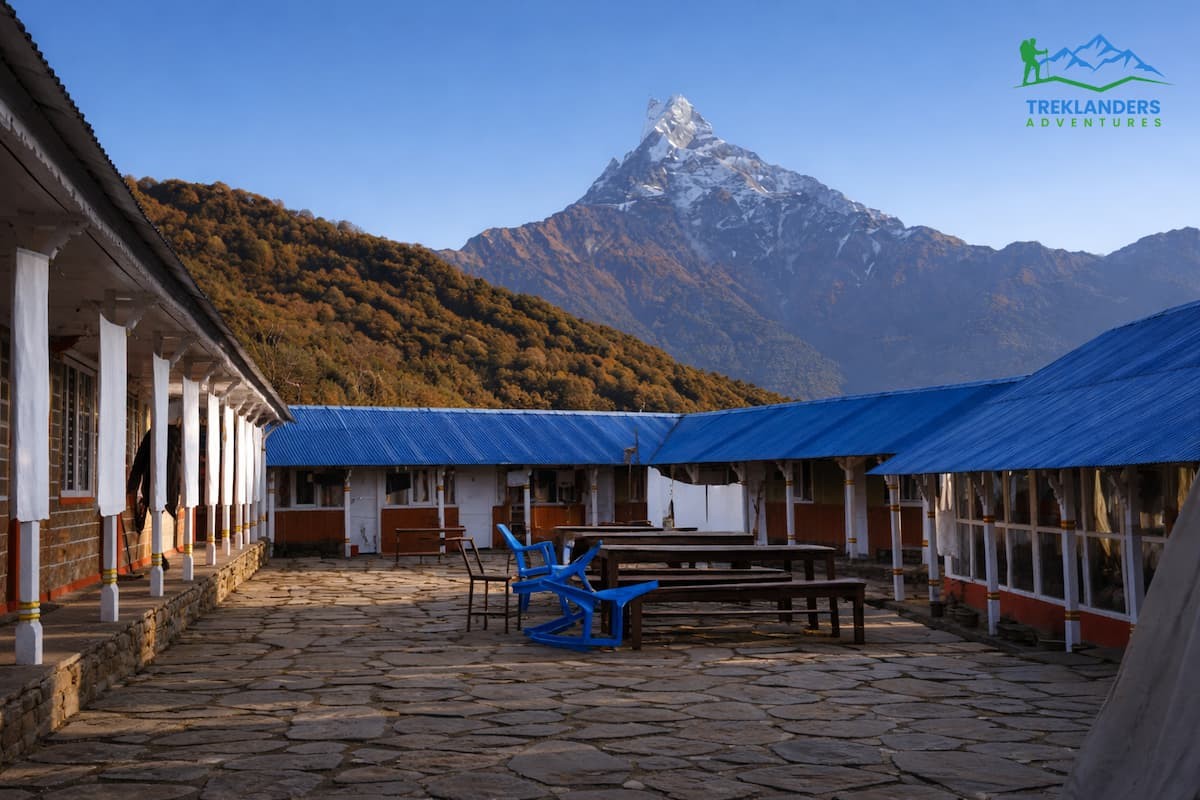
Mardi Low Camp is one of the main points of interest on the Mardi Himal Trek in Nepal, located at an altitude of around 2,800 meters (9,186 feet). It is the primary base for trekkers who are going up to Mardi Himal Base Camp and is famous for its grand Himalayan views. From this point, the trekkers are able to see Mardi Himal (5,587 m), Machapuchare (Fishtail, 6,993), and the Annapurna range with greater clarity.
The hiking path to Mardi Low Camp usually starts at Pothana or Forest Camp. Along the route, hikers walk through dense rhododendron forests, cross terraced agricultural fields, and visit small Gurung villages. The path is of medium difficulty. The gradual ascent allows climbers to adjust to higher altitudes and, therefore, they are less vulnerable to altitude sickness. Trekkers are surrounded by quiet nature, get to see the diverse flora and fauna, and enjoy the traditional lifestyle of the Himalayas.
When it comes to lodging in Mardi Low Camp, the hikers usually stay in a teahouse. Here, they not only get the basic facilities and meals but also have a spot where they can rest and rejuvenate before the demanding climb to Mardi High Camp (about 3,550 m). The place is famous for the breathtaking sunrise and sunset views. You can see the first beams of the sun touching Machapuchare and Mardi Himal. Photographers especially like this place.
One of the key features that draws people to Low Camp is the breathtaking views of the mountains. Trekkers at this point get to enjoy the wide-angle view of Annapurna South, Hiunchuli, and the unforgettable Machhapuchhre (Fishtail) mountains. The mornings and evenings are especially wonderful times when the light and clouds interplay to create the landscape that constantly changes. When the sky is clear, the experience of being above the clouds is so incredible that it gets etched in one's memory, thus making Low Camp not only a great place for photographers but also a haven for those who love nature.

Accommodation at Low Camp is made up of a handful of strategically located teahouses that serve home-cooked meals, offer sleeping options, and breathtaking views right from the dining area. Nighttime is mostly serene and silent, with the fog coming and going as the temperature starts to fall. In general, Low Camp (Badal Danda) is characterized by its spectacular skylines, vast terrains, and magnificent Himalayan views. It is, therefore, one of the most unforgettable experiences of the Mardi Himal Trek.
The most favorable time to go to Mardi Low Camp is during the autumn (September-November) and spring (March-May) seasons. These are the times when the weather is not prone to sudden changes, and the view of the mountains is unobstructed. All in all, Mardi Low Camp is a perfect mix of thrill, scenery, and a cultural experience, giving the trekkers a once-in-a-lifetime Himalayan journey.
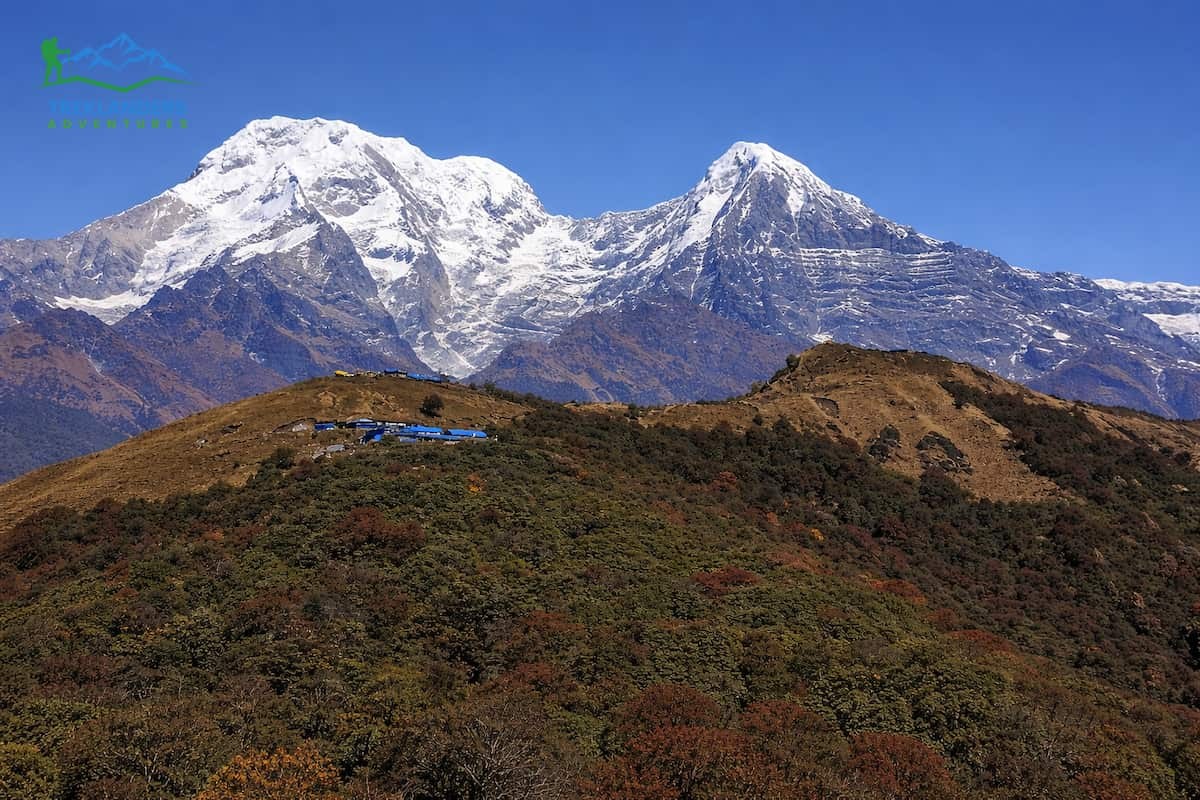
Badal Danda, which means "Cloud Ridge," is a beautiful viewing point on the Mardi Himal Trek in Nepal. It is situated at an altitude of around 3,200 meters (10,500 feet). It got its name because the clouds often cover the ridge; thus, it looks magical and peaceful. The view from Badal Danda shows the whole Annapurna range, Mardi Himal (5,587 m), and Machapuchare (Fishtail, 6,993 m), so it is undoubtedly a favorite place for trekkers and photographers.
The route leading to Badal Danda starts at Mardi Low Camp (2,800 m) and goes along the way through rhododendron forests, terraced fields, and small river discharges. The climb is not that hard, which is great for trekkers to get used to the environment while also keeping themselves entertained by the wonderful views of Nepal. Trekkers can see and walk in various environments such as dense temperate forests, open alpine meadows, Himalayan flora, and fauna.
Badal Danda is a popular single-day hiking spot from Mardi Low Camp, as it comes with an excellent viewpoint that does not require a high-altitude overnight stay. Moreover, the ridge is well known among tourists for its sunrise and sunset scenes, along with the golden light glow on the mountaintops. The finest times for trekking are spring (March-May) when the rhododendrons bloom and autumn (September-November) when the sky is clear. Badal Danda is a perfect combination of excitement, unspoiled nature, and calmness on the Mardi Himal trail.
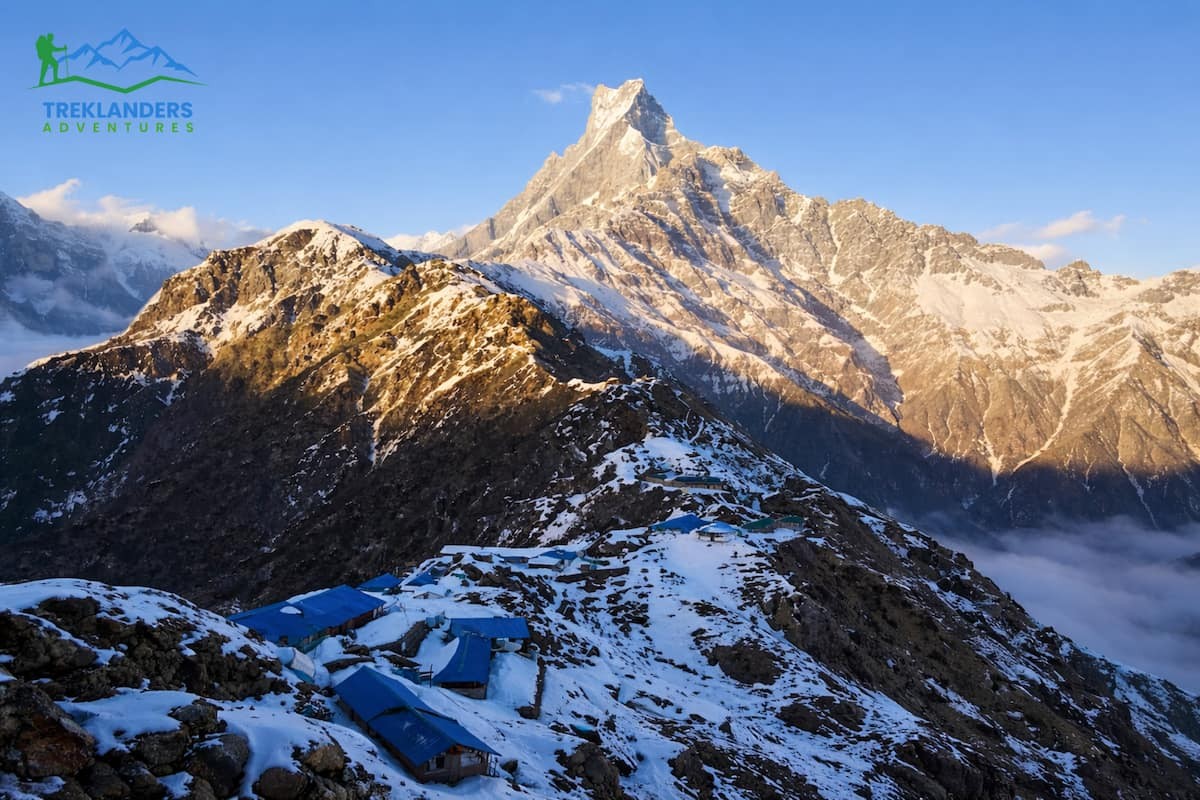
High Camp is a main highlight and probably the most gratifying outlook point on the trekking path around Pokhara, Nepal. Here, you can get a dramatic and intimate view of Machhapuchhre (Fishtail) and Annapurna South, the two most outstanding peaks in the area. Trekkers are given an intense mountain vibe at High Camp that feels like being right in the heart of the Himalayas, as the giant peaks here are huge, sharp, and almost at arm's length. This high-altitude stop is one of the most visually captivating points on the whole hiking circuit.
The vantage point particularly gains the most fans during sunrise, when the light of the sun first touches the ice-covered walls of Machhapuchhre and Annapurna South. With the light gradually getting stronger, the mountains are lit up in golden, orangish, and white hues that make a stunning contrast with the dark blue sky of the early morning. The view from High Camp is so clear that it enables visitors to see even the tiniest details like ridges, glaciers, and vertical rock walls, thus providing a fully engaging Himalayan experience.
High Camp is a place where the surrounding nature unfolds not simply in terms of its beauty but also its character and mood. The environment is very open and spacious, while the fresh mountain air and silence of the paths further the feeling of being alone and at peace. As the sun goes down, it colors the mountain tops with warm shades until they disappear in the dark and are frequently replaced by the starry sky. All these features make High Camp a perfect spot for photographers and nature lovers.
At High Camp, simple teahouses offer the basics, such as food and lodging, but still carry the rustic mountain vibe. High Camp, a highlight and turning point for many trekkers, is an amazing combination of stunning close-up mountain views and serenity, it becomes a Himalayan viewpoint to remember forever.
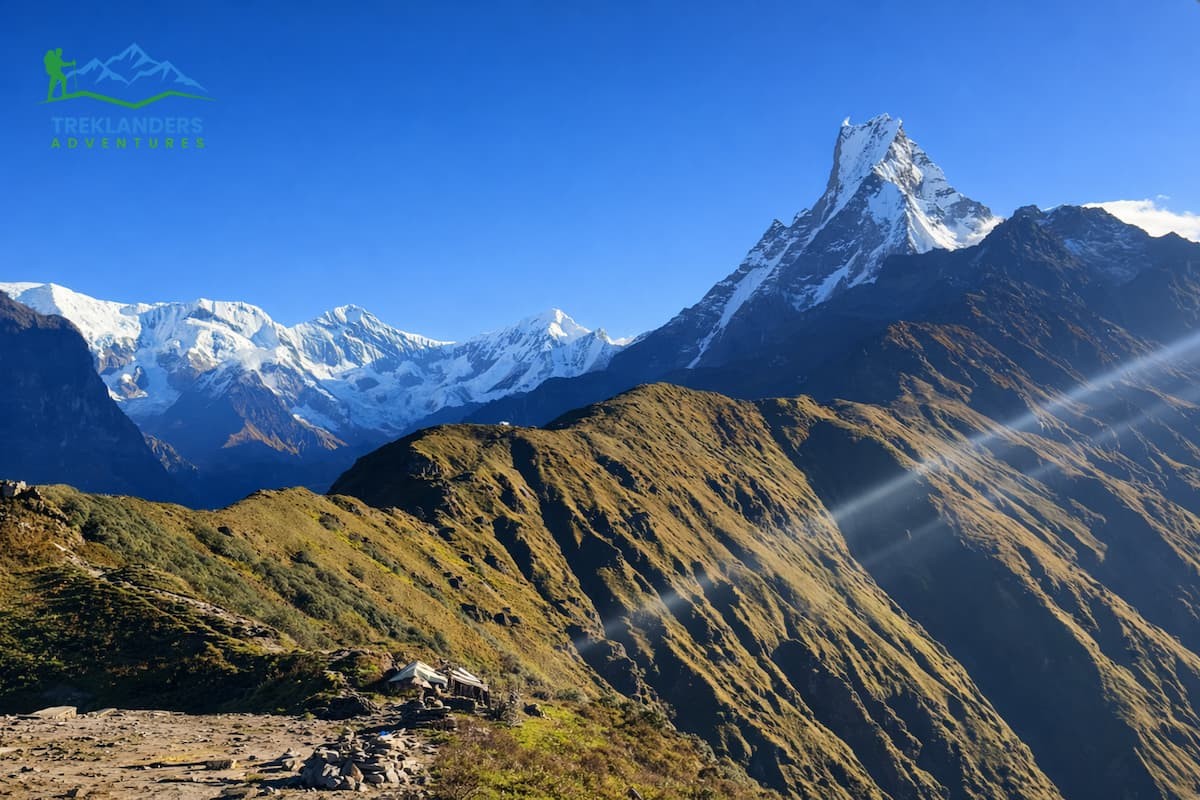
Mardi Viewpoint is located at a height of around 4,200 meters (13,780 feet), it remains the most sought-after spot for the sunrise view. Most of the trekkers set out from the High Camp (3,580m) to this place before dawn so as to be the first ones to witness the mountain bathed in sunlight. This place is well-known for giving a striking, almost "face-to-face" view of the world-famous Machhapuchhre (Fishtail), besides Annapurna South and Hiunchuli can also be clearly seen from here. The path to this spot consists of narrow, sharp ridgelines where one has to be very careful with the steps.
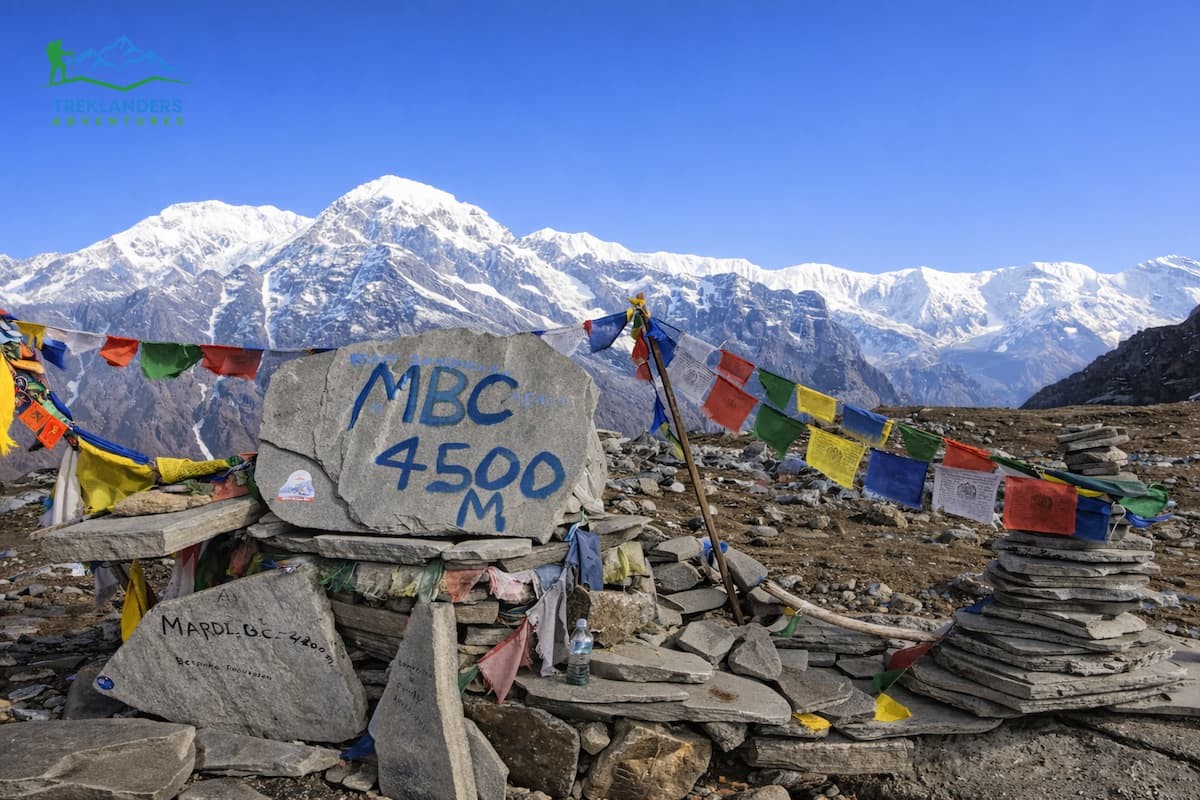
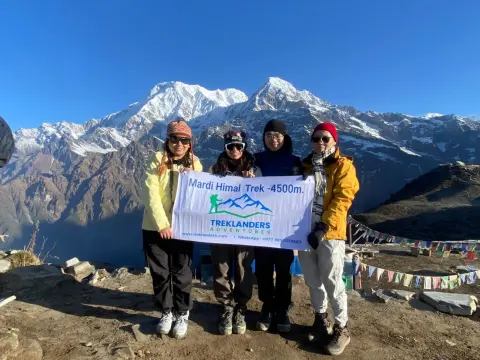
Mardi Himal Base Camp is the highest point of the Mardi Himal Trek, and it is also the most rewarding one for the trekkers, as it is located at an altitude of about 4,500 meters. Going to this quiet alpine shelter represents one of the key moments of the journey, providing hikers with a natural and magnificent high-mountain setting. In contrast to the more popular base camps in Nepal, Mardi Himal Base Camp is still a less-known place; hence, it has kept its rough character and seclusion feeling intact.
The way to the base camp is along a narrow ridge from High Camp, including some steep and exposed parts, which increase the thrill. When the hikers pass the tree line, the scenery becomes a severe alpine one, which is mainly characterized by the presence of rocky paths, with vegetation being very limited, and there are expansive Himalayan views. Being so close to the enormous snow-capped peaks elicits a feeling of awe, the mountains appearing so grand that they almost seem to be within one's reach.
One of the most impressive aspects of Mardi Himal Base Camp is undoubtedly the views of the mountains that it offers. From this spot, the hikers are given the opportunity to feast their eyes on the spectacular Machhapuchhre (Fishtail), Annapurna South, Hiunchuli, and Mardi Himal. Machhapuchhre is the one that seems to be the nearest as it stands vertically from the valley and thus, it rules the sky. Early morning times are the best ones when coming here, as the first light of the day envelops in its golden glow the snow-covered ridges and glaciers.
The base camp provides a great feeling of achievement and closeness to the high Himalayas. No one lives here permanently, which is one of the reasons the area feels so wild and exposed. It is a place where you can be sure of getting strong winds and having to deal with thin air, not to mention the weather that changes dramatically, so you need to prepare and get used to the place. Generally, Mardi Himal Base Camp is the most significant feature of the trek a spectacular place with scenery that is second to none in the mountains and a real experience of the wild Himalayas.
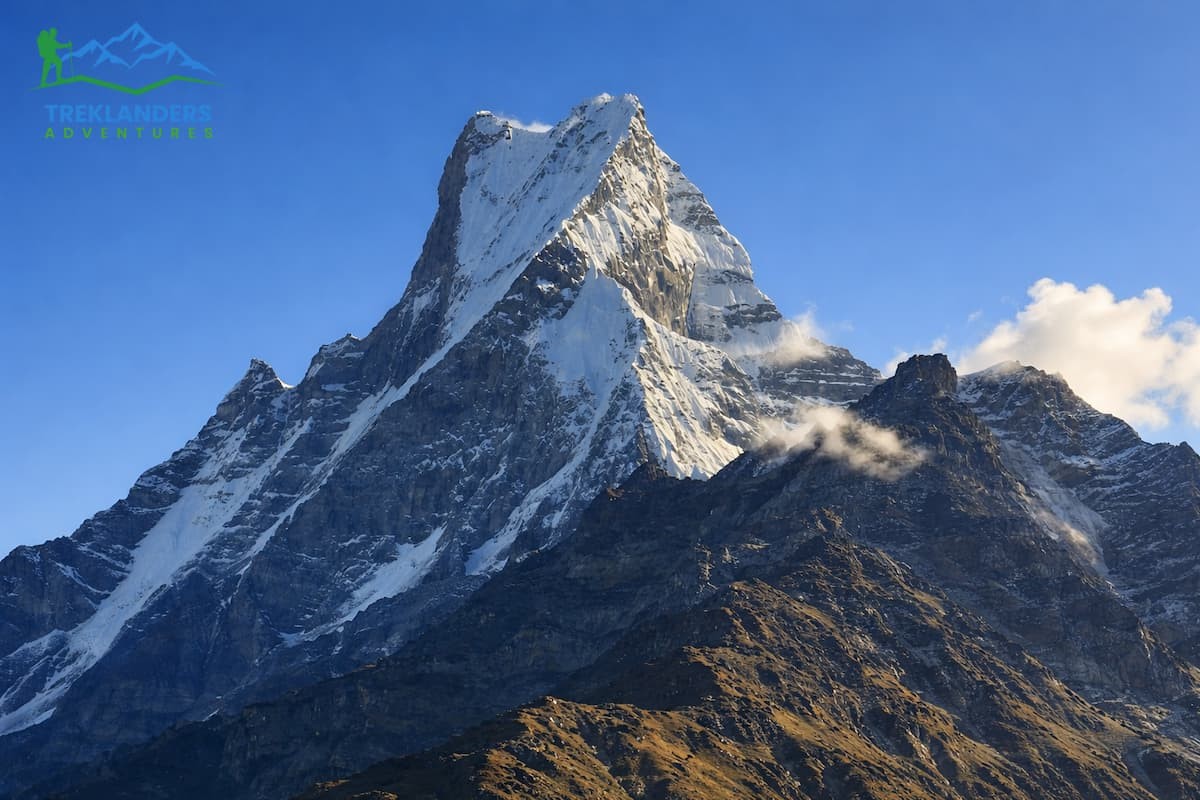
In the Annapurna region of Nepal, one of the closest and most iconic mountain perspectives is that of Machhapuchhre, also known as Fishtail Mountain. Machhapuchhre is famous for the unique twin-peaked summit shaped like a fish's tail. The mountain towers over the landscape and immediately fascinates and captivates people. It is 6,993 meters tall, and it is believed to be sacred, hence it has not been climbed, which has further enhanced its mystery and cultural importance.
The reason why the views of Machhapuchhre from the nearby viewpoint and trekking paths are so remarkable is that the mountain appears so close and is very prominent. Fishtail stands out so much in the skyline that, unlike distant Himalayan peaks, those who look at it can even see its sharp ridges, steep icy faces, and symmetrical structure clearly. At sunrise, the mountain is like a glowing piece of art as the soft golden light very slowly illuminates its snow-covered slopes. The contrast between the brightly lit mountain peak and the darker surrounding hills creates an intense visual effect.
Sunset views are really quite stunning, too. During sunset, Machhapuchhre first takes on the warm orange and pink colors that the sun is giving off, and then it gradually changes to the cool blue and grey colors. If the sky is clear in the evening, the mountain quite often contrasts with a colorful sky, and thus, a very impressive and calm mood is created. At night, the mountain's outline under a starry sky adds to the legend even more.
Besides its aesthetic appeal, Machhapuchhre is of great spiritual significance to the local people who see it as a symbol of purity and a manifestation of the divine. The fact that no one has ever attempted to climb the summit keeps it in an untouched, natural state and makes its significance surpass being merely a scenic spot. The combination of the mountain's distinct form, the fact that it is visually very close, and the deep respect of the locals makes Machhapuchhre (Fishtail) views one of the most remarkable and memorable experiences in the Himalayas.
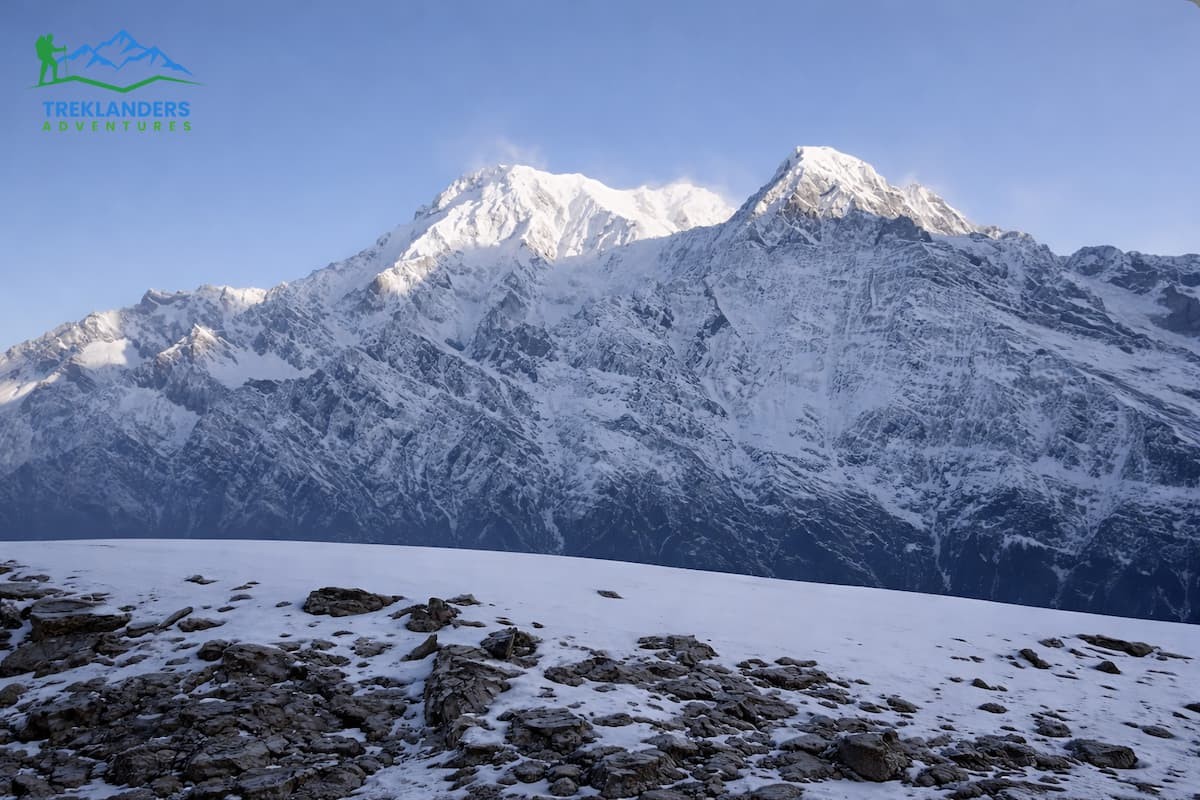
Annapurna South Panorama is definitely the greatest attraction for the Mardi Himal Trek while offering nonstop and unobstructed views of the biggest snow-covered peaks in the Annapurna range. In fact, it is from Low Camp, High Camp, and the ridge trails leading toward Mardi Himal Base Camp, where the trekkers are given the treat of a continually changing backdrop of gigantic Himalayan giants that seem to be the masters of the skyline. In the vicinity of Annapurna South (7,219 meters), one cannot help noticing the vast ice-covered faces and long ridgelines stretching across the horizon. Due to its gigantic size and closeness, the mountain seems a very imposing figure, especially when seen from the narrow ridges of the Mardi Himal route.
At times, the panorama comprises neighbors like Hiunchuli and Gangapurna, thus forming an unbroken chain of snow-capped summits that can be seen for quite a distance along the trek. One of the features that makes the Annapurna South view very fresh in the minds of the visitors is the day-long play of light and atmosphere. Mornings are characterized by a sharp and clear contrast between the blue sky and white snow. On the other hand, afternoons are graced by the drifting clouds, which add layers and intensity to the scene. When the sun is setting, the mountain peaks are kissed by warm shades of gold and pink, thus providing a fantastic picture-perfect moment for the whole trek.
The continuous exposure to such magnificent views greatly elevates the whole hiking experience as one is visually reminded of the beauty all the time and also gets a stronger feeling of being surrounded by the high Himalayas. In contrast to trails where mountains are only visible from certain viewpoints, the Mardi Himal Trek affords hikers the opportunity to stroll next to the Annapurna South view for several hours. This uninterrupted interaction with breathtaking mountain landscapes is what largely characterizes the trek, and it is no doubt one of the top reasons why more and more people think it is one of the most picturesque short treks in Nepal.
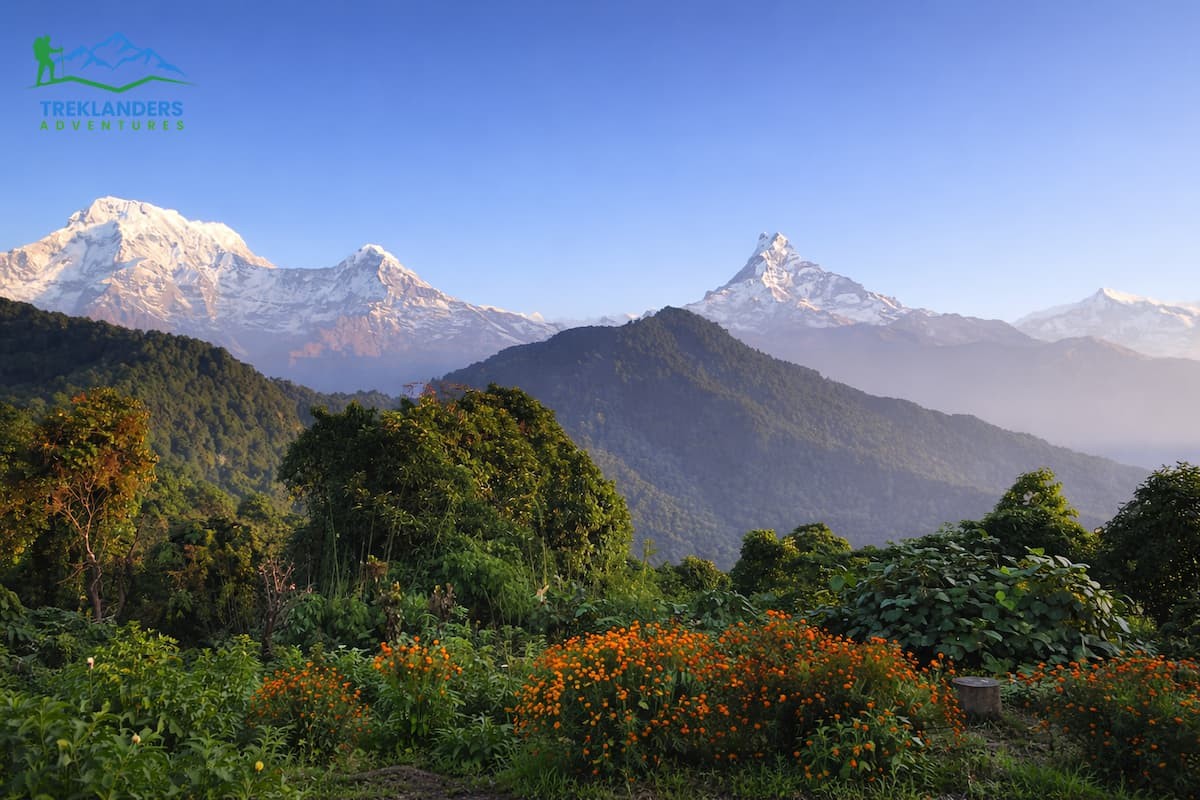
Rhododendron forests certainly stand out among other natural wonders of the Himalayan region. People particularly like them for their vivid colors during the flowering season and the wildlife variety. The forests, which extend through the mid-hill and high-altitude zones, largely cover the landscape with flowers of different colors, such as red, pink, white, and purple. This usually happens during March and April. The flowering season of these forests against the greenery of hills and snow-capped mountains in the background offers a breathtaking view that warms the hearts of hikers and nature enthusiasts.
The national flower of Nepal is the rhododendron, and the forests are a great natural habitat and also have a significant cultural value. Rhododendrons can be seen in a wide range of sizes and can, at times, be small shrubs or, at other times, be tall trees with thick trunks. They form dense woodland corridors even on the busiest trekking routes. The petals that fall during the time when the flowers are in full bloom cover the ground of the forest like a rainbow-colored blanket, thus making it a place with a charming and almost magical aura. The atmosphere is refreshing and cool, scented by nature, which wonderfully complements the trekking experience in its entirety.
Other than their eye-catching beauty, rhododendron forests also promote biodiversity. They are home to a variety of animals, such as birds, insects, and small mammals, who can find shelter and food in these habitats. Besides that, these forests harbor many rare and migratory bird species; thus, they are very important areas for birdwatching. The varying species of plants under the canopy, like ferns, mosses, and medicinal herbs, add to the ecological value of these forests.
Besides the ecological significance, rhododendron forests are also of traditional value to local people who have been using the plant for medicinal and cultural purposes for a long time. The visual appeal, ecological wealth, and cultural importance of the rhododendron forests make them an unforgettable and essential feature of the Himalayan landscape.
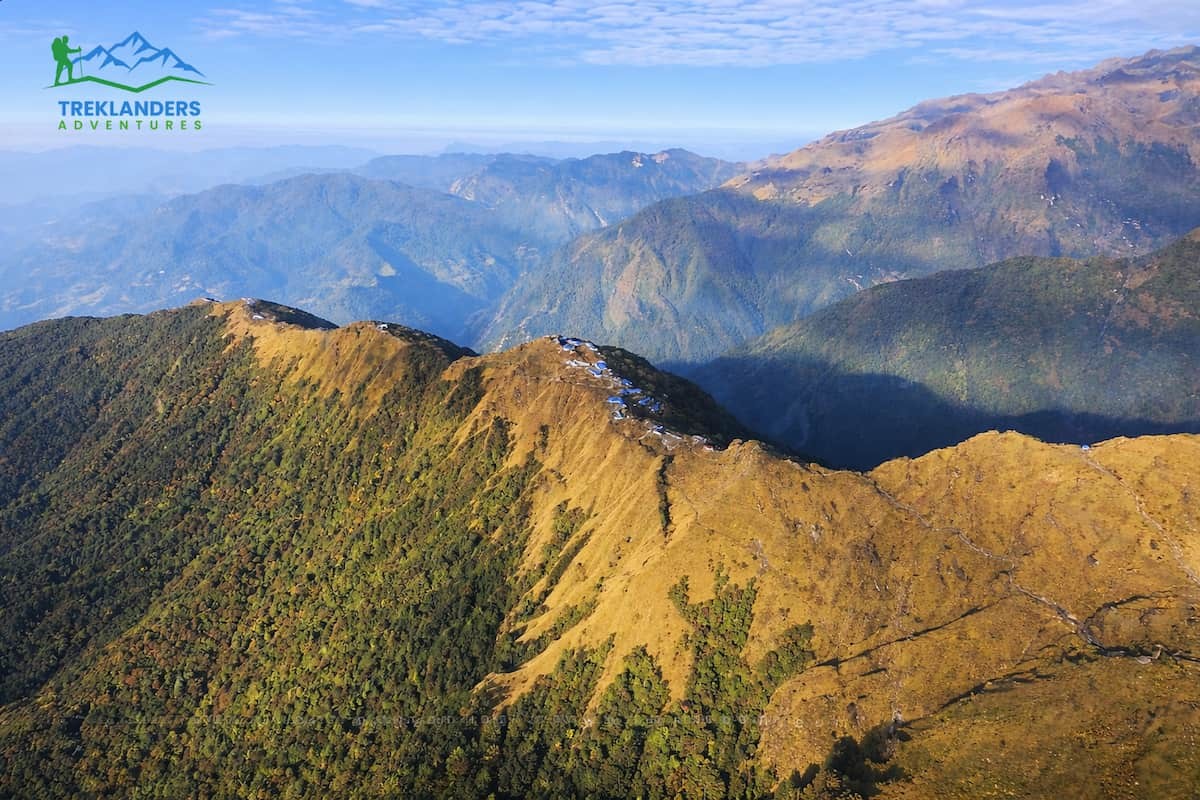
Alpine Landscapes dominate the top parts of the Mardi Himal Trek. They provide a very nice contrast to the green forest areas we see at low altitudes. When the hikers go further up the hill after Forest Camp and Low Camp, they see that the nature is changing very slowly from beautiful dense forests of rhododendron and oak to open, rugged areas that show the influence of height, wind, and bad weather. What these changes show is just how different the local ecosystems are on this short trekking route.
In the alpine zone, the plants are very few; only hardy grasses, low shrubs, and seasonal wildflowers can be seen growing on the rocky slopes.
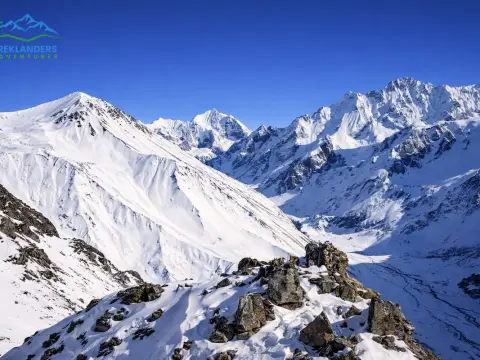
The disappearance of the tree line unveils broad ridgelines, glacial moraines, and the steep faces of mountains. The area looks wild, and the power of the mountains is made even more spectacular. The narrow pathways run along sharp ridges that provide extraordinary views over the deep valleys and snowcaps, imparting a strong feeling of altitude and an isolated spot.
These barren alpine environments form the backdrop for some of the most amazing images of the trek. The striking contrast between the dark, rugged land and the brilliant white snowfields deepens the breath takingness of the view, especially up in the blue sky. Putting weather into the equation - quickly moving clouds, strong winds, and sudden temperature drops - they truly give you a real high-mountain experience and make you aware of the fact that life is hard up there at high altitudes.
The alpine scenery also significantly contributes to the overall trekking experience as it visually signals the arrival at High Camp and Mardi Himal Base Camp. Hiking over such ground allows one to be in tune with the Himalayan geography and nature's ways of adapting. The dramatic difference between lush lower forests and the stark alpine landscape is such that it makes the Mardi Himal Trek an extremely satisfying one, giving those who trek the opportunity to experience first-hand and thus live through Nepal's varied mountain ecosystems.
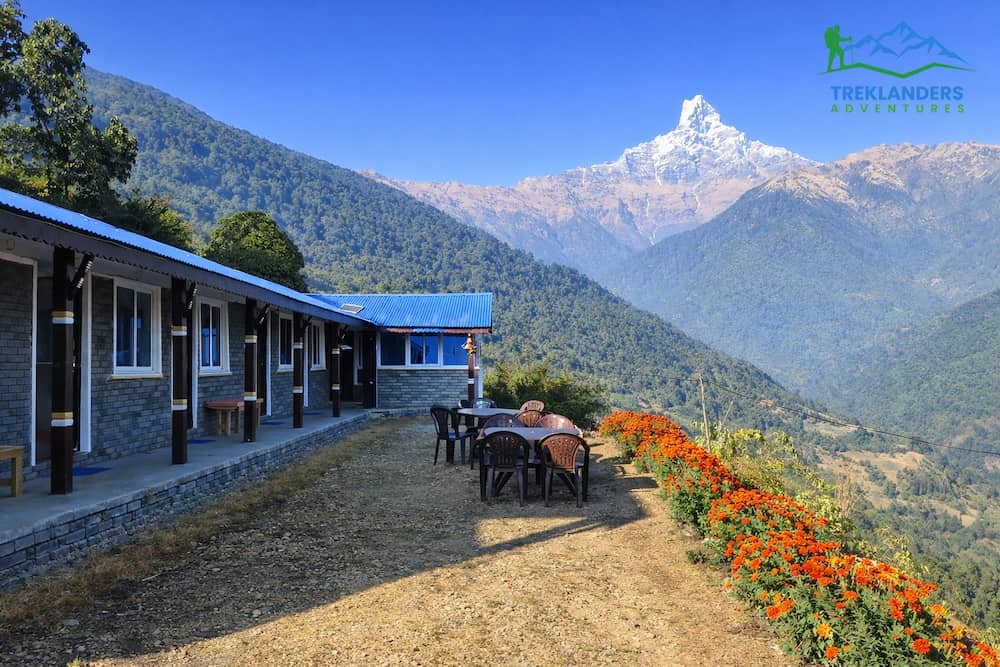
Located at an elevation of around 1,900 meters (6,233 feet), Siding Village is a lovely stopover on the Mardi Himal Trek. This tiny Gurung village is a major settlement and one of the first trekkers come across after leaving Pokhara or Pothana. The locals lead a traditional Himalayan lifestyle. Siding Village is surrounded by terraced fields and beautiful forests, and it offers stunning views of the Annapurna range, so the lovely and charming village is a great place to take a rest.
The path to Siding Village is lined with rhododendron and oak forests, and you have to cross a couple of small streams on stone-paved paths. It is a relatively slow-paced portion through the Mardi Himal, which is especially suited for high-altitude acclimatization. The village is home to a number of teahouses and minibars where trekkers can have their meal and enjoy their rest. They can also make friends with the local Gurung community.
One of the main attractions of Siding Village is undoubtedly the magnificent sunrise, when Machapuchare (Fishtail) and the surrounding peaks are illuminated by the first rays of the sun. It also serves as a starting point if you want to do some exploration nearby Mardi Low Camp trails. September to November and March to May are the ideal trekking times for enjoying clear skies and mild weather.
Gurung villages in Nepal are the traditional settlements scattered all over the mid-hills, mainly around the Annapurna region trekking routes. The villages are popular for their vibrant local culture, the preservation of ancient customs, and the friendly hospitality of the mountain people. Nestled in the beautiful natural settings of the terraced fields and the Himalayas, Gurung villages are one of the attractions that let the visitors really see the rural way of life in the hills.
The design of Gurung houses represents both functionality and tradition. Most of the dwellings are made of stone and wood, with the roofs being covered in slate to resist the mountain climate. Small stone paths lead from one group of houses to another, while prayer flags, miniature temples, and chortens provide a sacred atmosphere to the place. The main focus of the villagers' lives is agriculture, livestock, and the changing of the seasons; thus, travelers have an opportunity to see the practices handed down over time.
The cultural identity of the Gurung people is evident in their communities. They express this through the use of traditional dress, folk songs, and dances, which are usually part of their festivals and special occasions. The Gurungs have a significant history of being a part of the Gurkha regiments, which gives them pride and honor as a community. The local dishes, mostly prepared with fresh ingredients from the farm, are simple, yet delicious and representative of the mountain way of living.
One of the things that you will remember about the Gurung's hospitality is how genuine, warm, and generous it is. Through teahouses and various homestays, locals open their doors to all the trekkers, provide them with food, shelter, and good company. People are so warmly welcomed that they feel like they are an integral part of the family, thus creating an opportunity for cultural and social exchanges. Gurung's villages reflect the natural beauty of the Himalayan region through their traditions, nature of living, and hospitality, thereby providing visitors with a spiritually satisfying experience.
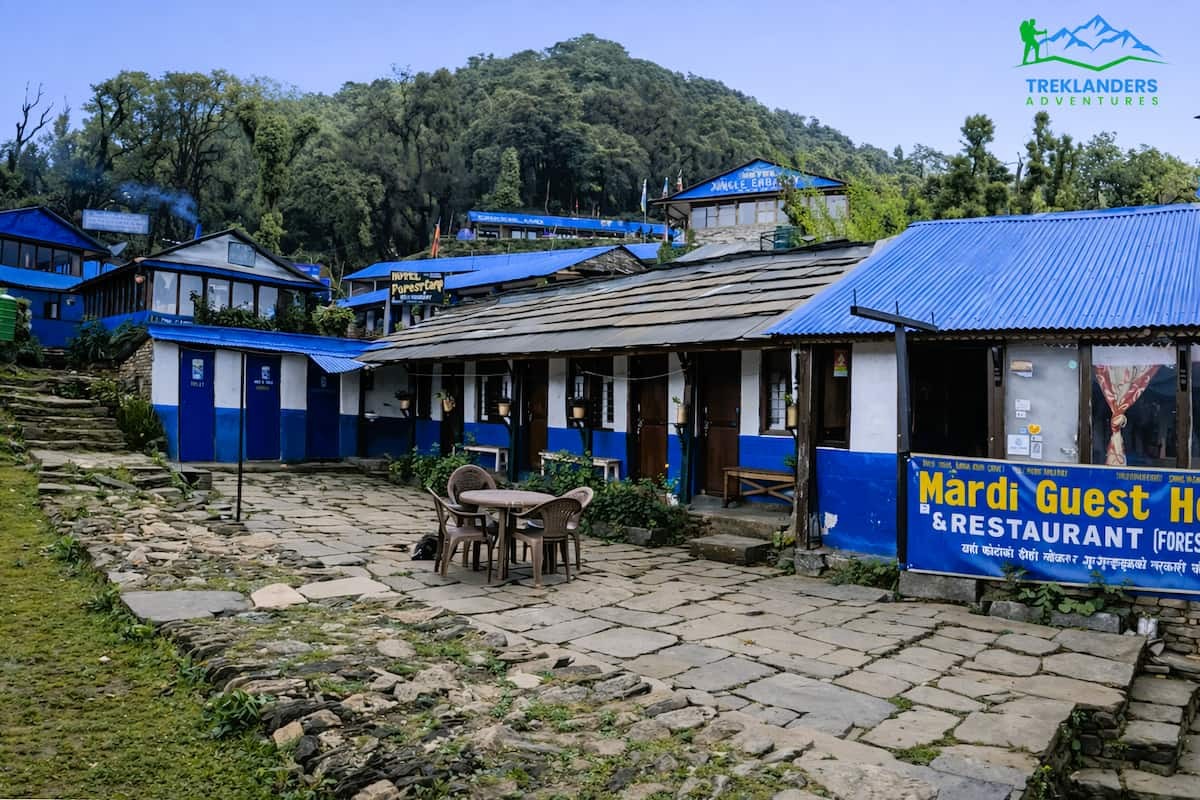
Peaceful Teahouse Stays are an essential part of the Mardi Himal Trek, permitting trekkers to enjoy authentic mountain accommodation set in beautiful natural surroundings. These traditional lodges are found along the trail at main stopping points like Forest Camp, Low Camp, High Camp, and local villages, thus offering a cozy and friendly place to rest after a day of hiking. Their simple style and isolated locations make the whole trek more enjoyable as they help to get away from the hustle and bustle of city life.
Teahouses on the Mardi Himal pathway are generally small family businesses that mirror the warmth and hospitality of local mountain dwellers. The rooms are simple but hygienic, usually equipped with twin beds, warm blankets, and shared toilet facilities. Although facilities are limited, the emphasis is on offering guests’ comfort, sufficient food, and a good night's sleep. The dining rooms are usually fitted with wood-burning stoves that not only provide heat but also a pleasant setting for trekkers to unwind, chat, and have hot meals while the mountain wind whirls outside.
Besides their wonderful hospitality, teahouse stays also surprise visitors with their spectacular settings. A number of lodges are situated on ridges or bare slopes, which allow for breathtaking views of the glaciers, the cloud play over the mountains, and the deep valleys straight from the porch. Typically, the day starts with mist floating through the countryside, and the night brings silence under starry skies. Teahouses, therefore, are not only excellent spots for a short break but also ideal hideouts for rejuvenation and introspection.
Peaceful teahouse stays are a good way to practice sustainable trekking as they generate income for local families and, at the same time, decrease the requirement for camping gear. Combining simplicity, natural beauty, and heartfelt hospitality, they contribute greatly to the Mardi Himal Trek. Each overnight stop, therefore, becomes not just a sleeping place but a very memorable part of the Himalayan journey.
Choosing the less-crowded trail experience is a great way to enjoy nature at its best while having peace of mind in a place that is also refreshing. These types of experiences are especially good for travelers who want solitude and a closer relationship with the natural world. In contrast to popular trekking routes like the Annapurna Base Camp and Everest regions, the less-traveled trails have not yet been largely influenced by mass tourism. Hence, tourists can have a great time in the natural surroundings without being interrupted by the constant presence of big groups, busy teahouses, or crowded viewpoints.
Walking a less crowded trail gives you a more personal and profound experience. Nature's sounds like the rustling of leaves, bird calls in the distance, and water running in the streams are what you will hear. These trails usually go through different types of scenery, such as woods, villages, and ridgelines from where you can see the vast open space. Life at such places is slow, and people hardly make a fuss. The tranquil environment that prevails there promotes meditation and mindfulness, and hence the journey becomes as satisfying as the destination.
Moreover, these less noisy hikes have an added advantage of enabling deeper cultural exchanges through one-on-one interactions with locals. In isolated settlements, the inhabitants greet the tourists with sincere curiosity and warmth, as the influx of visitors has not yet reached a level to cause discomfort. Also, teahouse proprietors and other locals generally have more leisure time to chat about their heritage and daily lives, which leads to real cultural exchanges that are difficult to come by in the busiest areas.
Less-traveled paths are, from a beauty point of view, just as satisfying. They give you the chance to see the amazing mountain view, watch the sunrise or sunset, and experience nature's varied beauty, all without having to fight for the favorite places. Hence, for those hikers who are looking for peace, genuineness, and the pristine beauty of nature, a hiking trail that is less frequented offers a calm, spiritually uplifting alternative to the more commercial trekking adventures of Nepal.
A quick guide comparing Langtang Valley vs Mardi Himal Trek to help you choose the right Himalayan adventure.
Discover the 10 best viewpoints of the Annapurna Circuit Trek, featuring iconic Himalayan scenery, altitude, difficulty, and the best time to trek.
Experience the Langtang Valley Trek in February with quiet trails, winter scenery, plus weather, Itinerary, packing list, and safety tips.



