
Short Langtang Valley Trek 5 Days – Best Himalayan Trek Near Kathmandu
22 Nov 2025
The 5-day Langtang Valley Trek is a top short trek in Nepal, offering beautiful scenery, rich culture, and peaceful landscapes.



The Mardi Himal Trek is a mountain trek that lies in the east of Nepal's world-famous Annapurna region, bordering the Annapurna Conservation Area. While it runs parallel to the Annapurna Base Camp trail, it remains quieter, more natural, and less commercialized, giving trekkers the feeling of walking through an undiscovered mountain trail. The trek begins from the warm hills near Pokhara, gradually gaining altitude into an area of cool, misty forests. As the heights rise, the jungle of rhododendrons, oaks, and bamboo thins out to allow views of landscapes scattered across the Himalayan skyline. The highest point attained on the trek is at Mardi Himal Viewpoint at about 4,200 m, just an amazing high ridge in front of the mighty Machhapuchhre (Fishtail Peak). One of the most striking features of this trek is this rare close-up view, where not many routes would provide such a near and unobstructed interaction with the sacred mountain.
The Mardi Himal region is said to portray different types of terrains. Trekkers begin by walking through humid forest trails coated in moss, bird songs, and wild orchids. As elevation increases, vegetation changes to low alpine shrubs and grasses, and pretty soon they find themselves walking across wide meadows that are sometimes graced by grazing blue sheep. With the climbing further up toward the High Camp, all is silence, all is wide, and all is enclosed by snowy ridges. In the mornings, a cold breeze travels with the white clouds flowing right beneath the hills, and in the evenings, the glowing orange sunset light stands out against the glorious Annapurna range. For most of the trek, three major peaks stand on the horizon: Machhapuchhre, Hiunchuli, and Annapurna South, each competing for attention through its color-changing choreography as the sun moves.

Mardi Himal is an area of immense biodiversity due to the range of ecosystems. Pheasants, Himalayan monals, and Langur monkeys abound in the region, especially in springtime when rhododendrons turn the forest trails blood red and pale pink. The trek is beautiful as it showcases the diversity of Nepal from a mere 1,000 meters up to above 4,000 meters in a matter of days. From the moment you contemplate an intimate journey through the Himalaya, with uninterrupted mountain views, Mardi Himal becomes a geographical intercourse that is rewarding and dramatic.
The Mardi Himal Trek begins with an early drive from Pokhara to Kande, the gateway to the trail. The trek itself puts in a gentle gradient through beautiful hill villages and tracks covered in a forest, skirting past Australian Camp and Potana to Deurali, a lovely ridge where the trail for Annapurna Base Camp and Mardi Himal separates. Beyond this, the trail drops into a tranquil rhododendron forest, continuing its gradual climb past mossy trees and through bird-filled woods until the Forest Camp is reached for the night. It is a quiet stay amidst greenery to help acclimatize oneself to the mountain ambiance.
The next morning, the trail rises steadily upward through a thick forest toward Low Camp. It is a comparatively shorter hike but steeper in sections; as altitude increases, trees begin to thin away to reveal glances of Machhapuchhre in the distance. And from Low Camp is an excellent-looking view of the valleys below and in full sight ahead is the sharp snow-covered Fishtail Peak. The next day proceeds along a wide-open ridge toward High Camp. This section is a dramatic contrast in scenery - the trees fall away and give way to an alpine meadow with uninterrupted views of the Himalayas. Arriving in High Camp is like entering a viewpoint in the sky; the mountains seem really near, and the evenings are colored with glorious hues of sunset.
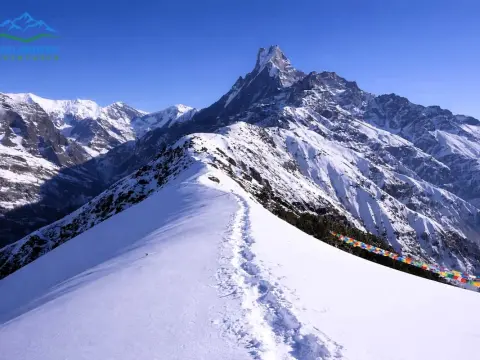
The most awaited part of the trek, in the early hours of dawn on the fourth day, dawn with headlamps illuminating the path up Mardi Himal Viewpoint, following a thin ridge leading to the best possible perspective on the trek. At the magnificent viewpoint at about 4,200 meters, the first-magnitude view directly opposite Machhapuchhre, Annapurna South, and Mardi Himal greets you. After soaking it all in and taking your share of photos, the trail begins its descent down to High Camp for a short break and on down to Badal Danda, a ridge that often floats above clouds like an island in the sky.
On the last day, the trail descends through forests and terraced fields to Siding Village, a traditional settlement that has remained away from commercial routes. From there, a short drive returns to Pokhara, concluding an unforgettable Himalayan odyssey replete with tranquil forests, glowing ridges, and in-your-face mountain views.

The journey begins early in the morning from Pokhara, where you leave behind the calm lakeside roads and slowly enter the countryside filled with terraced farmlands and traditional settlements. The drive follows an hour of scenic highway towards Kande, the starting point of the Mardi Himal Trek. As soon as you step out of the vehicle, you feel the freshness of the hills and the excitement of entering the lush green trails. The walk begins through gradual steps and forested paths that lead towards Australian Camp, a natural balcony offering the very first panoramic view of Annapurna South, Hiunchuli and the iconic Machhapuchhre (Fishtail). From here the trail continues gently to Potana, where stone-roofed houses sit beautifully among the trees, and prayer flags flutter softly with the breeze.
After a short rest and a warm cup of tea, the trail climbs slowly towards Deurali, a beautiful hill ridge that acts as a major junction left leads to Annapurna Base Camp while the right trail enters the quieter forest leading to Mardi Himal. As soon as you leave the main route, the atmosphere changes. The sound of tourists fades, replaced by birdsong, rustling leaves, and the rhythmic sound of boots touching the soft forest floor. The trek continues through dense rhododendron and oak forest, often misty and mysterious, creating a magical tunnel-like pathway. Wild orchids and moss-covered trees showcase the richness of the Annapurna Conservation Area.
After 2-3 hours of peaceful walking through the shadowed woods, you slowly approach Forest Camp, hidden inside thick vegetation. The settlement consists of simple wooden lodges, warm dining rooms, and peaceful surroundings with no sound except crackling fire and the forest wind. The evening is cool, quiet and refreshing, offering a perfect rest after the first day of trekking. You settle down for dinner with the guide and fellow trekkers, sharing early impressions of the trail before going to sleep in the calm heart of the forest.

The morning begins with birds chirping and the cool sensation of forest air. After breakfast, the trail rises steadily, remaining inside dense jungle but gradually becoming lighter as altitude increases. The walk is shorter today, but steeper in sections, with the forest opening occasionally to reveal glimpses of the Himalayas. The smell of pine, the sound of rustling leaves, and the crunch under your boots create a rhythmic trekking mood. As you climb higher, cloud patches drift across the trees, sometimes wrapping the trail in soft white fog. After a few hours, the forest thins, and Low Camp appears on a ridge with a stunning front view of Machhapuchhre standing sharply like a silver blade in the sky. The rest of the afternoon is free for relaxation, photography and enjoying the quiet wilderness. Evenings here are magical; with sunsets coloring the mountain pink before the stars take over the sky.

Today's journey moves beyond the tree line and into open alpine meadows. The shift in landscape feels dramatic, as trees slowly disappear and wide grassy ridges take their place. The trail climbs gradually but constantly, and with every step, the mountains appear closer and more massive. Below, clouds float like soft cotton over the valley, while the Annapurna range unfolds in grand scale ahead. A gentle wind whistles across the ridge as you approach High Camp, the highest overnight point of the trek. Arriving here feels like stepping onto a natural balcony above the Himalayas. The lodges are simple but welcoming, offering warm meals and cozy rooms for rest. The view at dusk and dawn is unforgettable, with Machhapuchhre glowing golden in the evening light and turning silver beneath the moon.

Pre-dawn wake-up calls mark the most awaited moment of the trek. With headlamps lighting the path, the climb begins along a narrow ridge trail leading towards the Mardi Himal Viewpoint. The air grows thin, steps slow down, but the excitement grows stronger. As the sun rises behind the Annapurna range, the entire sky transforms into shades of rose and gold. Reaching the viewpoint is emotional and rewarding, where Machhapuchhre stands dramatically close, the Annapurna peaks shine brightly, and deep valleys lie far below wrapped in morning clouds. After absorbing the beauty and taking photographs, you descend back to High Camp for rest and breakfast, then continue downward to Badal Danda, a dreamy hillside that often sits above flowing clouds, making trekkers feel like they are sleeping in the sky.

The final morning descends through forest trails rich with birds and vegetation. Gradually, high alpine shrubs convert back to thick rhododendron woods, and the sound of village life gets closer. After several hours of downhill walking, you reach Siding Village, a traditional rural settlement far from commercial routes. Here you stop for lunch and celebrate the completion of your trek before driving back to Pokhara, where you return to the lakeside life carrying memories of peaceful ridges, glowing sunsets and the unforgettable face of Machhapuchhre.


Forest Camp brings simple yet comfortable teahouses inside a serene rhododendron and oak forest. The environment is peaceful and quiet with fresh air, thus creating perfect conditions for adaptation to the mountain environment.
Forest Camp → Dense Rhododendron Forest → Gradual Ascent Ridge → Low Camp

The second day finds you waking up with hot tea and a hearty breakfast within the calm forest surroundings of Forest Camp. Today's trail runs through a deep rhododendron and oak tree corridor. Narrow, soft beneath your feet with layers of leaves; the overhanging canopy blocks the sun, and it is calm in the rhythm of trekking. You climb slowly, and the air gets thinner and much cooler; occasionally, the forest would open into small clearings through which the distant peaks would appear for a few seconds and then disappear behind the clouds. Birds chirp along the way, delighting the long trek with their song, especially in the spring when red rhododendron flowers brighten the whole jungle like some natural festival.
Not long in distance, but keeping the steep sections at a steady pace. These minutes turn to hours, and then the woods begin to thin, and bush light finally falls on the regular trail. The moment you step onto Low Camp, suddenly and distinctly, Machhapuchhre (Fishtail) stands tall and close like a snow pyramid rising before the ridge at a sharp angle. The rest of the day is for relaxation, mountain viewing, tea drinking in the open air, and altitude adaptation. Low Camp is like a gateway between the forest and the Himalayan region.
The rooms have twin beds and warm blankets to face cold nights, simple yet comfortable. The dining halls are warm and cozy. During the evening, they are mostly heated by a wood-fire stove. It is where trekkers meet, warm up, and bond over their meals. All meals are freshly cooked, including dal bhat, noodle soup, pancakes, tea, and ginger lemon honey, being the most typical. Limited power is available for charging at an additional cost, while Wi-Fi may be available based on the weather conditions. The atmosphere surrounding is peaceful, with draping clouds around the ridge and good visibility of the starry night sky when weather permits, the perfect place to rest before climbing higher the next day.

The third day, early morning is marked by a chilly mountain atmosphere and a sky changing color gradually from dark to light above the forest ridge. After having your breakfast, you keep following the track, and very soon the thick trees disappear. The steep continues to go uphill, where the forest transforms into an area of low shrubs and open grassy slopes. With every step higher, the world begins to expand views of Machhapuchhre sharpen and grow larger, no longer distant but rising like a cathedral of ice in front of you. This part of the trek is totally different from the previous ones; instead of being surrounded by forest, you are now walking on the open shoulders of a mountain where sky and earth seem to merge into one vast horizon.
Just before reaching Badal Danda, the first stunning viewpoint of the upper trail, clouds can be seen drifting beneath your feet like a flowing sea. On bright days, Annapurna South and Hiunchuli are the two peaks standing tall to the left and right of Machhapuchhre, respectively, and they appear to be made of pure gold under the sun with snow shining like silver dust. There are lots of trekkers who come here and sit for tea, not only for rest but also because the scenery is extremely attractive to leave it quickly.
The last bit of the way to High Camp is a gentle and yet somewhat steep walk along exposed ridgelines where prayer flags are waving and cold winds are bringing the scent of Himalayan snow. Arriving at High Camp is like coming into a different world. The mountains are so close that you can trace every ridge and glacier with your eyes.

High Camp lodges are basic but well-placed on the ridge, giving direct views from room windows or balconies. Nights feel cold, but the warm dining room, crackling with wood fire, is filled with trekkers sipping hot soups and ginger honey tea, exchanging stories, and gearing up mentally for the final push to the summit. Extra costs apply for electricity and charging, and Wi-Fi is dependent on the weather, while food ranges from dal bhat to pasta to fried rice to warm bakery snacks. On those clear nights, High Camp offers a perfect star-viewing opportunity, the best way to end a day before an early-morning climb to Mardi Himal Viewpoint.

Day 4 is the Mardi Himal Trek's most anticipated and gratifying day. Trekkers in the cold silence of High Camp, therefore, before dawn breaks, get up and prepare themselves with headlamps and layered clothes.
The air is fresh and calm, and the only thing that can be heard is the soft crunch of footsteps as you start your walk along the ridge. The way is steep and narrow in some places, but no one would think of stopping because of the excitement to reach the viewpoint.
Getting to Mardi Himal Viewpoint is like entering a vast world of snow and sky that seems to be made just for you. The mountains of the Himalayas come up very steeply right before your eyes with such giants as Annapurna South, Hiunchuli, and Mardi Peak towering and obvious, while the valleys underneath are still covered with clouds that are changing like the slow movement of waves. Few trekkers here look at the view and do not speak as they cannot express in words the beauty that surrounds them. It is a spot where even the wind is calm and carries only the sound of prayer flags that are fluttering.
Once you have your share of sunrise view and photos, you come back to High Camp to have your breakfast, and then you head down towards Badal Danda, a wonderful ridge which is often seen above the clouds.
The way down is lighter and fun to do with the beautiful and broad Himalayan views that go along with you on the trail. Approaching Badal Danda, you see that the fog is coming up from the valley and it is enclosing the ridgeline, so that you feel that you are walking in the sky.
The afternoons here are really beautiful. Sometimes, you can see the mountains very clearly, and at other times they disappear in the mist, and it happens very quickly. You finish the day by taking a rest with tea, looking at the clouds that are moving under your feet, and admiring a golden sunset over the Annapurna range.
(Day 4 Overnight Stay)

Badal Danda lodges are located right on the ridge, and so, you can enjoy the mountain views right from the balconies and the dining rooms. The rooms are basic and have two beds each, covered with thick blankets, which are suitable for cold nights at higher altitudes. In the evening, the dining hall is warm and lively with wood fire heaters, where trekkers come together to share their sunrise experience stories. Food is made fresh: dal bhat, noodles, soups, tea, and ginger with honey to keep the cold away. There is a charging facility that comes with an additional cost, and the availability of Wi-Fi depends on the weather.
The thing that makes Badal Danda so wonderful is the experience of sleeping above the clouds, while the silent mountains are towering next to you, a perfect ending to the most unforgettable day of the trek.
Another fascinating and long stretch of last day trekking, start the morning with an early breakfast. As walk heads downhill to Low Camp, having short refreshing stops. Then continue walk with long descend on an alternative route to downhill to Siding farm village. On reaching Siding Village, having short rest after a long downhill walks. Then board in a vehicle for an exciting few hour’s drive to Pokhara. On reaching at Pokhara, transfer to the hotel by the lovely Phewa Lake. Enjoy the lovely rooms, arriving at the hotel on time for late afternoon refreshment and dinner.
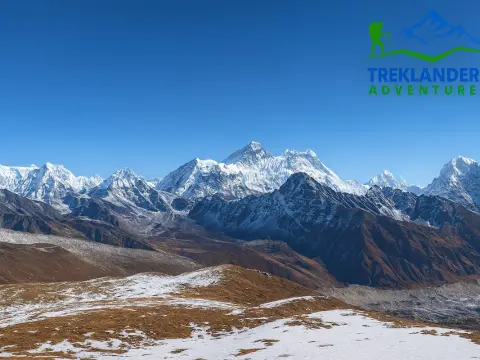
Mardi Himal is one of the few trekking routes in Nepal where Machhapuchhre stands extremely close and unobstructed. The peak’s sharp pyramid shape looks almost within reach, especially from High Camp and the Viewpoint, making it one of the most iconic features of this trek.
The highest viewpoint of the trek offers a breathtaking sunrise panorama. Annapurna South, Hiunchuli, and Mardi Himal rise magnificently ahead, bathed in the golden morning light. This spot is the most photographed point of the journey.
The lower section of the trail passes through dense rhododendron and oak forests. During spring (March–May), these forests bloom in vibrant red and pink flowers, turning the trail into a natural flower tunnel, enchanting, fragrant, and dreamlike.
Badal Danda truly lives up to its name. Clouds often float below the ridge, creating a dramatic ocean-of-clouds effect where mountains appear like islands above the sky. This heavenly scene is a surreal highlight for trekkers.
From Low Camp onward, the trail leaves the forest and opens into wide grassy alpine ridges. Mountains accompany you constantly, and every step offers broader vistas. Trekking along this ridge is visually exciting and energizing.
Sunset at High Camp is magical. Snow peaks glow golden, then slowly shift to pink and purple as daylight fades. For many trekkers, this peaceful moment becomes the most memorable time of the trek.
During the descent, the trail leads to Siding, a traditional Gurung village. Stone houses, terraced farmlands, and warm smiles from locals create an authentic cultural experience that adds depth to the adventure.
Mardi Himal is shorter than most classic Himalayan treks, yet it delivers grand mountain scenery in just a few days. Perfect for travelers who want a high-altitude experience without a long duration.
The forest zone is home to Himalayan Monals, pheasants, Langur monkeys, and occasionally deer. Dawn and dusk are the best times for sightings, when wildlife is most active.
Unlike the busy Annapurna Base Camp or Everest routes, Mardi Himal remains peaceful and less crowded. Trekkers walk in natural silence with uninterrupted mountain views, a rare luxury in popular trekking regions.

Spring (March to May) and Autumn (September to November) are the best times to trek to Mardi Himal. These two seasons offer the clearest skies, the most stable weather, the most comfortable temperatures, and the most spectacular mountain views. In spring, you can enjoy walking among the blossoming rhododendron forests that create a bright red and pink trail. The temperature is still moderate, warm during the day and cool at night, which is perfect for hiking. Annapurna South, Hiunchuli, and Machhapuchhre look very clear and big in the bright spring sky, and morning sunrises are more than satisfying.
Autumn is, however, regarded as the peak season for Mardi Himal. After the monsoon rains, which wash away dust and haze, the mountains become sharper and clearer. The weather is dry with very little rainfall, and the sky is often a brilliant blue for several days. It is the perfect time for photography, long-range visibility, and a smooth trekking experience. The mornings are cool, the days are warm, and the nights are quite cold, but can be taken care of with the right clothing layers. Trekkers who come in this season are the most fortunate of seeing the most stable weather patterns and endless panoramic views of the Annapurna range.
Winter (December to February) can still be a trekking time, but one has to be ready for lower temperatures and even some snow at High Camp. The environment is really nice, with fresh air and snow covered peaks, but it can be very cold at night, and the trail to the viewpoint might be icy. So, it is a good idea only for hikers who are used to winter conditions.
Monsoon (June to August) is the worst period of the year due to heavy rains, slippery trails, leeches, and limited view of the mountains, although the forest gets very green and atmospheric for those who are into green landscapes and getting away from the crowd of peddlers.
To sum up, if you are seeking the perfect mix of views, comfort, and a nice trekking experience, spring and autumn are the most beautiful seasons to hike Mardi Himal.
The Mardi Himal Trek is a path that goes deep into the nature, the culture, and the peace of the Himalayas in a very unique way. It is one of the few treks that make you feel that Machhapuchhre (Fishtail) is so close that it looks like it is made of the sky just for you.
The view from Mardi Himal Viewpoint is really spectacular: mountain tops lit up by the early sun, clouds floating far beneath, and the Annapurna range lying there like a giant painting. For a lot of trekkers, this is an experience that they can never forget.
The trail is calm and reviving. Instead of meeting people, you walk through silent rhododendron forests, green hills, and open alpine areas with fresh mountain air.
To be at Badal Danda or High Camp over the clouds is an unreal feeling, a place where the quietness is lovely, and the mountains are your only friends. Mardi Himal, unlike a long and tough expedition, offers you a high-altitude adventure in only a few days. It is great for travelers who have a bit of time and still want to experience the Himalayas.
The cultural aspect was another stunning part of the journey. For example, the village of Siding shows the cheerful, peaceful life of the local Gurung people, stone houses, traditional farming, the smiles of people, and the hospitality that is typical of the area. It makes you think that the Himalayas are not only the mountains but also the people living there, who, by the way, are very proud of them.
Mardi Himal is not merely a trek; it is an emotion. It is the first ray of sun turning the mountains into gold, the fluttering of prayer flags in the chilly wind of the morning, the tea shared amongst the people sitting around the fire at High Camp, and the exhilaration of being above the clouds and seeing the world under your feet. Anybody who wants a short, scenic, tranquil, and stunning Himalayan trip should definitely consider Mardi Himal as their destination.
The Mardi Himal Trek is an ideal Himalaya expedition for those who want to see spectacular mountain views in a brief and easy trek. The trek offers you the chance to experience nature in all her glory, from rhododendron forests to the ridge of high mountains, from hills covered by clouds to sunrays touching Machhapuchhre. The silence of the trails, meeting the culture in Siding Village, and the nights under the stars, make this trek not only a feast for the eyes but also for the heart.
Simple, beautiful, less crowded, and highly satisfying, Mardi Himal is really like a place where nature talks to you directly.
The 5-day Langtang Valley Trek is a top short trek in Nepal, offering beautiful scenery, rich culture, and peaceful landscapes.
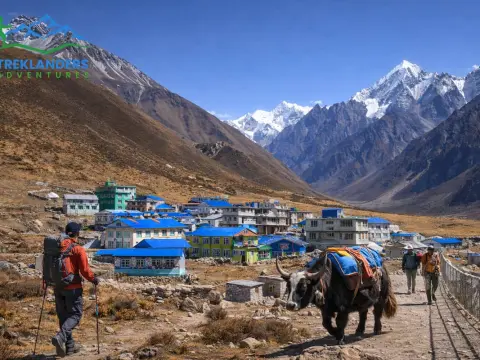
The Langtang Valley Trek hides rich culture, sacred mountains, and untouched landscapes that most trekkers overlook.
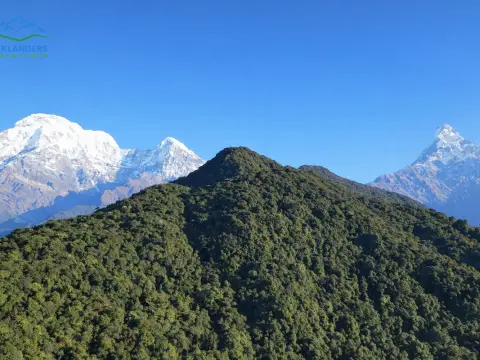
A quick guide comparing Langtang Valley vs Mardi Himal Trek to help you choose the right Himalayan adventure.



