Langtang Valley Trek: Why It’s Nepal’s Best Short Himalayan Trek Near Kathmandu
11 Apr 2026
Explore the Langtang Valley Trek—Nepal’s best short Himalayan trek with stunning views, rich culture, and fewer crowds near Kathmandu.

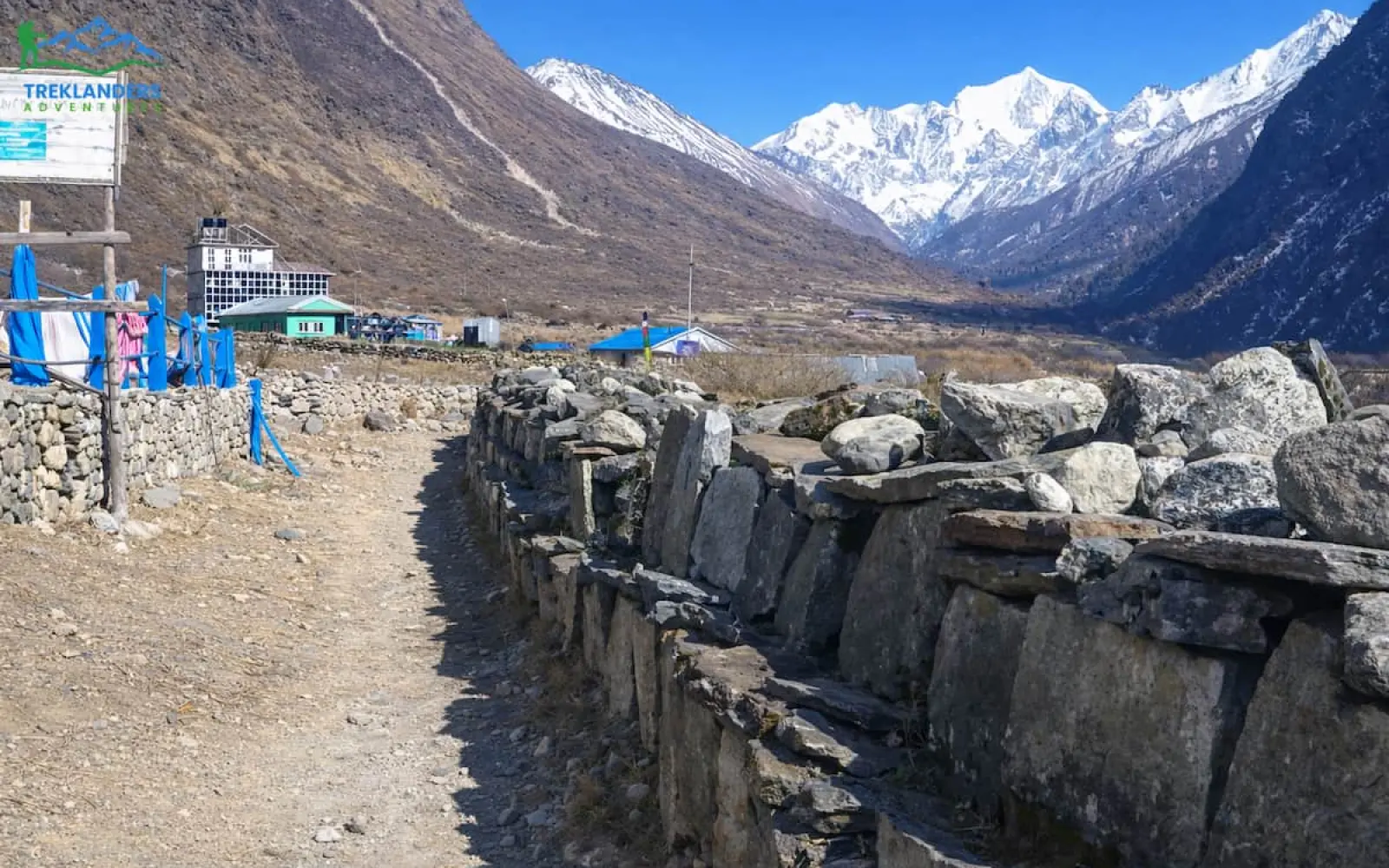
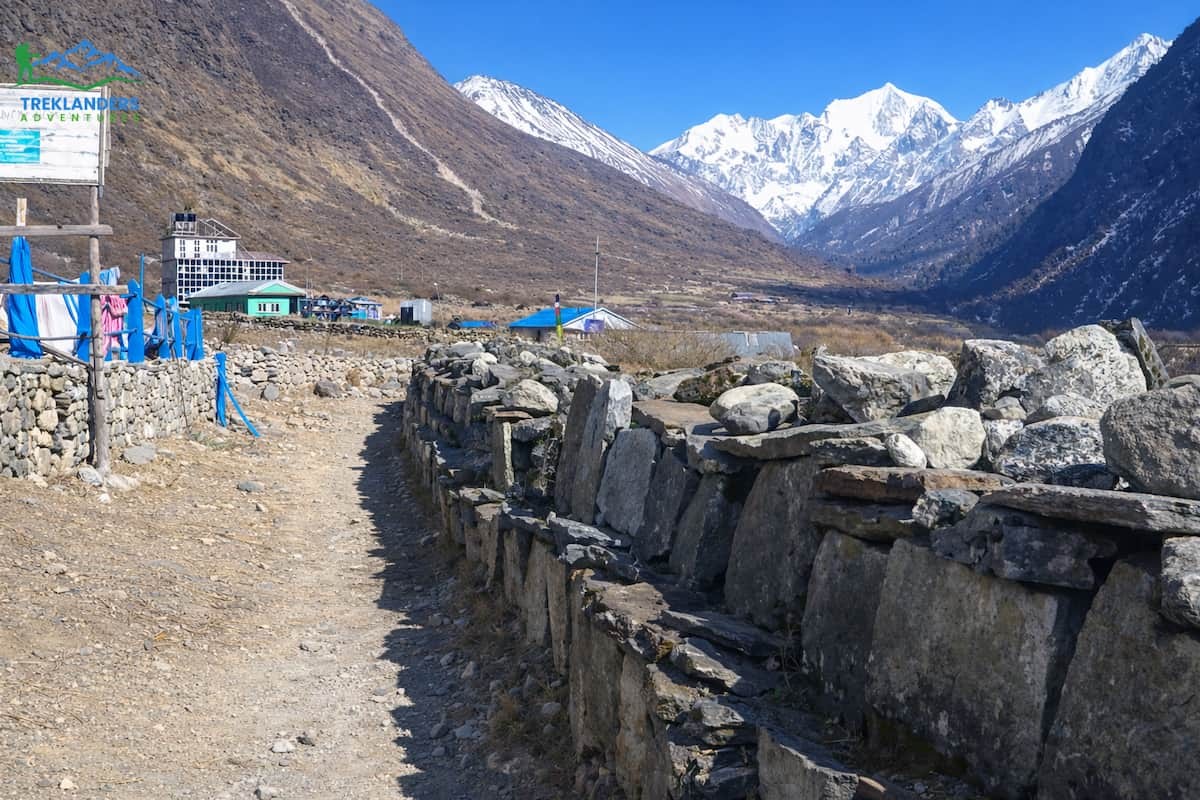
Mundu Village, a quiet hamlet nestled along the famous Langtang Valley trails, is undoubtedly one of Nepal's best-kept trekking secrets. While most trekkers and adventurers primarily focus on well-known places such as Kyanjin Gompa and Lama Hotel, Mundu presents an entirely different and serene beauty where one can experience the authentic and unspoiled Himalayan nature and the genuine culture of the Tamang ethnic group. Thus, Mundu village is the ultimate secret treasure for those who want to have a life-touch trekking experience in a small and quiet community.
The village is about 3,543 meters above sea level and is only a few minutes' walk from Kyanjin Gompa. However, the difference in ambiance could not be greater. Surrounded by towering mountain peaks, some of which are glaciated, and flanked by glacial rivers and vast alpine landscapes, this village offers magnificent panoramic views of the snow-covered Himalayan range. Besides the distinctiveness and charm of the locals, it is the peaceful and quiet nature of this place that sets it apart from the other overcrowded spots in the trekking hubs.
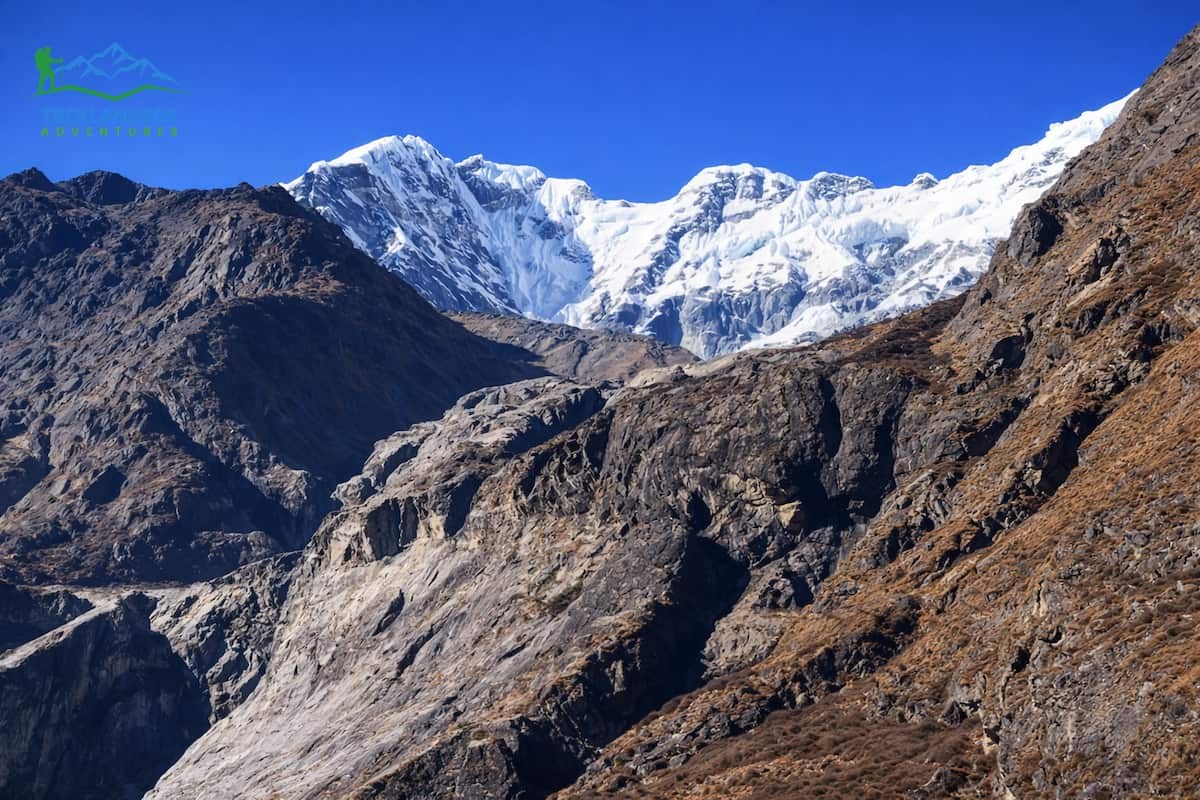
The Langtang Valley Trek, known by some as the "Valley of Glaciers," is among the most spectacular and rewarding short treks in Nepal. After starting the journey from Syabrubesi, the trail offers sights of thick rhododendron forests, beautiful Tamang houses, and yak grazing lands at high altitude in the beginning section of the trail, and this is all before you finally arrive at the upper valley. Mundu Village is just what you need for a stopover or even an acclimatization day if you want to get in shape for the rest of the journey to Kyanjin Gompa and the adjacent high-altitude scenic viewpoints.
What really differentiates Mundu from the other destinations is its genuineness. The village mirrors the indomitable spirit of the local Tamang community, whose customs, stone houses, and friendly nature make for a very intimate trekking experience. Tourists have the opportunity to enjoy traditional meals, observe locals at work in mountain farming, and experience a lifestyle that is vastly different from the commercialized one.
If you have in your mind a Langtang Valley Trek in Nepal, then you should consider Mundu Village as the point of a great combination of ease, beauty, and cultural richness. If you are looking for a non-festival crowd in the Himalayan routes, then a visit to Mundu may be what you need to make your Langtang trip unforgettable.
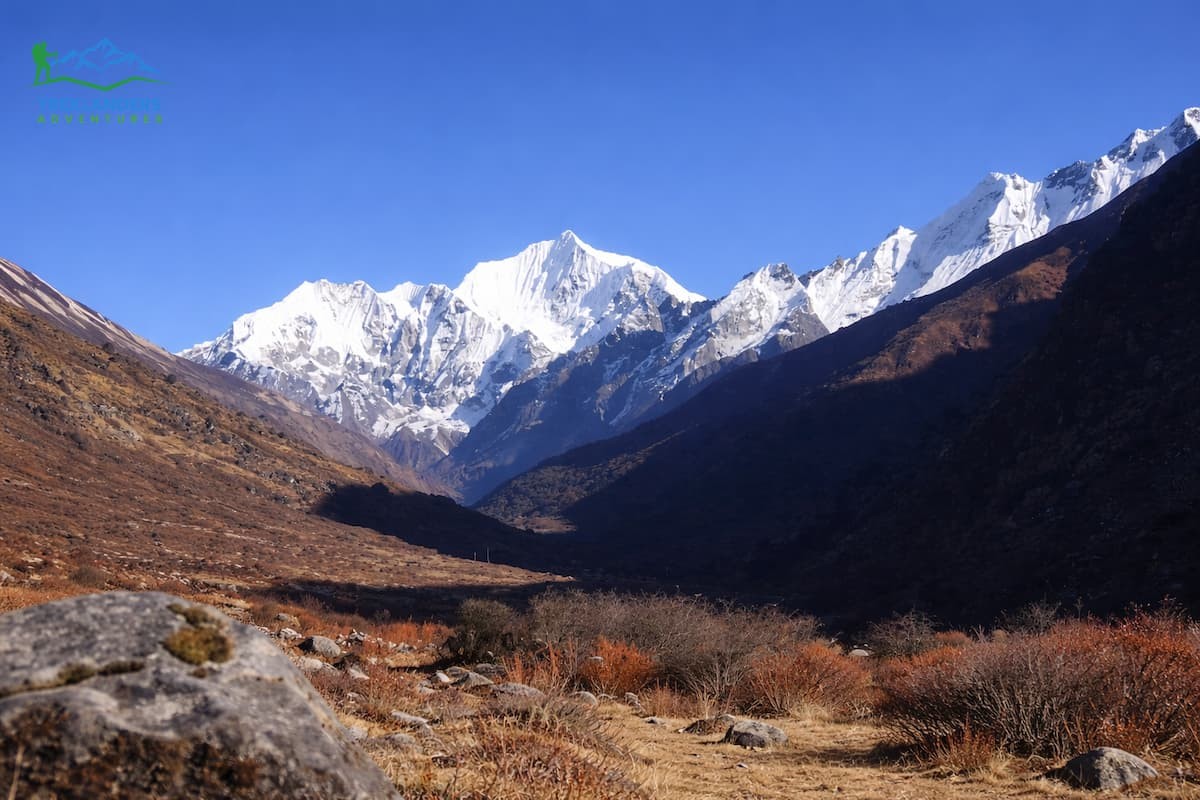
Mundu Village is situated in the upper section of the Langtang Valley in northern Nepal, close to the border of Tibet. At an altitude of 3,543 meters above sea level, it is among the highest permanent settlements along the Langtang Valley Trek. The village is located a little before the last trekking stop at Kyanjin Gompa.
The path between Mundu and Kyanjin Gompa is around 1 to 1.5 kilometers. Trekkers who are in good shape can cover the ground between the two villages in 20 to 30 minutes. Due to this short distance, a lot of visitors go straight to Kyanjin. Nevertheless, Mundu is a bit away from the main center, so it has a quieter and more laid-back vibe.

Mundu falls under the Rasuwa District and is part of Langtang National Park. The valley is formed in a west-to-east direction, and the Langtang River runs right down the middle. Mundu is located on exposed alpine land and is surrounded by grazing fields, stone houses, and mountains. You can easily recognize the traditional Tamang style of architecture as you get closer to the village.
The Langtang Valley Trek is a popular trekking route in Nepal that starts from Syabrubesi. The walking trail first goes to Lama Hotel, then to Langtang Village, before reaching Mundu. The hike from Langtang Village to Mundu is roughly three to four hours. The trail takes a gentle incline through beautiful, wide-open areas. Forests become less dense and the landscape more rugged and attractive as you go higher.
In most trekking maps of the Langtang region, Mundu is shown just before Kyanjin Gompa at the end of the main valley trail. Its location makes it a convenient overnight stop and a good altitude adjustment point. From Mundu, it is very easy for trekkers to go on to Kyanjin Gompa or to climb up to local viewpoints for breathtaking Himalayan views.
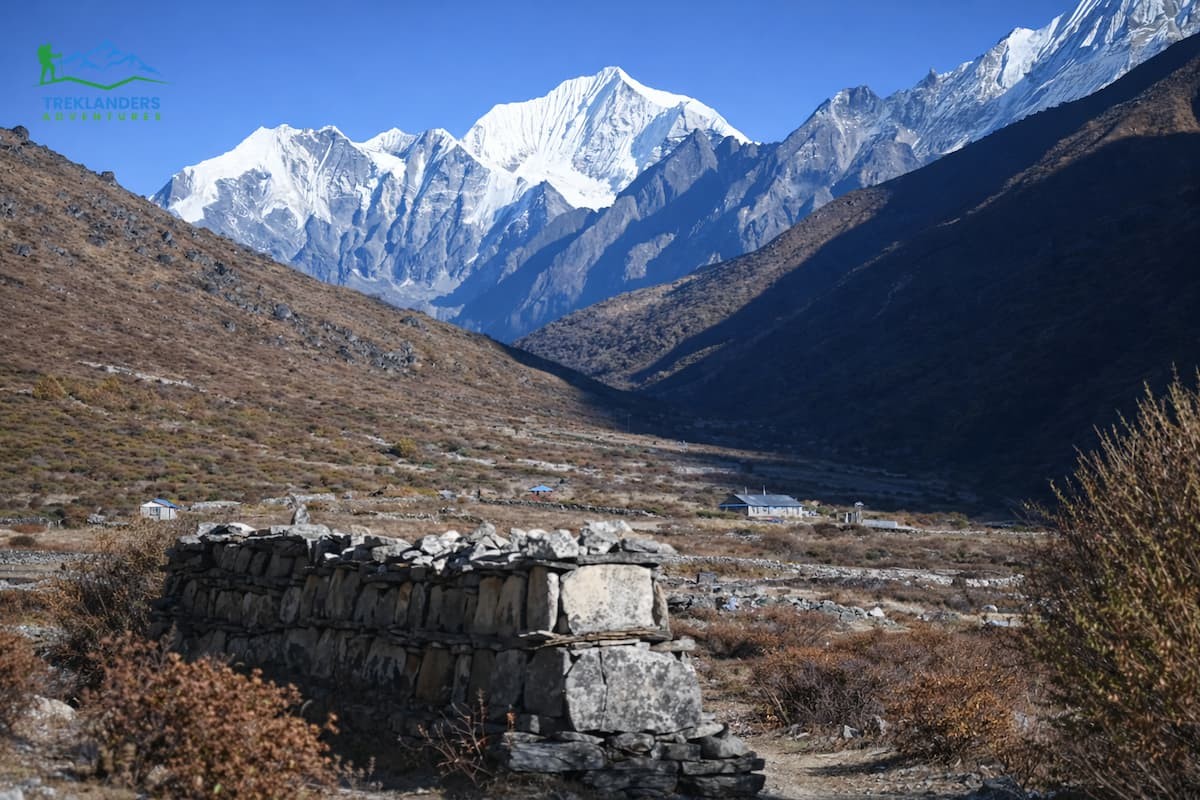
Mundu Village is definitely one of the most silent and hidden gems on the Langtang Valley Trek. Although the majority of trekkers only schedule a stay at Kyanjin Gompa, quite a few forget about Mundu, even though it is only a few minutes away on foot. It's not a big deal in terms of distance, but this difference in experience is huge.
The main reason why Mundu is so charming is that the number of visitors is much lower. Kyanjin Gompa draws big groups as it is the last stop of the trek and also the base for hikes to Kyanjin RI and Tserko RI. Therefore, the lodges there get fully booked during the high season. On the other hand, Mundu remains a place with fewer people and more calm. You can come across a hotel without any trouble, have a less crowded restaurant experience, and enjoy your rest without the trekking groups making a lot of noise.
Being surrounded by nature alone has a very positive effect on the trip. Your body is already exposed to the altitude stress of 3,543 meters. Also, getting a quiet place to relax will definitely improve your recovery. Instead of the busy trails, at Mundu you get to hear only the mountain views, the sound of the yaks, and the fresh air of the alpine. The slow pace makes you get used to the elevation in a natural way before going up farther. If you are the kind of person who needs silence and space on the trek, then you'll get them both at Mundu.
Mundu also offers a more authentic Himalayan atmosphere. The village features traditional stone houses, prayer flags, and open grazing fields. Local Tamang families live and work here year-round. You see daily mountain life up close, from farming activities to livestock care. Tea houses feel family-run and personal. Conversations with locals happen more easily when the environment is not crowded.
Because Mundu sits within Langtang National Park, the natural surroundings remain raw and untouched. Snow peaks rise directly above the valley floor, and the open landscape creates clear panoramic views. The setting feels remote yet accessible.
Choosing Mundu instead of busier stops does not change your trekking route. It simply changes the quality of your experience. If you want fewer crowds, deeper cultural interaction, and a calm base in the upper Langtang Valley, Mundu Village delivers exactly that.
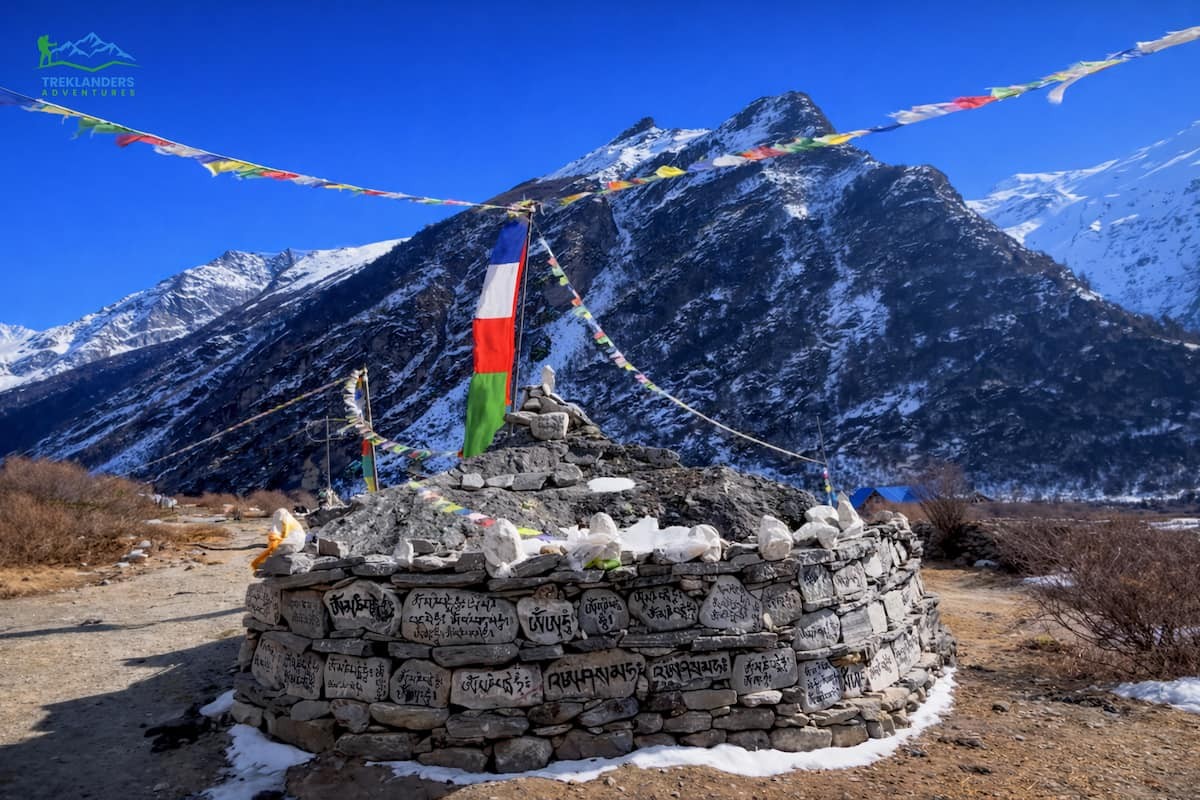
Mundu Village has more to offer than just mountain views. It is the place where you can experience the Tamang culture of the upper Langtang Valley directly. The Tamangs were the first inhabitants in this area and have been living here ever since. Their culture, language, and way of life are still very much alive despite the changes brought by trekking tourism.
Life in Mundu is according to an unspoiled mountain rhythm. Farming, animal husbandry, and a little bit of tourism are the main sources of income for the majority of the residents. You will spot yaks and dzopkyos feeding in the meadows. The traditional stone houses with flat-style roofs stand along the village streets. Firewood piles are arranged by the doors, ready for the cold season, that is, winter. Different local dishes like dal bhat, Tibetan bread, and potato side dishes are cooked in the kitchens of tea houses. The foundation of everyday manners lies in diligence, neighborliness, and love for nature.
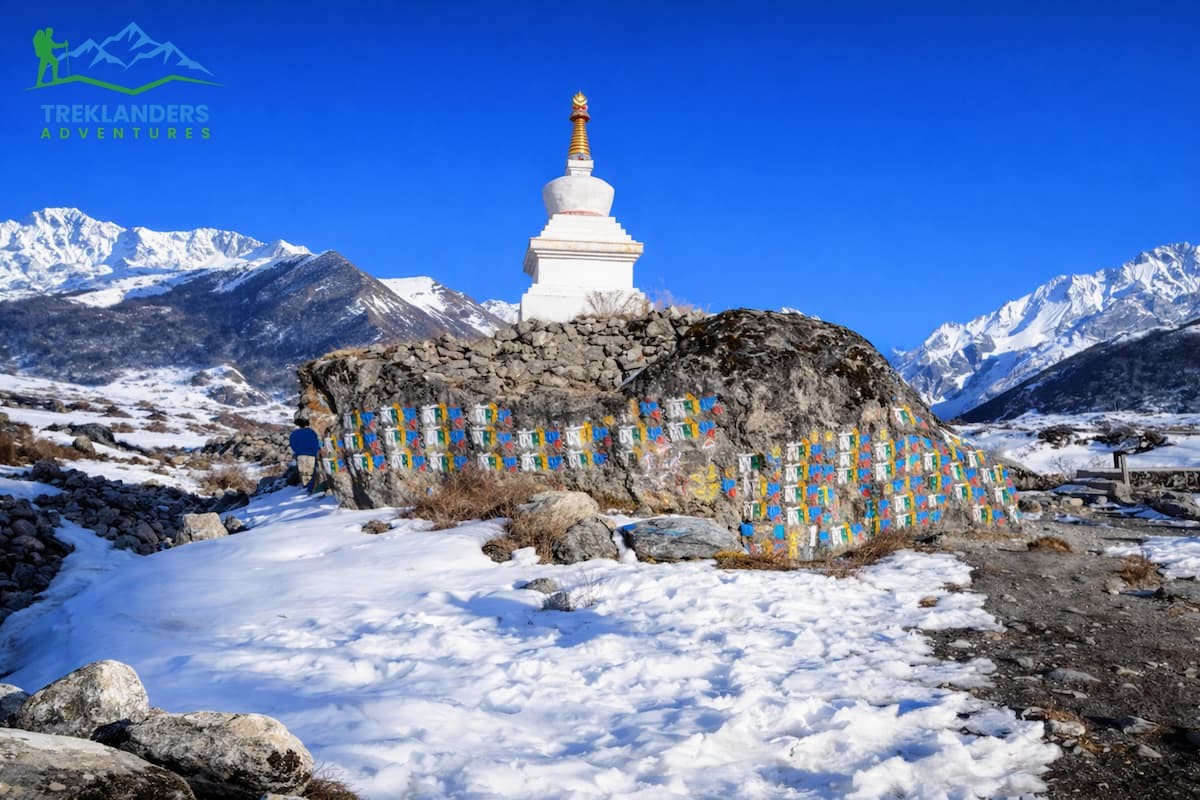
Faith is the care that holds the Tamang cultural fabric together. While strolling through Mundu, you can observe prayer flags tied from one rooftop to another or along the trails. Mani walls made of carved stones are decorated with Buddhist mantras. Passersby spin the prayer wheels in order to be in line with the tradition of the locals. Small temples close to the village are used not only as places of worship but also as meeting points. The big monastery in Kyanjin Gompa is just a few minutes away on foot, and a good number of the locals come there on a regular basis for religious rites and cultural celebrations.
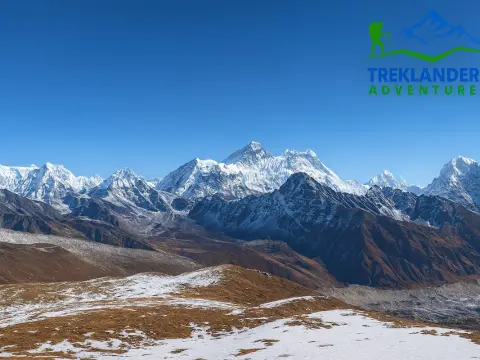
The biggest challenge of the region was the 2015 earthquake. Most of the Langtang Valley was extensively damaged. The earthquake caused the collapse of houses and the death of several people. Mundu and the neighboring villages had to start everything over again. The rebuilding took a couple of years, and both local and international support were indispensable.
Now, the rebuilt stone lodges and houses are the symbols of people's courage and strength. Family members came back, tea houses were opened, and trekking trails were restored. The rebuilding work helped to improve the neighborhoods' relationships. Tourists who stay in the guesthouses of Mundu directly benefit the local families and their livelihoods.
While in Mundu, you just don't finish a Langtang trekking itinerary. You observe a culture that is very much alive, which keeps on changing even as it holds on to its identity. The Tamang culture that tells itself through edifices, spirituality, and work routines certainly enriches your Langtang experience and brings more meaning to your walk.
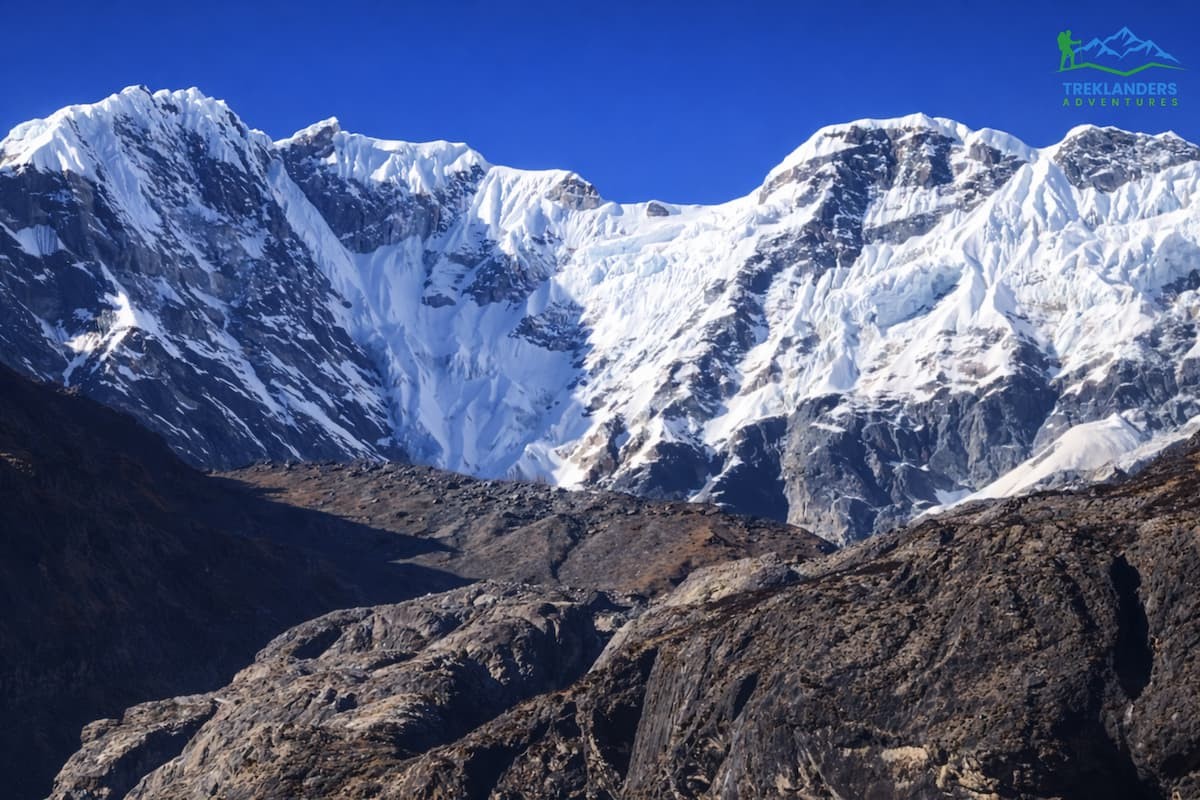
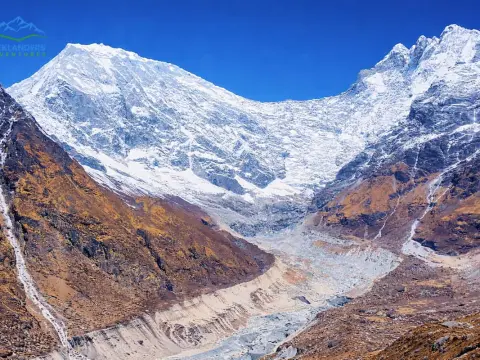
Mundu Village is located in arguably the most beautiful stretch of the Langtang Valley. At a height of 3,543 meters, the view is simply breathtaking. The valley floor slowly loses the trees as it stretches out into broad alpine terrain that is surrounded by snow-capped mountains. No matter which way you look, you are only met by the raw and expansive natural beauty with little architecture and a lot more space as compared to other crowded trekking spots.
Out of several other features, one of the major ones is the gorgeous view of Langtang Lirung, which happens to be the tallest peak of the area at 7,227 meters. The gigantic face of the mountain is clearly visible from Mundu as it towers above the valley. On mornings without a cloud in the sky, it basks in the sunlight of dawn, and contrasts of white snow and dark rock become very obvious. The farther location of Mundu from the main cluster of lodges in Kyanjin means that the scenery is very rarely obstructed by other buildings.
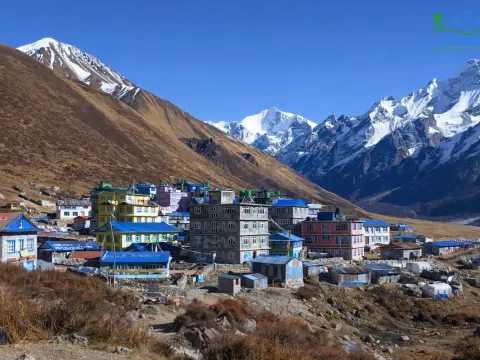
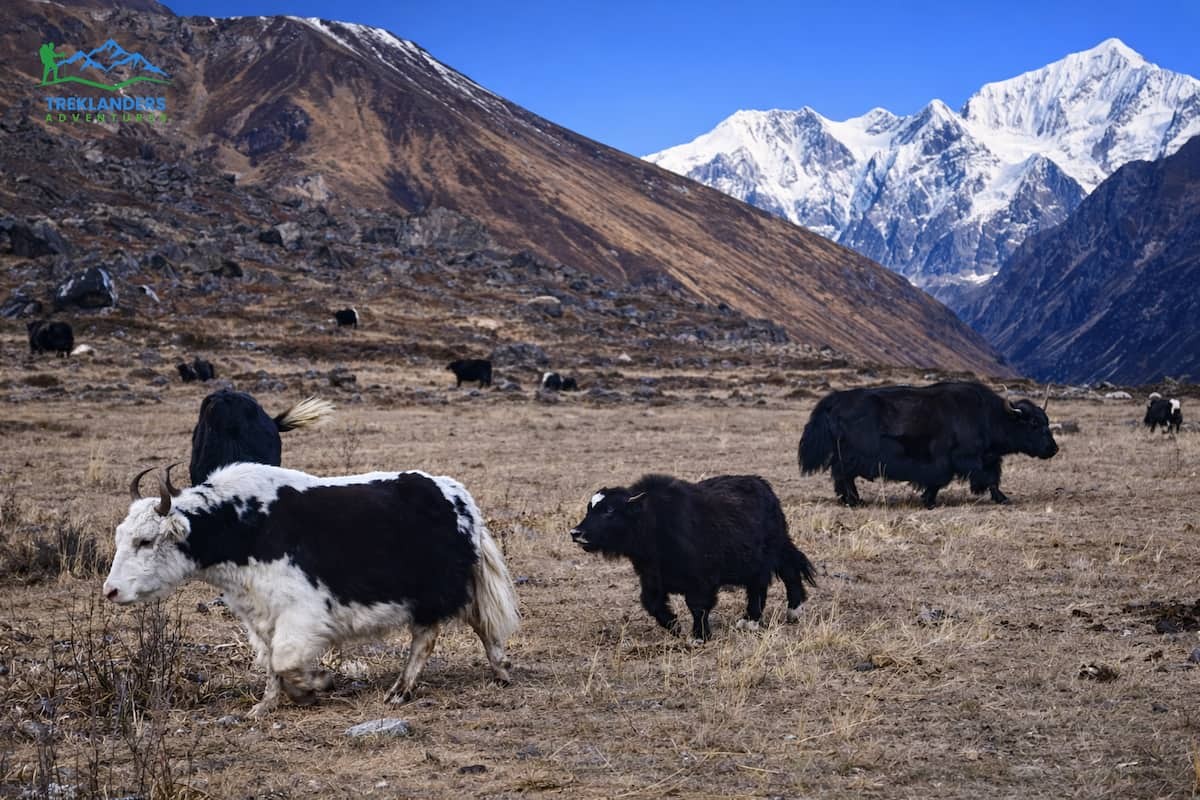
The surroundings of the settlement are characterized by vast yak pastures as well as alpine meadows. Grazing yaks will be your constant companions as you look at them spread over green and golden fields, depending on which season it is. During spring and early summer, wildflowers of various colors decorate the meadows. Grass turns golden, dry, and crisp in autumn under the blue skies. The large open areas not only give you a great sense of freedom but also the opportunity to enjoy spectacular and uninterrupted mountain views.
Sunrise and sunset are some of the ideal times for taking photos. Early light in the morning gently falls on the valley floor before it reaches the higher peaks. The sky changes from pale blue to warm shades, and the snow on Langtang Lirung seems to light up. In the evening, the mountains get their shades of pink and orange as the sun sets behind the ridges. The light changes fast, so having your camera ready enables you to get the best shots.
You do not need to walk a lot to find great viewpoints. Even brief walks outside the village show the wide angles of the surrounding peaks and the valley. Since Mundu is less busy than nearby stops, you often take pictures of these scenes without people in the foreground.
The picturesque surroundings of Mundu Village are a mixture of sheer mountains, vast meadows, and varying light conditions. The place looks natural and untouched, which makes it one of the most beautiful spots on the Langtang Valley Trek.
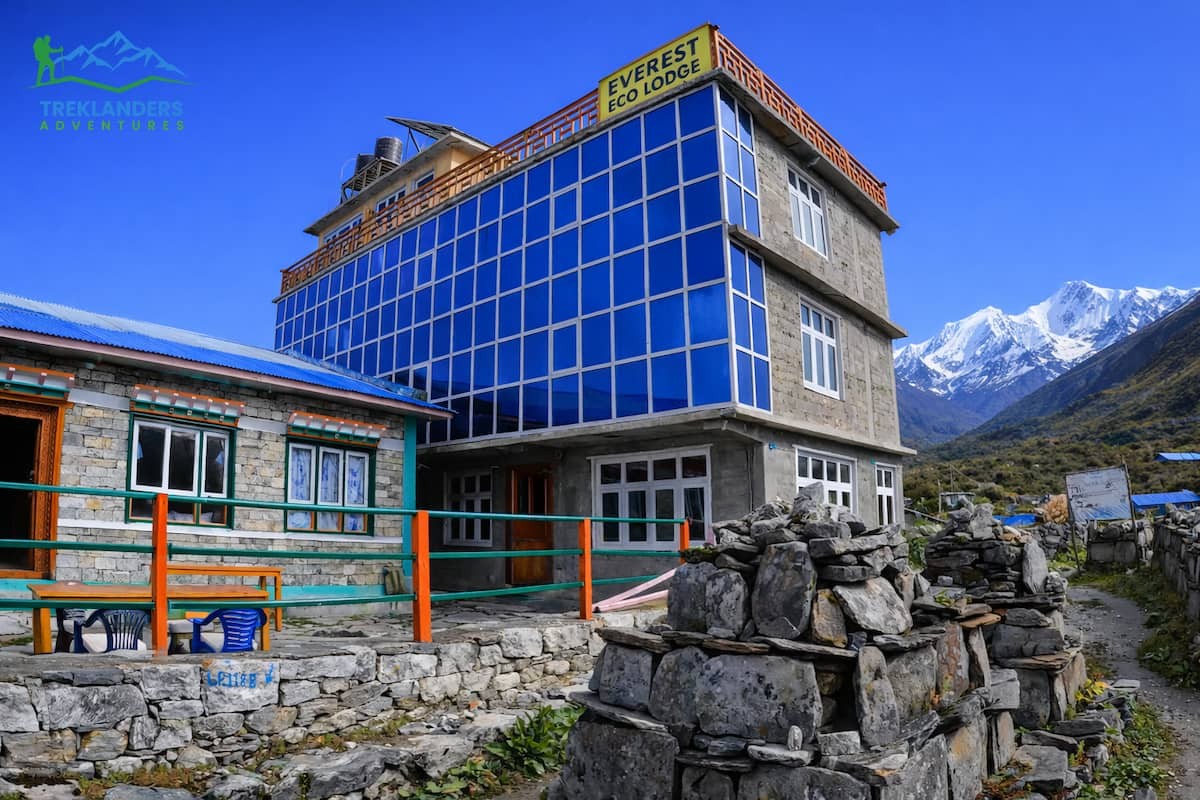
Mundu Village provides simple and homely accommodation to the trekkers passing through the Langtang Valley. It is a smaller and quieter village than Kyanjin Gompa, but you will still find several friendly tea houses there, which offer the basic services required at high altitude.
Most of the lodges in Mundu are local family-run tea houses made of stone and wood. The rooms are very basic and typically come with two single beds, mattresses, pillows, and blankets. It is not common to have heating inside bedrooms, so the nights can be quite chilly, especially in autumn and winter. The dining halls usually have a central stove where wood or yak dung is burnt to keep the area warm during the evenings. The bathrooms are simple, and depending on the lodge, you may have to share Western-style toilets or use squat toilets.
The food offerings in Mundu are much the same as at other places along the Langtang trail. Dal bhat is the most popular meal and consists of rice, lentil soup, vegetables, and occasionally pickle. It is very satisfying, and you are allowed free refills quite often, so it is an ideal choice after a long day of trekking. Other favorite dishes are fried rice, noodles, pasta, pancakes, porridge, Tibetan bread, and vegetable soups. Eggs, potatoes, and seasonal vegetables are regular features on menus. A few tea houses even offer yak cheese that is locally sourced from the upper valley.

Hot beverages are essential at this altitude. You can get black tea, milk tea, ginger tea, coffee, or hot lemon. Hydration is one of the key elements for a successful acclimatization; therefore, the majority of the trekkers drink several cups during the day.
When you go higher in the valley, your cost expectations will increase because supplies can only be carried by porters or animals. A basic room in Mundu covers the range of 5-10 USD per night, and it is even cheaper if you have your meals at the same lodge. Meals are typically 6-10 USD, depending on the item chosen. Hot shower and charging of devices may be charged extra.
Accommodation in Mundu is more about practicality than luxury. You get a clean bed, wholesome meals, and the hospitable mountain atmosphere. For the majority of the trekkers, that is just what they require at 3,543 meters.
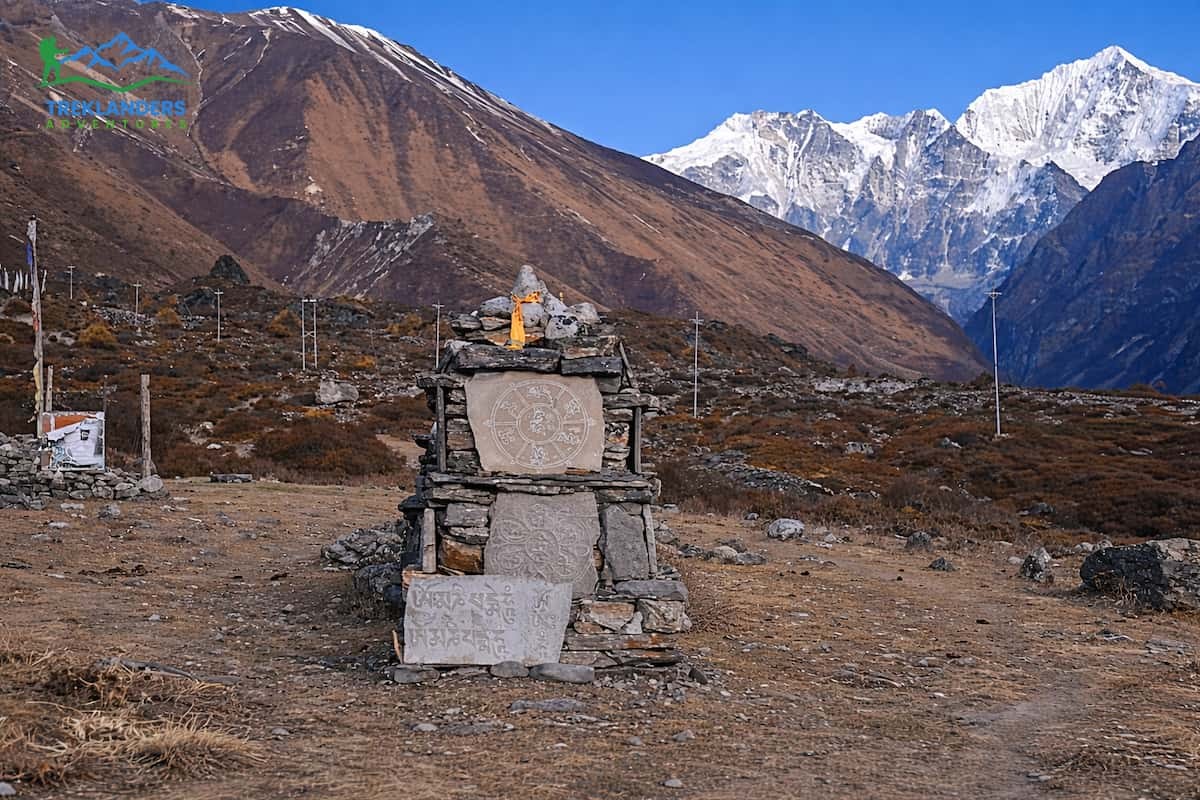
Mundu Village was traditionally a tiny settlement located in the upper Langtang Valley, where a few Tamang families lived by subsistence farming, animal husbandry, and trekking tourism during the dry seasons. For many generations, life went on in the mountain quietly according to the ups and downs of the weather, the altitude, and the supportive neighborhood. The village was mainly characterized by typical stone houses, narrow lanes, and the prayer walls along the way.
In April 2015, a huge earthquake hit Nepal and flipped the situation upside down. The calamity left a profound effect on the Langtang Valley. The villages along the whole valley were levelled. Apart from Langtang Village, where the devastation was partly due to avalanches and landslides resulting in a huge loss of human life and destruction of property, the case of Mundu was also quite serious. The housing structures collapsed, lodges got damaged, people lost their belongings, and their sources of livelihood.
Tourism came to a halt almost the moment the earthquake happened. The Langtang Valley Trek that had previously been counted among the most attractive short treks in Nepal saw hardly any visitors during the next few months. As one of the sources of the local economy through trekkers lodging in tea houses during langtang Valley Trek, such a scenario resulted in tourism income loss to the locals. Initially, a lot of people had to do without the thing they considered most important to them, as they had to rebuild their homes and be assured of their security.
Reconstruction was not a flash in the pan. The villagers came together to clear the debris, rebuild their homes, and fix the trails. They were supported by international aid organizations and local groups, both with the provision of materials and the offer of technical guidance. To improve safety, the new buildings followed stricter construction standards. The old walls that were made of weak material were replaced with stone and concrete structures. As the lodges were conditionally reopened, the overall state gradually improved.
The trekking infrastructure was also improved as a result of the rebuilding. The trails were repaired and better marked. Some bridges were strengthened. Tea houses improved their dining areas and sanitation facilities. Besides, the rebuilding period was a renovation phase, which gave the owners the opportunity to design the rooms to meet the present-day trekking needs and still keep the traditional style.
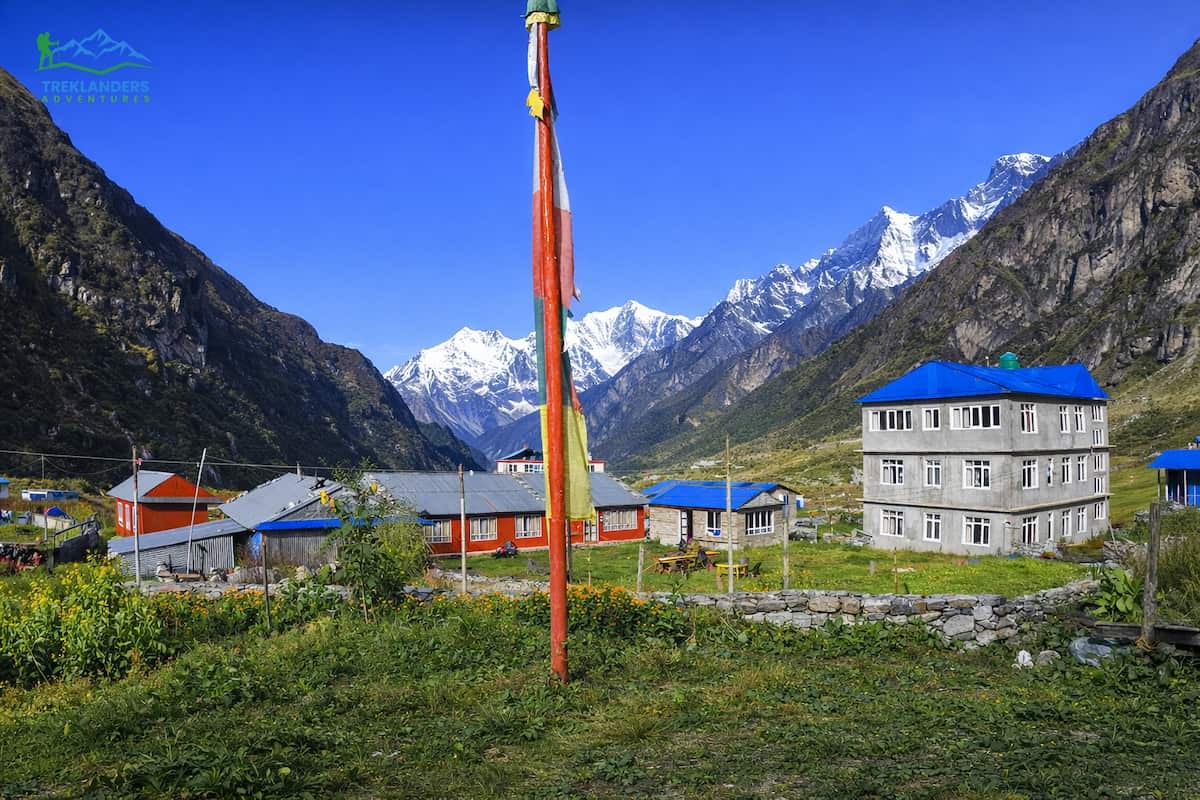
Now, Mundu is a testimony to resilience. The village is unrecognizable from the one before 2015, but its cultural identity is preserved. Families once again open their doors to the trekkers, offering those delicious meals and warm hospitality as if they were their own. There has been a resurgence in the popularity of the Langtang Valley Trek. Visitors today are walking through a region that has been recreated through the determination and cooperation of the locals.
By staying at Mundu, you are backing a community that came back strong through collective effort. The newly-built lodges and the well-maintained trails are a testament to both the fortitude and hope in the high Himalayas.
Choosing the right season will help you get the most out of your trip at Mundu Village and the entire Langtang Valley. The weather greatly influences visibility, trail surface, and general comfort at 3,543 meters.
Spring is between March and May. Temperatures start to rise after the cold winter months during this period. At lower elevations, days feel pleasantly warm and cool, but quite comfortable in Mundu. Morning is usually clear with abundant sunshine, which results in magnificent views of Langtang Lirung and the surrounding peaks. When you walk higher, you will see rhododendrons flowering in the forest areas of the valley's lower parts. By the time the hikers reach Mundu, the scenery turns to alpine meadows with fresh greenery. During spring, trekking traffic is moderate, so the tea houses are fully functional, but the paths hardly ever feel crowded.
Autumn is the period between September and November and is the most popular season to do the Langtang Valley trek. The monsoon rain washes away the dust from the sky, resulting in very clear mountain visibility. The sky becomes mostly cloudless, and rain is almost non-existent. Temperatures during the day remain quite nice for walking, and at night, it gets cold, but if you have appropriate clothing, it is comfortable. Autumn is the best season for photography around Mundu as it offers the clearest views of the snow-covered peaks and the vast blue sky. In the case of busy stops like Kyanjin Gompa, it is advisable to book the rooms well in advance; however, Mundu usually remains less crowded even though this is a peak season.
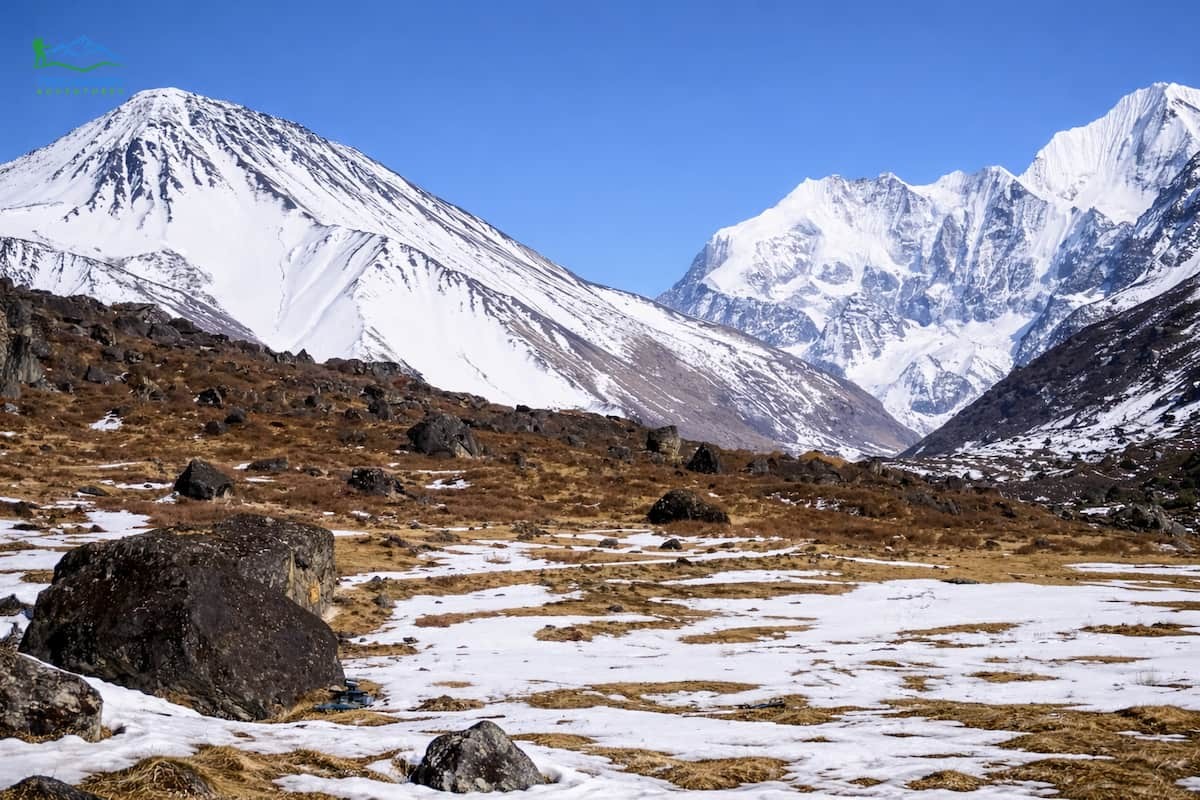
However, the experience in winter, from December to February, is quite different. It gets very cold at night, especially. Snow on the ground can hide the paths and make the hikes at higher elevations more challenging. A few tea houses might be closed because there are not so many trekkers. On the other hand, winter gives you very quiet trails and stunning scenery covered in snow. You must have the right cold-weather clothing and be ready to change your plans if the weather changes, and you should also be good with that if you decide to pick this season.
Spring and autumn are the right seasons for the perfect combination of blue skies, pleasant weather, and open lodges. Winter is for very experienced hikers who are very careful and prepared for the cold weather.
Reaching Mundu Village requires that you first travel to Syabrubesi, the main launching point of the Langtang Valley trek. Syabrubesi is a tiny town in Rasuwa District, located about 7 to 9 hours by road from Kathmandu, depending on the condition of the roads. While most trekkers take a local bus to get there, some rent a jeep.
The trek properly starts from Syabrubesi. The route follows the Langtang River and slowly ascends through the forest and small villages. Generally, on the first day, the trekkers walk to Lama Hotel, which takes around 5 to 6 hours. The following day is a continuous uphill walk to Langtang Village, another 6 to 7 hours of trekking.
After Langtang Village, Mundu is barely 1 to 2 hours away. The path becomes less narrow, and you can see more of the countryside as you walk uphill. In general, the whole journey from Syabrubesi to Mundu takes 3 days when walking at a normal speed. Some trekkers change the timetable according to their level of fitness and the need for acclimatization.
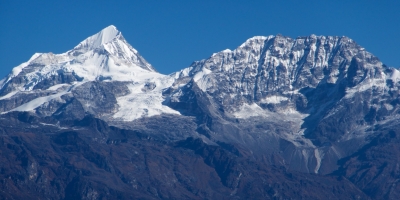
Mundu is located just before Kyanjin Gompa, which is another 20 to 30 minutes along the path. Most people go straight to Kyanjin, but taking a break in Mundu offers you a tranquil environment to rest before you move to high-altitude hikes.
Before doing the trek, it is essential to secure all the permits required for the trek. As Langtang is located in the Langtang National Park, you will need a Langtang National Park Entry Permit in addition to a TIMS card (which stands for Trekkers Information Management System). These permits are issued to maintain safety for both the trekkers and the environment.
Both of these permits are available in Kathmandu at the Nepal Tourism Board office or via a trekking agency that is registered. Always have printed versions with you and produce them at trail checkpoints.
Given the right permits, a bit of basic preparation, and keeping a steady pace, hiking to Mundu Village is not only a simple route but also a very rewarding one.
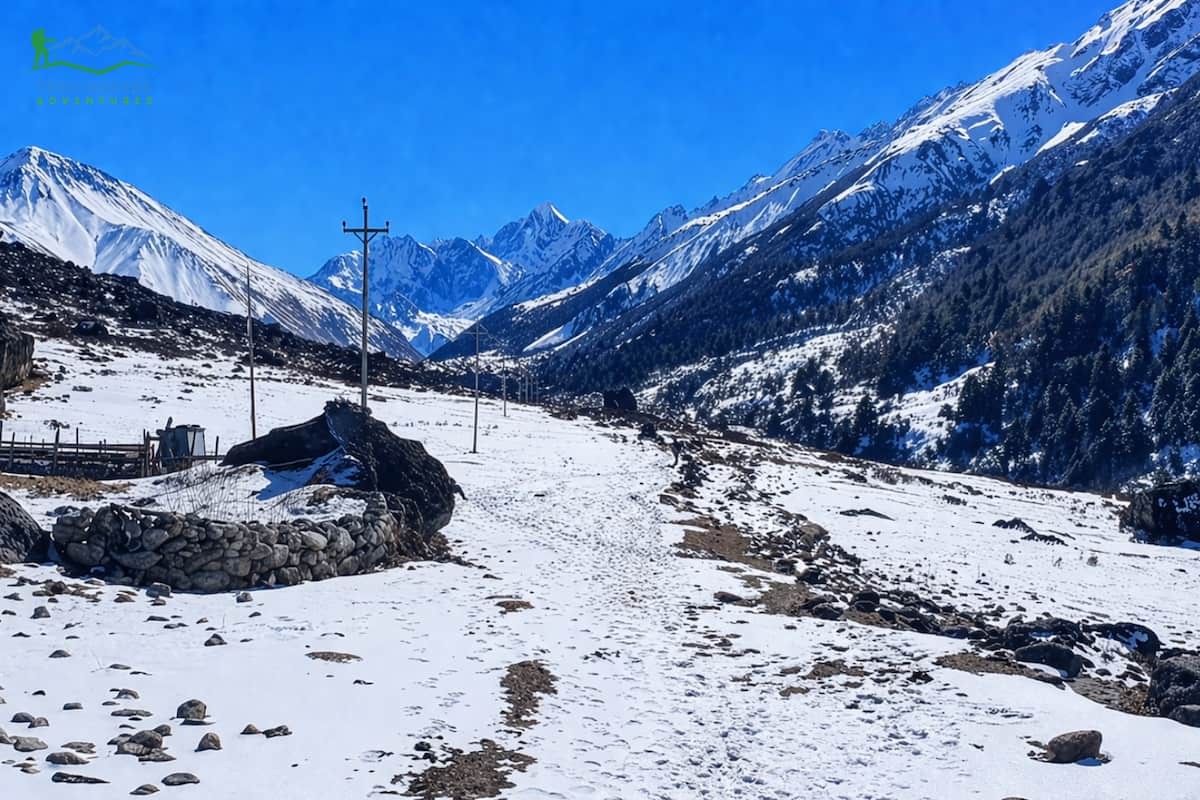
Mundu Village is at a height of 3,543 meters deep in Langtang Valley, Upper. At such an altitude, it is very important to be properly acclimatized. By staying one more night in Mundu, you allow your body to get used to the change in altitude before you go further up. Consequently, you not only cut down the chances of getting altitude sickness but also have more energy for doing side hikes.
One of the best hikes for acclimatization is definitely Kyanjin RI. The trailhead is closest to Kyanjin Gompa, just a short distance on foot from Mundu. There are two viewpoints at Kyanjin RI, a lower and a higher summit. The lower viewpoint is approximately 4,300 m, while the higher point is just about 4,773 m. The climb may be as short as 2 hours or as long as 4 hours, depending on your walking speed. The trail is quite steep, however, very well marked. The summit provides a magnificent view of Langtang Lirung, the snow-capped peaks around, and the whole valley below. Most trekkers go up in the morning when the sky is usually clear.
If you want a longer and more strenuous day, consider Tserko RI. The peak is about 4,984 meters high, and it takes 6 to 8 hours in total to complete the hike. You will need to be in good shape and start early. The trail keeps climbing all the way over the rocky terrain. At the top, you get 360-degree views of the Himalayas that stretch from one end of the region to the other. Since the altitude is very high here, you have to make sure that you have rested enough and are well hydrated before you try Tserko RI.
The glacier viewpoints can be accessed by gentle walks on the level and offer an equally satisfying experience of nature. You can take a walk from the upper valley close to Kyanjin Gompa, going towards the Langtang Glacier area. The ground is gentler compared to the summit hikes. You come across ice formations, rocky moraines, and mountain scenery. These hikes offer great views with moderate exertion.
Choosing Mundu as your main place of stay makes your living quieter, yet it is still very handy for the side trips. You can do a day hike and come back for relaxation at a lower level in the evening. This way of doing things helps one to acclimatize more safely and makes your whole trekking experience in the Langtang region better.
Trekking to Mundu Village in the Langtang Valley requires preparation. The village sits at 3,543 meters, so weather, altitude, and limited facilities shape your experience. Planning well helps you stay safe and comfortable.
Packing smart makes a big difference. Bring layered clothing because temperatures change quickly. Mornings and nights feel cold, while daytime hiking can feel warm under the sun. Pack a warm down jacket, thermal base layers, gloves, a hat, and a waterproof outer shell. Good trekking boots with ankle support help on rocky trails. Carry a refillable water bottle and water purification tablets. Sunscreen, sunglasses, and lip balm protect you from strong UV exposure at high altitude. A basic first aid kit with blister care, pain relief, and personal medication is important. Electricity for charging devices may cost extra, so a power bank is useful.
Altitude sickness prevention should be a priority. Walk at a steady pace and avoid rushing, especially after passing Langtang Village. Drink at least 3 to 4 liters of water daily. Eat regular meals even if your appetite drops. Plan at least one acclimatization day near Kyanjin Gompa or in Mundu before hiking higher. Watch for symptoms such as headache, nausea, dizziness, or unusual fatigue. If symptoms worsen, descend immediately. Ignoring early signs increases risk.
Responsible trekking helps the local community and the environment. Support families who rely on tourism by staying in locally owned tea houses and by having your meals there. Do not use plastic bottles that are intended to be thrown away after only one use. Instead, use refill stations or drink boiled water. Bring your trash with you until you find proper disposal points. Please, show respect to the local culture by dressing modestly and seeking people's permission before taking their photos. Walk in the clockwise direction when going around prayer walls and spin prayer wheels gently, thus following the traditions of the locals.
Mundu is a great place if you would like to experience an authentic and tranquil Himalayan environment. Thorough preparation, careful altitude management, and responsible travel not only help you stay healthy but also protect the delicate mountain environment.
Mundu Village is one of those offbeat gems in the Langtang Valley trek. At 3,543 m, it boasts excellent mountain views, fewer people, and the closest access to the upper valleys' most rewarding hikes. Since it is located just before Kyanjin Gompa, it is both practical and tranquil.
You get more than a view here. You witness the Tamang people's culture in their everyday life, from their stone houses to prayer walls and local monasteries. You lodge in family-run tea houses that were rebuilt after the 2015 earthquake. Your trip helps a community that is dependent on responsible tourism. The scenery near Mundu is full of magnificent, wide alpine meadows, yaks grazing, and stunning views of Langtang Lirung.
Morning and evening sunrays make the valley a great setting for photographs. There are short walks to the glacier viewpoints, whereas the hikes to Kyanjin RI and Tserko RI are longer. You can take the challenge and get a wonderful reward - panoramic views of the Himalayas.
If you decide to hike in spring or autumn, pack well, and give yourself time for acclimatization, Mundu would be a great choice for the upper valley base. It offers you a place to relax, get used to the altitude, and roam without being overwhelmed by heavy trekking traffic.
Opting for Mundu won't alter your path. It elevates your journey. You get to enjoy silent nights, a more profound cultural connection, and an unspoiled view of the mountains. If you are a trekker who cherishes genuineness, peaceful environment, and spectacular nature, Mundu Village is undoubtedly one of the must-see points on the Langtang Valley Trek.
Explore the Langtang Valley Trek—Nepal’s best short Himalayan trek with stunning views, rich culture, and fewer crowds near Kathmandu.
Lobuche (4,940m) is the last major stop before Everest Base Camp, with glacier views, high altitude, and essential tips before reaching Gorak Shep.
Crossing Larkya La Pass (5,106m)? Discover difficulty, best time, and key tips for the Manaslu Circuit trek.



