Langtang Valley Trekking: Everything You Need to Know Before Your Adventure
16 Feb 2024
A simple, clear snapshot of the Langtang Valley Trek, giving you the essential info to start your Himalayan journey with confidence.

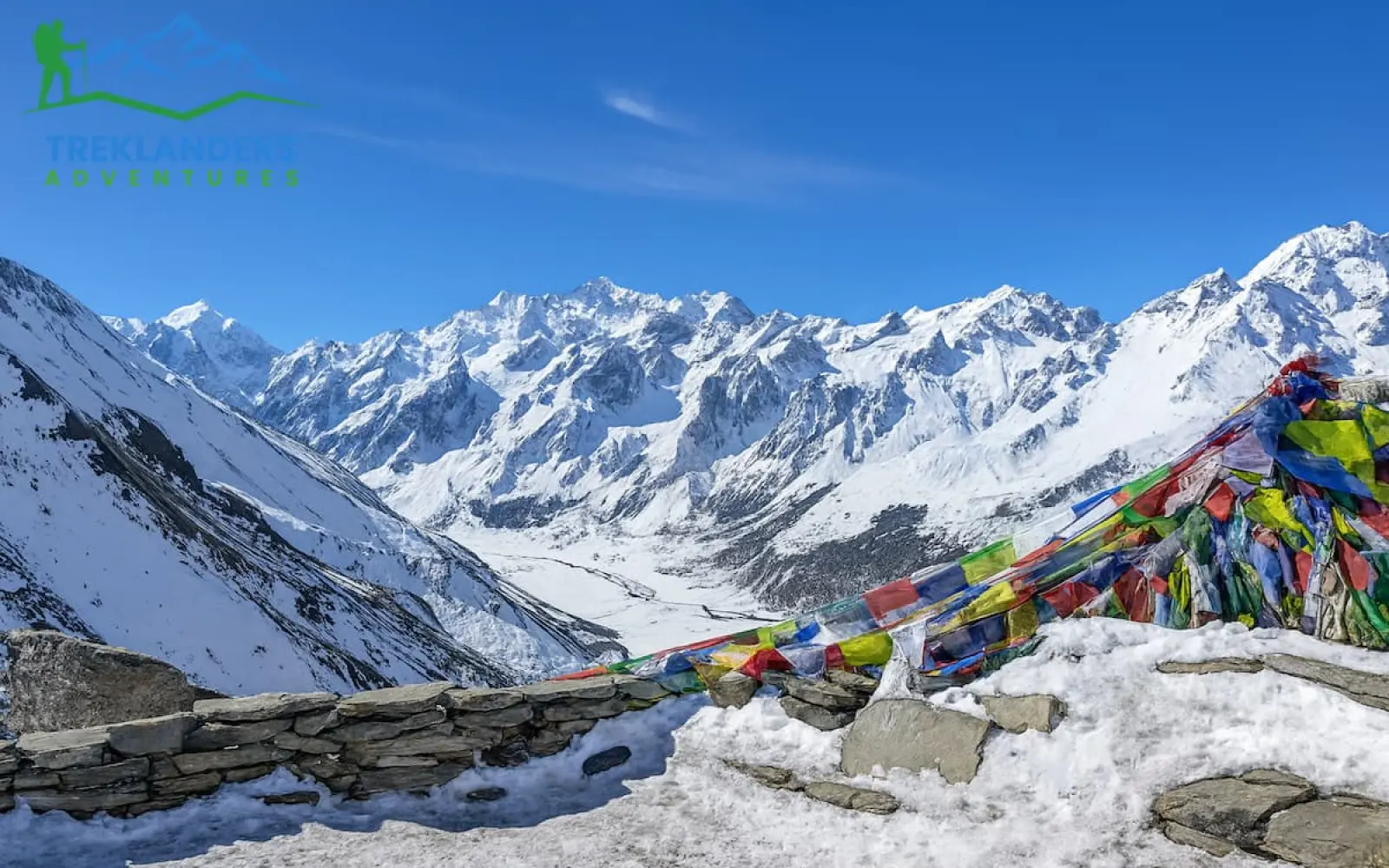
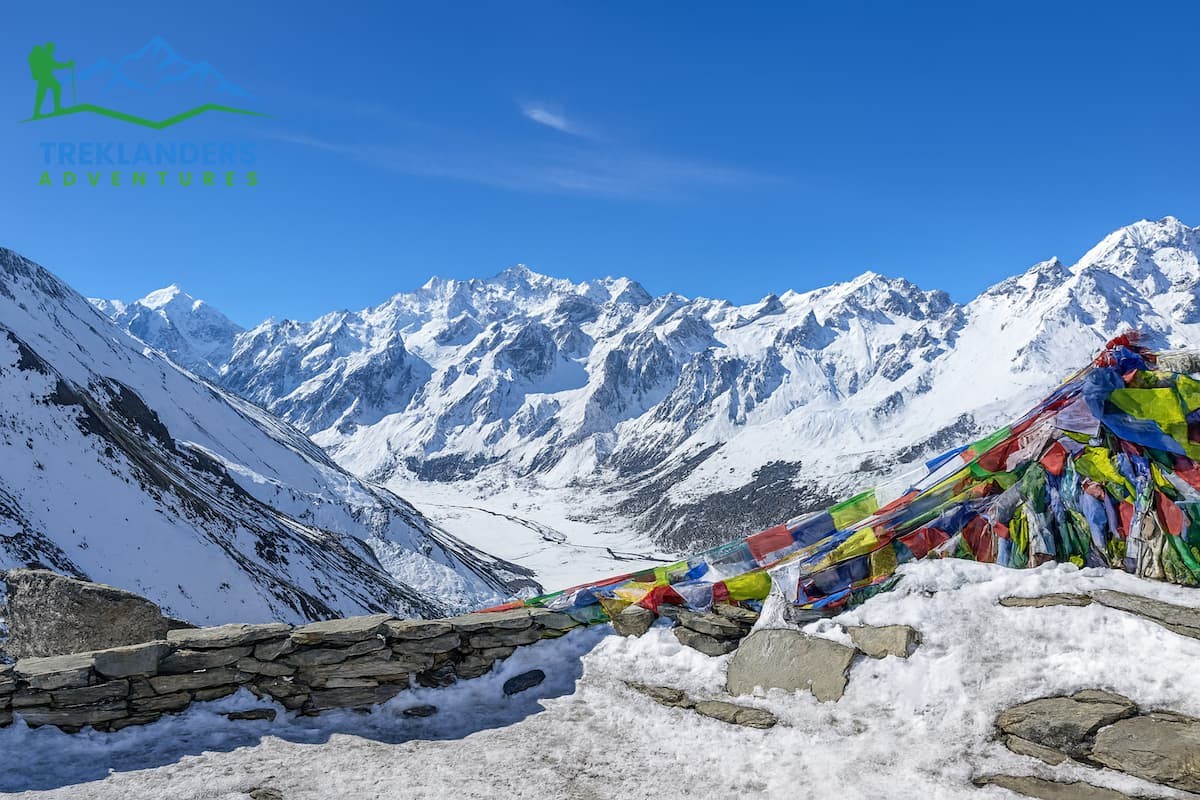
The Langtang Valley Trek is among the most spectacular Himalayan Nepal journeys and has everything in its nature like dramatic mountain scenery, rich Tamang culture, deep forests, and sacred highlands. All of this is just a short distance from Kathmandu. Langtang is often referred to as “Nepal’s best close-to-Kathmandu trek,” and it offers an impressive mix of landscapes such as cascading waterfalls, snow-draped peaks, yak pastures, rhododendron forests, and broad glacial valleys. However, what make this trek really stand out among others is its incredible viewpoints places where the entire horizon opens into a world of towering mountains and surreal beauty.
As soon as you enter Langtang National Park, the scenery starts to reveal itself. All the days of your hike will bring you to the next higher viewpoint, allowing you to see more and more of the Langtang Himalayas: Langtang Lirung, Dorje Lakpa, Gangchempo, Yala Peak, and Ganjala Ridge, plus several unnamed peaks that are just as beautiful. Besides that, Langtang gives you the chance to see some of the most photogenic and emotionally stirring panoramas of Nepal from a peaceful hill above a village, while hiking towards a high ridge, or even at dawn when lighting a viewpoint.
In contrast to longer and more isolated treks, Langtang can show you those incredible viewpoints within only a few days of walking. That is why it is perfect for trekkers who are looking for great results in a short time. For example, Kyanjin RI and Tsergo Ri are two places where you can enjoy magnificent 360-degree mountain views. At the same time, some viewpoints along the trail are less known and charming, like many trekkers who say they describe it as “unexpected bliss.”
We concentrate on the 10 most stunning views of the Langtang Trek views from famous landmarks or views from the hidden gems in this guide. While traveling with Treklanders Adventures for your Langtang adventure or just planning to go, these viewpoints will tell you why Langtang is one of the most enchanting trekking areas in Nepal.
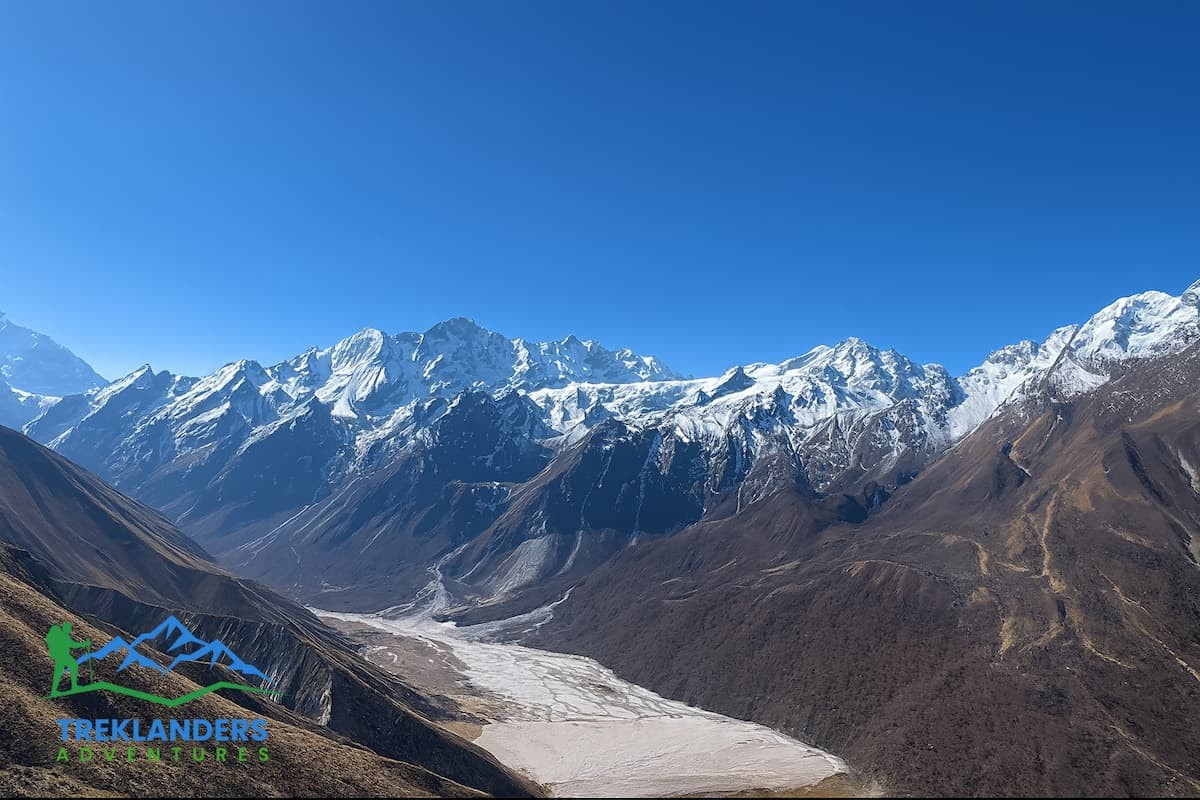
Kyanjin Ri almost always ranks as the Langtang Trek highlight, with an absolutely stunning sunrise viewpoint to be seen nowhere else in Nepal. Hikers get to the Lower Summit if they want easy access, or they can challenge themselves with the Upper Summit for a more panoramic and spectacular mountain view. From there, one can see the decorative faces of Langtang Lirung, Dorje Lakpa, Changbu, Yubra Peak, and Yala Peak going along the sky. As the sun rays slowly caress the peaks, the whole valley dazzles with warm golden tones, definitely an enchanting hour and one of the best views in the entire Langtang Valley.
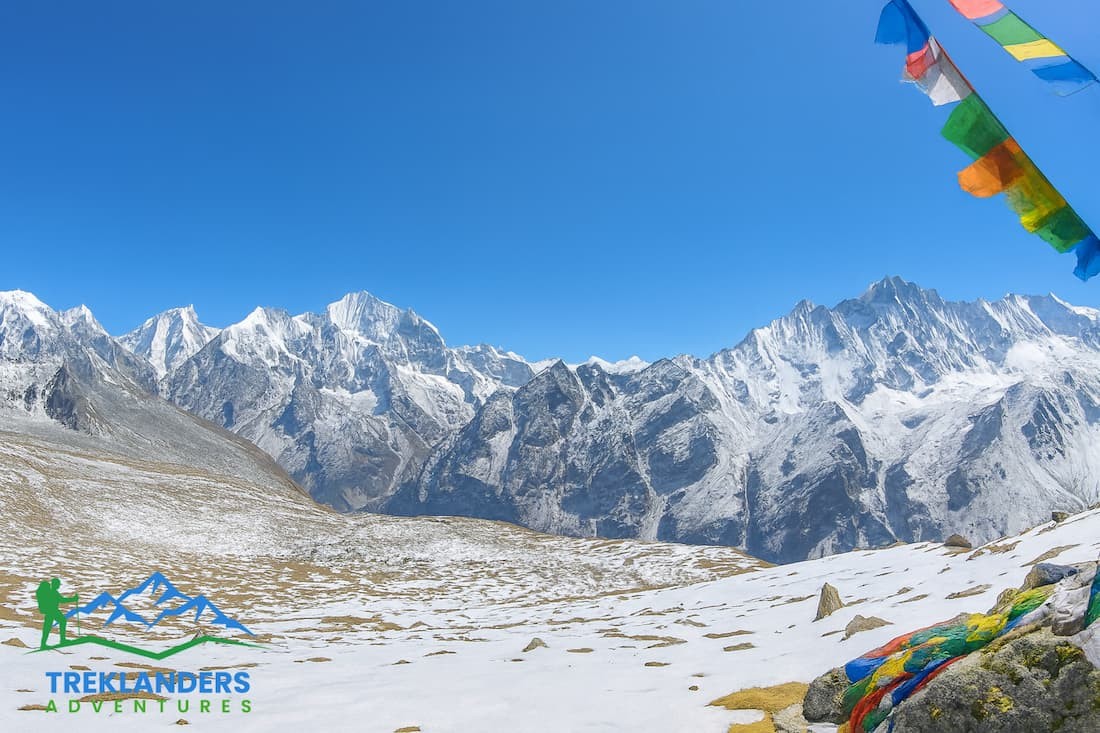
The arduous and long walk from Kyanjin Gompa eventually leads to the well-known Tserko Ri summit, which is famous for its stunning 360-degree Himalayan views. This viewing platform is at the highest point among the surrounding peaks and glaciers, and there stands an uninterrupted view over the entire Langtang Himal, icefalls, ridges, and deep valleys carved by ancient glaciers. The feeling of vastness, height, and wilderness here is beyond comparison. A large number of trekkers point out that this moment was the most powerful one in their entire journey.
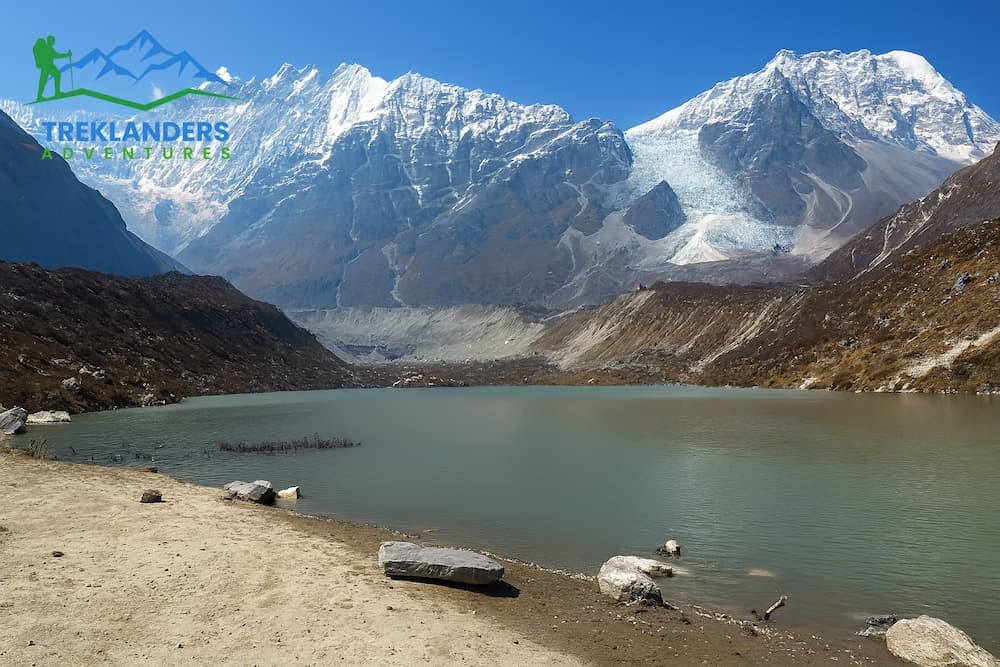
Not far from Kyanjin Gompa, a short walk reveals the awe-inspiring and eye-catching giant Langtang Lirung Glacier right in front of you. The sheer ice walls, melting water streams, and stark blue crevasses make the scene one that will be remembered for a long time. The proximity to such a mighty natural formation is what makes it one of the most beautiful and camera-friendly spots on the way.
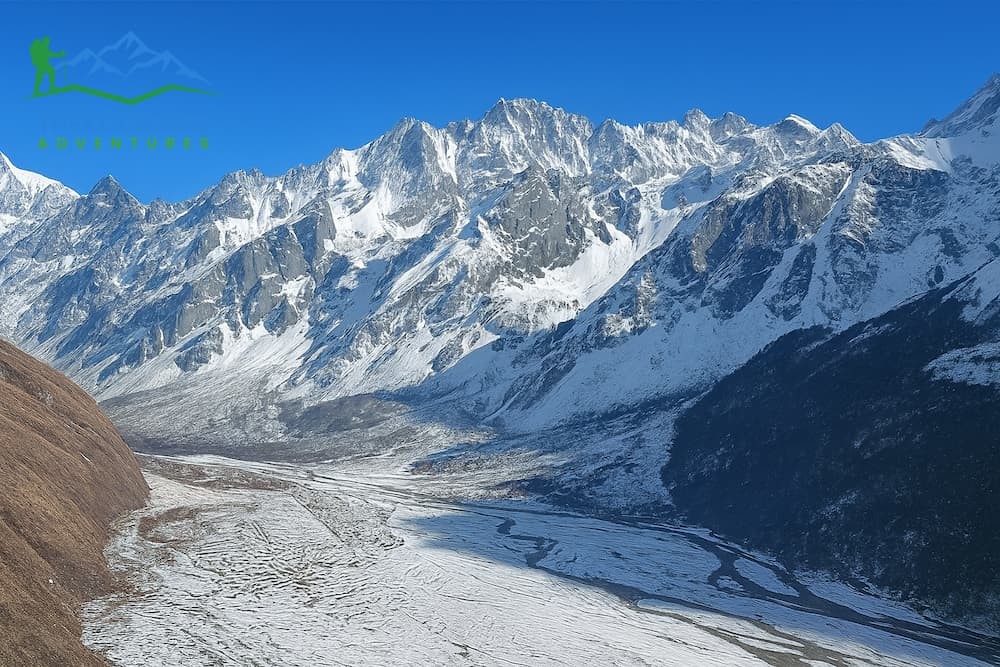
A ridge of mild incline is located just above the monastery, and it is a great place for silent meditation and seeing the mountains in total tranquility. Multicolored prayer flags wave with the wind, yaks feed beneath, and the valley extends like an artwork. It is wonderful to watch the sunset here or just to lie back under the Himalaya's quiet and spiritual vibes.
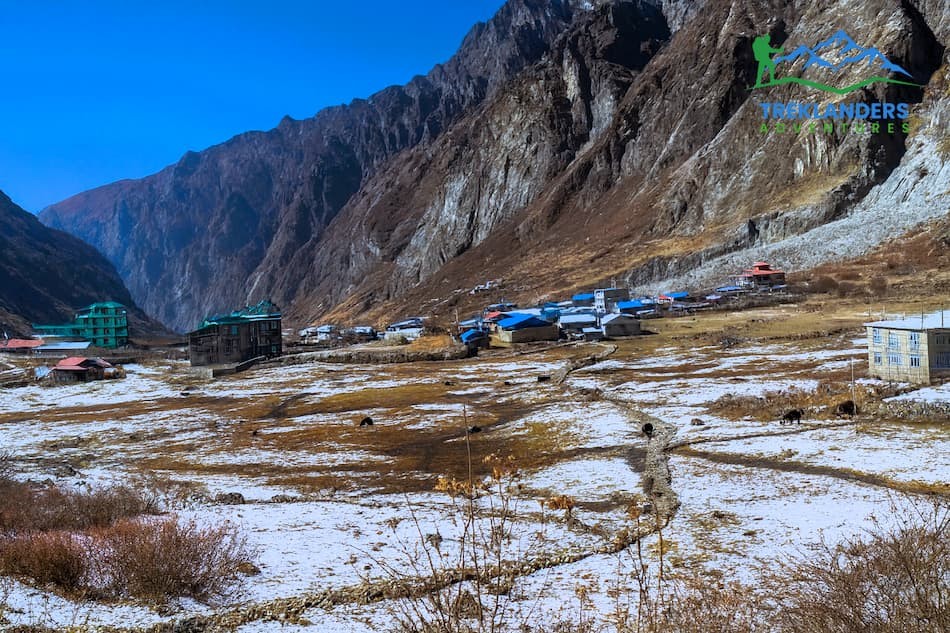
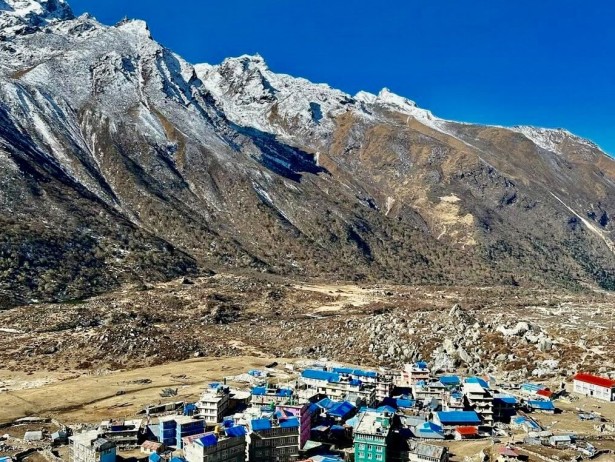
This profoundly moving lookout point is situated on top of the newly constructed Langtang Village. At this place, you can observe the rebuilt community, the valley walls, and the area that serves as a memorial to those who perished in the earthquake of 2015. The view is just as uplifting as it is pretty and a strong visual metaphor for the strength, resilience, and cultural heart of the Langtang people.
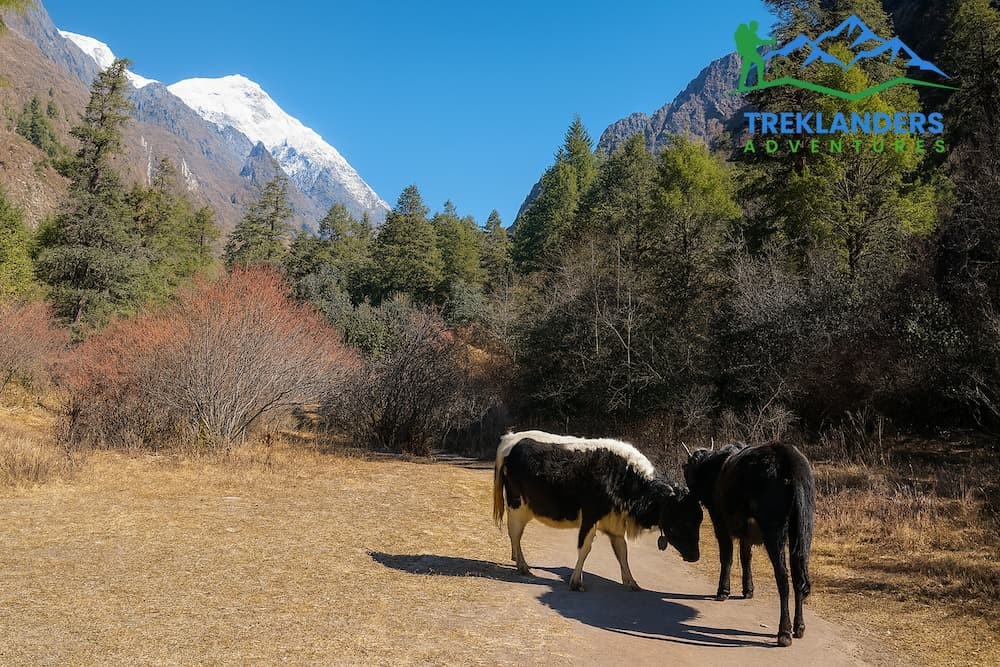
After several hours spent trekking through woodlands, the path abruptly opens up to a broad and dramatic valley at Ghoda Tabela. With rivers flowing, cliffs soaring, animals grazing, and snow-capped peaks visible far off, this is the very point where trekkers usually declare that they have "truly entered the Valley of Glaciers." It is a rejuvenating, spacious terrain perfect for capturing photos and taking breaks.
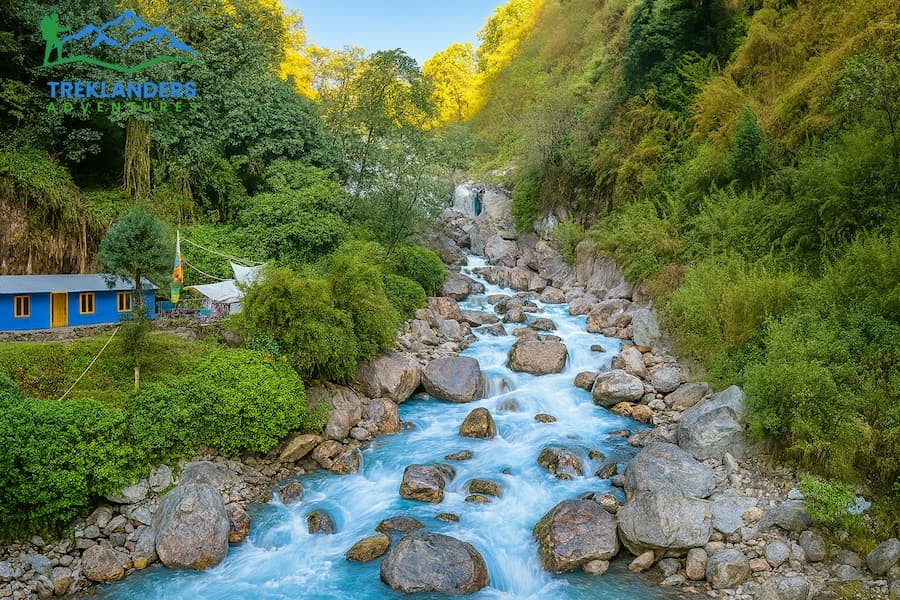
The area is rich with forest life, and Lama Hotel is where one can experience foggy mountain atmospheres and watch a deep river valley. The thick woods, tree-covered rocks, and the perennial Langtang River form a mystic Himalayan vibe. Besides, this is certainly one of the finest places where red panda sightings can be made, thus becoming a favorite spot among nature lovers.
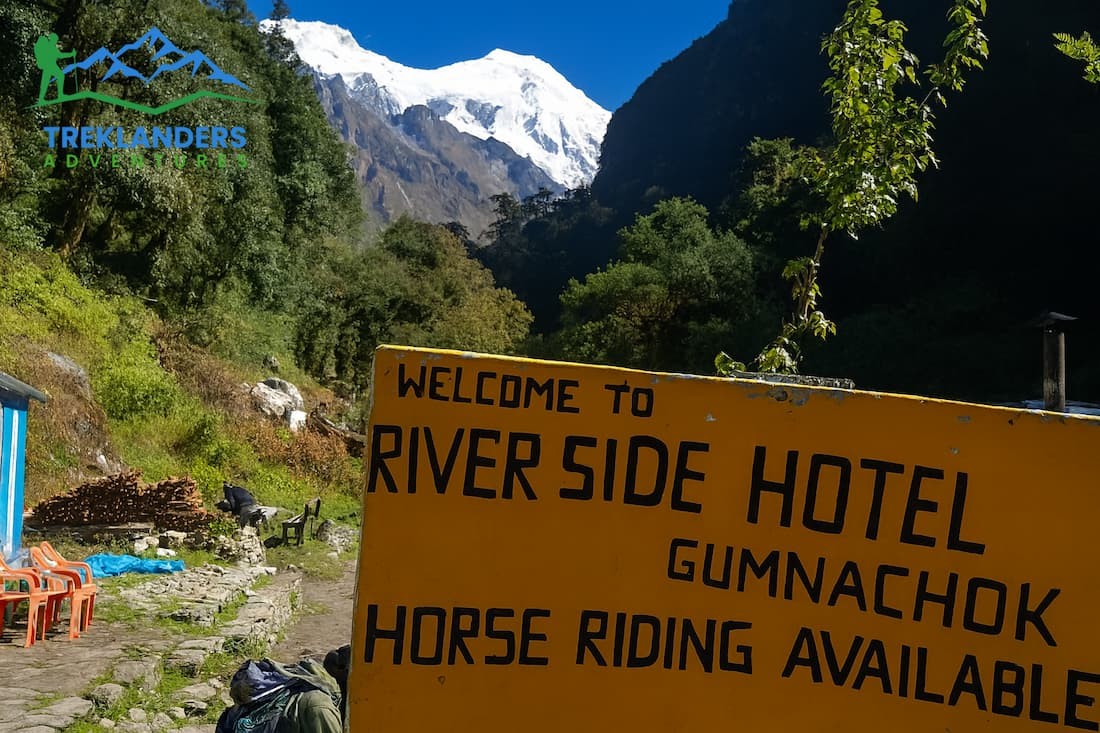
This portion of the path goes through charming bamboo groves, where the sun's rays are gently filtered down through the leaves, and the river can be heard flowing in a deep valley. The sense of walking in this serene and gentle land is calming and revitalizing. It is a quiet and naturally beautiful viewpoint that is mostly shared during early morning walks.
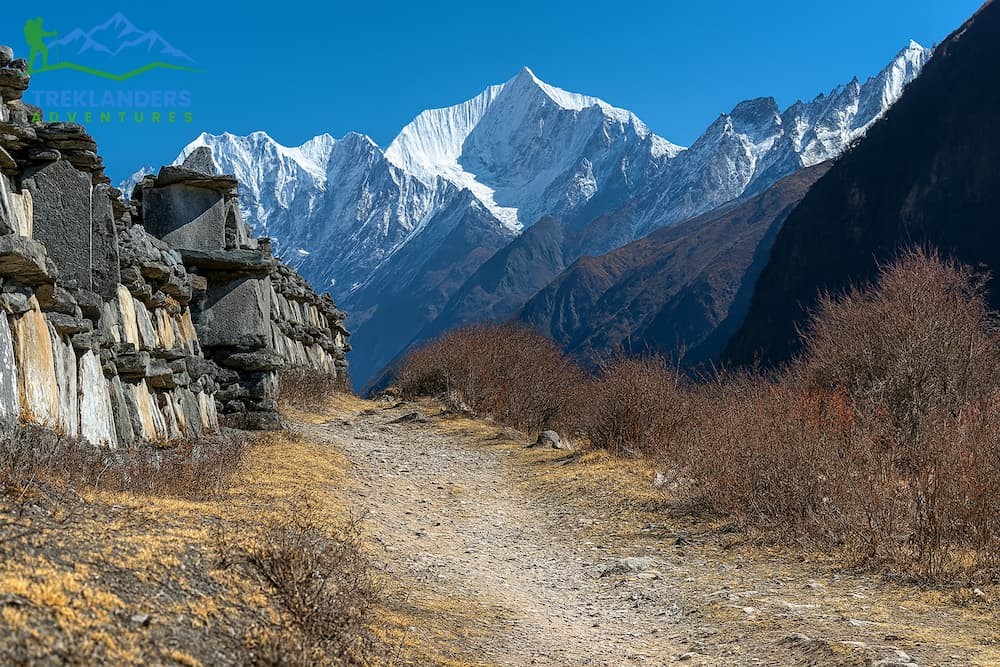
These mountain meadows are just like a photo from a magazine with yak pastures, stone walls, typical Tamang houses, and crystal-clear views of the mountains in front. The open landscape provides the trekkers with an opportunity to take a deep breath and admire the alpine environment. The sharp contrast between the green pastures and the white peaks results in indelible scenery.
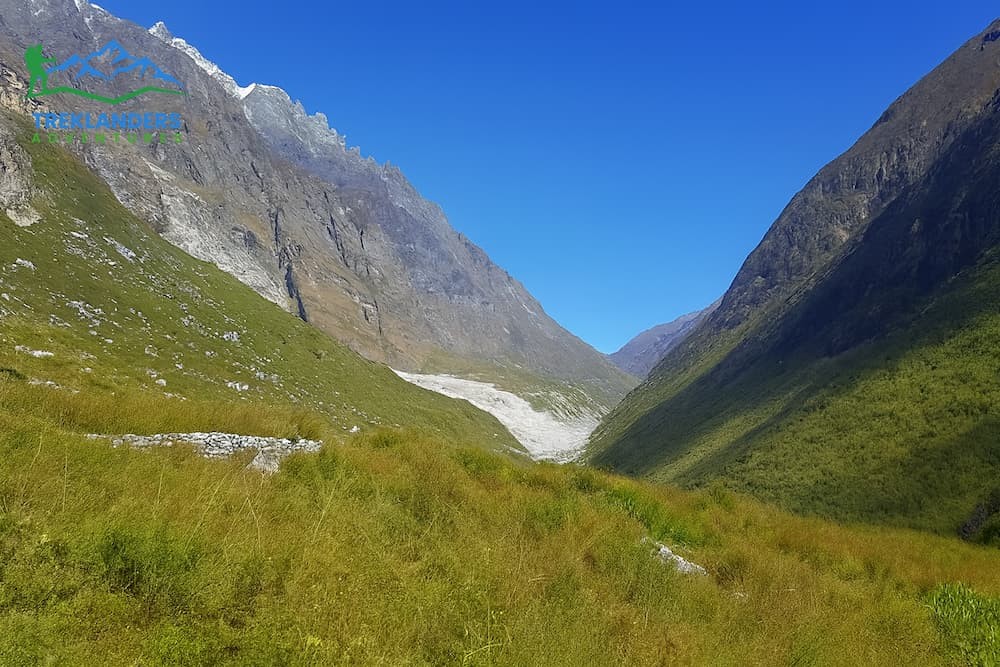
These Cliffside viewpoints offer a great view over the valley, terraced fields, and traditional villages. Early morning and late afternoon light transform the landscape into a dramatic interplay of color and shadow layers. It is among the best places to photograph sunrise or sunset, combining culture, landscape, and mountain beauty into a single frame.
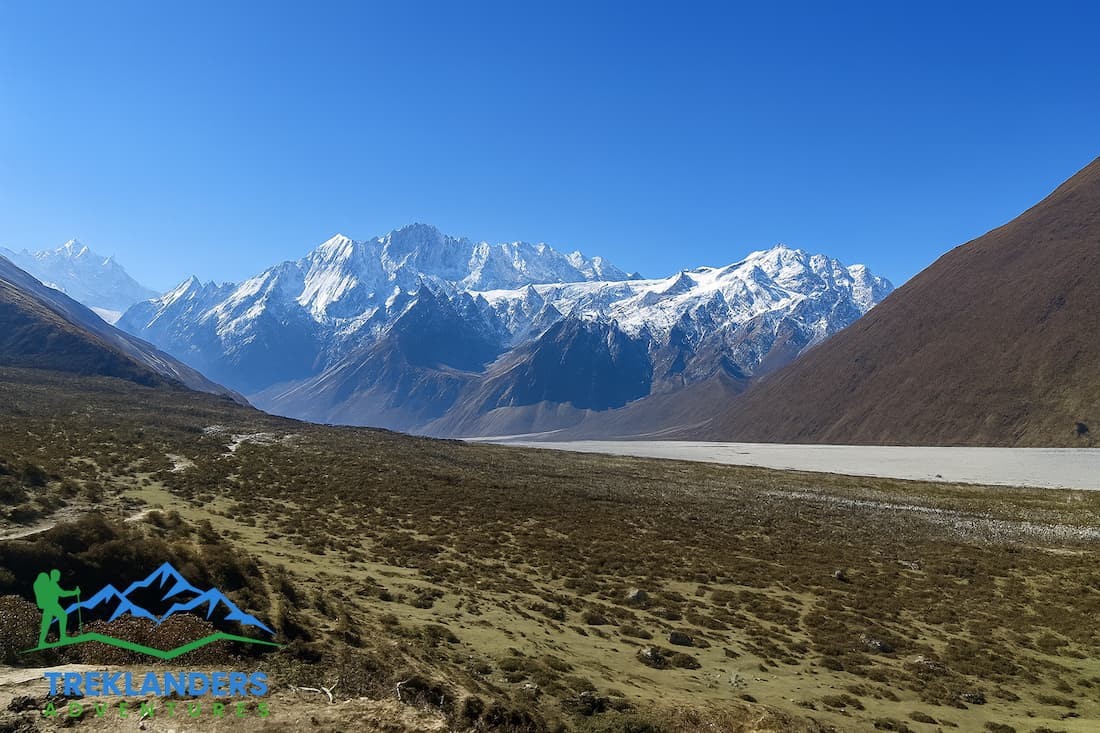
It is about 1.5-2 hours of steady uphill walking from Kyanjin Gompa to reach the lower summit. Though the trail is well-marked, it keeps going up without any breaks. Breathing becomes a little difficult due to altitude, but most trekkers can handle it without any problem. It is perfect for sunrise and is often used as a method of acclimatization.
The upper summit requires 3-4 hours of steep climb on rocky and windy terrain. The closer you get to 4,773 m, the less oxygen there is, and hence, each step becomes heavier. The last part is not only steep but also exposed. This viewpoint is a must for trekkers having good fitness levels and proper acclimatization. The view of the Langtang Himal from there is simply stunning and hence, worth every bit of the struggle.
This is the most difficult viewpoint of the Langtang Trek. The whole trek takes about 5-7 hours of walking back and forth and starts before the break of dawn. The trail is long, very steep, and is all above 4,900 m, where the air is quite thin. The climb is a real trial of both the mind and the body, in particular, the last bit over the rocky ridges. It is a good match only for trekkers who are at ease with high-altitude climbs. The 360° view from the top is one of the best in Nepal.
This dramatic glacier viewpoint is a relatively short walk (45 minutes–1 hour) from Kyanjin Gompa. The route has some mild inclines and a few rocky sections, but overall, the trek is fairly easy. All trekkers, irrespective of their fitness level, can take part in it, and the view is perfect for cameras. Great for acclimatization days.
This viewpoint is just a stone's throw away from the monastery and needs only a gentle 20–30 minutes of ascent. The trail is very smooth and thus is perfect for beginners, kids, and elderly trekkers. Without putting much physical effort, it is one of the best places to enjoy sunset views.
The walk to the memorial hill is just a short uphill trek through the village ruins. The slope is easy and can be done by all trekkers; however, altitude may make the climb a bit tiring. The viewpoint, being emotionally uplifting and visually stunning, is a place of significance that is also quite easy to reach.
The viewpoint here is right on the main trekking trail with no need for a further climb. After thick forest stretches, the valley gradually opens up, providing wide views of cliffs, rivers, and far-off peaks. An easy viewpoint is that which is suitable for all trekkers.
The beautiful forest viewpoint close to Lama Hotel can be found along the main trail. The walk is very easy, shaded, and surrounded by lush greenery. No additional detour or difficult ground is necessary; thus, it is perfect for beginners and lovers of nature.
This viewpoint is located in the calm bamboo forests between Bamboo and Lama Hotel. The road is simple, with a slow rise and soft forest floor. Perfect for people who love calm and quiet landscapes and are not looking for a tiring climb.
Getting to the meadows means following paths that gradually go up, paved with stones, and with slight inclines. Even though breathing becomes a bit difficult due to the altitude, the terrain is not very steep. This viewpoint is for those who like the combination of open landscapes and traditional village scenery.
The viewpoints here require you to go up a short, steep section and then follow the terraced Cliffside trails. The paths can be quite narrow, but if you are careful with your footing, they are safe. People with basic fitness levels will find them quite easy to handle. The stunning view of the valley and mountains in the morning and evening is the reward.
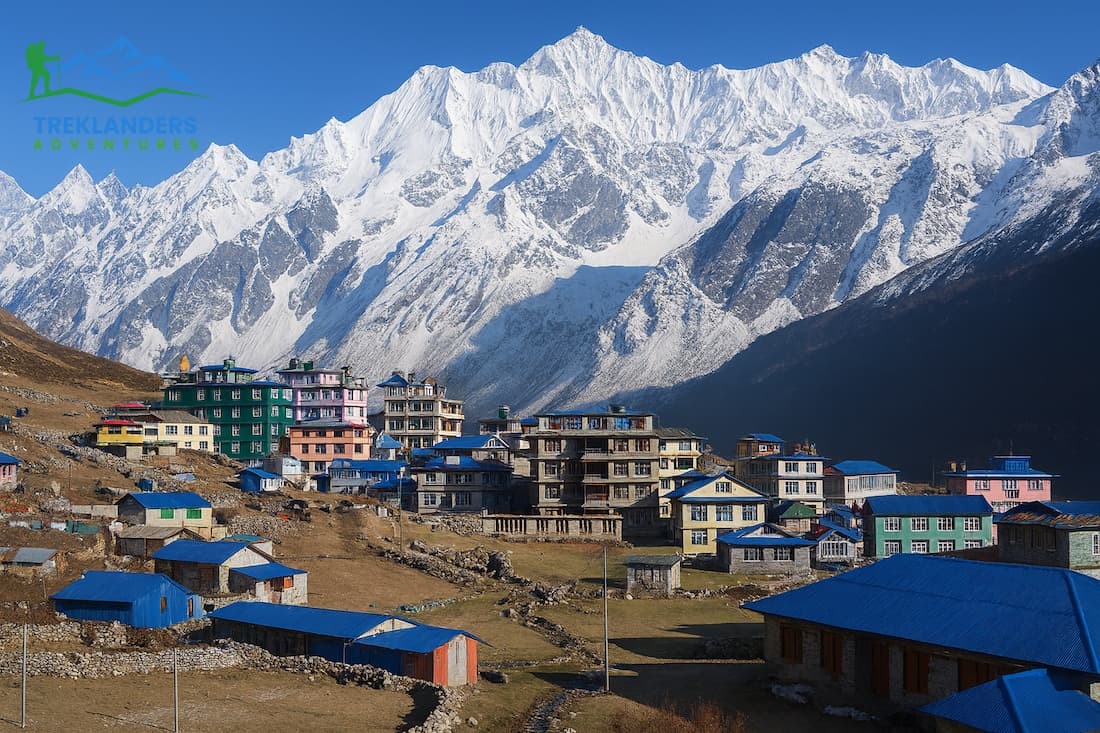
Kyanjin Ri is arguably the most spectacular place to watch a sunrise throughout the entire Langtang region. When the first light of the sun touches the peaks of Langtang Lirung, Dorje Lakpa, Changbu, and the other Himalayan titans, the viewpoint literally bursts into color. If you want a simple morning climb, then the lower summit is just right for you, but the sunrise view from the upper summit is far more dramatic and extensive. The mountains are illuminated in warm golden light during the time interval of 5:30 a.m. to 8 a.m., meaning that the earliest hours of the morning represent the most impressive experience here.
Tserko Ri should be seen and felt in the wee hours of the morning, not long after the sun has risen. Though trekkers go up the mountain when it is still dark, the real magnificence can be seen when the sun comes up and shines over the big glacier basin and the Langtang range in all its glory. From 7 a.m. to 10 a.m., the sky is generally at its clearest, thus providing the best possible Tserko Ri Summit 360-degree mountain views before clouds of the afternoon make their appearance.
The glacier viewpoint is at its best when the sun is already up in the sky but not yet at its most intense. With the progress of the day, sunlight reaches the ice walls one by one, and therefore the whole glacier is decorated with deep crevasses, shining blue ice, and very clear streams of water coming from melting ice. The glacier is at its most dramatic in terms of its parts and contrasts at a time of day that ranges from 9 a.m. to 11 a.m.
The ridge over the Gompa is definitely a nice place to relax and see the sun go down. When the sun is on its way to the horizon, the sky changes to faint orange and pink colors and prayer flags keep flapping in the light breeze. The valley, village, and surrounding peaks are full of bright warm light between 4 p.m. and 6 p.m., thus it is the best moment to take in this ridge during the sunset.
The memorial viewpoint is stunning at sunrise and late afternoon as well. Early morning light is perfect for seeing the valley and cliffs around it, whereas the latter part of the day offers a more emotional perspective and softer lighting. From 3 p.m. to 5 p.m., the sun is casting its warmest colors on the landscape, which is very depth-enhancing and comforting for such a special place as this.
This viewpoint is all about wide open valley views that become the most visible once the forest mist has disappeared. Late morning, i.e., from 10 a.m. to 12 p.m., is the time when visibility is at its best because the valley is sunlit in full length, revealing cliffs, waterfalls, and far-off snow-covered peaks.
The natural beauty of this forest viewpoint is revealed when the first rays of morning sun penetrate through the thick woods. Mornings in the 6 a.m. to 8 a.m. hours see the forest at its most vibrant yet mysterious an excellent time for photographers and nature enthusiasts.
The bamboo forest is a marvel during the gentle morning or late-afternoon sun rays. It is during these periods that the sun is at its lowest and warmest, and this allows it to create fascinating light effects when it goes through the bamboo. The viewpoints are coming to their own and are very quiet at the time of sunrise, and also between 4 p.m. and 5 p.m.
Those high-altitude meadows become the most glorious of sights once the morning rays start to brighten the valley. Between 9 a.m. and 11 a.m., the mountains get clearer, yak pastures light up, and the landscape shows off its vibrant color contrasts, which are ideal for the camera.
These Cliffside viewpoints are at their best when the sun is rising or setting. With the sunrise, the terraces and far-off peaks get lit up with faint and warm golden colors, whereas with the sunset, the whole valley is turned into numerous bands of orange and purple light. Both times during the day provide the perfect conditions for spectacular photography.
The journey begins with a scenic drive from Kathmandu towards the north, leaving behind the city and entering cooler hill regions dotted with terraced farms and rural villages. Passing through Trisuli Bazaar, the road gradually ascends to Dhunche, the district headquarters of Rasuwa and the official entrance to Langtang National Park.
From Dhunche, the drive descends through forested hills to reach Syabrubesi, the starting point of the Langtang Valley Trek. Upon arrival, check into a simple lodge and explore the village. This is a great opportunity to observe the lifestyle, culture, and daily activities of the Tamang community, the main inhabitants of the region.
Overnight: Tea house lodge
Meals: Lunch & Dinner
After breakfast, the trek officially begins. The trail crosses a suspension bridge and climbs gradually through small farming settlements before reaching Riverside, an ideal lunch stop.
Viewpoints Covered:
Riverside Bamboo Forest Viewpoint
Lama Hotel Forest Viewpoint
Beyond Riverside, the trail ascends through dense forests of rhododendron, oak, pine, and bamboo. Sunlight filtering through bamboo groves and the sound of the Langtang River below create a peaceful and mystical atmosphere. By afternoon, you reach Lama Hotel, a forest clearing surrounded by towering trees, well known for its serene environment and rich wildlife habitat.
Overnight: Tea house lodge
Meals: Breakfast, Lunch & Dinner
The day begins with a steady uphill walk through beautiful forest landscapes. As altitude increases, the air becomes cooler and the forest gradually opens.
Viewpoints Covered:
Ghoda Tabela Valley Viewpoint
Mundu & Sindum Pasture Viewpoint
At Ghoda Tabela, the scenery dramatically changes into a wide open glacial valley with grazing animals, flowing rivers, and distant snow peaks—often the moment trekkers feel they have truly entered the Valley of Glaciers. After lunch, the trail continues gradually to Langtang Village, rebuilt after the devastating 2015 earthquake. Exploring the village offers insight into local resilience, culture, and mountain life.
Overnight: Tea house lodge
Meals: Breakfast, Lunch & Dinner
Today is a shorter but very scenic walk. Leaving Langtang Village, the trail passes through Mundu and ascends gently into the upper Langtang Valley.
Viewpoints Covered:
Langtang Village Memorial Hill
Chyamki & Thangshyap Cliffside Viewpoints
Along the way, memorial viewpoints remind trekkers of the 2015 earthquake and the strength of the local community. The trail offers spectacular views of towering peaks, wide valleys, and Cliffside settlements before reaching Kyanjin Gompa, the highest overnight stop of the trek.
After lunch, trekkers may explore the village, visit the monastery, and enjoy the dramatic alpine surroundings.
Overnight: Tea house lodge
Meals: Breakfast, Lunch & Dinner
This day is dedicated to acclimatization and exploration of the upper valley.
Viewpoints Covered:
Kyanjin Gompa Monastery Ridge
Langtang Lirung Glacier Viewpoint
Short hikes lead to the peaceful ridge above the monastery, perfect for meditation and sunset views. Another walk brings you close to the Langtang Lirung Glacier, where massive ice walls, crevasses, and glacial streams dominate the landscape. This day helps the body adapt to altitude while offering unforgettable scenery.
Overnight: Tea house lodge
Meals: Breakfast, Lunch & Dinner
An early start allows trekkers to hike to one of Langtang’s most iconic viewpoints.
Viewpoints Covered:
Kyanjin Ri (Lower & Upper Summit)
Tserko Ri Summit (for strong and experienced trekkers)
Kyanjin RI offers breathtaking sunrise views of Langtang Lirung, Dorje Lakpa, Yala Peak, Changbu, and Yubra Peak. Strong trekkers may continue to Tserko Ri (5,033 m), the highest viewpoint of the trek, offering a dramatic 360-degree Himalayan panorama. After descending back to Kyanjin Gompa, the trek continues downhill through Langtang Village to Lama Hotel.
Overnight: Tea house lodge
Meals: Breakfast, Lunch & Dinner
The final day follows the same scenic trail downhill through forests, riverside paths, and small farm areas to Syabrubesi. After lunch, drive back to Kathmandu via Dhunche and Trisuli, bidding farewell to the Langtang Himal and the warm Tamang communities.
Arrival in Kathmandu marks the end of a memorable Langtang Valley Trek filled with breathtaking viewpoints, culture, and Himalayan beauty.
Meals: Breakfast, Lunch & Dinner
Altitude is a major factor on the Langtang Trek, where it notably affects the high viewpoints like Kyanjin RI and Tserko RI. Following Kyanjin Gompa, the elevation is increased rapidly, thus the body is given less air and requires some time to acclimatize. Besides preventing altitude-related illnesses, good acclimatization conditions the body for the experiences of the viewpoints safely and comfortably. Before a high-altitude trek, spending a full day of acclimatization at Kyanjin Gompa is necessary.
Both peaks of Kyanjin Ri are under the influence of altitude and, therefore, need to be handled with care. The lower summit is of moderate difficulty, but it goes higher than 4,300 m, and thus, most people experience breathlessness and dizziness; most people, if they do it fast, feel faint. The upper summit comes next with a height of 4,773 m, where the air is much thinner. Here, a slow and steady pace is necessary. Hydrating well, resting often, and going up gradually are suggested works for trekkers who breathe heavily at each stop. After acclimatization at Kyanjin Gompa, one can comfortably breathe and take in the views while the risk of altitude sickness is considerably lowered.
Tserko Ri is the highest and most difficult point on the Langtang Trek, standing at almost 5,000 meters. It is a long climb of several hours and starts very early in the morning, thus the body also faces very low temperatures in addition to the altitude. On a different mountain, the proper acclimatization hike is a must to attempt Tserko RI, so at least that one must be done before Tserko Ri (Lower Kyanjin Ri or the Langtang Lirung Glacier viewpoint). Necessary steps in this direction are good food, hydration, and keeping a slow pace. When the altitude surpasses 4,600 meters, feeling of tiredness is most likely; therefore, trekkers should take frequent rests and only continue if they feel secure.
Even viewpoints such as the glacier ridge, Mundu, Sindum, or the memorial hill can become quite a challenge because altitude affects individuals differently. Generally, the principle “climb high, sleep low” is upheld, i.e., treks to higher points during the day are beneficial for the body, whereas sleeping at a lower altitude is more restful. To maintain good health, 3–4 liters of water per day should be consumed, alcohol avoided, warm meals eaten, and slow and even pacing kept. Besides, trekkers should be on the lookout for headaches, nausea, or any other signs mentioned above. If the symptoms become unbearable, descending would be the most appropriate course of action.
A few individuals on the trek might find it helpful to use a medicine such as Diamox, although a doctor's recommendation should always precede its intake. Warm clothing, sun protection, and trekking poles also alleviate physical effort at high altitude. Groups with guides, especially companies like Treklanders Adventures, provide not only a safe pace, but also correct advice and continuous supervision during steep ascents.
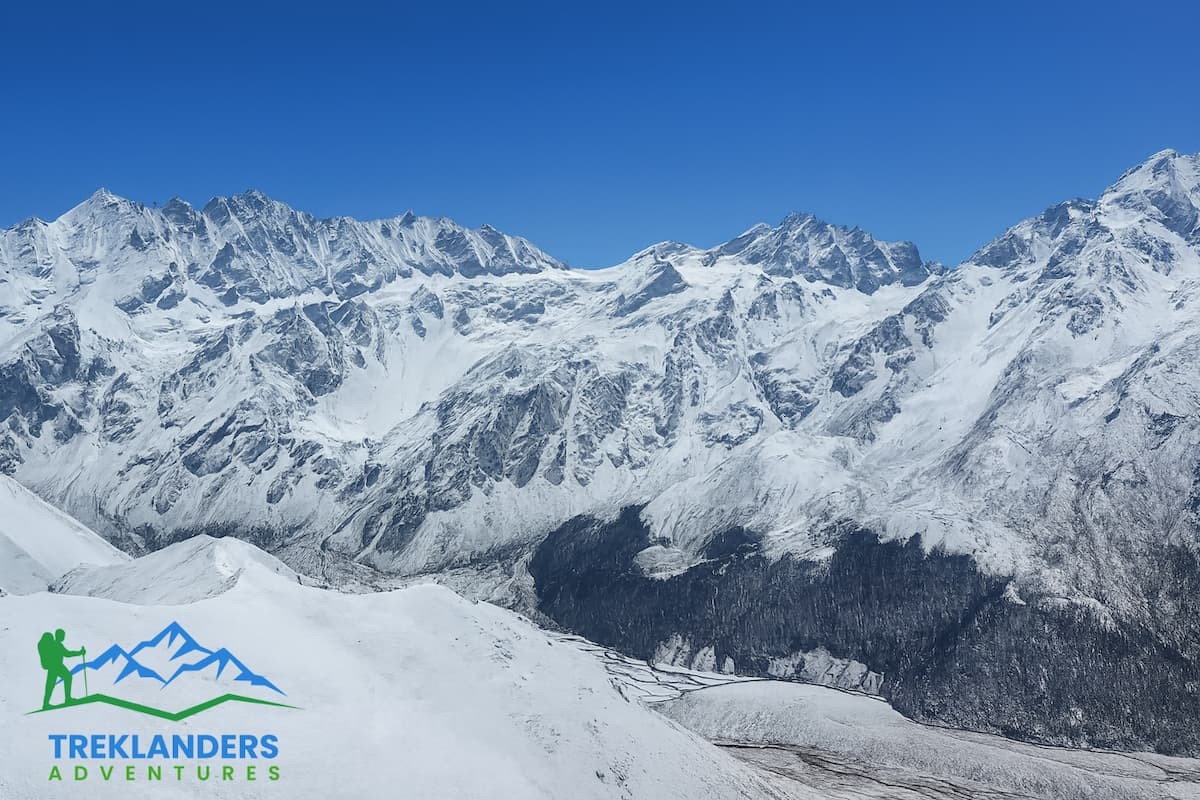
Cold and windy, especially at sunrise. Early mornings are usually clear, while clouds may build after mid-morning. Temperatures can drop well below freezing in winter.
Very cold and exposed with strong winds. Weather changes quickly; clear skies in early morning are common, but clouds and wind often increase by late morning.
Cool temperatures with icy winds from the glacier. Clear conditions are best in the morning; afternoons may bring cloud cover.
Mild during the day, chilly in the evening. Generally calm and less windy than higher viewpoints, ideal for sunset viewing.
Cool and comfortable in daytime with light winds. Evenings can be cold, especially in autumn and winter.
Pleasant and mild during the day. Weather is more stable here, with occasional afternoon clouds.
Humid and cooler due to dense forest cover. Mist and fog are common in mornings and late afternoons.
Warm and humid at lower altitude. Light rain or damp conditions are possible, especially during monsoon season.
Cool alpine climate with gentle breezes. Clear mornings and colorful sunsets are common in spring and autumn.
Moderately cold with changing light conditions. Best views during early morning or late afternoon when clouds are minimal.
When ascending to high-altitude viewpoints on the Langtang Trek, safety should be a priority. This is particularly true for the more difficult ascents of Kyanjin Ri and Tserko Ri, where weather, terrain, and limited oxygen combine to increase the dangers involved. The foremost rule is to keep your pace slow and even. Making a dash at altitude usually ends very quickly in lack of energy, giddiness, or mountain sickness. Trekkers should hydrate themselves liberally throughout the day and also take short breaks whenever they feel that their breathing is labored. Acclimatization must be done properly; therefore, it is at Kyanjin Gompa that one should spend sufficient time before attempting a high climb.
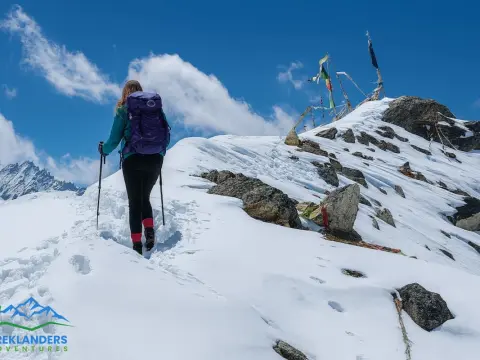
Equally, it is of great importance to keep warm and be safe from the elements. Near the summit, temperatures are often lowered by the wind, so wearing layers of clothing, having gloves on hand, and wearing a jacket that is windproof will help to keep the body warm. Trekking poles are always helpful in giving you more balance on the parts of your route that are either rocky or have loose gravel, especially when it is still very early in the morning, and frost may be on the trail.
At altitude, the weather is very unstable. When the clouds are getting thicker, the wind is becoming too strong, and the visibility is getting worse, then it is better to go down rather than to carry on. Also, trekkers should be familiar with early symptoms of altitude sickness, like headache, nausea, and loss of appetite. To sum up, following your guide's advice, sticking to your own capabilities, and tuning in to what your body tells you will guarantee not only your security but also your pleasure during each Langtang viewpoint.
Proper packing can definitely make the climb to Langtang's viewpoints not only safer and more comfortable but also a lot more fun. The weather can be quite unpredictable at higher elevations, so layering is a must. Trekkers must have a warm base layer, a fleece or down jacket, and a windbreaker outer shell to be able to handle cold mornings and strong winds on the summit. Light gloves, a warm hat, and sunglasses are the best protective gear against cold winds and strong UV rays, especially if the hike is during the sunrise.
Equally important is the good footwear. Tough trekking shoes with a good grip will be of great help on the rocky and uneven paths around Kyanjin RI, Tserko Ri, and glacier areas. Trekking poles can be of great help in giving you balance and also in taking your weight off during steep climbs. A small daypack should always have at least one liter of water, energy snacks, sunscreen, and lip balm to keep dehydration and sunburn at bay.
For lovers of photography, a camera or smart phone with extra batteries is the best idea, as the cold temperature will make the power drain faster. A headlamp is an absolute must for early morning ascents, especially when starting before sunrise. Finally, carrying a light emergency layer, rain cover, and a basic first-aid kit is like an insurance policy that ensures how safe you are even if the weather changes abruptly. With the proper gear, every viewpoint on the Langtang Trek becomes a comfortable and rewarding experience.
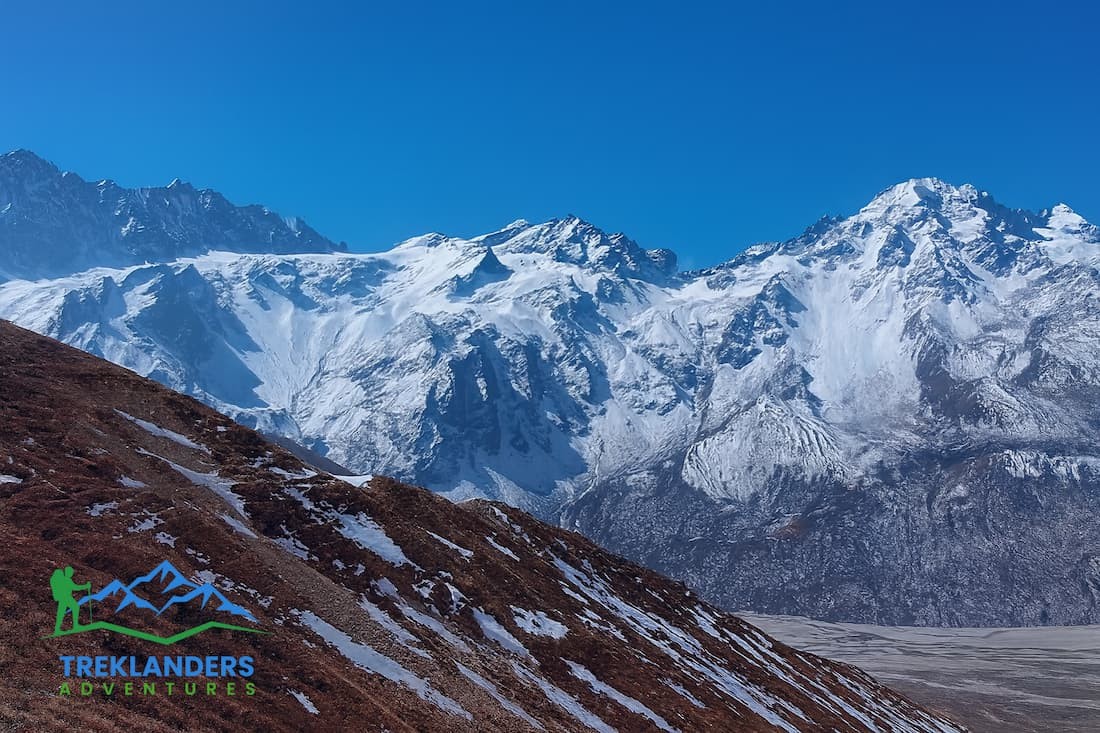
Langtang’s viewpoints are full of beauty, and one can capture them with the right timing and technique. The amazing change of the light and the vast Himalayan landscapes of the region make it a paradise for photographers. Sunrise is the moment when it pays off the most to be at high places like Kyanjin Ri or Tserko Ri, where the sun colors the mountains in bright orange, gold, and pink.
To do this perfectly, set off for your hike at a very early hour and be there with enough time to get your shots. Wide-angle lenses or smart phone wide mode are good at covering the whole circle of the mountains and the valley that lies around you.
During mid-morning, the light is just right for glacier scenes such as the Langtang Lirung Glacier, where the sunlit parts of the ice walls are crisp, and the details that were dark become more visible. The use of exposure adjustment manually in bright snow during the day can be a protection against the washout of pictures.
In lower viewpoints like Lama Hotel, Bamboo, and the meadows around Mundu, soft, filtered light can be just the right thing for forest and village photography. Next to the trees, or in the forest, one can experience these times as the most wonderful, when mist or sunbeams filter through the trees.
Kyanjin Gompa Ridge or Thangshyap are the places where sunset is at its best, with the valley being covered with warm colors. It is better to always have extra batteries with you, as the cold temperature can be the reason for the rapid power consumption, and also use trekking poles or a rock to steady your camera if you want to take a picture in low light and get it sharp.
The first step of a Langtang Valley Trek and its spectacular viewpoints is a drive from Kathmandu to Syabrubesi, the official trailhead of the trek. Most travelers opt for a private jeep, which is the most secure and convenient way to go through the serpentine mountain roads. The trip normally lasts 6–7 hours and goes through hillside villages, rivers, and stunning views before reaching the trailhead.
However, there are also public buses from Kathmandu. These buses are slower, more crowded, and less comfortable. Therefore, the bus option might not be the best one if you are looking for a stress-free journey. In case of a heavy load or group, private transport provided by Treklanders Adventures would be the best choice in terms of comfort and flexibility.
Afterward, there is no need for transit as all viewpoints, i.e., Kyanjin Ri, Tserko Ri, the glacier ridge, Lama Hotel forests, and Mundu meadows, can be accessed by walking. It means that local horses or porters can merely help in carrying bags, but the trek is the only method through which you can discover the Langtang viewpoints.
The way back from Kyanjin Gompa to Syabrubesi is along the same road where a jeep or a private vehicle is scheduled for a pick-up. Safe, dependable, and comfortable transport enables trekkers to start and finish their viewpoint hikes with no trouble, so they can focus entirely on the great outdoors of the Langtang Himal.
The Langtang Trek is full of beautiful sights that are relatively easy to reach, and each has its own distinct character, from serene forest viewpoints to awe-inspiring summits like Kyanjin Ri and Tserko Ri. By being well-prepared, properly acclimatized, and choosing the right season, you will be able to witness jaw-dropping sunrise views, stunning glacier sights, and vast valley sceneries. No doubt the viewpoints of Langtang will be your source of pleasure and inspiration if you are a photographer, an adventure seeker, or a nature lover.
A simple, clear snapshot of the Langtang Valley Trek, giving you the essential info to start your Himalayan journey with confidence.
Your essential Langtang Valley Trek overview—what to expect, how much it costs, when to go, and how to prepare for this beautiful Himalayan journey.
The 5-day Langtang Valley Trek is a top short trek in Nepal, offering beautiful scenery, rich culture, and peaceful landscapes.



