Why Dingboche Is the Most Important Acclimatization Stop on the Everest Base Camp Trek?
6 May 2026
Why Dingboche is the most important acclimatization stop on the Everest Base Camp Trek for safe altitude adjustment and stunning Himalayan views.

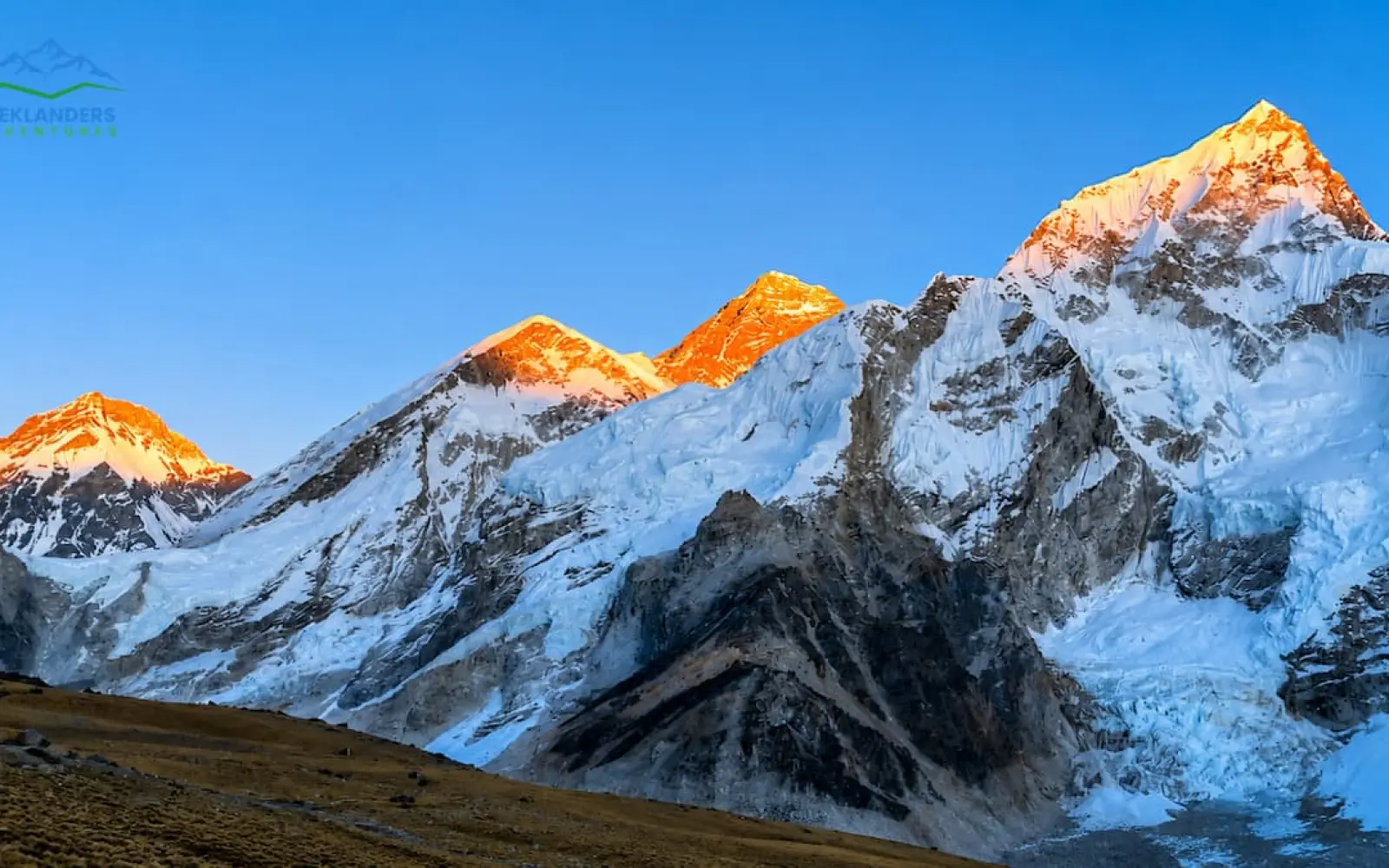
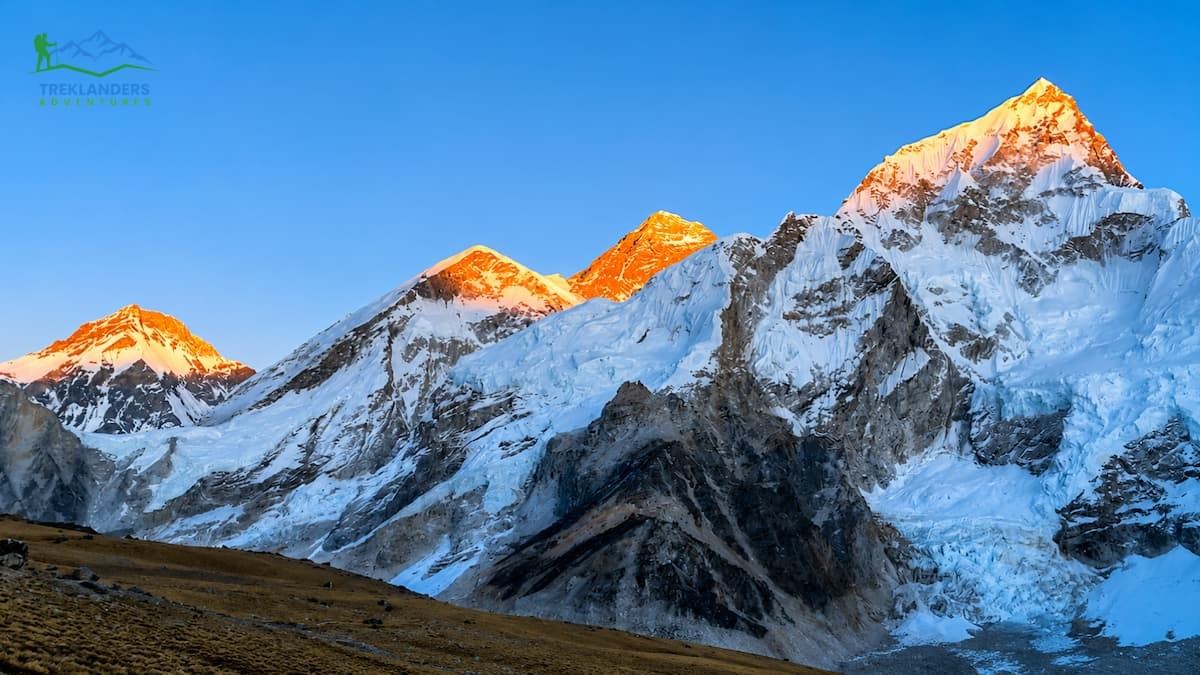
Are you considering a group trek in Nepal? Here is the right place for you. It doesn't matter if you are planning a team outing for work, an adventure with friends, a school expedition, or a solo traveller looking to join a group - Nepal has some of the most amazing group trekking experiences in the world. In this detailed guide, Treklanders Adventures reveals the top 7 group treks in Nepal, discussing difficulty, duration, best seasons, highlights, and even why group trekking makes each mountain moment more meaningful.
Among the world's fourteen tallest mountains, Nepal is home to eight, including the legendary Mount Everest, which stands at 8,848 meters. Its extensive network of historic paths forms an extraordinary tapestry of nature and culture with Himalayan mountains, terraced hill sides, woods of rhododendron, glaciers of high altitude, and the planet's most culturally rich villages, among the highlights.
Joining a trekking group in Nepal simply cannot be beaten as a travel choice. Here are 5 reasons why:
It's much safer. Real risks do exist when trekking at high altitude, such as altitude sickness, bad weather, and being in a remote area. A group trek under the leadership of operators with extensive knowledge and experience, like Treklanders Adventures, not only brings professional guidance but also the availability of emergency measures and ongoing support for each member.
Group treks can be far more affordable, opening access to better options. Group trekking cuts non-negotiable permit accommodation, guide, porter, and transport costs drastically per person. You can have a fantastic Himalayan adventure without paying the extra solo booking price.
Getting through the tough times with the help of motivational support and friendship. The mighty Himalayas make it clear who's in charge. On very difficult days, when the lungs are burning, legs are sore, and it's the time for waking up early, having others with you will bring about a sense of unity which cannot be broken. It is through sharing those struggles that we build our memories for a lifetime.
Group trekking can provide enhanced cultural experiences. Nepalese village communities are very communal. The arrival of a group of trekkers generally results in teahouse owners, monks, and locals extending their hospitality to a new level of warmth and interaction. Cultural exchanges develop more naturally.
By choosing to go on a group trek through licensed and regulated operators, you are promoting good practices that align with Nepal's "Leave No Trace" principles and also helping to grow local incomes and conservation efforts.
Now, let's explore the seven best group treks in Nepal that Treklanders Adventures offers for 2026 and beyond.
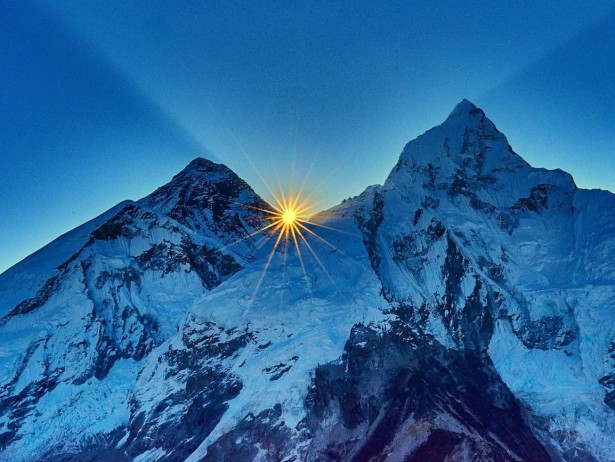
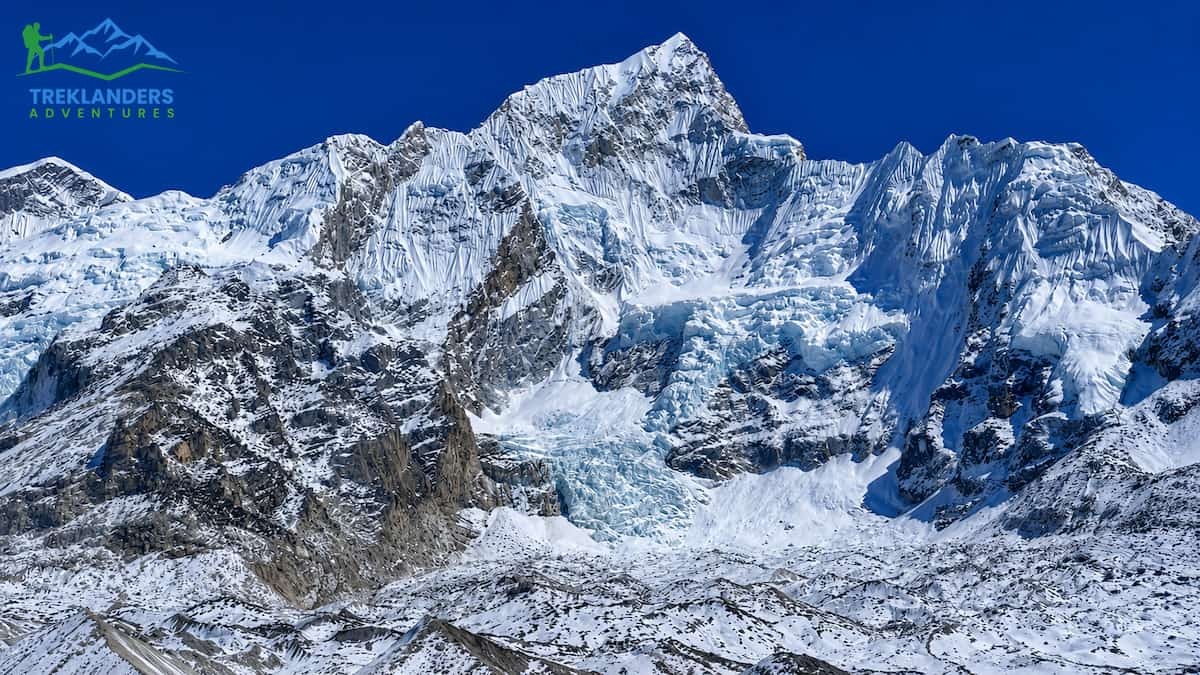
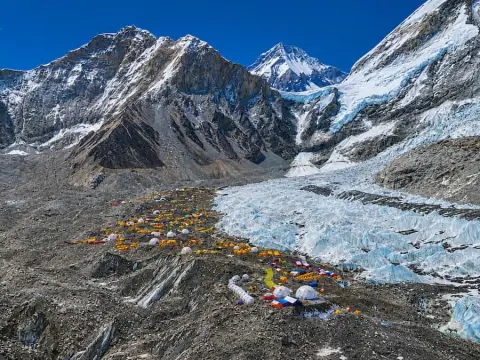
Any list of group treks in Nepal can't be considered complete without including the Everest Base Camp (EBC) Trek. In fact, this is the most famous high-altitude trek in the world, a pilgrimage leading to the foot of the highest mountain on our planet. When it comes to groups, it poses an unparalleled shared challenge, and a trip that teams will be talking about for a long time, enjoying each other's company in ways that no boardroom retreat or city adventure is capable of.
The journey to EBC starts with an exhilarating plane ride to Lukla (2,860 m height), one of the world's most amazing airport approaches and the trek takes you along the ancient Sherpa trade route passing by Namche Bazaar, Tengboche Monastery, Dingboche, and Lobuche before finally reaching the mythical base camp itself.
Watching the golden ray of light turning the top of Mount Everest from the point of Kala Patthar during sunrise is such a moment that there are hardly any words for it. The whole group will experience that same sunrise, and the silent sharing of that moment is what most trekkers deem as the most 'deeply moving experience of their lives'.
This small town of Namche Bazaar is the main entry point to the Khumbu area. It is a lively place where trekkers take their rest and acclimatize. Your team will check out its weekend market, the Sherpa Culture Museum, and the area's remarkably well-stocked coffee shops and bakeries, a striking and cheerful change compared to the nearby high-altitude environment.
One of the most picturesque buildings in the Himalayas is Tengboche Monastery (3,867 m). If your group is lucky enough to be there in time for the Mani Rimdu festival (October/November), you will see the monks performing ancient Buddhist masked dances.
Treklanders Adventures offers you the chance to hire a very knowledgeable, English-speaking guide who has been to the top of Everest a few times. We provide EBC group package deals which will cover your meals, staying at teahouses, National Park permits, airport transfers, and the availability of oxygen and first aid.
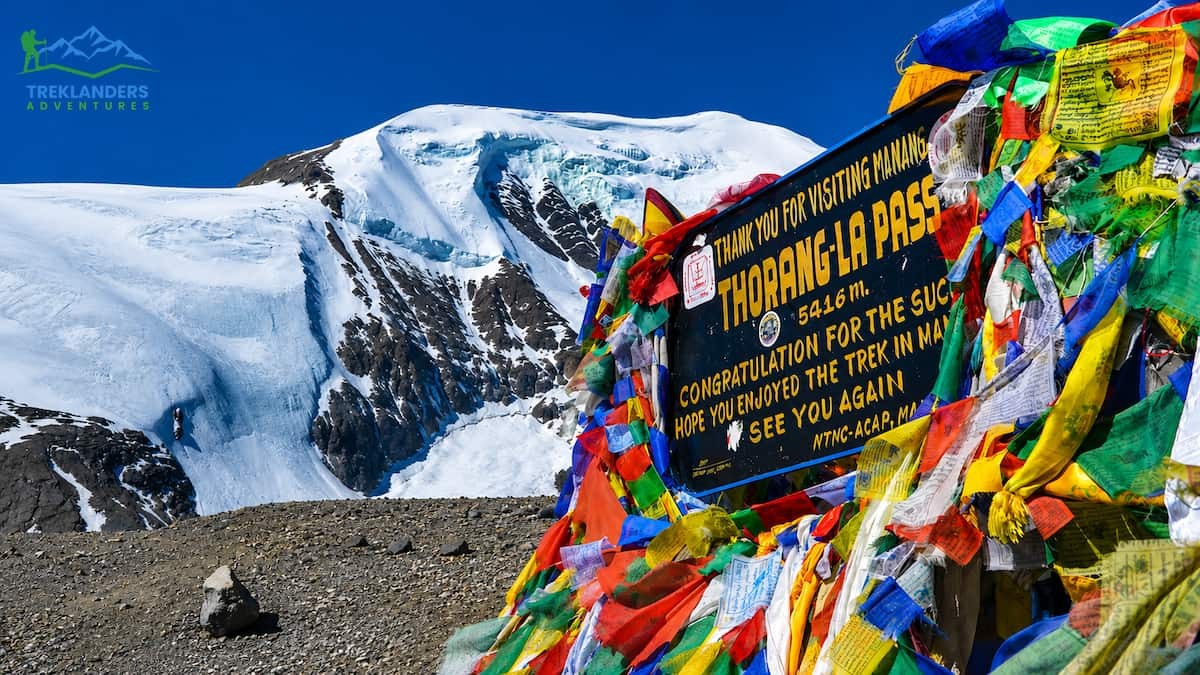
If we talk about diversity, few trekking routes can really compare to the Annapurna Circuit in Nepal, and this is exactly why it is supposedly the most diverse trek in Nepal. So, aside from In reality this trek goes around the entire Annapurna massif, the added allure of it is that it exposes a person to an incredible variety of landscapes and ecosystems: from subtropical lowlands, dense forests, alpine meadows, and high-altitude deserts to Kali Gandaki Gorge - the deepest gorge on Earth.
If you are a group trekker, the Annapurna Circuit not only has its regular attractions for you but also offers something special: a variety. Basically, every day a new area will be visible to you, a new culture and a new challenge will come your way. The diversity keeps energy high and conversation flowing within the group.
The crossing of the Thorong La Pass (5,416 m) is, without a doubt, the highlight of this glacier journey. At 3:00 AM, with headlamps lighting up your path, your group unclimbs through thin air and cold biting to reach the highest trekking pass in the world. When the sun rises over the surrounding peaks and the whole group is standing at the summit cairns, it is pure happiness.
Manang Town (3,500 m) is the main place for acclimatization, and it is also a very interesting place to visit. Old stone buildings, Buddhist temples, the goings on of yak herders, and apple orchards make it very different from the other parts of the world. Your group will have a full rest day here to explore, acclimatize and get ready for the pass crossing.
The Muktinath Temple (3,710 m), a holy place for both Hindus and Buddhists, is located at the end of the pass crossing. Visiting it together after the challenging Thorong La pass adds a strong spiritual aspect to physical accomplishment.
The descent into Jomsom down the Kali Gandaki Valley goes through the old walled city of Kagbeni, the entrance to the Upper Mustang area, which is a restricted area. The breathtakingly beautiful, wind-carved landscape here evokes an image of the surface of some alien planet.
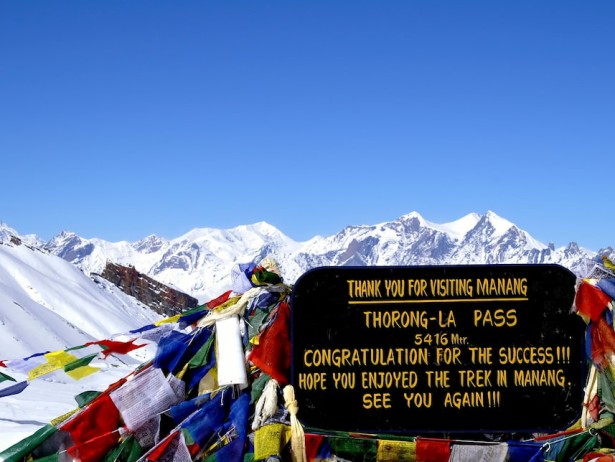
Treklanders has full control over the Annapurna Circuit both for schedule and routing. Groups which are too big can be divided into sub-groups of similar ability for the crossing of Thorong La, so that each person gets the pass done safely and at his/her own pace. We also organize jeep shuttles for the lower parts where road construction changed the trail, to make the best use of time without giving up the finest trekking portions.
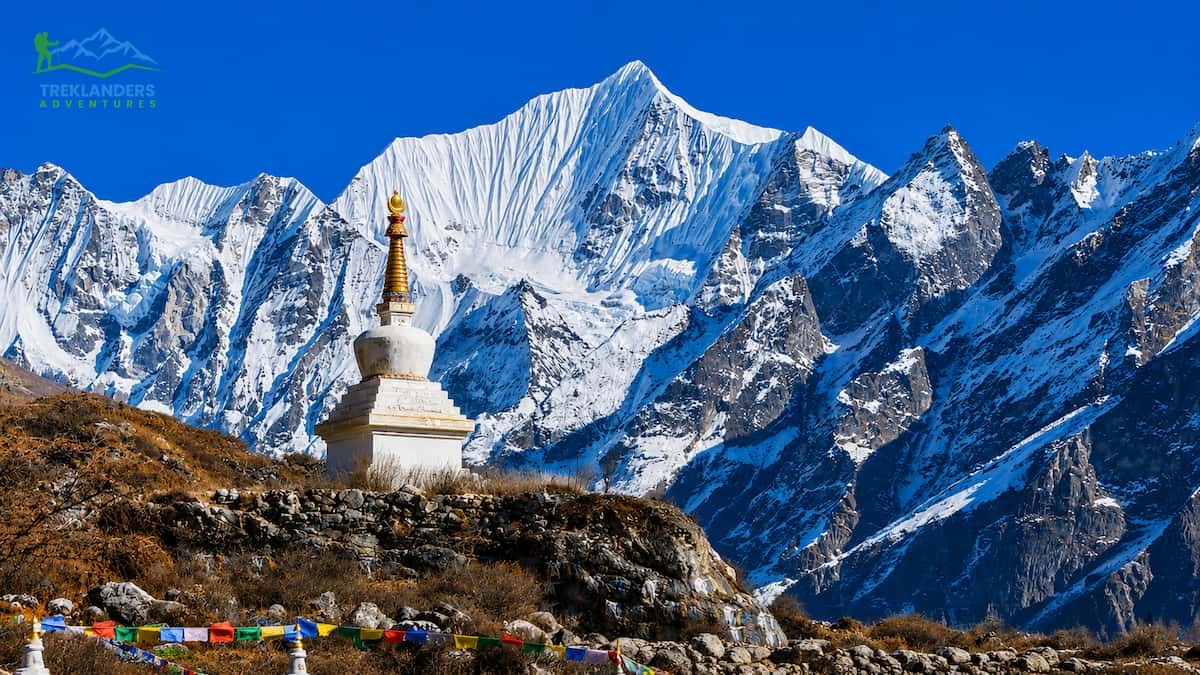
Langtang Valley, which is only 51 kilometers away from Kathmandu in the north, is one of Nepal's most beautiful yet least known trekking areas. Although Langtang is often neglected because it lacks the superstar of Everest and Annapurna, it still brings hikers an extremely fulfilling experience, shorter duration, cheaper cost, and fewer people - in fact, it's one of the best-value group treks in Nepal.
Due to the 2015 earthquake, Langtang was seriously damaged. Though trekking there now is also a symbol of support to the local people living in the rebuilt communities. Besides that, your group's visit will directly contribute to the continuing economic recovery of Langtang villages.
Langtang Valley is magnificent on its own; the valley is a vast, glacier-shaped opening. On its sides there are gigantic mountains among which Langtang Lirung (7,227 m) stands out with its near-vertical ice wall above the valley floor. It is said that even experienced trekkers who have been to the valley are overwhelmed by the breathtaking view right from the entrance.
At an altitude of 3,870 m, Kyanjin Gompa is the spiritual as well as the logistical center of the valley. Here, your team will stay during acclimatization and rest days with the possibility of short excursions to nearby places. The yak cheese factory has a reputation for producing some of the best mountain cheese in the Himalayas. The sessions where they let you taste the different cheeses are a hit among the visitors.
Hiking up Tserko Ri (4,984 m) is a good day trip that you can do only from Kyanjin Gompa and it's highly recommended. From the peak, you will get a 360-degree view of Langtang, Ganesh Himal, and the Tibetan plateau. Although it is quite demanding, it is a climb that can be managed by most members of the group who are in good physical condition.

Langtang Valley offers a perfect natural setting for corporate groups, school trips, and those new to trekking at high altitudes. Also, a comparatively shorter duration (7-10 days) is quite convenient for taking professional leave. At the same time, a moderate level of difficulty ensures that most of the group members with varying levels of fitness can participate. The local Langtang guides of Treklanders Adventure not only have a thorough knowledge of the area but also share cultural aspects which a guidebook cannot match.
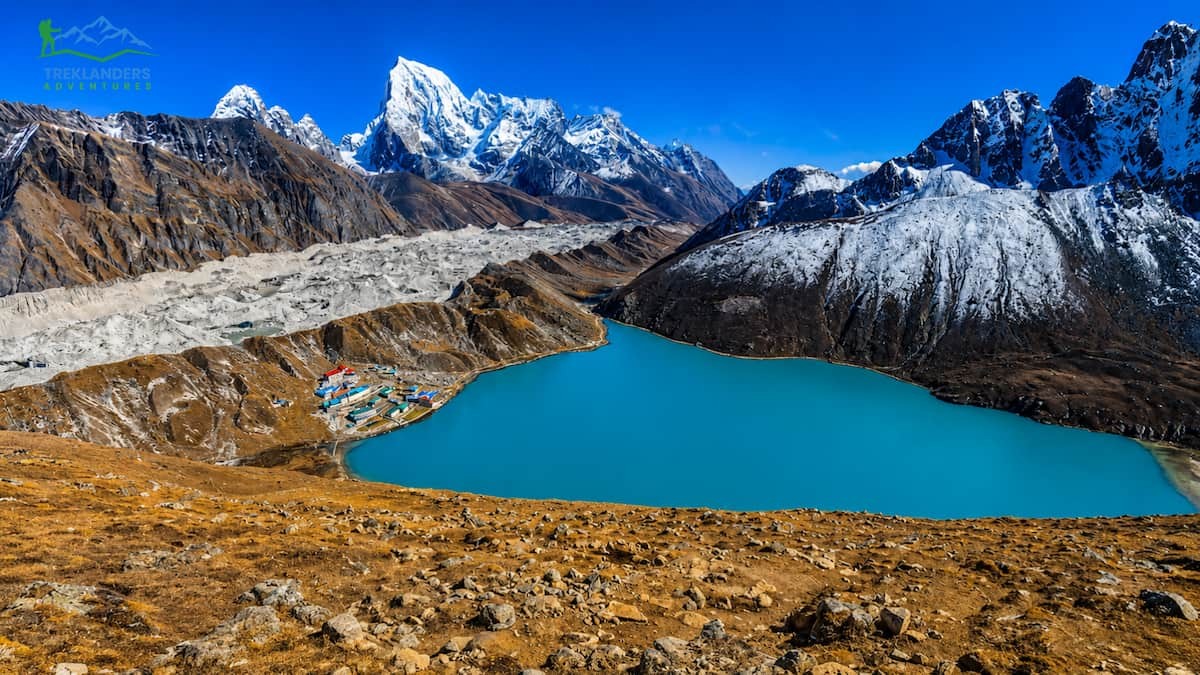
When in the Everest region, trekking to the Gokyo Lakes is the most visually stunning alternative to following the classic route to base camp. Instead of going straight to EBC, this path takes you through the world's highest freshwater lake system, the Gokyo Lakes and ends with climbing Gokyo Ri, which probably has the best panoramic view of the whole Himalayas.
People coming as groups and wanting an Everest experience but with fewer people around and perhaps even better scenery may find Gokyo the ultimate option.
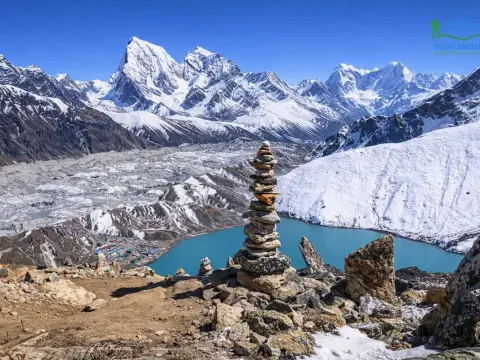
Hindus consider the five Gokyo Lakes as sacred, and what is more, they are surrounded by some of the most astonishing landscapes in Nepal. Their turquoise water reflects the surrounding glaciers and mountain peaks so perfectly that even well-seasoned photographers are left speechless by the beauty of it all. Your group will camp or stay in teahouses along the shores of these lakes - a moment of pure mountain tranquility.
The Ngozumpa Glacier, at 36 km in length, Nepal's largest glacier, flows through the valley right beneath the Gokyo Lakes. With Alpinist-guided hikes on the glacier's moraine, you can have an up-close and personal interaction with one of the world's natural wonders as well as a down-to-earth demonstration of how climate change is transforming the Himalayas.
Most people agree that Gokyo Ri (5,357 m) sunrise is the very best viewpoint in Nepal. At the top level, your group will be able to spot four out of the six highest peaks in the world at the same time: Everest, Lhotse, Makalu, and Cho Oyu. This view itself is worth the whole trek.
Groups combining Gokyo with EBC can cross the Cho La Pass (5,420 m), which is a difficult climb but an immensely gorgeous high-altitude hike that connects the two valleys and will give you the best long-distance trekking loop in Nepal.
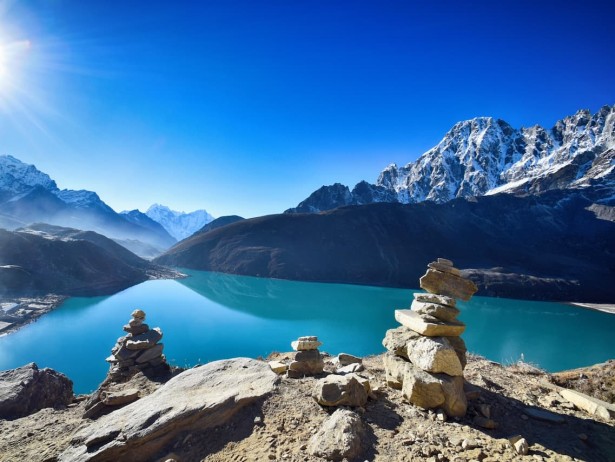
Treklanders offers the Gokyo Lakes as both a standalone group package and as part of the combined Gokyo-EBC High Passes loop. We schedule departures to avoid the peak-season bottlenecks at the Gokyo Ri summit, ensuring your group's sunrise experience is intimate and unhurried.
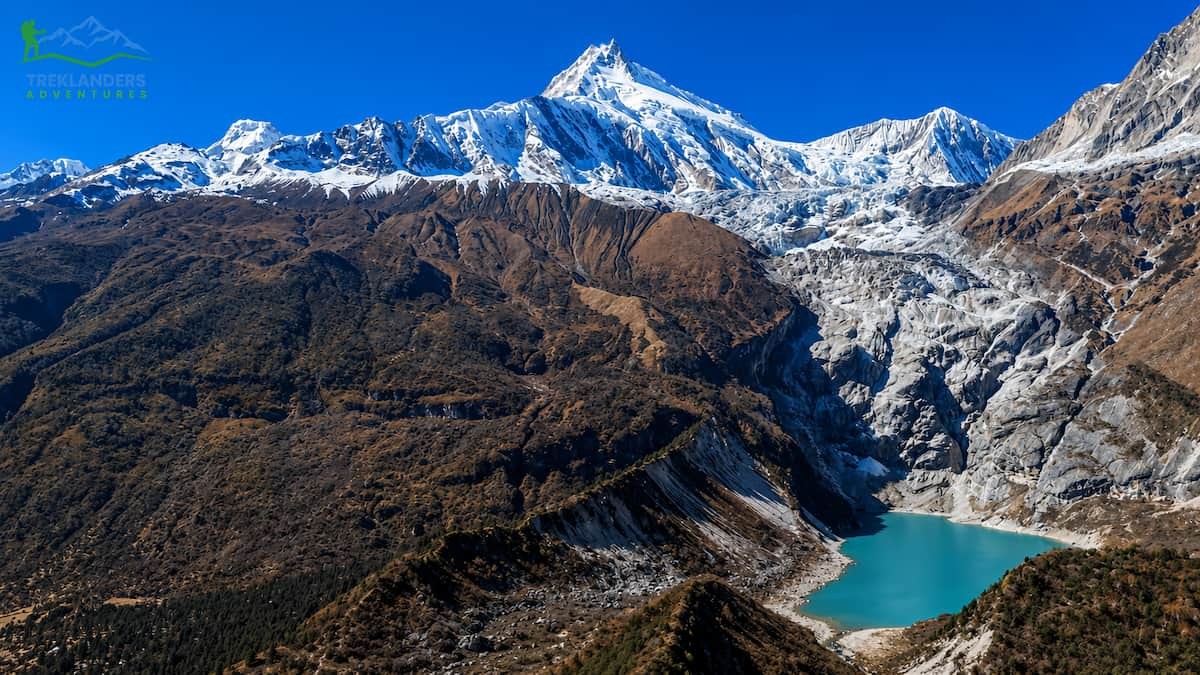
Manaslu Circuit is arguably Nepal's best adventure for those who love authenticity, raw wilderness, and real off-the-beaten-path exploration. It is a loop trek of the world's eighth-highest mountain (8,163 m). To do the trek, one must get a special Restricted Area Permit and be accompanied by a registered guide. This is the reason why the Manaslu Circuit is among the best-regulated and least crowded major treks in Nepal.
If a group has already done Everest or Annapurna and now wants a wilder and more culturally immersive experience, Manaslu is the perfect choice.
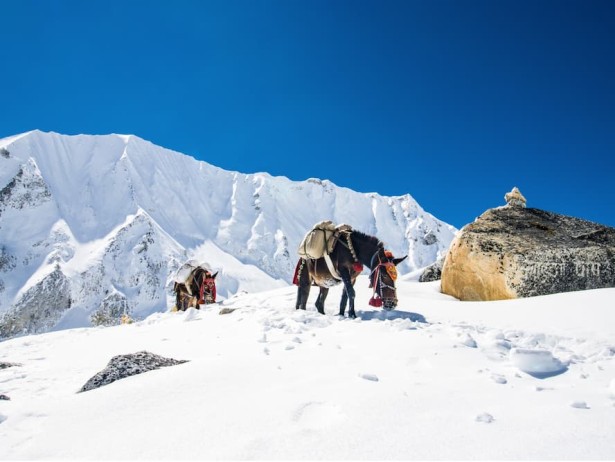
The highlight of the first half of the trek is, for sure, the Budhi Gandaki River gorge, which not only forms a major portion of the trek but is also one of Nepal's most spectacular canyon landscapes. Walking along deep river gorges, crossing high suspension bridges, and passing through the remote villages of Gurung and Tibetan-influenced areas that see few trekkers will be part of your experience with your group.
Along the Manaslu route, the Tibetan Buddhist culture is preserved by the Nubri and Tsum Valley communities, who live in one of the most authentic forms of it. Uncrowded by mass tourism, the ancient monasteries, carved mani walls, and festivals will make every rest day a thorough cultural immersion for you.
The physical and emotional summit of the circuit is Larkya La Pass (5,160 m). The ascent usually starts at 3:00 AM, and the whole crossing of the pass takes 5-7 hours, involving walking through high snowfields and glacial terrain. After the group's arrival on the descending side, the view of the Annapurna massif spreading over the horizon is a life-changing moment in the Himalayas.
Samdo (3,860 m) and Dharamsala (4,460 m) are the last two villages before the pass and also act as rest and acclimatization centers for your group. The high-altitude quietness and the sight of the yak caravans going on the ancient trade routes will surely make you feel as if you have stepped back in time to medieval days.
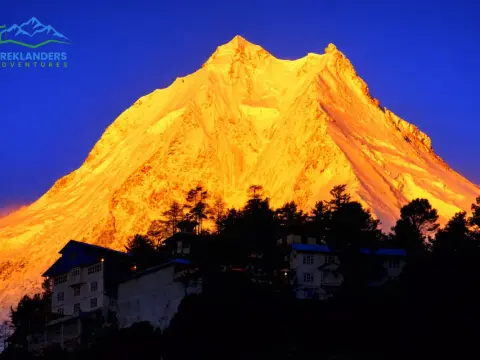
The Manaslu Circuit's restricted area designation means group sizes must be managed carefully, and permits arranged well in advance. Treklanders handle all the complex permitting logistics, provide experienced high-mountain guides certified in wilderness first aid, and offer fully supported camping options in areas where teahouse accommodation is limited.
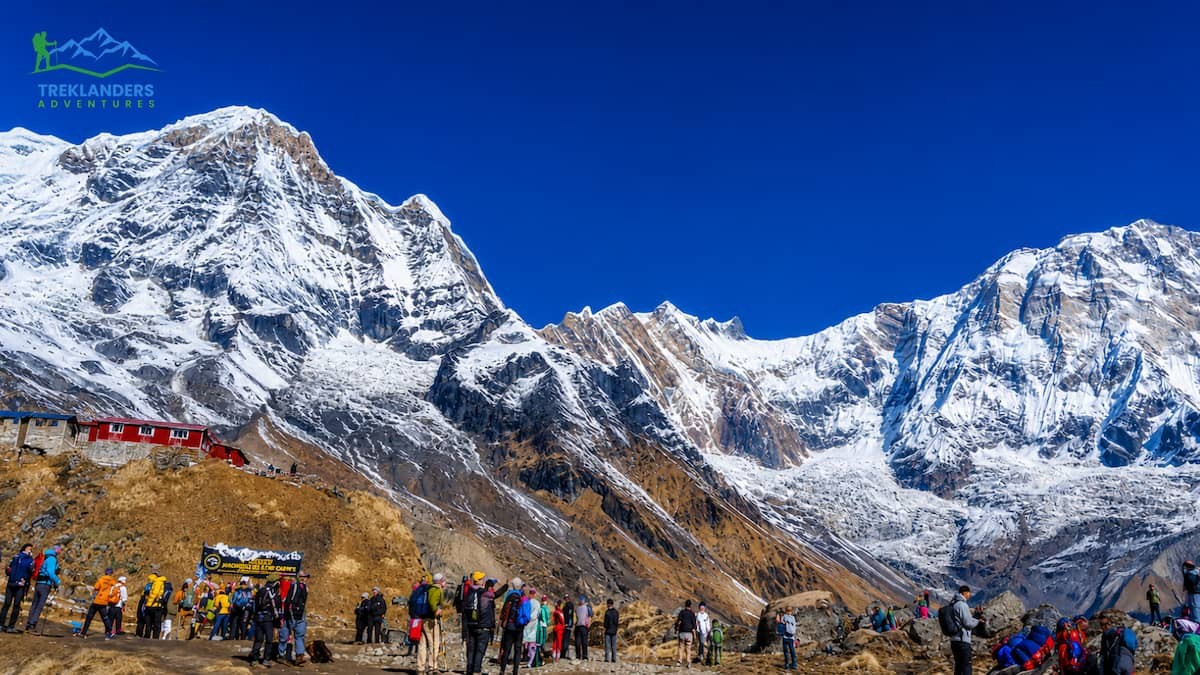
Among numerous options available in Nepal's trekking industry, the Annapurna Base Camp (ABC) Trek has gained a great reputation as the "shortest group trek" ever. Not only that, but it is also one of the best moderate-difficulty trekking experiences in the world. Your visual and emotional feelings will be so enhanced and inspired that you'll hardly believe it was physically accessible at the time you saw the natural amphitheater of the mountain at 4,130 m - the place surrounded by the thirteen peaks that are above 6,000 m, including Annapurna I (8,091 m), the tenth-highest mountain on Earth.
To quickly choose a group trek offer of Nepal that takes only 10-12 days, is a mixture of physically fit and not so fit people, or just those who are willing to do their first time Himalayan trekking in Nepal, ABC is the best option.
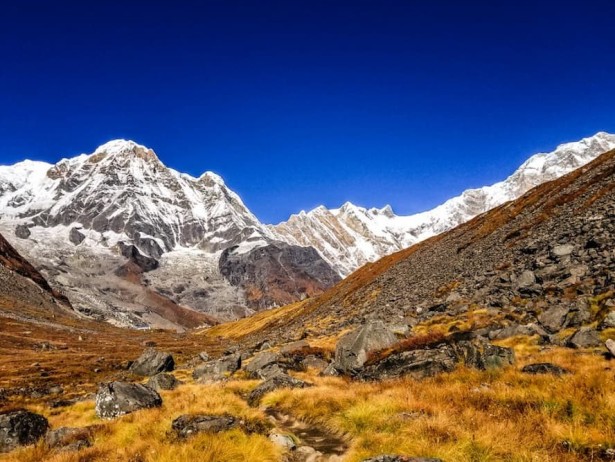
The Modi Khola River valley offers one of the most beautiful walking corridors in Nepal. The constantly changing and spectacular landscape is created by the lush rhododendron forests (blazing red and pink in March-April), terraced rice paddies, and the dramatic narrowing of the valley as it drives deep into the Annapurna Sanctuary.
Ghorepani and Poon Hill (3,210 m) is the traditional sunrise viewpoint detour that most ABC groups include. Watching the sunrise paint the entire Dhaulagiri and Annapurna ranges in shades of gold and pink, with your group gathered on the hilltop, is one of Nepal's most celebrated and accessible mountain experiences.
What an extraordinary natural stadium Annapurna Base Camp itself is! The 360-degree ring of towering peaks, Annapurna I, Annapurna South, Hiunchuli, Machhapuchhre (the sacred "Fishtail" peak), and Gangapurna forms the most dramatic base camp setting of any major Himalayan trek. Groups often arrive emotionally and immediately spontaneously celebratory.
Located at 3,700 meters is the last stop before ABC, Machhapuchhre Base Camp. This base camp is situated directly under the iconic double summit of the fishtail peak and offers one of the most frequently photographed views in Nepal, if not the whole world.
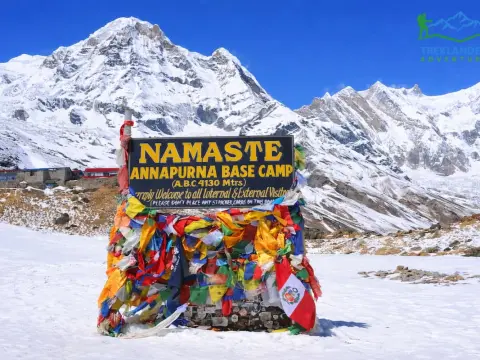
Treklanders offer ABC group departures every week during peak season, with group sizes from 4 to 16 trekkers. The moderate difficulty makes it ideal for corporate wellness groups, mixed-ability friend groups, and families with teenage members. Our Annapurna guides are specialists who know every weather window and teahouse on the route.
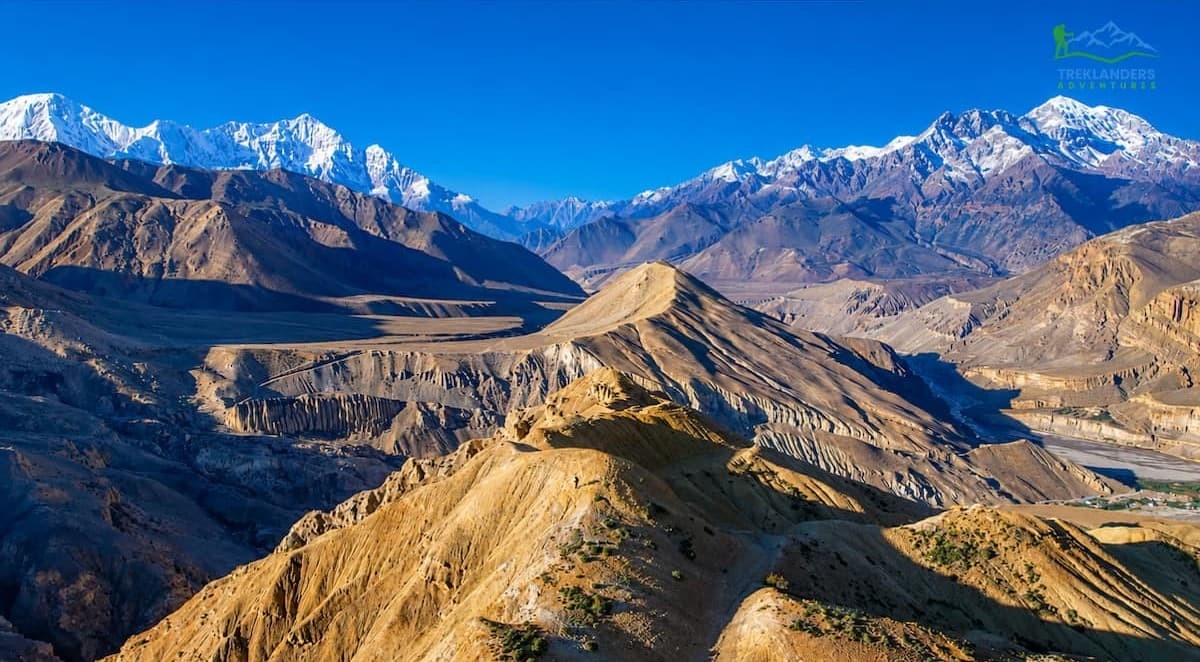
Upper Mustang stands out as a totally different trekking destination compared to the rest of Nepal and even the world. Formerly the secret kingdom of Lo, the old, fortified city-state was prohibited from foreigners until 1992 and even now takes a special restricted area permit. The scenery, the way of life and the whole experience that it offers are so different from the typical Nepal trekking that even the groups who go there end up calling it the most remarkable journey of their lives.
Because of the rain shadow effect of the Himalayas, Upper Mustang is the only major trekking area in Nepal that remains dry even during the monsoon months of June to August. Because of this, it is the ideal group treks for those months when most other trekking routes are off the table.
Lo Manthang (loosely, the walled city of Lo, the old kingdom) remains a medieval city. Its ancient palace, whitewashed monasteries, cave dwellings, and around 1000 Loba people sustaining Tibetan Buddhist culture in a spectacularly intact manner. Getting through the city gates after several days of group trekking in the dramatic desert plateau is an arrival that feels truly historic.
The landscape of Upper Mustang is like no other place on Earth. Among its features are wind-eroded cliffs, deep red-ochre canyons, ancient sky caves, and the vast Tibetan plateau to the north. The range of colors: russet, ochre, turquoise, and white, set against a deep blue high-altitude sky, results in photos of extraordinary quality.
The Tiji Festival that takes place in Lo Manthang in May is one of the largest and most spectacular yet least visited religious festivals in Nepal. Monks in magnificent costumes enact ancient ritual dances for three days to commemorate the triumph of good over evil. Those who are lucky enough to coincide their trek with Tiji have a once-in-a-lifetime experience that will never be repeated.
The cave monastery complexes of Chungsi (with its Milarepa meditation cave), Lori Gompa (with its extraordinary collection of ancient Buddhist murals), and Namgyal Gompa provide some of the best pieces of Tibetan Buddhist art outside Tibet.
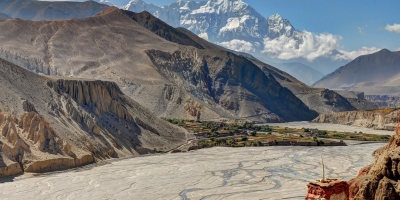
Upper Mustang's restricted area permit requires advance booking, and Treklanders handle all permit logistics and liaison with local authorities. We offer a hybrid trekking-and-vehicle option that allows groups with mixed mobility levels to experience the best of Upper Mustang without the most physically demanding sections. Our Mustang specialists have deep relationships with local families in Lo Manthang and can arrange homestay experiences and private monastery visits unavailable through standard bookings.
Altitude sickness remains the biggest danger for group trekkers going higher than 3,000 m. You should always abide by the "climb high, sleep low" rule. We at Treklanders include mandatory acclimatization days in our itinerary at altitudes over 3,500 m, and our guides are equipped to identify and give first aid to altitude sickness symptoms without delay.
There are always different fitness levels in any group. The law of the land is: the group should move at the pace of the slowest member. Really, Treklanders guides are professional in balancing group cohesion while ensuring faster members are kept busy with side hikes and summit climbs.
Nepal's porter services are a real blessing for those who love trekking. To cater to the needs of all group trek lovers, Treklanders organize fully insured, fair-wage porter services. Usually, the main bag of each trekker is given to a porter while the trekker carries a light daypack only, really enhancing group comfort and raising spirits.
All Treklanders Group Trekkers must hold travel insurance covering high-altitude helicopter evacuation. We assist with policy verification before departure. Evacuation from high-altitude Nepal without insurance can cost USD 5,000–15,000, a risk no group trek should carry.
Treklanders Adventures offers group departures with a minimum of 4 trekkers and a maximum of 16. Private group bookings are available year-round. Join-a-group departures are offered for all seven treks on fixed departure dates from Kathmandu.
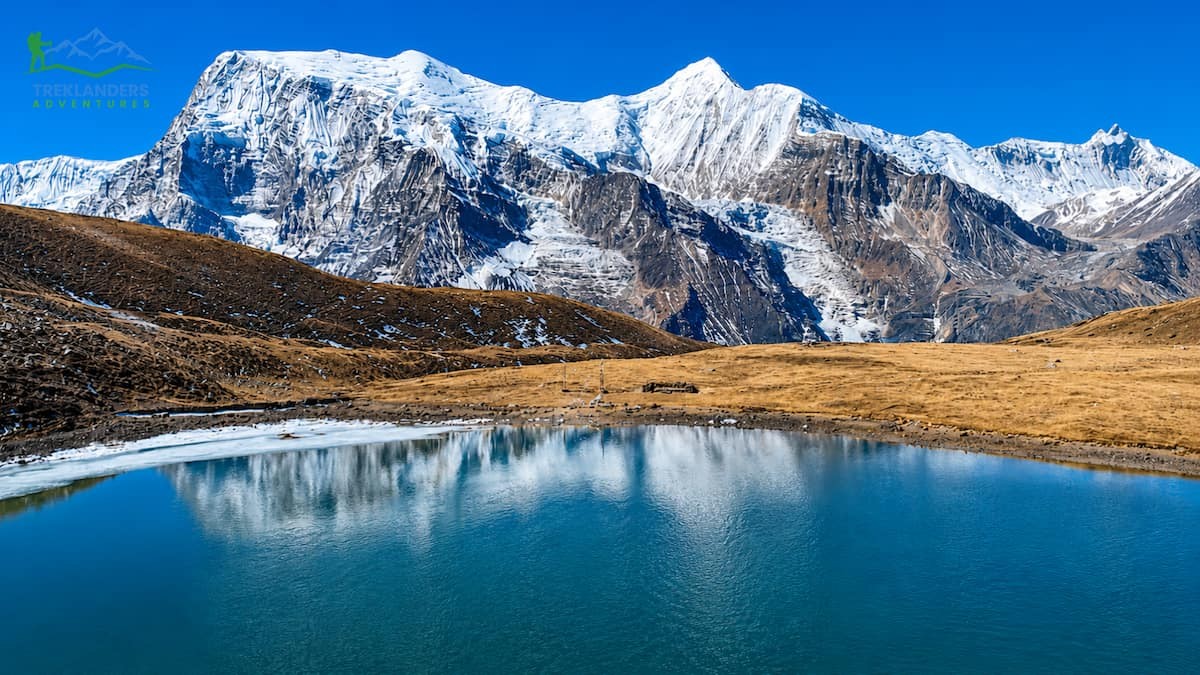
The Himalayas in Nepal are among the very few truly transformative natural environments remaining on our planet. They challenge you in a very genuine way, physically, mentally, and spiritually, and they reward you with an entirely different kind of human experience: a view of life that is fundamentally different from what one gets through urban living and screen-mediated exposure.
A group trek in Nepal magnifies the whole experience. The work is distributed among everyone. Success is shared. The impressions last forever. And the friendships that emerge on a Himalayan path frequently outlive one's other social interactions.
You may be captivated by the myth of Everest Base Camp, the Annapurna Circuit's variety, the peacefulness of Langtang, the excitement of Gokyo Lakes, the wildness of Manaslu, the convenience of Annapurna Base Camp, or the ancient allure of Upper Mustang. Treklanders Adventures is here to help you and your group turn your Himalayan dream into a reality.
The mountains are inviting you. Gather your group. We will guide you there.
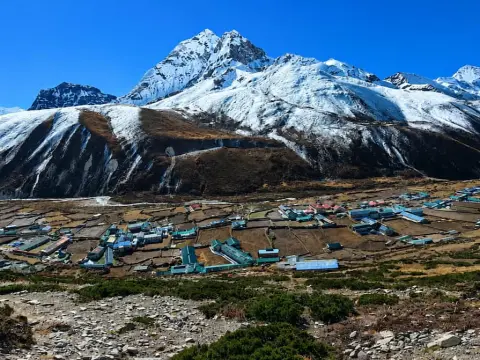
Why Dingboche is the most important acclimatization stop on the Everest Base Camp Trek for safe altitude adjustment and stunning Himalayan views.
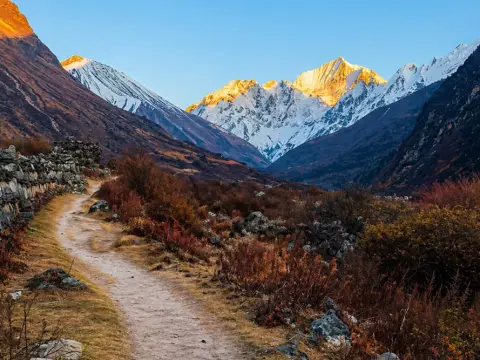
Guided vs independent Langtang Valley Trek: compare cost, safety, flexibility, and experience to choose the best trek in Nepal.
Everest Base Camp elevation guide with altitude sickness tips, acclimatization advice, permits, and essential trekking information for EBC trek.



