Langtang Valley Trek Guided vs Independent: Which Trekking Style Is Best for You?
8 May 2026
Guided vs independent Langtang Valley Trek: compare cost, safety, flexibility, and experience to choose the best trek in Nepal.

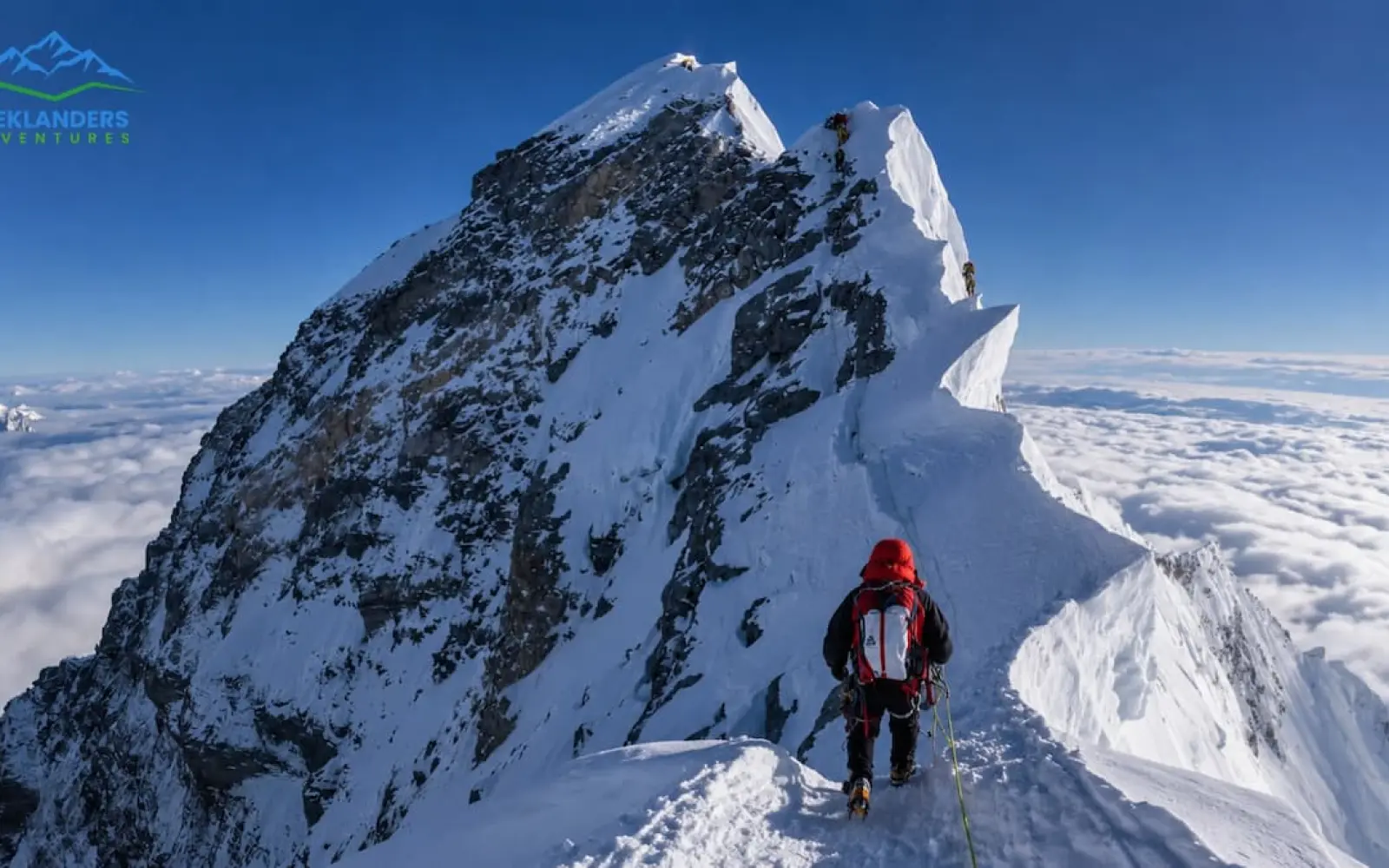
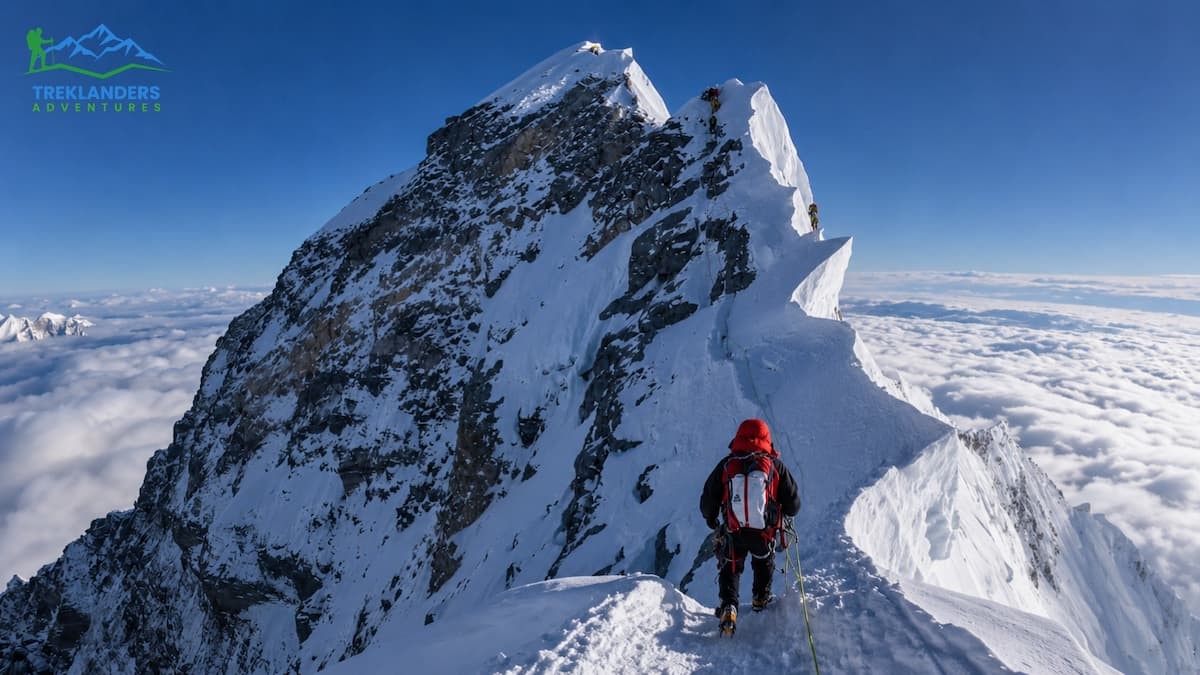
When we think about climbing Everest, we usually envision one climber at a time hauling themselves through the death zone with ropes in their hands, making slow and steady progress while wearing an oxygen mask. We never thought about who kicked that step of rock for them.
Your Sherpa is not your porter. He is not your guide. And he is certainly not just a supporting character in your story of climbing Everest.
Sherpas are the lifeline of your expedition. They fix the rope. They trail break. They cache the camps. And they read about the mountain in a way that no weather app or expedition meeting will ever do. When climbers climb Everest, they usually know what they’ve put into their own training to be there. But they rarely know what their Sherpa is doing for them during those six to eight weeks on the mountain.
In this guide, we break down the ten most underrated and underappreciated things your Everest Sherpa does and how each one directly affects whether you stand on top or turn around.
Every rope you clip into on Everest was placed there by a Sherpa.
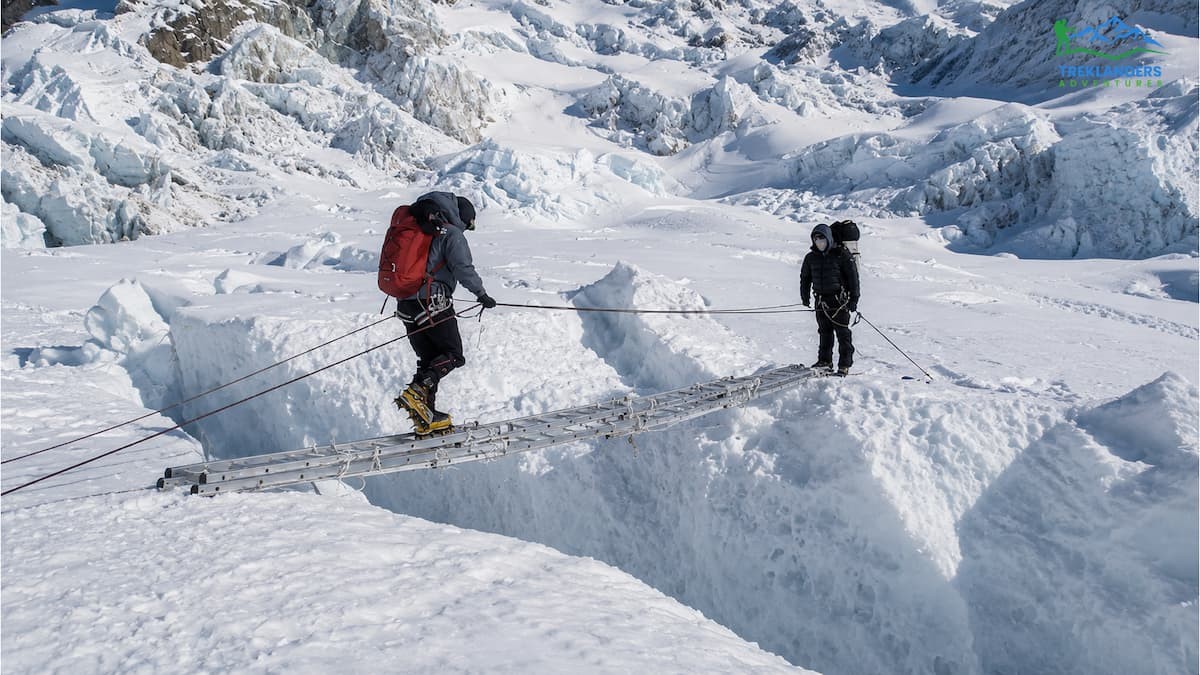
High on the mountain, behind the curtain of fixed ropes and fancy camp infrastructure you see as you climb Everest, are dozens of Sherpa working high-altitude jobs. One team is known as the Icefall Doctors. These elite Sherpa route fixers ascend the Khumbu Icefall each season before any commercial expedition climber even sets foot in the Icefall. They cross some of the most dangerous terrain in the world, a perpetually changing labyrinth of glacial ice, crevasses, and towering blocks of ice called seracs.
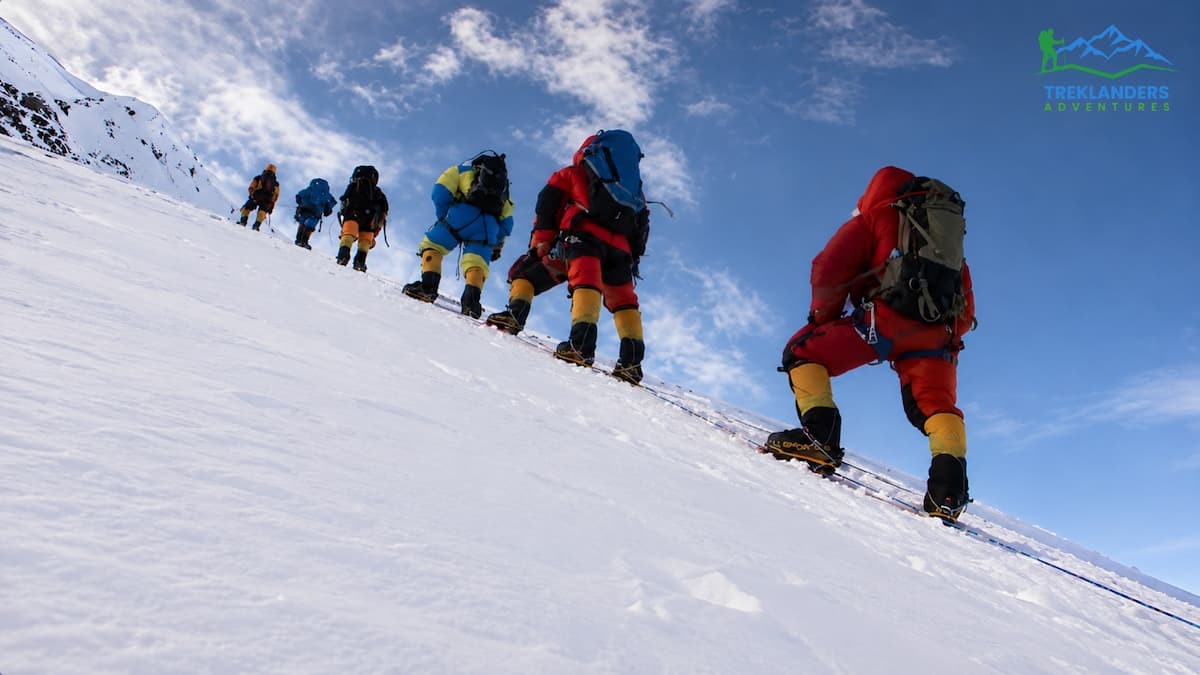
Higher still above Everest Base Camp, teams of Sherpa fix ropes from Camp I all the way to the South Summit and beyond. This work takes place over many rotations in extreme cold, in winds that would dissuade most climbers from wanting to move at all. While working at altitude and hauling heavy gear, these teams pound in pickets, thread rope through the route, and test every anchor they build.
When you clip into your rotation, that rope has been tested by the best in the world: The people who placed it there. You trust that rope with your life. Most climbers don’t even think about who builds that system.
In recent seasons, teams placing fixed ropes have been coordinated by the Sagarmatha Pollution Control Committee (which manages permits and mountain safety on the Nepal side of Everest) to work together as one large rope fixing team. Rather than each commercial expedition sending its own Sherpa team to fix a section of the route, highly experienced Sherpas from many different agencies have pooled their resources and expertise to fix the route before the summit season begins.
Climbers are aware that the ropes are there. What most don't know is what it takes to get them there.
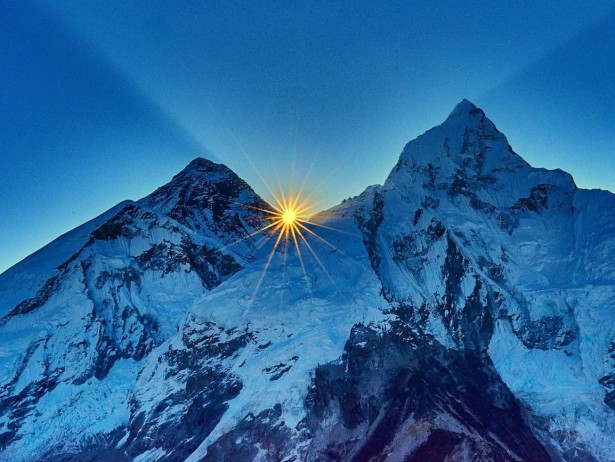
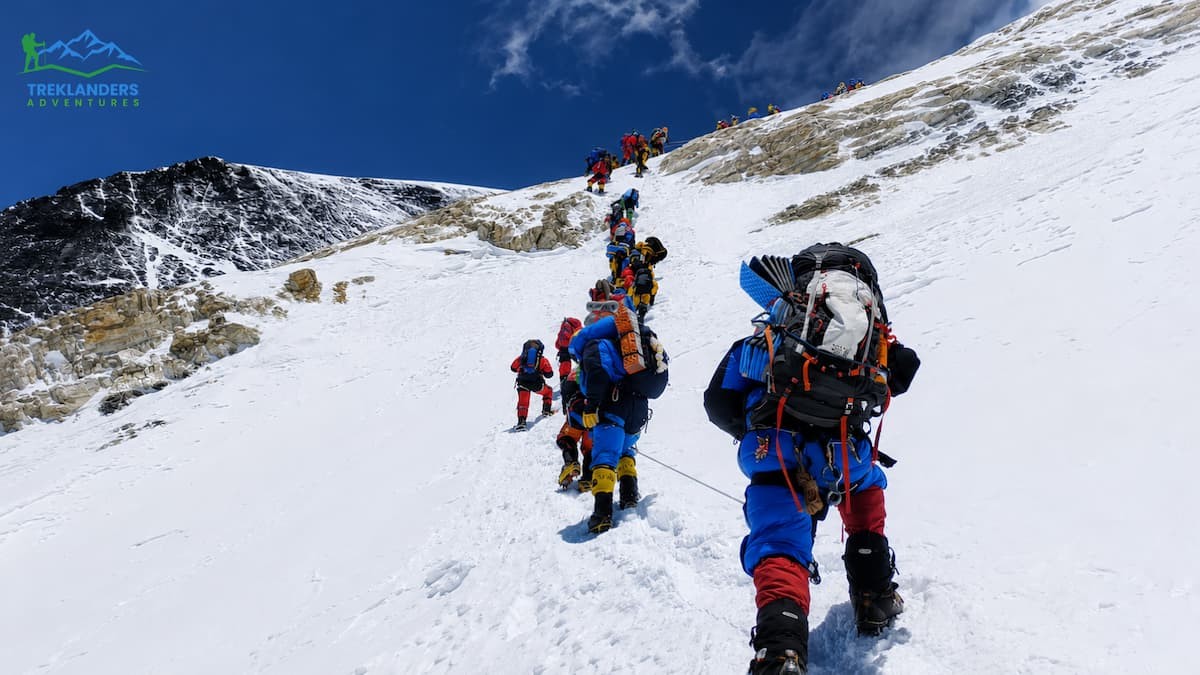
The weight your Sherpa is carrying on any given carry day is often two to three times what commercial expedition climbers carry.
Clients and expedition leaders hauling gear from base camp to Camp II are transporting tents, cooking gear, oxygen bottles, clients’ personal gear, and food. That load can be 25-35 kg. Your Sherpa is carrying that weight and more over the Khumbu Icefall and across the Western Cwm. He’s doing it at altitudes from 5,364m (base camp) to above 6,400m (Camp II).
Your Sherpa is working. At those elevations, there is about half the oxygen in the air as there is at sea level. Every loaded step at altitude is more physiologically challenging than practically any workout you can do at home.
It’s not just a matter of being in shape, but that is part of it. The Sherpa people have lived high in the Himalaya for generations. Scientists studying genetic adaptations to high altitude have published in peer-reviewed journals like PLOS Genetics and Nature Genetics about how Sherpas can use oxygen more efficiently than people who live at sea level. Their mitochondria operate differently. Their hemoglobin levels and capacity for carrying oxygen vary in measurable ways from those of lowlanders.
This isn’t a mountain legend. It’s physiology that’s been measured and recorded.
Your Sherpa is carrying the food that keeps your camp running. The tent you slept in at Camp III was brought there on someone’s back. So was the oxygen you breathe.
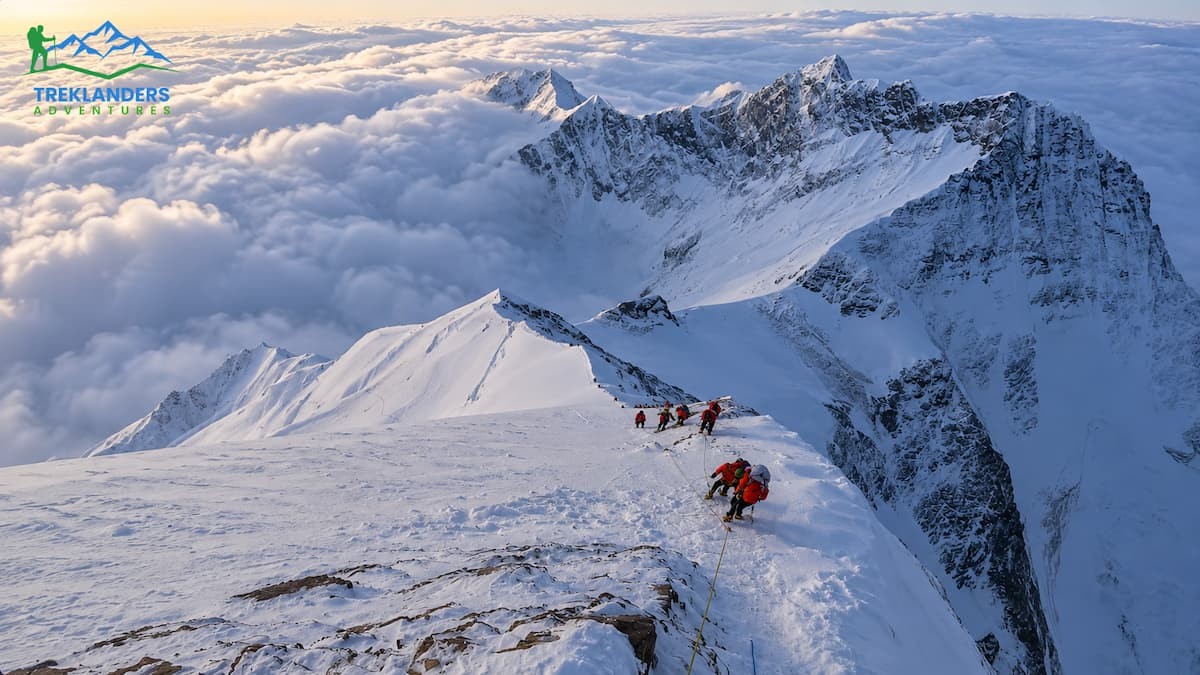
The meteorologist on staff will provide your expedition with official weather forecasts. Those forecasts are important. But they are generalized to a grid that cannot measure small-scale variations found on certain ridges, slopes, and faces on Everest.
Your Sherpa is reading the mountain from the inside out in real time.
A seasoned high-altitude Sherpa on Everest has logged years (if not decades) of observations regarding how snow falls and reacts to wind in certain areas of the route. They understand what certain wind directions portend for the Lhotse Face. They know what kinds of spindrift off the South Col means a strengthening kjet stream is on its way. They can hear when the mountain sounds different. They can feel when the snow is compacting differently under their feet. They know when something is in the air tells them that today is just not the day to go.
This is knowledge that cannot be bought or downloaded. It resides within the souls of the Sherpas who have spent seasons upon seasons on this mountain.
When your Sherpa tells you that conditions don’t feel right and suggests putting a hold, they are not just being cautious. They are interpreting hundreds (if not thousands) of hours of high-altitude pattern recognition that does not factor into a formalized forecasting model at a detailed enough level.
Clients who ignore their sherpa's insights and push when their sherpa is advising against it do so at a quantifiable risk. Countless pivotal moments on Everest expeditions, both good and bad, come down to the decision to go or to wait.
Take your Sherpa's read of the mountain seriously. It’s data.
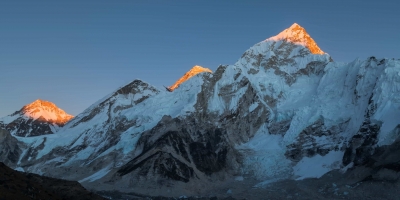
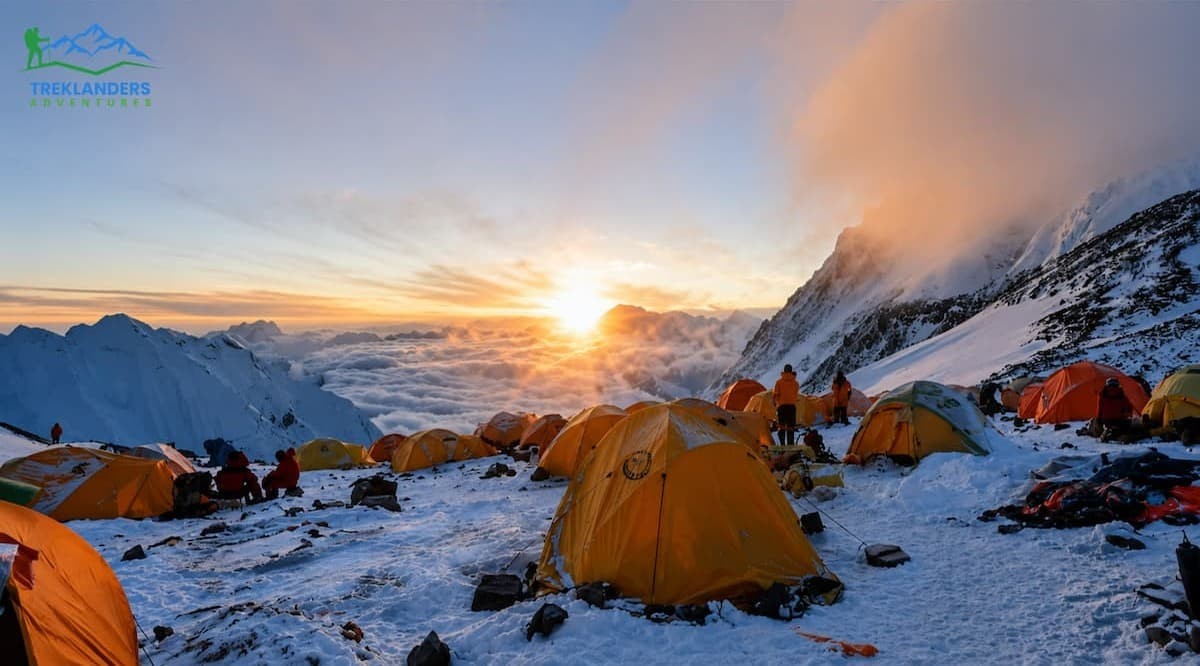
Expedition climbing isn’t just physical. Logistics matter, too. Someone has to fix the camps. Melt snow for water. Cook your food. Keep every piece of equipment operating correctly. Patch tents after storms. Order and organize oxygen.
It falls on your Sherpa team.
Every high camp on Everest needs maintenance throughout the expedition season. Winds chill, and UV radiation at Camp III and Camp IV will tear through fabric quickly. Ice collects in the tent vestibules after storms. Aluminum poles crack. Guidelines unclip themselves from protective loops. Stoves stop working when it’s really cold.
Your Sherpa has to take care of all this every single day. While you’re doing a mid-mountaineering rotation, climbing higher each day to acclimatize and sleeping lower to recover, your Sherpa is high on the mountain keeping camps stocked and ready for when clients arrive again. While climbers sleep at high camp before summit day, climbing teams’ Sherpas are already making their way high to boil water, check oxygen bottles, and ensure everything that needs to work at 8,000 meters (26,247 feet), will.
If any part of that doesn’t go perfectly, someone could die.
The entire operation of an Everest expedition hinges on this work, becoming invisible to its consumers. When it runs well, you’re none the wiser. If it breaks down, so does your climb.
Rest. Nutrition. Hydration. All these factors at altitude will affect your chances of standing on top of the world. Everything your Sherpa does to manage your camps makes rest, nutrition, and hydration possible.
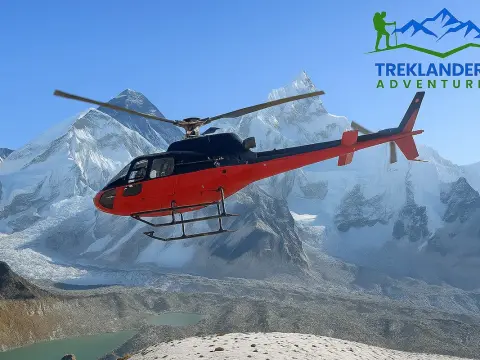
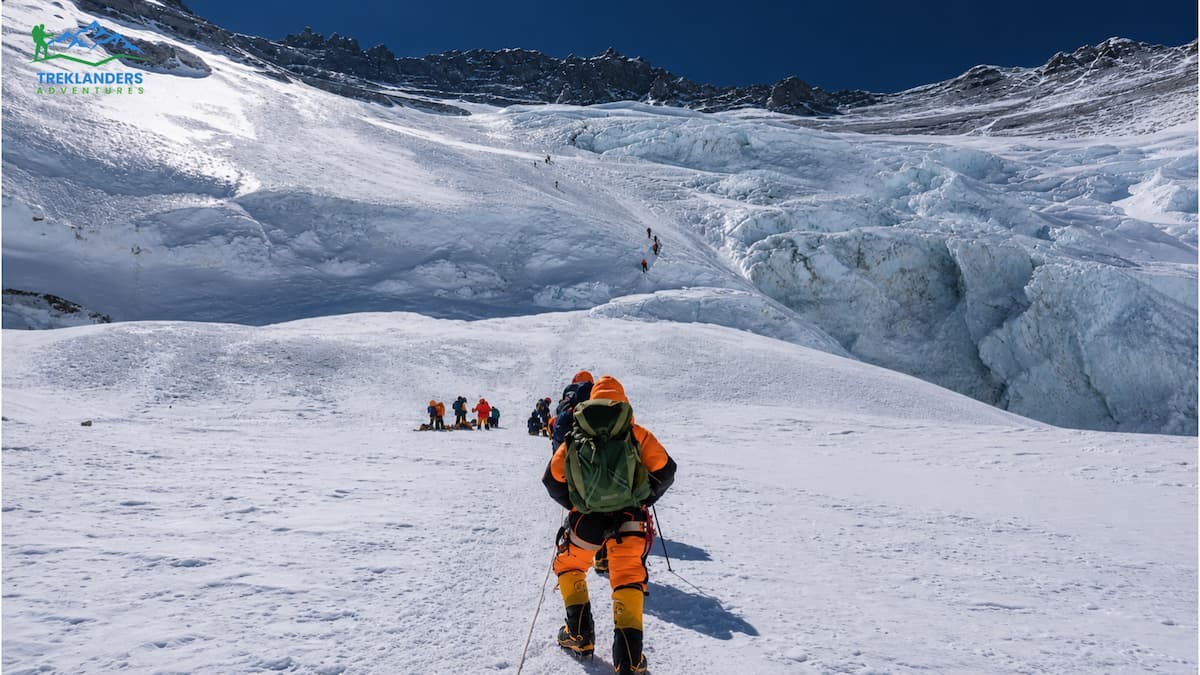
Supplemental oxygen on Everest is not simply flipping a switch - it is more like running a critical system, and failing to understand its nuances in the thin air above 26,300 feet can be fatal.
Our Sherpa will monitor the oxygen flow for you and check the operation of the regulator. He will also check the contents of your oxygen bottles. He will calculate when you need the bottles to be changed and carry the spare sets with him to the high camps. He will also bring additional supplies such as a mask and mouthpiece in case of an emergency. The calculation of the number of oxygen bottles will be based on the proposed summit day timings, the flow rate of the oxygen and the Sherpa's judgment of the possible increased time at height due to weather or bottlenecks on the mountain.
Oxygen Bottles weigh 3.5kg each, and for a Standard climb to the Summit via the South Col, a climber will usually need to carry four to six (or more), depending on how fast a person climbs and how many L/MIN their oxygen flow is set to. Sherpas typically carry all the oxygen bottles above base camp to Camps I, II and IV. Climbers then bring their own supplies above Base Camp.
For the summit push, your assigned Sherpa will check your regulator and mask fit before leaving base camp, as well as check your breathing during the climb, identify any places where you might need an adjustment in your flow rate, and help plan out your bottle transitions. That person at 8,700 shots into a freezing gust of wind who deals with a malfunctioning regulator is your assigned Sherpa.
For most climbers who successfully summit Everest, their memory of the experience probably ends at the summit itself. Few can describe in detail the complex series of steps required to get the oxygen they needed to climb to the summit in the first place. Trekking porters haul cylinders, Sherpa guides stash cache canisters, climbers attach masks to their faces and breathe, and supplemental oxygen specialists service the equipment and transport the oxygen cylinders to Base Camp. No one realizes how much goes into the logistics of the supply chain.

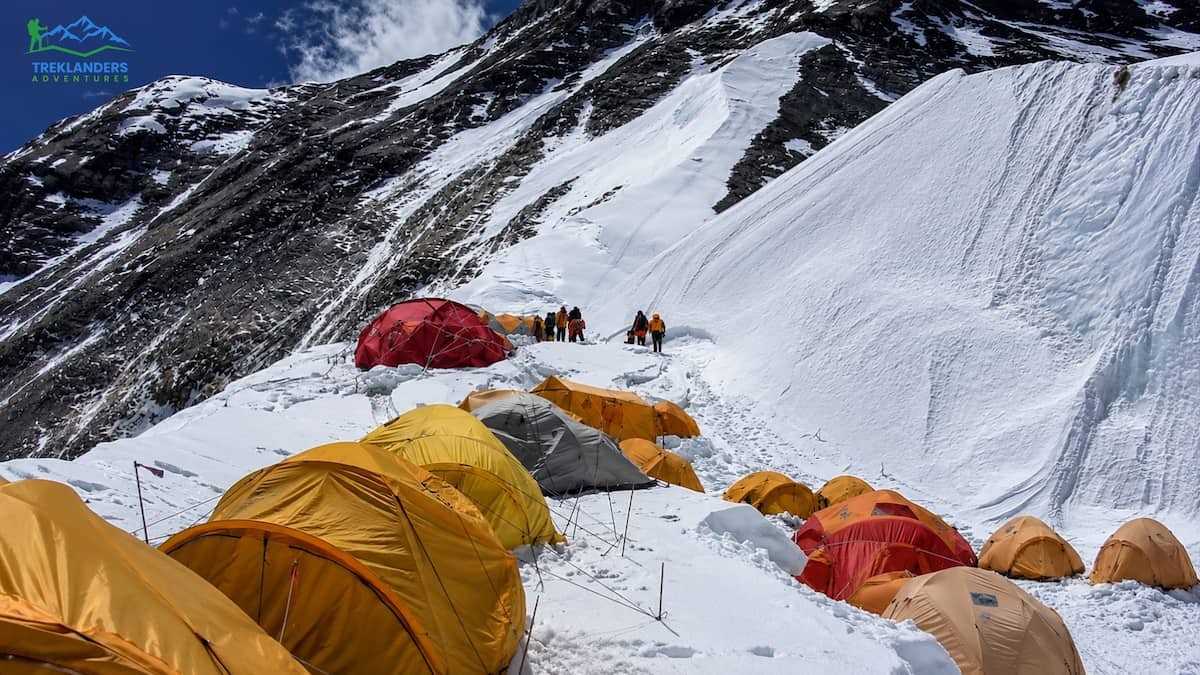
Even the nearest hospital is hours or days away from High Camp above base camp. Because of this, the immediate medical response on Everest is usually provided by whoever happens to be standing there at the time. Usually, that is your assigned Sherpa.
Experienced high-altitude Sherpas are provided training in wilderness medicine and high-altitude conditions, including High Altitude Pulmonary Edema (HAPE) and High-Altitude Cerebral Edema (HACE). They are also provided with medication to treat these symptoms, as well as frostbite and severe hypothermia. They are trained to administer dexamethasone and nifedipine as prescribed by the expedition medical officer.
But it’s not just the emotional trauma that matters. At heights of over 7,000 meters, the task of bringing down a paralyzed climber rests on the shoulders of the mountain’s strongest and most capable workers – the Sherpa.
Everest climbers left on the mountain by their trekking Sherpas are often rescued by other Sherpas, and in documented cases, the Sherpas have brought seemingly unconscious or seriously injured climbers down thousands of often technically difficult meters of rugged terrain.
It was heartening for both climbers and trekkers to see again in the 2019 and 2023 trekking seasons the high-quality mountaineering service provided by experienced Sherpas, specifically in conducting emergency rescues for collapsed climbers in the so-called ‘death zone’ and easing their painstaking descents, which would certainly otherwise have been fatal.
Even with a sophisticated printed emergency plan in place, there’s no substitute for having your Sherpa serve as the expedition’s emergency plan in action. The chances of a safe extraction are exponentially better when a person with the greatest skill and knowledge is on hand.

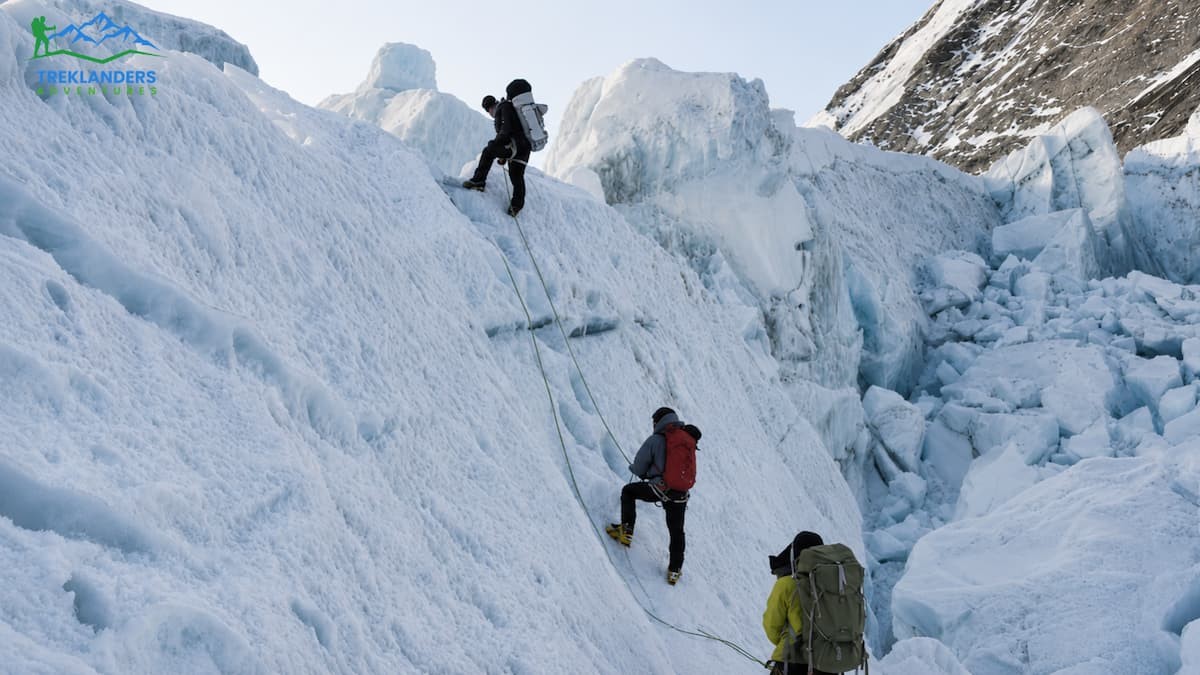
Everest’s route changes. Whether it is due to weather, snowfall, wind load, or glacier movement, the route to the summit of Everest is a dynamic and constantly shifting thing. In the icefall, new bridges are frequently built as old ones fall, and in places the route winds its way through vast tunnels of ice and snow. On the Lhotse Face, a high windstorm can make a significant dent on the slope, creating a route that is both faster and safer than before. Higher up, the snow on the face above the South Col can shift dramatically depending on the conditions and what previous climbers have encountered.
These points are assessed as the Sherpa moves at a pace appropriate for the terrain. Routes are then altered to avoid hazardous zones.
On the Khumbu Icefall, climbers must consider the unstable nature of ice pillars, detect changes to the crevasses, and choose the right pace to progress through the section. The movement of icefall changes over time, sometimes several meters in the course of the day. That means what was safe yesterday is not safe today.
Higher up on the mountain, good route-reading means knowing the quality of snow on the Lhotse Face for solid cramponing, how secure any rock bands are for good handholds, and if a fixed rope is still secured to the mountain after a blow. Your Sherpa must make all these judgments while simultaneously assessing risk to himself and to you.
Training, experience and a mental model of how conditions change on Mount Everest are all in play in this scene of difficult technical decision-making in physically demanding weather at extreme altitude. Your Sherpa has all three in spades.
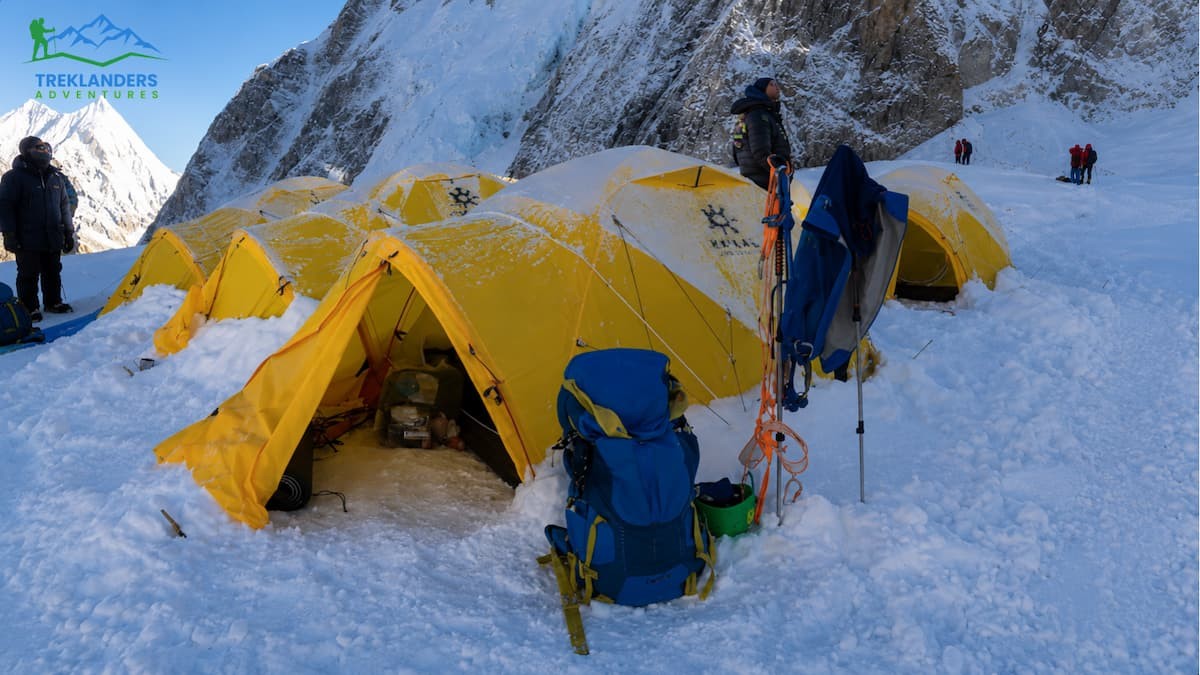
Eight weeks is a long time, a really long time. It’s the length of an Everest expedition, spent waiting around at base camp or suffering through various degrees of disaster as your rotation attempts get washed out by weather, as a climbing haul team stands idle around your condo-sized high altitude tent, as your expedition gets slowed down, halted or otherwise inconvenienced. Eight weeks is the time it takes for the incremental dangers and stressors of an arduous trek and climb to slowly build into something much more insidious, illnesses that are lurking to pounce at the worst possible time, all of this slowly grinding you down until finally, you stumble up to the summit in an emotional and physical state vastly different from the one in which you began.
Many of the experienced Sherpas on commercial expeditions have seen trekkers at their worst - dirty, exhausted and in a very miserable frame of mind. They have counselled climbers who are struggling with irrational self-doubt after a weather hold of a few days. They have dealt with jealous traits of people; they have soothed the injured pride of a team member who was not invited along and negotiated between sparring team members. They have gently counselled climbers through their fear of a beautiful hanging ice wall at 7500m, comforted trekkers through a thunderstorm at high altitude and talked climbers back from the edge of daft decisions when their judgement is impaired by high altitude, tiredness and bad weather.
This job description is not the official job description. It describes what really happens in the job.
We recognize Sherpa culture and traditionally place a high value on family and community. Experienced Sherpa climbers are attuned to the dynamics of a group of foreign guests. They can sense, manage, push, or give space as needed.
Many Everest summers are defined by their relationship with their Sherpa. They are your most important connection to climbing, and I mean that in every sense.
Everest is a complex social environment. It involves dozens of expeditions from different countries, different operator standards, different cultural norms, and occasional direct conflict over resources, rope access, and summit timing. Navigating this environment effectively is a skill that experienced Sherpas have developed over the years.
Most times, your Sherpa has met climbers from different teams. Because they work season after season, ties form - not just with fellow guides but also with officials assigned to the mountain. Connections grow with those who fix ropes through dangerous ice sections. Even cooks and gear handlers down at base know them by name. Such links aren’t casual; they keep things moving when conditions shift fast.
Most times, it’s the quiet talk between guides that clears up who goes first on a shared line. Should tensions rise near the top over air canisters or tent rooms, respect built over the years begins to matter more than words. A familiar face from a known family might step forward, speak calmly in three languages, shift the mood without force. Outcomes hinge less on rules and more on who trusts whom when breaths grow short. How people respond often traces back to old connections, not new arguments.
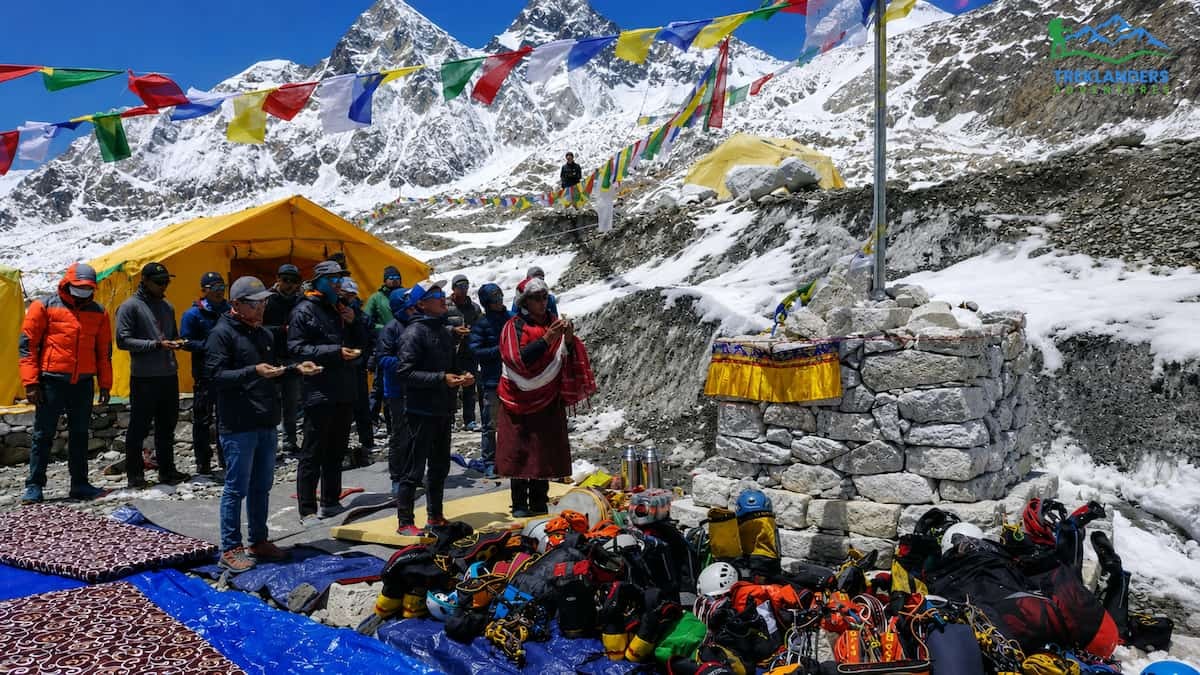
High up where the air thins, rituals shape how people move on Everest. Right at base camp, long before ropes go out, a Puja gathering happens - this isn’t for show. Led by a lama or someone trained deeply in tradition, it flows from Tibetan Buddhist belief. Everyone present stands part of it, whether they grasp every word or not. For Sherpas, such moments tie them to the peak in ways others might never notice. Their steps forward follow the meaning made long ago.
Understanding and respecting this context does not just make you a more considerate expedition member. It affects team cohesion in ways that matter practically.
This is the hardest one to talk about, and the most important thing.
The risk profile of Everest climbing is not evenly distributed across expedition teams. Sherpa workers face a higher cumulative risk than the clients they work with, partly because of the number of trips they make above base camp and partly because of the specific roles they perform.
Data from the Himalayan Database, which has tracked Everest expedition statistics since the 1950s, shows that Sherpa workers have accounted for a disproportionate share of Everest fatalities when compared to their proportion of people on the mountain. The work of fixing ropes, carrying loads through the Khumbu Icefall, and responding to client emergencies at extreme altitude, carries inherent and significant risk.
The 2014 Khumbu Icefall avalanche killed 16 Sherpa workers in a single event, the deadliest day in Everest history to that point. The 2015 earthquake triggered avalanches that killed additional Sherpa staff at base camp. These events reshaped conversations about compensation, insurance, and the ethical responsibilities of commercial expedition operators.
The risk is not theoretical, and it is not evenly shared.
Reputable expedition operators address this through life insurance policies for Sherpa staff, compensation structures that reflect the risk differential, and investment in safety training and equipment. Before you book an Everest expedition, these are the right questions to ask your operator.
What does your Sherpa's life insurance coverage include? What is their daily rate above base camp? What happens to their family if something goes wrong?
The answers to these questions are part of your due diligence as an expedition member.
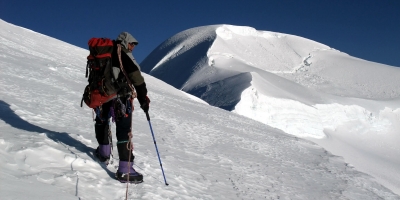
The first thing to do is to understand what your Sherpa is doing. Practice working with them across a six-to-eight-week expedition.
Before the ascent begins, establish the bond. Acclimatizing at base camp is also a time for building relationships. Find out your Sherpa's name. Learn some words of Nepali. Know their background and experience. Ask them about the previous Everest seasons they had. These will be your great help at the high-altitude stage when communication under pressure needs to be quick and clear.
If they say no, listen to them. Your Sherpa has an operational judgment that you don't. If they are against moving, there must be a reason. Ask them for an explanation, discuss their reasons, and seriously consider it. The ego hit of turning back is something you can get over. The other one is not.
Recognize the difference between asking and demanding. Your Sherpa is a trained professional with their own assessment of risk and limitations. Forcing them to go beyond their limits does not increase your chances of reaching the summit. It lowers the quality of the partnership and, at worst, results in a situation that puts both of you at risk.
Recognize the work that happens off camera. Most of what your Sherpa does happens when you are resting or sleeping. The camp that was ready when you arrived did not set itself up. The water you drank was boiled by someone. Acknowledging this work directly and specifically matters to the people doing it.
Tip appropriately and on time. The industry standard for summit tips runs from USD 500 to 1,000 or more per Sherpa depending on their role and the success of the expedition. Confirm timing and logistics with your operator in advance. Presenting the tip in person and with a direct acknowledgment of specific contributions is the right way to do it.
Not all operators treat their Sherpa teams the same way. The differences matter to expedition safety and to your summit probability.
Staff-to-client ratios. A 1:1 or better ratio of personal Sherpas to clients significantly improves safety and support capacity in emergencies. Operators who cut costs by under-staffing high-altitude support create a risk that clients carry.
Oxygen allocation. The best operators provide Sherpa staff with adequate supplemental oxygen for high-altitude carries. Some operators restrict Sherpa oxygen access to control costs. This is both an ethical failure and a safety failure. A hypoxic Sherpa cannot effectively support your summit attempt.
Insurance coverage. Nepal's government requires basic insurance for Sherpa workers on Everest expeditions. The quality and scope of this coverage vary significantly between operators. Ask for documentation.
Training and certification. Experienced Sherpas on reputable expeditions often hold Wilderness First Responder certification or equivalent high-altitude medicine training. Ask your operator what training standards they require.
Pay structure. Base salaries, summit bonuses, and bad-weather day rates vary widely in the industry. Operators who invest in competitive compensation attract and retain the most experienced Sherpa staff. This is directly relevant to your safety.
At Treklanders, we provide detailed answers to all these questions before expedition commitments are made. Our Sherpa team members are selected for experience, compensated above industry norms, and insured comprehensively. We are transparent about these standards because we believe you should know who is going to the mountain with you.
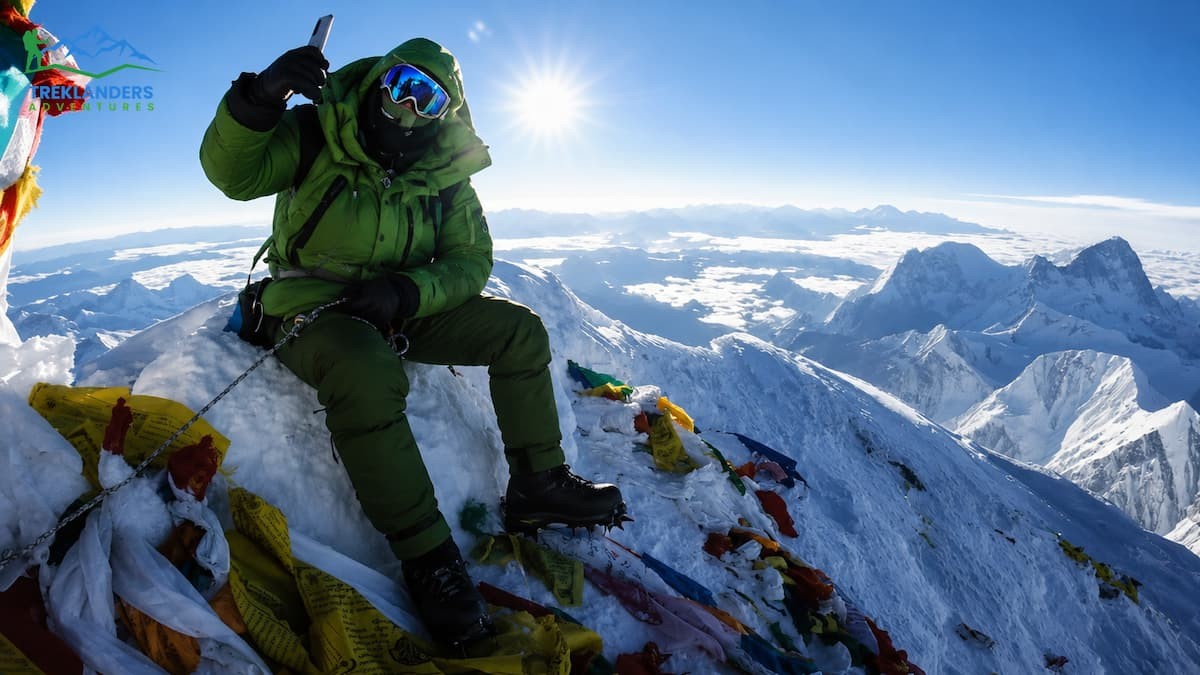
Working as a Sherpa on Mount Everest is one of the main economic sources in the Khumbu area. Besides funding the building of houses and providing children with education, the income from high-altitude expedition work also helps to maintain the communities of Namche Bazaar, Phortse Khumjung, and other nearby villages.
The Khumbu Climbing Centre is a collaborative project supported by people like Conrad Anker and funded by the Alex Lowe Charitable Foundation. It mainly offers a rock-climbing course to Sherpa workers and other residents in the Khumbu area. The center has already trained hundreds of high-altitude workers, which has considerably helped to raise the overall level of competency in the industry. Besides the Juniper Fund, other organizations also give funds directly to the families of Sherpas who have died or been injured in the Himalaya. Such organizations are necessary because the hazard in this kind of work is certain, and the impact on families financially can be very serious.
By joining an Everest expedition, you will participate in this economy. The quality of the standards your operator upholds, as well as the way they compensate for their staff, has immediate and direct effects on real families and communities. This is not something imaginary; it is the result of every expedition decision that is made.
Treklanders operates Himalayan expeditions from Everest base camp with full logistical and Sherpa support. All expedition packages include comprehensive briefings on team roles, safety protocols, and high-altitude procedures. Contact our expedition team to begin your planning process.
Guided vs independent Langtang Valley Trek: compare cost, safety, flexibility, and experience to choose the best trek in Nepal.
Everest Base Camp elevation guide with altitude sickness tips, acclimatization advice, permits, and essential trekking information for EBC trek.
Explore the top 7 group treks in Nepal with expert trekking tips from Treklanders Adventures.



