Everest Base Camp Elevation: 5,364m Facts, Altitude Sickness & Trek Tips
11 May 2026
Everest Base Camp elevation guide with altitude sickness tips, acclimatization advice, permits, and essential trekking information for EBC trek.

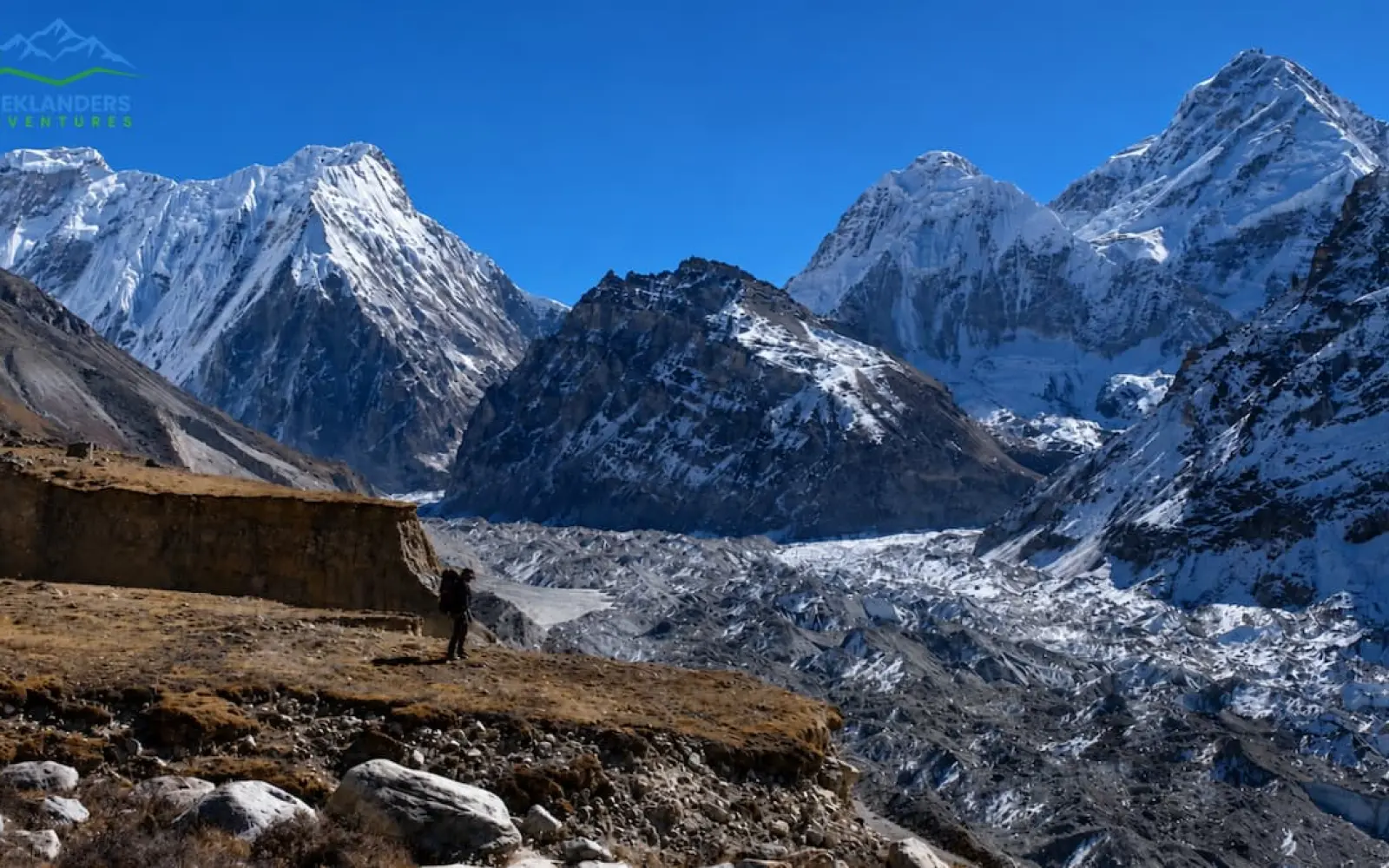
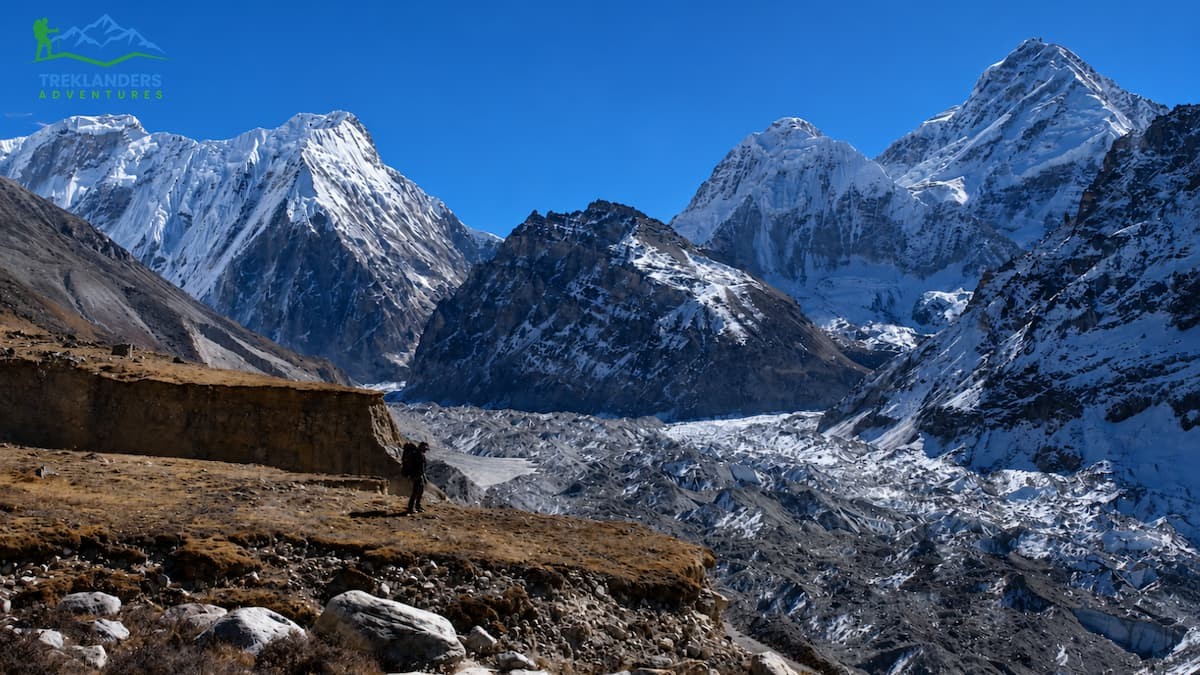
Each year, Nepal attracts hundreds of thousands of trekkers, and rightly so. The Himalayas are a stunning backdrop to the most dramatic landscapes on Earth; the culture is vibrant with layers, and the trails have become the stuff of legend. Yet, there is a quiet fact that every seasoned trekker will tell you: the most unforgettable trips are not always the ones in the most crowded areas.
As the paths to Everest Base Camp and Annapurna Base Camp are lively with teahouse chatter, queues at the viewpoints, and long lines of trekkers molded like a snake, but there are clearly places in Nepal where the silence is so deep and rare that you may even go on a walk for a whole day without encountering another foreigner and where the mountains seem as if they are solely yours.
Nepal's trekking sector has flourished in the last 20 years. The Nepal Tourism Board even reported record numbers of trekking permits throughout the early 2020s, and the post-pandemic recovery has been extraordinary. Almost all of that foot traffic goes to only a few trails: the Base Camps of Everest, Annapurna, and Poon Hill. The rest of the country, large, different, and equally beautiful, gets very few visitors compared to what it deserves.
This high-density situation has significant impacts. On busy days during the trekking season at Namche Bazaar, the gateway to the Khumbu, you may find yourself sitting at the dinner table next to trekkers from a dozen different countries and waking up to the sound of boots on the trail at dawn. Although the experience is quite thrilling in a way, it is also very communal, like a guided adventure along a well-traveled path. For many trekkers, mostly those returning to Nepal for their second or third time, this is no longer enough.
This guide, which showcases the trekking portfolio of only Treklanders Adventures, one of Nepal's most reliable trekking agencies, presents the best, less crowded Nepal treks for 2026 and 2027. If you are a high-altitude trekker with plenty of experience or an adventurous first-timer who is ready to go beyond the mainstream, these hidden Himalayan trails will give you breathtaking vistas, genuine cultural experiences, and the great joy of having walked a path that few others have.
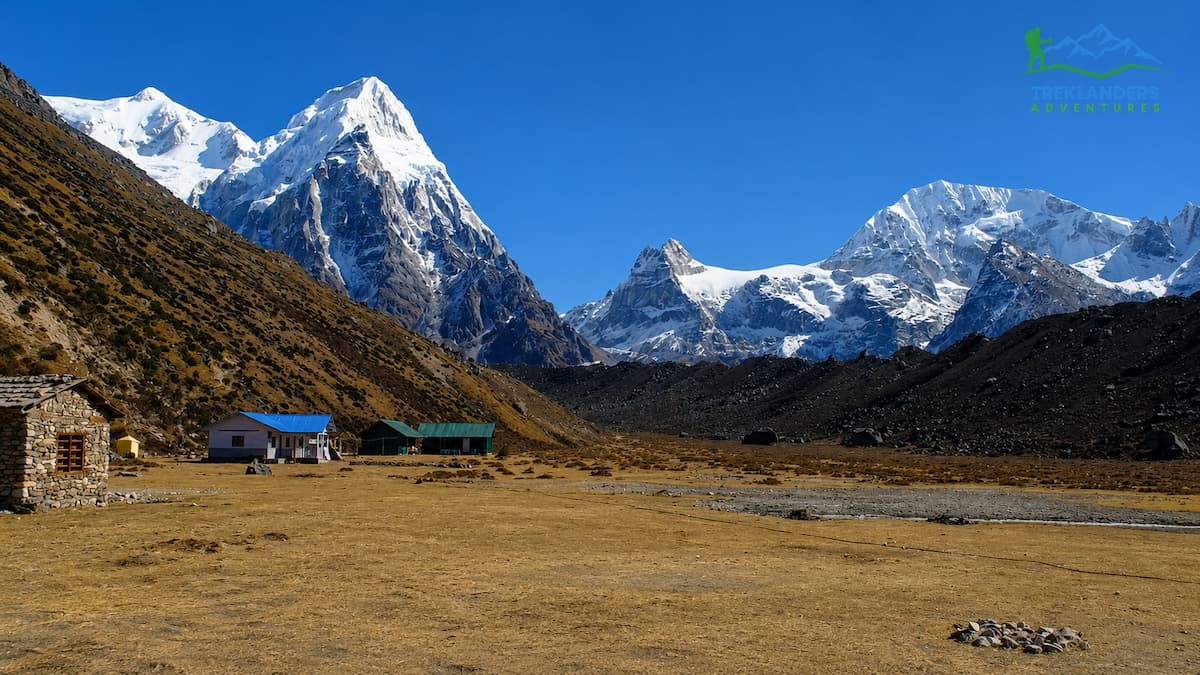
First of all, why should it be a big deal if a trail is crowded or not?
Real experience: Smelling and tasting tea, chatting and listening to stories by teahouse people- all this is possible only on the less busy trails when the people have more time. Local guides tell their stories more openly; villages look more like people themselves rather than a scene in a play, and you get a bona fide glimpse of Himalayan life.
Wildlife and nature: A lesser number of trekkers is better for the animals as their disturbance is less. In remote areas like Upper Dolpo or the Manaslu Circuit, it is very likely to see the blue sheep, the Himalayan tahr, and even the snow leopard tracks.
Personal achievement: It is absolutely great fun to conquer a 5,000-metre pass after hours of walking along the trail alone. The solitude deepens the experience, and the sense of accomplishment remains undiminished.
More benefits for local communities: When tourism income is dispersed to less-visited regions, it helps those communities that the mainstream trekking economy does not include. So, if you decide to trek in Dolpo, Kanchenjunga, or the Tamang Heritage region, your spending will be in the places where it really counts towards local livelihoods.
Environmental benefits: Highly frequented routes often end up with overwhelmed waste management systems, destroyed campsites, and overused local water supplies. By selecting less popular routes, you not only distribute the environmental impact but also aid in the preservation of the delicate Himalayan ecosystems for future generations.
Better acclimatisation opportunities: Due to the overcrowding issue, the lodges at main acclimatisation points on popular routes are usually packed, which compels trekkers to continue their journey even when they are not properly acclimatized. By opting for the less frequented paths, you will have the chance to spend acclimatisation days at your own rhythm without the stress of losing your bed at a high altitude.
Keeping that in mind, below are ten excellent, less crowded Nepal treks that are offered by Treklanders Adventures.
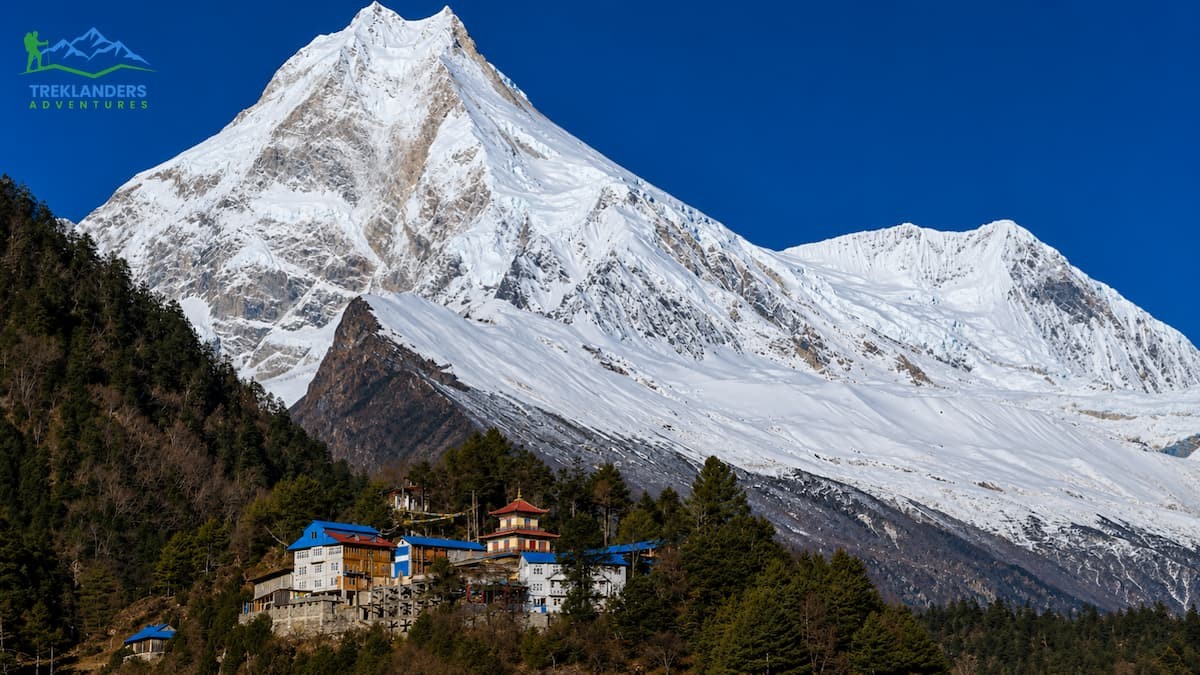
The Manaslu Circuit Trek could well be the best trekking circuit in Nepal that most people don't even know about. The circuit around the world's eighth-highest mountain, Mt. Manaslu (8,163 m), offers many landscapes like sub-tropical forests, high-altitude meadows, old Buddhist monasteries, and the spectacular Larkya La Pass at 5,106 meters.
As Manaslu is a restricted area requiring a special permit, the number of visitors is strictly controlled. That's why the trail still has that raw and unrefined quality, which the Everest Base Camp and Annapurna circuits have mostly lost. The teahouses are simple, the landscapes are pristine, and the cultural experiences - mostly in Tibetan-influenced villages like Samagaun and Samdo - seem truly beautiful.
Treklanders has several options of this trek to offer, including the 13-Day Manaslu Circuit Trek, the 14 Day Manaslu Circuit Trek, and the amazing 20 Day Manaslu Circuit with Tsum Valley Trek, which takes the journey further to the mystical Tsum Valley - a secret Himalayan refuge with ancient monasteries and traditional Tibetan Buddhist culture.
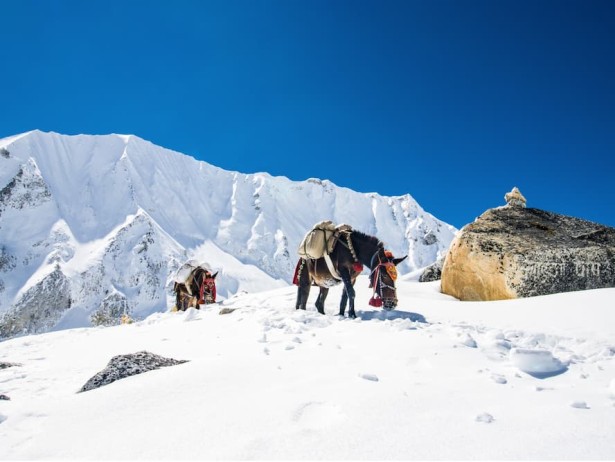
Altitude gain is paced just right on the Manaslu Circuit; you climb gradually through the Budhi Gandaki River gorge for several days before doing the trek high-pass crossing. Doing so allows your body ample time to acclimatize, making this trek doable even if you don't have a lot of high-altitude hiking experience (but good fitness in general). Just pay close attention to your itinerary's built-in acclimatization days.
Why it's not overrun with tourists: Issuance of daily area-specific permits, and its relative anonymity to non-mountaineers compared to Everest or Annapurna.
Don't miss: Crossing Larkya La Pass, trekking alongside Birendra Lake and the Manaslu Glacier, and passing through Tibetan-influenced villages. If you opt for the extended trek, visit the holy Tsum Valley and its ancient gompas and Milarepa caves.
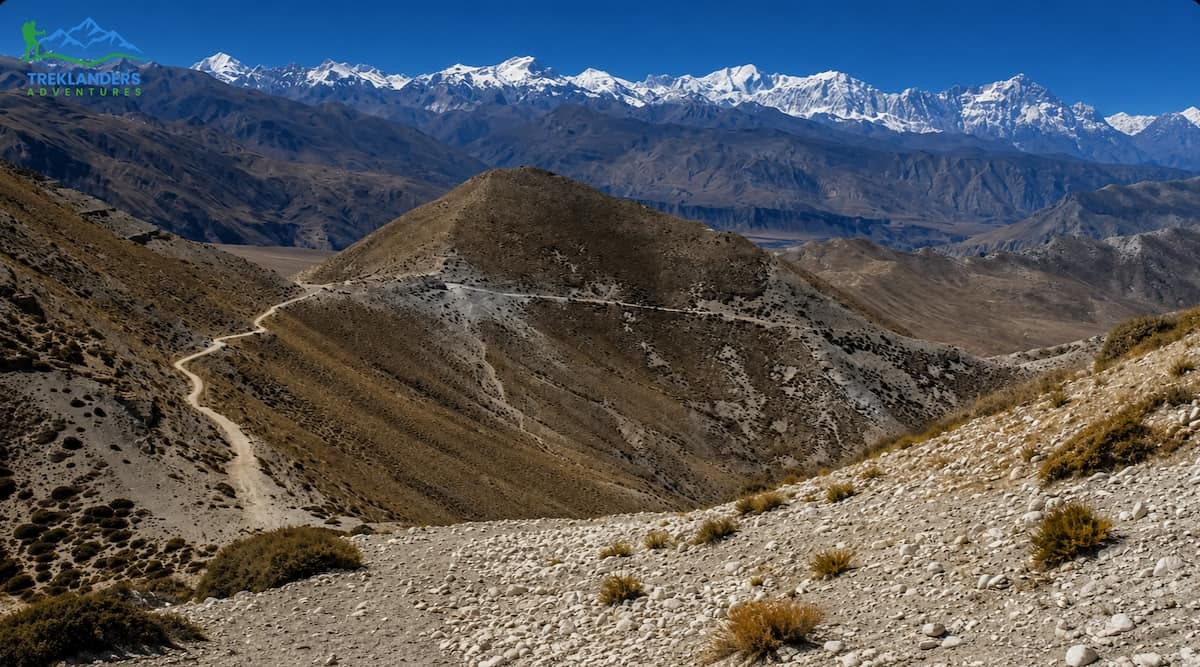
Few trekking destinations in the world can rival the stunningly surreal atmosphere of Upper Mustang. This Himalayan kingdom, once known as the Kingdom of Lo, was completely off-limits to foreigners until 1992. Even now, the government tightly controls access by issuing limited permits and charging a daily fee per visitor, effectively keeping the number of tourists very low.
The scenery here is totally different from any other part of Nepal. Upper Mustang is situated in the rain shadow area of Annapurna and Dhaulagiri mountains, which means it gets very little rain and is, in fact, a high-altitude desert. Over thousands of years, the landscape has been shaped mainly by winds and erosion, creating lunar badlands of ochre, red, and white cliffs. Thousands of year-old cave temples have been carved right into the cliff walls. The walled city of Lo Manthang, the capital, gives one a feeling of having been transported two and a half centuries back in time.
From a cultural perspective, Upper Mustang is like a living museum of Tibetan Buddhist heritage. Due to Nepal's border with Tibet, most of the turmoil that led to the destruction of Tibetan culture in other places did not affect Upper Mustang. As a result, it preserves traditions, monasteries, and lifestyles that are hardly found anywhere in the world today.
Treklanders' Upper Mustang Trekking goes through the basic towering trail from Jomsom to Lo Manthang and back, with amazing mountain views, interesting cultural places and the silence that allows clear thoughts.
What keeps the place from becoming crowded? Restricted permits and high permit fees discourage casual visitors. Only real and deeply motivated trekkers come here.
Main attractions: Lo Manthang walled city, Chungsi Cave Temple, Ghar Gompa, amazing desert canyon landscapes, and the pure Tibetan Buddhist culture.
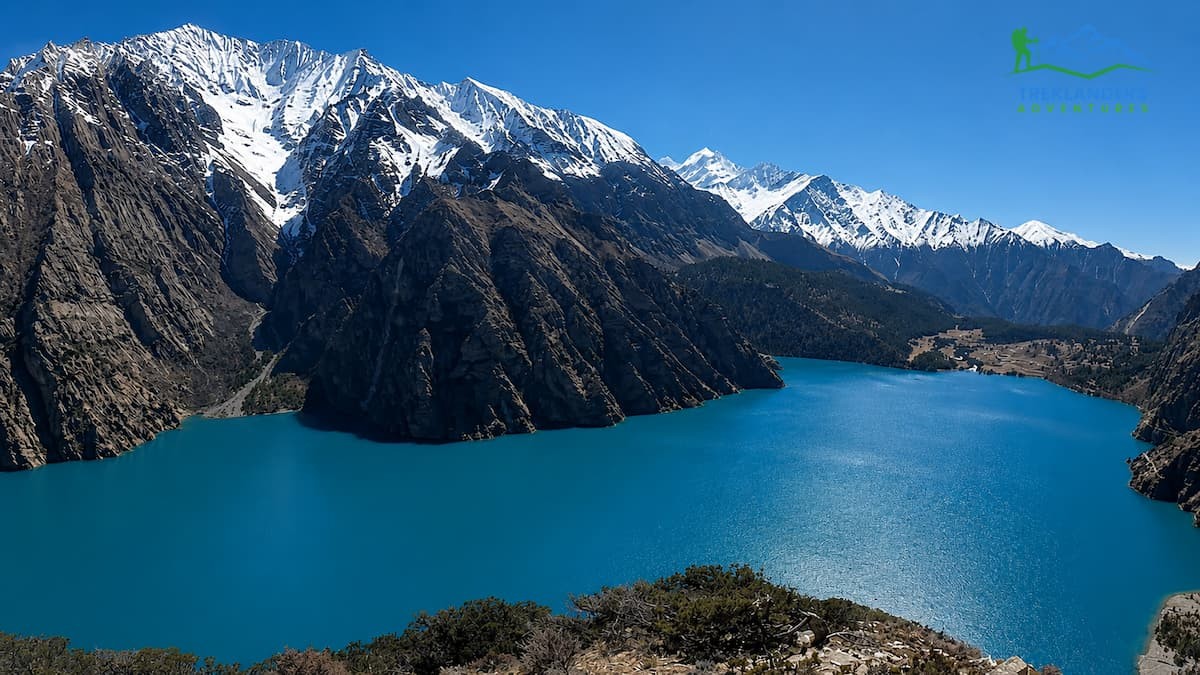
While Upper Mustang may be somewhat isolated, Upper Dolpo is a whole different world. It is one of the Earth's most secluded areas, a high-altitude plateau hidden behind the Dhaulagiri massif in far western Nepal. Besides being the location for the famous film "Himalaya" (Caravan), it still looks almost exactly like it did in the movie.
Upper Dolpo is located at an average height of 4,000 meters above sea level, and its surroundings are extremely desolate, yet mesmerizingly beautiful and serene. Phoksundo Lake, the most profound lake of Nepal, has an incredibly mesmerizing turquoise color. The Bon religion (pre-Buddhist) is the main one here, which gives the spiritual aura a totally different character than other parts of the Himalayas.
One should not think of this as a hike for beginners. The routes are essentially wilderness - no markings in some parts, subject to very bad weather, and you are far away from any road. But those who are hardcore trekkers and want to find the most extreme experience of the Himalayan backcountry will find Upper Dolpo to be their holy grail.
Visitor numbers here are some of the lowest compared to other trekking areas of Nepal, as the difficulty and cost also contribute to it, plus to get to the trailhead, one either has to take a long overland journey or fly to Simalchaur. Reasons for its low footfall: Very remote location, very costly permits, demanding physical effort, and long duration of the commitment.
Main attractions: Phoksundo Lake, Shey Gompa (Crystal Mountain), ancient Bon monasteries, Tibetan plateau landscapes, and unspoiled Himalayan nature.
Deep in the Annapurna Circuit is one of Nepal's most special trekking secrets. The Nar-Phu Valley Trek is a branch of the main Annapurna trek that leads to a hidden valley where hardly anyone goes.
The Nar and Phu valleys are home to communities of Tibetan origin whose ancestors have lived in these high-altitude settlements for thousands of years with almost no contact with the outside world. The stone villages of Phu and Nar embody a living history, with flat-roofed houses, prayer walls, and yaks wandering in the midst of towering cliffs and snow-capped peaks. The area was first opened to trekkers in 2002 and still requires special permits for entry.
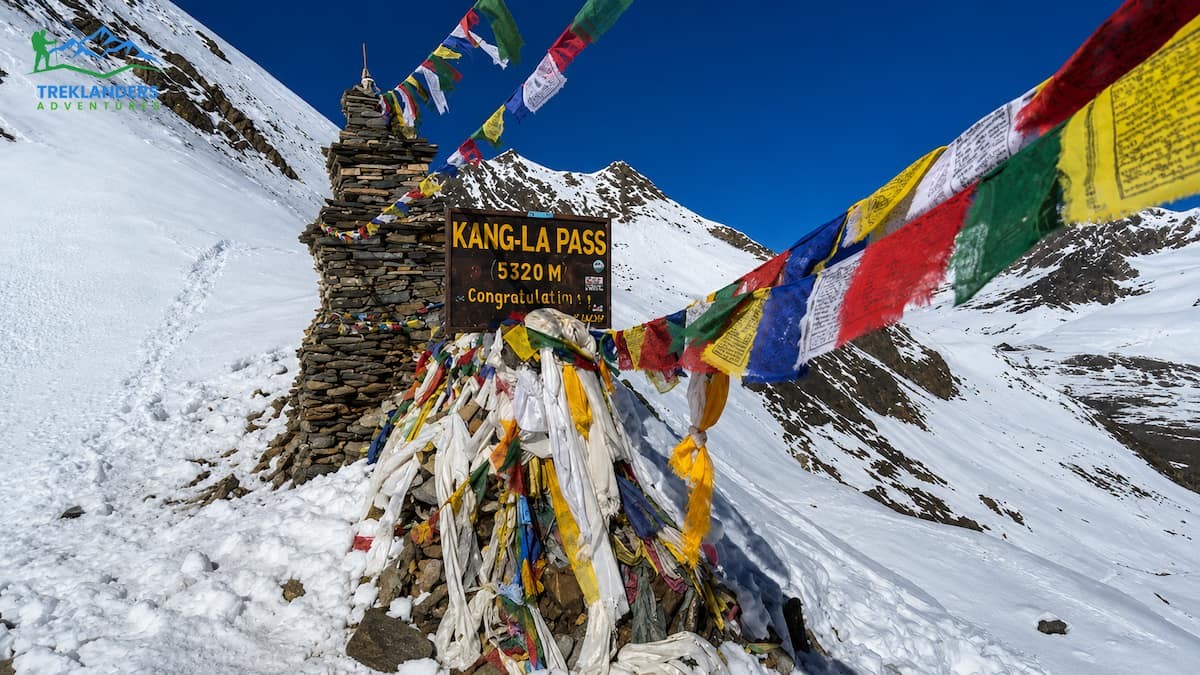
After that, you merge with the Annapurna Circuit and cross through the renowned Thorong-La Pass (5,416 m), which means trekkers get to enjoy the best of both worlds: a secret valley experience followed by a walk through one of the Himalayas' most famous high passes.
Reasons why it isn't crowded: The area is restricted and calls for special permits. There are only a few teahouses in the remote section, and most international trekkers are not even aware of it.
Main Attractions: Iconic Tibetan villages of Phu and Nar, breathtaking canyon landscapes, Kang La Pass, Thorong-La Pass crossing, and amazing views of the mountains throughout.
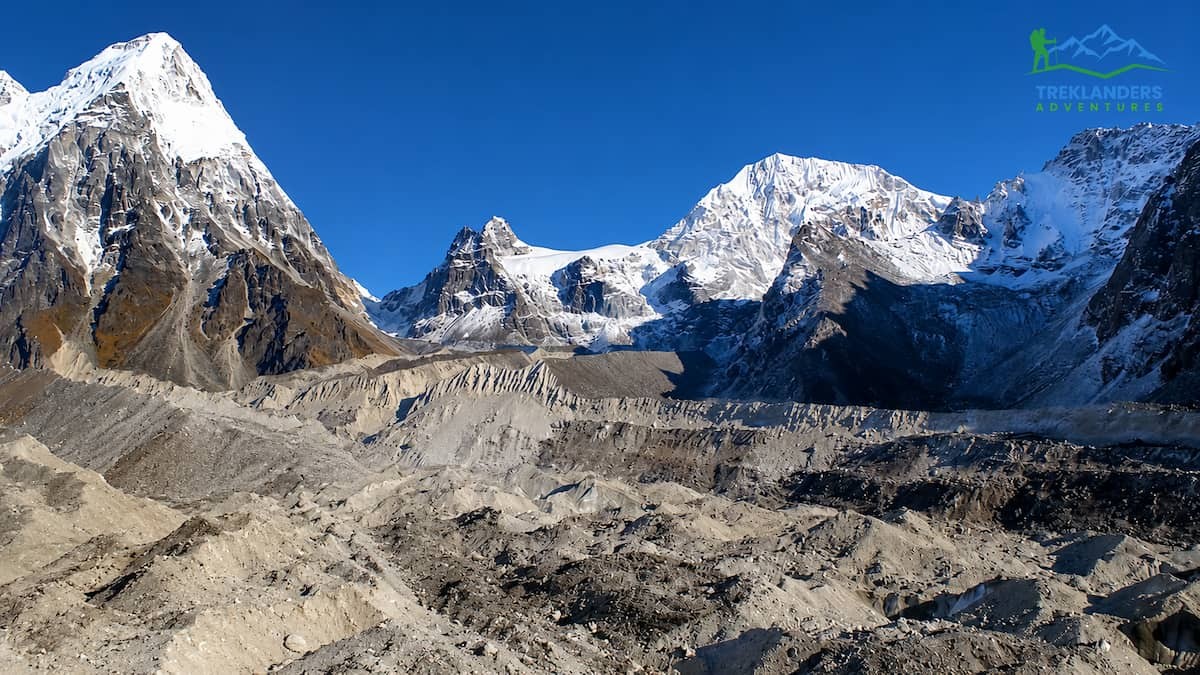
Located in Nepal's far east, the region offers trekking options of the very highest order. Interestingly, it only attracts a tiny part of the total visitors who are rushing to Everest or Annapurna. You can even walk the Kanchenjunga Trek to the base camp of the world's third-highest mountain (8,586 m) with only the contrast of the scenery on your way from hot and humid subtropical forests in the lowlands to glacier-covered high-altitude areas at the top.
The Kanchenjunga Conservation Area is among the richest in flora and fauna in the whole country. The route goes through rhododendron woods, bamboo thickets, and alpine meadows where animals are abundant. The ethnic groups found along the trail are mainly Rai, Limbu, Sherpa, and Tibetan, each with its own unique culture and traditions.
That is why the trek is so remote and logistically complicated. For example, you have to take a flight to Biratnagar or Taplejung, get special permits, and at the same time be able to devote even more time to it, so as not to give up after just the first few days. The reward is the feeling of unspoiled isolation, which is becoming quite rare in Nepal's trekking scene.
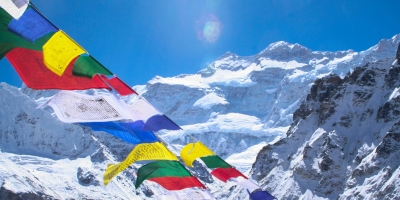
The tea houses on the Kanchenjunga trek, though simple, are very welcoming and family-run. The hosts take great pride in their work and are happy to welcome a rare international guest who has travelled so far to see them. Due to the low number of visitors, the standard of hospitality is usually very good -- carefully cooked food, clean and comfortable rooms, and a willingness of the locals to tell visitors about the mountain that is visible from their village.
Reasons it is often not crowded: Extremely remote locations in the far east requiring extra travel time, relatively longer duration, difficult physical terrain, and it is a restricted area.
Highlights: Kanchenjunga North and South Base Camps, diverse ecosystems, rich cultural mix of ethnic groups, dramatic mountain scenery, and outstanding wildlife.
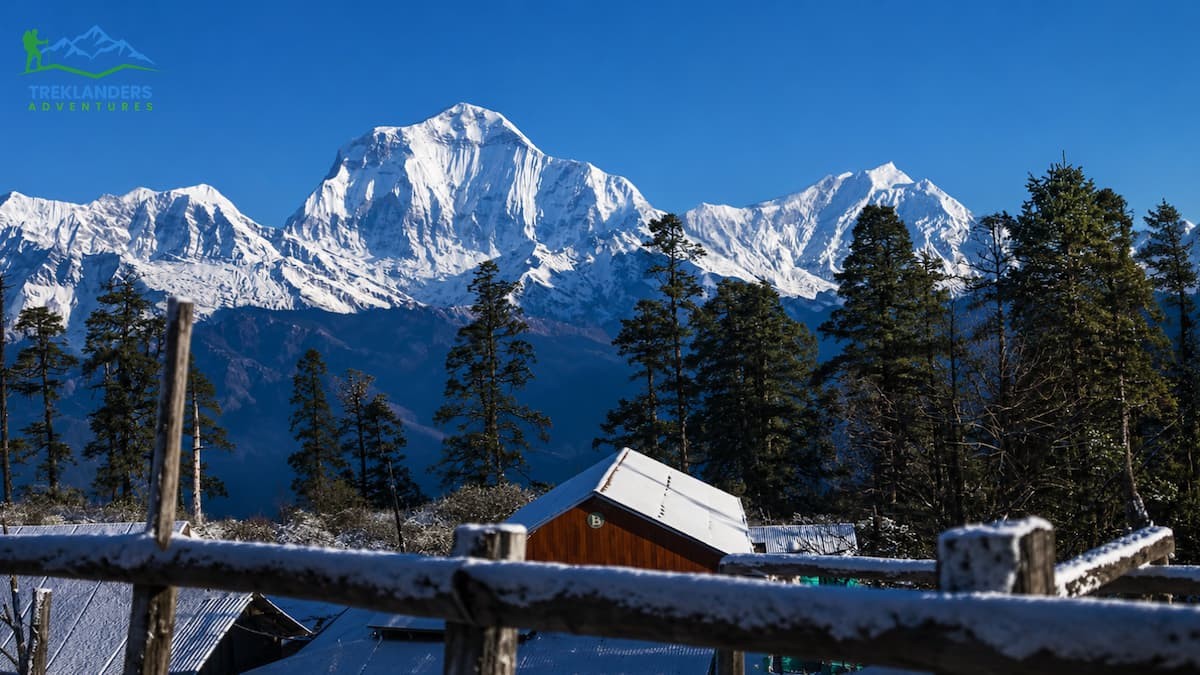
If you are a trekker who wants to see amazing Annapurna and Dhaulagiri views but does not want to be in teahouse traffic jams like on the main Poon Hill circuit, then the Mohare Danda Trek is the perfect answer for you.
Mohare Danda at 3,300 m is a community-based ecotourism destination in the Myagdi district, conceptually designed to geographically spread some of the trekking revenue away from the overcrowded Ghorepani-Poon Hill route. First of all, the scenery from the viewpoint of Mohare Danda is extraordinarily better than the one from Poon Hill, a lasting ridgeline providing an uninterrupted 180-degree view of characteristic peaks like Dhaulagiri, Annapurna South, Hiunchuli, Machhapuchhre (Fishtail), and Annapurna I.
At the teahouses of Mohare Danda, the community is leading, meaning that your trekking fee is paid directly to local families as well as to conservation projects. The Mohare Danda trail also takes you through dense rhododendron and oak forests, time-honored Magar and Gurung villages, and pastures at the top of the mountains where horses and cattle are grazing.
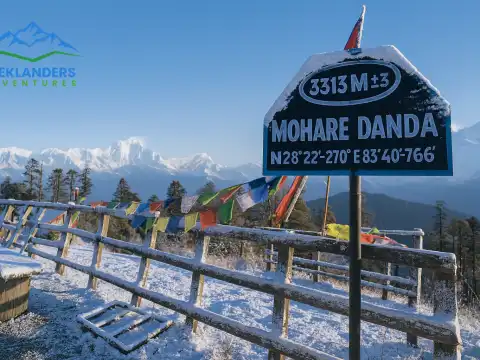
It is a great alternative for trek lovers who do not have much time, those with a limited budget, or people who prefer community-based tourism to mainstream experiences.
Why it stays uncrowded: Less marketing, a community-based model keeps capacity intentionally low, and most Annapurna-region trekkers naturally choose the more famous Poon Hill route.
Highlights: Panoramic Himalayan sunrise from Mohare Danda ridge, rhododendron forests, community teahouses, traditional Magar villages, and excellent value for money.
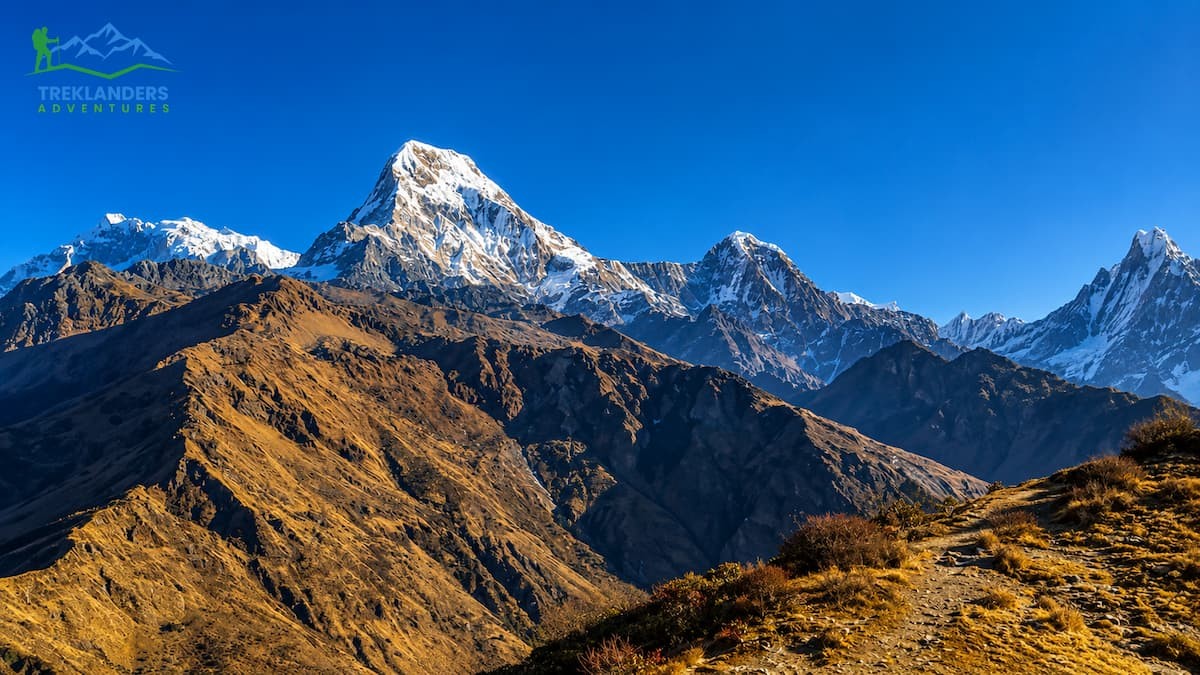
The Khopra Ridge and Khair Lake Trek offer a marvellous community-based alternative to the heavily trafficked Poon Hill trail. This trek goes up to a beautiful ridge at 3,660 meters, where you will find the amazing sight of Dhaulagiri (8,167 m), Annapurna South (7,219 m), Hiunchuli and Machhapuchhre.
Khair Lake (4,500 m) is a sacred glacial lake surrounded by the majestic high alpine peaks. It is considered to have spiritual power by the local Hindu and Buddhist communities. From Khopra Ridge, the journey to the lake is quite challenging, but you will be greatly rewarded for your efforts as you will be walking through some of the most breathtaking high-altitude scenery in the Annapurna region.
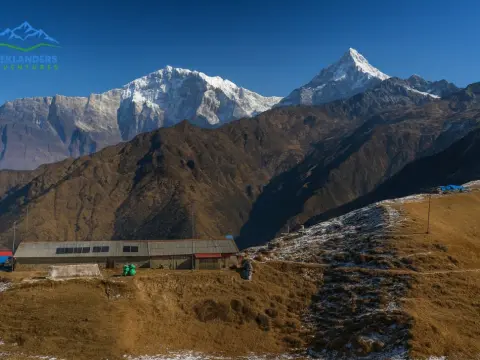
The locals are really doing a great job keeping this place beautiful: the trails are spotless, and the teahouses are warm and welcoming. They are small, family-run, where all the food is prepared from garden produce and the local home-brew is generously served with a friendly smile.
Why it stays uncrowded: Community-run with intentionally controlled visitor numbers, almost no mainstream promotion, and most trekkers in the Annapurna region really do not venture beyond the main Ghorepani-ABC corridor.
Highlights: Khopra Ridge viewpoint, Khair Lake pilgrimage, rhododendron-laden trails, cultural encounters with Magar and Gurung, and incredible Dhaulagiri views.
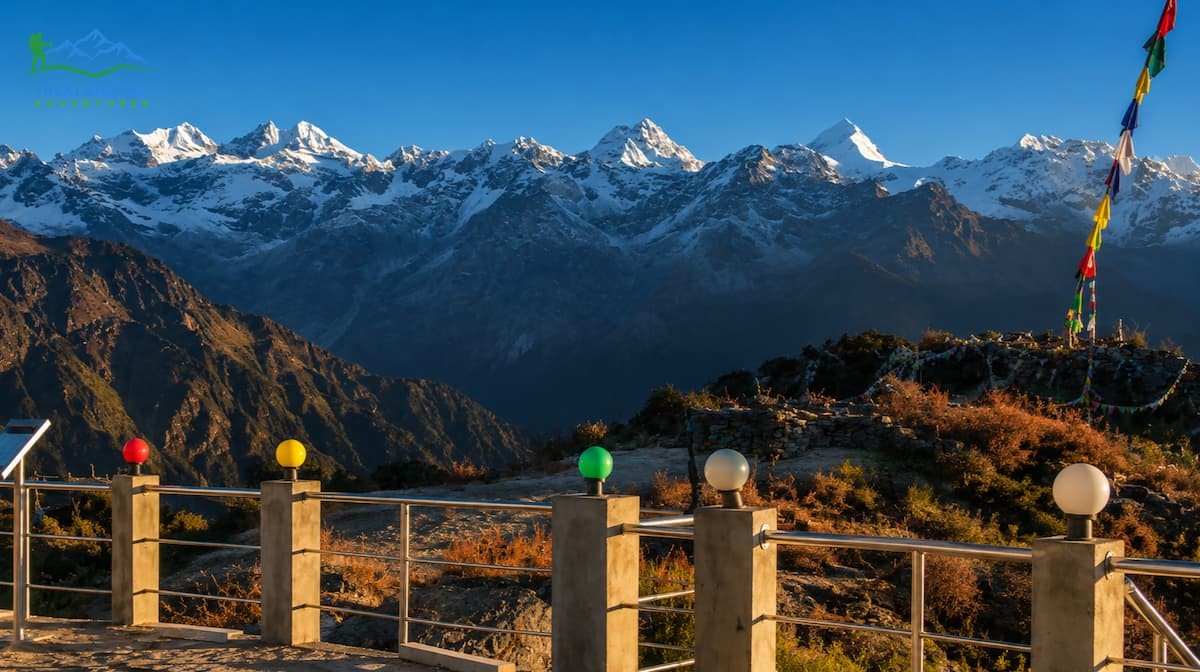
Surprisingly, Helambu Trek is one of Nepal's best-kept secrets, mainly considering it starts almost at the doorstep of Kathmandu! The Helambu region is located north of the capital in the hills above the Melamchi River valley, and its low elevation (the highest point is only about 3,600 m) makes the area accessible all year round, even in winter when the higher routes are closed.
Actually, the Helambu area has a very rich cultural heritage, which more than makes up for its lack of altitude freakishness. The region is inhabited by the Hyolmo (Yolmo) people - a Tibetan Buddhist group whose villages, monasteries, and ways of life are very different from those of the Sherpa culture further north. Ancient gompas seem to be hanging from the hills as if they were some toys; terraced fields continue below them. Mani walls appear along the routes. Prayer flags are everywhere, fluttering from every ridge.
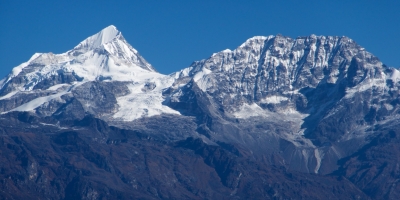
Also, the scenery is just stunning, starting with alpine rhododendron and oak forests, then changing to open ridgelines where you can spot the Langtang range, and finally, on a very clear day, you get to see the majestic snow peaks.
Treklanders also provide a wonderful 15-day Langtang Gosaikunda Lake Helambu Trek itinerary that mixes Helambu, the Langtang Valley and the sacred Gosaikunda Lake, a great combination of different regions that Nepal has to offer.
Why it remains uncrowded: Since the altitude is low, it is generally ignored by the peak-baggers; also, in reality, it is so close to Kathmandu that it makes the trekkers think that it will be very crowded (it actually is not).
Highlights: Hyolmo Buddhist villages, centuries-old monasteries, Tharepati viewpoint, rhododendron and oak forests, trekking all year round, close to Kathmandu.
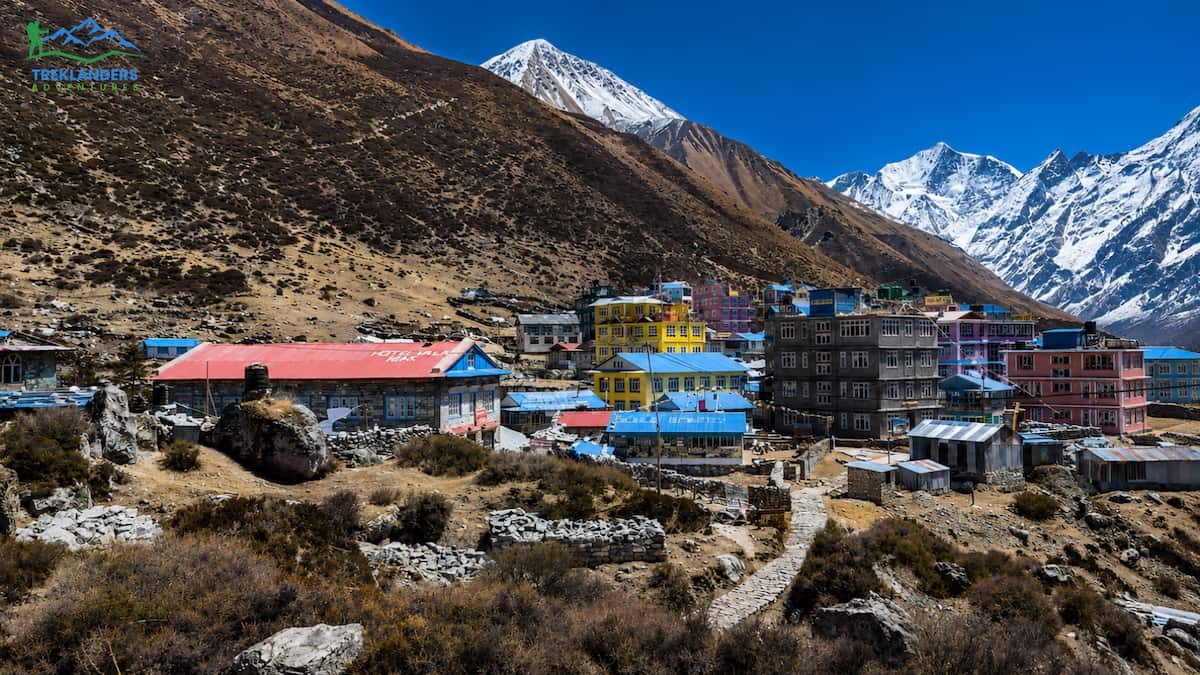
Close to nature and traditional culture, the 14 Day Tamang Heritage with Langtang Valley Trek stands out among Treklanders' most beautifully structured itineraries. It is a perfect mixture of the cultural richness of the Tamang Heritage Trail plus the dramatic mountain scenery of the Langtang Valley.
The Langtang region's community-based route alternative was one of the things that led to the development of the Tamang Heritage Trail. Along the way, pedestrians enjoy the company of the Tamang people, who are the least visited among the main valley populations and tourists of the Langtang Valley. Cultural heritage, that of the peoples living in the villages who practice Tibetan Buddhism as their culture, their festivals, and their weaving traditions are the few aspects that make Tamang villages the most fascinating part of their culture.
After that, the trail leads to Langtang Valley, visiting several villages along the way. There is plenty of fresh air on the way up through rhododendron and bamboo forests to the wide, glaciated valley where breathtaking views of Langtang Lirung (7,227 m), Ganesh Himal, and other peaks can be seen.

Located at 3,870 m, Kyanjin Gompa is the highest village in the valley and offers a great opportunity to take acclimatisation hikes to Kyanjin Ri (4,773 m) and Tserko Ri (5,033 m), both of which are considered the best viewpoints in the whole Langtang region.
Reasons why people don't flock here: The section of the Tamang Heritage Trail is very nearly entirely devoid of non-Nepali trekkers; as for the Langtang Valley, it is a far lesser extent of visitors than the Everest route or Annapurna regions.
Highlights include: Tamang cultural villages, time-honored weaving and festivals, Langtang Valley glaciers, Kyanjin Gompa, and expansive ridge viewpoints.
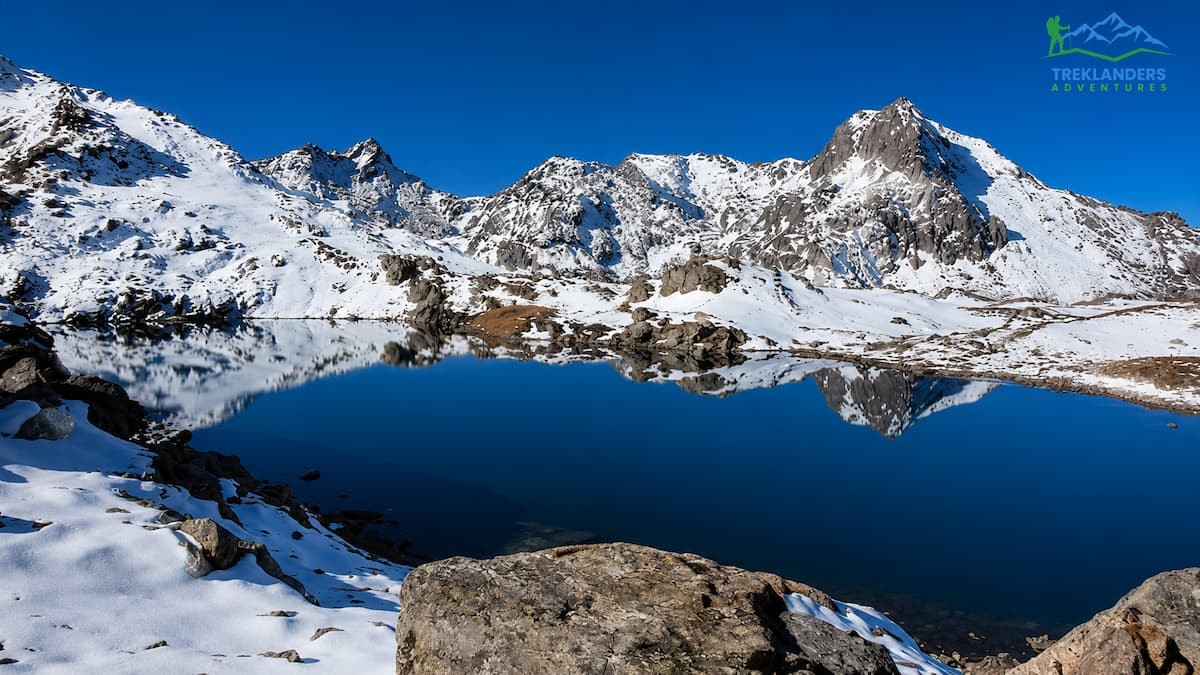
The Gosainkunda Lake Trek takes you from the Langtang region to a group of holy lakes situated at a very high altitude of nearly 4,380 meters. These lakes are very spiritually important to both Hindus and Buddhists of South Asia. Per a Hindu story, Lord Shiva created Gosaikunda by hitting the glacier with his trident. At this time, thousands of devotees take a trip to the lake during the Janai Purnima festival in August. The trail outside the festival time is very deserted - an interesting paradox considering the landscape ranks among the most spectacular ones in the whole Langtang region.
The path goes through untouched forests, alongside waterfalls and yak grazing areas, to reach a high-altitude setting where the oxygen level is low, and the light has that special brightness typical of the high Himalayas.
The scene of Gosaikunda - a black, calm lake, encircled by snow-covered peaks - is imbued with a sacredness that you will remember even after you have left.
For trekkers looking for a more comprehensive Langtang experience, the Langtang Valley Trek is frequently combined with this section, and Treklanders provide both separate and joint programs to accommodate different time frames.
Reasons why it is not overrun: Besides the festival of August, the number of visitors remains low throughout the year; the route is not heavily promoted on international trekking platforms.
Highlights: The sacred lakes of Gosaikunda, high-altitude spirituality, rhododendron forests in spring, Lauribina La Pass (4,609 m), as well as magnificent Himalayan views.
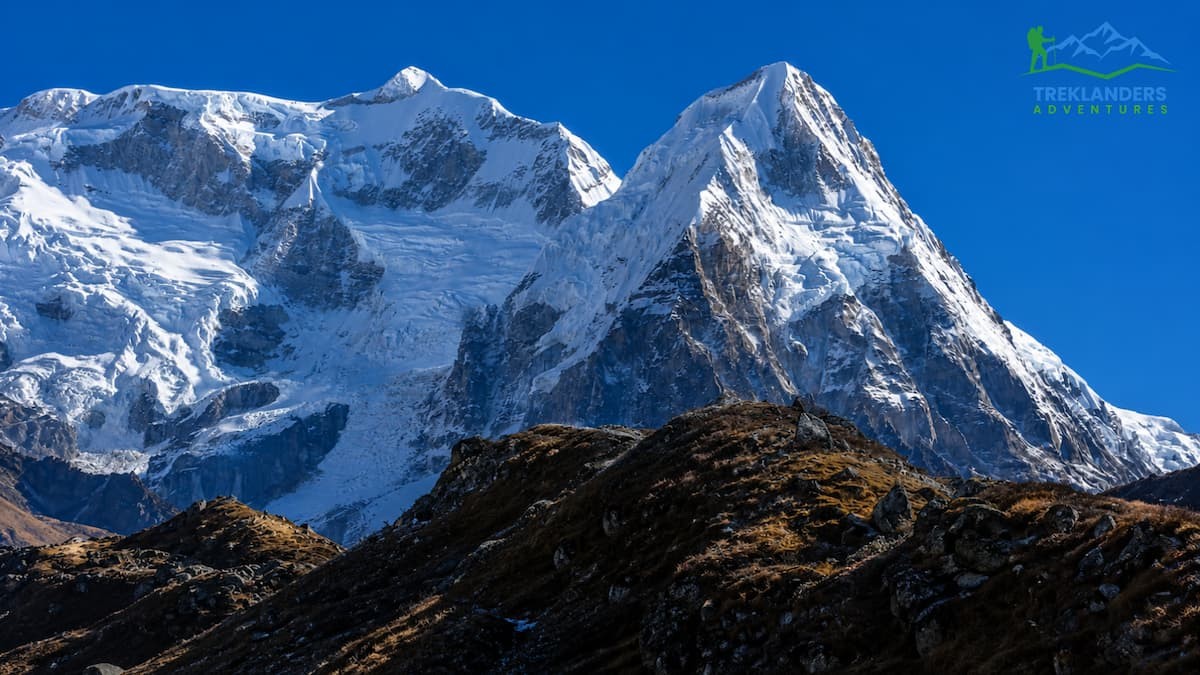
The well-known trekking routes in Nepal are famous for a good reason - they are truly breathtaking. Yet, the Himalayan landscape of the country is enormous, its cultures are extremely diverse, and some of the finest experiences are found along the trails that most visitors do not discover.
The trekking routes described in this book provide something that is becoming very rare in our intensely connected world: a feeling of authentic exploration. A path on which you are one of the few who have walked. A teahouse where the owner is happy and energetic to see you. A mountain pass where the only sounds are the wind pressed against your jacket and the faint rumbling of a glacier settling.
These journeys are ones where the hospitality is relaxed, the mountains are intimate rather than grand, and the memories of the experience are not shared on social media but are ones you recall to yourself repeatedly. Whether it is the moonlight silence of Upper Mustang, the sacred tranquility of Gosaikunda in the early morning, the untouched wilderness of Upper Dolpo, or the friendly atmosphere of a Tamang family home along the Heritage Trail - all of these hiking trails give something the packed circuits simply do not: the feeling that you have really been somewhere.
Treklanders Adventures has established its name based precisely on these types of trips - going off the beaten track, running them in an environmentally friendly way, and leaving lasting impressions. Their knowledgeable local guides, fair pricing, and thorough understanding of the hidden trails of Nepal make them the perfect companions for you to step outside the crowd.
Everest Base Camp elevation guide with altitude sickness tips, acclimatization advice, permits, and essential trekking information for EBC trek.
Explore the top 7 group treks in Nepal with expert trekking tips from Treklanders Adventures.
Discover the hidden role Everest Sherpas play in keeping climbers safe and making Everest summits possible.



