
Langtang Lirung Glacier Day Hike from Kyanjin Gompa: Route, Duration, Difficulty & What to Expect
1 Apr 2026
A short day hike from Kyanjin Gompa to Langtang Lirung Glacier with stunning views and a rewarding high-altitude experience.

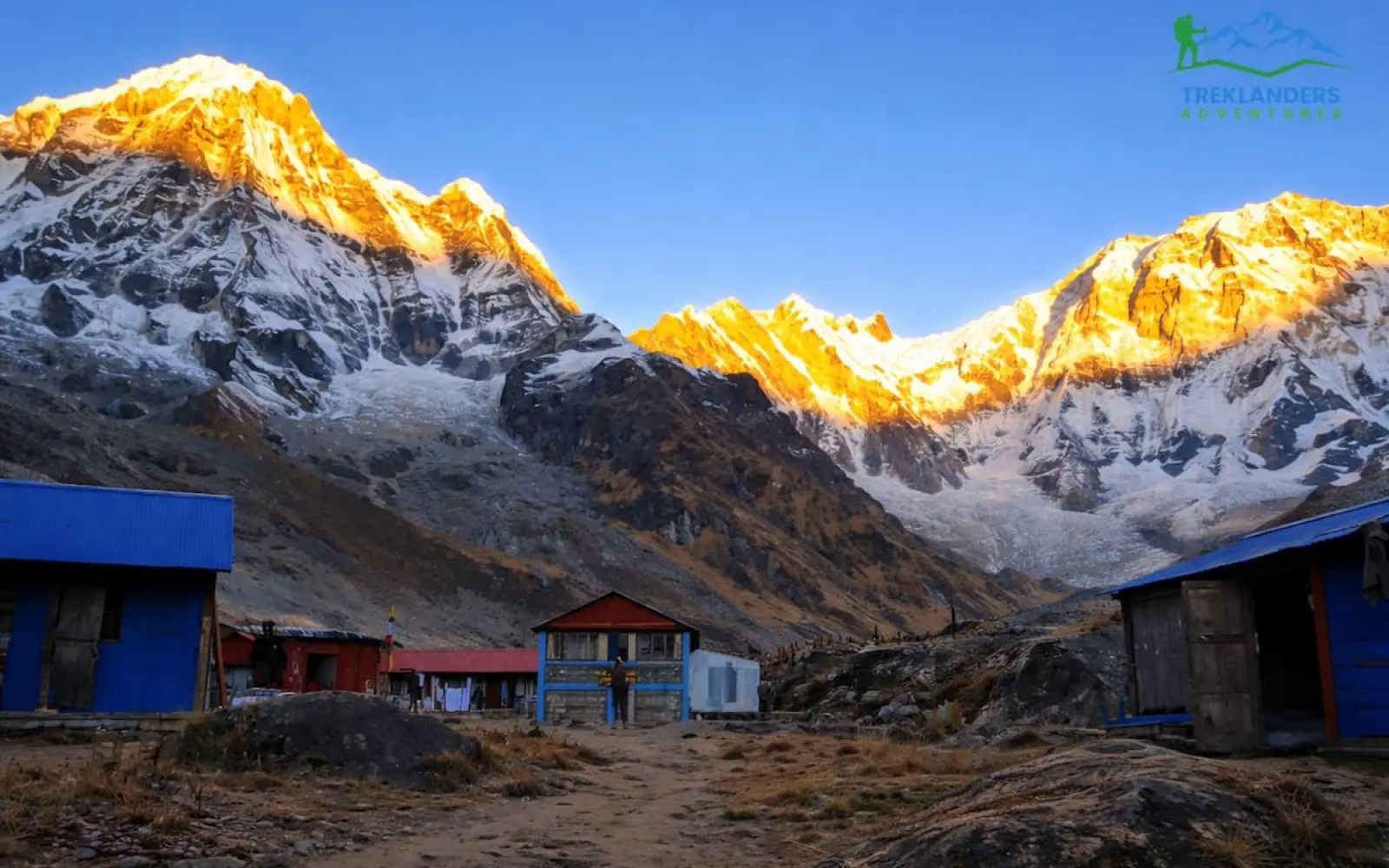
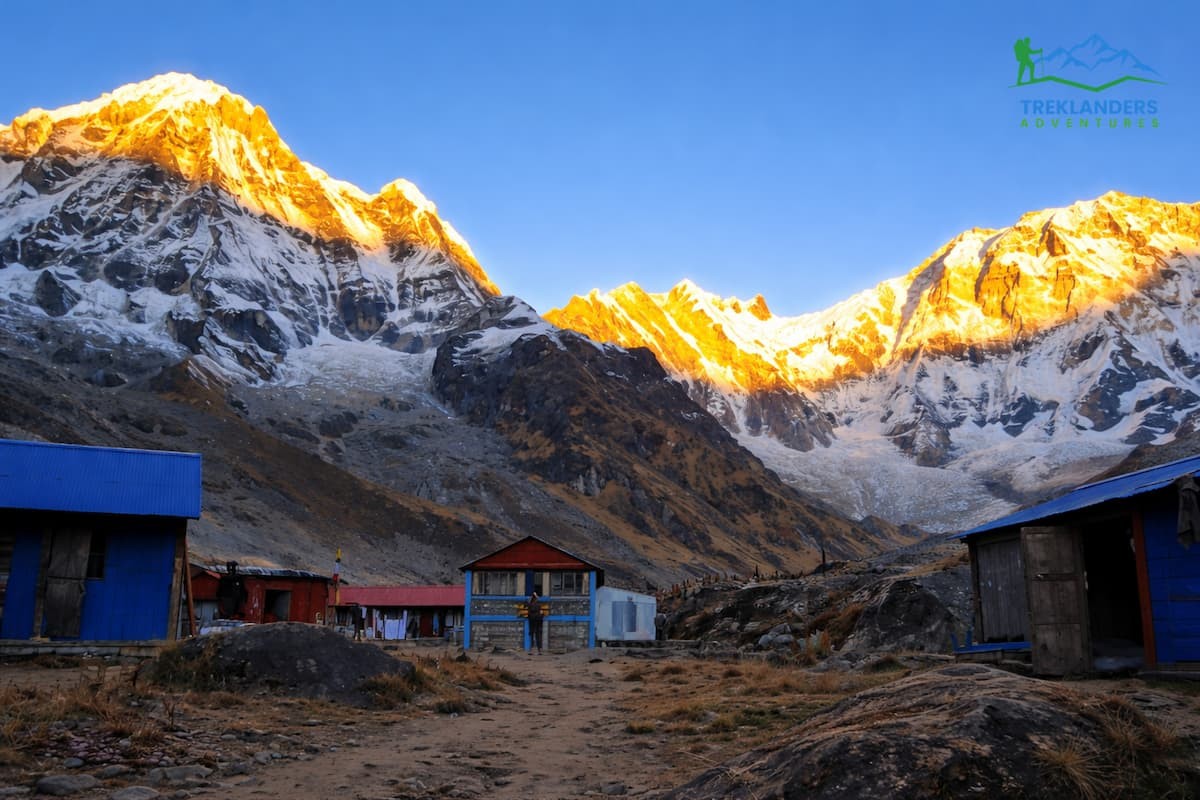
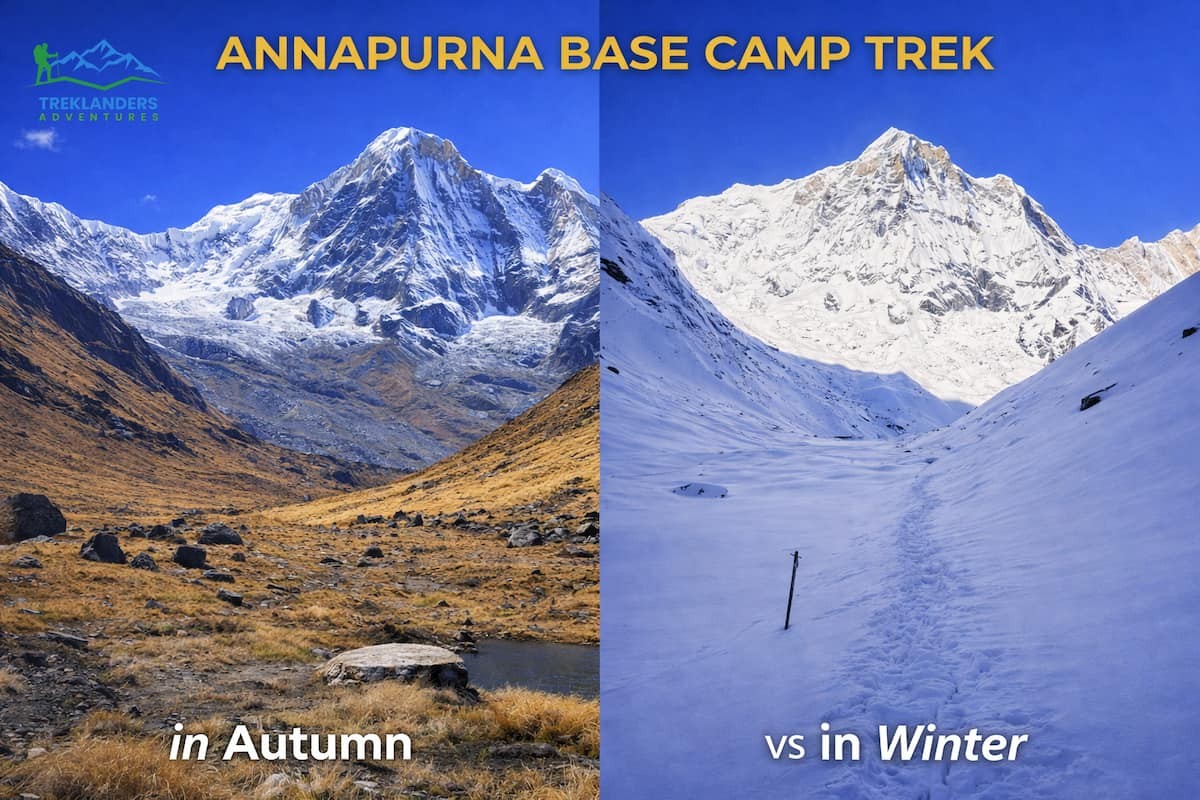
The major issue is pretty straightforward. Should one go for a trek to Annapurna Base Camp in the autumn or in the winter? What you decide will impact your safety, the clarity of the view, comfort, and the quality of the whole experience. Both seasons have significant benefits, but they require different degrees of readiness and willingness.
Fall, which is from late September to November, is the most favored time for trekking in Nepal. The monsoon removes the dust and pollution. The sky becomes a sharp and clear blue. Mountain views are consistent and wide. The paths are dry and stable. Tea houses are running at full capacity. The logistics are dependable, and the social trekking environment is great. This is the time when most trekkers make their high-altitude debut.
Winter, which is from December to February, is quite another matter. The temperature goes down drastically, especially at night. Snow falls on parts of the trail and changes the whole Annapurna region into a silent, white place. People disappear. The path is felt as remote and peaceful. Views are still very clear on days of good weather, but the weather is less predictable. Much more equipment, stricter planning, and a higher degree of cold tolerance are necessary on your part.

This comparison is particularly important because the altitude required for the Annapurna Base Camp trek exceeds 4000 meters. The weather changes rapidly at such a height. Even the smallest variations in season can cause big changes in risk and the level of comfort. A bright and sunny morning in autumn can turn into a freezing and very windy afternoon in winter. Snowfall can either force you to slow down or completely cut off paths. On the flip side, because there are fewer trekkers during winter, you can have a more personal and uninterrupted experience.
Throughout this guide, you will be introduced to the ways autumn and winter differ in major aspects. You will be able to find out how weather patterns go through changes, how the conditions of the trail will determine your daily walk, and also how the number of tourists will influence your experience. Furthermore, you will get to know visibility, travel safety, lodging options, and what kind of equipment will be necessary. At last, you will decide which time of year suits your present fitness level, willingness, and style of trekking.
| Factor | Autumn (Late Sept to Nov) | Winter (Dec to Feb) |
| Weather | Stable, mild days, cool nights | Cold days, very cold nights |
| Temperature | 5°C to 15°C (lower regions), below 0°C at base camp | 0°C to 10°C (lower), -10°C or lower at base camp |
| Sky Visibility | Very clear, best mountain views | Clear on good days, but less consistent |
| Trail Conditions | Dry, firm, easy to walk | Snow, ice, slippery sections |
| Crowd Level | High, busy trails and teahouses | Very low, quiet and remote |
| Accommodation | Fully open, easy to find rooms | Limited availability at higher points |
| Difficulty | Moderate, more manageable | Higher due to cold and snow |
| Safety | Safer, predictable weather | Higher risk due to cold and snowfall |
| Gear Requirement | Standard trekking gear | Heavy winter gear required |
| Experience | Social, lively trekking atmosphere | Isolated, peaceful experience |
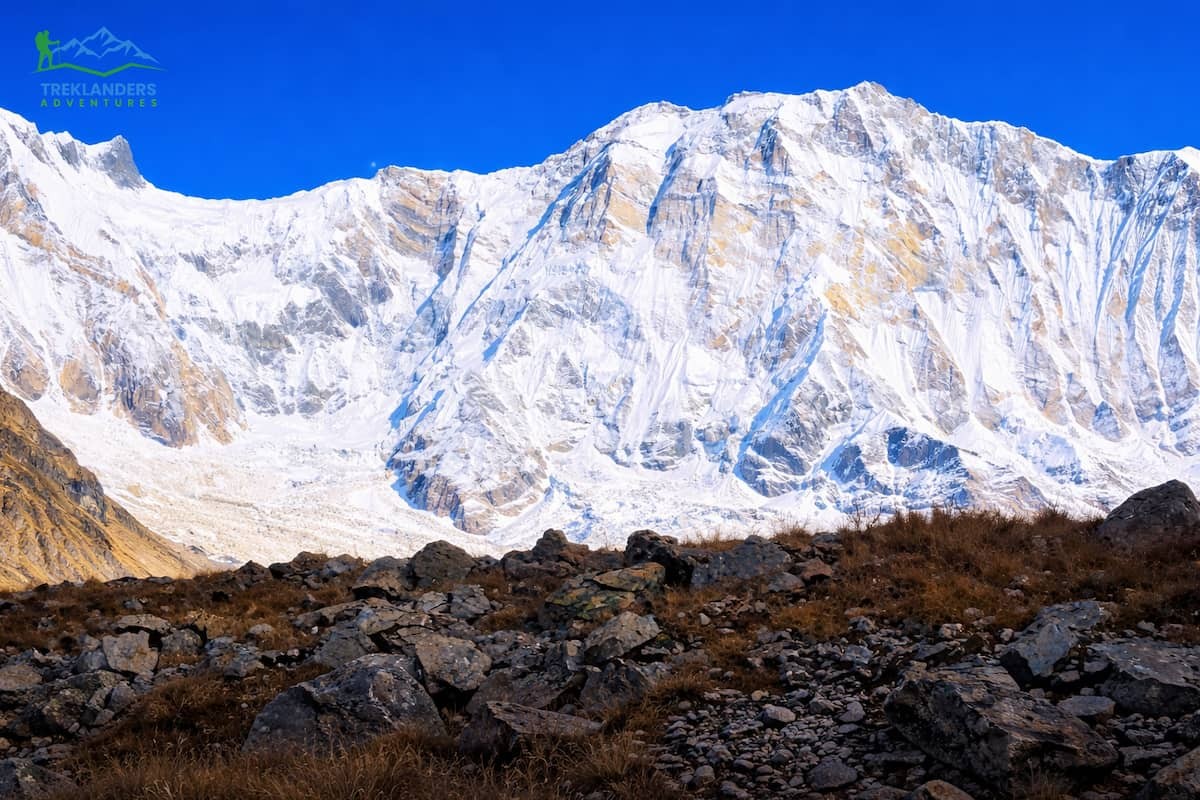
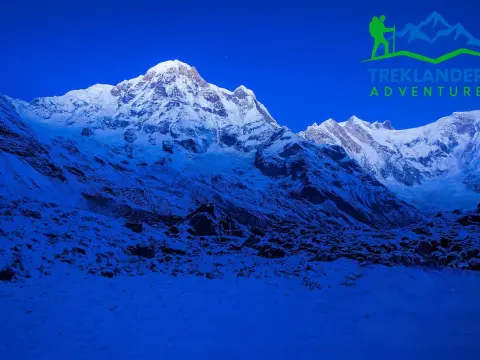
Autumn brings the most dependable trekking weather to Annapurna Base Camp. The monsoon fades by September. Rain clears the air. Dust settles. Visibility sharpens across the whole range. Peaks like Annapurna I and Machhapuchhre stand out clearly, mostly in the early hours and just after sunset.
The weather stays consistent. Days feel mild at lower levels. You can wear a light layer during daylight. Nights grow cold higher up, mostly near base camp. Temperatures drop below zero above 3,500 meters, but gear usually handles it well. Storms don't pop up often, unlike spring or summer, which simplifies scheduling.
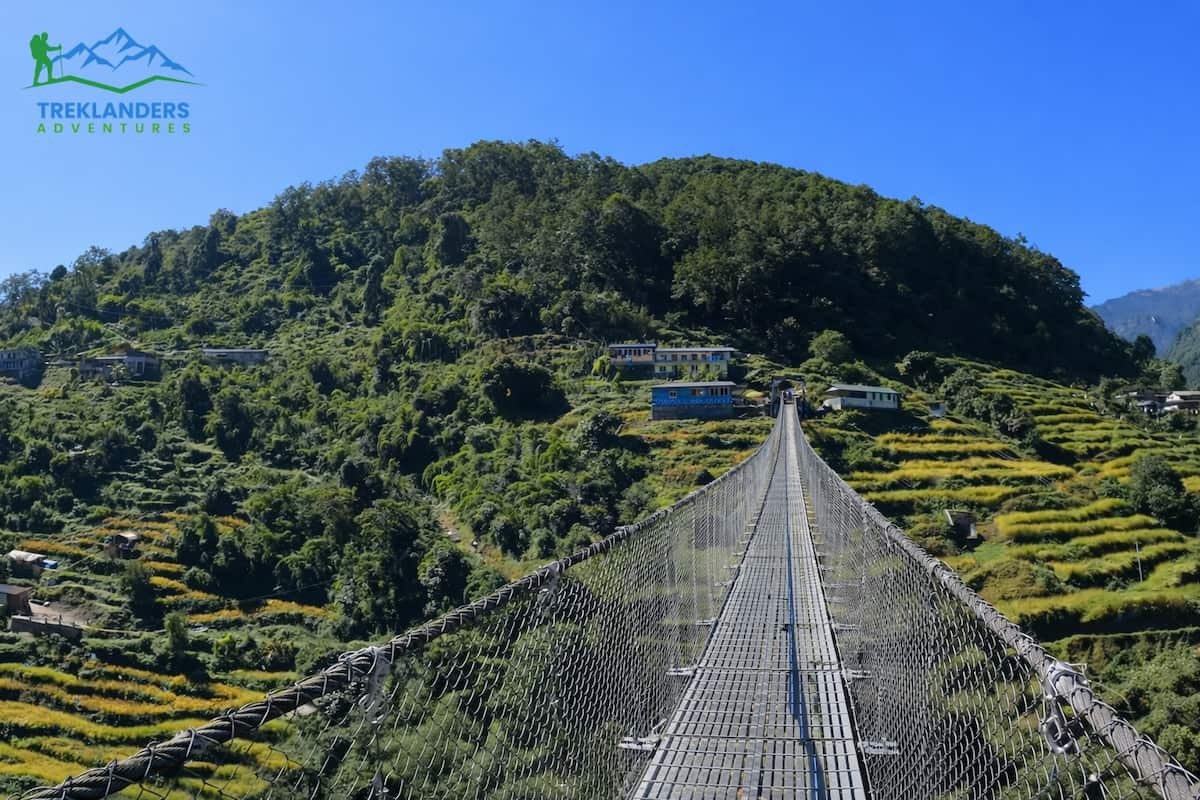
The trail holds up well. Paths stay dry and solid. Mud, leeches, snow - none of that messes with your steps. Less slip risk means less strain on your legs. River crossings, stay safe to cross without hesitation. Suspension bridges remain open and usable. You keep moving at a steady clip without getting stuck or waiting long stretches. This helps your body adjust and conserve energy.
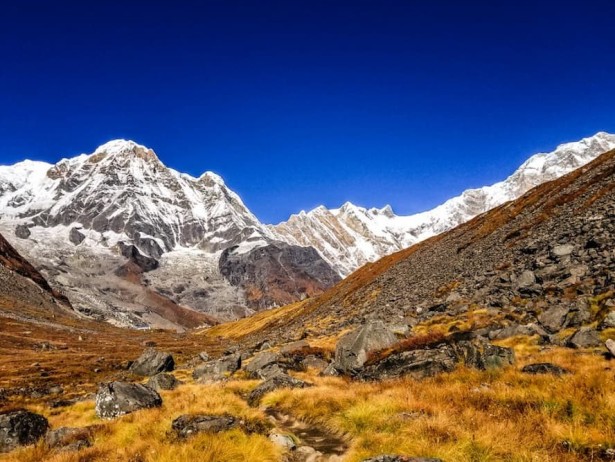
Autumn is also the peak season for trekkers visiting Annapurna Base Camp. People from all over come through, Canada, Nepal, Japan, to make their way along the route. Tea houses are fully staffed and operating at full strength every day. Menus are broad, and food supplies never run low - you'll find hot meals, fresh tea, and clean beds at every stop. But you have to act fast: spots like Chhomrong, Deurali, and Machhapuchhre Base Camp get booked up quickly if you wait too long.
The social environment is even better. Besides meeting other trekkers, you get to share stories and help each other along the way. This is especially important for those who are doing the trek for the first time and like having a plan and a trail that is full of activities. Peak visibility occurs during autumn. The sunrise scenery from the base camp provides you with splendid and uninterrupted views all the time. Also, glacier fields, ridgelines, and snowy peaks become clearly visible. Photography conditions stay excellent throughout the journey.
If you wish for weather that is very difficult to change, mountain views that are quite clear, and very good infrastructure, you should choose autumn. It lowers the chance of having an accident and makes the planning of the trip simpler. This is why most people who want to have a nice time and a pleasant Annapurna Base Camp visit choose it.
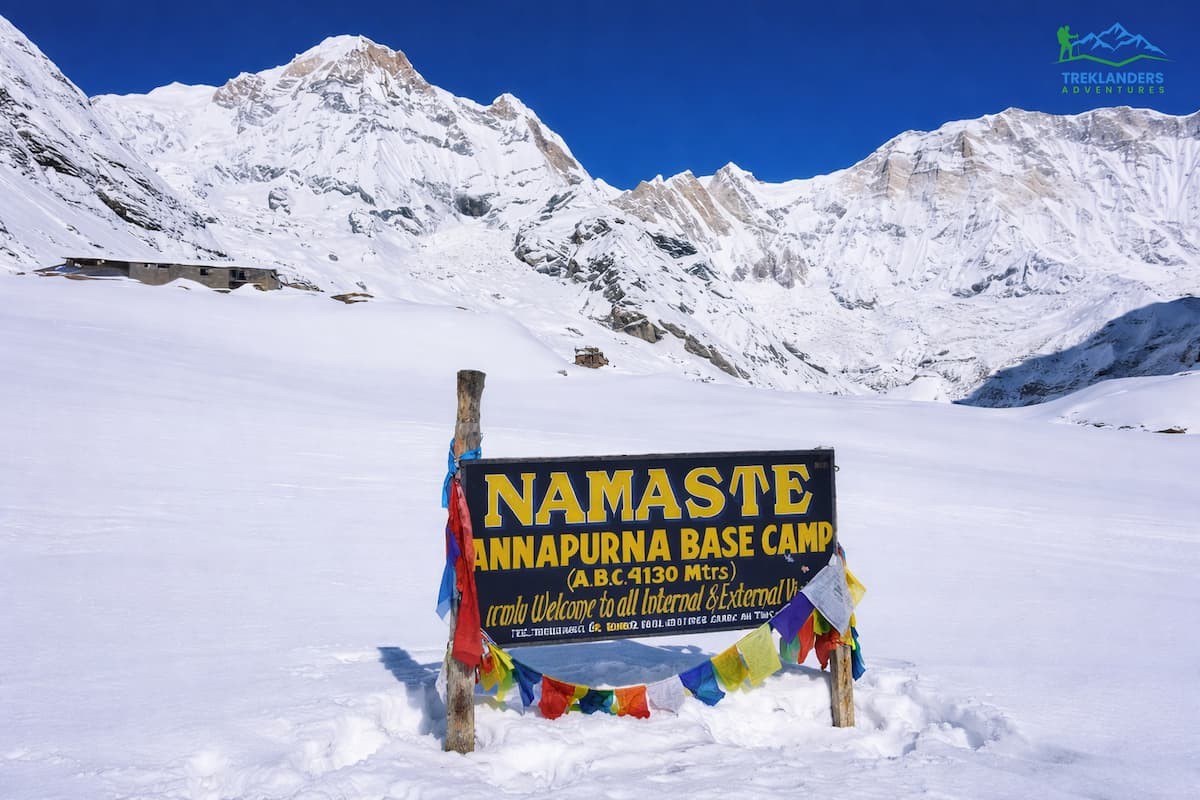
Winter changes the character of the trek to Annapurna Base Camp. Conditions become colder, quieter, and more demanding. You trade comfort for solitude and snow scenery - at least in theory.
December marks the start of winter. Days remain clear after the post-monsoon period. Temperatures drop but stay manageable at lower elevations. Nights fall below freezing above 3,000 meters. Trails begin to see light snow, mainly near Deurali and Machhapuchhre Base Camp. Visibility often stays good, which still allows strong mountain views (though winds can pick up suddenly).
January is the coldest month. Daytime temperatures remain low, and nights can drop to -10 °C or below at base camp. Snow accumulation increases. Sections of the trail become icy, mainly in shaded areas and steep ascents. The weather stays mostly stable, but cold waves can push temperatures even lower. Water sources may freeze in the morning, which affects daily routines, probably more than people expect.
February shows a gradual shift. Temperatures start to rise slightly toward the end of the month. Snow remains on higher sections, but trails begin to open more consistently. Visibility improves again with longer daylight hours. Late February can feel like a transition period between winter and early spring, more or less how it's described in guidebooks.
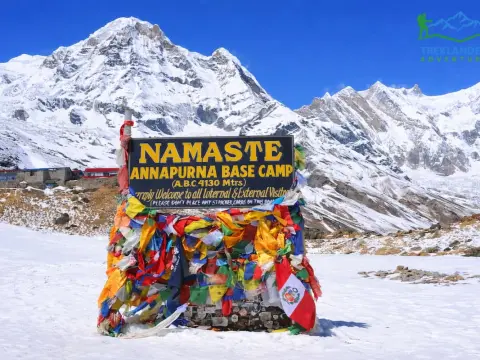
Fewer trekkers mean lower prices - better room options, more pricing flexibility, mostly in lower villages. Flights, guides, and porters are easier to book at the last minute. The standard route sees few avalanches, but after heavy snow in narrow valleys, they can happen. Hard ice makes slipping more likely. Fresh snow can block paths near high camps or slow your progress. You'll need boots with good insulation and micro spikes sometimes.
Winter crowds thin out quickly. Hours of walking may bring no other trekkers. Tea houses stay open at low elevations but close higher up when demand falls. This leads to a quieter experience with more personal space at lodges and uninterrupted views.
Cold weather fits those who like solitude, snowy scenery, and a slower rhythm. Solid gear and weather awareness are required. You prepare for cold conditions and reduced comfort. In return, you get a calm, less crowded journey to Annapurna Base Camp.
Timing matters - local advice helps avoid risky periods. Snow cover changes fast; you must adjust on the fly. Weather shifts can impact your path or safety without warning.
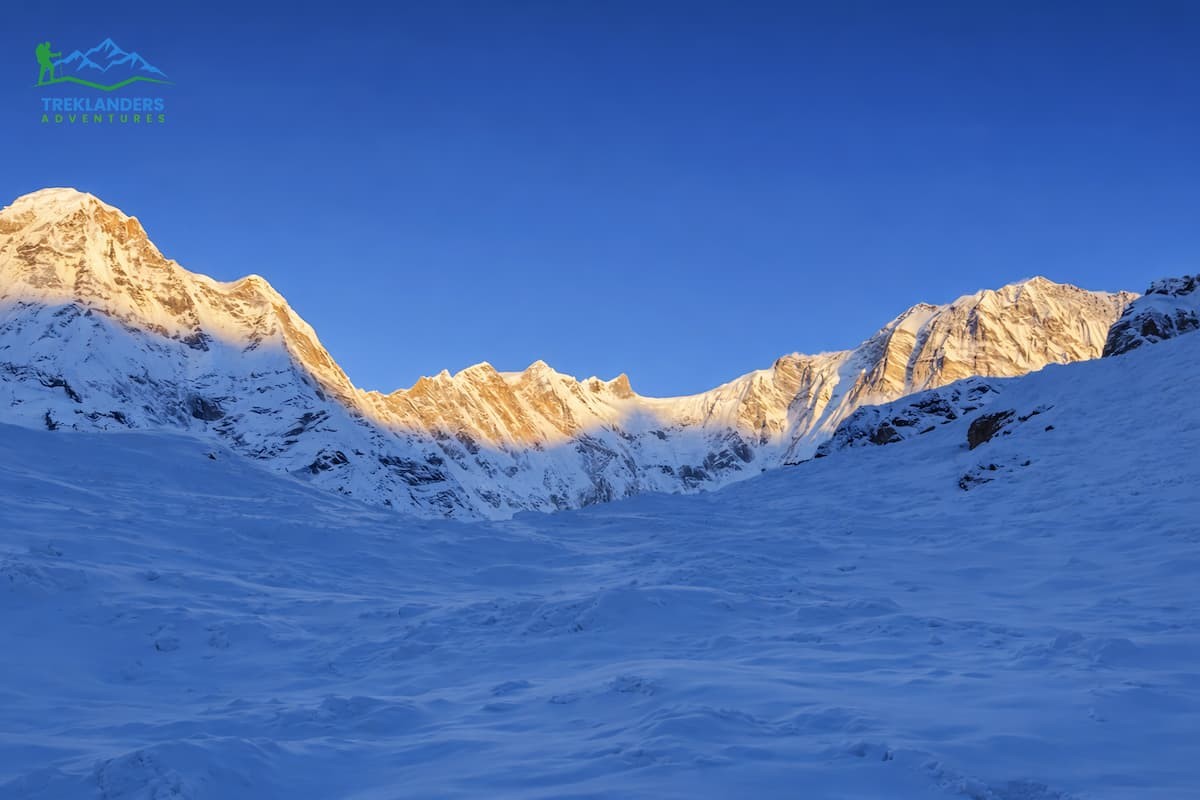
Your level of fitness and experience should be the main factors deciding your choice. Autumn provides more stable trails and moderate conditions, so it is a good option if you have basic trekking experience and average fitness. You can keep a steady pace and recover well after each day. Winter requires much more from you. Besides the low temperatures, which force you to use energy at a higher rate, snow and ice make physical activity even more demanding. You have to be more physically fit, have stronger legs and be familiar with very cold environments if you want to travel safely to Annapurna Base Camp.
Budget is a very pragmatic factor. Autumn is the high season when accommodation, guides and transport become quite scarce due to demand, so prices usually remain rather high, and you might have a complicated time securing a spot during a popular day without pre-booking. On the other hand, winter is the low season. Most tea houses in the lower villages offer a very affordable, sometimes even flexible price. You can negotiate a bit or find it easier to get a room. But you have to keep in mind that this will be counterbalanced with having to spend more on equipment for cold weather, like warm clothes, insulated sleeping bags and proper shoes.
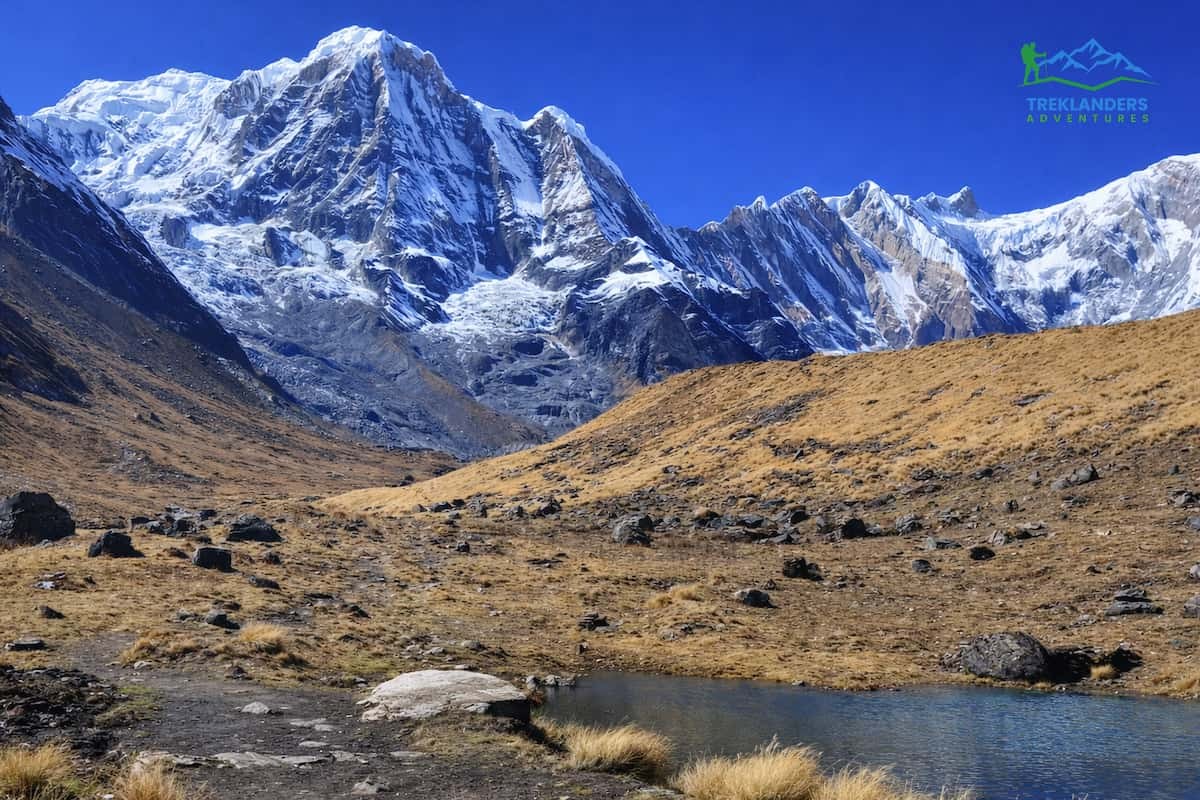
The choice of the crowd will influence your day-to-day experience. The Annapurna base camp routes in autumn will remain crowded. You will have to share the time with many fellow trekkers, have to share dining spaces, and follow the steady flow on the route. This will especially be easier when it comes to organizing your stays since you will be close to other trekkers. On the contrary, in winter the trails will be so quiet and empty in some stretches that in the lodges you will find only a few people. So, if you are looking for privacy and a more tranquil pace, winter will suit you better. If, on the contrary, you are an extrovert and like the energy of the crowds, then you should go in autumn.
Photography aims vary with the seasons. Autumn offers dependable clarity almost every day. The sky is clear most of the time, and your sight extends to the mountains throughout the hike. This helps landscape photography with light conditions that occur regularly. Winter decorates the earth with white, and shorelines look like paintings when mixed with the mighty peaks like Annapurna I and Machhapuchhre. You are going to get one-of-a-kind compositions, but the aspect of the daylight shortness and the changing weather are pushing you to the right timing.
The more you can be flexible with your time, the more you can take risks. In the fall, you can pack your itinerary a bit closer because hold-ups are less frequent. Planes, paths, and places to stay will be running without hiccups. In winter, you will have to set a few more days conservatively because snow or very cold weather could slow you down to the point where you have to wait. If your plan is fixed and short, fall is the way to go as it cuts down the unknowns. If you can give yourself some time, winter is not only feasible but also the season that rewards you the most.
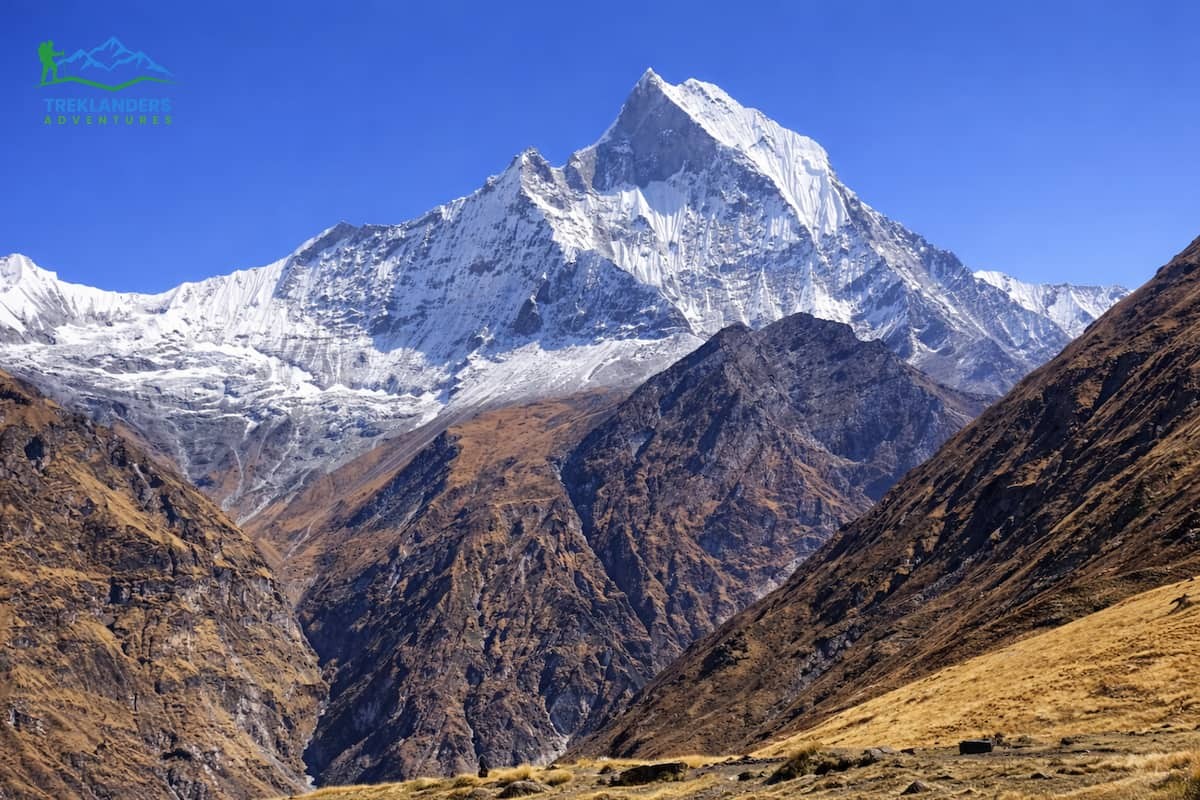
September is the time when the monsoon finally ends. The paths become less muddy, and gradually, the atmosphere gets refreshed. At the beginning of the month, you'll have to put up with occasional light showers and overcast conditions, particularly if you are at the lower heights. However, from mid to the end of the month, you will have excellent visibility of the entire Annapurna Mountain range. Water flows intensively in the rivers, the scenery appears rejuvenated, and the temperature is pleasantly cool. This time is appropriate if you are looking to avoid large groups and still have pretty good weather while trekking toward Annapurna Base Camp.
October is undoubtedly the best time of the year. The atmospheric conditions become really stable. The sky continues to be mostly cloudless for the entire day. The visibility of the mountain peak remains at its level throughout the day. The temperature in the day is just right for the tiring trekking, and the nights are only a little cold, still quite bearable. The way is dry and free of danger. The local guests are actively running their hospitality services. One can expect the highest probability of success and the most predictable experience during the whole journey this month.
November still boasts great visibility, but the temperatures are colder. You can still enjoy early November as if it were October with the same stable weather and clear skies. Nighttime temperatures can be quite chilly, especially at altitudes exceeding 3,000 meters. Garden plants and vegetation are frosted in the morning. The weather for trekking remains very good. A little less busy than October, the trail is a little quieter, but the quality is not lost.
In December, winter is setting in. Cold will almost certainly be with you, especially if you are trekking at higher altitudes. As long as the sky is clear, you can go walking in the daytime, but the temperature at night will fall significantly. Snow will start to fall and cover some of the areas from Machhapuchhre Base Camp up to Annapurna Base Camp. The number of people around will decrease rapidly. If you have the right winter clothing, you can have a quieter and less stressful time with manageable challenges.
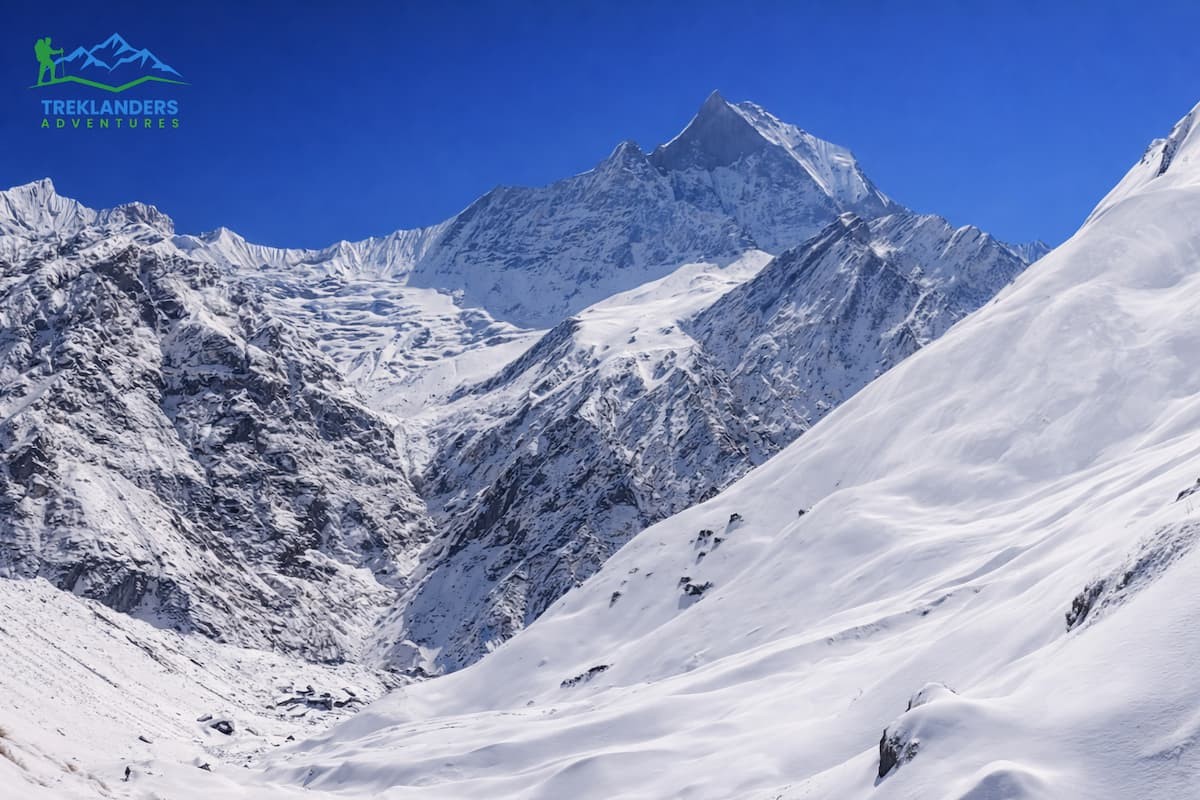
January is the month that offers the hardest conditions. The temperatures are expected to be the lowest throughout the year. Consequently, the snow will keep on piling up, and the ice will make an appearance on the trails hidden from the sun. It will be necessary to go slowly due to the nature of the terrain and the risk of freezing. Depending on the interest and the weather, a few higher altitude tea houses might even shutter their doors. It would be advisable that you have both excellent fitness and familiarity with cold environments, use winter clothing and gear to not only complete but also enjoy the Annapurna base camp trek in January.
February is a time for a slow recovery. The temperature will be on an upward trend just about the time that the month is coming to an end. While snow still covers the higher parts, the trails will become more and more usable. Some pretty early signs of spring can be found in the lower regions, for example, rhododendron flowers make their appearance for the first time. Visibility again is one piece of good news, and you will also have more daylight. This period is good for those who like both the quietness of winter and the unfolding of different seasons. Then, the gradually more stable conditions set in.
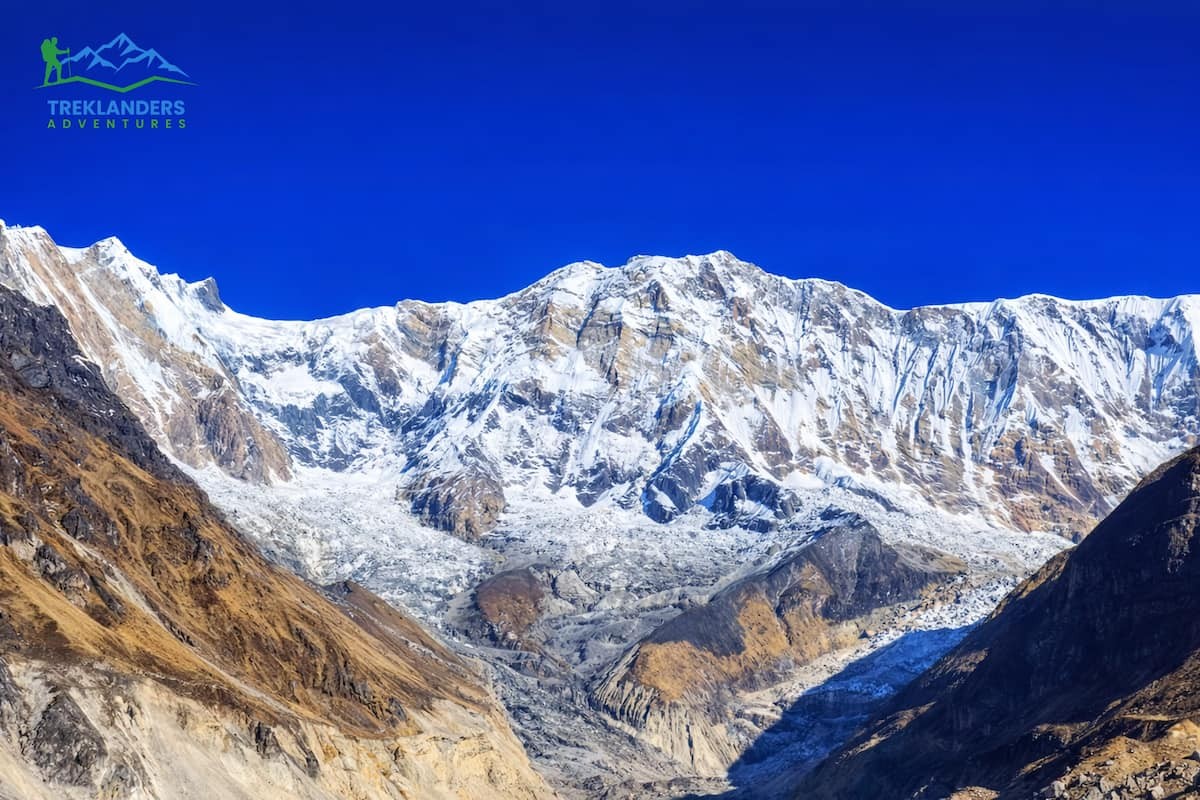
During the trip to Annapurna Base Camp, the need for gear changes considerably with the seasons. In the fall, you can stick with your usual trekking gear. Bring moisture-wicking base layers, a fleece, and a medium down jacket for the evenings. A three-season sleeping bag is sufficient. Since the trails remain dry, trail shoes or light boots with good grip are suitable.
In winter, you are required to be fully insulated. Plan to carry a heavy down jacket, thermal base layers, insulated gloves, and a warm hat. Because teahouse rooms are not heated at night, a four-season sleeping bag becomes a must-have. Your footwear will need to negotiate snow and ice. Besides sturdy boots and thick socks, traction aids like micro spikes will make it safer on icy sections.
Permits requirements remain unchanged for both seasons. You are required to have the Annapurna Conservation Area Permit issued by the Annapurna Conservation Area Project and the Trekkers' Information Management System card issued by the Nepal Tourism Board. The fees do not differ between autumn and winter. It is advisable to arrange your permits in Kathmandu or Pokhara before the commencement of the trek. Make sure to have the physical copies handy since the authorities at various checkpoints on the trail will ask for them.
Acclimatization stays key no matter the season. The route climbs above 4,000 meters, so your ascent pace has to be controlled. A steady, gradual gain in elevation is key. Hydration matters - stay put with consistent water intake. Autumn offers stable weather, letting you stick to a regular schedule without delays.
Winter brings cold that hides early signs of altitude stress. You might not feel thirsty and drink less, which raises the risk. A strict hydration plan helps. Check daily for symptoms like headache, nausea, or odd fatigue. If any show up, stop going up and rest.
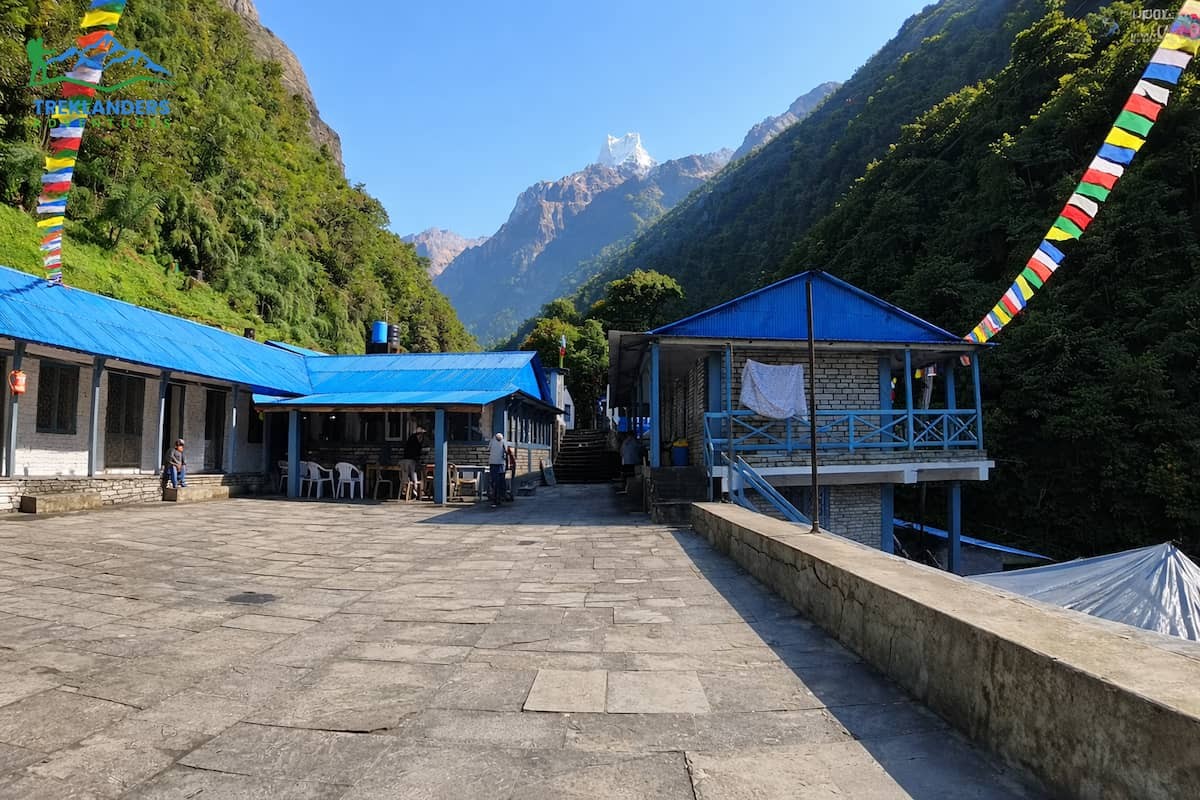
Teahouse access varies a lot. In autumn, every lodge runs full service - food options are broad, supplies are regular, and rooms are reliable at each stop.
Winter changes things: lower villages stay open, but higher spots like Deurali or Machhapuchhre Base Camp may operate only if demand is high or weather permits. Some shut down completely during the colder months. It seems wise to verify availability before heading out or going with a guide who can handle bookings. Keep basic backup supplies - meals get sparser in quieter times.
Monsoon precipitation decreases drastically after that season is over. In the fall, the monthly rainfall volume is less than 50 mm after September. This will keep paths dry and stable, which will lead to better footing and a reduction of waiting times. River levels will remain unchanged, and the possibility of landslides will decrease along the way to Annapurna Base Camp. During the winter, the overall precipitation amount is lowered even more to less than 20 mm/month. Nevertheless, the main change is in the form rather than the quantity. At altitudes above 2,500 meters, precipitation will be in the form of snow instead of rain. Snow starts to build up around Deurali and goes on to the higher camps. Actual conditions of the trail might be changed suddenly, even after a very mild snowfall. Newly fallen snow will slow down your walking and will also mask the irregularities of the surface. Eventually, the snow that has been compacted on the ground will turn into ice, and this will raise the danger of falling. As a result, winter trekking is more complicated in terms of technique, and it takes more energy even though there is less precipitation overall.
Wind conditions vary quite a lot according to the season. Autumn is generally calm and stable, with light winds being predominant almost the entire day. This leads to pleasant trekking conditions even when you are going up the mountain. It is possible to keep a good walking rhythm without being bothered by strong wind gusts. On the other hand, winter will see wind playing a major role only at altitudes of 3,500 meters and above. The most exposed parts around the Machhapuchhre Base Camp and Annapurna Base Camp are the ones where you will find occasional but quite strong gusts. Besides the physical discomfort, the feeling of cold can be significantly worsened by wind chill. For example, a temperature of --5 °C might feel as cold as -20 °C when the wind is strong. This has consequences for the duration of safe outdoor stay as well as the need for good insulation and wind proofing.
How many daylight hours you have will be a major factor in determining your trekking schedule? In October, you have about 11.5 hours of daylight and that gives you quite a bit of freedom in your day-to-day activities. For example, you can start the day a bit later, see more sights, have longer rests and still be able to get to your accommodation before the sun sets without any problems. However, in January, daylight lasts only about 10 hours. This shorter period lowers the amount of time you can spend moving around. Besides, with the presence of snow and the very cold weather, this will be a call for starting very early and keeping a very tight schedule the whole time. There won't be as much room for mistakes, so it will have to be a very well-thought-out plan each day.
Cloud cover influences both the visibility and overall experience significantly. During a typical autumn, 10 to 20% of the sky is covered by clouds. Most of the time, clear skies prevail, particularly during the morning and late afternoon. As a result, mountain views are uninterrupted, and navigation conditions remain stable. Cloud cover in the winter season goes up to about 30 to 50%. That means you will face days when the sky is covered with clouds and you will be passing storm systems. Nevertheless, between these storm systems, you will find quite often clear windows. Following the disappearance of snowfall, visibility may become extremely clear, providing some of the most breathtaking views of the Annapurna range.
Autumn offers stable weather and clear trails. Beginners with basic fitness can handle it. No technical climbing skills are needed. Standard acclimatization works fine. The pace stays moderate - daily elevations aren't extreme. Most people with average endurance finish safely and enjoy the journey. Social interactions help new trekkers stay motivated. They get advice and support along the way.
Winter demands a fitness level between moderate and advanced. The low temps, snow, and ice mean that you will have to be physically prepared with some endurance and strengthening as a minimum. Being accustomed to trekking in cold weather would be a big plus. You should be able to tackle the icy parts safely and still have the energy to go on for a longer time. Besides physical fitness, mental fitness also matters because there are fewer people and it gets lonely on the trail, thus focus, self-confidence, and self-reliance become your traits. Proper planning, correct gear, and well-thought-out pacing will be your tools to safely finish the trek in these difficult conditions.
Autumn offers solid safety support on the trek to Annapurna Base Camp. ACAP rescue posts are fully staffed along the main route. Helicopter evacuation is available within hours if emergencies arise. Trails are well-marked and easy to follow, cutting down on errors. Weather windows stay predictable, letting trekkers plan daily distances and acclimatization stops safely. Clear trails, accessible rescue services, and stable conditions make autumn the most reliable season for first-time trekkers.
Winter means you have to face colder weather and slower help if something happens. Rescue teams can be delayed for 24 to 48 hours because of heavy snow, especially when you are more than 3,000 meters above sea level. Trail markers may get covered by snow, thus making it easier to lose your way. Also, it is very important to get travel insurance that also covers helicopter evacuation. Since January is the month with crazy weather and icy paths, we don't recommend treks without guides due to isolated areas and difficult weather conditions. Besides that, guides can efficiently get the right route, keep an eye on the snow conditions and even review emergency plans when necessary. Going trekking in the winter entails getting it ready perfectly, following safety rules only, and always being worried about the challenges that weather and height can bring.
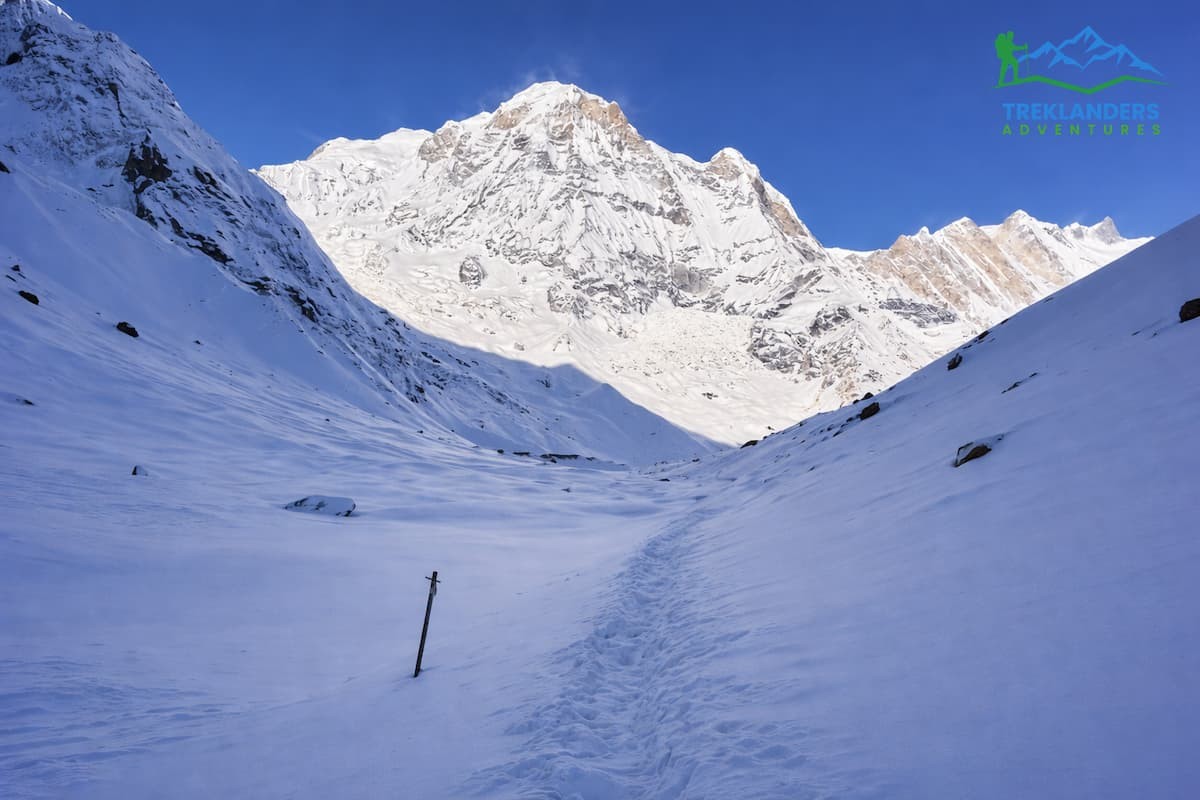
Choosing the right season for trekking to Annapurna Base Camp depends on your priorities, experience, and tolerance for cold and isolation. Autumn and winter both offer unique advantages, but they create very different experiences. Autumn stands out for predictable weather, dry and stable trails, and excellent visibility. Temperatures remain moderate during the day, and nights are manageable with standard gear. Trails are busy but well-supported, and teahouses operate fully.
Rescue services are reliable, and navigation is straightforward, making it ideal for beginners or those seeking a smoother, social trekking experience. Visibility is consistently high, allowing photographers and casual trekkers to enjoy the full panorama of peaks such as Annapurna I and Machhapuchhre. The moderate climate and predictable trail conditions support standard acclimatization schedules, reducing the risk of altitude-related issues.
Winter, on the other hand, transforms the trek into a more challenging and remote adventure. Temperatures drop sharply, snow covers high sections, and wind chill can make the cold extreme. Fewer trekkers create solitude, and landscapes take on a stark, pristine beauty. The reduced crowd makes photography and reflection easier, but the trail can be more technical, requiring careful navigation over snow and ice. Rescue services may take longer to respond, and teahouse availability at higher elevations can be limited. Winter trekking demands advanced fitness, experience with cold-weather trekking, and strong mental preparedness for isolation. Proper gear and travel insurance with helicopter evacuation coverage are essential.
Ultimately, deciding between autumn and winter really comes down to what you want to achieve. If you want to prioritize safety, comfort, and meet more people, then autumn is your best bet. On the other hand, if you desire solitude, spectacular snowy scenes, and a tougher challenge, winter is the season that can provide all those experiences, but it also demands meticulous planning and a respectful attitude towards the environment. Both times of year allow you to admire the spectacular scenery of the Annapurna area. Knowing the variations in weather, degree of trail use, number of daylight hours, crowd levels, and safety aspects will enable you to determine the time of year that fits best with your physical condition, availability, and trekking dreams, thereby guaranteeing a fulfilling Annapurna Base Camp journey.

A short day hike from Kyanjin Gompa to Langtang Lirung Glacier with stunning views and a rewarding high-altitude experience.

Autumn vs winter in Langtang Valley: compare weather, trails, and crowds to choose your best trekking season.
Discover the best beginner-friendly treks near Kathmandu, from easy day hikes to multi-day Himalayan adventures with essential tips and routes.



