[{"name":"Everest Base Camp Trek","duration":"16","image_url":"https:\/\/www.treklanders.com\/storage\/trip-galleries\/1\/thumb_419a755c003cc609f3030ee332965ebe.jpg","offer_price":1405,"url":"https:\/\/www.treklanders.com\/trips\/everest-base-camp-trek"},{"name":"Gokyo Valley Trekking","duration":"16","image_url":"https:\/\/www.treklanders.com\/storage\/trip-galleries\/2\/thumb_676d1021b574aeba4d19d3f2a0b04ed2.webp","offer_price":1205,"url":"https:\/\/www.treklanders.com\/trips\/gokyo-valley-trekking"},{"name":"Annapurna Circuit Trek","duration":"23","image_url":"https:\/\/www.treklanders.com\/storage\/trip-galleries\/3\/thumb_2a9a92ea23c62f41de27b37f5e3e8c17.webp","offer_price":1495,"url":"https:\/\/www.treklanders.com\/trips\/annapurna-circuit-trek"},{"name":"Everest Panorama Trek","duration":"12","image_url":"https:\/\/www.treklanders.com\/storage\/trip-galleries\/4\/thumb_35c9f677ea2e88b1ff11a9f43daa3ddb.jpg","offer_price":1100,"url":"https:\/\/www.treklanders.com\/trips\/everest-panorama-trek"},{"name":"Everest Base Camp Trekking from Jiri","duration":"22","image_url":"https:\/\/www.treklanders.com\/storage\/trip-galleries\/6\/thumb_14763592492417b294aa66bf0ebf4e64.webp","offer_price":1400,"url":"https:\/\/www.treklanders.com\/trips\/everest-base-camp-trekking-from-jiri"},{"name":"Everest Base Camp via Cho la Pass from Gokyo Valley Trekking","duration":"18","image_url":"https:\/\/www.treklanders.com\/storage\/trip-galleries\/7\/thumb_d4e470e98d4e9e2ab8e93e39b8b7d252.jpg","offer_price":1405,"url":"https:\/\/www.treklanders.com\/trips\/everest-base-camp-via-cho-la-pass-from-gokyo-valley-trekking"},{"name":"Everest Three Passes Trekking","duration":"22","image_url":"https:\/\/www.treklanders.com\/storage\/trip-galleries\/8\/thumb_b413b221e913171500bb3dfd5c08ceea.jpg","offer_price":1635,"url":"https:\/\/www.treklanders.com\/trips\/everest-three-passes-trekking"},{"name":"Annapurna Base Camp Trekking","duration":"14","image_url":"https:\/\/www.treklanders.com\/storage\/trip-galleries\/9\/thumb_2e71f2ffe116c659fa66b01c2d571b4e.webp","offer_price":845,"url":"https:\/\/www.treklanders.com\/trips\/annapurna-base-camp-trekking"},{"name":"Mardi Base Camp Trekking","duration":"14","image_url":"https:\/\/www.treklanders.com\/storage\/trip-galleries\/10\/thumb_d7b2d2dc638f6bbf2c31c167ac68029d.webp","offer_price":845,"url":"https:\/\/www.treklanders.com\/trips\/mardi-base-camp-trekking"},{"name":"Mohare Danda Trekking","duration":"12","image_url":"https:\/\/www.treklanders.com\/storage\/trip-galleries\/11\/thumb_a384c8d35d789d29b19991c1d675c910.webp","offer_price":755,"url":"https:\/\/www.treklanders.com\/trips\/mohare-danda-trekking"},{"name":"Khopra Ridge & Khair Lake Trekking","duration":"15","image_url":"https:\/\/www.treklanders.com\/storage\/trip-galleries\/12\/thumb_c0f50461ddc74acfb553ba85be00fab0.webp","offer_price":855,"url":"https:\/\/www.treklanders.com\/trips\/khopra-ridge-khair-lake-trekking"},{"name":"Upper Mustang Trekking","duration":"17","image_url":"https:\/\/www.treklanders.com\/storage\/trip-galleries\/13\/thumb_7aa4dfdb69186b0f224a303d80a25c95.jpg","offer_price":1715,"url":"https:\/\/www.treklanders.com\/trips\/upper-mustang-trekking"},{"name":"Langtang Valley Trek","duration":"12","image_url":"https:\/\/www.treklanders.com\/storage\/trip-galleries\/14\/thumb_8650b4b1a3c160cff75da65369398353.webp","offer_price":735,"url":"https:\/\/www.treklanders.com\/trips\/langtang-valley-trek"},{"name":"Gosainkunda Lake Trek","duration":"11","image_url":"https:\/\/www.treklanders.com\/storage\/trip-galleries\/15\/thumb_bfe94c14e760c48234e117021105be84.webp","offer_price":735,"url":"https:\/\/www.treklanders.com\/trips\/gosainkunda-lake-trek"},{"name":"Chisapani-Nagarkot to Dhulikhel Hiking","duration":"7","image_url":"https:\/\/www.treklanders.com\/storage\/trip-galleries\/16\/thumb_468defe9a4000ee3129cd7e6421ee105.webp","offer_price":565,"url":"https:\/\/www.treklanders.com\/trips\/chisapani-nagarkot-to-dhulikhel-hiking"},{"name":"Kanchenjunga Trek","duration":"23","image_url":"https:\/\/www.treklanders.com\/storage\/trip-galleries\/17\/thumb_51f43fa4203106cc49aaedc89d76e01d.jpg","offer_price":1725,"url":"https:\/\/www.treklanders.com\/trips\/kanchenjunga-trek"},{"name":"Helambu Trek","duration":"12","image_url":"https:\/\/www.treklanders.com\/storage\/trip-galleries\/18\/thumb_0fe8e3fa1299d2e43bf1fb5977875ce2.jpg","offer_price":685,"url":"https:\/\/www.treklanders.com\/trips\/helambu-trek"},{"name":"Upper Dolpo Trek","duration":"26","image_url":"https:\/\/www.treklanders.com\/storage\/trip-galleries\/19\/thumb_d6080d490e1db83b0a711e7304000864.jpg","offer_price":3005,"url":"https:\/\/www.treklanders.com\/trips\/upper-dolpo-trek"},{"name":"Manaslu Circuit Trek","duration":"18","image_url":"https:\/\/www.treklanders.com\/storage\/trip-galleries\/20\/thumb_1fdd224e849f4f328e73d2d12b3d282d.jpg","offer_price":1225,"url":"https:\/\/www.treklanders.com\/trips\/manaslu-circuit-trek"},{"name":"Tilicho Lake Base Camp Trek","duration":"19","image_url":"https:\/\/www.treklanders.com\/storage\/trip-galleries\/21\/thumb_eba8ac5e029e6543e0c17630ebd9e2fb.jpg","offer_price":1220,"url":"https:\/\/www.treklanders.com\/trips\/tilicho-lake-base-camp-trek"},{"name":"Nar-Phu Valley With Thorang-La Pass Trek","duration":"21","image_url":"https:\/\/www.treklanders.com\/storage\/trip-galleries\/22\/thumb_43597423a5a366fe9c8937fb30d2fe2a.jpg","offer_price":1315,"url":"https:\/\/www.treklanders.com\/trips\/nar-phu-valley-with-thorang-la-pass-trek"},{"name":"Nepal Round Trip of Kathmandu-Pokhara-Lumbini and Chitwan Tour","duration":"10","image_url":"https:\/\/www.treklanders.com\/storage\/trip-galleries\/23\/thumb_32497d170b2ab340b0a1b3310e91e784.webp","offer_price":845,"url":"https:\/\/www.treklanders.com\/trips\/nepal-round-trip-of-kathmandu-pokhara-lumbini-and-chitwan-tour"},{"name":"Nagarkot Day Hike","duration":"2","image_url":"https:\/\/www.treklanders.com\/storage\/trip-galleries\/24\/thumb_a5a654930fd8ba7852e41738105bacfc.webp","offer_price":105,"url":"https:\/\/www.treklanders.com\/trips\/nagarkot-day-hike"},{"name":"Nagarkot Sunrise Tour","duration":"1","image_url":"https:\/\/www.treklanders.com\/storage\/trip-galleries\/25\/thumb_17dc28a29cfa44381ad503f0a75ee84f.webp","offer_price":22,"url":"https:\/\/www.treklanders.com\/trips\/nagarkot-sunrise-tour"},{"name":"Namobuddha Day Tour with Shiva Statue","duration":"1","image_url":"https:\/\/www.treklanders.com\/storage\/trip-galleries\/26\/thumb_beeb34202f9077764aa08c67ef2867f9.webp","offer_price":45,"url":"https:\/\/www.treklanders.com\/trips\/namobuddha-day-tour-with-shiva-statue"},{"name":"Kathmandu Full Day Sightseeing Tour","duration":"1","image_url":"https:\/\/www.treklanders.com\/storage\/trip-galleries\/27\/thumb_d045fc0f1acee2cfa6b3c95f3c656d18.jpg","offer_price":30,"url":"https:\/\/www.treklanders.com\/trips\/kathmandu-full-day-sightseeing-tour"},{"name":"Patan and Bhaktapur Sightseeing Tour","duration":"1","image_url":"https:\/\/www.treklanders.com\/storage\/trip-galleries\/28\/thumb_750eacac3424b5dba686dd93656ab87c.jpg","offer_price":30,"url":"https:\/\/www.treklanders.com\/trips\/patan-and-bhaktapur-sightseeing-tour"},{"name":"Upper Mustang Heli Tour","duration":"1","image_url":"https:\/\/www.treklanders.com\/storage\/trip-galleries\/29\/thumb_0b785f69a15557f8660c805c76fda14e.webp","offer_price":1250,"url":"https:\/\/www.treklanders.com\/trips\/upper-mustang-heli-tour"},{"name":"Everest Heli Tour","duration":"1","image_url":"https:\/\/www.treklanders.com\/storage\/trip-galleries\/30\/thumb_dc45f2beb36a3699e0decf0de41a6f17.jpg","offer_price":1495,"url":"https:\/\/www.treklanders.com\/trips\/everest-heli-tour"},{"name":"Island Peak Trek & Climb","duration":"21","image_url":"https:\/\/www.treklanders.com\/storage\/trip-galleries\/31\/thumb_a0f3e3468c92a8e436045cf8b2fbf361.jpg","offer_price":2295,"url":"https:\/\/www.treklanders.com\/trips\/island-peak-trek-climb"},{"name":"Mera Peak Trek & Climb","duration":"18","image_url":"https:\/\/www.treklanders.com\/storage\/trip-galleries\/32\/thumb_3e8128a23c36f02fa38135475e811b9e.jpg","offer_price":2815,"url":"https:\/\/www.treklanders.com\/trips\/mera-peak-trek-climb"},{"name":"Chandragiri Cable Car Tour","duration":"1","image_url":"https:\/\/www.treklanders.com\/storage\/trip-galleries\/33\/thumb_faa70b716449eada6d7f1450335edbb3.jpg","offer_price":30,"url":"https:\/\/www.treklanders.com\/trips\/chandragiri-cable-car-tour"},{"name":"Everest Base Camp Trek and Returning via Heli","duration":"13","image_url":"https:\/\/www.treklanders.com\/storage\/trip-galleries\/34\/thumb_11190941866206e1d578db11986ebc73.webp","offer_price":2100,"url":"https:\/\/www.treklanders.com\/trips\/everest-base-camp-trek-and-returning-via-heli"},{"name":"Annapurna Semi Circuit Trek","duration":"15","image_url":"https:\/\/www.treklanders.com\/storage\/trip-galleries\/35\/thumb_30ddd8ba818cdcb52efd5eb0a017bcdb.jpg","offer_price":965,"url":"https:\/\/www.treklanders.com\/trips\/annapurna-semi-circuit-trek"},{"name":"Everest Base Camp Luxury Trek","duration":"14","image_url":"https:\/\/www.treklanders.com\/storage\/trip-galleries\/39\/thumb_6079aea3c5dd83e745a16fd6162270dc.jpg","offer_price":2685,"url":"https:\/\/www.treklanders.com\/trips\/everest-base-camp-luxury-trek"},{"name":"Mt. Kailash & Lake Manasarover Tour","duration":"15","image_url":"https:\/\/www.treklanders.com\/storage\/trip-galleries\/41\/thumb_cf3fededfd7dd2b40399af399e04f95a.jpg","offer_price":2205,"url":"https:\/\/www.treklanders.com\/trips\/mt-kailash-lake-manasarover-tour"},{"name":"Ghorepani Poonhill Trek","duration":"11","image_url":"https:\/\/www.treklanders.com\/storage\/trip-galleries\/43\/thumb_602d9a56976e1b836ba8adc69b8d09c5.webp","offer_price":720,"url":"https:\/\/www.treklanders.com\/trips\/ghorepani-poonhill-trek"},{"name":"11 Days Gokyo Valley Trekkking","duration":"11","image_url":"https:\/\/www.treklanders.com\/storage\/trip-galleries\/45\/thumb_ab552c3c91de392f94230a937b1c4801.jpg","offer_price":900,"url":"https:\/\/www.treklanders.com\/trips\/11-days-gokyo-valley-trekkking"},{"name":"9-Day Everest Base Camp Trekking with Helicopter Return","duration":"9","image_url":"https:\/\/www.treklanders.com\/storage\/trip-galleries\/46\/thumb_9a8ba2b582500cd86786be056902c31a.webp","offer_price":1990,"url":"https:\/\/www.treklanders.com\/trips\/9-day-everest-base-camp-trekking-with-helicopter-return"},{"name":"12-Day Everest Base Camp Trek","duration":"12","image_url":"https:\/\/www.treklanders.com\/storage\/trip-galleries\/47\/thumb_d12c9ef776c0b395ceea817fe05c5892.jpg","offer_price":1000,"url":"https:\/\/www.treklanders.com\/trips\/12-day-everest-base-camp-trek"},{"name":"8-Day Everest Panorama Trek","duration":"8","image_url":"https:\/\/www.treklanders.com\/storage\/trip-galleries\/49\/thumb_c81ae3a8ac757a317a9362e6872e2dcb.jpg","offer_price":850,"url":"https:\/\/www.treklanders.com\/trips\/8-day-everest-panorama-trek"},{"name":"7-Day Langtang Valley Trek","duration":"7","image_url":"https:\/\/www.treklanders.com\/storage\/trip-galleries\/50\/thumb_99c2904df5475ab028c9e3633ea95ef3.jpg","offer_price":420,"url":"https:\/\/www.treklanders.com\/trips\/7-day-langtang-valley-trek"},{"name":"4-Day Trekking Adventure near Kathmandu","duration":"4","image_url":"https:\/\/www.treklanders.com\/storage\/trip-galleries\/51\/thumb_594681060514dc57be1959236a6996d0.jpg","offer_price":275,"url":"https:\/\/www.treklanders.com\/trips\/4-day-trekking-adventure-near-kathmandu"},{"name":"4-Day Ghorepani Ponnhill Trek from Pokhara","duration":"4","image_url":"https:\/\/www.treklanders.com\/storage\/trip-galleries\/53\/thumb_eede04edac01f983d9af2c16f55d03e8.webp","offer_price":500,"url":"https:\/\/www.treklanders.com\/trips\/4-day-ghorepani-ponnhill-trek-from-pokhara"},{"name":"7-Day Annapurna Base Camp Trek from Pokhara","duration":"7","image_url":"https:\/\/www.treklanders.com\/storage\/trip-galleries\/55\/thumb_547e91c74088c491111ebe31a759cfbb.jpg","offer_price":420,"url":"https:\/\/www.treklanders.com\/trips\/7-day-annapurna-base-camp-trek-from-pokhara"},{"name":"13-Day Manaslu Circuit Trekking","duration":"13","image_url":"https:\/\/www.treklanders.com\/storage\/trip-galleries\/56\/thumb_aef1af4f0c4a2a9622d518ad5959542b.jpg","offer_price":1050,"url":"https:\/\/www.treklanders.com\/trips\/13-day-manaslu-circuit-trekking"},{"name":"5-Day Mardi Himal Trek from Pokhara","duration":"5","image_url":"https:\/\/www.treklanders.com\/storage\/trip-galleries\/57\/thumb_dcd598d556c14835f0a18169afafcbc6.webp","offer_price":420,"url":"https:\/\/www.treklanders.com\/trips\/5-day-mardi-himal-trek-from-pokhara"},{"name":"Nagarkot Sunrise Tour with Day Hike","duration":"1","image_url":"https:\/\/www.treklanders.com\/storage\/trip-galleries\/58\/thumb_7cdfa1f16719486da2a0718da45b1f2f.webp","offer_price":30,"url":"https:\/\/www.treklanders.com\/trips\/nagarkot-sunrise-tour-with-day-hike"},{"name":"Seven Unesco Heritage Sites Day Tour in Kathmandu","duration":"1","image_url":"https:\/\/www.treklanders.com\/storage\/trip-galleries\/59\/thumb_92aed7b9c67e76740000aab9313dced7.jpg","offer_price":40,"url":"https:\/\/www.treklanders.com\/trips\/seven-unesco-heritage-sites-day-tour-in-kathmandu"},{"name":"10-Day Ghorepani Poonhill with Annapurna Base Camp Trek","duration":"10","image_url":"https:\/\/www.treklanders.com\/storage\/trip-galleries\/60\/thumb_d4c2c089497950ccb5f8541d76e1269b.webp","offer_price":835,"url":"https:\/\/www.treklanders.com\/trips\/10-day-ghorepani-poonhill-with-annapurna-base-camp-trek"},{"name":"3-Day Chitwan Wildlife Tour","duration":"3","image_url":"https:\/\/www.treklanders.com\/storage\/trip-galleries\/61\/thumb_7963c9033b4ecfb5d29583fb0965d521.webp","offer_price":150,"url":"https:\/\/www.treklanders.com\/trips\/3-day-chitwan-wildlife-tour"},{"name":"3-Day Pokhara Sightseeing Tour","duration":"3","image_url":"https:\/\/www.treklanders.com\/storage\/trip-galleries\/62\/thumb_61542f3c38329bcce9d2771c96f265a4.jpg","offer_price":230,"url":"https:\/\/www.treklanders.com\/trips\/3-day-pokhara-sightseeing-tour"},{"name":"7-Day Kathmandu Pokhara and Chitwan wildlifeTour","duration":"7","image_url":"https:\/\/www.treklanders.com\/storage\/trip-galleries\/63\/thumb_803b98ae15f14366124ebb109a32f49d.webp","offer_price":545,"url":"https:\/\/www.treklanders.com\/trips\/7-day-kathmandu-pokhara-and-chitwan-wildlifetour"},{"name":"Nagarjun Jamacho Day Hiking","duration":"1","image_url":"https:\/\/www.treklanders.com\/storage\/trip-galleries\/64\/thumb_85867eb85c60c8228e44f927341f67d1.jpg","offer_price":30,"url":"https:\/\/www.treklanders.com\/trips\/nagarjun-jamacho-day-hiking"},{"name":"Everest Mountain Flight from Kathmandu","duration":"1","image_url":"https:\/\/www.treklanders.com\/storage\/trip-galleries\/65\/thumb_1a66526d340ec175023842c38efd8a95.webp","offer_price":120,"url":"https:\/\/www.treklanders.com\/trips\/everest-mountain-flight-from-kathmandu"},{"name":"One Day Trishuli River Rafting Adventures","duration":"1","image_url":"https:\/\/www.treklanders.com\/storage\/trip-galleries\/66\/thumb_55ba0ea676c9c625f99f3d41bda224fb.jpg","offer_price":35,"url":"https:\/\/www.treklanders.com\/trips\/one-day-trishuli-river-rafting-adventures"},{"name":"13-Day Annapurna Circuit Trek","duration":"13","image_url":"https:\/\/www.treklanders.com\/storage\/trip-galleries\/67\/thumb_859e7a1fbb468a9252d365cab8379f10.jpg","offer_price":815,"url":"https:\/\/www.treklanders.com\/trips\/13-day-annapurna-circuit-trek"},{"name":"15-Day Tilicho Base Camp with Thorong-La Pass Trekking","duration":"15","image_url":"https:\/\/www.treklanders.com\/storage\/trip-galleries\/68\/thumb_56a5fd1506c9b9f1f83844353dc55edf.jpg","offer_price":920,"url":"https:\/\/www.treklanders.com\/trips\/15-day-tilicho-base-camp-with-thorong-la-pass-trekking"},{"name":"Cooking Class in Thamel-Full Course Meal","duration":"1","image_url":"https:\/\/www.treklanders.com\/storage\/trip-galleries\/69\/thumb_ed5cfbc0d94b624642d347c0776d36bb.webp","offer_price":30,"url":"https:\/\/www.treklanders.com\/trips\/cooking-class-in-thamel-full-course-meal"},{"name":"Cooking Class in Thamel-Full Course","duration":"3 Hours 30 Minutes","image_url":"https:\/\/www.treklanders.com\/img\/default.gif","offer_price":30,"url":"https:\/\/www.treklanders.com\/trips\/cooking-class-in-thamel-full-course"},{"name":"Cooking Class in Thamel-Full Course Meal","duration":"3 Hours 30 Minutes","image_url":"https:\/\/www.treklanders.com\/img\/default.gif","offer_price":30,"url":"https:\/\/www.treklanders.com\/trips\/cooking-class-in-thamel-full-course-meal"},{"name":"Momo Making Class in Thamel","duration":"1","image_url":"https:\/\/www.treklanders.com\/storage\/trip-galleries\/72\/thumb_a36e5ceca4d5c4cb0ecda367505b31d3.webp","offer_price":20,"url":"https:\/\/www.treklanders.com\/trips\/momo-making-class-in-thamel"},{"name":"8 Days Bhutan Tour from Kathmandu","duration":"8","image_url":"https:\/\/www.treklanders.com\/storage\/trip-galleries\/73\/thumb_df319d7d3ac21bcd9cf728cb1a70ea09.webp","offer_price":2275,"url":"https:\/\/www.treklanders.com\/trips\/8-days-bhutan-tour-from-kathmandu"},{"name":"10 Days Bhutan Tour with Druk path Trek","duration":"10","image_url":"https:\/\/www.treklanders.com\/storage\/trip-galleries\/74\/thumb_c7d4a4b89aceaf5d3aac313265729bb3.webp","offer_price":5715,"url":"https:\/\/www.treklanders.com\/trips\/10-days-bhutan-tour-with-druk-path-trek"},{"name":"9 -Day Langtang Valley Trek","duration":"9","image_url":"https:\/\/www.treklanders.com\/storage\/trip-galleries\/75\/thumb_65e69cec8917e39091c9e40ae06df3da.webp","offer_price":620,"url":"https:\/\/www.treklanders.com\/trips\/9--day-langtang-valley-trek"},{"name":"14 Day Everest Base Camp Trek","duration":"14","image_url":"https:\/\/www.treklanders.com\/storage\/trip-galleries\/76\/thumb_446e7f33a5f43896c9cdf470cd7be947.webp","offer_price":1175,"url":"https:\/\/www.treklanders.com\/trips\/14-day-everest-base-camp-trek"},{"name":"Lhasa Tour from Kathmandu: 10-Day Tibet Overland Journey via Gyirong","duration":"10","image_url":"https:\/\/www.treklanders.com\/img\/default.gif","offer_price":null,"url":"https:\/\/www.treklanders.com\/trips\/lhasa-tour-from-kathmandu-10-day-tibet-overland-journey-via-gyirong"},{"name":"13 Day Lhasa Tour from Kathmandu via Everest Base Camp","duration":"13","image_url":"https:\/\/www.treklanders.com\/storage\/trip-galleries\/78\/thumb_8a2bfb2abd99ba9ddc902b768e7b0759.webp","offer_price":2565,"url":"https:\/\/www.treklanders.com\/trips\/13-day-lhasa-tour-from-kathmandu-via-everest-base-camp"},{"name":"11 Day Annapurna Base Camp Trek","duration":"11","image_url":"https:\/\/www.treklanders.com\/storage\/trip-galleries\/79\/thumb_4e48a19c538c00cc8c36160ca97c5f21.webp","offer_price":720,"url":"https:\/\/www.treklanders.com\/trips\/11-day-annapurna-base-camp-trek"},{"name":"9 Day Mardi Himal Trek","duration":"9","image_url":"https:\/\/www.treklanders.com\/storage\/trip-galleries\/80\/thumb_8214945c5614ac9a84e5ca0b58b1f5a3.webp","offer_price":735,"url":"https:\/\/www.treklanders.com\/trips\/9-day-mardi-himal-trek"},{"name":"14 Day Manaslu Circuit Trek","duration":"14","image_url":"https:\/\/www.treklanders.com\/storage\/trip-galleries\/81\/thumb_b3ec98cd4036da5cb6e92250afa0d59e.webp","offer_price":1085,"url":"https:\/\/www.treklanders.com\/trips\/14-day-manaslu-circuit-trek"},{"name":"20 Day Manaslu Circuit with Tsum Valley Trek","duration":"20","image_url":"https:\/\/www.treklanders.com\/storage\/trip-galleries\/82\/thumb_b8c202cf8e16197517811d535f2a6795.webp","offer_price":1765,"url":"https:\/\/www.treklanders.com\/trips\/20-day-manaslu-circuit-with-tsum-valley-trek"},{"name":"15 Day Langtang Gosaikunda Lake Helambu Trek","duration":"15","image_url":"https:\/\/www.treklanders.com\/storage\/trip-galleries\/83\/thumb_a9c7bbb74f733cdc9a3469a448df7109.webp","offer_price":985,"url":"https:\/\/www.treklanders.com\/trips\/15-day-langtang-gosaikunda-lake-helambu-trek"},{"name":"14 Day Tamang Heritage with Langtang Valley Trek","duration":"14","image_url":"https:\/\/www.treklanders.com\/storage\/trip-galleries\/84\/thumb_57fe1b0ad2b7d0489273633b906d2f43.webp","offer_price":895,"url":"https:\/\/www.treklanders.com\/trips\/14-day-tamang-heritage-with-langtang-valley-trek"},{"name":"6 Day Pikey Peak Trek","duration":"6","image_url":"https:\/\/www.treklanders.com\/storage\/trip-galleries\/85\/thumb_f69c5c05ac7a2100c9010f66292efc86.webp","offer_price":550,"url":"https:\/\/www.treklanders.com\/trips\/6-day-pikey-peak-trek"},{"name":"Everest Base Camp Trek with Lobuche East Peak Climbing Expedition","duration":"17","image_url":"https:\/\/www.treklanders.com\/storage\/trip-galleries\/86\/thumb_9e7f330ecdbd7f74fe6f16202d3fed28.webp","offer_price":2295,"url":"https:\/\/www.treklanders.com\/trips\/everest-base-camp-trek-with-lobuche-east-peak-climbing-expedition"}]
Annapurna Base Camp Trek Viewpoints 2026: Best Sunrise Spots, Altitudes, Difficulty & Best Time
Annapurna Base Camp Trek Viewpoints 2026: Best Sunrise Spots, Altitudes, Difficulty & Best Time
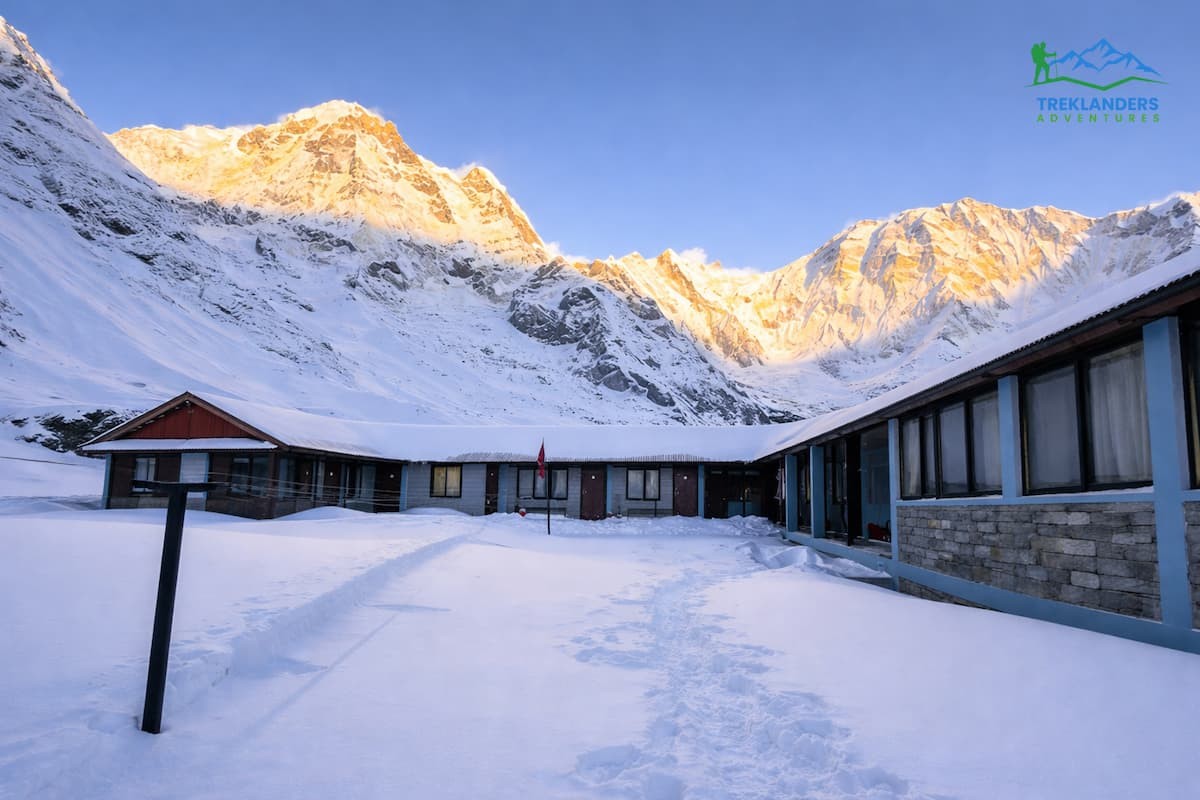
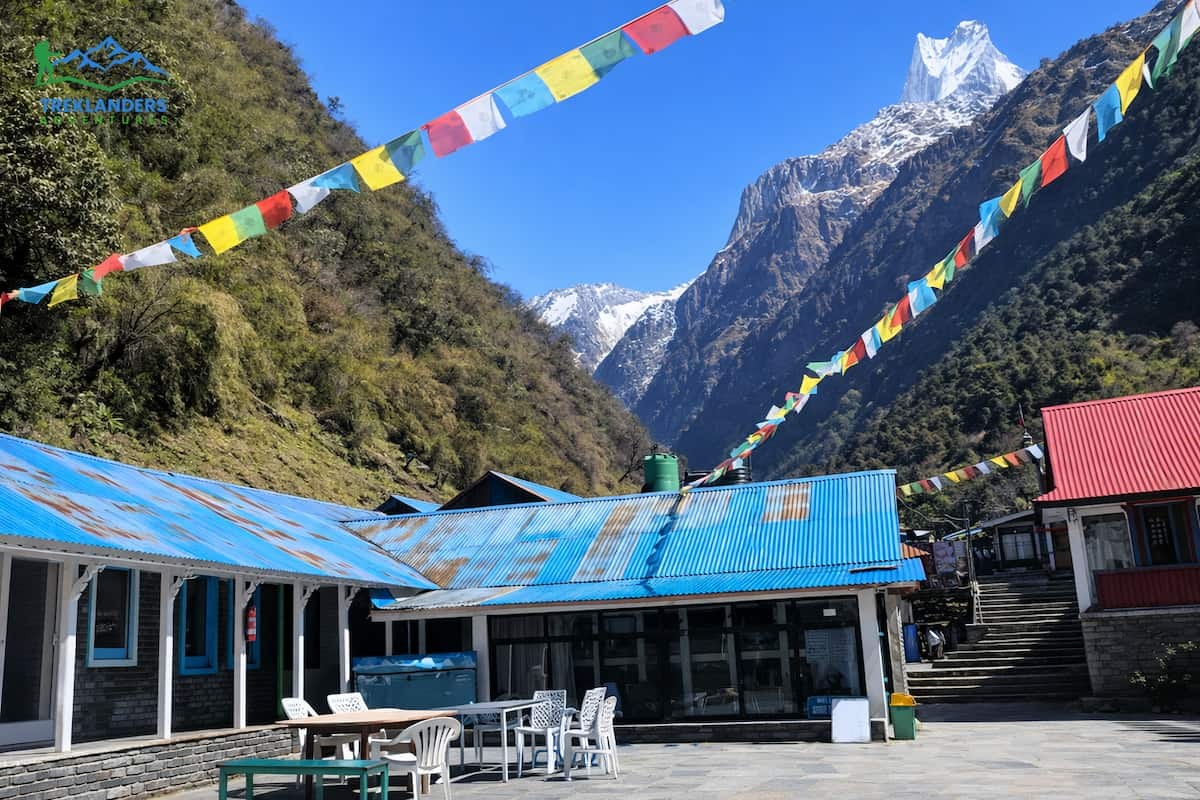
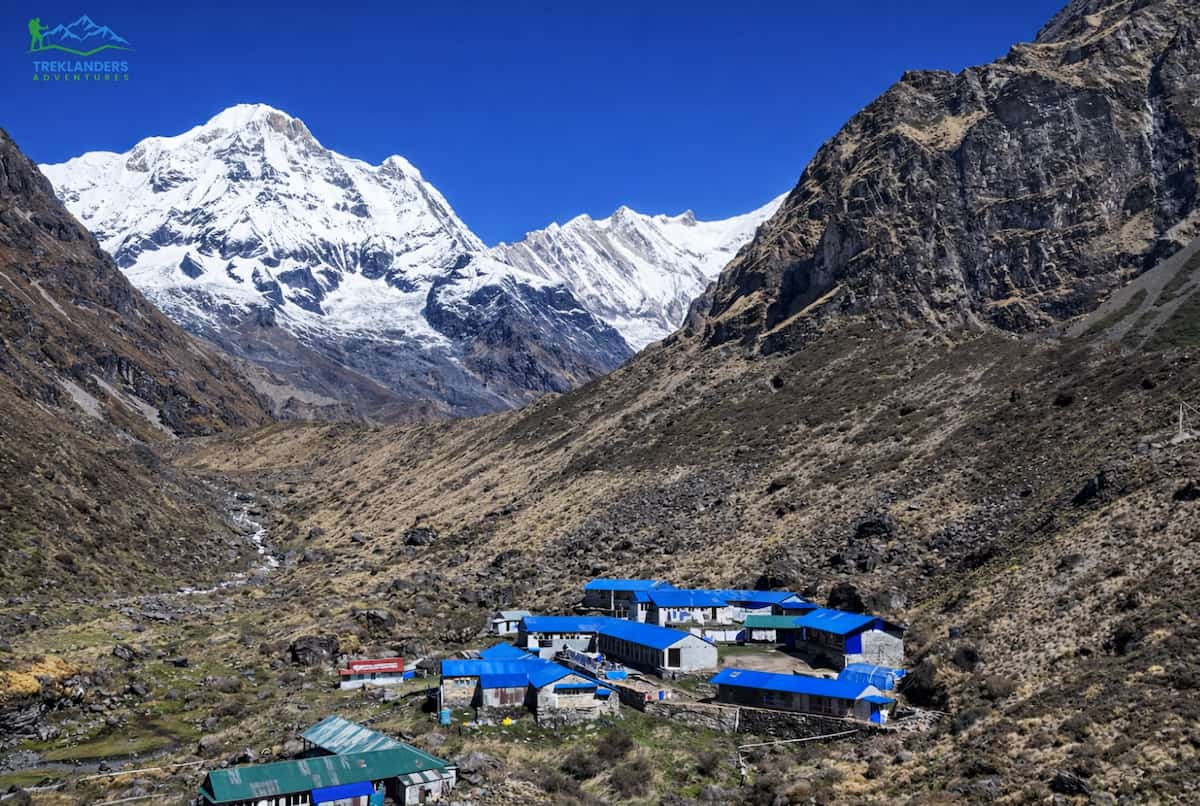
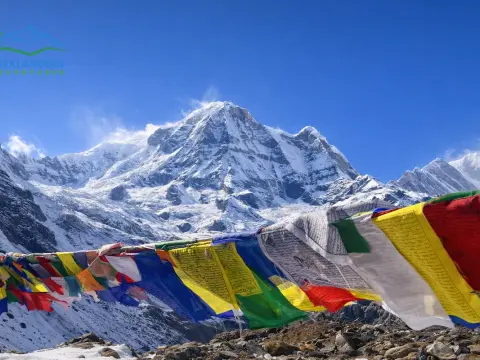
Stunning mountain scenery viewed from the guesthouse at Annapurna Base Camp.
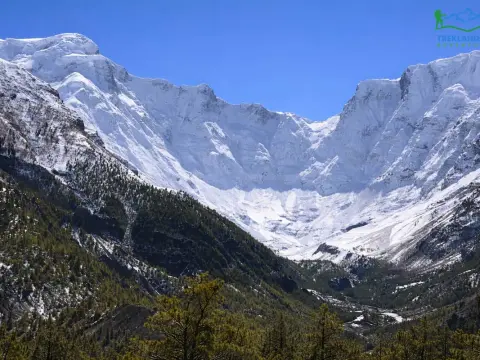
The Annapurna Base Camp Trek is renowned not only for its fulfilling journey but also for the splendid viewpoints along the way, which offer some of the most spectacular scenes of the Himalayas in Nepal. In 2026, the Annapurna Base Camp area remains one of the top trekking destinations for experiencing the mountains up close, enjoying stunning sunrises, and being surrounded by natural amphitheaters of snow-clad peaks. The viewpoints along the ABC trail range from forested ridges to high-altitude glacial basins, thus presenting the walkers with a constantly changing visual feast.
The uniqueness of Annapurna Base Camp viewpoints is that they are right there with the mountains. Rather than being remote hilltop vistas, the ABC trek takes the hikers to the target of Himalayan giants like Annapurna I, Annapurna South, Machhapuchhre (Fishtail), Hiunchuli, and Gangapurna. There are a number of spots along the way where the panoramic views make the mountains feel close enough to be touched, especially when the early morning or late afternoon light changes the colors and shadows of the landscape.
10-Day Ghorepani Poonhill with Annapurna Base Camp Trek | 10 days
Sunrise viewpoints are undoubtedly one of the major attractions of the Annapurna Base Camp trek. When the first sunlight hits the high peaks, the whole Annapurna Sanctuary is illuminated in various hues of gold, pink, and silver. Such moments are usually calm with no wind, thus they are perfect for both photography and meditation. The clear mornings of 2026 still provide excellent visibility, especially during the main trekking seasons, spring and autumn.
Besides the mountains, Annapurna Base Camp viewpoints also showcase the region's abundant natural variety. On the way, trekkers pass through rhododendron forests, bamboo groves, alpine meadows, and glacial moraines. Several viewpoints offer views of deep valleys formed by rivers and bordered by green hills, thus creating a very impressive contrast between the greenery and the snow-capped peaks.
Annapurna Base Camp
In 2026, the overall experience of enjoying these wonderful views will be further improved through a combination of better trail management, more comfortable teahouse facilities, and a strong focus on sustainable trekking. No matter if you're going on a trek for the first time or you're a seasoned hiker, the Annapurna Base Camp viewpoints are bound to get you some of the best sunrise and mountain views in Nepal, thus making the trip visually as rewarding as it is culturally and physically.
7-Day Annapurna Base Camp Trek from Pokhara | 7 days
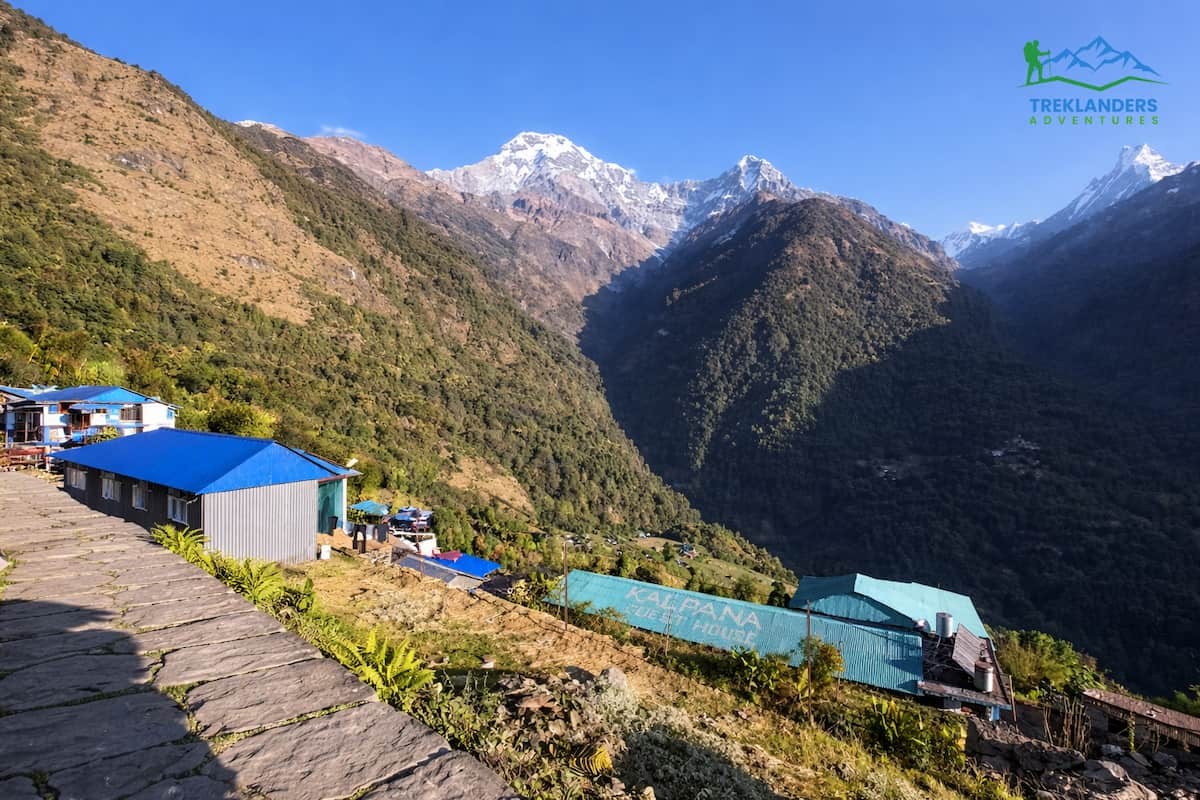
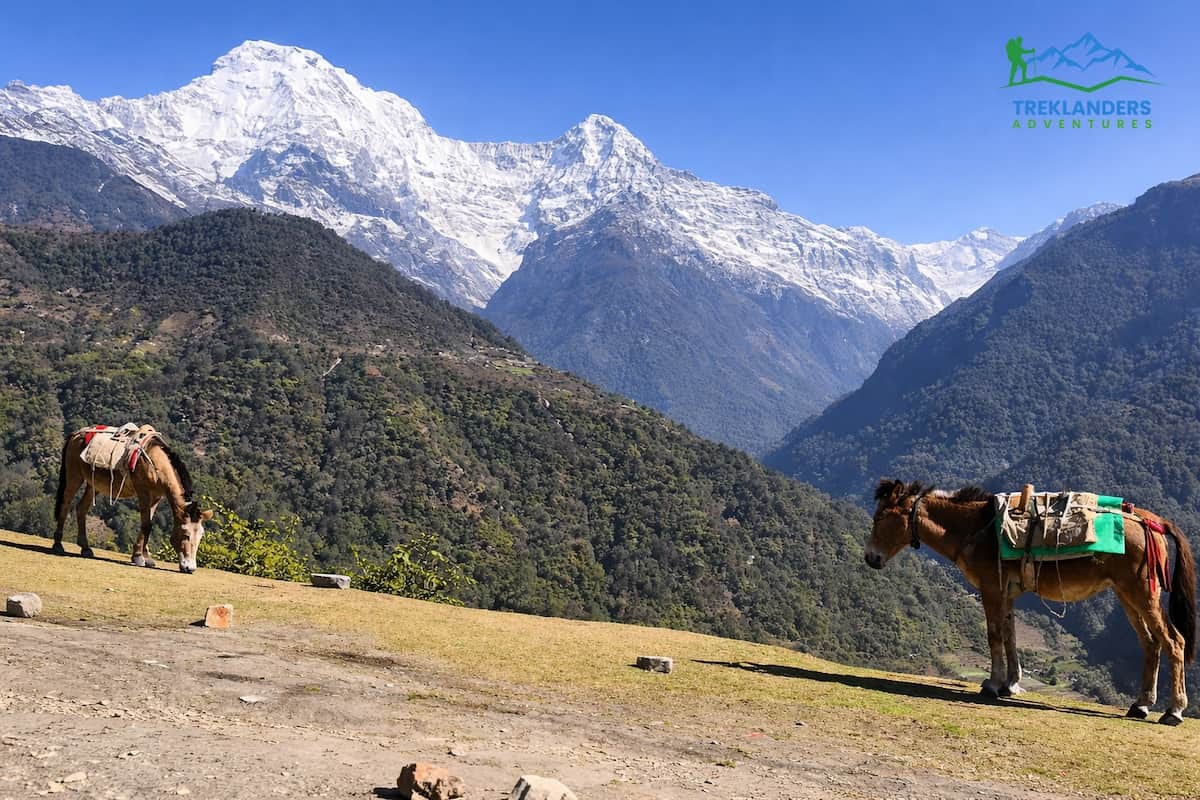
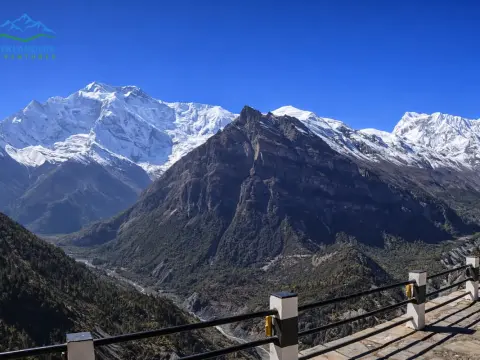
Spectacular Himalayan mountain range viewed from Chhomrong.
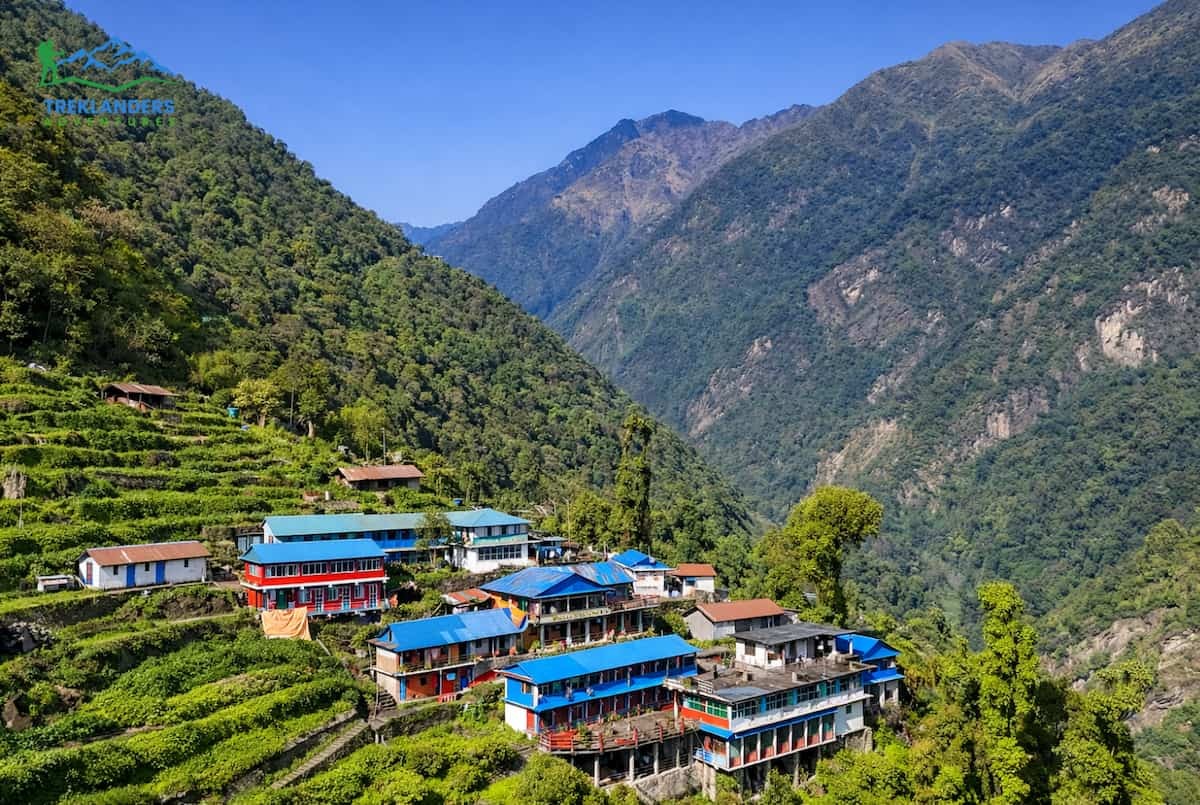
Chhomrong is the first massive viewpoint that nature offers on the Annapurna Base Camp trek, and usually, it is the moment when most trekkers realize just how big the Annapurna range is. The village is situated on a very steep hillside right next to the Modi Khola gorge, with the summit of Annapurna South and Machhapuchhre rising dramatically in front of the village. The contrast of the terraced farmland below and the snow-covered peaks above makes a pretty classic scene of the Himalayas. The early morning views are particularly clear before the clouds start to form and the sunset light turns the peaks into warm colors. Chhomrong is not only the first big highlight visually but also mentally, as it is the village you pass in the core Modi Khola Valley Base Camp route.
2. Upper Chhomrong
Altitude: -2,100 m
Upper Chhomrong (sinuwa)- Annapurna Base Camp Trek
Once the trail begins the ascent from Chhomrong to Sinuwa, the first of the many natural vantage points open up along the stone stairways and the mountain ridges. From these points, the trekkers can turn their eyes back to the Modi Khola valley and see the hills in front of them gradually fading into the distance. These points offer the feeling of the gained height of the trek at its early stage and also give an excellent outlook on the roughness of the terrain ahead. Annapurna South and Machhapuchhre can still be seen, but are becoming smaller and smaller; they emphasize the walk towards the interior of the sanctuary. This part is also quite suitable for taking a rest to get used to the height and for taking photos of the surroundings.
3. Bamboo
Altitude: -2,050 m
Bamboo- Annapurna Base Camp Trek
Instead of wide open vistas, Bamboo, which is located at the intersection of dense bamboo groves and rhododendron forest, offers a unique forest-based viewpoint. The steep valley sides rise very high on both sides, thus creating a strong feeling of enclosure. On clear days, you can catch a glimpse of snowy peaks way above the tree line, which opens to a surprise of the world of the Alps. In spring, the rhododendrons in bloom bring bright color to the place, while in autumn; the forest is still and has an atmosphere. Bamboo is a symbol of the ecological diversity of the ABC trek and the smooth change of the environment from subtropical to alpine.
4. Dovan
Altitude: -2,130 m
Dovan- Annapurna Base Camp Trek
Dovan lies deep in a steep, narrow valley, where the scenery changes dramatically and becomes more vertical. The main features of the view will be towering cliffs, dense forest, and cascading waterfalls that can make you feel like a mere speck in the enormous surrounding world. Though the place might not offer you any vast mountain panorama, the viewpoint of Dovan is truly of an intense and huge scale. The raging river and the characteristically steep rock walls shout out a mighty Himalayan vibe. This part of the trail accentuates the sensation of journeying further into a secluded mountain refuge.
5. Himalaya
Altitude: -2,920 m
Himalaya- Annapurna Base Camp Trek
Himalaya is where we first notice a big change in the view as the forest starts to disappear, and the rocky alpine landscape takes over. Beyond this point, snow-covered slopes and avalanche paths will be visible high above the valley. The vertical landscape here is so beautiful, with towering cliffs and waterfalls descending from glaciers, most probably hidden. On a sunny day, you will be able to see the upper parts of the Annapurna Sanctuary. Himalaya provides a visually striking indication of the trek entering the high-altitude zone.
6. Deurali
Altitude: -3,230 m
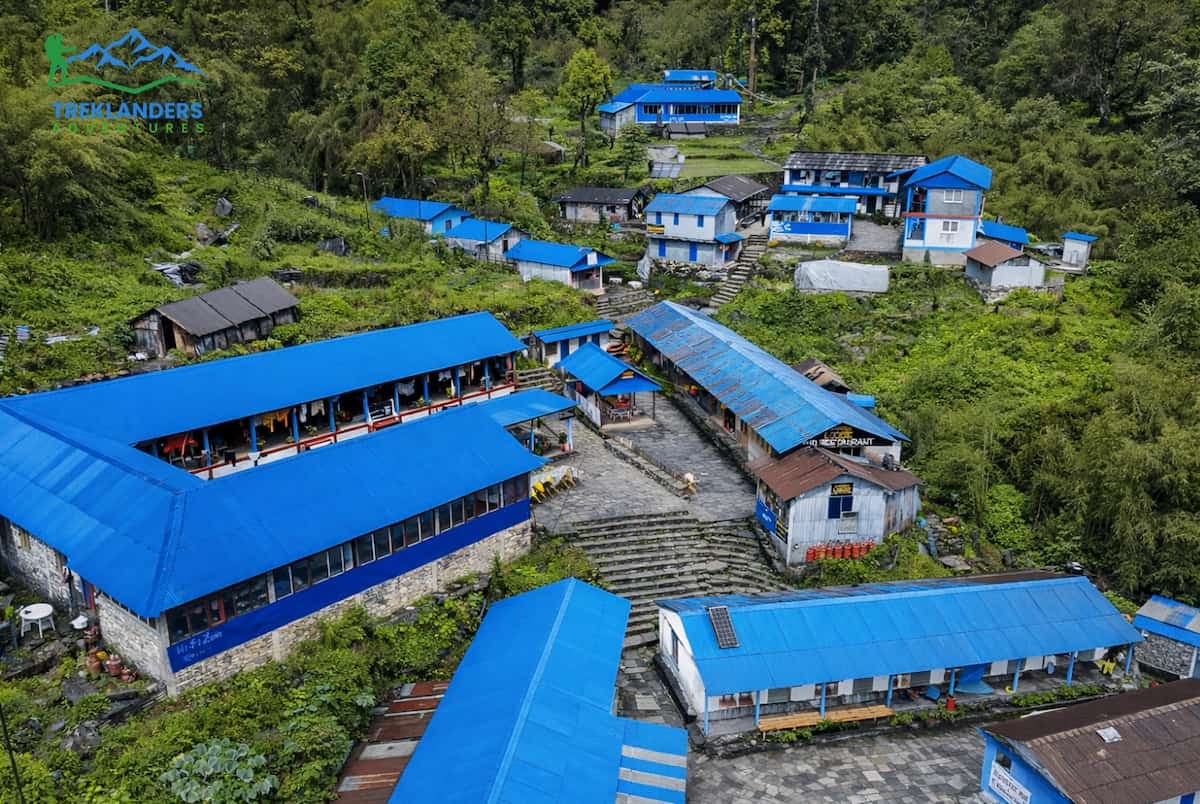
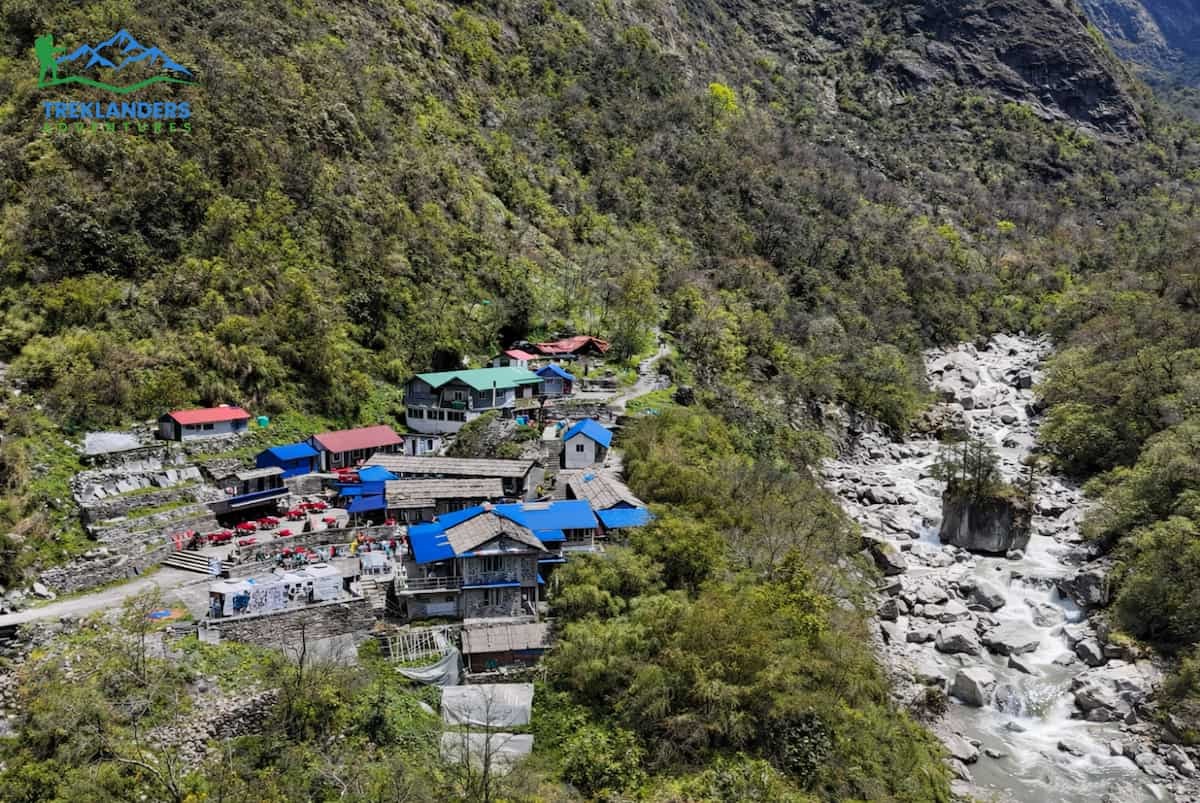
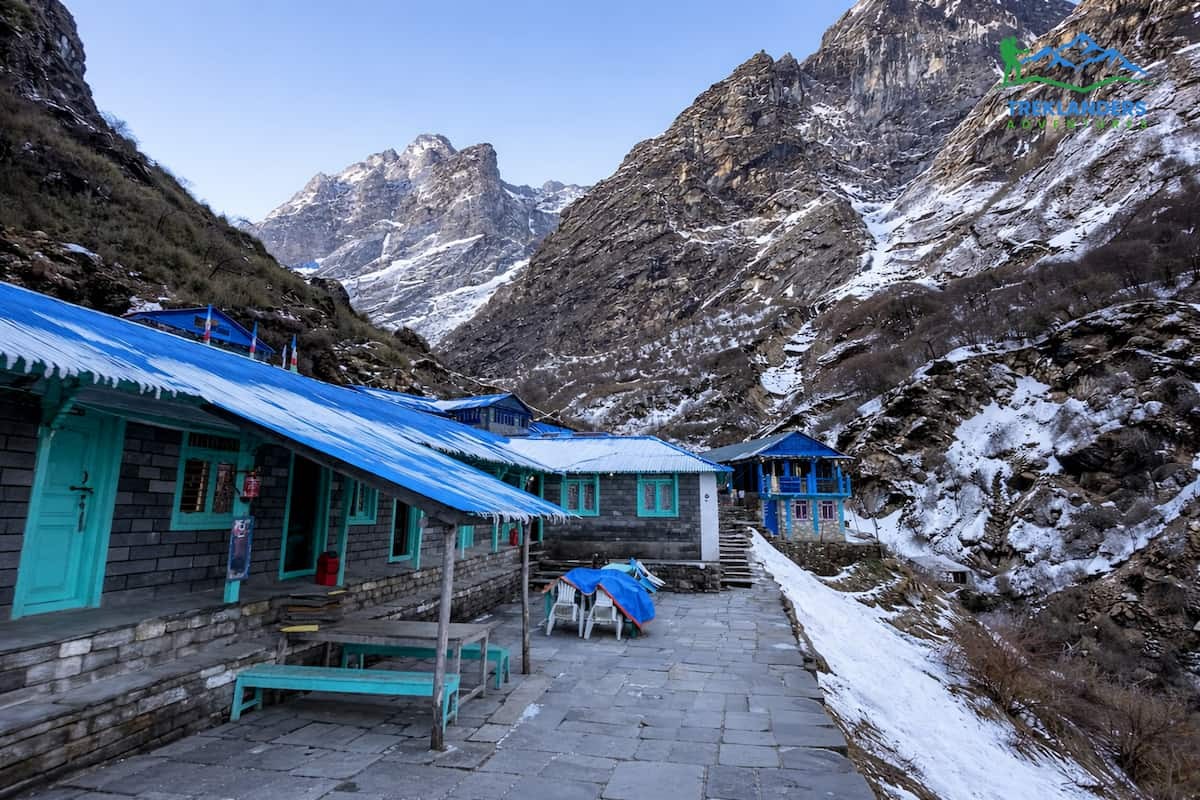
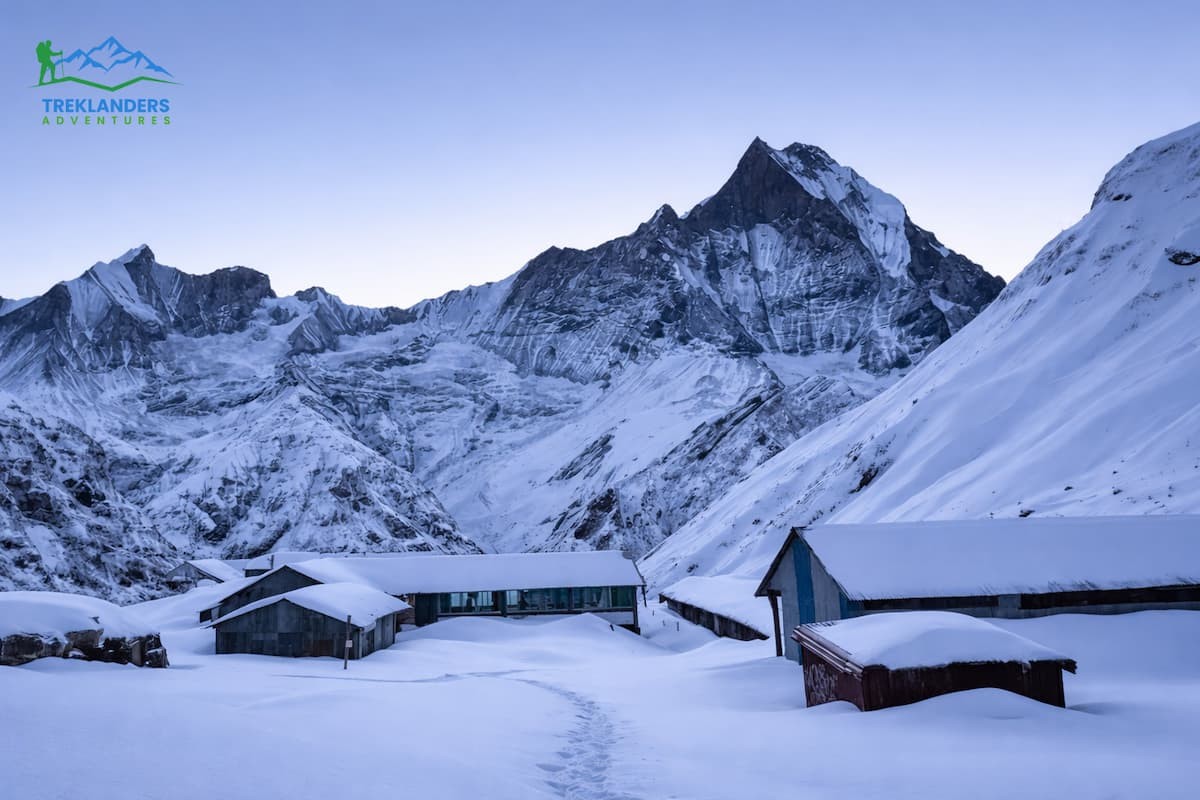
Accommodation at Deurali: Tea house lodges on the Annapurna Base Camp Trek.
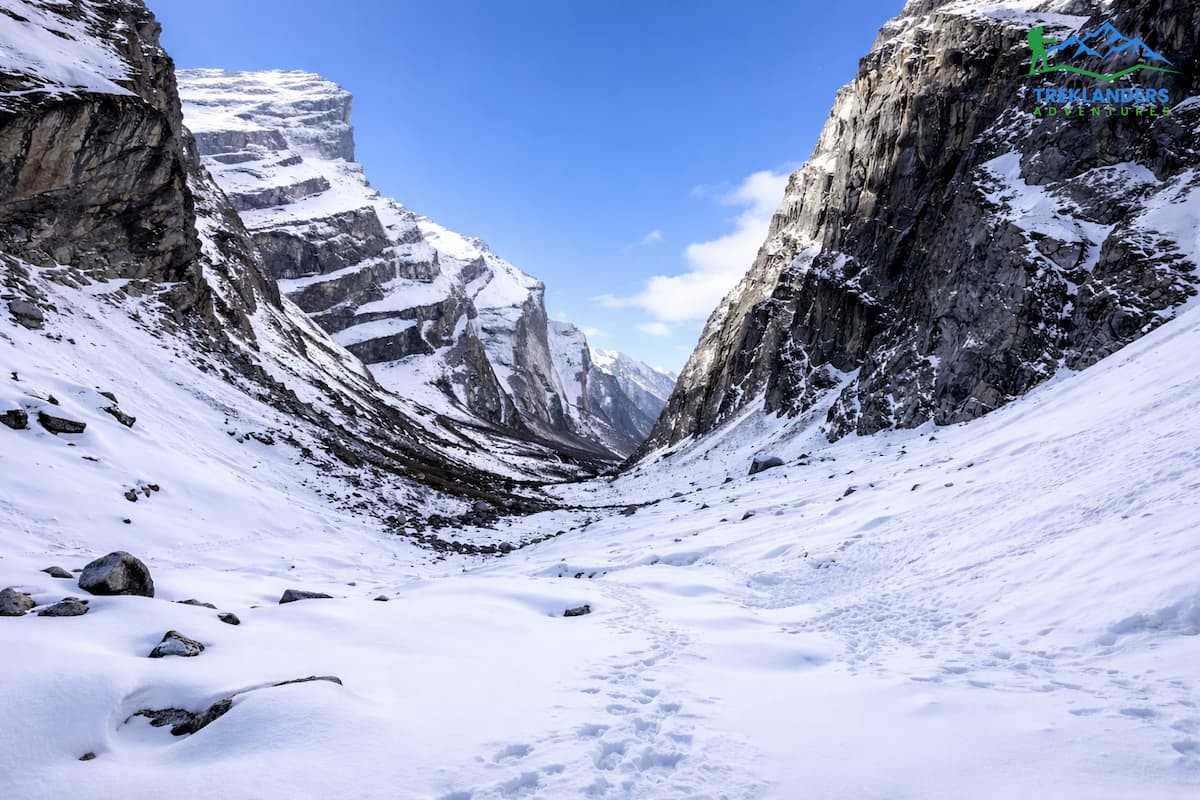
Deurali is one of the main visual changes on the ABC trek. Pines vanish almost entirely, and they are substituted with the alpine terrain and glacial valleys. From here, the mountains' size becomes quite obvious, and the Gangapurna peak rises above the other peaks. The place looks wild and vulnerable, and it's typical that the sky is vast and the winds are strong. Deurali also presents great extended views of the avalanche zones and the rough Himalayan geology, so it's a gorgeous and humbling spot at the same time.
7. Machhapuchhre Base Camp
Altitude: ~3,720 m
Machhapuchhre Base Camp
In terms of sheer beauty, Machhapuchhre Base Camp (MBC) must be one of the most stunning viewpoints on the whole trek. The large and flat glacial basin is a perfect vantage point to witness Machhapuchhre (Fishtail), Annapurna South, Hiunchuli, and Gangapurna. The mountains seem so near and massive that one can almost touch them, especially in the morning when the sunlight reflects off the ice and snow. MBC is also a serene and open place, which makes it easy for the trekkers to get the grandeur of the Annapurna Sanctuary before journeying to ABC.
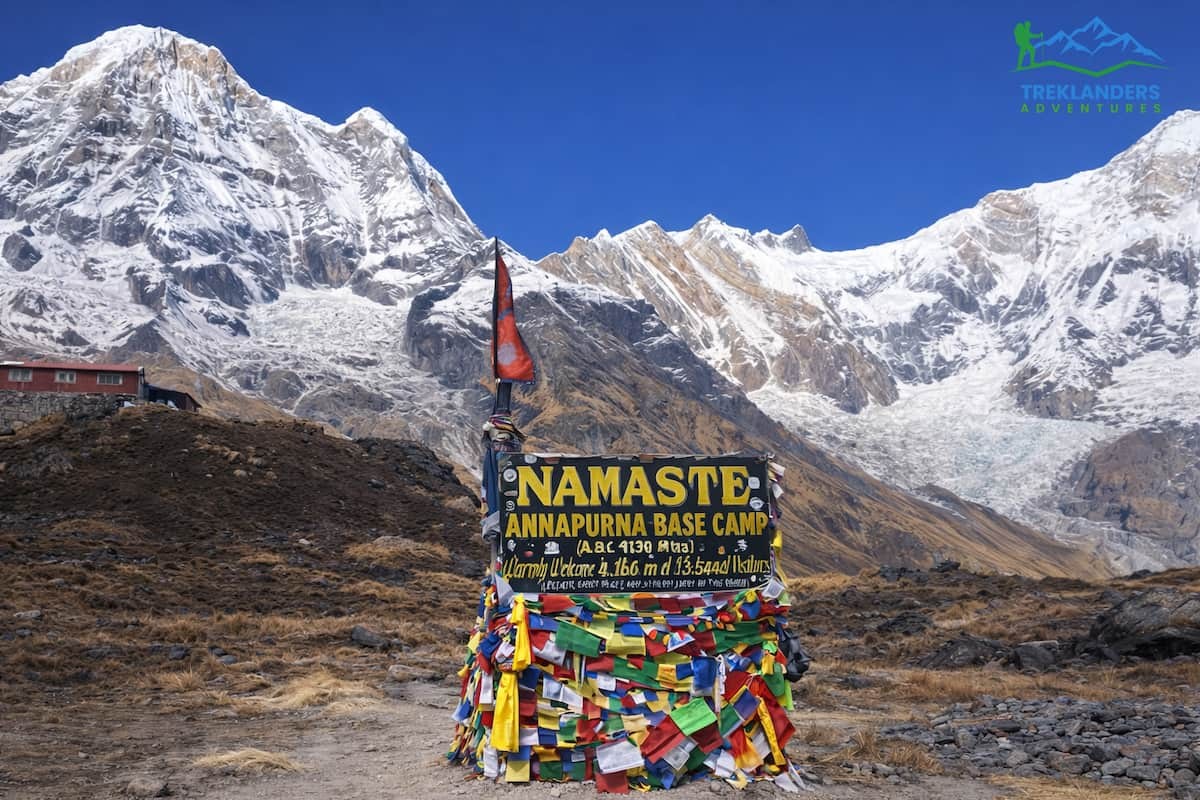
8. Annapurna Base Camp
Altitude: 4,130 m
Annapurna Base Camp
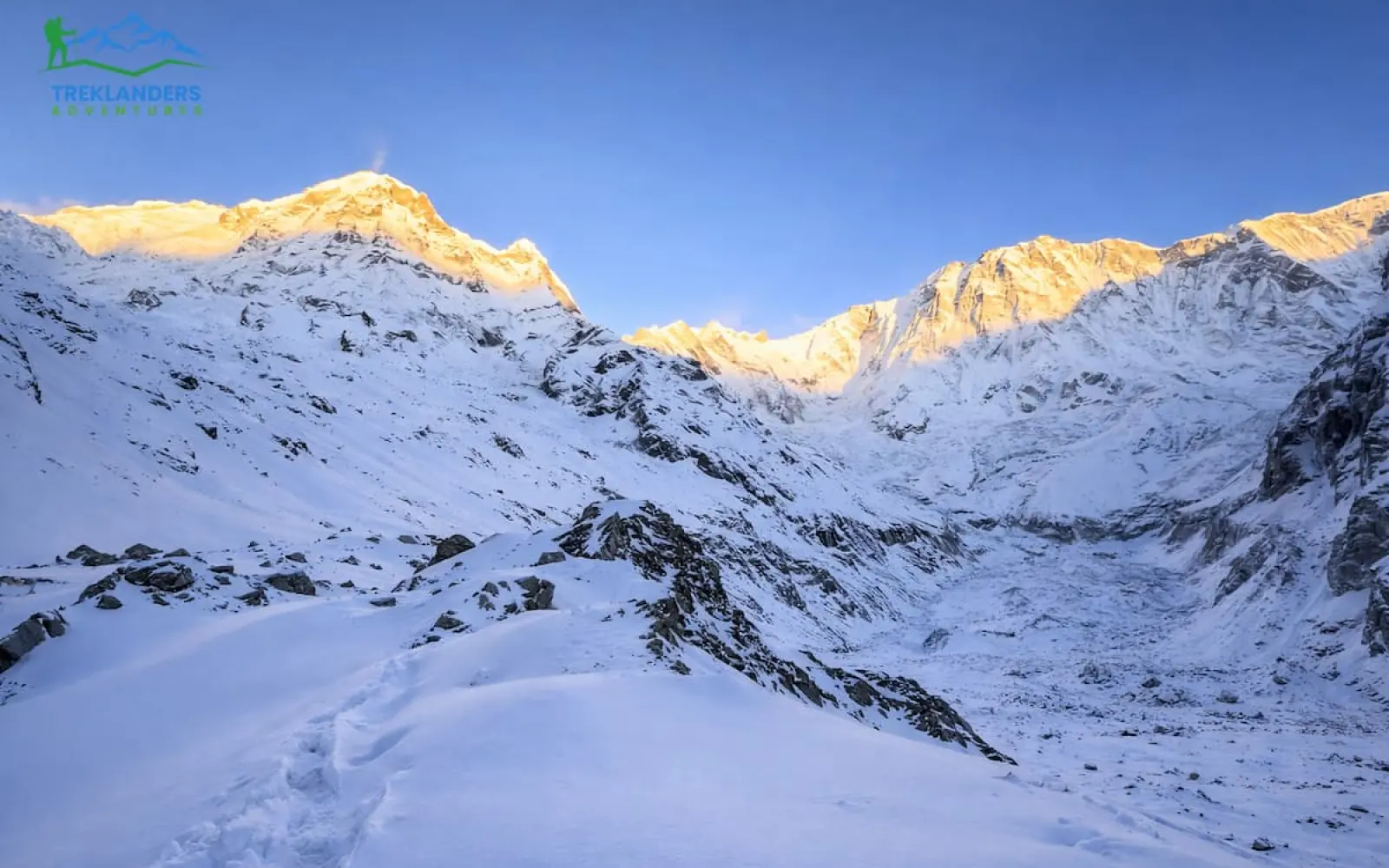
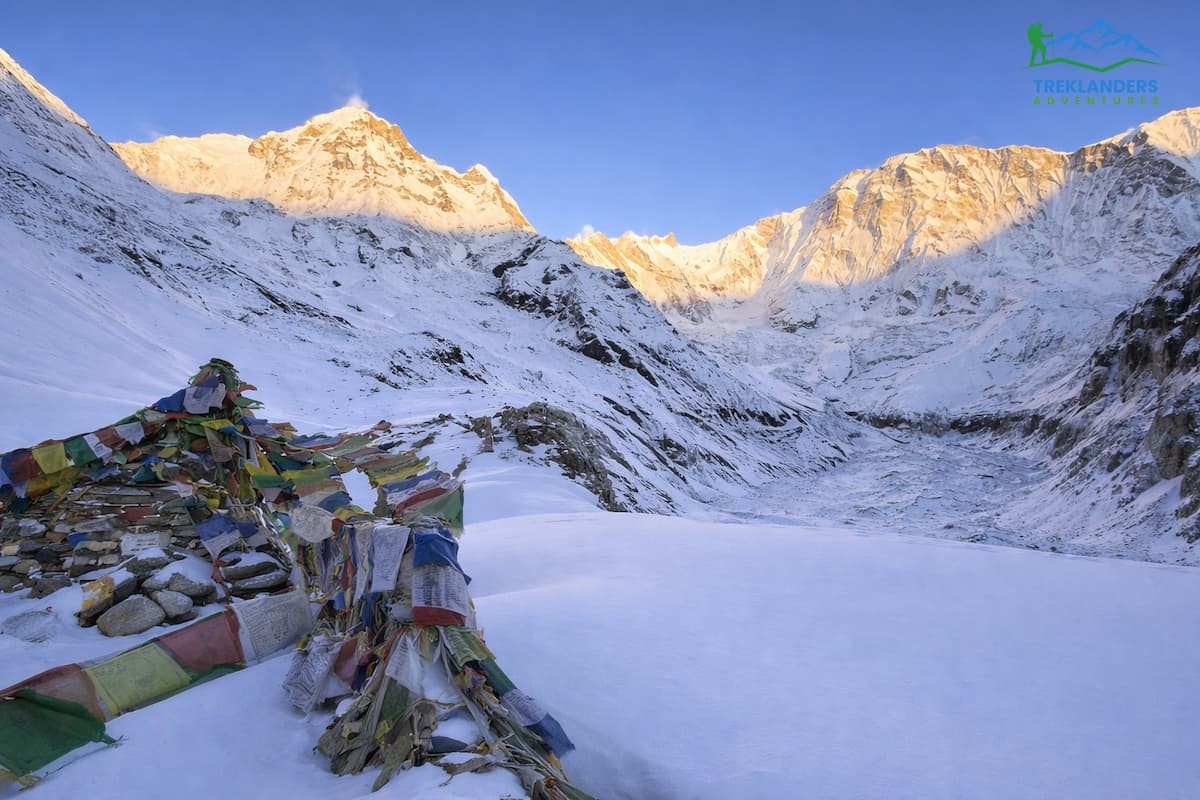
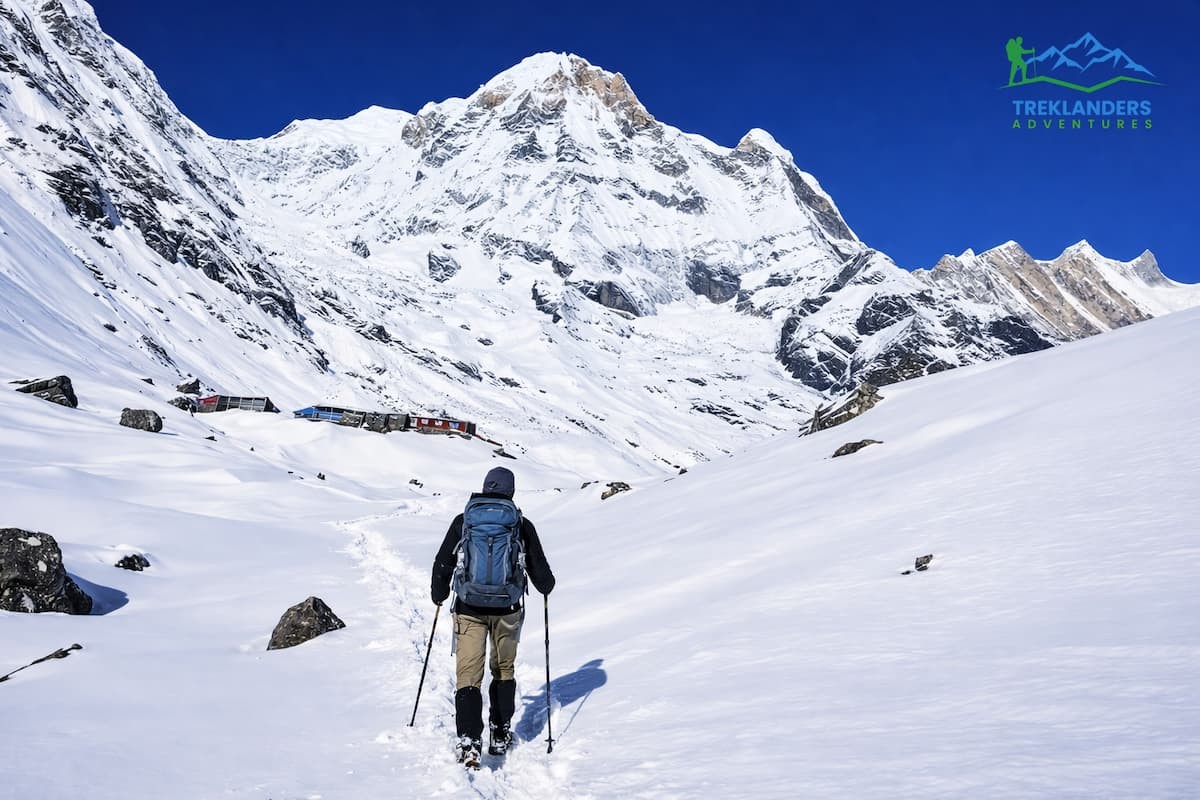
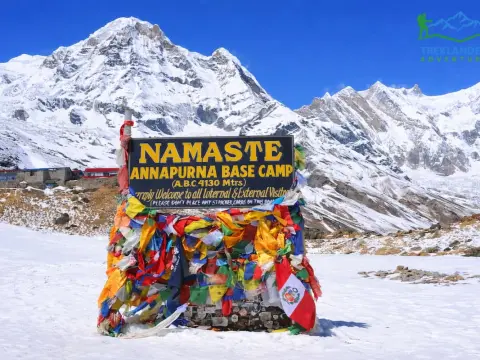
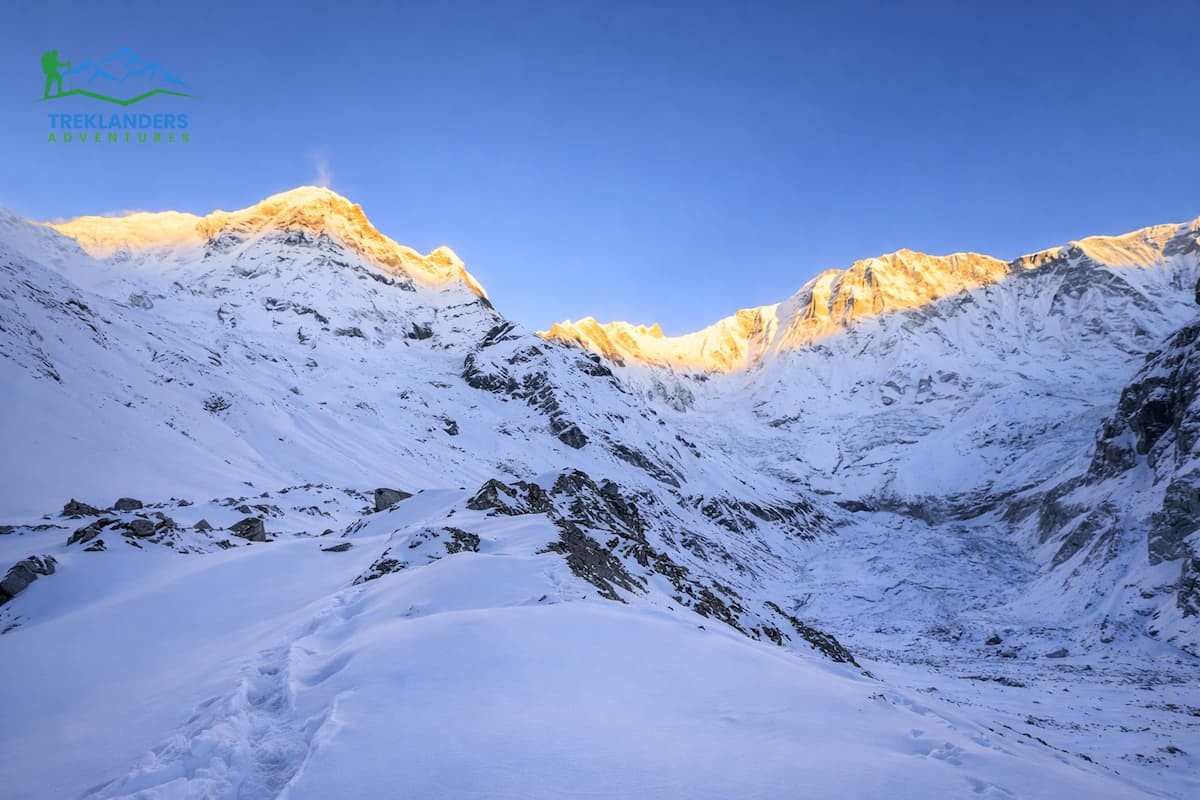
There is no better way to view the panoramic nature of the trek than from Annapurna Base Camp, and indeed, it is one of the most breathtaking mountain locales of Nepal. It's like being in a giant amphitheater in the lap of an unbroken ring of Himalayan peaks. Good light of the sun is a treasure moment here, and on this occasion, the glory of the dawn light with its warm hues falling on the beautiful cols of Annapurna I, Annapurna South, Hiunchuli, and Machhapuchhre is the highlight. The presence of glaciers, icefalls, and towering walls gives a powerful natural amphitheater effect to the whole Sanctuary, thus defining the entire Annapurna Sanctuary experience.
9. Annapurna Sanctuary
Altitude: 3,700-4,130 m
Annapurna Sanctuary
Annapurna Sanctuary is not a solitary viewpoint but an enormous high-altitude bowl offering a continuous panorama between Machhapuchhre Base Camp and Annapurna Base Camp. When trekkers go further into the sanctuary, great Himalayan faces surround them on all sides, including Annapurna I, Annapurna South, Hiunchuli, Gangapurna, and Machhapuchhre. The lack of trees, the rarefied mountain air, and the natural tranquility greatly increase the feeling of scale and isolation. Light is always changing on glaciers and rock faces, so every step unveils a new arrangement of peaks. The stunning scenery can be appreciated in the Annapurna Sanctuary, which is considered the most striking part of the trek.
10. Jhinu Danda
Altitude:-1,700 m
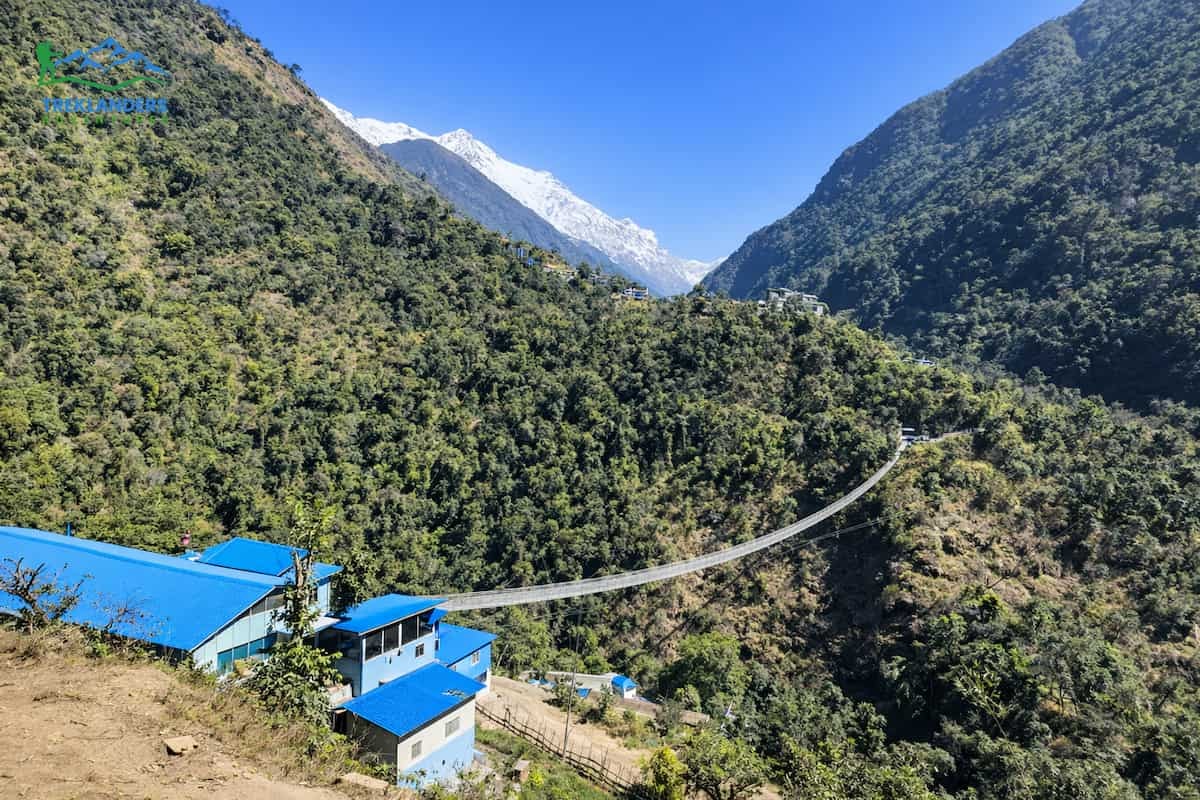
Famous suspension bridge at Jhinu Danda on the Annapurna Base Camp Trek.
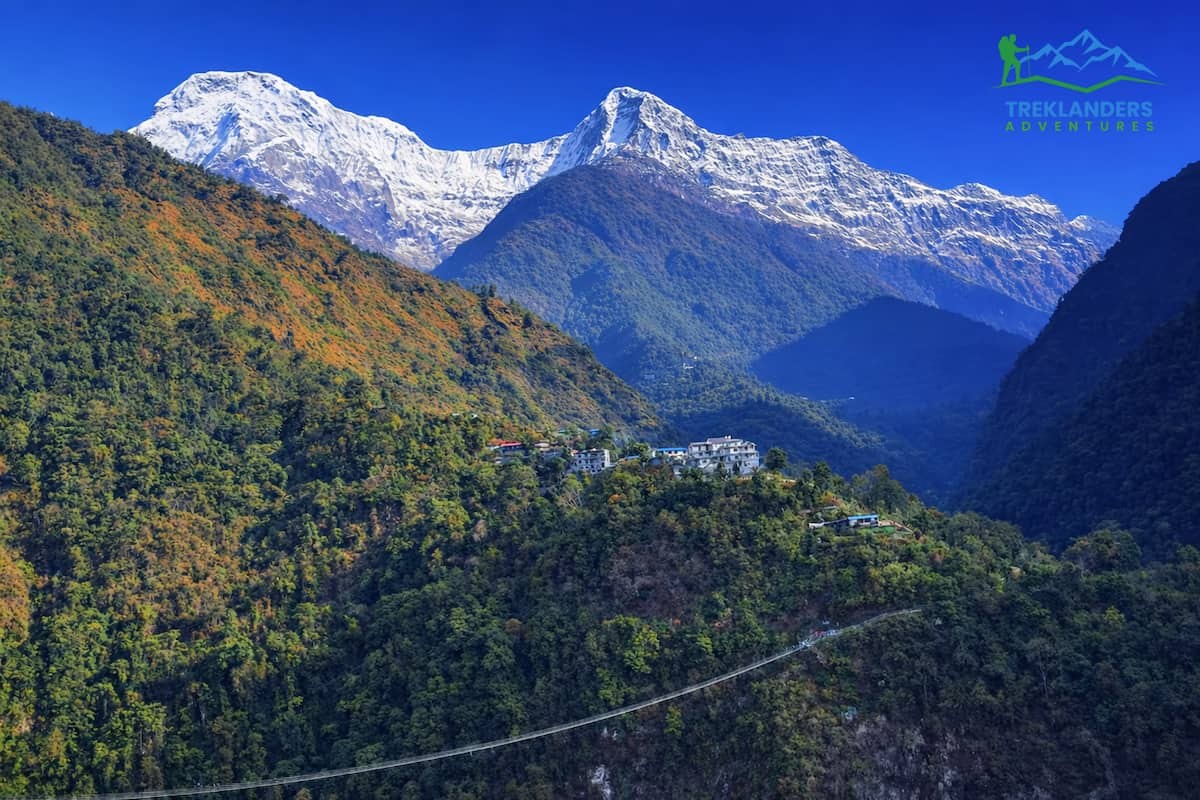
Jhinu Danda is indeed the endpoint of the Annapurna Base Camp trek, where you can enjoy a final scenic viewpoint, and it also gives you a very different perspective compared to the high alpine zone. From the hills over the village, hikers can see the forested mountain ridges and the distant snow peaks that they have come from, and in this way, they can really understand the huge elevation difference that the journey has involved. The surrounding area is covered with trees and green vegetation, and the terraces and rivers now replace the snow and rocks. Such a contrast shows the great ecological diversity within the Annapurna region. Besides the natural hot springs below, Jhinu Danda is a place where you can relax, think deeply, and get refreshed after the ABC trek, which was quite challenging in terms of both the power and the visuals.
Difficulty level to reach each viewpoint
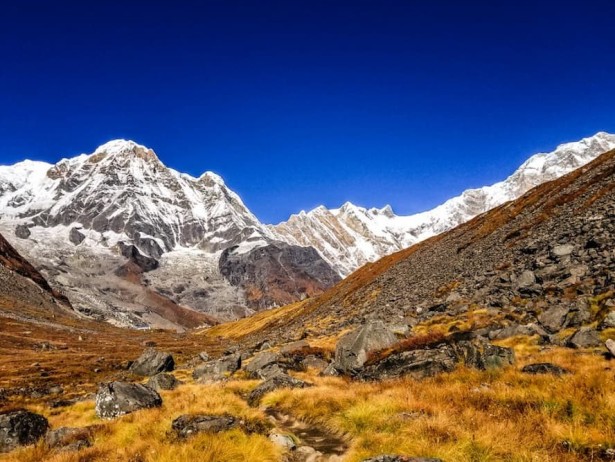
Picturesque trail from Deurali to Machhapuchhre Base Camp along the Annapurna Base Camp route.
1. Chhomrong
Altitude: ~2,050 m Difficulty Level: Moderate
Going up to Chhomrong is typically rated as a moderate challenge, particularly for trekkers on their very first day. It consists of first a drive from Pokhara to near Jhinu and then a few hours' trek uphill. The main difficulty is the steep stone staircases, which are quite a leg workout and require pacing. Although the level of oxygen is not very high, the nonstop climb might get one quite tired, especially if the weather is hot or damp. The path is a well-maintained one, running through villages, terraces, and wooded areas, thus making it very easy to follow. In fact, the trekkers only need to be fit for the walk rather than proficient in the use of technical gear. Newcomers to trekking can experience weariness due to the abrupt climb out of the valley floor. A wet surface, caused by rain, can also make the rock steps slippery, thus increasing the difficulty. By walking at a good speed, drinking water regularly, and taking short rests, most climbers will arrive at Chhomrong without any problem. It is definitely a plus, but not a must, to have some hiking experience. In general, Chhomrong is a nice physical challenge that makes one ready for the even higher and more strenuous stages of the Annapurna Base Camp trek.
2. Upper Chhomrong
Altitude: ~2,100 m Difficulty Level: Moderate
The ascent through Upper Chhomrong is moderately tough, primarily because of the succession of ascents and descents. From Chhomrong village, the path goes down to the river and then, after that, there is a steep stone-step climb to Sinuwa. This stretch may be quite demanding physically, especially if done under the sun, because there is hardly any airflow in some parts. The difficulty doesn't come from altitude sickness but is more about muscular strength and challenging the cardiovascular system. The path is still wide and safe, with no technical exposure. However, climbing stairs repetitively may affect the knees and calves. Those carrying heavy backpacks might find this part of the trail very exhausting. In spite of these problems, the way is pretty and uplifting, with the view of the surrounding hills and valleys. Taking breaks and controlling one's breath hardly makes this part of the trail seem tough. Upper Chhomrong is a good preparation for those who, later on, will be constantly going uphill on the ABC route, as it is an important physical conditioning phase of the trek.
3. Bamboo
Altitude: ~2,050 m Difficulty Level: Easy to Moderate
The Bamboo trek is graded as an easy to moderate trek, and hence, it would be generally a relaxing day for most people on the trek. You will be passing through a bamboo and rhododendron forest, which is quite cool and refreshing, so this will help you keep cool and get less tired. The height increase is very slow, and most of the ground is dirt paths, with just a few stone steps. Even though the altitude doesn't change much, a long day of walking is more exhausting than steep climbs. Since the forest is quite thick, it can get quite humid, especially in summer, and leeches are very likely to be found when it is raining during the monsoon. But if you dress properly and take it slow, these problems won't be a big deal for you. In fact, this part of the trail offers the perfect setting for getting your rhythm and confidence going at the start of your journey. The path is free of technical challenges and risk of exposure and it is very straightforward to navigate. Bamboo is a very welcoming stop that offers great views and helps you to regain your strength before the uphill sections that are higher and steeper. In sum, it is good for novices who are at a basic level of fitness.
It is mainly the duration of the trek rather than the altitude that makes a walk to Dovan moderately difficult. A gradual climb up the trail through a thick forest and narrow valleys with patches of rough ground and stones characterizes the way. There aren't any very steep parts, but the continuous nature of the walk can be quite exhausting. The surroundings get more "tightly" - the high valley walls limit the open areas. In fact, this can make the trek feel longer and more tiresome from the point of view of the mind. If it rains, the trail may turn muddy or slippery, and thus, care on the footing is needed. There are hardly any signs of altitude sickness here, but still, endurance matters. Trekkers are advised to keep a regular pace and drink enough water. Dovan is a very good way of checking physically how well the trekker is adjusting to several days in a row on the trail. Equipped with basic trekking fitness and the right footwear, most people will not have a problem reaching Dovan.
5. Himalaya
Altitude: -2,920 m Level of Difficulty: Medium
The trek up to the Himalaya intensifies significantly in terms of difficulty as a result of the higher altitude and lower temperatures. The path features more steep ascents and rocky areas, and hikers might notice the onset of mild altitude-related fatigue. The lower level of oxygen can make the pace of walking slower, and also the effort of breathing might be greater. Even if the path is still non-technical, the weather conditions can affect the difficulty level. Cold gusts and a cloudy sky might lessen the feeling of comfort, particularly early in the morning. Stamina and mental toughness are getting more and more important. A well-paced, well-hydrated, and well-rested trekker can handle this part very well. Himalaya is the place where trekkers usually get more aware of their altitude, thus it serves as an important turning point on the ABC trek.
6. Deurali
Altitude: ~3,230 m. Difficulty Level: Moderate
The Deurali trek is generally considered challenging, mostly due to the altitude factor and the open alpine environment. The path here is less sheltered, there are fewer trees, and the winds can get quite strong. Walking too fast can result in breathlessness, tiredness, or a slight feeling of altitude sickness. As a matter of fact, the ground here is not really difficult in terms of the actual physical terrain, but, at the same time, the changes in the weather can make this particular section quite a challenge. The difficulty level can be ramped up by the cold weather, the snow, or the fog. It is very important to be fully equipped with the right clothing and to keep a steady and slow pace. One has to be both physically fit and mentally strong for this stretch of the trail. If a trekker feels unwell or has any kind of discomfort, he or she should be able to recognize it and communicate it. Deurali is a spot that you can be proud of reaching, as it means that you are well acclimated and that your body is ready for higher altitudes.
7. Machhapuchhre Base Camp
Altitude: ~3,720 m Difficulty Level: Moderate
Machhapuchhre Base Camp is a tough location to get to, not only because of the altitude but also due to the total tiredness. Theoretically, the distance from Deurali to MBC is quite short, but the effect of the air being so thin is quite strong; hence, breathing and energy levels are the two aspects that get the worst treatment. So, the pace should be slow and steady. The way goes up to glaciers and through the valley floors that are quite wide, and you can see forever; thus, one can get quite easily blown and chilled. Therefore, concentration is really necessary if one wants to keep the pace and, at the same time, avoid getting completely exhausted. Although no special skills are necessary, acclimatization is, in fact, very important here. Basically, with a good rest and drinking enough water, almost all the trekkers will be able to go to MBC without any problem. It is a very fulfilling but also quite challenging point on the ABC trek.
8. Annapurna Base Camp
Altitude: 4,130 m Difficulty Level: Moderate
Annapurna Base Camp (ABC) is the most physically exhausting spot on the entire trek. The biggest challenge is the altitude, as the oxygen level is drastically decreased. Even going for brief walks demands a lot of energy, and one should expect temperatures to be cold most of the time. Although the ascent from MBC to ABC is very slight, one's energy will be drained in no time. Trekkers have to proceed with caution and stay vigilant for any symptoms of altitude sickness. Bad weather might also make the trek more difficult. However, in spite of the above-mentioned difficulties, the pathway is perfectly marked and free from any dangers. Most trekkers with proper acclimatization and guidance can definitely make it to ABC. One gets an incredible mountain view that makes the hard work completely worthwhile.
9. Annapurna Sanctuary
Altitude: 3,700-4,130 m Difficulty Level: Moderate
The trek through the Annapurna Sanctuary ranges from moderate to hard, depending on the weather and personal fitness. The main factor that makes it difficult is the long exposure to high altitude rather than the steepness of the terrain. The thin air, cold weather, and vast open spaces require not only physical endurance but also mental tranquility. Despite the gentle gradient of the trail, tiredness is quite noticeable due to the altitude. Along with that, strong winds and snow may make walking more treacherous. Proper acclimatization is a must if you want to enjoy this part of the trip safely. It is more about stamina than strength in this section, and the beautiful mountain scenery that you will get to enjoy is the best reward for your patience.
10. Jhinu Danda
Altitude: ~1,700 m Difficulty Level: Easy
The last part to Jhinu Danda is of easy difficulty, mainly because of the long descents that can cause your knees and ankles to hurt. Because you are no longer at a high altitude, you just need to be careful while walking on a very steep downhill trail. You may feel more uncomfortable if you are tired from the previous days. It is highly advisable to use trekking poles. The weather conditions can make the trails quite slippery, especially during the monsoon or winter. Although there will be a lot of physical strain for the downhill part, the lower altitude will definitely help you to breathe more easily. The path to Jhinu is a physically demanding one, yet it is the mentally relaxing conclusion to the ABC trek.
Best Time to Visit
Stunning view of Mount Fishtail (Machhapuchhre) from Annapurna Base Camp.
1. Chhomrong
Best Time to Visit: March-May & September-November
Chhomrong is a must-see place in spring and autumn when the sky's visibility and the Mountain View are at their best. The hills become green with blooming rhododendrons in spring (March to May), and Annapurna South and Machhapuchhre look very clear in the early mornings. Autumn (September to November) provides drier paths and stable weather, so the post-monsoon clarity is great for the photographer. In winter, the mornings can be clear and colder, but in summer, the clouds and rain are likely to block the views. You can catch the best view of Chhomrong early in the morning and late in the afternoon before the clouds rise from the valley. These are the ideal seasons for the combination of scenery, comfort, and trekking safety.
2. Upper Chhomrong
Best Time to Visit: March-May & October-November
The views from Upper Chhomrong are most enjoyable during clear weather seasons, especially in spring and autumn. Spring displays vibrant landscapes dotted with fresh greenery and flowers, whereas autumn features clean air and the possibility of seeing far across hills and valleys. The morning is the best time to visit, as clouds may appear around noon. The rainy days of monsoon (June to August) brings high humidity and mist that result in low visibility, and the paths might be slippery. Winter is doable, but it is cold, and the fog can obstruct the view. Going to Upper Chhomrong during the peak seasons gives hikers the chance to enjoy the changing landscapes and the different altitude ranges that characterize the ABC trekking route.
3. Bamboo
Best Time to Visit: March-May & September-November
Bamboo is a great place to explore in spring and autumn, basically when the forest is in a good mood and the dirt paths are not wet. Rhododendrons will greet you with their bright flowers, and the forest will be green and fresh, a perfect setting for a nature walk in spring. The need for warmer clothing in autumn is compensated by the nice and clear views of the upper mountain slopes that you can get through the forest openings. The whole area gets humid and leechy during the monsoon season, which, apart from the limited visibility, makes it very uncomfortable. Winter here is a quiet season, but it is a little bit cold and shaded with limited sunshine. At Bamboo, one can take morning walks all year long in a most comfortable manner. These great seasons give the adventurers the opportunity of enjoying Bamboo's serene forest viewpoint without getting agitated by the weather.
4. Dovan
Best Time to Visit: April-May & October
Dovan is the place to be if you want to enjoy the weather of late spring or autumn, hybrid seasons when the weather is nice, and the narrow valley is safe from heavy rain or snow. April and May are the months when the temperature rises, and the waterfalls come alive, whereas October is the month for the dry conditions and the crisp air. The monsoon season, on the other hand, not only increases the risk of landslides but also makes the trail muddy, while winter might bring cold and shadowed conditions with very little sunlight. One should settle for the early hours if one would like to pass through this section comfortably. Dovan in the recommended season means safer trails and a more pleasant trekking experience in this enclosed valley scenery.
Himalaya is most suitable for a trip in the late spring or early autumn, when the temperatures are not too high, and the weather conditions are good. At this altitude, spring gives somewhat warmer days and good acclimatization opportunities, while autumn is characterized by clearer skies and lower humidity. It is also possible to visit during the winter, but it will be colder, and the snow may sometimes block the trails. One should stay away from the monsoon months as the paths become slippery and there is more cloud cover. It is suggested to set off early in the morning to avoid the clouds that come in the afternoon. These times of the year offer the safest and most beautiful conditions for you to enjoy Himalaya's stunning alpine landscape.
6. Deurali
Best Time to Visit: April-May & October
Deurali is a place to be enjoyed in the months of stable weather, namely April, May, and October. Apart from these times, visibility is good, and there is the least amount of danger from snow or avalanches. Spring comes with increasing daylight hours and fairly comfortable temperatures. On the other hand, autumn has dry air and great mountain clarity. Winter weather can be miserable with strong, cold winds and snow. The monsoon season is when the risk of landslides is greatest. Deurali is not only the safest time to pass in the morning, but also the time when you will find the most stunning views. It is crucial to pick the right season at this place because of its exposure and altitude.
7. Machhapuchhre Base Camp
Best Time to Visit: April-May & October-Early November
Machhapuchhre Base Camp is perfect for hiking during late spring and early autumn as the weather is clear and the temperature is pleasant. In spring, the daylight is softer, and the snow conditions are reflective; in autumn, the air is fresh, the visibility of the mountains is good, and the weather is calm. At night, it can be really cold in winter, and during the monsoon, the clouds usually cover the view. Before the sun comes up is the best time of the day because Machhapuchhre and other peaks are clearly seen before the clouds form. These seasons are most suitable in terms of safety, comfort, and the harmonious effect of the magnificent landscape at a great height.
8. Annapurna Base Camp
Best Time to Visit: April-May & October
One should visit Annapurna Base Camp during the main trekking seasons - the most popular being April-May and October. These periods offer the clearest views of the mountains, the most stable weather, and the safest conditions on the trails. In spring, the days are warmer, and the sunrise colors are more dramatic, while autumn gives sharp visibility and very little precipitation. The cold of winter makes it only possible for seasoned treks, whereas the monsoon season should not be considered because of the low visibility. The time of day that features the most at ABC is sunrise. Being there at the best time of the year will give you the safest and most fulfilling experience at this high-altitude spot.
9. Annapurna Sanctuary
Best Time to Visit: April-May & October
Annapurna Sanctuary should be visited during periods of stable weather, where conditions are favorable for safe travel and stunning views. The spring season increases the day length and decreases the cold to some extent, whereas the autumn season brings dry air and perfect visibility. Winter can be a tough time due to the severe cold and snow, while the monsoon months not only decrease visibility but also increase the risk. The lighting is the best in the sanctuary from mid-morning to early afternoon. These seasons enable trekkers to have a safe and full experience of the magnificent alpine surroundings.
10. Jhinu Danda
Best Time to Visit: March-May & September-November
The iconic longest suspension bridge along the Annapurna Base Camp route, located at Jhinu.
Spring and autumn are the perfect times for a trip to the Jhinu Danda as the trails are dry and the temperature is at a comfortable level. The spring season has the advantage of providing warm temperatures and lush landscapes, while the autumn season is characterized by clear skies and cool nights. One can visit in winter as well, although it will be colder, especially at night, and during the monsoon season, the descents become very slippery. Being able to soak in the hot springs after a day of trekking is best enjoyed in the late afternoon or evening. These seasons turn Jhinu Danda into a pleasant and refreshing ending of the ABC trek.
Trip Itinerary
Day 1: Pokhara – Drive near Jhinu Village – Trek to Chhomrong
The trek begins with a scenic drive from Pokhara to near Jhinu village, following river valleys and rural landscapes. From the road head, the trail ascends steadily through terraced fields and local settlements to Chhomrong, the main gateway village of the Annapurna Base Camp route. Chhomrong is perched high above the Modi Khola Valley and offers impressive mountain-facing terrain as you enter the Annapurna region.
Viewpoints Covered Today:
Chhomrong
Upper Chhomrong
Day 2: Trek from Chhomrong to Dovan via Bamboo
Altitude: Bamboo – 2,050 m | Dovan – 2,130 m Duration: ~6 hrs Leaving Chhomrong, the trail descends to the Modi Khola and then climbs gradually through dense bamboo and rhododendron forests. Bamboo lies in a narrow, green valley and serves as a transitional point before entering deeper gorges. Continuing onward, the route follows the river upstream to Dovan, a quiet settlement surrounded by steep valley walls and forested slopes.
Viewpoints Covered Today:
Bamboo
Dovan
Day 3: Trek from Dovan to Machhapuchhre Base Camp
Altitude: 3,720 m Duration: ~6 hrs The trail climbs steadily through Himalaya and Deurali as the forest thins and alpine terrain begins. Above Deurali, the landscape opens dramatically as the route enters the Annapurna Sanctuary. Machhapuchhre Base Camp is located within a wide glacial basin beneath the sacred Machhapuchhre peak and offers expansive high-mountain surroundings.
Viewpoints Covered Today:
Himalaya
Deurali
Machhapuchhre Base Camp
Day 4: Trek from Machhapuchhre Base Camp to Annapurna Base Camp
Altitude: 4,130 m Duration: ~3 hrs Today’s walk is short but extremely rewarding as the trail continues deeper into the Annapurna Sanctuary. Annapurna Base Camp lies in the center of a natural high-altitude amphitheater, surrounded by towering Himalayan peaks and glaciers. This is the highest point of the trek and the main highlight of the journey.
Viewpoints Covered Today
Annapurna Sanctuary
Annapurna Base Camp
Day 5: Trek from Annapurna Base Camp to Bamboo
Altitude: 2,050 m Duration: ~6 hrs After experiencing sunrise at Annapurna Base Camp, the trek begins its descent. Retracing the route through the Annapurna Sanctuary and Machhapuchhre Base Camp, the landscape gradually changes from alpine terrain to forested valleys. Bamboo offers a comfortable resting point surrounded by greenery after descending from high altitude.
Viewpoints Covered Today:
Annapurna Sanctuary
Bamboo
Day 6: Trek from Bamboo to Jhinu Danda
Altitude: 1,700 m Duration: ~6 hrs The trail continues descending through forests and small settlements toward Jhinu Danda. Located on a ridge above the Modi Khola, Jhinu marks the return to lower elevations and warmer climates. The area is well known for its natural hot springs, offering relaxation after several days of trekking.
Viewpoints Covered Today:
Jhinu Danda
Day 7: Walk and Drive from Jhinu Danda to Pokhara
Altitude: 860 m Duration: ~3 hrs A short walk leads to the road head, followed by a scenic drive back to Pokhara. The route passes through valleys, rivers, and rural hills, gradually leaving the Annapurna region behind and concluding the trek in Pokhara.
Altitude and Acclimatization
Altitude plays an important role in the Annapurna Base Camp (ABC) trek, such that proper acclimatization is necessary if you want the trek to be both safe and enjoyable. Despite the fact that the ABC trek is ranked as a moderate one when compared to other high-altitude treks in Nepal, it still goes up to a maximum height of 4,130 meters (13,550 feet) at Annapurna Base Camp, where the oxygen content is much less than at sea level. It is of utmost importance to be aware of the effects of altitude on the body and to stick to a slow and steady ascent in order to lower the risk of altitude sickness.
The trek is put into motion at the base of low elevations, which are around Pokhara (860 m) and Jhinu Danda (1,700 m), so the body gets a natural adaptation during the first couple of days. Ascending to Chhomrong, Bamboo, and Dovan (approximately 2,000-2,130 m), the altitude becomes hardly noticeable for most trekkers who are new to it. On the way to Himalaya (2,920 m) and especially Deurali (3,230 m), the body will start to perceive the lack of oxygen. At these elevation levels, slight altitude sickness symptoms may be shortness of breath, tiredness, headache, or sleep problems.
The gradual altitude gain of the trip schedule is purposely planned to ensure proper acclimatization. It is very important that you spend a night at Machhapuchhre Base Camp (3,720 m) before continuing your way up to Annapurna Base Camp. This way, your body will have the time to adjust before stepping on the highest point of the trek. The short walk from MBC to ABC also greatly helps to reduce the stress of the physical exertion that one is exposed to at a high altitude.
Key practices for acclimatization include walking very slowly and steadily, drinking plenty of water, eating properly, and abstaining from alcohol. Trekkers need to be attentive to their bodies and should report any symptoms without delay. Going down to a lower altitude, for example, getting back to Bamboo and Jhinu Danda, is a very effective measure to solve altitude-related problems if the case arises.
In general, the Annapurna Base Camp trek is characterized by a well-thought-out altitude profile, which makes it a good choice for first-time high-altitude trekkers if it is done with a suitable itinerary, awareness, and the implementation of healthy acclimatization practices.
Weather Conditions to Expect
Stunning mountain scenery seen from Chhomrong village on the Annapurna Base Camp Trek.
1. Chhomrong (2,050 m)
Chhomrong experiences mild to warm daytime temperatures compared to the higher sections of the trek. In spring and autumn, days are generally pleasant with clear mornings and occasional afternoon clouds. Nights can be cool, especially outside summer. During the monsoon season, humidity increases and rainfall is common, often bringing misty conditions. Winter is cooler, with cold nights but usually clear skies in the mornings. Snowfall is rare but possible in colder months.
2. Upper Chhomrong (2,100 m)
Upper Chhomrong shares similar conditions to Chhomrong but can feel slightly cooler and windier due to its ridge position. Mornings are often clear, making it a good time for views, while clouds may develop later in the day. During monsoon months, fog and drizzle can reduce visibility. Winter mornings are crisp and cold, with frost possible on shaded sections of the trail.
3. Bamboo (2,050 m)
Bamboo lies in a shaded forested valley, resulting in cooler and more humid conditions. Even in warmer seasons, sunlight is limited, and the air can feel damp. Spring and autumn are comfortable, though mornings may feel chilly. Monsoon season brings heavy rain, leeches, and muddy trails. Winter temperatures drop noticeably, and the forest can feel cold and dark, though snowfall is uncommon.
Dovan experiences cool and enclosed valley weather, with limited direct sunlight. Temperatures are generally moderate during the day but drop quickly in the evening. Rainfall is heavier here during the monsoon due to the narrow gorge. In winter, the area remains cold throughout the day, and damp conditions can make it feel colder than expected.
5. Himalaya (2,920 m)
At Himalaya, the weather becomes noticeably colder. Spring and autumn days are cool, with cold nights. Wind chill can be significant, especially in open areas. Snow is possible in winter and early spring. During the monsoon, clouds and rain are common, and temperatures remain low due to altitude and limited sunlight.
6. Deurali (3,230 m)
Deurali has high-altitude alpine weather. Temperatures are cold year-round, and wind exposure is common. Spring and autumn offer the most stable conditions, though sudden weather changes can occur. Winter brings freezing temperatures and snow, while monsoon months can bring fog, cold rain, and reduced visibility.
7. Machhapuchhre Base Camp (3,720 m)
The weather at MBC is cold and unpredictable. Even in peak seasons, temperatures drop below freezing at night. Days are generally clear in spring and autumn, but strong winds are common. Snowfall can occur at any time outside of summer. Monsoon season often brings cloud cover that obscures the surrounding peaks.
8. Annapurna Base Camp (4,130 m)
ABC has true high-mountain conditions. Days are cold, nights are freezing, and wind chill significantly lowers perceived temperature. Spring and autumn provide the clearest skies, especially at sunrise. Winter conditions are severe, with deep cold and snow. Monsoon brings clouds and limited visibility, though precipitation may be lighter than in lower elevations.
9. Annapurna Sanctuary (3,700–4,130 m)
The sanctuary experiences extreme alpine weather. Temperatures remain cold, and the weather can shift rapidly from sunshine to cloud or snow. Wind exposure is common due to the open basin. Best conditions occur in stable seasons, while winter and monsoon months bring challenging visibility and cold.
10. Jhinu Danda (1,700 m)
Jhinu Danda has warm and humid weather compared to higher points. Spring and autumn are pleasant, while summer can be hot and rainy. Winter is mild during the day but cool at night. The lower altitude makes this area more comfortable and marks a return to subtropical conditions.
Transport to Annapurna Base Camp (ABC) trek is quite easy and well arranged where the means of transportation include both roads and walking. Pokhara, the main gateway of Nepal to the Annapurna region, is where you start and end your trip. From Kathmandu, tourist buses, private vehicles, or a short domestic flight will take you to Pokhara, which makes the starting point very easy for those who want to go on a trek there.
On the very first day of the schedule, a road vehicle is used for transportation from Pokhara to somewhere in the vicinity of Jhinu Danda or the nearest road head. The drive is about three hours long, depending on the condition of the road and the amount of traffic. Because it is a nature and landscape-route along river valleys, hills, farmlands, and local villages, those who travel on this route get to see very beautiful scenery. To be comfortable, especially if you are a small group, a private jeep or car is the best option while shared jeeps are for the most part used by those who want to save money.
Piece head by foot of the road near Jhinu, as there are no vehicular roads beyond this point. Then the trekking itinerary follows the route through Chhomrong, Bamboo, Dovan, and finally the Annapurna Sanctuary. Porters and guides are along the whole trek to assist with carrying the luggage, and they also help with the navigation, thus ensuring smooth and fast walking on the trail. Emergency transportation in high-altitude areas is very scarce; if the injury is a very serious one, hikers can be evacuated by helicopter, but this is subject to the prevailing weather conditions and whether the aircraft is covered by insurance or not.
After the trek is over, the vehicle picks up the trekkers again at Jhinu Danda or a nearby road access point. On the last day, the trekkers only have to walk a short distance to the road head, after which they drive back to Pokhara, the usual time being about three hours. This trip back is a slow change from the untouched mountainous scenes to the comforts of the city.
In general, transportation on the ABC trek is dependable and effective, with a clear separation of road travel in the lower region and trekking in the mountains. With good planning, flexible time, and a consideration of the possibility of weather-related delays, the whole journey will be safe and smooth.
Conclusion
Golden sunrise illuminating Annapurna South and Annapurna I, seen from Annapurna Base Camp.
Annapurna Base Camp (ABC) trek is an enriching Himalayan adventure that offers you close encounters with stunning mountain landscapes, a plethora of cultural experiences, and an overall well-balanced hiking trip. A smoothly planned itinerary embarks on the journey in the green valleys near Pokhara and Jhinu Danda, and then gradually heads deeper into the Annapurna Sanctuary, finally reaching Annapurna Base Camp at 4,130 meters. Along the route, hikers are treated to a succession of famous viewpoints, each revealing a spectacular view of the Annapurna range and the neighboring scenery.
There is a special charm in the idea of an ABC trek that lies in its easy accessibility. Provided you get the right acclimatization, keep your daily walks reasonable, and have transport facilities to and from the trail, this trek can be a perfect fit for both novices to high-altitude hiking and seasoned trekkers. Diverse landscapes from the stepped farming hills and verdant jungles to the high mountain valleys and ice amphitheaters guarantee that no two days on the trail are alike.
Just as crucial are the practical aspects that a trekker must be aware of throughout the hiking journey, such as altitude effects, seasonal climatic changes, and transportation arrangements. If these elements are handled wisely, the Annapurna Base Camp trek will turn out to be not only a safe adventure but also an unforgettable one. In essence, this trip provides a perfect harmony between experimenting with nature, getting comfortable, and enjoying the magnificent Himalayan view, which makes it one of the most timeless and satisfying trekking adventures in Nepal.