
Best Treks Near Kathmandu, Nepal: Easy Day Hikes to Multi-Day Himalayan Adventures
3 Apr 2026
Discover the best beginner-friendly treks near Kathmandu, from easy day hikes to multi-day Himalayan adventures with essential tips and routes.

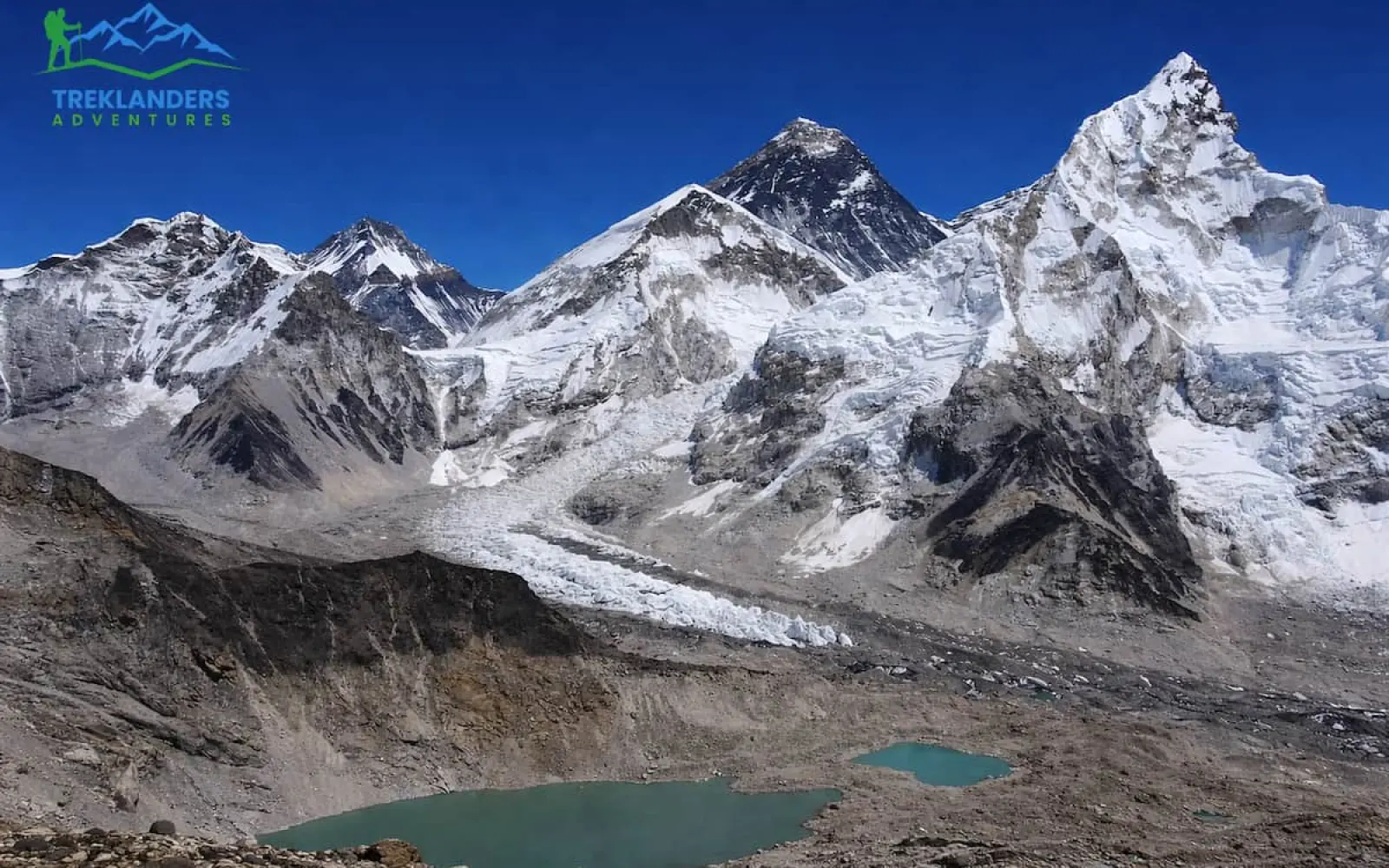
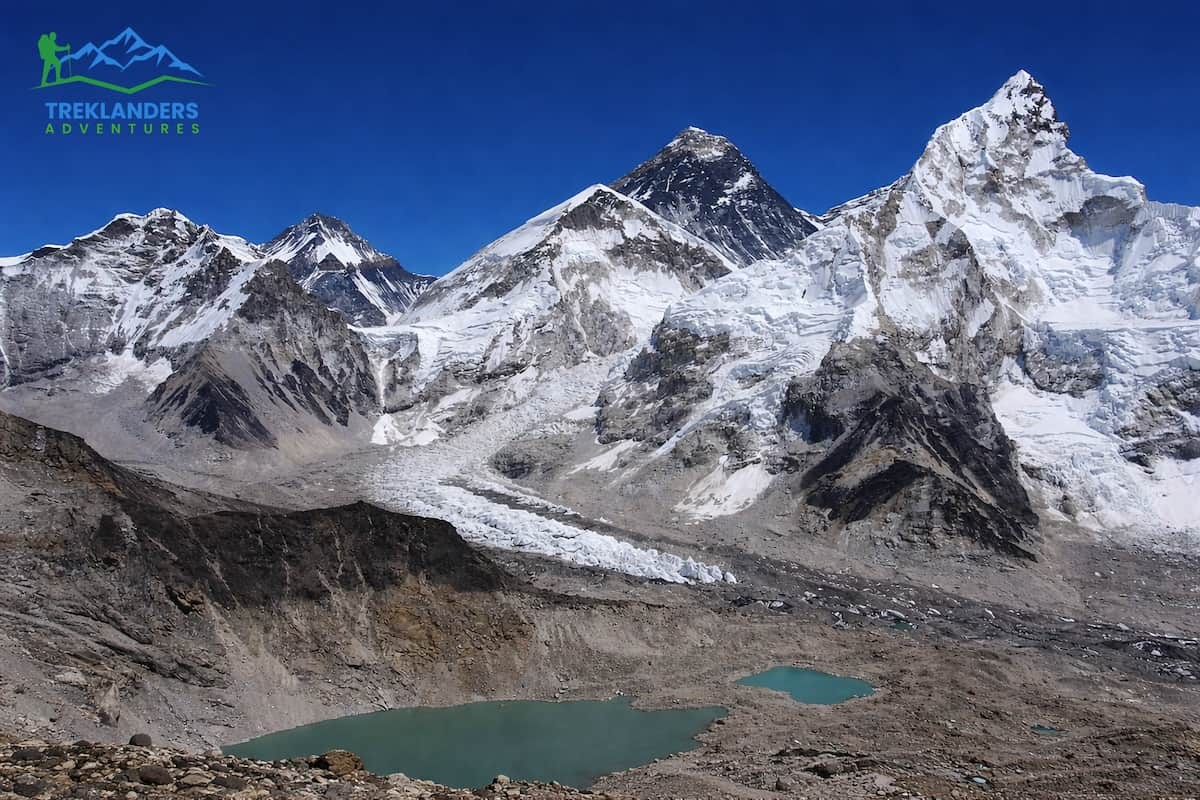
Every year, many trekkers from all over the world aim for Everest Base Camp. At an altitude of 5364 m, it is located at the bottom of the highest mountain in the world, right in the middle of the Khumbu region of Nepal. The round trip is a total of approximately 130 km, and the path goes through Sherpa villages, crosses suspension bridges, and climbs through some of the most breathtaking high-altitude sceneries in the world.
It takes 12 to 14 days walking, requires that you be physically fit in order to keep up at all times, and most importantly, it is necessary to listen to your body and the altitude at every stage. This guide will help you answer the most important questions before you make any plans for booking a flight, packing your bag, or even taking your first step out of Lukla. Starting with permits and costs all the way to altitude sickness and gear, each and every answer here is made to assist you in planning clearly and trekking confidently.
Everest Base Camp is located at an altitude of 5,364 meters (17,598 feet) above sea level. It is situated on the Khumbu Glacier, directly at the base of Mount Everest, the world's highest mountain. This altitude places it deep within the high-altitude zone, where oxygen levels can be roughly 50% lower than those at sea level. Typically, trekkers do not attempt to climb Everest itself, but even reaching the Everest base camp still requires physical stamina, as well as acclimatisation, since the air is thin and the weather conditions are cold.
Altitude sickness can become a significant problem at this level. Gradual ascent with adequate acclimatization is recommended, so many trekkers take 10 to 14 days walking upwards from Lukla. Temperatures can go below zero at the Everest Base Camp even in the prime trekking seasons of spring and autumn. On the other hand, the high altitude also allows for stunning and unobstructed views of the surrounding peaks and glaciers. At 5,364 meters, you get to experience one of the most extreme and well-known environments on the planet.
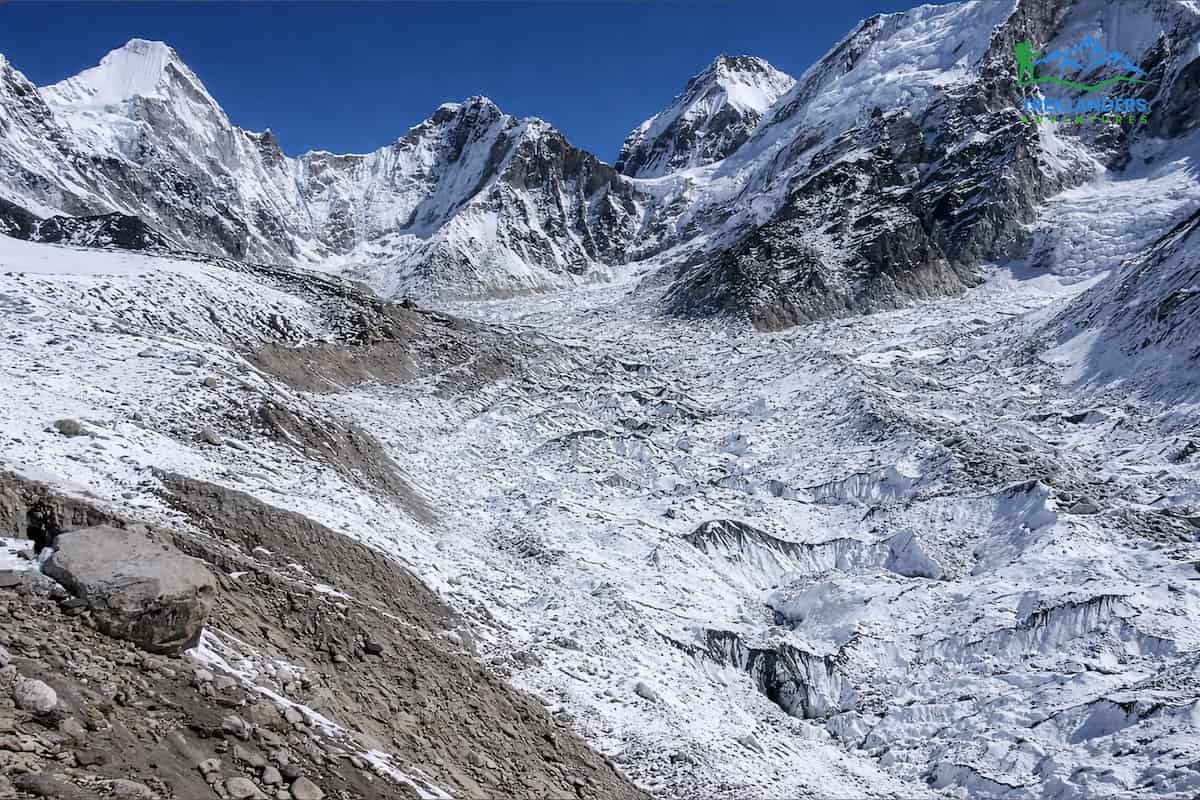
Everest has two base camps - one in Nepal, one in China. The South Everest Base Camp is in the Khumbu Valley, at 5,364 meters. That's high enough to make breathing hard even for seasoned climbers. Most people fly into Lukla first, then hike across valleys and past Sherpa homes. Forests give way to snowfields along the way. The route is well-worn and supported by guides and supplies.
North Everest Base Camp is about 5,150 meters up near Tibet's border. You can drive there directly, no long trek needed. But fewer climbers go because the wind hits harder and rules limit access. The area sees storms more often than the south side. Still, you get a clear shot of the peak when it's sunny.
The south side has lodges, clinics, fixed ropes, and transport options. But it is safer and easier to follow standard routes there. For now, that's why most expeditions choose it over the northern path.
Both camps help climbers adjust to thin air before going higher. They rest here after short hikes or during breaks between climbs. Climbers pack gear and check weather forecasts regularly. It isn't perfect - but it works for many teams trying to scale Everest together.
The trek to Everest Base Camp on foot normally takes about 12 to 14 days round-trip, depending on one's pace and acclimatization schedule. Typically, the journey begins from Lukla and the route is a well-marked trail through the Khumbu region. Walking is usually done for around 6 to 8 hours a day, covering distances of 8 to 15 kilometers each day. The overall trekking route comes up to about 130 kilometers (80 miles) for the entire round trip.
Usually, itineraries have a couple of days of rest at the important places, Namche Bazaar and Dingboche, to give your body time to adjust to the higher altitude. These acclimatisation days are very important since the path elevates only gradually from about 2,860 meters in Lukla to 5,364 meters at Everest Base Camp. If you do not adjust properly, the chances of altitude sickness getting you become very high. The trekking route is mostly a mixture of uphill and downhill sections, crossing suspension bridges, and walking on rocky paths, rather than any technical climbing.
The return trip is normally quicker, taking only 3 to 5 days, because you are losing elevation rapidly. Weather conditions, fitness level, and route variations may cause the total time spent to change somewhat. Some trekkers also do side trips like Kala Patthar to get a better view of Everest, which might extend the trek by a day. In general, the Everest Base Camp trek should be classified as a moderate to difficult trip that demands strong physical fitness and a mindful pace.
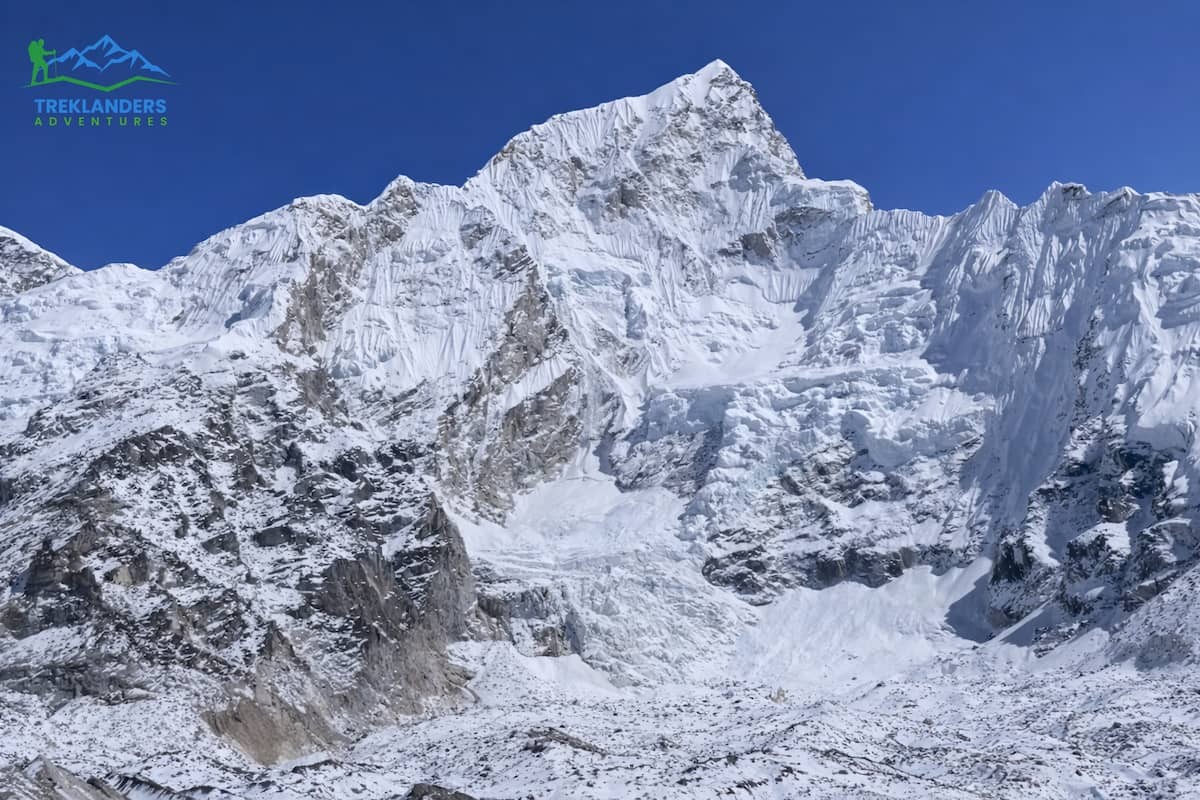
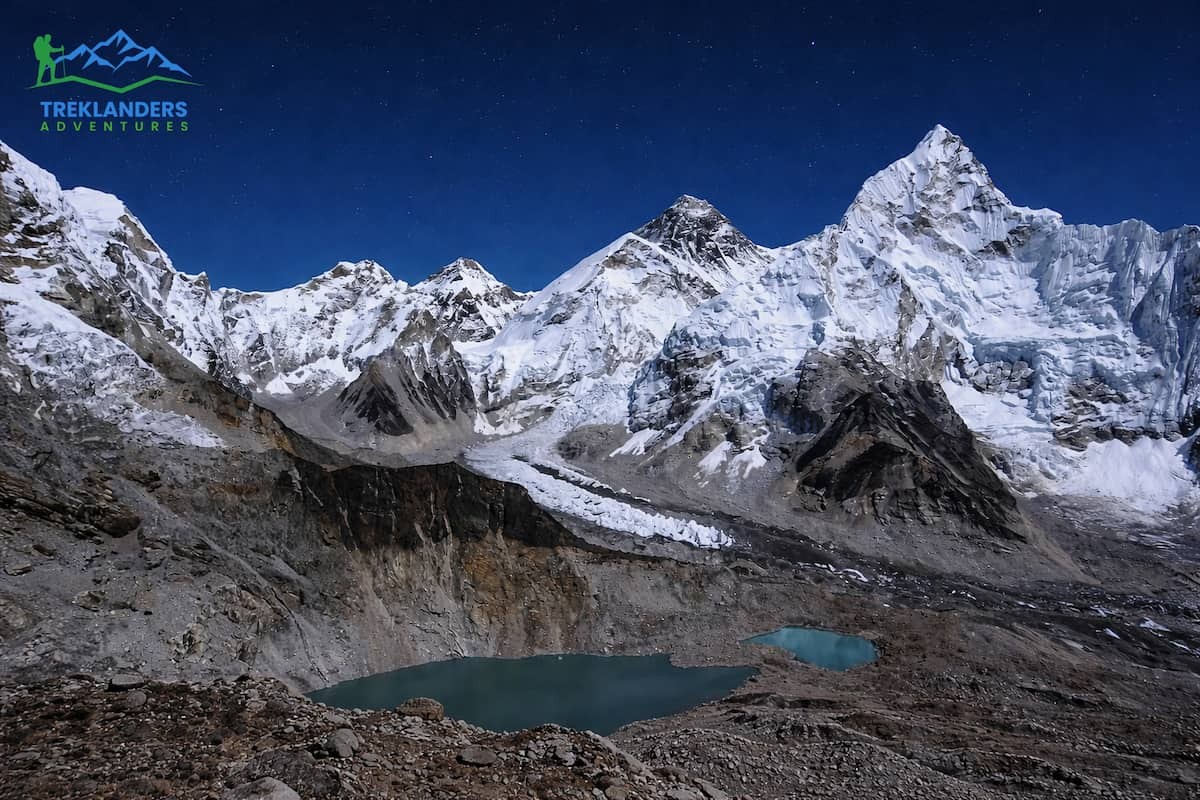
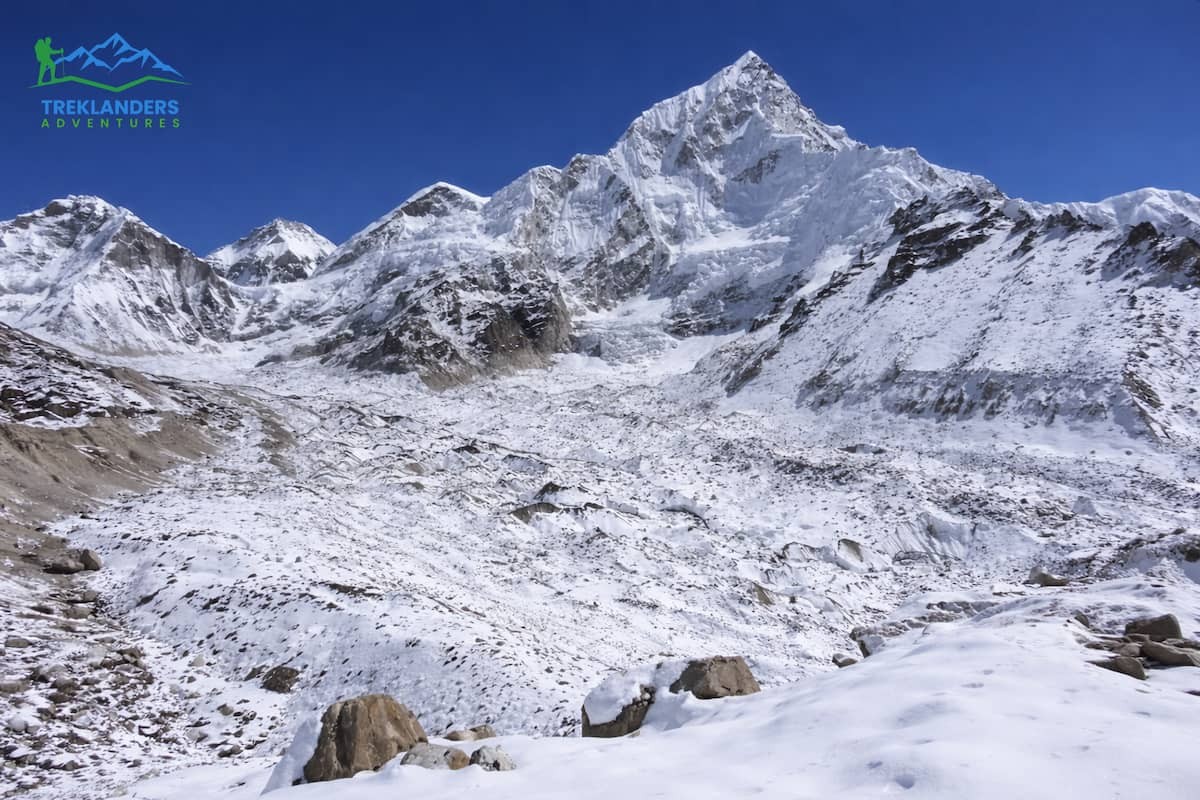
If you are at Everest Base Camp, you won't easily be able to see Mount Everest's very top. This fact normally gives trekkers quite a shock. Though you are physically very near the mountain, your sight is obstructed by other peaks and the terrain around. The largest barrier is the huge ridge of Nuptse, which, from the base camp viewpoint, is the one that hides Everest most effectively.
What you can see at base camp are mostly the lower parts of Everest and the spectacular Khumbu Icefall. This icefall is notorious as one of the most perilous sections of the climbing route because it is full of constantly moving ice towers and very deep crevasses. This scene, although it is awe-inspiring, does not present you with the picture of Everest's pointed summit that is so well-known. Rather, the mountain is shown as being partly hidden behind the other Himalayan peaks.
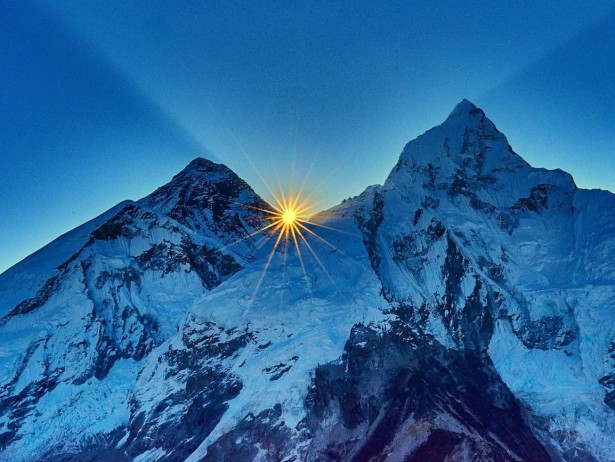
Trekking to Kala Patthar, a viewpoint close to Everest base camp at an altitude of 5,545 m, is usually the plan of the trekkers who want to see the great and recognized image of Everest. From the Kala Patthar viewpoint, you get a clear, unobstructed view not only of Everest but also of other peaks like Lhotse and Nuptse. The times of day when the sun rises and sets at Kala Patthar are most favored since the summit is distinctly highlighted as the light changes.
What it really means is that getting to base camp is more of a matter of being at the base of the world's highest mountain than actually viewing the whole mountain. The scale, the surrounding glaciers, and the feeling of an expedition really characterize the experience. If what you want is a clear view of the summit of Everest, then you should include a hike up Kala Patthar as part of your trekking plan.
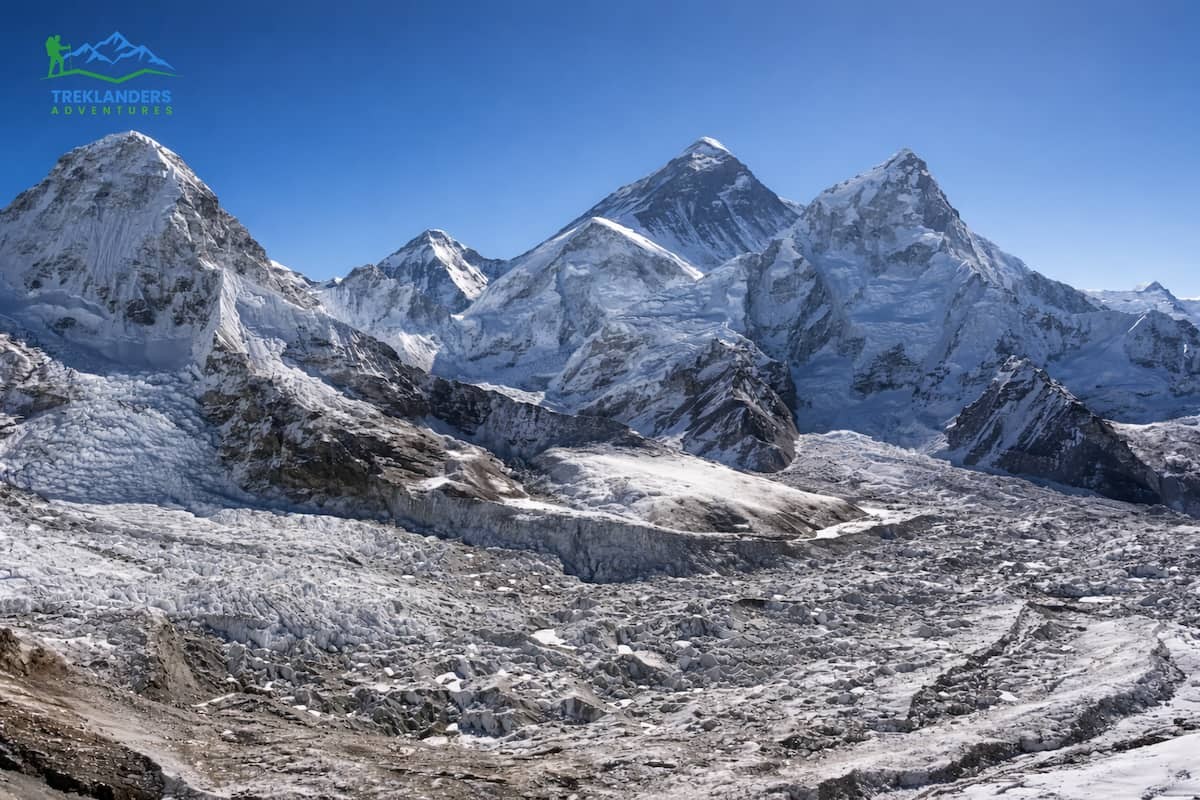
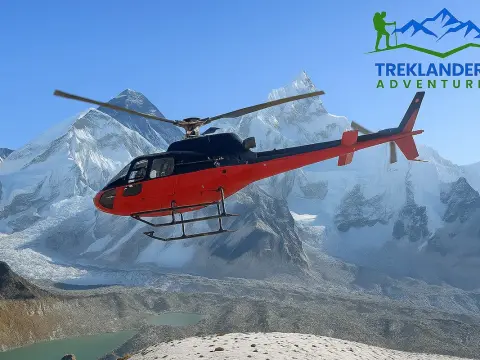
Sure, a helicopter can take you to the vicinity of Everest Base Camp; however, there are quite a few significant restrictions. Helicopter charters are fairly regular from Kathmandu or Lukla, and they fly over the Khumbu region, providing travellers with a bird's-eye view of Mount Everest and other prominent peaks. This type of flight is often chosen by those who are short of time or unable to undertake the full trekking route on foot.
On the other hand, helicopters generally do not make landings right at Everest Base Camp. Firstly, the ground at base camp is pretty rough and unstable since it lies on the Khumbu Glacier. Secondly, during the major mountaineering periods, the place becomes so packed with expedition tents that there is hardly any safe spot for landings. So, rather, helicopters usually make their landings at Kala Patthar (5,545 meters) or occasionally at some nearby places like Gorak Shep. Out of these, Kala Patthar is the ideal place to land since it provides a firm ground plus an amazing vista of Everest.
Typically, an ordinary helicopter excursion takes a couple of hours round-trip. It is likely to incorporate brief halts for taking pictures and occasionally having breakfast at a lodge situated at a high altitude, but usually at a lower one like Syangboche. Because of altitude and load restrictions, travellers may have to divide into smaller groups for the last ascent.
Although the helicopter is the quickest and most spectacular method of transportation visually, in my opinion, it cannot fully substitute the trekking experience. After all, with charters such as a helicopter ride, you are deprived of, on the one hand, the gradual process of acclimatizing to the altitude, on the other hand, the opportunity of interacting with the local Sherpa community culturally and also, the physical passage through the Khumbu Valley. Emergency evacuation is one of the cases when the helicopter also comes in handy, a fact that underlines its usefulness in high-altitude rescue operations.
However, if you only wish to have a brief, visually pleasing tour, without the exertion of a trek, then this is the option for you.
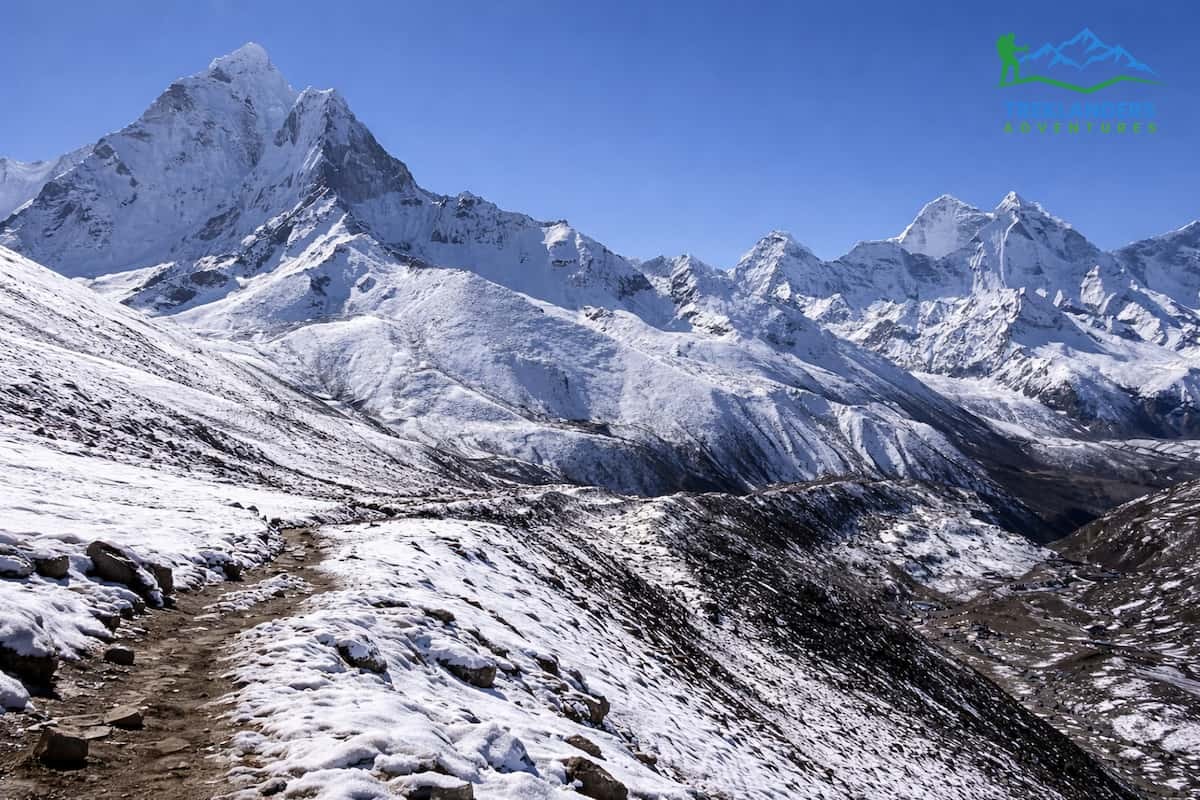
The trek to Everest Base Camp is moderate to challenging. It does not require technical climbing, but it demands strong endurance and careful pacing. You walk for 10 to 14 days, often 5 to 7 hours daily, on uneven terrain that includes rocky paths, steep ascents, and long descents. The distance and repetition create cumulative fatigue, especially in the final days.
The main difficulty comes from altitude. The trek starts around 2,860 meters in Lukla and reaches 5,364 meters at base camp. As you gain elevation, oxygen levels drop significantly. You may experience symptoms of altitude sickness, such as headache, nausea, or fatigue. Proper acclimatization is essential. Most itineraries include rest days at places like Namche Bazaar and Dingboche to reduce risk and allow your body to adjust.
The weather also adds difficulty. Temperatures can fall below freezing, particularly in the mornings and at night. Trails can be dusty in dry seasons or slippery after snow. Basic teahouse accommodation means limited comfort, which can affect recovery.
You do not need prior mountaineering experience, but you should have good physical fitness. Regular cardio training, strength for legs, and stamina preparation help a lot. Mental resilience is also important, as the trek can feel long and demanding.
If you prepare well and follow a gradual itinerary, you can complete the trek safely and enjoy the experience.
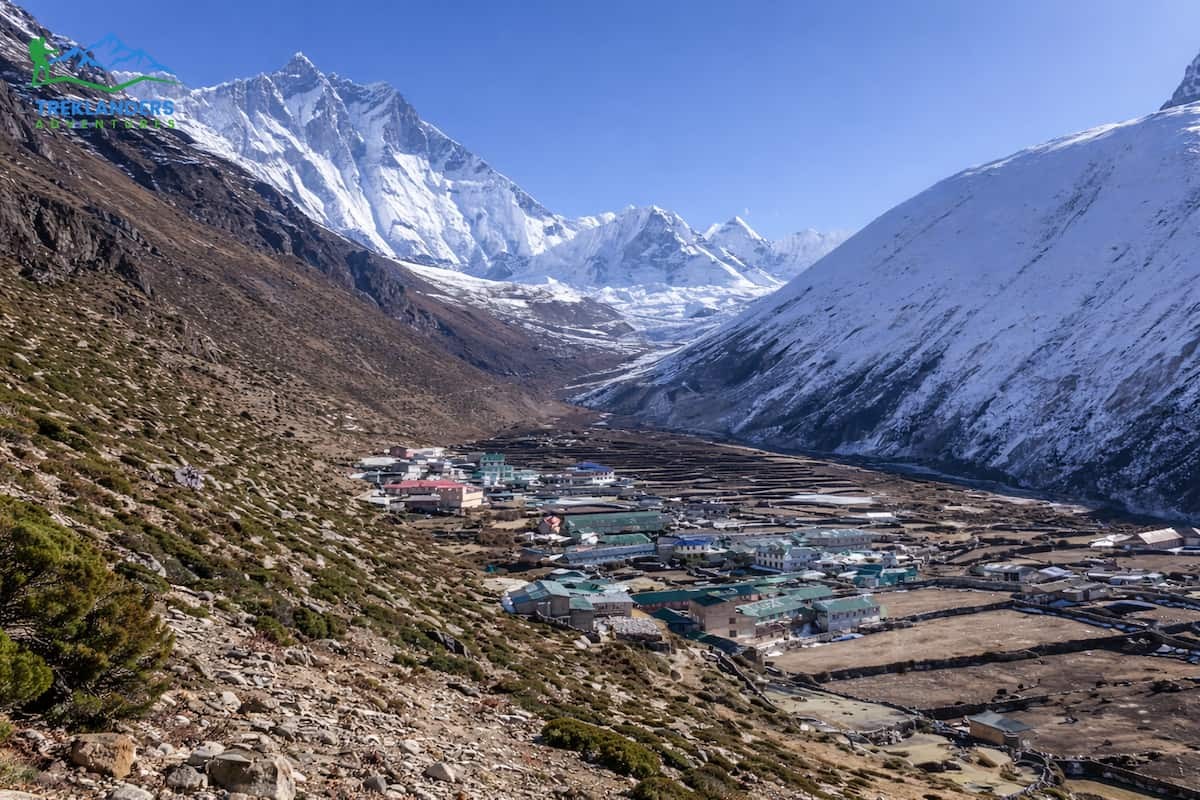
Getting in shape for Everest Base Camp isn't just about one type of exercise; it requires a blend of endurance, strength, and staying consistent. Give yourself a head start and get moving at least 8 to 12 weeks before your adventure. Cardio should be your main focus at the beginning. In fact, you need to get to a point where you are able to walk for a number of hours without tiring. Walking, fast hiking, bike riding, or even running are suitable options. Target 4 or 5 workouts weekly, and increase the time step-by-step until you spend 2 to 4 hours on your longer days.
Introduce uphill training or stair climbing into the plan at the start. As you will be going up a lot during the trek, having well-trained leg muscles and lung capacity is really important. Carry a loaded backpack weighing 5 to 8 kg during your training to get closer to the actual situation. Besides training the balance, this also gets your body ready for carrying your gear over long distances.
Performing strength training is a must. Your primary targets should be your legs and core. Squats, lunges, step-ups, and planks can help you develop the muscles that stabilize you and lower the chance of injuries. 2 to 3 times a week is a good frequency to train strength. You also need to take rest seriously. Allowing time for recovery allows your muscles to improve, and at the same time, you avoid overdoing it.
If you really want to be prepared for the trek, you shouldn't just do isolated training days, but also consecutive days of training to mimic the fatigue occasioned by trekking. To put it simply, hike two days in a row with a reasonable level of intensity. This way, you will be prepared for continuous walking during the trek.
Preferably, work out at altitudes which are a bit higher. However, if that is not possible, then try to enhance your cardiovascular fitness so as to be able to handle a reduced oxygen level. Apart from that, work on slow pacing and keeping the breathing under control. Such habits are significantly more important than speed.
Stand by your plan and proceed without changing it. What counts is doing a little better every day rather than being very hard every time. When well prepared, the body changes, and the trekking will not be a big deal.
Technically, you don't need a guide if you want to do the Everest Base Camp trek independently. However, the majority of people consider it best to hire one for various reasons, such as safety, help with ordering things, and even understanding the local culture. Altogether, the path is out in the open on signs, but there are still things like altitude, weather, and getting lost that can make having a guide quite helpful, especially if this is the first time doing a trek for you.
Besides letting you know about the best places to walk, stop, and rest that will help you get used to the high altitude, a guide will figure out your pace and if you are showing the symptoms of altitude sickness. They are also there to carry out emergencies, including arranging for evacuation and medical help. When you are in places where there is no mobile phone reception, the guide's knowledge can make the difference between life and death for your safety.
Aside from the logistical support, guides add the cultural element to the trek. They take trekkers to Sherpa villages and monasteries, plus they show local traditions. Besides dealing with permits, a guide will also make arrangements for accommodations in teahouses as well as ordering food, so you don't have much to worry about. If you are with a group, a guide will be the one to schedule and organize the porters and all the supplies. This way, your only focus will be the hike.
It is a fact that solo trekkers who hire a guide mostly increase their safety. This is particularly because winter or early spring trails can be quite unpredictable. Even the most seasoned trekkers regularly hire guides so they can safely navigate the complicated weather patterns or very busy trails.
Independent trekking is doable, but having a guide will give you risk management, amazing knowledge of the locals, and support, which can really turn your trekking into a safe one, a really enjoyable one, rather than a tough, maybe even dangerous one. First-timers or people who are worried about altitude should definitely consider a guide.
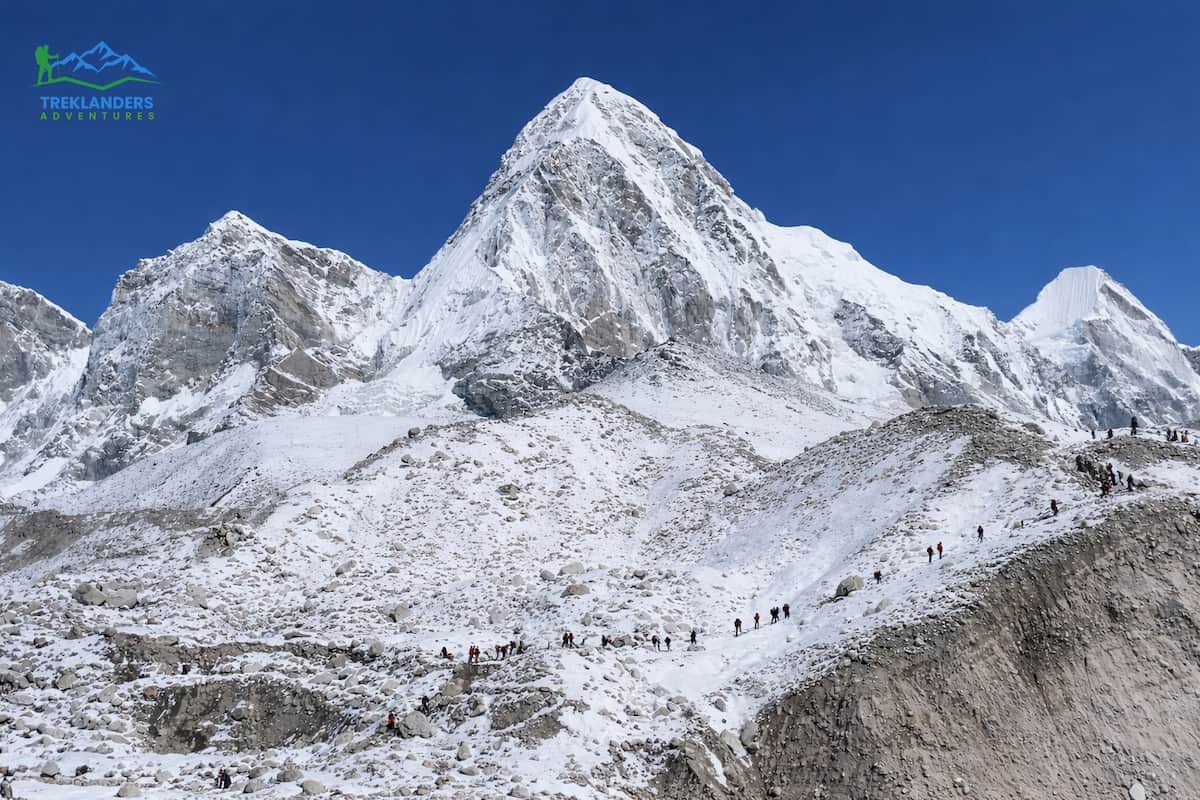
Being reasonably fit is needed to do the Everest Base Camp trek. You don't have to be a climber with technical skills, but you need to be able to cope with very long walking days, steep climbs, and rough ground. Walking each day will be between 5 and 7 hours, covering 8 to 15 kilometers. Being able to keep your heart rate up for a long time is the main thing since, from Lukla to base camp, you go up more than 2,500 meters in altitude. Having strong legs and a stable core will make it easier for you to handle the rocky tracks, suspension bridges, and walking on glacier areas.
If you want to simulate the condition of trekking, you should do hill walking, stairs, and carrying heavy backpacks. Doing a few days of walking one after the other improves stamina and prepares the body for the consecutive trekking days. With a moderate level of fitness, regular aerobic exercise, leg strength training, and flexibility exercises are usually enough.

It is beneficial to have a bit of trekking background, but it is not hard-and-fast that you must. Most trekking companies will advise you to prepare yourself for the trek for 2-3 months in order to avoid being tired and reduce the chance of getting injured. Correct pacing and acclimatisation are as crucial as physical fitness. Raising endurance alone is not sufficient because even physically fit trekkers can find it difficult to cope with altitude.
Doing physical preparation, acclimatisation planning, and careful pacing combined can make sure that you finish the trek safely. A good amount of brain power and strength is needed as the weather, trail congestion, and altitude will most likely be very challenging. The trek is generally doable for those who have been doing fitness training regularly, have high cardiovascular endurance, and can walk long distances for multiple days while carrying a backpack.
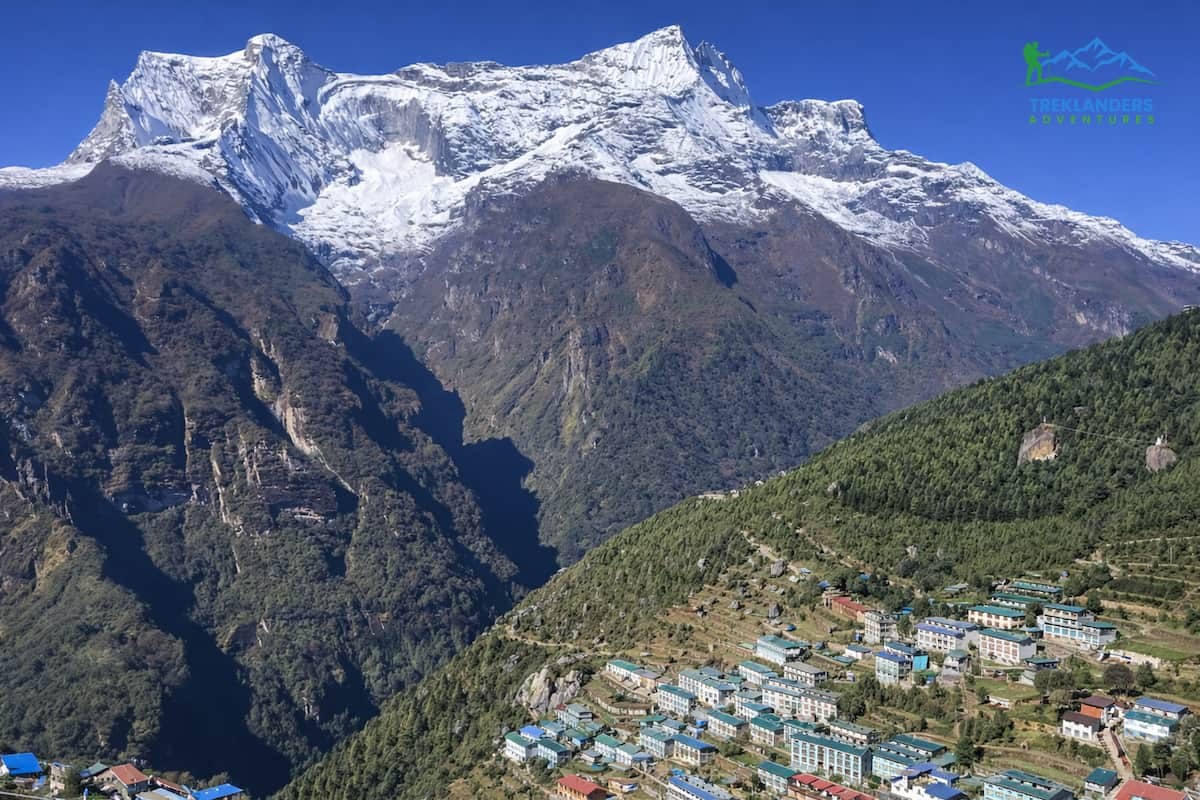
Of course, beginners can certainly manage to do the Everest Base Camp trek if they get themselves ready properly. The trek does not need any experience in climbing, any technical skills, or even prior high-altitude exposure. Its main difficulties are altitude, the length of walking each day, and the changing of the weather. Beginners should be physically training for endurance, leg strength, and stamina.
Doing cardiovascular exercises like running, cycling, and going on long hikes, together with training on hills or stairs, helps one to become more prepared. Also, carrying a small weighted backpack while training is a great way to simulate actual trek conditions.
A good plan for your itinerary is very important. Those new to trekking should plan for 10 to 14 days for the whole round trip from Lukla to base camp and back, with a couple of days for acclimatizing at Namche Bazaar and Dingboche. Going up slowly lessens the chances of getting altitude sickness, which is the biggest worry of first-timers. Bringing in a guide or becoming part of a trekking group is not only safer but also gives you advice and local support. A guide can assist in finding the way, booking teahouses, and keeping an eye on your health.
As for gear and clothing, they should be of good quality, especially layers, solid boots, and clothes for cold weather. The weather might make the trail more difficult; therefore, if you are inexperienced, do not go during the peak of the monsoon or when there is a lot of snow in winter. In fact, beginners can pull off the trek successfully if they keep a good pace, adhere to the acclimatization rules, and stay consistent with the training.
With good preparation and setting realistic expectations, even primary school children and elderly people can make a trek to Everest Base Camp. Age by itself will not be a reason for someone to be disqualified; however, one's fitness level, general health, and the speed of movement become very important factors at high altitudes. Physically active and keen children of 10 years and above can cope with the trek. Very young children aged 7-9 have even done it, but their parents need to factor in additional acclimatisation days and keep walk distances shorter for the children.
Also, monitor children for symptoms of altitude sickness as they might not be able to express their discomfort clearly. Elderly individuals with good cardiovascular fitness can do the trek regularly. The main thing is to maintain a slow and steady pace as well as have a longer itinerary to enable more time for the body to get used to lower oxygen levels. A physician's advice for the trip and a complete physical check-up, especially concerning heart and lung conditions, are recommended. As for the two age groups, it is vital to have a good and experienced guide. Having travel insurance that covers helicopter evacuation is an absolute must.
When going to Everest Base Camp, you need to have two permits. Both are required, and you should get them before entering the trekking area. The first one is known as the Sagarmatha National Park Entry Permit, which allows you to enter the Everest region's protected area. Its charge is NPR 3,000 (about USD 22) per person for SAARC nationals and NPR 3,000 for others; however, prices may change each year.
The second permit is the Khumbu Pasang Lhamu Rural Municipality Permit, also referred to as the local area permit. This is the current permit that replaced the old TIMS card for the Everest region and costs NPR 2,000 per person. You can get both permits in Kathmandu at the Nepal Tourism Board office, or your trekking agency can get them for you. There are permit checkpoints along the trail, so keep the original permits with you at all times. Being caught trekking without permits will lead to fines and being sent back.

The most significant health hazard one can face during the EBC trek is altitude sickness, also referred to as Acute Mountain Sickness (AMS). This illness is a result of your body failing to properly adapt to the drop in oxygen levels at high altitude. The first signs of the sickness are headache, tiredness, light-headedness, vomiting, and lack of appetite. These are made manifest normally after one reach 2,500 meters and serve as your body's hint for you to stop ascending.
Almost all trekkers suffer from mild AMS at certain points during the trail. HAPE, which is the abnormal accumulation of fluid in the lungs, and HACE, which is the brain swelling, are two serious conditions among the high-altitude sicknesses. Both of these are extremely dangerous, and the only way to save yourself is to descend to a lower altitude right away. Don't ever disregard the symptoms and try to go higher. A general guideline is: if symptoms keep getting worse even after 24 hours of rest, then you have to go down immediately. Tell your guide at the earliest indication of any symptom. Acting promptly is the most effective way of saving lives on the mountain.
Altitude sickness prevention ideally begins before you even get to the trailhead. The method that has proven to be most effective is going at a slow pace and allowing your body the time to adapt to the different heights at each stage of the ascent. The golden rule is: climb high, sleep low. This implies that you are allowed to hike to a higher elevation during the day but sleep at a lower altitude. Namche Bazaar (3,440m) and Dingboche (4,410m) are the locations where rest days are most often scheduled in standard itineraries. These are the places where one can get acclimatized without too much difficulty.
Drink plenty of fluids. Aim for consumption of 3 to 4 liters of water daily. Refrain from drinking alcohol, especially when you are at altitude for the first few days. Keep eating even if you are losing your appetite because your body will still need food to get used to the altitude. Some hikers choose to use Acetazolamide (Diamox) as a prophylactic drug. Check with your doctor regarding your trek and how much of it you should take. If your health deteriorates, get down immediately. Under no circumstances should you go up if you have a headache or feel sick to your stomach.
The EBC trek's two most suitable seasons are spring (March to May) and autumn (September to November). Both bring weather stability, clear skies, and great visibility of the surrounding mountains. Spring remains the most frequented season. Besides the temperature getting pleasant, the rhododendrons flowering along the lower trail, and Everest summit climbing expeditions darkening the Base Camp, make it come alive with colours. The weather is the most settled in April and May. On the other hand, autumn provides mountain views so crisp you can see every detail after the atmosphere is washed by the monsoon.
The whole month of October is generally regarded as the prime month to do the trek. The sky is clear and crisp, the trails are dry, and the temperature is just right throughout the day. Winter (December to February) can be done, but it is really a challenge. Besides the temperature dropping drastically at the high altitudes, the closure of some teahouses and snowfall blocking the trails will make it difficult. Those who have experience in extreme conditions only should consider a monsoon season (June to August) trek, as it is accompanied by heavy rain, leeches on the lower trails, and poor visibility. Otherwise, it is better to stay away from both.
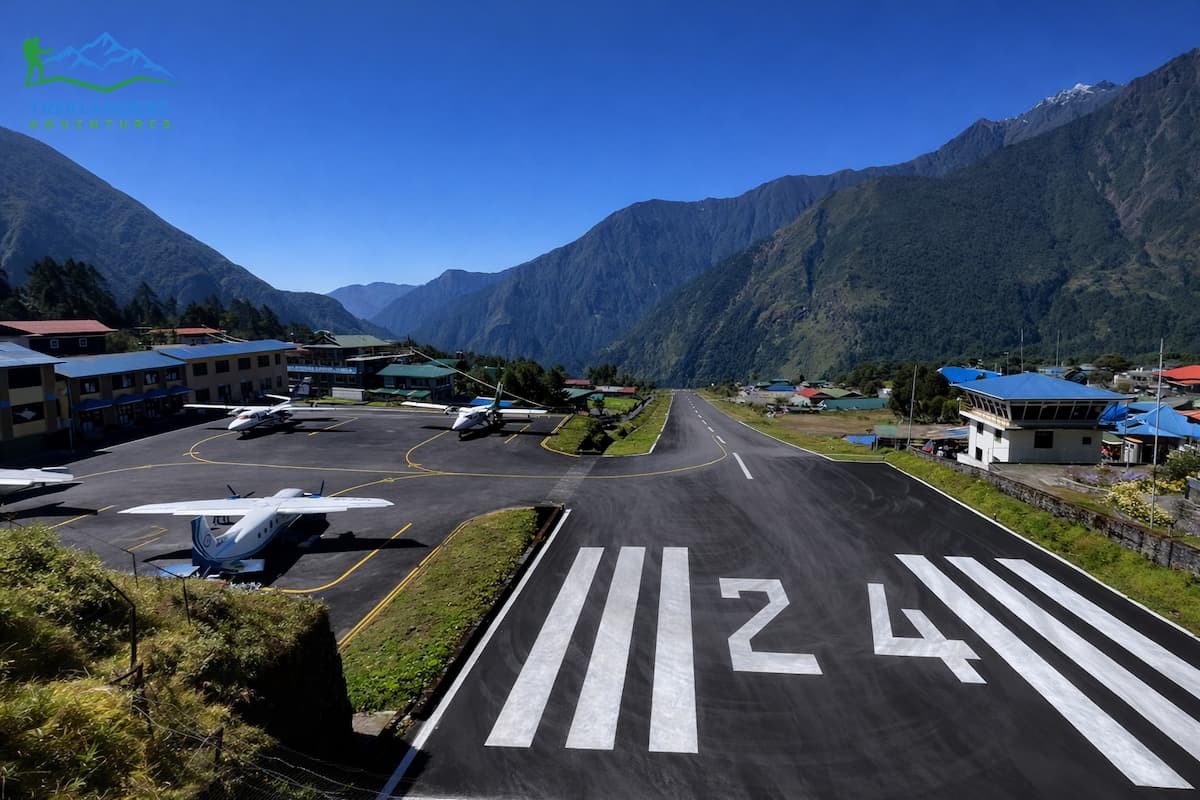
Most trekkers begin their journey by flying from Kathmandu to Lukla, the main entry point for the EBC trek. The flight lasts for about 35 minutes and lands at Tenzing-Hillary Airport, which is considered one of the most breathtaking airstrips around the globe. Aircraft used for these flights are small Twin Otters or similar, and they take off either from Tribhuvan International Airport or Ramechhap Airport (Manthali). During the busy season, several flights operate from Ramechhap, rather than Kathmandu, to ease the air traffic congestion. By road, Ramechhap is around 4 to 5 hours away from Kathmandu.
To catch the early morning flights from there, buses leave Kathmandu at around 3 AM. The weather plays a major role in determining flight schedules to Lukla. Cancellations and delays are not unusual, especially during the times between seasons. You should definitely set aside at least one free day in your travel plan for such situations. If you don't want to fly, you can go on foot from Jiri to Lukla, which will take 7 to 10 days and will be a completely different experience from the flight. This route is shorter.
Getting to Everest Base Camp is no longer just a dream for top athletes or professional climbers. After rushing around trying to find the best cheap flights online to Kathmandu, trekking people, including inexperienced ones, keep doing the trip with the right preparation, the right gear, and a realistic pace. The questions answered in this guide cover what really matters: fitness permits altitude safety costs, timing, and logistics. Use these questions as your planning checklist, not just as a reading exercise.
Every question you answer before you leave Kathmandu is one less problem you will face on the trail. Things to carry with you beyond this guide: judge the height, listen to your guide, and don't climb higher if your body signals that you shouldn't. The mountain will be there even if you need an extra acclimatization day. The EBC trek will reward those who can wait and prepare. Settle both, and you will be able to reach Base Camp.
Discover the best beginner-friendly treks near Kathmandu, from easy day hikes to multi-day Himalayan adventures with essential tips and routes.
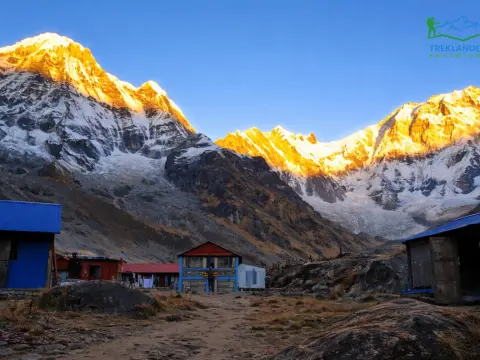
Autumn vs winter for Annapurna Base Camp Trek—compare weather, safety, and experience to choose the best season in Nepal.
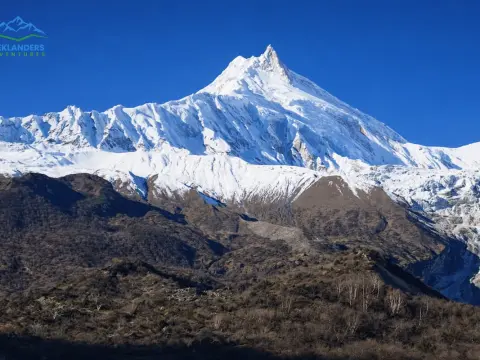
Autumn and winter on the Manaslu Circuit differ greatly—compare conditions to choose the best season.



