Manaslu Circuit Trek in Monsoon: Complete Guide, Risks, Safety Tips & Weather Explained
20 Apr 2026
Planning the Manaslu Circuit Trek in monsoon? Learn about weather, risks, safety tips, and what to expect on this remote Himalayan adventure.

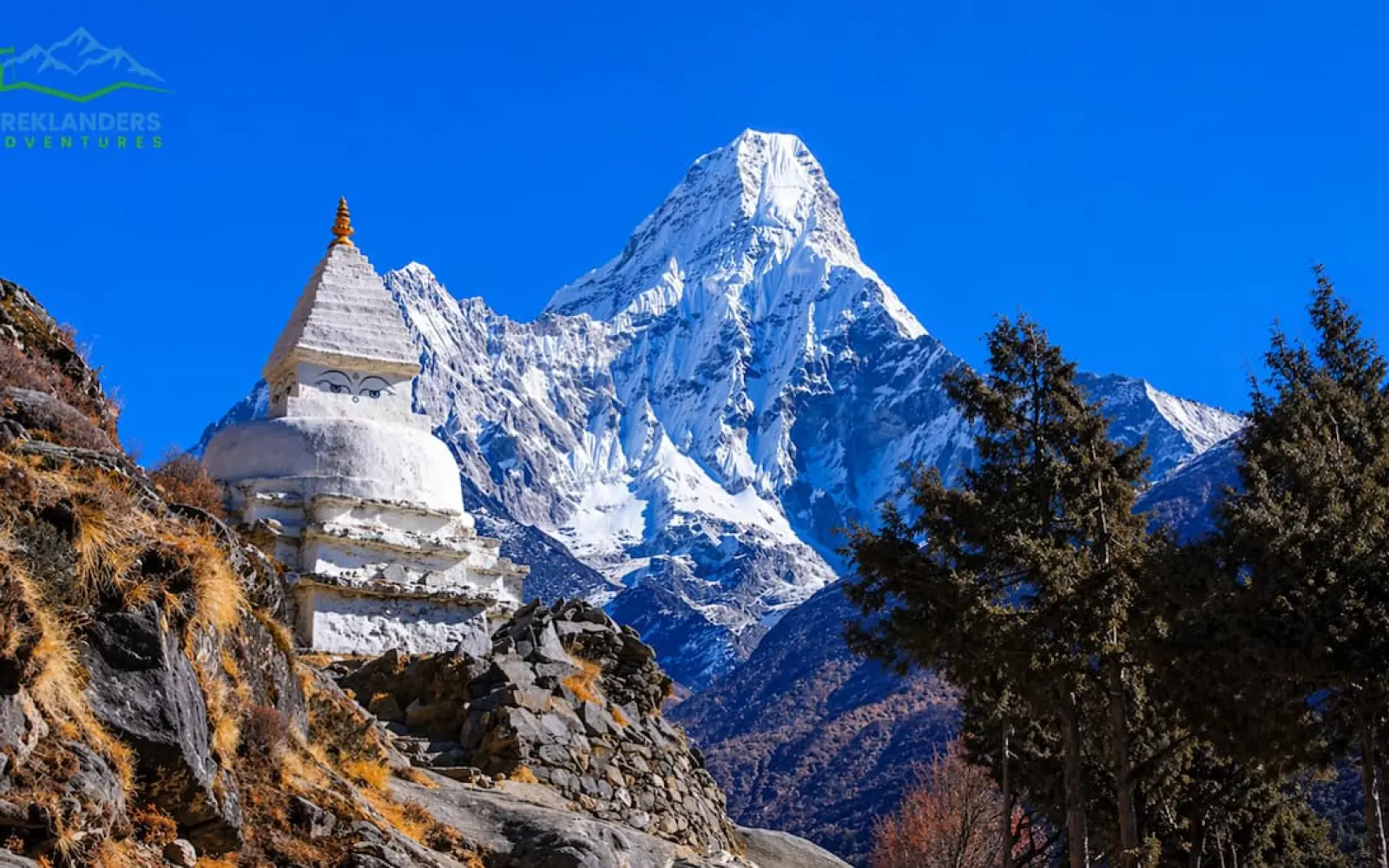
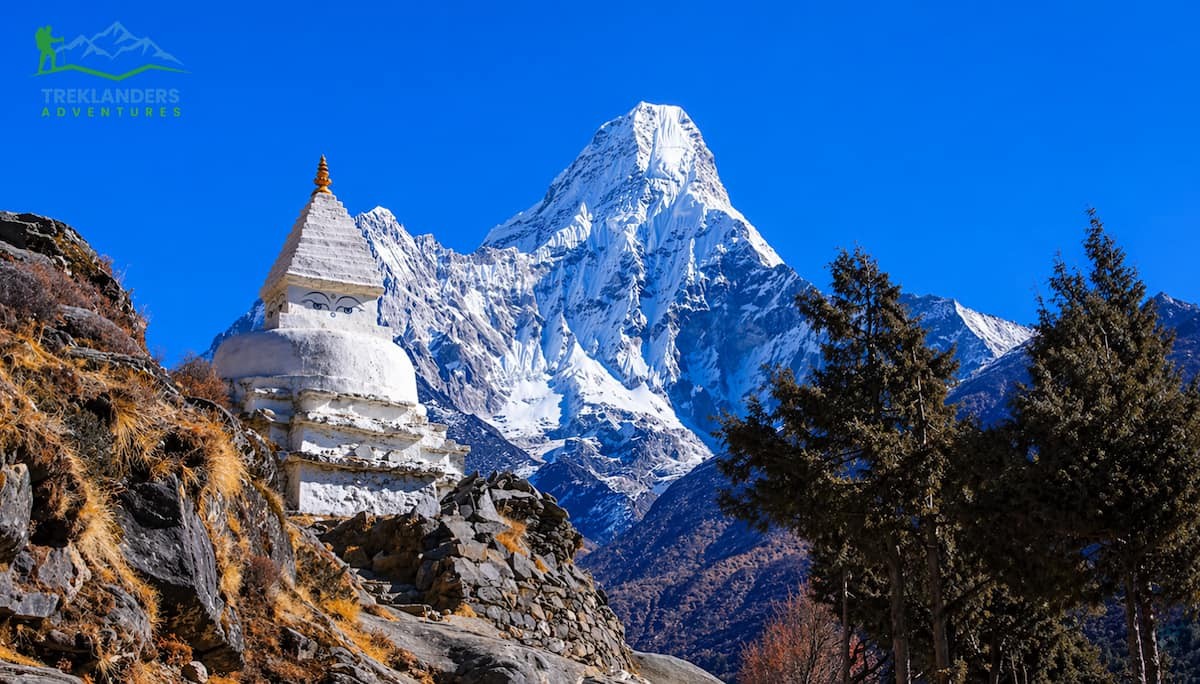
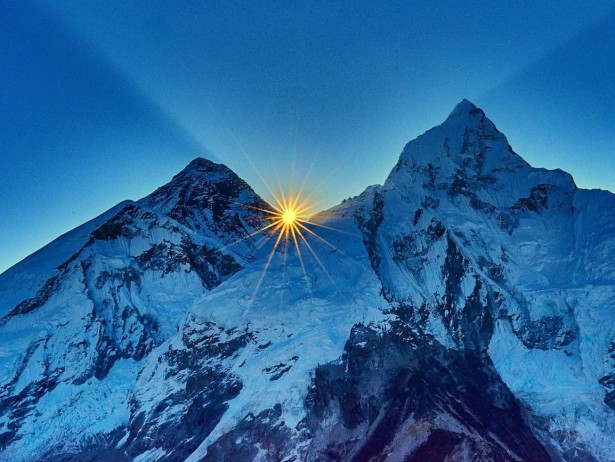
Every year, thousands of trekkers from all over the world strap up their boots and target one of the most iconic spots on the planet: Everest Base Camp (EBC). Located at a mind-boggling 5,364 meters above sea level in Nepal's Khumbu region, Everest Base Camp is more than just a destination. It is a transformative experience. The path meanders through ancient Sherpa villages, rhododendron forests, and glacial moraines. It gives stunning views of Lhotse, Nuptse, and the towering Mount Everest itself.
The traditional Everest Base Camp trek entails approximately 130 kilometres round trip from Lukla and takes anywhere from 12 to 16 days, depending on your acclimatisation schedule and pace. It is considered a strenuous trek; it is not a technical climb, but it will challenge you physically and mentally. Altitude sickness, changing weather, and long daily hikes make training a must.
However, even before you dream of carrying a down jacket, you have at least one major decision to make: do you hire a professional guide for your trek, or do you go solo?
This issue causes more disagreements within the trekking community than virtually any other. Supporters of guided trekking emphasize the safety, help with the itinerary, and cultural understanding that a good guide brings to the table. On the other hand, those who trek independently highlight the freedom, saving money, and finding themselves as reasons to skip the guide. Actually? Both ways have the potential to give you a very special experience. However, one might fit your requirements, skills, and budget a great deal better than the other.
This encyclopedia of trekking is going to unravel every single aspect, prices, safety changes of plans, etc., so that you will be able to make a well-informed choice regarding your Everest Base Camp trip. Whether you hardly ever trek and this will be your first time in Nepal, a quite experienced Himalayan trekker, or a backpacker on a low budget who is willing to try to get by on limited resources, you will find this essay your most trustworthy guide. Before we go any further, let's set the stage as to what it really means to get to each of these options on the ground.
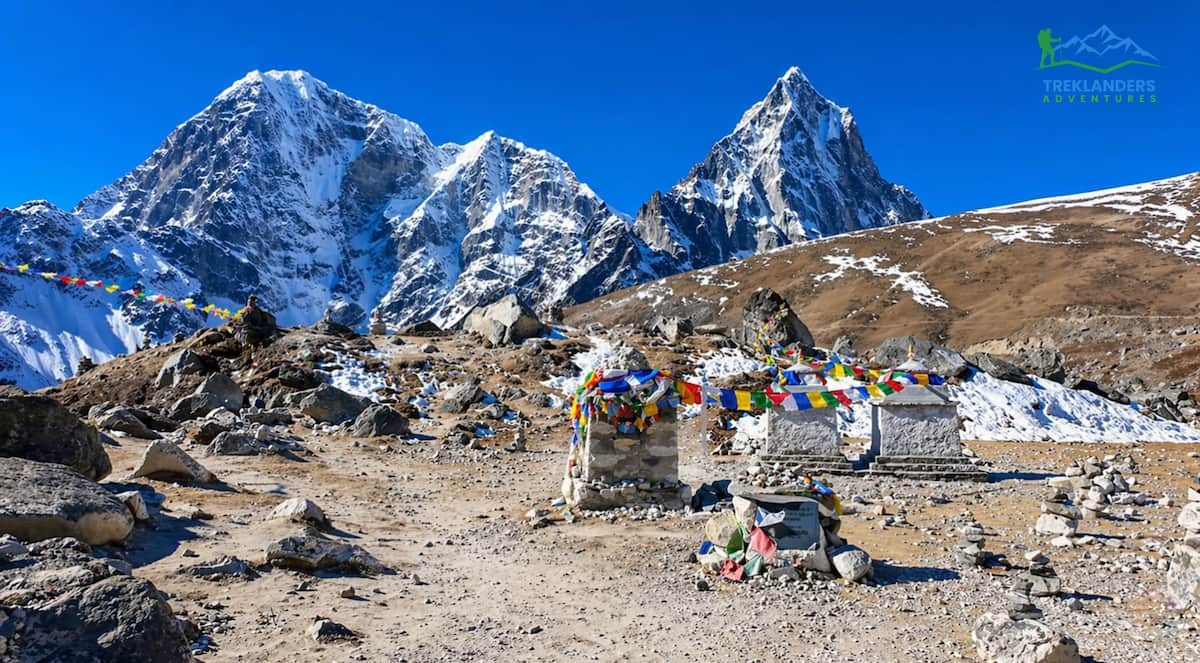
Before we compare guided and independent Everest Base Camp treks, it is very crucial to first understand what each option really stands for when trekking in Nepal's Sagarmatha National Park, since there are certain misunderstandings that are worth clearing up.
Generally, when you book a guided trek, you are making arrangements through an officially registered Nepalese trekking agency. Most of the time, you will be booking in Kathmandu itself either with a local agent or an international tour operator. What you normally get in a package will be something like this:
Guided tours differ enormously in terms of quality and prices, as they can be arranged from cheap local agencies in Kathmandu as well as from luxury operators who provide heated tents, private rooms, and gourmet meals. Generally, the cost of a guided tour may vary from USD $1,200 to $4,500+, depending on certain factors such as the number of people in the group, the range of services, and the level of the operator's reputation.
To undertake an independent trek means that you plan and carry out the walk mostly by yourself - but remember, Nepal's EBC trail is arguably one of the easiest and best-serviced hiking trails in the world. You WILL NOT be cutting your way through the forests.
The path is well-indicated, teahouses are spotted every few hours of walking interval, and lodge owners mostly know English. Permits are still necessary (and you can get them yourself in Kathmandu or Monjo), but as per the latest laws, no guide is required for EBC.
Yet, 'independent' does not always mean utterly alone. A lot of independent hikers still decide to hire a freelance local guide or porter on an à la carte basis, which helps them reduce expenses and, at the same time, provides invaluable support.
In short: Doing a trek on your own on the EBC trail is really possible, but it requires a lot more planning, being self-sufficient, and knowing about the risks than a lot of beginners think that it would.
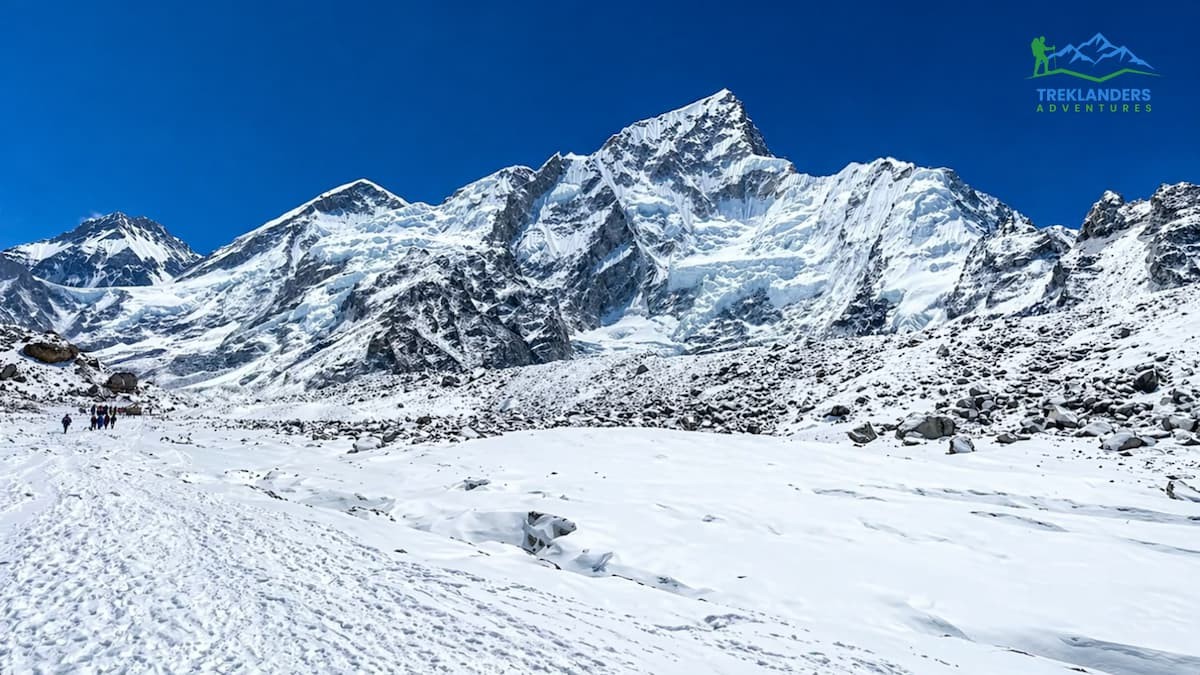
When comparing guided trekking to independent trekking to Everest Base Camp, one effective way is to directly compare the main factors side by side. Here is a comprehensive analysis of the main differences between the two options.
Price-guided trekking packages cost significantly more, generally between $1,200 and $4,500 USD for a complete package. Independent trekking, on the other hand, can be as low as $700 to $1,500 USD inclusive of airfares to Lukla, permits accommodation in teahouses, meals, and gear; however, additional costs (extra days for acclimatization, equipment rentals, tips) can mount up unexpectedly.
This is the obvious advantage of guided trekking. A certified guide, besides being knowledgeable about the symptoms of Acute Mountain Sickness (AMS), is capable of making the decision to descend and has the connections made with rescue services in advance. On the contrary, walking alone entails that you have to keep an eye on yourself and take care of yourself, a heavy task at more than 4,000 meters.
Independent trekkers are the clear winners here. Essentially, you can walk at your own pace, add rest days however you want, and be able to make a spontaneous side trip by yourself to Gokyo Lakes, Kala Patthar, or Chola Pass without having to negotiate with an agency. Guided itineraries, on the other hand, are generally fixed, but there are some premium operators who still offer customization.
Obviously, agencies take care of the whole process - flight permits, accommodations, meals. Choosing to go independent means that you will be the one handling all the bookings, which is totally possible but quite a time eater, especially during the high season (March-May, September-November) when teahouses can get very crowded.
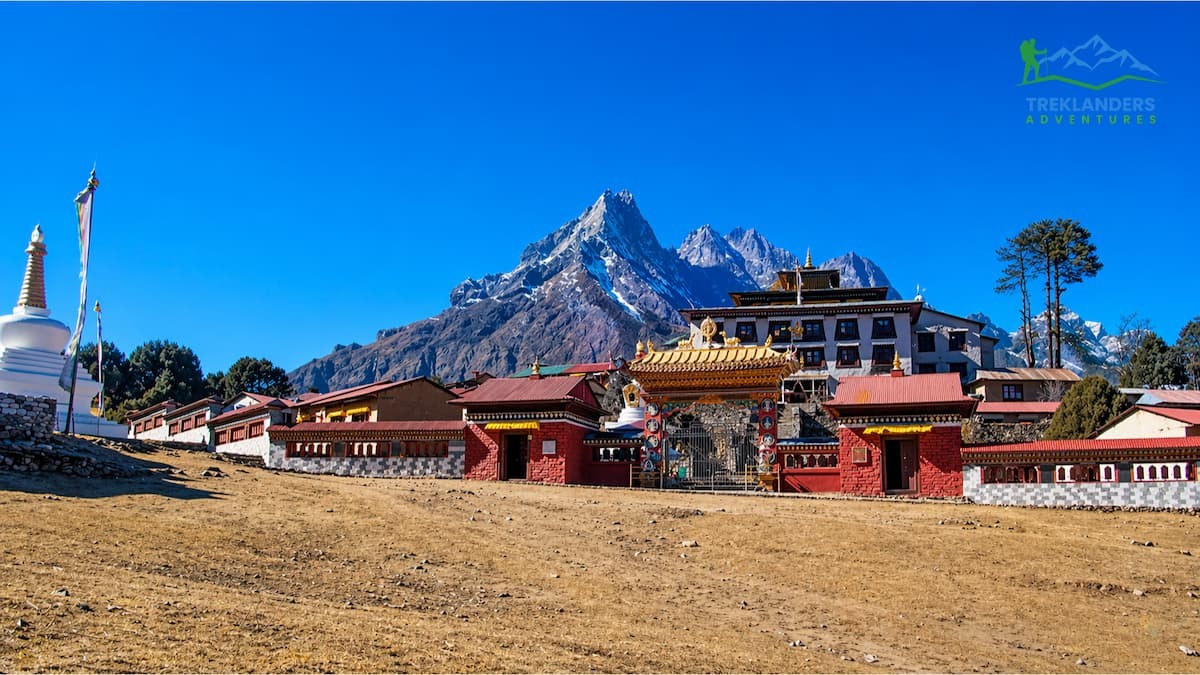
Having a Sherpa guide who is well-versed in the Himalayas culture can really be a game-changer - not only will he/she narrate you about the Khumbu region but will also be your personal introduction to the monastery culture while at the same time being your guide in the local customs which, on the other hand, may be a bit harder for an independent trekker who however can definitely experience the local culture but the level of the connection is, in most cases, the result of an additional effort.
Factor | Guided | Independent |
|---|---|---|
| Cost | $1,000–$4,500+ | $700–$1,500 |
| Safety support | High | Self-reliant |
| Flexibility | Low–Medium | High |
| Logistics burden | Minimal | High |
| Cultural depth | High (with good guide) | Variable |
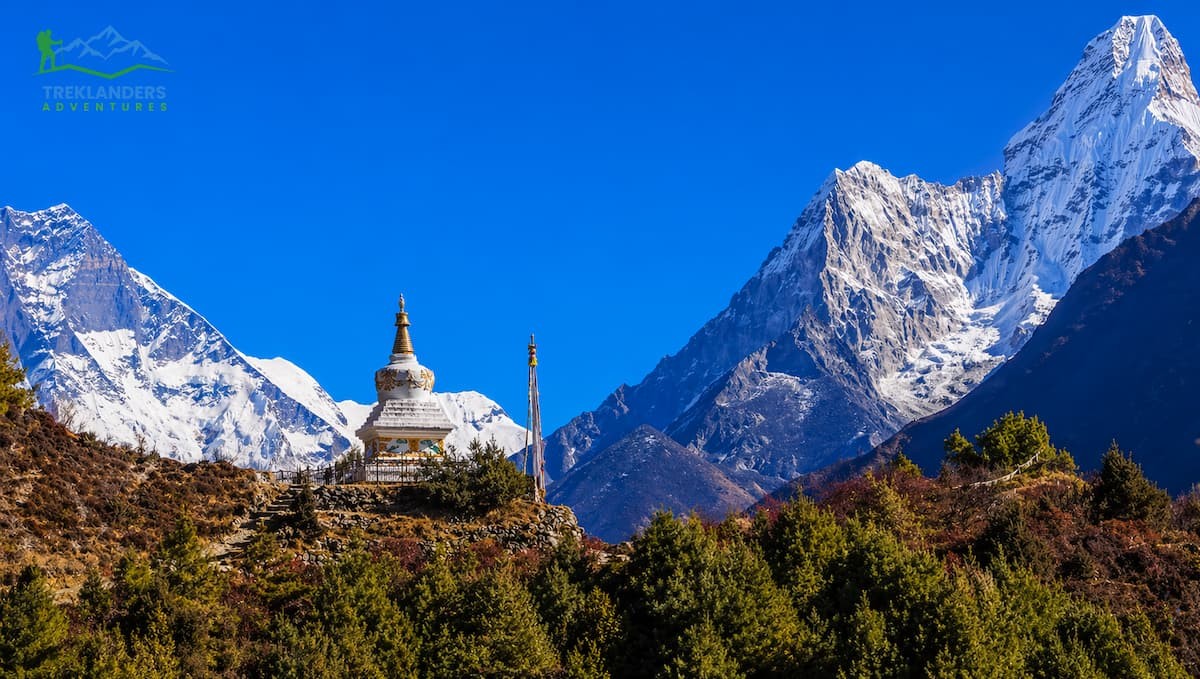
Everest Base Camp is definitely not an easy stroll. In fact, at altitudes over 5,000 meters, it is even possible for the healthiest and most well-trained individuals to get knocked down by altitude sickness. For many, a guide probably isn't something they simply want to have with them; it's their smartest, possibly their life-saving option.
If you go trekking at an altitude above 3,500 meters for the first time, then the changes in your body caused by the altitude will not only be unexpected but also dangerous. If you are with a Nepali professional trekking guide who has taken Wilderness First Aid training, then he/she will check your oxygen level, alert you if there are any signs of AMS, HACE (High Altitude Cerebral Edema), or HAPE (High Altitude Pulmonary Edema), and decide whether you need to go down. This is the kind of information that might just save your life.
Women who walk alone often find that having a guide whom they can trust gives them great peace of mind in a big way. Besides security, the guides are there to be someone to talk to, to share local knowledge, and to be a cultural medium through which a simple walk can be turned into a meaningful experience after all.
Doing a Mount Everest Base Camp (EBC) trek on your own means lots of research: you'll have to find out all about permits, booking teahouses for high season, sorting out Kathmandu hotels, arranging Lukla flights, and much more. A trustworthy agency takes care of all these things for you without a hitch, letting you put all your mind on training and the enjoyment of the experience.
Guides are more than just people who show you the way on the trail - they are local cultural experts. A well-informed guide can make a big difference in your trekking experience by lending you cultural insights such as the right etiquette for entering a gompa (monastery) and the symbolism behind prayer flags and mani stones.
A trustworthy trekking agency is one that has a license issued by the Nepal Tourism Board and is a member of organizations such as TAAN. These are the confirmations that the company conducts its business legally and in accordance with the standards of the government. It is always a good practice to check the registration numbers before making a reservation. Companies with licenses enjoy higher levels of trust among clients as they are obliged to adhere to safety protocols, hiring of qualified personnel, and overall operations. In doing so, they help lessen the chances of encountering fraudulent schemes or poorly handled trips. A dependable business will prominently announce its credentials on its website or readily show them if asked. If a company is hesitant to give you this information, it should be regarded as a red flag.
Guide qualification is essential for your safety. They provide the necessary support and ensure that you are well-informed of the risks during the trip. Look for guides trained in high-altitude trekking, with certifications such as Wilderness First Responder or similar first aid training. In Nepal, licensed guides must complete formal training in emergency response, altitude sickness management, and navigation. These skills matter in remote areas where medical help is limited. Besides that, with local knowledge, a seasoned guide can effectively lead you through a trek, making well-informed decisions even in tough situations. Be wary of companies that rely on the term "experienced guide" without showing any certification.
Ethical treatment of porters and staff is one of the main indicators of a responsible travel agency. Besides, reputable companies adopt policies of fair wages, provide their workers with the right equipment, and even insure them. Very low-priced packages most probably involve underpayment of workers or dangerously low safety measures. Pick those agencies that openly disclose the ways in which they support their workers. Responsible tourism also forms a partnership between the people and the trekking experience, resulting in a win-win situation for both parties.
It is crucial to have clear and transparent pricing. An honest agency will break down the whole cost for you, including permits, accommodation, food, guide, and porter services. When the information is not clear from the very beginning, then hidden fees can usually be expected. Always compare what's on the list, not just the total price. Fair pricing mirrors professionalism and helps you set the budget properly.
Big and regular good reviews lead to confidence. Visit websites such as TripAdvisor or other travel forums with enthusiasts of treks like The Trek Collective. Besides grades, check the latest opinions. Trustworthy agencies continue to provide high-quality services through the years. The company's own website testimonials cannot be compared to independent online reviews for providing an objective view.
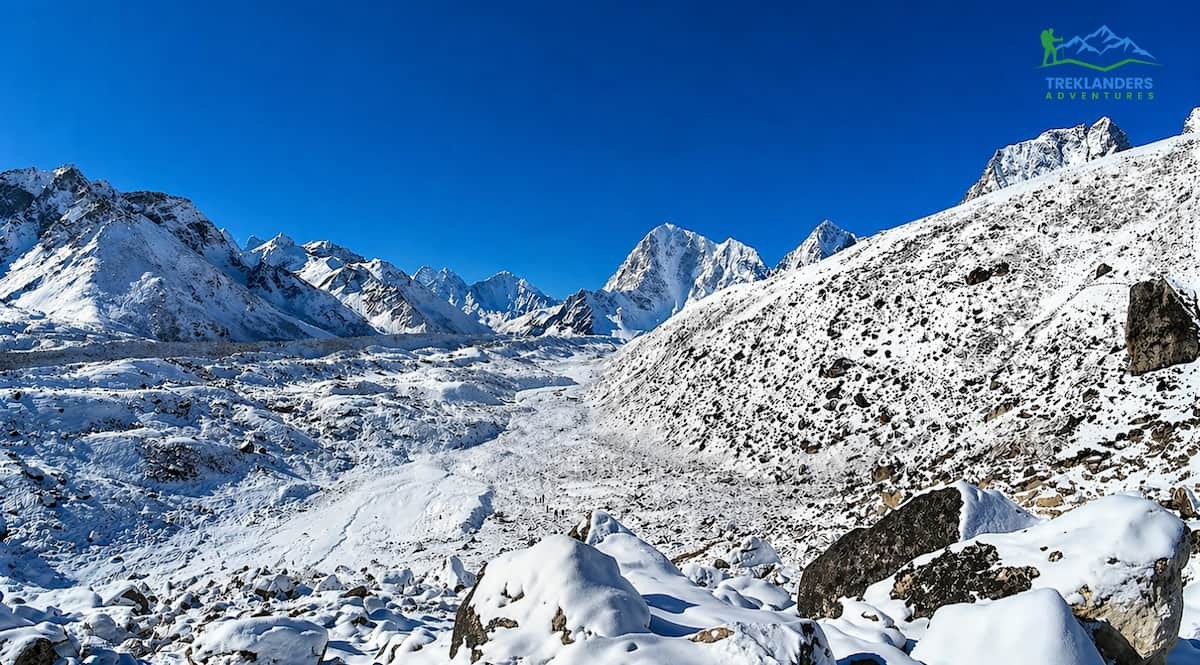
Let's not pretend: going on a solo trek through the EBC path is perfectly acceptable and increasingly gaining popularity. This hiking route is among the best-maintained trekking corridors worldwide, and several thousand independent trekkers complete it every season without any problems.
If you have been trekking at an altitude of 4,000 meters
or more, whether it was in the Andes, Kilimanjaro, or any other places in Nepal, you most probably have the skills and self-understanding to handle altitude risks on your own. You listen to your body's warnings, you know why "climb high, sleep low" is important, and you feel at ease in making decisions in isolated areas.
A major attraction of doing a solo trek is the low expenses. Removing the middleman agency fees alone can give you a big saving of hundreds or even thousands of dollars. Accommodations in the teahouses along the EBC route are not expensive (a room costs around $5-15/night; a meal is from $5 to $12), and a TIMS card plus Sagarmatha National Park permit together will cost you about $50-60 USD. Those who are mindful of their spending can do the trek for significantly less than $1,000.
With independent trekking, you are free to do whatever you like. Say you really want to take in that market in Namche Bazaar on your own? Done. You are so inspired that you want to make the detour to Thame village and add Kala Patthar (5,644m) for a sunrise Everest view? No problem. Your itinerary is yours!
Along the EBC trail, you can find teahouses every 1-3 hours of trekking where you can get food, a bed, and often Wi-Fi as well. This main trail is very well marked, and the signage gets better every year. It truly is difficult to get lost on the main route.
If you want to go independent, a local freelance guide or porter (around $20-$30/day) is the most highly recommended way. Besides supporting the local economy, it also reduces your load and gives you a cultural connection that you can't get when you are alone. It doesn't have to be all-or-nothing.

The Everest Base Camp trek demands two permits from you. These are valid for guided as well as independent trekking. The first is the entry permission to Sagarmatha National Park. Foreigners have to pay NPR 3,000 to get this park entry permit. This ticket is obtainable either at the Nepal Tourism Board office in Kathmandu or at Monjo, where the park entry is located. The other permit is the Trekkers' Information Management System (TIMS) Card. This is around 20 $ US.
It aids authorities in locating trekkers in case of an emergency. Always have both permits with you since checking points are so strict. No one with an invalid document will be allowed to proceed. In addition to holding printed copies, you should have a digital backup too. The rules may change based on safety policies or regional updates. Always verify the latest requirements before your trip via official sources.
They usually take care of permits for you when you travel with a company or agency. Independent trekkers have to arrange permits themselves without help. Besides your trekking plan, you should also include another day in Kathmandu, mainly for obtaining various permits, so that you will be able to do this without adding to your stress. Not having permits means your trek might be delayed or, at worst, you can be asked to turn back to the starting point.
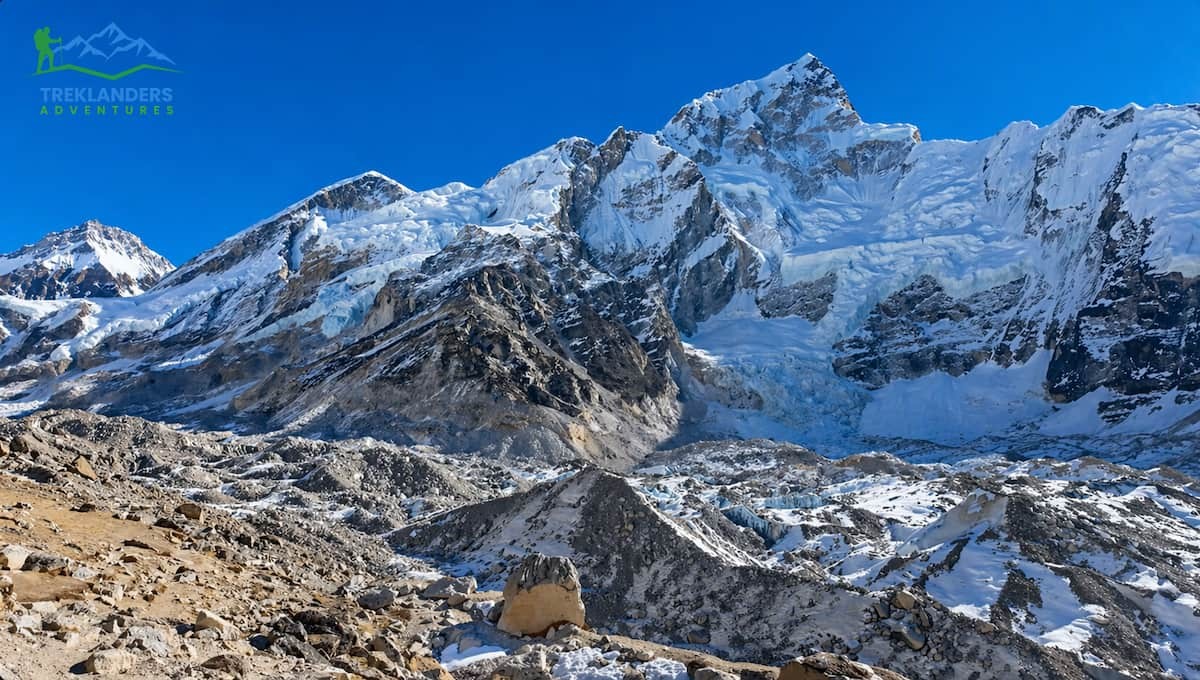
Time determines your entire Khumbu region experience. The pre-monsoon season from March to May is characterized by stable weather and mild temperatures. Along the trails, you can admire the rhododendrons in bloom. While mornings are clear, afternoons are often cloudy. Due to the influx of trekkers during April and May, the trails become crowded and the teahouses are quite busy.
The post-monsoon season from September to November is the season with the most beautiful mountain views. Besides the fresh air, the visibility is excellent during this time. Compared to spring, the temperatures are lower, especially if you go to high elevations. In fact, a lot of trekkers like this season for the combination of good weather and photography.
One should stay away from June to August because of the monsoon rains. Besides making the trails slippery, flights to Lukla are frequently delayed. Extreme cold and snow characterize December through February. Only seasoned trekkers can take into account the winter conditions.
You should decide your season according to your interests. Spring is the best time if you want to have warm weather. For crisp mountain views, autumn is the season to pick. During peak months, plan your flights and accommodation well ahead of time so that you don't encounter last-minute problems.
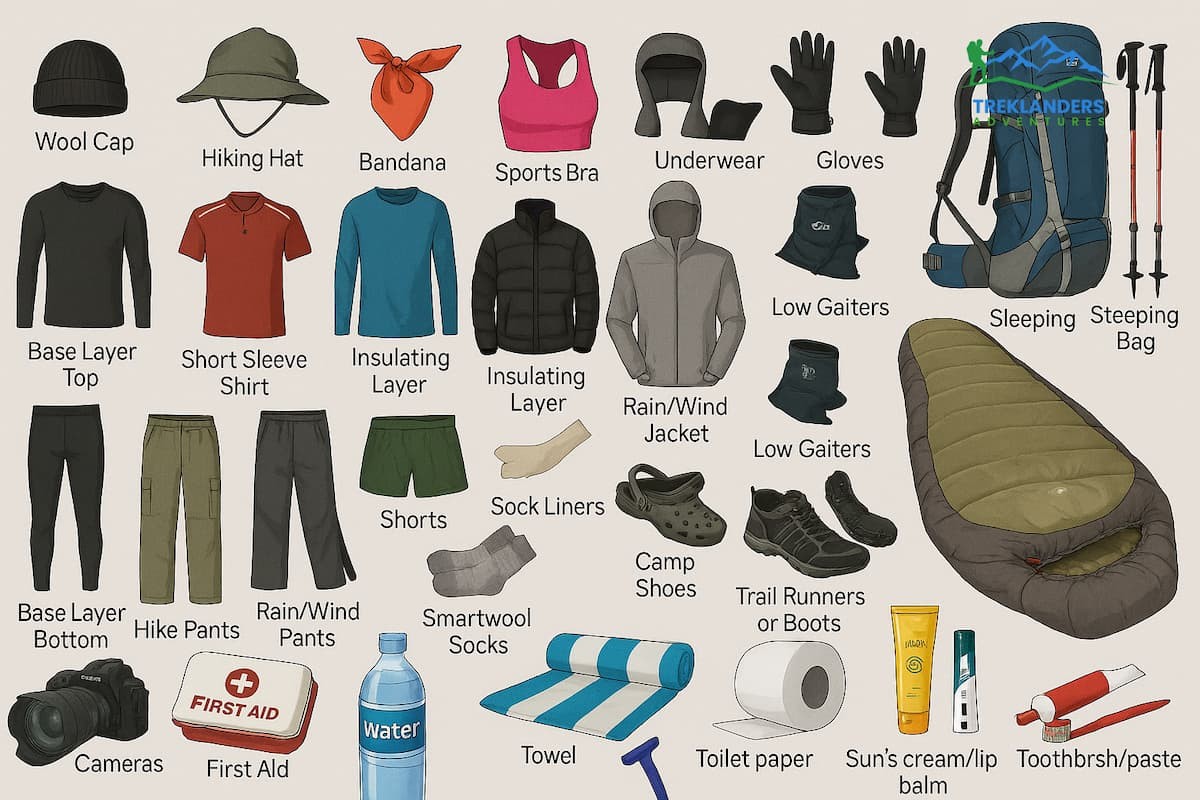
What you bring on the gear can determine how comfortable and safe you will be on the way to the Everest Base Camp. One of the best ways to focus on is wearing layers of clothes system. The first layer should be a base layer that will be able to absorb moisture so that the sweat will not stay on your skin. You can then add a second layer of clothing, which is the mid-layer, which is really the insulating one. The last layer will be a waterproof shell that is able to keep the wind and snow out. This layering allows you to be able to change according to what nature will bring to you.
A very good down jacket that will be able to keep you warm even if the temperature falls to minus 10 should be your largest concern. Especially if you want to descend the mountain after dark when the temperature can drop quickly, even at altitudes above 4,000 meters. You should also think of buying a strong pair of trekking boots. Make sure you break them in before your trip so that you will be less likely to get blisters. Using trekking poles can lessen the weight on the knees during a descent and even help with balance when the ground is uneven. A pulse oximeter will be very helpful in measuring oxygen levels when you are at high altitudes. This will make it possible for you to get signs of altitude sickness in good time. Don't forget that you must use a high factor of sunscreen and UV protective sunglasses because the sun's radiation is stronger at higher altitudes due to the air being thinner.
Sometimes, trekkers take Diamox to avoid altitude sickness, but you should see your doctor before taking it. Don't bring too much stuff with you, but also do not miss the essentials. Having good equipment will lower risks and make your whole trekking experience a lot better.
Acclimatization is very important when trekking in the Khumbu area. Your body requires time to get accustomed to the low oxygen levels at high elevations. If you do not have enough rest days, you are definitely at a higher risk of getting altitude sickness. Plan your schedule well and always stick to a gradual rise in altitude. Some of the major locations are Namche Bazaar at 3,440 meters. You should spend at least one whole day resting here. Besides, use this opportunity to do short hikes to higher elevations, then only come back to the same altitude for sleeping. This will allow your body to acclimate more efficiently.
Another major stop is Dingboche, which is at 4,410 meters. Give yourself an extra day to adjust before going higher. Stick to a straightforward guideline when above 3,000 meters - never go up more than 500 meters of sleeping altitude each day.
Also, follow the rule of climb high and sleep low. That means you hike to a higher point during the day and return to a lower altitude for sleep. Be alert to signs such as headache, nausea, or dizziness. If symptoms deteriorate, go down immediately. Good acclimatization not only makes your trek safer but also raises your chances of successfully completing the Everest Base Camp journey.
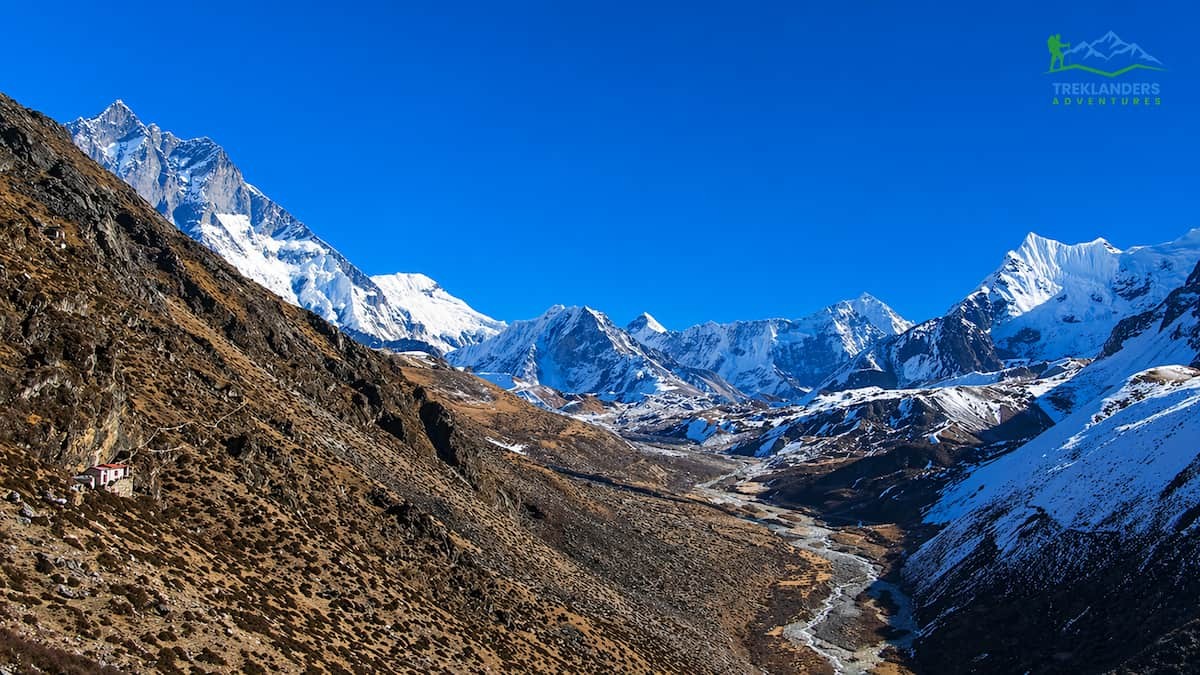
A guided trek to Everest Base Camp is a good option if your top priority is safety and a well-organized schedule rather than freedom. You may pick this option if it is the first time you are trekking at a high altitude. It is above 4,000 metres where the risk of getting sick increases rapidly. A professional guide will supervise your condition, and if you get tired, the guide will slow down the walk. As a result, you are less likely to get altitude sickness and make wrong decisions.
It is furthermore beneficial if you are not familiar with backcountry mountain environments. Paths in the Khumbu area are well-marked; however, as the weather, altitude, and fatigue set in, even a clear trail can be problematic. A guide takes care of the route, accommodation, and scheduling of the day. You are simply required to concentrate on walking and recovering.
Additionally, solo travelers by themselves will feel safer when accompanied by a guide. You sidestep the threats associated with being alone and the emergency situation. Moreover, if you have very limited time, the guided trek will be a time saver. Organizations will arrange the permits, flights, and lodging. Such a method of planning results in much fewer errors, which is very important for a successful trip.
Guides enhance the cultural experience as well. A Sherpa companion can reveal local traditions, explain monasteries, and daily living, which will deepen your trekking experience.
This option is worth considering if you find the idea of a guide more appealing and you want to ensure close monitoring, or if you have some medical conditions, a guide will be the one to respond to your emergency more quickly. If you have money you can spare, this better path will give you the opportunity of a much safer and well-arranged adventure with fewer surprises.
An independent trek to Everest Base Camp works if you have strong experience and prefer full control. This option suits trekkers who have already been above 4,000 metres without issues. You understand how your body reacts to altitude and can manage symptoms early.
You need confidence in navigation and daily decision-making. Trails in the Khumbu region are well marked, but conditions change. You must handle route choices, weather shifts, and pacing on your own. This requires discipline and awareness.
Budget plays a key role. Independent trekking cuts costs by removing guide and agency fees. You pay only for permits, food, and accommodation. This gives you more control over spending.
Flexibility is another advantage. You can adjust your itinerary, add side trips, or stay longer at key stops like Namche Bazaar. You move at your own pace without group pressure.
This option works best if you trek with a reliable partner. Shared responsibility improves safety. You must also handle logistics yourself, including permits and bookings through the Nepal Tourism Board.
Strong travel insurance and a clear emergency plan are essential. Without support staff, you rely on your own preparation. This route offers freedom, but it demands skill, planning, and accountability.
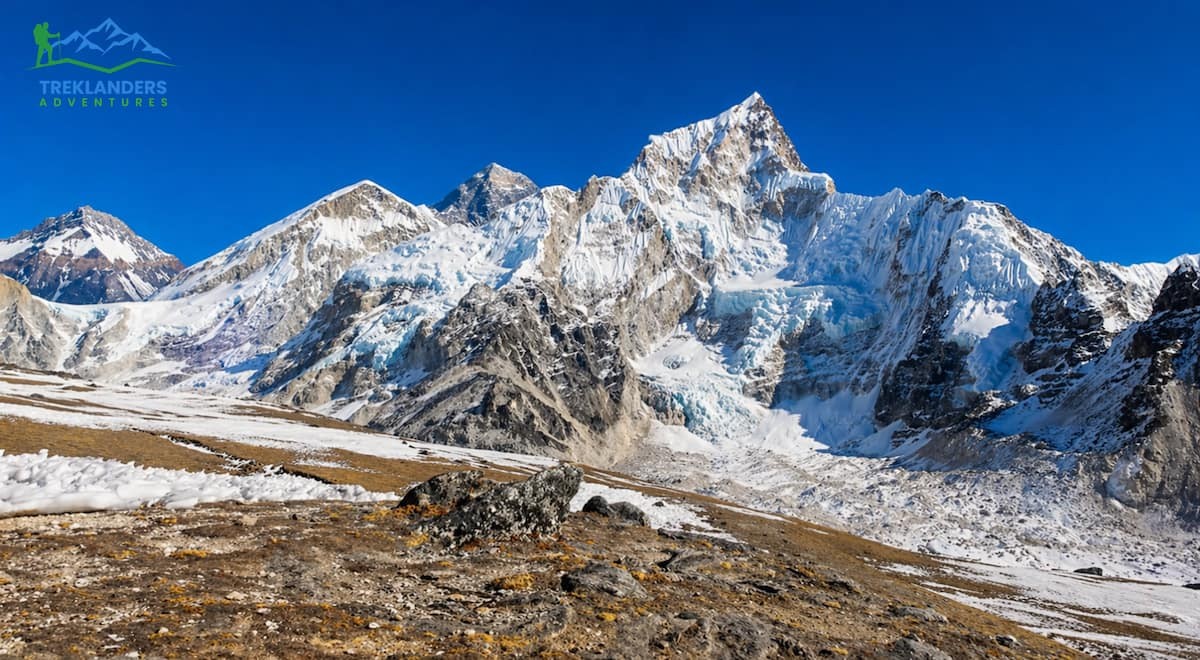
The height of 5,364 meters and being in the presence of the world's tallest mountain with prayer flags dancing in the wind will make little difference to your main thought of being able to make it at all. It would not matter to you the vehicle that was used for the journey, whether you came with your guide or went solo, because the experience will very likely change you, humble you, and stay with you forever.
The discussion about going with a guide or alone really depends on your knowing yourself - your physical fitness, experience with altitude, risk-taking level, budget, and style of travelling. There is no perfect answer in general. A guided trek should not be looked upon as a "soft" choice; it is a wise decision by millions of trekkers who deserve to have the best and safest possible experience. And a solo trek should not be looked upon as a dangerous act; it is a deeply satisfying choice for the well-prepared, experienced adventurers who can at every step justify their actions.
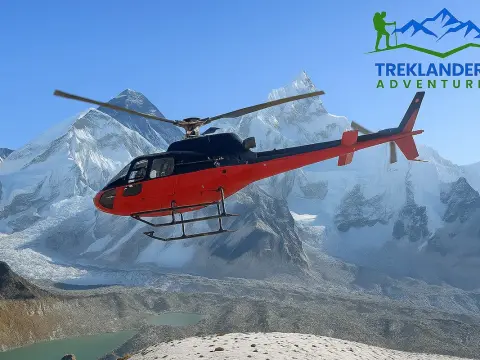
The Everest Base Camp trek will ask things of you that few other journeys can. It will test your body, your patience, and your spirit. It will show you some of the most magnificent terrain on the planet and introduce you to a culture of extraordinary resilience and warmth.
All you have to do is decide to go.
Ready to start planning your EBC trek? Check out our complete guides on [Top 80 Everest Base Camp Trek Facts Every Trekker Should Know], [What to Pack for Everest Base Camp], and [Best Trekking Agencies in Kathmandu].
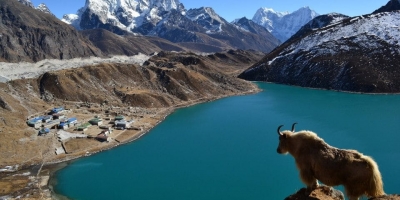
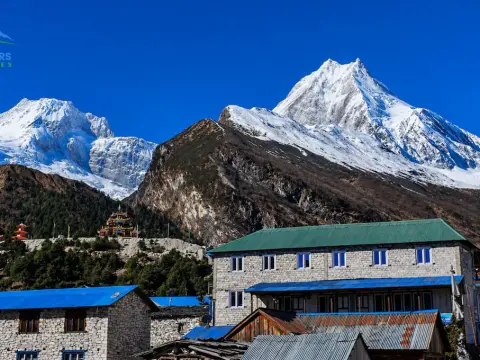
Planning the Manaslu Circuit Trek in monsoon? Learn about weather, risks, safety tips, and what to expect on this remote Himalayan adventure.
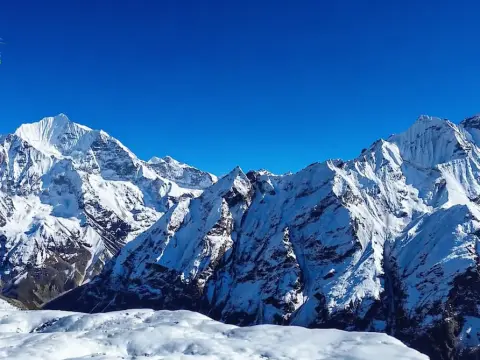
Spring or autumn for Langtang Valley Trek? Compare weather, views, trails, and crowds to choose the best season for your perfect Himalayan adventure.
Langtang Valley Trek cost per day with a simple breakdown of permits, food, guide fees, and key expenses.



