
Larkya La Pass (5,106m) Crossing Guide: Manaslu Circuit Trek Difficulty, Itinerary, Best Time & Safety Tips
13 Apr 2026
Crossing Larkya La Pass (5,106m)? Discover difficulty, best time, and key tips for the Manaslu Circuit trek.

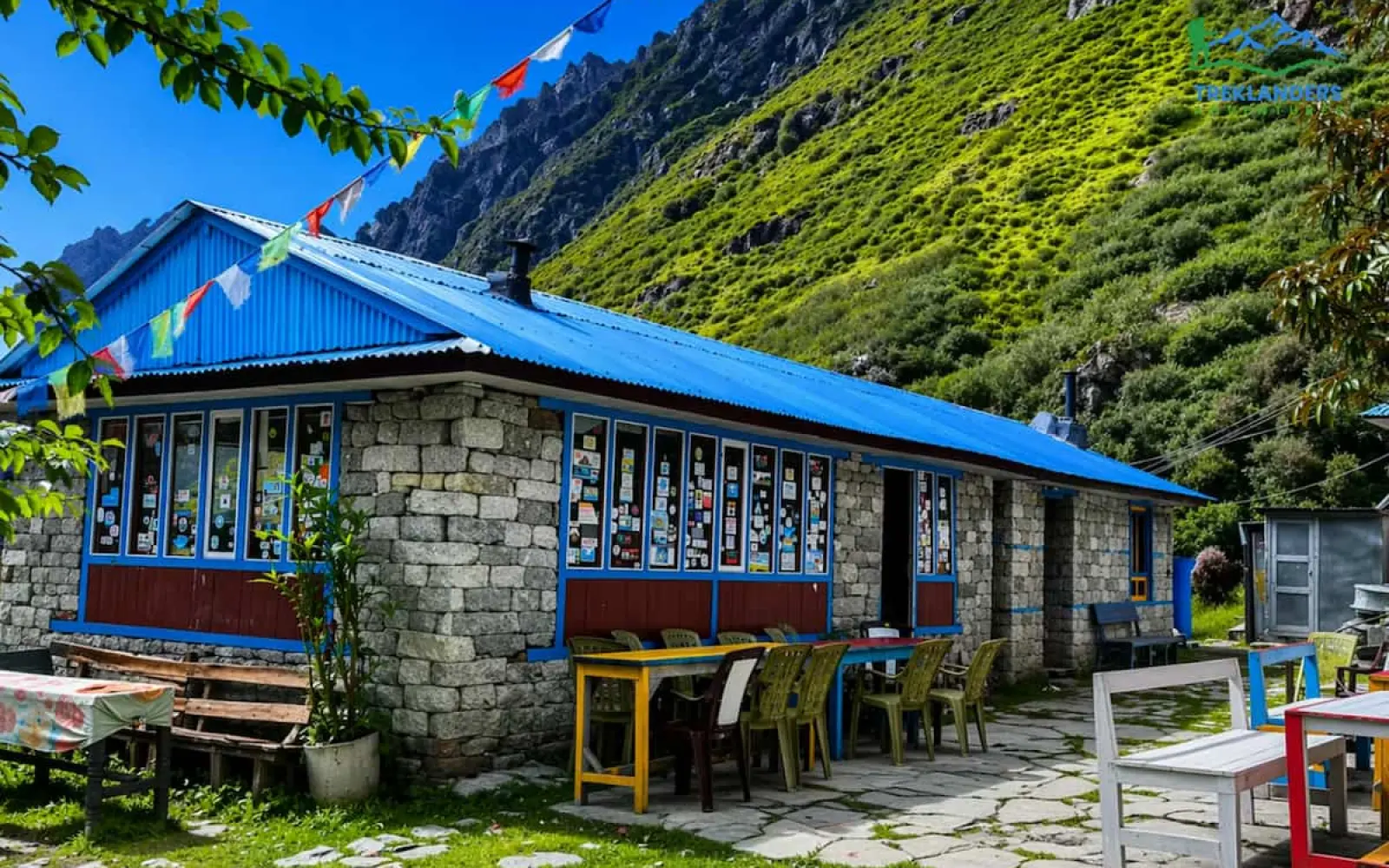
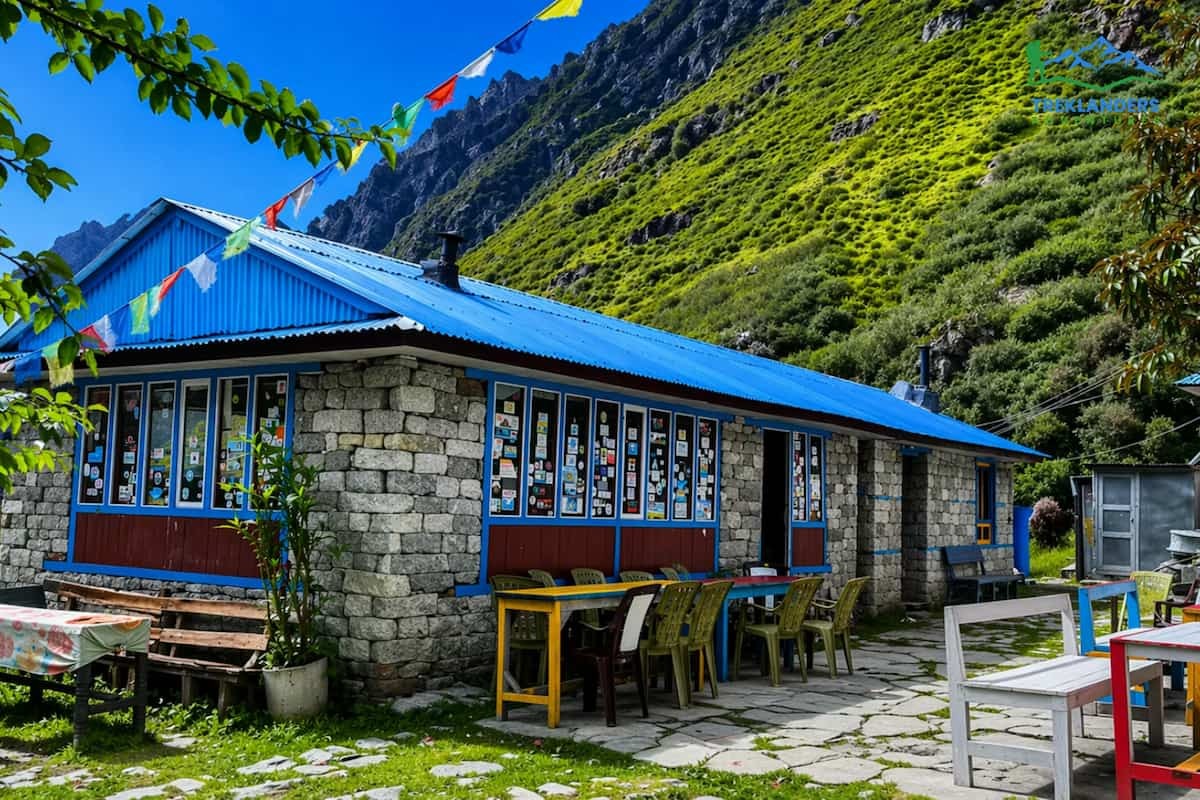
Perched at an elevation of 3,030 meters, Ghoda Tabela stands out as one of the most memorable and strategically crucial stops on the Langtang Valley Trek. Being situated within Langtang National Park, this picturesque village is located midway between Lama Hotel and Langtang Village, and thus naturally serves as a rest and acclimatization point for trekkers heading further into the valley.
The word Ghoda Tabela means Horse Stable in Nepali, signifying the fact that it was a traditional resting spot for traders and herders travelling this route with horses and livestock. Nowadays, it is a quiet area where trekkers can get their permits registered before going further into the high Himalayan region. The army post's presence not only provides security but also demarcates the change from forest terrain to alpine landscapes.
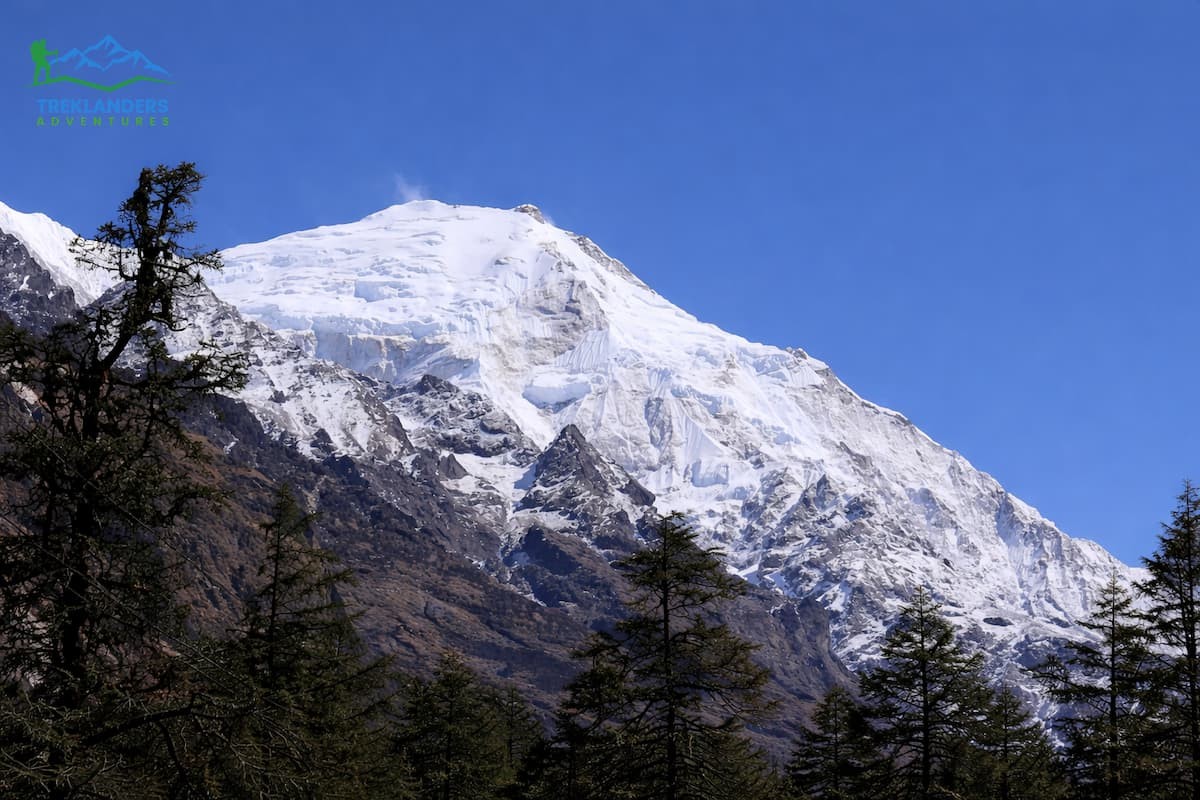
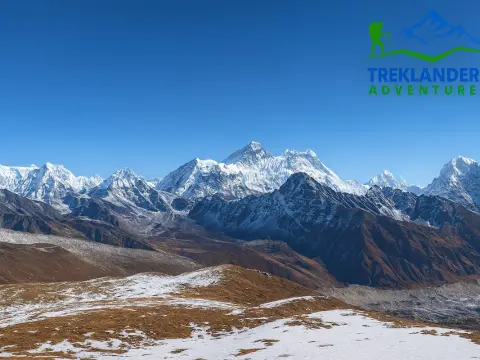
One feature that makes Ghoda Tabela very attractive is the drastic change in the environment. After leaving the forest of rhododendron and bamboo, you eventually come to meadows surrounded by steep cliffs and peaks covered with snow. The river Langtang runs not far, giving an extra layer of calmness to the already peaceful place. On a good day, walkers can spot the Himalayan giants such as Langtang Lirung from a distance.
Besides its gorgeous surroundings, Ghoda Tabela is a significant place for acclimatization as well. Situated at an altitude of over 3,000 meters, it provides trekkers with the opportunity to slowly get used to the thinning air before they proceed to Langtang Village and Kyanjin Gompa. The serene atmosphere, humble teahouses, and crisp mountain air create a perfect ambience for taking a break, drinking plenty of water, and getting new energy.
For a lot of trekkers, Ghoda Tabela is more than just an overnight stop; it is a milestone in their trek the place where the real alpine beauty of the Langtang Valley starts to reveal itself.
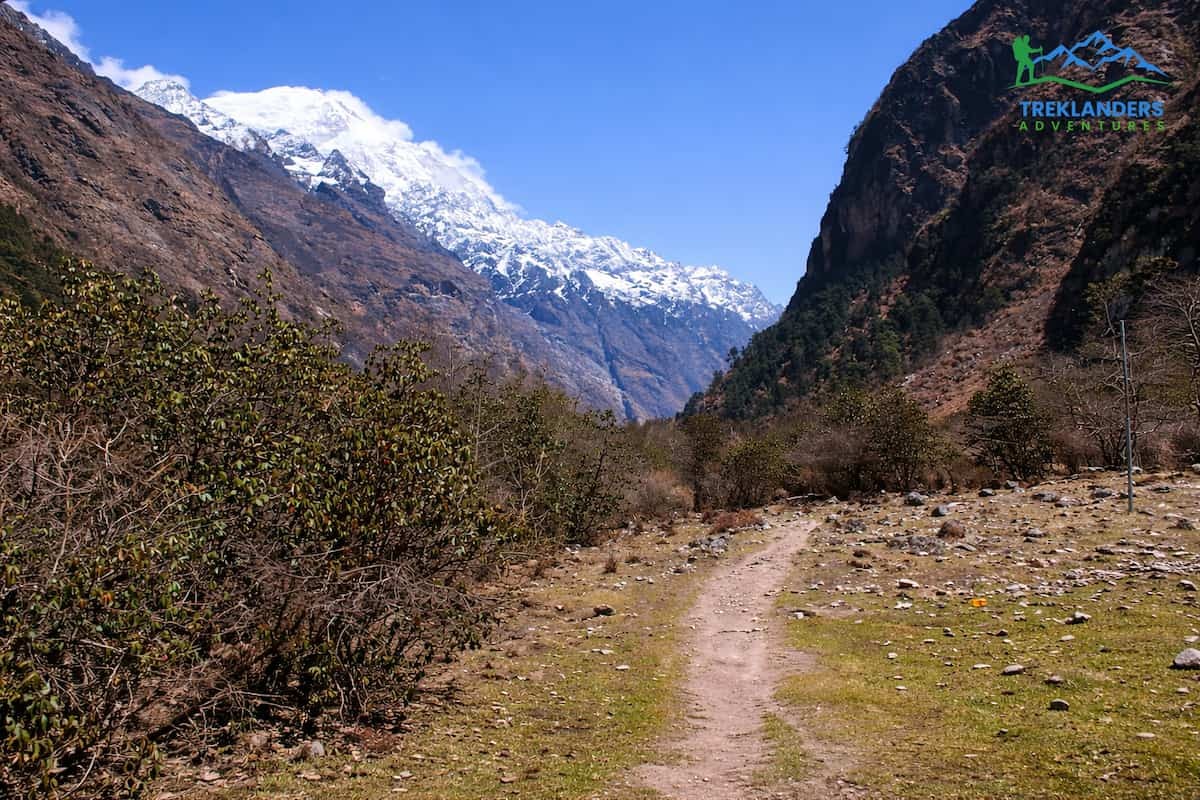
Ghoda Tabela is located at a height of 3,030 meters above sea level in the popular Langtang National Park. It is on the well-known Langtang Valley Trek trail, specifically between Lama Hotel and Langtang Village. Trekkers who are doing the journey from Syabrubesi usually get to Ghoda Tabela on the third day.
The site is a very important transition point in the trekking journey. The trail below Ghoda Tabela goes through very green and thick forests of pine, oak, and rhododendron trees. The trail is still narrow, and you will be in the shade for many hours. As you go up and get closer to Ghoda Tabela, the forest opens a little. The valley is getting bigger. The scenery changes from dense forest to open alpine landscape.
Ghoda Tabela is right next to the Langtang River, which comes down from the glaciers at the top. The river brings water to the valley, and thus, there is a lot of vegetation around it. The steep hills rise on both sides, while the snow-covered peaks lie far away and can be seen on a clear day. The valley floor of the widest part lets in more sun than the lower parts of the forest.
At 3,030 meters, Ghoda Tabela marks your first encounter with the high-altitude environment on this journey. The air gets less dense. Temperatures especially drop during early morning and evening hours. While walking uphill, you may notice how your breathing changes. At this height, Ghoda Tabela is a crucial spot for slow acclimatization on your way to even higher elevations, such as Langtang Village and Kyanjin Gompa.
Due to its central location within the valley, Ghoda Tabela serves as a natural checkpoint, as well as a local rest home. Before going further, trekkers register their permits here. Its location, open landscape, and moderate altitude have made it one of the most prominent stops on the Langtang Valley Trek.

Ghoda Tabela is a locality with a modest yet significant title. In Nepali, "Ghoda" stands for horse and "Tabela" denotes a stable. Put simply, Ghoda Tabela is equated to "Horse Stable." It is an indication of the place's historic function of providing rest and shelter for horses and pack animals that went through the Langtang Valley.
In the days before trekking became a craze, this way was one of the main local trade routes. Traders, herders, and villagers come to the exchange of goods between mountain settlements and lower regions. Through their horses, mules, and yaks, they can carry foodstuffs, salt, wool, and other daily necessities. Since the journey is long and steep, it is essential to have safe resting points. Ghoda Tabela provides a level land, water from the nearby river, and open grazing space. All these are practical facilities for the animals and people to stop over.
The valley is located within the Langtang National Park, which was set up in 1976 as Nepal's first Himalayan national park. Actually, the Langtang area had small Tamang communities who lived on farming, livestock, and cross-border trade with Tibet even before the park was established. Ghoda Tabela, in a very minor way, was a part of this local economy by being the route line stop.
During the late twentieth century, as trekking tourism soared in Nepal, the Langtang Valley Trek became a popular choice for those seeking an alternative to the more crowded routes like Everest Base Camp and Annapurna Base Camp. Ghoda Tabela transformed from a place where livestock rested into a checkpoint for trekkers. Nowadays, it accommodates an army post and a permit registration point. Trekkers are required to present their entry permits at this checkpoint before proceeding towards Langtang Village and Kyanjin Gompa. In this way, the checkpoint has given some administrative significance to a place that was initially only of practical use to traders.
Moreover, the place is emotionally significant too. The 2015 earthquake had severely devastated Langtang Valley. Numerous villages were damaged, and lives were lost. Ghoda Tabela was included in the recovery route as the rebuilding process was initiated. Gradually, the path was reopened, and the trekking activities resumed. Ghoda Tabela is a spot that bridges the old and new. It serves as a reminder of traditional Himalayan trade culture to visitors, while also providing modern trekkers with the facilities on the very same mountain path.
The great thing is that nowadays, if one halts at Ghoda Tabela, one is physically standing on a piece of land shaped by movement. Traders, herdsmen, soldiers, and trekkers have all trodden upon this open valley floor. Although the name might appear to be at its simplest, it indeed carries an epic tale of travelling, hardiness and transformation in the Langtang area.
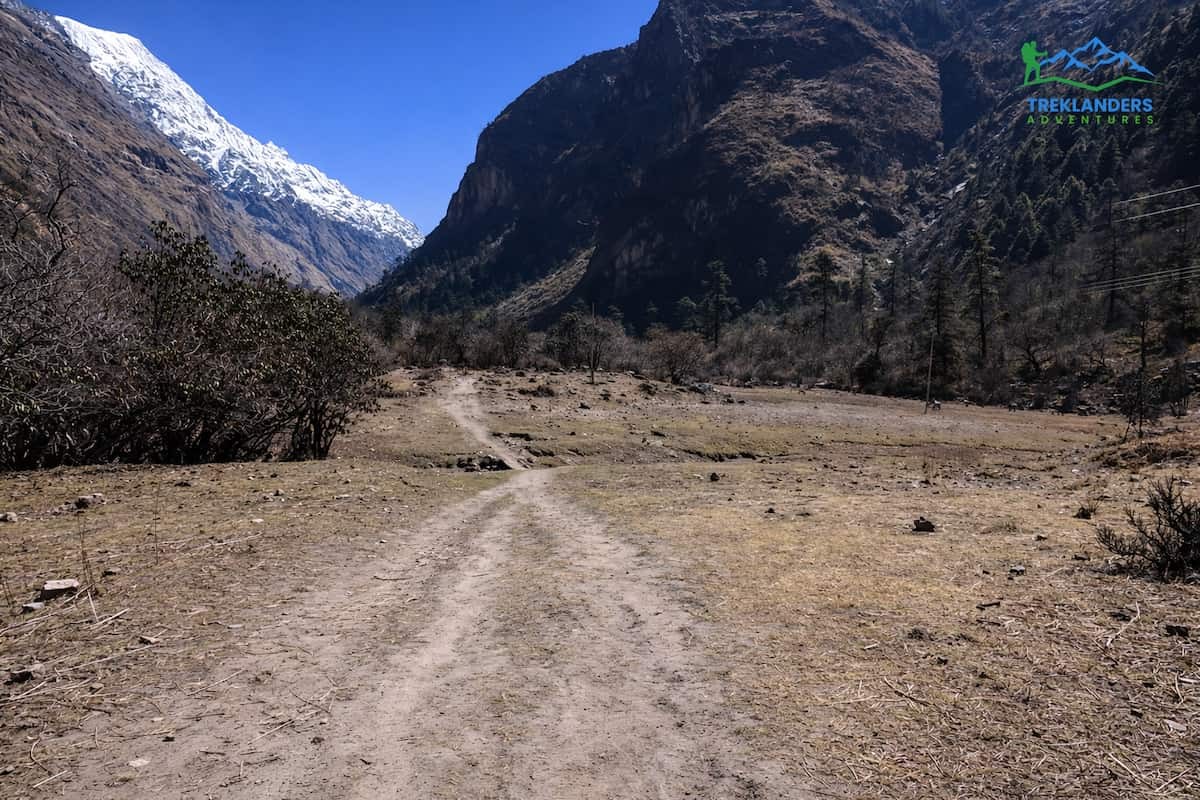
The path from Lama Hotel to Ghoda Tabela is considered to be one of the most beautiful stretches of the Langtang Valley Trek that you can enjoy. Traversing this segment of the journey will take you further into the valley, and you will witness a distinct change in the landscape. The distance covered roughly 6 to 7 kilometers, and the average trekker at a steady pace usually takes 4 to 5 hours to get there.
The starting point is the Lama Hotel located at an altitude of approximately 2,470 meters. The trail is characterized initially by a gentle incline through a thick forest. You are surrounded by pine, oak and rhododendron trees on your way. In the spring, rhododendrons in bloom give a splash of bright colours to the green hills. The murmur of the Langtang River is heard all the time, although the river is often concealed by the trees.
The trail keeps going uphill with a combination of steps made of stones and natural dirt paths. Along the way, you will be crossing small wooden bridges and coming across a few teahouses scattered here and there. For the first few hours, the forest is still very much there. You may come across animals such as langur monkeys, vibrant birds or even traces of red pandas because this area is within the boundaries of Langtang National Park.
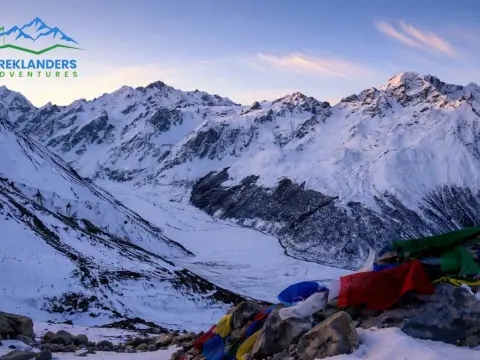
As you go up, the air becomes cooler and thinner. The climb is fairly gradual but not extreme. To keep your breathing under control, you have to walk at a slow and steady pace. Drinking water constantly is good for you. Doing a few short rests will make the climb less tiring.
After several hours, the nature starts to look different. The thick forest is getting less and less. Trees become smaller and farther apart. The valley gets bigger. The trail is more and more illuminated by sunlight. You are getting the first glimpses of neighboring hills.
Just before Ghoda Tabela, you will see the trail becoming less steep, and then the wide open meadow will come into view with steep rocky slopes on both sides. On clear days, you will see snow-capped peaks in the distance. After walking through narrow forest paths, the change seems very dramatic.
When you get to Ghoda Tabela, 3,030 meters, you will be struck by the openness and the refreshing mountain air. There is an army checkpoint at the point where trekkers register permits. Simple teahouses offer rest and food.
This part of the trail gets you ready both physically and mentally for the high altitude. It is the transition point from forest trekking to alpine valley walking.
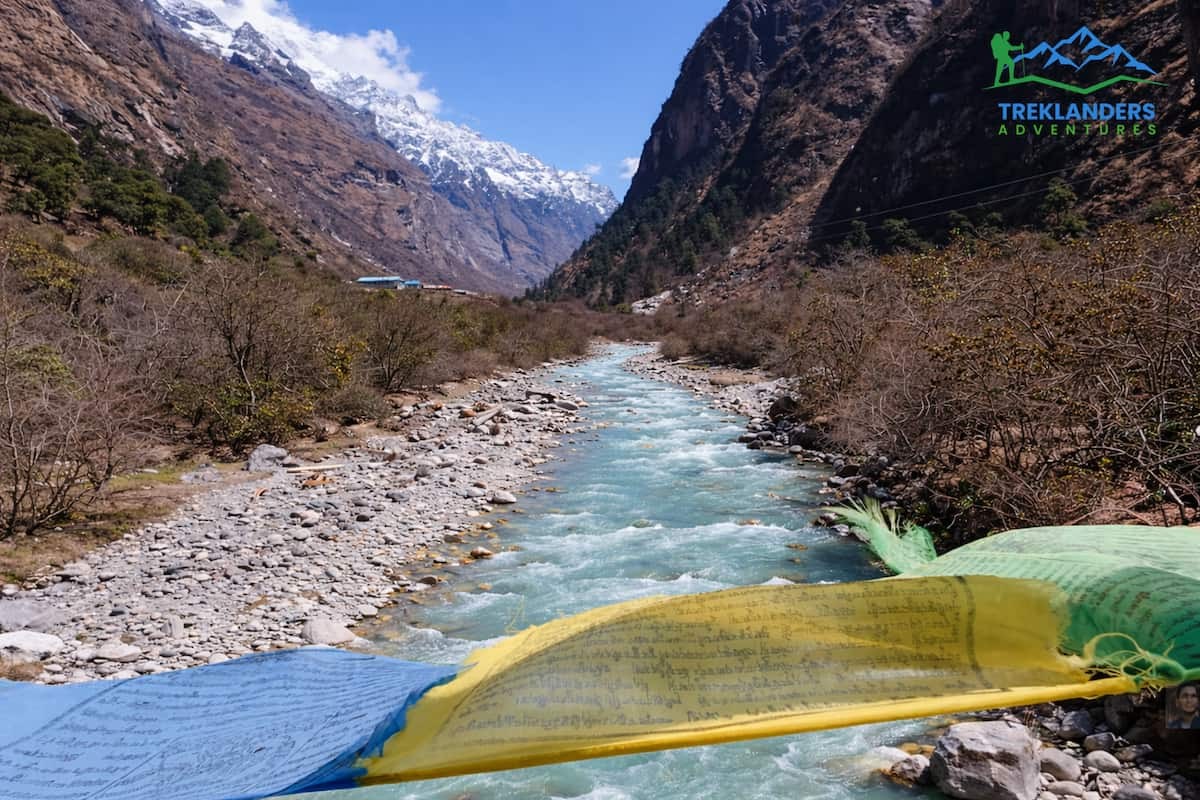
Langtang Valley Trek has one of the most beautiful landscape variations, Ghoda Tabela being a major contributor. When you get up here, it is quite apparent that the thick forest has been replaced by the expansive alpine valley. The vast open space, the clean air, and the beautiful mountain views together make a deep impression.
From Ghoda Tabela going downwards, the path goes alongside the dense pine and rhododendron forest. You are actually stepping into the spot at 3,030 meters, when the valley suddenly reveals itself. The trees are getting shorter and less dense. Large grassy meadows are replacing narrow forest paths. The land appears more extensive and lighter because the sunlight comes to the valley floor more easily.
The Langtang River runs along the village. The pristine, icy river is flowing down from the glaciers of the upper valley. You get the continuous sound of the river as you either move or take a break. The riverbanks are home to green shrubs and alpine plants during the summer period. However, in autumn, the grass becomes golden, providing a beautiful contrast to the grey cliffs and White Mountain peaks.
Among the major attractions of Ghoda Tabela, there is the view of Langtang Lirung. This mountain top, which is 7,227 meters high, stands out on the skyline and dominates it on a clear day. You might also get a glimpse of other neighboring Himalayan peaks, together with the rocky ridges that form a magnificent background. Typically, the earliest hour of the day gives the sharpest view of the mountains. The clouds usually come up in the afternoon.
The imposing valley walls on either side form a magnificent natural frame. In spring, the rhododendrons in bloom bring colour to the lower slopes. Snow blankets the ground and nearby hills in winter, transforming the area into a silent white scene. The mood of the place changes with each season.
Besides, animals contribute to the beauty of nature. The area is located within Langtang National Park, which conserves a large number of Himalayan species. You can see Himalayan tahr wandering on the rocks or birds soaring over the valley.
One can sense the tranquility and spaciousness of the surroundings near Ghoda Tabela. You have reached an extensive alpine basin encircled by mountains. The presence of the river, meadow, cliffs, and snow peaks makes this stop one of the most beautiful stretches of the Langtang Valley trek.
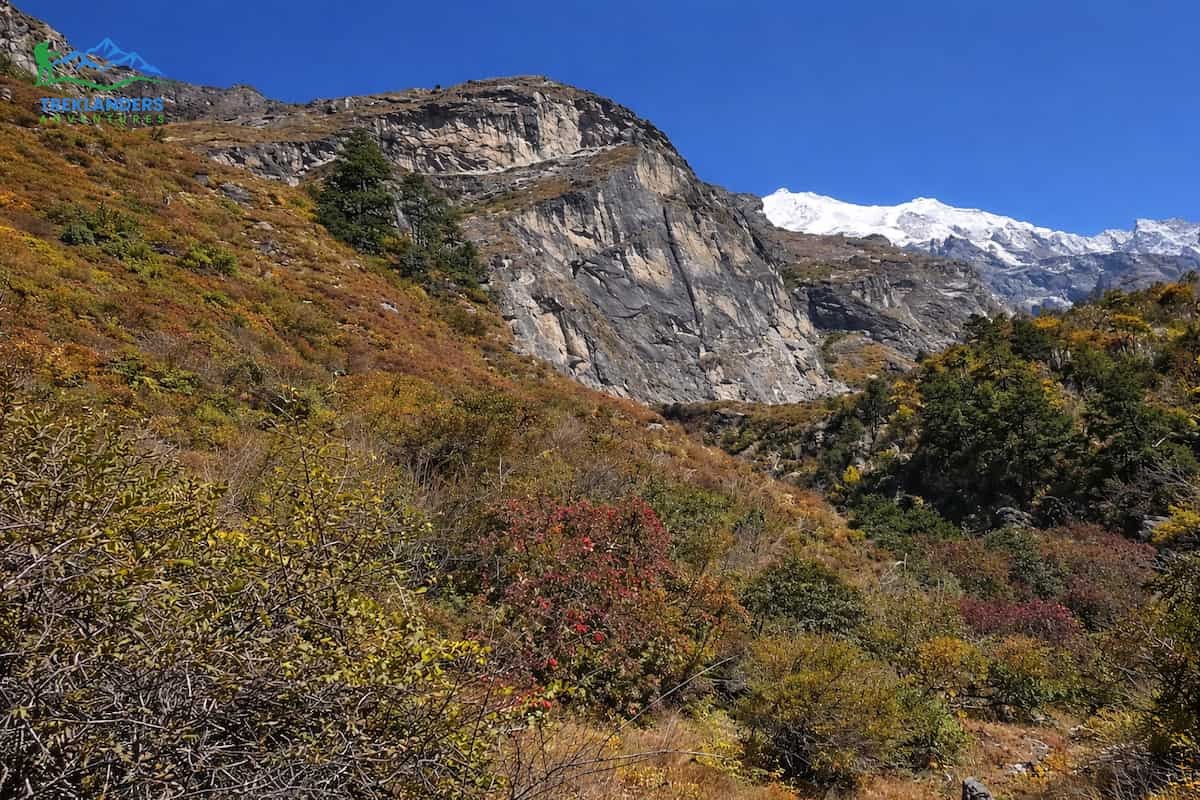
The forest surrounding Ghoda Tabela is teeming with flora and fauna. This location is within Langtang National Park, a national park created to safeguard the ecosystems of the Himalayas. The walk from Lama Hotel to Ghoda Tabela takes you through one of the most diverse forest zones in the Langtang valley.
At the lower levels, the forest is lush and thick. You can observe tall pine, oak, and fir trees that blanket the hills. In some parts, the bamboo is so dense that it almost forms a barrier. These woods are home to a variety of wild animals, which use them for both food and shelter. Rhododendron trees burst into blossom in spring with their red, pink, and white flowers. This not only decorates your path but also breathes new life into the surroundings.
When you get higher near Ghoda Tabela, which is at 3,030 meters, the forest is no longer the same. The trees shrink and become less tightly packed. Thick vegetation is replaced by alpine shrubs and tough grasses. The cool temperature, along with the sparse oxygen diversity restrict the existence of giant trees. You begin to notice grass pieces interspersed with trees.
There is a massive assortment of wild animals in the locale. Among the animals that you normally see around here, one of them is the red panda. The red panda is an extremely unusual and very timid creature that makes its home in the bamboo forest. Consequently, it is not easy to find one, but travellers have sometimes come across signs like feces or scratches on trees.
Langur monkeys are more typical animals around here. You will be lucky if you see them, as they are fast-moving and usually move in a group from one tree to another.
Himalayan tahr, a wild goat species, typically feeds on the steep rocky hills overlooking the open valley. Musk deer are also among the inhabitants of this area; however, they are so secretive that they are scarcely spotted. The birdlife is both abundant and diverse. When strolling in the forest, you can be accompanied by numerous bird songs. The forest is home to the likes of pheasants, eagles, and vibrant Himalayan birds.
The forest and its life forms are of paramount importance in shielding the valley. The vegetation, by way of their roots, hold soil in place and trees, thus, prevent soil erosion. Besides, trees also facilitate the regulation of water runoff from melting glaciers as well as rainfall. The flora and fauna collectively maintain a harmonious environment for sustaining the existence of life in the mountains.
When you walk through this forest section near Ghoda Tabela, you experience more than just a trekking route. You move through a protected Himalayan habitat filled with diverse flora and fauna that make the Langtang Valley unique.
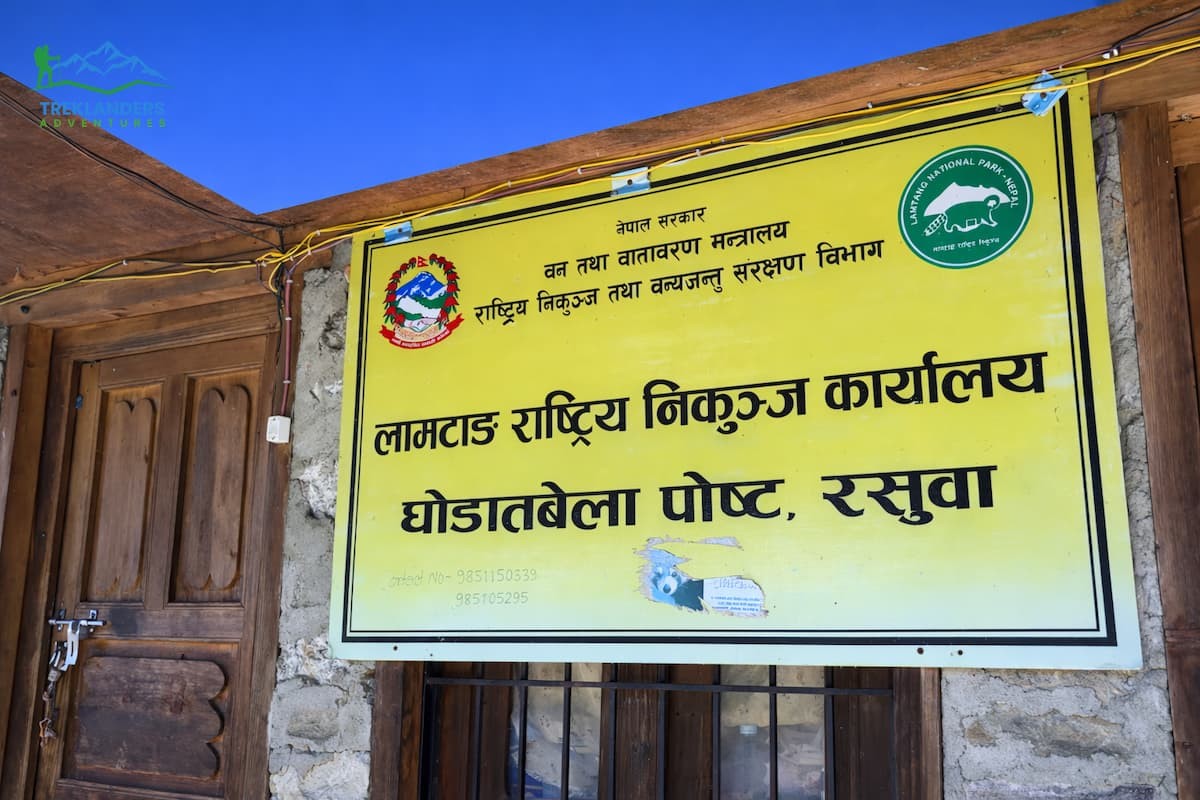
Ghoda Tabela is not merely a picturesque spot on the Langtang Valley Trek. It also serves as an important administrative point of contact. Here, at 3,030 meters, is the place where trekkers must get their permits checked before going further into the valley.
The army check post is located in the open valley near the trail. It is impossible to miss it. All trekkers stop here to show the required documents. The procedure is straightforward, but it is a must. The officers jot down your name, nationality, passport number, and permit details. In this way, the authorities are able to know exactly how many visitors are inside the park.
You require only two main permits for this trek. The first is the Langtang National Park entry permit. The second one is the TIMS card, which is an abbreviation for Trekkers Information Management System. These permits are typically secured in Kathmandu prior to the trek's commencement. A lot of trekkers get them through trekking agencies, whereas solo trekkers can obtain them from the Nepal Tourism Board office.
Ghoda Tabela is located within Langtang National Park. The permit charge is used for supporting the conservation work, protection of wildlife, and upkeep of the trail. Moreover, it assists in the regulation of tourism in this delicate Himalayan environment. If you do not have the proper permits, you are not allowed to proceed legally towards Langtang Village and Kyanjin Gompa.
The registration process at the checkpost is normally very fast, just a couple of minutes. However, if you are trekking in the peak seasons of spring and autumn, you might have a short wait if the groups at the checkpost just happen to arrive at the same time. Make sure you have your permits and a copy of your passport ready and packed in a way that you can easily get to them.
Additionally, having the military gives an extra layer of security. In very isolated mountain areas, communication possibilities are often very limited. Thus, the checkpost plays a valuable role in securing the area and also making sure that the record of visitors is kept up-to-date. If there is an emergency, such as a sudden change in weather or a natural disaster, the authorities will be able to use these records to find out who is in the valley and possibly check on their condition.
On the trekker side, this stop at a checkpost serves two functions: Firstly, it verifies that you have permission to be in the protected area legally. Secondly, it's a kind of milestone in your trekking adventure. After Ghoda Tabela, the valley becomes more open, and the trail gradually leads to the higher alpine settlements.
At first glance, the checkpost may look like a point where only registration is done, but it is actually an important instrument both for the safety of trekkers and the conservation of the Langtang region.
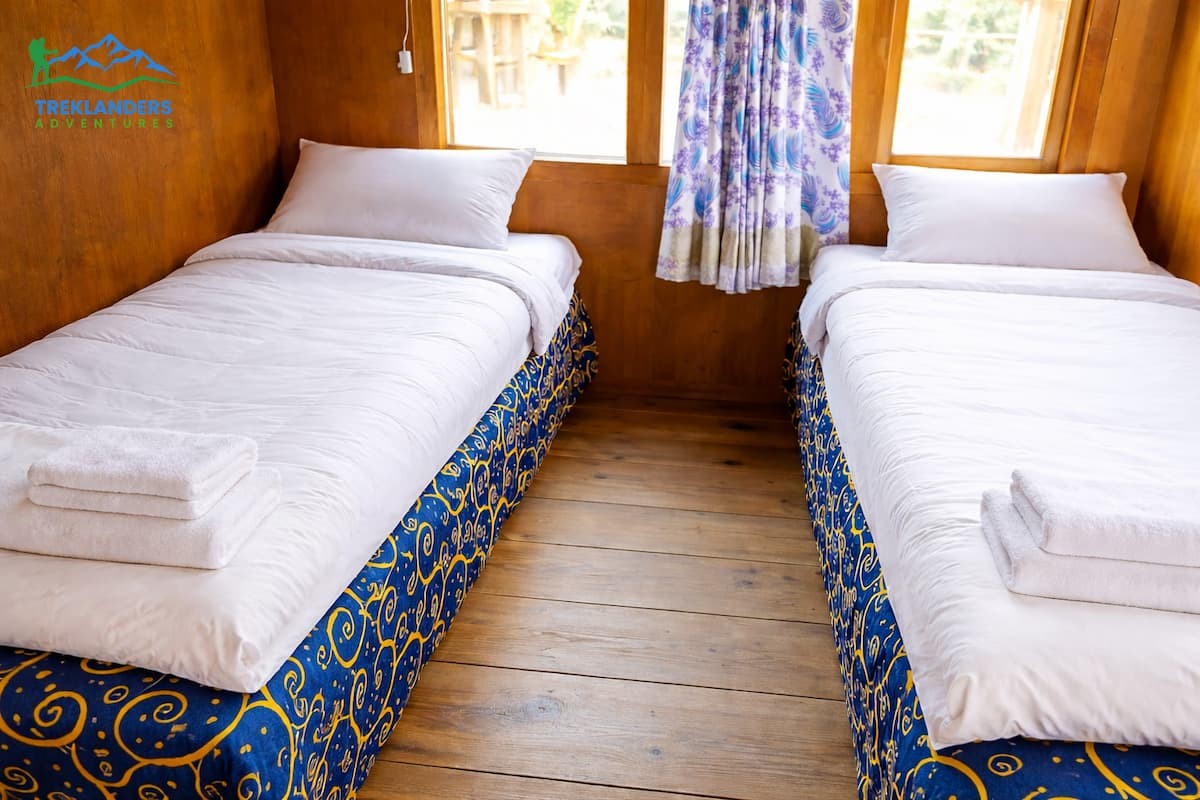
Accommodation at Ghoda Tabela is very basic but still comfortable enough for the Langtang Valley Trek hikers. No luxury hotels can be expected here. You will be staying in mountain teahouses that are very basic and only provide the minimal requirements for an overnight stay.
Most teahouses have small twin sharing rooms with 2 wooden beds, thin mattresses, pillows, and blankets. The rooms are neat but simple. The walls are mostly made of wood, so you will be able to hear noises from outside. You should bring your own sleeping bag, especially during the cold season. At 3,030 meters, the temperature falls rapidly after sunset. In winter and late autumn, nights can be very cold.
Bathrooms are generally shared. Some teahouses provide western style toilets, while others have squat toilets. You may get a hot shower by paying an extra fee, depending on the weather and water availability. Hot water may be scarce in the cold season. Electricity is generated by solar panels or small hydropower systems. Putting energy into your electronic devices, like a phone or camera, is usually an additional cost.
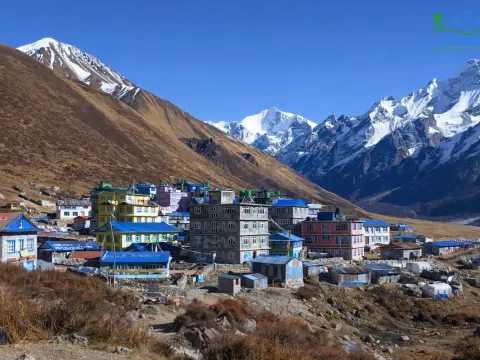
The dining room is the warmest and most inviting area of the teahouse. An old stove in the center, normally burning wood or yak dung heat the room during the night. Locals and other trekkers gather there to have their dinner, talk, and rest after the day's walk. You can count on a cordial ambience and straightforward kind of hospitality of those mountain families who run the lodges.
Food menus are generally similar across the valley area. Dal Bhat is the staple meal comprising rice, lentil soup, vegetables, and pickles. Besides that, you can get noodles, fried rice, pasta, pancakes, eggs, and soups. Going up in elevation means prices will be higher because the supplies need to be carried by porters or animals. You can buy drinking water, and a few teahouses may also offer boiled water for filling your bottles.
Ghoda Tabela is located within the Langtang National Park, so to protect the environment, the facilities are kept at a basic level. Without the luxuriousness, the impression is genuinely real. You are situated in a quiet alpine valley surrounded by mountains.
The teahouses here give you what you need. A warm meal. A bed. Shelter from the cold. That is enough to recover and continue your journey toward higher destinations in Langtang Valley.
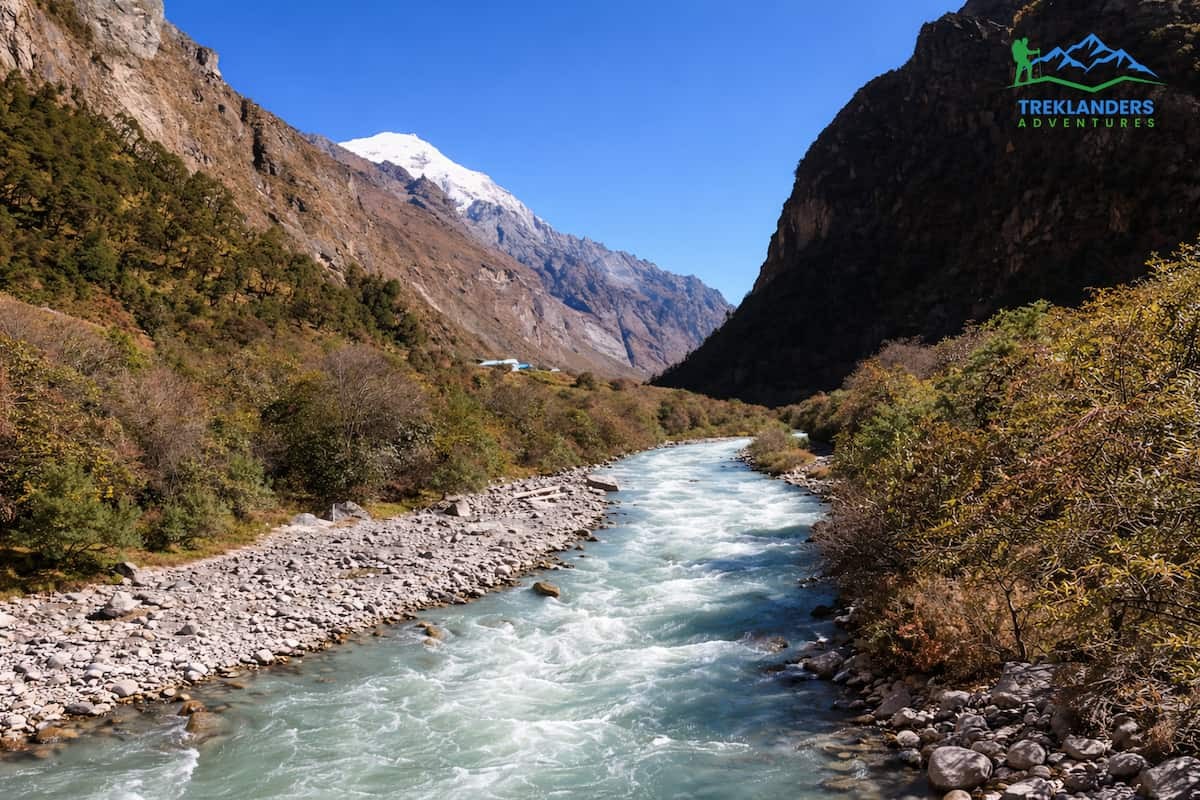
Ghoda Tabela sits at 3,030 meters, making it a key spot for acclimatization on the Langtang Valley Trek. At this altitude, your body begins to adjust to thinner air and lower oxygen levels. Spending time here reduces the risk of altitude sickness as you move higher.
As you ascend from Lama Hotel at 2,470 meters, your body encounters less oxygen. Breathing may feel harder, and you might notice shortness of breath or mild fatigue. Resting at Ghoda Tabela allows your body to adapt gradually. During this stop, your heart rate slows, and your lungs become more efficient at oxygen intake. The process helps prevent more serious conditions like Acute Mountain Sickness (AMS).
Acclimatization is not just about resting. Light walking in the surrounding area helps your body adjust without overexertion. Simple tasks, like exploring the nearby meadows or short hikes along the valley, encourage circulation and improve oxygen use. Meals and hydration are also critical. Eating warm food like dal Bhat and drinking enough water helps your body maintain energy and supports acclimatization.
Overnight at Ghoda Tabela not only offers more benefits. One of the benefits of sleeping at high altitudes is that your body naturally produces more red blood cells. These are cells that carry oxygen more efficiently. After a period, your stamina increases, and it becomes less risky and more enjoyable to go up to higher settlements such as Langtang Village or Kyanjin Gompa.
The position of Ghoda Tabela is also a great help in providing a mental preparation tool for the trekker. It is only here that you will get to know an alpine terrain and the mountain weather. The open valley, river, and mountains surrounding you give a pretty clear idea of what the high-altitude feels like. Trekkers learn to pace themselves, monitor symptoms, and recognize how their body reacts.
If you take a complete rest here, your trek will go on more smoothly. You will feel more energetic, your breathing will be easier, and you will get to the higher parts of the Langtang Valley without unnecessary strain. Ghoda Tabela is not merely a place to change you; it is where your body adapts, your energy restores, and your trek becomes safer and more enjoyable.
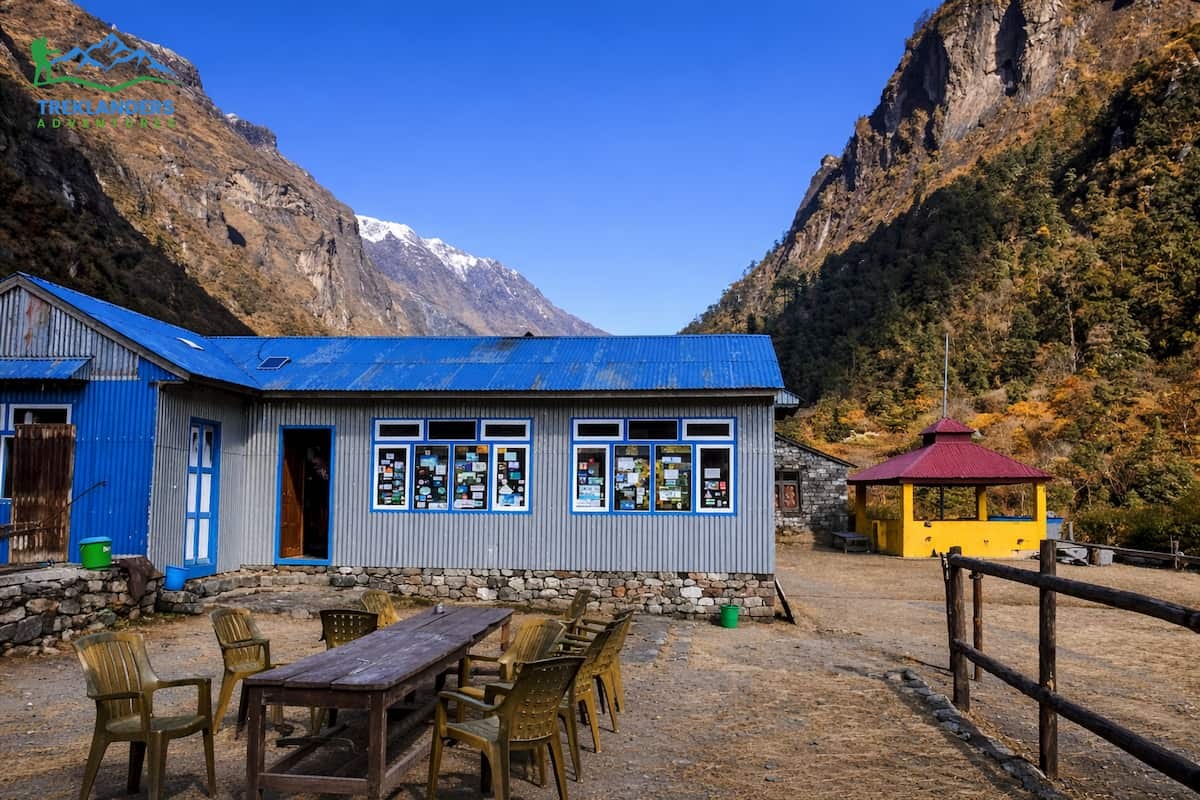
Ghoda Tabela's elevation is 3,030 meters, so you shouldn't be surprised when the weather changes momentarily. The condition of the weather changes from one season to another, and it is good to understand it if you want to plan your stay well.
Spring, which lasts from March until May, is a good time for a visit. Daytime temperatures can be up to 15 °C, and at night they can drop to 5 °C only. Rhododendrons in the woods and the valley turning into grass meadows is a great sight. Mountains come into full view on clear sky days. Springtime is quite comfortable for trekking, and Ghoda Tabela can be a good place for acclimatization.
Autumn, which stretches from September to November, is also a perfect season. There are fewer rains, and the weather is stable. Temperatures during the day can be from 10 °C up to 18 °C, and at night, it can be cold enough for ice formation. The sky is clear, and Langtang Lirung, along with the other peaks look stunning. Autumn is a trekker's favorite season for beautiful pictures and easy trail walking.
Summer, from June to August, is the monsoon season. Ghoda Tabela receives heavy rainfall, and the trail becomes slippery. Clouds often block mountain views. River crossings may be dangerous, and leeches can appear in lower forest sections. Trekking during the monsoon is not recommended unless you are experienced.
Winter, from December to February, brings snow and freezing temperatures. Nights can drop below -10°C. Daytime temperatures are around 0°C to 5°C. Snow covers the trail, and teahouses may have limited hot water or fuel. Winter trekking requires proper clothing and experience with cold conditions. However, the valley is quiet, and snow-covered landscapes are striking.
Daily weather at Ghoda Tabela can shift quickly. Morning is usually clear and sunny. Afternoon clouds may gather, and evening temperatures drop sharply. Always carry warm clothing, waterproof gear, and layered clothing to adjust.
For most trekkers, the best time to stay is during spring or autumn. These seasons provide the most comfortable temperatures, clear skies, and safer trail conditions. Staying overnight at Ghoda Tabela during these months allows proper acclimatization, rest, and enjoyment of the surrounding alpine scenery without extreme weather risks.
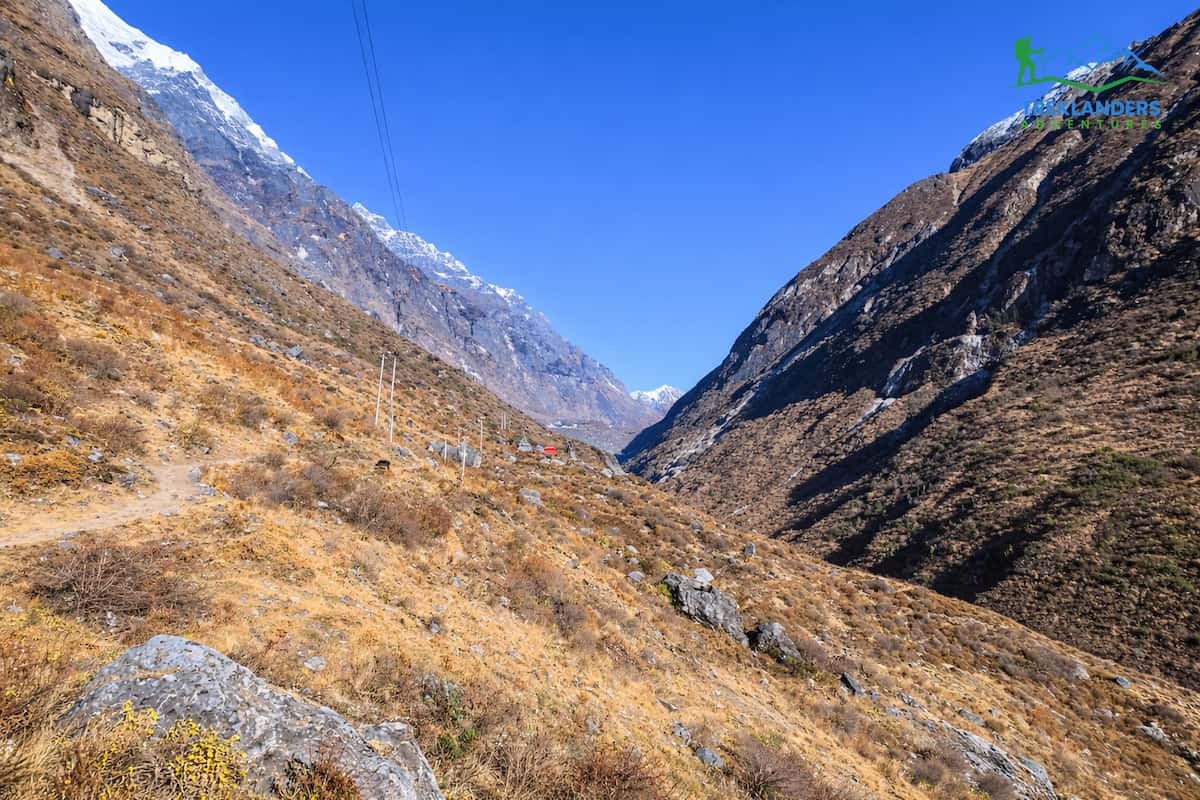
The trek between Ghoda Tabela and Langtang Village is around 8 kilometers long. The track goes further into the Langtang Valley, and the altitude rises from 3,030 meters at Ghoda Tabela to about 3,430 meters in Langtang Village. The route passes through alpine meadows, little streams, and there are forest patches here and there.
At a reasonable pace, most trekkers cover this part in 4 to 5 hours. There are parts when the route is moderately steep, but it is still quite easy if you have basic trekking skills. It is advisable to go slow and steady to save energy and help your body get used to the altitude. Taking a few minutes to rest is not only good for your breathing but also for enjoying the nature around you.

The track begins with a mild ascent through the wide meadows. Far away, you can see the snow-covered peaks of Langtang Lirung and other Himalayan ranges. The Langtang River flows nearby, forming waterfalls and natural pools in some places. On your way, you might see Himalayan fauna such as langur monkeys, various species of birds and grazing animals.
After a large open meadow, the path gets a little narrower and goes along small streams and rocky parts. Wooden bridges span some branches of the Langtang River. The last part before Langtang Village is a bit of a climb, but still gentle, so you get the chance to get used to the altitude.
Langtang Village is bigger than Ghoda Tabela and has more amenities such as teahouses, guesthouses, and small shops. Spending a night here gives you more local culture and helps with your acclimatization. Trekkers typically take Ghoda Tabela as a point of rest before going to Langtang Village so that they are physically and mentally ready for the rest of the journey.
This part of the trek is a great example of how the environment changes from being in alpine meadows to a high-altitude village. It offers stunning nature, a moderately physically demanding experience, and a chance to keep getting used to the height of the air. Being cautious with your steps and not overexerting yourself will guarantee that you have a safe and pleasant trip from Ghoda Tabela to Langtang Village.
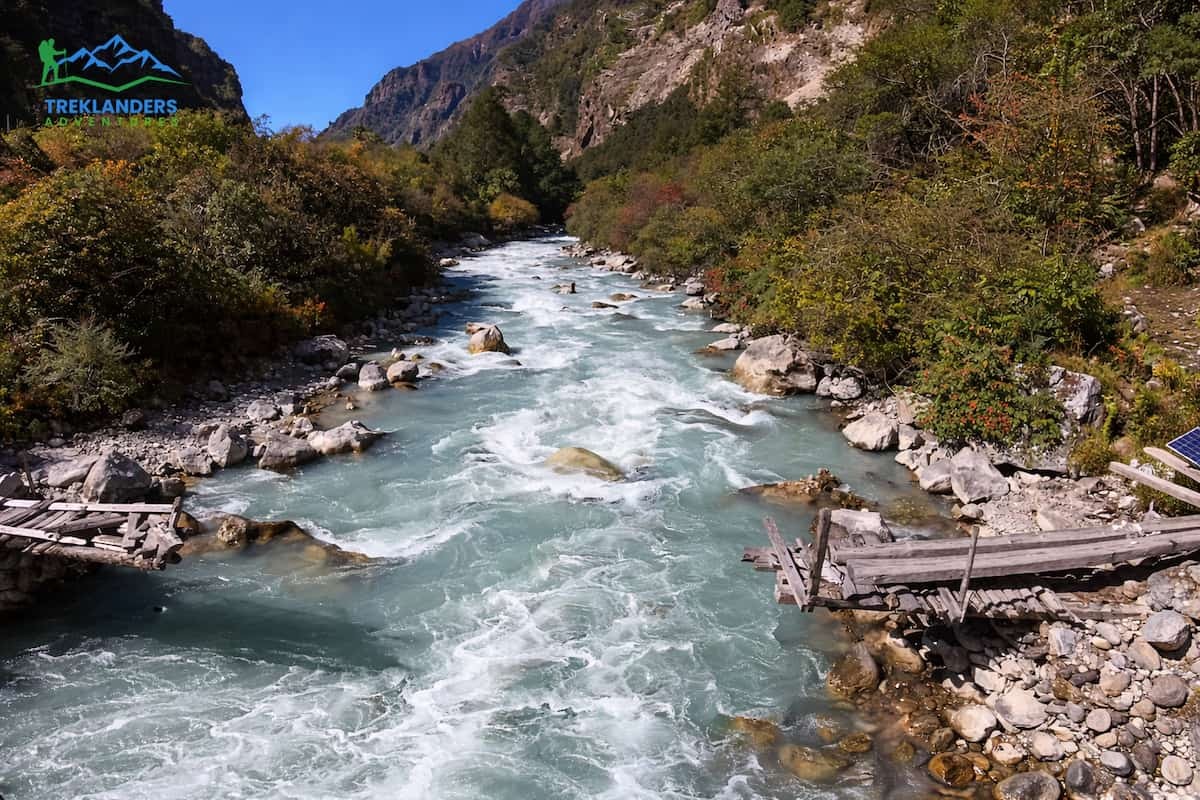
Ghoda Tabela, which lies at an altitude of 3,030 meters, is no mere rest point on the Langtang Valley Trek. It symbolizes where the valley stretches out, showcasing vast meadows, river scenes, and the surrounding peaks. The changeover from a thick forest to a bare high mountain area leaves first-timers with a vivid memory of the out-of-town Himalayan landscape. The trekkers can feel almost immediately that the air is fresher, the view is broader, and the walk is more laid-back in the alpine zone.
In the past, Ghoda Tabela was a stable for horses used by traders and herders who brought goods through the valley. Now, apart from being a permit checkpoint and an army post, it connects the area's traditional old times with its current trekking relevance. The name is a direct reflection of this lineage, making visitors feel attached to the centuries-old Himalayan travel culture.
The route leading to Ghoda Tabela from Lama Hotel or some other points reveals various experiences. You first come upon dense forests, a couple of small bridges, and perhaps some animals before the ascent to open meadows with a panoramic view. The trip allows you to feel the progress, and at the same time, it helps to gently get your body accustomed to the higher altitude. It is indeed very important to stop here for acclamation. Spending time at 3,030 meters, your body gets to the point where it can cope with the lower oxygen levels better, hence enabling you to have improved breathing, better circulation, and greater endurance for the rest of your trip. Light walks coupled with adequate hydration at Ghoda Tabela contribute to this process, making you less likely to suffer from altitude sickness in Langtang Village and beyond.
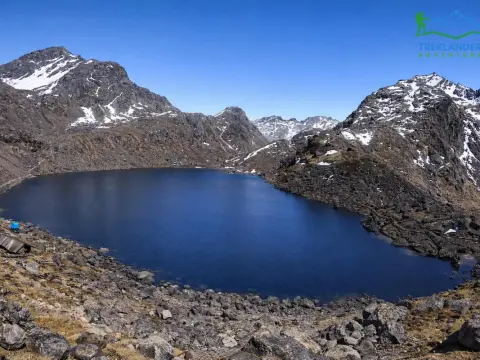
The teahouses in Ghoda Tabela offer some basic but very important services. They have hot food, a place to sleep and a warm room. Besides that, eating together in the dining room is a nice social experience, and it also motivates people. The weather in this place changes with the seasons. Spring and autumn are the best times to visit. Summer is tricky because of the monsoon, and winter is really cold, so you need to be well prepared. If you know how the weather is going to be, you can have a safe and comfortable trek.
The path from Ghoda Tabela to Langtang Village is not difficult, but you have to keep going up. The track walks alongside rivers, streams and alpine meadows while giving you beautiful views all the time. It drives home the message that you should slow down, take breaks and pay attention to how your body is reacting to the altitude.
To put it briefly, Ghoda Tabela is a great stopping point that offers a lot: it is strategic, beautiful, and has a lot of history. It is a combination of stunning nature, local traditions and trekking convenience. Trekkers get to rest, acclimatize and have great experiences in the mountains. When you go to Ghoda Tabela, you will get physically ready, see some breathtaking landscapes and learn a bit about the history of the Langtang Valley. This stop really prepares you for the rest of the trek, and that is why it should be considered as one of the most important parts of the journey.
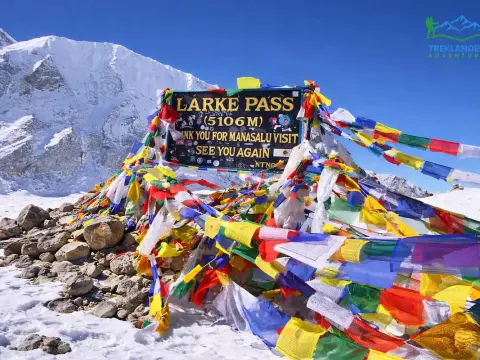
Crossing Larkya La Pass (5,106m)? Discover difficulty, best time, and key tips for the Manaslu Circuit trek.
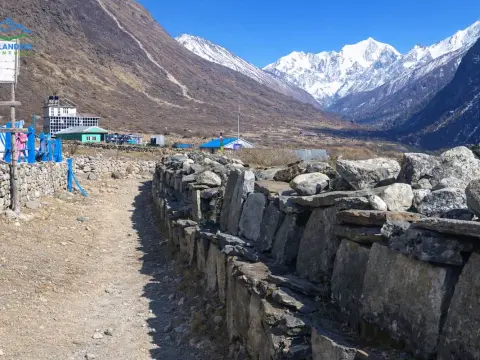
Mundu Village (3,543m) is a hidden gem on the Langtang Valley Trek, offering stunning views, authentic culture, and a peaceful escape from crowds.
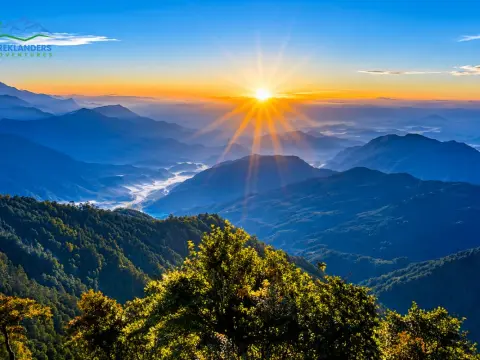
Explore the Nagarkot Sunrise Tour from Kathmandu with breathtaking Himalayan views, plus tips on timing and viewpoints for a perfect short trip.



