[{"name":"Everest Base Camp Trek","duration":"16","image_url":"https:\/\/www.treklanders.com\/storage\/trip-galleries\/1\/thumb_419a755c003cc609f3030ee332965ebe.jpg","offer_price":1405,"url":"https:\/\/www.treklanders.com\/trips\/everest-base-camp-trek"},{"name":"Gokyo Valley Trekking","duration":"16","image_url":"https:\/\/www.treklanders.com\/storage\/trip-galleries\/2\/thumb_676d1021b574aeba4d19d3f2a0b04ed2.webp","offer_price":1205,"url":"https:\/\/www.treklanders.com\/trips\/gokyo-valley-trekking"},{"name":"Annapurna Circuit Trek","duration":"23","image_url":"https:\/\/www.treklanders.com\/storage\/trip-galleries\/3\/thumb_2a9a92ea23c62f41de27b37f5e3e8c17.webp","offer_price":1495,"url":"https:\/\/www.treklanders.com\/trips\/annapurna-circuit-trek"},{"name":"Everest Panorama Trek","duration":"12","image_url":"https:\/\/www.treklanders.com\/storage\/trip-galleries\/4\/thumb_35c9f677ea2e88b1ff11a9f43daa3ddb.jpg","offer_price":1100,"url":"https:\/\/www.treklanders.com\/trips\/everest-panorama-trek"},{"name":"Everest Base Camp Trekking from Jiri","duration":"22","image_url":"https:\/\/www.treklanders.com\/storage\/trip-galleries\/6\/thumb_14763592492417b294aa66bf0ebf4e64.webp","offer_price":1400,"url":"https:\/\/www.treklanders.com\/trips\/everest-base-camp-trekking-from-jiri"},{"name":"Everest Base Camp via Cho la Pass from Gokyo Valley Trekking","duration":"18","image_url":"https:\/\/www.treklanders.com\/storage\/trip-galleries\/7\/thumb_d4e470e98d4e9e2ab8e93e39b8b7d252.jpg","offer_price":1405,"url":"https:\/\/www.treklanders.com\/trips\/everest-base-camp-via-cho-la-pass-from-gokyo-valley-trekking"},{"name":"Everest Three Passes Trekking","duration":"22","image_url":"https:\/\/www.treklanders.com\/storage\/trip-galleries\/8\/thumb_b413b221e913171500bb3dfd5c08ceea.jpg","offer_price":1635,"url":"https:\/\/www.treklanders.com\/trips\/everest-three-passes-trekking"},{"name":"Annapurna Base Camp Trekking","duration":"14","image_url":"https:\/\/www.treklanders.com\/storage\/trip-galleries\/9\/thumb_2e71f2ffe116c659fa66b01c2d571b4e.webp","offer_price":845,"url":"https:\/\/www.treklanders.com\/trips\/annapurna-base-camp-trekking"},{"name":"Mardi Base Camp Trekking","duration":"14","image_url":"https:\/\/www.treklanders.com\/storage\/trip-galleries\/10\/thumb_d7b2d2dc638f6bbf2c31c167ac68029d.webp","offer_price":845,"url":"https:\/\/www.treklanders.com\/trips\/mardi-base-camp-trekking"},{"name":"Mohare Danda Trekking","duration":"12","image_url":"https:\/\/www.treklanders.com\/storage\/trip-galleries\/11\/thumb_a384c8d35d789d29b19991c1d675c910.webp","offer_price":755,"url":"https:\/\/www.treklanders.com\/trips\/mohare-danda-trekking"},{"name":"Khopra Ridge & Khair Lake Trekking","duration":"15","image_url":"https:\/\/www.treklanders.com\/storage\/trip-galleries\/12\/thumb_c0f50461ddc74acfb553ba85be00fab0.webp","offer_price":855,"url":"https:\/\/www.treklanders.com\/trips\/khopra-ridge-khair-lake-trekking"},{"name":"Upper Mustang Trekking","duration":"17","image_url":"https:\/\/www.treklanders.com\/storage\/trip-galleries\/13\/thumb_7aa4dfdb69186b0f224a303d80a25c95.jpg","offer_price":1715,"url":"https:\/\/www.treklanders.com\/trips\/upper-mustang-trekking"},{"name":"Langtang Valley Trek","duration":"12","image_url":"https:\/\/www.treklanders.com\/storage\/trip-galleries\/14\/thumb_8650b4b1a3c160cff75da65369398353.webp","offer_price":735,"url":"https:\/\/www.treklanders.com\/trips\/langtang-valley-trek"},{"name":"Gosainkunda Lake Trek","duration":"11","image_url":"https:\/\/www.treklanders.com\/storage\/trip-galleries\/15\/thumb_bfe94c14e760c48234e117021105be84.webp","offer_price":735,"url":"https:\/\/www.treklanders.com\/trips\/gosainkunda-lake-trek"},{"name":"Chisapani-Nagarkot to Dhulikhel Hiking","duration":"7","image_url":"https:\/\/www.treklanders.com\/storage\/trip-galleries\/16\/thumb_468defe9a4000ee3129cd7e6421ee105.webp","offer_price":565,"url":"https:\/\/www.treklanders.com\/trips\/chisapani-nagarkot-to-dhulikhel-hiking"},{"name":"Kanchenjunga Trek","duration":"23","image_url":"https:\/\/www.treklanders.com\/storage\/trip-galleries\/17\/thumb_51f43fa4203106cc49aaedc89d76e01d.jpg","offer_price":1725,"url":"https:\/\/www.treklanders.com\/trips\/kanchenjunga-trek"},{"name":"Helambu Trek","duration":"12","image_url":"https:\/\/www.treklanders.com\/storage\/trip-galleries\/18\/thumb_0fe8e3fa1299d2e43bf1fb5977875ce2.jpg","offer_price":685,"url":"https:\/\/www.treklanders.com\/trips\/helambu-trek"},{"name":"Upper Dolpo Trek","duration":"26","image_url":"https:\/\/www.treklanders.com\/storage\/trip-galleries\/19\/thumb_d6080d490e1db83b0a711e7304000864.jpg","offer_price":3005,"url":"https:\/\/www.treklanders.com\/trips\/upper-dolpo-trek"},{"name":"Manaslu Circuit Trek","duration":"18","image_url":"https:\/\/www.treklanders.com\/storage\/trip-galleries\/20\/thumb_1fdd224e849f4f328e73d2d12b3d282d.jpg","offer_price":1225,"url":"https:\/\/www.treklanders.com\/trips\/manaslu-circuit-trek"},{"name":"Tilicho Lake Base Camp Trek","duration":"19","image_url":"https:\/\/www.treklanders.com\/storage\/trip-galleries\/21\/thumb_eba8ac5e029e6543e0c17630ebd9e2fb.jpg","offer_price":1220,"url":"https:\/\/www.treklanders.com\/trips\/tilicho-lake-base-camp-trek"},{"name":"Nar-Phu Valley With Thorang-La Pass Trek","duration":"21","image_url":"https:\/\/www.treklanders.com\/storage\/trip-galleries\/22\/thumb_43597423a5a366fe9c8937fb30d2fe2a.jpg","offer_price":1315,"url":"https:\/\/www.treklanders.com\/trips\/nar-phu-valley-with-thorang-la-pass-trek"},{"name":"Nepal Round Trip of Kathmandu-Pokhara-Lumbini and Chitwan Tour","duration":"10","image_url":"https:\/\/www.treklanders.com\/storage\/trip-galleries\/23\/thumb_32497d170b2ab340b0a1b3310e91e784.webp","offer_price":845,"url":"https:\/\/www.treklanders.com\/trips\/nepal-round-trip-of-kathmandu-pokhara-lumbini-and-chitwan-tour"},{"name":"Nagarkot Day Hike","duration":"2","image_url":"https:\/\/www.treklanders.com\/storage\/trip-galleries\/24\/thumb_a5a654930fd8ba7852e41738105bacfc.webp","offer_price":105,"url":"https:\/\/www.treklanders.com\/trips\/nagarkot-day-hike"},{"name":"Nagarkot Sunrise Tour","duration":"1","image_url":"https:\/\/www.treklanders.com\/storage\/trip-galleries\/25\/thumb_17dc28a29cfa44381ad503f0a75ee84f.webp","offer_price":22,"url":"https:\/\/www.treklanders.com\/trips\/nagarkot-sunrise-tour"},{"name":"Namobuddha Day Tour with Shiva Statue","duration":"1","image_url":"https:\/\/www.treklanders.com\/storage\/trip-galleries\/26\/thumb_beeb34202f9077764aa08c67ef2867f9.webp","offer_price":45,"url":"https:\/\/www.treklanders.com\/trips\/namobuddha-day-tour-with-shiva-statue"},{"name":"Kathmandu Full Day Sightseeing Tour","duration":"1","image_url":"https:\/\/www.treklanders.com\/storage\/trip-galleries\/27\/thumb_d045fc0f1acee2cfa6b3c95f3c656d18.jpg","offer_price":30,"url":"https:\/\/www.treklanders.com\/trips\/kathmandu-full-day-sightseeing-tour"},{"name":"Patan and Bhaktapur Sightseeing Tour","duration":"1","image_url":"https:\/\/www.treklanders.com\/storage\/trip-galleries\/28\/thumb_750eacac3424b5dba686dd93656ab87c.jpg","offer_price":30,"url":"https:\/\/www.treklanders.com\/trips\/patan-and-bhaktapur-sightseeing-tour"},{"name":"Upper Mustang Heli Tour","duration":"1","image_url":"https:\/\/www.treklanders.com\/storage\/trip-galleries\/29\/thumb_0b785f69a15557f8660c805c76fda14e.webp","offer_price":1250,"url":"https:\/\/www.treklanders.com\/trips\/upper-mustang-heli-tour"},{"name":"Everest Heli Tour","duration":"1","image_url":"https:\/\/www.treklanders.com\/storage\/trip-galleries\/30\/thumb_dc45f2beb36a3699e0decf0de41a6f17.jpg","offer_price":1495,"url":"https:\/\/www.treklanders.com\/trips\/everest-heli-tour"},{"name":"Island Peak Trek & Climb","duration":"21","image_url":"https:\/\/www.treklanders.com\/storage\/trip-galleries\/31\/thumb_a0f3e3468c92a8e436045cf8b2fbf361.jpg","offer_price":2295,"url":"https:\/\/www.treklanders.com\/trips\/island-peak-trek-climb"},{"name":"Mera Peak Trek & Climb","duration":"18","image_url":"https:\/\/www.treklanders.com\/storage\/trip-galleries\/32\/thumb_3e8128a23c36f02fa38135475e811b9e.jpg","offer_price":2815,"url":"https:\/\/www.treklanders.com\/trips\/mera-peak-trek-climb"},{"name":"Chandragiri Cable Car Tour","duration":"1","image_url":"https:\/\/www.treklanders.com\/storage\/trip-galleries\/33\/thumb_faa70b716449eada6d7f1450335edbb3.jpg","offer_price":30,"url":"https:\/\/www.treklanders.com\/trips\/chandragiri-cable-car-tour"},{"name":"Everest Base Camp Trek and Returning via Heli","duration":"13","image_url":"https:\/\/www.treklanders.com\/storage\/trip-galleries\/34\/thumb_11190941866206e1d578db11986ebc73.webp","offer_price":2100,"url":"https:\/\/www.treklanders.com\/trips\/everest-base-camp-trek-and-returning-via-heli"},{"name":"Annapurna Semi Circuit Trek","duration":"15","image_url":"https:\/\/www.treklanders.com\/storage\/trip-galleries\/35\/thumb_30ddd8ba818cdcb52efd5eb0a017bcdb.jpg","offer_price":965,"url":"https:\/\/www.treklanders.com\/trips\/annapurna-semi-circuit-trek"},{"name":"Everest Base Camp Luxury Trek","duration":"14","image_url":"https:\/\/www.treklanders.com\/storage\/trip-galleries\/39\/thumb_6079aea3c5dd83e745a16fd6162270dc.jpg","offer_price":2685,"url":"https:\/\/www.treklanders.com\/trips\/everest-base-camp-luxury-trek"},{"name":"Mt. Kailash & Lake Manasarover Tour","duration":"15","image_url":"https:\/\/www.treklanders.com\/storage\/trip-galleries\/41\/thumb_cf3fededfd7dd2b40399af399e04f95a.jpg","offer_price":2205,"url":"https:\/\/www.treklanders.com\/trips\/mt-kailash-lake-manasarover-tour"},{"name":"Ghorepani Poonhill Trek","duration":"11","image_url":"https:\/\/www.treklanders.com\/storage\/trip-galleries\/43\/thumb_602d9a56976e1b836ba8adc69b8d09c5.webp","offer_price":720,"url":"https:\/\/www.treklanders.com\/trips\/ghorepani-poonhill-trek"},{"name":"11 Days Gokyo Valley Trekkking","duration":"11","image_url":"https:\/\/www.treklanders.com\/storage\/trip-galleries\/45\/thumb_ab552c3c91de392f94230a937b1c4801.jpg","offer_price":900,"url":"https:\/\/www.treklanders.com\/trips\/11-days-gokyo-valley-trekkking"},{"name":"9-Day Everest Base Camp Trekking with Helicopter Return","duration":"9","image_url":"https:\/\/www.treklanders.com\/storage\/trip-galleries\/46\/thumb_9a8ba2b582500cd86786be056902c31a.webp","offer_price":1990,"url":"https:\/\/www.treklanders.com\/trips\/9-day-everest-base-camp-trekking-with-helicopter-return"},{"name":"12-Day Everest Base Camp Trek","duration":"12","image_url":"https:\/\/www.treklanders.com\/storage\/trip-galleries\/47\/thumb_d12c9ef776c0b395ceea817fe05c5892.jpg","offer_price":1000,"url":"https:\/\/www.treklanders.com\/trips\/12-day-everest-base-camp-trek"},{"name":"8-Day Everest Panorama Trek","duration":"8","image_url":"https:\/\/www.treklanders.com\/storage\/trip-galleries\/49\/thumb_c81ae3a8ac757a317a9362e6872e2dcb.jpg","offer_price":850,"url":"https:\/\/www.treklanders.com\/trips\/8-day-everest-panorama-trek"},{"name":"7-Day Langtang Valley Trek","duration":"7","image_url":"https:\/\/www.treklanders.com\/storage\/trip-galleries\/50\/thumb_99c2904df5475ab028c9e3633ea95ef3.jpg","offer_price":420,"url":"https:\/\/www.treklanders.com\/trips\/7-day-langtang-valley-trek"},{"name":"4-Day Trekking Adventure near Kathmandu","duration":"4","image_url":"https:\/\/www.treklanders.com\/storage\/trip-galleries\/51\/thumb_594681060514dc57be1959236a6996d0.jpg","offer_price":275,"url":"https:\/\/www.treklanders.com\/trips\/4-day-trekking-adventure-near-kathmandu"},{"name":"4-Day Ghorepani Ponnhill Trek from Pokhara","duration":"4","image_url":"https:\/\/www.treklanders.com\/storage\/trip-galleries\/53\/thumb_eede04edac01f983d9af2c16f55d03e8.webp","offer_price":500,"url":"https:\/\/www.treklanders.com\/trips\/4-day-ghorepani-ponnhill-trek-from-pokhara"},{"name":"7-Day Annapurna Base Camp Trek from Pokhara","duration":"7","image_url":"https:\/\/www.treklanders.com\/storage\/trip-galleries\/55\/thumb_547e91c74088c491111ebe31a759cfbb.jpg","offer_price":420,"url":"https:\/\/www.treklanders.com\/trips\/7-day-annapurna-base-camp-trek-from-pokhara"},{"name":"13-Day Manaslu Circuit Trekking","duration":"13","image_url":"https:\/\/www.treklanders.com\/storage\/trip-galleries\/56\/thumb_aef1af4f0c4a2a9622d518ad5959542b.jpg","offer_price":1050,"url":"https:\/\/www.treklanders.com\/trips\/13-day-manaslu-circuit-trekking"},{"name":"5-Day Mardi Himal Trek from Pokhara","duration":"5","image_url":"https:\/\/www.treklanders.com\/storage\/trip-galleries\/57\/thumb_dcd598d556c14835f0a18169afafcbc6.webp","offer_price":420,"url":"https:\/\/www.treklanders.com\/trips\/5-day-mardi-himal-trek-from-pokhara"},{"name":"Nagarkot Sunrise Tour with Day Hike","duration":"1","image_url":"https:\/\/www.treklanders.com\/storage\/trip-galleries\/58\/thumb_7cdfa1f16719486da2a0718da45b1f2f.webp","offer_price":30,"url":"https:\/\/www.treklanders.com\/trips\/nagarkot-sunrise-tour-with-day-hike"},{"name":"Seven Unesco Heritage Sites Day Tour in Kathmandu","duration":"1","image_url":"https:\/\/www.treklanders.com\/storage\/trip-galleries\/59\/thumb_92aed7b9c67e76740000aab9313dced7.jpg","offer_price":40,"url":"https:\/\/www.treklanders.com\/trips\/seven-unesco-heritage-sites-day-tour-in-kathmandu"},{"name":"10-Day Ghorepani Poonhill with Annapurna Base Camp Trek","duration":"10","image_url":"https:\/\/www.treklanders.com\/storage\/trip-galleries\/60\/thumb_d4c2c089497950ccb5f8541d76e1269b.webp","offer_price":835,"url":"https:\/\/www.treklanders.com\/trips\/10-day-ghorepani-poonhill-with-annapurna-base-camp-trek"},{"name":"3-Day Chitwan Wildlife Tour","duration":"3","image_url":"https:\/\/www.treklanders.com\/storage\/trip-galleries\/61\/thumb_7963c9033b4ecfb5d29583fb0965d521.webp","offer_price":150,"url":"https:\/\/www.treklanders.com\/trips\/3-day-chitwan-wildlife-tour"},{"name":"3-Day Pokhara Sightseeing Tour","duration":"3","image_url":"https:\/\/www.treklanders.com\/storage\/trip-galleries\/62\/thumb_61542f3c38329bcce9d2771c96f265a4.jpg","offer_price":230,"url":"https:\/\/www.treklanders.com\/trips\/3-day-pokhara-sightseeing-tour"},{"name":"7-Day Kathmandu Pokhara and Chitwan wildlifeTour","duration":"7","image_url":"https:\/\/www.treklanders.com\/storage\/trip-galleries\/63\/thumb_803b98ae15f14366124ebb109a32f49d.webp","offer_price":545,"url":"https:\/\/www.treklanders.com\/trips\/7-day-kathmandu-pokhara-and-chitwan-wildlifetour"},{"name":"Nagarjun Jamacho Day Hiking","duration":"1","image_url":"https:\/\/www.treklanders.com\/storage\/trip-galleries\/64\/thumb_85867eb85c60c8228e44f927341f67d1.jpg","offer_price":30,"url":"https:\/\/www.treklanders.com\/trips\/nagarjun-jamacho-day-hiking"},{"name":"Everest Mountain Flight from Kathmandu","duration":"1","image_url":"https:\/\/www.treklanders.com\/storage\/trip-galleries\/65\/thumb_1a66526d340ec175023842c38efd8a95.webp","offer_price":120,"url":"https:\/\/www.treklanders.com\/trips\/everest-mountain-flight-from-kathmandu"},{"name":"One Day Trishuli River Rafting Adventures","duration":"1","image_url":"https:\/\/www.treklanders.com\/storage\/trip-galleries\/66\/thumb_55ba0ea676c9c625f99f3d41bda224fb.jpg","offer_price":35,"url":"https:\/\/www.treklanders.com\/trips\/one-day-trishuli-river-rafting-adventures"},{"name":"13-Day Annapurna Circuit Trek","duration":"13","image_url":"https:\/\/www.treklanders.com\/storage\/trip-galleries\/67\/thumb_859e7a1fbb468a9252d365cab8379f10.jpg","offer_price":815,"url":"https:\/\/www.treklanders.com\/trips\/13-day-annapurna-circuit-trek"},{"name":"15-Day Tilicho Base Camp with Thorong-La Pass Trekking","duration":"15","image_url":"https:\/\/www.treklanders.com\/storage\/trip-galleries\/68\/thumb_56a5fd1506c9b9f1f83844353dc55edf.jpg","offer_price":920,"url":"https:\/\/www.treklanders.com\/trips\/15-day-tilicho-base-camp-with-thorong-la-pass-trekking"},{"name":"Cooking Class in Thamel-Full Course Meal","duration":"1","image_url":"https:\/\/www.treklanders.com\/storage\/trip-galleries\/69\/thumb_ed5cfbc0d94b624642d347c0776d36bb.webp","offer_price":30,"url":"https:\/\/www.treklanders.com\/trips\/cooking-class-in-thamel-full-course-meal"},{"name":"Cooking Class in Thamel-Full Course","duration":"3 Hours 30 Minutes","image_url":"https:\/\/www.treklanders.com\/img\/default.gif","offer_price":30,"url":"https:\/\/www.treklanders.com\/trips\/cooking-class-in-thamel-full-course"},{"name":"Cooking Class in Thamel-Full Course Meal","duration":"3 Hours 30 Minutes","image_url":"https:\/\/www.treklanders.com\/img\/default.gif","offer_price":30,"url":"https:\/\/www.treklanders.com\/trips\/cooking-class-in-thamel-full-course-meal"},{"name":"Momo Making Class in Thamel","duration":"1","image_url":"https:\/\/www.treklanders.com\/storage\/trip-galleries\/72\/thumb_a36e5ceca4d5c4cb0ecda367505b31d3.webp","offer_price":20,"url":"https:\/\/www.treklanders.com\/trips\/momo-making-class-in-thamel"},{"name":"8 Days Bhutan Tour from Kathmandu","duration":"8","image_url":"https:\/\/www.treklanders.com\/storage\/trip-galleries\/73\/thumb_df319d7d3ac21bcd9cf728cb1a70ea09.webp","offer_price":2275,"url":"https:\/\/www.treklanders.com\/trips\/8-days-bhutan-tour-from-kathmandu"},{"name":"10 Days Bhutan Tour with Druk path Trek","duration":"10","image_url":"https:\/\/www.treklanders.com\/storage\/trip-galleries\/74\/thumb_c7d4a4b89aceaf5d3aac313265729bb3.webp","offer_price":5715,"url":"https:\/\/www.treklanders.com\/trips\/10-days-bhutan-tour-with-druk-path-trek"},{"name":"9 -Day Langtang Valley Trek","duration":"9","image_url":"https:\/\/www.treklanders.com\/storage\/trip-galleries\/75\/thumb_65e69cec8917e39091c9e40ae06df3da.webp","offer_price":620,"url":"https:\/\/www.treklanders.com\/trips\/9--day-langtang-valley-trek"},{"name":"14 Day Everest Base Camp Trek","duration":"14","image_url":"https:\/\/www.treklanders.com\/storage\/trip-galleries\/76\/thumb_446e7f33a5f43896c9cdf470cd7be947.webp","offer_price":1175,"url":"https:\/\/www.treklanders.com\/trips\/14-day-everest-base-camp-trek"},{"name":"Lhasa Tour from Kathmandu: 10-Day Tibet Overland Journey via Gyirong","duration":"10","image_url":"https:\/\/www.treklanders.com\/img\/default.gif","offer_price":null,"url":"https:\/\/www.treklanders.com\/trips\/lhasa-tour-from-kathmandu-10-day-tibet-overland-journey-via-gyirong"},{"name":"13 Day Lhasa Tour from Kathmandu via Everest Base Camp","duration":"13","image_url":"https:\/\/www.treklanders.com\/storage\/trip-galleries\/78\/thumb_8a2bfb2abd99ba9ddc902b768e7b0759.webp","offer_price":2565,"url":"https:\/\/www.treklanders.com\/trips\/13-day-lhasa-tour-from-kathmandu-via-everest-base-camp"},{"name":"11 Day Annapurna Base Camp Trek","duration":"11","image_url":"https:\/\/www.treklanders.com\/storage\/trip-galleries\/79\/thumb_4e48a19c538c00cc8c36160ca97c5f21.webp","offer_price":720,"url":"https:\/\/www.treklanders.com\/trips\/11-day-annapurna-base-camp-trek"},{"name":"9 Day Mardi Himal Trek","duration":"9","image_url":"https:\/\/www.treklanders.com\/storage\/trip-galleries\/80\/thumb_8214945c5614ac9a84e5ca0b58b1f5a3.webp","offer_price":735,"url":"https:\/\/www.treklanders.com\/trips\/9-day-mardi-himal-trek"},{"name":"14 Day Manaslu Circuit Trek","duration":"14","image_url":"https:\/\/www.treklanders.com\/storage\/trip-galleries\/81\/thumb_b3ec98cd4036da5cb6e92250afa0d59e.webp","offer_price":1085,"url":"https:\/\/www.treklanders.com\/trips\/14-day-manaslu-circuit-trek"},{"name":"20 Day Manaslu Circuit with Tsum Valley Trek","duration":"20","image_url":"https:\/\/www.treklanders.com\/storage\/trip-galleries\/82\/thumb_b8c202cf8e16197517811d535f2a6795.webp","offer_price":1765,"url":"https:\/\/www.treklanders.com\/trips\/20-day-manaslu-circuit-with-tsum-valley-trek"},{"name":"15 Day Langtang Gosaikunda Lake Helambu Trek","duration":"15","image_url":"https:\/\/www.treklanders.com\/storage\/trip-galleries\/83\/thumb_a9c7bbb74f733cdc9a3469a448df7109.webp","offer_price":985,"url":"https:\/\/www.treklanders.com\/trips\/15-day-langtang-gosaikunda-lake-helambu-trek"},{"name":"14 Day Tamang Heritage with Langtang Valley Trek","duration":"14","image_url":"https:\/\/www.treklanders.com\/storage\/trip-galleries\/84\/thumb_57fe1b0ad2b7d0489273633b906d2f43.webp","offer_price":895,"url":"https:\/\/www.treklanders.com\/trips\/14-day-tamang-heritage-with-langtang-valley-trek"},{"name":"6 Day Pikey Peak Trek","duration":"6","image_url":"https:\/\/www.treklanders.com\/storage\/trip-galleries\/85\/thumb_f69c5c05ac7a2100c9010f66292efc86.webp","offer_price":550,"url":"https:\/\/www.treklanders.com\/trips\/6-day-pikey-peak-trek"},{"name":"Everest Base Camp Trek with Lobuche East Peak Climbing Expedition","duration":"17","image_url":"https:\/\/www.treklanders.com\/storage\/trip-galleries\/86\/thumb_9e7f330ecdbd7f74fe6f16202d3fed28.webp","offer_price":2295,"url":"https:\/\/www.treklanders.com\/trips\/everest-base-camp-trek-with-lobuche-east-peak-climbing-expedition"}]
Kala Patthar Altitude, Route & Complete Trek Guide to the Best Everest Viewpoint
Kala Patthar Altitude, Route & Complete Trek Guide to the Best Everest Viewpoint
Kala Patthar Altitude, Route & Everything You Need to Know
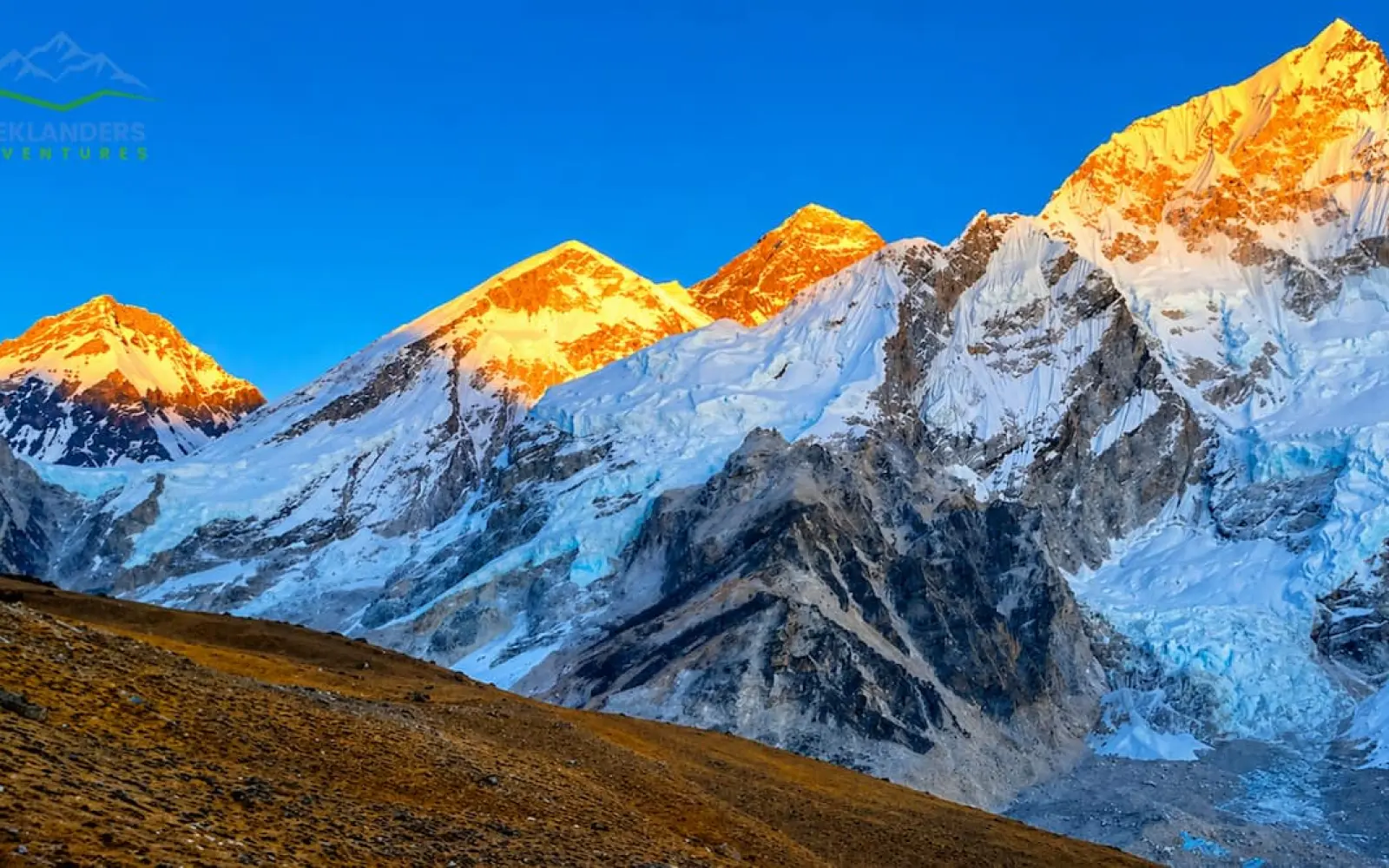
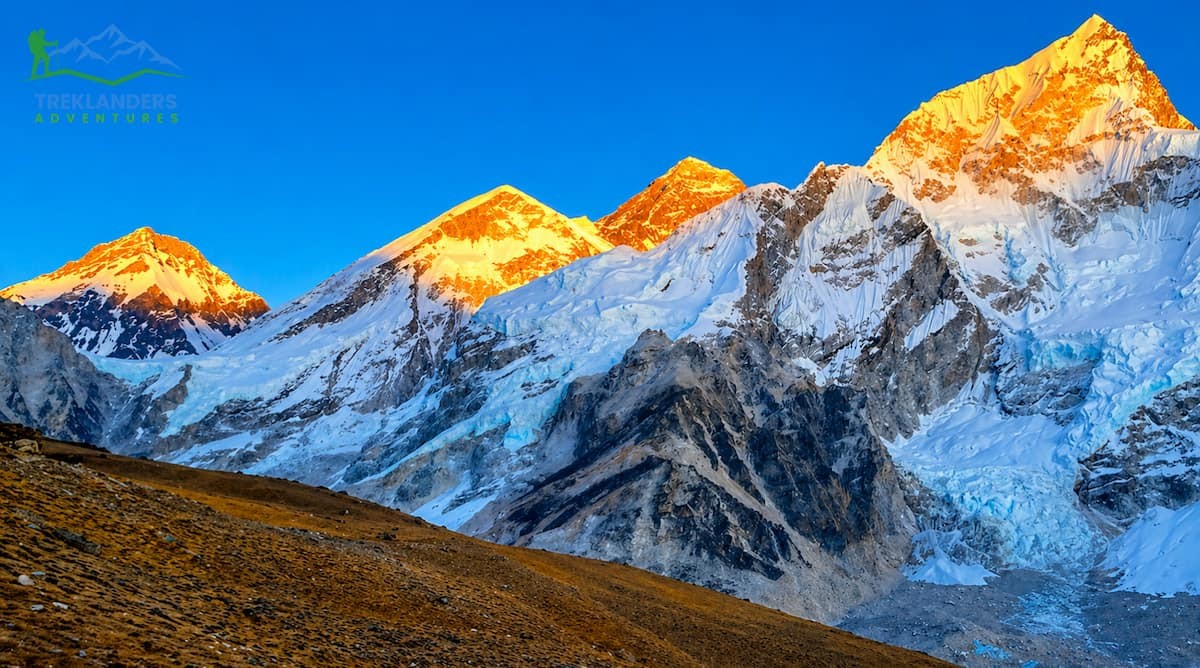
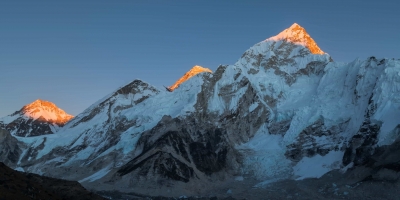
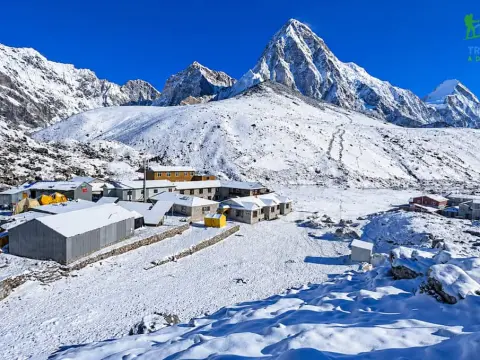
Sunset over Mount Everest as seen from Kala Patthar during the Everest Base Camp Trek.
Summit Altitude: 5,644 m / 18,516 ft
Duration: 12–14 Days
Difficulty: Moderate–Hard
Best Season: Oct–Nov, Mar–May
From the black rocky summit of Kala Patthar, your eye-to-eye with the south face of Everest, an experience that brings thousands of trekkers to the Khumbu Valley each year. The most spectacular yet least inaccessible high-altitude view on earth. This is the all-in-one guide to it all: altitudes route strategy acclimatization altitude sickness gear permits, costs, and every mnemonic to make for real success and not just a terrible trek home.
In This Guide
What Is Kala Patthar?
Altitude & Why It Matters
The Complete Route
Day-by-Day Itinerary
Altitude Sickness & Acclimatization
Best Time to Trek
Essential Gear & Packing List
Permits & Cost Breakdown
Food & Accommodation
Conclusion
1. Introduction: What is Kala Patthar?
Kala Patthar- Everest View Point
Kala Patthar literally translates to “Black Rock” in Nepali. Despite not being a mountain summit in the traditional mountaineering sense, this huge rocky outcropping on the southern ridge of Pumori boasts one of the best viewpoints on earth at 7,161 meters (23,537 ft) above sea level in the Khumbu Himalaya of northeast Nepal. For hundreds of trekkers each year, visiting Kala Patthar is a bucket list item and reaching the top becomes a defining moment of a lifetime.
At approximately 27°59′N 86°50′E / 27.98°N 86.83°E / 27.98; 86.83Coordinates: Kala Patthar straddles Sagarmatha National Park (a UNESCO World Heritage Site) just two kilometers north of (and about 200 meters higher than) the world-famous Everest Base Camp (EBC). Few places combine such proximity to Everest Base Camp with such an unparalleled view. For that reason alone, Kala Patthar is the king of the Himalayan viewpoints that are accessible to trekkers.
"From Kala Patthar, you do not merely look at Everest, you look across at it, straight into the Khumbu Icefall, the Western Cwm, and the Lhotse Face all at once."
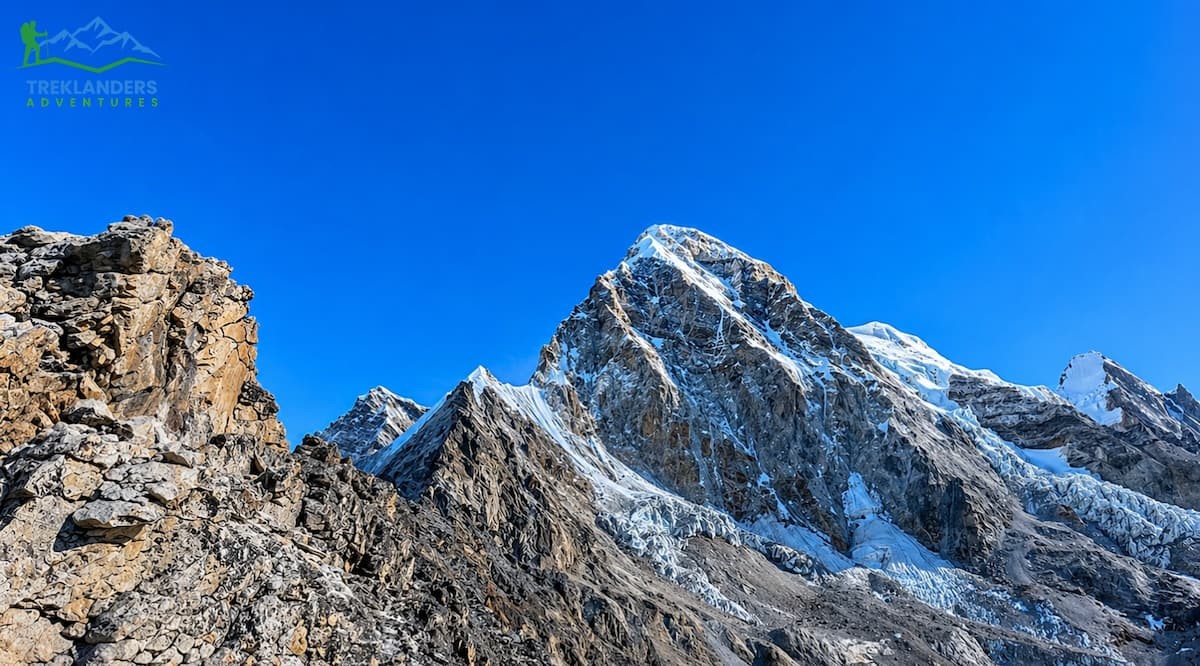
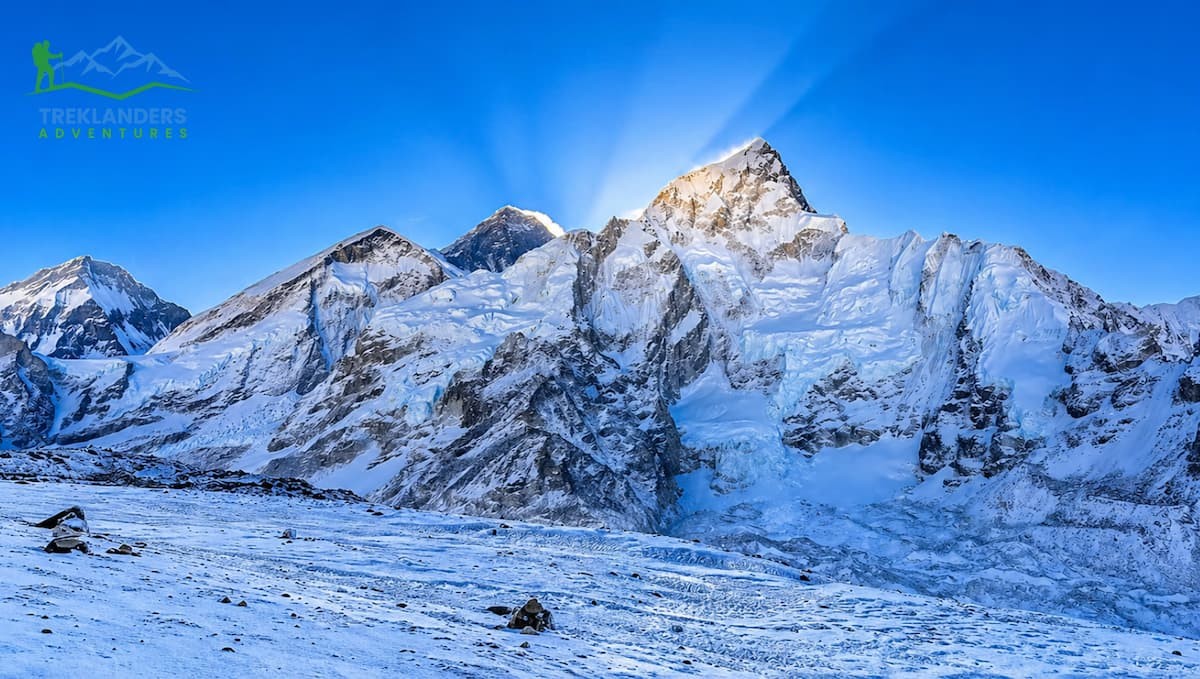
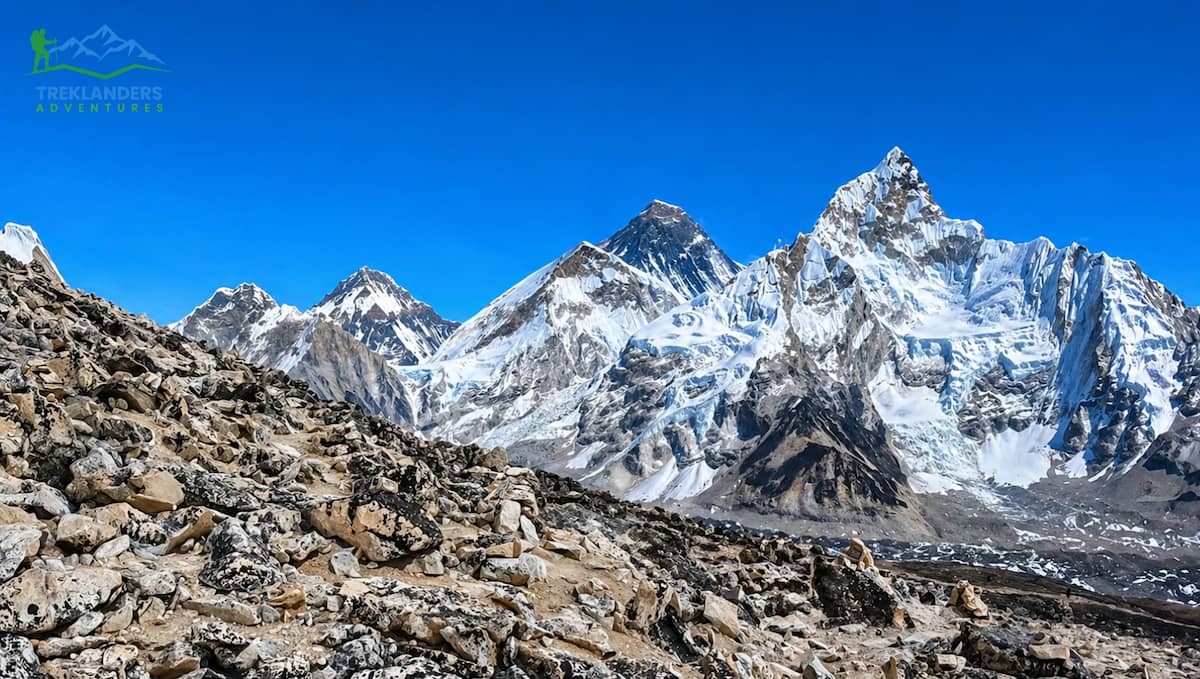
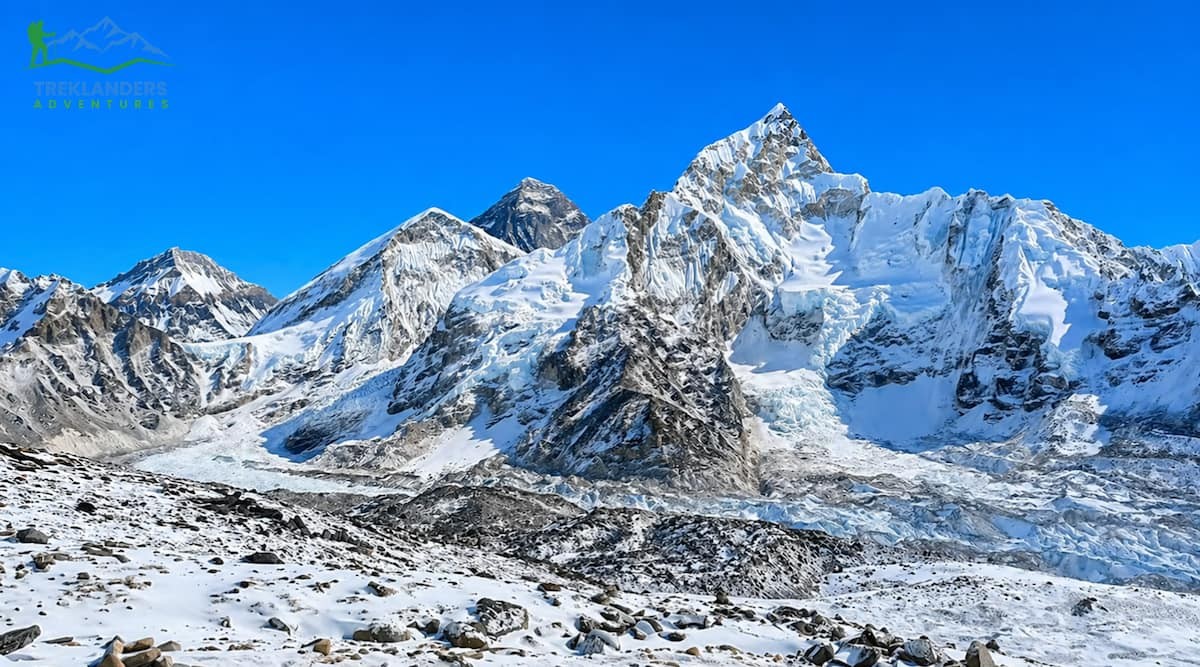
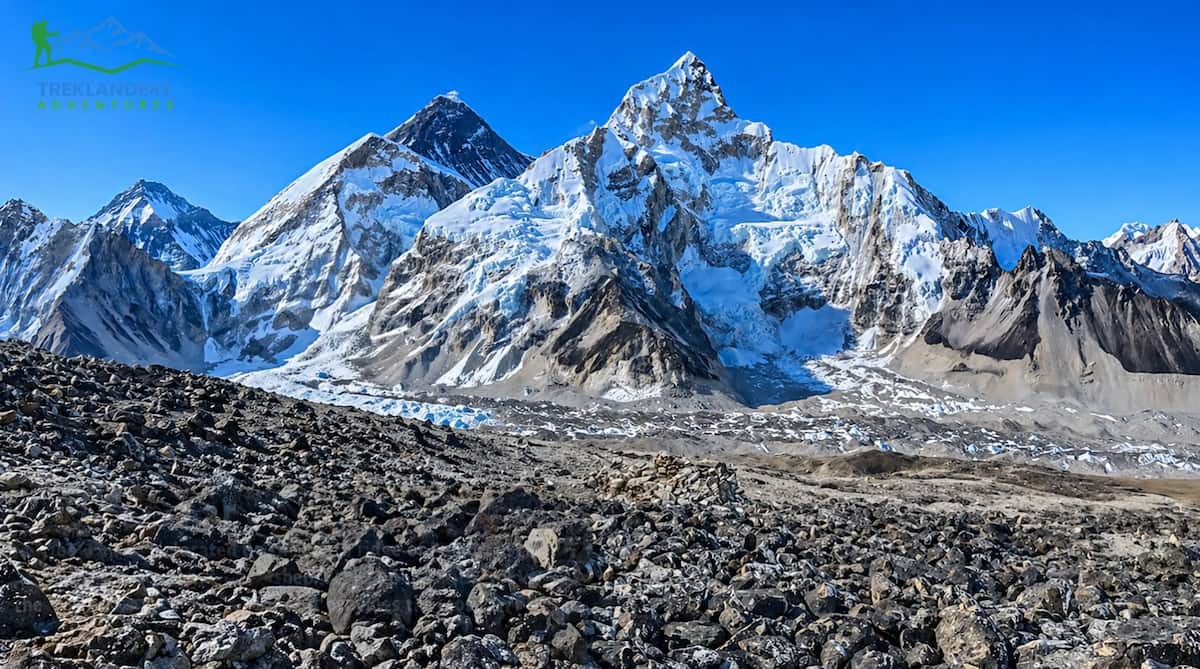
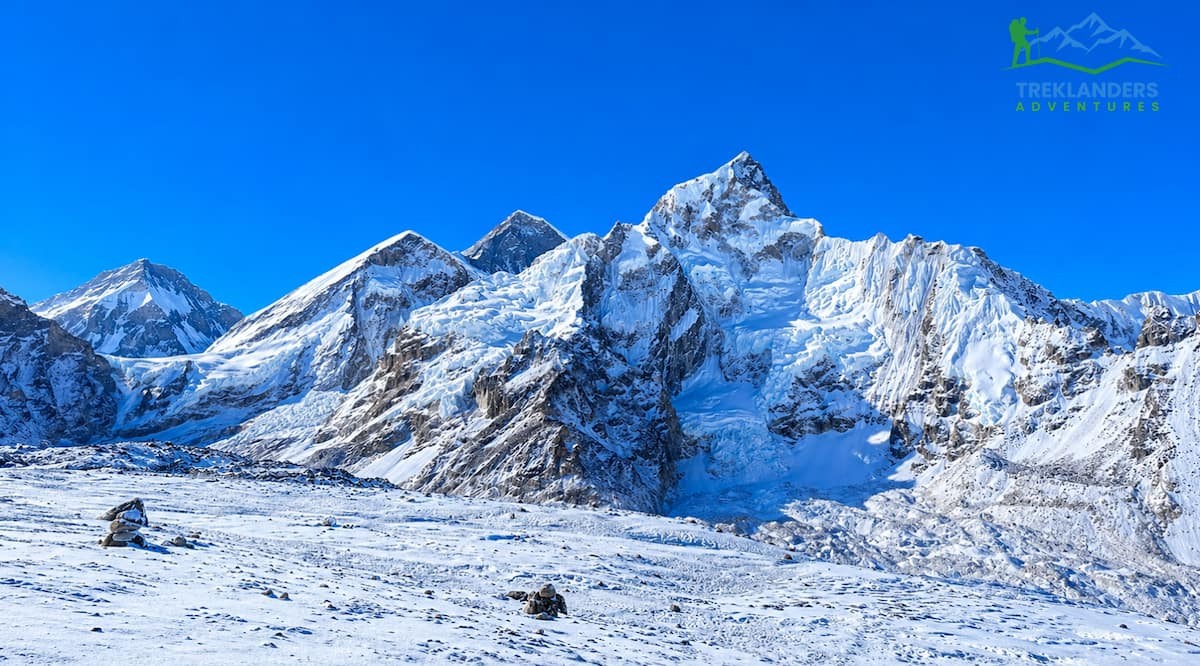
While Everest Base Camp itself is perched on a rocky glacial moraine that doesn’t allow visitors to see much of the mountain itself, Kala Patthar towers above the Khumbu Valley floor and dominates the view of the Everest massif. Looking south from the summit on a clear morning, climbers are treated to the summit plume of Everest itself, the twisted ridgelines of Nuptse and Lhotse and the tremendous expanse of the Khumbu Glacier.
Speaking of elevation, there’s a bit of discrepancy on what exactly constitutes “Kala Patthar.” Kala Patthar is actually the name of a series of points along the rocky ridge that travellers use as a waypoint. The standardized elevation of 5,644 meters (18,516 ft) refers to the highest recognized point on the ridge that trekkers are allowed to access. Some outdated sources will list Kala Patthar as being 5,545 meters, which is where the lower, more popularly visited point on the ridge is marked. The cairn at the true “summit” of Kala Patthar is marked at 5,644 meters, which is the elevation we use in all modern trekking references. For our purposes here, and for your ego when you reach the top, we will call 5,644 meters from the summit of Kala Patthar.
There is no technical climbing aspect to Kala Patthar. No need for ropes, no need for crampons, no mountaineering experience required. What Kala Patthar does require is a strong body, proper acclimatization, a stout heart, and some smart planning. It’s this balance that makes Kala Patthar the ideal goal for intrepid adventure trekkers who aren’t technically mountaineers, but who want to stand amongst the world’s tallest peaks.
It’s for these reasons that Kala Patthar is such a beloved destination for Treklanders. Sitting at the literal and philosophical center of our Everest Base Camp and Kala Patthar trek packages, Kala Patthar is a destination we guide numbers of trekkers to every year from our office in Kathmandu, Nepal. The information below is compiled from the experiences of our talented crew of guides and porters who have summited Kala Patthar more times than we’ve got room to write here.
2. Altitude Data: Kala Patthar Altitude & Why It Matters
Kala Patthar- Everest Base Camp Trek
Altitude is not only useful for knowledge to be aware of when trekking to Kala Patthar, but it is also arguably the single most important consideration to ensure the success or failure of the trek. The world's highest elevation takes you significantly over the point where most climbers become seriously ill, and where the oxygen content of the atmosphere drops to around 50% of the norm at sea level.
The Number in Context
Break down what 5,644 meters actually means for your body when you look at the altitude profile of the trek as a whole. You start your climb of Kala Patthar in Kathmandu at 1,400 meters elevation. You fly into Lukla at 2,840 meters. High enough to start your acclimatisation process. Namche Bazaar at 3,440 meters is where many trekkers start to experience the onset of altitude sickness: headaches, fatigue, loss of sleep.
After Namche, your trail continues through Tengboche (3,870m), Dingboche (4,410m) and Lobuche (4,910m). All these locations are mandatory stops to help you acclimatize to the high altitude. The final trek from Gorak Shep (the last permanent village at 5,170 meters) to the summit of Kala Patthar at 5,644 meters is only a 474-meter vertical gain, over about 1.5 – 2 kilometers of rocky uphill trail.
Your body doesn't feel the effects of low(er) oxygen until you're over 2,500 meters above sea level. At 5,644 meters, barometric pressure is about 51–52 kPa versus 101 kPa at sea level. So every breath you take is filling your lungs with only about half the oxygen molecules it thinks it's getting. Your blood oxygen saturation level (SpO₂), which would normally be reading 95–100% back at sea level, may only read 70–85% on Kala Patthar, even if you are acclimatized.
This lower percentage sets off a whole slew of adaptations from your body. Your heart starts pumping faster, you start breathing heavier, your kidneys start dumping bicarbonate because your blood chemistry is changing due to losing CO2 when you breathe heavily, and you start making more red blood cells after days and weeks at altitude. The whole Kala Patthar trekking schedule is designed to allow your body time to start these adaptations before reaching the important high points.
Altitude Warning
Do not ascend more than 500m in 24 hours above 3000m and include rest days every third day of ascent. Failure to adhere to this rule is the biggest single factor contributing to serious bag altitude casualties evacuated from the Everest trail. HACE and HAPE can develop rapidly and are potentially fatal conditions that require immediate descent.
Kala Patthar vs. Everest Base Camp: Which is Higher?
Everest Base Camp
This is one of the most popular questions we hear about Treklanders. Everest Base Camp is at 5364m, and so Kala Patthar is around 280m higher. If the aim is to attain the maximum elevation on a trekking trip that isn't technical, then Kala Patthar is the mountain for you. If the point is to stand on the spot where Everest expeditions start from, then it's EBC. Most trekkers just do both in back-to-back days, and that's just what our itinerary has included.
3. The Route: The Complete Kala Patthar Route
Beautiful mountain views of Everest and Nuptse from Kala Patthar in Winter
This well-trodden trail to Kala Patthar is essentially the same one taken by every other trekker en route to Everest Base Camp, through the Khumbu. No other route (short of a helicopter or a mountain climb) exists to break the trek into a significantly shorter or easier circuit. Familiarity with this trail helps determine any travel or acclimatisation schedules required.
Getting to the trailhead: Kathmandu to Lukla
As all treks around the Kala Patthar area start from Kathmandu, the capital of Nepal, you will have to arrive at Tribhuvan International Airport to catch a short, yet spectacular mountain flight to Tenzing-Hillary Airport in Lukla. The mouth-watering flight is quite popular for being one of the world's most renowned and dizzyingly nerve-wracking airports. It takes you around 35 to 40 minutes and gives you your initial glimpse of the great Himalayan summits. (At 2,840 meters above sea level, Lukla falls on the route of the Khumbu trek.)
Always keep one extra day in Kathmandu for Lukla flights. Weather delays are common year-round, and being a day late to start your trek is far better than missing it entirely due to a cancelled flight. We automatically include this buffer in all our Kala Patthar packages.
Lukla to Namche Bazaar (Days 1–2)
From Lukla, the trail drops down the Dudh Koshi River valley and then heads north following the river through heavy groves of rhododendron and pine, Sherpa villages and the multitude of suspension bridges decorated with prayer flags. The first major rest stop here is at Phakding (2,610m), which is usually a 3–4-hour walk. The next day, head a little further up the valley, crossing some of the most breathtaking gorges and the gate into Sagarmatha National Park at Jorsalle before the final steep push up to Namche Bazaar (3,440m), which normally takes 5-6 hours.
Namche Bazaar: The Acclimatization Hub
Namche Bazaar is an important cultural and commercial center for the Khumbu region. It is a lively horseshoe town- packed with bakeries, gear shops, ATMs and internet cafes. You are here two nights- an essential extra night for acclimatization. The best part of the rest day is the short trek up to the Everest View Hotel that lies at a height of 3,880 meters. Although a great deal shorter than the treks that lie ahead, this sudden increase in altitude is just enough for a small exposure before a return to the sleeping altitude.
Namche to Tengboche (Day 4)
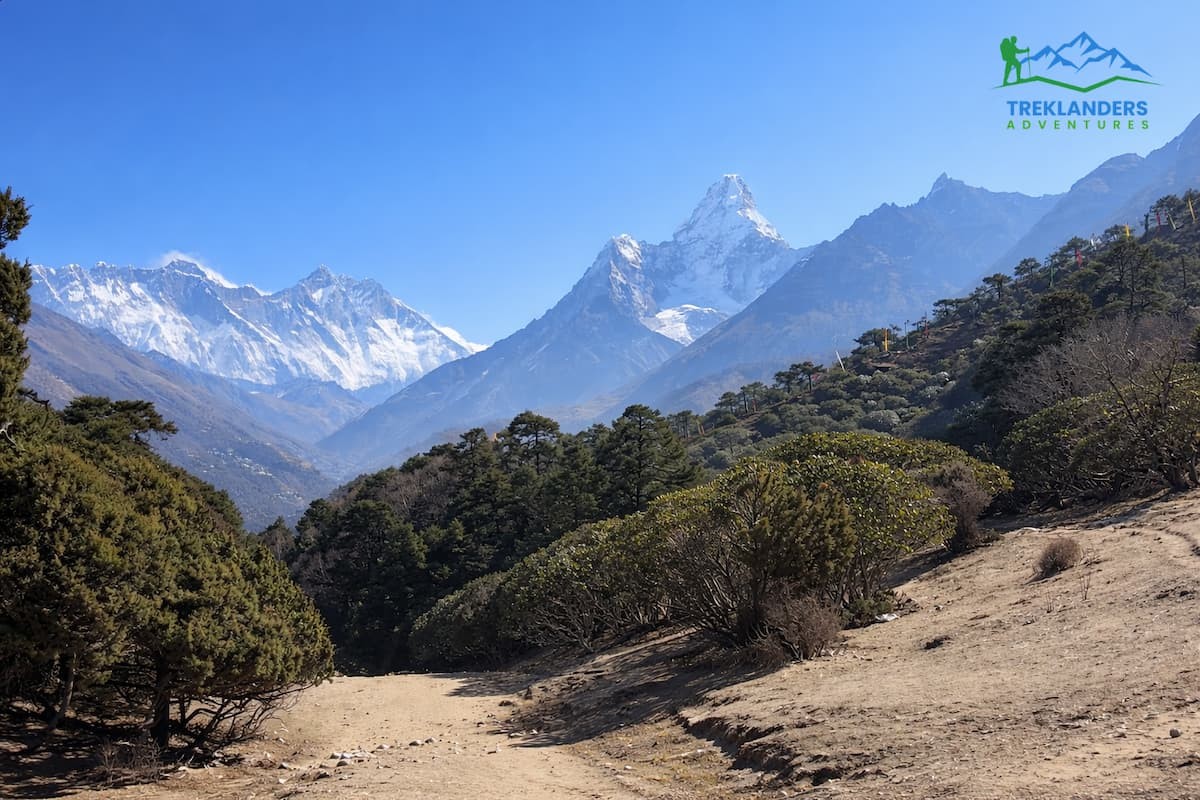
The trail from Namche begins by winding above the Imja Khola valley and the sight of Ama Dablam before dropping to the river at Phunki Thenga, and ascending through forest to Tengboche (3,870m). The Tengboche Monastery, the largest of Khumbu, is a high point of the trek and is perched on a ridgeline with a full 360-degree profile of the surrounding mountains.
Tengboche to Dingboche (Day 5)
Trail from Tengboche to Dingboche
As one progresses upstream, the trail takes one through Pangboche and into higher elevation lands as converging forests transition into air-Forbush-dominated highland terrain. Dingboche (4,410m) consists of stone-walled hamlets that sit at the convergence of two valleys and provide excellent views of Lhotse, Island Peak, and Ama Dablam. On the second acclimatization day here, you take a hike towards Chhukung (4,730 m) in the Imja Valley.
Dingboche to Lobuche (Day 7)
The path ascends the lateral moraine of the Khumbu Glacier, with the Thukla memorials (stone cairns dedicated to those who have died on Everest) along the way, a poignant and sobering part of the trek. Lobuche (4,910m) is a cluster of teahouses providing simple yet comfortable accommodation and is the last substantial stop before Gorak Shep.
Lobuche to Gorak Shep and the Summit (Day 8)
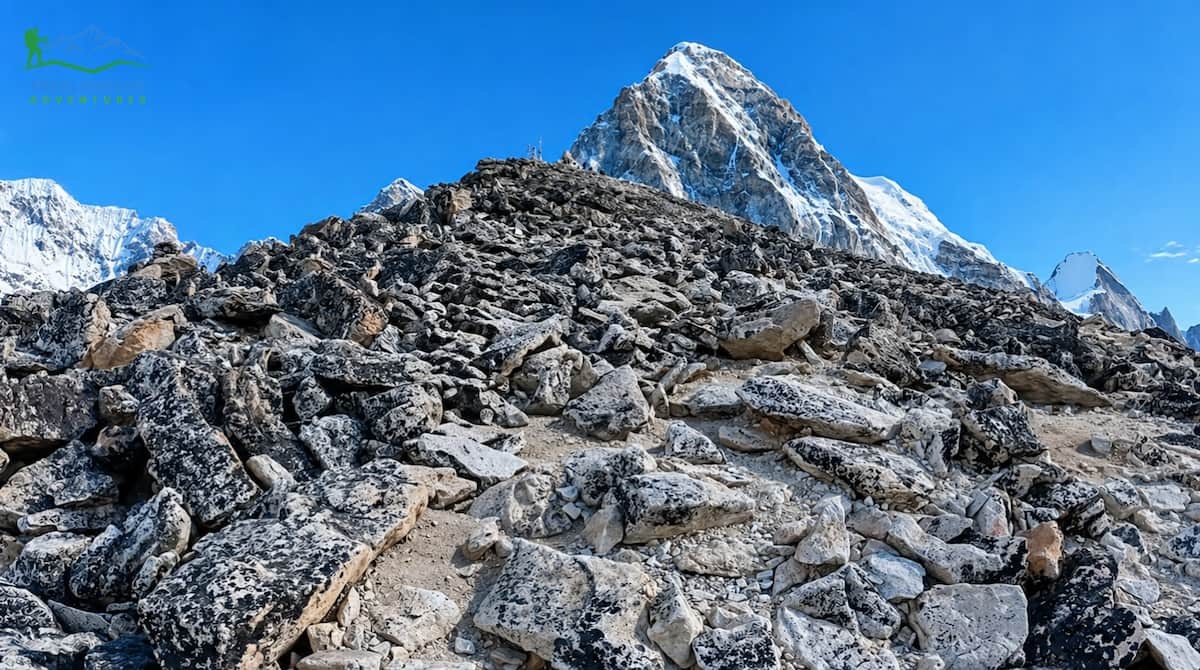
The last step to reach Kala Patthar starts with the trek from Lobuche to Gorak Shep (5,170m), across a sandy glacial outwash plain flanking the ice pinnacles of the Khumbu Glacier. Most trekkers reach Gorak Shep in the middle of the day, leave their packs, eat, and start the climb up Kala Patthar in the middle of the day. Going up from Gorak Shep to Kala Patar is relatively straightforward. The trail heads up the (usually) rocky south ridge of Pumori, climbing steeply up over such loose screes and boulders. It covers a 474-meter rise over a distance of about 1.5-2km. Expect to take between 1.5 hours when fully acclimatized and fit and 3 hours if not! The summit is marked with a jumble of prayer flags and a cairn, and the views from the summit are arguably the best anywhere in the Himalayas.
Sunrise Strategy
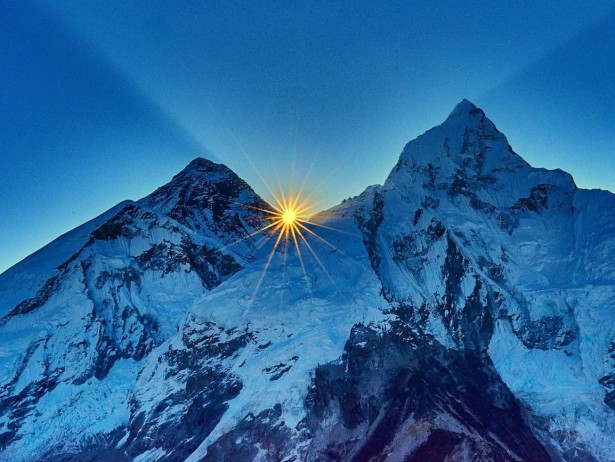
Many experienced trekkers prefer a pre-dawn ascent from Gorak Shep (departing around 4:30–5:00 am) to reach the summit at sunrise. Morning light illuminates Everest's south face in deep gold and eliminates afternoon cloud build-up. Bring a headlamp, an extra insulation layer, and expect temperatures of -10°C to -20°C before dawn.
4. Day to Day Kala Patthar Itinerary
Stunning view of Mount Everest from Kala Patthar – Everest Viewpoint
The following 14-day itinerary is the schedule Treklanders use on our standard Kala Patthar and Everest Base Camp trek. It is slow and careful, putting special emphasis on acclimatizing rather than rushing, by far the most important variable in ensuring the trekker makes it to the summit.
Day 1: Arrival in Kathmandu (1,365m / 4,478 ft.)
You arrive in Kathmandu and transfer to your hotel. The city feels busy, with narrow streets, temples, and constant movement. You meet your guide, check your gear, and review the trek plan. Use this time to rest after your flight. Stay hydrated and avoid alcohol. A short walk around Thamel helps you get familiar with the environment and pick up any last gear.
Day 2: Flight to Lukla (2,860m) and Trek to Phakding (2,610m) – 3 to 4 hrs
You take an early morning flight to Lukla. The landing is short and steep. After breakfast, you start trekking through small villages and forested trails. The path follows the Dudh Koshi River. Suspension bridges appear often. The walk is gentle and helps your body adjust. You reach Phakding and stay overnight.
Day 3: Trek to Namche Bazaar (3,440m) – 6 hrs
The trail continues along the river with several bridge crossings. You enter Sagarmatha National Park and register permits. The final section includes a steep climb to Namche. This part feels demand due to altitude gain. Namche is the main trading hub of the region. You find cafes, shops, and bakeries here.
Day 4: Acclimatization Day in Namche Bazaar (3,440m) – 2 to 4 hrs
You stay in Namche to adjust to the altitude. A short hike to the Everest View Hotel or Khumjung village helps your body adapt. You gain height during the hike and return to sleep lower. This improves acclimatization. Spend the afternoon resting, eating well, and drinking fluids.
Day 5: Trek to Tengboche (3,860m) – 5 hrs
You leave Namche on a trail with wide views of Everest, Ama Dablam, and Lhotse. The route drops to the river, then climbs steadily through pine forest. Tengboche is known for its monastery. The setting feels open and quiet. You can visit the monastery in the evening.
Day 6: Trek to Dingboche (4,410m) – 5 hrs
The trail descends through forest, crosses a river, and climbs toward Pangboche village. The landscape becomes more open and drier. Trees become fewer. Dingboche sits in a wide valley with stone walls around fields. You feel the altitude more here, so keep a slow pace.
Day 7: Acclimatization Day in Dingboche (4,410m) – 2 to 4 hrs
You take another rest day to adjust. A short hike to Nagarjun Hill or nearby ridges helps your body adapt. The air feels thinner, so walk slowly and avoid overexertion. Spend the afternoon resting and preparing for higher altitude days.
Day 8: Trek to Lobuche (4,940m) – 5 hrs
You continue along a gradual path to Dughla. From here, a steep climb leads to a memorial area dedicated to climbers. The trail then follows a rocky path along the glacier. Lobuche is a small settlement with basic lodges. Temperatures drop, especially at night.
Day 9: Trek to Everest Base Camp (5,364m) and Return to Gorakshep (5,164m) – 8 hrs.
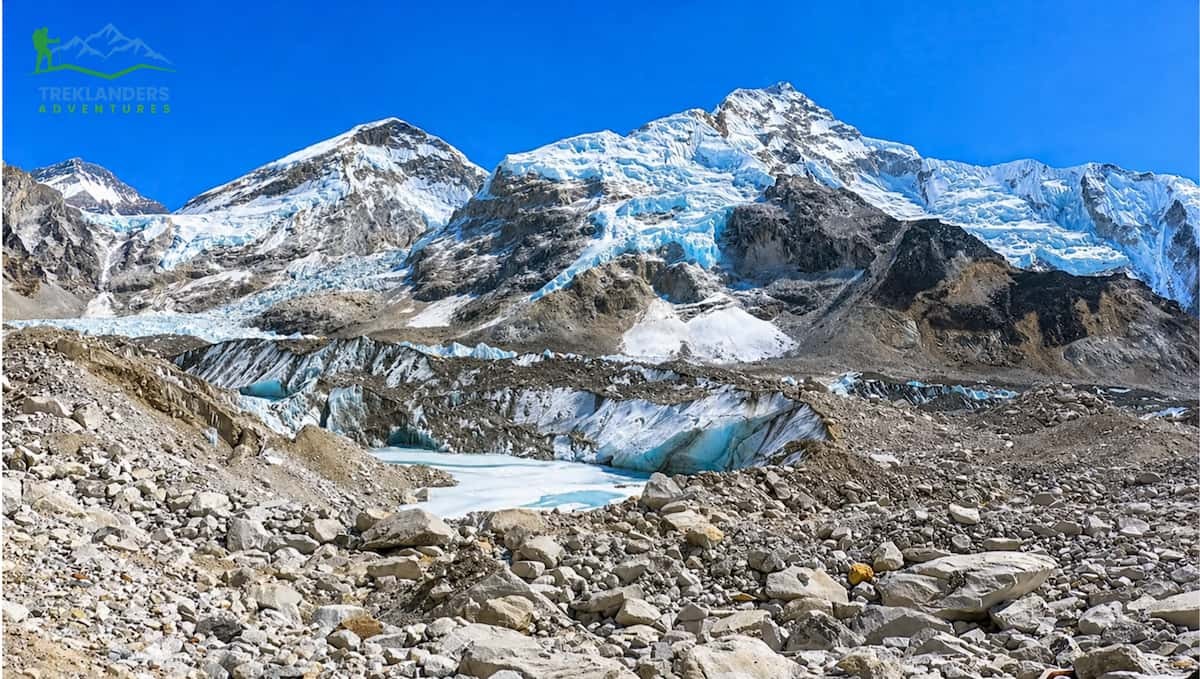
You trek to Gorakshep first, leave your bags, then continue to Everest Base Camp. The trail crosses rocky sections and glacier terrain. Base Camp is a rocky area with views of the Khumbu Icefall. After spending time there, you return to Gorakshep for the night.
Day 10: Kala Patthar (5,643m) Sunrise Hike and Trek Down to Pheriche (4,371m) – 7 hrs
Kala Patthar- Everest Base Camp Trek
You start early for Kala Patthar. The climb is steep but short. From the top, you get one of the best views of Everest. After sunrise, you descend to Gorakshep, have breakfast, and continue down to Pheriche. The descent feels easier as oxygen levels improve.
Day 11: Trek to Namche Bazaar (3,440m) – 7 hrs
You retrace your steps through Pangboche and Tengboche. The trail includes both descents and climbs. As you lose altitude, breathing becomes easier. You reach Namche and enjoy better food options and a comfortable stay.
Day 12: Trek to Lukla (2,846m) – 7 hrs
You descend along the Dudh Koshi River. The trail includes many suspension bridges and small climbs. You pass through familiar villages. Reaching Lukla marks the end of the trek. You can relax and celebrate the journey.
Day 13: Fly Back to Kathmandu – 30-minute flight
You take an early flight back to Kathmandu. Weather can cause delays, so flexibility helps. Once back, you transfer to your hotel. You can explore the city or rest.
Day 14: International departure for homeward bound
You prepare for your departure. Check your flight details and transfer to the airport. The trek ends with strong memories and physical achievement.
5. Health and Safety: Altitude Sickness & Acclimatization Strategy
Altitude sickness (or Acute Mountain Sickness, AMS) is not due to weakness or poor fitness; it affects Olympic athletes, elite soldiers and experienced climbers. It is due to the decreased oxygen available at high altitude and the body's ability to adapt to this. On the Kala Patthar trek, a knowledge of AMS, its prevention and treatment are as important as physical fitness.
The Three Forms of Altitude Sickness
Acute mountain sickness (AMS) is the mildest and most frequent form of altitude sickness. Symptoms are headaches (diagnostic criterion), nausea, dizziness, fatigue and insomnia. Mild AMS is normal and can easily be treated. Rest at the same altitude for 24–48 hours, and hydration will usually fix mild AMS. AMS diagnosis can be standardized with a Lake Louise Score diagnostic questionnaire – a score of 3 or greater (must have headache) means you have AMS.
High altitude pulmonary edema (HAPE) involves the build-up of fluid in the lungs. Symptoms include shortness of breath while resting, cough (sometimes producing pink, frothy sputum), blue lips/fingertips (cyanosis), and extreme fatigue. If suffered, HAPE will typically develop rapidly and is responsible for most altitude-related fatalities. Treatment involves descending to lower elevations, administering oxygen if possible, and/or taking the drug of nifedipine if severe.
High altitude cerebral edema (HACE) is the deadliest form. It involves swelling of the brain. Symptoms include severe headaches, unresponsive to medication, loss of coordination/ataxia, confusion, hallucinations, and eventually loss of consciousness. Treatment of HACE requires immediate descent, administration of dexamethasone, and placement in a hyperbaric (Gamow) bag if available.
Golden Rules to Minimize Altitude Sickness
Never ascend with AMS symptoms. The only treatment for worsening altitude sickness is descent. No summit, no schedule, no ego is worth a life. If you or a trekking partner shows signs of HAPE or HACE, descend immediately regardless of time of day or weather. Helicopter evacuation is available in Khumbu, and our guides carry emergency communication equipment.
Everest Base Camp Trek and Returning via Heli | 13 days
Stay hydrated. Drink 3–4 liters of water per day on the trek. AMS symptoms are exacerbated by dehydration, which is easy to do in the Himalayas. The extreme altitude environment is very cold and dry; you may not notice dehydration because you won't be sweating as much. Boil water for drinking and cooking or use water purification tablets or a high-quality filter. (You should treat almost all the water you find at teahouses.)
Many climbers take a prescription drug called acetazolamide (Diamox) before and during their climb. Diamox acts as a diuretic at doses of 125–250mg twice daily, increasing your breathing rate and helping your body acclimatize faster. Check with your doctor before beginning your trek. Side effects include pretty constant urination and tingling in your fingers and toes. Don't take Diamox if you have allergies to sulfa drugs. This is not a replacement for proper acclimatization but can offer some additional safety buffers.
Avoid alcohol and sleeping pills during the ascent phase of your trek. Alcohol dehydrates and impairs the respiratory response to low oxygen. Sleeping pills suppress breathing, which is the opposite of what your body needs at an altitude. Save the celebratory drinks for Namche on your way back down.
6. Seasonal Planning: Best time to Trek to Kala Patthar
Beautiful mountain views of Everest and Nuptse from Kala Patthar
Autumn is widely considered the best time of year to trek to Kala Patthar. The monsoon period ends in late September, leaving the trails well-washed, the skies crystalline, and the mountains free of cloud throughout most of each day. October and November feature stable weather with excellent viewing opportunities and comfortable temperatures - whilst cold, they are manageable with daytime temperatures hovering somewhere around 0°C to 8°C at Namche and -10°C to -15°C at Gorak Shep. The downside of autumn is popular. October sees the busiest conditions in the Khumbu region - teahouses quickly filled, trails heavily crowded and Lukla flights all at maximum capacity. Book accommodation and permit well in advance of your intended October trek - at least 3-4 months ahead.
Spring: March - May (Second Peak Season)
The spring season is viewed as the second-best period for such a trek - favored by many experienced trekkers for the blooms of rhododendrons, which colour the lower valley ranges red and pink. The weather is generally very stable, though afternoon cloud build-up is more common than in autumnal weather. The summit viewing window at Kala Patthar tends to be best in the morning from March through to early May, as later into spring pre-monsoon instability begins to build. May see Everest climbing expeditions active upon the mountain - adding excitement to the trek experience.
Winter: December - February (Off Season)
While technically possible, winter treks to Kala Patthar are challenging. The trails are far quieter - almost deserted - with exceptional mountain views possible on clear days. The downside is temperatures can drop to -25°C or lower at Gorak Shep, many teahouses above Namche close, and higher trails can be treacherous due to snowfall and Lukla flights are frequently delayed. Winter treks require even superior cold-weather gear and self-sufficiency.
Monsoon: June – August (Not Recommended)
The monsoon has the following effects: heavy downpour, leeches on the lower trails, rolling mist restricting views and much increased danger of trail erosion and landslides. There is little point attempting Kala Patthar during the monsoon season. The only situation in which it would be advisable is if you are prepared to face the conditions to enjoy the fresh air in the green valley surroundings with a few other trekkers on the trail.
9-Day Everest Base Camp Trekking with Helicopter Return | 9 days
There are two different permits to obtain for the most common Everest Base Camp (via Lukla): the Sagarmatha National Park Entry Permit and the Khumbu Pasang Lhamu Rural Municipality Entry Permit (commonly referred to as a local trek card).
These permits apply to the standard route that passes through Lukla – Namche – Tengboche – Dingboche – Lobuche – Gorakshep –Everest Base Camp/Kala Patthar.
One can either arrange the Sagarmatha National Park permit beforehand in Kathmandu or acquire it at the entry point in the park trails (Monjo area).
The local permit for Khumbu rural municipality is normally issued in the entry zone of Khumbu, usually at Lukla, so carry your documents and have time for the process. Keep your permits handy every day, as there happen to be several checkpoints along the route where officials may check and record them.
Your passport will be necessary to obtain the permits, thus bring the original one and keep its photocopy stored elsewhere, in case it gets lost or damaged.
Ensure that the personal particulars (full name, passport number, nationality) correspond exactly in documents to avoid delays at counters.
If trekking with any agencies, they will coordinate the best method to obtain all the necessary permits based on your entry point and flight operations (Kathmandu–Lukla vs Ramechhap–Lukla in peak season).
Correct details may change with time for permits and checkpoints; therefore, just before departing, it is good to check if some changes have occurred, especially for people using alternative or side routes.
Everest Base Camp via Cho la Pass from Gokyo Valley Trekking | 18 days
What may come as a surprise in the Everest trekking corridor is the variety and quality of food and accommodation at high altitude. The teahouse system of the Khumbu has been built up over decades to provide for the thousands of trekkers that travel through each year; standards have been steadily increasing over the past ten years, and above all, you will be well fed and sheltered while you are there.
Teahouse Accommodation
Teahouses (also known as lodges and guesthouses) form the core of the Khumbu trekking infrastructure. They can be quite basic (stone-walled structures with communal toilets) in small villages such as Rhenjo La, or surprisingly plush and well-equipped (hot showers, private rooms, Wi-Fi, charging points) in Namche Bazaar. Expect twin or double rooms with hard mattresses, plenty of blankets, and little heating. The (usually) centrally located dining room - heated by a yak dung stove - is where much of the social activity and atmosphere takes place.
Above Namche, the quality of the accommodation deteriorates, and prices inflate, which can be called the altitude tax. At Gorak Shep (5,170m), accommodation is basic but comfortable. Rooms are cold, the bathrooms are sometimes outside, and there is no guarantee of hot showers. It is a good idea to carry a sleeping bag rated to -15 °C above Lobuche, as the blankets in the teahouses are generally not enough.
Food on the trail
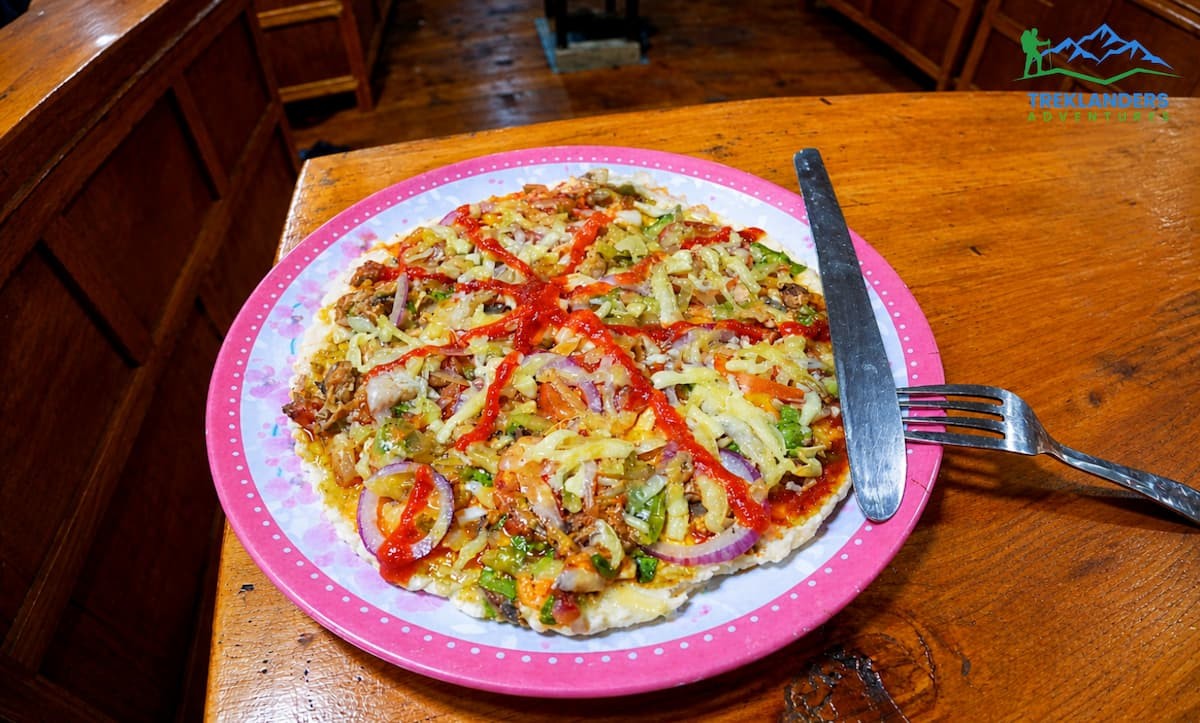
Food served during the Everest Base Camp Trek
Food on the Everest Base Camp trail is served in teahouses, with menus becoming simpler as altitude increases. The most common and reliable meal is Dal Bhat (rice, lentil soup, vegetables), popular because it is filling and usually comes in generous portions. Other typical options include noodles, fried rice, pasta, soups, potatoes, momos, and seasonal vegetable dishes.
Breakfast choices often include porridge, pancakes, eggs, chapati, toast, and Tibetan bread, depending on the lodge. At higher elevations, food is more expensive, and portions may feel smaller because everything is transported by porters or animals.
Staying hydrated is essential, so trekkers often drink ginger tea, lemon tea, garlic soup, hot water, and electrolyte fluids. It is best to avoid raw salads, unpeeled fruit, and untreated water to reduce stomach problems. Alcohol is not recommended during ascent days because it can worsen dehydration and affect altitude adjustment.
Beautiful mountain views of Everest and Nuptse from Kala Patthar in Winter
Reaching the summit of Kala Patthar at 5,644 meters is much more than just a trekking accomplishment; it represents a deep experience of the world's highest mountains. Standing face to face with the south side of Everest while watching the Khumbu Icefall beneath, one realizes the reason why this peak attracts numerous trekkers every year. Running the risk of altitude sickness, making the right season choice, having the proper outfit, and being physically fit - these are some elements of the journey, yet every uphill path, cold night in a teahouse and breathless step on the ridge at a height greater than Gorak Shep are worth the summit. Kala Patthar offers a breathtaking view at sunrise or a chance to be at a higher altitude than Everest Base Camp; however, the experience is so vivid that a picture alone cannot express it. This trek, when done with good preparation and accommodations for higher altitude, is very much within the reach of capable and committed trekkers from any part of the world; besides, it will be one of the most memorable adventures you've ever had.