[{"name":"Everest Base Camp Trek","duration":"16","image_url":"https:\/\/www.treklanders.com\/storage\/trip-galleries\/1\/thumb_419a755c003cc609f3030ee332965ebe.jpg","offer_price":1405,"url":"https:\/\/www.treklanders.com\/trips\/everest-base-camp-trek"},{"name":"Gokyo Valley Trekking","duration":"16","image_url":"https:\/\/www.treklanders.com\/storage\/trip-galleries\/2\/thumb_676d1021b574aeba4d19d3f2a0b04ed2.webp","offer_price":1205,"url":"https:\/\/www.treklanders.com\/trips\/gokyo-valley-trekking"},{"name":"Annapurna Circuit Trek","duration":"23","image_url":"https:\/\/www.treklanders.com\/storage\/trip-galleries\/3\/thumb_2a9a92ea23c62f41de27b37f5e3e8c17.webp","offer_price":1495,"url":"https:\/\/www.treklanders.com\/trips\/annapurna-circuit-trek"},{"name":"Everest Panorama Trek","duration":"12","image_url":"https:\/\/www.treklanders.com\/storage\/trip-galleries\/4\/thumb_35c9f677ea2e88b1ff11a9f43daa3ddb.jpg","offer_price":1100,"url":"https:\/\/www.treklanders.com\/trips\/everest-panorama-trek"},{"name":"Everest Base Camp Trekking from Jiri","duration":"22","image_url":"https:\/\/www.treklanders.com\/storage\/trip-galleries\/6\/thumb_14763592492417b294aa66bf0ebf4e64.webp","offer_price":1400,"url":"https:\/\/www.treklanders.com\/trips\/everest-base-camp-trekking-from-jiri"},{"name":"Everest Base Camp via Cho la Pass from Gokyo Valley Trekking","duration":"18","image_url":"https:\/\/www.treklanders.com\/storage\/trip-galleries\/7\/thumb_d4e470e98d4e9e2ab8e93e39b8b7d252.jpg","offer_price":1405,"url":"https:\/\/www.treklanders.com\/trips\/everest-base-camp-via-cho-la-pass-from-gokyo-valley-trekking"},{"name":"Everest Three Passes Trekking","duration":"22","image_url":"https:\/\/www.treklanders.com\/storage\/trip-galleries\/8\/thumb_b413b221e913171500bb3dfd5c08ceea.jpg","offer_price":1635,"url":"https:\/\/www.treklanders.com\/trips\/everest-three-passes-trekking"},{"name":"Annapurna Base Camp Trekking","duration":"14","image_url":"https:\/\/www.treklanders.com\/storage\/trip-galleries\/9\/thumb_2e71f2ffe116c659fa66b01c2d571b4e.webp","offer_price":845,"url":"https:\/\/www.treklanders.com\/trips\/annapurna-base-camp-trekking"},{"name":"Mardi Base Camp Trekking","duration":"14","image_url":"https:\/\/www.treklanders.com\/storage\/trip-galleries\/10\/thumb_d7b2d2dc638f6bbf2c31c167ac68029d.webp","offer_price":845,"url":"https:\/\/www.treklanders.com\/trips\/mardi-base-camp-trekking"},{"name":"Mohare Danda Trekking","duration":"12","image_url":"https:\/\/www.treklanders.com\/storage\/trip-galleries\/11\/thumb_a384c8d35d789d29b19991c1d675c910.webp","offer_price":755,"url":"https:\/\/www.treklanders.com\/trips\/mohare-danda-trekking"},{"name":"Khopra Ridge & Khair Lake Trekking","duration":"15","image_url":"https:\/\/www.treklanders.com\/storage\/trip-galleries\/12\/thumb_c0f50461ddc74acfb553ba85be00fab0.webp","offer_price":855,"url":"https:\/\/www.treklanders.com\/trips\/khopra-ridge-khair-lake-trekking"},{"name":"Upper Mustang Trekking","duration":"17","image_url":"https:\/\/www.treklanders.com\/storage\/trip-galleries\/13\/thumb_7aa4dfdb69186b0f224a303d80a25c95.jpg","offer_price":1715,"url":"https:\/\/www.treklanders.com\/trips\/upper-mustang-trekking"},{"name":"Langtang Valley Trek","duration":"12","image_url":"https:\/\/www.treklanders.com\/storage\/trip-galleries\/14\/thumb_8650b4b1a3c160cff75da65369398353.webp","offer_price":735,"url":"https:\/\/www.treklanders.com\/trips\/langtang-valley-trek"},{"name":"Gosainkunda Lake Trek","duration":"11","image_url":"https:\/\/www.treklanders.com\/storage\/trip-galleries\/15\/thumb_bfe94c14e760c48234e117021105be84.webp","offer_price":735,"url":"https:\/\/www.treklanders.com\/trips\/gosainkunda-lake-trek"},{"name":"Chisapani-Nagarkot to Dhulikhel Hiking","duration":"7","image_url":"https:\/\/www.treklanders.com\/storage\/trip-galleries\/16\/thumb_468defe9a4000ee3129cd7e6421ee105.webp","offer_price":565,"url":"https:\/\/www.treklanders.com\/trips\/chisapani-nagarkot-to-dhulikhel-hiking"},{"name":"Kanchenjunga Trek","duration":"23","image_url":"https:\/\/www.treklanders.com\/storage\/trip-galleries\/17\/thumb_51f43fa4203106cc49aaedc89d76e01d.jpg","offer_price":1725,"url":"https:\/\/www.treklanders.com\/trips\/kanchenjunga-trek"},{"name":"Helambu Trek","duration":"12","image_url":"https:\/\/www.treklanders.com\/storage\/trip-galleries\/18\/thumb_0fe8e3fa1299d2e43bf1fb5977875ce2.jpg","offer_price":685,"url":"https:\/\/www.treklanders.com\/trips\/helambu-trek"},{"name":"Upper Dolpo Trek","duration":"26","image_url":"https:\/\/www.treklanders.com\/storage\/trip-galleries\/19\/thumb_d6080d490e1db83b0a711e7304000864.jpg","offer_price":3005,"url":"https:\/\/www.treklanders.com\/trips\/upper-dolpo-trek"},{"name":"Manaslu Circuit Trek","duration":"18","image_url":"https:\/\/www.treklanders.com\/storage\/trip-galleries\/20\/thumb_1fdd224e849f4f328e73d2d12b3d282d.jpg","offer_price":1225,"url":"https:\/\/www.treklanders.com\/trips\/manaslu-circuit-trek"},{"name":"Tilicho Lake Base Camp Trek","duration":"19","image_url":"https:\/\/www.treklanders.com\/storage\/trip-galleries\/21\/thumb_eba8ac5e029e6543e0c17630ebd9e2fb.jpg","offer_price":1220,"url":"https:\/\/www.treklanders.com\/trips\/tilicho-lake-base-camp-trek"},{"name":"Nar-Phu Valley With Thorang-La Pass Trek","duration":"21","image_url":"https:\/\/www.treklanders.com\/storage\/trip-galleries\/22\/thumb_43597423a5a366fe9c8937fb30d2fe2a.jpg","offer_price":1315,"url":"https:\/\/www.treklanders.com\/trips\/nar-phu-valley-with-thorang-la-pass-trek"},{"name":"Nepal Round Trip of Kathmandu-Pokhara-Lumbini and Chitwan Tour","duration":"10","image_url":"https:\/\/www.treklanders.com\/storage\/trip-galleries\/23\/thumb_32497d170b2ab340b0a1b3310e91e784.webp","offer_price":845,"url":"https:\/\/www.treklanders.com\/trips\/nepal-round-trip-of-kathmandu-pokhara-lumbini-and-chitwan-tour"},{"name":"Nagarkot Day Hike","duration":"2","image_url":"https:\/\/www.treklanders.com\/storage\/trip-galleries\/24\/thumb_a5a654930fd8ba7852e41738105bacfc.webp","offer_price":105,"url":"https:\/\/www.treklanders.com\/trips\/nagarkot-day-hike"},{"name":"Nagarkot Sunrise Tour","duration":"1","image_url":"https:\/\/www.treklanders.com\/storage\/trip-galleries\/25\/thumb_17dc28a29cfa44381ad503f0a75ee84f.webp","offer_price":22,"url":"https:\/\/www.treklanders.com\/trips\/nagarkot-sunrise-tour"},{"name":"Namobuddha Day Tour with Shiva Statue","duration":"1","image_url":"https:\/\/www.treklanders.com\/storage\/trip-galleries\/26\/thumb_beeb34202f9077764aa08c67ef2867f9.webp","offer_price":45,"url":"https:\/\/www.treklanders.com\/trips\/namobuddha-day-tour-with-shiva-statue"},{"name":"Kathmandu Full Day Sightseeing Tour","duration":"1","image_url":"https:\/\/www.treklanders.com\/storage\/trip-galleries\/27\/thumb_d045fc0f1acee2cfa6b3c95f3c656d18.jpg","offer_price":30,"url":"https:\/\/www.treklanders.com\/trips\/kathmandu-full-day-sightseeing-tour"},{"name":"Patan and Bhaktapur Sightseeing Tour","duration":"1","image_url":"https:\/\/www.treklanders.com\/storage\/trip-galleries\/28\/thumb_750eacac3424b5dba686dd93656ab87c.jpg","offer_price":30,"url":"https:\/\/www.treklanders.com\/trips\/patan-and-bhaktapur-sightseeing-tour"},{"name":"Upper Mustang Heli Tour","duration":"1","image_url":"https:\/\/www.treklanders.com\/storage\/trip-galleries\/29\/thumb_0b785f69a15557f8660c805c76fda14e.webp","offer_price":1250,"url":"https:\/\/www.treklanders.com\/trips\/upper-mustang-heli-tour"},{"name":"Everest Heli Tour","duration":"1","image_url":"https:\/\/www.treklanders.com\/storage\/trip-galleries\/30\/thumb_dc45f2beb36a3699e0decf0de41a6f17.jpg","offer_price":1495,"url":"https:\/\/www.treklanders.com\/trips\/everest-heli-tour"},{"name":"Island Peak Trek & Climb","duration":"21","image_url":"https:\/\/www.treklanders.com\/storage\/trip-galleries\/31\/thumb_a0f3e3468c92a8e436045cf8b2fbf361.jpg","offer_price":2295,"url":"https:\/\/www.treklanders.com\/trips\/island-peak-trek-climb"},{"name":"Mera Peak Trek & Climb","duration":"18","image_url":"https:\/\/www.treklanders.com\/storage\/trip-galleries\/32\/thumb_3e8128a23c36f02fa38135475e811b9e.jpg","offer_price":2815,"url":"https:\/\/www.treklanders.com\/trips\/mera-peak-trek-climb"},{"name":"Chandragiri Cable Car Tour","duration":"1","image_url":"https:\/\/www.treklanders.com\/storage\/trip-galleries\/33\/thumb_faa70b716449eada6d7f1450335edbb3.jpg","offer_price":30,"url":"https:\/\/www.treklanders.com\/trips\/chandragiri-cable-car-tour"},{"name":"Everest Base Camp Trek and Returning via Heli","duration":"13","image_url":"https:\/\/www.treklanders.com\/storage\/trip-galleries\/34\/thumb_11190941866206e1d578db11986ebc73.webp","offer_price":2100,"url":"https:\/\/www.treklanders.com\/trips\/everest-base-camp-trek-and-returning-via-heli"},{"name":"Annapurna Semi Circuit Trek","duration":"15","image_url":"https:\/\/www.treklanders.com\/storage\/trip-galleries\/35\/thumb_30ddd8ba818cdcb52efd5eb0a017bcdb.jpg","offer_price":965,"url":"https:\/\/www.treklanders.com\/trips\/annapurna-semi-circuit-trek"},{"name":"Everest Base Camp Luxury Trek","duration":"14","image_url":"https:\/\/www.treklanders.com\/storage\/trip-galleries\/39\/thumb_6079aea3c5dd83e745a16fd6162270dc.jpg","offer_price":2685,"url":"https:\/\/www.treklanders.com\/trips\/everest-base-camp-luxury-trek"},{"name":"Mt. Kailash & Lake Manasarover Tour","duration":"15","image_url":"https:\/\/www.treklanders.com\/storage\/trip-galleries\/41\/thumb_cf3fededfd7dd2b40399af399e04f95a.jpg","offer_price":2205,"url":"https:\/\/www.treklanders.com\/trips\/mt-kailash-lake-manasarover-tour"},{"name":"Ghorepani Poonhill Trek","duration":"11","image_url":"https:\/\/www.treklanders.com\/storage\/trip-galleries\/43\/thumb_602d9a56976e1b836ba8adc69b8d09c5.webp","offer_price":720,"url":"https:\/\/www.treklanders.com\/trips\/ghorepani-poonhill-trek"},{"name":"11 Days Gokyo Valley Trekkking","duration":"11","image_url":"https:\/\/www.treklanders.com\/storage\/trip-galleries\/45\/thumb_ab552c3c91de392f94230a937b1c4801.jpg","offer_price":900,"url":"https:\/\/www.treklanders.com\/trips\/11-days-gokyo-valley-trekkking"},{"name":"9-Day Everest Base Camp Trekking with Helicopter Return","duration":"9","image_url":"https:\/\/www.treklanders.com\/storage\/trip-galleries\/46\/thumb_9a8ba2b582500cd86786be056902c31a.webp","offer_price":1990,"url":"https:\/\/www.treklanders.com\/trips\/9-day-everest-base-camp-trekking-with-helicopter-return"},{"name":"12-Day Everest Base Camp Trek","duration":"12","image_url":"https:\/\/www.treklanders.com\/storage\/trip-galleries\/47\/thumb_d12c9ef776c0b395ceea817fe05c5892.jpg","offer_price":1000,"url":"https:\/\/www.treklanders.com\/trips\/12-day-everest-base-camp-trek"},{"name":"8-Day Everest Panorama Trek","duration":"8","image_url":"https:\/\/www.treklanders.com\/storage\/trip-galleries\/49\/thumb_c81ae3a8ac757a317a9362e6872e2dcb.jpg","offer_price":850,"url":"https:\/\/www.treklanders.com\/trips\/8-day-everest-panorama-trek"},{"name":"7-Day Langtang Valley Trek","duration":"7","image_url":"https:\/\/www.treklanders.com\/storage\/trip-galleries\/50\/thumb_99c2904df5475ab028c9e3633ea95ef3.jpg","offer_price":420,"url":"https:\/\/www.treklanders.com\/trips\/7-day-langtang-valley-trek"},{"name":"4-Day Trekking Adventure near Kathmandu","duration":"4","image_url":"https:\/\/www.treklanders.com\/storage\/trip-galleries\/51\/thumb_594681060514dc57be1959236a6996d0.jpg","offer_price":275,"url":"https:\/\/www.treklanders.com\/trips\/4-day-trekking-adventure-near-kathmandu"},{"name":"4-Day Ghorepani Ponnhill Trek from Pokhara","duration":"4","image_url":"https:\/\/www.treklanders.com\/storage\/trip-galleries\/53\/thumb_eede04edac01f983d9af2c16f55d03e8.webp","offer_price":500,"url":"https:\/\/www.treklanders.com\/trips\/4-day-ghorepani-ponnhill-trek-from-pokhara"},{"name":"7-Day Annapurna Base Camp Trek from Pokhara","duration":"7","image_url":"https:\/\/www.treklanders.com\/storage\/trip-galleries\/55\/thumb_547e91c74088c491111ebe31a759cfbb.jpg","offer_price":420,"url":"https:\/\/www.treklanders.com\/trips\/7-day-annapurna-base-camp-trek-from-pokhara"},{"name":"13-Day Manaslu Circuit Trekking","duration":"13","image_url":"https:\/\/www.treklanders.com\/storage\/trip-galleries\/56\/thumb_aef1af4f0c4a2a9622d518ad5959542b.jpg","offer_price":1050,"url":"https:\/\/www.treklanders.com\/trips\/13-day-manaslu-circuit-trekking"},{"name":"5-Day Mardi Himal Trek from Pokhara","duration":"5","image_url":"https:\/\/www.treklanders.com\/storage\/trip-galleries\/57\/thumb_dcd598d556c14835f0a18169afafcbc6.webp","offer_price":420,"url":"https:\/\/www.treklanders.com\/trips\/5-day-mardi-himal-trek-from-pokhara"},{"name":"Nagarkot Sunrise Tour with Day Hike","duration":"1","image_url":"https:\/\/www.treklanders.com\/storage\/trip-galleries\/58\/thumb_7cdfa1f16719486da2a0718da45b1f2f.webp","offer_price":30,"url":"https:\/\/www.treklanders.com\/trips\/nagarkot-sunrise-tour-with-day-hike"},{"name":"Seven Unesco Heritage Sites Day Tour in Kathmandu","duration":"1","image_url":"https:\/\/www.treklanders.com\/storage\/trip-galleries\/59\/thumb_92aed7b9c67e76740000aab9313dced7.jpg","offer_price":40,"url":"https:\/\/www.treklanders.com\/trips\/seven-unesco-heritage-sites-day-tour-in-kathmandu"},{"name":"10-Day Ghorepani Poonhill with Annapurna Base Camp Trek","duration":"10","image_url":"https:\/\/www.treklanders.com\/storage\/trip-galleries\/60\/thumb_d4c2c089497950ccb5f8541d76e1269b.webp","offer_price":835,"url":"https:\/\/www.treklanders.com\/trips\/10-day-ghorepani-poonhill-with-annapurna-base-camp-trek"},{"name":"3-Day Chitwan Wildlife Tour","duration":"3","image_url":"https:\/\/www.treklanders.com\/storage\/trip-galleries\/61\/thumb_7963c9033b4ecfb5d29583fb0965d521.webp","offer_price":150,"url":"https:\/\/www.treklanders.com\/trips\/3-day-chitwan-wildlife-tour"},{"name":"3-Day Pokhara Sightseeing Tour","duration":"3","image_url":"https:\/\/www.treklanders.com\/storage\/trip-galleries\/62\/thumb_61542f3c38329bcce9d2771c96f265a4.jpg","offer_price":230,"url":"https:\/\/www.treklanders.com\/trips\/3-day-pokhara-sightseeing-tour"},{"name":"7-Day Kathmandu Pokhara and Chitwan wildlifeTour","duration":"7","image_url":"https:\/\/www.treklanders.com\/storage\/trip-galleries\/63\/thumb_803b98ae15f14366124ebb109a32f49d.webp","offer_price":545,"url":"https:\/\/www.treklanders.com\/trips\/7-day-kathmandu-pokhara-and-chitwan-wildlifetour"},{"name":"Nagarjun Jamacho Day Hiking","duration":"1","image_url":"https:\/\/www.treklanders.com\/storage\/trip-galleries\/64\/thumb_85867eb85c60c8228e44f927341f67d1.jpg","offer_price":30,"url":"https:\/\/www.treklanders.com\/trips\/nagarjun-jamacho-day-hiking"},{"name":"Everest Mountain Flight from Kathmandu","duration":"1","image_url":"https:\/\/www.treklanders.com\/storage\/trip-galleries\/65\/thumb_1a66526d340ec175023842c38efd8a95.webp","offer_price":120,"url":"https:\/\/www.treklanders.com\/trips\/everest-mountain-flight-from-kathmandu"},{"name":"One Day Trishuli River Rafting Adventures","duration":"1","image_url":"https:\/\/www.treklanders.com\/storage\/trip-galleries\/66\/thumb_55ba0ea676c9c625f99f3d41bda224fb.jpg","offer_price":35,"url":"https:\/\/www.treklanders.com\/trips\/one-day-trishuli-river-rafting-adventures"},{"name":"13-Day Annapurna Circuit Trek","duration":"13","image_url":"https:\/\/www.treklanders.com\/storage\/trip-galleries\/67\/thumb_859e7a1fbb468a9252d365cab8379f10.jpg","offer_price":815,"url":"https:\/\/www.treklanders.com\/trips\/13-day-annapurna-circuit-trek"},{"name":"15-Day Tilicho Base Camp with Thorong-La Pass Trekking","duration":"15","image_url":"https:\/\/www.treklanders.com\/storage\/trip-galleries\/68\/thumb_56a5fd1506c9b9f1f83844353dc55edf.jpg","offer_price":920,"url":"https:\/\/www.treklanders.com\/trips\/15-day-tilicho-base-camp-with-thorong-la-pass-trekking"},{"name":"Cooking Class in Thamel-Full Course Meal","duration":"1","image_url":"https:\/\/www.treklanders.com\/storage\/trip-galleries\/69\/thumb_ed5cfbc0d94b624642d347c0776d36bb.webp","offer_price":30,"url":"https:\/\/www.treklanders.com\/trips\/cooking-class-in-thamel-full-course-meal"},{"name":"Cooking Class in Thamel-Full Course","duration":"3 Hours 30 Minutes","image_url":"https:\/\/www.treklanders.com\/img\/default.gif","offer_price":30,"url":"https:\/\/www.treklanders.com\/trips\/cooking-class-in-thamel-full-course"},{"name":"Cooking Class in Thamel-Full Course Meal","duration":"3 Hours 30 Minutes","image_url":"https:\/\/www.treklanders.com\/img\/default.gif","offer_price":30,"url":"https:\/\/www.treklanders.com\/trips\/cooking-class-in-thamel-full-course-meal"},{"name":"Momo Making Class in Thamel","duration":"1","image_url":"https:\/\/www.treklanders.com\/storage\/trip-galleries\/72\/thumb_a36e5ceca4d5c4cb0ecda367505b31d3.webp","offer_price":20,"url":"https:\/\/www.treklanders.com\/trips\/momo-making-class-in-thamel"},{"name":"8 Days Bhutan Tour from Kathmandu","duration":"8","image_url":"https:\/\/www.treklanders.com\/storage\/trip-galleries\/73\/thumb_df319d7d3ac21bcd9cf728cb1a70ea09.webp","offer_price":2275,"url":"https:\/\/www.treklanders.com\/trips\/8-days-bhutan-tour-from-kathmandu"},{"name":"10 Days Bhutan Tour with Druk path Trek","duration":"10","image_url":"https:\/\/www.treklanders.com\/storage\/trip-galleries\/74\/thumb_c7d4a4b89aceaf5d3aac313265729bb3.webp","offer_price":5715,"url":"https:\/\/www.treklanders.com\/trips\/10-days-bhutan-tour-with-druk-path-trek"},{"name":"9 -Day Langtang Valley Trek","duration":"9","image_url":"https:\/\/www.treklanders.com\/storage\/trip-galleries\/75\/thumb_65e69cec8917e39091c9e40ae06df3da.webp","offer_price":620,"url":"https:\/\/www.treklanders.com\/trips\/9--day-langtang-valley-trek"},{"name":"14 Day Everest Base Camp Trek","duration":"14","image_url":"https:\/\/www.treklanders.com\/storage\/trip-galleries\/76\/thumb_446e7f33a5f43896c9cdf470cd7be947.webp","offer_price":1175,"url":"https:\/\/www.treklanders.com\/trips\/14-day-everest-base-camp-trek"},{"name":"Lhasa Tour from Kathmandu: 10-Day Tibet Overland Journey via Gyirong","duration":"10","image_url":"https:\/\/www.treklanders.com\/img\/default.gif","offer_price":null,"url":"https:\/\/www.treklanders.com\/trips\/lhasa-tour-from-kathmandu-10-day-tibet-overland-journey-via-gyirong"},{"name":"13 Day Lhasa Tour from Kathmandu via Everest Base Camp","duration":"13","image_url":"https:\/\/www.treklanders.com\/storage\/trip-galleries\/78\/thumb_8a2bfb2abd99ba9ddc902b768e7b0759.webp","offer_price":2565,"url":"https:\/\/www.treklanders.com\/trips\/13-day-lhasa-tour-from-kathmandu-via-everest-base-camp"},{"name":"11 Day Annapurna Base Camp Trek","duration":"11","image_url":"https:\/\/www.treklanders.com\/storage\/trip-galleries\/79\/thumb_4e48a19c538c00cc8c36160ca97c5f21.webp","offer_price":720,"url":"https:\/\/www.treklanders.com\/trips\/11-day-annapurna-base-camp-trek"},{"name":"9 Day Mardi Himal Trek","duration":"9","image_url":"https:\/\/www.treklanders.com\/storage\/trip-galleries\/80\/thumb_8214945c5614ac9a84e5ca0b58b1f5a3.webp","offer_price":735,"url":"https:\/\/www.treklanders.com\/trips\/9-day-mardi-himal-trek"},{"name":"14 Day Manaslu Circuit Trek","duration":"14","image_url":"https:\/\/www.treklanders.com\/storage\/trip-galleries\/81\/thumb_b3ec98cd4036da5cb6e92250afa0d59e.webp","offer_price":1085,"url":"https:\/\/www.treklanders.com\/trips\/14-day-manaslu-circuit-trek"},{"name":"20 Day Manaslu Circuit with Tsum Valley Trek","duration":"20","image_url":"https:\/\/www.treklanders.com\/storage\/trip-galleries\/82\/thumb_b8c202cf8e16197517811d535f2a6795.webp","offer_price":1765,"url":"https:\/\/www.treklanders.com\/trips\/20-day-manaslu-circuit-with-tsum-valley-trek"},{"name":"15 Day Langtang Gosaikunda Lake Helambu Trek","duration":"15","image_url":"https:\/\/www.treklanders.com\/storage\/trip-galleries\/83\/thumb_a9c7bbb74f733cdc9a3469a448df7109.webp","offer_price":985,"url":"https:\/\/www.treklanders.com\/trips\/15-day-langtang-gosaikunda-lake-helambu-trek"},{"name":"14 Day Tamang Heritage with Langtang Valley Trek","duration":"14","image_url":"https:\/\/www.treklanders.com\/storage\/trip-galleries\/84\/thumb_57fe1b0ad2b7d0489273633b906d2f43.webp","offer_price":895,"url":"https:\/\/www.treklanders.com\/trips\/14-day-tamang-heritage-with-langtang-valley-trek"},{"name":"6 Day Pikey Peak Trek","duration":"6","image_url":"https:\/\/www.treklanders.com\/storage\/trip-galleries\/85\/thumb_f69c5c05ac7a2100c9010f66292efc86.webp","offer_price":550,"url":"https:\/\/www.treklanders.com\/trips\/6-day-pikey-peak-trek"},{"name":"Everest Base Camp Trek with Lobuche East Peak Climbing Expedition","duration":"17","image_url":"https:\/\/www.treklanders.com\/storage\/trip-galleries\/86\/thumb_9e7f330ecdbd7f74fe6f16202d3fed28.webp","offer_price":2295,"url":"https:\/\/www.treklanders.com\/trips\/everest-base-camp-trek-with-lobuche-east-peak-climbing-expedition"}]
Kathmandu Travel Guide: Best Places, Temples, Festivals & Things to Do in Nepal’s Cultural Capital
Kathmandu Travel Guide: Best Places, Temples, Festivals & Things to Do in Nepal’s Cultural Capital
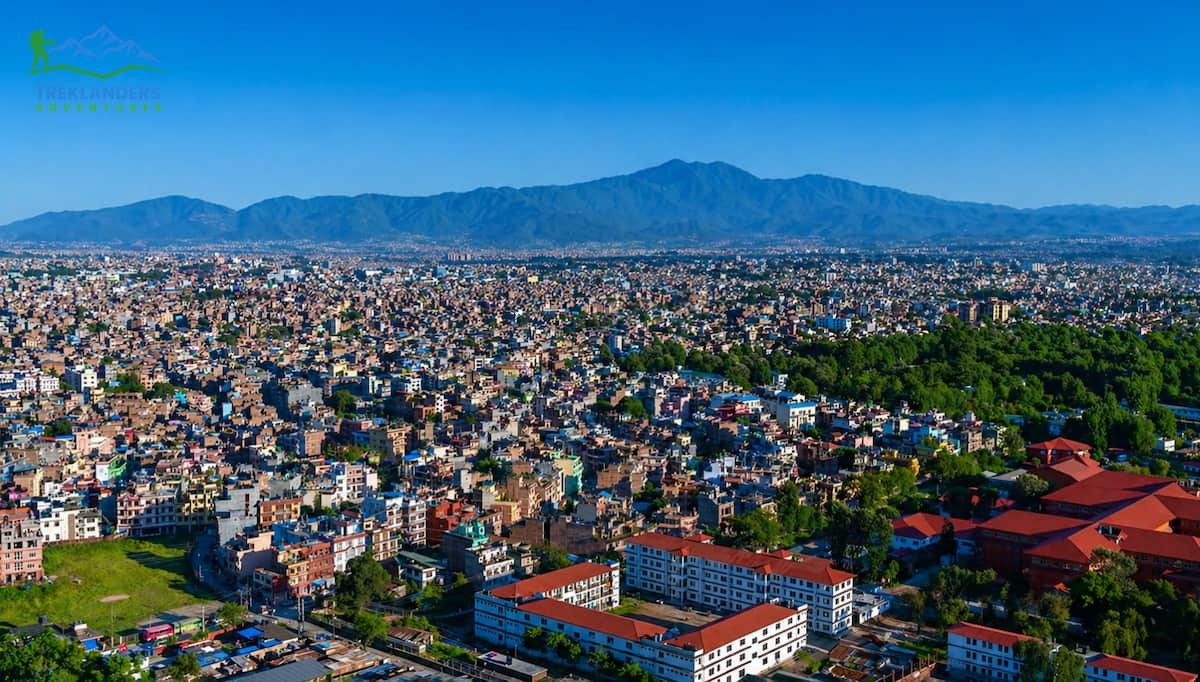
Kathmandu is known as where gods walk among the living. Kathmandu is not a place that you simply visit; it is a place that you gradually immerse yourself in. Situated at an altitude of 1,400 meters above sea level in a vast Himalayan valley, Nepal's old capital city is different from any other city in the world. It's a place where living goddesses are seen through the windows with intricate wooden latticework, where bodies are burnt on pyres right next to the rivers, where monks and sadhus from different religions share the same courtyard, and where on clear mornings the towering snow-capped peaks of the world's highest mountains can be seen on the northern horizon. Walking through Kathmandu is like going through different periods of history. The medieval city areas of Kathmandu, Patan, and Bhaktapur, three different city kingdoms that were mothered by the valley, still harbours an extraordinary number of temples, palaces, courtyards, and wood- carved architectures that are unparalleled in South Asia. Seven places in the single valley are recognized as UNESCO World Heritage sites. Most of those places remain as active, daily worship areas, not just museum pieces behind ropes, but living shrines where the devotees attending them are coming ones who have been here for generations.
There's a reason why travellers keep coming back to the Kathmandu Valley repeatedly throughout the year and at different paces. You might hop in here and only spend three days thinking that you've barely explored the area. However, you can take three weeks here and still discover new hidden courtyards, watch festival processions, and visit neighborhood temples that you hadn't seen before. This guide will help you not only to choose the best time to visit but also to understand the seasons, know which festivals you need to time your trip around, highlight the must-see places, and most importantly, introduce you to the wide range of activities that make Kathmandu one of the most vibrant and captivating travel destinations in Asia. The air smells of incense, marigold, and woodsmoke. Every alley turns into a shrine. Every shrine turns into a story.
When to visit: Season Breakdown
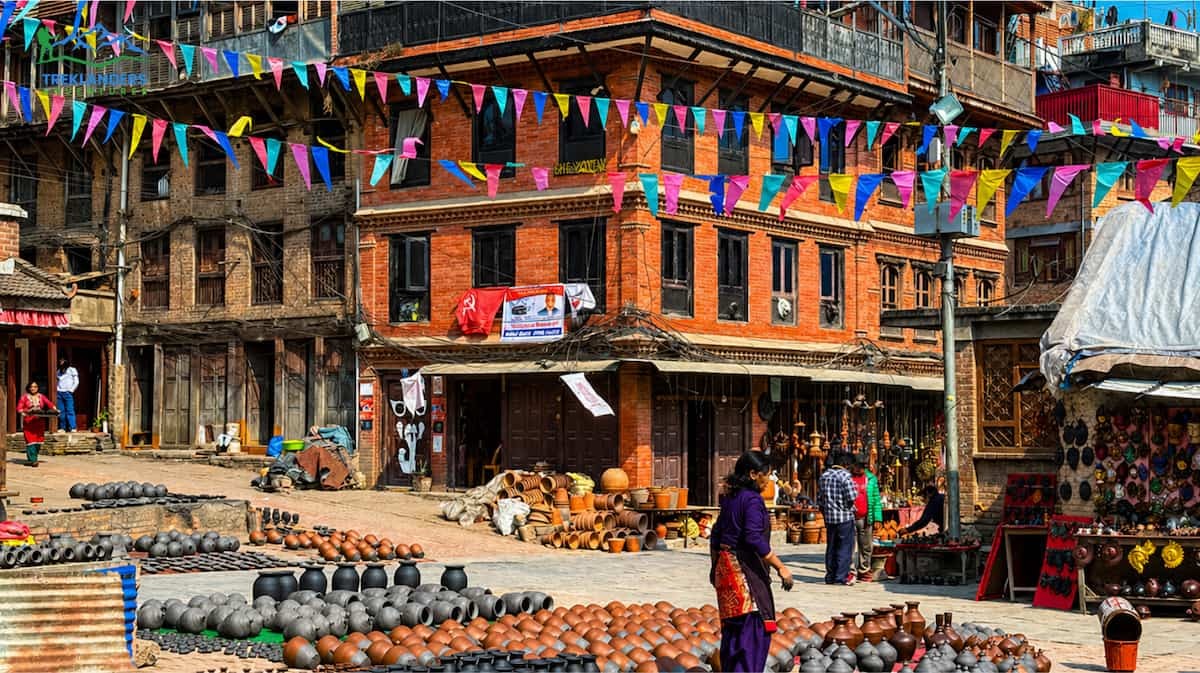
Pottery Square, Bhaktapur
The monsoon cycle and the Himalayan height of Kathmandu are two main factors affecting the area's climate. The different seasons all have their own unique features, so choosing the best time for a trip is a matter of deciding what aspect of thrilling festivals, cozy temperatures, glorious mountain vistas, or peacefulness and low fares you most desire.
Autumn (October to November): The Golden Season
Autumn is, after all, a season which is most of the people's favorite as the best time to go to Nepal for a holiday. After monsoon rains which mainly have made the air very clean and pleasant, the valley at least looks so awesome that it even shines, the temperature is very good for a day out to do exploration in a light jacket and at night time it is good enough to have sleep without disturbance, the Himalayan peaks in sharp and clearness from the north side are seen even from the top of the houses of the whole city, what is most important is that October and November are the months when Nepal celebrates its biggest festivals: Dashain and Tihar. The weeks of these festivals completely change the city by putting the streets with garlands of marigolds, the queues of people waiting to receive the tika run through the courtyards of families, and the smell of incense fills every neighborhood. This is exactly the time when the Nepalis who have been living in foreign countries come back for a visit, go to the hotels which are already filled, and the whole valley will be so full of the kind of energy that it is impossible to find even one single time of the year when this energy would be the same. That is why you should think about booking your hotel room well in time in October.
Seven Unesco Heritage Sites Day Tour in Kathmandu | 1 days
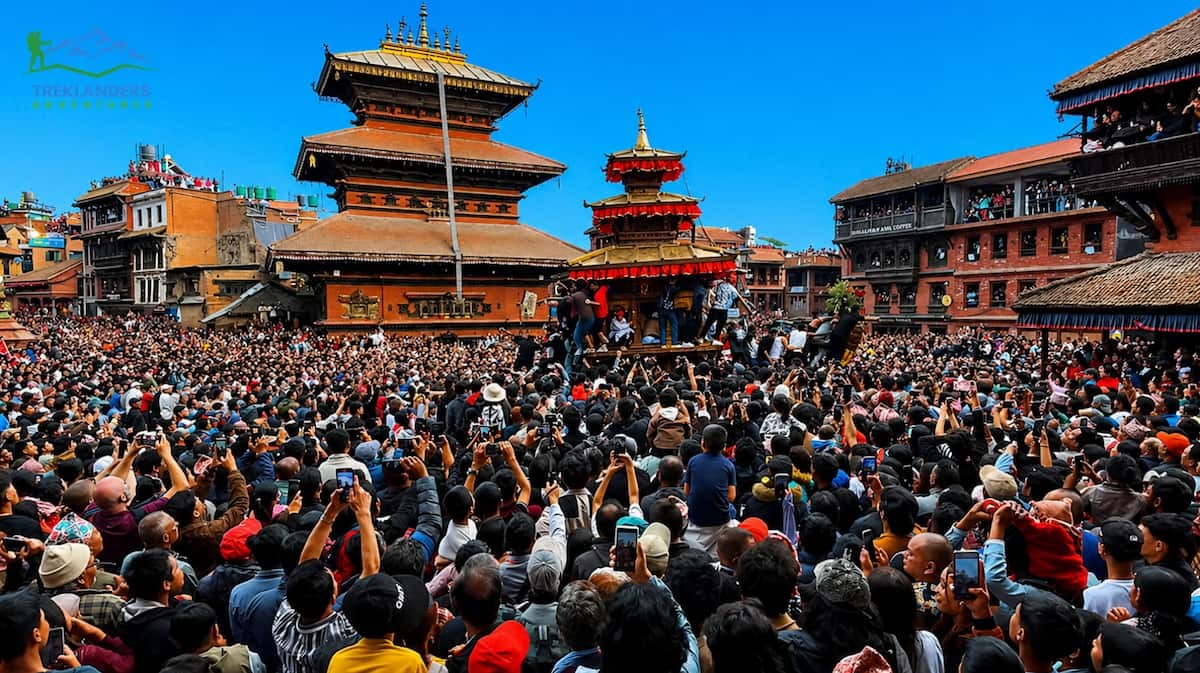
Spring is the second-best season in Kathmandu, and for many travellers it's the most beautiful time to visit. Flushing rhododendrons paint the hills around the valley pink and crimson, Nepal's national flower, while daytime temperatures gradually warm through March and April. Light is long and golden, and vegetation is growing busily around you. March brings Holi, the festival of colour, when swathes of colored powder coat city streets and travelers' stomping grounds. In April, the streets of Bhaktapur, the medieval capital just outside of Kathmandu, come alive with Bisket Jatra, a festival centered around teams pulling enormous, decorated chariots through the streets for the Nepali New Year. Daytime humidity creeps into April and May as haze starts to settle over the valley. Mountains are obscured more than in autumn, but high-altitude trekking is still incredible in spring. especially with rhododendron forests that abloom along the hill tracks around the valley.
Winter (December to February): Quite and Affordable
Winter is Kathmandu's best-kept secret. Tourists are scarce compared to the autumn high season hotel prices plummet thirty to fifty per cent, and everything slows down a bit. Mornings can be brisk; the air often approaches freezing before sunrise, but afternoons are sunny and surprisingly warm. Kathmandu gets a low golden light in the winter that makes all the city's gilded pagodas shimmer and highlights the beauty of the brick-lined alleyways of the old city. Days without hordes of tourists mean exploring Durbar Squares, temples, and monastery's courtyards in peace. Residents are also less rushed and more available. Views of the mountains, when the haze has lifted, can be the clearest of the year. Bring a down jacket for the evenings and sunrise adventures and enjoy having one of Asia's great cities near to yourself.
Monsoon (June to September): Green and Atmospheric
June marks the start of the monsoon season. When the rains hit, they transform Kathmandu into a sauna of sorts with daily afternoon rainstorms and high humidity. One afternoon, you're walking through a dry, brown valley, and the next, it's bursting with deep green vegetation. New smells of wet earth and leaves fill the air. Prices hit rock bottom, and the tourist infrastructure takes a chill pill. June through September are perfect months for lazing around museum galleries, slurping bowls of thukpa in mountain rustic tea houses and lingering in temple courtyards while dodging rainstorms. Monsoon season concludes with Indra Jatra at the end of September. This iconic festival in Kathmandu includes one of the most visually stunning street festivals of the year. If you don't mind travelling with a bit of mud on your shoes, monsoon season in Kathmandu is raw, atmospheric and budget-friendly. It's when many well-travelled backpackers say they prefer visiting Nepal's capital.
Must-Visit Places in the Kathmandu Valley
1. Pashupatinath Temple
Pashupatinath Temple
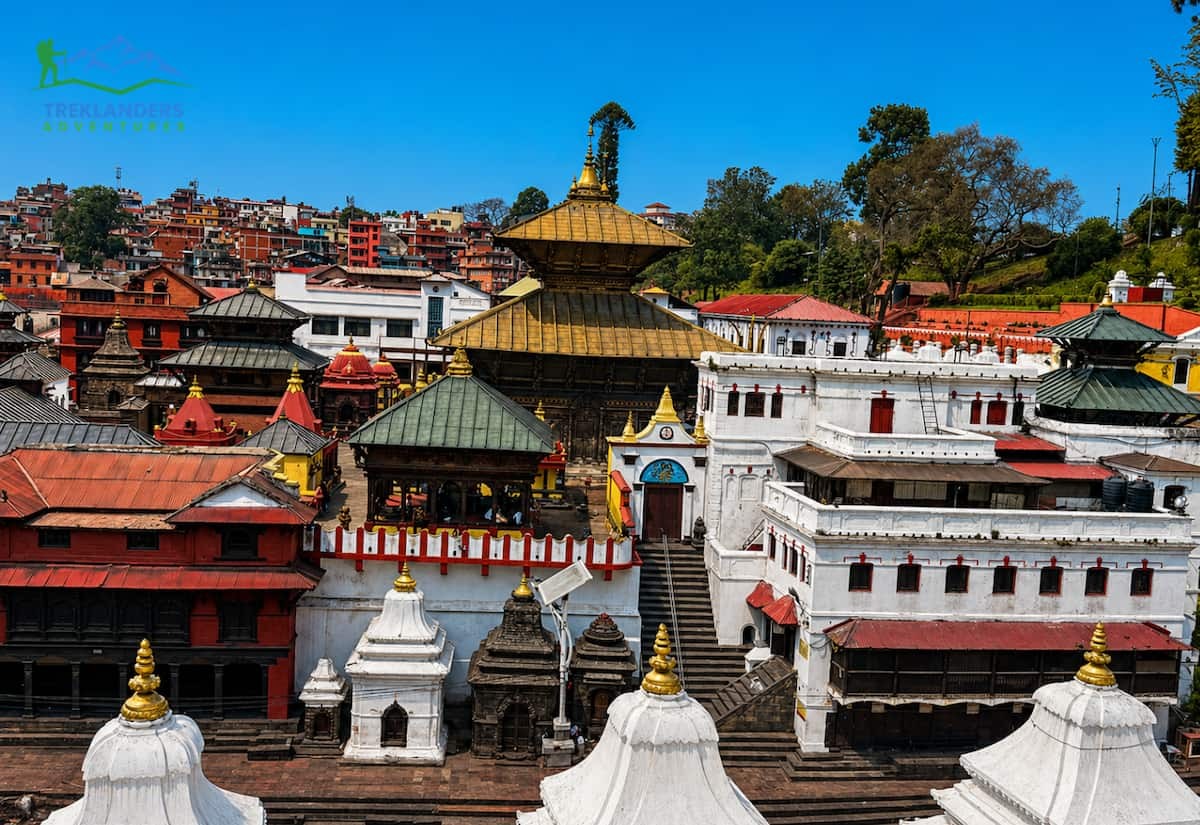
One of the most sacred Hindu temple complexes in Nepal is Pashupatinath, which literally covers a large stretch of the western bank of the Bagmati River and can also be said to be the single most important religious site of the entire Himalayan region. The main sanctum is a double-roofed pagoda covered with shiny gilded copper with silver doors, which is the only area reserved for Hindus, but the rest of the temple complex is accessible to everyone. In fact, there are many small shrines, bathing ghats leading to the holy river, sadhus (holy men) painted in ash and ochre, as well as cremation ghats where Hindu funerary rites are performed openly and are continuous.
There is no other place like it. The devotion here is so strong that it is almost tangible - after weeks of travel, the pilgrims arrive in a quiet state of reverence. The atmosphere in the main ghat during morning aarti fire ritual, when brass lamps are moving over the river and the ringing of the bells throughout the complex, is one of the strongest experiences in Kathmandu. Come early in the morning. Plan to spend two to three hours. Be modestly dressed and always seek permission before taking pictures of any rituals.
2. Boudhanath Stupa
Boudhanath Stupa
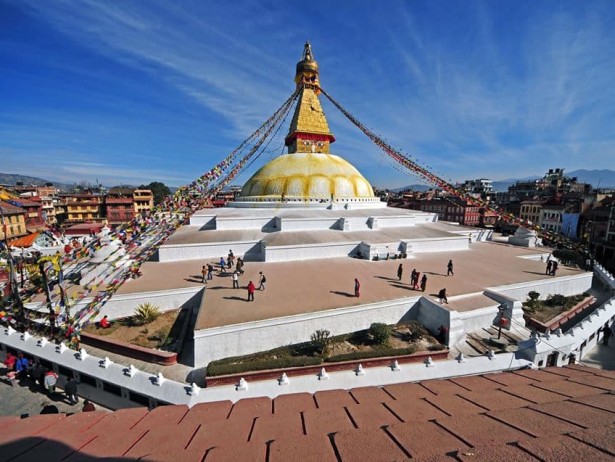
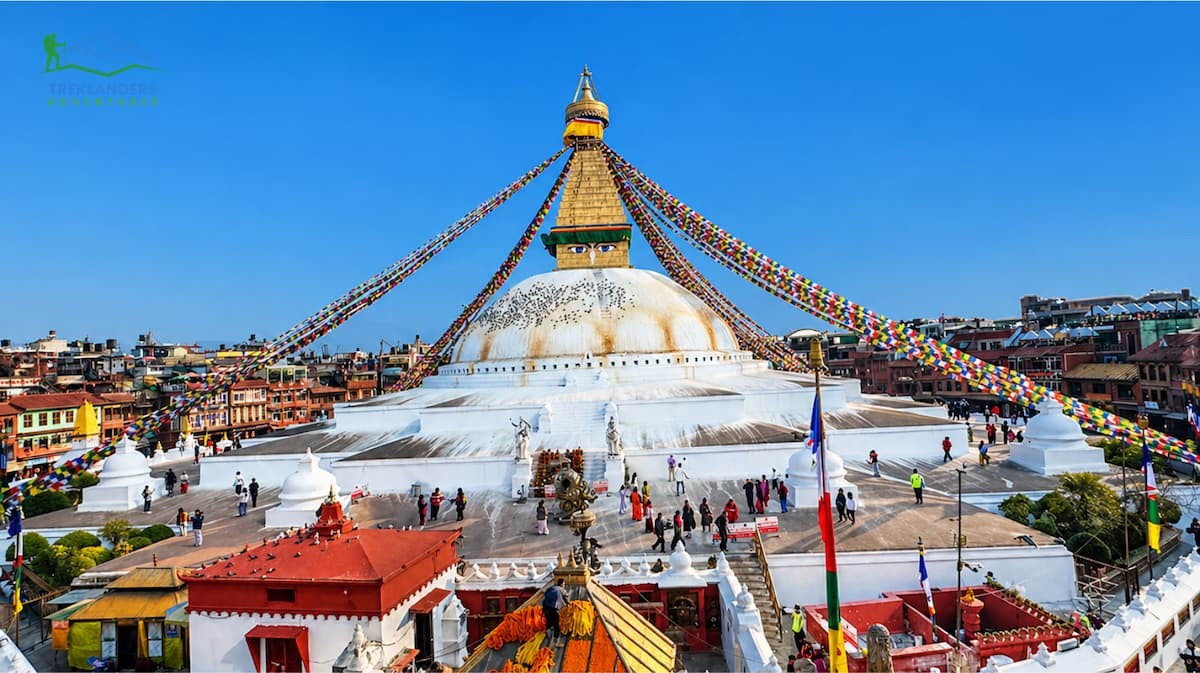
As one of the world's largest Buddhist stupas, Boudhanath represents a giant mandala that you can walk on. The massive white dome, which is essentially a perfect hemisphere set on a tiered base, is crowned by a gilded tower featuring the all-seeing eyes of the Adi Buddha staring in the four directions. On the route encircling the stupa, there are hundreds of brass prayer wheels that devotees spin. During dawn and sunset, the circuit is occupied by Tibetan pilgrims wearing heavy robes who have been regularly walking this path for decades. The area around is like a small Tibetan town: monks' yards lead directly to the main road, thangka painters work at their open studios, and the café terraces around the stupa provide stunning views of the dome and the continuously circling worshippers. Boudhanath was heavily impacted by the 2015 earthquake but has since been magnificently restored. It symbolizes the living spirit of Kathmandu's Tibetan Buddhist community, and no matter when you visit, it will be an incredible experience.
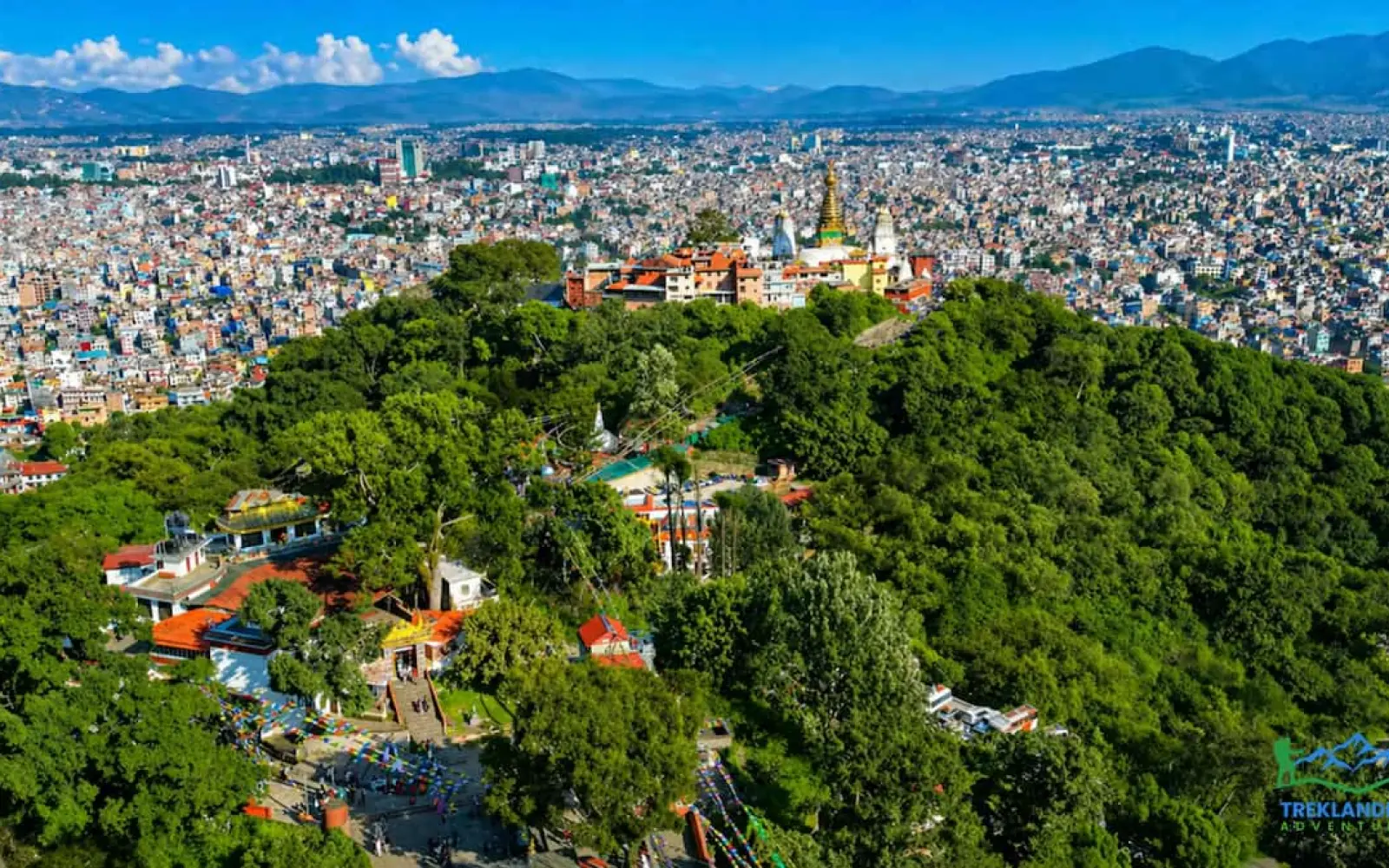
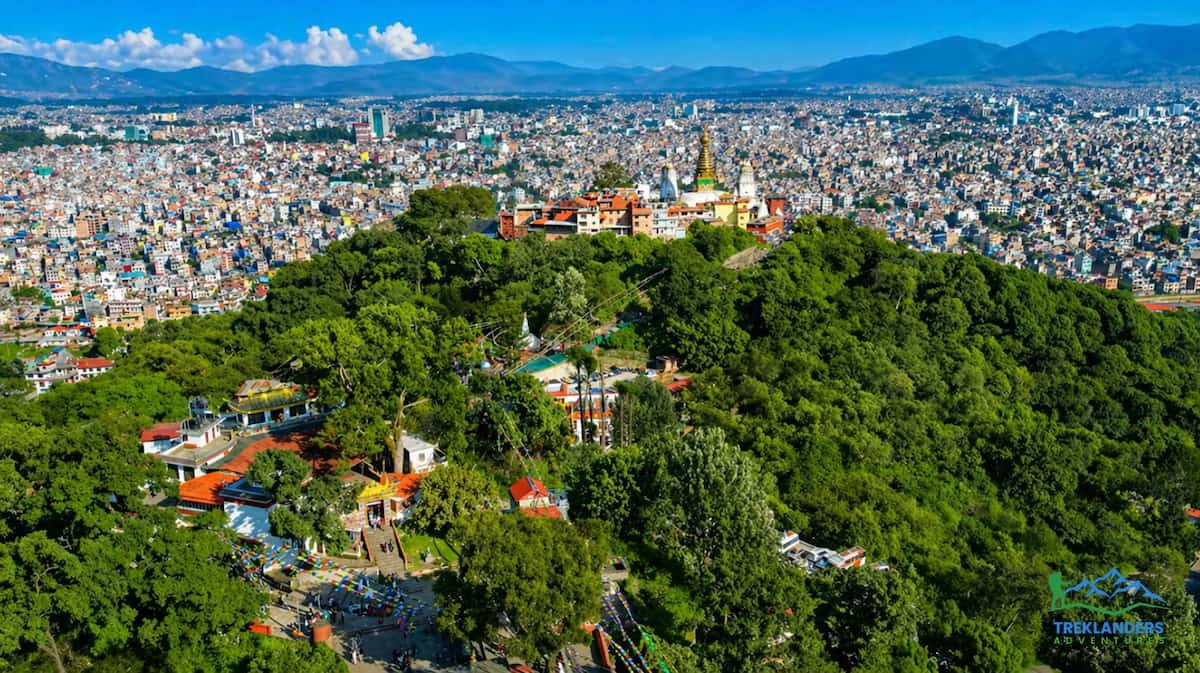
3. Swayambhunath- Monkey Temple
Swayambhunath- Monkey Temple
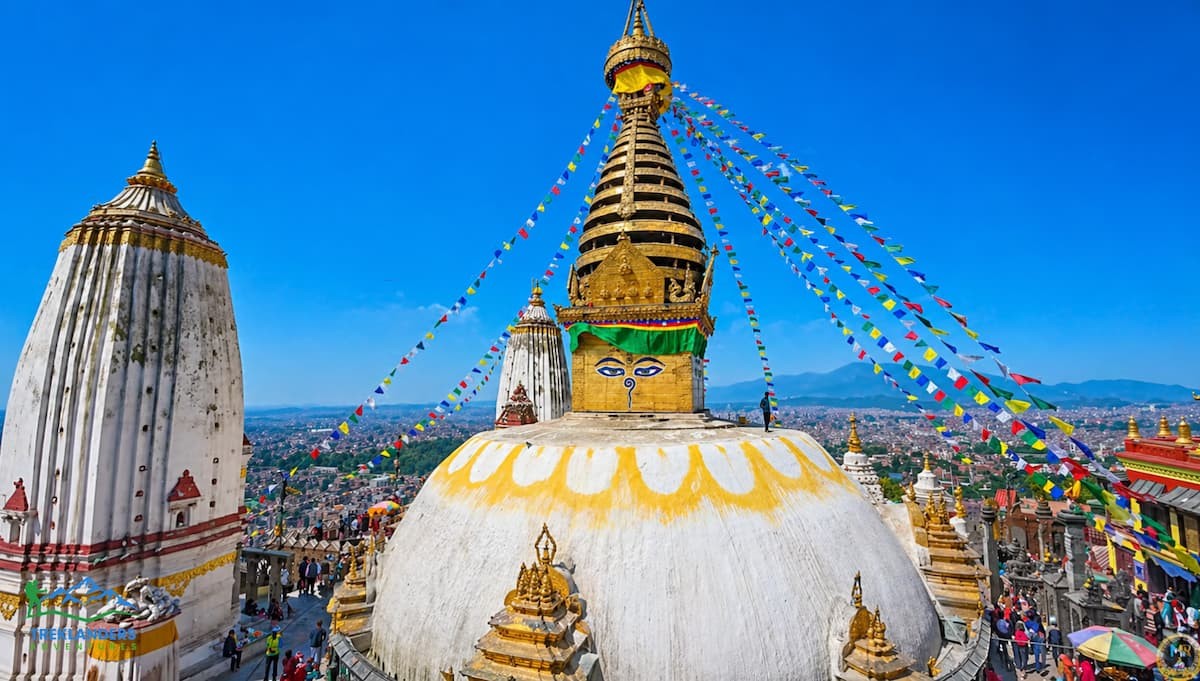
The Kathmandu skyline's most iconic outline is that of a stupa rising out of a wooded hill some four kilometers west of the old city. Swayambhunath is believed to be over 2,500 years old, to be a self-arisen hilltop shrine which was there even before the Hindu kingdoms of the valley and the arrival of Tibetan Buddhism.
The 365-step staircase on the eastern side of the hill is decorated with images of carved deities, brass prayer wheels, and the monkeys, who think of this place as their own environment. At the top, shrines, temples, and stupas are housed on a large terrace with majestic panoramic views of the Kathmandu valley. The main stupa's gilded spire can be seen from most parts of the city. The entire area is a perfect example of how Buddhist and Hindu elements are so subtly combined without losing their individuality, that it is hardly distinguishable, just as Newari religious culture is - Vajrayana stupas and Shaivite temples co-exist here with no sense of the unnatural, which actually is the case in Kathmandu.
4. Kathmandu Durbar Square
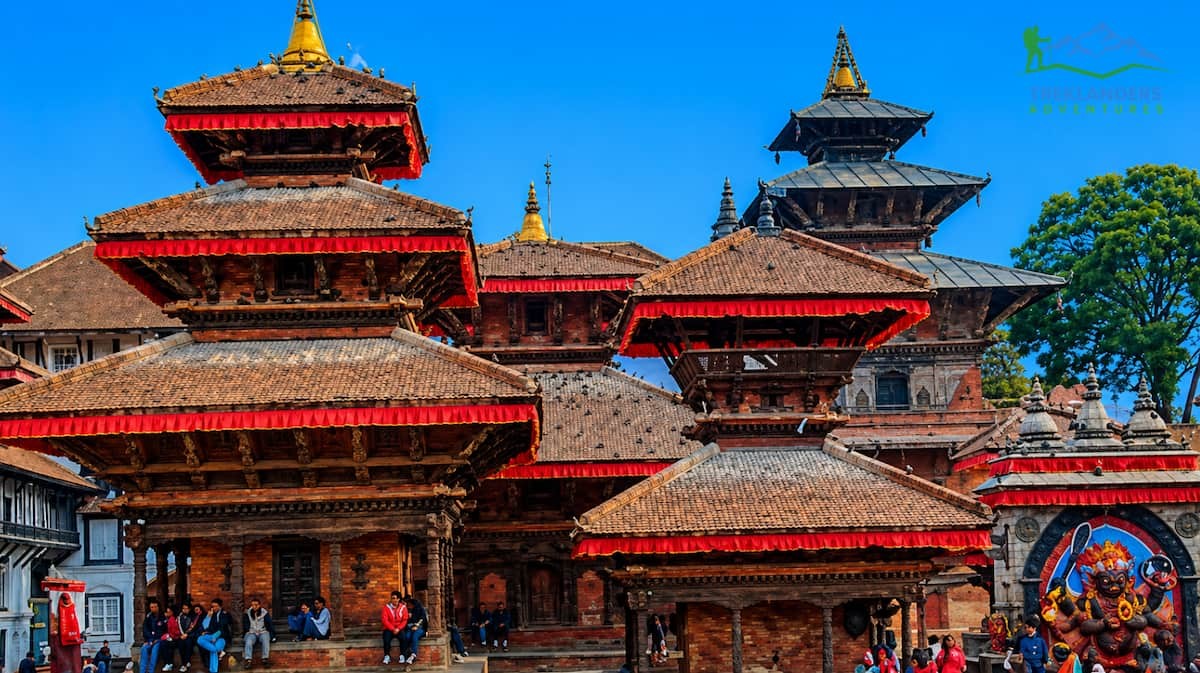
Kathmandu Durbar Square
Stone sculptures and tiered pagodas line the pathways of this ancient royal plaza, built over five centuries through waves of Malla and Shah rule. At the center stands the Kumari Ghar, a wooden palace where the living child goddess is said to dwell - her presence sometimes glimpsed through lace-filled windows during festivals. Open-sided stages allow performances to unfold amid courtyards that weave into one another like old city veins.
The 2015 Gorkha quake shook many buildings, leaving cracks and missing sections still visible today. For now, workers repair walls and carvings using traditional Newari methods passed down through generations. So much of what's being rebuilt feels more alive than broken because it honors how things used to be made. Hiring a licensed guide helps reveal hidden symbols in the designs; they turn abstract images into stories when explained clearly.
5. Bhaktapur — The Preserved Medieval City
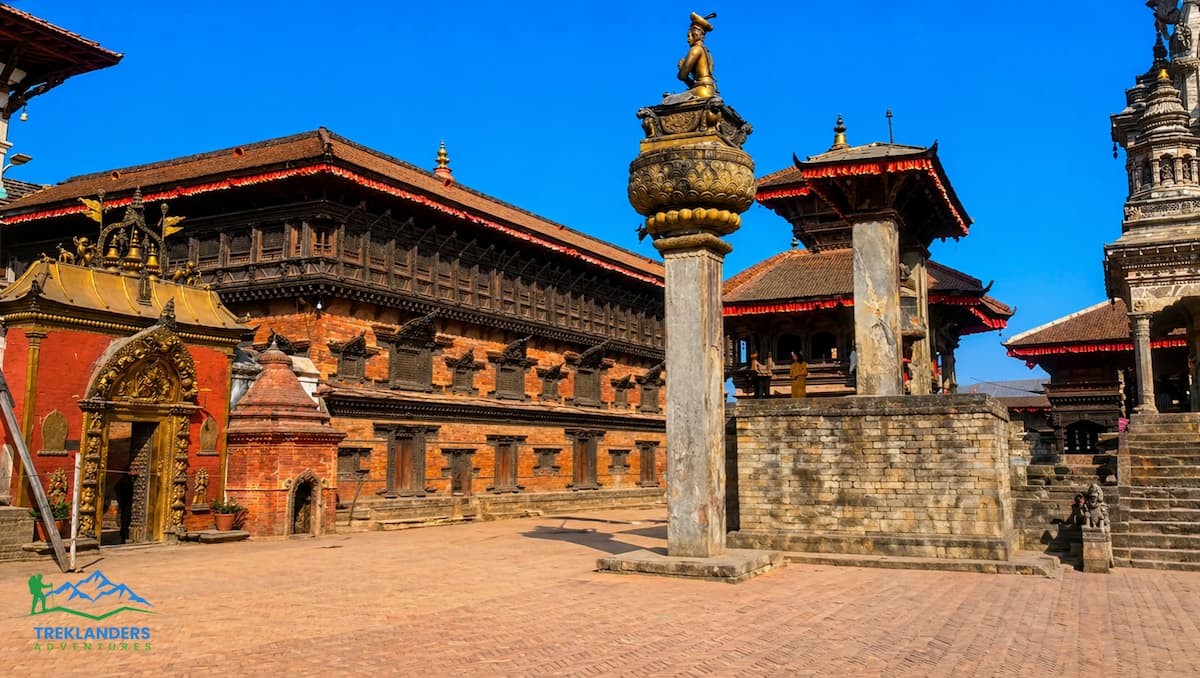
Bhaktapur Durbar Square
Thirteen kilometers east of central Kathmandu lies the valley's most remarkable urban treasure. Bhaktapur, the City of Devotees, is a medieval Newari city-state so well preserved that large sections feel genuinely unchanged since the fifteenth century. Terracotta brick buildings line narrow lanes. Potters work their wheels in Pottery Square as they have done for generations. The smell of drying grain and incense drifts through the alleys at every turn.
Bhaktapur's Durbar Square contains the Palace of 55 Windows, the magnificent five-tiered Nyatapola Temple, and the breathtaking Golden Gate, considered the finest example of repousse metalwork in the world. The famous Peacock Window, tucked in the residential quarter of Tachapal Tole, is a single window frame so intricately carved that it has been reproduced on Nepal's old currency notes. Entry to the city requires a fee that goes directly towards preservation. Spend a full day; it will not be enough.
6. Patan Durbar Square
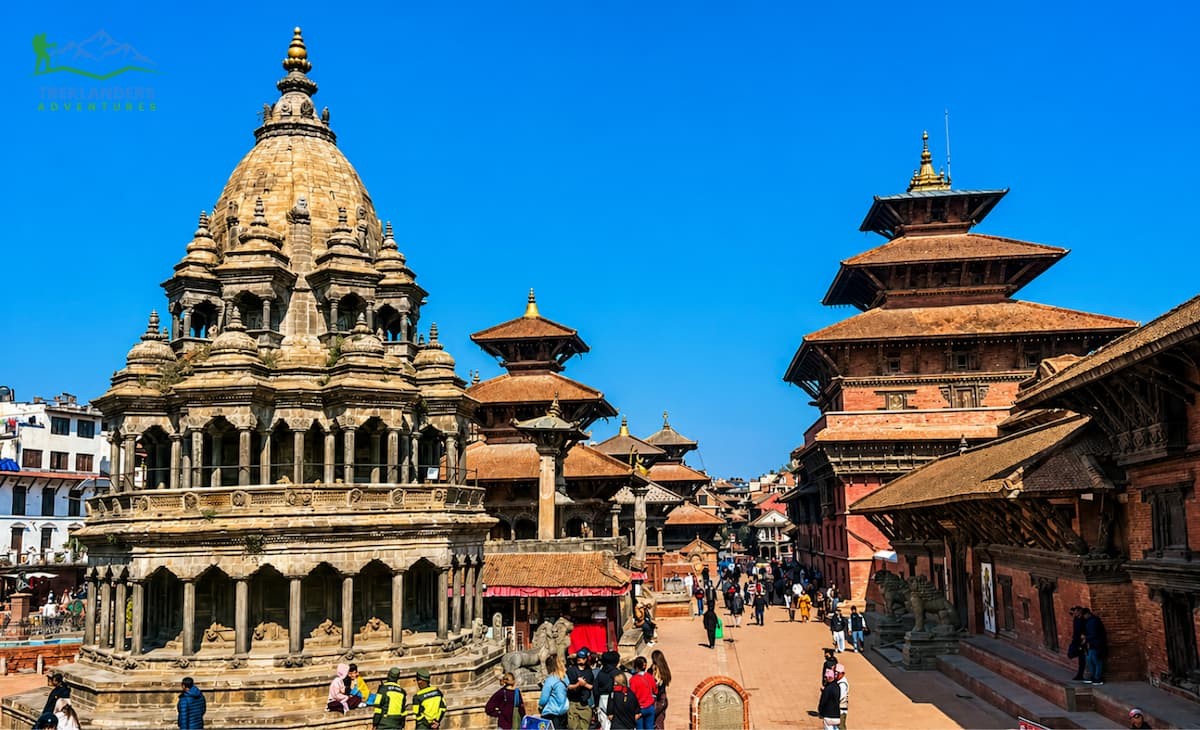
Patan Durbar Square
The City of Fine Arts Patan (also known as Lalitpur, literally "Beautiful City") represents the artistic spirit of the Kathmandu valley. Its Durbar Square is often regarded by most architectural experts as the pinnacle of the Newari architectural ensemble anywhere in the world, a rich congregation of bronze statues, exquisitely carved stone temples, and gilded pagodas that unfold their beauty slowly and thoroughly to a patient visitor. The Patan Museum, located in the renovated Mul Chowk section of the old royal palace, is not only the finest in Nepal but also ranks among the best in South Asia.
It features primarily Hindu and Buddhist bronze sculptures along with excellent interpretations and a spectacular arrangement of the art pieces. Besides Durbar Square, Patan is a town of craftsmen. For many centuries, the Newari societies have been making metal works, stone carvings, together with thangka paintings, which were then sent to the temples worldwide for their adornment. If you drop by small workshops away from the main roads at the back of the square, you can see the craftsmen making bronze Buddhas by lost-wax casting, and you can buy directly from them at prices and levels of quality you won't find anywhere else.
7. Changunarayan Temple: The Oldest Temple in the Valley
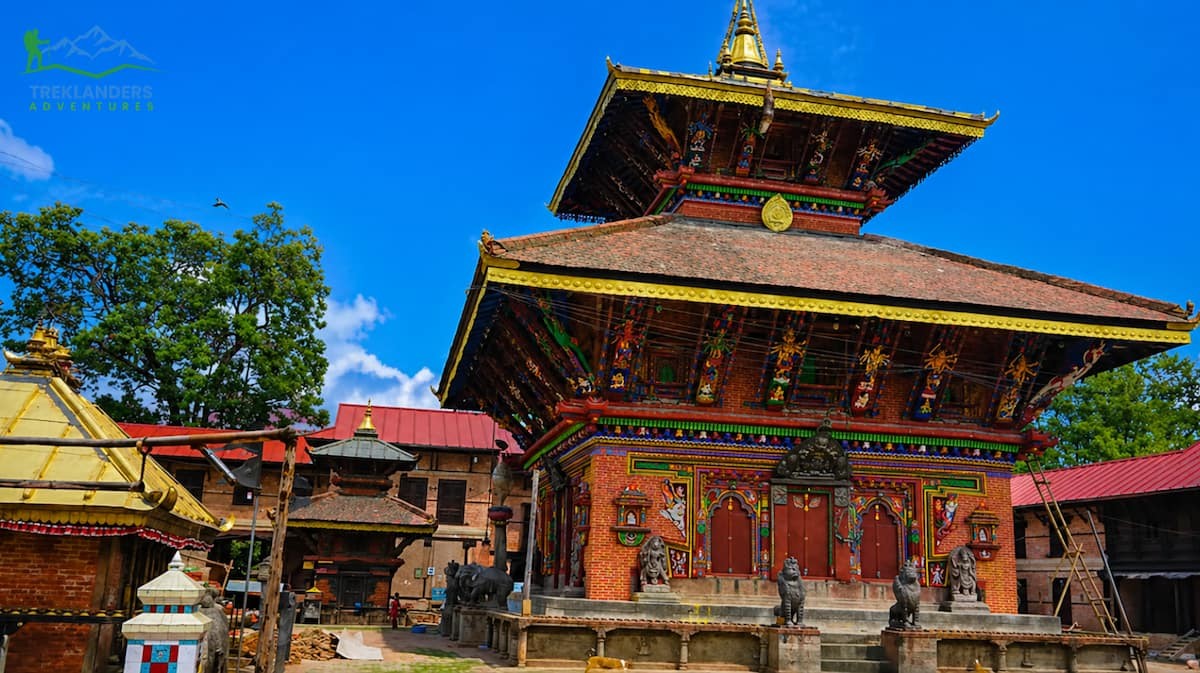
Changunarayan Temple
Located on a green hill about 12 kilometres from the centre of Kathmandu city, Changunarayan is considered by many to be the oldest Hindu temple in Nepal. Several writings are engraved on the walls of this place, dating back to the fourth century CE. The temple is dedicated to Vishnu and is a perfect example of Newar artists' skills. It is also a UNESCO World Heritage Site. The temple has a lovely two-tiered pagoda roof, and its copper finials are covered with gold. Besides these, its wooden struts are carved with utmost precision and show Vishnu in his ten incarnations. Altogether, these features make this temple one of the finest pieces of medieval religious architecture not only in Nepal but in the entire Himalayan region. The space around the main shrine is rich with devotional pieces accumulated through the centuries: exquisite stone representations of Garuda, the eagle of Vishnu, as well as depictions of Narasimha, the lion-faced incarnation, and a stone Vishnu carving from the fifth century, which even experts consider to be one of the best in South Asia. The village of Changu that sits atop the hill is very laid back and real. Locals here still dwell in their brick houses, which lie spread around the ancient square of the temple. A couple of little craft stalls near the gate are selling traditional Newari woodcarvings and thangkas. Besides, a museum run by the community located at the corner of the square provides a good introduction to the temple's history and symbolism. Changunarayan is conveniently paired with a sunrise trip to Nagarkot. The ridge trail from Nagarkot to Changu goes through the pine and rhododendron forests for about two or three hours and is one of the easiest yet most enjoyable walks in the valley. You will get to the temple just as the morning sun turns the gilded roof to gold. Also, the temple can be reached from Bhaktapur by taxi or local bus in around thirty minutes, which makes it a logical part of a day-long tour of the eastern valley.
8. Chandagiri Cable Car Tour
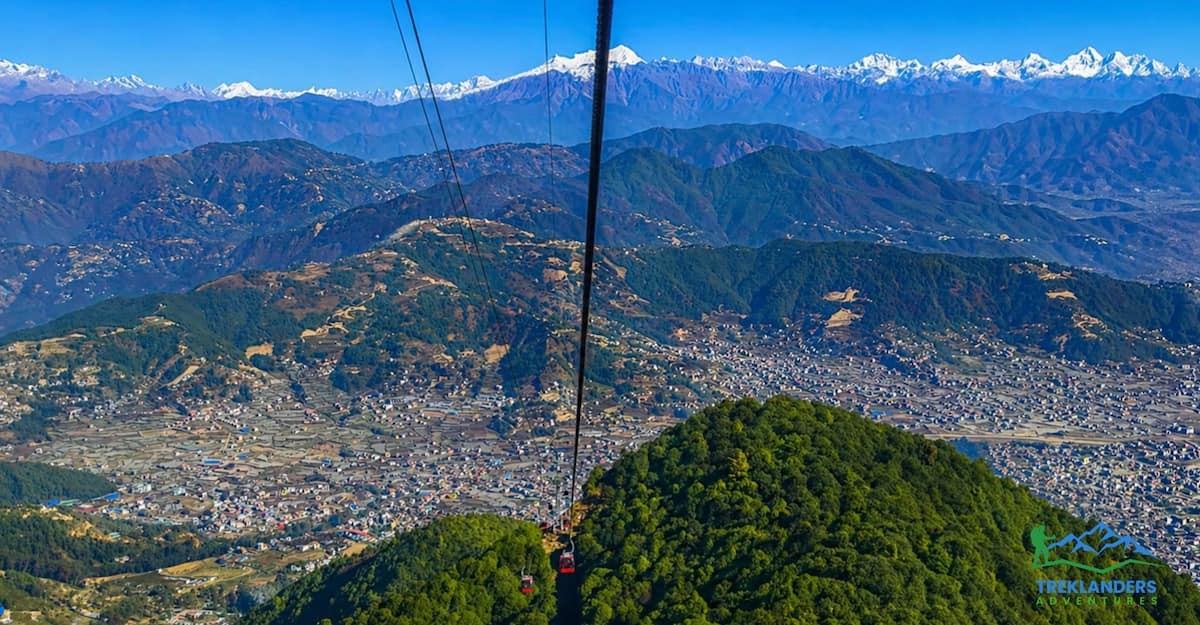
Chandagiri Cable Car Tour
The Chandagiri Hills Cable Car, rising from the southwestern edge of Kathmandu Valley, is one of the most accessible and rewarding short trips from the city centre. Nowadays, passengers can be lifted by the modern gondola system in just about ten minutes from Thankot at the base station to the hilltop, which is at an altitude of around 2,551 meters above sea level. If the sky is clear, the kind of day you can count on the most during autumn and early winter, the scenic view from the summit platform reaches out along the whole Himalayan arc from Langtang in the northeast to the Annapurna and Dhaulagiri ranges in the west, with Ganesh Himal standing right to the north. It is one of the rare spots in the valley where you can see all of Nepal's high peaks without going on a multi-day trek to a ridge. The ancient Bhaleshwar Mahadev Temple at the top attracts Hindu devotees all year round, and the wooded summit paths are so quiet that they will allow you to feel like a moment's walk among rhododendrons and oaks. There is a restaurant at the hilltop station, which, among other things, serves simple Nepali meals and hot tea, so you can have the opportunity to just leisurely watch the mountains for an hour before the cable car returns. The entire trip in a taxi to the base, up and down by cable car, the time at the top can be very easily done within half a day from Thamel. Chandagiri is really a fairy tale come true at sunrise when the tops of the hills get the first rays of the sun, and the valley is still in the morning mist. Thus, it is highly advisable to come early. The cable car is suitable for the whole family, it does not need any specific physical training, and it is a perfect choice for tourists who want a real Himalayan scene without doing a long trek.
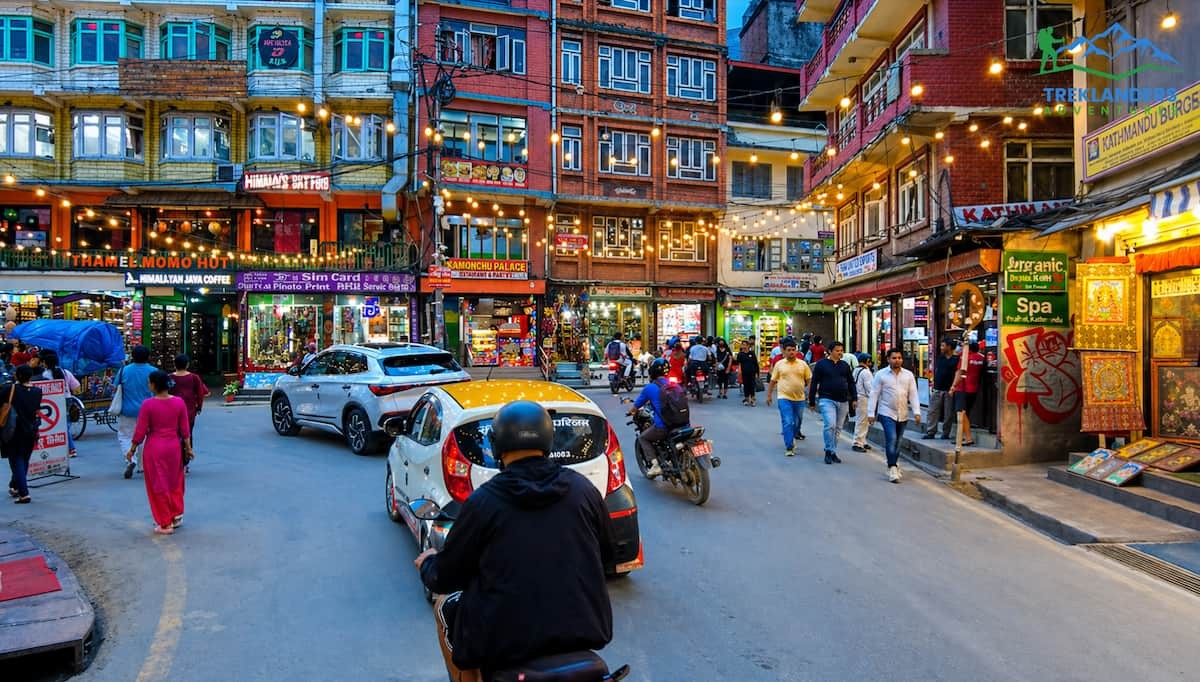
Thamel is an area for tourists. It is like a very chaotic neighborhood with narrow lanes, very full of bookshops, the shops with pashminas, the shops for the trekking outfitters, the bars on the rooftops, the Italian restaurants, and the second-hand bookshops that are open on the streets. It is both very overpowering and attractive. The range of such goods as the handmade ones - Tibetan singing bowls, the hand-block-printed notebooks, the pashmina shawls, the Newari bronze work, and the seed bead jewellery - is beyond compare, and the concentration of excellent cafes and restaurants turns it into the most convenient place in Kathmandu to have your lodging.
The most important advice on Thamel: walk two lanes off the main tourist line, and the neighborhood becomes a real, residential area. Tourist prices fall by half. Architecture has become more interesting. Locals cook, chat, and live their lives without any reference to the tourist economy. Here, Kathmandu's urban reality makes itself feel again, and it is usually more interesting than the carefully prepared area.
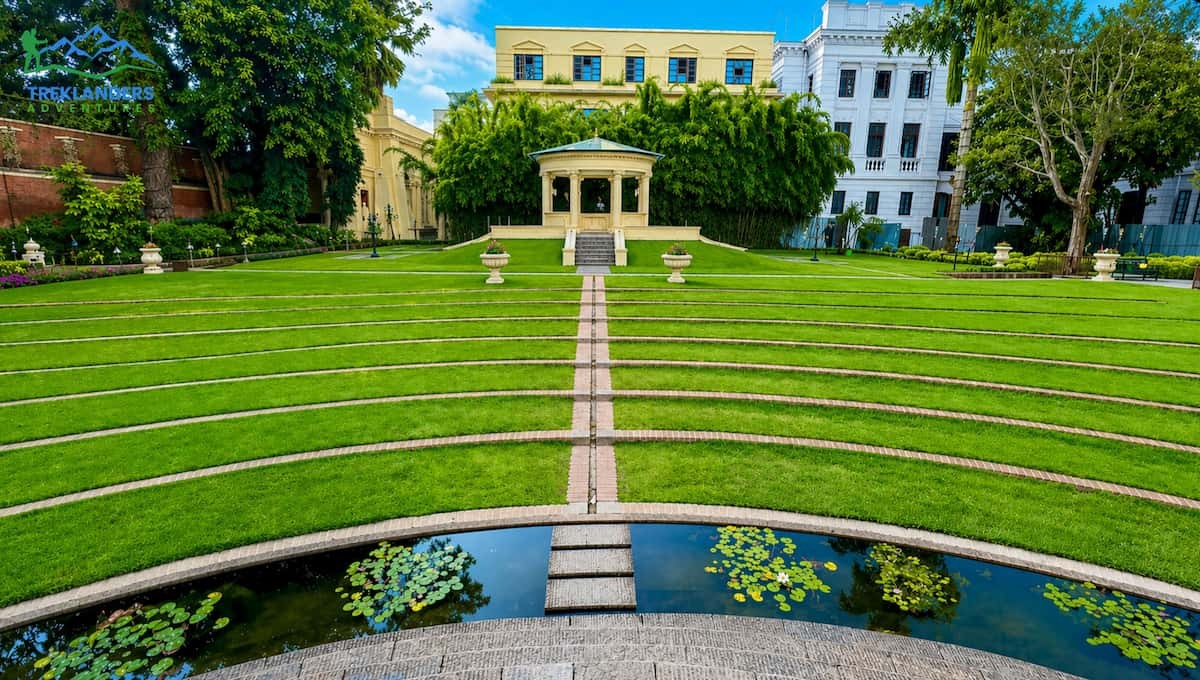
Shyamali's love for art and her talent caught the eye of a few art lovers who started buying her paintings. This helped her financially, and she was able to continue her passion for art. The Garden of Dreams, also known as the Garden of Six Seasons, is a neoclassical garden that was built by Field Marshal Kaiser Shumsher Jung Bahadur Rana in the early 1900s. It is located near Thamel but separated by a high wall and a small entry fee. However, this garden is still considered the best urban oasis in Kathmandu. After the fall of the Rana oligarchy, the garden and its structures, like pavilions, amphitheaters, lily ponds, and pergola-shaded walkways, were neglected, and after a few decades, the garden was fully restored in the early 2000s. Apart from being a beautiful location, this garden is a rare pocket of absolute calm in a city of beautiful chaos. The cafe inside serves good coffee, and its operating style is entirely different from the busy street outside. This is a great place to come for reading, resting, or just doing nothing at all.
Adventure Activities That Draw Travellers to Kathmandu
Kathmandu is a lot more than just temples here and there. The city, along with the valley around it, gives an excellent variety of activities from adventure sports to spiritual retreats, from cooking classes to mountain flights, that make it one of the most versatile destinations for independent travellers in Asia. Even if you only have three days or three weeks, you will always find more to do than you have time for.
1. White-Water Rafting
White-Water Rafting
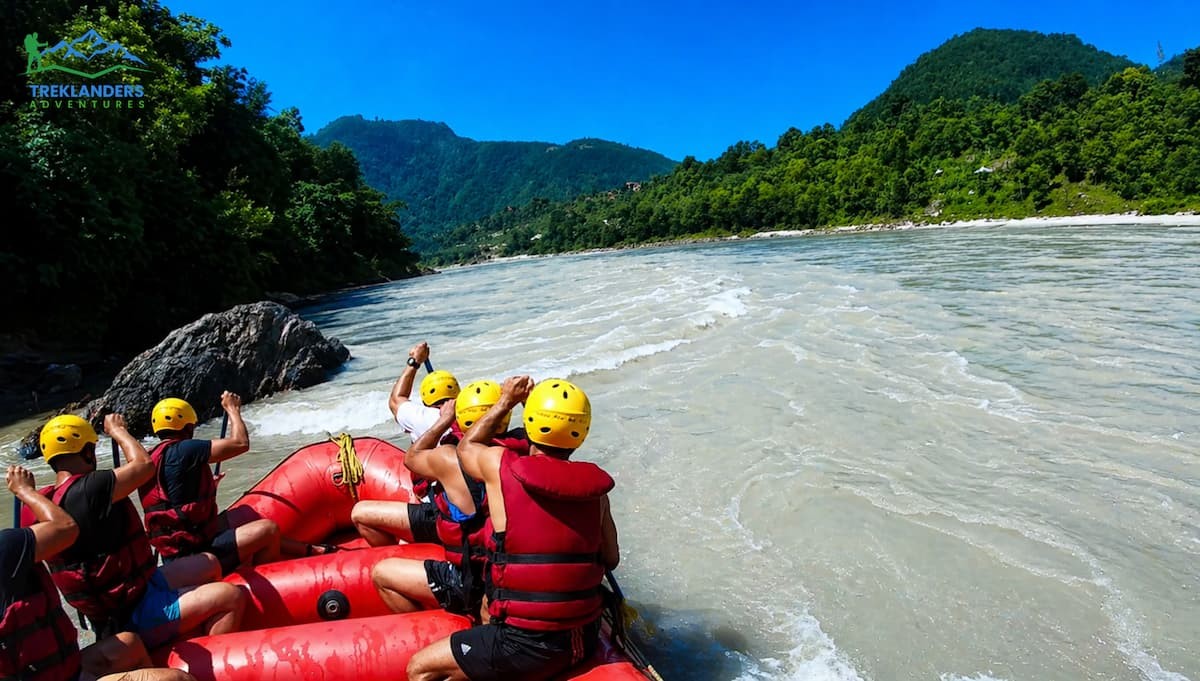
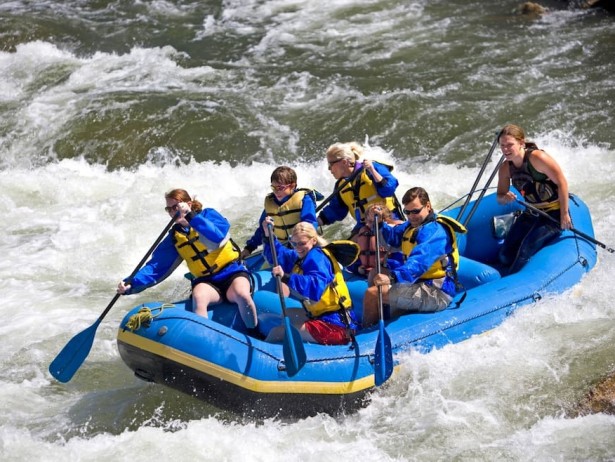
The rivers that come down from the Himalayas into the Terai lowlands provide some of the best white-water rafting in Asia. The Trishuli River, which is the easiest to get to from Kathmandu - only about two hours' journey, is the classic introduction - one to three days trip along forested gorges with Class III and IV rapids that are perfect for fit beginners. The Bhote Koshi, which is near the Tibetan border, is more vertical and extreme, with Class IV and V rapids for the skilled paddlers. Full-day and multi-day trips can be planned easily through operators in Thamel, with transport equipment, guides, and camping all arranged.
One Day Trishuli River Rafting Adventures | 1 days
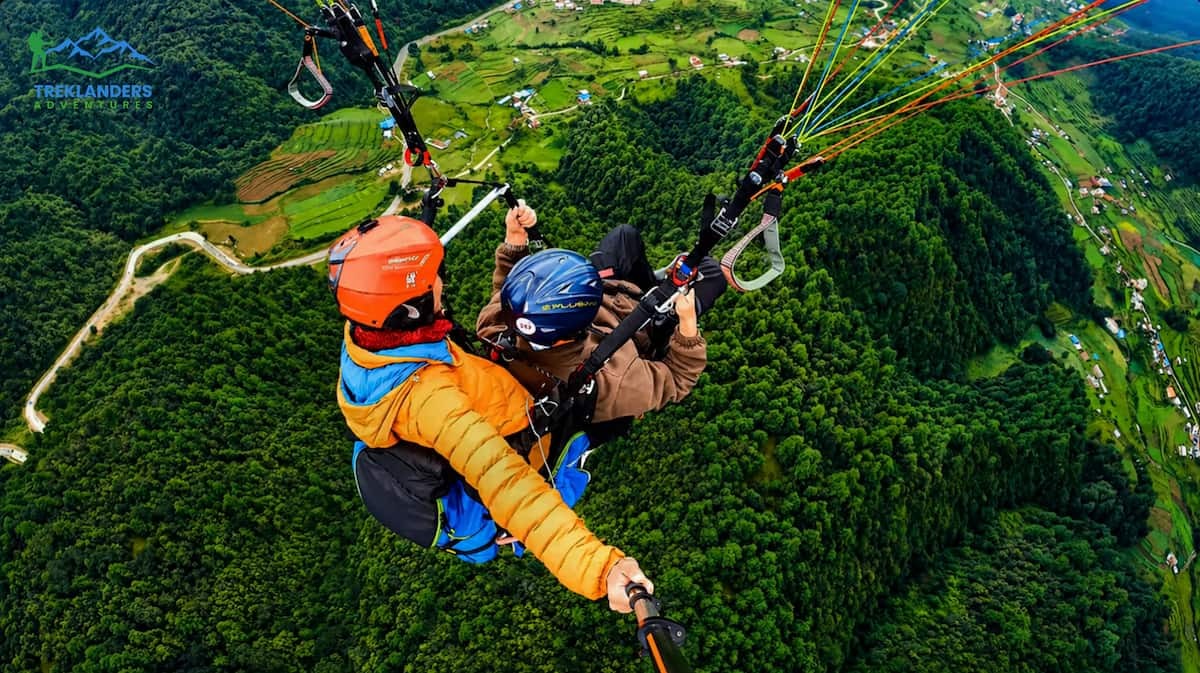
Launching a paraglider from the edge of the Kathmandu Valley or hills around the city of Pokhara is the gateway to seeing the Himalayan range in a way that no other photo can offer you. Tandem flights with certified instructors start from high ridgelines and spend around thirty to forty-five minutes soaring over green terraced fields, river valleys, and ancient cities seen from the sky, with Ganesh Himal and Langtang as the distant peaks. Being a beginner is completely fine, and the feeling of floating silently over a mountain landscape that ranks among the world's greatest is absolutely wonderful.
3. Biking on Mountains
Biking on Mountains
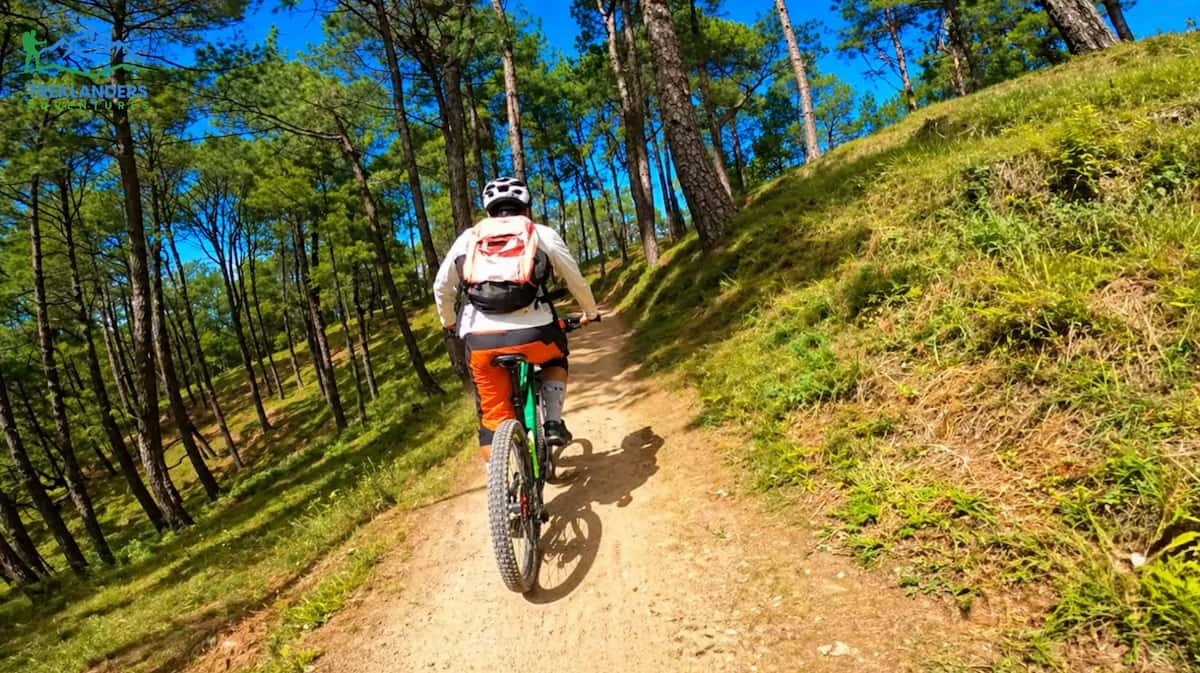
The valley's surroundings and a network of earth roads and trails, connecting villages, forests, and river gorges, make the Kathmandu Valley among the best mountain biking areas. Bike rental shops in Thamel carry good quality bikes and guided half-day and full-day tours take riders through ancient village streets, terraced farmland, and forest tracks which connect hilltop viewpoints and off-the-beaten-path temples. Shivapuri National Park, just north of the city, is the place for more serious trail riding in dense forest with occasional wildlife sightings.
4. Bungee Jumping
Bungee Jumping near Kathmandu
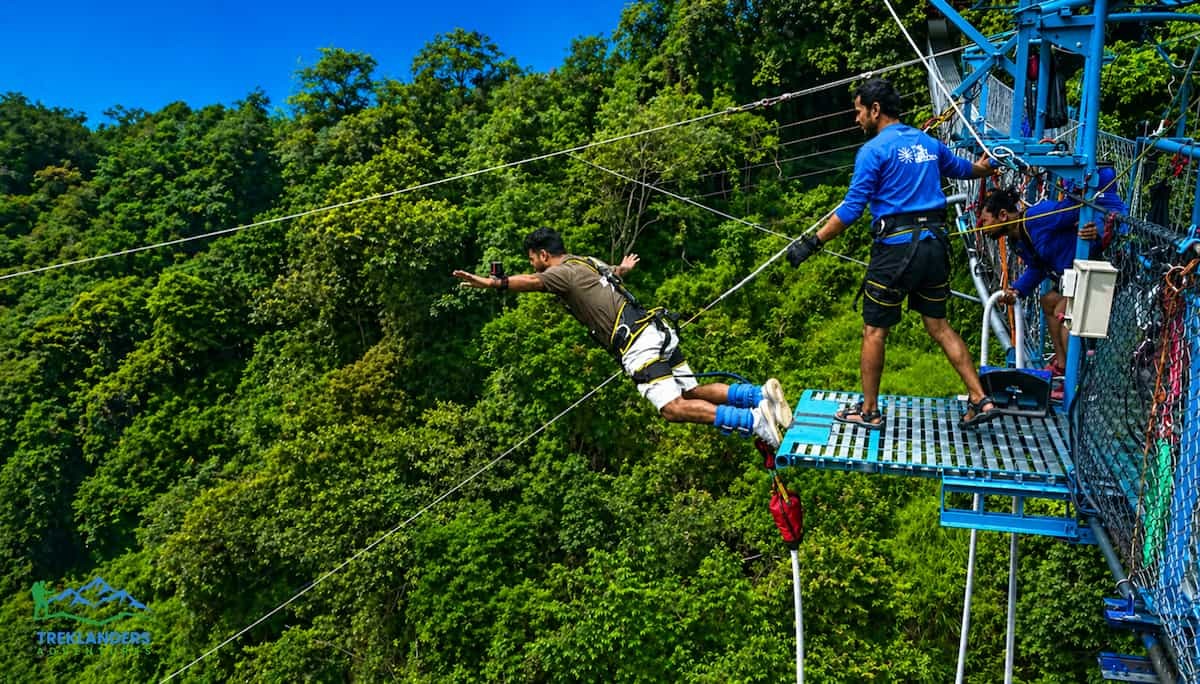
The 160-metre bungee platform hanging over the Bhote Koshi River canyon, which is northeast of Kathmandu and near the Tibetan border, is one of the highest bungee platforms in Asia. It is a plunge over a white-water mountain river, which is consistently regarded as one of the greatest bungee jumps in the world. The road through the Boudha hills and Sun Koshi valley to get to the site is very scenic. The companies offer full-day trips from Thamel that include the drive, the jump, and a riverside lunch.
5. Zip-lining and Canopy Tours
Zip-lining in Nagarkot
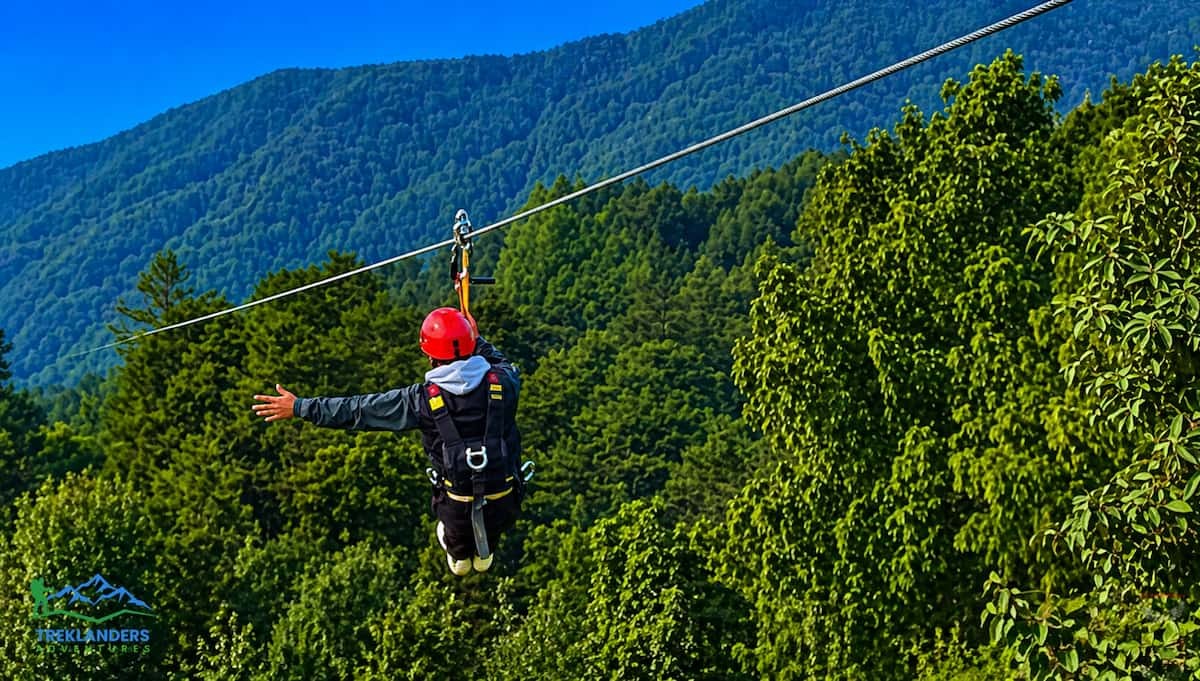
Zip-line adventures that cover significant distances and altitudes are available on the forested slopes above Pokhara and in the Shivapuri hills above Kathmandu. Pokhara zip-line is a ninety-minute drive from Kathmandu, and it is one of the longest and steepest in Asia, with a descent of more than a kilometer of steel cable over the Seti River gorge. The combination of speed, height, and magnificent mountains makes it a favorite for those wanting a quick thrill without the hassle of a multi-day trek.
Ethnic Culture, Traditions, and Spiritual Experiences
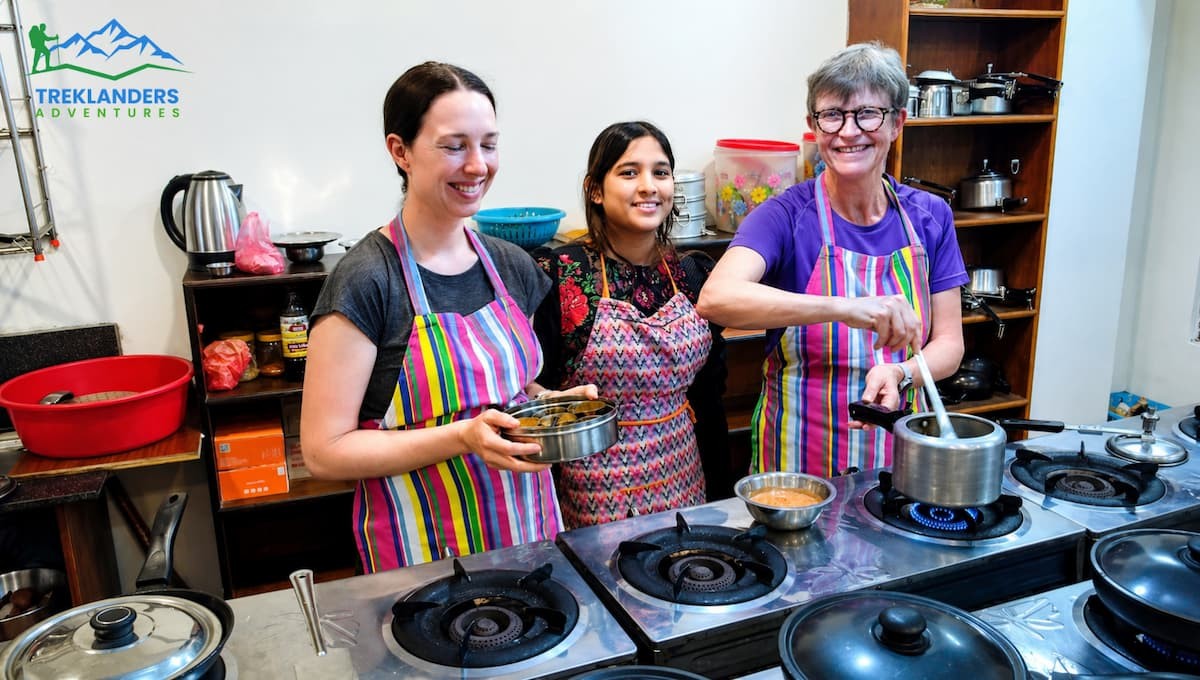
1. Cooking Classes in Thamel
Cooking Classes in Thamel
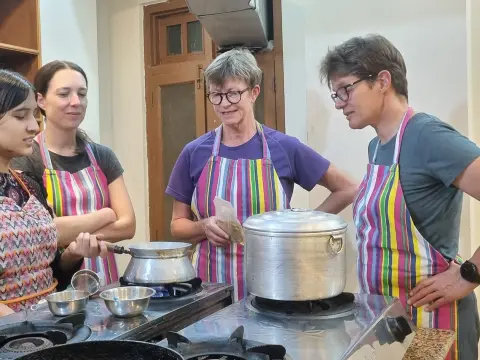
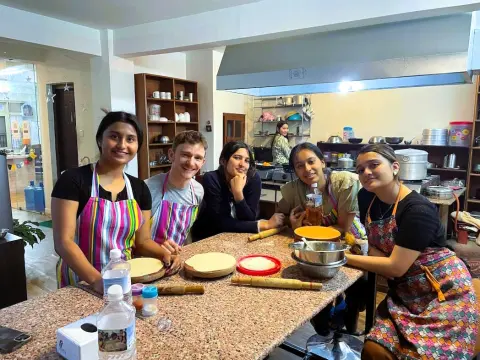
Nepali food is rarely featured in restaurants worldwide, so taking a Nepal cooking class can be considered one of the best souvenirs you bring back from Nepal. Most half-day and full-day classes include a market tour where fresh ingredients are chosen from daal lentils, seasonal vegetables, whole masala spices, fresh ginger and garlic, mustard greens, and more. Later, in the kitchen, a local chef with many years of experience shows you how to prepare a full Nepali meal from the very beginning.
You will be taught how to prepare such dishes as dal bhat (lentils and rice, which are the national food), hand-folded momo dumplings served with tomato achar, the comforting gundruk soup made from fermented greens, the sour aloo tama bamboo shoot curry, and the sweet, crunchy sel roti, a fried rice bread popular during festivals.
Cooking classes can be found in Thamel. These classes are suitable for everyone, from absolute beginners to those who cook at home and want to expand their knowledge of South Asian flavours.
One of Kathmandu's most iconic gastronomic experiences, the Nepal Cooking School offers practical cooking classes that provide a perfect way to connect with Nepal's food culture on a deeper level, rather than just receiving a recipe card. The teachers are enthusiastic about local chefs who, along with imparting food knowledge of their regions, use a warm and lively teaching style. The classes are very small, allowing each participant to be closely overseen at every step of the cooking process, rather than just being a spectator in a crowded kitchen demonstration.
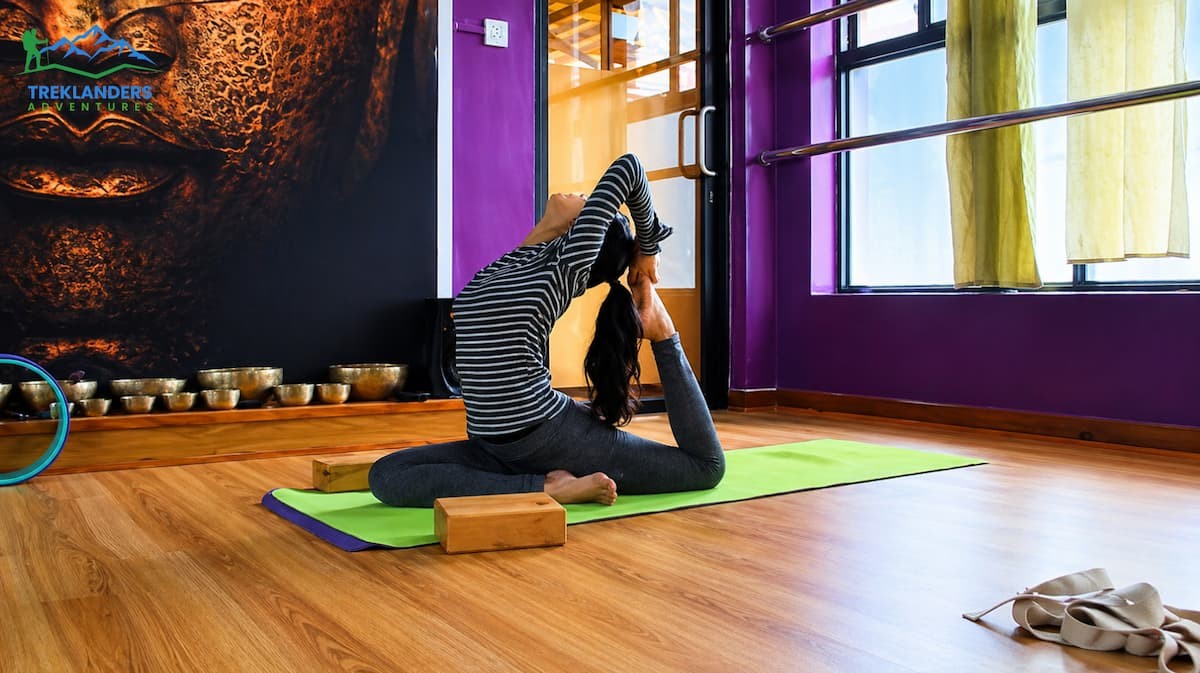
Since the 1960s, Kathmandu has attracted spiritual travellers, and therefore, the city is well equipped for yoga and meditation practices. In and around Boudhanath and Patan, there are many yoga studios and retreat centers which offer daily classes in Hatha, Vinyasa, and Yin yoga, as well as longer residential program's that combine asana practice, pranayama, and either Buddhist or Hindu meditation instruction. Programs like Himalayan Yoga Academy and a few monastery-based ones are offering week-long immersion sessions that include meditation instruction and the teachings of Buddhist philosophy in the peaceful courtyards of working monasteries.
3. Thangka Painting Courses
Thangka Painting Courses in Kathmandu
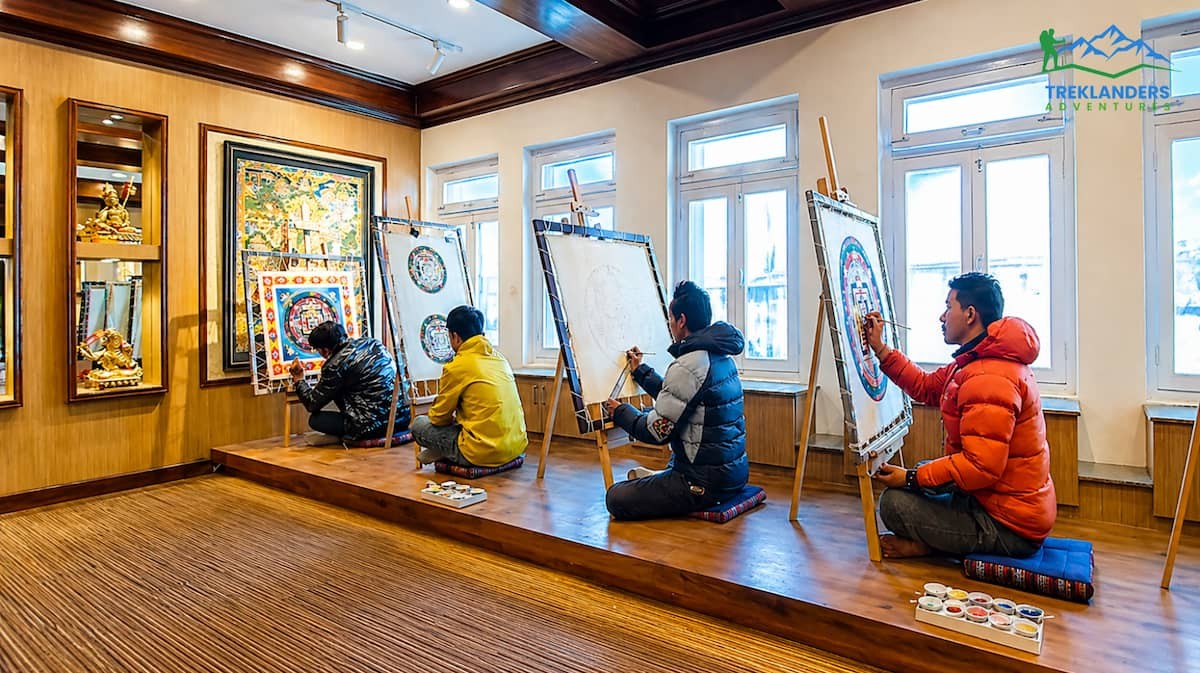
Thangka paintings, detailed sacred scroll paintings showing Buddhist deities, mandalas, and cosmological diagrams, have been a feature of the Kathmandu Valley for over a thousand years. A number of studios situated in Boudhanath as well as Patan offer well-organised courses spanning from just a day to several weeks, during which students are taught the traditional grid-based drawing system, processing of mineral pigments, and the minute brushwork which is indispensable for the correct rendering of deities in their iconographic form. Even if you just have a half-day introduction, it will open your eyes to the degree of skill and dedication behind the works in the monasteries and galleries of the region.
4. Buddhist Monastery Visits
Kapan Monastery in Kathmandu
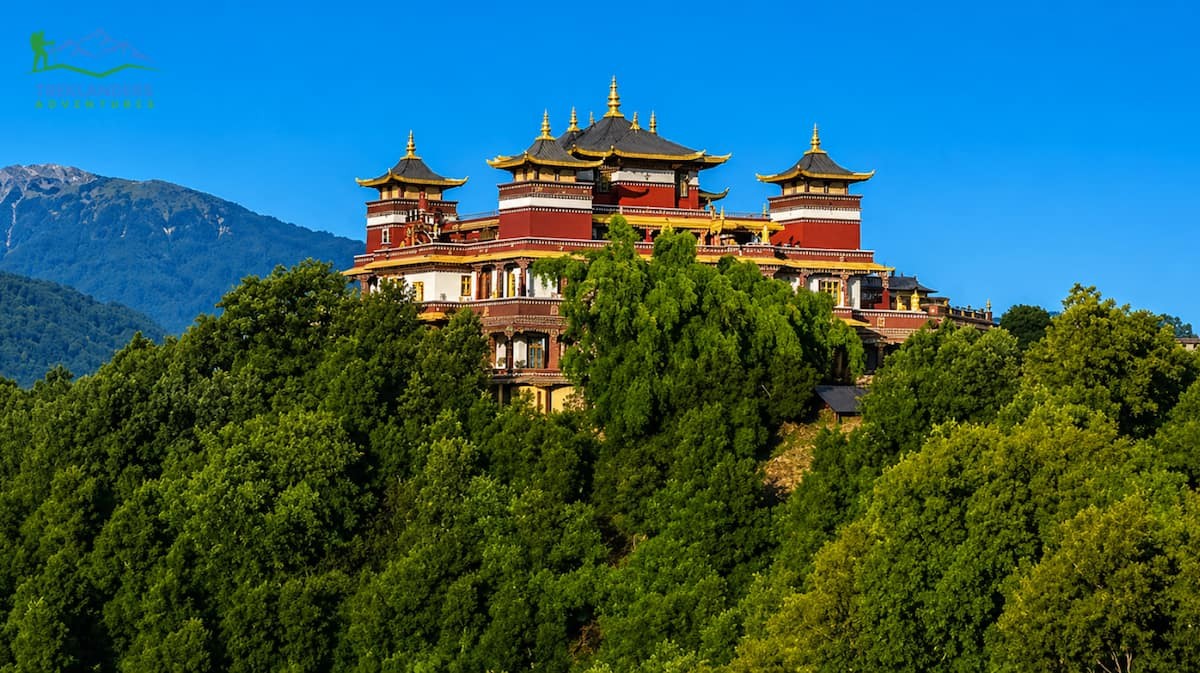
The Kathmandu Valley is home to many Tibetan Buddhist monasteries, some small village gompas and others large institutional complexes with hundreds of monks and nuns. Shechen Tennyi Dargyeling, near Boudhanath, Kopan Monastery, situated on a hilltop north of the city, and Namo Buddha, two hours east, are all places where visitors can be welcomed, and depending on the place, the interaction with the monks can be deep or shallow. Especially in November, Kopan attracts students from all over the world who want to follow a month-long course in Buddhist meditation and philosophy. Being present at a morning puja in a monastery - the soft humming of the horns, the aroma of the butter lamps, the chanting of the scriptures - is an encounter with tranquillity at its deepest.
5. Newari Cultural Experiences
Newari Cultural Experiences in Kathmandu
The Newars are the original inhabitants of the Kathmandu Valley, and have one of the most unique and sophisticated cultures in South Asia, a culture that includes a unique language, delicious food, a system of ritual life development to a high level, and an artistic heritage that is found all over the valley's museums and temples. A few cultural operators now provide sightseeing in changing Newari style: the courses of Newari dishes served on brass plates in the evening, dining at traditional courtyard homes, the ancient mandap halls, music and dance performances, and guided walks through live Newari neighborhoods that show hidden shrines, community water spouts, and the architectural grammar of the old city quarters.
Nature and Outdoor Activities
1. Day Hikes from the Valley
Day Hikes from the Valley- Jamacho Hiking
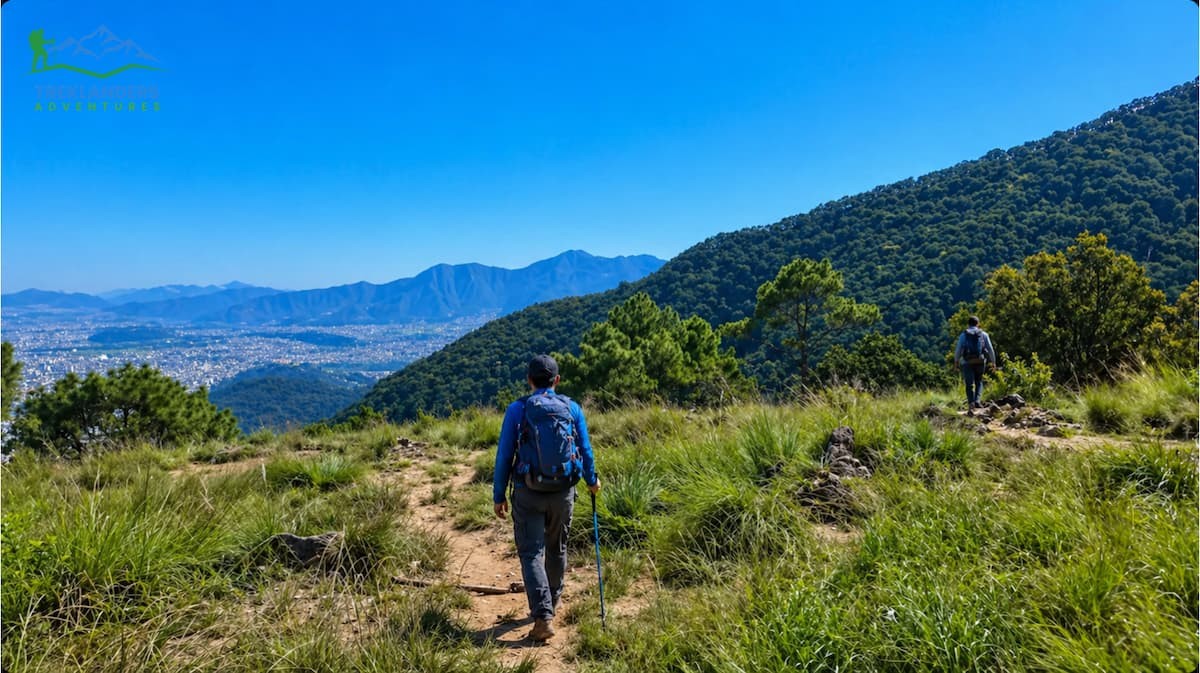
The valley is enclosed by a green rim of hills that one can get to within thirty to sixty minutes from the city center, providing wonderful half-day and full-day trekking opportunities without the need for permits or specialist gear. The north side features the Shivapuri Nagarjun National Park, a place with good paths in the woods leading to spots from which one can see the whole valley and get a glimpse of the Himalayas when the sky is clear. The Champa Devi route to the south is a very popular hike in the morning, going upward amidst the pine and rhododendron woods to a ridge that has superb views. Nagarkot, the classic Himalayan sunrise-viewing village, is about sixty kilometers east - a little walk either way from the village will show the vistas of Dhaulagiri to Kanchenjunga on a bright winter day.
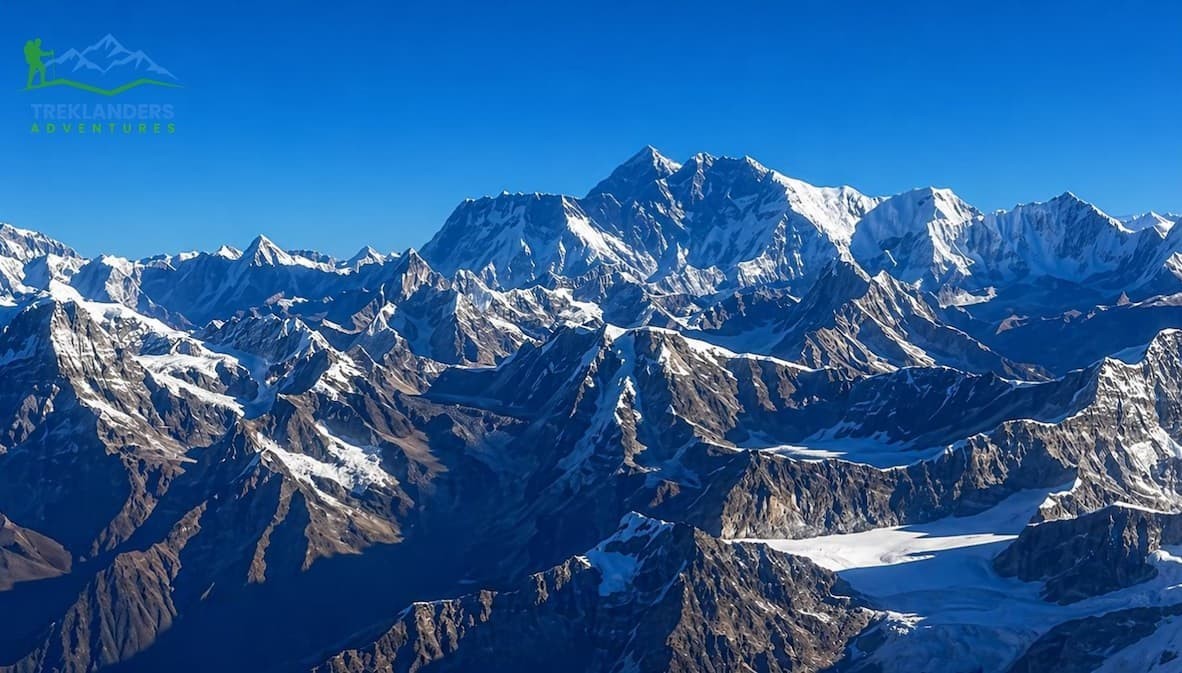
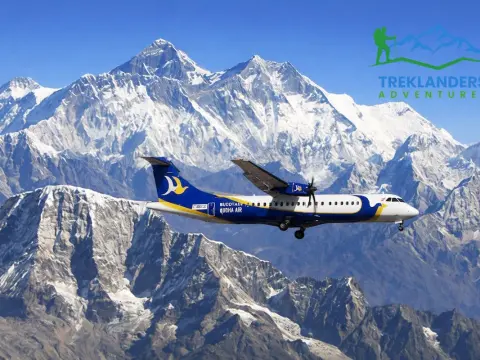
For those who plan to stay in the trekking areas for just a fortnight or so, kids having only limited time but looking for an intimate encounter with the Himalayas, a one-hour thrilling mountain flight from Tribhuvan International Airport is the answer. Small propeller aircraft fly eastward along the spine of Nepal at close range to the high peaks, passing Ganesh Himal, Manaslu, Annapurna, Dhaulagiri, and on clear days the pyramidal summit of Everest itself. Every passenger gets a window seat, and the crew provides a running commentary. The flight departs very early in the morning when visibility is at its best and typically runs from October through May.
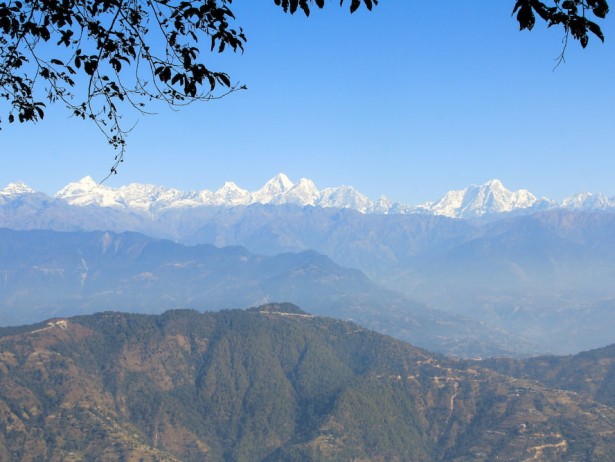
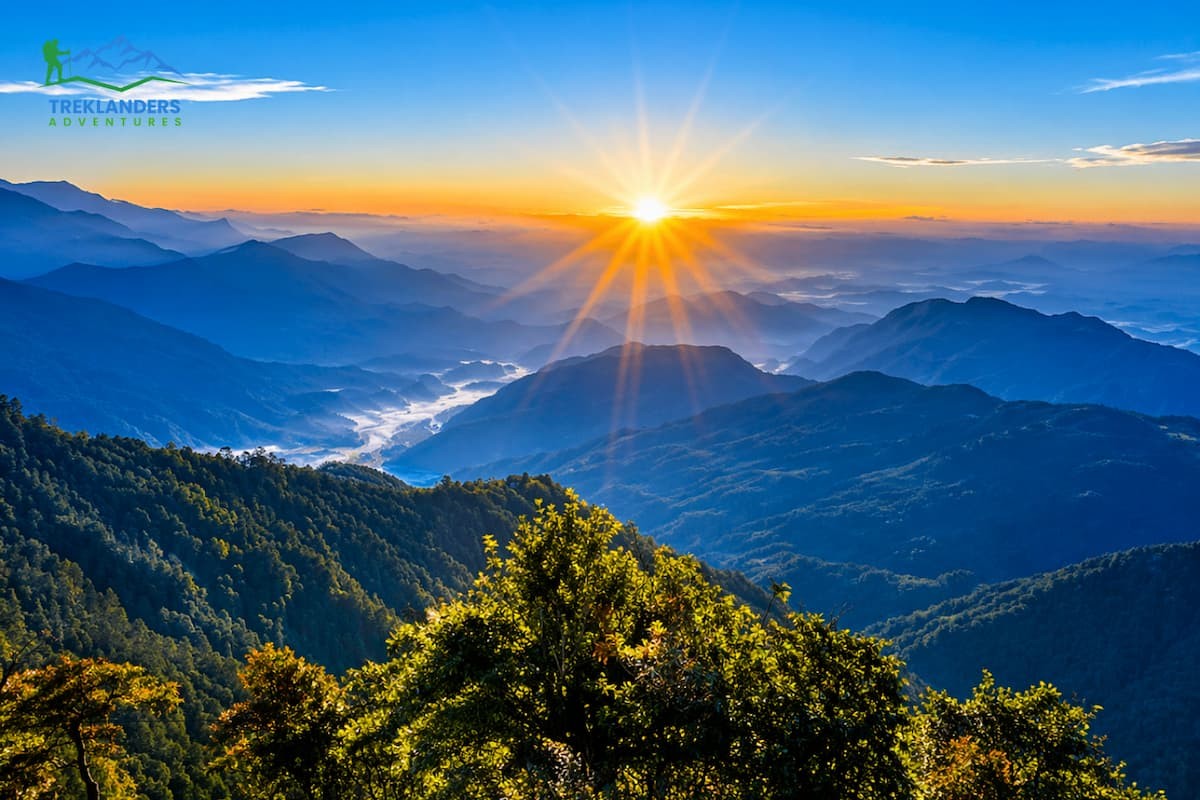
Located only thirty-two kilometers from Kathmandu, Nagarkot is perched at an altitude of 2,175 meters on the valley's eastern rim and provides the most accessible Himalayan panorama in Nepal. When the sky is clear, the entire range of mountains- from Dhaulagiri in the west to Kanchenjunga at the Sikkim border can be seen rising over the horizon as if a full moon has risen. To get themselves ready for the view before dawn, many travellers decide to stay overnight in one of the village's simple guesthouses, watching the sky change from black to violet to orange while the peaks are lighting up in the first rays. The ridge trail going gently down to Changunarayan temple after sunrise will offer you a great walk in the fresh morning air.
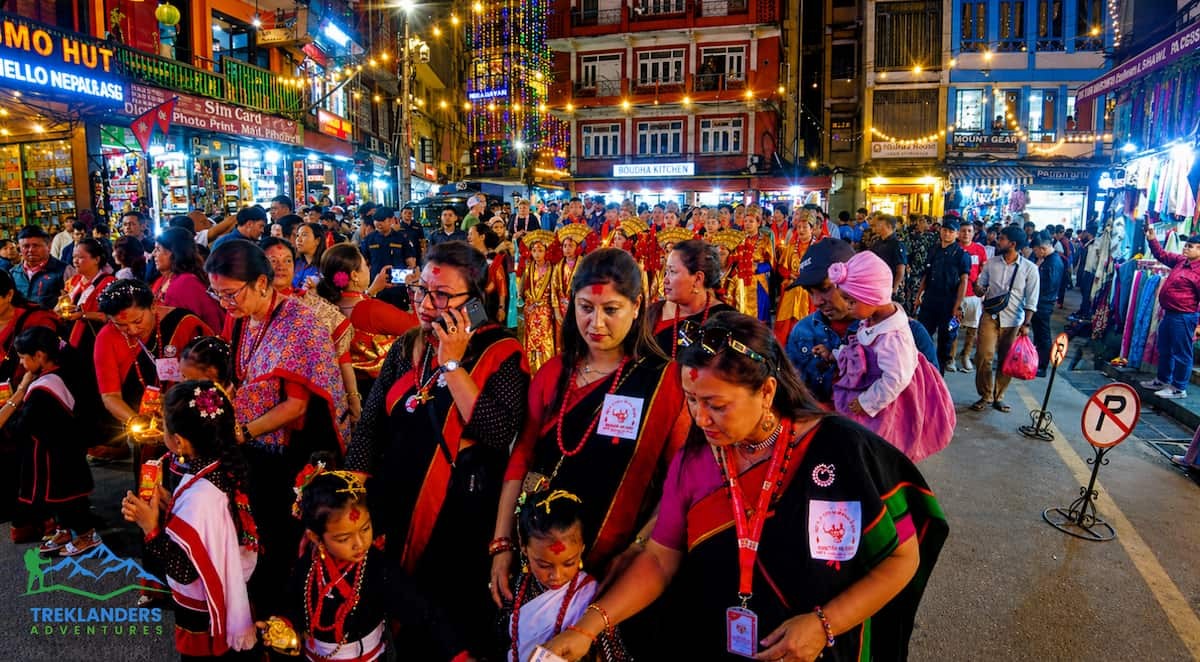
In Kathmandu, festivals are more like the central elements of the Newari's and other religions' social and religious life. Rather than entertainment, they are the organizing basis for the community. The valley festival calendar is packed throughout the year; only major events are separated by weeks, not by months. If you arrange your trip in such a way that you can see one major festival, it will greatly change your understanding of the city.
1. Dashain (October)
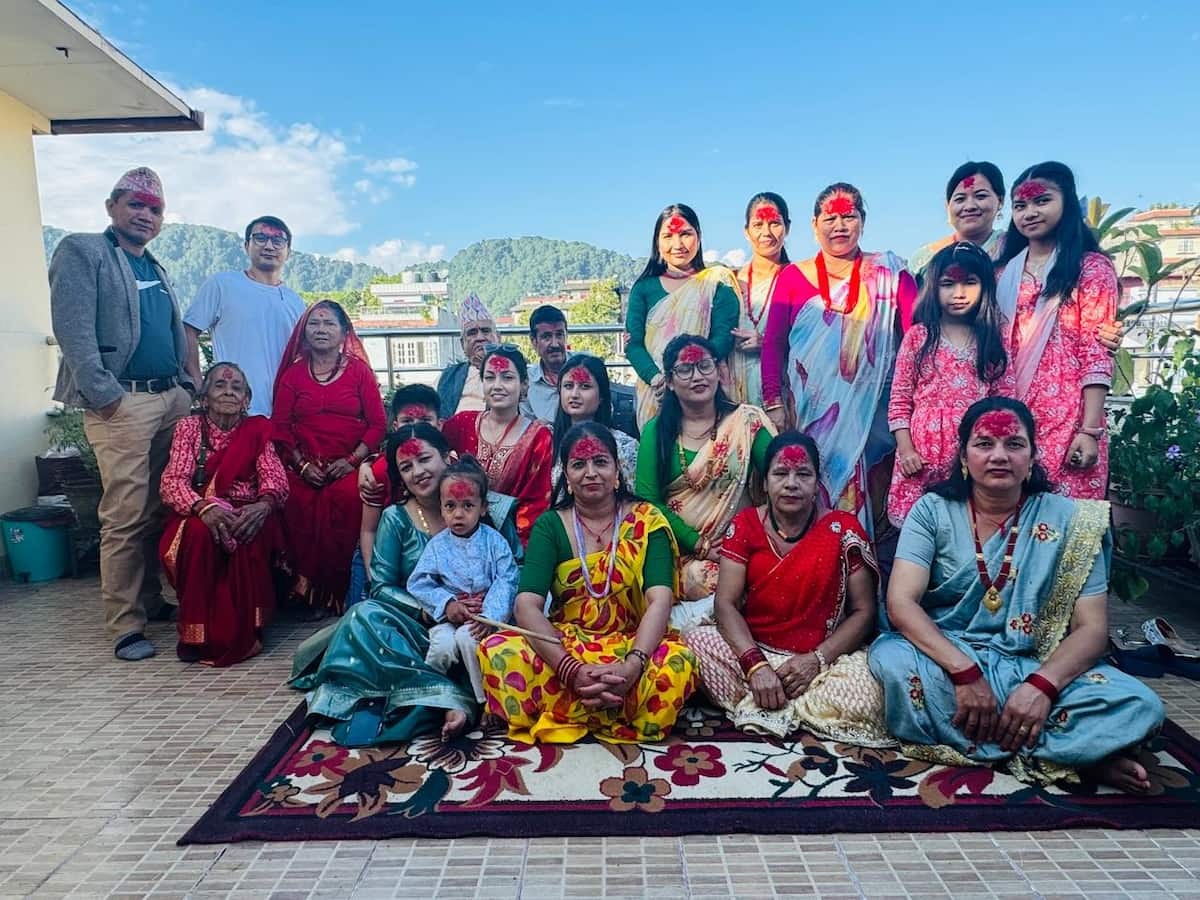
Dashain festival celebrated with family gatherings
The most important festival of Nepal, Dashain, which lasts for fifteen days, is so powerful that it changes the very fabric of city life. Dashain is the celebration of goddess Durga defeating buffalo demon Mahishasura a symbol of divine feminine power defeating the forces of disorder and the festival including the worship of goddess, the sacrifice of animals at the main temples, the raising of huge bamboo kites from the rooftops, and the custom of elders putting tika (a mixture of red powder, yoghurt, and rice) on the foreheads of younger family members. The whole city is empty as most of the residents have gone to their ancestral homes, and the streets exude the joy and closeness which you cannot find at any other time of the year.
2. Tihar - Festival of Lights (October to November)
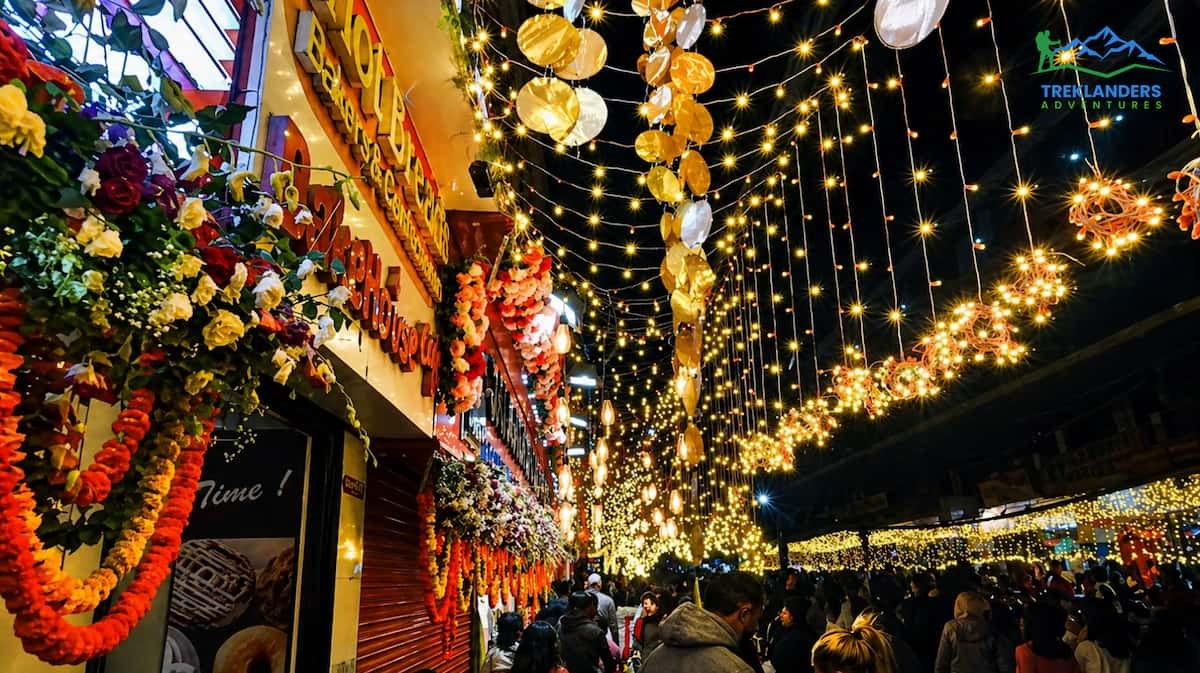
Tihar - Festival of Lights
This five-day festival, right after Dashain, is dedicated to worshipping the succession of living creatures on different days: crows on day one, dogs on day two, cows on day three, oxen on day four, and brothers on day five. Every day, the respective animal is honored with making a garland and feeding, lighting lamps of oil at the doors and windows, and drawing beautiful and intricate patterns of rangoli in the family home's courtyards. The sight of Kathmandu during Tihar- the whole city illuminated with thousands of butter lamps, their reflections in the white surface of Boudhanath stupa, streets decorated with marigolds and twinkling lights- is undoubtedly one of the most memorable images of Nepal.
3. Indra Jatra (September)
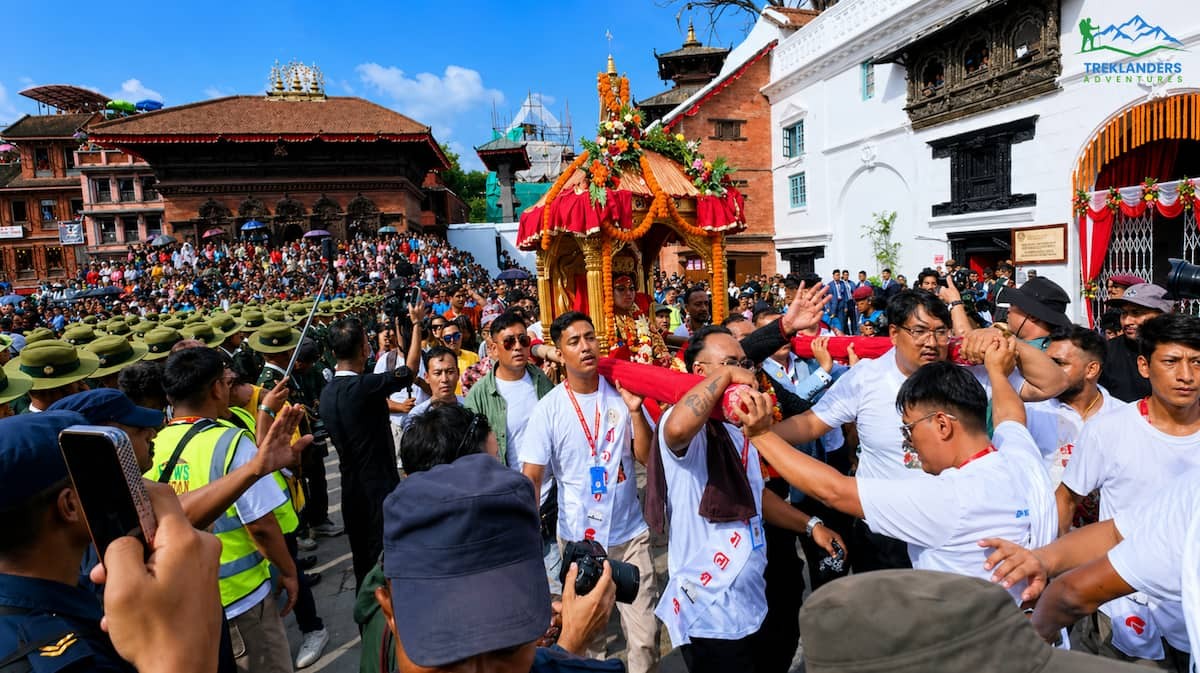
Indra Jatra festival in Kathmandu
Indra Jatra is the biggest street carnival in Kathmandu: eight days of parades, masked dances, and chariot pulling through the narrow lanes of the old city. The festival ends with the chariot procession of Kumari, the living child goddess who is chosen from the Newari Shakya caste, who is taken around the streets of the old city in a huge wooden chariot while her followers and the city's chief of state receive her blessing. In the temples and palaces of the Durbar Square, masked performers enact the characters of Bhairav and other terrifying gods. Effigies of Indra made of bamboo and wood are giant; in fact, they dominate the town, and the city is alive with the sound of drumming till late at night.
4. Holi (March)
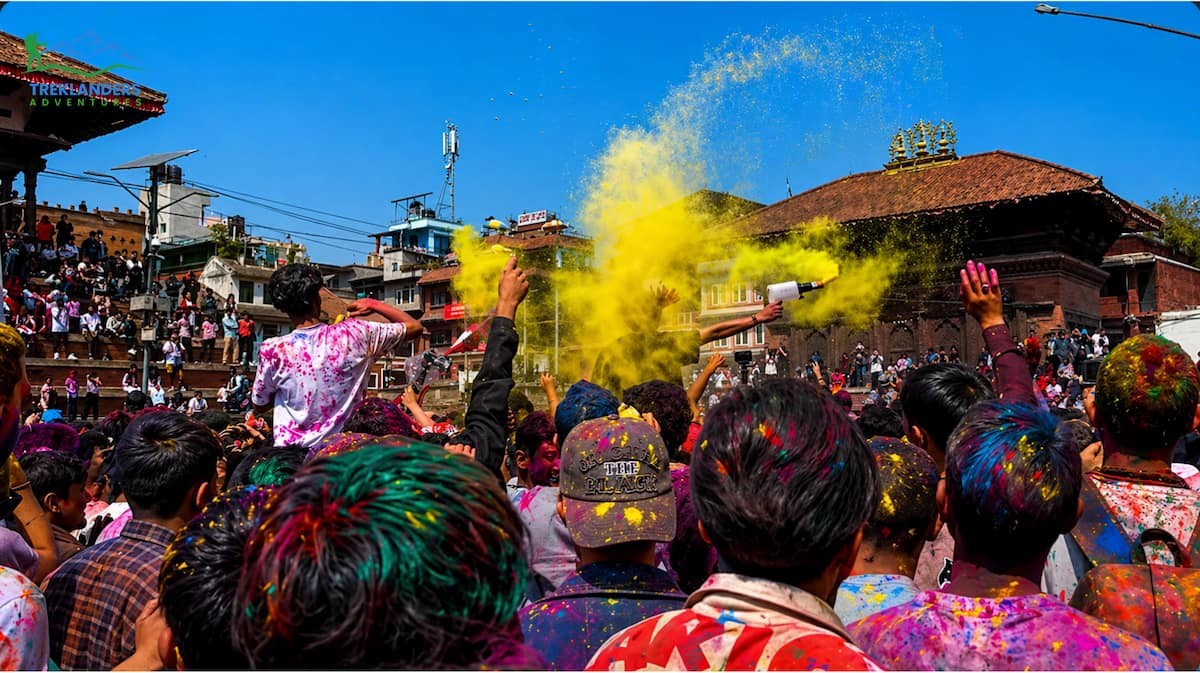
Holi festival celebrated in Basantapur
The global festival of colours is celebrated with even more intensity in Kathmandu. Thamel's main streets and the open spaces around the Durbar Squares are turning into the major "battlefields", where locals and tourists spend their time having fun throwing colored powder and water balloons at each other. The vibe is anarchic, all-embracing, and happy. Foreign tourists are really invited into the festivities - you are not going to leave the city clean. Do not expect to wear the same clothes again and keep your gadgets in sealed bags.
5. Bisket Jatra (April)
Bisket Jatra (festival in Bhaktapur)
The special New Year celebration of Bhaktapur is one of the longest living festivals in the country, at least six centuries old. Huge chariots loaded with statues of the city's chief gods, Bhairav and Bhadrakali, are pulled through the medieval streets, while the city is split in two for a tug-of-war. The home of the chariot after this contest will decide the new year's luck for the two parts of the city. On the subsequent day, in the open square outside the city, a 25-metre pole (yosin) is erected and decorated with serpent effigies and on New Year's Day, the defeat of the pole is carried out by the crowd with excitement. Bisket Jatra, apart from being raw and powerful, is a local festival that makes you understand why travelling is important all along.
Conclusion
Kathmandu Valley
Kathmandu is hard to sum up. It can be seen as one of the oldest continuously inhabited cities in the world, but at the same time, it is also one of the most vibrant and chaotic modern capitals. It is a city that has deep spiritual roots as well as a lively commercial spirit, remarkable conservation, and spontaneous growth. You might get annoyed by it - the traffic is heavy, sometimes the air is not clean, the vendors on the streets seem never to give up, and it will make you stop deep inside in amazement by showing you a totally breathtaking thing just around the next corner. The best-loving travellers of the city are those who let themselves be engulfed by its rhythm and who do not hold back their desire to tick off things from an itinerary. Have a rest in a courtyard. Discreetly accept a cup of milk tea from a little shopkeeper without the need to purchase anything. Without knowing where it will lead, follow a band of musicians down a narrow street. Come up to a monastery's rooftop at sunset and see the valley's countless lights gradually appearing as the mountains change their colours from gold to purple in the last moments of light. That is Kathmandu. That is exactly what you wanted. Namaste, prosperous. May your travel be prosperous.
7-Day Kathmandu Pokhara and Chitwan wildlifeTour | 7 days