
Langtang Valley Trek Cost Per Day: Budget Breakdown for Solo and Group Trekkers, Including Permits, Food, and Guide Fees
22 Apr 2026
Langtang Valley Trek cost per day with a simple breakdown of permits, food, guide fees, and key expenses.

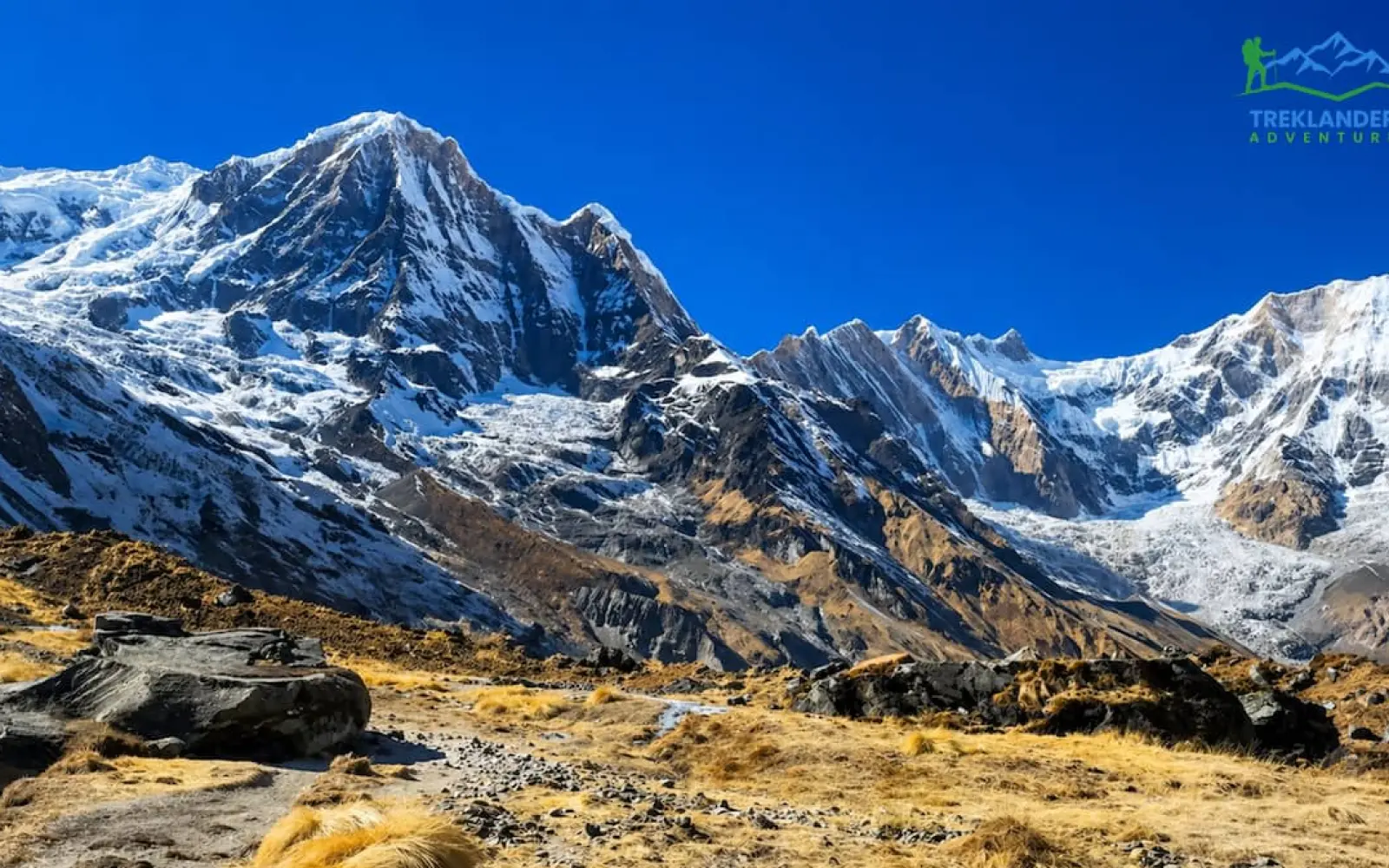
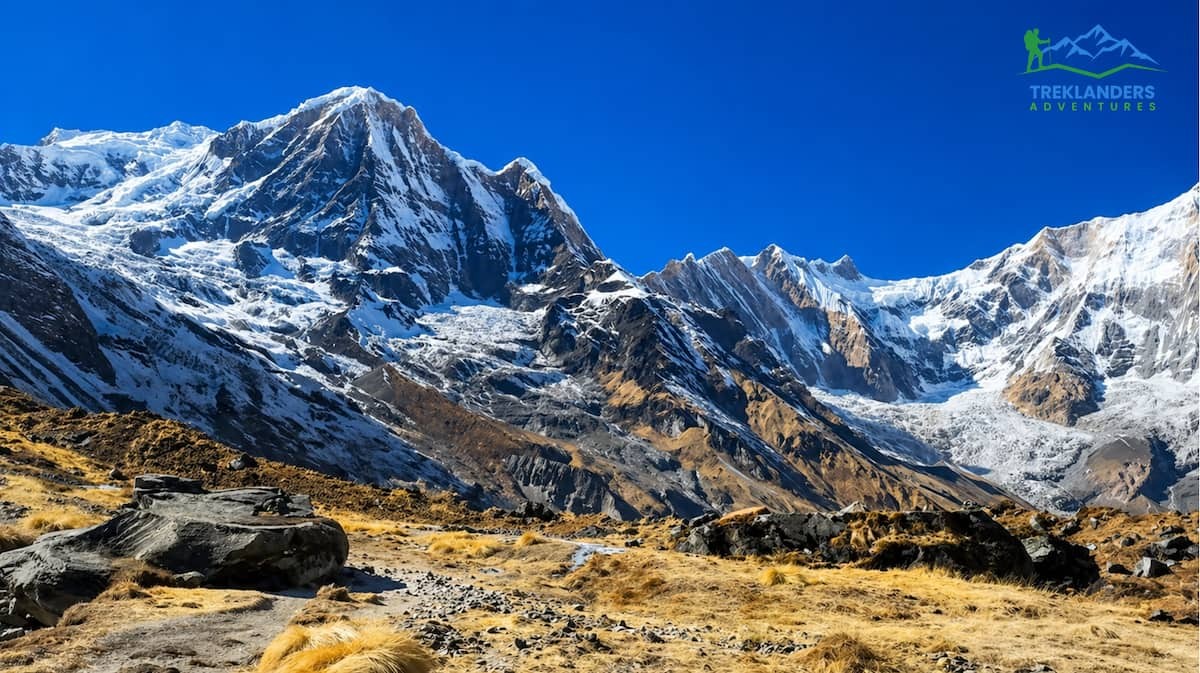
You searched "Annapurna Base Camp Trek" You discovered numerous posts displaying photos of sunrise, happy trekkers, and bullet lists stating, "challenging but rewarding", etc. However, none of them got you ready for a 4 AM alarm in a freezing tea house, leeches on your ankles in Modi Khola Valley, or the only chance that clouds will close every mountain view from the top. That guide won't do that. It shares 15 facts that experienced trekkers are aware of, which most blogs hide completely or skip, so that you can organize your trip without extra costly surprises.
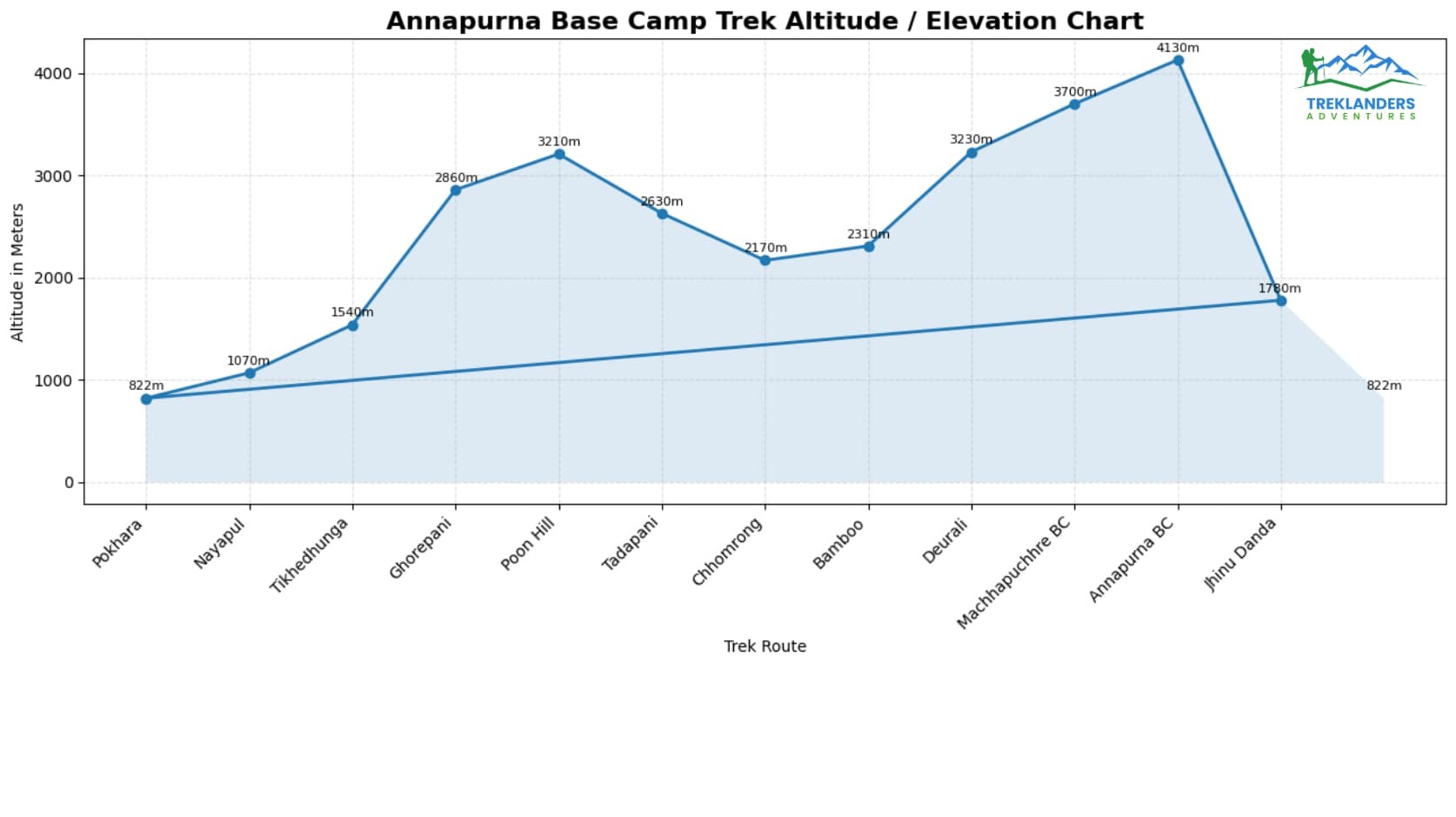
You will hear everyone talk about altitude sickness before trekking to Annapurna Base Camp. That anxiety is not totally unfounded, but it is focused on the wrong thing. Annapurna Base Camp has an elevation of 4,130 meters (13,550 ft). That altitude sounds intimidating. To put it into perspective, let me start by saying... ABC’s elevation places it squarely in the “lower altitude” trekking range compared to Everest Base Camp at 5,364 meters or Thorong La Pass at 5,416 meters along the Annapurna Circuit Trek.
Acute Mountain Sickness can happen on Annapurna Base Camp, but it does not lead trekkers off the mountain as much as other concerns. Data compiled by the Himalayan Rescue Association actually shows that the three most common medical issues on Annapurna Base Camp were musculoskeletal injuries, GI illness and hypothermia. These three ailments sneak up on trekkers because they were busy focusing on acclimatizing the altitude.
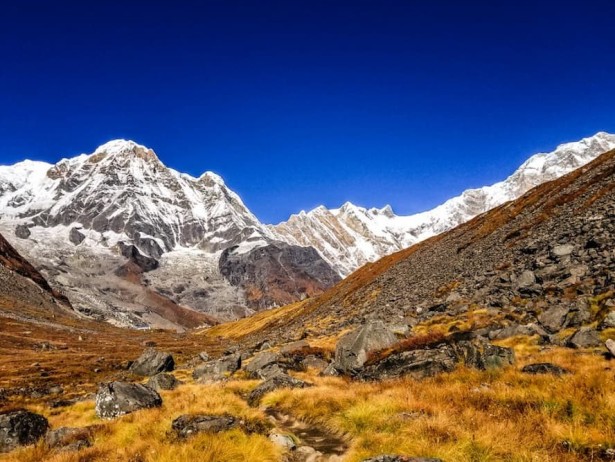
Drink 3 to 4 liters of water daily. Eat warm, cooked food. Carry a basic blister and sprain kit. Bring a puffy jacket. These simple steps prevent most trip-ending problems on this route.
ABC’s climb is low enough that if you take your time and follow the rule of only going uphill 300 to 500 meters per day, your body will likely acclimatize just fine. However, a lot of people try to rush the itinerary to make an already aggressive schedule even more aggressive. A 7-day itinerary for this trek is pushing your body’s ability to acclimatize. If you have never trekked above 3,500 meters, I would recommend you give yourself at least 10 days.
Symptoms of AMS include headaches, nausea, dizziness, and lack of appetite. If you feel any of these symptoms, STOP climbs higher immediately. If your symptoms don’t clear up after resting for 24 hours, then begin to slowly descend uphill about 500 meters. Diamox can help if your doctor has previously approved you to take it, but do not rely on Diamox instead of acclimatizing correctly.
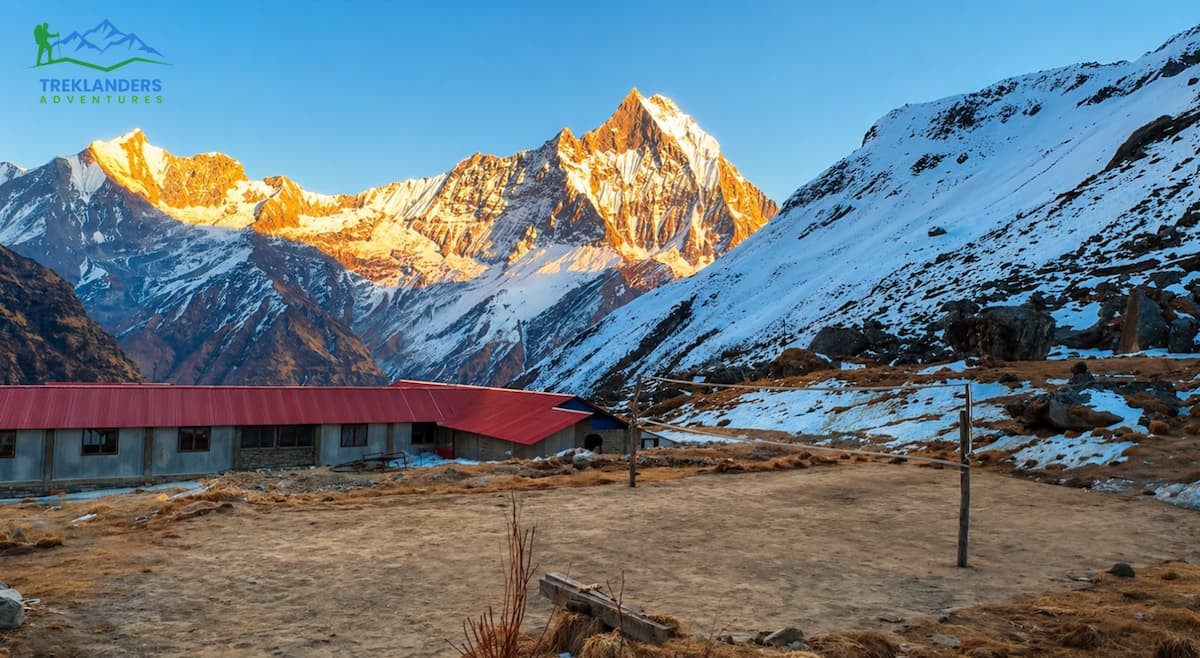
The trekking agencies in Pokhara unanimously assert that the Annapurna Base Camp Trek is "moderate." This single word significantly hides the level of challenges the trail unfolds. Usually, a trekking day entails covering 14 to 20 kilometers with an elevation increase of 700 to 1,000 meters. Besides, you have to carry a daypack weighing 8 to 12 kilograms, walk on stairs made of stones, dirt paths, and cross rivers for 6 to 8 hours.
Now, think about the so-called "moderate" exercises that most people refer to in everyday life. They are gym workouts, weekend hikes, long bike rides, etc. However, none of these activities will get you ready for 8 continuous days of climbing at high altitude. Trekkers who don't prepare specifically arrive at the destination at a disadvantage. Blisters start to appear after the first day. By day three, knees will begin to ache. Energy will be depleted even before reaching the most difficult part of the trail that lies between Deurali and Annapurna Base Camp.
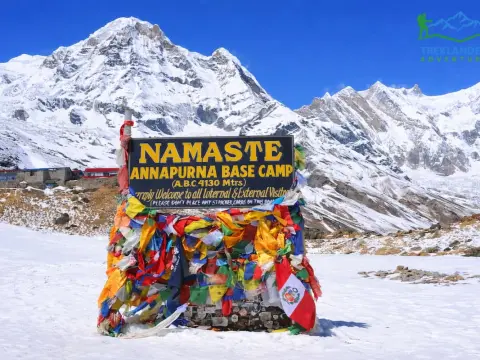
The trail demands 700 to 1,000 meters of gain per day, on stone stairs, with a loaded pack. That is not moderate. That is hard.
Being mentally and physically ready entails training the elevation whenever feasible, engaging in back-to-back long days of hiking in the months leading up to your trip, and specifically developing leg muscles. Stair climbing while carrying a loaded pack three to four times per week for 8 to 12 weeks before departure renders a significant difference. Your speed will be enhanced, your recovery overnight will get better, and you will find pleasure in the trail rather than just enduring it.
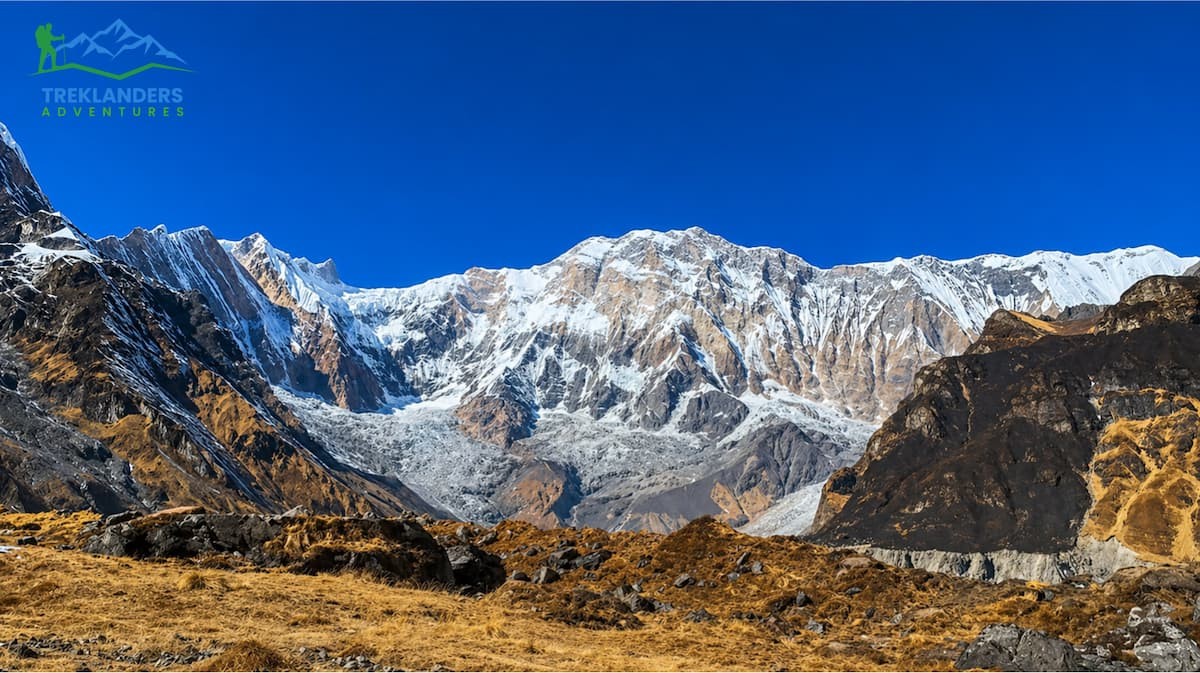
October is the peak month for trekking in Nepal, and Annapurna Base Camp accommodates a large percentage of the trekkers during this time. On certain days in mid-October, the section of the trail from Chhomrong to Machapuchhare Base Camp is so crowded that one can see hundreds of trekkers travelling in both directions simultaneously. By 3 PM, the tea houses at Himalaya Hotel and Deurali are completely packed.
If you get there after 4 PM without a booking, you might have to sleep on the dining room floor. Even more, the trail itself becomes a slow-moving line of people in some places. The stone staircase sections are very narrow. To pass, one has to wait for gaps in the oncoming traffic. At the same time, porters transporting their heavy loads manage to get through the same passage. The mountain experience that many pictures show is a peaceful and solitary scene, far from reality, even in peak October.
It is a social experience with thousands of other humans doing the same thing on the same day. For real solitude and space to enjoy the landscape, November is a better month. The weather becomes colder, especially at night (down to minus 10 to minus 15 Celsius at ABC), but the crowds reduce by 30 to 40 per cent after the Dashain and Tihar holidays end. Besides, March and April are wonderful months to enjoy a warmer and less crowded setting. Rhododendron forests flower from late February to April, and during this time, the lower trail sections are exceptionally beautiful.
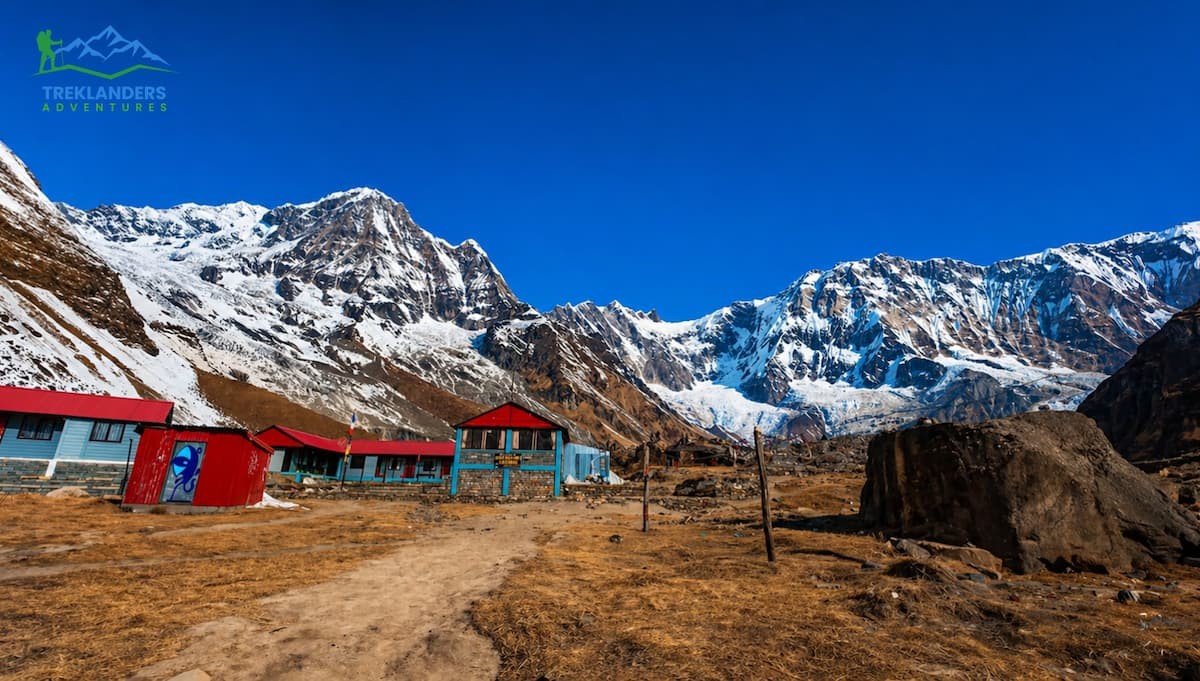
Photos of travel depict wooden interiors, cups of hot tea, and the inviting glow of a lamp. That kind of tea house is found in Ghandruk, Chhomrong, and some other lower altitude places along the trail. Starting from Bamboo and the deepening of the Modi Khola valley, tea houses lose their comfort one after another. Build-wise, the rooms can be very small with only plywood walls as insulation. Beds are thin foam mattresses covered with synthetic blankets of questionable cleanliness. Shared squat toilets are the norms here. Hot showers, when they are there, are on solar power and thus operate only when the sun has been shining; however, in autumn, clouds are quite common, and the sun is not always out.
Most tea houses have electricity now, but since power outages are quite common, you may have to schedule your phone or camera's charging according to the generator's operating hours. Wi Fi is provided but is slow, unstable above Chhomrong, and you should not rely on it for anything important in terms of time.
Generally, the room is very cheaply priced as long as you agree to have your meals served right there at that tea house. The owners of tea houses make their money from food, not rooms, so dinner, lunch, and breakfast at the same place where you will spend the night can be seen as quite normal, while performing the opposite is bad form and will result in a direct message to you.
Trekking in the Annapurna region requires two permits. The cost of the Annapurna Conservation Area Permit (ACAP) is 3,000 NPR for foreign nationals, which is about USD 22 at the current exchange rate. The Trekkers' Information Management System card (TIMS) will cost another 2,000 NPR for independent trekkers or 1,000 NPR if you use a registered trekking agency.
The basic permit price is around USD 37. However, the real cost is much more. To get to the start of the trek from Pokhara, you will have to either hire a taxi or jeep to Nayapul, Phedi, or Jhinu Danda, the travel cost of which is 2,000 to 6,000 NPR, depending on the vehicle and negotiation. A hotel in Pokhara, before and after the trek, guide fees, porter fees, and gear rental are some of the other costs that add up.
The budget you need for a full Annapurna Base Camp Trek as a solo foreign trekker with a guide and porter, staying at tea houses and having three meals a day, is USD 750 to USD 1,200 for a 10-day trek. Many people are surprised by this figure because they looked up "budget ABC trek" and found estimates of USD 300 to USD 400. Apart from guide and porter fees, those estimates predate food prices at altitude (which are 40 to 60 per cent higher than Pokhara prices) and do not include gear if you need to rent or buy any.
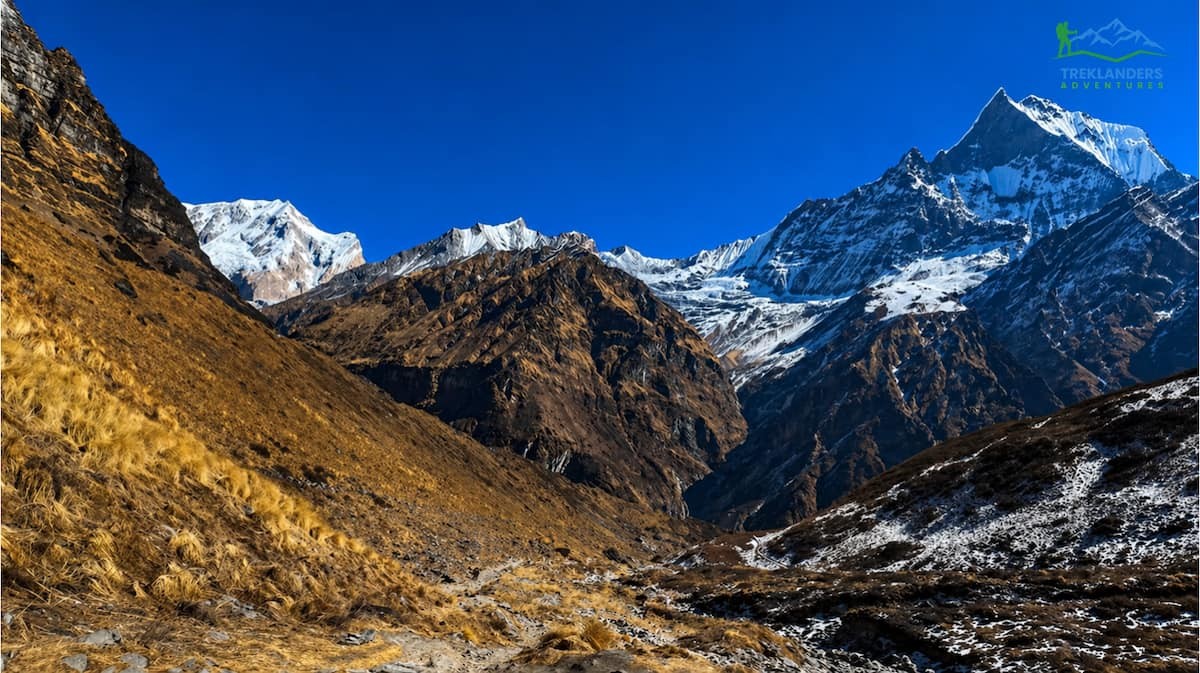
Most trekkers worry about the ascent. They don't realize that most injuries happen on their descent. There are thousands of stone steps along the trail from Annapurna Base Camp to Nayapul, many of which are very steep and uneven. After 4 or 5 days of walking uphill, the muscles which support the knees become very tired. Carrying a heavy backpack on uneven stairs during the descent puts between 3 and 4 times your body weight as the force on the knee joint with every step down.
Patellofemoral pain or "trekkers' knee" is the leading complaint that causes trekkers to slow down during the descent. It usually hurts more when going downstairs. In case you get this problem at Annapurna Base Camp when you still have 3 or 4 days of downhill trekking, the rest of your trip will be just about trying to deal with the pain rather than having fun.
There exist two things that can really help you. First, using trekking poles can decrease the load on your knees during descent by a whopping 20-25%. So, either get yourself some or rent them before you start going. Next, try to get used to going downstairs during your pre-trek training. Eccentric quad exercises, which consist of slow downward steps onto a lower surface, will give the specific strength your knees will need for long descents.
Did you plan to attempt this trek independently without a guide? If so, you should revise that plan as the Nepal Tourism Board made a rule in April 2023, which states that all foreign trekkers in the areas of trekking designated by the Nepal Tourism Board, including Annapurna, must have a licensed guide who is registered with the Nepal Tourism Board.
The new law was made after several cases of missing and dead trekkers on the Himalayan trails in the past ten years. Actually, showing your permit together with the paperwork of your guide at the checkpoints along the trail is required. If a trekker is caught without a guide, he/she may be fined and, besides, need to hire one on the spot, usually at very high prices.
It is a common misconception that this means that you cannot experience a largely independent trekking experience. Believe it or not, a guide is not an individual who is by your side all the time. On a day-to-day basis, a guide can do a lot of work for you, like adopting the pace you want to set, making reservations in tea houses, and handling the logistics while still leaving you a lot of time for yourself on the trail alone. The guide is also a real asset: they are very familiar with the trail, they are able to spot changes in the weather, they communicate in Nepali in tea houses, and also if something happens at a height of more than 3,000 meters, they can assist.
Be very selective in choosing your guide. Request a Nepal Tourism Board license number and double-check it before handing over any deposit. Trekkers who have done Annapurna Base Camp within the last 12 months can provide you with the best and most reliable method to source personal recommendations. Agencies in the Lakeside area of Pokhara could be either excellent or predatory. Don't hesitate to ask for the guide's qualifications, altitude first aid training, and references.

Food at lower tea houses is actually pretty good. Dal bhat, the standard Nepali meal of lentil soup, rice, vegetable curry, and pickles, is healthy, calorie-dense, and available for 500 to 800 NPR at every stop below Chhomrong. Potato-based dishes in Ghandruk are legitimately tasty. Even people who don't normally like apple pie will enjoy the apple pie at Chhomrong.
Food selection becomes extremely limited once you get above Deurali and at Machapuchhare Base Camp and Annapurna Base Camp. Everything costs a lot (800 to 1,500 NPR for a main meal) and takes forever to cook (altitude impacts the boiling point of water). Even then, the food is adequate in terms of calories but not very interesting. Noodle soup, fried rice, boiled eggs, and instant noodles become your friends. Fresh vegetables disappear. Don't count on being able to find meat or fish above Chhomrong, due to a lack of refrigeration.
You'll also probably not feel very hungry at higher elevations. This is normal. Your body will require more calories than normal due to being cold and exerting yourself, but your body's appetite indicators will send you the opposite signal. Make yourself eat regularly, even if you don't feel hungry, focusing on carbohydrates. Bring high-calorie snacks from Pokhara. Packets of nut butter, energy bars, dark chocolate, and trail mix are all good. These fill the gap when tea house food is insufficient or unappealing after 8 days on the trail.
The Annapurna massif creates a cloud system of its own. Annapurna I is the 10th-highest mountain in the world, with a height of 8,091 meters, and the neighboring peaks, like Machapuchhare (6,993 m), Hiunchuli (6,441 m), and Gangapurna (7,455 m), produce striking thermal convection patterns that change throughout the day. In practice, this means that clouds flow into the ABC amphitheatre as early as 10 AM on most days, even during the dry seasons of October and November.
You can get the best mountain views from about 5:30 to 9:00 AM. This is the only dependable time each day when the cirque above Annapurna Base Camp can be seen clearly. Hikers who get to ABC in the afternoon, arrange their rooms, and then wake up the next morning expecting large panoramic views find a cloud of white surrounding the tea houses. You can increase your chances of a clear view by staying one more night.
The monsoon season is from June to September. You can go trekking during this time, but you will have to deal with rain every day, leeches at their most intense, slippery paths, and thick clouds. The mountains will hardly be visible. The post-monsoon period, October and November, has the clearest mornings. March and April come after, but planning around the haze before the monsoon and occasional thunderstorms in the afternoon will be necessary to plan around.
A usual scenario on the Annapurna Base Camp trek is the runner or gym goer who shows up in great cardiovascular shape, runs fast on day one, exceeds the recommended amount of daily elevation gain, and ends up being sick or injured by day three. Cardiovascular fitness is important. Yet, trekking fitness is a separate adaptation that involves muscular endurance of the glutes, quads, and calves; the ability to maintain an effort for 7 to 8 hours without a sprint or rest interval; and the mental capacity to constantly move for 8 consecutive days.
High-intensity training, HIIT sessions, and gym circuits develop the wrong energy system for trekking. They train anaerobic power rather than aerobic endurance. The ABC trail demands you to be at 60 to 70 per cent of your maximum heart rate level for quite a few periods carrying a loaded pack. Equip yourself for that intensity only.
Slow and long days in the hills are more effective than fast, short gym sessions. Start your specific training at least 3 months in advance. Long hikes of 4 to 6 hours with a weighted pack weekly are the single most effective preparation tool for your trip. If you live at a low elevation, altitude cannot be simulated effectively, but the muscular and cardiovascular adaptations from sustained uphill walking carry over well to altitude conditions when combined with a sensible acclimatization schedule on the trail.
During May and October, mainly in the lower trail parts from Nayapul to Chhomrong and in the Modi Khola gorge under Bamboo, leeches are very active and quite a few. They are in leaf litter, on wet vegetation near trail edges, and in grass. Without your noticing, they get on your skin and clothes as they first give you a local anesthetic.
Leeches themselves are not harmful. There are no known pathogens in the Annapurna region that could be transmitted. Yet, the bites bleed a lot after the leech falls off due to an anticoagulant compound that they spread. Without proper cleaning, especially in humid monsoon conditions, skin infections can occur. It is no fun to discover a leech on you that has been feeding for an hour at the time of your break, a situation that many trekkers face unprepared.
Leech gaiters are the best protective physical barriers as they are thick canvas covers that you strap over your boots and trousers. Salt spray applied to your boots and lower legs keeps leeches away, but it must be done again every 30 to 45 minutes in wet conditions. Using DEET-based insect repellent on the skin and clothes works quite well. When going through leech-active trail sections, it is wise to tuck your trousers into your socks, leaving fashion considerations aside.
It is a very common and even reasonable decision to hire a porter on this trek because, after all, porters carry loads of 30 kilograms or more over the same challenging terrain you must tackle with just a daypack. What only makes them different is that many of them wear simple flip flops or old trail shoes. They are the ones who actually enable the trek for people who, for one reason or another, cannot or do not wish to carry their own heavy packs. So really the question is not whether you are going to hire a porter, but how to go about it in a responsible way.
There are ethical dilemmas involved. On many occasions, porters are employed through agencies that then take up a large portion of the daily fee, so the porter is left with even less than the rate quoted. More often than not, porters do not have sufficient clothing to protect themselves against cold and wet conditions at high altitudes. Besides, they are sometimes even loaded with more weight than is considered safe. And when it comes to medical treatment for injuries and illness, porters are usually the ones left out.
The International Porter Protection Group (IPPG) is the organizing body that has laid down the ground rules for porter hiring done responsibly. Before making a reservation, explicitly inquire with your trekking agency about their adherence to these standards.
Mobile network coverage in Nepal's Annapurna region is mainly dependent on the layout of the land. Along the Modi Khola gorge, where the trail between Chhomrong and higher tea houses is steeply descending, the sides of the river canyon are so high that they block the signal from almost all the telephone towers. Ncell and Nepal Telecom have unplugged areas above Bamboo. Also, the signal at Deurali, MBC, and ABC is very weak and often not available at all.
Many travellers carry their smartphones to help them find directions, check the weather, stay in touch with family, and make payments. Unfortunately, all these features will become unreliable once you are above Chhomrong. Before leaving for Pokhara, download offline maps through Maps.me or Gaia GPS for the entire Annapurna Base Camp route. Besides, add important contact numbers of your guide, your hotel in Pokhara, and your country's embassy in Nepal to your phone's memory, assuming that you won't have internet access when you need them.
Communication gadgets like the Garmin in Reach Mini enable users to send and receive text messages from any location on the trail, regardless of whether there is a mobile phone network or not. Those who are planning to do wall treks or small group itineraries outside of the standard routes will find the rental cost of about USD 35 for a 10-day trip through Pokhara gear shops will be well worth the peace of mind that the device offers.
Wi Fi in tea houses above Chhomrong usually works with VSAT satellite internet. It is slow, often disconnected, and is not secure. So, you should never do your banking or any other activity that requires a secure connection. Besides power banks, having a battery backup is very important. At high altitudes, charging possibilities are scarce and quite unpredictable.
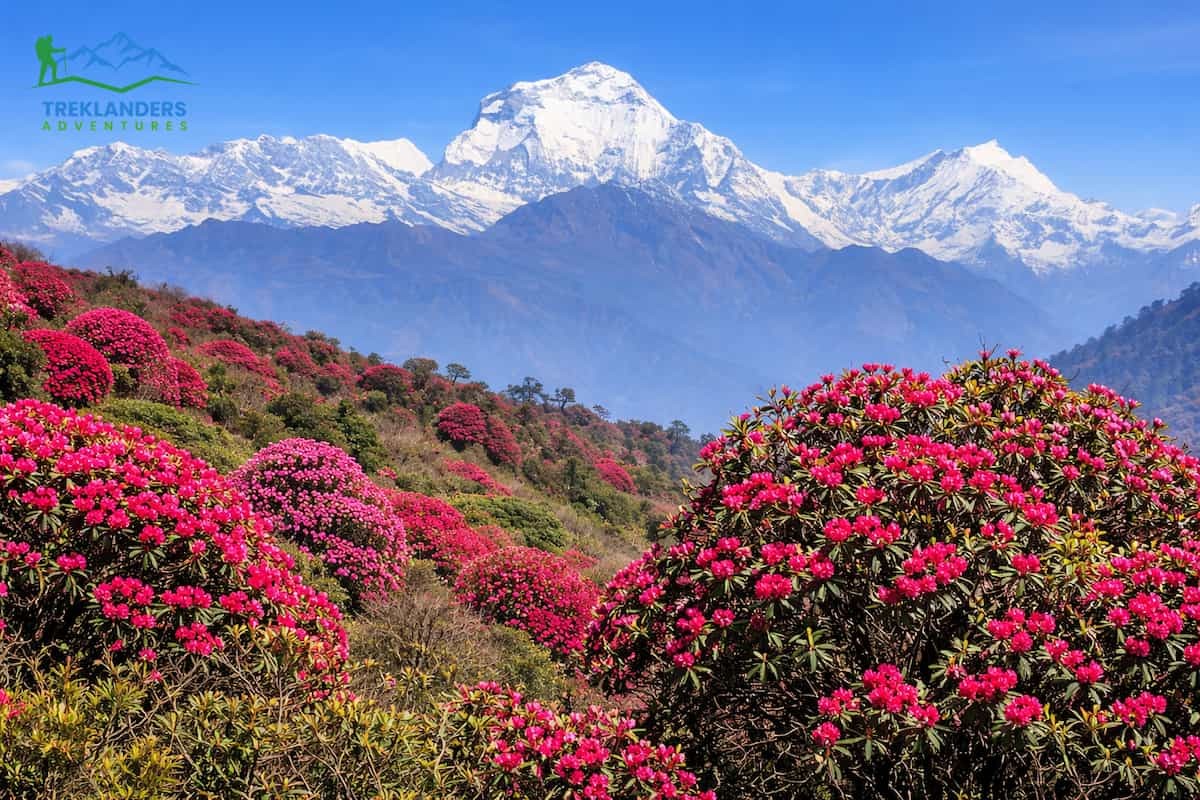
The usual Annapurna Base Camp Trek itinerary follows a simple path: Nayapul or Phedi to Ghandruk Chhomrong Bamboo, Deurali MBC ABC, and coming back along the same road. This path is marked, supported, and recorded. However, it is also not the only method to see the Annapurna area, and most of the side routes that trekkers avoid are the ones that have the most magnificent scenes for the whole trek.
The Poon Hill trek option from Ghorepani involves 2 extra days and gives access to the most photographed sunrise point in Nepal. The view from Poon Hill at an elevation of 3,210 meters features Annapurna South, Dhaulagiri, Machhapuchhre, and dozens of other peaks over a 180-degree arc. Usually, this detour is done as a separate short trek, but it naturally fits in the ABC loop through the Tadapani and Chhomrong trail junction.
The Khopra Ridge path above Tadapani climbs to 3,660 meters and offers wide ridge walking above the clouds, along with spectacular views that even surpass those from Poon Hill on clear days. Despite its availability, this route is barely used by trekkers. Tea houses in Tadapani and Dobato provide sufficient support for this section.

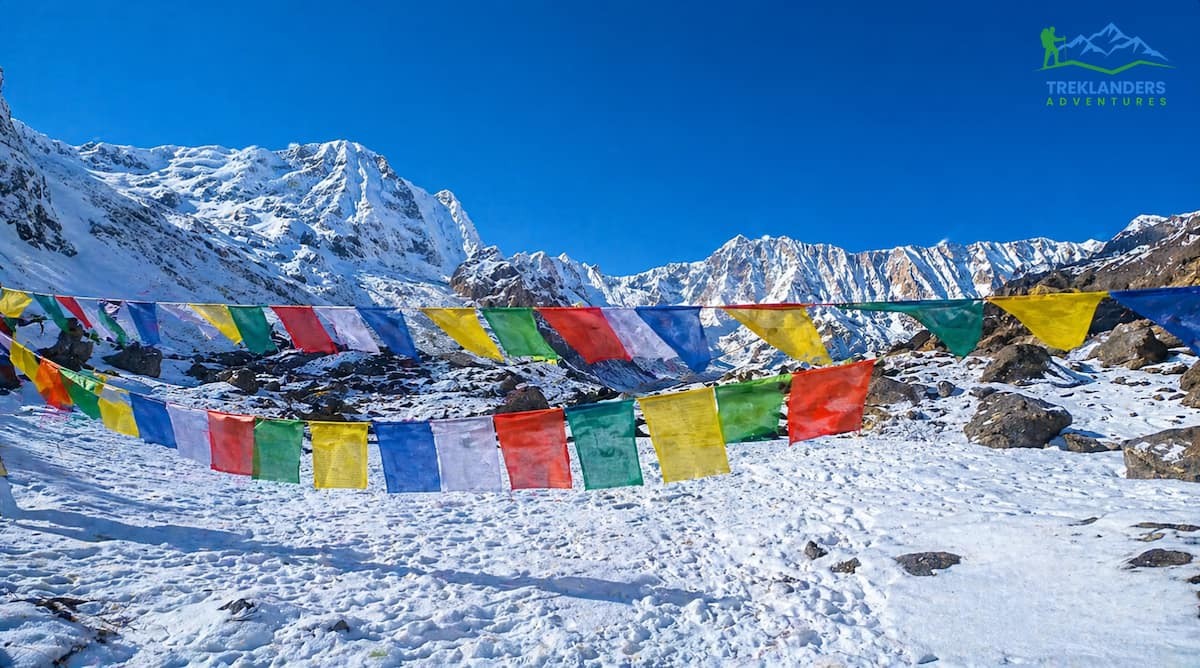
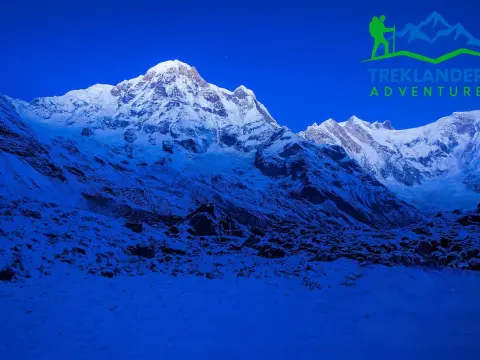
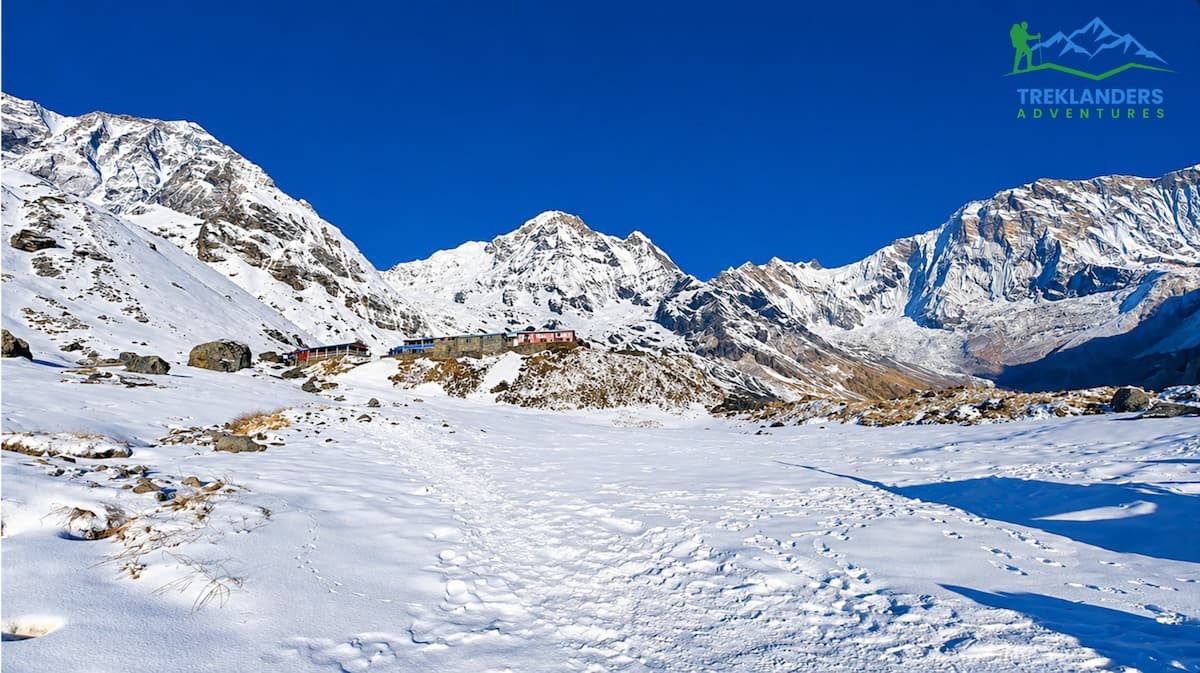
Annapurna Base Camp is basically a small group of 4 to 6 tea houses at about 4,130 meters elevation, nestled in a rocky, flat area inside a glacial cirque. There isn't a monument, no ceremony, or no big dramatic finishing line. On a cloudy day, which happens to be the case most days after 9 AM, you are surrounded by the grey walls of mist without a single mountain being visible. However, on a clear morning, you can see the surrounding peaks so close that they almost look like you can touch them, and this makes the whole visual experience truly extraordinary. The difference between these two versions of ABC is completely down to the factors that you have no control over.
Those who reach the summit with a winning feeling often end up disappointed, especially if they find out that the clouds had come in before they got to the top. In fact, the real gift of the ABC trek is not the destination itself. It is rather 8 to 10 days of constant walking in one of the most geologically dramatic landscapes on the globe, through rhododendron forests, river gorges, high altitude meadows, and finally, into the inner sanctuary of the world's 10th highest mountain.
The mountain views that you will remember most are probably not at ABC itself. They are at Deurali at 3,230 meters when the gorge opens for the first time, and Machapuchhare dominates the whole skyline above you. They are at Ghandruk at sunset when you see the face of Annapurna South gradually changing its colour from pink to orange and finally to dark. They are at Chhomrong in the early morning when you get the feeling that the valley 1,500 meters below is plunging and that it is filled with clouds like water.
Plan your trek to be present for these moments, not just to reach the endpoint. Sleep where the views are best, not just where the itinerary says to stop. Wake up early every day. The ABC trek rewards the trekker who is paying attention throughout, not only at the top.
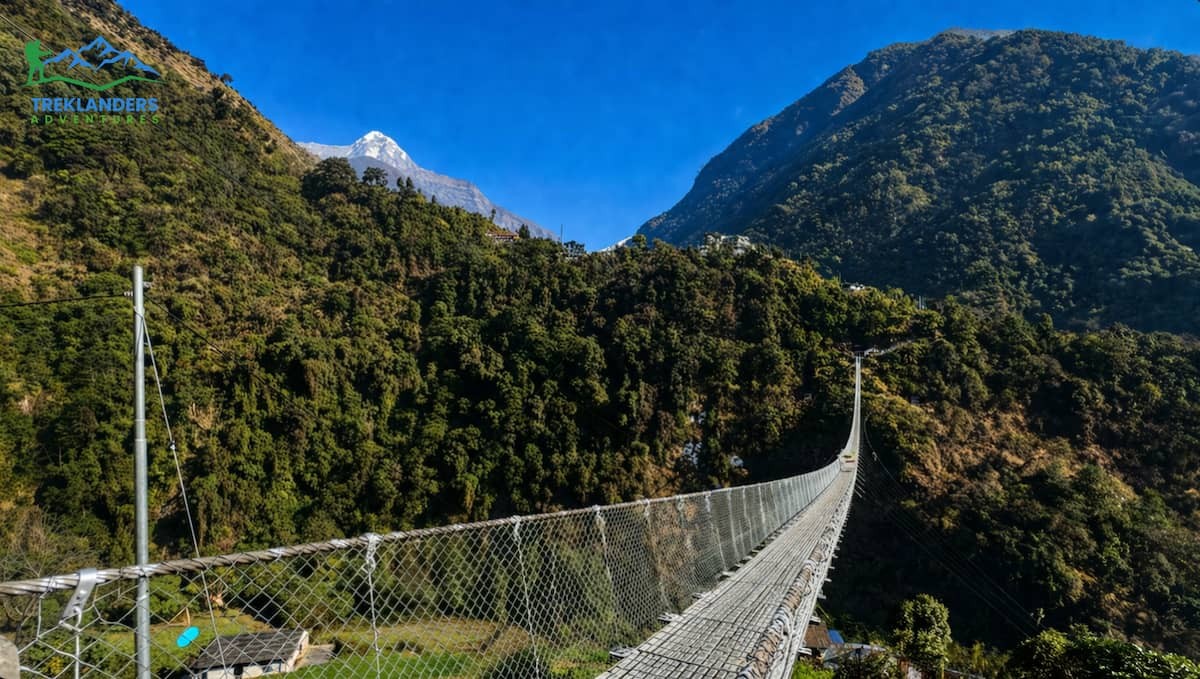
The Annapurna Base Camp Trek is one of the world's easiest high-altitude treks to physically do. That ease is indeed a fact. However, "easy" is not a synonym of "accessible", and the difference between a prepared trekker and an unprepared one can be measured in pain, illness, and lost days.
Begin your workout 3 months before your flight. Organize your guide through a trusted agency or personal recommendation, not the first page of Google as a result. Acquire about your ACAP and TIMS permits in Pokhara before starting, not on the trail. With you, I have a top-quality sleeping bag that can keep you warm down to minus 10 degrees Celsius. Use trekking poles. Have offline maps on your device. Eat even if you are not hungry. Drink more water than you normally do.
These 15 realities should not stop you from wanting to do the trek. They serve to acquaint you with the trail as it really is, not as you imagine it. Those who are unhappy with ABC are usually those who had in their mind a completely different trek. Those who see it as a life-changing experience are the ones who knew what they were getting themselves into and mentally prepared for it.
The Annapurna Sanctuary is one of nature's masterpieces. Make sure you are well prepared when you visit. Mountains will remain as they are.
[trip:https://www.treklanders.com/trips/ghorepani-poonhill-trek]
Langtang Valley Trek cost per day with a simple breakdown of permits, food, guide fees, and key expenses.
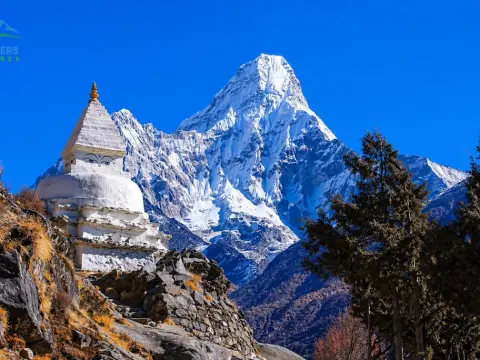
Compare guided vs independent Everest Base Camp trek—cost, safety, flexibility, and tips to choose the best option for your journey.
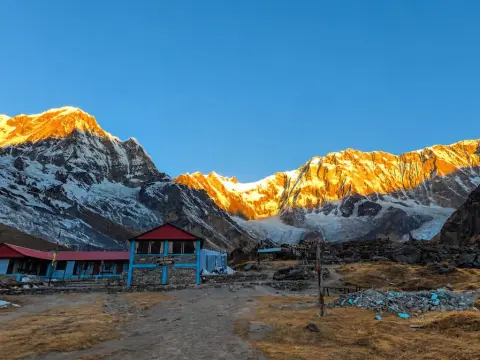
7, 10, or 12-day Annapurna Base Camp trek? Compare and choose the best itinerary.



