[{"name":"Everest Base Camp Trek","duration":"16","image_url":"https:\/\/www.treklanders.com\/storage\/trip-galleries\/1\/thumb_419a755c003cc609f3030ee332965ebe.jpg","offer_price":1405,"url":"https:\/\/www.treklanders.com\/trips\/everest-base-camp-trek"},{"name":"Gokyo Valley Trekking","duration":"16","image_url":"https:\/\/www.treklanders.com\/storage\/trip-galleries\/2\/thumb_23ed0891a1c25539fd69a1bdd50f9a85.webp","offer_price":1205,"url":"https:\/\/www.treklanders.com\/trips\/gokyo-valley-trekking"},{"name":"Annapurna Circuit Trek","duration":"23","image_url":"https:\/\/www.treklanders.com\/storage\/trip-galleries\/3\/thumb_2a9a92ea23c62f41de27b37f5e3e8c17.webp","offer_price":1495,"url":"https:\/\/www.treklanders.com\/trips\/annapurna-circuit-trek"},{"name":"Everest Panorama Trek","duration":"12","image_url":"https:\/\/www.treklanders.com\/storage\/trip-galleries\/4\/thumb_35c9f677ea2e88b1ff11a9f43daa3ddb.jpg","offer_price":1100,"url":"https:\/\/www.treklanders.com\/trips\/everest-panorama-trek"},{"name":"Everest Base Camp Trekking from Jiri","duration":"22","image_url":"https:\/\/www.treklanders.com\/storage\/trip-galleries\/6\/thumb_14763592492417b294aa66bf0ebf4e64.webp","offer_price":1400,"url":"https:\/\/www.treklanders.com\/trips\/everest-base-camp-trekking-from-jiri"},{"name":"Everest Base Camp via Cho la Pass from Gokyo Valley Trekking","duration":"18","image_url":"https:\/\/www.treklanders.com\/storage\/trip-galleries\/7\/thumb_d4e470e98d4e9e2ab8e93e39b8b7d252.jpg","offer_price":1405,"url":"https:\/\/www.treklanders.com\/trips\/everest-base-camp-via-cho-la-pass-from-gokyo-valley-trekking"},{"name":"Everest Three Passes Trekking","duration":"22","image_url":"https:\/\/www.treklanders.com\/storage\/trip-galleries\/8\/thumb_b413b221e913171500bb3dfd5c08ceea.jpg","offer_price":1635,"url":"https:\/\/www.treklanders.com\/trips\/everest-three-passes-trekking"},{"name":"Annapurna Base Camp Trekking","duration":"14","image_url":"https:\/\/www.treklanders.com\/storage\/trip-galleries\/9\/thumb_2e71f2ffe116c659fa66b01c2d571b4e.webp","offer_price":845,"url":"https:\/\/www.treklanders.com\/trips\/annapurna-base-camp-trekking"},{"name":"Mardi Base Camp Trekking","duration":"14","image_url":"https:\/\/www.treklanders.com\/storage\/trip-galleries\/10\/thumb_d7b2d2dc638f6bbf2c31c167ac68029d.webp","offer_price":845,"url":"https:\/\/www.treklanders.com\/trips\/mardi-base-camp-trekking"},{"name":"Mohare Danda Trekking","duration":"12","image_url":"https:\/\/www.treklanders.com\/storage\/trip-galleries\/11\/thumb_a384c8d35d789d29b19991c1d675c910.webp","offer_price":755,"url":"https:\/\/www.treklanders.com\/trips\/mohare-danda-trekking"},{"name":"Khopra Ridge & Khair Lake Trekking","duration":"15","image_url":"https:\/\/www.treklanders.com\/storage\/trip-galleries\/12\/thumb_c0f50461ddc74acfb553ba85be00fab0.webp","offer_price":855,"url":"https:\/\/www.treklanders.com\/trips\/khopra-ridge-khair-lake-trekking"},{"name":"Upper Mustang Trekking","duration":"17","image_url":"https:\/\/www.treklanders.com\/storage\/trip-galleries\/13\/thumb_7aa4dfdb69186b0f224a303d80a25c95.jpg","offer_price":1715,"url":"https:\/\/www.treklanders.com\/trips\/upper-mustang-trekking"},{"name":"Langtang Valley Trek","duration":"12","image_url":"https:\/\/www.treklanders.com\/storage\/trip-galleries\/14\/thumb_8650b4b1a3c160cff75da65369398353.webp","offer_price":735,"url":"https:\/\/www.treklanders.com\/trips\/langtang-valley-trek"},{"name":"Gosainkunda Lake Trek","duration":"11","image_url":"https:\/\/www.treklanders.com\/storage\/trip-galleries\/15\/thumb_bfe94c14e760c48234e117021105be84.webp","offer_price":735,"url":"https:\/\/www.treklanders.com\/trips\/gosainkunda-lake-trek"},{"name":"Chisapani-Nagarkot to Dhulikhel Hiking","duration":"7","image_url":"https:\/\/www.treklanders.com\/storage\/trip-galleries\/16\/thumb_468defe9a4000ee3129cd7e6421ee105.webp","offer_price":565,"url":"https:\/\/www.treklanders.com\/trips\/chisapani-nagarkot-to-dhulikhel-hiking"},{"name":"Kanchenjunga Trek","duration":"23","image_url":"https:\/\/www.treklanders.com\/storage\/trip-galleries\/17\/thumb_51f43fa4203106cc49aaedc89d76e01d.jpg","offer_price":1725,"url":"https:\/\/www.treklanders.com\/trips\/kanchenjunga-trek"},{"name":"Helambu Trek","duration":"12","image_url":"https:\/\/www.treklanders.com\/storage\/trip-galleries\/18\/thumb_0fe8e3fa1299d2e43bf1fb5977875ce2.jpg","offer_price":685,"url":"https:\/\/www.treklanders.com\/trips\/helambu-trek"},{"name":"Upper Dolpo Trek","duration":"26","image_url":"https:\/\/www.treklanders.com\/storage\/trip-galleries\/19\/thumb_d6080d490e1db83b0a711e7304000864.jpg","offer_price":3005,"url":"https:\/\/www.treklanders.com\/trips\/upper-dolpo-trek"},{"name":"Manaslu Circuit Trek","duration":"18","image_url":"https:\/\/www.treklanders.com\/storage\/trip-galleries\/20\/thumb_1fdd224e849f4f328e73d2d12b3d282d.jpg","offer_price":1225,"url":"https:\/\/www.treklanders.com\/trips\/manaslu-circuit-trek"},{"name":"Tilicho Lake Base Camp Trek","duration":"19","image_url":"https:\/\/www.treklanders.com\/storage\/trip-galleries\/21\/thumb_eba8ac5e029e6543e0c17630ebd9e2fb.jpg","offer_price":1220,"url":"https:\/\/www.treklanders.com\/trips\/tilicho-lake-base-camp-trek"},{"name":"Nar-Phu Valley With Thorang-La Pass Trek","duration":"21","image_url":"https:\/\/www.treklanders.com\/storage\/trip-galleries\/22\/thumb_43597423a5a366fe9c8937fb30d2fe2a.jpg","offer_price":1315,"url":"https:\/\/www.treklanders.com\/trips\/nar-phu-valley-with-thorang-la-pass-trek"},{"name":"Nepal Round Trip of Kathmandu-Pokhara-Lumbini and Chitwan Tour","duration":"10","image_url":"https:\/\/www.treklanders.com\/storage\/trip-galleries\/23\/thumb_32497d170b2ab340b0a1b3310e91e784.webp","offer_price":845,"url":"https:\/\/www.treklanders.com\/trips\/nepal-round-trip-of-kathmandu-pokhara-lumbini-and-chitwan-tour"},{"name":"Nagarkot Day Hike","duration":"2","image_url":"https:\/\/www.treklanders.com\/storage\/trip-galleries\/24\/thumb_a5a654930fd8ba7852e41738105bacfc.webp","offer_price":105,"url":"https:\/\/www.treklanders.com\/trips\/nagarkot-day-hike"},{"name":"Nagarkot Sunrise Tour","duration":"1","image_url":"https:\/\/www.treklanders.com\/storage\/trip-galleries\/25\/thumb_17dc28a29cfa44381ad503f0a75ee84f.webp","offer_price":22,"url":"https:\/\/www.treklanders.com\/trips\/nagarkot-sunrise-tour"},{"name":"Namobuddha Day Tour with Shiva Statue","duration":"1","image_url":"https:\/\/www.treklanders.com\/storage\/trip-galleries\/26\/thumb_beeb34202f9077764aa08c67ef2867f9.webp","offer_price":45,"url":"https:\/\/www.treklanders.com\/trips\/namobuddha-day-tour-with-shiva-statue"},{"name":"Kathmandu Full Day Sightseeing Tour","duration":"1","image_url":"https:\/\/www.treklanders.com\/storage\/trip-galleries\/27\/thumb_d045fc0f1acee2cfa6b3c95f3c656d18.jpg","offer_price":30,"url":"https:\/\/www.treklanders.com\/trips\/kathmandu-full-day-sightseeing-tour"},{"name":"Patan and Bhaktapur Sightseeing Tour","duration":"1","image_url":"https:\/\/www.treklanders.com\/storage\/trip-galleries\/28\/thumb_750eacac3424b5dba686dd93656ab87c.jpg","offer_price":30,"url":"https:\/\/www.treklanders.com\/trips\/patan-and-bhaktapur-sightseeing-tour"},{"name":"Upper Mustang Heli Tour","duration":"1","image_url":"https:\/\/www.treklanders.com\/storage\/trip-galleries\/29\/thumb_0b785f69a15557f8660c805c76fda14e.webp","offer_price":1250,"url":"https:\/\/www.treklanders.com\/trips\/upper-mustang-heli-tour"},{"name":"Everest Heli Tour","duration":"1","image_url":"https:\/\/www.treklanders.com\/storage\/trip-galleries\/30\/thumb_dc45f2beb36a3699e0decf0de41a6f17.jpg","offer_price":1495,"url":"https:\/\/www.treklanders.com\/trips\/everest-heli-tour"},{"name":"Island Peak Trek & Climb","duration":"21","image_url":"https:\/\/www.treklanders.com\/storage\/trip-galleries\/31\/thumb_a0f3e3468c92a8e436045cf8b2fbf361.jpg","offer_price":2295,"url":"https:\/\/www.treklanders.com\/trips\/island-peak-trek-climb"},{"name":"Mera Peak Trek & Climb","duration":"18","image_url":"https:\/\/www.treklanders.com\/storage\/trip-galleries\/32\/thumb_3e8128a23c36f02fa38135475e811b9e.jpg","offer_price":2815,"url":"https:\/\/www.treklanders.com\/trips\/mera-peak-trek-climb"},{"name":"Chandragiri Cable Car Tour","duration":"1","image_url":"https:\/\/www.treklanders.com\/storage\/trip-galleries\/33\/thumb_faa70b716449eada6d7f1450335edbb3.jpg","offer_price":30,"url":"https:\/\/www.treklanders.com\/trips\/chandragiri-cable-car-tour"},{"name":"Everest Base Camp Trek and Returning via Heli","duration":"13","image_url":"https:\/\/www.treklanders.com\/storage\/trip-galleries\/34\/thumb_11190941866206e1d578db11986ebc73.webp","offer_price":2100,"url":"https:\/\/www.treklanders.com\/trips\/everest-base-camp-trek-and-returning-via-heli"},{"name":"Annapurna Semi Circuit Trek","duration":"15","image_url":"https:\/\/www.treklanders.com\/storage\/trip-galleries\/35\/thumb_30ddd8ba818cdcb52efd5eb0a017bcdb.jpg","offer_price":965,"url":"https:\/\/www.treklanders.com\/trips\/annapurna-semi-circuit-trek"},{"name":"Everest Base Camp Luxury Trek","duration":"14","image_url":"https:\/\/www.treklanders.com\/storage\/trip-galleries\/39\/thumb_6079aea3c5dd83e745a16fd6162270dc.jpg","offer_price":2685,"url":"https:\/\/www.treklanders.com\/trips\/everest-base-camp-luxury-trek"},{"name":"Mt. Kailash & Lake Manasarover Tour","duration":"15","image_url":"https:\/\/www.treklanders.com\/storage\/trip-galleries\/41\/thumb_cf3fededfd7dd2b40399af399e04f95a.jpg","offer_price":2205,"url":"https:\/\/www.treklanders.com\/trips\/mt-kailash-lake-manasarover-tour"},{"name":"Ghorepani Poonhill Trek","duration":"11","image_url":"https:\/\/www.treklanders.com\/storage\/trip-galleries\/43\/thumb_602d9a56976e1b836ba8adc69b8d09c5.webp","offer_price":720,"url":"https:\/\/www.treklanders.com\/trips\/ghorepani-poonhill-trek"},{"name":"11 Days Gokyo Valley Trekkking","duration":"11","image_url":"https:\/\/www.treklanders.com\/storage\/trip-galleries\/45\/thumb_ab552c3c91de392f94230a937b1c4801.jpg","offer_price":900,"url":"https:\/\/www.treklanders.com\/trips\/11-days-gokyo-valley-trekkking"},{"name":"9-Day Everest Base Camp Trekking with Helicopter Return","duration":"9","image_url":"https:\/\/www.treklanders.com\/storage\/trip-galleries\/46\/thumb_9a8ba2b582500cd86786be056902c31a.webp","offer_price":1990,"url":"https:\/\/www.treklanders.com\/trips\/9-day-everest-base-camp-trekking-with-helicopter-return"},{"name":"12-Day Everest Base Camp Trek","duration":"12","image_url":"https:\/\/www.treklanders.com\/storage\/trip-galleries\/47\/thumb_d12c9ef776c0b395ceea817fe05c5892.jpg","offer_price":1000,"url":"https:\/\/www.treklanders.com\/trips\/12-day-everest-base-camp-trek"},{"name":"8-Day Everest Panorama Trek","duration":"8","image_url":"https:\/\/www.treklanders.com\/storage\/trip-galleries\/49\/thumb_c81ae3a8ac757a317a9362e6872e2dcb.jpg","offer_price":850,"url":"https:\/\/www.treklanders.com\/trips\/8-day-everest-panorama-trek"},{"name":"7-Day Langtang Valley Trek","duration":"7","image_url":"https:\/\/www.treklanders.com\/storage\/trip-galleries\/50\/thumb_99c2904df5475ab028c9e3633ea95ef3.jpg","offer_price":420,"url":"https:\/\/www.treklanders.com\/trips\/7-day-langtang-valley-trek"},{"name":"4-Day Trekking Adventure near Kathmandu","duration":"4","image_url":"https:\/\/www.treklanders.com\/storage\/trip-galleries\/51\/thumb_594681060514dc57be1959236a6996d0.jpg","offer_price":275,"url":"https:\/\/www.treklanders.com\/trips\/4-day-trekking-adventure-near-kathmandu"},{"name":"4-Day Ghorepani Ponnhill Trek from Pokhara","duration":"4","image_url":"https:\/\/www.treklanders.com\/storage\/trip-galleries\/53\/thumb_eede04edac01f983d9af2c16f55d03e8.webp","offer_price":500,"url":"https:\/\/www.treklanders.com\/trips\/4-day-ghorepani-ponnhill-trek-from-pokhara"},{"name":"7-Day Annapurna Base Camp Trek from Pokhara","duration":"7","image_url":"https:\/\/www.treklanders.com\/storage\/trip-galleries\/55\/thumb_547e91c74088c491111ebe31a759cfbb.jpg","offer_price":420,"url":"https:\/\/www.treklanders.com\/trips\/7-day-annapurna-base-camp-trek-from-pokhara"},{"name":"13-Day Manaslu Circuit Trekking","duration":"13","image_url":"https:\/\/www.treklanders.com\/storage\/trip-galleries\/56\/thumb_aef1af4f0c4a2a9622d518ad5959542b.jpg","offer_price":1050,"url":"https:\/\/www.treklanders.com\/trips\/13-day-manaslu-circuit-trekking"},{"name":"5-Day Mardi Himal Trek from Pokhara","duration":"5","image_url":"https:\/\/www.treklanders.com\/storage\/trip-galleries\/57\/thumb_dcd598d556c14835f0a18169afafcbc6.webp","offer_price":420,"url":"https:\/\/www.treklanders.com\/trips\/5-day-mardi-himal-trek-from-pokhara"},{"name":"Nagarkot Sunrise Tour with Day Hike","duration":"1","image_url":"https:\/\/www.treklanders.com\/storage\/trip-galleries\/58\/thumb_7cdfa1f16719486da2a0718da45b1f2f.webp","offer_price":30,"url":"https:\/\/www.treklanders.com\/trips\/nagarkot-sunrise-tour-with-day-hike"},{"name":"Seven Unesco Heritage Sites Day Tour in Kathmandu","duration":"1","image_url":"https:\/\/www.treklanders.com\/storage\/trip-galleries\/59\/thumb_92aed7b9c67e76740000aab9313dced7.jpg","offer_price":40,"url":"https:\/\/www.treklanders.com\/trips\/seven-unesco-heritage-sites-day-tour-in-kathmandu"},{"name":"10-Day Ghorepani Poonhill with Annapurna Base Camp Trek","duration":"10","image_url":"https:\/\/www.treklanders.com\/storage\/trip-galleries\/60\/thumb_d4c2c089497950ccb5f8541d76e1269b.webp","offer_price":835,"url":"https:\/\/www.treklanders.com\/trips\/10-day-ghorepani-poonhill-with-annapurna-base-camp-trek"},{"name":"3-Day Chitwan Wildlife Tour","duration":"3","image_url":"https:\/\/www.treklanders.com\/storage\/trip-galleries\/61\/thumb_fc4de9cbf5bc83d67491b41df5725552.jpg","offer_price":150,"url":"https:\/\/www.treklanders.com\/trips\/3-day-chitwan-wildlife-tour"},{"name":"3-Day Pokhara Sightseeing Tour","duration":"3","image_url":"https:\/\/www.treklanders.com\/storage\/trip-galleries\/62\/thumb_a79a253f1a8bcbbf288eefc1d2f4038f.jpg","offer_price":230,"url":"https:\/\/www.treklanders.com\/trips\/3-day-pokhara-sightseeing-tour"},{"name":"7-Day Kathmandu Pokhara and Chitwan wildlifeTour","duration":"7","image_url":"https:\/\/www.treklanders.com\/storage\/trip-galleries\/63\/thumb_4f963fc141d7ef39e8a6a3c60317ae9b.jpg","offer_price":545,"url":"https:\/\/www.treklanders.com\/trips\/7-day-kathmandu-pokhara-and-chitwan-wildlifetour"},{"name":"Nagarjun Jamacho Day Hiking","duration":"1","image_url":"https:\/\/www.treklanders.com\/storage\/trip-galleries\/64\/thumb_85867eb85c60c8228e44f927341f67d1.jpg","offer_price":30,"url":"https:\/\/www.treklanders.com\/trips\/nagarjun-jamacho-day-hiking"},{"name":"Everest Mountain Flight from Kathmandu","duration":"1","image_url":"https:\/\/www.treklanders.com\/storage\/trip-galleries\/65\/thumb_1a66526d340ec175023842c38efd8a95.webp","offer_price":120,"url":"https:\/\/www.treklanders.com\/trips\/everest-mountain-flight-from-kathmandu"},{"name":"One Day Trishuli River Rafting Adventures","duration":"1","image_url":"https:\/\/www.treklanders.com\/storage\/trip-galleries\/66\/thumb_55ba0ea676c9c625f99f3d41bda224fb.jpg","offer_price":35,"url":"https:\/\/www.treklanders.com\/trips\/one-day-trishuli-river-rafting-adventures"},{"name":"13-Day Annapurna Circuit Trek","duration":"13","image_url":"https:\/\/www.treklanders.com\/storage\/trip-galleries\/67\/thumb_859e7a1fbb468a9252d365cab8379f10.jpg","offer_price":815,"url":"https:\/\/www.treklanders.com\/trips\/13-day-annapurna-circuit-trek"},{"name":"15-Day Tilicho Base Camp with Thorong-La Pass Trekking","duration":"15","image_url":"https:\/\/www.treklanders.com\/storage\/trip-galleries\/68\/thumb_56a5fd1506c9b9f1f83844353dc55edf.jpg","offer_price":920,"url":"https:\/\/www.treklanders.com\/trips\/15-day-tilicho-base-camp-with-thorong-la-pass-trekking"},{"name":"Cooking Class in Thamel-Full Course Meal","duration":"1","image_url":"https:\/\/www.treklanders.com\/storage\/trip-galleries\/69\/thumb_ed5cfbc0d94b624642d347c0776d36bb.webp","offer_price":30,"url":"https:\/\/www.treklanders.com\/trips\/cooking-class-in-thamel-full-course-meal"},{"name":"Cooking Class in Thamel-Full Course","duration":"3 Hours 30 Minutes","image_url":"https:\/\/www.treklanders.com\/img\/default.gif","offer_price":30,"url":"https:\/\/www.treklanders.com\/trips\/cooking-class-in-thamel-full-course"},{"name":"Cooking Class in Thamel-Full Course Meal","duration":"3 Hours 30 Minutes","image_url":"https:\/\/www.treklanders.com\/img\/default.gif","offer_price":30,"url":"https:\/\/www.treklanders.com\/trips\/cooking-class-in-thamel-full-course-meal"},{"name":"Momo Making Class in Thamel","duration":"1","image_url":"https:\/\/www.treklanders.com\/storage\/trip-galleries\/72\/thumb_a36e5ceca4d5c4cb0ecda367505b31d3.webp","offer_price":20,"url":"https:\/\/www.treklanders.com\/trips\/momo-making-class-in-thamel"},{"name":"8 Days Bhutan Tour from Kathmandu","duration":"8","image_url":"https:\/\/www.treklanders.com\/storage\/trip-galleries\/73\/thumb_df319d7d3ac21bcd9cf728cb1a70ea09.webp","offer_price":2275,"url":"https:\/\/www.treklanders.com\/trips\/8-days-bhutan-tour-from-kathmandu"},{"name":"10 Days Bhutan Tour with Druk path Trek","duration":"10","image_url":"https:\/\/www.treklanders.com\/storage\/trip-galleries\/74\/thumb_c7d4a4b89aceaf5d3aac313265729bb3.webp","offer_price":5715,"url":"https:\/\/www.treklanders.com\/trips\/10-days-bhutan-tour-with-druk-path-trek"},{"name":"9 -Day Langtang Valley Trek","duration":"9","image_url":"https:\/\/www.treklanders.com\/storage\/trip-galleries\/75\/thumb_65e69cec8917e39091c9e40ae06df3da.webp","offer_price":620,"url":"https:\/\/www.treklanders.com\/trips\/9--day-langtang-valley-trek"},{"name":"14 Day Everest Base Camp Trek","duration":"14","image_url":"https:\/\/www.treklanders.com\/storage\/trip-galleries\/76\/thumb_446e7f33a5f43896c9cdf470cd7be947.webp","offer_price":1175,"url":"https:\/\/www.treklanders.com\/trips\/14-day-everest-base-camp-trek"},{"name":"Lhasa Tour from Kathmandu: 10-Day Tibet Overland Journey via Gyirong","duration":"10","image_url":"https:\/\/www.treklanders.com\/img\/default.gif","offer_price":null,"url":"https:\/\/www.treklanders.com\/trips\/lhasa-tour-from-kathmandu-10-day-tibet-overland-journey-via-gyirong"},{"name":"13 Day Lhasa Tour from Kathmandu via Everest Base Camp","duration":"13","image_url":"https:\/\/www.treklanders.com\/storage\/trip-galleries\/78\/thumb_8a2bfb2abd99ba9ddc902b768e7b0759.webp","offer_price":2565,"url":"https:\/\/www.treklanders.com\/trips\/13-day-lhasa-tour-from-kathmandu-via-everest-base-camp"},{"name":"11 Day Annapurna Base Camp Trek","duration":"11","image_url":"https:\/\/www.treklanders.com\/storage\/trip-galleries\/79\/thumb_4e48a19c538c00cc8c36160ca97c5f21.webp","offer_price":720,"url":"https:\/\/www.treklanders.com\/trips\/11-day-annapurna-base-camp-trek"},{"name":"9 Day Mardi Himal Trek","duration":"9","image_url":"https:\/\/www.treklanders.com\/storage\/trip-galleries\/80\/thumb_8214945c5614ac9a84e5ca0b58b1f5a3.webp","offer_price":735,"url":"https:\/\/www.treklanders.com\/trips\/9-day-mardi-himal-trek"},{"name":"14 Day Manaslu Circuit Trek","duration":"14","image_url":"https:\/\/www.treklanders.com\/storage\/trip-galleries\/81\/thumb_b3ec98cd4036da5cb6e92250afa0d59e.webp","offer_price":1085,"url":"https:\/\/www.treklanders.com\/trips\/14-day-manaslu-circuit-trek"},{"name":"20 Day Manaslu Circuit with Tsum Valley Trek","duration":"20","image_url":"https:\/\/www.treklanders.com\/storage\/trip-galleries\/82\/thumb_b8c202cf8e16197517811d535f2a6795.webp","offer_price":1765,"url":"https:\/\/www.treklanders.com\/trips\/20-day-manaslu-circuit-with-tsum-valley-trek"},{"name":"15 Day Langtang Gosaikunda Lake Helambu Trek","duration":"15","image_url":"https:\/\/www.treklanders.com\/storage\/trip-galleries\/83\/thumb_a9c7bbb74f733cdc9a3469a448df7109.webp","offer_price":985,"url":"https:\/\/www.treklanders.com\/trips\/15-day-langtang-gosaikunda-lake-helambu-trek"},{"name":"14 Day Tamang Heritage with Langtang Valley Trek","duration":"14","image_url":"https:\/\/www.treklanders.com\/storage\/trip-galleries\/84\/thumb_57fe1b0ad2b7d0489273633b906d2f43.webp","offer_price":895,"url":"https:\/\/www.treklanders.com\/trips\/14-day-tamang-heritage-with-langtang-valley-trek"}]
Khopra Ridge Trek: 10 Best Things to Do, Khopra Danda, Khair Lake & Hidden Annapurna Views
Khopra Ridge Trek: 10 Best Things to Do, Khopra Danda, Khair Lake & Hidden Annapurna Views
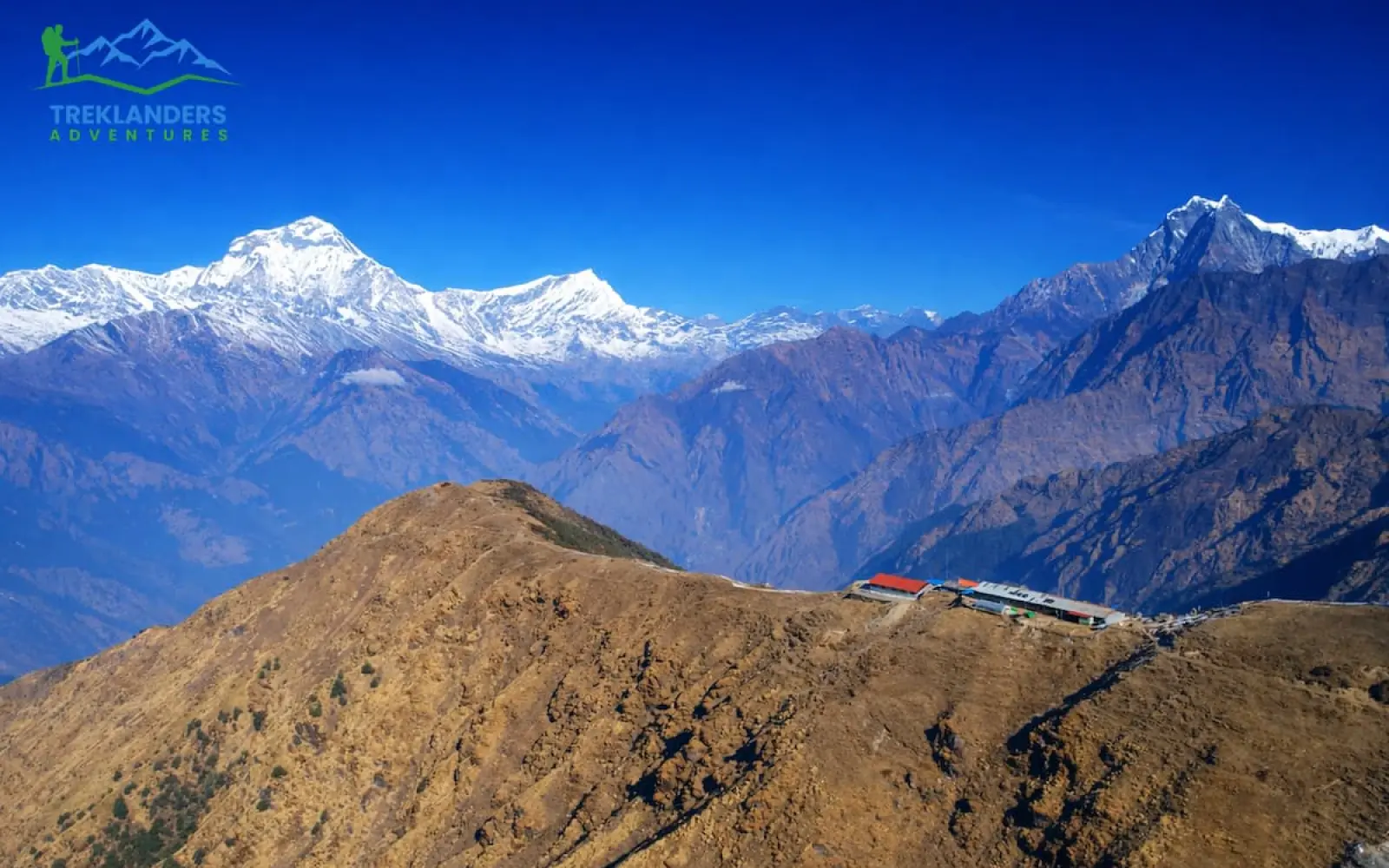
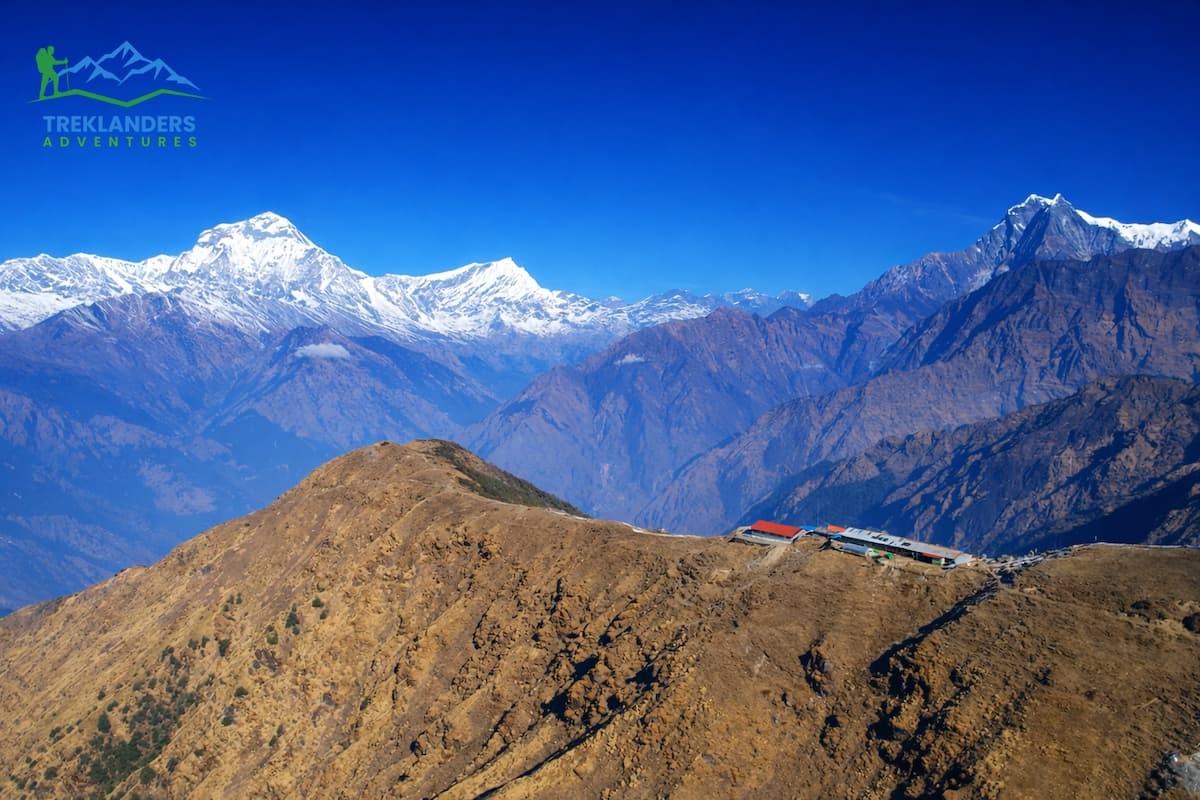
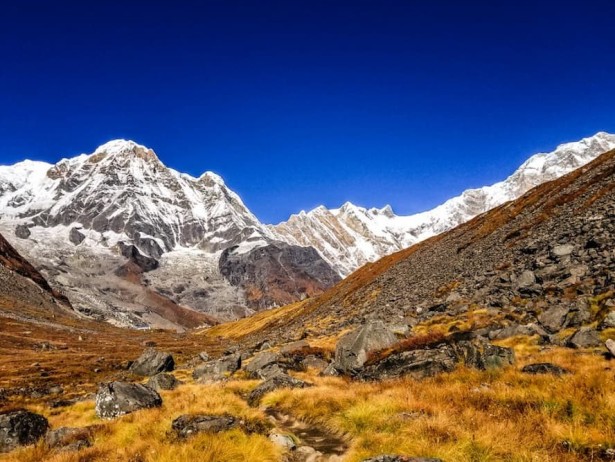
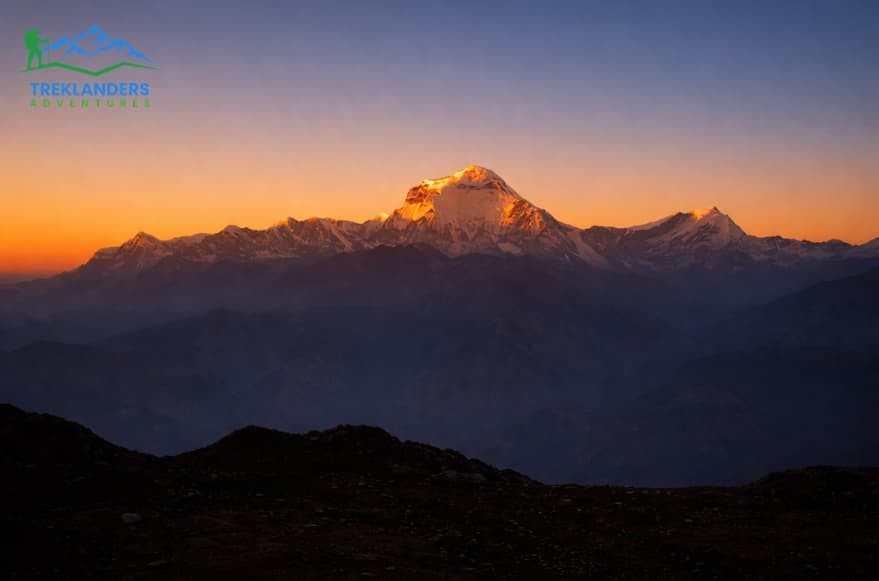
Beautiful views of Mount Dhaulagiri from Khopra Ridge
The Khopra Ridge trek is a great option if you want something a bit quieter and more intimate than the usual crowded Himalayan routes. It is located in the Annapurna region and offers a great combination of mountain scenery, cultural experiences, and diverse landscapes. Besides moving from one village to the next, you also get to interact with the environment in many ways.
First, you walk through thick forests with lots of rhododendron and oak trees. In spring, these forests suddenly come alive with various colors. At higher altitudes, the land opens up to vast alpine ridges. Here, you can clearly see great peaks like Dhaulagiri and Annapurna South from nearby. The ridge itself is remote and tranquil. Since only a few trekkers pick this route, you will have space and silence.
The trek is also a great way to meet and learn about the local villagers. You come across mainly the ones who still live the traditional way by farming. Spending nights in community lodges means your money goes directly to the locals. This is a way of giving back to the community. So, it's more than just a visit; it's also a contribution to the area.
Among the main attractions is getting to Khopra Danda. This is the highest spot on the trek and affords you an extensive view of the surroundings. The atmosphere in the early morning is crystal clear and stunning. You can see the sunrise over the snow-capped peaks and enjoy it, as there are no people there to obstruct your view. It is so peaceful, you almost forget the world, and only see the scenery.
In addition to the main trail, you may plan a side trip to Khair Lake, which is a religiously significant lake for both Hindu and Buddhist followers. The climb is hard; however, the pleasure is undoubtedly great. You come across a tranquil, holy spot encircled by peaks.
This handbook presents the chief offerings during the Khopra Ridge Trek. It is based on actual moments of the walking process rather than hypothetical situations. It opens up what to expect and how to enjoy every moment to the fullest.
Things to Do on Khopra Ridge Trek
1. Watch the Sunrise Over 20+ Himalayan Peaks
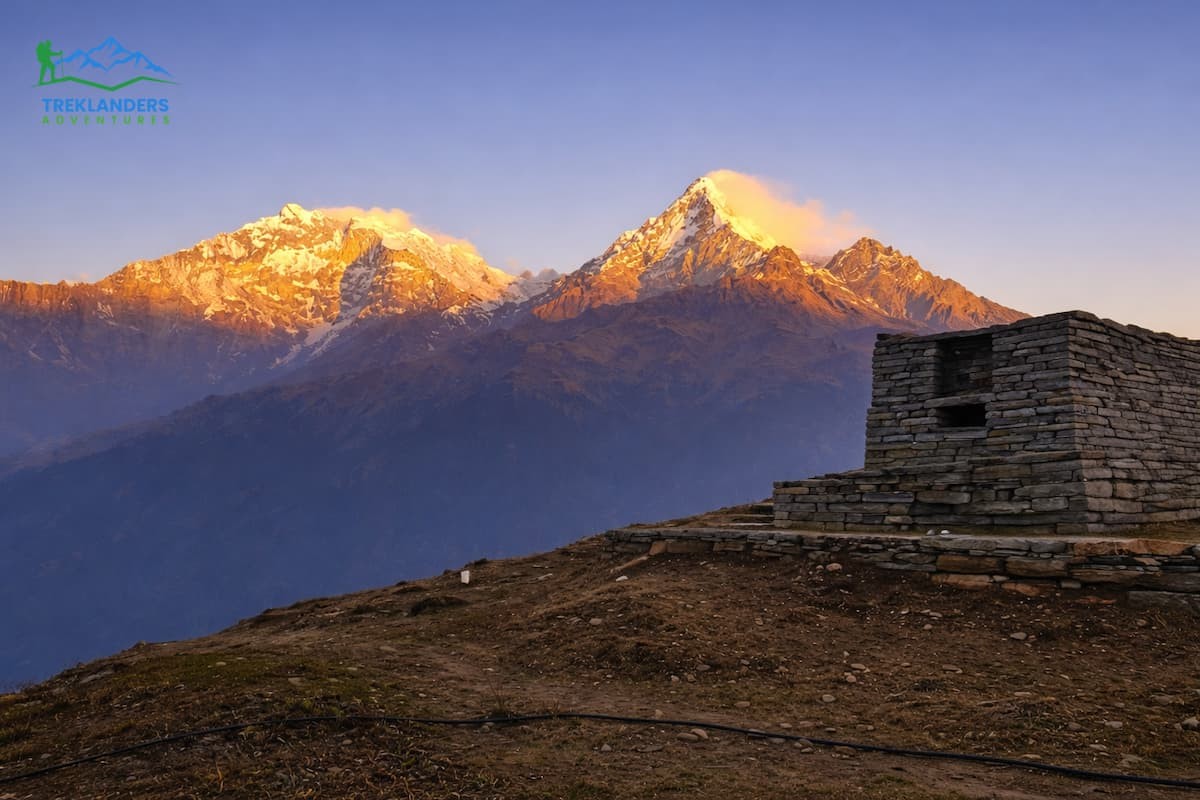
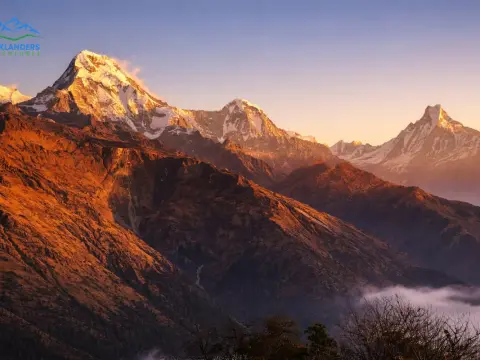
Beautiful sunset over the mountains seen from Khopra Ridge
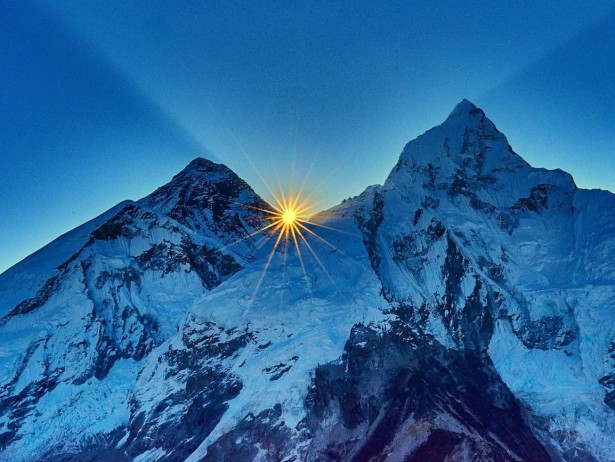
Watching the sunrise from Khopra Danda remains one of the most fulfilling moments at the Khopra Ridge Trek. Typically, you get up early, at times even before 5 AM, and go out into the cold, silent air. Although the sky is still dark, the contour of the mountains is already distinct.
At dawn, the peaks start to become illuminated. At this moment, you can see a wide range of mountains from a single spot. The main peaks are Dhaulagiri, Annapurna South, Nilgiri, and Machhapuchhre. When the weather is clear, you can see more than 20 Himalayan peaks from here. Gradually, the mountains change their colours from dark grey to orange and then bright white as the sun gets higher.
The nicest thing is that there are hardly any people. Unlike footfall hotspots like Poon Hill, Khopra Danda stays serene. You don't have to fight for a spot or get up at the crack of dawn just to secure a good position. No matter where you are along the ridge, you will have a clean view.
From a photography standpoint, the lighting situation at sunrise is perfect. The gentle golden rays bring out the snow and the sharp contrast in the sky. If photography is your thing, this is the time when you will be most pleased. In fact, even just a smartphone camera will yield quite remarkable pictures in this light.
Morning temperatures, especially during autumn and winter, can easily drop to the freezing point or even colder. For protection against the cold, it is advisable to carry warm clothes, gloves and headgear. Also, since the wind further cools the body, it is better to remain covered while waiting for the sun.
The sunrise is not a light show that just lasts a few minutes. Approximate time to witness the entire process is between 30 and 45 minutes. Time seems to stand still while you observe the scene unfold until the sun finally browns the peaks and the light changes dramatically. Feel free to take your eyes off the view at times, close them and come back to see the nature show. Finally, take your breakfast back to the lodge.
This simple activity is definitely worth more than one can imagine. You hardly walk a few steps, then stand there motionless and see how the majestic mountain ranges are brightly lit by the Sun. It is probably the best moment of experiencing the grandness of the Himalayas with all of their beauty and majesty.
You normally commence your hike very early in the morning, roughly between 5 and 6 AM. From the ridge, the path goes up gradually through the alpine terrain. There aren't any villages or teahouses around, so you must bring along water, snacks, and any other essentials. Parts of the trail are quite narrow and even quite rocky or covered with snow, depending on the time of the year.
The length of the trail is not very long, but the altitude here makes it much harder to walk. You also get higher very quickly, and the thin air will make you slow down. In fact, you should take your time throughout and have regular rest breaks. Ensuring proper acclimatization at Khopra Danda before setting off is also a critical step. If not, you could experience altitude sickness symptoms like a headache or dizziness.
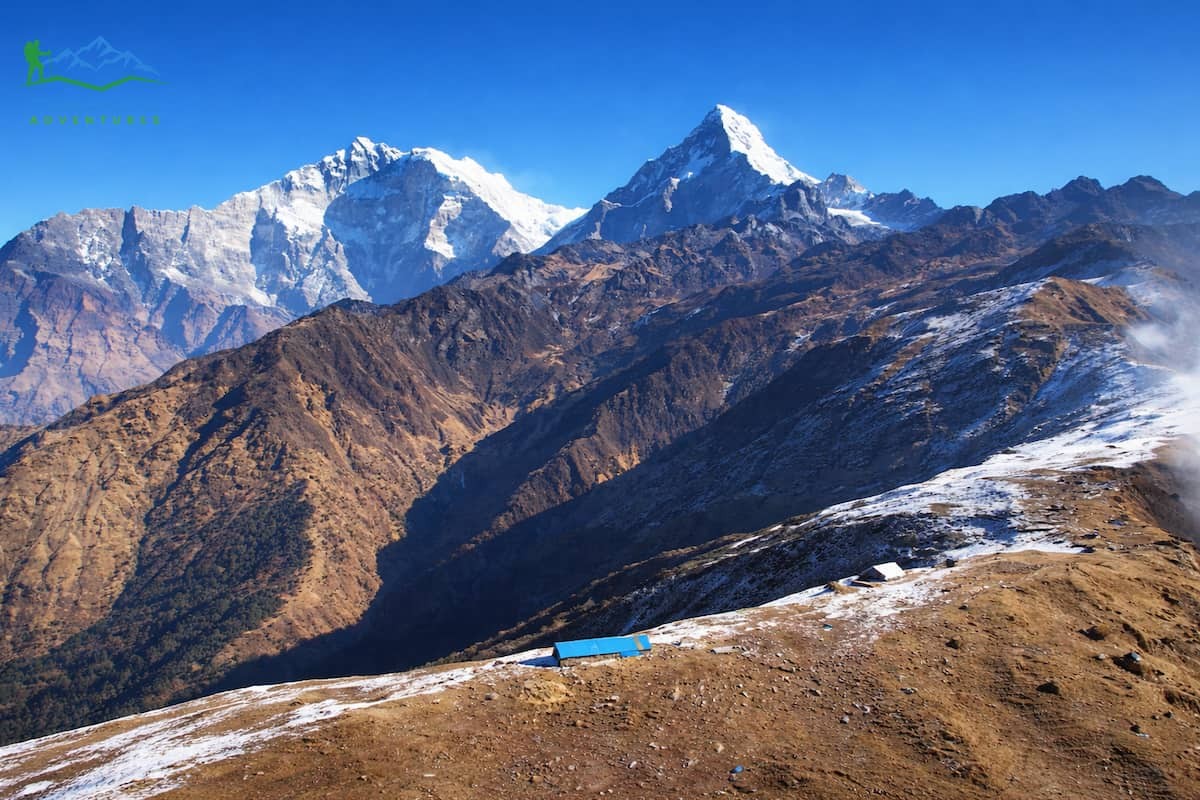
The higher up you go, the more spectacular the scenery becomes. You will have amazing views of huge peaks such as Dhaulagiri and other ranges of the Himalayas. The landscape is so raw and pristine. The number of trees declines while the area of open ground increases, giving you a very powerful sense of height and exposure.
4-Day Ghorepani Ponnhill Trek from Pokhara | 4 days
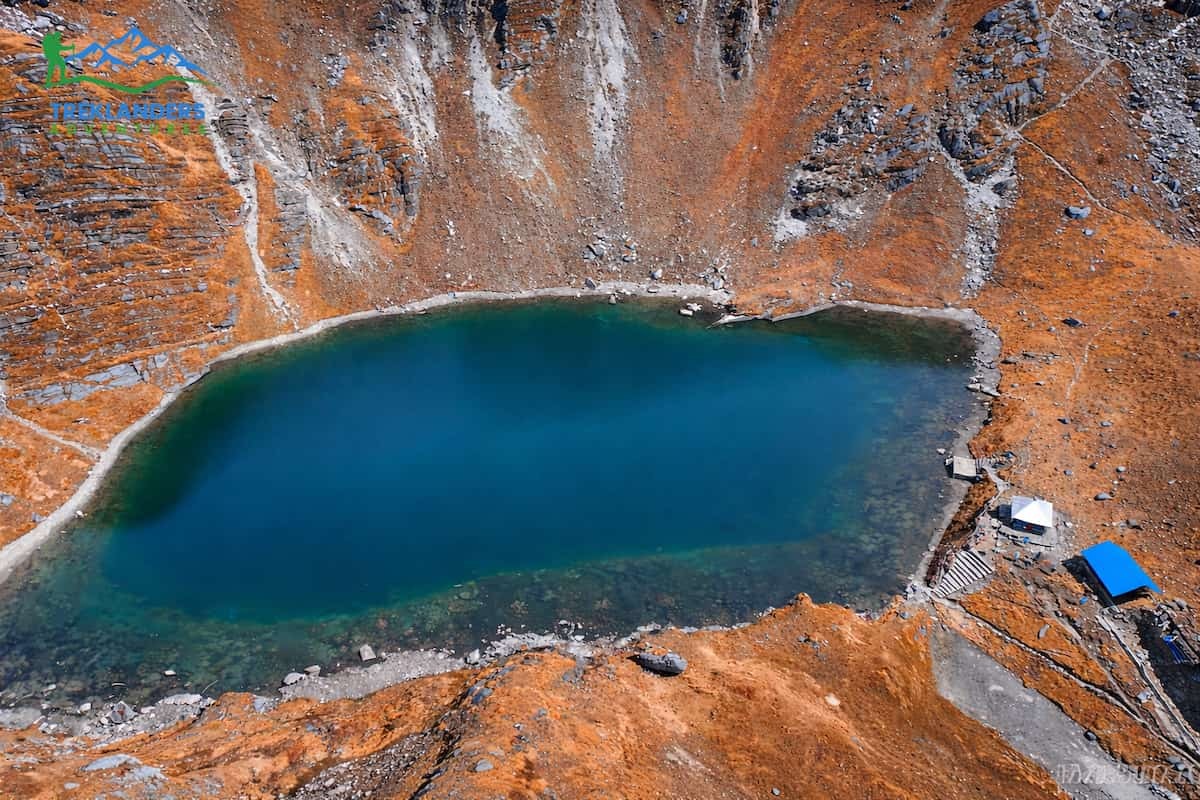
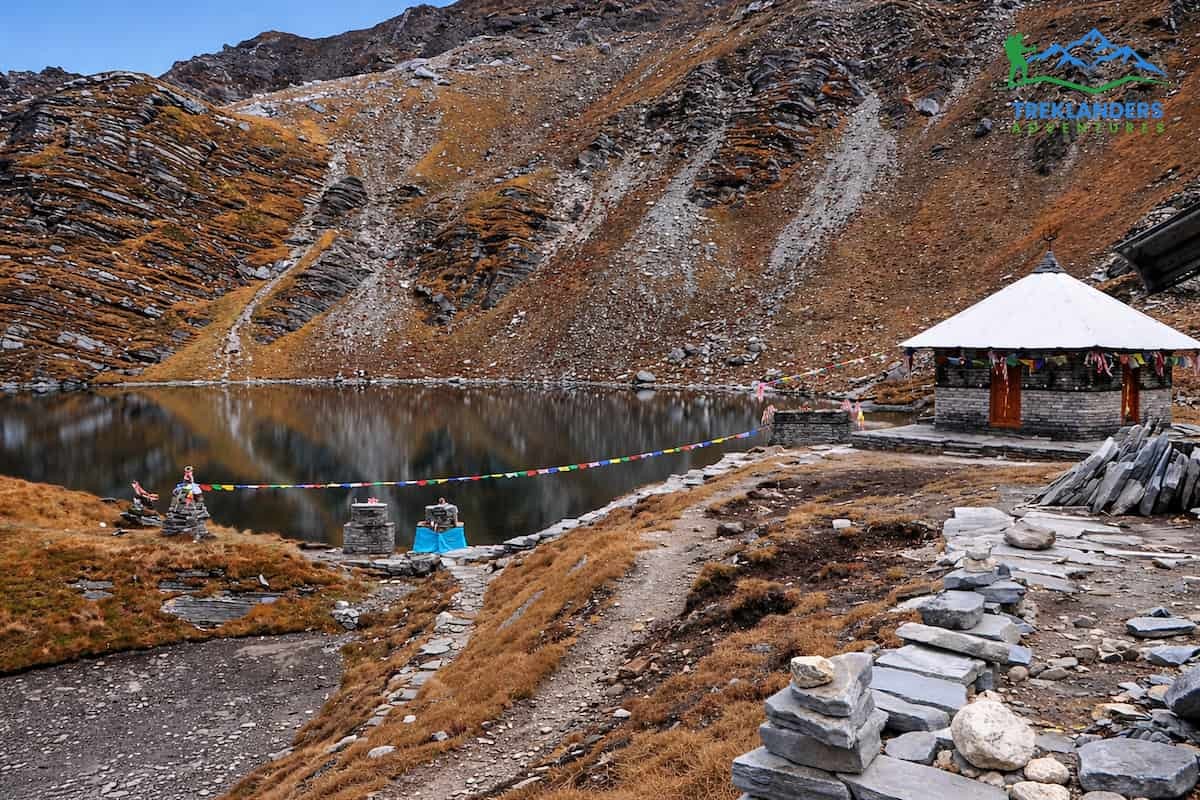
After several hours of continuous walking, you finally reach Khair Lake at 4,660 meters. The lake is in a high basin that is encircled by mountains. It has great religious significance. A lot of Hindu and Buddhist worshippers come to this place on special occasions to perform their prayers. The presence of small shrines and prayer flags around the lake indicates its sacredness.
The mood at the lake is serene and quiet. Because of the cold and the high altitude, you do not spend much time there. Most trekkers use this opportunity to rest, take photos, and walk around the area before they start going down.
The trip back is on the same path that you took to go to Khopra Danda. Although coming down is quicker, you still need to watch your steps on the uneven parts. The entire journey takes approximately 8 to 10 hours based on your speed.
This hike is definitely hard, but at the same time, it is the part of the trek that you will remember the most easily. It is the day when you do a great physical exercise, admire the beauty of nature and understand the cultural side of things all at once.
3. Walk the Ridge Trail
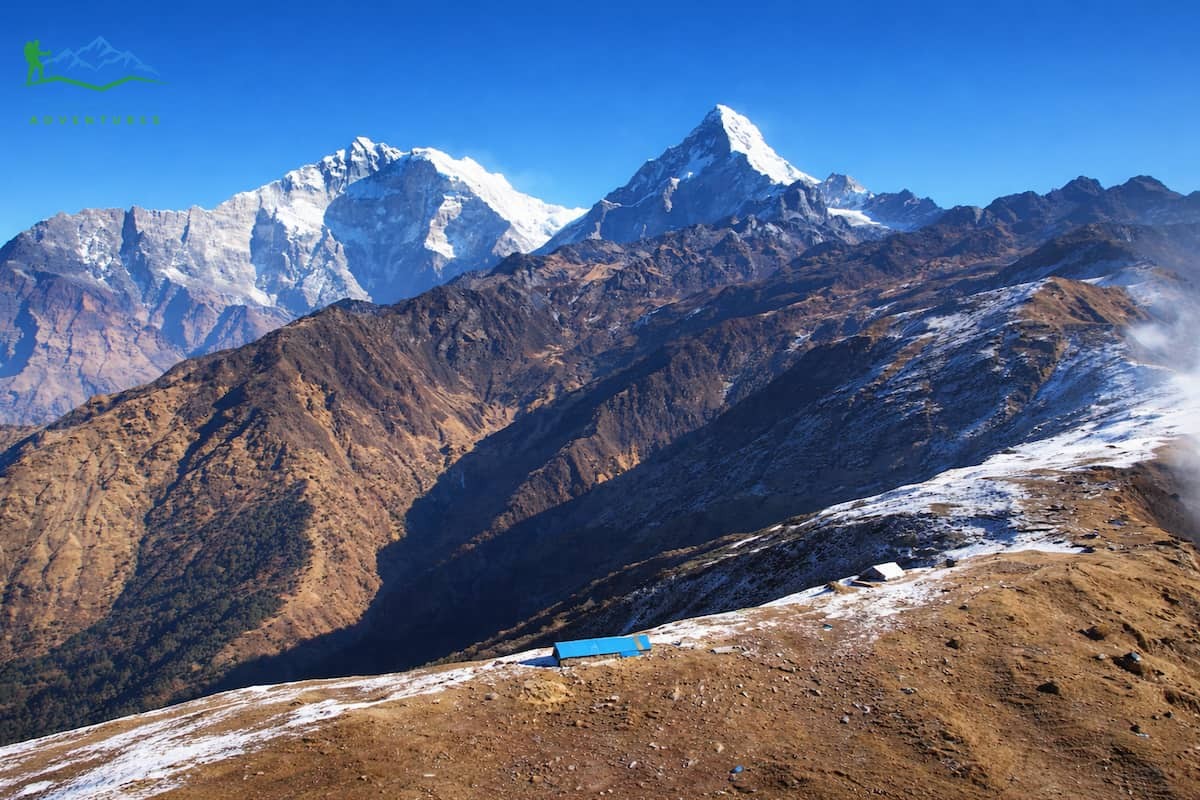
Khopra Ridge Trail
Walking the ridge trail is definitely one of the most reliable and fun parts of the Khopra trek. The knitting section of Khopra Ridge provides wide-open views, nicely graded footpaths, and a great feeling of space. You won't be sitting inside dense forests for hours at a time. Instead, you will stroll along those exposed ridgelines where the mountains are visible almost all of the time.
Coming in many sections, the trail is broad and simple to follow. Instead of climbing very steep steps made of stones, you will be walking on grassy slopes and going up very gently. This factor alone makes the walk quite easier and less tiresome, in comparison with other routes in the Annapurna region. You can keep your rhythm without making too many stops.
Meanwhile, the countryside doesn't stay the same. A huge valley and hills covered with terraces are visible on one side, while the other side provides a perfect vista of mighty peaks such as Dhaulagiri and Annapurna South. Besides, the ridgeline can be regarded as an outdoor viewing platform. That means you do not have to scale any additional peaks to get better views. The wonderful scenery will accompany you all the way during the walk.
10-Day Ghorepani Poonhill with Annapurna Base Camp Trek | 10 days
Another fact that makes this stage of the trek special is its tranquility. Only a very small number of trekkers opt for this route, so most of the time you will be walking alone without even large groups of people around you. What you actually hear is the wind, birds, and the far-off sounds of the villages below. Hence, this allows being more concentrated on what you are doing and less distracted by external elements.
On the ridge, the weather can have a significant impact. Clear mornings offer the clearest views. By afternoon, clouds frequently develop, which can obscure the mountains from view. It is advisable to start your walk early if you want to enjoy the clear sky for a longer time. On the exposed parts, the wind can be quite strong, so having a windproof jacket is a good idea.
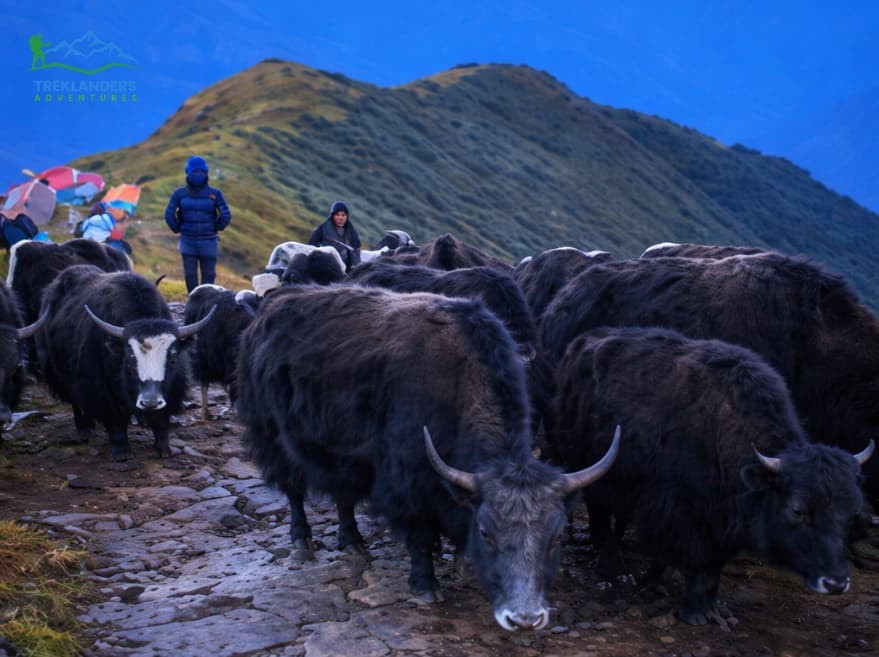
Moreover, the ridge pathway links major spots such as Khopra Danda and some nearby pastures. At certain times of the year, you could even encounter yaks leisurely grazing in the fields. In fact, these little touches really enhance the whole experience and demonstrate how people live and work on this high-altitude land.
Giving priority to being fully aware of, or engaged in, the present moment, without distraction or judgment, should be a central element of your walk. Your movement is tranquil, your eyes scan the area, and your lovely time of uninterrupted mountain views becomes effortless - something one can hardly find anywhere else in the Khopra Ridge Trek. So, after all, it is one of the most peaceful yet visually vibrant sections.
4. Visit Ghandruk Village
Ghandruk Village
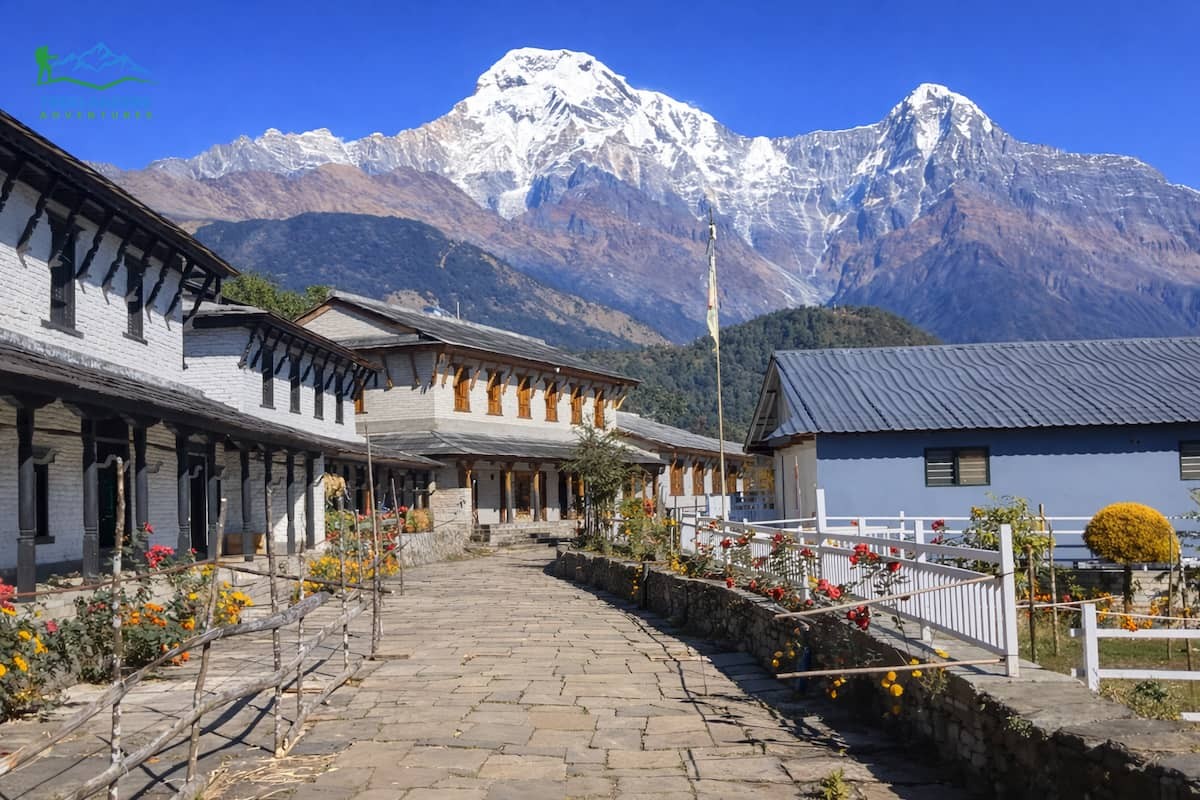
Exploring Ghandruk introduces a rich cultural aspect to the Khopra Ridge Trek. This village is among the largest and most famous settlements in the Annapurna area. It is located at a relatively lower altitude, with terraced fields all around and mountains providing a stunning backdrop.
Upon entering Ghandruk, you immediately become aware of its traditional setup. Houses made of stone with slate roofs neatly stand along narrow pathways. The village is clean and quite well planned. You find yourself walking along tiny streets, surrounded by lodges, private houses, and small shops. Life here seems quite different, and the tempo is much slower than at the bustling trekking stops.
Most of Ghandruk's population belongs to the Gurung ethnic group. This is a great opportunity for you to watch how they live their everyday life. People engage in agricultural activities, raising animals, or operating small tea shops. In case you spend the night, there are great chances for you to meet them and discover their way of life. The majority of these people have family members who have been part of the Gorkha regiments, which play a significant role in their culture.
7-Day Annapurna Base Camp Trek from Pokhara | 7 days
Another point of interest in town is the Gurung Museum. Here you can see not only costumes and instruments but also everyday things used in homes. It gives you a detailed idea about the lifestyle of locals before the expansion of tourism. The exhibits and descriptions are very straightforward, even if you only have a fleeting visit.
The village also has vantage points from where you can clearly see the nearby mountain peaks. Annapurna South and Machhapuchhre are visible from these open spots. In fact, these mountains seem to be even nearer to Ghandruk than many other villages. The best light for viewing and taking pictures is early morning and late afternoon.
Ghandruk has quite developed food and lodging facilities. There is an assortment of teahouses, from very basic to quite comfortable ones. Apart from that, traditional dishes like dal bhat are commonly served and are also very fresh. Besides, it is a nice location to rest and regain energy before going on with your trek.
Most likely, stairs made of stones and trails through the forest are part of the route when you go to or come back from Ghandruk. Quite often, the knees feel the impact and become quite sore, especially when coming down the stairs. By maintaining a slow and even pace, you will be able to handle this part well.
The purpose of this trip is to strike a balance between the outdoor side of the trek and the human part. You are given a glimpse into how mountain people live and how trekking benefits local communities. The journey is enriched when you consider aspects besides just the scenery.
5. Explore Swanta Village
Swanta Village- Khopra Ridge Trek
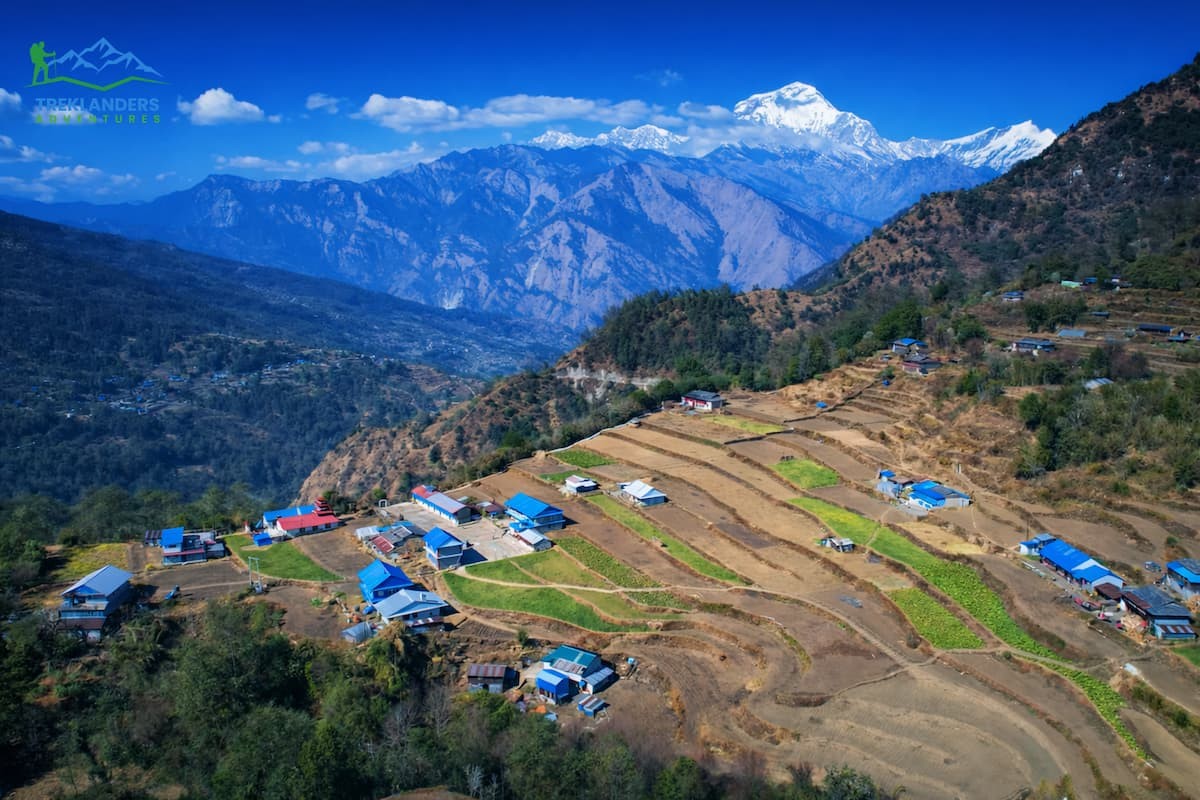
Exploring Swanta Village is a peaceful and genuine encounter that gives you a chance to immerse yourself in the local lifestyle during your Khopra Ridge Trek. The village is quite small, and it rests just underneath the main ridge. Forests and terraces of farmland surround the settlement. Compared to places like Ghandruk, it is visited less, so the air of the place is peaceful and local.
When you get to Swanta, you see that the way of life is very simple. The dwellings are made out of stone and wood. The streets are so narrow that they go right through the areas where the villagers grow millet and potatoes. One can often see the others engaged in different tasks like animal tending and cooking. Life is going on here as usual without much tourism enveloping it.
The largest groups in the village are the Magar and Gurung. Being a guest in one of the local lodges is a great way to meet the people face-to-face. Besides witnessing their daily routine of cooking, farming, and handling life, you will have conversations with them, which, although not very elaborate, are quite heartfelt. You get to become familiar with celebrations, rituals, and the difficulties of life in a secluded area.
One of the remarkable traits of Swanta is the communal lodge system. Several lodges are operated concurrently, and the revenue is shared among the villages. Besides aiding local progress, this method of tourism also preserves the environment. Choosing to stay here means you are directly contributing to the community through your expenditures rather than to outside businesses.
Nature surrounds Swanta in great abundance. The path to and from the village runs through thick woods. Rhododendrons make the scenery attractive in spring. One may also catch the song of birds and the sight of small animals while walking. The natural atmosphere of the place is very serene and untouched.
Besides trekking stops that are crowded, Swanta only has a few facilities. Accommodation here is quite basic, along with other amenities. Electricity and hot water supply may be sporadic sometimes. You have to lower your comfort level a bit and mainly enjoy the unfolding of your journey.
Through this, your whole living experience becomes more genuine and down-to-earth. Nighttime in Swanta is very lonely without the presence of people and loud music, etc. It is a perfect time for you to sit outside and enjoy the darkening hills, as well as to listen to the sounds of birds, animals, and insects. The feeling of a slow and easy pace will help you relax and revive your energy after long and tiring walking days.
Discovering this village deepens your trekking experience. You are not simply going through the region, but also establishing contact with the lives of locals. This is a peek into a pretty side of the Annapurna region, where culture and simple living are the main features of the journey.
6. Trek through Rhododendron Forests
Rhododendron Forests
Trekking through rhododendron forests is one of the most beautiful parts of the Khopra route. Large parts of the trail go through thick forests of the Annapurna region, especially between the lower villages and the climb towards Khopra Ridge. These forest areas are quite a contrast to the open alpine ridges up the mountains.
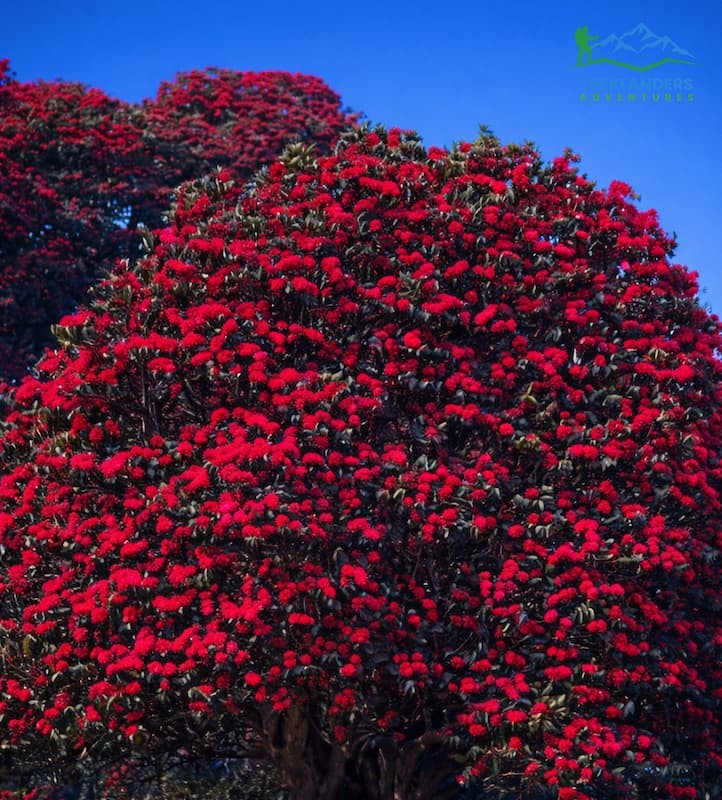
If you plan to do the trek in spring, typically March to April, the forests will be flowering. Rhododendron trees will be brightening the hillsides with their red, pink, and white flowers. Nepal's national flower, the Rhododendron arboretum, can be found all along this path. Its red colour contrasts so beautifully with the green leaves and the dark tree trunks, making the walk quite fascinating.
The footpath in the woods is usually shaded and remains cool. This can be very helpful when you have long uphill stretches. Instead of hard stone steps, your feet will sink into the soft fallen leaves. The way zigzags among the trees, which psychologically masks the steepness of the climb. It is possible to walk along at a constant pace without feeling overly tired right away.
Animals and birds are also present in this area. You could hear birds singing or see them moving from one branch to another. In silence, there is even a chance of spotting small animals, which actually varies depending on the time and level of noise. If you decide to go for a walk early in the morning, you will most likely get to see these things.
The woods provide a refuge from the elements and a break from exposure. On the exposed open ridges, you have the sun beating down and the wind blowing straight at you. The forest offers you shelter from the sun and wind.
Therefore, the trek becomes a more enjoyable experience. You get to switch between going through dark forested areas and coming out on open viewpoints, and that way, the journey doesn't become monotonous.
In autumn and winter, the flowers are absent, but still, the forests have a lot to offer. The environment is so peaceful because the air is clean and the trees are standing still. The ground is covered with dry leaves, the visibility is improved as you stare through the branches, and you can see the hills from time to time.
This is not just a path that you take to get from one place to another. It is an experience in its own right as you encounter different colours, textures, and sounds along the way. This is what makes the journey a meaningful one, aside from the stunning mountain scenery.
7. Visit the Barah Temple at Khair Lake
Barah Temple at Khair Lake
Visiting the Barah Temple near Khair Lake gives the Khopra Ridge Trek a deep spiritual aspect. The temple is located near the lake at a high altitude, with mountain views and open land all around. Structurally, it is plain and is sometimes only indicated by stone shrines, prayer flags, and offerings left by pilgrims.
Baraha, a form of Vishnu, is whom the temple honors. According to Hindu mythology, Baraha was a boar that saved the earth from a great calamity. For this reason, the area is considered sacred and potent. That is why the place is honored not only by Hindus but also by Buddhists, the two spiritual traditions of the Himalayan region.
The visit to the temple is challenging. You must take the trek from Khopra Danda to Khair Lake, which is the final stretch to the temple and is a steep climb of several hours. The requirement of the physical challenge makes the visit more symbolic. Pilgrims and trekkers often reach with a motive besides pleasing their eyes, but are also spiritually connected.
Visiting the temple during Janai Purnima is considered the best time. It is a festival that is celebrated in August. Many devotees come up to the lake and the temple during this time for their prayers. Some believe that a dip in the lake at this point results in getting rid of sins and receiving blessings. The path gets bustling, and the normally empty spot becomes filled with people carrying out their ritual.
When the festival is not in full swing, the temple area gets peaceful and less packed. It's a great opportunity to notice the small side of worship, like incense, flowers, and prayer flags. The quietness of the environment makes the spiritual vibe even stronger. You are quite high up and far from the villages, so the feeling is one of seclusion and concentration.
On the way, you will also discover how the local cultural aspects are intertwined with religious ones. Those who reside in nearby villages honor that place, and they communicate its significance to the succeeding generations. Besides the stories and beliefs related to the temple, guides can share the role of the temple as more than just a location.
Visiting the Barah Temple is not a matter of admiring its architectural design or grandeur. It is about significance. The merging of altitude, exertion, and faith results in a one-of-a-kind experience. It illustrates the fact that natural sites in the Himalayas are very closely associated with spiritual rituals and local customs.
8. Spot Wildlife inside the Annapurna Conservation Area
Local Wildlife- Yak- Khopra Ridge Trek
Wildlife spotting is one of the most satisfying aspects of trekking within the Annapurna Conservation Area. The Khopra Ridge trail goes through the woods, meadows, and alpine regions. These diverse habitats are home to various species of animals and birds.
In the forest areas at lower altitude levels, you may come across langur monkeys that live in groups. They mostly keep themselves in trees and avoid human contact. You may also spot barking deer in secluded places, especially in the early morning. These creatures are timid, so if you want to see them, it is necessary to be silent and observant.
When you ascend the mountain, the surroundings start to alter. Forests gradually disappear, and the open terrain is exposed. Himalayan tahr is one of the animals you can encounter in these parts. This is a kind of goat which is generally found on steep and rugged slopes. It is well camouflaged by the rocks, so you must be vigilant.
It is simpler to observe bird species during the trek. Even without seeing them, you will still hear birds. The Himalayan Monal is one of the key species here. The birds are covered in bright, multi-colored feathers and typically inhabit forest and alpine zones. They are usually spotted at dawn.
Rare creatures such as the Snow Leopard and Musk Deer are found in the isolated and higher areas. These species are extremely hard to come across. Most trekkers never see them, but being aware that they live there enhances the overall experience.
Timing and behavior are the most important factors in spotting wildlife. You should first make up your mind to take a walk early in the morning because that is when wild animals are most active. Make a slow-paced walk with as little noise as possible. In case you are trekking as a large group, your chances of seeing animals will drop dramatically.
What's more, you have to treat the environment with due respect. Never attempt to come in contact with or feed wild animals. Maintain a safe distance and observe in silence. This not only keeps you safe, but also protects wildlife. The season of the year varies the kind of animals you can spot. Spring and fall seasons are more suitable for some time during the year because the weather is mild and the animals have higher levels of activity. For their part, some species migrate to winter quarters, while others remain in hiding.
Looking for wildlife can be very frustrating, but it is also the most thrilling part of your trek. It keeps you alert and brings you in tune with the surroundings. Even the occasional glimpses, like birds or a moving shape at a distance, add to the enjoyment of the journey.
9. Stay in Community-Run Lodges
Community-Run Lodges - Khopra Ridge Trek
Living in community lodges is one of the main ways to immerse yourself in the Khopra environment. On the path to Khopra Ridge and villages like Swanta Village, there are several community-run lodges. They are not big commercial hotels but rather simple buildings made and run by the local people. When you stay in such lodges, the money you spend goes straight to the local community. The revenue helps support education, infrastructure, and everyday needs. That is what makes your trekking responsible. You are not just a passerby; you are a contributor to the development of the village.
The accommodations are simple but nice. Most community-run lodges have twin-sharing rooms with 2 beds, quilts, and minimal furniture. Luxe is not to be expected; walls might be thin, and there is hardly any insulation, especially in high-altitude locations. Bringing a sleeping bag can be really useful as an additional source of warmth and comfort.
Meals are prepared locally, and the ingredients are fresh. You will be served the traditional dal bhat meal consisting of rice, lentil soup, and boiled vegetables, which is quite nutritious and energizing. You may also be able to order more straightforward dishes such as noodles, soup, eggs, and of course, tea. Many of the items on the menu will be sourced from local farms, which is why they tend to be fresh.
Generally, you can get a hot shower, but it will cost you extra. In some places, gas or solar water heaters are being used. The availability of hot water may be limited at very high altitudes, especially during the winter months. You have to be quite realistic in your expectations when it comes to personal hygiene and plan for the possibility of washing without the use of hot water daily.
Evenings at these lodges are not only peaceful but also social. Occasionally, trekkers and locals gather around a common dining area. You can get a chance to communicate with lodge owners, guides, and other trekkers. Locals might even reveal to you their stories about village life, culture, and the mountains. Such talks contribute to enriching your experience.
Electricity and charging points are only available to a limited extent. You might have to pay a nominal fee for charging your phone or camera. Wi-Fi in the vicinity, if present, is rather slow and not entirely dependable. It is advisable to enjoy and take in the surroundings rather than anticipate being in touch.
Choosing to stay at community-run lodges allows you to see the Annapurna region dwellers' lives up close. You get a chance to enjoy a simple lifestyle, local cuisine, and meet people directly. This segment of the trek is often considered equally remarkable for the mountain views.
10. Catch Sunset over the Dhaulagiri Range
Mt. Dhaulagiri
Having a sunset view of the Dhaulagiri range is one of the most memorable moments of the Khopra Ridge Trek. At the Khopra community hostel, you can enjoy an uninterrupted view of the whole skyline. The hostel is located right on the ridge, so you have a 360-degree view of the surrounding mountain peaks, valleys, and ridges.
Sunset at this place is a slow, theatrical event. The sun goes down behind the far mountains, while it casts the valleys' shadows at a distance. Peaks like Annapurna South, Nilgiri, and Machhapuchhre change their color gradually. The snow turns from white to golden, then to orange and finally to pink. As the light is going away slowly, you have enough time to see the whole transition.
What makes Khopra better than other viewpoints, such as Poon Hill, is that there are no crowds. You can quietly stand without the people blocking your sight. That way, you have a chance to experience a calm moment. Besides that, the silence around you makes the mountains seem even more magnificent and close to you.
This sunset can be witnessed right from the outdoor area of the hostel. There is no need for an additional walk. You can either use benches or sit on the ground, and keep yourself warm with a jacket. The wind may be quite strong, so wearing layers is a must. Besides that, some trekkers carry a camera and a tripod to take pictures of the light that is changing.
Sunset time is also a great time for taking photos. The gentle, golden light brings out the beauty of the ridges and valleys. Apart from that, the shadows add a sense of depth to the whole scene, while the colours seem to be more saturated than during daylight. Even a phone camera can produce magnificent shots if you pay attention to contrast and composition.
Sunset acts as a perfect natural break after a long day of walking around. It allows you to recharge, think, and admire nature. You can see clouds floating past peaks and even spot little villages far away. The open ridgeline and high elevation make the sense of scale here second to none.
Sighting the Dhaulagiri sunset from Khopra is effortless yet deeply moving. It merges the elements of stunning scenery, being alone, and gaining an outlook. A lot of trekking enthusiasts recount it as one of their most unforgettable experiences during their Annapurna trip. This scene gives a glimpse as to why Khopra Ridge is regarded as a great alternative to the more crowded viewpoints in Nepal.
Conclusion
Khopra Ridge Trek
The Khopra Ridge Trek is not just about the spectacular mountain views. In fact, you get to witness the sunrise over 20+ Himalayan peaks, explore high-altitude lakes, solitude ridges, and traditional villages. Walking paths through rhododendron forests and interacting with the local culture through visits to sacred sites, such as the Barah Temple, are some of the points that offer a great connection to nature and local culture. Your trek will be further enhanced by wildlife sightings and staying in community-run lodges, which show how trekking can be a positive force both for the environment and for the local village life. Picturesque sunsets over the Dhaulagiri range will surely etch themselves into your memory, creating moments that you will want to remember forever and that cannot be fully captured by photographs. Physical activity, natural beauty and cultural immersion are the ingredients of each day's activities. Use this guide to make your trek a full-fledged, exciting adventure, experiencing the local culture and gaining deep knowledge of the Annapurna region.