
Langtang Valley Trek in February: Complete Winter Guide, Costs, Weather & Safety Tips
27 Jan 2026
Experience the Langtang Valley Trek in February with quiet trails, winter scenery, plus weather, Itinerary, packing list, and safety tips.

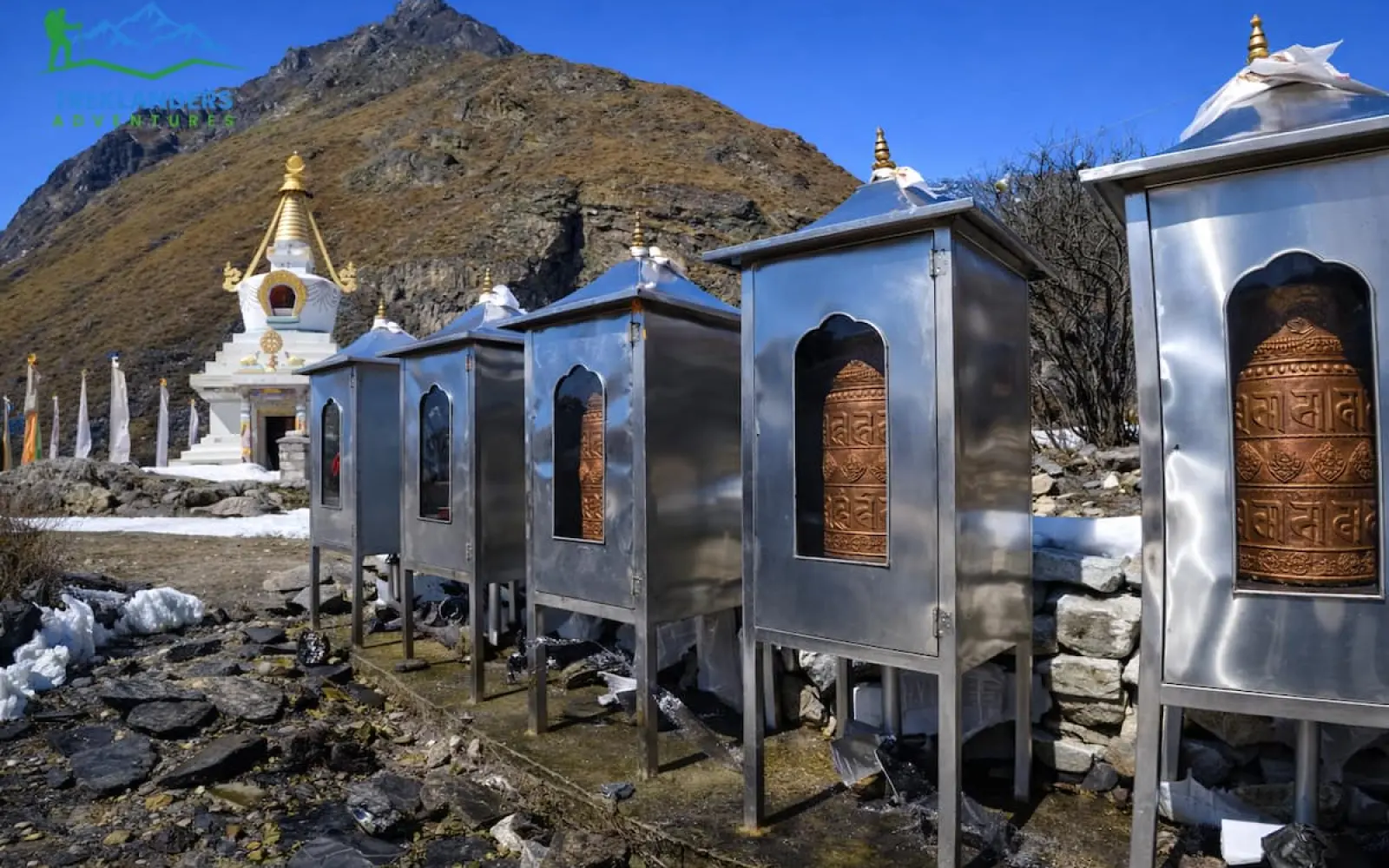
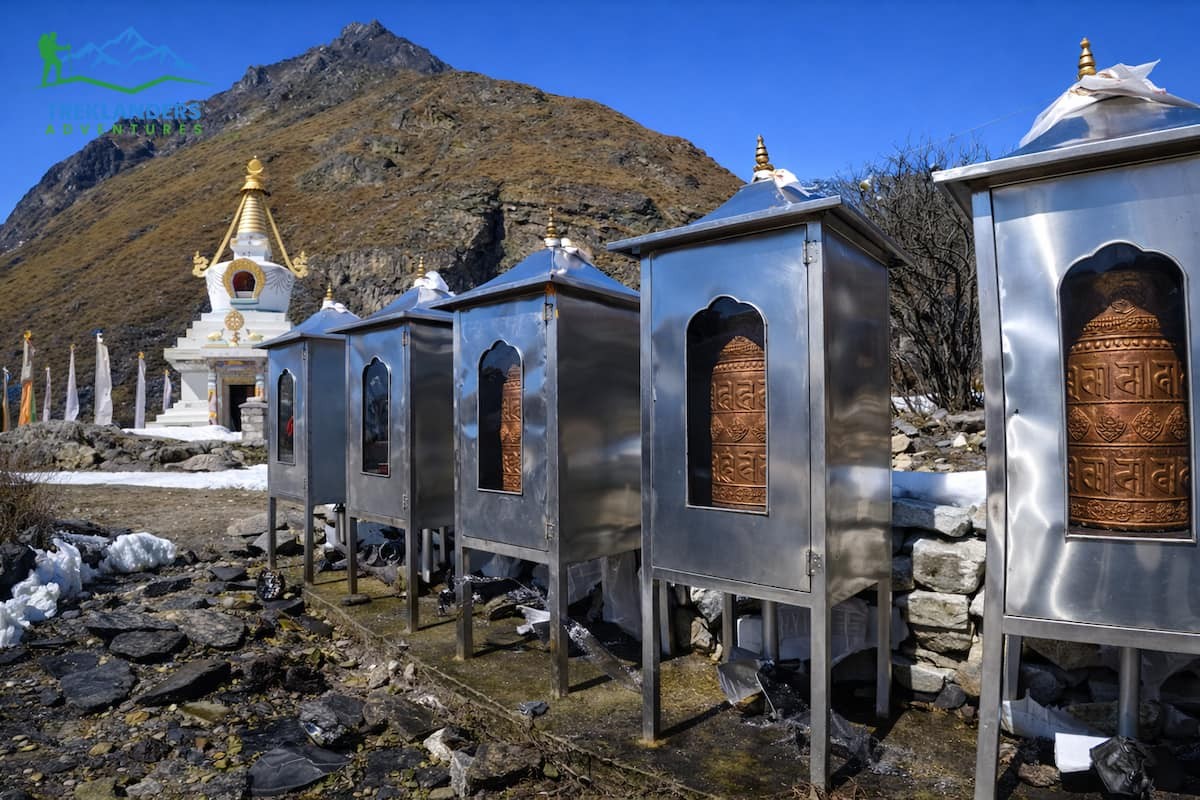
Langtang Valley, situated north of Kathmandu close to the Nepal-Tibet border, is one of the Himalayan regions of Nepal, steeped in history and culture. The so-called valley of glaciers, Langtang, has some of the most breathtaking terrain in the world, but along with that, it also possesses the traditions, trade route history, and spirituality going deep into the generations that are quite remarkable. The valley has been a natural passageway between Nepal and Tibet for ages, which has been instrumental in shaping its history, culture, and lifestyle.
In the past, Langtang was a major segment of the trans-Himalayan trade route. The villagers, mainly the Tamang, got heavily engaged in the trading of salt, wool, livestock, and grains across the border between Tibet and the mid-hill regions of Nepal. The cultural influences that came from the Tibetan as well as Nepali traditions were merged into a unique local culture to which these trade avenues gave rise. Presently, the dialect, costumes, buildings and religious beliefs of the area visibly mirror Tibetan Buddhism merged with native folkways.
The Tamang people are the cultural spine of Langtang Valley. Their forefathers are said to have come from Tibet a few generations back and settled in the high valleys where they established a tough mountain way of life. Buddhism dominates the spiritual world and lifestyle here, which is visibly clear from the presence of prayer flags, mani walls, chortens, and monasteries scattered all along the trekking trail. Kyanjin Gompa - one of the religious centers in the valley - represents spiritual faith and cultural preservation.

Furthermore, the cultural significance of Langtang is inextricably linked to its close association with the natural world. The mountains, forests and rivers are revered as holy, and the traditional beliefs amongst the community are in line with promoting a harmonious co-existence between man and nature. The tie is further strengthened by the seasonal festivals, ritual ceremonies and communal farming which have been widely practiced for a long time. Yak herding, cheese-making and subsistence agriculture serve not only as means of livelihood but are also deeply ingrained cultural heritages handed down from one generation to another.
Moreover, the inhabitants of Langtang, through their collective efforts, have overcome countless challenges, notably that of the 2015 earthquake. The reconstruction of their villages and the continuity of their cultural norms are strong indications of the intrinsic human and cultural resilience of the valley. In essence, the Langtang Valley represents a Himalayan heritage of history, spirituality and communal life, thus making it culturally as significant as it is stunning in appearance.
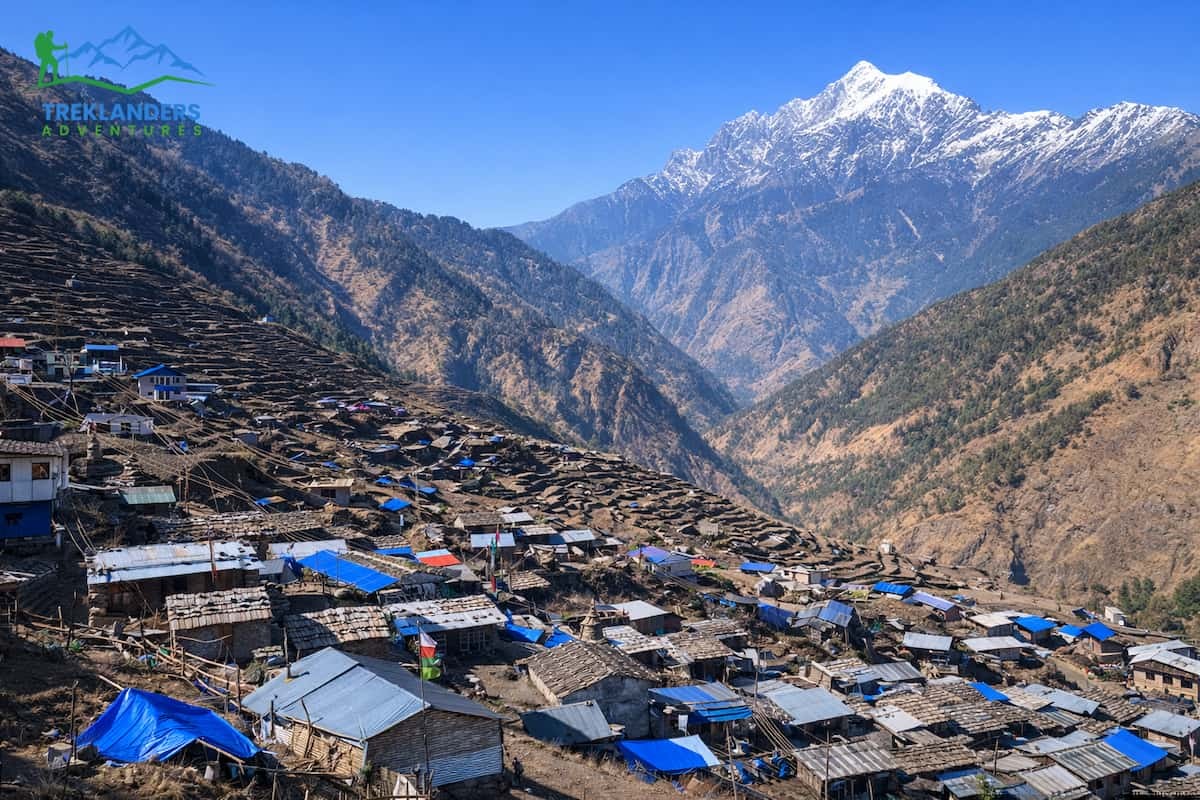
Langtang Valley has been a vital Himalayan trade route for several centuries. It was the main link between Nepal and Tibet before the introduction of modern roads and vehicles. Being a border valley near Nepal and Tibet, it was a natural and popular route for traders, pilgrims, and adventurers to cross the towering mountains. These historic trade routes have influenced the economy, the culture, and the people's lifestyle in Langtang.
Local traders, mainly belonging to the Tamang community, used to walk or travel with yaks and mules through zigzag mountain paths in the old days. They transported salt, wool, animal skins, butter, and cheese from Tibet to the lowlands of Nepal. On the way back, they would carry rice, grains, handmade tools, spices, and cloth from the middle hills to the high valleys. This barter system was hugely beneficial in satisfying the basic requirements of the mountain communities, which were extremely difficult to farm due to the cold climate and very little land.
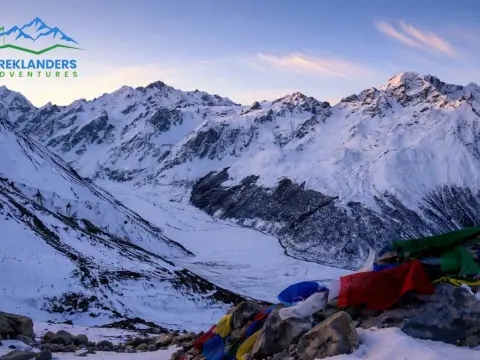
Besides being the routes for commercial activities, the same paths were also the corridors for cultural and religious exchange. The Buddhist monks, pilgrims, and instructors passed through Langtang on their way to the Tibetan and Nepalese monasteries. Therefore, the valley became a stronghold of Tibetan Buddhist culture. The prayer flags, mani walls, chortens, and monasteries that one sees along the trekking route nowadays are the remnants of this long tradition of movement and spiritual affiliation.
These caravan journeys were full of hardships and risks. Merchants had to cross high mountain passes, glaciers, and climb steep slopes in addition to facing harsh weather conditions. On top of the dangers, the routes were used regularly as they were a necessary means of survival. Trading expeditions would sometimes extend to weeks, even months, and the collaboration of villages was very important. As a result, hospitality, trust, and the sharing of duties became deeply ingrained cultural values in the Langtang community.
With the closing down of the borders and the introduction of modern trade systems, these ancient pathways slowly ceased to be the main trading routes. However, they still live on in memory. A significant portion of the trekking routes today coincides with the old tracks of traders and pilgrims. The age-old trade routes of the Langtang Valley narrate a story of human endurance, solidarity, and the historical bonds between Nepal and Tibet that still exert an influence on the culture of the valley today.
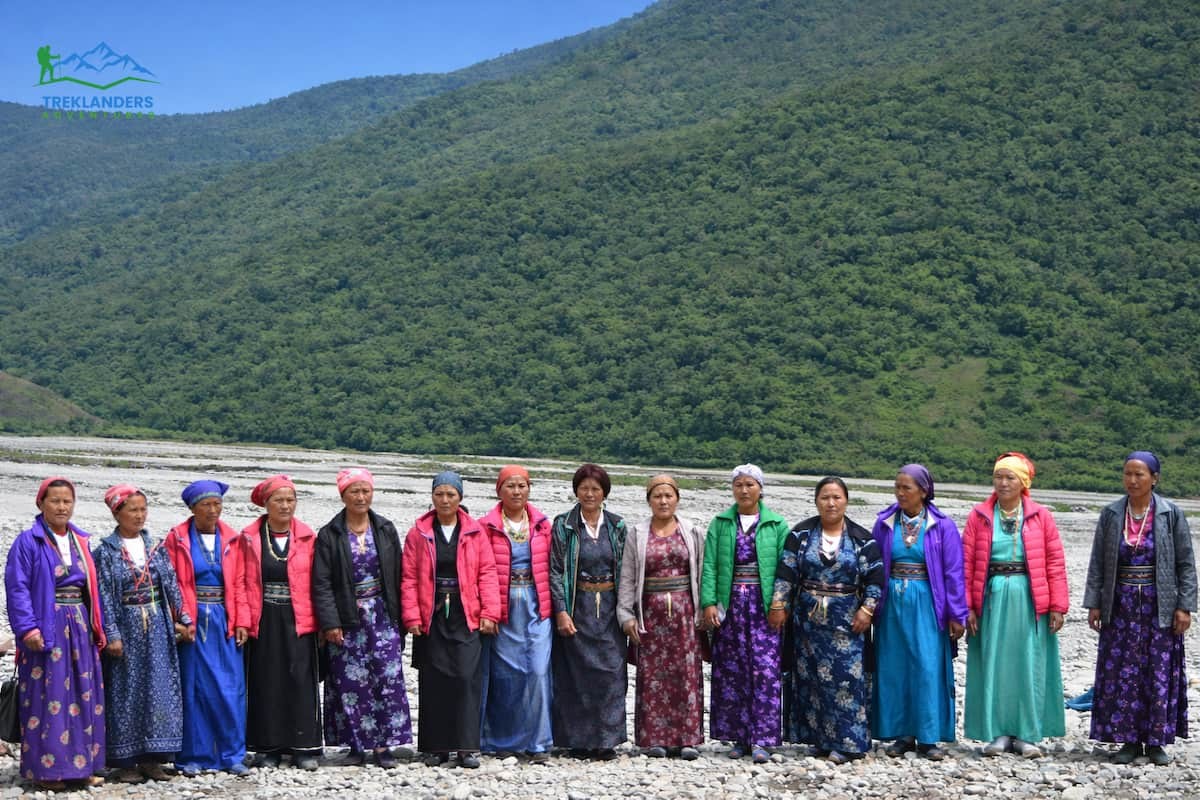
The Tamang are undoubtedly one of the earliest native communities of the central Himalayan region of Nepal, especially in the Langtang Valley area. Their historical roots lie deeply in Tibet, and the culture of Tamang is heavily influenced by Tibetan culture. Figuring out the origin and migration of the Tamang people unwraps the cultural identity of Langtang and the neighboring areas.
It is generally accepted that the Tamang people are the descendants of the group that migrated from Tibet several centuries ago. Studies and oral narratives have it that they crossed the Himalayan passes going south in search of better living conditions, more pasture for animals, and trading opportunities. Eventually, they became the inhabitants of the hill and mountain regions north of Kathmandu, such as Langtang, Helambu, Rasuwa, Nuwakot, and Sindhupalchok.
There is a folk etymology of the word Tamang, which divides it into two Tibetan components: Ta, meaning horse, and Mang, meaning trader or warrior. It is thus implied that the Tamang forefathers may have been horse traders, caravan leaders, or security personnel along the ancient trade routes that connected Nepal and Tibet. Due to their excellent familiarity with mountain trails, they became indispensable helpers for traders and travelers crossing the Himalayas.
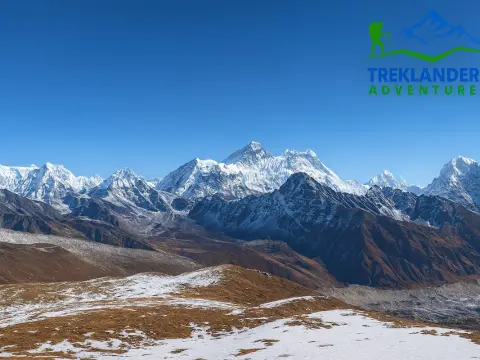
In the past, farming, animal herding, and trade constituted the main facets of the Tamang community. Farming in the highland region, which was the main activity, suffered due to the harsh environment that made large-scale land cultivation almost impossible; thus, they depended on barley, potatoes, and buckwheat as their main crops, besides keeping yaks and cattle. Their way of life and beliefs, as well as their social structure, were all deeply influenced by their strong relationship with nature.
Religion is a fundamental aspect of Tamang life. The majority of Tamang’s are adherents of Tibetan Buddhism with a dose of ancient Bon shamanistic traditions. Monasteries, prayer flags, mani walls, and stupa are significant parts of their villages. Festivals like Lhosar (Tamang New Year) are a time for celebrating their culture and tradition.
Thus, the Tamang people, as a whole, have not only managed to adjust to living in the mountains but also have kept their language, traditional dress, music, and rituals intact even after many generations. At present, the Tamang group from Langtang Valley is a living testimony to the long Himalayan past, illustrating migration, change, and cultural continuity as key factors in the formation of one of Nepal's most distinctive ethnic groups.
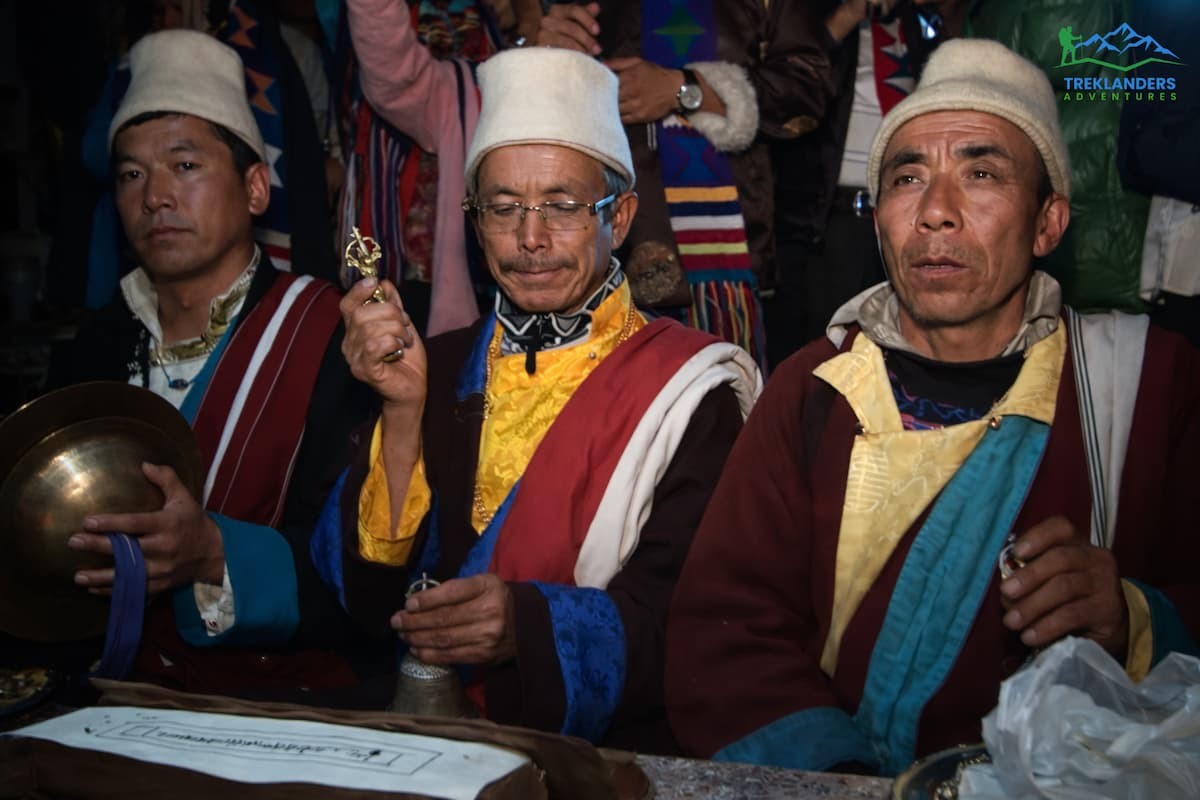
Tibetan Buddhism has profoundly influenced the Langtang Valley for many centuries. It has helped to shape the valley's culture, traditions, and lifestyle of the people. Since Langtang is very close to the Nepal-Tibet border, the valley always been a natural place for the spread and settlement of Tibetan religious beliefs and practices. Nowadays, this impact is evident everywhere in the valley, from the monasteries and prayer symbols to the customs and lifestyle of the local people.
The majority of the people in Langtang are Tamang, a community that traditionally follows Tibetan Buddhism combined with some ancient Bon beliefs. Religion is not confined to temples or monasteries; it is an integral part of life. Along the trekking paths, travellers frequently notice prayer flags waving in the air, mani walls inscribed with sacred Buddhist chants, and chortens erected at the entrances of villages and mountain passes. These religious symbols are meant to bring peace, protection, and good luck not only to the locals but also to the visitors.
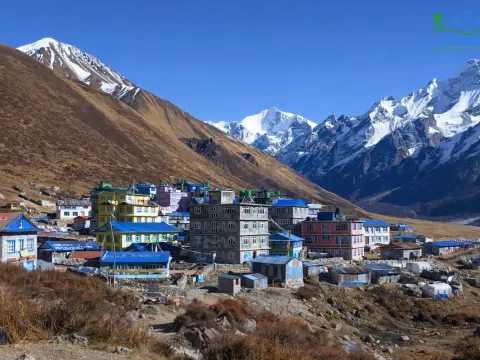
One of the important elements of the spiritual life of the Langtang Valley is monasteries. Kyanjin Gompa, which is one of the best-known monasteries of the area, is not only a place for prayer but also for studying and community activities. Religious ceremonies are conducted by monks and nuns who recite mantras, perform rituals, and lead villagers. Major Buddhist holidays like Lhosar, Buddha Jayanti, and Mani Rimdu are being celebrated through prayers, music, masked dances, and communal feasts, thus reinforcing social harmony.
Tibetan Buddhism promotes respect for nature, which has a major impact on the lifestyle of the people in Langtang. They regard mountains, forests, rivers, and animals as sacred, and believe that harming them will bring bad karma. This belief goes a long way in encouraging care for the environment and the support for conservation activities that are still maintained today.
Despite the hardships of natural calamities and the challenges that modernization has brought, the people of Langtang have managed to keep their Buddhist traditions intact. They continue to transmit oral teachings, rituals, and religious architecture from generation to generation. The deep-rooted presence of Tibetan Buddhism makes Langtang Valley a tranquil, spiritually-charged place. Besides being a hiking spot, it is also a location in the Himalayas endowed with cultural and religious profundity.
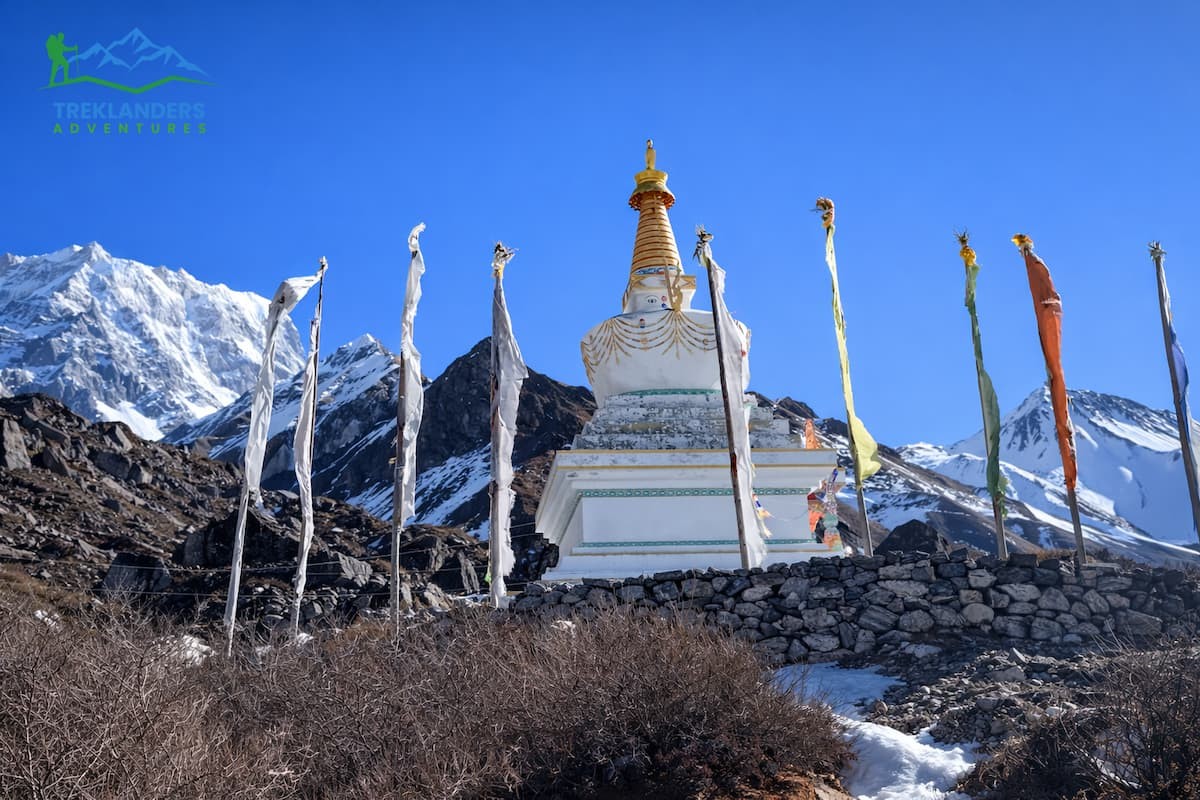
Kyanjin Gompa is a major religious and cultural landmark in the Langtang Valley. Situated at an elevation of around 3,870 m, this old monastery is close to the point where the Langtang Valley Trek ends and acts as the spiritual center of the local Tamang community. The monastery, wrapped in snow-capped peaks and glaciers, is not only of religious significance but also of historical value in the region.
Long ago, Buddhist monks who practiced the Tibetan Buddhist faith founded the monastery. Since the Langtang Valley region used to be part of the ancient trade and pilgrimage route connecting Nepal and Tibet, Kyanjin Gompa served as a place where traders, monks, and travelers could rest and worship. Gradually, it became a well-known focal point for prayer, meditation, and education. After natural calamities, the monastery was damaged and subsequently restored, repaired, and renovated several times. Those works bear witness to the unshakable faith and endurance of the local people.
The monastery is at the heart of the spiritual activities in the valley. Resident monks at the monastery carry out daily ritual performances, recite sacred chants, and organize special ceremonies during festivals. The local people come to the gompa to offer their prayers for good health, a bountiful harvest, and safety from natural calamities. Here, major Buddhist festivals like Lhosar and Buddha Jayanti are performed with traditional music, prayers, and communal gatherings.
Traditionally, the gompa was more than just an establishment of Tibetan Buddhist teaching, scripts, and cultural practices. It was the main vehicle for transmitting religious knowledge from one generation to the next and a means of cultural strengthening in Langtang. The monastery is surrounded by mani walls, prayer flags, and chortens, which collectively bless it with a holy atmosphere.
Nowadays, besides being a place of worship, Kyanjin Gompa is a representation of Langtang's cultural legacy. To the trekkers, it unravels the Himalayan Buddhist way of life; to the locals, it is still a place of faith, tradition, and community cohesion.
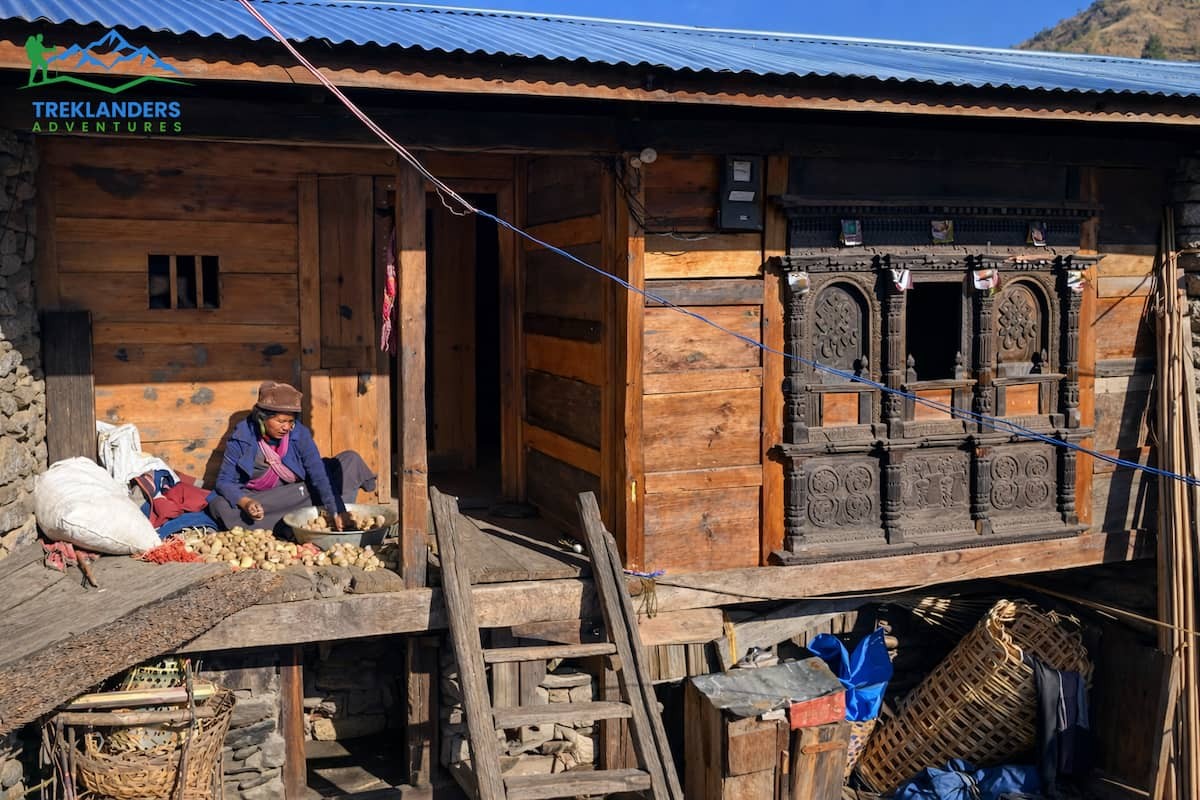
The traditional architecture of Langtang villages shows the harsh mountain environment, Tibetan cultural influence, and the simple lifestyle of local Tamang people. Local houses in these villages that have survived over time are made to withstand cold weather, heavy snow, and earthquakes, and they are practical, strong, and deeply rooted in local traditions and the use of natural materials.
Almost all the traditional houses in Langtang are made using stone, wood, and mud, which are the materials that can be easily found in the neighboring mountains. The walls are insulated with thick stone masonry that performs the double function of keeping houses warm in the coldest winter days and cool in the summer. The roofs were, in the old days, flat or slightly sloped and covered with wooden planks and stone slabs that helped them resist snow and strong winds. Today, some roofs have been replaced with metal sheets, which are considered to be more durable.
Houses are generally two to three stories tall. Often, the ground floor is used to house animals like yaks, cows, and goats. In this way, the heat animals give off can help keep the upper living areas at a comfortable temperature during cold nights. The upper floors are where the family spends most of the time doing activities such as eating, sleeping, and socializing. Having small windows is a typical feature as they limit heat loss and offer protection from the strong mountain winds.
Buddhist beliefs are profoundly reflected in the architecture of the Langtang villages. You can often spot prayer flags in many of the house tops or entrances, and sacramental mantras are inscribed on mani stones kept nearby. Chortens and prayer wheels thus frequently mark village entry points, signifying the daily spiritual significance of Tibetan Buddhism.
The villages are laid out tightly with buildings closely packed to offer mutual protection against the cold and, at the same time, maintain the community bonds. The coolest stone walkways that weave between houses are often narrow, and communal squares are the sites of the local festivity and religious events. Such a close-knit arrangement stimulates the villagers' cooperation and shared responsibility.
Before the 2015 earthquake, many traditional houses were not only damaged, but after the damage, the reconstruction took place with the intention of preserving the original style of architecture while at the same time enhancing the safety aspect. The traditional architecture of the Langtang villages is a testimony to the people's strength, cultural identity, and harmony with the Himalayan environment.
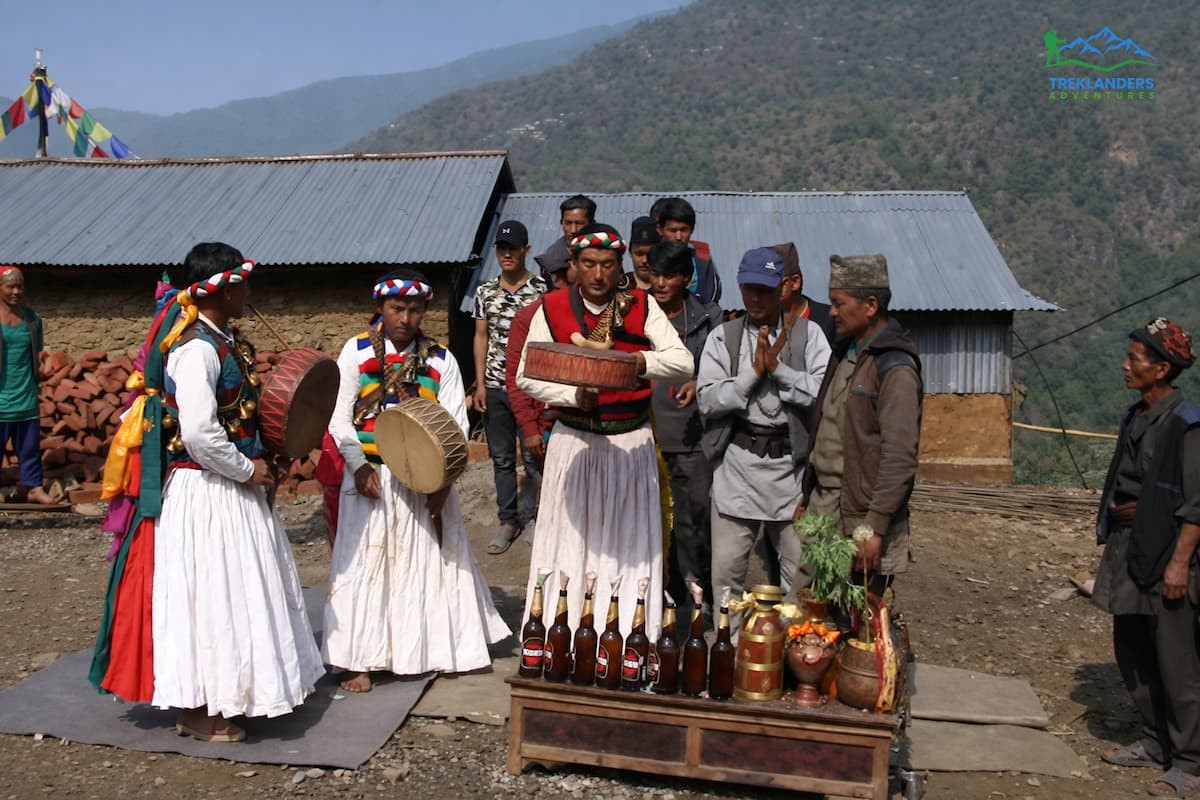
Festivals and rituals are very crucial to the cultural life of the Langtang Valley. Mainly celebrated by the Tamang community, these occasions are quite intertwined with Tibetan Buddhism, ancient customs, and the natural surroundings. They serve as a means of reunion, strengthening communal ties, and preserving cultural identity in this isolated Himalayan setting.
One of the major festivals in the Langtang Valley is Lhosar, the Tamang New Year. It is generally celebrated in January or February with great enthusiasm. At Lhosar, everyone thoroughly cleans their homes, puts on traditional costumes, and cooks special dishes. People go to monasteries to worship, get blessings from monks, and put up new prayer flags as a symbol of good fortune for the coming year. At this time, it is common to see traditional music, dance, and feasting.
Buddha Jayanti, which celebrates the birth, enlightenment, and death of Lord Buddha, is another major festival. On this occasion, the locals come together at monasteries like Kyanjin Gompa to light butter lamps, pray, and hear Buddhist sermons. This festival serves as a reminder of the virtues of peace, compassion, and non-violence, which are the core tenets of Buddhism.
Mani Rimdu is one of the most significant religious ceremonies in the region. It consists of monks' masked dances, with the masks portraying the triumph of good over evil. It is thought that such rituals drive away evil spirits and create a peaceful community.
Besides celebrations, both daily and seasonal ceremonies hold great significance in Langtang. Villagers present offerings and pray to the gods for favorable weather and protection when they are about to sow or harvest the fields. Among other things, rituals are held for the safety of journeys, good health, and honoring of forefathers. Mountains, forests, and rivers are considered holy, and rituals aid in keeping the reverence for nature.
Despite the infiltration of modern culture and natural disasters, the people of Langtang still celebrate their festivals with great faith. These festivals and rituals not only preserve the traditions but also enable visitors to enjoy the spiritual and cultural wealth of Langtang Valley.
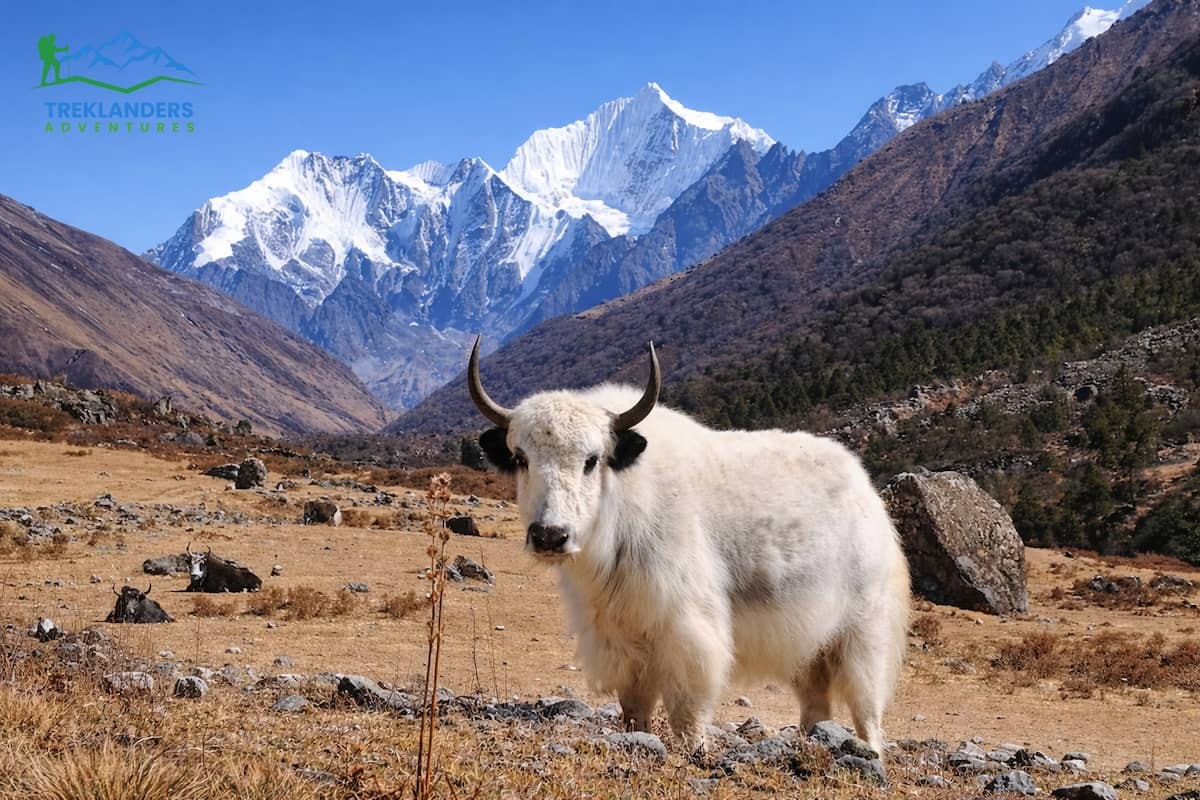
Yak herding is among the various traditional methods of living which have not only survived but also stood at the center of sustenance in Langtang Valley for ages. The residents of this area, the Tamang people, have for thousands of years relied on yaks and other domestic animals as their source of survival in the harsh high-altitude environment. Due to the fact that the area is predominantly cold and the land is rough, making it difficult and very limited for farming, yak herding has, over time, significantly contributed to sustaining day-to-day life and the local economy.
Yaks are a species that is very well suited to high mountain conditions. They are capable of staying alive under very low temperatures, thin air, and feeding on sparse grasslands where other animals will not find it possible to live. In Langtang, yaks serve many different purposes. They give milk, which can be processed into butter, cheese, and yogurt products that are highly nutritious and serve as the main diet for local families. The hair of a yak is so soft that it can be turned into warm garments, blankets, and ropes; on the other hand, yak dung that has been dried is universally utilized as stove fuel for cooking and warming.
Yak herding is generally done according to the changes of the seasons. In the summertime, herders shift their animals to higher mountain pastures where there is fresh grass. In the coldest season, they take the yaks to the lower parts in order to save them from harsh icy winds and heavy snowfall. This seasonal movement, scientifically called transhumance, is not only a way of providing the yaks with healthy grazing but also an indication of good relations with nature and deep knowledge of the natural and seasonal environment.
Besides yak herding, locals are also engaged in traditional farming on a very small scale. Crops like potatoes, barley, buckwheat, and maize are grown mainly for the families' direct consumption. The inhabitants also gather different forest products, such as herbs and firewood, all the while observing the religious beliefs that advocate living in harmony with nature.
Trade and tourism have become part of traditional livelihoods bit by bit. Kyanjin's famous yak cheese factory uses traditional methods in its cheese production and, at the same time, generates income for local people. At present, many households operate tea houses, some work as guides or porters, and others sell local products to trekkers.
Yak herding is still, after all, a powerful symbol of the cultural heritage of Langtang, and it is so despite modernization. It stands for the mountain people's way of life: being self-sufficient, having great respect for nature, and being strong and resilient in the face of changing times. This is the way of life that they have been preserving until now.
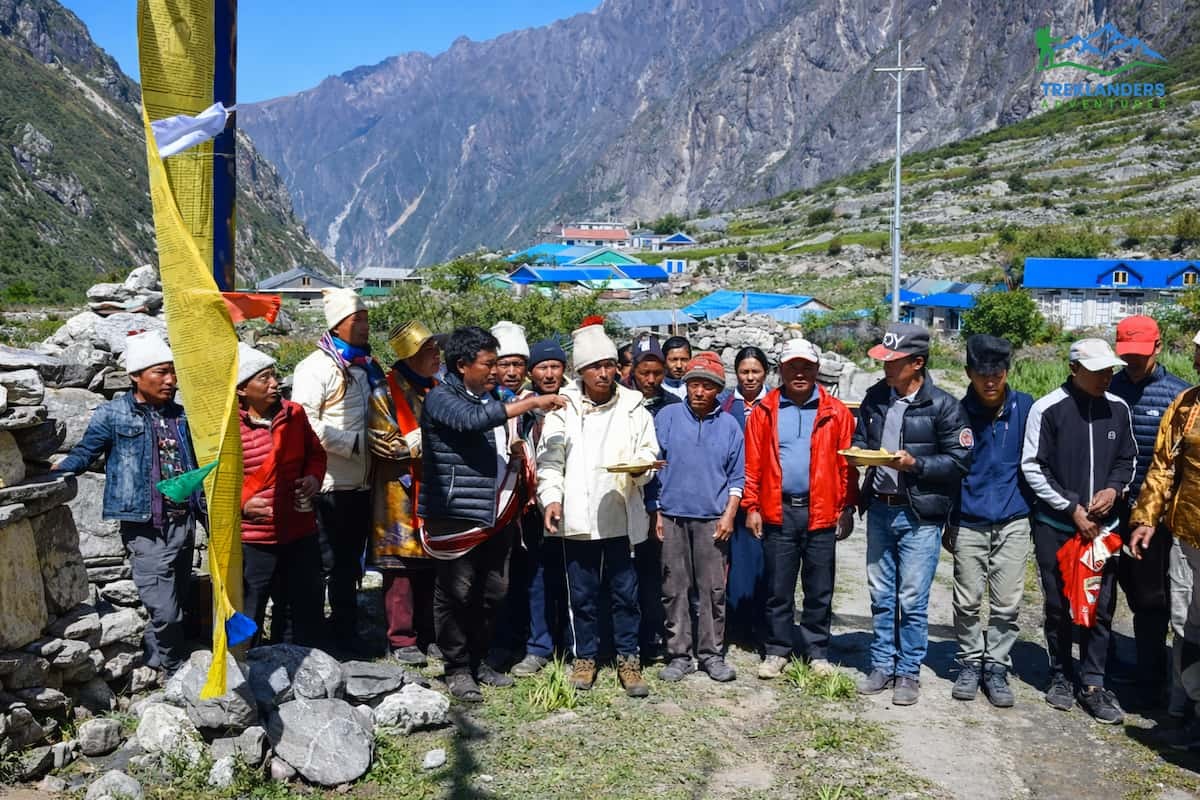
Langtang Valley was and still is a key region in the connection of the trans-Himalayan cultures of Nepal and Tibet. Being situated close to the Nepal-Tibet border, the valley was naturally a mountain passage for the people who tended to travel across the mountains. Traders, monks, pilgrims, and wanderers made use of Langtang as their means of sharing things, ideas, beliefs, and traditions for many centuries.
Previously, Langtang was included in a big trading network that linked the Tibetan Plateau with the lower hills of Nepal. Along these pathways, people bartered salt, wool, butter, and livestock from Tibet with grains, rice, handmade tools, and cloth from Nepal. Besides providing means of livelihood, these trade activities opened ways to regular communication between various communities, thus cultures blended and influenced each other.
Religion was undoubtedly one of the major facets of this cultural cross-fertilization. Buddhist monks and teachers passed through Langtang going to Nepal to spread Tibetan Buddhism. Monasteries, prayer flags, mani walls, and chortens dotted in the valley today act as solid evidence of such an impact. Religious scriptures, ceremonies, and festivals were exchanged, which further contributed to the moulding of the spiritual lives of the residents of the valley, especially the Tamang people.
Language and lifestyle changes were partly a result of trans-Himalayan contact. The Tamang language and traditional dress exhibit strong Tibetan influence. The stone houses, yak herding practices, and food habits in Langtang resemble those of Tibetan settlements. At the same time, Nepali customs were infused in the daily life, forming a unique mixed culture. The cultural exchange between the two sides was thus extended to the stories, songs, folklore, and traditional knowledge that were passed along the border. Marriage ties between the communities on the two sides of the border also helped in strengthening the social connections.
Although modern borders and transportation have put an end to traditional movement, the cultural impact of these exchanges is still strong. Langtang Valley, today, is a living testimony to the fact that geography was a factor that helped link civilizations across the Himalayas, thus leading to the creation of a rich and shared cultural heritage that is still a hallmark of the region.
The earthquake in 2015 deeply affected the Langtang Valley and its cultural heritage. After a devastating earthquake of magnitude 7.8 occurred on April 25, 2015, Nepal was shaken by a massive landslide and an avalanche in the Langtang region. The villages were obliterated to their foundations, and the casualties were numerous. Langtang village was entirely buried under a landslide and is considered one of the most devastated areas in the country.
The catastrophe resulted in the destruction of traditional houses, monasteries, chortens, mani walls, as well as other culturally significant constructions. Stone houses that had been there for generations were brought down, and the local monastery, Kyanjin Gompa, also got damaged. Besides the physical losses, the emotional and spiritual damages to the local people were immense as they lost not only the religious artefacts, manuscripts and community spaces but also their very source of inspiration and hope.
The quake has left the locals without the majority of their religious artefacts, manuscripts, and community spaces, which is a tremendous emotional and spiritual loss, besides the physical destruction. Destroying the buildings was not the only effect of the quake; it changed the traditional ways of life. The routes for yak herding were wrecked, the lands for grazing have been altered, and the fields have been destroyed. People were made homeless, and those villages that had been there for ages were moved to the new, safer locations. This sudden disturbance endangered the cultural practices which were dependent on tight community living, collective rituals, and ancestral land.
However, the people of Langtang demonstrated great strength following this disaster. The survivors cooperated to revive their lives and keep their cultural identity. With assistance from the government, NGOs, and international partners, reconstruction started with a focus on safer, earthquake-resistant buildings.
Not only the earthquake awareness but also the necessity of protecting cultural heritage in disaster-prone regions was recognized. In order to assist with recovery and create a source of income, community-based tourism and heritage conservation programs were initiated. Langtang is nowadays a beacon of fortitude and optimism. The valley's legacy is preserved through the customs, religion, and solidarity of its people despite the remaining traces of the 2015 earthquake.
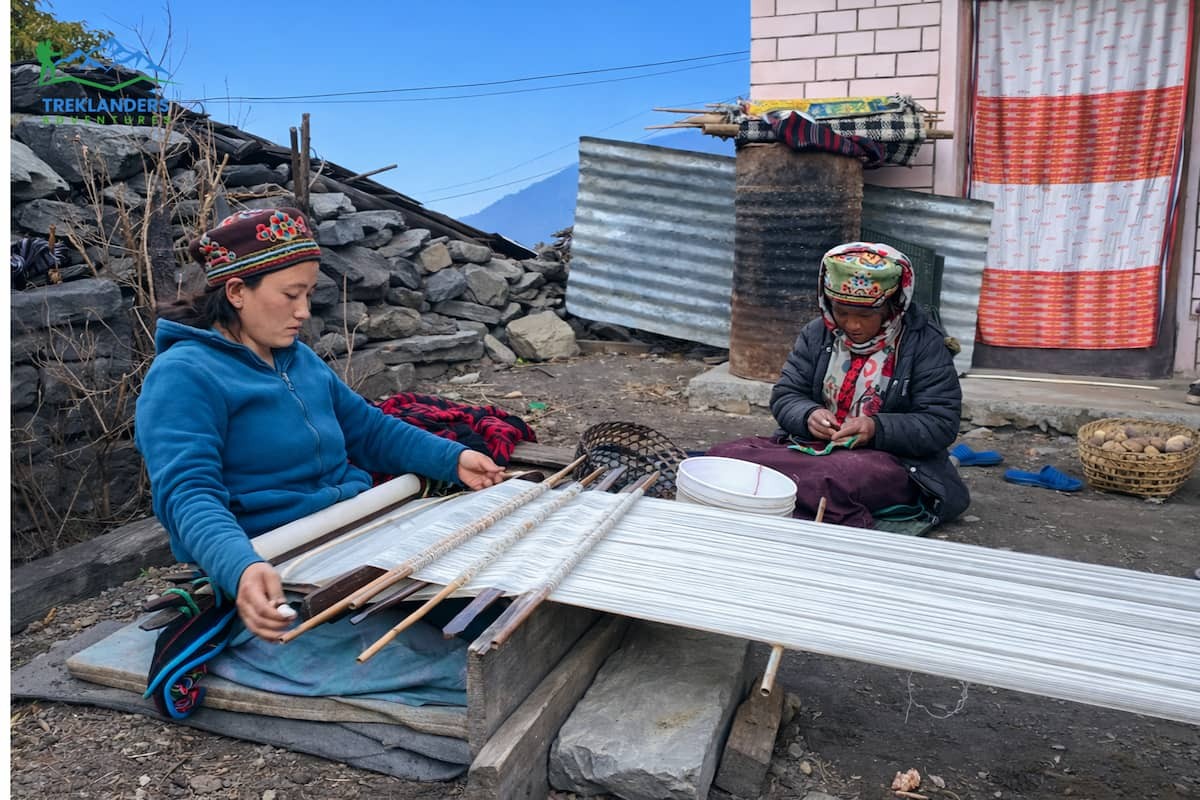
Cultural conservation and community-based tourism are crucial in preserving the heritage and improving the living standards of the locals of Langtang Valley. The locals have turned to their traditions for comfort and have embraced visitors in an environmentally friendly and sustainable way after facing issues like modernization and the 2015 earthquake.
Culturally, the people of Langtang have tried to preserve their traditions, language, festivals, religious places, and houses. Kyanjin Gompa and the different shrines, walls, and mani chortens are kept with love by the locals. The Lhosar festival and other religious ceremonies are regularly performed, which not only help in keeping the culture alive but also serve as a means for the elders to share the cultural heritage with the younger generation. Besides that, the local schools and the community groups also play a significant role in rescuing the culture through education.
Community-based tourism is a type of tourism that is controlled, planned, and mainly local people are the ones who receive the benefits mostly. In the Langtang region, residents open tea houses and lodges or even small shops where they sell food to trekkers. They serve as guides and porters, sharing with tourists the history, culture, natural environment, and unique features of the place.
In this way, they not only allow tourists to get acquainted with real Himalayan life but also ensure that the income goes directly into the pockets of the locals.
One of the main advantages of community-based tourism is that it fosters a sense of cultural pride and responsibility. Locals are inspired to keep their heritage alive when tourists take an interest in their traditions. The community often invests the money earned from tourism into projects such as rebuilding homes, maintaining monasteries, refurbishing trails, and other community initiatives. These efforts create local job opportunities, which help to cut down on rural-to-urban migration.
Community-based tourism also increases awareness and respect for the environment and culture. Tourists are requested to abide by the local traditions, minimize littering, and preserve the sanctity of the places. At the same time, the community, in line with Buddhist teachings, protects the flora, fauna, and water sources in the area.
In a nutshell, cultural preservation and community-based tourism have been the main engines of sustainable development in Langtang Valley. They effectively combine economic growth with the preservation of local traditions, thus protecting the valley's cultural heritage while enhancing the living standard of the next generations.
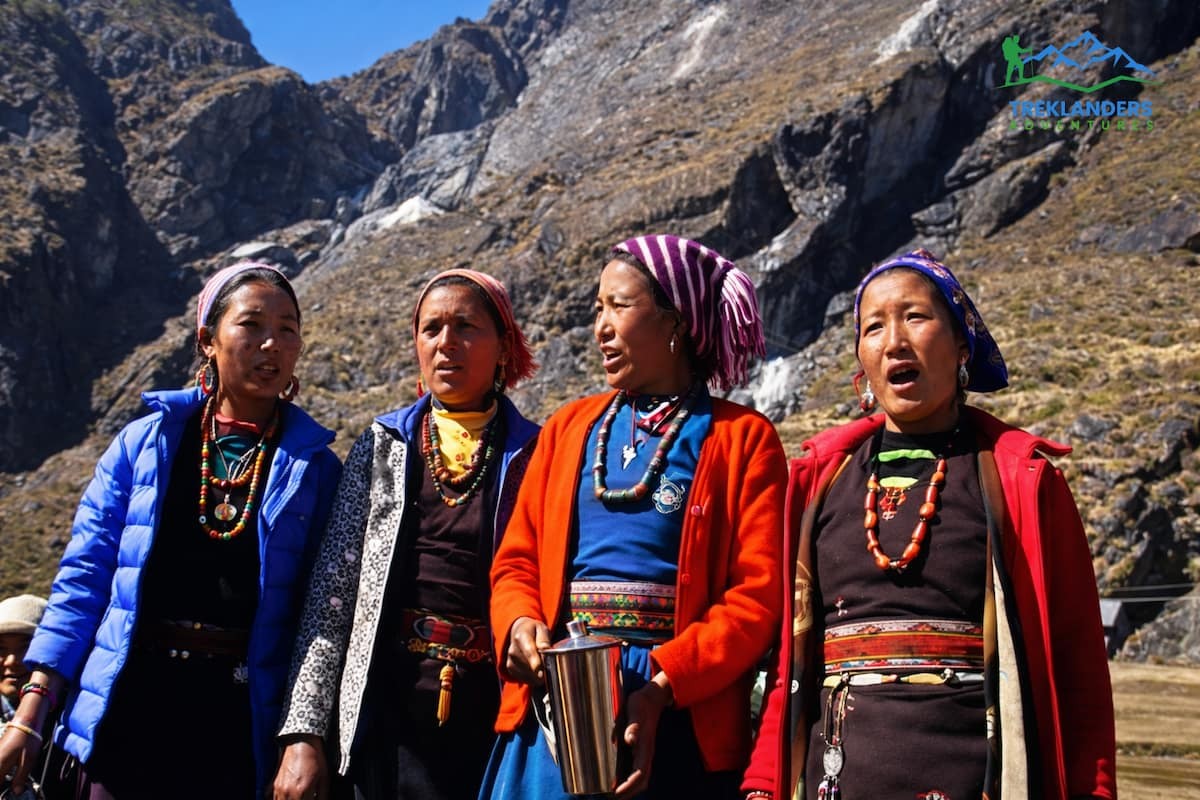
Oral traditions, folklore, and local legends exemplify the Langtang Valley cultural heritage. The Tamang people, who have inhabited the area for many generations, have handed down their history, beliefs, and values by telling stories rather than writing them down. These narratives are basically explanations of natural phenomena, sources of moral guidelines, and vehicles for the preservation of a collective identity.
One of the renowned legends of Langtang is the tale that explains the valley's name. The people believe that "Langtang" is derived from "Lang" (yak) and "Tang" (to follow). The tale recounts that a lama once went after a lost yak into the mountains, and that region was from then on called Langtang Valley. Such a narrative illustrates the intimate relationship of the people, animals, and nature.
Numerous local legends are intertwined with Tibetan Buddhism. Mountains, glaciers, forests, and lakes are thought to be the dwellings of spiritual beings that protect nature. Certain peaks are regarded as sacred, and the villagers do not disturb them out of respect for the spirits. Narratives about guardian spirits and protective deities are used to teach people to keep a harmonious relationship with nature and refrain from causing damage.
Folklore equally contributes significantly to festivals and family reunions. Stories of ancestors, mountain adventures, and virtues like kindness, honesty, and cooperation are among those that elders communicate. Besides making the family unit stronger, such stories also serve to provide younger members with an understanding of their origins.
Traditional songs and chants constitute another segment of oral tradition. They are usually sung at festivals, ceremonies, and joyous occasions such as Lhosar. The lyrics speak mostly about love, suffering, emigration, and faith, hence depicting the mountain life in the Himalayas.
Langtang Valley is basically an area where oral traditions have been culturally preserved to this day, notwithstanding the recent influence of the outside world. Besides enhancing the cultural aspect of the trip, guides not only usually tell stories to trekkers but also share local legends. Such narratives not only hold the wisdom of the past but also make Langtang a living history and spiritual place, rather than just an attractive landscape.
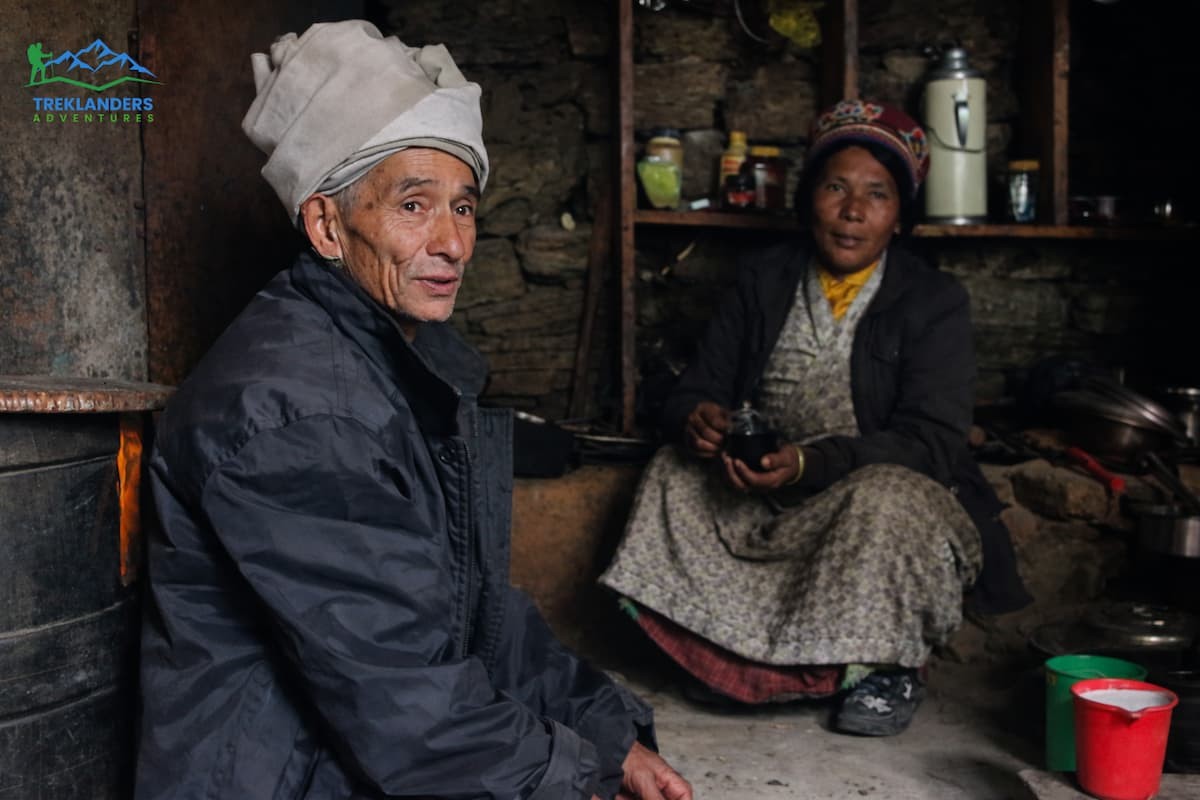
Langtang Valley is much more than a beautiful trekking destination; it is a place where history, culture, and spirituality are deeply woven into everyday life. From ancient trade routes to living traditions, the valley tells a powerful story of human resilience, cultural exchange, and harmony with nature. Its location near the Nepal–Tibet border made it an important link for trade, religion, and cultural interaction, shaping a unique Himalayan identity over centuries.
The Tamang people form the heart of Langtang’s cultural heritage. Their origin, migration history, language, dress, festivals, and Buddhist beliefs reflect strong Tibetan influence while maintaining a distinct local character. Monasteries like Kyanjin Gompa, along with prayer flags, mani walls, and chortens, show how Tibetan Buddhism continues to guide spiritual and social life. Festivals, rituals, and oral traditions keep ancestral knowledge alive and strengthen community bonds.
Traditional livelihoods such as yak herding, small-scale farming, and cheese production highlight how people adapted to the harsh mountain environment with skill and respect for nature. Village architecture, built from stone and wood, reflects both practicality and cultural values. These traditions are not just remnants of the past; they are still actively practiced and passed down to younger generations.
The 2015 earthquake was a major turning point for Langtang Valley, causing great loss of life, homes, and cultural heritage. However, the recovery process showed the strength and unity of the local community. Rebuilding efforts focused on preserving cultural identity while improving safety, proving that heritage can survive even after great tragedy.
Today, cultural conservation and community-based tourism play a vital role in protecting Langtang’s heritage. By involving local people, tourism supports livelihoods while encouraging respect for traditions and the environment. Visitors are not just observers but participants in a living culture.
In conclusion, Langtang Valley stands as a living example of Himalayan history and culture. Its traditions, faith, stories, and way of life give the valley deep meaning beyond its landscapes, making it a truly special and culturally significant region of Nepal.
Experience the Langtang Valley Trek in February with quiet trails, winter scenery, plus weather, Itinerary, packing list, and safety tips.
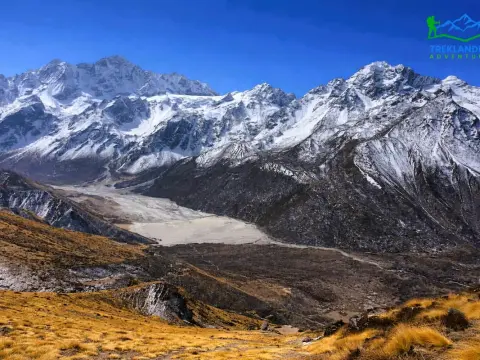
Explore the Langtang Valley Trek in spring with clear Himalayan views, blooming rhododendrons, and ideal trekking conditions near Kathmandu.
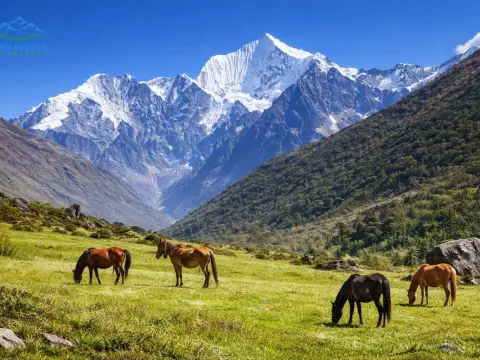
Explore the flora, fauna, and biodiversity of the Langtang Valley Trek in Nepal, from rhododendron forests to rare Himalayan wildlife.



