
Langtang Valley Trek vs Manaslu Circuit Trek: Which Nepal Trek Is Best for You?
11 Jan 2026
Compare the Langtang Valley Trek and Manaslu Circuit Trek to find which Nepal trek is best for your time, fitness level, and trekking experience.

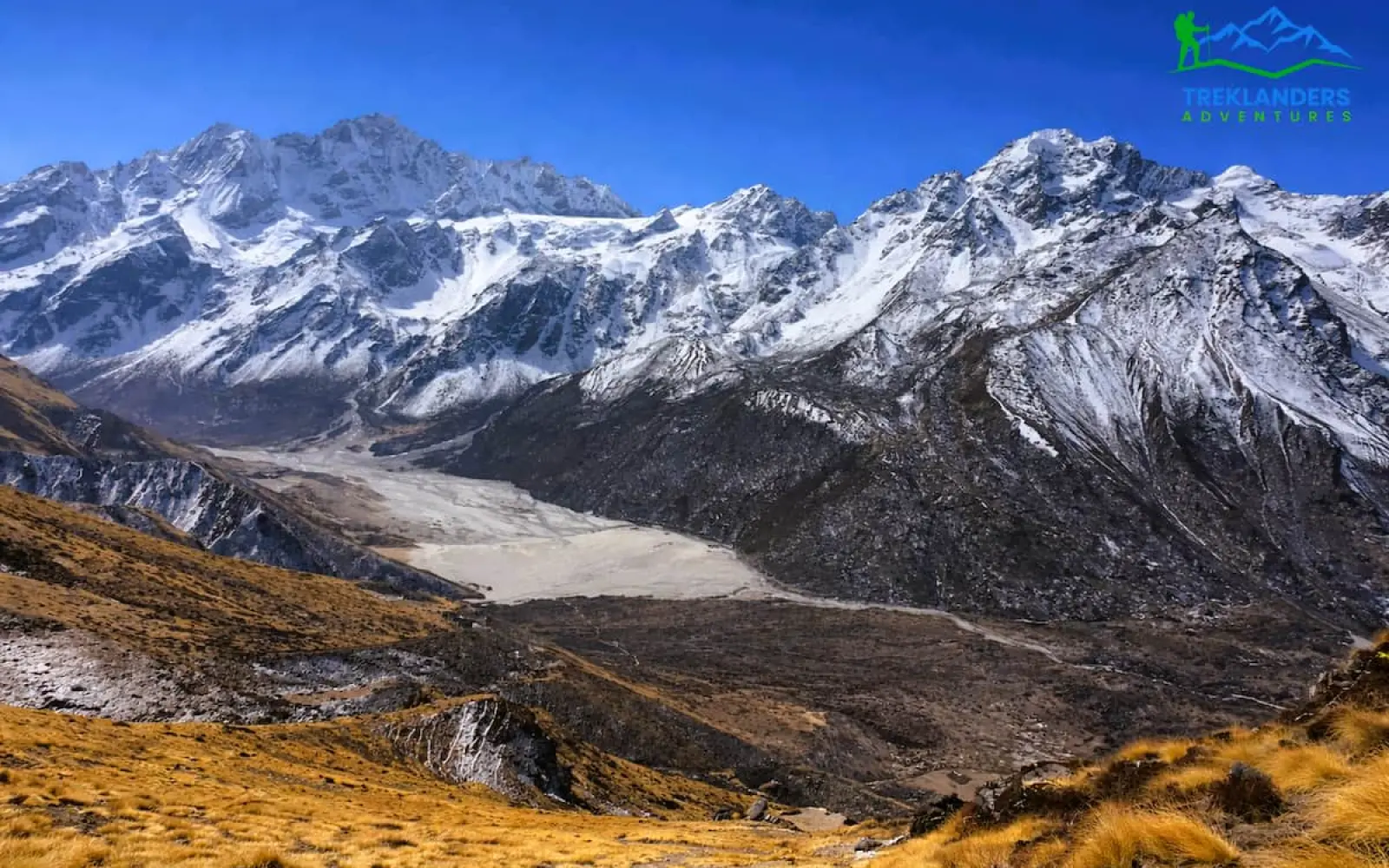
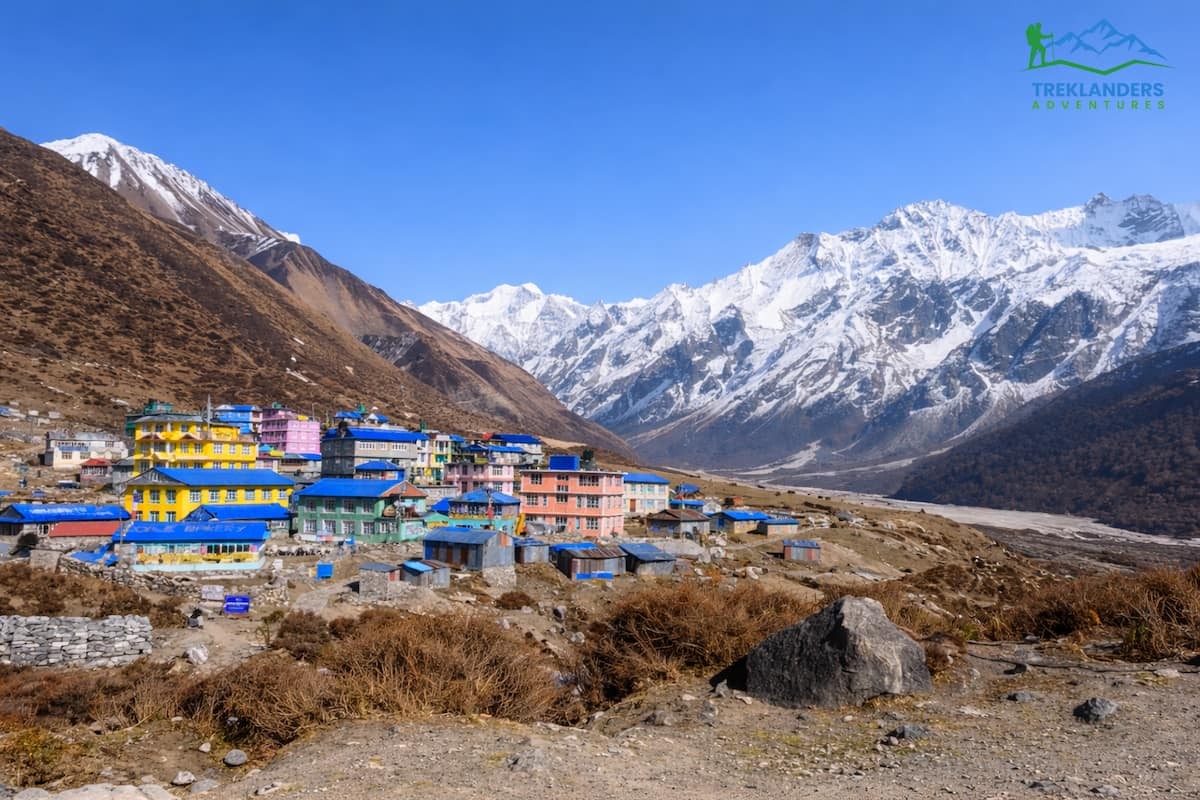
The spring season is undoubtedly the most rewarding time to do the Langtang Valley Trek. It offers an ideal trifecta of the perfect climate, the beautiful, colorful landscapes, and the comfortable walking conditions. The nature in the valley wakes up from its winter sleep during the months of March to May. This makes it the best time for those who want to have a clear view of mountains, beautifully colorful trees, and a quiet forest trail without the suffering of frost or the hindrance of a heavy downpour. Just a little north of Kathmandu and near the Tibetan border, Langtang Valley has made a name for itself as an easy-to-get-to place, a culturally rich area, and a place with alpine scenery that can be quite jaw-dropping - plus all these are at their best in the spring.

Temperature-wise, spring in Langtang Valley is a gentle and gradual warming-up, which is great for trekking and not exhausting the body with too much heat. The lower parts of the valley stay fairly warm during the day, while the upper parts are still quite cold, but it is not difficult to be outside in the morning and evening. With the arrival of spring, we see more sunny days, which are also skipping the monsoon rains that start at the end of the year. Due to this change in weather, the visibility is very good, and one can see the peaks of Langtang Lirung, Dorje Lakpa, and many other snow-covered mountains without any interruptions. Another advantage of the favorable weather is that the risk of your trip being impacted by bad weather is minimal, thus your travel planning becomes not only easier but also more reliable.
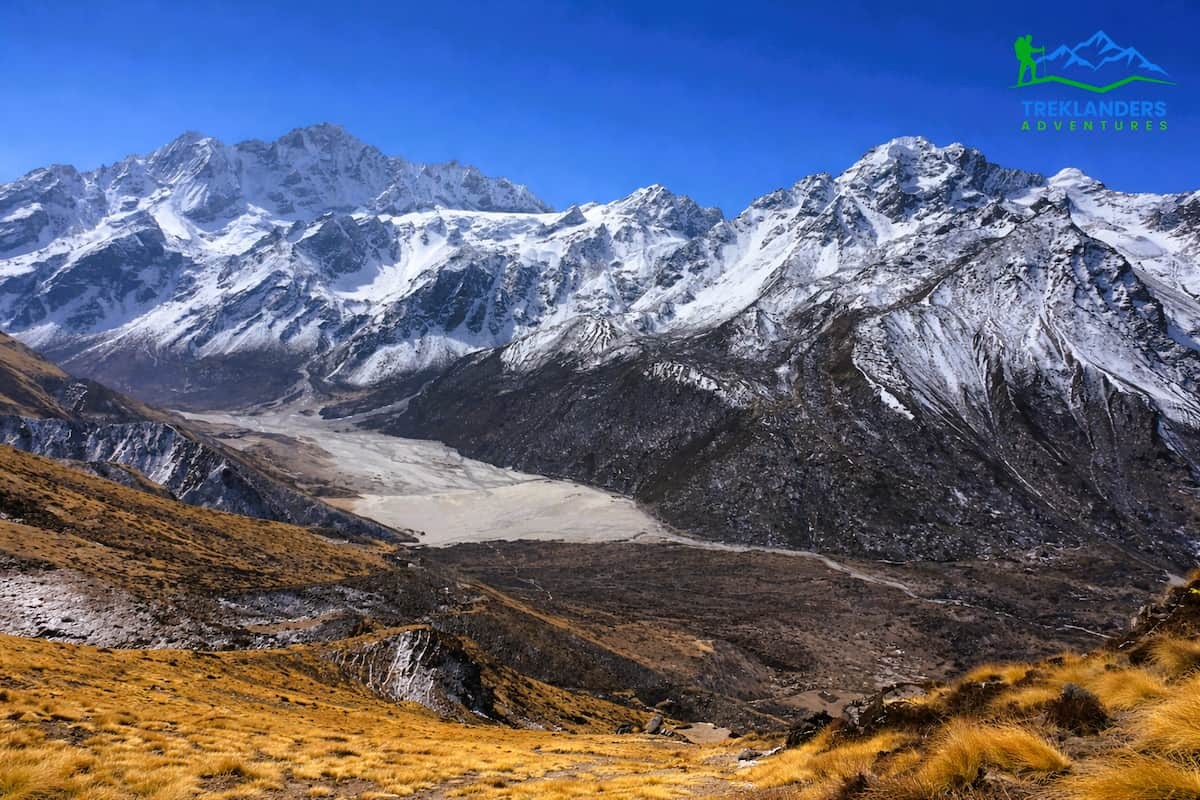
One of the major attractions of a springtime trek through Langtang Valley is undoubtedly the amazing rhododendron flowering. The woods along the way from the lower villages to the mid-altitude paths become very colorful with the red, pink, and white tones of the rhododendron flowers, and the whole trek turns into a scenic and colorful journey. Besides rhododendrons, other alpine flowers start to show up, which also contribute to the beautification of the trail. This natural flower festival is one of the main reasons why spring is very popular among nature enthusiasts, photographers, and first-time trekkers who want a visually spectacular experience.
In general, the trail is dry, stable, and well-marked during spring. This makes the trek more comfortable and safer compared to winter or the monsoon. The snow on the higher parts of the trail gradually melts, thus eliminating the need for difficult crossings, and the teahouses are open after their winter break. With easier access, active locals, and lively trekking routes, spring is the perfect compromise between natural beauty, cultural interaction, and trekking comfort. It is a great time to visit Langtang Valley.
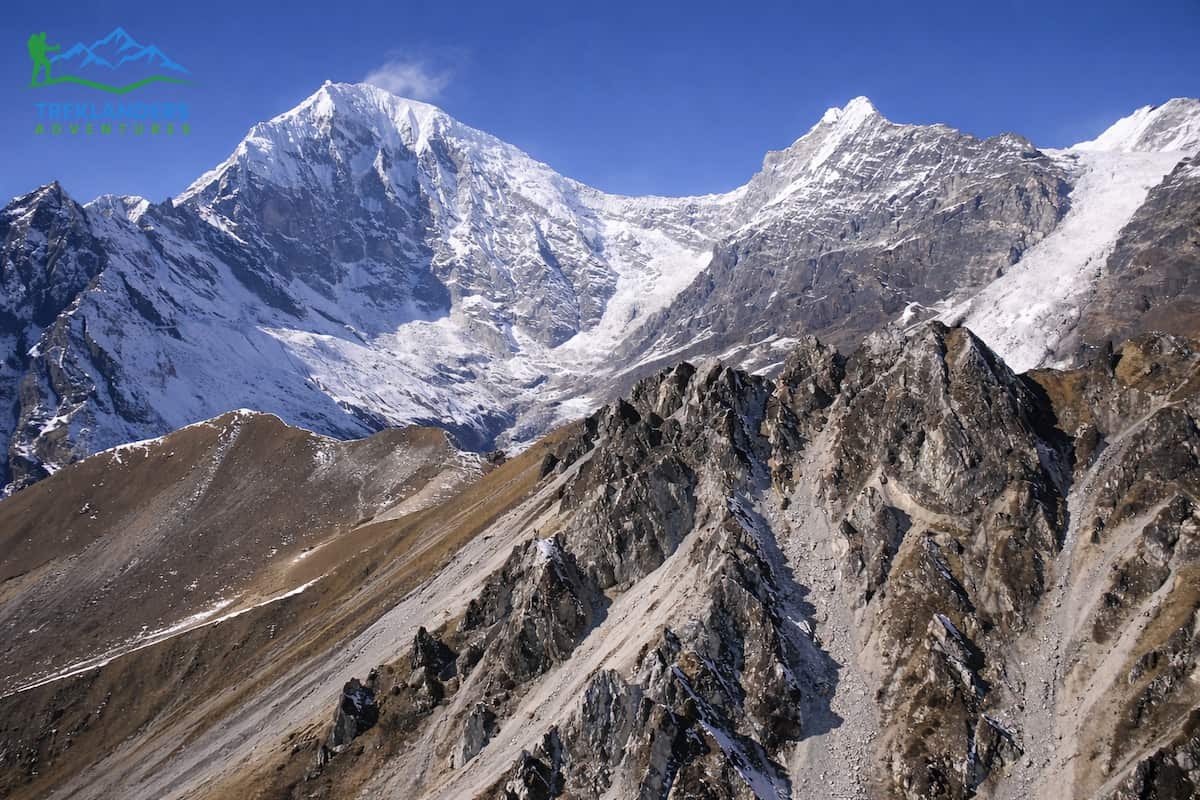
Spring is a transitional and highly favorable season for trekking in Langtang Valley, but weather conditions vary noticeably from March to May. Understanding these monthly differences helps trekkers choose the best time based on temperature preference, trail conditions, and scenic priorities. While all three months fall within the spring trekking window, each offers a distinct experience in terms of climate and landscape.
March marks the beginning of spring in Langtang Valley, with lingering winter conditions at higher elevations. Daytime temperatures start to rise, especially in lower villages, while mornings and nights remain cold. Snow may still be present on higher sections of the trail, particularly near Kyanjin Gompa and surrounding viewpoints. Skies are generally clear, offering excellent mountain visibility, but the colder air makes early starts brisk. March is ideal for trekkers who prefer fewer crowds and don’t mind cooler temperatures in exchange for quieter trails and sharp Himalayan views.
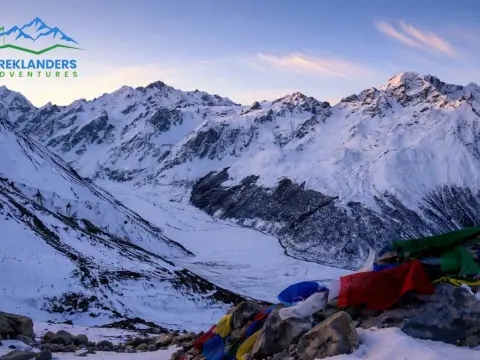
April is generally regarded as the best month for the Langtang Valley Trek, as it features the most balanced and stable weather. Daytime temperatures rise to a nice warm level, and nights cool down but stay quite comfortable without getting extremely cold. Most of the snow has already melted from the main trail, thus walking conditions and the general accessibility are greatly improved in this way. Forests become full of rhododendron blossoms, and this is what makes the scenery so wonderful and colorful. Clear sky is the usual condition, and the visibility is so good that by all means, April is at the top of the list for the photographers as well as the first-timers who want to experience the best conditions for their trek.'
May is the indication of the spring's end and the coming of the monsoon. The temperature during the day increases even more, particularly at the lower altitude levels, thus making it warmer for the trek. Mornings on the whole are clear; however, in the afternoons, clouds come up more often, and sometimes the visibility is down. Early in the month, the trails are still dry for the most part, but toward the end of May, there can be a few light showers of the pre-monsoon nature. The green is getting denser, and the wild animals are getting more active. May is a good time to be out on the trek if you like the weather to be warmer and the surroundings greener, but it is suggested to finish in the early hours to escape the afternoon cloud cover.
To sum up, March is great for those who love solitude and crisp views, April is the time when the weather is just perfect for trekking, and in May, there is warmth and lush scenery; thus, the trekkers can pick out the month that aligns most with their preferences.
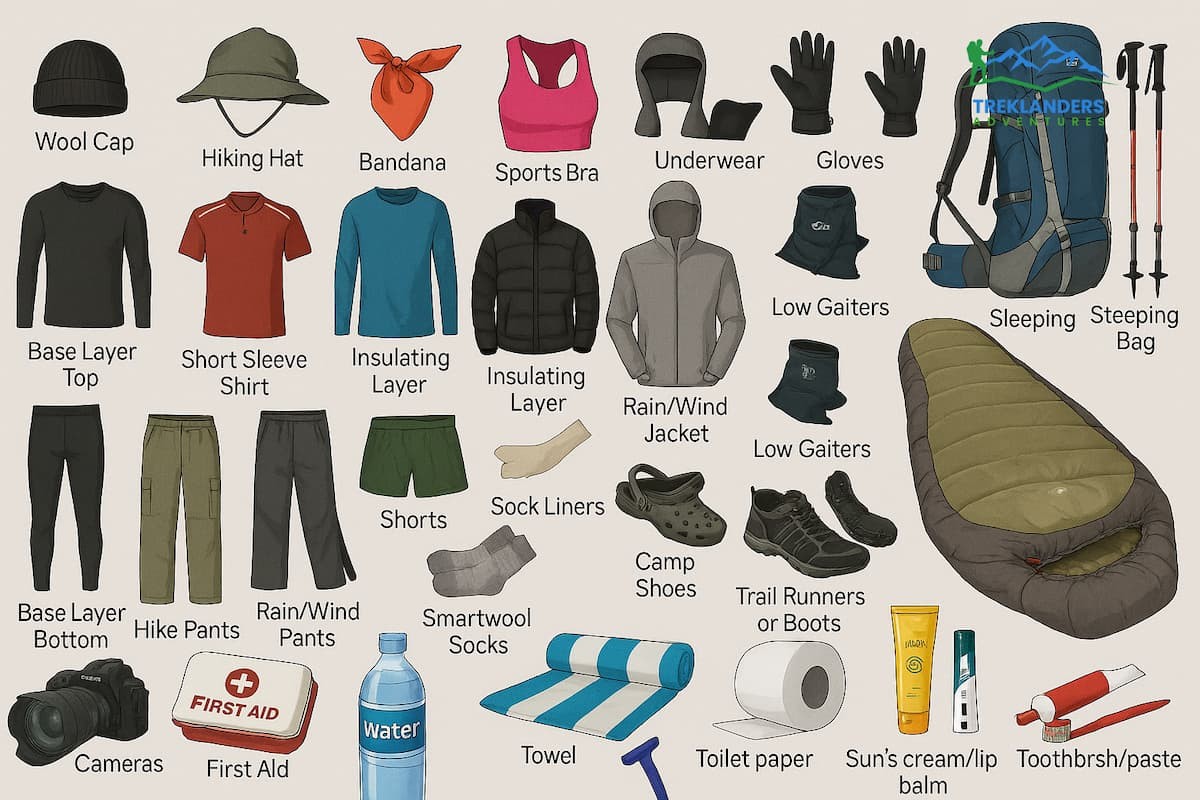
Packing properly for the Langtang Valley Trek in spring is a must if you want to stay comfortable, safe, and happy on your trek. The weather during the spring trekking season in the Langtang Valley (March to May) changes with altitude and time, so the trekkers need a layered system of clothes that can be adjusted according to the temperature rather than carrying heavy winter clothes. Spring in the mountains is characterized by mild temperatures during the day, cold mornings and evenings, and the occasional wind at the very top, which is why balanced packing is crucial.
It is advisable that the clothing be based on the layering principle so that one can easily adapt to changing temperatures. During extended hours of walking, a base layer which is made of moisture-wicking material can keep one comfortable by regulating body heat; on the other hand, an insulating layer, say a fleece or a lightweight down jacket, can be used to keep oneself warm when it gets cold. One will definitely need a waterproof and windproof outer shell to protect oneself from the gusty mountain winds and the occasional spring showers, particularly in late April and May. The ideal trekking pants are those that dry very quickly; thermal leggings are also a good idea for higher altitudes or colder mornings. Also, one can wear a lightweight long-sleeved trekking shirt to protect oneself from the sun without getting hot.
Footwear is one of the most important pieces of gear when hiking on spring trails. The best option is well-broken-in trekking boots that provide good ankle support, as there is a chance that snowmelt will make some sections wet or even rough, especially in March. Comfort trekking socks, particularly wool or synthetic, are good at preventing blisters and keeping the feet dry. When it is still early in the season, and there is lingering snow or muddy patches on higher trails, gaiters come in handy.
Most people don't realize how important accessories are, but they can be lifesavers in spring conditions. For early mornings and/or high elevations, a warm hat and gloves are still needed; a sun hat along with sunglasses will protect you from the sun rays (ultraviolet exposure) that are very intense at these times. A scarf or lightweight buff is a good choice when you have to deal with dust and wind. If, as the snow melts, the trails get soft, it is very helpful to have trekking poles for the stability that they provide, especially at descents and on uneven terrain.
A dependable backpack, preferably with a rain cover, a reusable water bottle or hydration system, and basic water purification, is amongst the other products that you should not be without. Due to the clear sky and the sun shining from a high altitude, it is very important to have sunscreen and lip balm with UV protection. It is advisable to always bring along a compact first-aid kit, personal medications, and blister care supplies. It is possible to stay comfortable in the Langtang Valley spring seasons' ever-changing conditions without sacrificing the pleasure of the trek, by packing light but also smart.
During spring, the Langtang Valley Trek becomes visually so beautiful and rich that it is considered among the top trekking destinations in Nepal. Nature lovers, wildlife enthusiasts, and photographers especially find it attractive. As the weather warms up between March and May, and snow continues to melt, plants grow, and animals become active. Hence, the valley reveals its extraordinary biodiversity at various altitudes.
One of the most astonishing sides of Langtang Valley during the spring is its rich and varied plant life. At the foot, the forest is full of oaks, maples, and pines, which through the elevation change to bamboo and rhododendron forests. Spring is the time when rhododendrons, the national flower of Nepal, reach the pinnacle of their blossoming. The hills get covered with a riot of red, pink, and white. With rhododendrons, one can also see primroses, magnolias, wild orchids, and numerous alpine flowers that start to grow when winter is almost gone. These beautiful flowers give the mountain backgrounds a whole new dimension and contrast, thus making spring the most picturesque period of the trail.
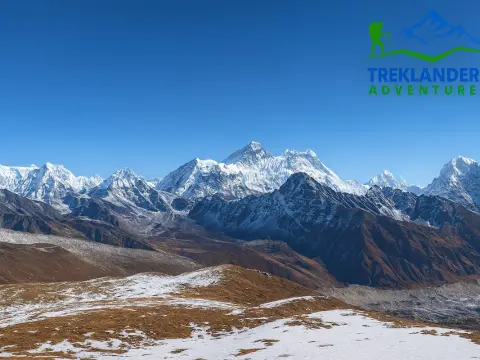
Wildlife activity generally jumps drastically during spring as animals come out after the cold months of winter. Langtang National Park is a habitat of various mammals, and though it is never certain that one will see a mammal, travelers may come across Himalayan langurs, rhesus macaques, and pika on the way. In the less noisy parts of the forest, those who are fortunate to be on the trek might see musk deer or hear the faint sound of the movement of Himalayan tahr on the rocky slopes.
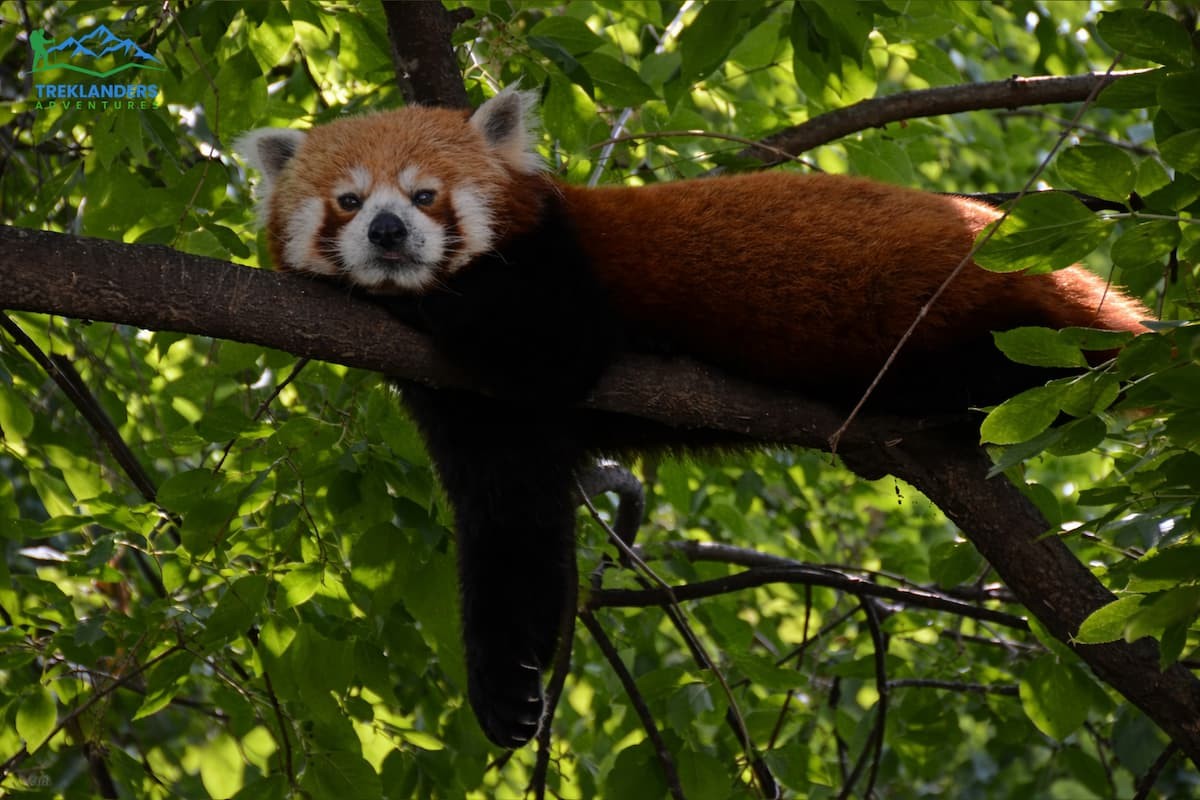
Red pandas live in the bamboo forests of Langtang, but since they are very shy and almost never seen, any sighting is a rare and unforgettable experience. This season is glorious for birds; birders of all ages and nationalities flock here. Among the species that stir during the time of year are the Himalayan monal, blood pheasant, snow pigeon, and numerous vibrant finches. The world-class landscape photography can be done in early mornings when the air is crisp and in blossoming woods, especially around the forested parts and alpine meadows near Kyanjin Gompa.
In general, spring shows off Langtang Valley at its best and most beautiful when one first experiences a pristine environment featuring diversified plant life, vibrant wildlife, and majestic landscapes to take pictures of throughout the trekking route.
Crowd levels play a significant role in many trekkers' decisions regarding the best time to do the Langtang Valley Trek, and spring offers a comparatively balanced picture of both aspects. Langtang Valley witnesses a jump in the number of visitors from March to May as compared to the winter period. However, it is still significantly less crowded than the well-known trekking routes like Everest Base Camp or Annapurna Circuit. Therefore, spring becomes a favorite choice among trekkers who want to be around people but without the feeling of being overwhelmed by the crowd.
Among the three months in the spring season, March is the one when the crowd is the least. Some trekkers are still cold at higher elevations in the early spring, and this factor, along with other conditions in the early spring, has kept the number of visitors on the trail low. The teahouses are still not sufficiently packed, and one can often get accommodation without prior booking. The tranquil surrounding enables trekkers to enjoy unruffled walks in the woods, completely free viewpoints, and get to know locals in a more personal way. March is perfect for those who cherish being alone and prefer a more relaxed pace of trekking.
April is the time when spring trekking in Langtang Valley is at its peak and is the busiest month of the season. Both international and domestic trekkers are attracted to the pleasant temperatures, stable weather, and full rhododendron bloom. The trails get livelier, especially between popular stops like Lama Hotel, Langtang Village, and Kyanjin Gompa. Nevertheless, the hike seldom feels overcrowded, and the general crowd density is still quite low. Tea houses might get packed in the evenings, so a quick arrival or a bit of planning would help to guarantee comfort.
May records a moderate level of the crowd as the weather gets warmer and the monsoon period is drawing near. Some trekkers do not prefer the late spring due to the increasing temperature and the formation of afternoon clouds, thus the number of visitors has been gradually decreasing. Even though the trail remains bustling, it is not as crowded as in April, so there is still a great mix of ease and peace. In general, the crowd levels in the spring in Langtang Valley are quite manageable, and the valley is just right for trekkers who want to experience both the community and the tranquility without mass tourism.
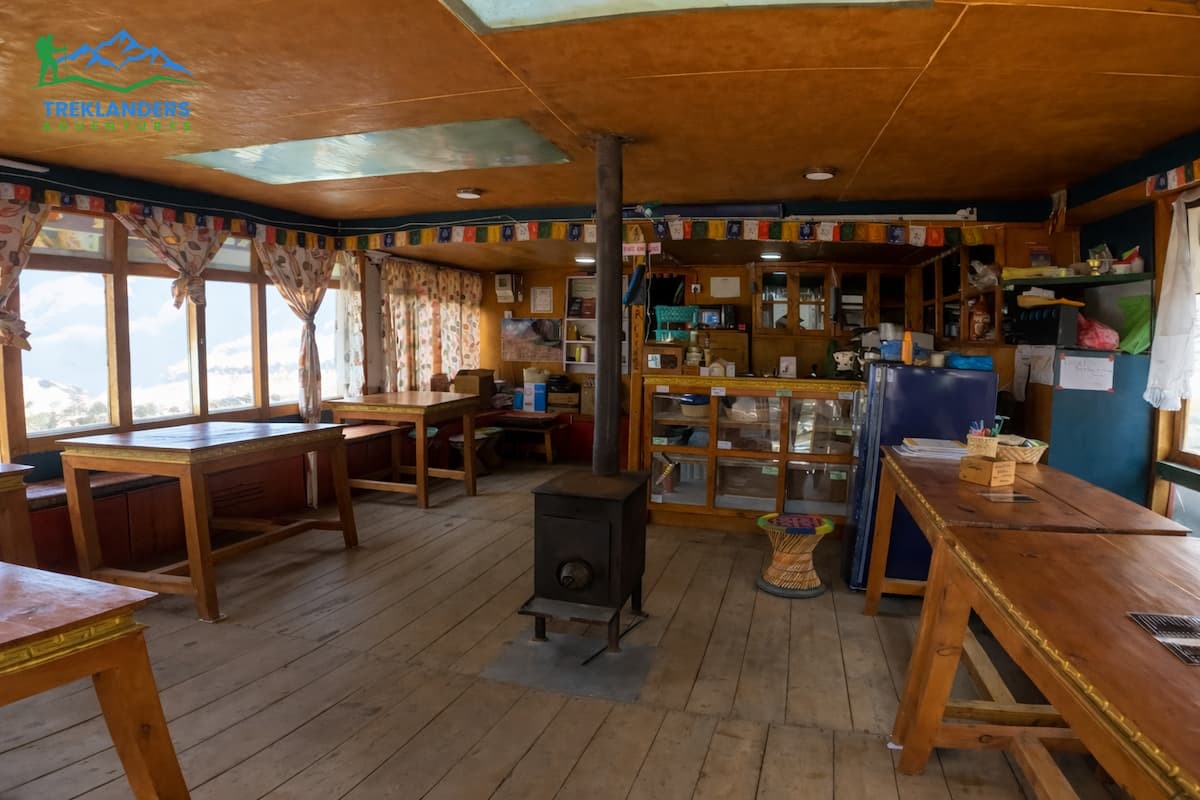
During spring, accommodation and food availability in Langtang Valley have a drastic increase; therefore, March to May is considered one of the most comfortable times for trekking there. After the silent winter months, the teahouses and lodges along the trail keep reopening one by one and finally return to full operation, giving you the assurance of reliable services for the whole trek.
In mid-March, it is still possible that some teahouses at the higher elevations are waiting for winter closures to end. Still, by late March and throughout April, the situation returns to normal, and all lodges from Syabrubesi to Kyanjin Gompa are operational. Spring means more trekkers, and so it is expected that the owners of the lodges would bring in more supplies and have more rooms ready for the guests. Accommodation is typically quite simple but clean, offering twin-sharing rooms with blankets and shared bathroom facilities. While rooms are usually available without advance booking, April can be busier, so arriving earlier in the day helps secure preferred lodging.
Food choices in spring are varied and dependable and they mirror the region's gearing for peak trekking season. Dal bhat, noodles, fried rice, soups, pasta, eggs, and Tibetan bread are some of the standard trekking meals most teahouses will provide. With the improvement of supply lines that comes with better trail conditions, fresh vegetables are becoming more and more available, especially at the lower and mid-altitude levels. Hot drinks such as tea, coffee, and ginger lemon honey are easily available and are very suitable for the cool mornings and evenings.
When the altitude goes higher, the variety in the menus may drop a bit, but the staple foods will still be there. Dal bhat, in particular, is a favorite as it is very satisfying and helps to replenish your energy after a long trek. Besides, spring temperatures are also helping to avoid frozen water pipes and kitchen shortages that sometimes happen in winter, thus enhancing meal consistency and hygiene to a great extent.
The dining areas in teahouses turn into social spaces in spring, with trekkers coming together in the evenings to share their stories and keep warm. In general, spring presents reliable accommodation, good availability of food, and decent lodging conditions, thereby making Langtang Valley a quite easy and convenient trekking destination after winter.
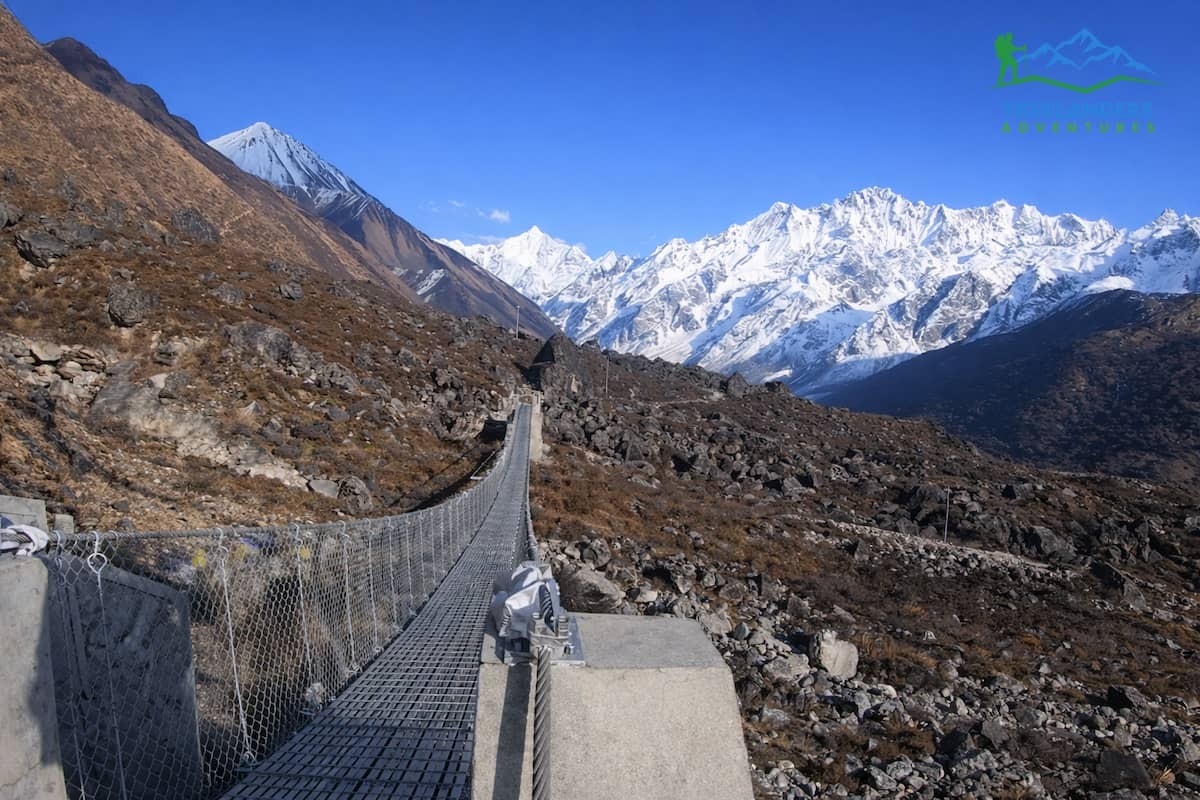
The Langtang Valley Trek is a moderate Himalayan trek, and spring is considered one of the best seasons to do it, particularly if you are a beginner or a first-time trekker. Between March and May, the weather gets stable, the trail conditions improve, and the facilities remain reliable, thereby lessening the difficulties normally faced in high-altitude trekking, and thus, the route becomes accessible to a larger audience of trekkers.
Regarding the terrain, the track features well-marked paths, gentle inclines, wooded areas, river crossings, and some harder climbs in the vicinity of the higher settlements. Although there are no sections that require technical climbing, the trekkers should be mentally and physically prepared for daily walking hours, which may be on different types of surfaces. The outdoor conditions in spring not only contribute to making the path safer but also facilitate walking, as the snow deposited during winter melts little by little and the trails remain mostly dry. The chance of having icy sections on the trails is greatly reduced when compared to winter. Furthermore, the spring season, unlike the monsoon, is free from slippery mud and the presence of leeches.
Altitude is the main obstacle of the Langtang Valley Trek. The trek basically ascends into the higher alpine areas, where the air is thinner, and this can especially be felt near Kyanjin Gompa and surrounding viewpoints. However, spring weather makes it possible for a more gradual acclimatization process as the daytime temperature is comfortable, which helps to lessen physical stress. Beginners who are properly paced, rested, and well-hydrated can easily adjust to the use of oxygen at the altitude in this season.
Fitness requirements are moderate rather than extreme. Trekkers who have a basic level of fitness, for example, those who can walk for several hours a day carrying a light backpack, usually manage the trek very well. It is a plus if you have had prior trekking experience, but it is not a must; Langtang is, therefore, a great Himalayan trekking starter. The comfortable temperatures during spring also lessen fatigue to the extent that the trekkers can easily keep their energy levels steady throughout the journey.
In general, the Langtang Valley Trek in spring is very much suitable for beginners, first-time Himalayan trekkers, as well as those who want the mountain experience without too much physical exertion, but still get a great, rewarding feeling. The spring season admires the combination of the manageable difficulty level, the well-established infrastructure, and the good weather as the perfect setting for the development of confidence among mountain climbers at high altitudes.
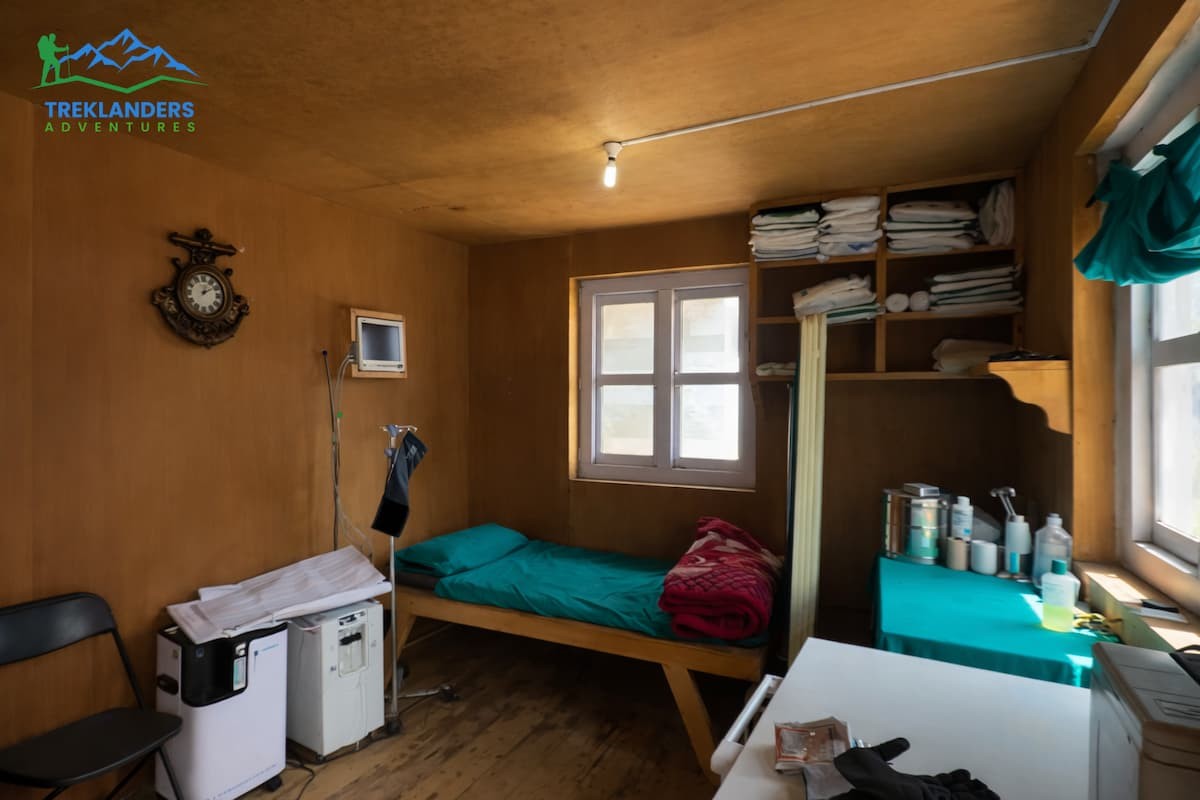
Keeping a good state of health and being safe should be top priorities for a successful Langtang Valley Trek, even during the good spring season. While the period between March and May is known for stable weather and nice trekking conditions, the Himalayan region still has some difficult aspects that demand careful preparation, alertness, and making wise choices.
The most significant health issue related to altitude on the Langtang trek is altitude awareness. Since the path goes up in altitude very slowly, trekkers who go up too fast may feel symptoms of altitude sickness. Spring conditions make it easier to get used to the altitude; however, the risk of getting altitude sickness is still there. Going slowly, taking days off if you feel tired, drinking a lot of water, and not drinking alcohol are some ways through which the body can get used to a warm environment naturally. Being able to identify symptoms like headache, vomiting, dizziness, or loss of appetite means that the person can take a step back for a solution before the situation gets worse.
Hydration and nutrition will play a very important role in keeping your energy level and immunity at a good standard. Sometimes daytime temperatures in spring can feel quite warm; thus, one may perspire more and lose additional fluids through sweat. In this respect, making a habit of drinking purified water regularly will help you avoid dehydration and, consequently, will lessen fatigue. Consuming a balanced diet with enough carbohydrates will give you the necessary energy for your day's journey. At the same time, warm foods will be gentler on your stomach at high altitudes. Also, it is highly recommended that you have with you a basic kit for purifying water and your personal medications.
Weather-related safety aspects should also be considered when it comes to spring adventures. Usually, the sky is clear in the morning, but from February onwards, the wind and clouds may come up in the afternoon quite unexpectedly. Hence, the earlier you start your day's trek, the more you can avoid being caught in a sudden change of weather and also get better visibility. Layered clothing not only protects you against the changes in temperature, but it also lowers your chances of getting cold-related disorders during those early morning and late evening hours.
One, however, should not disregard the trail safety measures, particularly when the snow is melting in the early part of spring. There might be some parts of the trail that are wet or bumpy, thus making it even more likely to slip and fall. Wearing the right shoes, bringing along your trekking poles, and getting down from your feet gently will give you better balance. In addition to that, letting someone know about your daily itineraries and using only the established teahouses will increase your level of safety. In a nutshell, spring is the time of the year when trekking conditions are generally more favorable, but good health and alertness to the surrounding situation are still the two most influential factors for your successful Langtang Valley Trek.
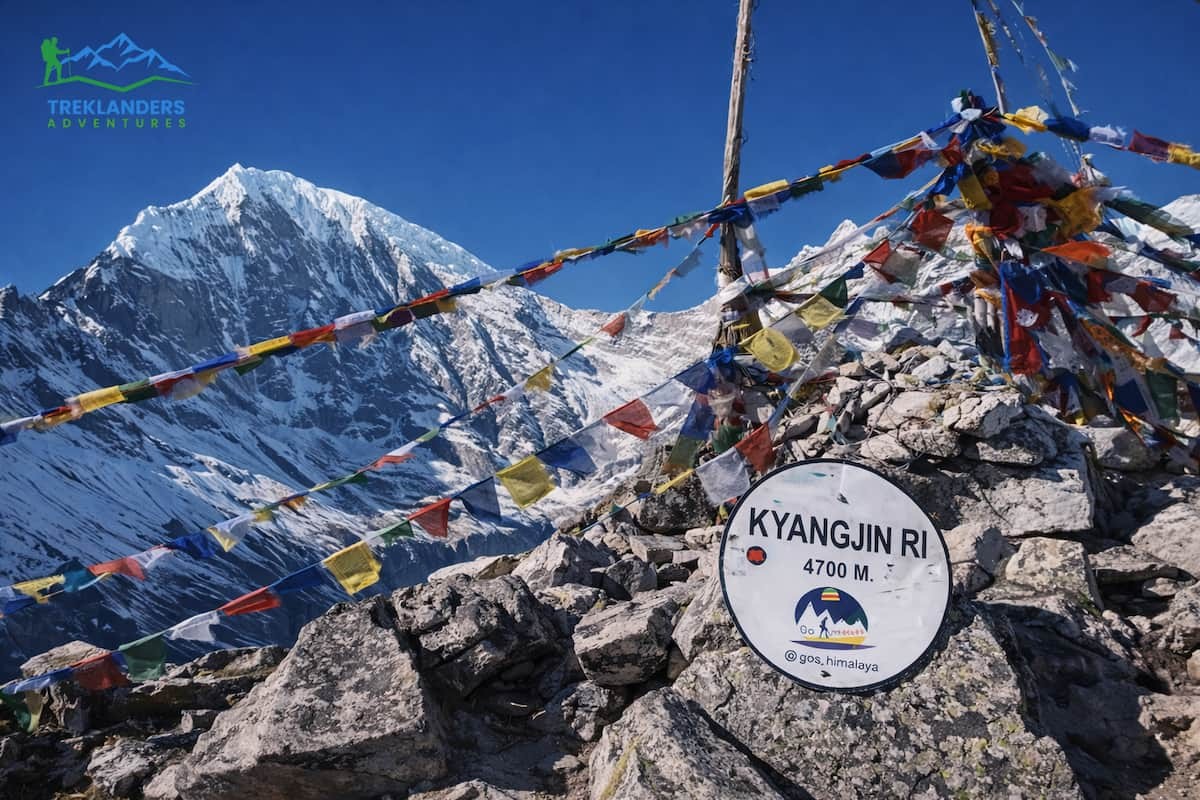
The Langtang Valley Trek could be a great getaway for spring photographers, with its lively landscapes, the colorful flowers, and the crisp views of the Himalayas. The valley becomes a green and flowery passage from March to May, attracting not only the trekkers but also the photographers who want to take memorable pictures. The photos taken during spring are the best ones due to the stable weather, the blooming rhododendrons, and the excellent clarity at high altitudes.
A few of the amazing pictures Syabrubesi is going to provide would be among the first highlights of the trip. It is located in a pine and rhododendron forest with the Trishuli River nearby. This setting allows great landscape photography and cultural images of local traditional houses and market scenes. The early morning light will give you the perfect conditions to shoot the reflections of the river for wide-angle, dramatic photographs.
As the rest of the group goes, they will find Langtang village to be a great place to take pictures. The village is normally surrounded by forests, terraced fields, and snow-capped mountains, so there is a great contrast between the human living and nature in the Himalayas. The red, pink, and white rhododendrons of spring color the village, and are very suitable for close-up nature shots and panoramic images. The light at sunrise and sunset over the valley will give you the golden color of the sun that will accentuate your photos even more.
Kyanjin Gompa cannot be disputed as the most rewarding photography spot of the trek. From this lofty settlement, trekkers can snap views of Langtang Lirung and other peaks around, possibly with some patches of old snow or blooming alpine flora in the foreground. The monastery itself, along with yaks grazing and glaciers far away, offers culturally rich and beautiful photo opportunities. Times around early morning and late afternoon are great for clear skies and getting the best light.
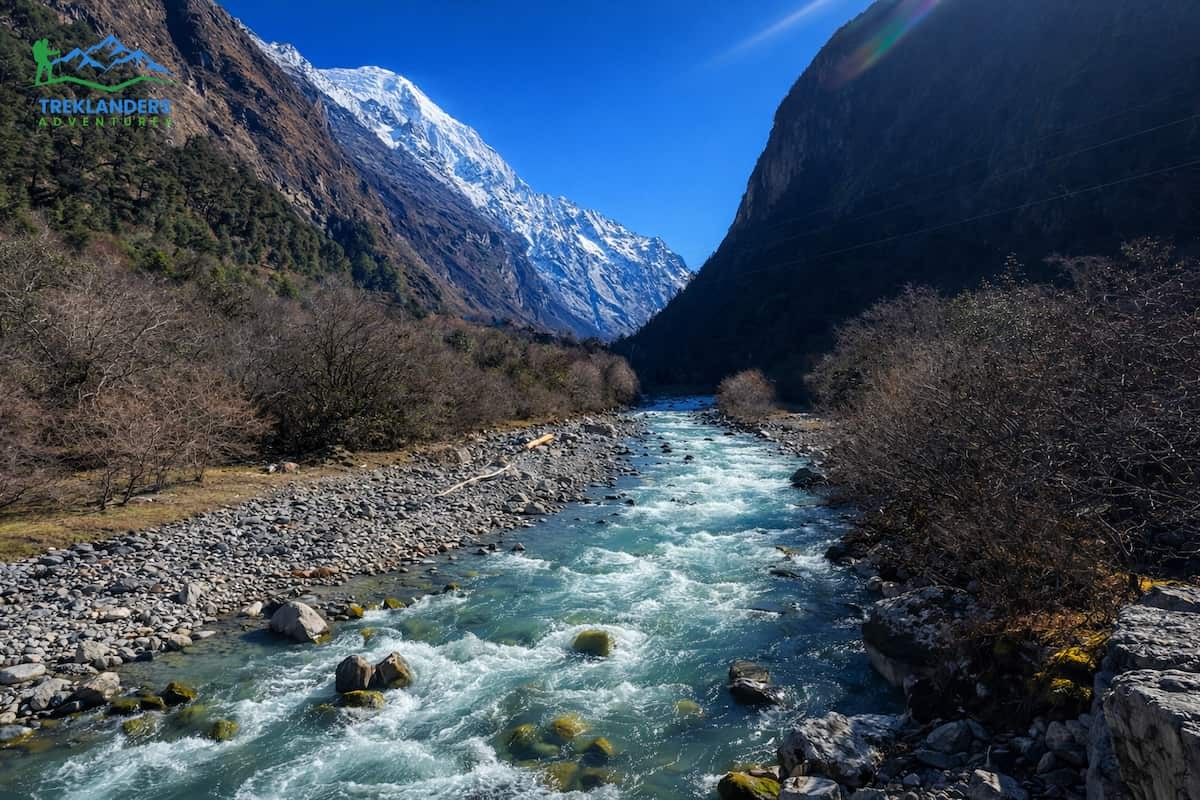
There are also other places worth mentioning, like Gosainkunda Meadows, the forested paths near Lama Hotel, and the riverbank stretches along the Langtang River. Each of these places has its own unique features, colors, and light, so spring trekking is perfect if you want to take different kinds of photos. If you spot some animals, like a Himalayan bird or a langur, that is a great bonus for the wildlife photographer in you.
In sum, spring gives trekkers and photographers a splendid combination of bright rhododendron-covered forests, culturally rich villages, and majestic snow-capped Himalayan landscapes. It is a good idea to time your shoots around sunrise and sunset, bring along a lightweight tripod, and hike both to the high-altitude vantage points and forested paths to get the best photography on the Langtang Valley Trek.
Spring is undoubtedly one of the best seasons for hiking in the Himalayas, especially if you choose Langtang Valley. Still, even in perfect weather, trekkers can unknowingly make mistakes that jeopardize their enjoyment of the trip. Recognizing the potential hazards will help you plan your trip from March to May in such a way that it will be safe, pleasant, and unforgettable.
One of the biggest dangers is to take altitude exposure lightly. It is true that the weather in spring is not harsh, but the Langtang Valley has its highest point at more than 4000 meters, where altitude sickness cannot be ruled out. The problem is that most trekkers don't know how to acclimatize and keep on getting higher too fast, which causes them to suffer from headaches, vomiting, or extreme tiredness. The best thing to do is to keep a comfortable and natural rhythm of walking, schedule days for resting in between, and drink plenty of fluids.
The lack of proper packing for the season is yet another common mistake. Winter clothes, which are heavy and bulky, will hardly be used. Walking will become very tiresome if you have too much stuff, but if you have not got enough spare clothes, you can get quite cold on the early mornings and if rain falls unexpectedly. It's always a good idea to have around you things such as thin thermal garments, a raincoat, something to protect yourself from the sun, as well as shoes that won't let you down.
Many people also ignore the condition of the track and the time when they embark on their hikes. There may still be some snow or very wet parts at the beginning of spring, which means that certain routes can be quite slippery. If you come across a problem, you won't be able to see it very well if the sun goes down, and nature can give you an unpleasant surprise when it changes the weather suddenly. Finishing your daily hikes before 3 pm is a good habit to take since it increases the chance of you staying safe, as well as giving you more time for rest or photography.
Many hikers underestimate the importance of good nutrition and sufficient hydration simply because the temperature is not extreme. Even during a spring hike, your body requires a lot of energy, and not eating enough or dehydrating can make you feel very tired. Therefore, it is advisable to always pack some snacks, drink purified water, and have well-balanced meals at the teahouses. Finally, ignoring the local traditions and not having the required permits may cause unnecessary inconveniences. Local people of Langtang Valley still live a traditional lifestyle, and trekking visitors should follow the local customs and manners.
Besides, proper permits are necessary, and if they are not obtained beforehand, you may get stalled or have to pay a fine. If you avoid these kinds of mistakes, you can have a great time experiencing the natural beauty, the local culture, and the adventure of Langtang Valley in spring without unnecessary stress. Being aware, well prepared, and showing respect towards the environment and locals goes a long way in making a trekking outing in one of Nepal's most beautiful valleys safe and rewarding.
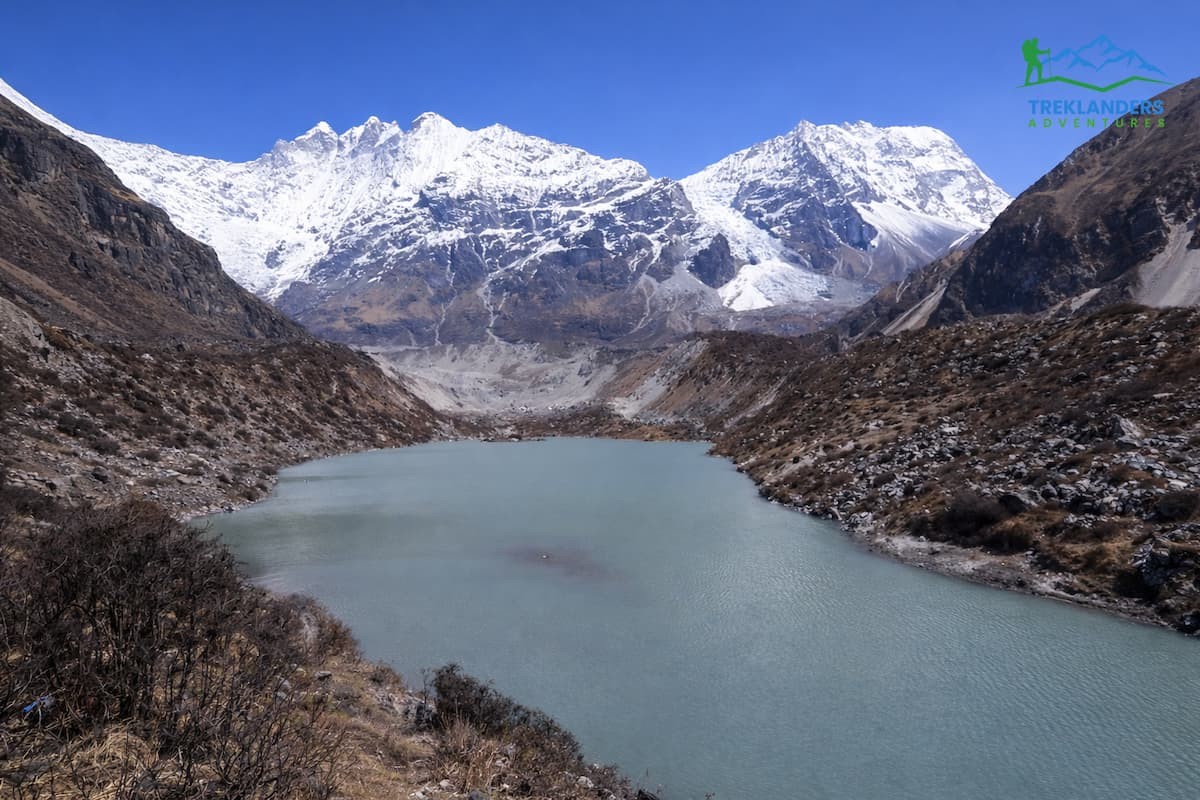
Hiking in the Langtang Valley in the spring time is undoubtedly one of the most beautiful Himalayan experiences, combining colorful rhododendron flowers, good weather, easy trail conditions, and interesting local culture. Between March and May, hikers can enjoy unobstructed mountain views, different kinds of plants and animals, and the tea houses that are completely open, which makes the valley suitable for both beginners and experienced trekkers. Once fully geared, sticking to health and safety rules, and steering clear of examples, one would be able to admire the beauty and silence of the Langtang valley to the fullest. Spring in the valley offers not only an amazingly beautiful trekking experience but also comfort, easy access, and unforgettable memories in the virgin highlands of Nepal.
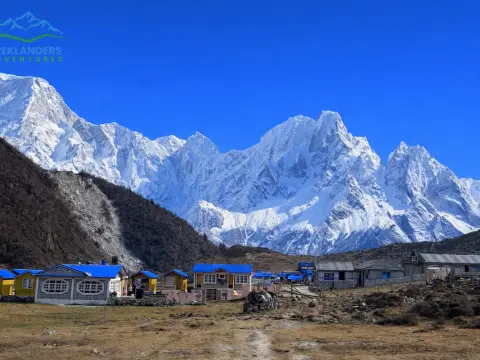
Compare the Langtang Valley Trek and Manaslu Circuit Trek to find which Nepal trek is best for your time, fitness level, and trekking experience.
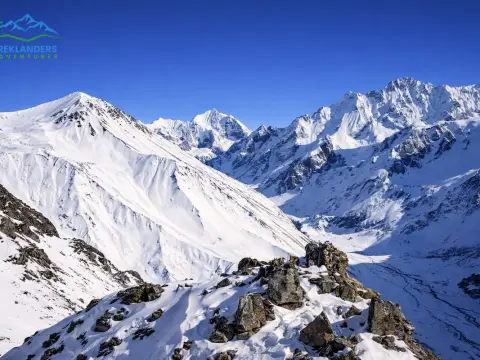
Experience the Langtang Valley Trek in February with quiet trails, winter scenery, plus weather, Itinerary, packing list, and safety tips.
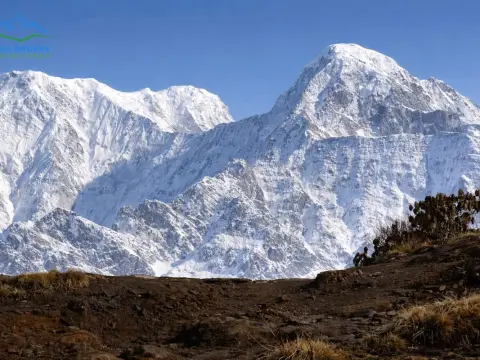
Explore the Mardi Himal Trek in Nepal—a short, scenic Annapurna trail with stunning mountain views, peaceful forests, and authentic village life.



