
Langtang Valley Trekking: Everything You Need to Know Before Your Adventure
16 Feb 2024
A simple, clear snapshot of the Langtang Valley Trek, giving you the essential info to start your Himalayan journey with confidence.

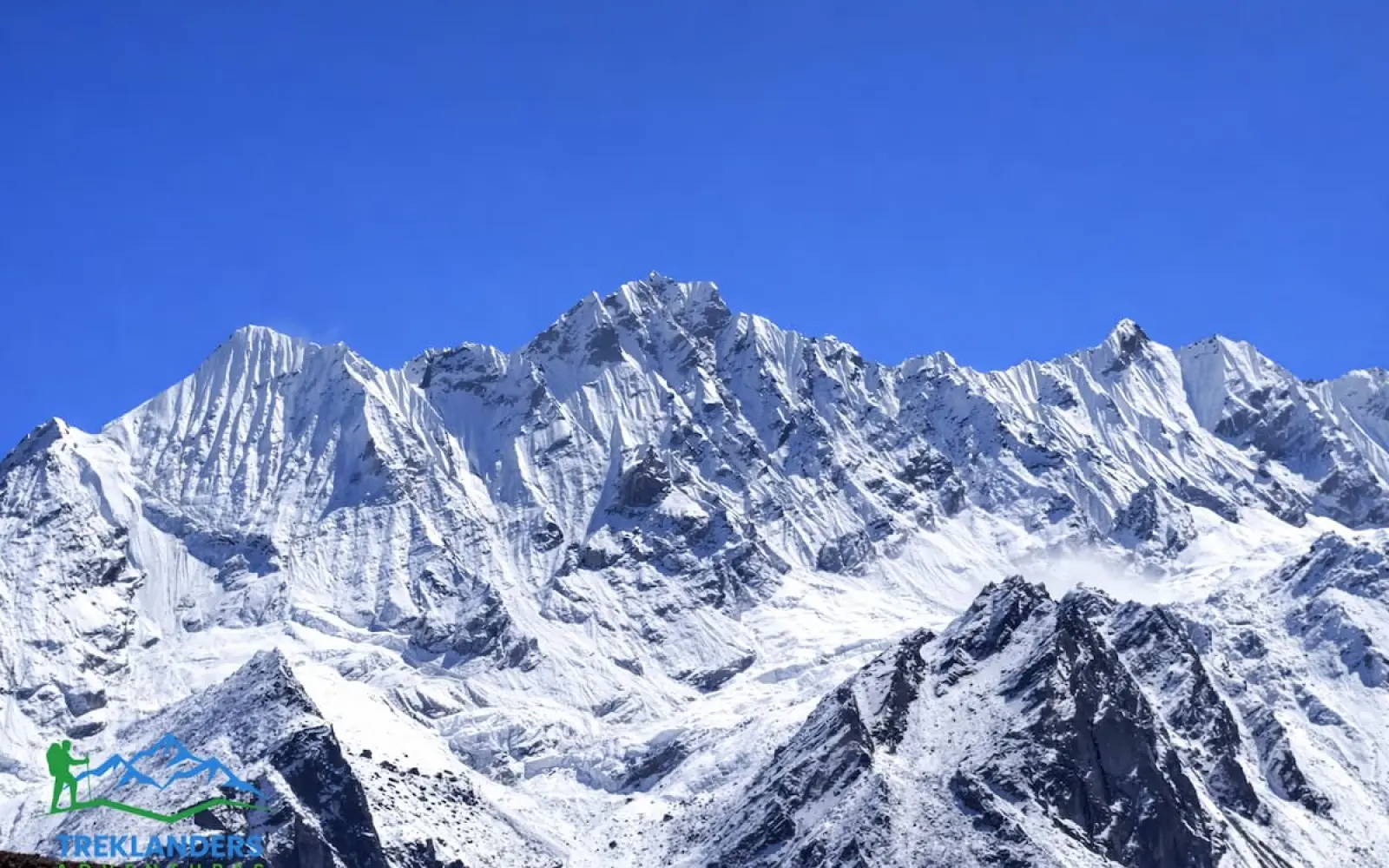
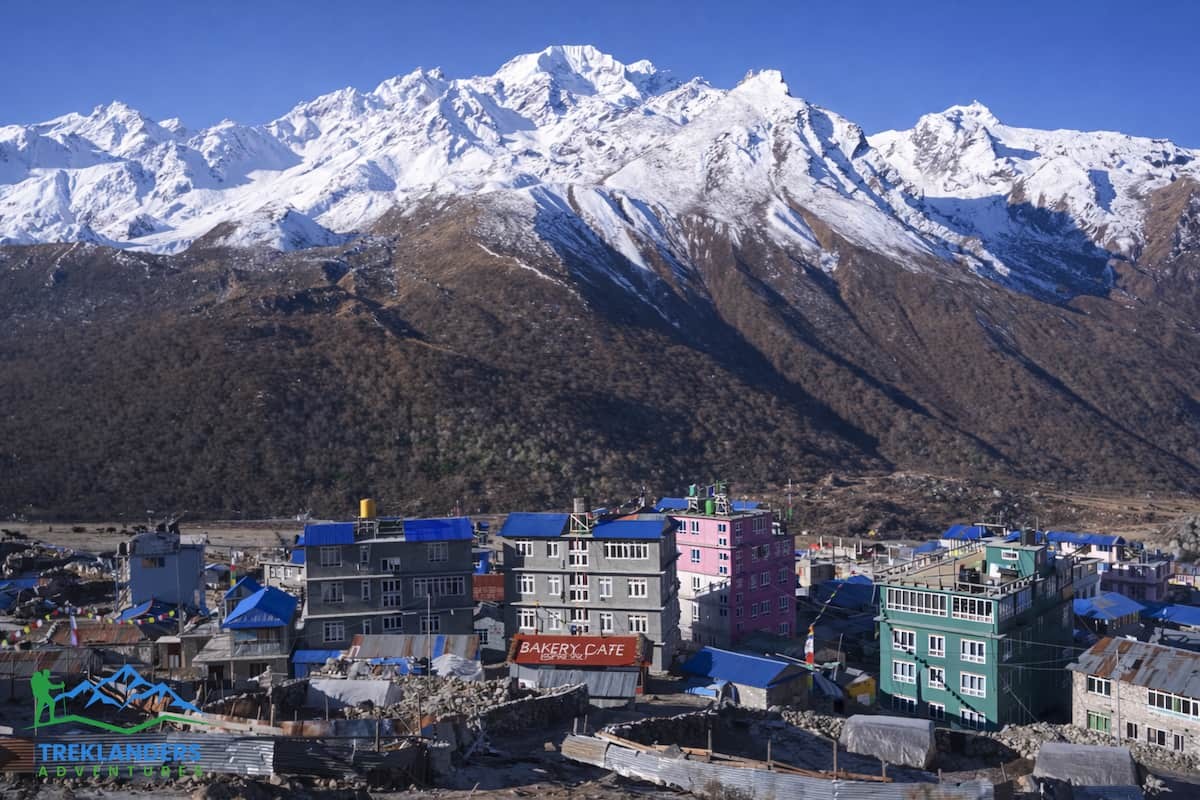
The Langtang Valley is located in the north-central Himalayas of Nepal and lies along the border with Tibet. Because of the rugged alpine terrain that is covered in glaciers, it is sometimes called the "Valley of Glaciers". The area is situated in Langtang National Park, which is characterized by the picturesque snow-covered peaks of Langtang Lirung (7,227 m), Dorje Lakpa (6,966 m), and Gangchempo (6,387 m). The path winds along the Langtang Khola River and is a gradual climb from the pretty green sub-tropical forests to the temperate oak-rhododendron woodlands of the highlands, alpine pastures, and open glacial valleys.
In the valley, you will find the journey going from dense forests to broad yak grasslands and steep moraine slopes. The culture of Tibet plays a significant part in villages of Syabrubesi, Bamboo, Lama Hotel, Ghodatabela, Langtang Village, and Kyanjin Gompa, which have been influenced the most by the cross-border trade and the Himalayan way of life for the last few hundred years. The place is also home to the stunning views these glaciers have while they come down from the Langtang Lirung and the other peaks.
Owing to its altitude variation from about 1,470 m to 4,984 m at Kyanjin Ri, the Langtang Valley is basically a mini-version of the Himalayas in terms of the pure landscapes, rich flora, and fauna of the mountain belt that you can cover with a few days of trekking. The combination of these makes the valley one of the easiest high-mountain trekking routes in Nepal, yet at the same time, very challenging and adventurous.
At the crack of dawn, you will leave Kathmandu in a private vehicle, car, jeep, or bus of your choice, depending on the number of people in your group. The road slowly makes its way uphill along serpentines of mountain passes, leaving the hot and dusty city behind and heading to the cool mid-hills. The drive provides spectacular views over the terraces, small Tamang villages, and valleys covered with green forests.
The journey continues along the busy market of the Trisuli bazaar, which is a confluence point of locals. After that, the road continues upward to Dhunche, the district headquarters of Rasuwa and the gateway to Langtang National Park. The environment here is very alpine-like, and on a clear sunny day, you may even see the distant views of snow-covered peaks.
The way from Dhunche to Syabrubesi is downhill, so you will be able to see the river flowing beside the small town of Syabrubesi, where the trek to Langtang Valley begins. After temporarily residing in a modest but pleasant tea house, you can take a walk through the town, see how the local Tamang people live, and get ready for your trekking expedition.
Accommodation: Tea House
Meals: Lunch & Dinner
The day remains for the first trek, and after a solid breakfast, you step out of the tea house. The trail leaves Syabrubesi with a short walk of a suspension bridge across the Langtang river. From now on, the journey continues steadily up through terraced fields and to the friendly farmhouses dotted with the small villages.
Lunch will be served at Riverside, which is certainly the best spot to have a rest in a clean and quiet wrap up of nature. Surrounded by the sound of water running and tree, it also supports the more shady and cool path to walk through later. You will be passing through dense rhododendron, pine, oak, and bamboo forests, which are well-known habitats for red pandas and monkeys.
The forest after a difficult trail disappears into a clearing where Lama Hotel, a small settlement with several lodges, is located. After hours of difficult trekking, this serene place provides a refreshing natural environment to relax. Make yourself comfortable in your warm room, bring your appetite to the dinner table, and spend quiet time in the peaceful forest atmosphere.
Accommodation: Tea House
Meals: Breakfast, Lunch & Dinner
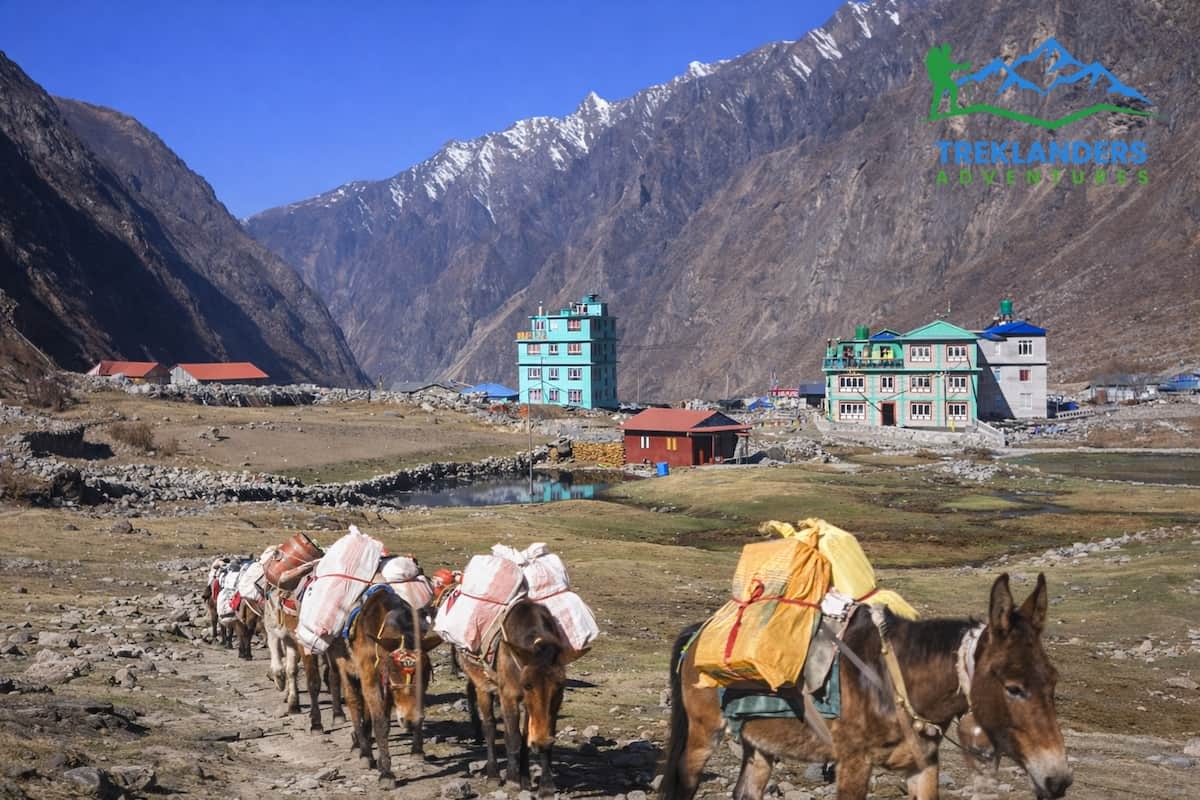
Start the day with the calming sounds of the river and the forest. The path today is a gentle one, going higher through gorgeous forests as the fresh air becomes cooler. Soon you get to Ghode Tabela, which is a scenic open place and an excellent lunch stop surrounded by pine and rhododendron trees.
The trek after eating continues with a steep hike going higher and higher. At last, they leave behind the forest and enter the open lands of the Langtang region. Walking further, you come to Langtang Village, which was destroyed by the great earthquake of 2015 and has now been rebuilt. Presently, new guest houses and houses are standing there like the local people’s Tamang, a symbol of their strength and endurance, which they have risen from the disaster, proudly.
Here, the settlement is at your disposal, so you can wander around it, talk to the villagers, and learn their culture and daily routine. Numerous trekkers decide to continue their journey by taking a little detour to Mundu, which is a neighboring village that provides more lodges and better views.
Accommodation: Tea House
Meals: Breakfast, Lunch & Dinner
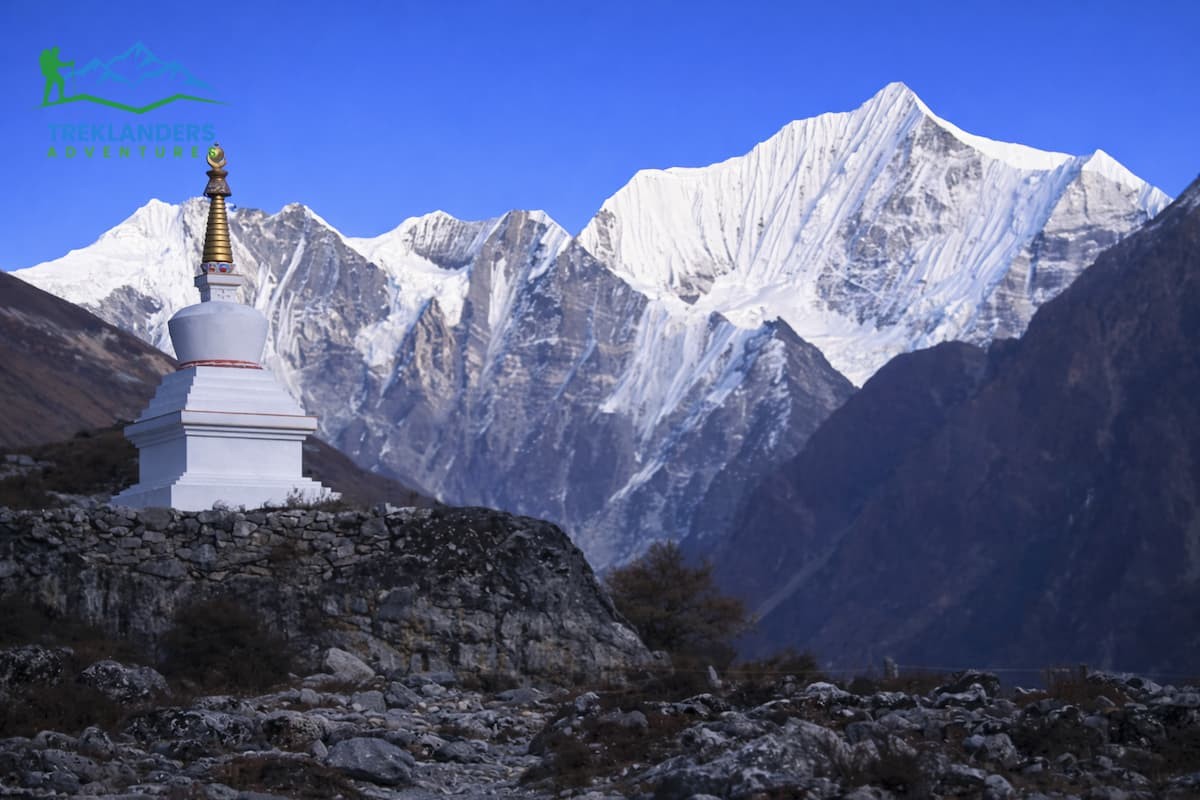
Today’s trek is not very long, but it is very rewarding. Your path goes slowly upward over crags and debris from the landslides that were caused by the earthquake in 2015. Close to the village of Mundu, you will be passing through it before you take the steep climb to a valley that is getting wider and is surrounded by towering white peaks. The closer you get to Kyanjin Gompa, the more stunning the view is.
This is the spiritual and cultural centre of the Langtang Valley, with old monasteries, yaks grazing, and majestic mountains visible from here. After checking in at your guesthouse and having your lunch, you can go for an acclimatization hike voluntarily.
Optional Hikes:
Kyanjin Ri (4,773 m / 15,660 ft) – A moderate 3–4 hour hike, whose effort is rewarded by the breathtaking view of the Langtang Lirung, Yala Peak, Dorje Lakpa, and other Himalayan giants. Tserko RI (5,033 m / 16,512 ft) – A very demanding yet stunning single-day hike that offers probably the most spectacular 360° Himalayan view in the world. Use the rest of the day exploring the village, visiting the monastery, or relaxing with the view of the glaciers and the high mountains.
Accommodation: Tea House
Meals: Breakfast, Lunch & Dinner
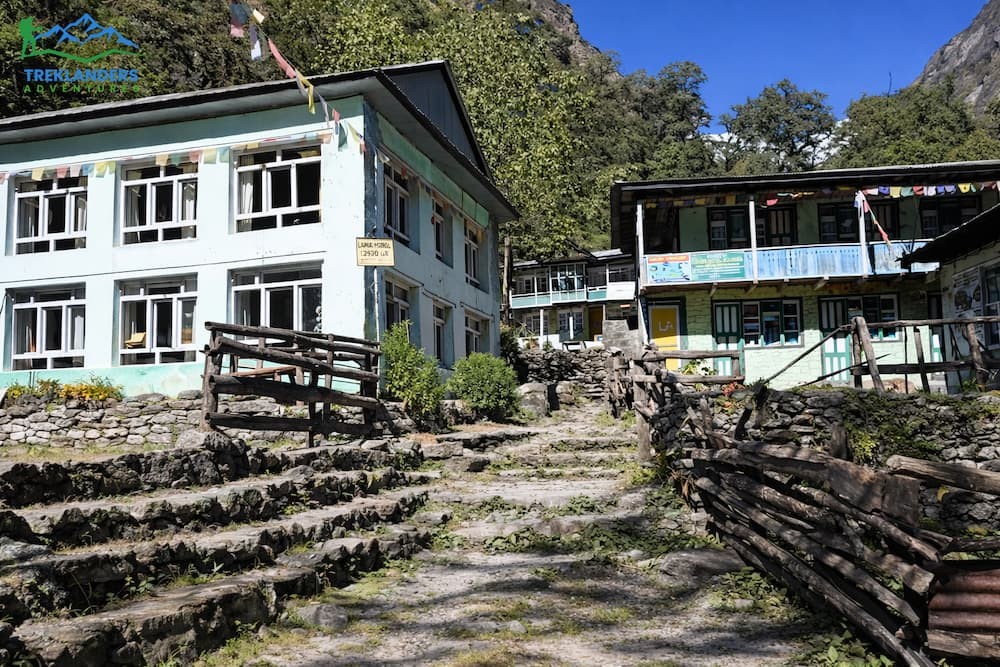
The last morning in the magnificent Langtang Valley, you start your descent to Lama Hotel. The trail takes you back through Mundu and Langtang Village, and then you are once again in the green forest zones. Although it is the same route, going downhill, the trip offers you different views and a slower pace. Once at Lama Hotel, enjoy the calm forest surroundings again and take it easy after your long descent.
Accommodation: Tea House
Meals: Breakfast, Lunch & Dinner
Today is the last trekking day. The trail is a gradual descent through rhododendron and bamboo forests. It crosses the river and passes by Riverside, a settlement that you might recognize. The walk is mainly downhill, making it comfortable and pleasant. After you get to Syabrubesi, check into your lodge and have a nice rest. It's also a good moment to celebrate the successful completion of your Langtang Valley Trek with your guide and support team.
Accommodation: Tea House
Meals: Breakfast, Lunch & Dinner
After breakfast, you got in your car for the way back to Kathmandu. The beautiful drive is along the same path and takes you down to the warmer parts before climbing gradually to the city outskirts. When you are close to Kathmandu, you are leaving the quiet mountain world and going back to the lively urban life. Once there, you will be dropped off at your hotel, thus marking the end of your great journey through the Langtang Valley.
Meals: Breakfast
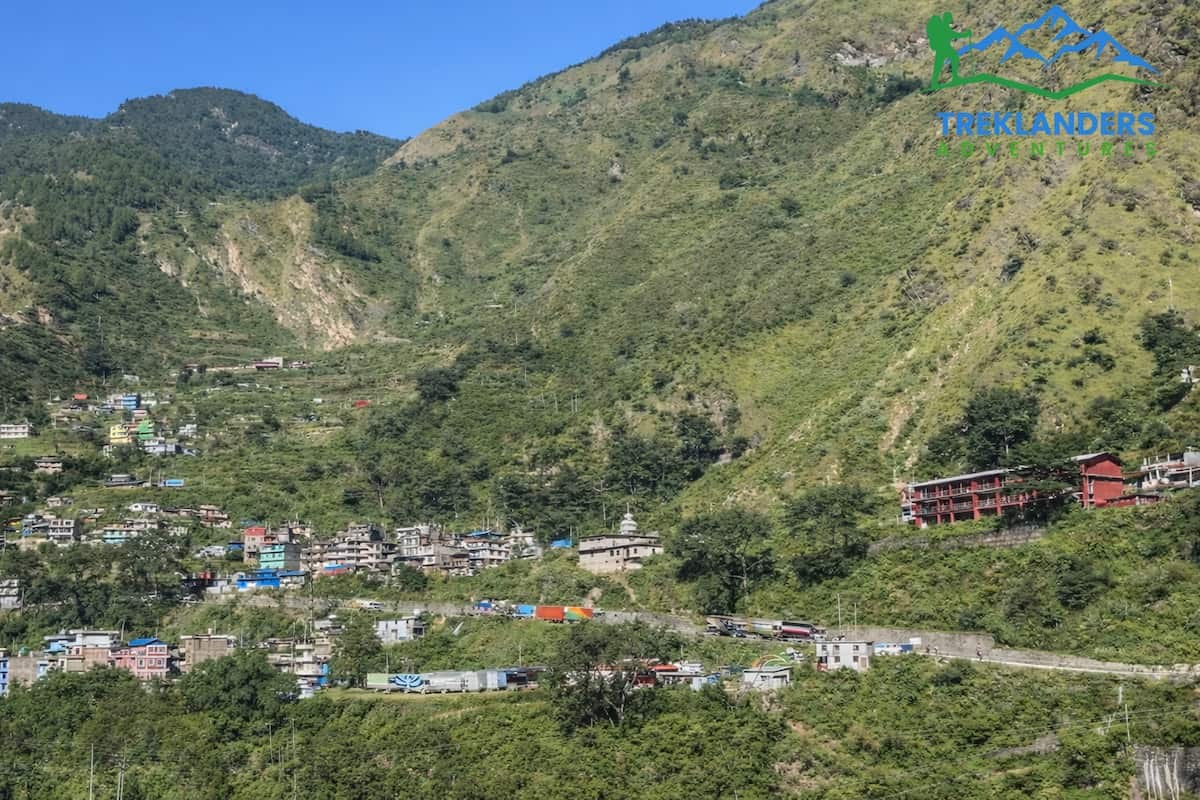
you set out from Kathmandu early in the morning, leaving the hustle and bustle of the city behind you and heading to the quiet countryside. The road goes along the Trisuli River, where you can see terraces for farming, small villages, and beautiful mid-hill landscapes. Trisuli Bazaar is the first big stop. It is a lively town, and travelers usually take a short tea or refreshment break here.
After that, you go further into the hills till you get to Betrawati, and from there you start ascending to Kalikasthan, which is a lovely area with serpentine mountain roads, waterfalls, and forested slopes. After that, the journey becomes more spectacular as you pass through Ramche, where the roads are situated at the edge of the cliff, offering a breathtaking view of the deep river gorges.
Next, you arrive at Dhunche, the district center of Rasuwa, and the first point where you must stop to obtain Langtang National Park entry permits. After the permit check and, if you like, lunch, the road takes a downward turn towards Syabrubesi (1,450 m), which is a charming Tamang village known for its hospitality. You will stay here overnight, a place where there are a number of teahouses for the travelers and an ambiance that is perfect for unwinding before Day 2 of the trek.
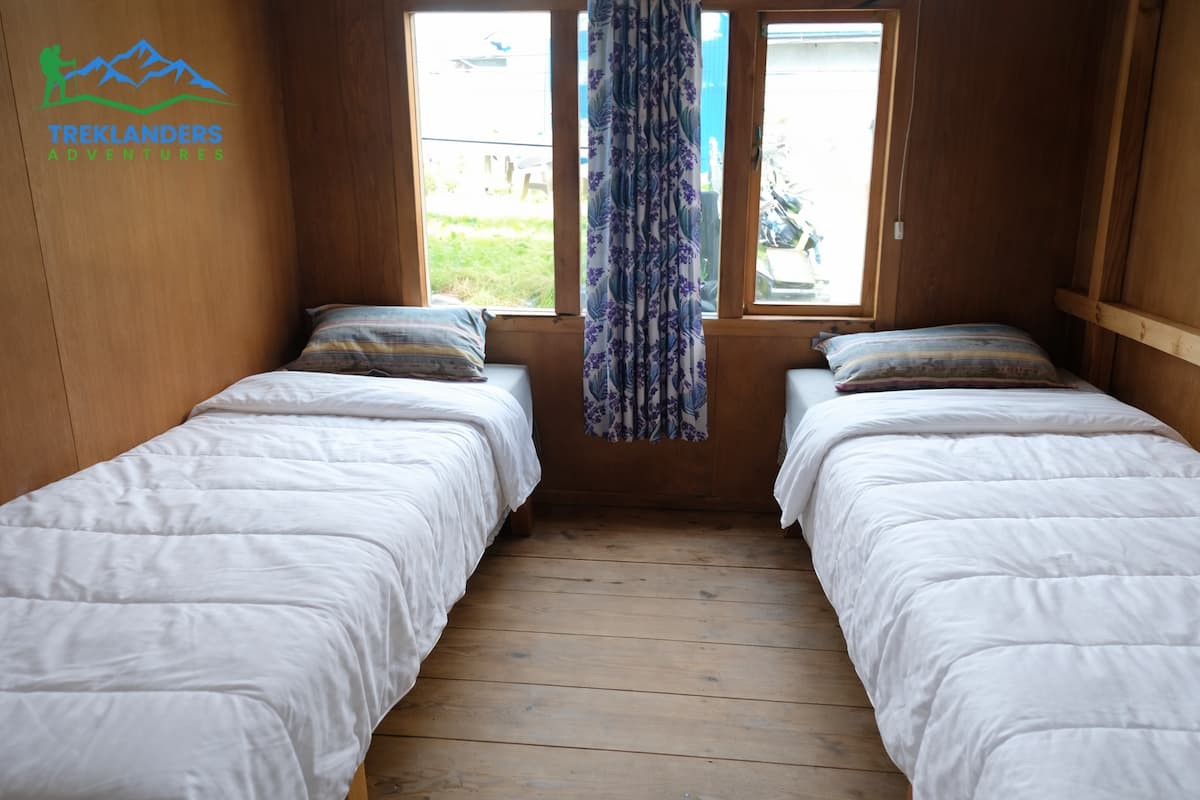
Before you start your trek, Syabrubesi has some of the most comfortable teahouses in the area.
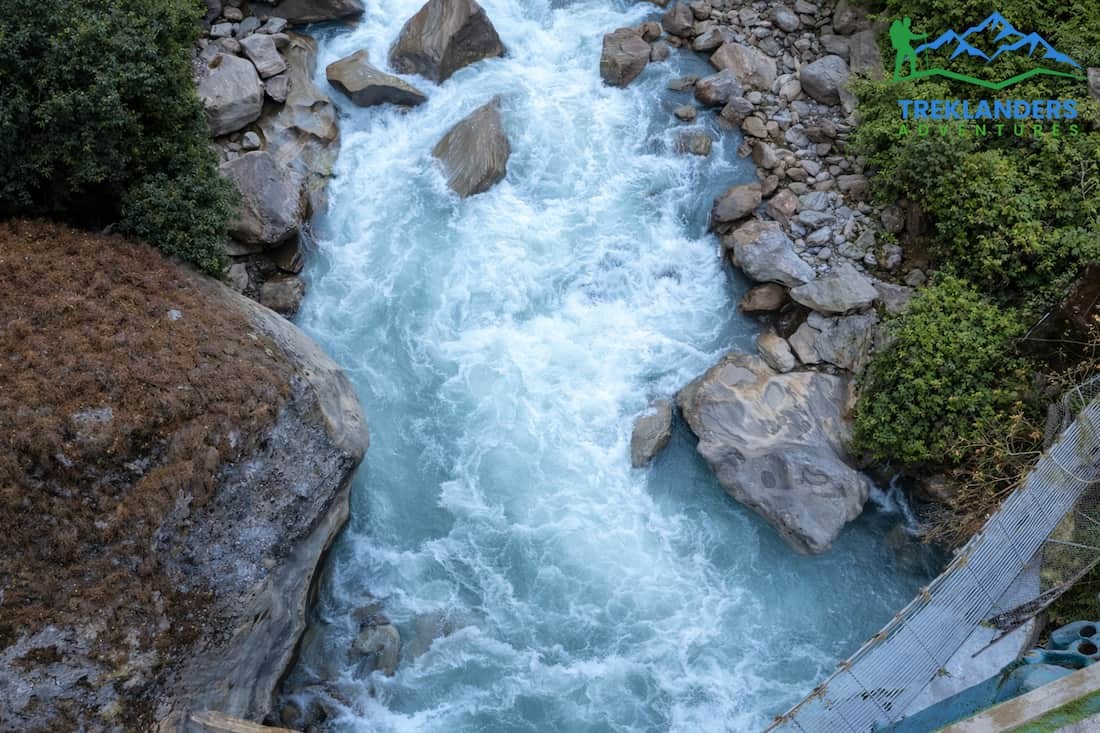
On Day 2, you enjoy a fulfilling breakfast in Syabrubesi before setting off along the Langtang Khola. Initially, the trail is easy as you cross a suspension bridge and walk into a lovely forest of bamboo, rhododendron, and oak. The trek goes along the river in a cool, shaded valley, which is quite apart from the sound of the water and the occasional sighting of wild animals.
Further, the gorge becomes narrower the path is also a mix of gradual climbs and flats with several small teahouses from which you can take a rest. In this part of the trail, which is really picturesque, you have waterfalls, rocky cliffs, and dense vegetation.
The second half of the day gets a little bit steeper as you go higher through the thick forest toward Lama Hotel. After a long stretch going uphill, the trail leads you to a peaceful clearing where the village is located. Here, you lodge in a comfortable tea house, take pleasure in a hot meal, and unwind in the serene forest surroundings at the end of a fulfilling second day.
The bamboo forests lying between Syabrubesi and Lama Hotel are very well known as a habitat of the red panda, an endangered species. Although seeing them is rare, this stretch is one of the top locations in Nepal to spot them.
The local Tamang people have been using this same footpath for a hundred years to carry salt, wool, and yak products across the border for trade.
Langtang National Park is a paradise for bird lovers. Along the trail, you might hear or see Himalayan pheasants, cuckoos, laughing thrushes, and partridges.
While trekking, you are following the melting water from glaciers of Langtang Lirung, which later goes to the Trisuli River.
Due to heavy forest cover, the temperature here is quite low even in the summer season—a great place for a refreshing rest.
The name could mislead the trekkers. “Lama Hotel” is just a tiny tea house settlement and not a single hotel building.
The forest area that was heavily affected by the 2015 earthquake in this passage of the trail has made a spectacular recovery in just a couple of years.
You might hear the river much louder than it actually is as the steep gorge walls form a natural echo chamber.
A quiet, relaxing forest-side stop where trekkers sit around the heater, share stories, and enjoy a warm meal before resting for the next day’s journey.
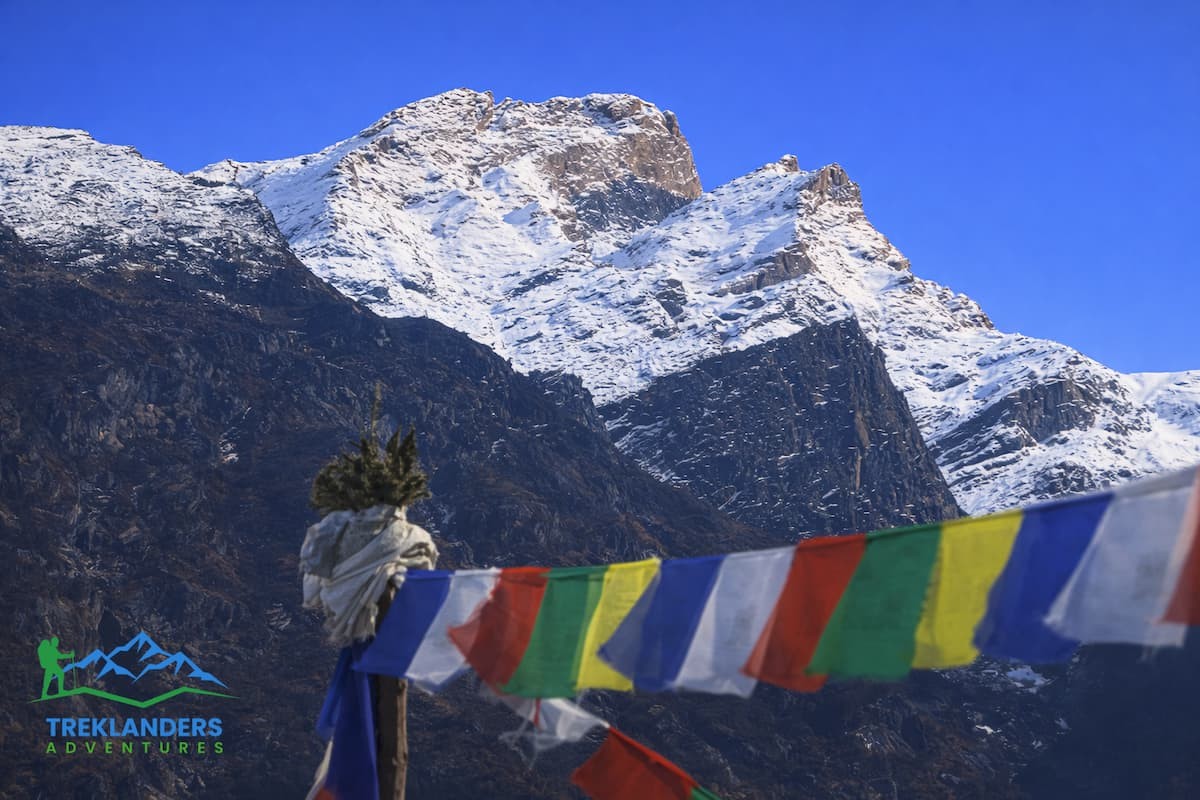
Day 3 begins with the calm sounds of the Langtang River, which is flowing beside Lama Hotel, and the morning light that is soft and is coming through the thick forest. When you go out, the cool mountain air and birdsong are the things that greet you to another day of adventure. The lane that was going to be taken is slowly moving out of the shaded jungle and is opening toward a bigger, brighter Himalayan valley. With each step, the sights are becoming bigger, the mountains are getting nearer, and the feeling of going into the real core of Langtang is getting stronger.
On your way up from the Lama Hotel, you can see the deep green forest gradually loosening its grip. The towering bamboos and rhododendron trees are replaced by wider, more open areas, and thus, the very first spectacular views of snow-covered mountains are unveiled. The valley is getting wider, the sun is getting brighter, and the air is getting fresher and colder. The slow change of the forest to the alpine region is truly the most gorgeous visual experience of the Langtang trek journey. It is like moving out of a secret jungle into a gigantic Himalayan amphitheater.
Getting to Ghodatabela is almost like stumbling upon a viewpoint in the middle of nature. Out of the forest, a lovely green meadow can be seen encircled with high cliffs and white summits. There is a Nepal Army checkpost in this area as well, where trekking permits are registered, thus giving the trekkers a moment to rest and enjoy the view.
Ghodatabela is a proper place to have a tea or snack and to stare at the first close-up view of Langtang Lirung (7,227 m). The open fields, the animals that are grazing, and the fresh mountain air compose a quiet environment, and thus it is listed as one of the most memorable places of the day.
As the trail continues beyond Ghodatabela, you enter an area deeply connected to the history and heart of Langtang. In 2015, a massive earthquake triggered a huge landslide that completely buried the old Langtang Village. Many lives were lost, including families who had welcomed trekkers for generations. The mountains you see today still carry traces of that tragedy, smooth rock faces, new river channels, and vast open spaces where homes once stood.
But this part of the journey is also a powerful reminder of resilience and hope. The local Tamang community rebuilt their village with strength and unity, creating New Langtang Village slightly ahead of the old site. Today, the lodges stand proudly with prayer flags flying once more. Trekkers often pause here to pay respect, reflect on the past, and admire the determination of the people who rebuilt their lives in the shadow of the Himalayas.
When you get closer to Langtang Village, the valley spreads out, and the view becomes really amazing. The new reconstruction of the village can be seen as it lies at the foot of the steep wall of Langtang Lirung, giving one of the most stunning views of the whole trek. Stone buildings, bright prayer flags, turning prayer wheels, and the jingling of yak bells make a warm and typical Himalayan scene.
The teahouses are up-to-date, pleasant, and have been rebuilt with more durable structures after the earthquake of 2015. Most of them have nice dining rooms, bright balconies, and owners who are always ready to narrate to you the village’s history and revival. In addition, Langtang Village is equipped with small local shops, yak herds foraging, and some fields where the villagers plant potatoes and barley.
It is a moment to recall Himalayan postcards when you stop here, with blue sky, mountains covered with snow above, and a friendly community below. It is an energizing and inspiring stopover on your way to Kyanjin.
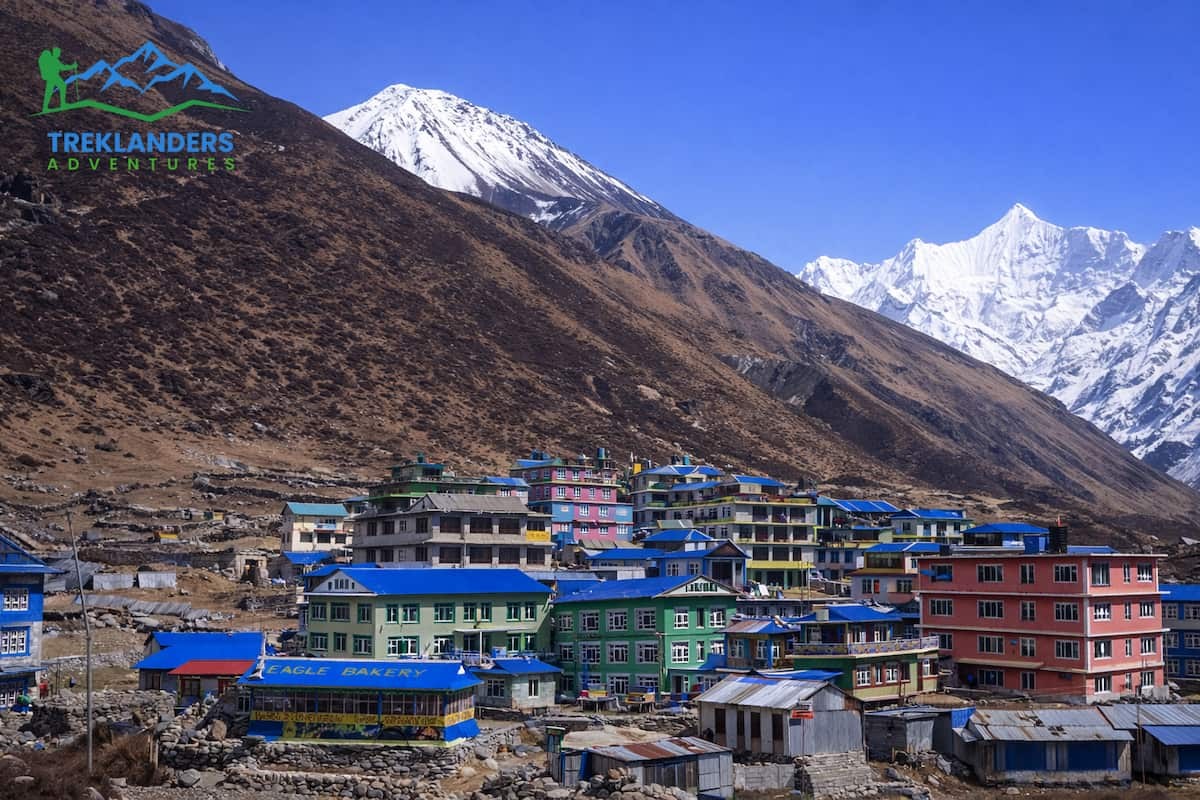
Day 4 starts with a stunning Himalayan morning in either Langtang Village or Mundu. With the sun ascending, its golden rays reach out into the vast valley and light up the snow-covered face of Langtang Lirung, thus making it one of the most memorable views of the trek. The atmosphere is pure and invigorating, colorful prayer flags waving lightly in the chilly wind, and the silence is only disturbed by the sound of yak bells resounding in the open fields. Today's trek is less tiring but still packed with wonderful views as you go further into the high valley and get nearer to the spiritual center of Langtang Kyanjin Gompa.
The walk from Langtang Village or Mundu to Kyanjin Gompa is definitely a highlight of the whole trek. The way goes up slowly through big open meadows that are also yak grazing grounds and along fresh water streams, thus you get a consistent view of the Himalayas. Prayer wheels, stone Mani walls, and little chortens are scattered along the way, giving a powerful spiritual note to the surroundings. Walking further into the valley, the mountains seem to be getting closer, the sky looks bigger, and the feeling of a real Himalayan sanctuary is getting stronger. Step after step, your high-altitude goal, Kyanjin Gompa, is getting nearer, and it is covered with beautiful snowcapped peaks.
Getting to Kyanjin Gompa (3,870 m) is like discovering a secret world in the Himalayas. The village is located in a large, flat basin that is surrounded by towering snow-capped peaks such as Langtang Lirung, Dorje Lakpa, and Yala Peak. Bright prayer flags fly from the rooftops, and the old monastery gives off a serene, spiritual vibe.
The lodges here are cozy and inviting, and trekkers can relax with a cup of hot tea on sunlit terraces while taking in the glaciers and hanging icefalls towering above. Kyanjin Gompa is truly one of the most memorable places to visit in the Langtang area, quiet, beautiful, and rich with the charm of mountain life at a great altitude.
A shorter hike (2–4 hours round trip) that rewards you with stunning panoramic views of Langtang Lirung, glaciers, and the wide valley stretching below. Perfect for trekkers who wants a beautiful but manageable climb.
A tougher, full-day hike for adventure lovers. The trail climbs steadily to a high ridge that offers one of the best 360° mountain panoramas in Nepal. From the top, the world feels silent, vast, and unbelievably beautiful. If the weather is clear, this hike becomes the highlight of the entire Langtang Valley Trek.
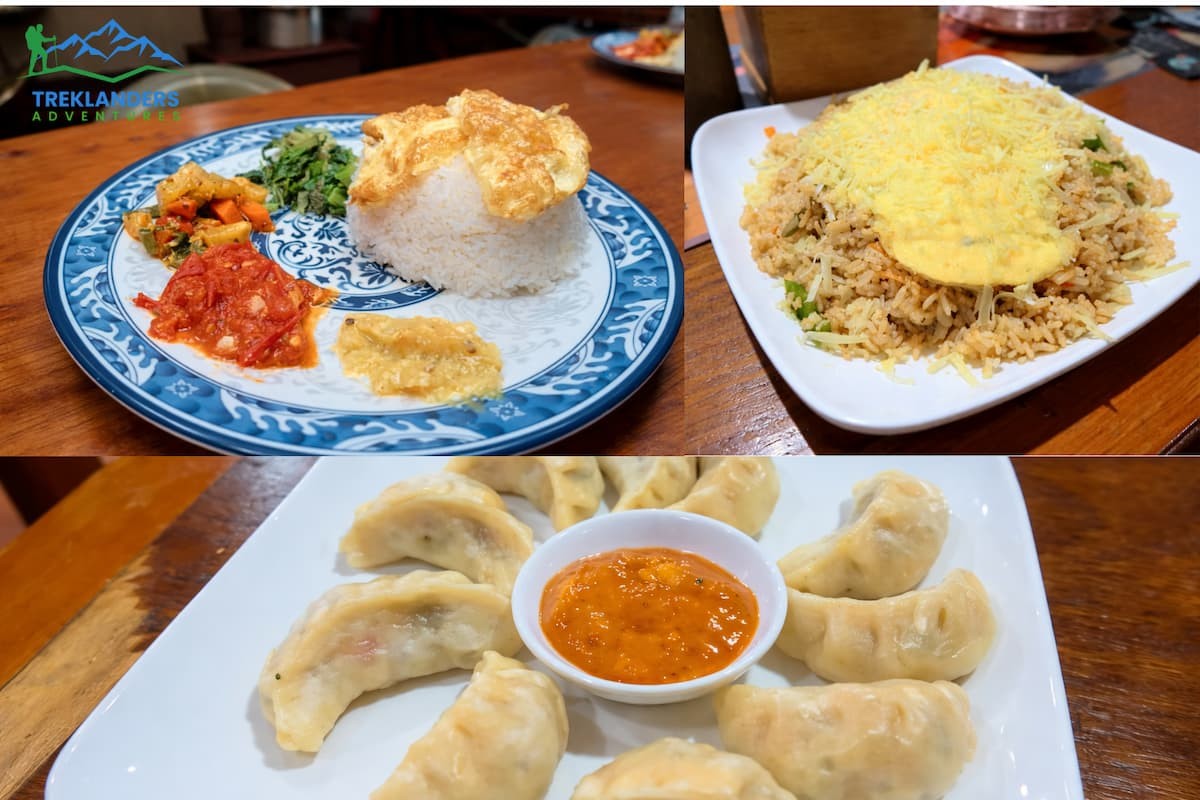
It is quite surprising that even though Kyanjin Gompa is located at almost 4,000 meters, it still provides pretty good comfort and warm hospitality. The lodges here are equipped with comfortable dining halls, big windows for the views of the mountains, and the staff who, full of friendliness, serve you energizing, hearty meals. You can have:
The evenings are calm and restful, trekkers coming together around the heater, exchanging their experiences, and making preparations for the next day’s outing.
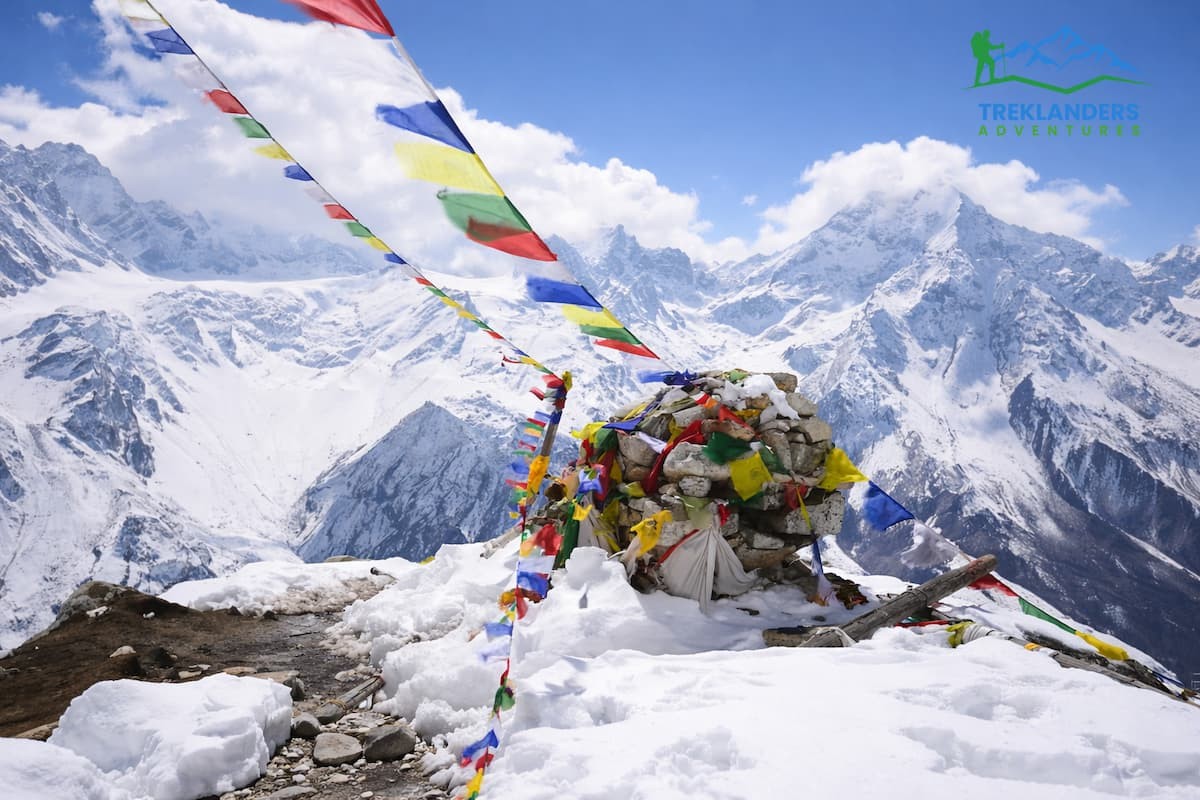
After a hearty breakfast, you take one last look at the stunning peaks that surround Kyanjin Gompa. Then you start your descent in the very valley that you had climbed the day before, so you get a totally different view of Langtang nature.
The way back is not as difficult and takes less time; however, it is still stunning in every way to have such a magnificent view of the giants that tower over you, the peaceful pastures where yaks graze, and the river alongside the trail, making a soothing noise.
As you head back through Mundu and Langtang Village, you see once more the rebuilt villages that have become the epitome of power and defiance after the 2015 earthquake. The open valley slowly becomes narrower and changes into dense pine and rhododendron forests, which provide cool shade and rich green colors. Little teahouses along the way are the best places to rest, have tea, and soak up the calm atmosphere.
The last part of your journey takes you through bamboo forests and along the Langtang River before you get to Lama Hotel, which is quietly located in the forest. The warm and familiar lodges and the cozy dining rooms make this a great place to relax after a long downhill journey. The terrain is easier today; however, the distance is longer, and that is why Lama Hotel is a nice and comfortable place for you to spend the night.
The descent offers wide-open views of the entire Langtang Valley, with the mountains gradually shifting behind you, giving a new and beautiful perspective of the landscape. As you go down the slope, you will be able to see the whole Langtang Valley, which is quite a spectacular view, and the peaks will be slowly shifting behind you, hence providing an entirely new and stunning view of the panorama.
Revisiting the villages of Langtang and Mundu on foot, the trekkers can see, feel, and recognize the determination and friendliness of the local Tamang community that has miraculously come through the disaster.
Day 5 of the trek offers a very clear view of the valley with yaks grazing in the fields, long mani walls, and the snow-covered peaks, and hence it is one of the best days for taking photographs.
After the open valley, the trail enters cool pine, oak, and rhododendron forests—ideal for a relaxing, shaded walk. The path goes through pine, oak, and rhododendron forests, which are quite cool and refreshing after the open valley and perfect for a walk in the shade and relaxation.
Teahouses along the Langtang Khola offer cozy places to rest, enjoy tea, and take in the soothing sound of the rushing river. Small tea shops or houses serving tea along the Langtang Khola provide comfortable places to relax, take tea, and enjoy the peaceful sound of the flowing river.
Return to Lama Hotel is like coming home and is quiet and serene with good food, warm and comfortable rooms, and a quiet forest atmosphere perfect for rest.
After a long but scenic descent from Kyanjin Gompa, Lama Hotel offers a warm, peaceful, and comfortable place to rest for the night. The settlement is surrounded by dense forest and sits close to the Langtang River, creating a calm and refreshing environment for trekkers.
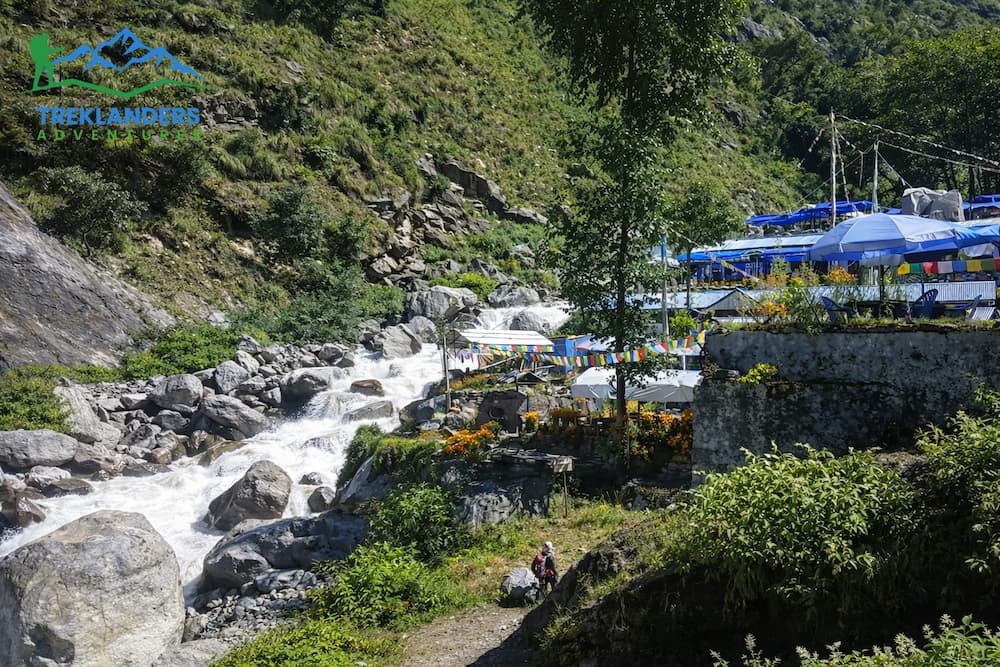
The sixth day started with a refreshing morning inside the silent forest at Lama Hotel. After breakfast, you went down the beautiful trail which you had climbed earlier. Today, the walk seems to be more than half done as you go fast through the shaded rhododendron and bamboo forests with the help of gravity. The sound of the Langtang River is here to stay as it flows strongly beside the trail.
Upon passing Rimche and Thomna, the valley unfolds gradually, becoming wider, and the temperature gets warmer. The trail goes downhill through dense forest where you may spot monkeys and birds of different kinds. On the route, there are small teahouses like Riverside and Bamboo, which serve perfect tea or snack breaks and allow you to take in the tranquil nature one last time.
Lower down, the forest changes into terraced fields and small settlements. At last, you cross the suspension bridge near Syabrubesi and head back to the riverside village where your trek first began. The warm weather, happy mood, and nice lodges make Syabrubesi a good place to end the journey after days in the higher mountains.
This last day of trekking is calm and pleasant, giving you a great chance to look back at your journey through Langtang Valley.
The path that leads from Lama Hotel down to Syabrubesi is less and less deserted. On your way, you might see nice Tamang villagers who are going to the local markets, carrying baskets filled with vegetables, or leading yak and mule caravans through the narrow forest paths. Their warm “Namaste” and real smiles are like a very comforting human touch to the trip.
Female weavers can frequently be found making baskets, sun-drying grains, or taking care of small farms near the lower trails, while children play beside the river or are ecstatic to see trekkers. While passing through teahouses, you might get into conversation with lodge owners who can’t stop talking about their everyday life in the mountains. These little cultural moments are what make Day 6 different, which is a great reminder for the trekkers that Langtang is not only about the mountains but also the people who are strong and friendly and live in this valley
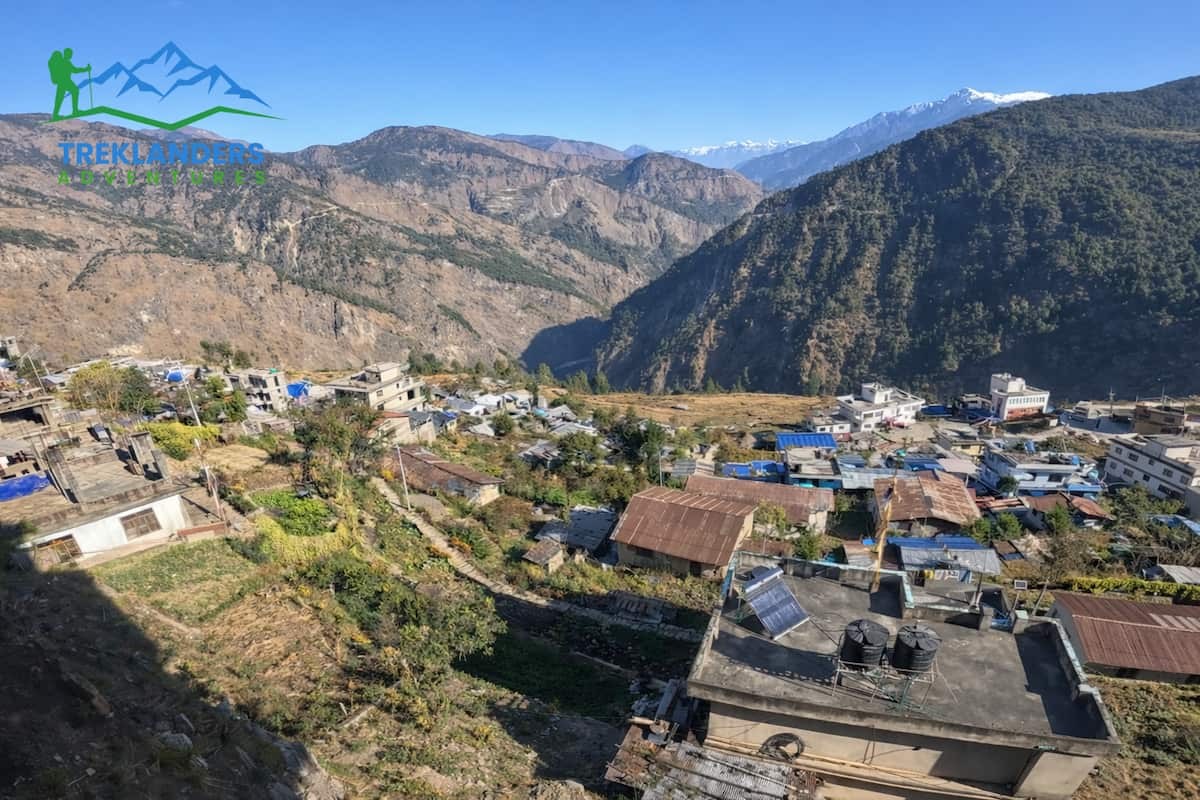
Day 7 opens up to the lovely mountain morning in Syabrubesi, which happens to be the same village where your trek had started. When you come out of your lodge, you cannot help but be greeted by the sound of the river, the fresh air, and the quiet charm of the valley—the very days you had walked deep into the Himalayas come to your mind. In fact, there is this special feeling in the air, a fusion of accomplishment and gratitude.
Before you get away, you may have one last cup of tea with your guide or porter, exchanging smiles with local lodge owners, or just taking one more look at the hills that have been your companions. These tiny moments make the goodbye heartfelt. Although the trek is coming to an end, memories of tranquil forests, yak pastures, lovely villagers, and snow-capped peaks are still with you. With the bags ready and heart filled, you set out on the journey back to Kathmandu, walking with the spirit of Langtang.
After leaving Syabrubesi, the road slowly goes upward through some small Tamang villages, giving you a last view of the life of the high hills. The trip is packed with beautiful scenery, green forests, deep river gorges, and terraced fields that are carved nicely into the mountainsides. The Langtang Khola is flowing next to the road for a long distance, and its crystal clear water is shining in the sun.
Next to the pine forest area, the scenery changes to warm mid-hills where there are the orange trees, farm houses, and animals for grazing. Passing through Dhunche, you see the mountains for the last time before going down to the Trisuli River valley. The winding road shows peaceful scenes of rural Nepal to the travelers—children going to school, farmers working in their fields, and small roadside markets full of local life.
The river becomes wider as the journey goes on, the air gets warmer, and the hills slowly turn into the familiar surroundings of Kathmandu Valley. This beautiful drive is a nice way to go from the quiet mountains to the lively city.
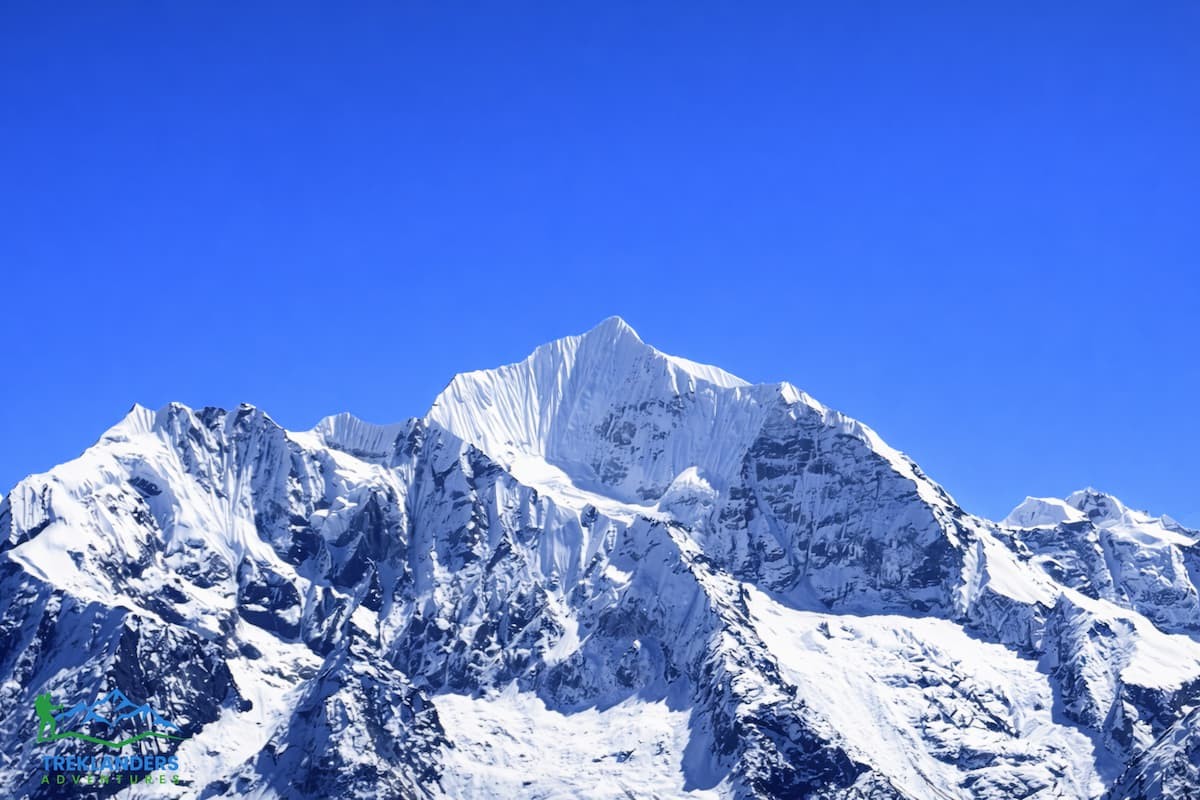
The Langtang Valley is a feast for the eyes from the very first step of the trek to the last, with nature ranging from thick forest, needle leaf tree-covered meadows, cool, clear rivers, cliffs with a trail, and towering mountains. Hiking travelers can delight in the endless variety of natural attractions that appear for them with a gradual journey through sub-tropical forests and then to high alpine valleys.
The dominant landmark that could not be missed, even with its might, Langtang Lirung, stretched from one end of the valley to the other. It was, in fact, the trekkers' view that was spectacular all along the path, given the tremendous ice walls, glaciers, and the abrupt dropping of the slopes.
A peaceful and broad valley surrounded by snow-covered peaks was the location of this high-altitude Buddhist monastery. Apart from this, the monastery is a cultural jewel as well as a portal to the most popular lookouts, such as Kyanjin RI and Tserko Ri.
There were some of the most excellent 360° Himalayan landscape views in Nepal that could be seen from these mountains.
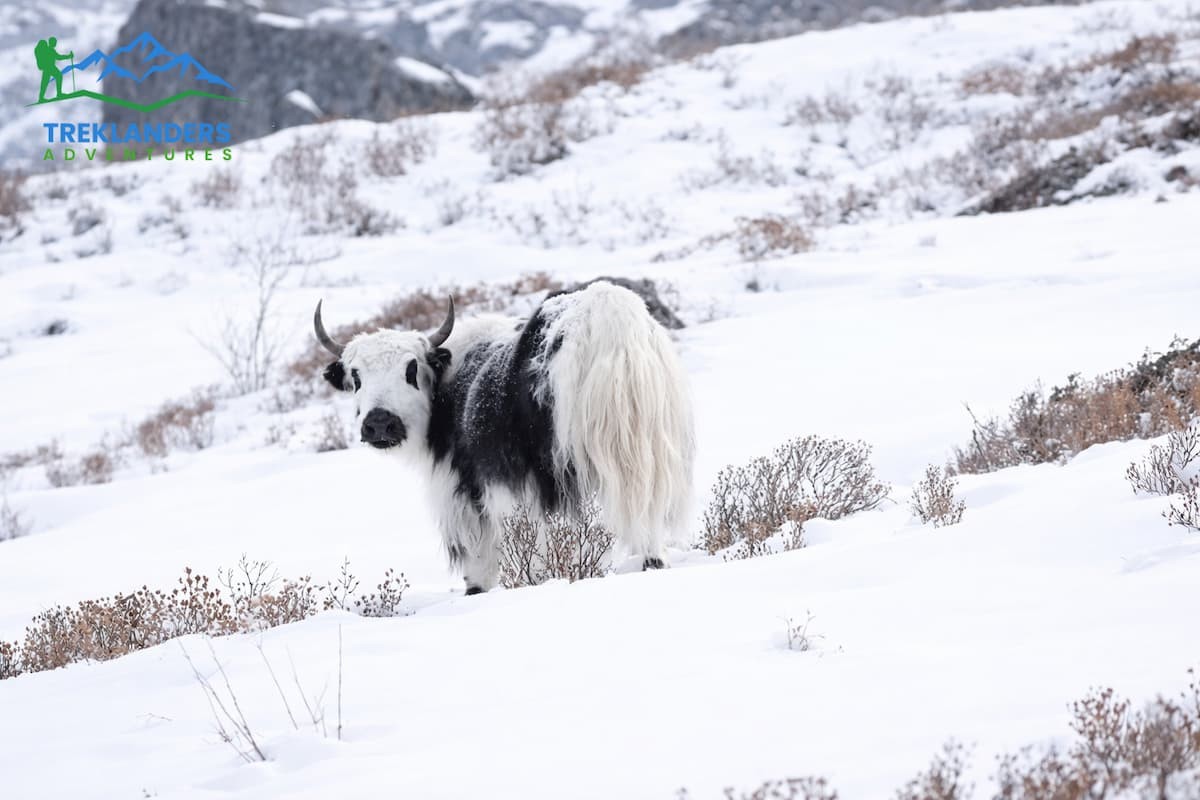
Green fields full of yaks getting their food were the things that gave the Langtang trek the typical Himalayan look.
it is one of the oldest yak cheese factories in Nepal, which is situated in the Kyanjin Gompa area.
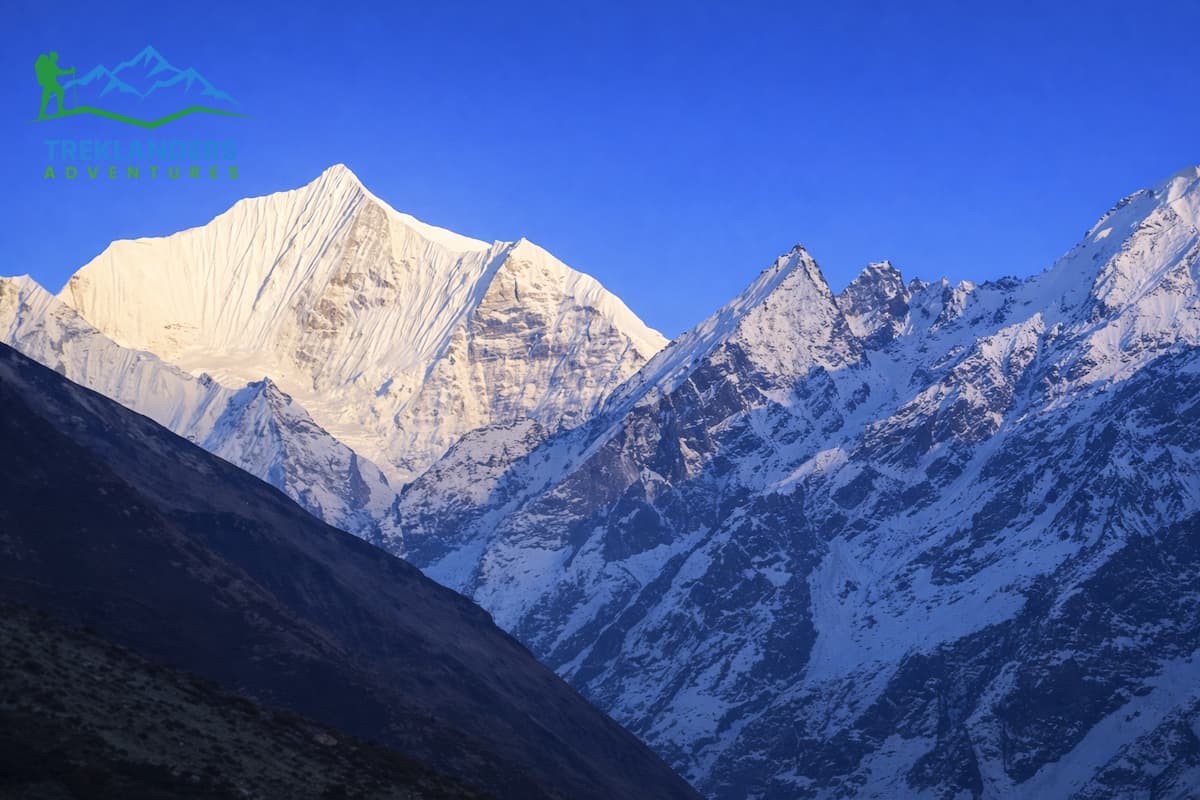
Langtang Valley Trek is accessible and enjoyable most of the time, but the most fruitful days are in the spring and fall when the weather is stable, and the Himalayas can be seen clearly. The spring season that starts in March and lasts till May makes the valley look like a floral paradise. Rhododendron trees grow in deep red and pink colors, the temperature is very nice and fresh even in the morning, and there is no cloud to cover the view of Langtang Lirung and the neighboring snow-covered peaks. It is a period of animal sightings since the woods after hibernation come alive in the spring season.
Autumn, i.e., the months from September to November, is regarded as the best time of the year to trek in Langtang. During the monsoon season, the rains remove the dust and the smog from the air, giving the mountain area fresh and pure air with visibility reaching far. The days are bright, the earth is covered with a golden color, and the weather stays dry and comfortable for walking. This season is the best time for photography and for feeling the lively atmosphere of Nepal festivals, which are the major cultural events happening all over the country at this time.
Winter is rather for quiet walks and offers beautiful snow-covered views, but at a very high altitude, it will still be very cold, and the monsoon brings heavy rain and cloud cover. If one is looking for the best blend of weather, view, and comfort, then the answer would be spring and autumn.
The Langtang Valley Trek is just one of those rare trips that really stay with you for a long time after your return home. It combines almost perfectly the natural beauty, cultural richness, and emotional depth that only a handful of treks can even come close to. As you go through silent forests, rivers fed by glaciers, and vast alpine valleys, you almost become one with nature. The gigantic Langtang Lirung, the multi-colored prayer flags, and the heartfelt smiles of the Tamang people are the things that make the mood serene as well as uplifting.
Langtang Village is the rebuilt Langtang Village, a community that rose again after the 2015 earthquake, and visiting it gives you an opportunity to see the unbelievable power of the human spirit firsthand. This, therefore, becomes a potent human narrative to go with the breathtaking natural beauty. Arriving at Kyanjin Gompa, which is surrounded by snow-covered peaks, is like entering a holy Himalayan retreat, a moment that evokes in you not only thankfulness but also the greatness of spirit. Whatever it is that you are after, be it adventure, healing, culture, or just the sheer beauty of nature, the Langtang Valley Trek is an experience that profoundly affects one’s inner self, and thus it is a place that you have to visit at least once in your entire life.
How to be safe on the Langtang Valley Trek is mostly a matter of being aware and properly equipped since the trail goes through changing landscapes, woods, and high-altitude areas. To me, the most important thing is to walk at a pace that is comfortable for you and allows your body to acclimatize to the altitude.
Altitude sickness can happen to anyone, even if the trek is of a moderate level, so you have to keep drinking water, not consuming alcohol, and resting at intervals. Standard treatment should be followed for the same. In the same vein, you shouldn't overlook the importance of your guide's instructions as well. Their understanding of the trail, weather changes, and the local environment is what makes them compatible with the safest route at any moment.
The Himalayas are notorious for their sudden weather changes, and if you are loaded with some warm clothes and a raincoat, as well as trekking shoes, you will be ready for any eventuality. After the rain, the roads and trails are usually wet and slippery, and in the case of woods, it is better to go slowly and definitely to use trekking poles, which will give you more balance. Makes sense, doesn't it? Besides that, keeping what is most valuable, like passports, permits, money, and a power bank, in a waterproof sack is a good idea too.
By staying on the trail that has been marked, you should be able to enjoy nature without disturbing animals and not have to worry about getting lost or that kind of thing. If you are properly motivated, as well as adequately equipped, you will undoubtedly be able to experience the Langtang Valley Trek as a safe, nice, and memorable adventure.
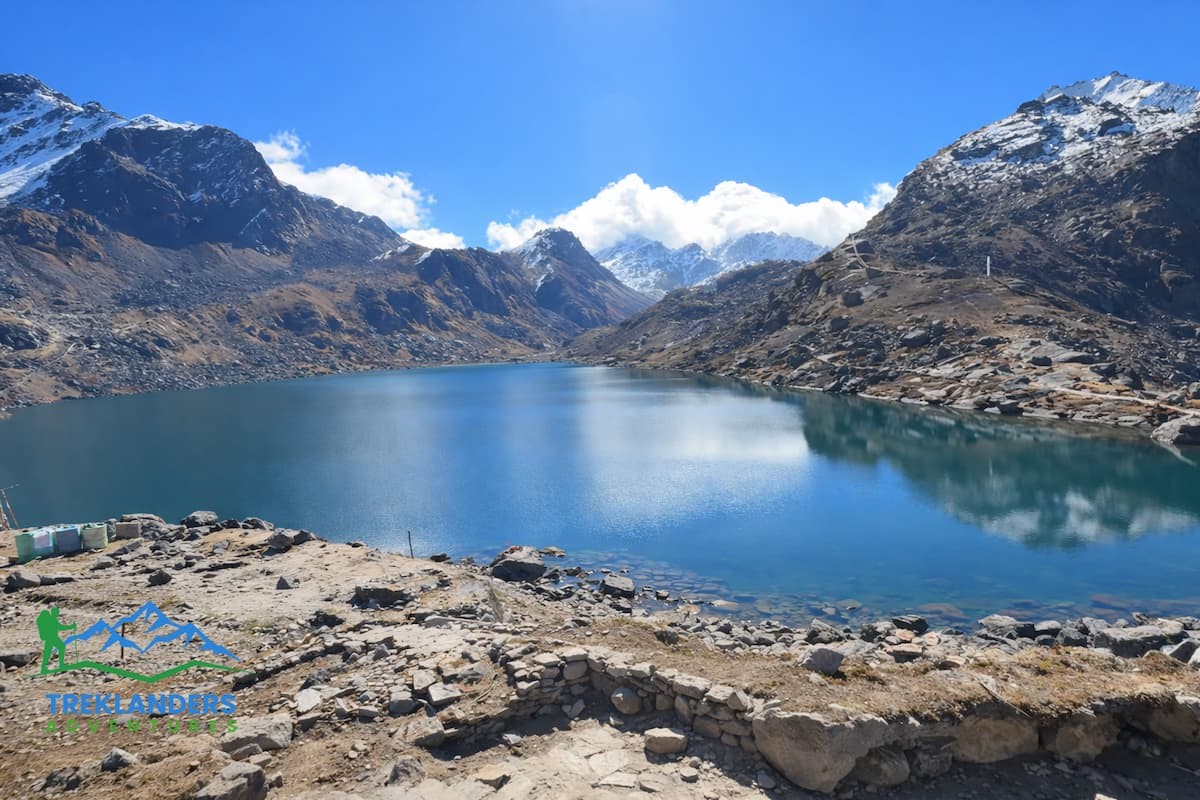
If combining Langtang Valley and Gosaikunda Lake without having to add extra long and difficult trekking days is your plan, then this would be the right choice. Besides enjoying the beauty of both regions, it also helps you to keep the trip smooth, relaxed, and accessible for all fitness levels.
After finishing the Langtang Valley trek and coming back to Syabrubesi, the mood changes and becomes warmer and gentler. Here is where Treklanders Adventures helps you to make your transition smooth. They will arrange a comfortable private jeep or shared vehicle instead of you going up another steep trail. Thus, you can enjoy a scenic overland drive to Dhunche, the gateway to the Gosaikunda region.
The drive from Syabrubesi to Dhunche takes about 1.5–2 hours, and it is very stunning. You will be driving through deep river gorges, terraced farmlands, hillside villages, and pine-covered ridges—each corner unveiling new mountain landscapes. This gentle ride, which is a great energy saver, is perfect for the spiritual and rewarding ascent to Gosaikunda.
A gentle introduction to the new trekking route. Forest trails, waterfalls, and peaceful surroundings accompany you as you rise into cooler air.
This section opens into wider views of Ganesh Himal and the Langtang range. The trail becomes more rewarding as rhododendron forests give way to high alpine ridges.
The final approach to Gosaikunda is the highlight—dramatic mountain ridges, fresh cold winds, and the first magical sight of the sacred Gosaikunda Lake, shimmering turquoise under the sky. According to legend, this holy lake was created by Lord Shiva, making it a deeply spiritual destination for trekkers and pilgrims.
The Langtang Valley Trek is not simply a trek in the Himalayas but a fabulous experience that harmonizes you, energizes you, and makes you remember the natural and human beauty of the world. The natural beauties, such as the forests full of green, the rivers from glaciers, and not to forget the mighty Langtang Lirung and peaceful Kyanjin Gompa, are there for you to explore at every step you take, and thus they mean something each time. The smiling faces of the Tamang people, the rebuilt village of Langtang defying the disaster, and the spiritual vibe of the valley are such an emotional cocktail that it takes you back even after your trek is over.
Langtang has it all: the thrill of a lifetime, a deep dive into another culture, tranquil nature for soaking up, or simply a chance to recharge yourself. In addition, it is a trek that welcomes all your experience levels, is very doable, and gives you a lot back. The Langtang visit is not merely about getting somewhere; it is about finding a new side of you as you go. And after you’ve passed through this stunning valley, you’ll comprehend why it is that so many travelers claim the Langtang Trek is a journey they would like to repeat.
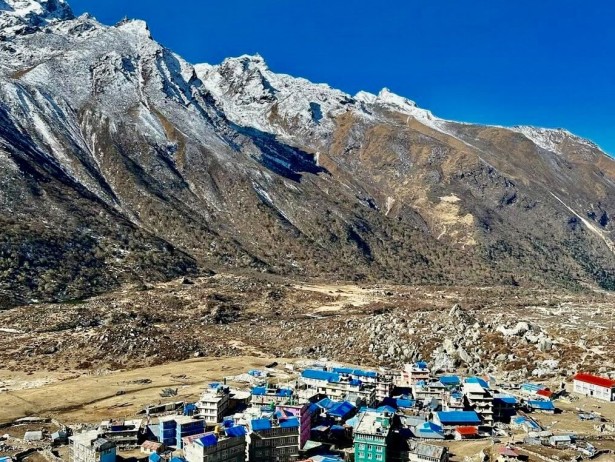
A simple, clear snapshot of the Langtang Valley Trek, giving you the essential info to start your Himalayan journey with confidence.

Explore the best viewpoints on the Langtang Trek, including Kyanjin Ri and Tserko Ri, for stunning Himalayan views and unforgettable scenery.
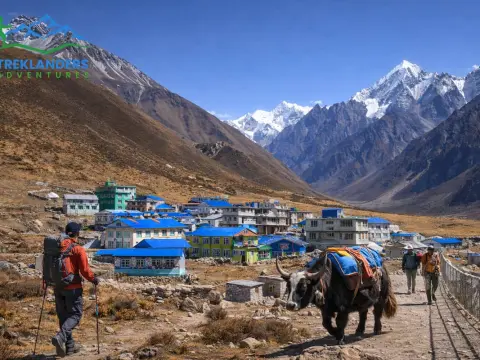
The Langtang Valley Trek hides rich culture, sacred mountains, and untouched landscapes that most trekkers overlook.



