Langtang Valley Trek After the 2015 Earthquake: What Changed, Safety Updates, New Rules & Complete Guide
8 Apr 2026
Explore the Langtang Valley Trek after the 2015 earthquake—learn about rebuilt trails, safety updates, and what to expect.

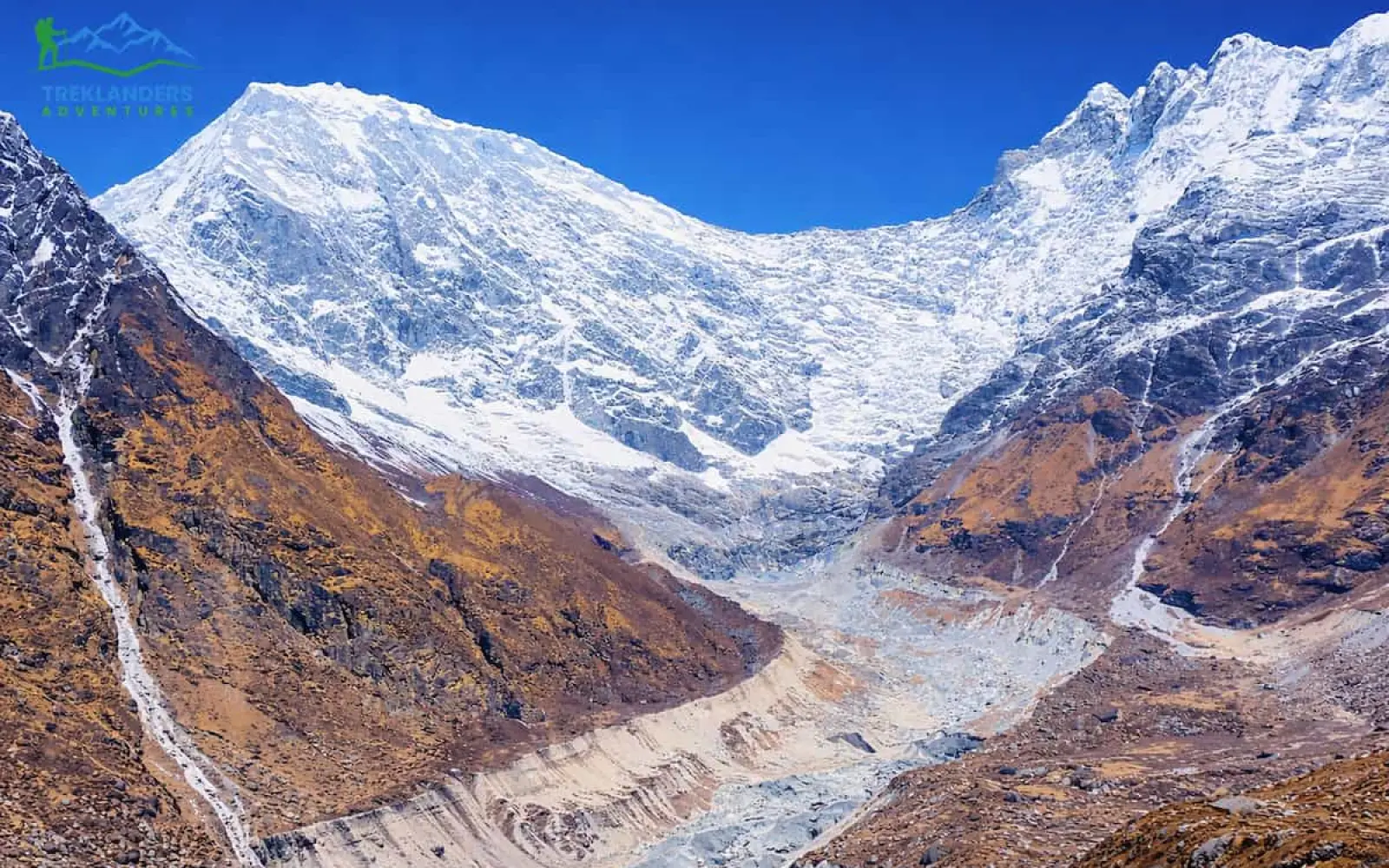
Most people who trek Nepal end up on the Everest Base Camp or Annapurna Circuit. Both are spectacular. Both are also crowded, expensive, and demand two to three weeks. Langtang Valley Trek gives you the raw Himalayan experience in a fraction of that time, just 65 kilometers north of Kathmandu. This guide covers everything you need to know before you lace up your boots.
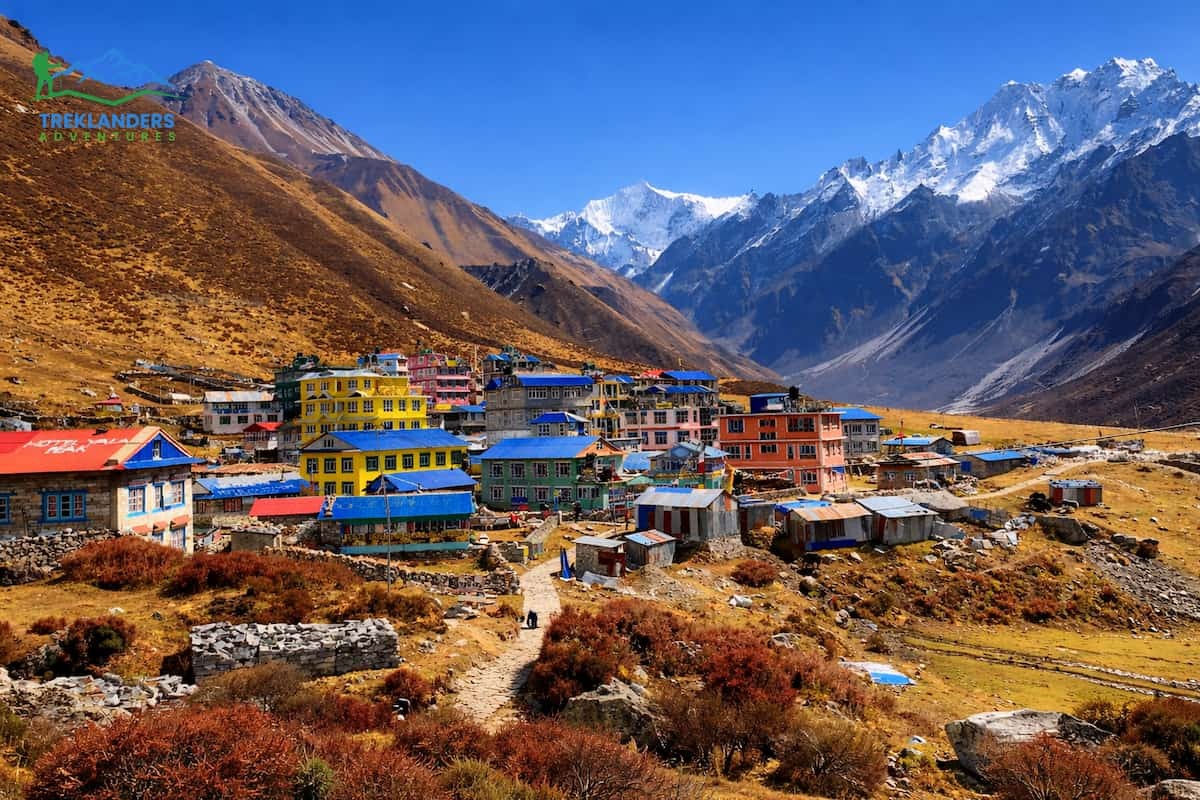
There are more than 30 established trekking routes in Nepal. Among them, Langtang Valley Trek is simply incomparable for one thing: it is a few hours away from a big city, yet it offers a very authentic wilderness experience. You can drive from Kathmandu to Syabrubesi in about 3-4 hours, and in just a day, you will have been through oak and rhododendron woods, and you will be looking at the snow leopard's habitat, which is the mountains towering above you.
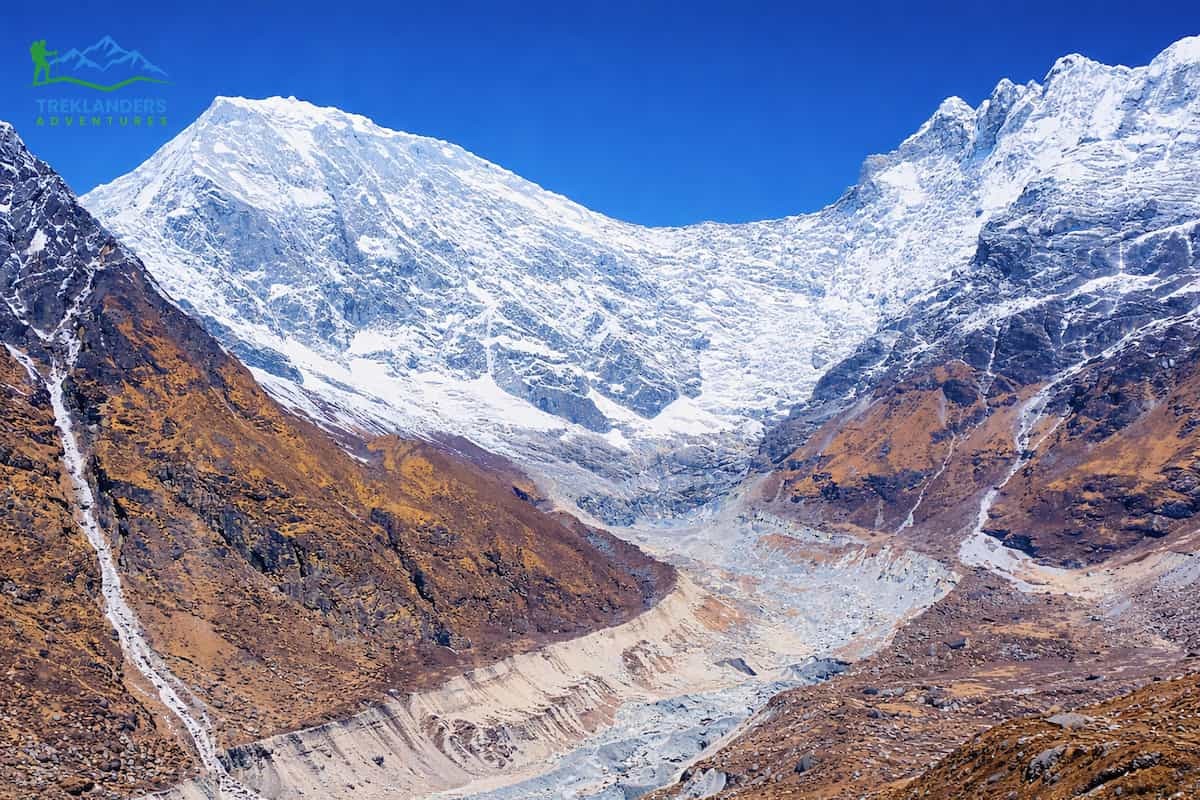
Most Himalayan trekking routes even require a week just to get to the mountain scenery. Langtang Valley does not. By the second day, you will find yourself above 3,000 meters with the magnificent view of Langtang Lirung (7,227 m) dominating the skyline. This kind of efficiency is very uncommon, and experienced trekkers appreciate it.

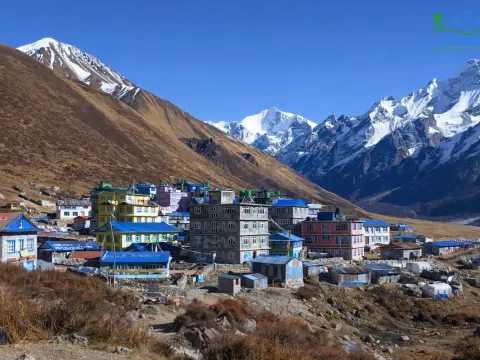
The valley also has a story. The 2015 earthquake devastated the village of Langtang, and more than 350 people were killed. The community has been rebuilding. By trekking here nowadays, you are directly helping the families who choose to live and rebuild their lives in one of the most remote areas of Nepal. That is a big thing, really.
The Langtang Valley Trek rewards those who show up without expectations. You came for mountains. You leave understanding something about the people who live inside them.
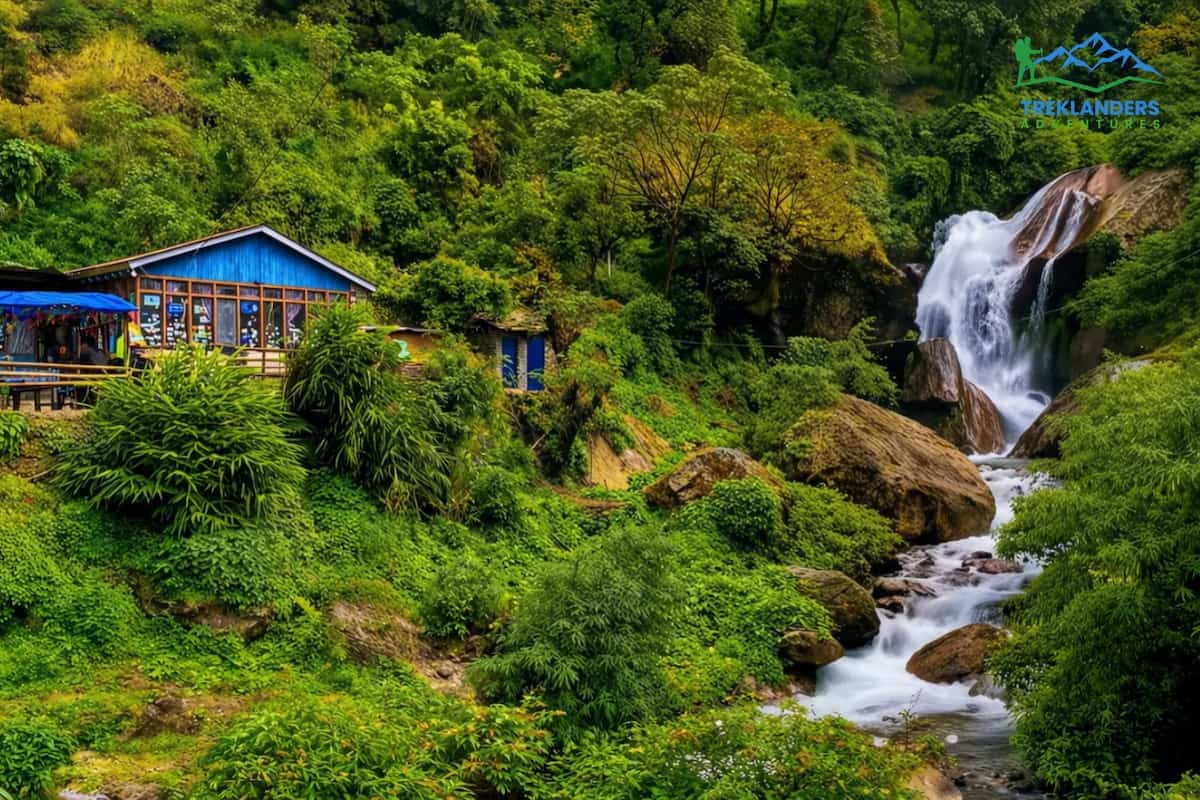
It usually takes 7 days to do the standard Langtang Valley Trek for those who have a moderate level of fitness. If you walk fast, you can probably finish it in 6 days. For people who choose to include a visit to Gosaikunda Lake, the trip will last 2 to 3 days longer. Check out the classic itinerary below.
| Day | Route / Activity | Altitude | Duration |
| Day 1 | Drive to Syabrubesi via Dhunche | 1,470 m (Syabrubesi), 1,900 m (Dhunche) | 6 hrs. |
| Day 2 | Trek to Lama Hotel | 2,455 m | 6 hrs. |
| Day 3 | Trek to Langtang Village or Mundu | 3,425 m (Langtang), 3,455 m (Mundu) | 6 hrs. |
| Day 4 | Trek to Kyanjin Gompa | 3,870 m | 4 hrs. |
| Day 5 | Hike toi Kyanjin ri and Trek to Lama Hotel | 4,773 m. ( Kyanjin Ri) , 2,455 m (Lama Hotel) | 8 hrs. |
| Day 6 | Trek to Syabrubesi (road-head) | 1,470 m | 5 hrs. |
| Day 7 | Drive back to Kathmandu | 1,400 m | 6 hrs. |
ALTITUDE NOTE
Do not rush Day 4. Kyanjin Gompa sits at 3,870 m. Spending two nights there before ascending Kyanjin Ri gives your body the extra time to adjust. Headaches at altitude are normal. Confusion, loss of coordination, or chest tightness are not. Descend immediately if those symptoms appear.
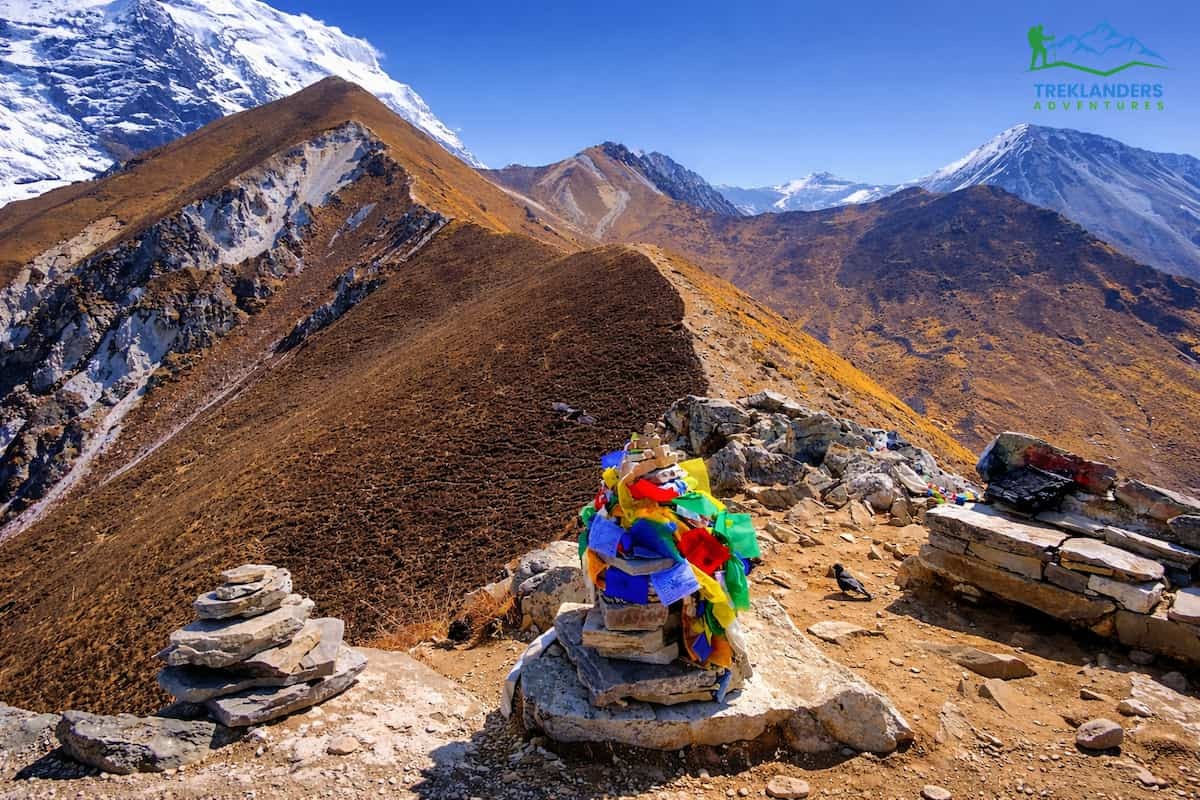
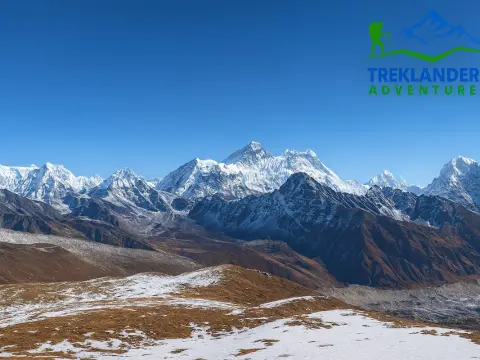
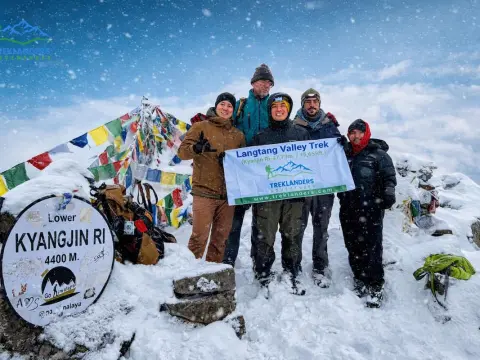
This is the highlight of the Langtang Valley Trek. Kyanjin Ri, after all, is a steep 4 to 5 hours of physical toil getting you to 4,773 meters, from where you are presented with a 360-degree view of the entire Langtang range. You get to see Langtang Lirung, Ganesh Himal, and on very clear days, even make out peaks deep inside Tibet. Most trekkers open a day at 5:00 am so they can catch the sunrise from the ridge.
You won't require crampons or ropes, but some trekking poles may be handy in the upper portion where the path is loose. The more challenging option is the Tserko Ri (4,984 m) climb. It takes one to two hours longer from Kyanjin Gompa, and the views, according to most accounts, are even better. If you are feeling energetic and well-acclimatized on this day, then go for Tserko Ri.
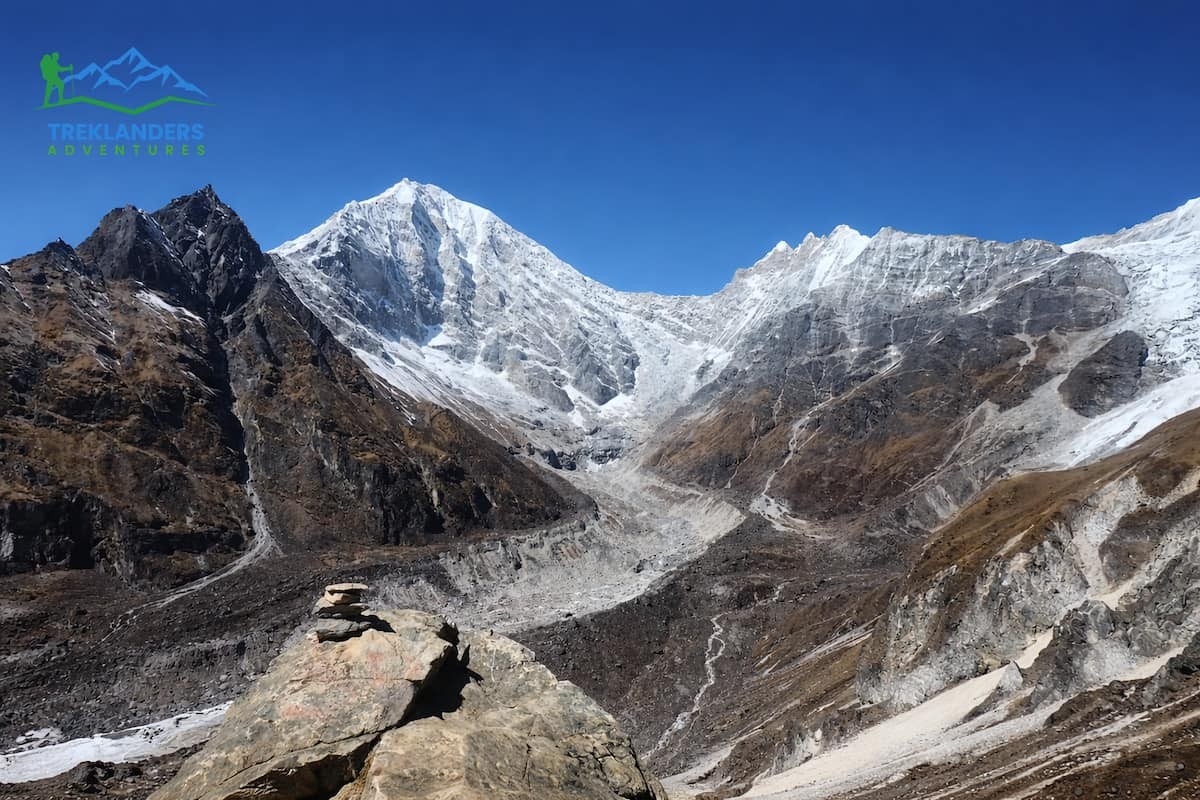
Langtang Valley Trek receives a moderate difficulty rating. It implies something quite specific: you should be capable of hiking 6 to 8 hours for several days in a row, carrying only a small daypack (5 to 8 kg), and managing altitudes close to 4,000 meters without any prior Himalayan exposure. An at-home hill or mountain hiking experience is a plus, but not mandatory.
So, being a gym member or a runner is certainly not the only way to prepare. Actually, consistency is what counts the most. For example, if you can walk for two hours at home without pausing, you have a pretty good base, and it is only a matter of 4 to 6 weeks of training with gradually increasing intensity before you get fit for Langtang. Concentrate on a few stair climbing workouts, loaded walking, and Friday-Sunday hiking schedules.
Those who fall into the following categories must plan extra carefully:
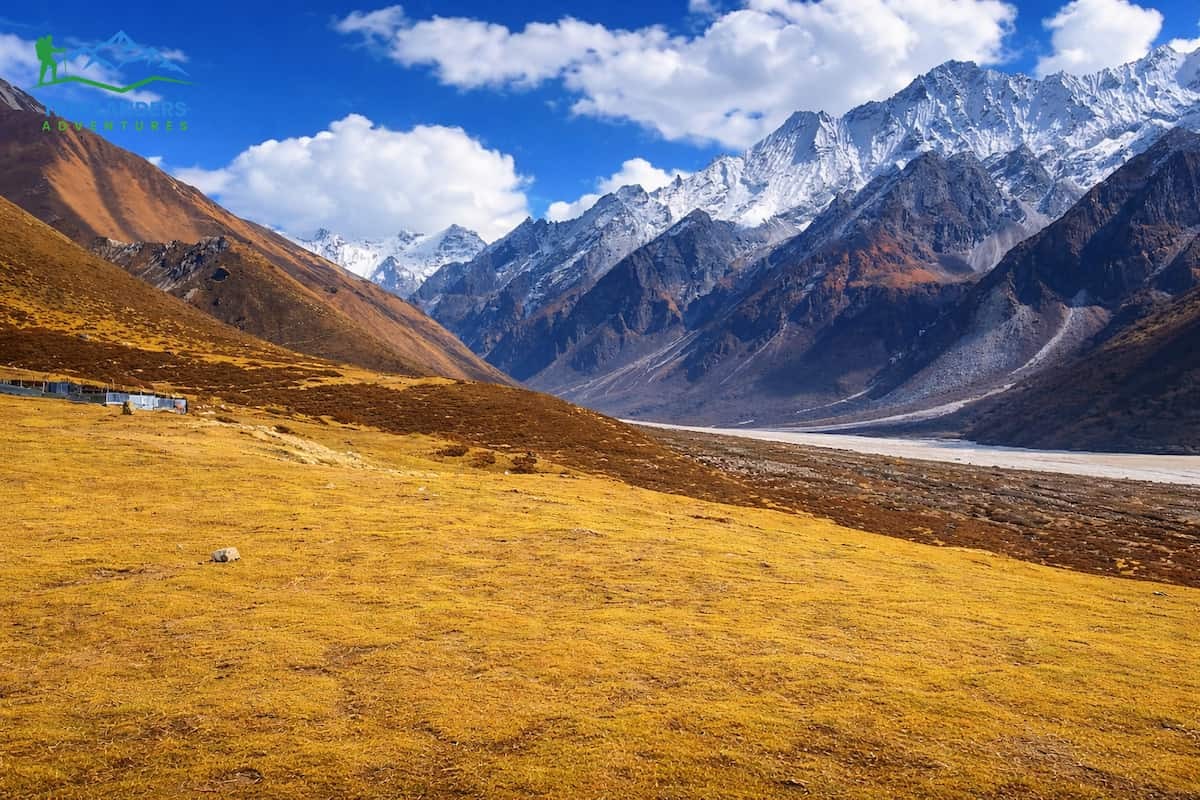
Nepal has four trekking seasons. Langtang's elevation and north-facing position make it slightly colder and snowier than Annapurna at comparable altitudes, so season selection matters more here.
The best time for this. The skies after the monsoon over the Langtang range are among the clearest in Nepal. One can even see a few hundred kilometers away. Night temperatures at Kyanjin Gompa can get below freezing, while the day ones are quite comfortable for walking (10 to 15 °C). Also, teahouses are open, well-staffed, and stocked. The trails are dry and clearly marked. Accommodation should be booked well in advance as Kyanjin Gompa gets fully booked very quickly during these months.
Spring is the next best time after autumn. From late March to the end of April, the rhododendron forests of the Syabrubesi-Lama Hotel trail are blazing with reds, pinks and whites. For sure, this is one of the most gorgeous mountain forest walks in Nepal. Though the clouds come up in the afternoon, so you will miss the mountain views a little bit as compared to autumn, many trekkers consider the presence of colours besides the height a good enough reason to sacrifice mountain views.
Winter trekking in Langtang from December to February is doable but requires some preparation. The trail at altitudes above 3,500 m will be covered with snow, and the route to Kyanjin Gompa might be hard without micro spikes. Also, teahouses might be closed or have limited offerings. However, the good part is that you will be left with the valley pretty much on your own. The quality of sunlit winter days above the clouds is so extraordinary that you forget the cold of the nights (even minus 10 to minus 15 °C at Kyanjin Gompa).
The monsoon months from June to September usually bring landslides, very wet trails that are even covered with leeches, mountain views with no visibility, really, and incessant rain. A few expert trekkers purposely go during this period for the beautiful green scenery and the solitude. However, for the majority of people, it is not a good decision for a first visit to Langtang.
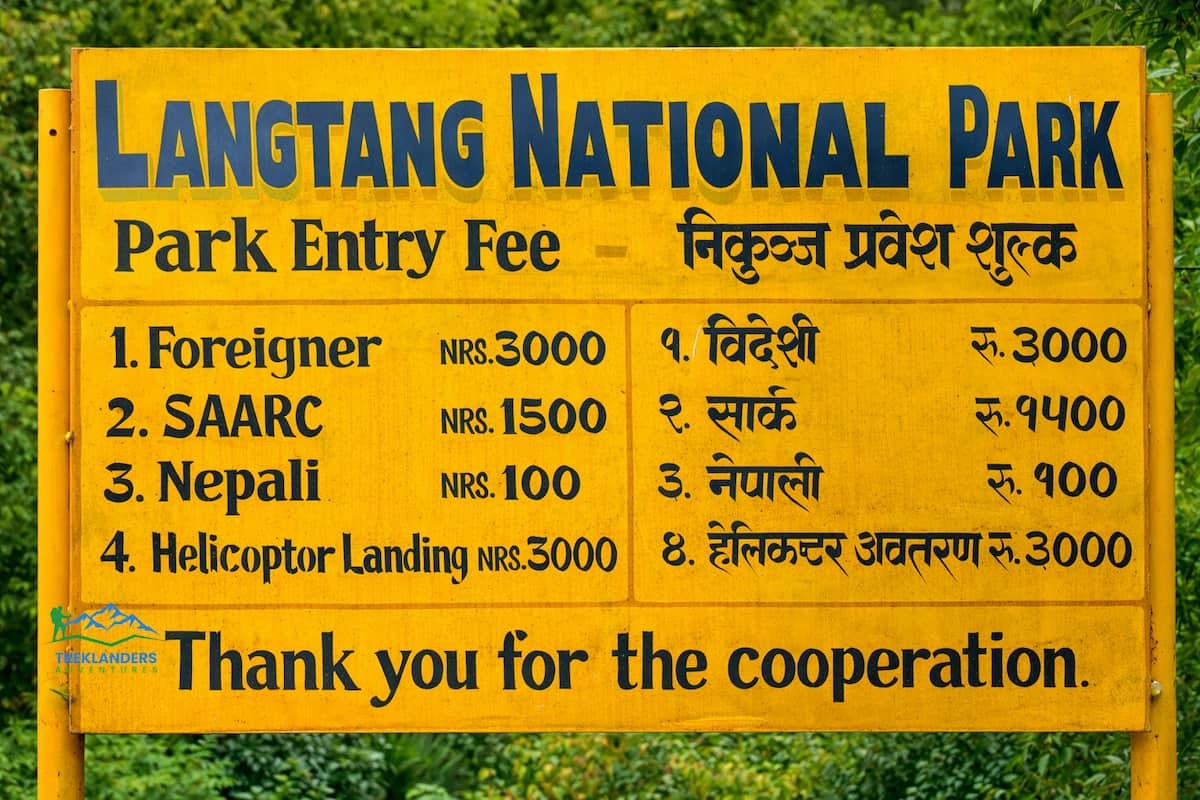
Check ahead: Nepal periodically revises permit fees. Verify current amounts at the Nepal Tourism Board website or with your trekking agency before you travel.
Nepal does not legally require you to hire a guide for the Langtang Valley Trek. That does not mean going without one is always the right call. Here is how to think through it.
If this is your first trekking experience in Nepal, if you are unsure about handling high altitude, or if you are travelling alone without any kind of safety net, hiring a guide will really help. A knowledgeable guide usually detects the symptoms of altitude sickness much earlier than the trekkers themselves. Besides, they carry a small medical kit, know which teahouses are safe to stay in, and can communicate with the locals in both Nepali and Tamang languages. The social interactions within the valley are much richer and more meaningful when you have a guide as compared to trekking solo as a foreigner.
Also, a guide directly and meaningfully contributes to the local economy. For example, the Tamang communities of Langtang, after the 2015 recovery, were partially supported by the income generated through trekking. Going for a local guide means that the money stays in the valley.
You can easily stay on the trail from Syabrubesi to Kyanjin Gompa, which is marked very well. At times of the year when more people are hiking, it is a heavily used path, and there are only a few times during the day when you find yourself without seeing another teahouse for 2 hours.
I think if you are an experienced trekker who has been to altitude before and knows how to use a detailed map, GPS without the internet and is capable of providing basic first aid, without knowing you very well, hypothetically, it would be very difficult for you to be in danger on this trek. If that's your case, go ahead. You won't be lost on this trail.
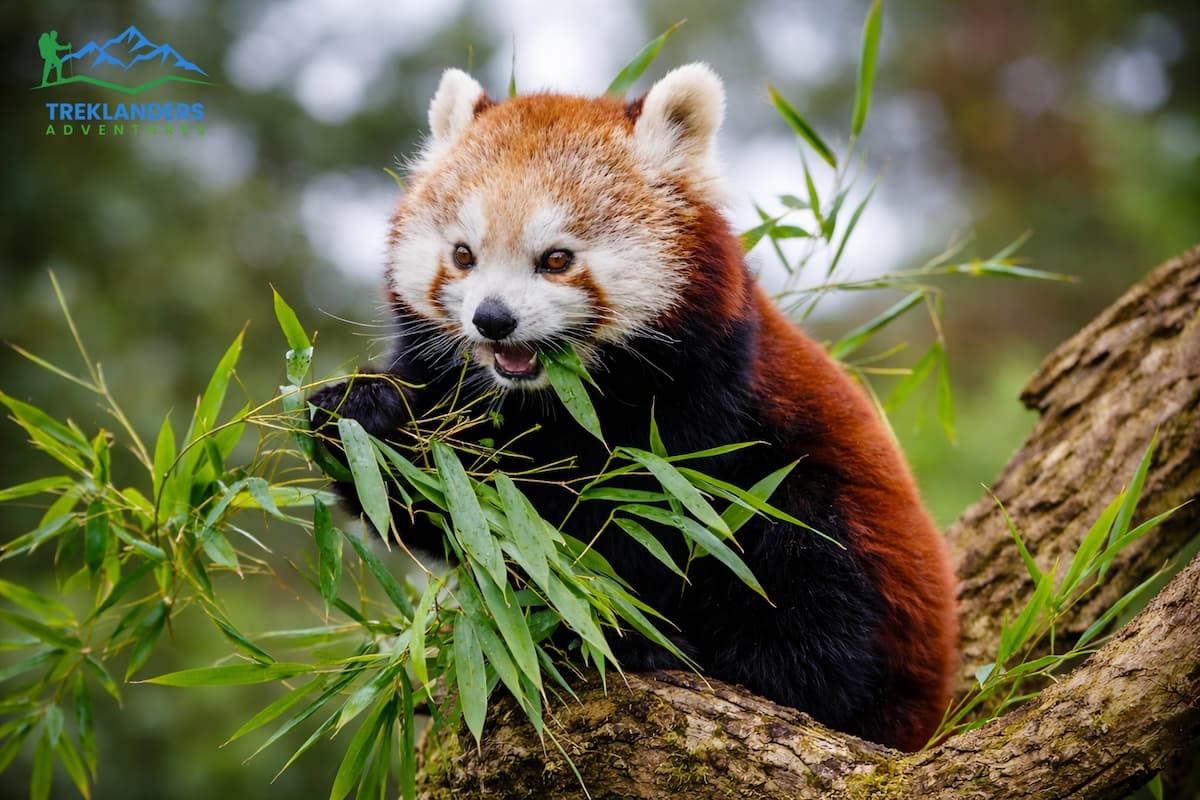
Langtang National Park is a reserve of 1,710 square kilometers and is one of the biologically richest areas protected in the Himalayas. The trekking route passes three separate ecological zones, and each one differs so much visually and in the overall mood that you can hardly believe they are the same region.
Throughout the lower trail, red pandas are the most popular animal people want to see. They are quite timid and awake mostly in twilight time, so the moment at dawn from the Lama Hotel to Langtang Village is your best shot. Treat with silence and observe the left side of the hill through the canopy, where the bamboo is very dense. The majority of trekkers who get lucky with the sight of one, they come across it completely by chance.
Snow leopards reside in the park's upper areas; however, you won't be able to see one on the standard route. That's a fact based on numbers and not the trek being unsuccessful. Himalayan tahr (a wild goat of a bigger size) are quite normal above 3,500 m and hardly ever scared. You will most probably come across them on the hills surrounding Kyanjin Gompa.
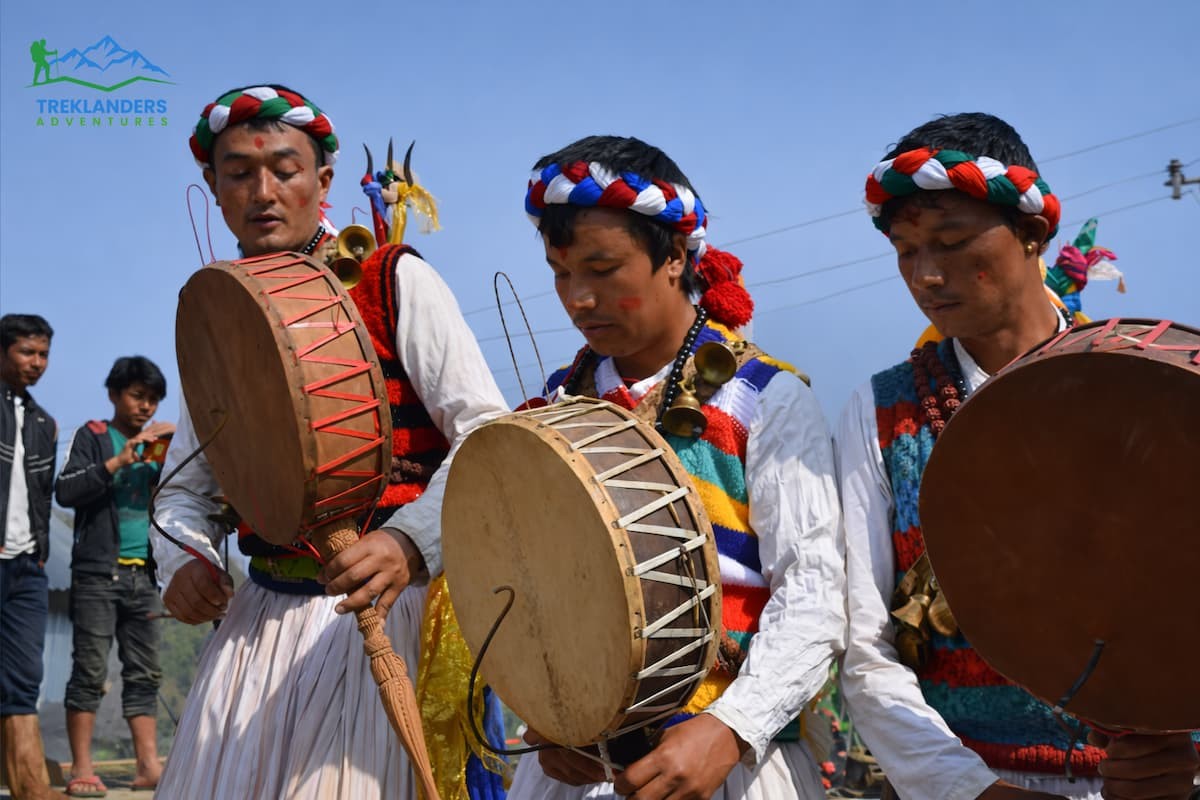
Langtang Valley is a Tamang land. Tamang are a Tibetan-Buddhist group whose culture, language, and architecture differ from those of other Sherpa communities from the Khumbu region. In fact, trekking in the Langtang valley is an environmental experience as well as a social one. First of all, every small restaurant or even tea shop along the path is family-run. You sleep in the houses that were rebuilt after the earthquake of 2015, often with financial and material help given in part by trekkers who are donating in the years that followed. If you ask, the owners would tell you about the earthquake.
Most of them want you to know the history of where you are having dinner. Kyanjin Gompa (the monastery at the end of the valley) is a few hundred years old. It is still a place of worship, not a museum. When you go there, take off your shoes at the door, walk around the prayer wheels clockwise, and ask permission before taking pictures of monks or religious ceremonies.
These are very basic manners that every conscientious trekker keeps. The cheese factory located at Kyanjin Gompa is one of the trail's very few quiet pleasures. Locally produced cheese from yaks using age-old techniques is the factory's speciality and is sold mainly to trekkers. Purchase it. It tastes exactly like you would expect yak cheese at an altitude of 3,870 meters to taste.
The Tamang rebuilt Langtang once before. The teahouses you sleep in are not just accommodation. They are proof that a community decided the mountains were still worth living in.
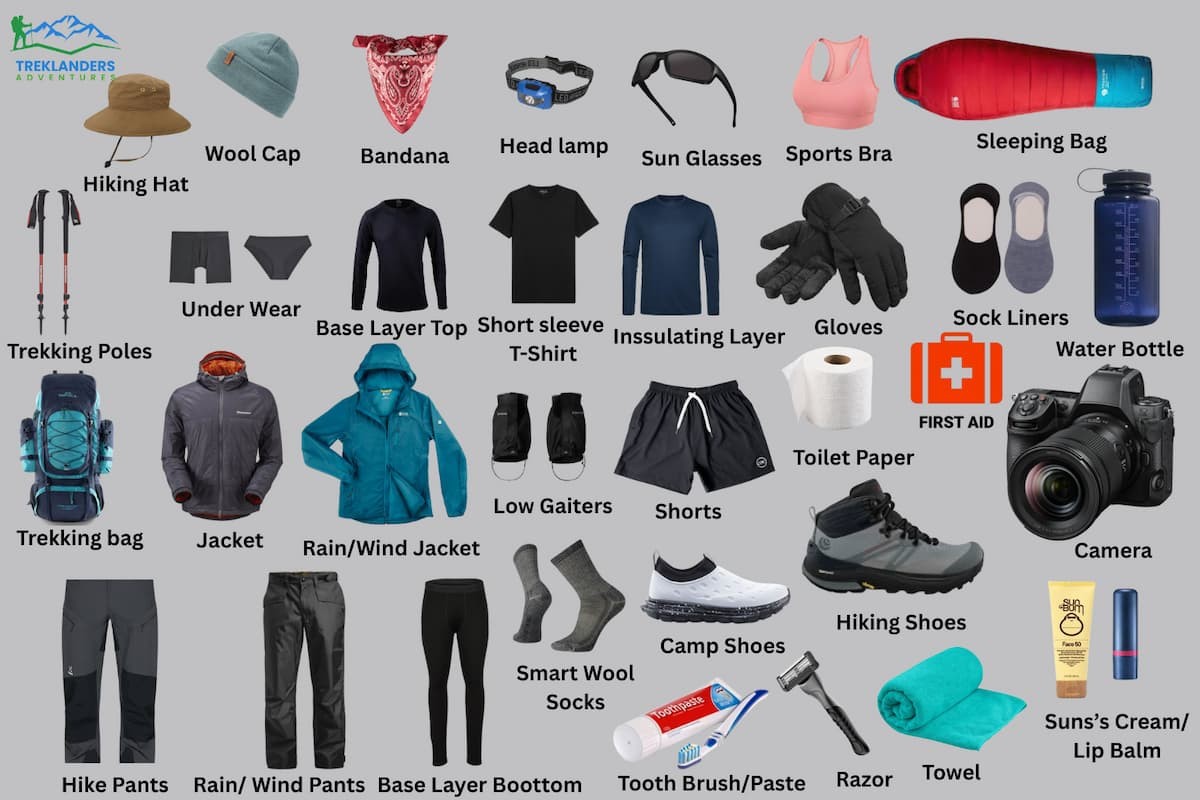
Langtang does not require technical mountaineering gear. It requires smart layering, good footwear, and a few items that trekkers consistently forget or underestimate.
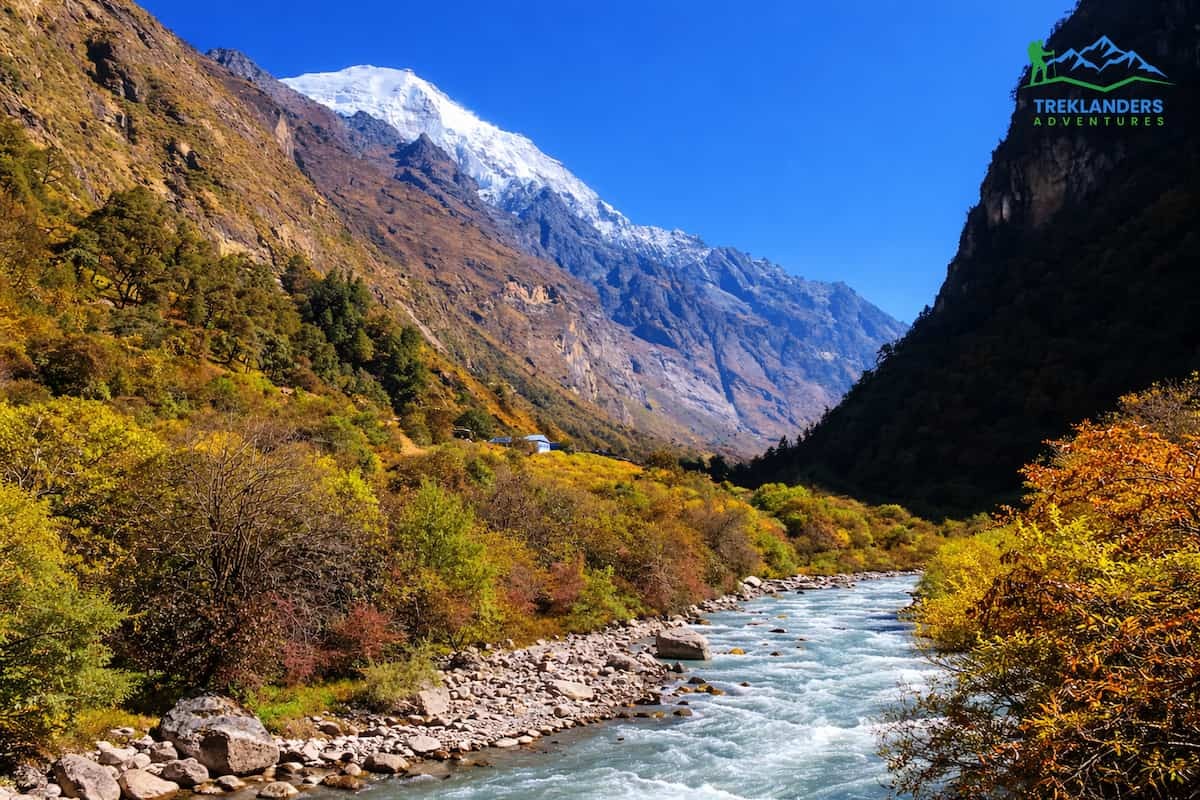
The trek begins in Syabrubesi (1,460 m), a small town located on the Langtang River. From Kathmandu, there are two ways to get there. The most common one is by shared jeep or private jeep. Shared jeeps leave from Machhapokhari in Kathmandu most mornings at about 7:00 am. It will take 4 to 6 hours to reach Syabrubesi, depending on the condition of the road. The road is almost fully paved now, but the last part is still rough in some places, especially after the monsoon season.
A direct tourist bus also operates from Kathmandu to Syabrubesi, but it takes more time and is less frequent. If you are on a budget and have a flexible schedule, the bus will be good. If your time is limited, going by jeep is the best option. The road goes through Dhunche, where you will show your national park permit at the checkpoint. Have both of your permits ready and easily accessible. Don't put them at the bottom of your bag.
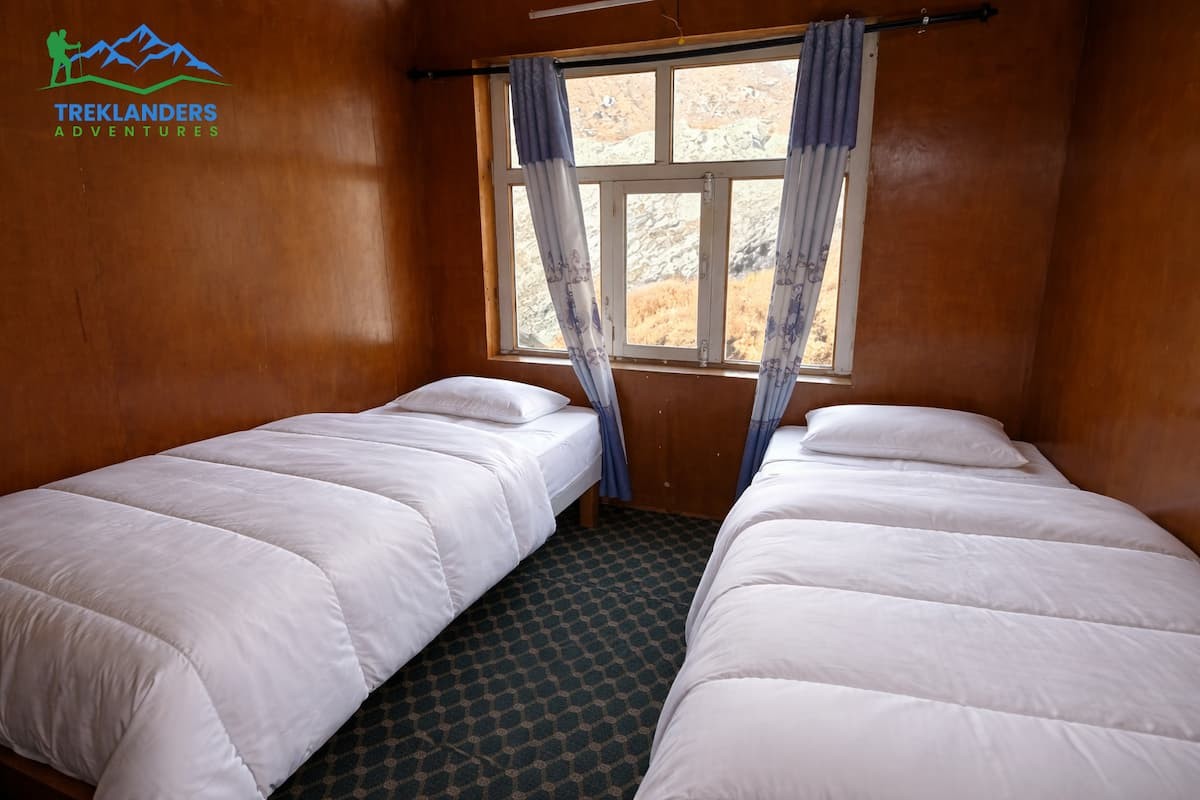
The teahouse trek is the main way to enjoy the Langtang region. You won't have to carry a tent or prepare your own meals. Instead, you'll be going from one village to another and spending the night in simple rooms of family-run lodges. There is always a slight compromise when you decide not to eat separately: usually, if you get a room, you are expected to have your dinner and breakfast there too. That's a fair deal that helps the small operators stay afloat.
The rooms are basic: a wooden bed frame, a mattress, and one blanket, mostly. You will have cold nights and very limited heating above Langtang Village. Some teahouses offer a central dining room with a wood or yak-dung stove. When you are done with your dinner there, the place is genuinely warm, and the chats with other trekkers end up being the best times you'll have in Nepal. At the Lama Hotel, you can get hot showers at most teahouses.
Solar hot water at the huts above Langtang Village is quite unpredictable. At Kyanjin Gompa, the reality is a bucket wash with warm water. If you accept this before you leave, it won't trouble you at all. Most teahouses claim they have Wi-Fi, but the connection gets worse above Lama Hotel, and during bad weather, it is unreliable everywhere. Getting a Nepali SIM card with data can be a better option, although even then, you will lose signal in the deeper parts of the valley. You should keep the middle days of your trek mostly offline. Most people agree that this is one of the best things about it.

Approximately 25% of those who go trekking and reach an altitude of around 3,000 meters or more will experience Acute Mountain Sickness (AMS). The Langtang Valley trek actually goes beyond that level on Day 3. Learning about symptoms and what to do when you have them is the most important thing you can do to prepare. The most common signs of AMS are headache, nausea, tiredness, and difficulty sleeping. If you experience these symptoms, it is essential to stop going upriver. You should drink plenty of water (3 to 4 liters a day), keep your food intake light, and get some rest.
After 12 to 24 hours, mild symptoms usually disappear when a person stays at the same altitude. High Altitude Pulmonary Oedema (HAPE) and High-Altitude Cerebral Oedema (HACE) are very serious and can even result in death. A person who has HAPE will find it hard to breathe even when resting and will constantly be coughing. A person with HACE will have problems with coordination, changes in their mind due to confusion, and a very bad headache which doesn't go away even with rest. Both conditions require going down immediately, at least 500 to 1,000 meters, and getting to a medical place for treatment.
Acetazolamide (Diamox) is a drug that you can only get from a doctor that helps people with acute mountain sickness (AMS) by prompting them to breathe faster. A lot of altitude trekkers with experience take it as a preventive measure from 125 mg to 250 mg twice daily, starting 24 hours before going up to 3,000 m. Check with your doctor before travelling. You cannot replace proper acclimatisation with it; it is only a supplement to it.
| Criteria | Langtang Valley Trek | Everest Base Camp Trek | Annapurna Circuit Trek |
|---|---|---|---|
| Duration | 7–10 days | 14–18 days | 14–21 days |
| Max Altitude | 4,773 m | 5,364 m | 5,416 m |
| Cost | Lowest | Mid-high | Mid |
| Crowd Level (Peak) | Low-moderate | Very high | High |
| Kathmandu Access | 4 hrs. drive | 45 min flight | 6 hrs. drive |
| First-timer Suitable | Yes | With prep | Yes |
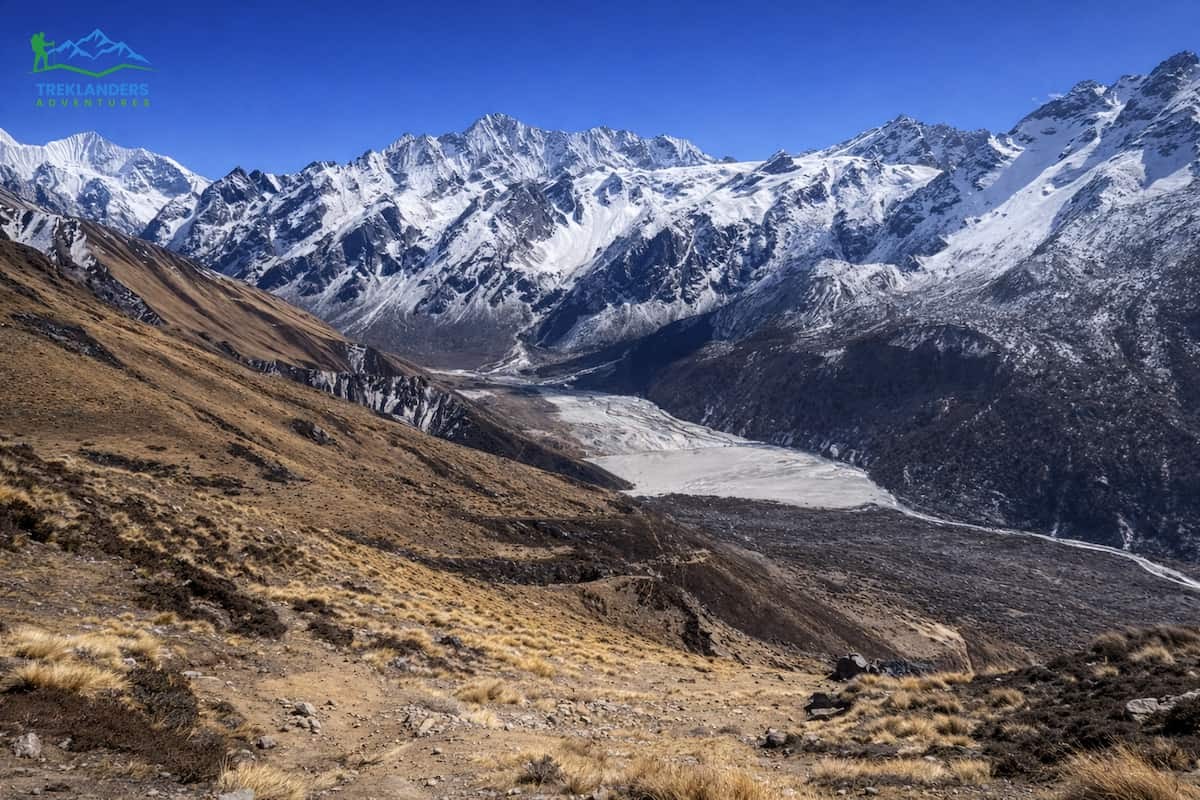
Langtang Valley Trek is the most time-efficient option as you start with a road journey from Kathmandu, and you don't have to take a domestic flight. The highest point on the trail is around 3,870 meters at Kyanjin Gompa, so the risk of altitude illness is moderate. The scenery includes a combination of forest, river valley, and glacier views. The cultural aspect is mostly interaction with the Tamang communities of the Tibetan influence. The teahouses are less comfortable than other areas, but the service is dependable. The low prices result from the simple transport and permit system. Even at the busiest times, the crowd is usually quite small. You will like this trek if you are short on time and want to expose yourself to altitude gradually and take less-travelled paths.
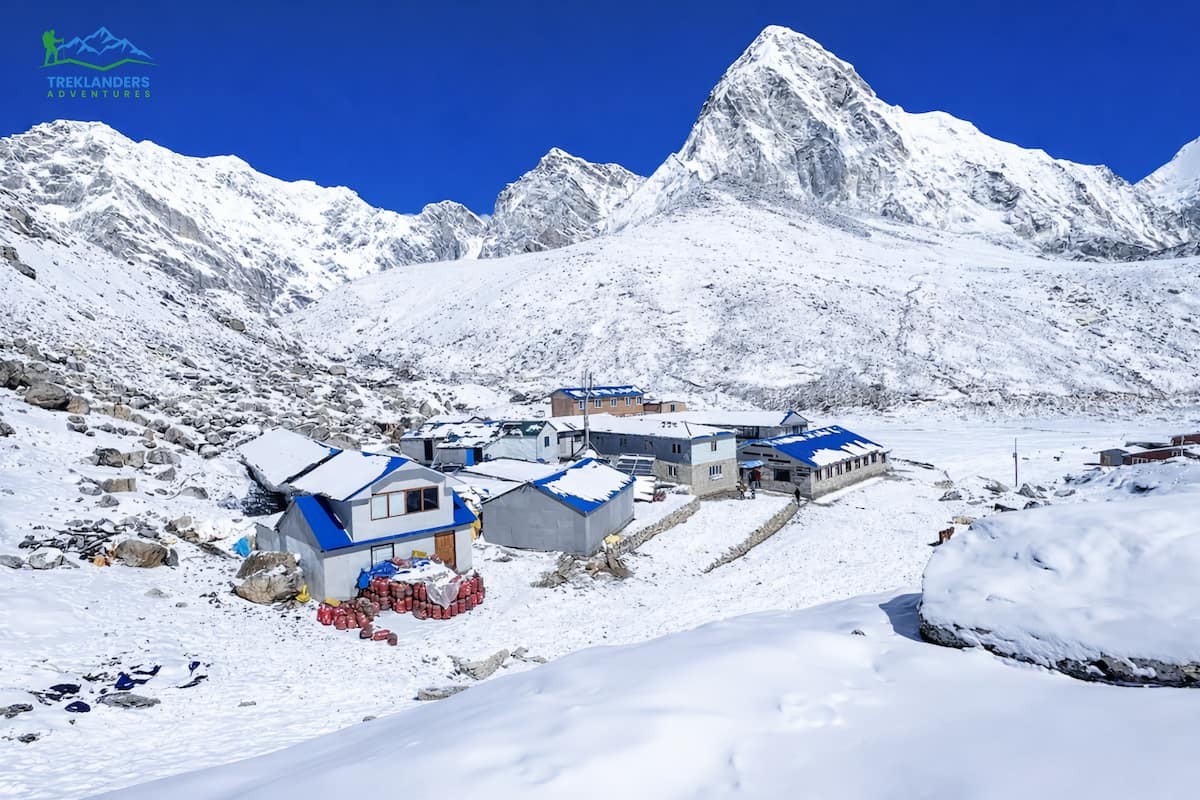
The Everest Base Camp route is the highest and most recognized trek. You fly to Lukla and move through the Khumbu region toward Mount Everest at 5,364 meters. Altitude is the dominant constraint, which requires acclimatization days and increases physical demand. The route passes established hubs like Namche Bazaar and Tengboche, where infrastructure is well developed. Lodges offer better comfort compared to remote regions. However, traffic is heavy during peak months. Costs rise due to flights, permits, and pricing at higher elevations. This trek fits you if your priority is altitude, recognition, and classic Everest views.
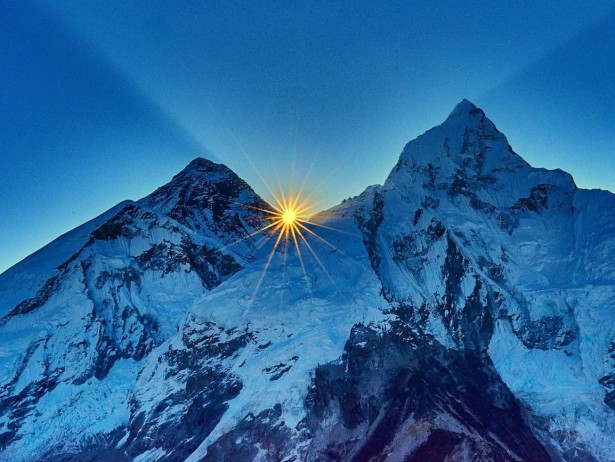
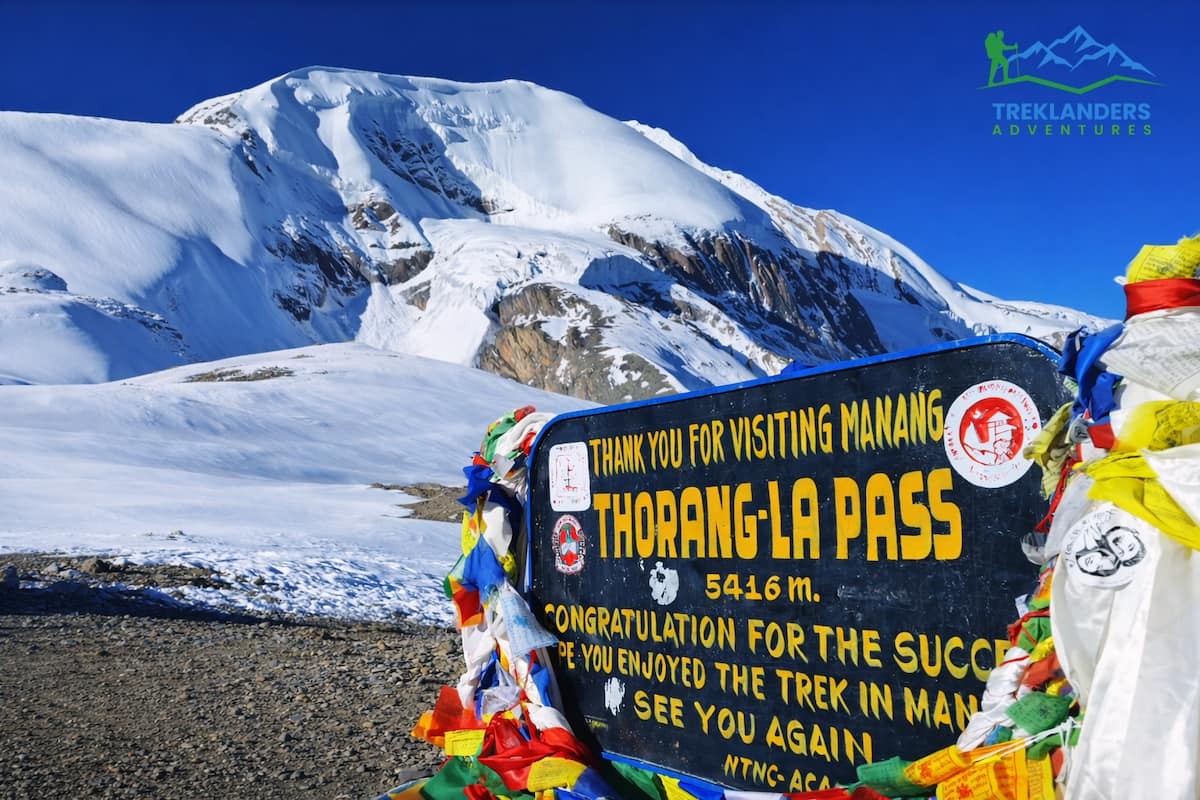
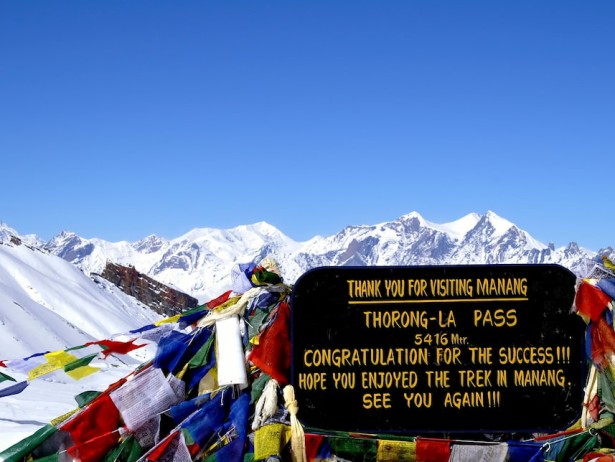
Annapurna Circuit Trek offers the widest variety of landscapes and route layouts, allowing travellers the choice between the Annapurna Circuit and Annapurna Base Camp tracks that typically take from one to two weeks. The Annapurna Circuit trek involves crossing the Thorong La pass at 5,416 meters, whereas the Annapurna Base Camp trek is at a lower altitude but still gets you to a high alpine basin. On a single itinerary, you will go through the subtropical forest, dry highland, and glacial zones.
Due to road construction, parts of the Annapurna Circuit are affected, but there are alternative paths that keep the trekking experience at a high level. Accommodation options are good and very abundant. In terms of numbers, the area lies somewhere between Langtang and Everest. Prices are still reasonable. This area is great if you need a mix of different sceneries and a wide range of possibilities in your planning.
Whatever you choose, make sure it matches your availability, acclimatisation to altitude, and financial resources. Langtang is very pared-down and less crowded. Everest Base Camp is very high and famous. Annapurna region is a mix of everything, and you can tailor it to your needs.
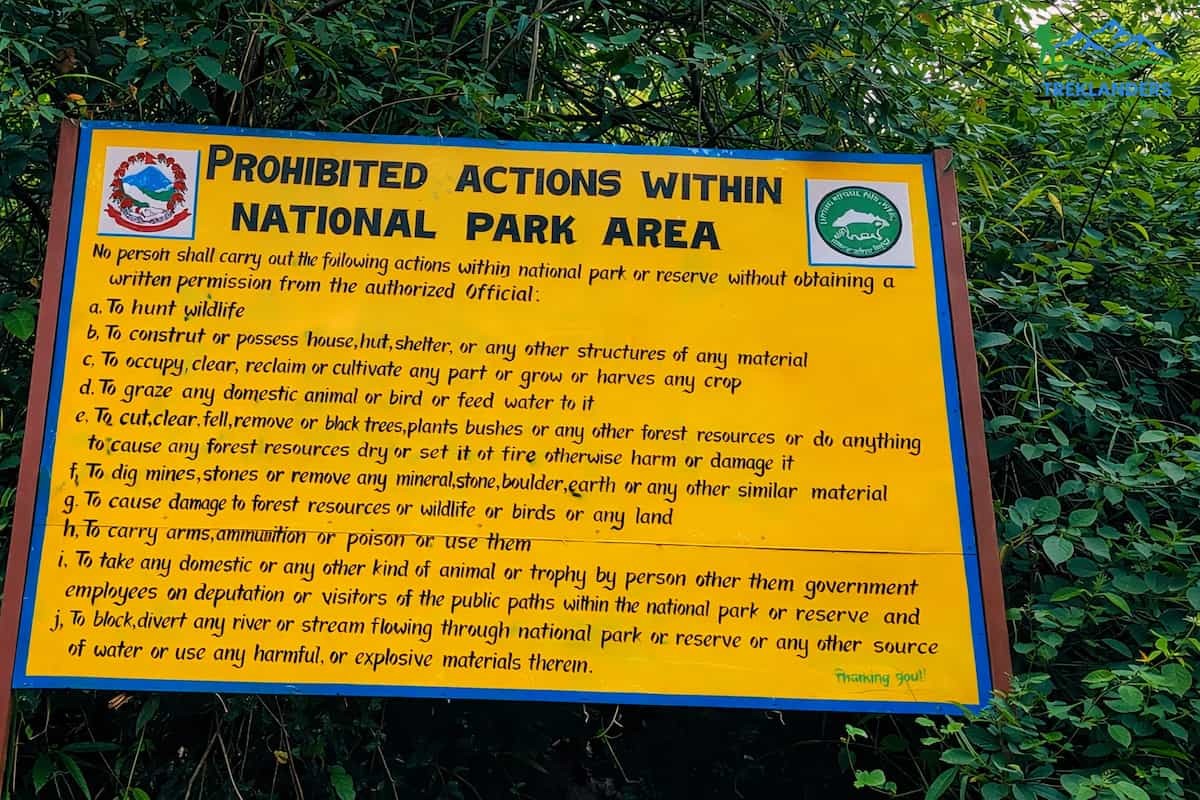
Responsible trekking in the Langtang region of Nepal means minimizing harm to the environment and helping the local people. Since the route goes through Langtang National Park, where the flora, fauna and culture form an interdependent system, your actions will have a direct impact on both of them.
Handling your garbage is your main duty. Bring a refillable bottle and purify water instead of buying plastic bottles. Take all non-biodegradable waste, including wrappers and batteries, with you. While teahouses do the basics, the waste management system is limited. You lessen the burden by bringing fewer things.
In Tamang villages, it is important to honor the local culture. Wear conservative clothes and always request permission before photographing people or religious places. When walking around chortens and mani walls, go clockwise. Such traditions are based on local belief systems and demonstrate cultural sensitivity. Simple touches can make a big difference in interactions and trust-building.
Doing direct spending is one way to aid the local economy. Use locally owned teahouses for accommodation, employ local guides or porters, and eat food from the area. This way, the money stays with the community. Don't engage in hard bargaining, but do negotiate reasonably. Your money will be used to support recovery and development after the region's problems.
Carefully managing your energy and resource use is essential. Most of the electricity is derived from solar power. You should only charge your gadgets when it is really necessary. Long hot showers should be avoided since both water and fuel are scarce at higher elevations. A little self-control goes a long way in lessening the pressure on local infrastructure.
Make sure you stick to the marked paths to avoid soil erosion and protect the plants. Keep a distance from animals and don't pick plants. The Langtang area is home to animals like red pandas and Himalayan monal. When you keep a safe distance, you are helping in the preservation of their habitat.
In the end, all these things matter: Proper preparation and planning can help a lot in minimizing the inconveniences of emergencies and the load that they bring to the local rescue teams. Get yourself used to the altitude slowly and keep an eye on your condition. Doing our part in responsible trekking isn't just about the environment but is also a matter of personal discipline.
Everything you do contributes to what the future of Langtang will be like. Even small, regular efforts can make quite a difference.
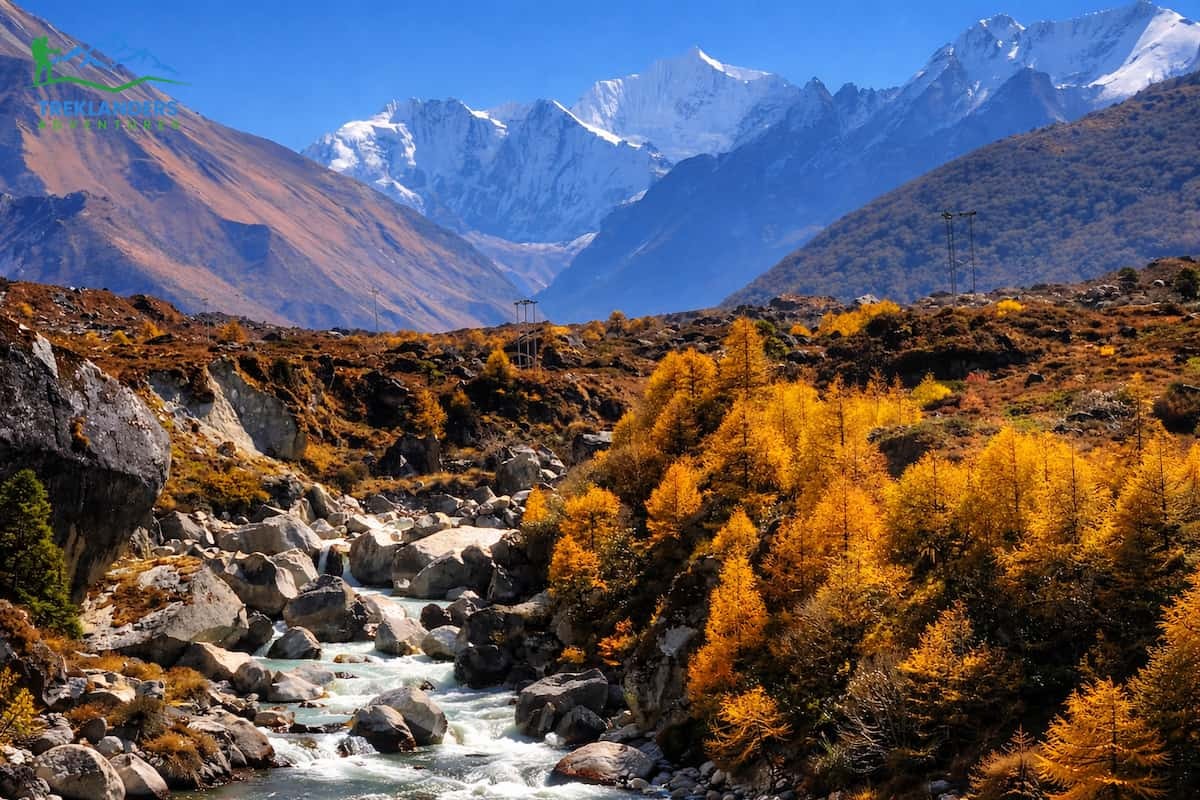
Langtang Valley Trek is a great choice for those who want a well-rounded trekking experience in Nepal. You will be able to see some beautiful mountains, enjoy the moderate altitude and have very direct cultural contact all within a fairly short time. Getting to Kathmandu first makes the logistical side of the trip easy and the costs minimal.
The trek is different from the others because it has very quiet paths and real village life. One can say they avoid the crowd of the more famous routes, and even though it still has the glaciers and high alpine sceneries, the facilities are basic but dependable. The route requires preparation, but it is not technically difficult.
How you get there will decide what your experience will be like. Organize your speed. Be polite with local people. Dispose of your waste in an environmentally friendly way and also limit the use of resources. Helping local businesses will also be great. These will also ensure the protection of Langtang National Park and the strengthening of the communities that host you.
If you want to combine efficiency, value, and depth in one trek, then Langtang Valley Trek is the right option for you.
Explore the Langtang Valley Trek after the 2015 earthquake—learn about rebuilt trails, safety updates, and what to expect.
Discover Sherpa culture in Nepal before your Everest Base Camp trek—covering traditions, Buddhism, village life, and essential Khumbu etiquette.
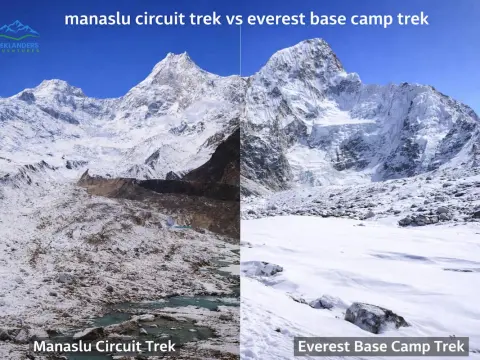
Compare the Manaslu Circuit and Everest Base Camp treks—difficulty, altitude, crowds, and experience—to choose the best Nepal trek for you.



