
Everest Base Camp Trek Packing List: Essential Gear Checklist for 2026
26 Nov 2025
Preparing the right gear for the Everest Base Camp Trek is crucial, as the trail shifts from warm valleys to freezing high altitudes.

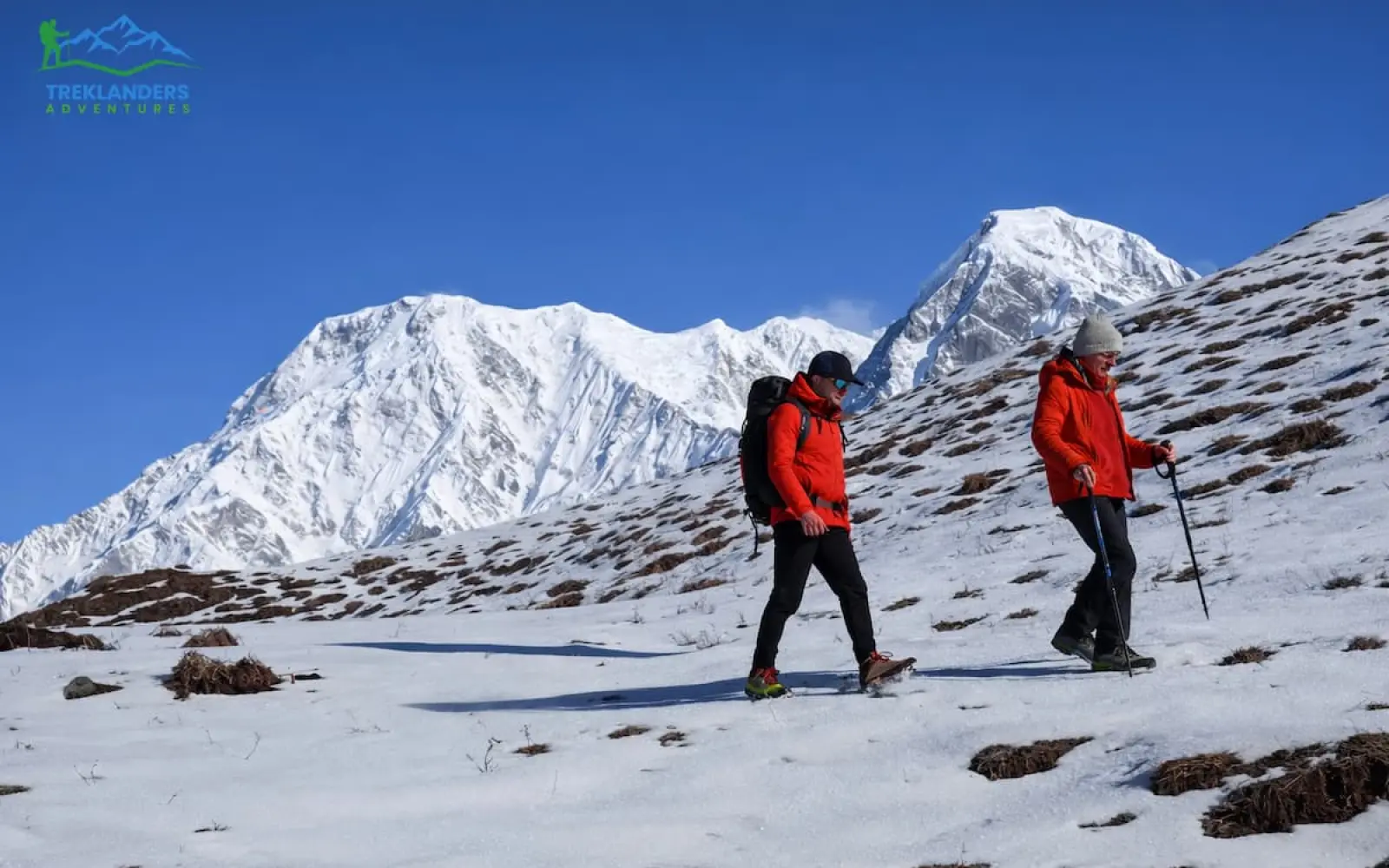
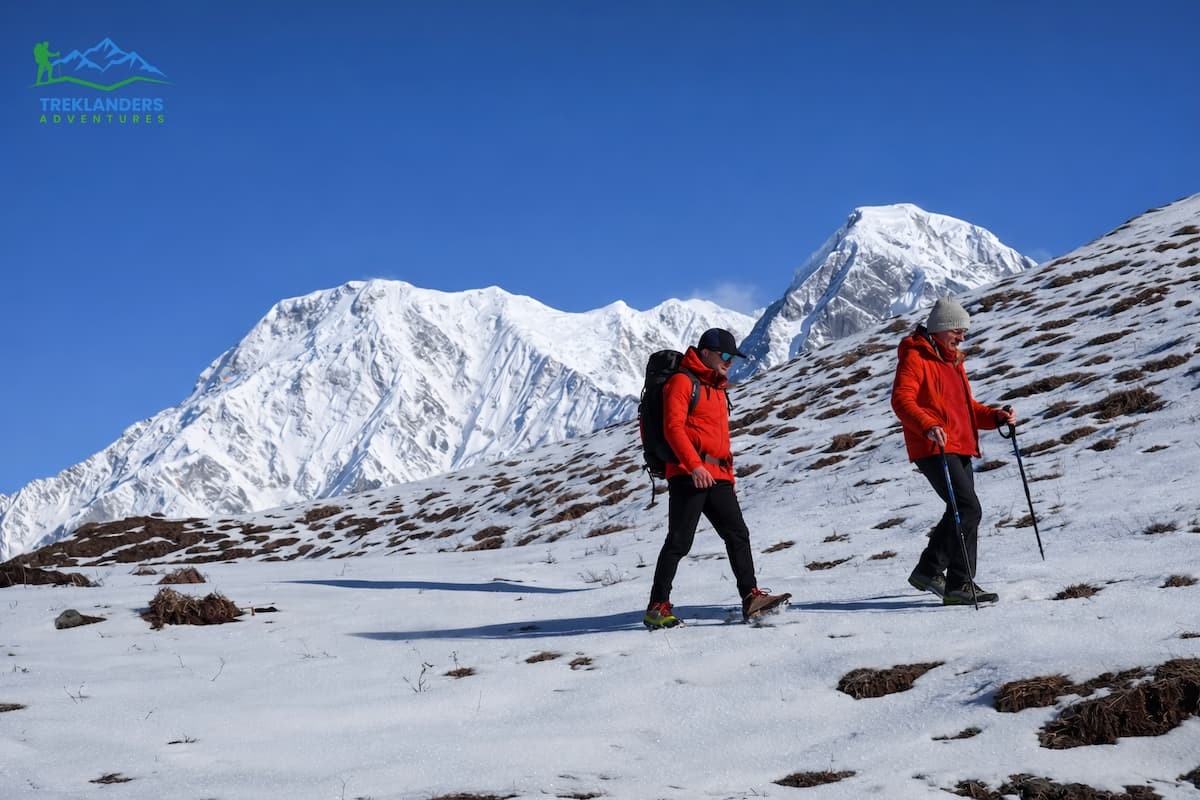
The Mardi Himal Trek is considered one of the most scenic short treks in Nepal. It boasts almost uninterrupted views of Machhapuchhre (Fishtail), Annapurna South, and Hiunchuli. Nestled in the Annapurna region, this trek is a mixture of rhododendron forests, traditional Gurung settlements, alpine meadows, and rugged high mountain scenery, all packed in a relatively short schedule. Though it's a moderate-level trek, travellers should not overlook proper packing and preparation for a safe, comfortable, and successful trip.
The way you plan your packing has a direct impact on your overall trekking experience. Along the Mardi Himal trail, the altitude is gradually increased from the lower areas all the way up to Mardi Himal Base Camp at about 4,500 meters, where the weather can be very unpredictable. Temperature on the trail varies largely between day and night, and this is more noticeable at the higher altitudes. Hence, the hikers should prepare themselves for cold mornings and warm afternoons as well as strong winds and the chance of rain or snow, depending on the time of the year. With the help of proper layered clothes, good trekking equipment, and the right accessories, they can deal with all these changes quite efficiently.
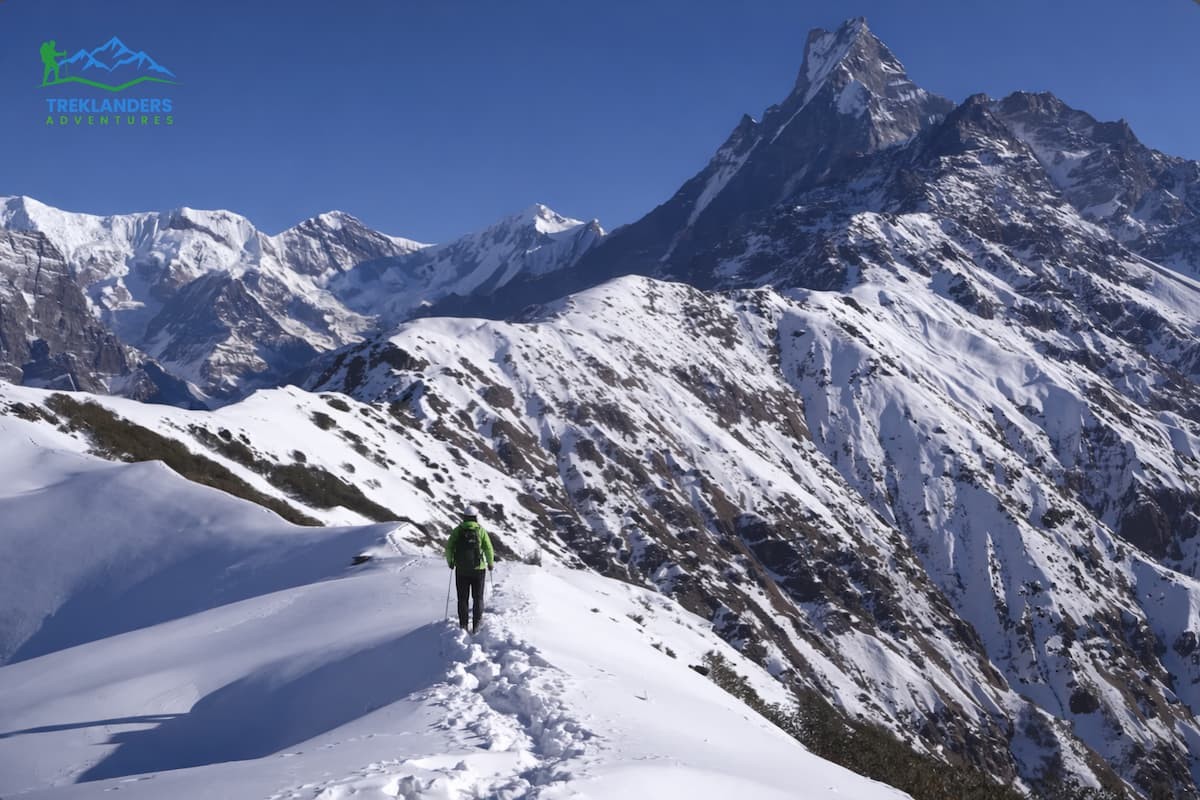
You also need to get yourself physically ready. Although none of the Mardi Himal route involves technical climbing, the trail is comprised of steep ascents, stone stairs, and narrow ridges. If you start cardiovascular exercises, leg workouts and increase your overall body endurance a few weeks before the hike, you will greatly improve your performance and also experience less fatigue during the trek. Another must-have is figuring out what altitude sickness actually feels like and knowing how to prevent it because even though this trekking route is shorter than most of the other high-altitude routes in Nepal, you will still be above 2,500 m (8,200 ft), where altitude sickness becomes a concern for some people.
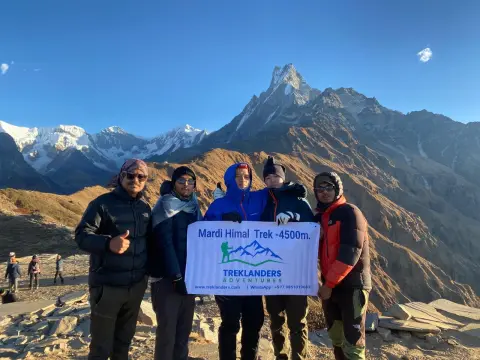
Trekking is about more than just clothing and fitness. Before setting out, trekkers should also think about permits, travel insurance, ways of staying hydrated, and the most important medical supplies. Clever packing is all about carrying what you need while not carrying what you do not need, as lighter backpacks make hiking much more comfortable for a long time.
This comprehensive packing and preparation guide for the Mardi Himal Trek in Nepal covers everything from what to bring, how to physically and mentally prepare, to how to pack your equipment in an organized way. When you have good planning and proper preparation, you will be able to thoroughly enjoy the stunning Himalayan landscape and local culture, which makes the Mardi Himal Trek a great experience.
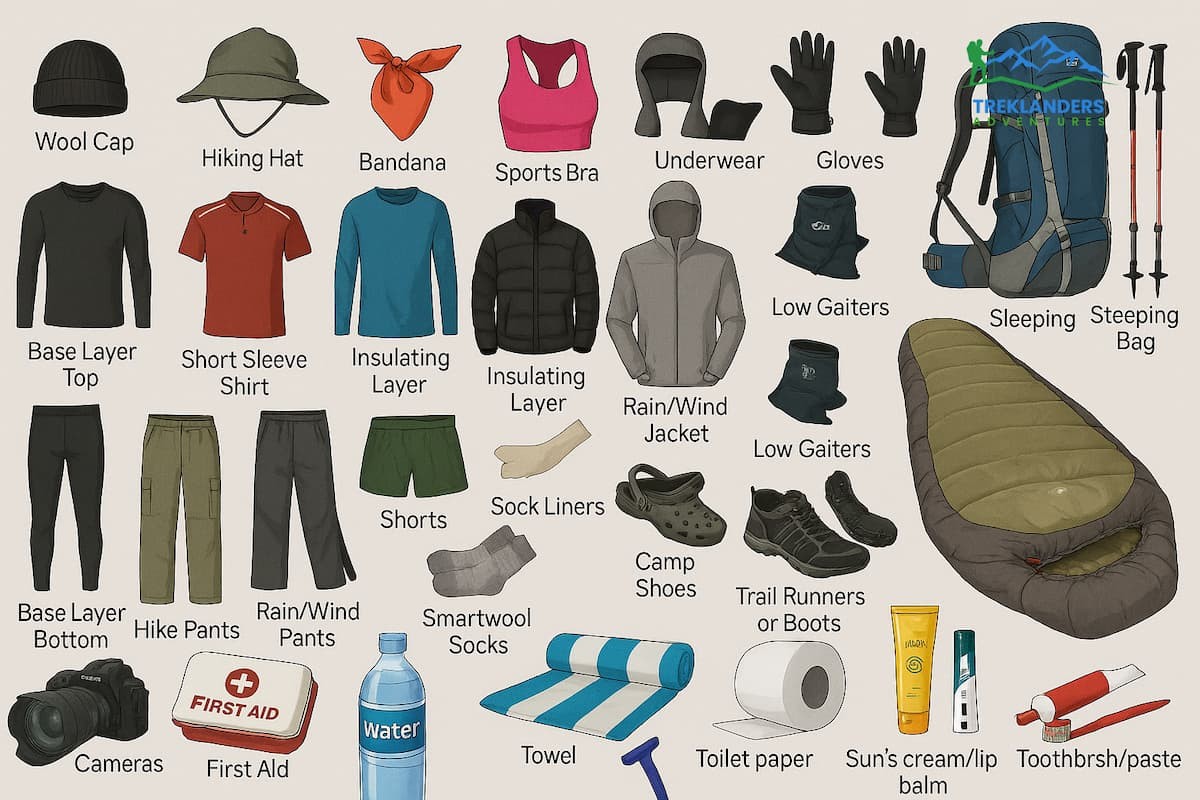
Packing properly for the Mardi Himal Trek is crucial to ensure your journey is both safe and comfortable. The trek goes up to an altitude of about 4,500 meters at Mardi Himal Base Camp, where the weather can change rapidly. It can be warm and sunny during the day, while the nights and early mornings are cold and windy. Having the right gear with you will enable you to be well-prepared in any situation.
First of all, the clothes have to be layered. Pack some moisture-wicking base layers, a warm fleece or down jacket, and a waterproof and windproof shell. Take along trekking pants, thermal innerwear, and T-shirts that you find comfortable. A warm hat, gloves, neck gaiter, and sunglasses become a necessity at high altitudes. High-quality trekking boots with good ankle support are a must, and do not forget your warm socks. You can also bring along a pair of sandals or light shoes for the time you will spend in the teahouses in the evening.
Then, choose a sturdy and comfortable backpack (usually, 40-50 liters is enough if you are trekking alone). Apply a rain cover on your backpack to keep the stuff inside dry. It is advisable to bring a sleeping bag suitable for low temperatures, especially if you will be trekking during autumn or spring. Although teahouses offer blankets, a sleeping bag of your own guarantees not only warmth but also cleanliness.
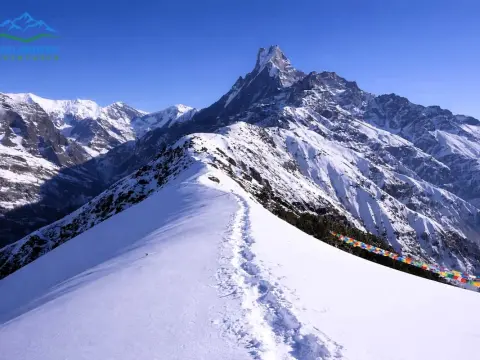
Among the other important things are a reusable water bottle or hydration bladder, water purification tablets or a filter, sunscreen (SPF 30+), lip balm, personal toiletries, and a small quick-dry towel. Since electricity might not always be reliable, a headlamp with extra batteries is something you cannot do without. Trekking poles are definitely a good idea as they will help you take less pressure off your knees during steep ascents and descents.
Carry with your basic medicines like pain relievers, altitude sickness tablets (after consulting a doctor), bandages, and your personal prescriptions. Besides that, bring with your important documents such as a passport copy, travel insurance, ACAP permit, and TIMS card.
Packing should be light but clever. Do not bring any unnecessary things so that your backpack remains manageable. With a properly prepared packing list, you will have a more enjoyable and stress-free Mardi Himal Trek.
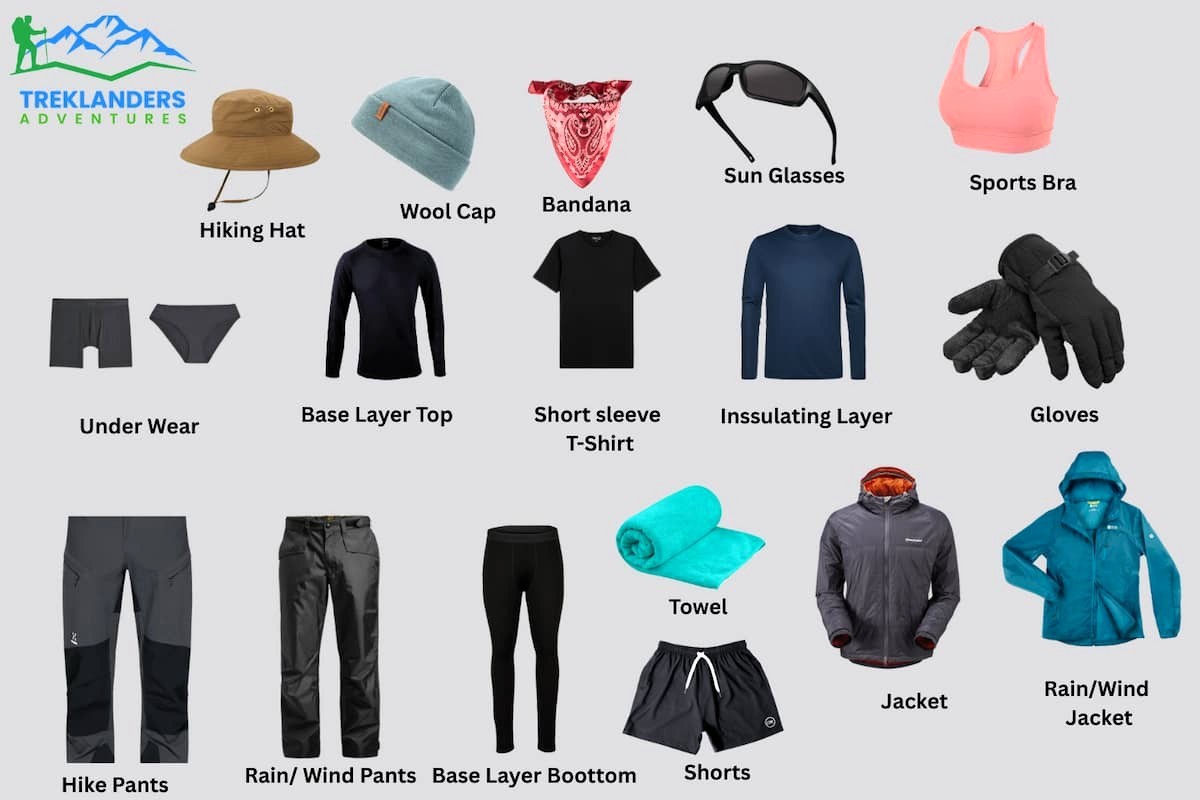
It is very important to choose clothing and a layering system that will keep you comfortable and safe on the Mardi Himal Trek. The trek covers a range of altitudes from low forests to high alpine ridges close to 4,500 meters where the temperature can drop to below freezing, especially in the morning and at night. Since mountain weather can change very quickly, dressing in layers is the best way to stay comfortable and at the same time adjust your temperature.
The initial layer is the base layer that is worn right next to your skin. Its main function is to take care of the moisture. When you are climbing a hill for a long time, your body produces sweat, even if the weather is cold. Put on thermal tops and bottoms that are made of synthetic material or merino wool and which keep you dry. Do not choose cotton as it soaks up sweat and becomes wet, and then you get cold.
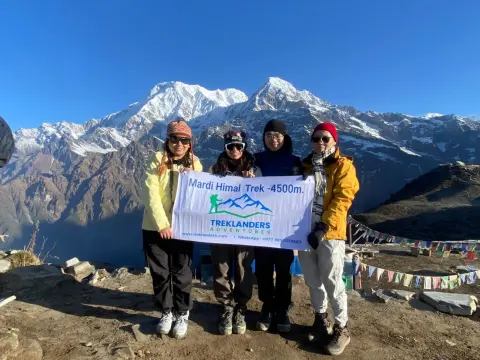
The next layer is the insulating layer, which helps in keeping your body heat. A fleece jacket or a lightweight down jacket is good for this purpose. In colder seasons like autumn and early spring, for evening times at High Camp or Base Camp, especially, it is advisable to have a thicker insulated jacket. This layer provides warmth to you when the temperature drops.
The outer shell layer is basically the third layer; it is the outer shell of your whole outfit to keep you protected from wind, rain, or a little snow. A waterproof and windproof jacket (preferably breathable, like Gore-Tex or any coat of this type) is strongly advised. Also, the waterproof trekking pants may come in handy when there is sudden rain or snow.
For lower body clothing, use comfortable trekking pants that have the quality of stretch and are quick-drying. In fact, thermal leggings can also be your choice on a chilly day. Windproof outer pants at higher altitudes would be a nice extra layer for protection.
Accessories play a significant role as well. You should have a beanie or a wool hat, a pair of insulated gloves, and a neck gaiter or a buff to help your brave wind chills. Since the sunlight is so strong at high altitudes, sunglasses with UV protection become a must. Besides that, wool or thermal socks are great to keep your feet warm and high-quality trekking boots with ankle support for stability are also very important.
Once you understand this 3-layer principle (base, insulation, and outer shell), it becomes easier to reschedule your clothing according to weather and your level of activity, thus ensuring that you are comfortable and successful in the Mardi Himal Trek.
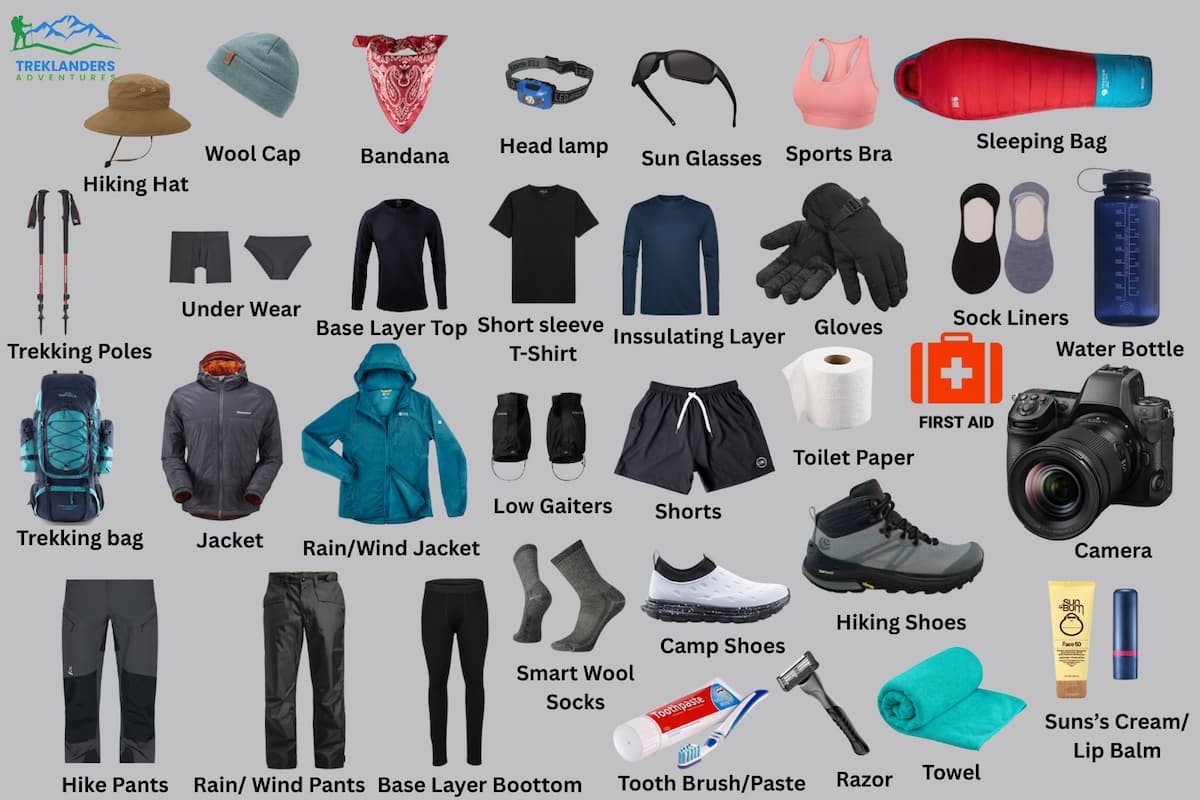
The Mardi Himal Base Camp Trek is a moderate Himalayan journey, and you will need proper trekking gear and equipment to ensure your safety, comfort, and efficiency. The trail is shorter than Annapurna Base Camp or Everest Base Camp, but it goes up to an altitude of nearly 4,500 meters where the weather can be cold, windy, and unpredictable. Having reliable gear with you will make your trekking trip much more pleasant.
A sturdy and comfortable backpack (40-50 liters) is necessary to carry your personal items. Get one with padded shoulder straps, a supportive hip belt, and a rain cover. If you are hiring a porter, a smaller daypack (20-30 liters) will suffice to carry daily essentials like water, snacks, and an extra layer of clothing.
Footwear is a very critical piece of equipment. Go for high-quality trekking boots with durable ankle support and a strong grip for steep and uneven trails. The route comprises stone steps, forest paths, and narrow ridgelines, good traction is a must. Trekking poles help a lot, as they lessen the pressure on your knees and give you better balance when going up and down.
A four-season sleeping bag, designed for sub-zero temperatures, is the right pick, particularly during the transition seasons of autumn and spring. Even though teahouses offer blankets, the nights at High Camp can be pretty chilly. Besides, a sleeping bag liner that is light in weight can bring extra warmth and also be good for personal hygiene.
Hydration gear should not be forgotten as well. Bring water bottles that can be refilled or a hydration bladder, together with water purification tablets or a small, portable filter. There is always clean drinking water available on the hiking trail; however, water purification is the safest option.
Also, among the must-have items are a headlamp with spare batteries, sunglasses with UV protection, sunscreen (SPF 30+ or more), a first-aid kit, and personal medications. A power bank is also a good idea, as the availability of charging points may be very limited at the heights.
Packing thoughtfully and going for strong, yet light equipment will assist you in staying comfortable and being able to concentrate on the marvelous sights of Machhapuchhre and the Annapurna range during your Mardi Himal Base Camp trek.
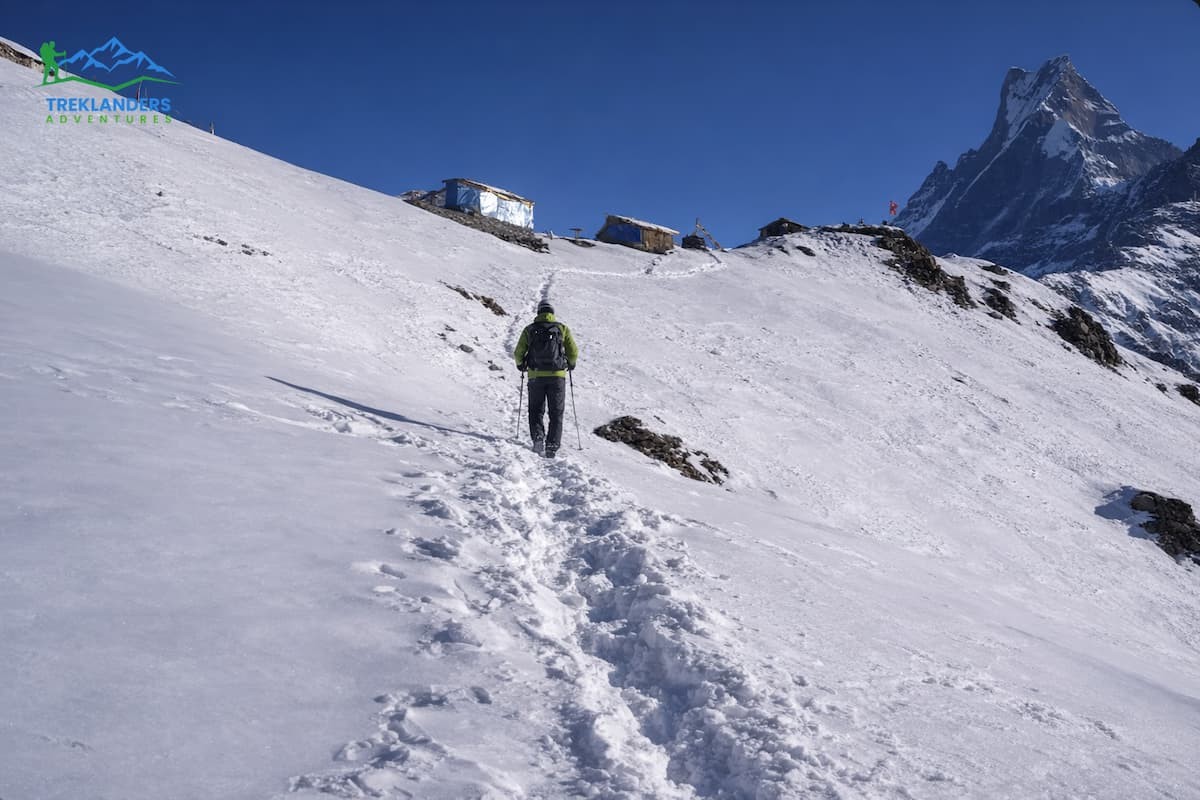
Packing your backpack wisely is, undoubtedly, one of the most essential activities when preparing for the Mardi Himal Trek. Since on this trek you will be spending 5-7 hours daily going up and down steep and rough trails, carrying the extra weight can easily cause tiredness and discomfort. A well-balanced backpack should only contain items that support safety, comfort, and the fulfilment of basic needs.
It is a good idea, first of all, to focus on the items necessary for daily use. You should always have with you a reusable water bottle or hydration bladder and water purification tablets. It is crucial to keep your body hydrated at high altitude. Besides, throw some light snacks such as energy bars, nuts, or chocolate into your pack to provide you with quick energy during long uphill sections. Putting a lightweight down jacket or a fleece into your daypack is a wise move if you happen to be in the mountains, where the weather often changes quite abruptly.
Other significant personal care products are sunscreen, lip balm with SPF, UV-protection sunglasses, and a hat for the sun. A compact first aid kit with basics like medicines, bandages, pain relievers, and your personal prescriptions is a must. Also, a headlamp with spare batteries should be your companion, as power may not be available all the time in teahouses. Wipes, hand sanitizer, and the most basic toiletries are always a good addition for cleaning purposes.
Be sure to keep your passport copies, permits (ACAP and TIMS), travel insurance documents, and some cash in a waterproof folder. It will also be a good idea to bring a power bank and charging cable with you, as charging facilities might be scarce or costly at higher elevations.
Now, reflecting on what not to bring, books, electronics that you do not use, and too many clothes should not be included in your packing. Avoid cotton clothes as cotton will become wet and take a long time to dry. Carrying large bottles of toiletries is an extra weight- carry travel-size ones instead. There is no need to bring expensive jewelry or valuables on the trek.
The main secret is to pack light but thoughtfully. Every item in your backpack must be justified. Carrying a lighter backpack allows better balance, the strain on your body is less, and it makes your Mardi Himal trekking fun and even more comfortable.
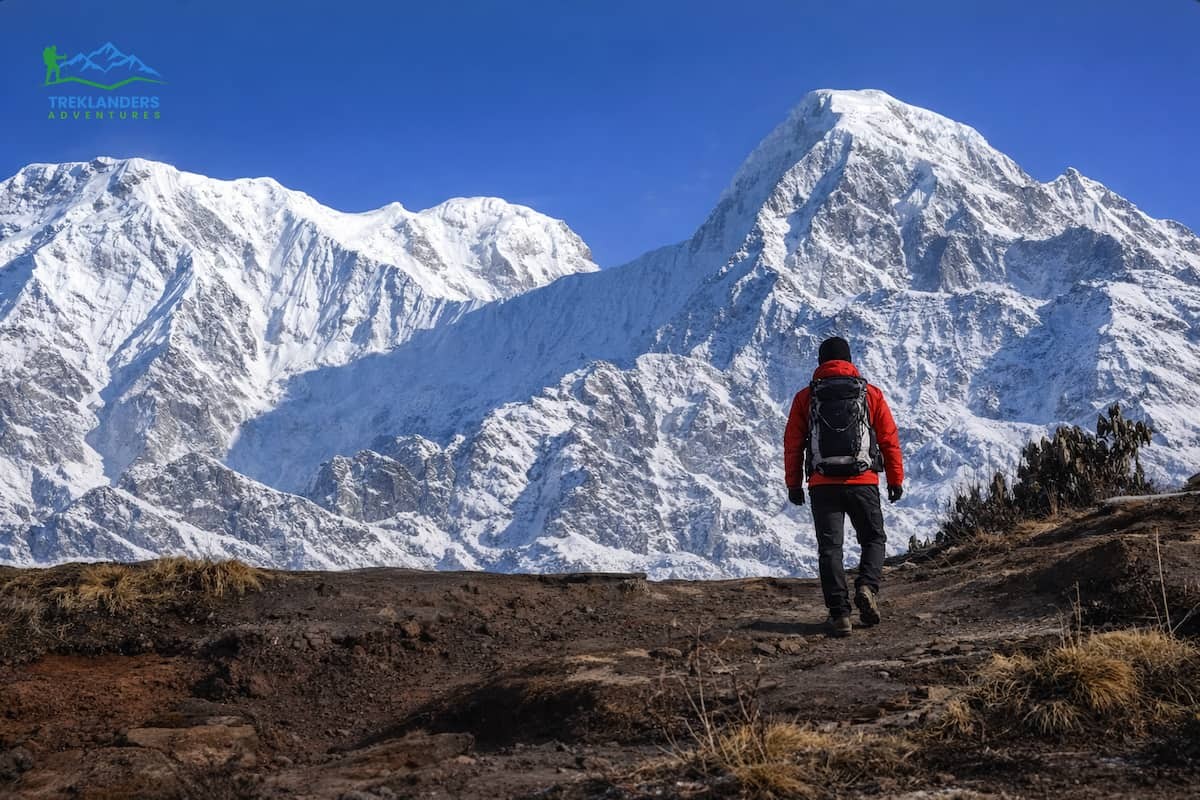
Physical preparation is the backbone of a successful Mardi Himal Trek. Even if the trek is labelled as moderate, you should know that the path involves a series of non-stop uphill walks, steep stone steps, and narrow ridges. To top it all, Mardi Himal Base Camp is at an altitude of around 4500 meters, where the decrease in oxygen level may make walking a real challenge. So, getting your endurance, muscle strength, and stamina up to speed before the trek will not only make your journey smoother but also lessen the chances of your getting tired or hurt.
Plan on getting yourself in shape at least 4 to 6 weeks before you hit the trail. First of all, putting a strong emphasis on cardio endurance is a must because trekking means walking for 5 to 7 hours a day. You can do brisk walking, jogging, cycling, swimming, or stair climbing for your workouts. Your goal should be to do 30-45 minutes of cardio exercise at least 4 days a week. To get used to the idea of hiking uphill, step up the intensity little by little.

Then, go ahead and tighten up your leg muscles and work on your core. Your strong legs will be a great help when you're going up or down a steep trail, while a good core stabilizes your balance whenever the ground is not level. Make sure that you add squats, lunges, step-ups, wall sits, and calf raises to your routine. To complement the core work, planks as well as a few light abdominal exercises can be done. Two to three times a week, dedicate time to strength training.
Practice backpack hiking with a loaded pack to condition your body for trekking outdoors. Initially, carry a light pack, then slowly add more weight until you reach 5-7 kg. This not only assists your shoulders and hips in getting used to carrying equipment but also helps you maintain good posture when walking for long hours. Flexibility and recovery matter too. Stretching after exercise helps your muscles to be less stiff and you move better. Doing yoga or light stretching can be your ways to keep flexible and hence avoid getting hurt.
Besides physical training, set yourself mentally as well. High altitude trekking demands patience and pacing the walk in a steady way. Acquaint yourself with the symptoms of altitude sickness and know why it is important to ascend slowly and drink a lot of water.
If you stick to a well-planned fitness and training schedule, you will be able to hold out longer, get less tired, and witness the splendor of Mardi Himal Trek without any worry and in great comfort.
Before undertaking the Mardi Himal Trek, one of the most important things to do is to sort out the permits and travel documents. As the trek route is within the Annapurna Conservation Area, the Nepal government requires trekkers to have official permits. Besides proving that you have the right to be there, these documents also help support conservation work and make sure local authorities can keep track of you for your safety.
The first permit you will need is the Annapurna Conservation Area Permit (ACAP). The Mardi Himal Trek lies within the Annapurna Conservation Area, which is a sanctuary supported and managed by the National Trust for Nature Conservation (NTNC). Besides the conservation contribution, the payment made with the ACAP also goes to the maintenance of the trekking trails and the development of the local community. It doesn't matter if you are an independent trekker or if you have a guide; this permit is compulsory.
The other permit required is the TIMS Card (Trekkers Information Management System). The TIMS card allows the authorities to have a record of trekkers in their area in order to provide a prompt rescue in case of emergency or security issues. This system will identify the location(s) and coordinate the rescue team(s) in the event of natural disasters, accidents or medical emergencies. If you go trekking with a registered guide through a licensed agency, most probably, the agency will take care of getting you the TIMS card.
Two passport-sized photographs and a valid passport copy are must-haves for obtaining these permits. Permits can be organized either in Kathmandu or Pokhara through the Nepal Tourism Board office or a registered trekking agency. It is wise to have both hard copies and digital versions of your papers.
Besides trekking permits, it is highly advisable to have travel insurance. The coverage of your policy should include high-altitude trekking (up to 4,500 meters), medical treatment, and helicopter evacuation. Though it is not a permit, insurance is a crucial document to ensure safety and being prepared for emergencies.
You should always have your permits and identification at hand during the trek since there might be a random check at entry points or checkpoints. Having the correct documentation will give you a hassle-free, legal, and safe Mardi Himal trekking experience in Nepal.
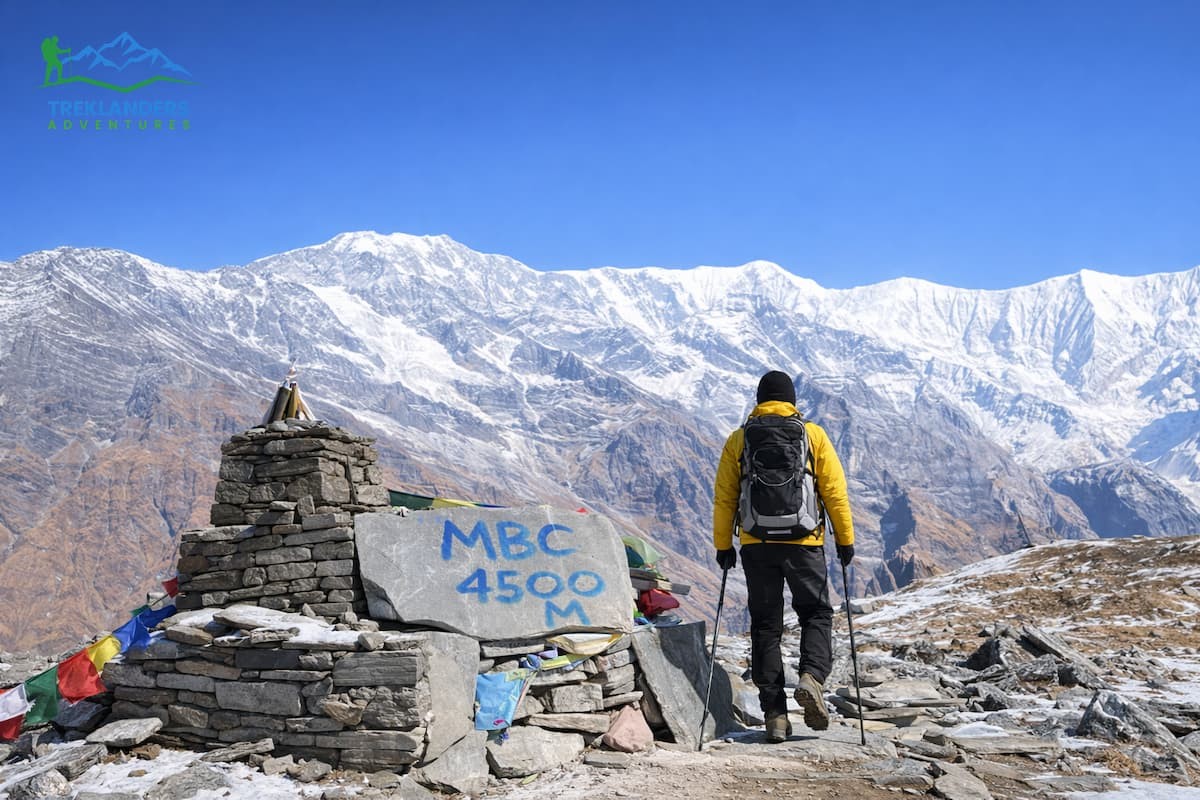
Altitude sickness remains a major issue on the Mardi Himal Trek as the highest point of the trail is around 4500 meters at Mardi Himal Base Camp. Generally, the higher you go, the lower the oxygen level becomes; thus, your body finds it difficult to work normally. Despite the fact that Mardi Himal is classified as a medium-level trek, the right acclimatization and being alert are key factors in safety. The most typical kind of altitude sickness is Acute Mountain Sickness (AMS). Early signs are headache, nausea, dizziness, fatigue, shortness of breath, and difficulty sleeping.
Usually, these symptoms occur above the height of 2500 meters. If you don't take care of these symptoms, AMS might turn into even more dangerous conditions, like High Altitude Pulmonary Edema (HAPE) or High-Altitude Cerebral Edema (HACE), which need, in any case, immediate descent and medical treatment.
A gradual rise is the most effective way of preventing altitude sickness. It is very important not to rush the program. In fact, almost all Mardi Himal trekking itineraries entail staying overnight at Forest Camp, Low Camp, and High Camp so that proper acclimatization can be achieved. In addition, walking slowly and steadily will help your body get used to less oxygen. Use the guideline: "climb high, sleep low" as much as you can.
Keeping hydrated is as important. Consume a minimum of 3-4 liters of water daily. Not having enough water in the body raises the possibility of problems due to high altitude. Do not drink alcohol and avoid smoking during the trek since both of these affect oxygen absorptions and thus increase the severity of symptoms. Keep good nutrition by having meals that are well-balanced and rich in carbohydrates.
Even if you don't feel like eating, make an effort to eat regularly so that you can keep your energy level up. Getting sufficient rest and sleep is also necessary for healing and getting used to the environment. There are some trekkers who take preventive medicine such as acetazolamide (Diamox) but only after a doctor's approval. Medicine should not be the only thing you depend on for your safety; slow acclimation is still the best prevention method.
What matters most is that you heed your body's signals. If the symptoms become more severe, the best thing to do is to go down immediately. Drastic measures taken early on, help to avoid major problems. When you have thorough planning and are properly acclimatized, the Mardi Himal Trek can be an unforgettable, safe experience with breathtaking views, and a high-altitude experience.
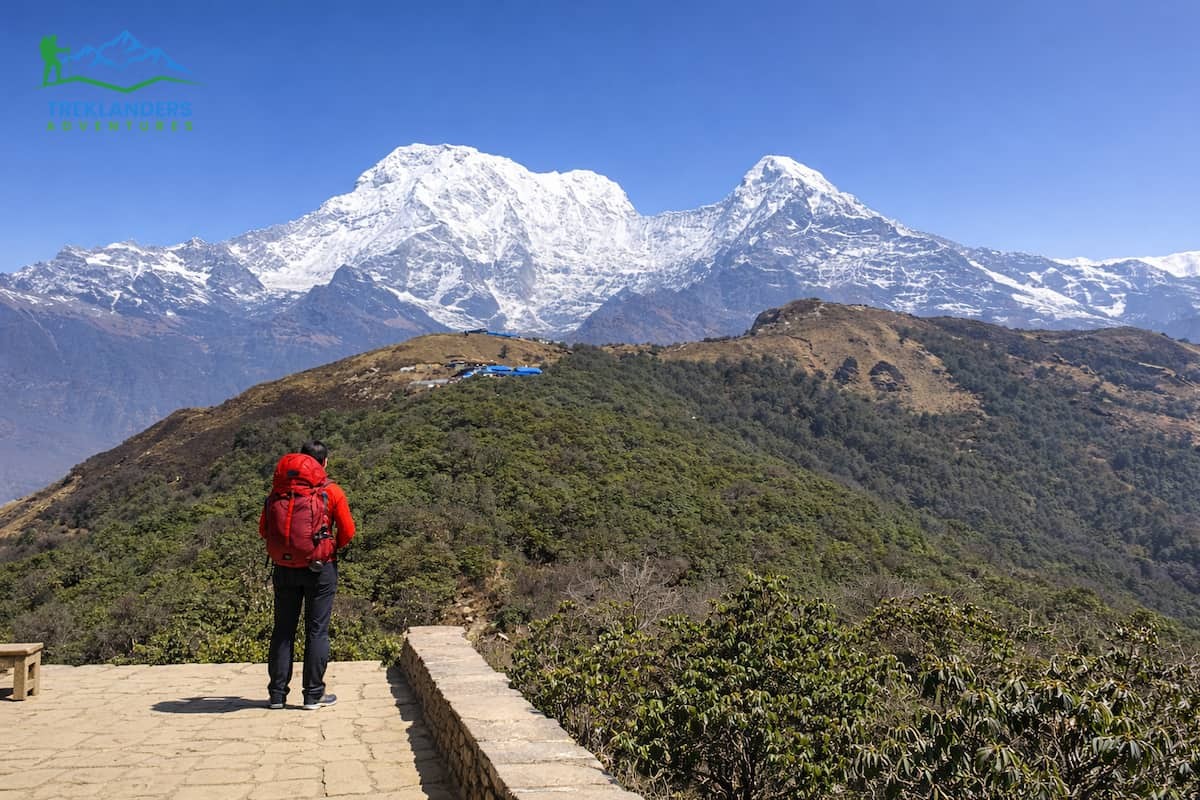
The Mardi Himal Trek presents the opportunity to relish the magnificent landscape of the Annapurna range, along with the other peaks such as Machhapuchhre (Fishtail) and Hiunchuli. However, the experience of the trek can differ a lot depending on the time of the year. Thus, selecting the right moment for trekking affects not only the weather conditions but also sets the criteria for the type of gear and clothing you need to bring.
The top seasons to undertake the Mardi Himal Trek are autumn (September to November) and spring (March to May). It's pretty much during these months that the weather stays nice and stable, the sky is clear, and the mountain views are simply breathtaking. The temperature is just right, and the trails don't get too muddy, so it's really quite nice for trekking. In spring, the blooming rhododendron trees paint the whole forest in red, pink, and white, while in autumn, you get to see the peaks in great visibility thanks to the clean, crisp air.
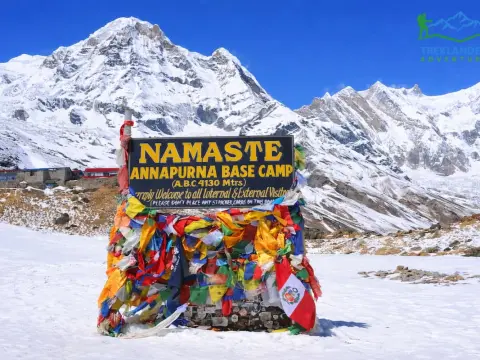
Winter (December to February) is colder, especially if you go higher, where there may be snow. You will need to wear warm clothes, insulated boots, and a good sleeping bag if you decide to do the trek in this season. Because there are fewer tourists in winter, you get to enjoy a quieter trail; however, some tea houses may offer only limited services.
The monsoon season (June to August) is mostly discouraged. Heavy rains can lead to slippery hirings, landslides, and leeches; thus, trekking can be dangerous. Mountains' visibility is also limited due to clouds and fog. If you happen to trek early or late in the monsoon, you have to bring waterproof gear, gaiters, and quick-drying clothing.
When changing the season, in autumn and spring, bring light trekking clothes, a warm fleece, a down jacket for cold nights, and a windproof jacket. You may have to use thermal layers in the high camps. In winter, take with you heavy insulated clothes, woolen hats, gloves, and a sleeping bag suitable for sub-zero temperatures. When it is monsoon, focus on waterproof jackets, pants, and strong boots with good grip. Whatever the season may be, sunglasses, sunscreen, and a hat should always be a part of your carry to protect you from UV.
Knowing the right season and planning the packing accordingly guarantees a comfortable, safe, and enjoyable trekking experience. When well prepared, you will not miss out on the amazing, calm, and panoramic Himalayan views, which make the Mardi Himal Trek an extraordinary adventure.
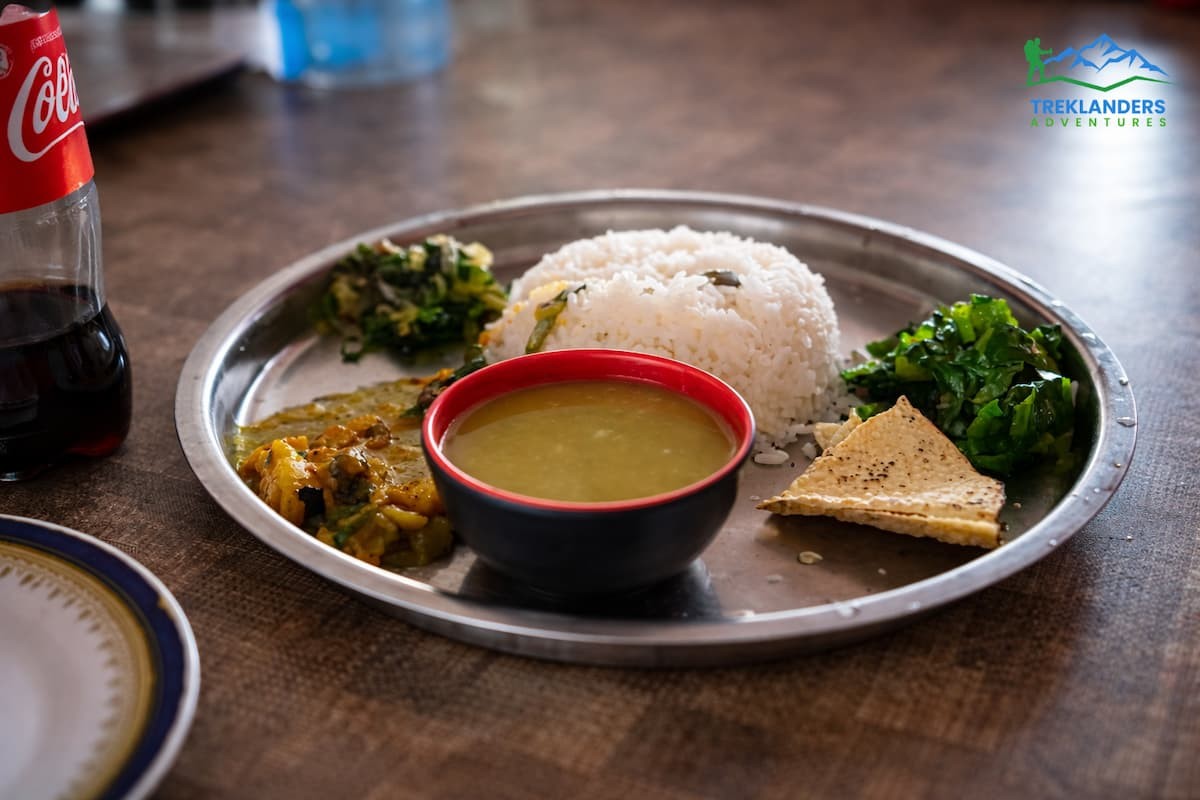
Proper nutrition and hydration play a vital role in ensuring the safety and enjoyment of the Mardi Himal Trek. High-altitude trekking needs more energy, so the body requires additional calories to handle steep climbs, cold weather, and low oxygen levels. Proper eating and drinking plans can help you stay energetic, prevent altitude sickness, and avoid other health problems.
Along the Mardi Himal route, trekker-friendly teahouses serve a variety of dishes such as Nepali traditional food, pasta, rice, noodles, and soups. To get long-lasting energy, concentrate on carbohydrate-rich foods such as rice, potatoes, bread, and pasta. Add protein to your diet through eggs, lentils, cheese, and meat to help your muscles recover. Nuts, energy bars, chocolates, and dried fruits can be your companions when you need a quick energy boost during long hikes. Heavy, greasy food can be avoided as it may cause stomach upsets at high altitudes.
One of the ways to keep your body functioning well is to drink enough water, as you lose more fluids at higher altitudes, particularly when trekking for hours. If you don't feel thirsty, still drink 3-4 liters of water a day. Carry a reusable water bottle or hydration bladder and fill it up regularly at teahouses or natural water sources. To be on the safe side and to avoid waterborne diseases, it is recommended to always purify water by using tablets, filters, or UV sterilizers.
Try not to drink too much alcohol or caffeinated beverages since both of these substances may lead to dehydration, which, in turn, would intensify altitude sickness symptoms. One can also use an electrolyte powder or an electrolyte beverage to get the needed minerals and stay hydrated.
Consuming several small meals during the day as opposed to one big meal helps keep your energy level at a steady rate, and it also avoids digestive problems.
By making a conscious effort to balance your consumption of food and water, you will be able to keep your energy level up, stay hydrated, and become more acclimatized to the high-altitude environment. When you follow a nice diet and keep your fluid intake at the right level, trekking becomes not only easier and safer but also more fun, thus enabling you to enjoy the magnificent vistas and the peaceful nature that surround the Mardi Himal Trek to the full.
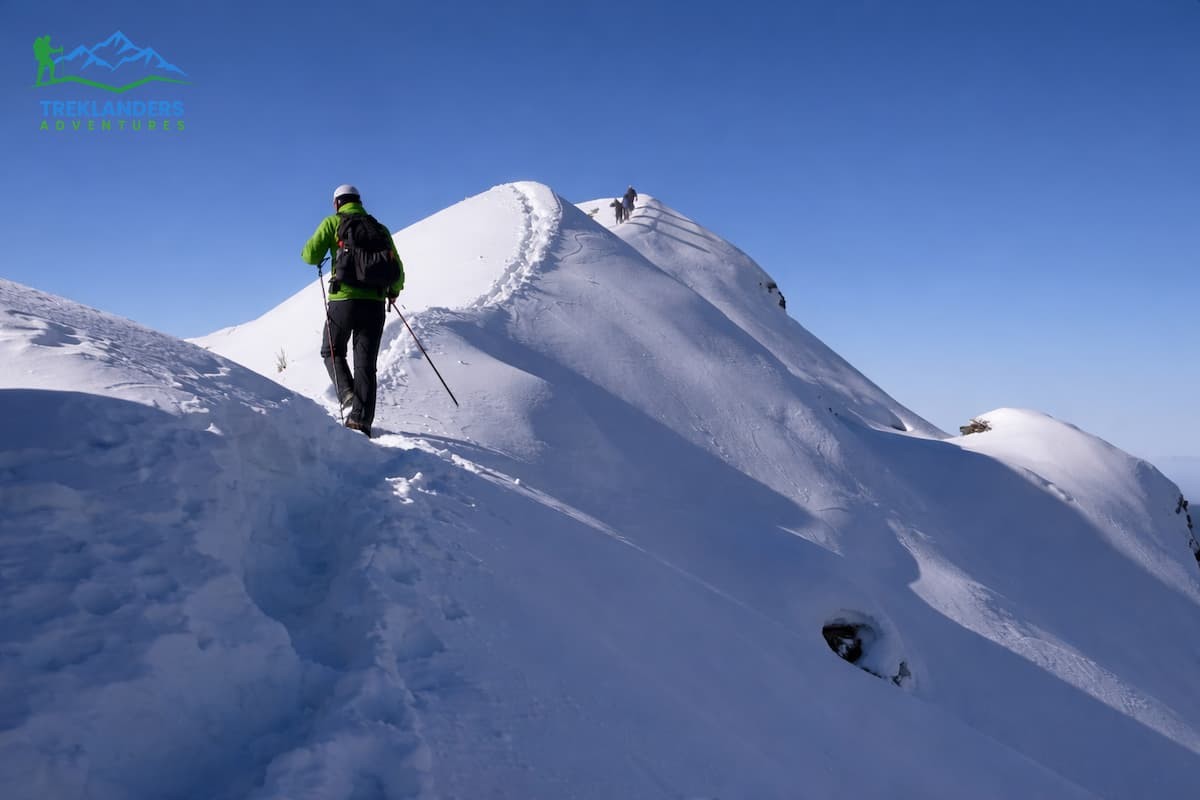
Preparation and safety are key factors when trekking in Mardi Himal, as the trail is a mix of moderate hiking and high-altitude terrain. In comparison with the Annapurna Base Camp and Everest Base Camp treks, the Mardi Himal is a shorter trek; however, it gets up to around 4,500m at Mardi Himal Base Camp, and here, the altitude, the steep trails and the unpredictable weather are the main risks. Therefore, being prepared both physically and in terms of equipment will definitely make your trip more pleasant and easier.
Travel insurance should be the first thing on any trekker's checklist. A good policy must include coverage of high-altitude trekking, provision for emergency medical treatment and helicopter evacuation. Even if things go really well, there is still a chance of a sudden accident, sickness or altitude-related health problem, and besides, the evacuation from far-flung places in Nepal is not only expensive but also quite complicated. So, it would be a good idea for trekkers to keep the insurance policy copy and the list of emergency numbers with them and also to check that the policy covers trip delays, lost luggage and natural disasters, since at times in the mountains the weather can be very unpredictable.
One of the main factors in safe trekking is proper acclimatization. The motto, climb high, sleep low is highly recommended for the trekkers so as to give their bodies a chance to get used to the reduction of oxygen gradually. The walking should be done gently with sufficient pauses. This will help the body to recover from tiredness and, at the same time, it will lower the chances of altitude sickness. Weather conditions should be continuously watched for, as the temperature may suddenly drop, and at higher elevations, rain, snow, or strong winds might also be encountered. Appropriate clothing, such as waterproof and windproof layers, and high-quality trekking boots with good ankle support are absolute essential. Trekking poles are a great help in maintaining balance when going along narrow ridges and steep descents, also reducing the load on your knees and joints.
Emergency preparation is about more than just getting insurance and gear. For instance, trekkers should have a moderately stocked first-aid kit including medicine for headache, vomiting, minor injury, and altitude sickness. It is very important to have a mobile phone fully charged with a power bank, and to know the emergency numbers and local contacts for communication. It is advisable for trekkers to get to know the places of teahouses, health posts, or rescue services in their vicinity.
Trekking with a guide or an agency, the group should obey the instructions of the guide, who, as a local, is trained and capable of handling the emergency situation properly. When you have good travel insurance, pay good attention to your safety, and are adequately prepared for emergencies, you are all set to enjoy the Mardi Himal Trek at its fullest by seeing the amazing viewpoints, peaceful nature, and local culture without any worry about your security.
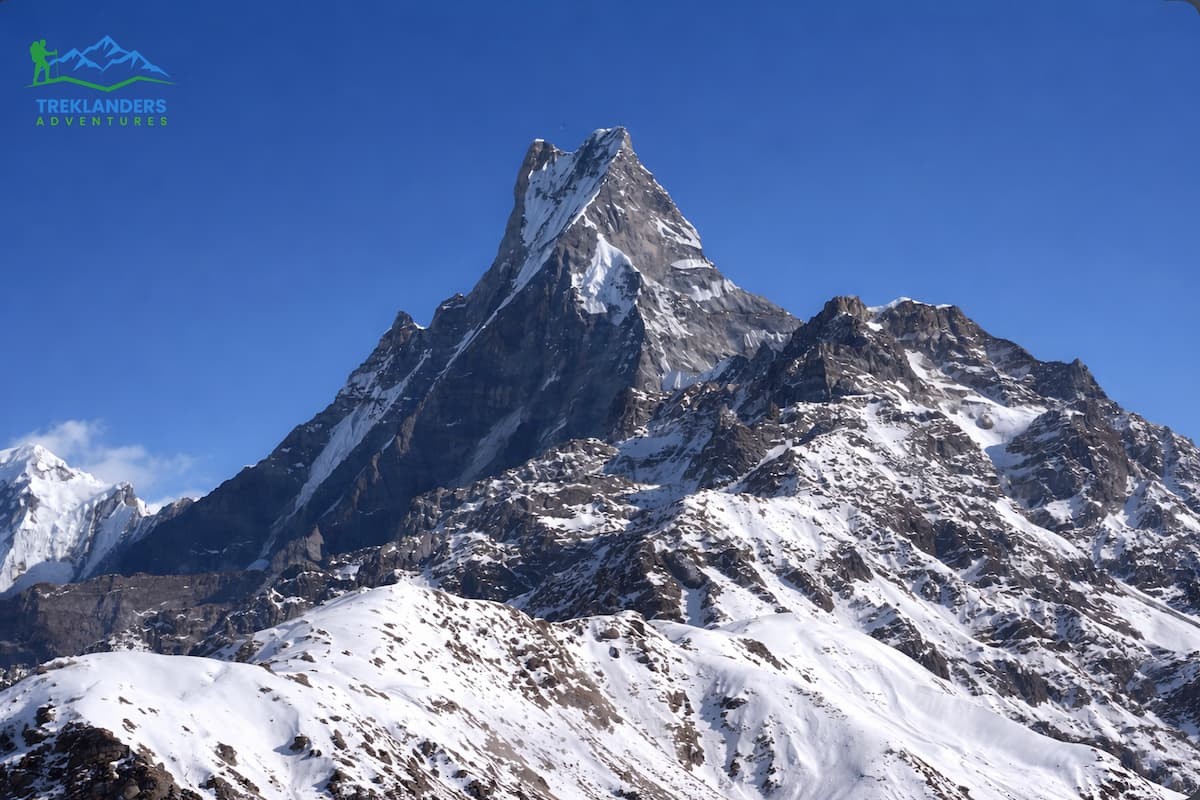
The Mardi Himal Trek is an incredible Himalayan excursion that beautifully blends mesmerizing mountain panoramas, tranquil forests, and the authentic lifestyle of Nepali villagers. To get the most out of this trip, one needs to be well-prepared through proper packing, physical training, and familiarization with safety protocols.
Besides having the correct attire and equipment for high altitude trekking, understanding altitude sickness, being aware of hydration requirements, and knowing emergency plans are equally important. Taking a travel insurance policy, having the necessary permits, and adhering to a well-designed fitness and acclimatization routine not only guarantee one's safety but also add to the enjoyment factor on the trail.
When done consciously with a thoughtful plan and a smart pack, the trekkers are able to immerse themselves fully in the stunning visual, natural, and cultural aspects of the Mardi Himal Trek that make it such a memorable experience. With the right preparation, awareness, and consideration towards the mountain environment, this trek is a safe, fulfilling, and inspirational journey right into the heart of the Himalayas.
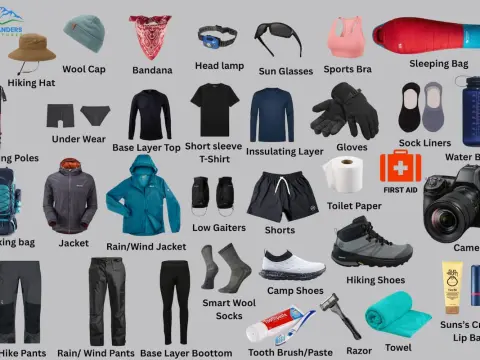
Preparing the right gear for the Everest Base Camp Trek is crucial, as the trail shifts from warm valleys to freezing high altitudes.
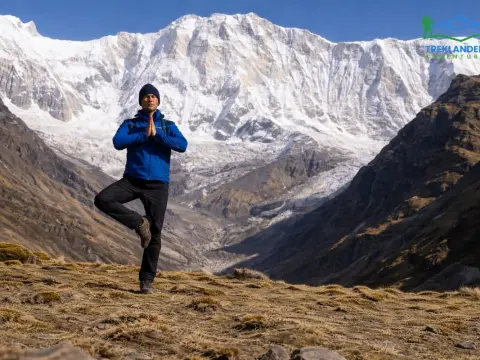
Prepare for the Annapurna Base Camp Trek with essential fitness, packing, permit, and safety tips for a successful Himalayan adventure.
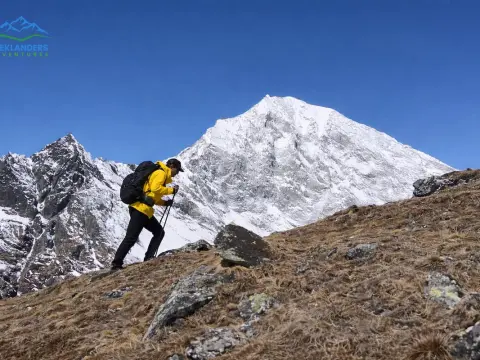
Langtang Valley Trek packing list and preparation guide with essential gear, permits, and altitude tips.



