
Best Time for Everest Base Camp Trek
25 Oct 2023
Knowing the best season for the Everest Base Camp trek is essential for planning a safe and enjoyable adventure.

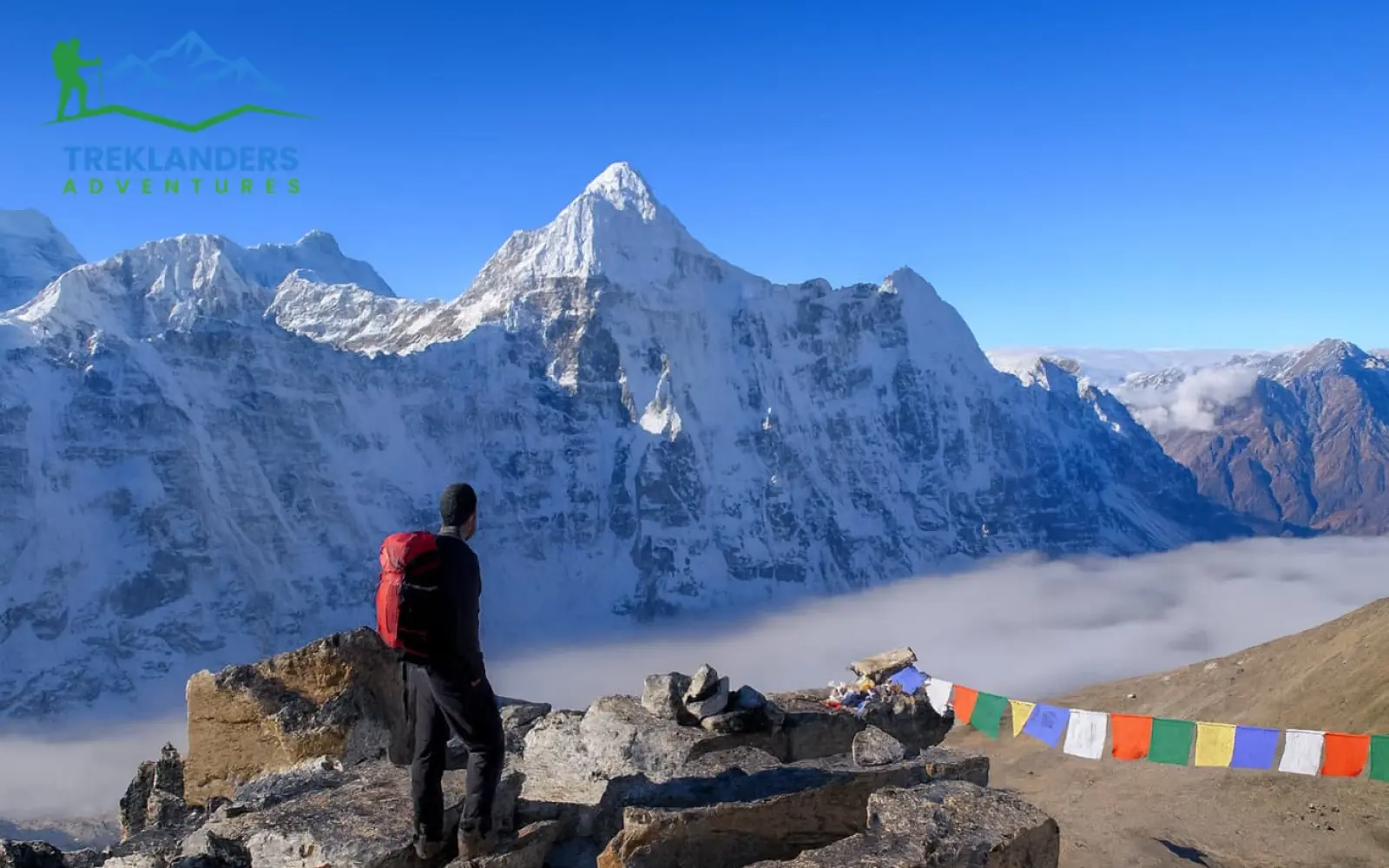
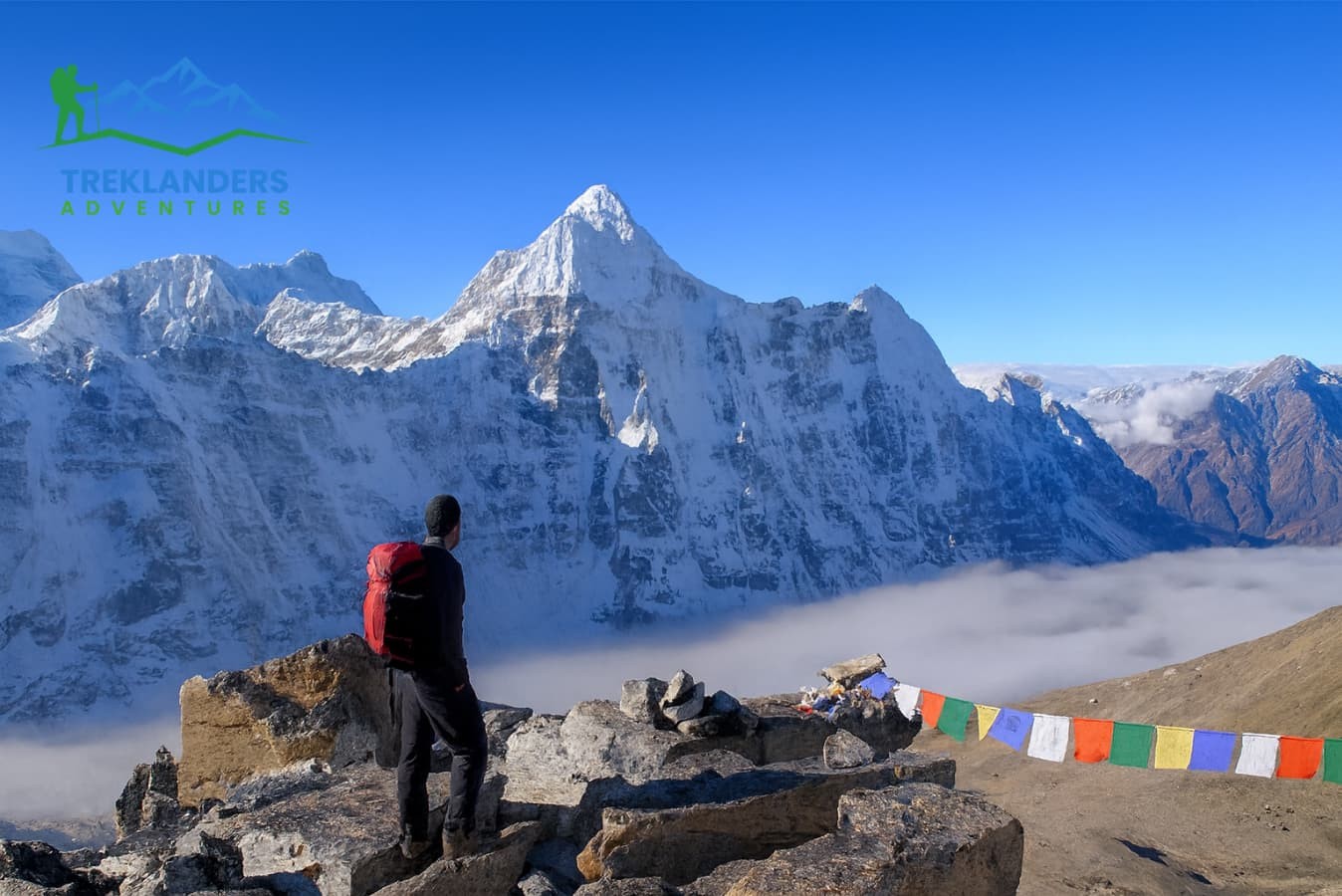
Trekking in the Himalayas of Nepal is likely to remain with you as one of the most beautiful and memorable travel experiences of your life. Besides imposing mountains, you will get to see the diversity of nature and meet warm and friendly people. To make the right choice of time for trekking in Nepal, it is necessary to know when that is and what trekking seasons in Nepal are. Every month has its own weather, trail situations, and also which of the Mount Everest treks will be beautiful. So, the best time to trek in Nepal depends on the individual.
The climate in Nepal is very different: from the coldest months of winter to the sunshine of a beautiful spring and the colorful days of autumn. In fact, Nepal trekking weather receives different forecasts every month, so they discuss visibility, temperature, and safety on the trails. There is something special in each season, such as the super clear mountain views in October and the blossoming rhododendron forests in April. The right time to go is always a balancing act between getting the most out of it and being safe from bad weather like heavy monsoon rain or winter snow.
This month-by-month guide has details of the Nepal weather you want to know while you are there, trekking climate in Nepal, trail conditions, the number of people you will meet, animal and plant life, safety tips, and the most important gear. This full overview lets you pick the best trekking season that fits your desires, fitness level, and the way you travel with certainty. This guide will help you to plan your Nepal trekking adventure like a pro, including viewing the Himalayas panoramically, trekking in the off-season when it’s quiet, or having a perfect temperature for a long, high-altitude journey.
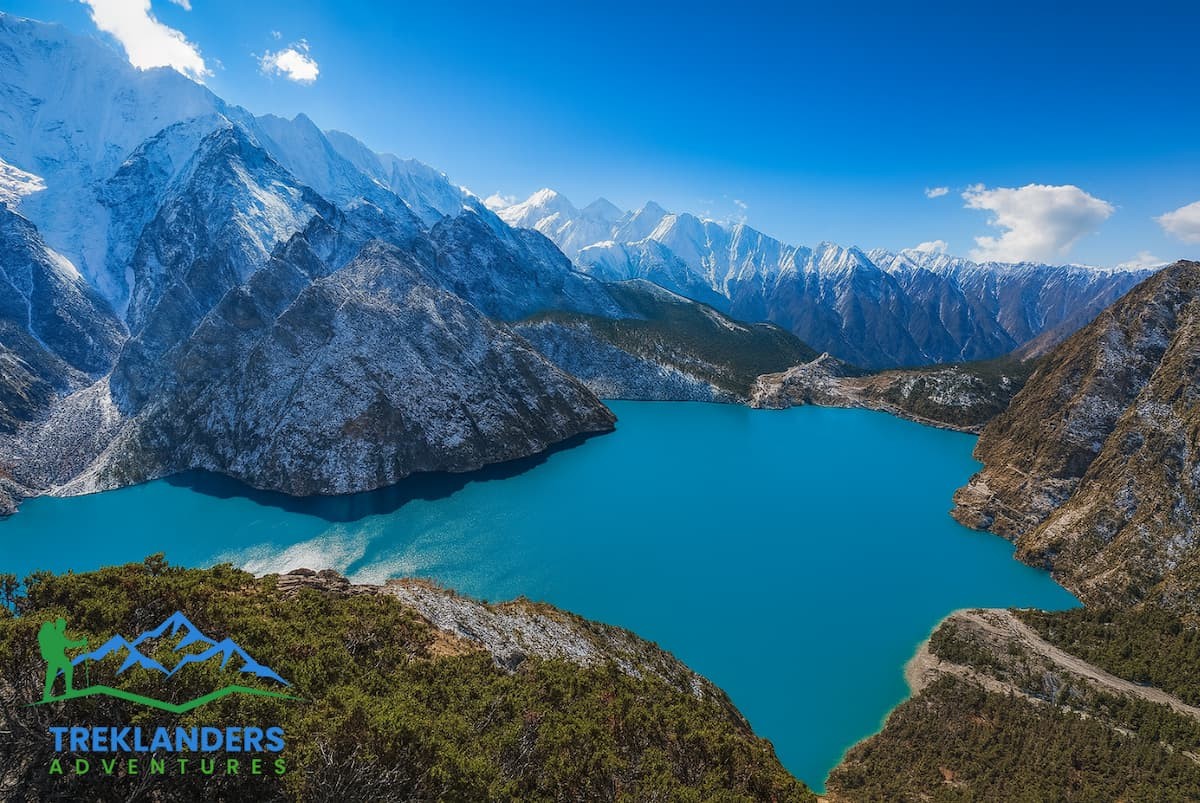
Nepal is a trekking destination that can be visited any time of the year, but different seasons bring different experiences regarding weather, scenery, trail conditions, and overall difficulty. Knowing about the trekking seasons in Nepal is a prerequisite to organizing a safe, pleasant, and fulfilling Himalayan trip. Although the country goes through four main seasons—spring, summer/monsoon, autumn, and winter—the decision for the time of the trek is mostly taken by the travelers considering the climate stability, visibility, and their preference. For this reason, knowing the best time for trekking in Nepal comes before booking the trip.
Nepal’s two best trekking seasons are spring (March–May) and autumn (September–November). Spring has the benefit of being warm, having lengthy daylight hours, and the trails being decorated with the red, purple, and pink rhododendron blossoms. Conversely, autumn is known around the world for its unclouded skies, stunning views of the Himalayas, and pleasant temperatures during the day. These months are also very likely to have good weather, hence trekking in Nepal during these months is appealing to thousands each year who undertake the likes of Everest Base Camp, Annapurna Base Camp, and Langtang Valley treks.
Summer/monsoon (June–August) and winter (December–February) are off-season for most of the treks, but they can still be really good choices for some destinations. The monsoon season is characterized by heavy rains in different parts of the country, resulting in muddy, slippery trails and low visibility. However, areas in the rain-shadow, such as Upper Mustang, Dolpo, and Nar-Phu, remain dry and are perfect for trekking. Winter is associated with cold weather and rising of snowfalls, but in the same breath, it offers less crowded trails, clear mountain views, and opportunities for lower altitude trekking like Ghorepani Poon Hill, Mardi Himal lower sections, and Helambu.
The bottom line is that when to trek in Nepal is a reflection of what one desires: flowering forests, spectacular mountain views, fewer people, or the real feeling of being in nature. This brief look at Nepal's trekking seasons helps you to align your trekking style with the Nepal trekking weather so that you can select the best time for your trip. Every season is enchanting in its own way the point is to find the one that resonates with your sense of adventure.
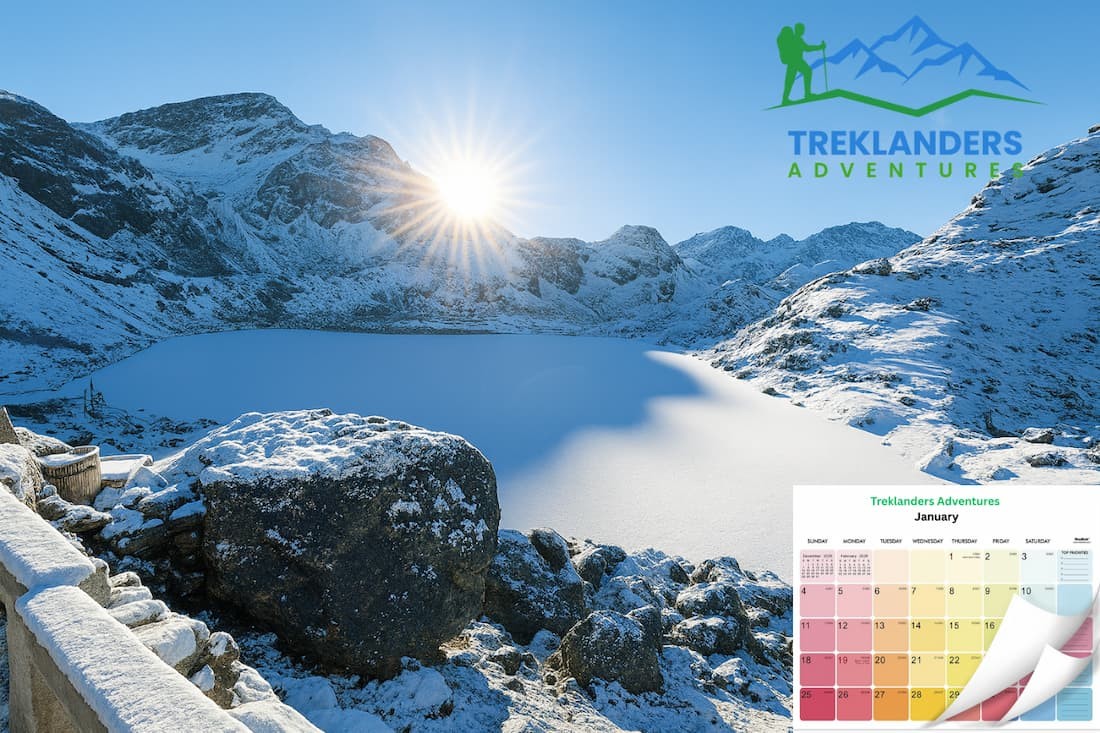
Knowing the weather in Nepal by each month is a must if one is to pick the right mountain trek and be prepared for the fluctuating climate of the Himalayas. The remarkable range of the earth in Nepal extends from the tropics in the south to snow-covered areas in the north, so one can expect a wide variation in both temperature and weather. A month-by-month look at the weather of the Nepal Trek allows you to grasp the whole picture of the trekking climate Nepal has in store for you throughout the year and thus, plan your trip as you wish with full certainty.
January is among the coldest times of the year, and the cold is felt more in the upper parts of the mountains. The weather is mostly clear without a cloud in the sky, thus giving a clear view of the mountains, but the temperatures go as low as 20 degrees Celsius above 3,000 meters. A lower altitude trek like Helambu or Ghorepani Poon Hill would be perfect.
The cold is gradually getting less severe, and the days lengthen. In the mornings, the coldness remains; however, the nights are warming up. The month of February is good for trekking up to mid-altitude regions.
It is the time of the year when the new plant season is announced. The paths get warmer, the Rhododendrons start to blossom, and the air gets cleaner and fresher. March is the perfect time to do classic treks.
The weather days are warm, the forests are blooming with color, and the weather is very stable, making April one of the most popular trekking months in Nepal. The Nepal temperature chart is mostly dominated by clear skies and comfortable temperatures.
The temperature progression is unchanging, and the low-lying areas are getting warmer by the day. There will be more cloud cover composed of pre-monsoon showers in the afternoon, and the atmosphere will be a bit humid as well.
The increasing intensity of rainfall is making the trails treacherous, and fog is everywhere, thus making it difficult to see. It is good to plan trips for these areas, which are in the rain shadow, such as Mustang and Dolpo, which are not affected by the monsoon.
This month is full of heavy rains, so it is not very comfortable to be out in the forest because of leeches that become more active, and also, to add to this problem, the number of landslides that take place every day in different parts of Nepal is increasing. So, it is better to wait for some days in the dry Trans-Himalayan areas to do your trekking.
By the end of the month, the rains will be letting up. The nature is beautiful and full of life; however, the presence of clouds does not allow one to see the mountains.
The good weather is coming back gradually. This is the month of transition towards the best season for trekking. The temperatures are warm, and the atmosphere is clear, which provides good conditions for high-altitude expeditions.
Every Nepal temperature chart is dominated by October because of perfect weather—stable climate, blue skies, and crystal-clear Himalayan views. It is the peak month for Everest Base Camp, Annapurna Circuit, Gokyo Lakes, and Langtang.
During November, the temperatures go down, but they are still pleasant during the day. November also has great conditions regarding the view and the trails, which are dry, and thus, it is a top trekking month.
The mornings are cold again, and the sky is still bright and without a cloud. Trekking at low altitude is still okay, but the high-altitude routes may have the first snow of the season.
To conclude, the trekking climate in Nepal is a different matter each month, ranging quite drastically throughout the year, but the question is, which month doesn’t bring any advantages? If you desire warm days in the spring, the monsoon green colors, or the crisp and bright days of autumn, knowing Nepal's weather by month is what will help you to decide when to go to the Himalayas.
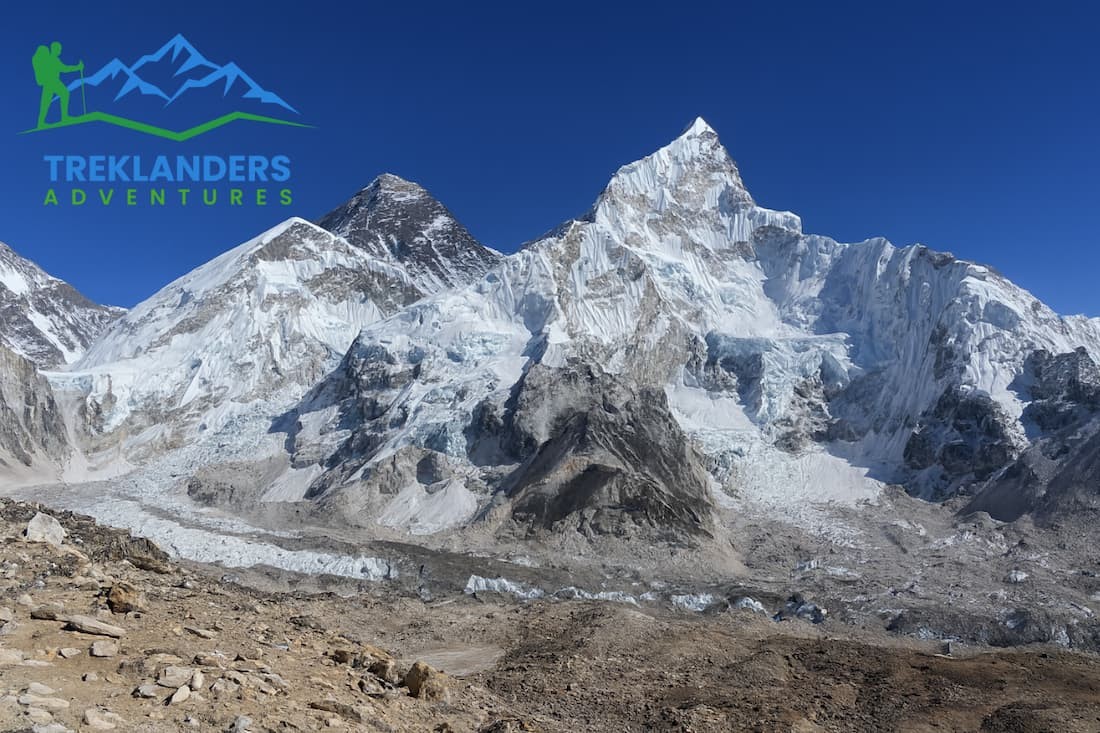
Determining the right trek is mostly dependent on the season since each season gives different aspects of the land, temperatures, and distance to the horizon. The exotic nature of Nepal comprises the totality of the different seasons, which means its spring forest and autumn sky are as perfect as each other. To help you plan the perfect adventure, here is a detailed guide to the best treks in Nepal across spring, autumn, winter, and monsoon. Whether it is your love for colorful rhododendrons, spectacular views of the mountains, or the silence of the off-season trails that drives you, Nepal has a trek to fit every type of traveler.
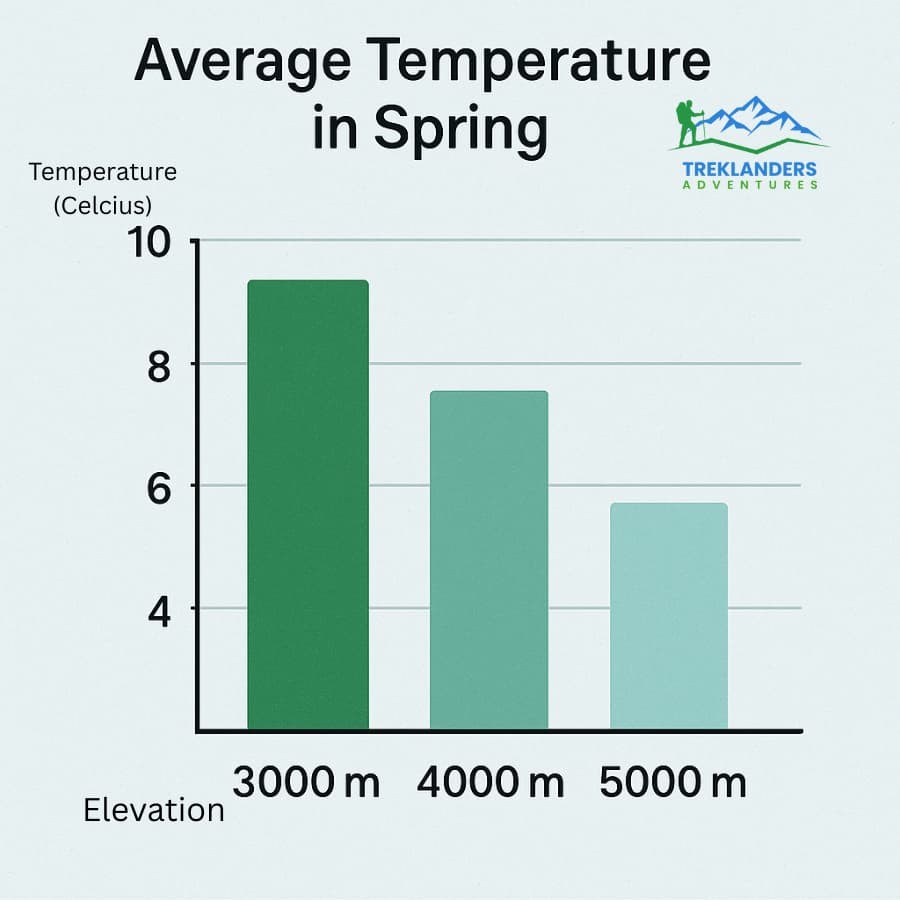
Spring is characterized by warmth and the blossoming of rhododendron, which makes this season one of the most beautiful ones for spring trekking in Nepal. Some of the popular treks during this time are the Everest Base Camp Trek, Annapurna Base Camp Trek, Mardi Himal Trek, Langtang Valley Trek, Ghorepani Poon Hill Trek, Gokyo Lakes Trek, and the scenic Khopra Ridge Trek. Early mornings are generally bright, days are warm, and the forests are at their peak of colors, thus providing excellent conditions for nature enthusiasts and photographers.
Autumn is generally regarded as the best trekking season of the year. After the monsoon, the air is crisp and clear, and the skies are very stable. Hence, this is the time when autumn trekking in Nepal pulls in tourists from the four corners of the earth. The most vibrant treks in this period are the Everest Base Camp Trek, the Annapurna Circuit Trek, the Manaslu Circuit Trek, the Gokyo Valley Trek, the Upper Mustang Trek, the Tilicho Lake Trek, and the Langtang Valley Trek. Due to breathable temperatures and magnificent views, autumn suits very well to be spent on high-altitude and long, tiring routes.
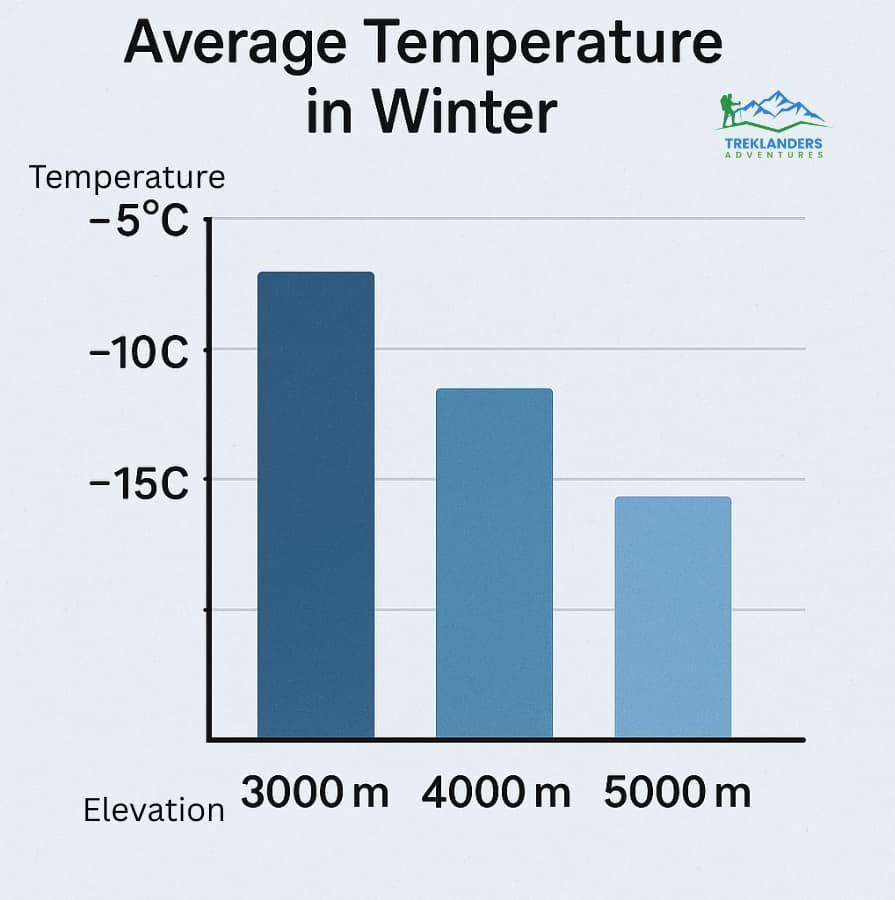
In the cold months of winter (December to February), the mercury will fall, and more so in the top parts; however, the sky will be very bright and clear. Trekking in Lower-altitude areas like Ghorepani Poon Hill, Helambu, the lower sections of Mardi Himal, the Annapurna Panorama route, and the Chisapani–Nagarkot hike will give you the relaxed trails and invigorating mountain panoramas experience that you are looking for. Snowfall might force the closure of the high passes, but winter's stillness on the trails is what makes it the best time to visit when the off-peak periods are in question.
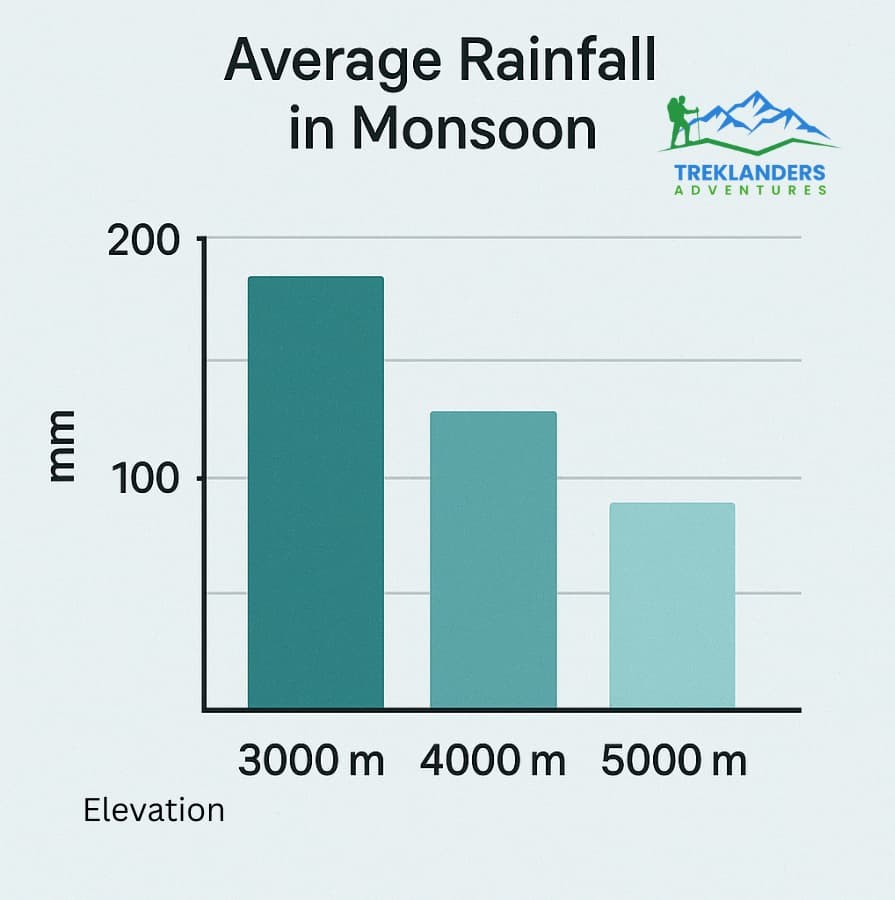
During monsoon or summer (June to August), most parts of Nepal experience heavy rain except for the trans-Himalayan regions, which remain dry and easily reachable. The Upper Mustang Trek, Upper Dolpo Trek, Nar–Phu Valley Trek, and the secluded Limi Valley Trek in Humla are some of the best monsoon treks that you can think of. The abovementioned areas are on the leeward side of the Himalayas, and therefore, they will offer you harsh, desert-like surroundings even if you happen to be visiting during the rainiest months of the year.
The Himalayas, regardless of the time of the year, are always ready to offer stunning views and memorable trekking experiences. Knowing the best treks in Nepal per season allows you to pick the route that meets your preferred weather, level of difficulty, and views, thus making your Nepal trip not only safe but also incredible.
Understanding the changes in trail conditions and crowd levels during the year is a prerequisite for a comfortable and pleasurable trekking experience. The situation of the Nepal trek varies considerably with the seasons, affecting not only safety and surface but also how crowded the routes become. Some trekkers enjoy the crowd and fun of the peak season, while others take pleasure in the isolation and natural charm of the off-season.
The best state of the trails can be seen in peak season trekking in Nepal, which is mostly in spring (March–May) and autumn (September–November). The weather conditions are very good during these months of the year. The paths are dry, stable, and easy to follow, thus making them very suitable for high-altitude treks like Everest Base Camp, Annapurna Circuit, and Manaslu. The weather is also quite stable, visibility is perfect, and tea houses manage to stay fully functional with lots of food and lodging available. Because these months offer perfect trekking conditions, trails can become very busy, particularly in popular regions such as Everest and Annapurna. Trekkers can expect to see other foot traffic, more crowded teahouses, and a community of international trekkers thriving in these months.
On the other hand, off-season trekking in Nepal offers a completely dissimilar ambiance. The snow and ice that come with winter can make it very difficult to cross some parts of the high passes. Nevertheless, the lower-altitude routes are still open and among the most peaceful. Monsoon season leads to the creation of muddy and slippery trails in most regions, with rain and cloud cover prevailing at the same time, thus limiting those who want to enjoy the views. Nevertheless, the rain-shadow areas like Upper Mustang and Dolpo remain quite dry and hence excellent off-season destinations. Quiet paths are the main attraction of the off-season, and the choice of travelers likewise benefits from more freedom in the tea houses as well as a more intimate connection with nature.
On the whole, the condition of the trails in Nepal is not the same throughout the year, and knowing these facts will help them decide when to go on their trekking journeys, considering safety, comfort, and personal preference. Whether you can do the packed trekking community during the high season or you are a fan of off-season solitude, Nepal offers fantastic trekking experiences all year.
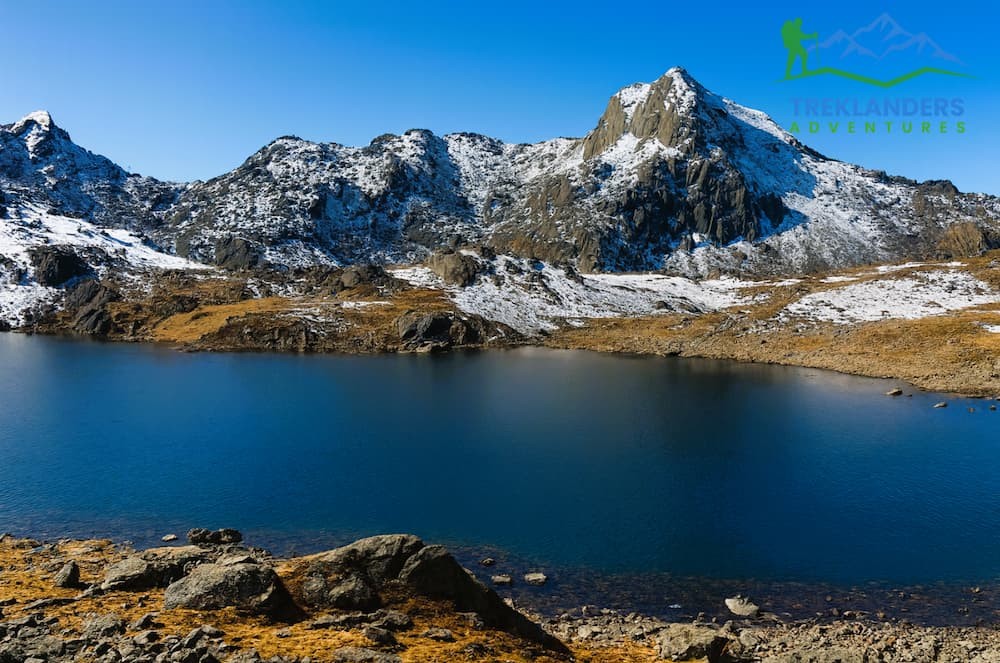
The trekking routes in Nepal are not only the awe-inspiring mountains but also the amazing variety of life that goes with every trip. The trek passes through different ecosystems, starting from dense forests and ending in the barren high-altitude deserts of the Himalayas. One of the greatest pleasures of trekking in Nepal is witnessing the gradual change in the surroundings, that is, going from tropical jungles to alpine meadows and icy glaciers all in one trek. Nature-wise, Nepal treks have a perfect blend of colors, animals, and magnificent views of nature.
Spring cannot be left out of the list of magical times, mainly because of the vibrant rhododendron season in Nepal, when the hills get covered in red, pink, and white. The flowering trees on the way to Ghorepani Poon Hill, Annapurna Base Camp, and Mardi Himal make up the most beautiful natural spectacles of the country. The vegetation is being bit by bit replaced with juniper forests, alpine shrubs, and finally desolate, rocky areas close to glaciers—each altitude bringing a fresh layer of loveliness.
Greater romanticism is given to wild animals, while the trekkers can also come across such creatures. Nepal's natural trails offer the chance to spot a diverse range of wildlife:
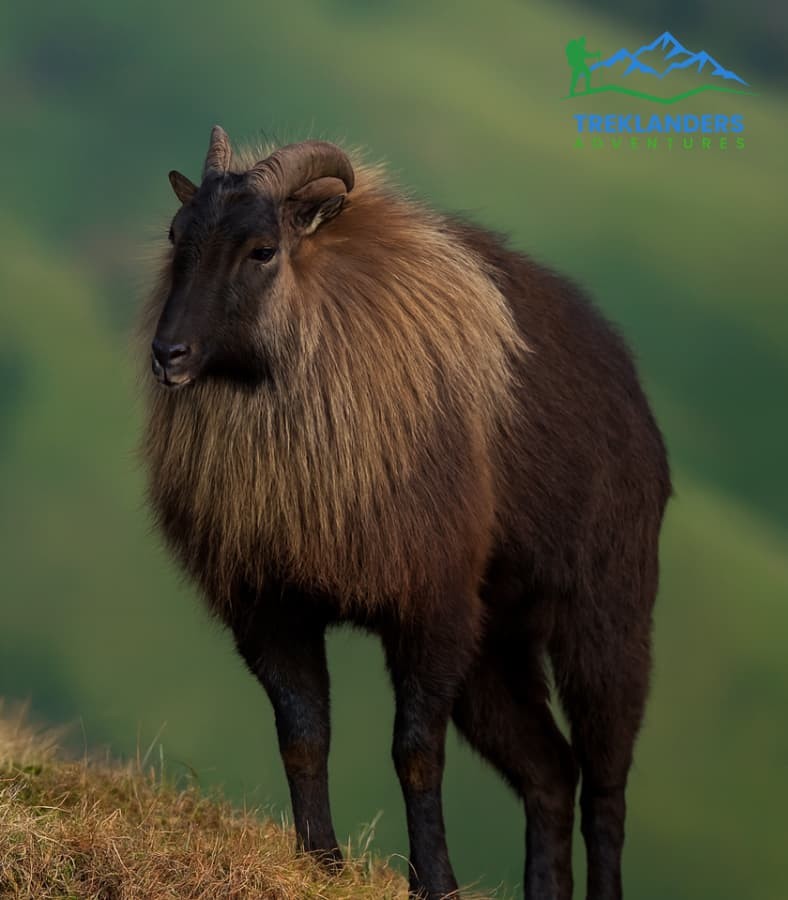
Langur monkeys, musk deer, red pandas, Himalayan thars, and colorful bird species like pheasants and eagles.
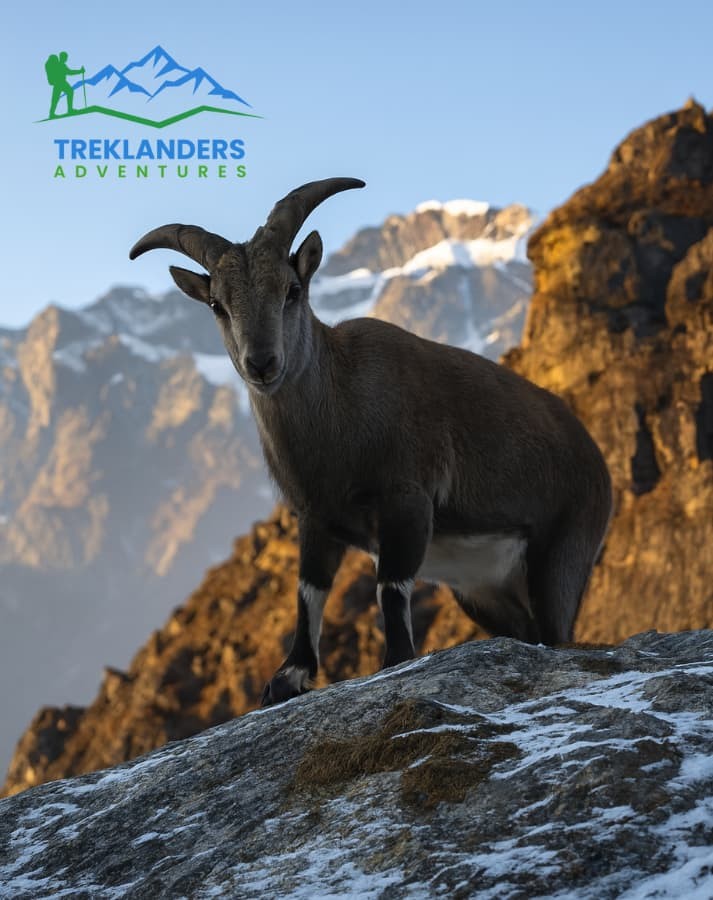
Yaks grazing on alpine slopes, blue sheep near rocky cliffs, and in protected regions, the rare and elusive snow leopard. These encounters transform each trek into a living exploration of Nepal's incredible ecological richness.
What people on foot want most, apart from a harrowing experience, are the breathtaking Himalayan vistas for which Nepal is famous all over the world. The sceneries change from one area to another:
Golden sunrises over Annapurna and Machhapuchhre.
Towering mountain walls and the dramatic Khumbu Icefall.
Emerald glacier-fed lakes surrounded by snowy peaks.
Otherworldly desert cliffs, caves, and windswept valleys. The interaction of light, sky, and mountain silhouettes brings about memorable scenic moments at every step.
Whatever the season, Nepal's vegetation, wildlife, and varied landscapes are the main features of the trekking experience. There are forests with blossoming trees, animals to watch, vast Himalayan views to admire, and much more, which constitute the natural spectacle of Nepal, making it the most awe-inspiring outdoor environment on Earth.
Hiking through the Nepalese territory might be the trip of your dreams, but taking into account the safety rules and the weather risks is a must if you want your journey to be hassle-free and enjoyable at the same time. The Himalayas are famous for their sudden weather changes, challenging trails, and extreme heights, so if you want to limit the chances of danger and also have a nice time, you should get ready adequately. Mainly, these pointers provide information about Nepal trekking safety that is most essential, that is, altitude, sudden climate changes, and tough seasons.
Altitude sickness in Nepal is the cause of the most difficult situation on high-altitude treks. Headache, dizziness, loss of appetite, and shortness of breath represent the early symptoms. Quick recognition of these symptoms and immediate descent can prevent health complications of a serious nature.
Going up gradually is very important for heights over 3,000m. Abiding by the "hiking high and sleeping low" rule and taking days for acclimatization lessens the chance of AMS. Going through the schedule too fast is mostly the error of trekkers.
Not drinking enough increases the danger of altitude sickness. Make sure that your daily intake of water equals 3-4 liters and that the food you consume is warm and nourishing so that your energy level does not drop during the trek.
The weather in the Himalayas can be quite deceiving in the sense that it can change from a bright and sunny day to a stormy one rapidly. So, in case the temperature drops suddenly, or there is a strong wind, proper layering, carrying also waterproof and warm pieces of clothing will be the right decision.
The risks of trekking during the monsoon season in Nepal are the following: paths that are slippery because of mud, which may lead to landslides caused by the rain, and also swollen rivers. Besides these natural occasions where the risk has increased, those rains cause very little visibility as well. Therefore, you must be certain that you are not in an area where there are trees and landslides or, if so, be in a place where the rain does not fall so heavily, like Mustang and Dolpo.
Similarly,
Not only does a guide visualize the safe paths and tell you about the weather changes, but also she/he explain how to deal with the situation due to the lack of oxygen, and, in emergencies, the guide helps you. Besides that, he is on your side when you need to communicate with others, apply for the permits, and decide on the route during changes in the weather.
The weather affects the change of the flights' schedules, safety on the roads, as well as the possibility of seeing the landscape. Thus, if you are always updated on the local conditions, you will be able to decide more wisely whether you can go or should stay at rest, especially when it comes to the highest passes such as Thorong La, Larke La, or Cho La.
For example, a first-aid kit, spare batteries, thermal wear, rain cover, sunscreen, and sturdy trekking shoes are very important pieces. Having the right gear will, on the whole, enhance your Nepal trekking safety and will lower the chances of risks that might arise unexpectedly to a great extent.
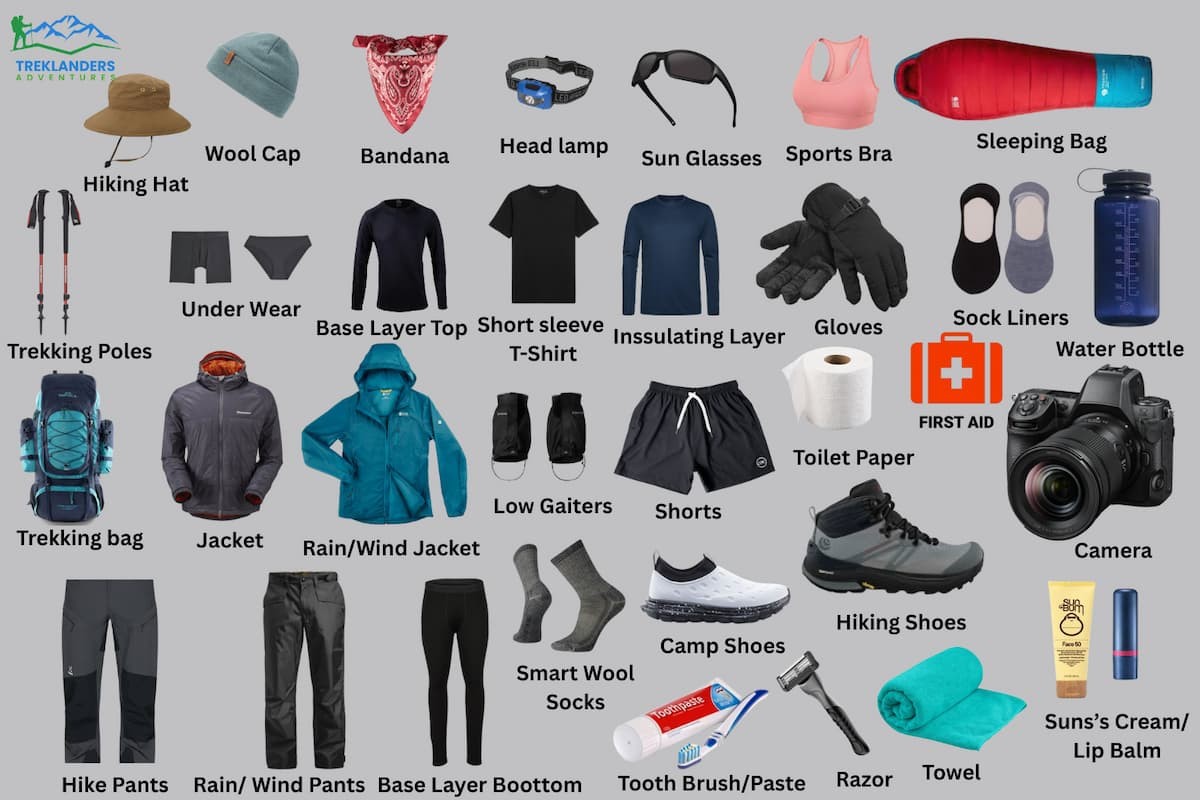
By packing the right equipment, your trek in Nepal can be a different experience altogether. The weather is very unstable in the Himalayas, and the layers, protection, and essentials you wear are different for each season. Carrying the proper Nepal trekking gear list is a prerequisite to being safe, comfortable, and confident during the hike. Your gear should be in accordance with the weather and altitude of the route if you are trekking in bright spring days, fresh autumn air, or cold winter nights.
When figuring out what to bring on a Nepal trek, put the emphasis on lightweight layering, durable footwear, reliable rain protection, and personal necessities. Spring and autumn are times when one can get by with a single set of clothes as temperatures change from warm afternoons to cold nights. Monsoon trekking requires you to have waterproof gear that is strong, a dress that dries quickly, and protection against leeches. On the other hand, high-altitude and winter itineraries call for insulated jackets, thermal innerwear, and snow-resistant gear to deal with low temperatures.
Here is a simple season-wise packing list that will work for you
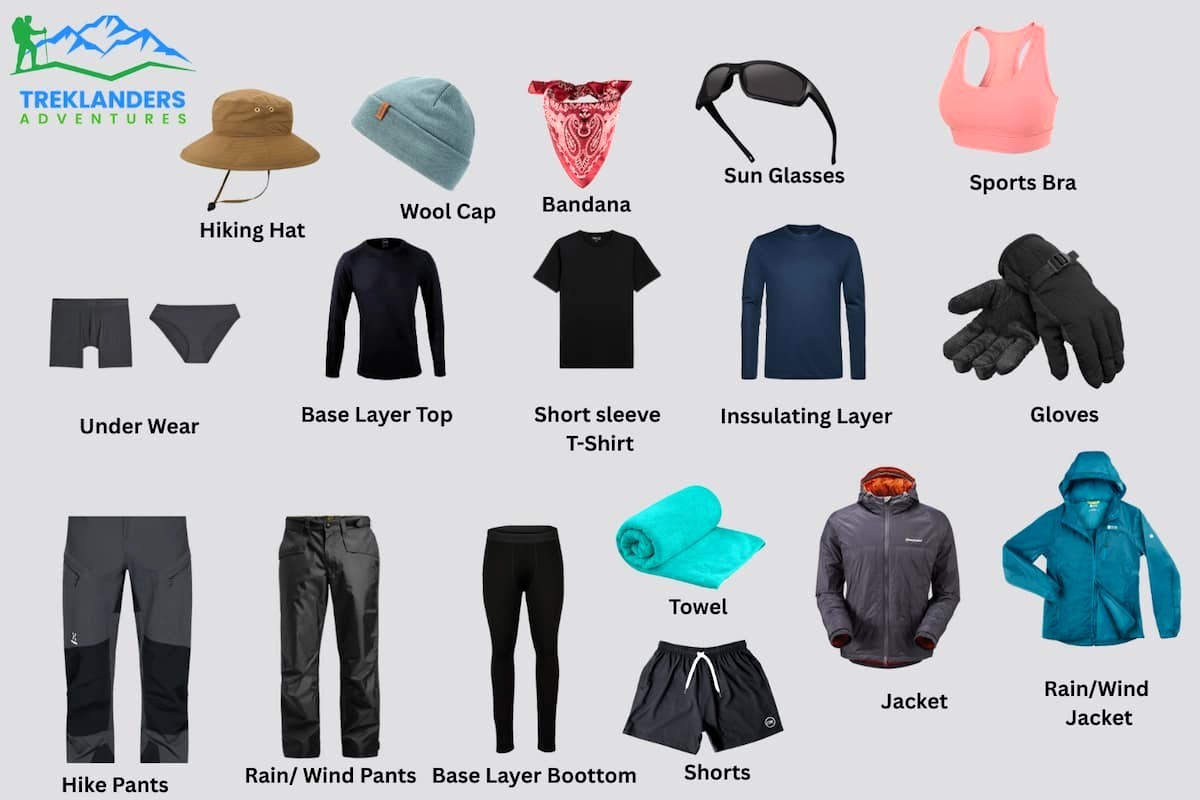
Wearing a breathable base layer, a warm mid-layer, and a windproof outer layer will help you adapt to temperature changes.
Comfortable boots that support the ankles and are well broken in before the trek.
A jacket that is waterproof, a rain cover for your backpack, and trekking pants that are made of a fabric that dries quickly.
These can be a great help when going down a steep path, traversing a rocky area, or when a long trekking day lies ahead.
For instance, sunglasses, solar protection cream, a sunhat, and lip balm are there to shield your skin from being burnt by the strong UV rays at high altitudes.
Water bottles that can be used again and again, or a hydration bladder accompanied by purification tablets or a filter are your best bets.
The kit should contain some analgesics, blister care, bandages, altitude medication (only taken after doctor advice), and personal medicines.
During heavy downpours, the liner keeps your clothes and electronics safe from water.
These help to keep you comfortable and prevent any fungal infection that may occur.
This is very useful when you are walking on forest trails during the monsoon.
It is a must-have when the temperature drops to zero, particularly in the case of a height of over 4,000m.
They still assist the outerwear in keeping the body warm during the coldest of mornings and nights.
They protect hands and head from being exposed to the cold wind and from freezing.
These will keep snow from getting into your boots and will also keep your legs warm.
These are your must-have in case your trail is icy, and you have to climb early in the morning.
Its temperature rating should be from –15°C to –20°C for cold nights at teahouses.
The trekking experience in Nepal is an amazing change of one's life, and if you select the right season, weather, and gear, your trip will be even more marvelous. In fact, Nepal, with the ruggedness of nature, diverse flora and fauna, and the breathtaking views of the Himalayas known all over the world, offers you unbelievable trekking adventures every season of the year. By getting an idea about the trekking seasons, the weather of the months, and the condition of the trails, you can also identify the attractions and necessary safety measures, and thus, schedule a trip that suits your plan and level of comfort.
If you are a fan of the vibrant life of spring, the crystal-clear view of the mountain ranges in the fall, the tranquil charm of winter or the off-season routes during the rainy period, Nepal has a trek to satisfy your desire. Along with the ideal season, carrying the right things and being aware of altitude will guarantee that the trekking journey is pleasant, safe, and unforgettable. If you are well prepared and you respect the mountains, then your trek is not just travelling- it is bonding with nature, culture, and your inner self.
Nepal is a place for adventurous people worldwide, and the Himalayas are a perfect gift for every season. Getting the tips from this manual, you are equipped to decide on the best time, use your luggage wisely, and welcome the spectacular views, which make trekking in Nepal beyond ordinary.
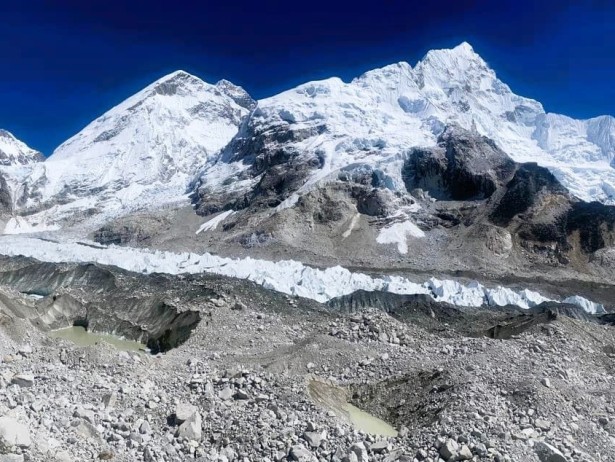
Knowing the best season for the Everest Base Camp trek is essential for planning a safe and enjoyable adventure.
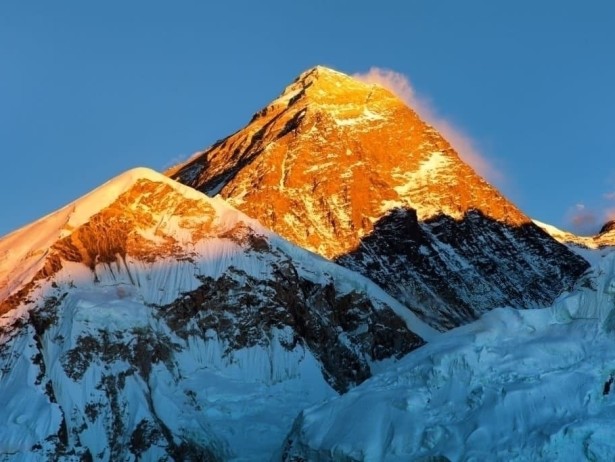
A quick look at the Everest Base Camp Trek's difficulty, covering altitude challenges, daily walking hours, and what trekkers should expect.
Preparing the right gear for the Everest Base Camp Trek is crucial, as the trail shifts from warm valleys to freezing high altitudes.



