[{"name":"Everest Base Camp Trek","duration":"16","image_url":"https:\/\/www.treklanders.com\/storage\/trip-galleries\/1\/thumb_419a755c003cc609f3030ee332965ebe.jpg","offer_price":1405,"url":"https:\/\/www.treklanders.com\/trips\/everest-base-camp-trek"},{"name":"Gokyo Valley Trekking","duration":"16","image_url":"https:\/\/www.treklanders.com\/storage\/trip-galleries\/2\/thumb_676d1021b574aeba4d19d3f2a0b04ed2.webp","offer_price":1205,"url":"https:\/\/www.treklanders.com\/trips\/gokyo-valley-trekking"},{"name":"Annapurna Circuit Trek","duration":"23","image_url":"https:\/\/www.treklanders.com\/storage\/trip-galleries\/3\/thumb_2a9a92ea23c62f41de27b37f5e3e8c17.webp","offer_price":1495,"url":"https:\/\/www.treklanders.com\/trips\/annapurna-circuit-trek"},{"name":"Everest Panorama Trek","duration":"12","image_url":"https:\/\/www.treklanders.com\/storage\/trip-galleries\/4\/thumb_35c9f677ea2e88b1ff11a9f43daa3ddb.jpg","offer_price":1100,"url":"https:\/\/www.treklanders.com\/trips\/everest-panorama-trek"},{"name":"Everest Base Camp Trekking from Jiri","duration":"22","image_url":"https:\/\/www.treklanders.com\/storage\/trip-galleries\/6\/thumb_14763592492417b294aa66bf0ebf4e64.webp","offer_price":1400,"url":"https:\/\/www.treklanders.com\/trips\/everest-base-camp-trekking-from-jiri"},{"name":"Everest Base Camp via Cho la Pass from Gokyo Valley Trekking","duration":"18","image_url":"https:\/\/www.treklanders.com\/storage\/trip-galleries\/7\/thumb_d4e470e98d4e9e2ab8e93e39b8b7d252.jpg","offer_price":1405,"url":"https:\/\/www.treklanders.com\/trips\/everest-base-camp-via-cho-la-pass-from-gokyo-valley-trekking"},{"name":"Everest Three Passes Trekking","duration":"22","image_url":"https:\/\/www.treklanders.com\/storage\/trip-galleries\/8\/thumb_b413b221e913171500bb3dfd5c08ceea.jpg","offer_price":1635,"url":"https:\/\/www.treklanders.com\/trips\/everest-three-passes-trekking"},{"name":"Annapurna Base Camp Trekking","duration":"14","image_url":"https:\/\/www.treklanders.com\/storage\/trip-galleries\/9\/thumb_2e71f2ffe116c659fa66b01c2d571b4e.webp","offer_price":845,"url":"https:\/\/www.treklanders.com\/trips\/annapurna-base-camp-trekking"},{"name":"Mardi Base Camp Trekking","duration":"14","image_url":"https:\/\/www.treklanders.com\/storage\/trip-galleries\/10\/thumb_d7b2d2dc638f6bbf2c31c167ac68029d.webp","offer_price":845,"url":"https:\/\/www.treklanders.com\/trips\/mardi-base-camp-trekking"},{"name":"Mohare Danda Trekking","duration":"12","image_url":"https:\/\/www.treklanders.com\/storage\/trip-galleries\/11\/thumb_a384c8d35d789d29b19991c1d675c910.webp","offer_price":755,"url":"https:\/\/www.treklanders.com\/trips\/mohare-danda-trekking"},{"name":"Khopra Ridge & Khair Lake Trekking","duration":"15","image_url":"https:\/\/www.treklanders.com\/storage\/trip-galleries\/12\/thumb_c0f50461ddc74acfb553ba85be00fab0.webp","offer_price":855,"url":"https:\/\/www.treklanders.com\/trips\/khopra-ridge-khair-lake-trekking"},{"name":"Upper Mustang Trekking","duration":"17","image_url":"https:\/\/www.treklanders.com\/storage\/trip-galleries\/13\/thumb_7aa4dfdb69186b0f224a303d80a25c95.jpg","offer_price":1715,"url":"https:\/\/www.treklanders.com\/trips\/upper-mustang-trekking"},{"name":"Langtang Valley Trek","duration":"12","image_url":"https:\/\/www.treklanders.com\/storage\/trip-galleries\/14\/thumb_8650b4b1a3c160cff75da65369398353.webp","offer_price":735,"url":"https:\/\/www.treklanders.com\/trips\/langtang-valley-trek"},{"name":"Gosainkunda Lake Trek","duration":"11","image_url":"https:\/\/www.treklanders.com\/storage\/trip-galleries\/15\/thumb_bfe94c14e760c48234e117021105be84.webp","offer_price":735,"url":"https:\/\/www.treklanders.com\/trips\/gosainkunda-lake-trek"},{"name":"Chisapani-Nagarkot to Dhulikhel Hiking","duration":"7","image_url":"https:\/\/www.treklanders.com\/storage\/trip-galleries\/16\/thumb_468defe9a4000ee3129cd7e6421ee105.webp","offer_price":565,"url":"https:\/\/www.treklanders.com\/trips\/chisapani-nagarkot-to-dhulikhel-hiking"},{"name":"Kanchenjunga Trek","duration":"23","image_url":"https:\/\/www.treklanders.com\/storage\/trip-galleries\/17\/thumb_51f43fa4203106cc49aaedc89d76e01d.jpg","offer_price":1725,"url":"https:\/\/www.treklanders.com\/trips\/kanchenjunga-trek"},{"name":"Helambu Trek","duration":"12","image_url":"https:\/\/www.treklanders.com\/storage\/trip-galleries\/18\/thumb_0fe8e3fa1299d2e43bf1fb5977875ce2.jpg","offer_price":685,"url":"https:\/\/www.treklanders.com\/trips\/helambu-trek"},{"name":"Upper Dolpo Trek","duration":"26","image_url":"https:\/\/www.treklanders.com\/storage\/trip-galleries\/19\/thumb_d6080d490e1db83b0a711e7304000864.jpg","offer_price":3005,"url":"https:\/\/www.treklanders.com\/trips\/upper-dolpo-trek"},{"name":"Manaslu Circuit Trek","duration":"18","image_url":"https:\/\/www.treklanders.com\/storage\/trip-galleries\/20\/thumb_1fdd224e849f4f328e73d2d12b3d282d.jpg","offer_price":1225,"url":"https:\/\/www.treklanders.com\/trips\/manaslu-circuit-trek"},{"name":"Tilicho Lake Base Camp Trek","duration":"19","image_url":"https:\/\/www.treklanders.com\/storage\/trip-galleries\/21\/thumb_eba8ac5e029e6543e0c17630ebd9e2fb.jpg","offer_price":1220,"url":"https:\/\/www.treklanders.com\/trips\/tilicho-lake-base-camp-trek"},{"name":"Nar-Phu Valley With Thorang-La Pass Trek","duration":"21","image_url":"https:\/\/www.treklanders.com\/storage\/trip-galleries\/22\/thumb_43597423a5a366fe9c8937fb30d2fe2a.jpg","offer_price":1315,"url":"https:\/\/www.treklanders.com\/trips\/nar-phu-valley-with-thorang-la-pass-trek"},{"name":"Nepal Round Trip of Kathmandu-Pokhara-Lumbini and Chitwan Tour","duration":"10","image_url":"https:\/\/www.treklanders.com\/storage\/trip-galleries\/23\/thumb_32497d170b2ab340b0a1b3310e91e784.webp","offer_price":845,"url":"https:\/\/www.treklanders.com\/trips\/nepal-round-trip-of-kathmandu-pokhara-lumbini-and-chitwan-tour"},{"name":"Nagarkot Day Hike","duration":"2","image_url":"https:\/\/www.treklanders.com\/storage\/trip-galleries\/24\/thumb_a5a654930fd8ba7852e41738105bacfc.webp","offer_price":105,"url":"https:\/\/www.treklanders.com\/trips\/nagarkot-day-hike"},{"name":"Nagarkot Sunrise Tour","duration":"1","image_url":"https:\/\/www.treklanders.com\/storage\/trip-galleries\/25\/thumb_17dc28a29cfa44381ad503f0a75ee84f.webp","offer_price":22,"url":"https:\/\/www.treklanders.com\/trips\/nagarkot-sunrise-tour"},{"name":"Namobuddha Day Tour with Shiva Statue","duration":"1","image_url":"https:\/\/www.treklanders.com\/storage\/trip-galleries\/26\/thumb_beeb34202f9077764aa08c67ef2867f9.webp","offer_price":45,"url":"https:\/\/www.treklanders.com\/trips\/namobuddha-day-tour-with-shiva-statue"},{"name":"Kathmandu Full Day Sightseeing Tour","duration":"1","image_url":"https:\/\/www.treklanders.com\/storage\/trip-galleries\/27\/thumb_d045fc0f1acee2cfa6b3c95f3c656d18.jpg","offer_price":30,"url":"https:\/\/www.treklanders.com\/trips\/kathmandu-full-day-sightseeing-tour"},{"name":"Patan and Bhaktapur Sightseeing Tour","duration":"1","image_url":"https:\/\/www.treklanders.com\/storage\/trip-galleries\/28\/thumb_750eacac3424b5dba686dd93656ab87c.jpg","offer_price":30,"url":"https:\/\/www.treklanders.com\/trips\/patan-and-bhaktapur-sightseeing-tour"},{"name":"Upper Mustang Heli Tour","duration":"1","image_url":"https:\/\/www.treklanders.com\/storage\/trip-galleries\/29\/thumb_0b785f69a15557f8660c805c76fda14e.webp","offer_price":1250,"url":"https:\/\/www.treklanders.com\/trips\/upper-mustang-heli-tour"},{"name":"Everest Heli Tour","duration":"1","image_url":"https:\/\/www.treklanders.com\/storage\/trip-galleries\/30\/thumb_dc45f2beb36a3699e0decf0de41a6f17.jpg","offer_price":1495,"url":"https:\/\/www.treklanders.com\/trips\/everest-heli-tour"},{"name":"Island Peak Trek & Climb","duration":"21","image_url":"https:\/\/www.treklanders.com\/storage\/trip-galleries\/31\/thumb_a0f3e3468c92a8e436045cf8b2fbf361.jpg","offer_price":2295,"url":"https:\/\/www.treklanders.com\/trips\/island-peak-trek-climb"},{"name":"Mera Peak Trek & Climb","duration":"18","image_url":"https:\/\/www.treklanders.com\/storage\/trip-galleries\/32\/thumb_3e8128a23c36f02fa38135475e811b9e.jpg","offer_price":2815,"url":"https:\/\/www.treklanders.com\/trips\/mera-peak-trek-climb"},{"name":"Chandragiri Cable Car Tour","duration":"1","image_url":"https:\/\/www.treklanders.com\/storage\/trip-galleries\/33\/thumb_faa70b716449eada6d7f1450335edbb3.jpg","offer_price":30,"url":"https:\/\/www.treklanders.com\/trips\/chandragiri-cable-car-tour"},{"name":"Everest Base Camp Trek and Returning via Heli","duration":"13","image_url":"https:\/\/www.treklanders.com\/storage\/trip-galleries\/34\/thumb_11190941866206e1d578db11986ebc73.webp","offer_price":2100,"url":"https:\/\/www.treklanders.com\/trips\/everest-base-camp-trek-and-returning-via-heli"},{"name":"Annapurna Semi Circuit Trek","duration":"15","image_url":"https:\/\/www.treklanders.com\/storage\/trip-galleries\/35\/thumb_30ddd8ba818cdcb52efd5eb0a017bcdb.jpg","offer_price":965,"url":"https:\/\/www.treklanders.com\/trips\/annapurna-semi-circuit-trek"},{"name":"Everest Base Camp Luxury Trek","duration":"14","image_url":"https:\/\/www.treklanders.com\/storage\/trip-galleries\/39\/thumb_6079aea3c5dd83e745a16fd6162270dc.jpg","offer_price":2685,"url":"https:\/\/www.treklanders.com\/trips\/everest-base-camp-luxury-trek"},{"name":"Mt. Kailash & Lake Manasarover Tour","duration":"15","image_url":"https:\/\/www.treklanders.com\/storage\/trip-galleries\/41\/thumb_cf3fededfd7dd2b40399af399e04f95a.jpg","offer_price":2205,"url":"https:\/\/www.treklanders.com\/trips\/mt-kailash-lake-manasarover-tour"},{"name":"Ghorepani Poonhill Trek","duration":"11","image_url":"https:\/\/www.treklanders.com\/storage\/trip-galleries\/43\/thumb_602d9a56976e1b836ba8adc69b8d09c5.webp","offer_price":720,"url":"https:\/\/www.treklanders.com\/trips\/ghorepani-poonhill-trek"},{"name":"11 Days Gokyo Valley Trekkking","duration":"11","image_url":"https:\/\/www.treklanders.com\/storage\/trip-galleries\/45\/thumb_ab552c3c91de392f94230a937b1c4801.jpg","offer_price":900,"url":"https:\/\/www.treklanders.com\/trips\/11-days-gokyo-valley-trekkking"},{"name":"9-Day Everest Base Camp Trekking with Helicopter Return","duration":"9","image_url":"https:\/\/www.treklanders.com\/storage\/trip-galleries\/46\/thumb_9a8ba2b582500cd86786be056902c31a.webp","offer_price":1990,"url":"https:\/\/www.treklanders.com\/trips\/9-day-everest-base-camp-trekking-with-helicopter-return"},{"name":"12-Day Everest Base Camp Trek","duration":"12","image_url":"https:\/\/www.treklanders.com\/storage\/trip-galleries\/47\/thumb_d12c9ef776c0b395ceea817fe05c5892.jpg","offer_price":1000,"url":"https:\/\/www.treklanders.com\/trips\/12-day-everest-base-camp-trek"},{"name":"8-Day Everest Panorama Trek","duration":"8","image_url":"https:\/\/www.treklanders.com\/storage\/trip-galleries\/49\/thumb_c81ae3a8ac757a317a9362e6872e2dcb.jpg","offer_price":850,"url":"https:\/\/www.treklanders.com\/trips\/8-day-everest-panorama-trek"},{"name":"7-Day Langtang Valley Trek","duration":"7","image_url":"https:\/\/www.treklanders.com\/storage\/trip-galleries\/50\/thumb_99c2904df5475ab028c9e3633ea95ef3.jpg","offer_price":420,"url":"https:\/\/www.treklanders.com\/trips\/7-day-langtang-valley-trek"},{"name":"4-Day Trekking Adventure near Kathmandu","duration":"4","image_url":"https:\/\/www.treklanders.com\/storage\/trip-galleries\/51\/thumb_594681060514dc57be1959236a6996d0.jpg","offer_price":275,"url":"https:\/\/www.treklanders.com\/trips\/4-day-trekking-adventure-near-kathmandu"},{"name":"4-Day Ghorepani Ponnhill Trek from Pokhara","duration":"4","image_url":"https:\/\/www.treklanders.com\/storage\/trip-galleries\/53\/thumb_eede04edac01f983d9af2c16f55d03e8.webp","offer_price":500,"url":"https:\/\/www.treklanders.com\/trips\/4-day-ghorepani-ponnhill-trek-from-pokhara"},{"name":"7-Day Annapurna Base Camp Trek from Pokhara","duration":"7","image_url":"https:\/\/www.treklanders.com\/storage\/trip-galleries\/55\/thumb_547e91c74088c491111ebe31a759cfbb.jpg","offer_price":420,"url":"https:\/\/www.treklanders.com\/trips\/7-day-annapurna-base-camp-trek-from-pokhara"},{"name":"13-Day Manaslu Circuit Trekking","duration":"13","image_url":"https:\/\/www.treklanders.com\/storage\/trip-galleries\/56\/thumb_aef1af4f0c4a2a9622d518ad5959542b.jpg","offer_price":1050,"url":"https:\/\/www.treklanders.com\/trips\/13-day-manaslu-circuit-trekking"},{"name":"5-Day Mardi Himal Trek from Pokhara","duration":"5","image_url":"https:\/\/www.treklanders.com\/storage\/trip-galleries\/57\/thumb_dcd598d556c14835f0a18169afafcbc6.webp","offer_price":420,"url":"https:\/\/www.treklanders.com\/trips\/5-day-mardi-himal-trek-from-pokhara"},{"name":"Nagarkot Sunrise Tour with Day Hike","duration":"1","image_url":"https:\/\/www.treklanders.com\/storage\/trip-galleries\/58\/thumb_7cdfa1f16719486da2a0718da45b1f2f.webp","offer_price":30,"url":"https:\/\/www.treklanders.com\/trips\/nagarkot-sunrise-tour-with-day-hike"},{"name":"Seven Unesco Heritage Sites Day Tour in Kathmandu","duration":"1","image_url":"https:\/\/www.treklanders.com\/storage\/trip-galleries\/59\/thumb_92aed7b9c67e76740000aab9313dced7.jpg","offer_price":40,"url":"https:\/\/www.treklanders.com\/trips\/seven-unesco-heritage-sites-day-tour-in-kathmandu"},{"name":"10-Day Ghorepani Poonhill with Annapurna Base Camp Trek","duration":"10","image_url":"https:\/\/www.treklanders.com\/storage\/trip-galleries\/60\/thumb_d4c2c089497950ccb5f8541d76e1269b.webp","offer_price":835,"url":"https:\/\/www.treklanders.com\/trips\/10-day-ghorepani-poonhill-with-annapurna-base-camp-trek"},{"name":"3-Day Chitwan Wildlife Tour","duration":"3","image_url":"https:\/\/www.treklanders.com\/storage\/trip-galleries\/61\/thumb_fc4de9cbf5bc83d67491b41df5725552.jpg","offer_price":150,"url":"https:\/\/www.treklanders.com\/trips\/3-day-chitwan-wildlife-tour"},{"name":"3-Day Pokhara Sightseeing Tour","duration":"3","image_url":"https:\/\/www.treklanders.com\/storage\/trip-galleries\/62\/thumb_a79a253f1a8bcbbf288eefc1d2f4038f.jpg","offer_price":230,"url":"https:\/\/www.treklanders.com\/trips\/3-day-pokhara-sightseeing-tour"},{"name":"7-Day Kathmandu Pokhara and Chitwan wildlifeTour","duration":"7","image_url":"https:\/\/www.treklanders.com\/storage\/trip-galleries\/63\/thumb_4f963fc141d7ef39e8a6a3c60317ae9b.jpg","offer_price":545,"url":"https:\/\/www.treklanders.com\/trips\/7-day-kathmandu-pokhara-and-chitwan-wildlifetour"},{"name":"Nagarjun Jamacho Day Hiking","duration":"1","image_url":"https:\/\/www.treklanders.com\/storage\/trip-galleries\/64\/thumb_85867eb85c60c8228e44f927341f67d1.jpg","offer_price":30,"url":"https:\/\/www.treklanders.com\/trips\/nagarjun-jamacho-day-hiking"},{"name":"Everest Mountain Flight from Kathmandu","duration":"1","image_url":"https:\/\/www.treklanders.com\/storage\/trip-galleries\/65\/thumb_1a66526d340ec175023842c38efd8a95.webp","offer_price":120,"url":"https:\/\/www.treklanders.com\/trips\/everest-mountain-flight-from-kathmandu"},{"name":"One Day Trishuli River Rafting Adventures","duration":"1","image_url":"https:\/\/www.treklanders.com\/storage\/trip-galleries\/66\/thumb_55ba0ea676c9c625f99f3d41bda224fb.jpg","offer_price":35,"url":"https:\/\/www.treklanders.com\/trips\/one-day-trishuli-river-rafting-adventures"},{"name":"13-Day Annapurna Circuit Trek","duration":"13","image_url":"https:\/\/www.treklanders.com\/storage\/trip-galleries\/67\/thumb_859e7a1fbb468a9252d365cab8379f10.jpg","offer_price":815,"url":"https:\/\/www.treklanders.com\/trips\/13-day-annapurna-circuit-trek"},{"name":"15-Day Tilicho Base Camp with Thorong-La Pass Trekking","duration":"15","image_url":"https:\/\/www.treklanders.com\/storage\/trip-galleries\/68\/thumb_56a5fd1506c9b9f1f83844353dc55edf.jpg","offer_price":920,"url":"https:\/\/www.treklanders.com\/trips\/15-day-tilicho-base-camp-with-thorong-la-pass-trekking"},{"name":"Cooking Class in Thamel-Full Course Meal","duration":"1","image_url":"https:\/\/www.treklanders.com\/storage\/trip-galleries\/69\/thumb_ed5cfbc0d94b624642d347c0776d36bb.webp","offer_price":30,"url":"https:\/\/www.treklanders.com\/trips\/cooking-class-in-thamel-full-course-meal"},{"name":"Cooking Class in Thamel-Full Course","duration":"3 Hours 30 Minutes","image_url":"https:\/\/www.treklanders.com\/img\/default.gif","offer_price":30,"url":"https:\/\/www.treklanders.com\/trips\/cooking-class-in-thamel-full-course"},{"name":"Cooking Class in Thamel-Full Course Meal","duration":"3 Hours 30 Minutes","image_url":"https:\/\/www.treklanders.com\/img\/default.gif","offer_price":30,"url":"https:\/\/www.treklanders.com\/trips\/cooking-class-in-thamel-full-course-meal"},{"name":"Momo Making Class in Thamel","duration":"1","image_url":"https:\/\/www.treklanders.com\/storage\/trip-galleries\/72\/thumb_a36e5ceca4d5c4cb0ecda367505b31d3.webp","offer_price":20,"url":"https:\/\/www.treklanders.com\/trips\/momo-making-class-in-thamel"},{"name":"8 Days Bhutan Tour from Kathmandu","duration":"8","image_url":"https:\/\/www.treklanders.com\/storage\/trip-galleries\/73\/thumb_df319d7d3ac21bcd9cf728cb1a70ea09.webp","offer_price":2275,"url":"https:\/\/www.treklanders.com\/trips\/8-days-bhutan-tour-from-kathmandu"},{"name":"10 Days Bhutan Tour with Druk path Trek","duration":"10","image_url":"https:\/\/www.treklanders.com\/storage\/trip-galleries\/74\/thumb_c7d4a4b89aceaf5d3aac313265729bb3.webp","offer_price":5715,"url":"https:\/\/www.treklanders.com\/trips\/10-days-bhutan-tour-with-druk-path-trek"},{"name":"9 -Day Langtang Valley Trek","duration":"9","image_url":"https:\/\/www.treklanders.com\/storage\/trip-galleries\/75\/thumb_65e69cec8917e39091c9e40ae06df3da.webp","offer_price":620,"url":"https:\/\/www.treklanders.com\/trips\/9--day-langtang-valley-trek"},{"name":"14 Day Everest Base Camp Trek","duration":"14","image_url":"https:\/\/www.treklanders.com\/storage\/trip-galleries\/76\/thumb_446e7f33a5f43896c9cdf470cd7be947.webp","offer_price":1175,"url":"https:\/\/www.treklanders.com\/trips\/14-day-everest-base-camp-trek"},{"name":"Lhasa Tour from Kathmandu: 10-Day Tibet Overland Journey via Gyirong","duration":"10","image_url":"https:\/\/www.treklanders.com\/img\/default.gif","offer_price":null,"url":"https:\/\/www.treklanders.com\/trips\/lhasa-tour-from-kathmandu-10-day-tibet-overland-journey-via-gyirong"},{"name":"13 Day Lhasa Tour from Kathmandu via Everest Base Camp","duration":"13","image_url":"https:\/\/www.treklanders.com\/storage\/trip-galleries\/78\/thumb_8a2bfb2abd99ba9ddc902b768e7b0759.webp","offer_price":2565,"url":"https:\/\/www.treklanders.com\/trips\/13-day-lhasa-tour-from-kathmandu-via-everest-base-camp"},{"name":"11 Day Annapurna Base Camp Trek","duration":"11","image_url":"https:\/\/www.treklanders.com\/storage\/trip-galleries\/79\/thumb_4e48a19c538c00cc8c36160ca97c5f21.webp","offer_price":720,"url":"https:\/\/www.treklanders.com\/trips\/11-day-annapurna-base-camp-trek"},{"name":"9 Day Mardi Himal Trek","duration":"9","image_url":"https:\/\/www.treklanders.com\/storage\/trip-galleries\/80\/thumb_8214945c5614ac9a84e5ca0b58b1f5a3.webp","offer_price":735,"url":"https:\/\/www.treklanders.com\/trips\/9-day-mardi-himal-trek"},{"name":"14 Day Manaslu Circuit Trek","duration":"14","image_url":"https:\/\/www.treklanders.com\/storage\/trip-galleries\/81\/thumb_b3ec98cd4036da5cb6e92250afa0d59e.webp","offer_price":1085,"url":"https:\/\/www.treklanders.com\/trips\/14-day-manaslu-circuit-trek"},{"name":"20 Day Manaslu Circuit with Tsum Valley Trek","duration":"20","image_url":"https:\/\/www.treklanders.com\/storage\/trip-galleries\/82\/thumb_b8c202cf8e16197517811d535f2a6795.webp","offer_price":1765,"url":"https:\/\/www.treklanders.com\/trips\/20-day-manaslu-circuit-with-tsum-valley-trek"},{"name":"15 Day Langtang Gosaikunda Lake Helambu Trek","duration":"15","image_url":"https:\/\/www.treklanders.com\/storage\/trip-galleries\/83\/thumb_a9c7bbb74f733cdc9a3469a448df7109.webp","offer_price":985,"url":"https:\/\/www.treklanders.com\/trips\/15-day-langtang-gosaikunda-lake-helambu-trek"},{"name":"14 Day Tamang Heritage with Langtang Valley Trek","duration":"14","image_url":"https:\/\/www.treklanders.com\/storage\/trip-galleries\/84\/thumb_57fe1b0ad2b7d0489273633b906d2f43.webp","offer_price":895,"url":"https:\/\/www.treklanders.com\/trips\/14-day-tamang-heritage-with-langtang-valley-trek"}]
Kyanjin Ri Hike in Langtang Valley: Altitude, Distance, Difficulty, Sunrise Views & Best Time Guide
Kyanjin Ri Hike in Langtang Valley: Altitude, Distance, Difficulty, Sunrise Views & Best Time Guide
Kyanjin RI is an excellent day hike in Langtang Valley that offers a great reward for the effort. Your trek begins at Kyanjin Gompa, situated at an altitude of approximately 3,870 meters. The peak of Kyanjin RI is at an altitude of approximately 4,773 meters. Within a short time, you will have ascended nearly 900 meters. The ascent is quite a steep, straight-up, and physically tough one. The reward is a wide Himalayan panorama.
The hike nicely fits with those trekkers who are willing to get a strong altitude exposure but don't want to commit to a long expedition. The route is marked well and is quite obvious. At first, you enjoy a relatively gradual rise in altitude, but later you have to climb a quite steep ridge. No section is a technically difficult one. You don't have to bring ropes or other climbing gear. You require a regular rhythm, good boots, and proper acclimatization.
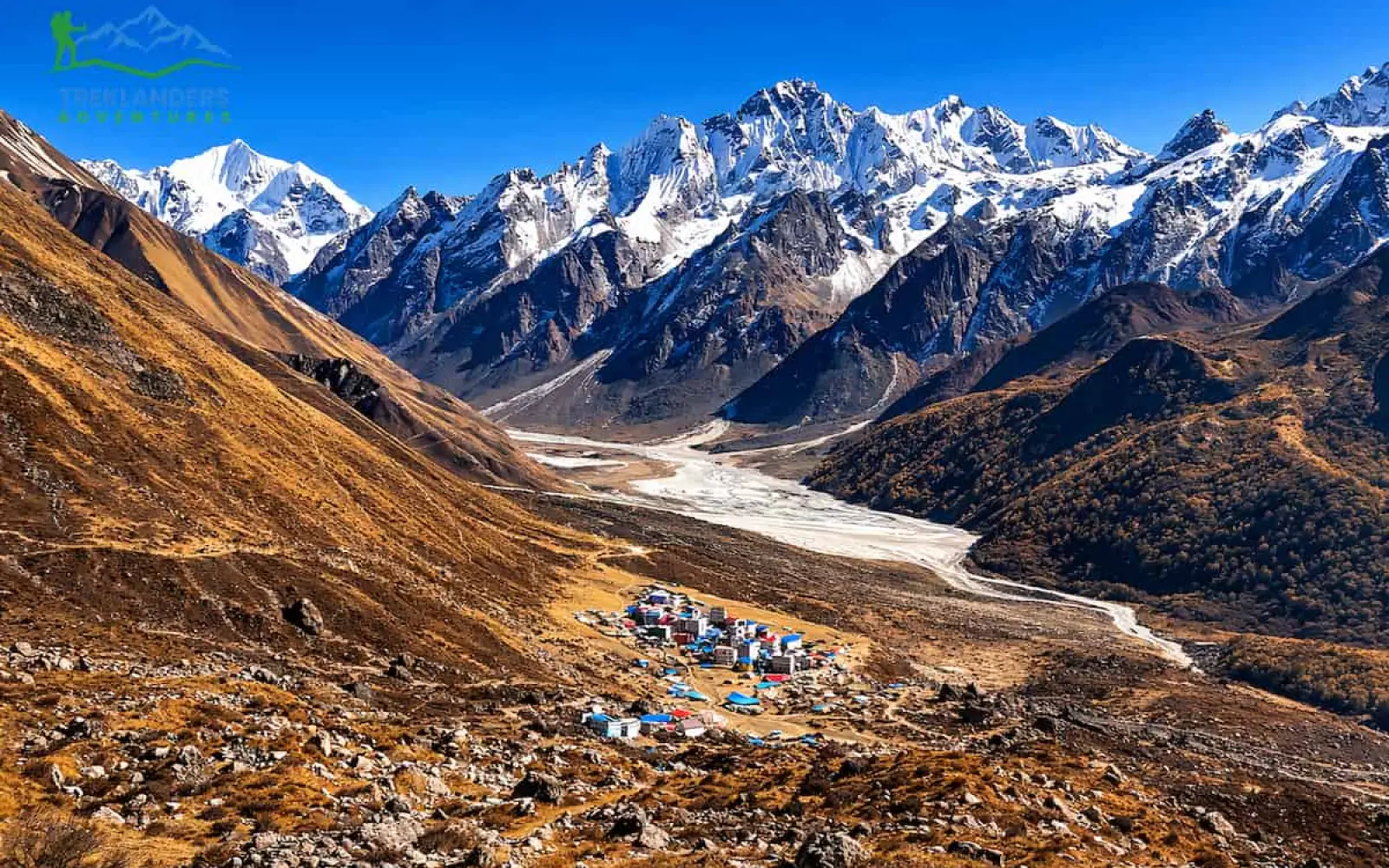
Langtang Lirung, Dorje Lakpa, Gangchempo, and a number of other snow peaks are visible along with the stunning view from the summit. In addition, you have a bird's-eye view of the Langtang Glacier and the entire valley floor. The observation point makes you feel the vastness of the Himalayas. Sunrise is the best time to hike. The sky stays clear, and the light hits the peaks directly.
Almost all trekkers manage to do the round trip within 4 to 6 hours. Despite the short distance, the climb makes it difficult. You are advised to start your trip early, drink 1 to 2 liters of water, and wear layers. At this height, the weather can change very fast.
Kyanjin RI can be used for an acclimatization hike as well. The idea is to climb high during the day and come down to Kyanjin Gompa for sleeping. This way, your body gets used to the changes before you go up even higher on the routes, such as Tserko RI.
In case you are after a brief high-altitude escapade, exposing to the maximum of mountain views, Kyanjin RI is a great point for your time and effort.
Kyanjin RI Elevation and Altitude Profile
Lower Kyanjin Ri- Langtang Valley Trek
Kyanjin RI is approximately 4,773 meters above sea level. It is directly above Kyanjin Gompa, which is at an altitude of about 3,870 meters. When you hike up to the top, you will have an elevation gain of nearly 900 meters in one day. The steep increase gives you a short distance hike, but one that requires great effort.
The track starts with the slope being quite gentle when you exit Kyanjin village. In no time, the path becomes very steep. You ascend a rocky ridge, and the valley views are magnificent. You will not find trees here at this height. The scenery is dry, open, and exposed. The higher you go, the less oxygen there is in the air. Slow breathing and quick tiredness can be the symptoms you notice.
The altitude profile of Kyanjin RI is very simple. You begin at an altitude slightly less than 3,900 meters. Gases at the level of 4,000 meters are less rich in oxygen than those at sea level. At 4,500 meters and above, your body becomes a machine that works harder to supply oxygen to your muscles. That is why it is crucial to have a good acclimatization in Langtang Valley before the hike.
Quite a lot of trekkers spend two nights in Kyanjin Gompa before ascending Kyanjin RI. A stay at leisure at Kyanjin Gompa helps the body adjust to a higher elevation and thus reduces the risk of altitude sickness. The commonly known rule is very straightforward. You can go high each day but should always come low for sleeping. Kyanjin RI adheres perfectly to this regulation as after the summit you go back to the same village.
The overall hiking duration varies according to your walking speed. Lots of trekkers ascend within 2 to 3 hours and come down in 1.5 to 2 hours. The severely steep altitude gain calls for a steady pace. Breathing can be controlled and energy maintained by taking a few short breaks.
Furthermore, the altitude sensation can also be influenced by the weather. It is normal to experience cold air and strong winds at the summit. Most of the time, the early morning is the time with the clearest skies and stable conditions.
If you do proper preparation and give your body time to recoordinate, the height of Kyanjin RI turns into a challenge you can handle. The altitude outline is steep but quite understandable, which is why this is one of the top high altitude day hikes in the Langtang Valley.
Distance and Hiking Duration from Kyanjin Gompa
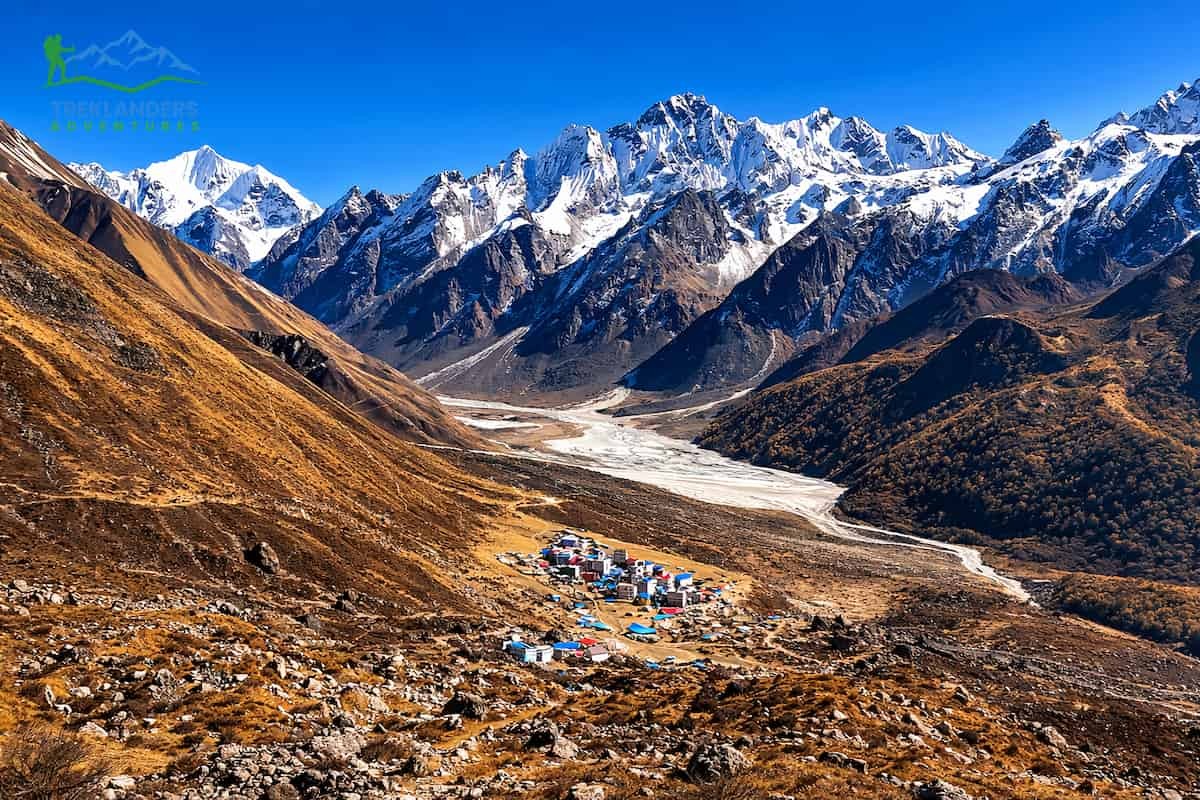
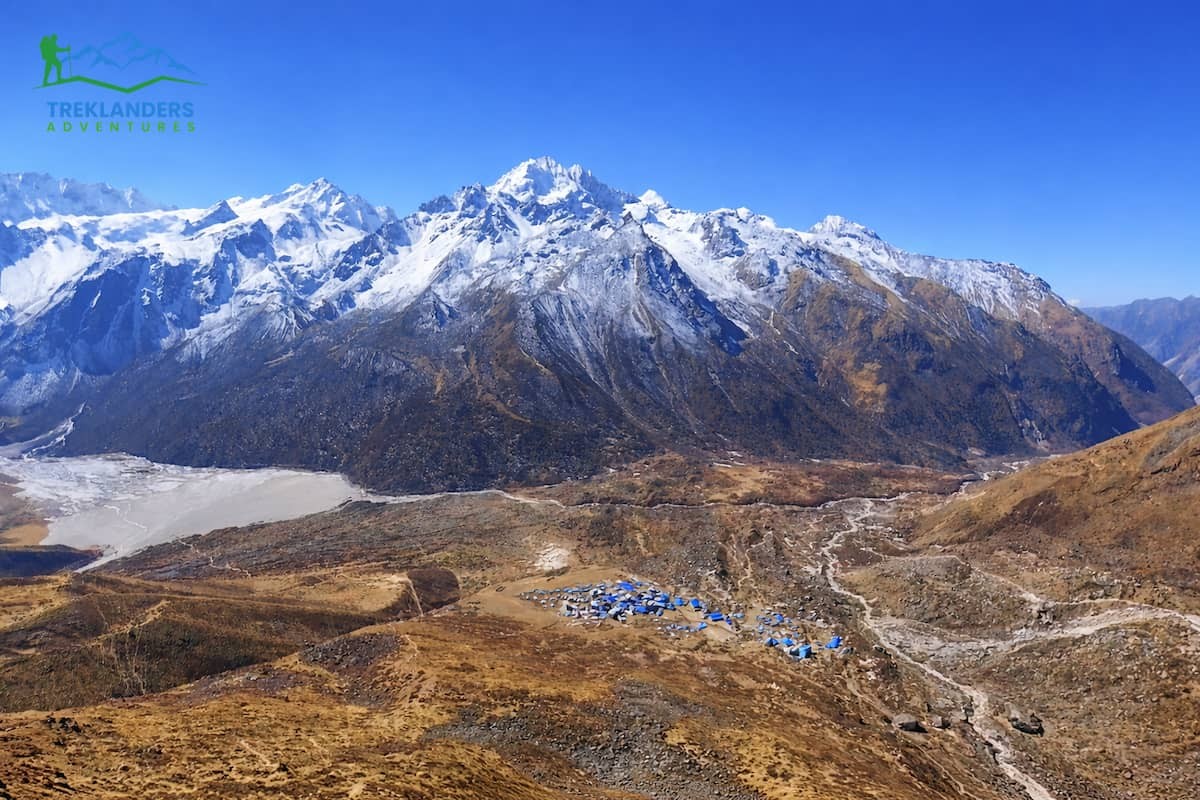
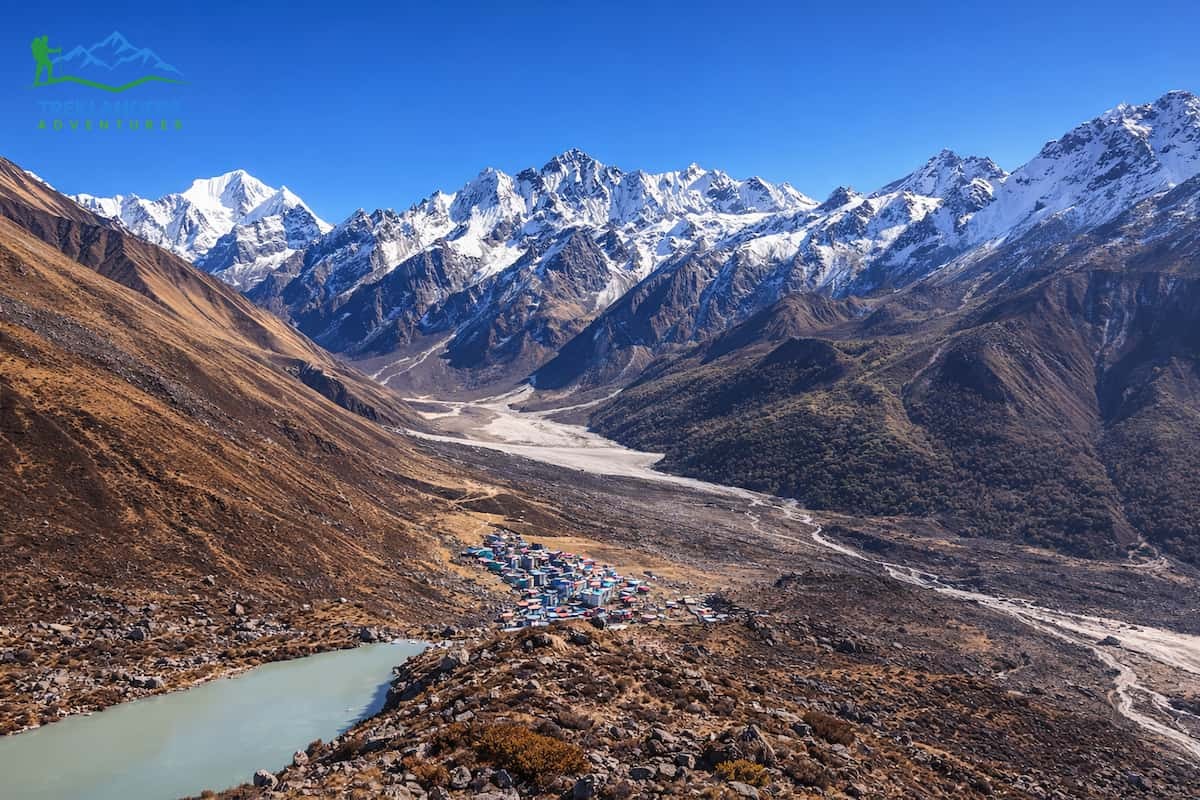
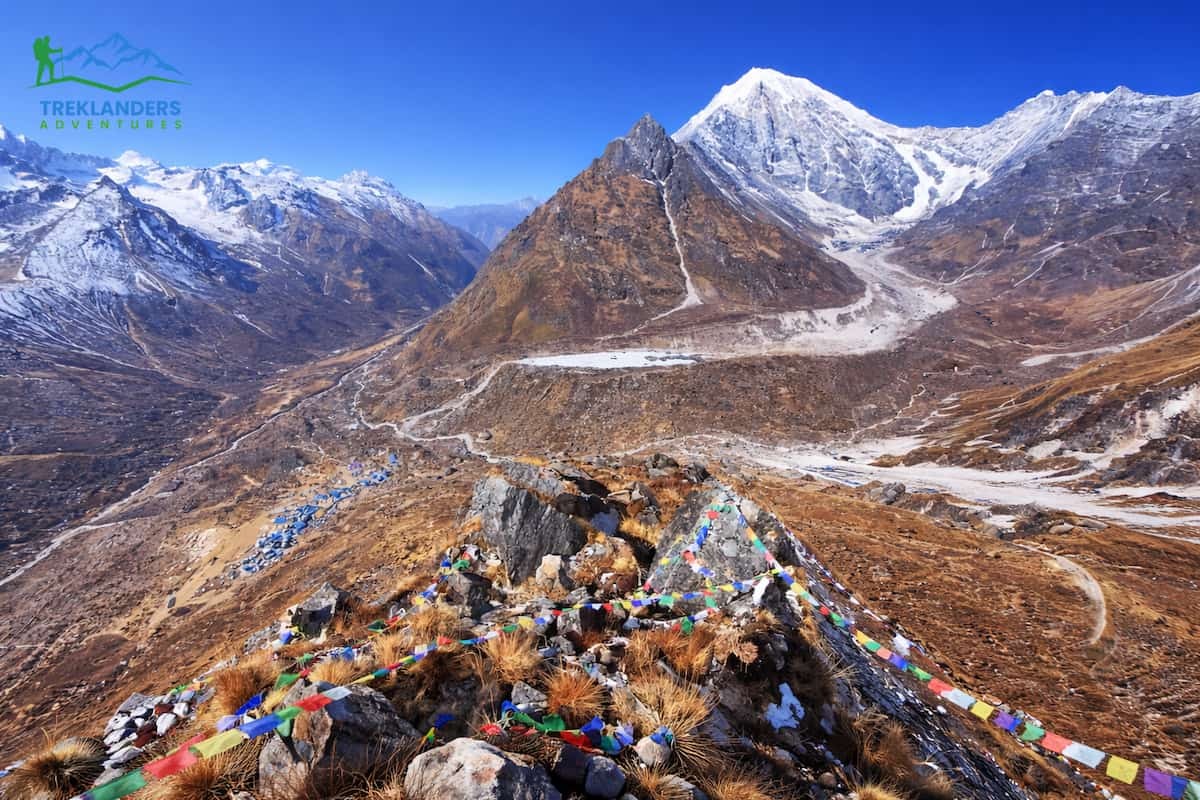
Beautiful mountain views and Kyanjin Gompa seen from Kyanjin Ri.
Kyanjin RI is a short but steep day hike from Kyanjin Gompa. The total round-trip distance is about 5 to 6 kilometers. The distance looks small on paper. The elevation gain makes it physically demanding.
You start the hike from Kyanjin Gompa at 3,870 meters. The trail climbs directly above the village. The first section is gradual and easy to follow. After 20 to 30 minutes, the slope becomes steeper. You then continue uphill on a rocky ridge until you reach the summit at 4,773 meters.
Most trekkers take 2 to 3 hours to reach the top. Your pace depends on fitness, acclimatization, and weather. Strong trekkers may reach the summit in about 2 hours. Others may need closer to 3 hours with regular rest breaks. It is important to walk slowly and keep a steady rhythm. Fast walking at high altitude can lead to quick exhaustion.
The descent is faster but still requires care. You need about 1.5 to 2 hours to return to Kyanjin Gompa. Loose rocks and steep sections demand good balance. Trekking poles help reduce pressure on your knees during the downhill walk.
Overall, allocate 4 to 6 hours for the entire excursion. You should really try to be on the trail right at the crack of dawn. The weather is generally more stable before noon. Besides, starting early also gives you the advantage of not getting the strong afternoon winds that usually blow across the ridge.
However, the elevation difference of almost 900 meters makes the trek quite a tough one. It is not so much about the distance you cover on foot. It is rather about the vertical climb you manage within a limited time.
It is quite feasible if you remain well acclimatized in Kyanjin Gompa since the distance and time are not that much. With a steady pace and proper planning, you can make the climb in half a day with some time left to unwind in the village.
Trail Route and Climbing Path Overview
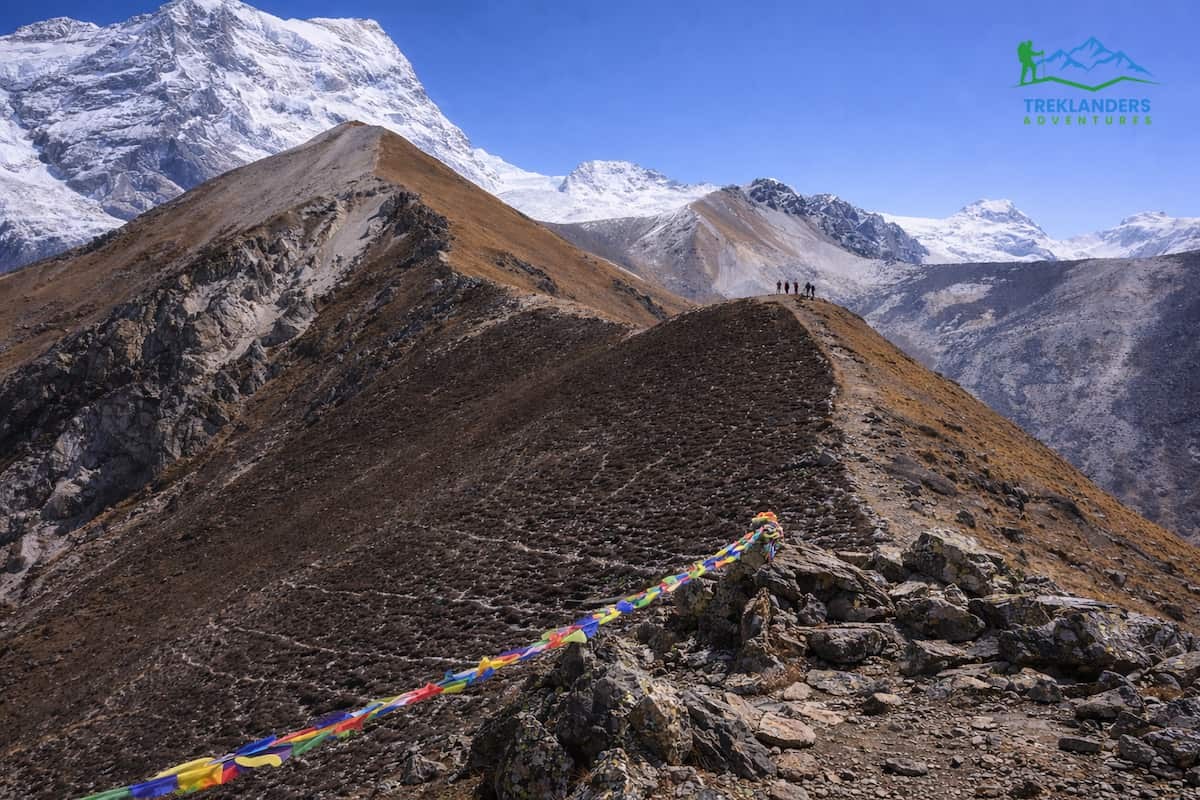
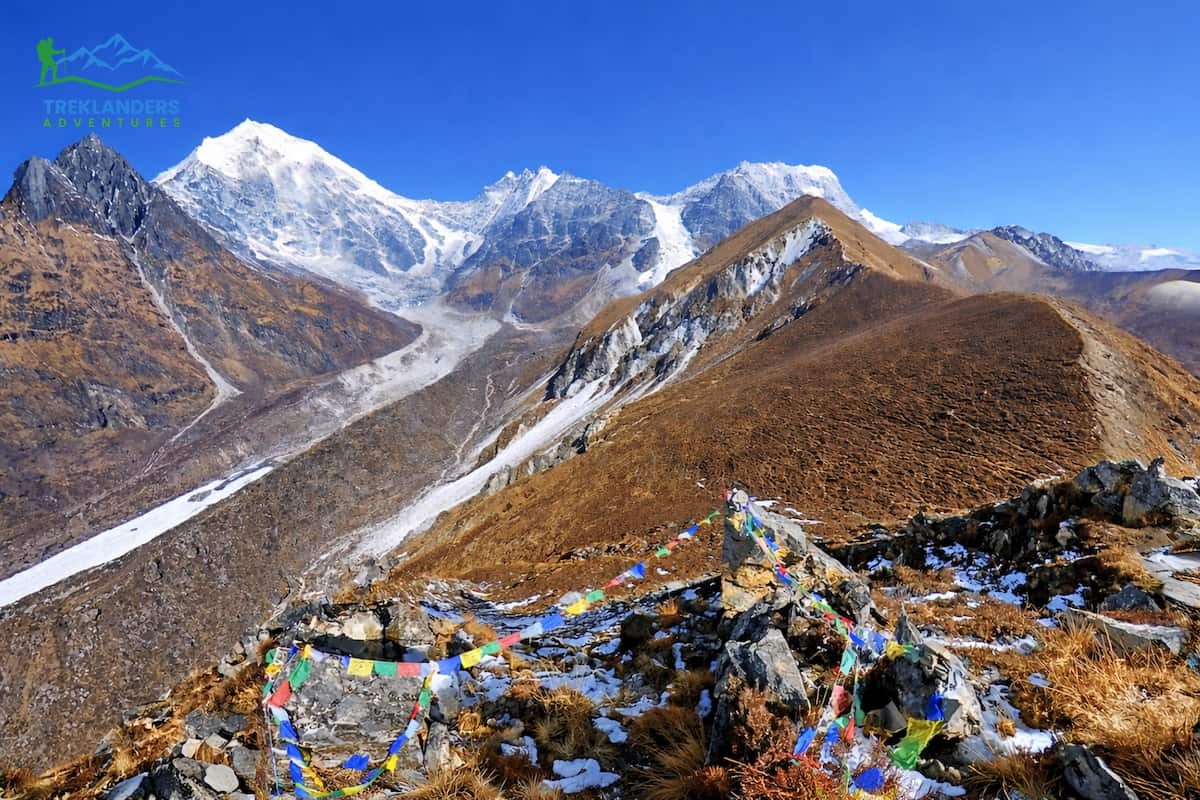
Hiking trail from Lower Kyanjin Ri to Upper Kyanjin Ri.
The trailhead to Kyanjin RI is located at Kyanjin Gompa, which lies at an elevation of 3,870 meters. You will first head north out of the village and then cross open yak pastures. The path is quite obvious and easy to follow. There are neither forests nor confusing junctions. You can directly view the ridge of Kyanjin RI above your head.
The first segment of the trail is almost level. You stroll over grassy slopes and rocky ground. After 20 to 30 minutes or so, the ascent gets steeper. The path changes into a zigzag trail. This piece of trail allows you to slowly gain altitude. The ground is mostly dirt with some loose stones. Hiking boots of good quality will provide you with more grip and better balance.
15 Day Langtang Gosaikunda Lake Helambu Trek | 15 days
When you get even higher, the way leads along a narrow ridge. The path gets more exposed. You are walking on rocky terrain while you have a view of the mountains on both sides. There are no sections of technical climbing. It is not necessary to have any special equipment. Only a steady foot and controlled movement are required.
On the way up, some mountaineers make the decision to turn back at the lower viewpoint of Kyanjin RI, which is around 4,500 meters in elevation. Others go on to the higher summit at 4,773 meters. The last part is steeper and a bit rougher. You might have to use your hands for balancing in a couple of very short spots, but it is still a hiking trail, not a climb.
Along the way, there are neither tea houses nor water points where you can get fresh water. So, you need to bring enough water from Kyanjin Gompa. Because the path is not shaded, you will need sun protection. At higher sections, especially near the summit ridge, the weather can change very quickly.
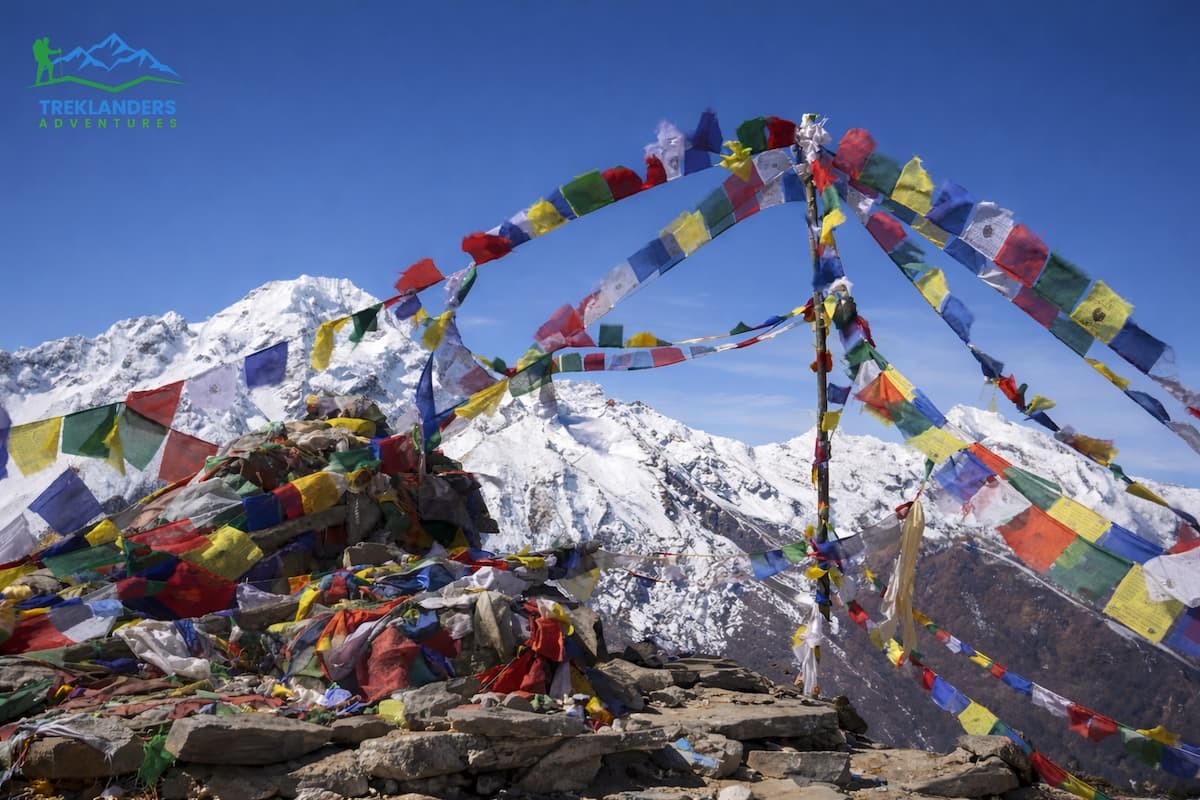
When the weather is clear, the route is easy to see. On overcast days, the visibility might be very low. If the sky is good, it is better to get started very early. Lots of trekkers just follow the footsteps of the previous hikers or the little prayer flags that indicate the parts of the ridge.
Walking from the village to the summit in one continuous ascent, the trail follows a direct line. With a good rhythm and proper acclimatization, most Langtang Valley trekkers find the trail safe and quite rewarding.
Difficulty Level and Fitness Requirements
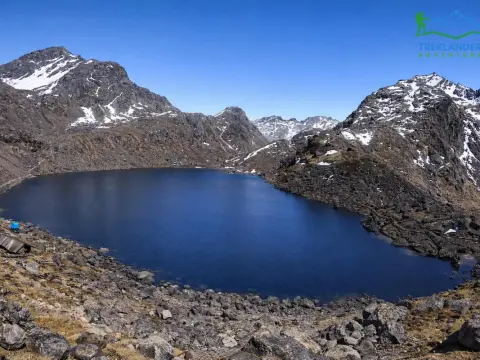
Beautiful lake, Kyanjin Gompa, and mountain scenery during the Langtang Valley Trek.
Kyanjin RI is a single-day moderate to challenging hike. It is a short distance hike; however, the steep climb and high altitude make it more difficult. You will be gaining almost 900 meters in altitude within a few hours. That sharp climb makes the hike very physically demanding.
It is not a technical trail. You do not need to bring ropes, crampons, or any climbing gear. The path has a lot of rocks and is steep in many places. You have to keep going uphill for almost the entire climb. This means you need to have strong legs and be in good shape. The last stretch towards the summit actually feels like the hardest because of the lack of oxygen.
The altitude here is the main challenge. The peak is at an elevation of 4,773 meters. The level of oxygen is much lower than at the ground level at such heights. You might experience shortness of breath, less ability to move, and getting tired faster. If you hurry, you will most likely get headaches or even mild symptoms of altitude. Acclimatizing properly in Kyanjin Gompa is one of the ways to lower this risk.
14 Day Tamang Heritage with Langtang Valley Trek | 14 days
If you can comfortably hike uphill for 2 to 3 hours without stopping for long breaks, then you are already halfway through. Being an experienced regular trekker is an advantage, but beginners with good physical condition can manage the hike as well. Having good cardio endurance is vital. The body gets a good workout from activities such as stair climbing, jogging, and long hill walks.
Besides, being physically fit is important. Your legs will be the main source of power when you climb the steep covered with loose rocks. Well-developed core muscles allow for better balance on narrow ridges. Walking sticks are like your legs when they assist your knees while going down.
It is obvious that mental focus is part of the equation. The villagers see the slope as really steep one. One of the key things to do is to keep your pace and not let your speed be determined by others. A slow and steady pace is the most effective at altitude.
The weather can be a factor that makes the journey harder. You should expect chilly winds and sunny heat if you go above 4,500 meters. Dress in layers and have water with you. Once you manage to stay acclimatized, keep your breathing calm and steady, and use your energy wisely, then hiking will be no problem for you. Kyanjin RI is more about stamina than the ability to use technical skills. If you are well-prepared, you will be able to do it safely and get rewarded with gorgeous mountain scenery from the summit.
Acclimatization Benefits and Altitude Safety Tips
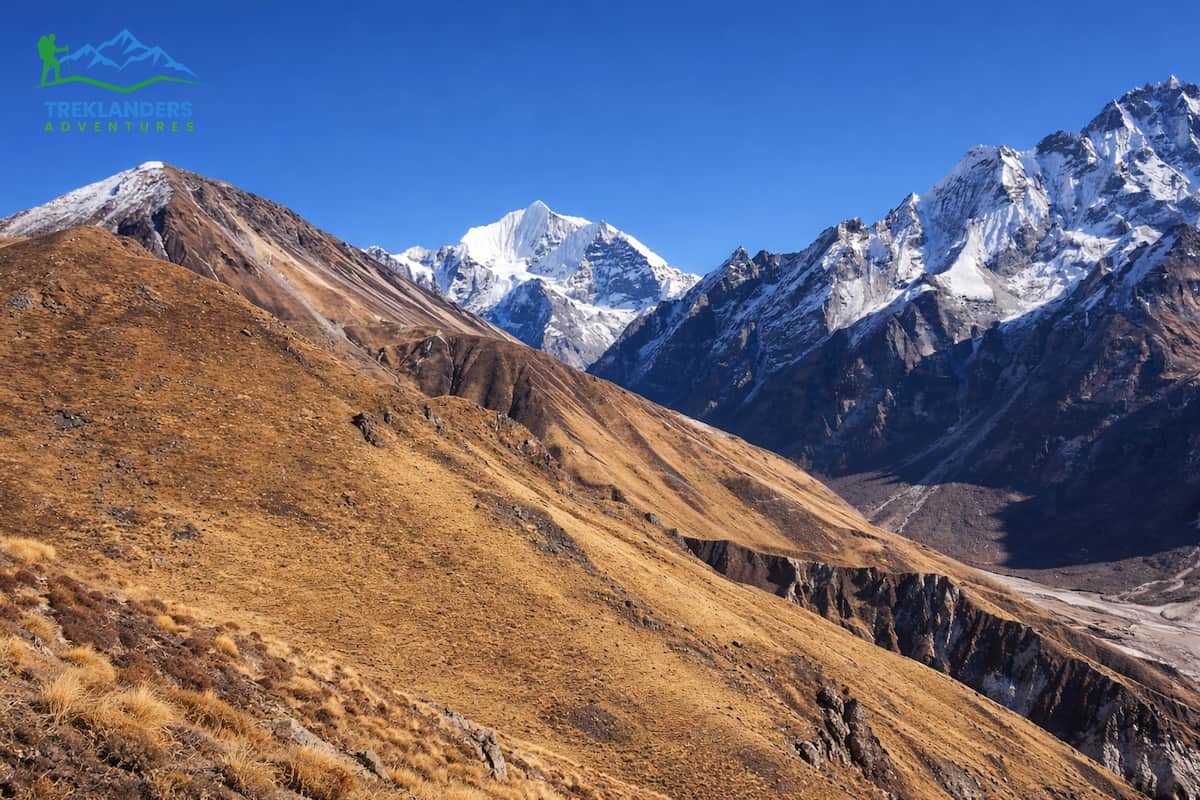
Beautiful landscapes and mountain views during the Langtang Valley Trek.
Kyanjin RI rises to 4,773 meters. At this height, oxygen levels drop significantly. Your body must adjust to thinner air. This process is called acclimatization. Proper acclimatization reduces the risk of altitude sickness and improves your overall trekking experience.
Most trekkers stay at Kyanjin Gompa at 3,870 meters for at least two nights before hiking Kyanjin RI. This allows your body time to adapt. During this period, your breathing rate increases and your body produces more red blood cells. These changes help deliver oxygen more efficiently.
Kyanjin RI is often used as an acclimatization hike. You climb high during the day and return to sleep lower in the village. This method follows the basic altitude rule. Climb high, sleep low. It supports safe adjustment without long exposure at extreme heights.
Altitude sickness can start above 3,000 meters. Common symptoms include headache, nausea, dizziness, loss of appetite, and fatigue. If symptoms become stronger, you must descend immediately. Do not ignore warning signs. Early action prevents serious conditions such as high altitude pulmonary edema or high altitude cerebral edema.
You can reduce risks by following simple safety steps
Walk slowly and maintain a steady pace.
Drink 3 to 4 liters of water daily.
Avoid alcohol and smoking at high altitude.
Eat regular meals even if your appetite decreases.
Get proper rest before the hike.
Start the hike early in the morning. The weather is generally stable and clear. Strong winds in the afternoon can make you tired and cold faster.
Pay attention to what your body tells you. Don't run after other trekkers. Your goal should be a safe climb, not a fast one. If you have severe symptoms, get down to Kyanjin Gompa without delay.
If you handle the altitude well, Kyanjin RI is a safe and worthwhile acclimatization hike. It is a good preparation for higher routes in Langtang Valley; at the same time, you get breathtaking mountain views.
Best Time to Hike Kyanjin RI
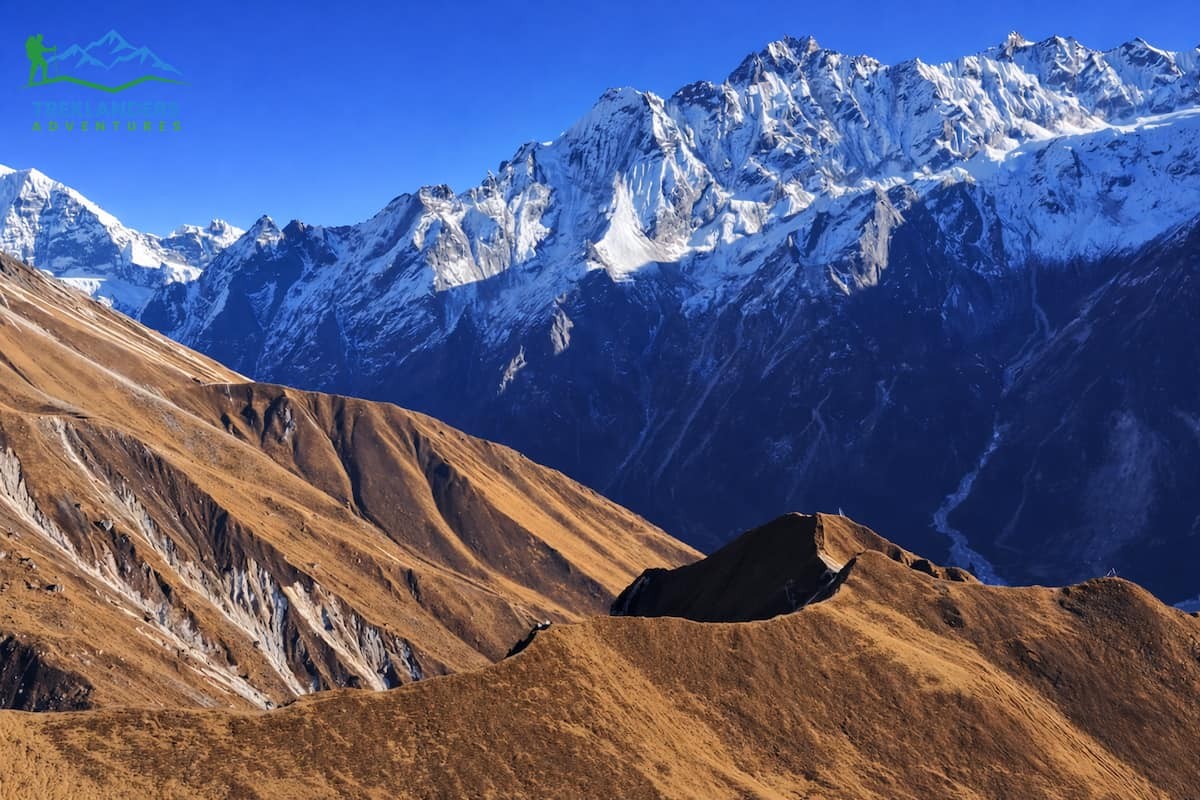
Beautiful landscapes and mountain views during the Langtang Valley Trek.
Hiking is a nice activity during spring (March to May) and autumn (September to November) at Kyanjin RI. In these months, there is less chance of getting a weather that changes suddenly, and the sunlight is not obscured by clouds. What can be seen from the top is great; the view stretches over the mountain peaks of Langtang Lirung, Dorje Lakpa, and others nearby.
Spring brings blooming rhododendrons in the lower valley. The trail is dry, and the temperature is moderate. Daytime is warm while mornings and evenings remain cool. Snow at higher elevations usually melts by late March, making the ridge sections easier to climb. Spring is ideal for photographers because of the colourful landscapes and bright skies.
Autumn is the main season for trekking. The period after the monsoon is characterized by a clean atmosphere, and the mountains look sharp and clear. The path is dry, and the probability of rain is very low. Temperatures are cooler than spring but manageable with layered clothing. The views of the glaciers and the valley are impressive. Autumn is a safe season because of stable conditions.
Winter (December to February) is the least attractive time for outdoor activities in the mountains. Snow covers the ridge and summit, making the trail slippery. The severity of temperature and wind speed makes the environment even more inhospitable. An alpinist with a high level of technical skill, fully equipped, is the only one who may thought to brave Kyanjin RI at such a cold time. Another consideration is that there will not be much time for hiking as the day gets darker earlier.
7-Day Annapurna Base Camp Trek from Pokhara | 7 days
Monsoon season (June to August) is not usually ideal for trekking. Heavy rain makes the track very slippery and dangerous. The peaks are often hidden in clouds, so the visibility is low. There can be landslides in the lower Langtang Valley. If you want to hike during the monsoon, start very early and take along waterproof gear.
Early morning starts are always the best choice. The sky is generally clear, the air is still, and the temperatures are lower. In the afternoon, clouds come up quite often, thus the visibility goes down, and the ridge gets colder and windier.
Choosing spring or autumn for your Kyanjin RI trek will give you the advantages of safety, comfort, and great views. Of course, you still need to be well-equipped with the right clothes, stay hydrated and properly acclimatize. These couple of months are the perfect compromise between weather, visibility, and trail conditions, allowing for a very pleasant day hike from Kyanjin Gompa upward.
Sunrise vs. Midday Hike Experience
It is very different to hike Kyanjin RI at sunrise and at midday as the two times offer different experiences. Both have their pros, but sunrise is generally preferred for views and comfort.
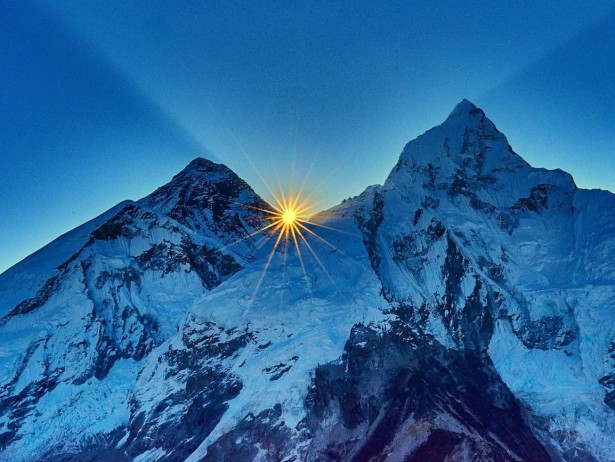
Initiating your trek at midnight will enable you to be at the summit to catch the first rays of the sun. It happens that the sky is clear, and first light strikes Langtang Lirung and other peaks around directly. The colour of the mountains changes from pink to golden, thus creating excellent photo opportunities. The valley beneath is usually covered by morning mist, thus coming up with the dramatic effect. There is no wind most of the time, and the temperature is lower, making the climb more comfortable. Very few are the trekkers who start at such an early time, hence the trail seems very quiet.
A hike at midday presents a totally different vibe. Late in the morning or early in the afternoon, clouds are likely to develop in Langtang Valley; thus, the mountains might be partially obscured by mist or clouds. The trail can certainly feel warmer, which some hikers may consider comfortable; however, it becomes physically more challenging to walk up the steep sections when exposed to the sun. The wind is stronger on the ridge as compared to the early morning, hence the final ascent might be less easy.
Midday is good for time flexibility. You can start your day later, have a lie-in, and still have plenty of time in Kyanjin Gompa before the climb. The temperature is a bit higher than that in the early morning, hence there is less exposure to cold on the summit. The light is not favorable for photography, and shadows may cover some parts of the peaks.
Safety speaks for a hike at sunrise as well. Clouds can form in the afternoon and bring a sudden change in the weather. In spring and autumn, afternoon snow or rain showers are the most frequent. By starting early, one can avoid these risks.
Energy-wise, a sunrise climb is a big challenge as you have to get up really early, sometimes at 4:30 or 5:00 am. A headlamp and layers of clothing are necessary. A hike at noon gives you the chance to have a relaxed morning, but you may get tired more quickly because of the sun and the wind.
To sum up, sunrise is a time of serenity, clearness, and wonderful views, whereas noon brings comfort and warmer temperatures. The majority of trekkers go for sunrise mainly because of the stunning Himalayan panorama, along with the safer, more stable weather and thus, the climb becomes an unforgettable experience.
Mountain Views from the Summit, Langtang Lirung and Surrounding Peaks
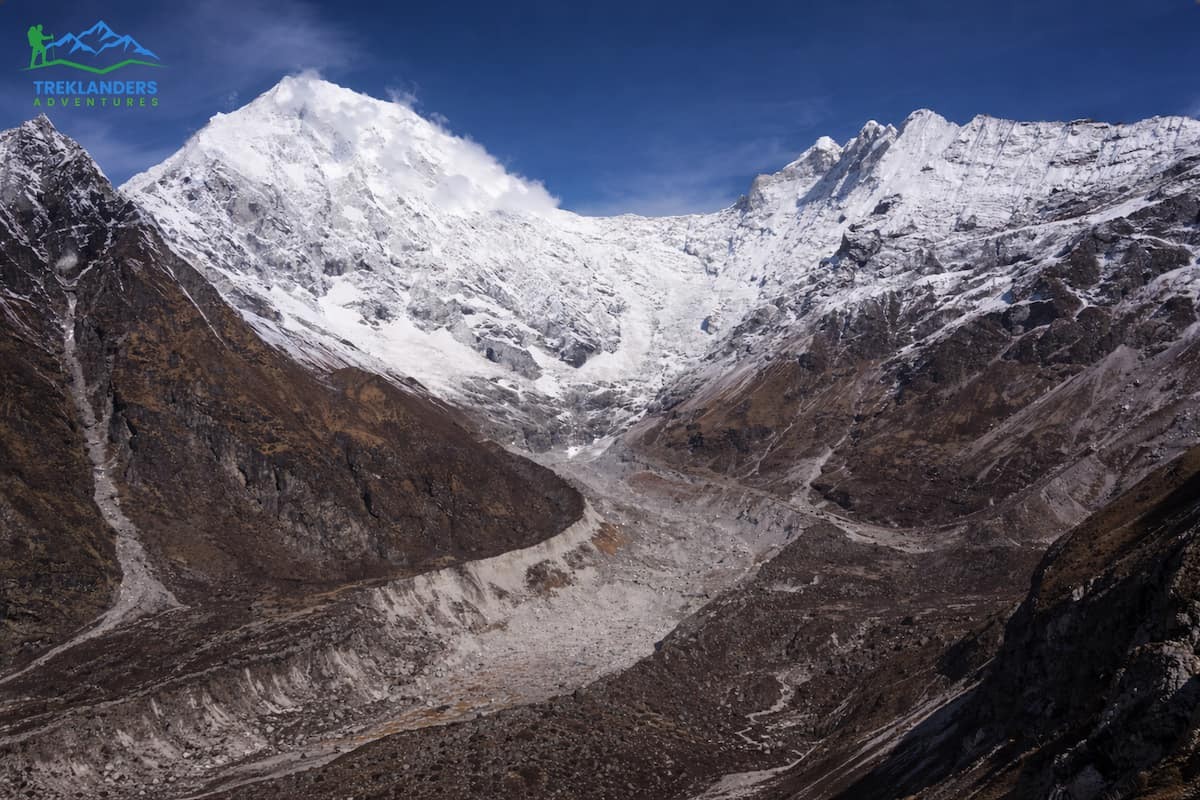
Mt. Langtang Lirung
The summit of Kyanjin RI is one of the most breathtaking spots for the mountain views in Langtang Valley. From the height of 4,773 meters, you can spot Langtang Lirung, which is the tallest peak of the region at 7,227 meters. Its immense glacier faces and snow-covered ridges are the main features of the skyline. The summit looks sharp and dramatic, particularly in the early morning light.
The other mountain peaks seen are Dorje Lakpa, Gangchempo, and Ganesh Himal to the west. These mountains tower over the deep valleys and ridges, making a layered Himalayan scene. The combination of snow-capped peaks, rocky cliffs, and green valley floors makes the scenery very photogenic.
You can also see Langtang Glacier from the summit. The glacier is moving through the valley with icy crevasses reflecting the sunlight. The hills and ridges nearby make a contrast with the white peaks. Yak pastures in the lower slopes add green and brown colours, which increase the depth of the view.
The Mountain View varies at different times of the day. In the early hours, the peaks are bathed in golden sunlight. At noon, shadows change, and some ridges seem to be gentler in shape. The late afternoon very often comes with clouds, thus the distant peaks are shut out. Clear skies, on the other hand, grant the views that are not interrupted and that stretch for several tens of kilometers.
From the summit, the view assists you in grasping the magnitude of the Langtang Valley. Mountains extend high over rural communities and woodland, whilst glaciers and rivers are at work in the creation of the landscape. The mix of height and broad openness allows for a feeling of the immense scale of the Himalayas.
On average, hikers stay at the summit for 20 to 30 minutes. They take photographs and enjoy the view. However, the winds may be quite powerful, hence layering is recommended. Even a very brief pause at the summit enables you to have glances at several ranges of the Himalayas simultaneously.
Moreover, the Kyanjin RI summit is perfect for the geographic interpretation of Langtang. You have a clear idea of how the valleys are connected, which way the rivers run and how the glaciers formed the mountains. The physical work of climbing is justified by the views which provide gratification not even the lower-altitude trails can offer.
The juxtaposition of the Langtang Lirung, the neighboring peaks, glaciers and valley floors makes Kyanjin RI an excellent spot for spectacular Himalayan scenes and great trekking adventures.
What to Pack for a Safe Day Hike
Packing the right gear is one of the most important things you can do to ensure you have a safe and comfortable hike to Kyanjin RI. This is a short day hike only, but the altitude is high and the weather can be quite changeable, so you need to be quite carefully prepared.
Clothing
Layering your clothing is the most important thing. Layer one should be a moisture-wicking base layer, which helps to keep the sweat away from your skin. Layer two can be an insulating layer, basically fleece or a light down jacket. Layer three is a windproof and waterproof shell. Usually, the temps near the summit may be below freezing, even during spring and autumn. To protect yourself from wind chill, gloves, a hat, and a buff or scarf are necessary. The right socks are helpful when walking on stones to avoid getting blisters.
Shoes
Having good trekking boots with a strong grip is a must. Along the trail, there are loose stones and also some steep parts. Boots that come with ankle support will help prevent you from spraining your ankle. Some hikers carry trekking poles to help with their balance when climbing steep places, and it also helps to take the pressure off the knees during the descent.
Backpack essentials
You should have at least 1.5 to 2 liters of water with you. The higher the altitude, the higher the risk of dehydration. Pack some high-energy snacks such as nuts, chocolate, and energy bars. A mini first aid kit can contain blister pads, bandages, and pain relievers. Sunglasses with UV protection are a good way of protecting your eyes from the glare of the sun and also from snow reflection. Sunscreen and lip balm are a must for preventing sunburn, which is quite strong at high elevations.
Navigation and safety tools
Although the path is very visible, it's always a good idea to have a map or GPS device in case of bad visibility. A headlamp comes in handy for starting very early in the morning. Mobile phones might not work well in some areas, so let your guide or group know your plan.
Optional items
Camera or phone to take pictures, a small thermos with a hot drink, and a light rain cover for your backpack.
Do not bring too many things, but make sure to pack the necessary safety items. Don't put too much in your backpack because carrying a heavy load up steep parts will tire you out more.
By packing suitable clothing, footwear, and hydration along with safety items, you will be able to hike Kyanjin RI with confidence. Effective packing helps to reduce risks from weather, altitude, and uneven ground while increasing your comfort and pleasure throughout the climb.
Weather Conditions and Seasonal Changes in Langtang Valley
Beautiful landscapes and views of Langtang Lirung seen from Kyanjin Ri during the Langtang Valley Trek.
Langtang Valley has four distinct seasons that each affect the hiking environment in different ways. The first one is spring (March to May) when temperatures are moderate, and the sky is often clear. At the same time, trails at higher elevations get safer as the snow starts to melt. Rhododendrons decorate the scenery in the lower valleys. The winds are gentle, and the mornings are mostly still, which is perfect for Kyanjin RI hikes.
Summer (June to August) is the monsoon season. Heavy rainfall turns the trails into slippery paths and may cause landslides in the valley. Mountain peaks get covered by clouds most of the time, so a person's sight is limited. Also, streams become larger, and some parts may get muddy or flooded. For safety reasons, hiking during this period is not encouraged.
Autumn (September to November) is the time when the weather is at its best for outdoor activities. The amount of rainfall is very little, and the air is so clean that the mountains look crisp. Though the temperature is lower than in the spring, a combination of insulated clothes will keep you comfortable. In addition to stable weather, there is excellent visibility, and this makes the trekking season the most popular one.
Winter (December to February) is chilly, particularly in the mountainous regions. Snow blankets the path and the ridge areas, thus adding to the challenge of hiking. High winds and short hours of daylight further heighten the danger. Only very experienced hikers equipped with suitable winter gear should consider going to Kyanjin RI in the winter season.
Anyway, the weather in Langtang Valley is subject to rapid changes at any time of the year. Generally, the morning hours are less windy and have fewer clouds than the afternoons. If you go trekking early, you will be less exposed to wind, clouds, and sudden changes of weather. Having several layers of clothing and wearing waterproof clothes is a must throughout the year to be able to cope with sudden changes of temperature, as well as with the possibility of rain or snow.
Conclusion
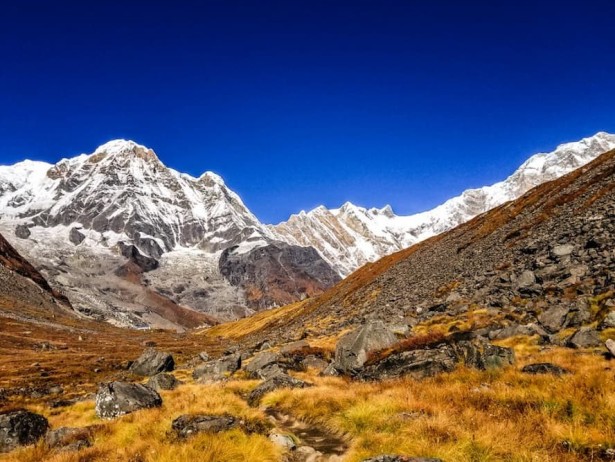
Beautiful landscape views from Kyanjin Ri during the Langtang Valley Trek.
Kyanjin RI is a lovely day trip hike in Langtang Valley. The path is quite short but very steep, with an elevation gain of almost 900 meters from Kyanjin Gompa to the top of the hill. Proper acclimatization, consistent pacing, and good physical condition are the main necessities for a safe ascent.
The top of the mountain presents an amazing panorama of Langtang Lirung, other surrounding mountain peaks, glaciers, and the valley at your feet. The sunrise is definitely the best time for a photo shoot, as the light is perfect and the scenery is dramatic, while the afternoon is warmer, but you may have some clouds.
Besides enjoying the stunning Mt. Everest and Himalayan views, hiking Kyanjin RI is a smart strategy to get accustomed to the changing oxygen levels on the higher routes. Making the right choice season-wise, carrying the right travel essentials, and following safety tips on altitude will make travelling comfortable as well as safe.
By planning and taking reasonable precaution measures, Kyanjin RI will give you an experience of a short, high altitude adventure that deeply impresses with the natural beauty of Langtang Valley's mountains and landscapes.