Best Himalayan Treks for Dashain and Tihar Vacation
23 Sep 2026
Celebrate Dashain and Tihar with Nepal’s best Himalayan treks and stunning autumn views.

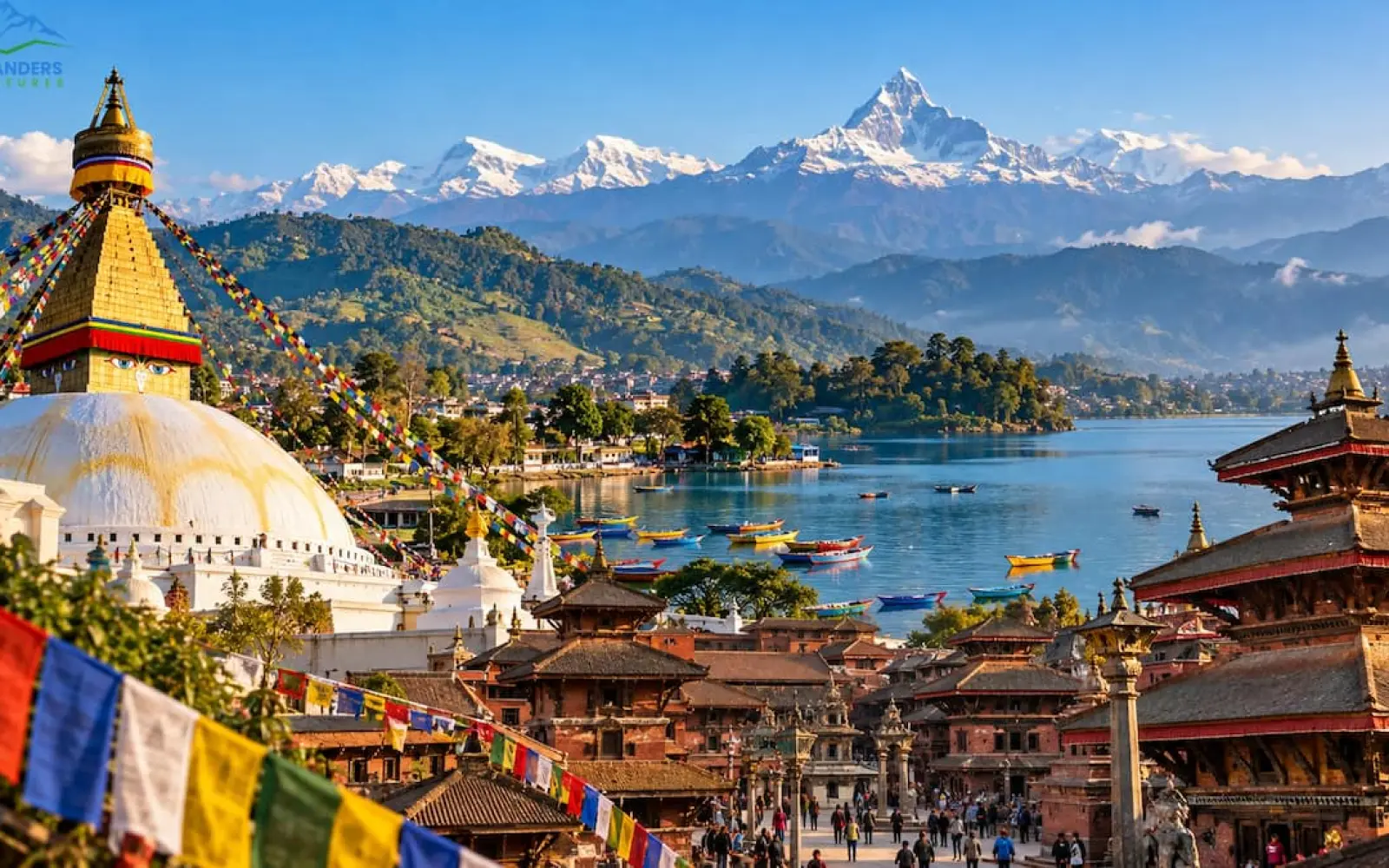
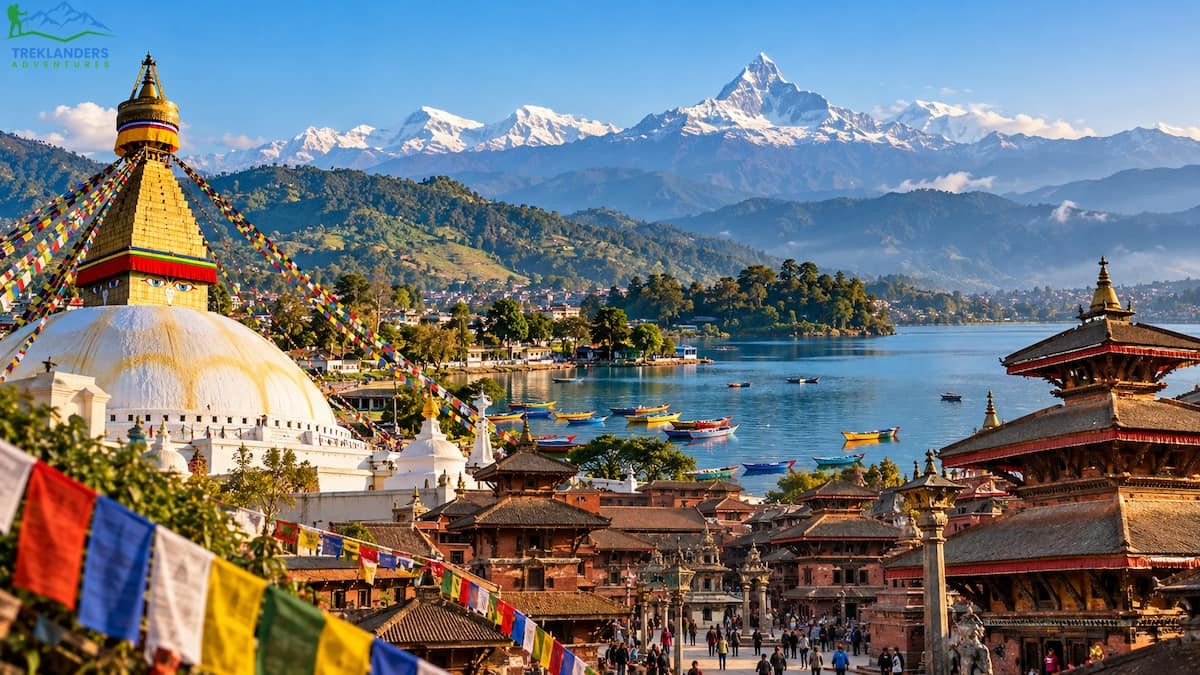
Nepal packs more scenery per square kilometer than almost anywhere on earth. You get eight of the world’s fourteen highest peaks, jungle plains thick with rhinos and tigers, medieval cities built around living temples, and valleys where the only traffic is yak trains. Planning a 2027 trip to Nepal means picking from an unusually deep bench of destinations, and that is exactly the problem most travelers run into. Too many options, not enough clarity on which ones fit your time, fitness, and interests.
This guide breaks down the ten destinations worth building your 2027 Nepal itinerary around. You will find cultural capitals, high Himalayan trekking regions, wildlife reserves, and sunrise viewpoints, each with the specific trips and tours Treklanders Adventures runs there. Use it to shape your own route, whether you have four days or four weeks.
A few of these destinations work as standalone trips. Others work better stacked together, since Nepal’s compact geography means you can go from subtropical jungle to a 5,000-meter mountain pass in the space of a single week if your itinerary is built well. The list below moves roughly from the most accessible, lower-altitude destinations toward the higher and more remote trekking regions, so you can read it in order or jump straight to the section that matches your travel style. Each entry covers what makes the destination worth the trip, what you will actually see and do there, and the specific Treklanders packages that run it, so you can move from reading this guide to booking a trip without needing to research each region from scratch.
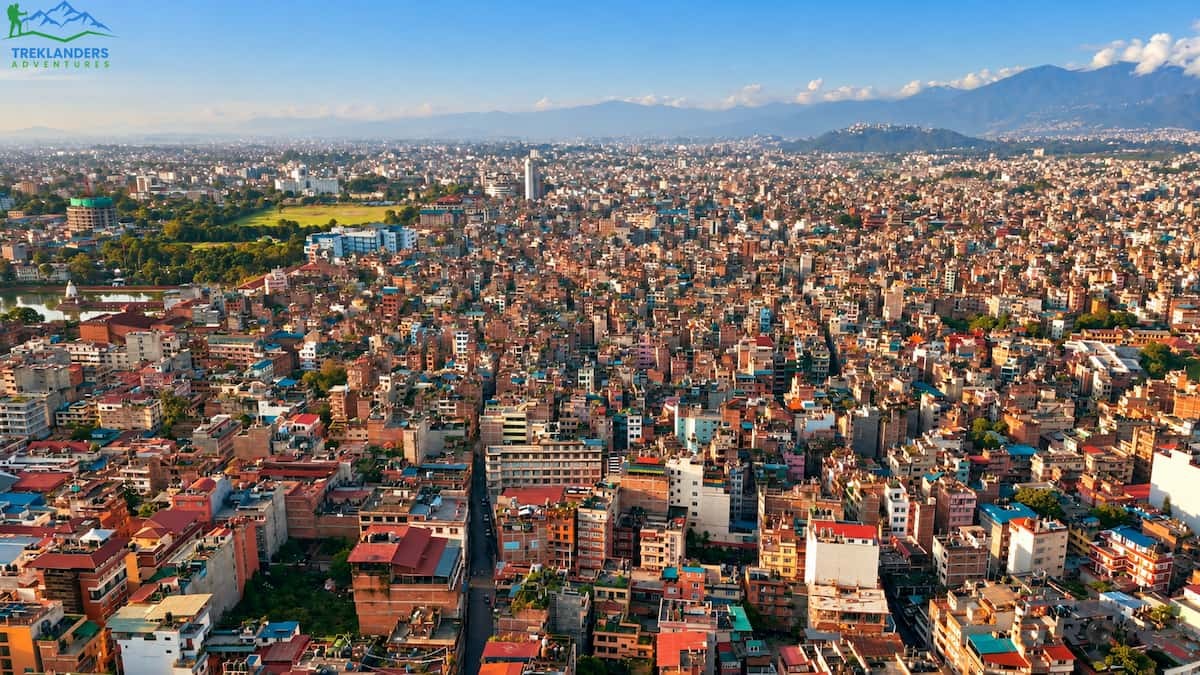
Kathmandu Valley is where almost every Nepal trip starts, and it deserves more than a layover. The valley holds seven UNESCO World Heritage property clusters packed into a space you can cover in two or three focused days. Kathmandu Durbar Square sits at the old royal heart of the city, surrounded by pagoda-roofed temples, carved wooden windows, and the living goddess residence known as Kumari Ghar. A short drive away, Swayambhunath, often called the Monkey Temple, rises above the city on a forested hill, its white dome and painted Buddha eyes visible from most of the valley floor.
Boudhanath Stupa anchors the Tibetan Buddhist community on the eastern side of the city. Walk the kora path around its base in the late afternoon and you will join hundreds of monks, pilgrims, and local residents spinning prayer wheels as the sun drops behind the surrounding rooftops. Pashupatinath Temple, on the banks of the Bagmati River, is one of the holiest Hindu sites in the world and gives visitors a direct, unfiltered look at Hindu cremation rituals from across the river.
Patan and Bhaktapur round out the valley’s heritage towns. Patan’s Durbar Square holds some of the finest Newari metalwork and stone carving in Nepal, concentrated around a museum that used to be a royal palace. Bhaktapur, slightly further out, has kept its medieval street layout almost fully intact, and pottery squares where artisans still shape clay on manual wheels draw photographers from every corner of the world. Treklanders runs a Kathmandu Full Day Sightseeing Tour that covers Durbar Square, Swayambhunath, Boudhanath, and Pashupatinath in a single day, and a separate Patan and Bhaktapur Sightseeing Tour for travelers who want to slow down in the two heritage towns. If you only have one day and want every major site checked off, the Seven UNESCO Heritage Sites Day Tour in Kathmandu is built exactly for that. Kathmandu also works as a base for a short cable car escape; the Chandragiri Cable Car Tour lifts you above the valley rim for a panoramic Himalayan skyline in under two hours.
October through December and February through April give you the clearest skies and the best mountain visibility from the valley rim. Kathmandu’s elevation around 1,400 meters means you avoid altitude concerns entirely here, which makes it the easiest region on this list to visit on short notice.
Food in Kathmandu deserves a slot in your itinerary too. Thamel’s narrow lanes hold everything from Newari thali houses serving buffalo momo and choila to rooftop cafes with Annapurna range views on a clear day. Set aside an evening for a cooking class if you want to take a skill home with you; a short momo-making session is an easy, low-cost way to spend a rainy afternoon between temple visits. Traffic in the valley can eat into your schedule more than guidebooks suggest, so build extra buffer time between sites rather than stacking them tightly back to back.
Kathmandu also functions as the logistics hub for almost every other destination on this list. Domestic flights to Lukla, Pokhara, and Bhairahawa for Lumbini all originate here, trekking permits for the restricted regions get processed through agency offices in the city, and most travelers spend at least one night in Kathmandu both arriving and departing even when the rest of their trip centers elsewhere. Treating your first Kathmandu stop as more than a transit point, rather than rushing straight out to the mountains, gives you a clearer sense of Nepali history and culture before you see it reflected in the smaller hill villages further along your route.
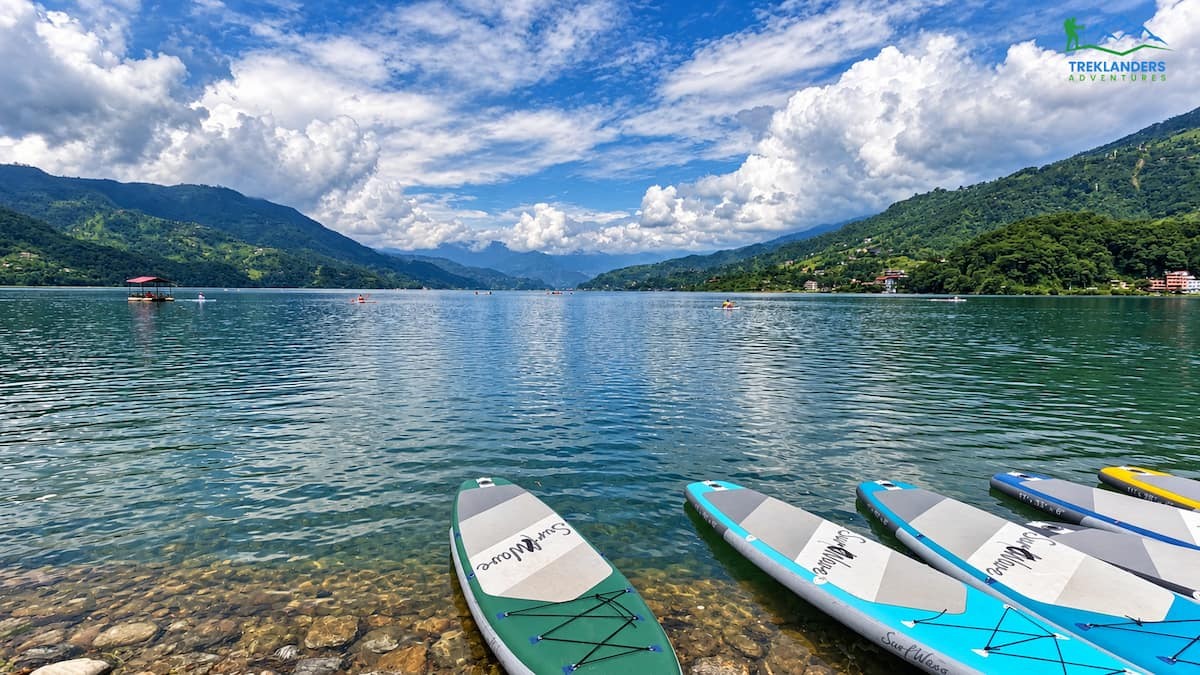
Pokhara is the second city most 2027 Nepal itineraries build around, and for good reason. Phewa Lake sits at the center of town, with the Annapurna range reflected in its water on clear mornings. Paddle a brightly painted wooden boat out to the Tal Barahi Temple on its small island, or just sit at one of the lakeside cafes and watch paragliders drift down from Sarangkot. Sarangkot itself is Pokhara’s signature sunrise point, a hilltop perch that catches first light on Machhapuchhre, the fishtail-shaped peak that dominates the skyline here.
Pokhara doubles as the launch point for most Annapurna region treks, which gives it a different energy from Kathmandu. Gear shops line the lakeside streets, and the town fills with trekkers resting before or after a trail. Beyond the lake, the Davis Falls and the adjoining Gupteshwor Mahadev Cave make for an easy half-day stop, and the World Peace Pagoda across the lake gives you a second, quieter viewpoint over the water and the mountains behind it.
Treklanders runs a 3-Day Pokhara Sightseeing Tour that covers the lake, Sarangkot sunrise, and the city’s main sights at an easy pace, ideal if you want mountain scenery without committing to a multi-day trek. For travelers combining Pokhara with other regions, the 7-Day Kathmandu Pokhara and Chitwan Wildlife Tour links the capital, the lake city, and the jungle in one trip. If paragliding over Phewa Lake with the Annapurna's in the background is on your list, check the Paragliding The Himalayan Sky activities for current schedules. September through November is peak season here, with warm days and sharp mountain visibility most mornings.
Pokhara also runs at a slower pace than Kathmandu, and that shift is worth building into your schedule rather than rushing through. Lakeside restaurants stay open late, the evening market along the main strip sells pashmina and Himalayan salt products at better prices than Kathmandu’s tourist districts, and a short motorbike ride out to Begnas Lake gets you away from the crowds if Phewa feels too busy during peak season, with a quieter eastern shoreline that sees a fraction of Phewa’s foot traffic even in high season. Travelers heading onward to an Annapurna trek typically spend their last evening in Pokhara organizing permits and gear, since the Annapurna Conservation Area Project office and most trekking equipment shops sit within walking distance of the lakeside hotels.
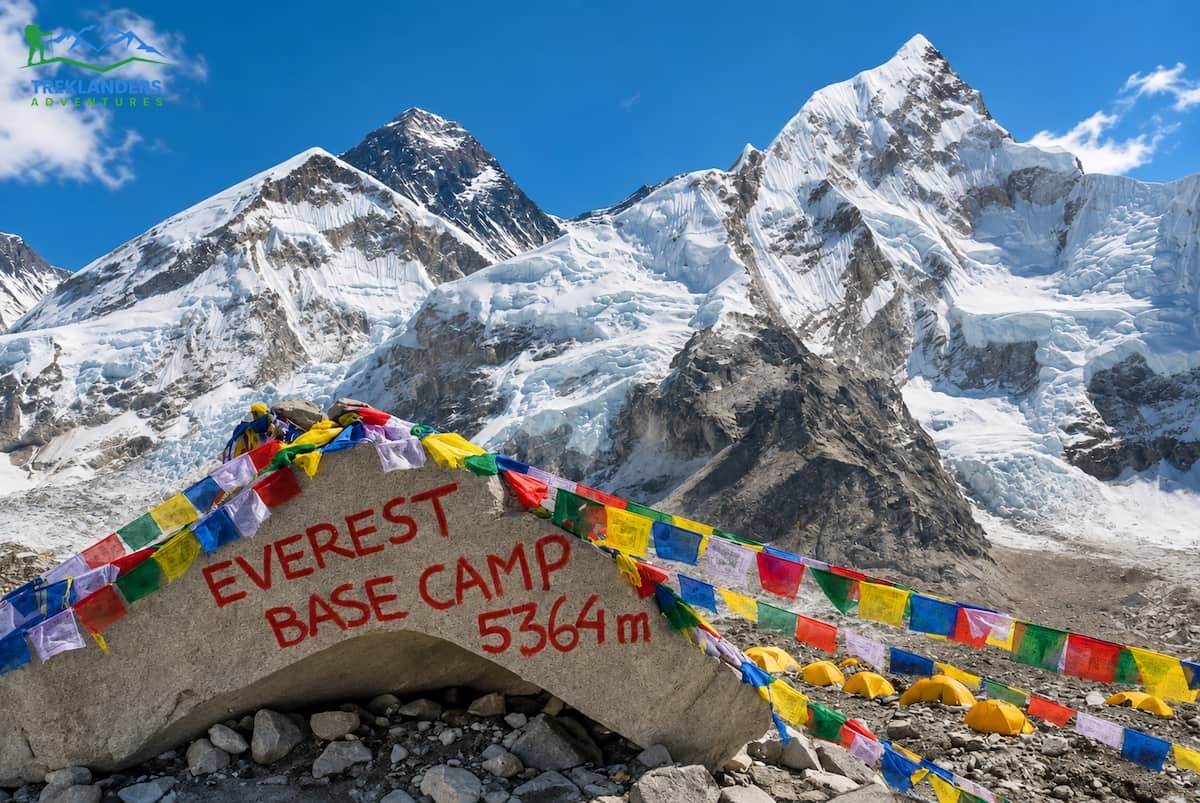
The Khumbu is the destination that puts Nepal on most travelers’ bucket lists in the first place. Everest Base Camp sits at 5,364 meters, reached through a trail that climbs past Namche Bazaar, the unofficial capital of the Sherpa world, and Tengboche Monastery, where the Everest massif frames the morning prayer sessions. The classic route runs through Dingboche or Pheriche for acclimatization, then up through Lobuche and Gorakshep before the final push to base camp and often a side trip to Kala Patthar for the best direct view of Everest’s summit pyramid.
Treklanders’ Everest Base Camp Trek runs the full classic itinerary, while the 12-Day Everest Base Camp Trek condenses the schedule for travelers short on time. If you want the base camp experience without retracing your steps, the Everest Base Camp via Cho La Pass from Gokyo Valley Trekking loops you through the glacial lakes of the Gokyo Valley and crosses the Cho La, a high pass that connects the two sides of the Khumbu. The standalone Gokyo Valley Trekking itinerary is a strong alternative for travelers who want Everest-region scenery and the turquoise Gokyo lakes without the base camp crowds.
For travelers who want the Khumbu’s scale without the multi-week commitment, the Everest Panorama Trek reaches Tengboche and the Namche area in about a week, and the Everest Heli Tour gets you to base camp and back by helicopter in a single morning, landing near Kala Patthar for photos before returning to Kathmandu by lunch. The Everest Mountain Flight from Kathmandu is the fastest option of all, a one-hour scenic flight along the Himalayan skyline that passes within view of Everest’s summit without you leaving your seat. Full details on routes, permits, and teahouse logistics for the region sit on the Everest Region Trek page. Pre-monsoon (March to May) and post-monsoon (late September to November) remain the two windows with stable weather and open flights into Lukla.
Namche Bazaar earns its reputation as the trek’s social hub. Built into a natural amphitheater on the hillside, the town has grown around a Saturday market that still draws traders from villages days away on foot, alongside bakeries, gear shops, and a national park visitor center worth an hour of your time on an acclimatization day. Flights into Lukla’s Tenzing-Hillary Airport, one of the more demanding short runways in commercial aviation, run early in the morning and are prone to weather delays, so build at least one buffer day into either end of your Khumbu trip. Most trekkers underestimate how cold the teahouses get above Dingboche; pack for well below freezing even if you are trekking in the warmer shoulder months.
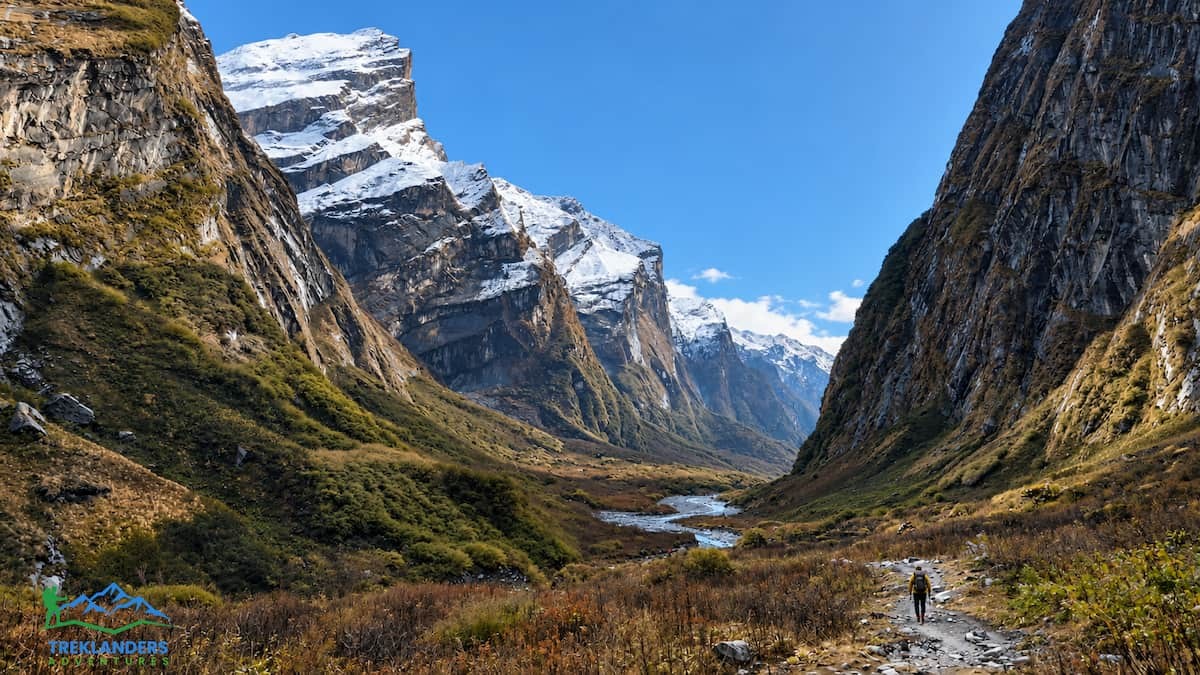
The Annapurna region covers more ground, more trail variety, and more trip lengths than any other part of Nepal, which is why it keeps showing up at the top of 2027 travel lists. Annapurna Base Camp sits in a natural amphitheater at 4,130 meters, ringed by Annapurna I, Machhapuchhre, and Hiunchuli, with the trail passing through Gurung and Magar villages, bamboo forest, and rhododendron groves that bloom red and pink through March and April.
Treklanders’ Annapurna Base Camp Trekking covers the full classic route, and the shorter 7-Day Annapurna Base Camp Trek from Pokhara fits the same destination into a tighter schedule for travelers with limited vacation days. If base camp itself is not the priority, the Ghorepani Poonhill Trek delivers one of the best sunrise panoramas in Nepal from Poon Hill, a short pre-dawn climb above the Ghorepani ridge that puts Dhaulagiri and the Annapurna range in a single frame without the altitude or distance of a full base camp trek.
For travelers who want a quieter, less-trodden Annapurna trail, Mardi Himal has become the region’s breakout route over the past several years. Narrow ridgeline trails lead to a base camp at 4,500 meters with a close-up view of Machhapuchhre’s south face, and the Mardi Base Camp Trekking itinerary covers the route from Pokhara. Travelers after the full circumnavigation of the Annapurna massif, crossing the Thorong La Pass at 5,416 meters, should look at the Annapurna Circuit Trek, which moves through the dry Manang valley on one side and the greener Marsyangdi valley on the other. Complete regional information lives on the Annapurna Region Trek page. October and November give the clearest Himalayan views here, while March through May brings the rhododendron bloom.
The trail infrastructure across the Annapurna region is the most developed of any trekking area in Nepal, with teahouses roughly every hour or two of walking along the main routes. That density means you can trek here with a lighter pack and less rigid daily planning than in more remote regions, which is part of why Annapurna attracts first-time trekkers as readily as experienced ones. Ghandruk and Chhomrong, two of the larger Gurung villages on the Annapurna Base Camp route, are worth a half-day stop on their own, with stone-paved streets, traditional slate-roofed houses, and small museums documenting Gurkha military history. Hot spring stops at Jhinu Danda, a short detour off the main Annapurna Base Camp trail, give trekkers a genuine reason to build in a rest day, with natural pools set directly on the bank of the Modi Khola river.
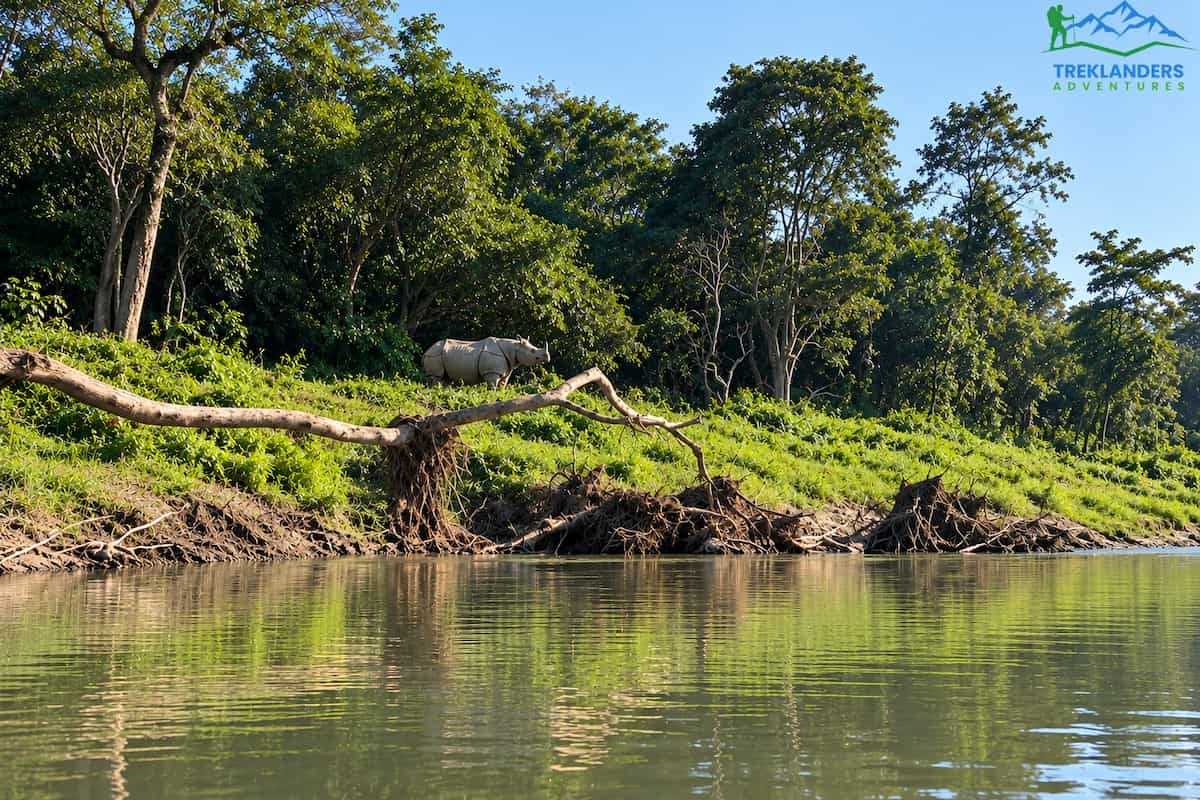
Nepal is not only mountains. Chitwan National Park, in the Terai lowlands near the Indian border, protects one of the last significant populations of the one-horned rhinoceros along with Bengal tigers, gharial crocodiles, and over 500 recorded bird species. A jeep safari through the sal forest and grasslands gives you the best odds of a rhino sighting, often at close range, since Chitwan’s rhino population has recovered strongly over the past two decades of conservation work.
Beyond the jeep safaris, a dugout canoe ride along the Rapti River puts you at eye level with basking crocodiles and kingfishers, and most lodges arrange village walks through the Tharu communities that have lived alongside the park for generations, including a traditional Tharu stick dance performance in the evening. Treklanders’ 3-Day Chitwan Wildlife Tour packages the jeep safari, canoe ride, and cultural program into a short trip that fits easily alongside a Kathmandu or Pokhara stay. For a longer loop that strings together the capital, the lake city, and the jungle, the 7-Day Kathmandu Pokhara and Chitwan Wildlife Tour covers all three in one continuous itinerary. October through March brings cooler, drier weather and the best wildlife visibility, since animals gather more predictably around the remaining water sources.
Chitwan rewards an unhurried visit. A two-night stay gives you enough time for a morning jeep safari, an afternoon canoe float, and a sunset walk along the river without cramming the activities into a single exhausting day. Bird watchers in particular should budget extra time here; Chitwan’s wetlands and riverine forest hold species found almost nowhere else in Nepal, including several kingfisher varieties and the endangered Bengal florican. Pair your Chitwan stop with a night in a jungle lodge rather than a hotel in the nearest town if the budget allows, since the lodges sit directly inside or on the edge of the park buffer zone and put you closer to early-morning wildlife activity.
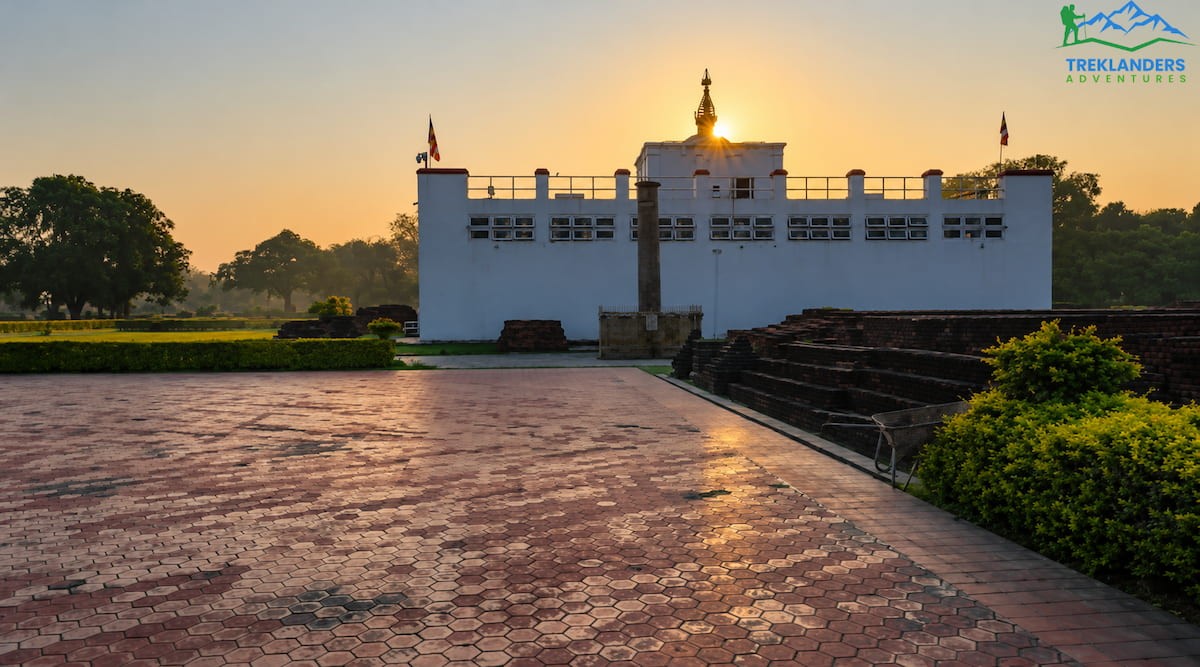
Lumbini, in southern Nepal near the border with India, is the birthplace of Siddhartha Gautama, the man who became the Buddha. The Maya Devi Temple marks the exact spot of his birth around 563 BCE, built around a marker stone and the remains of older brick structures uncovered through archaeological excavation. Next to the temple, the Ashoka Pillar stands as one of the oldest surviving inscribed monuments in South Asia, placed by Emperor Ashoka in the third century BCE to commemorate his pilgrimage to the site.
The surrounding Lumbini Development Zone holds monasteries built by Buddhist communities from Thailand, Myanmar, Japan, China, Vietnam, and several other countries, each constructed in its own national architectural style. Walking between them in a single afternoon gives you a rare side-by-side look at how different Buddhist traditions interpret the same core faith. The sacred Puskarni Pond nearby is where tradition holds that Maya Devi bathed before giving birth. Treklanders includes Lumbini as part of the Nepal Round Trip of Kathmandu-Pokhara-Lumbini and Chitwan Tour, which combines the cultural capital, the lake city, the Buddha’s birthplace, and a wildlife stop into one coherent route across southern and central Nepal. Lumbini is comfortable year-round, though November through February avoids the lowland summer heat.
A visit to Lumbini works best as a quiet counterpoint to the rest of a Nepal itinerary. Where Kathmandu moves fast and the mountain regions demand physical effort, Lumbini asks you to slow down. Rent a bicycle at the entrance to the monastic zone and ride between the national pavilions at your own pace rather than following a fixed walking tour; the zone is large enough that cycling covers it far more comfortably than walking in the lowland heat. The eternal peace flame, lit in 1986 and kept burning continuously since, sits near the central canal that runs the length of the monastic zone and makes a natural midpoint to stop and rest.
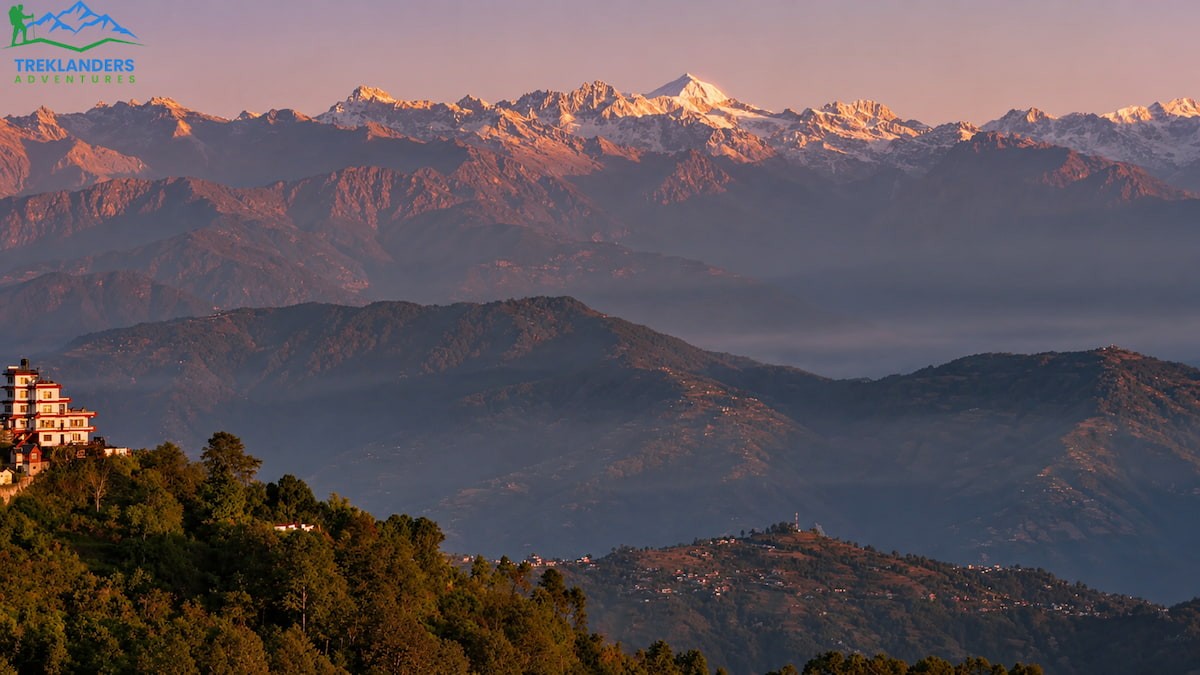
Nagarkot sits on a ridge roughly 32 kilometers east of Kathmandu, and it remains the single easiest Himalayan sunrise you can reach from the capital. On a clear morning, the view stretches from Dhaulagiri in the west to Kanchenjunga in the east, with Everest visible as a distant peak among dozens of named summits. Because it sits at just over 2,100 meters, you get real mountain air and genuine panoramic views without any trekking fitness required.
Most visitors base themselves at one of the ridge-top lodges for a single overnight, catching sunset on arrival and sunrise the next morning before heading back to the city. Treklanders’ Nagarkot Sunrise Tour covers exactly that loop, and the Nagarkot Sunrise Tour with Day Hike adds a short walking section through the surrounding forest and farm terraces for travelers who want to stretch their legs. For a quicker, no-overnight version, the Nagarkot Day Hike fits into a single day trip from Kathmandu. Many travelers pair Nagarkot with a stop in Bhaktapur on the drive back, since the heritage town sits directly on the return route, which lets you combine two distinct 2027 Nepal tour highlights into a single, efficient day trip from the capital. October through March gives the clearest skies, while the monsoon months between June and September bring a real risk of a cloud-covered sunrise.
Nagarkot works particularly well for travelers with jet lag or a short layover, since the drive from Kathmandu airport takes under an hour and the altitude gain is gentle enough to cause no discomfort. Beyond the sunrise viewpoint itself, the surrounding ridge has several lesser-known trails through pine and oak forest that most day-trippers skip entirely, giving you a genuine escape from the crowds that gather at the main viewing tower. Local lodges serve simple Nepali dal bhat alongside continental options, and several have outdoor fire pits that make the cool mountain evenings part of the experience rather than something to just endure.
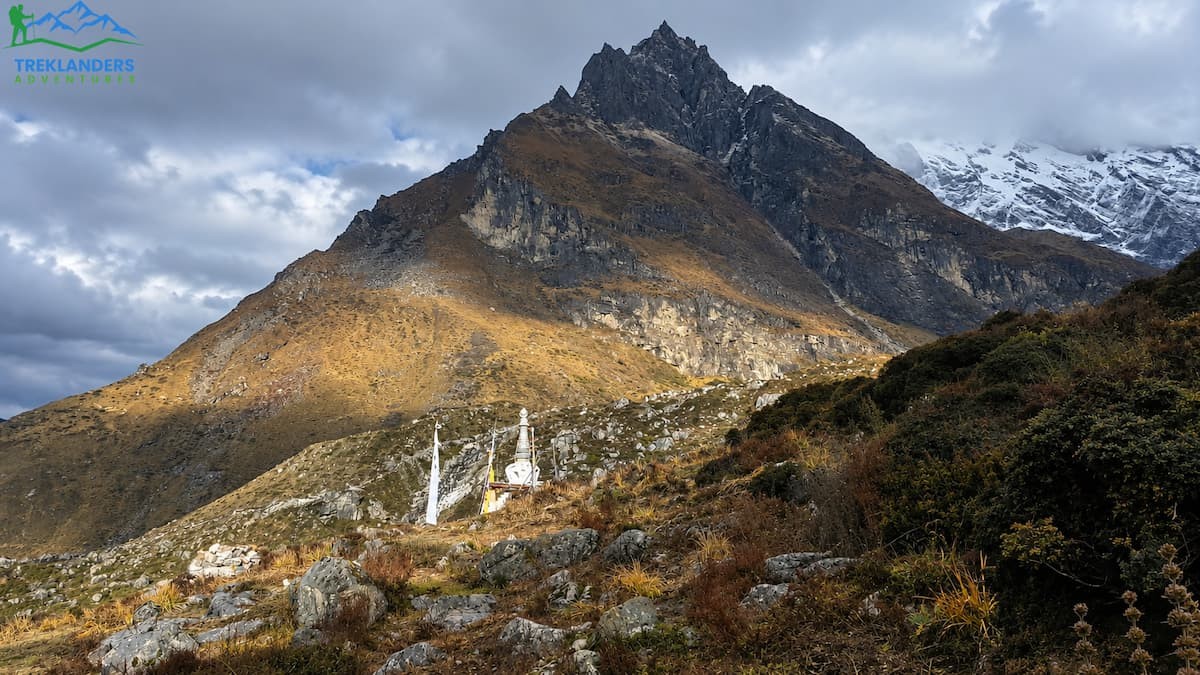
Langtang Valley is the closest major trekking region to Kathmandu, and that proximity makes it one of the best choices for travelers with a week or less to spend in the mountains. The trail follows the Langtang Khola upstream from Syabrubesi through forests of oak, maple, and rhododendron, climbing steadily into a glacier-carved valley hemmed in by Langtang Lirung and a ring of lesser-known 6,000 and 7,000-meter peaks. Kyanjin Gompa, the main village at the valley’s head, has a working cheese factory and a small monastery, and from here you can climb Kyanjin Ri or Tserko Ri for close-range views of the surrounding glaciers.
Treklanders’ Langtang Valley Trek runs the full out-and-back route, and full day-by-day route information along with permit and distance details sits on the Langtang Region Trek page. For travelers who want to add a sacred alpine lake to the itinerary, the Gosainkunda Lake Trek climbs over the Laurebina La to the holy lake of Gosainkunda, a major pilgrimage site for both Hindus and Buddhists, particularly during the Janai Purnima festival in August. The Helambu Trek, on the southern edge of the same region, moves through Sherpa and Tamang villages at lower elevation, which makes it a strong option for travelers who want Himalayan scenery without the altitude demands of the main Langtang trail. March through May and October through November bring the best trail conditions here, with the rhododendron forest at its most vivid in April.
Langtang carries a weight that other trekking regions in Nepal do not. The 2015 earthquake triggered a landslide that destroyed Langtang village, one of the main settlements on the trail, and the community has spent the years since rebuilding higher up the valley with support from returning trekkers and ongoing tourism revenue. Walking through today shows a region that has recovered strongly, with new lodges, a rebuilt monastery, and a local population that remains genuinely welcoming to visitors. Choosing Langtang for your trek puts tourism dollars directly into a community that depends on them, which is worth knowing as you weigh it against the busier Everest and Annapurna routes.
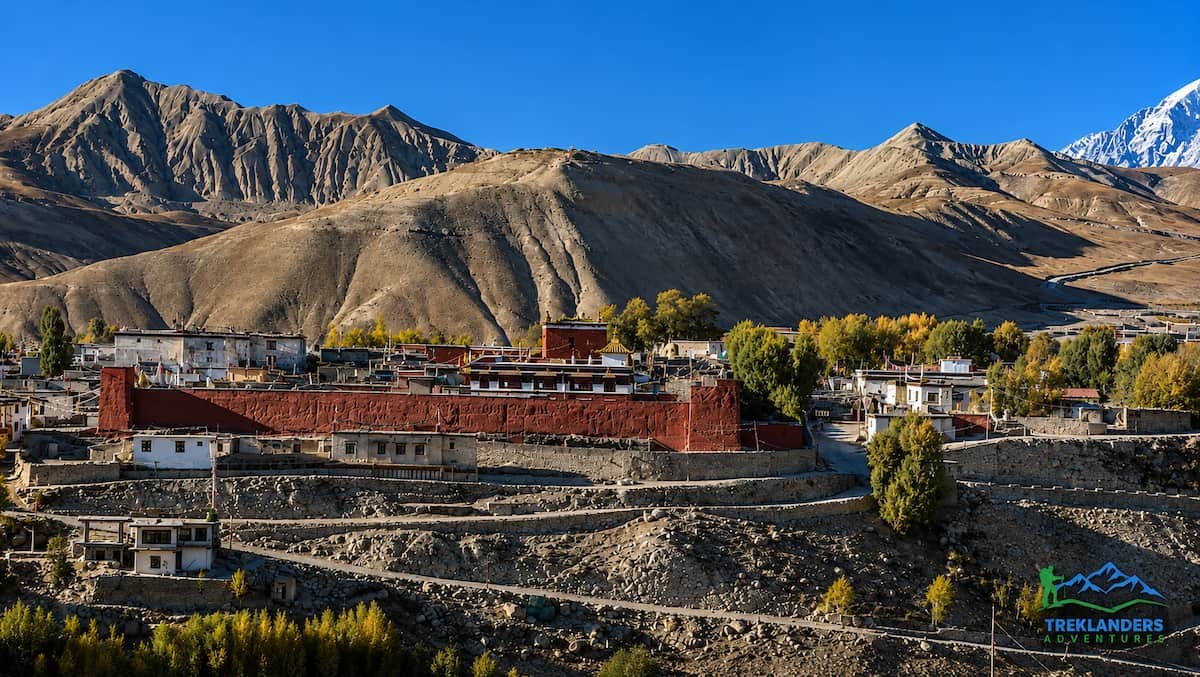
Upper Mustang is the destination on this list that looks the least like the rest of Nepal. Geographically and culturally part of the Tibetan Plateau, this former forbidden kingdom sits in the rain shadow of the Annapurna and Dhaulagiri ranges, which gives it a dry, wind-carved landscape of red and ochre cliffs, eroded canyons, and cave systems cut into the rock face centuries ago. Lo Manthang, the walled capital, still has its original royal palace and a layout that has changed little since the kingdom’s founding in the fourteenth century.
Because Upper Mustang sits in a restricted area, every visit requires a special permit on top of the standard Annapurna Conservation Area Project fee, and travel here moves through a government-regulated system that limits visitor numbers and requires licensed guides. Treklanders’ Upper Mustang Trekking itinerary covers the route from Jomsom through Kagbeni, Chele, Syanbochen, and Ghami up to Lo Manthang, with a return loop through different villages to vary the scenery. For travelers short on time, the Upper Mustang Heli Tour reaches Lo Manthang by helicopter in a single day, landing near the palace for a guided walk through the walled town before flying back. Full regional details, including the restricted area rules, sit on the Mustang Region Trek page. The rain shadow effect means Upper Mustang stays trekkable even during the summer monsoon, when most of Nepal’s other trekking regions see heavy rain, which makes June through August a genuinely good window here.
Culture is the real draw in Upper Mustang, more than the landscape alone. The region’s isolation preserved a form of Tibetan Buddhist tradition that has shifted or diminished in Tibet itself since the 1950s, and Lo Manthang’s ancient murals, some centuries old, are still being restored and documented by international conservation teams. Horseback riding remains a practical and traditional way to cover ground between villages here, and several lodges arrange short rides for travelers who want a change of pace from walking. The Tiji Festival, held annually in Lo Manthang, draws the region’s scattered population back to the capital for several days of masked dance performances depicting the mythical triumph of good over evil, and timing a visit around it adds a genuine cultural event on top of the trekking itinerary.
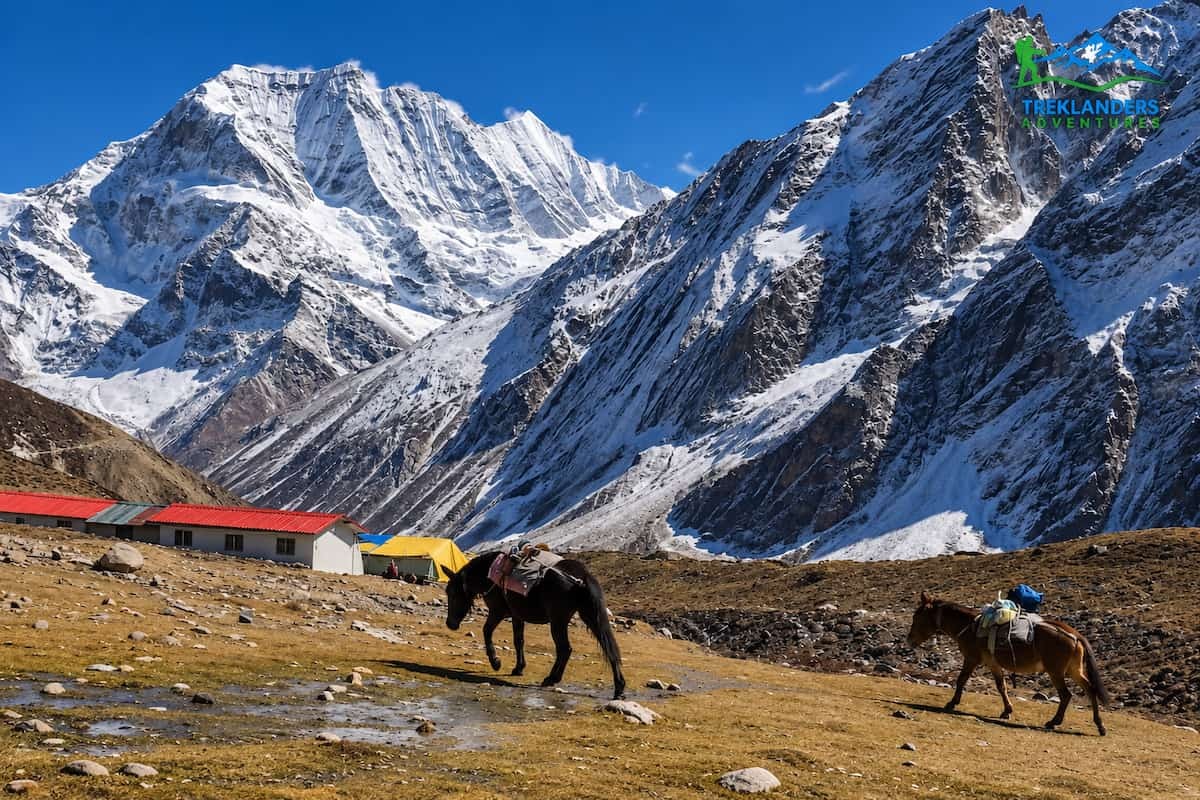
Manaslu has moved from a niche, restricted-area trek into one of Nepal’s most requested 2027 destinations, driven by travelers looking for Annapurna Circuit-style scenery without the crowds. The trail circles the eighth-highest mountain in the world, climbing through the Budhi Gandaki gorge, past the Tibetan-influenced villages of Samagaon and Samdo, and over the Larkya La at 5,106 meters before descending into the Annapurna region near the Marsyangdi valley.
Samagaon, in particular, gives trekkers one of the closest village-based views of an 8,000-meter peak anywhere in Nepal, with Manaslu’s south face rising directly above the settlement. Treklanders’ Manaslu Circuit Trek covers the full route, with detailed region information, permit requirements, and seasonal advice on the Manaslu Region Trek page. Like Upper Mustang, the Manaslu region is a restricted area requiring a special permit and a minimum of two trekkers traveling with a licensed guide, which keeps trail traffic noticeably lower than the more established circuits. September through November remains the most reliable season, after the monsoon clears the gorge trails and before winter snow closes the Larkya La.
The Larkya La crossing is the physical centerpiece of the trek and deserves real respect in your planning. The climb from Dharamsala, the last camp before the pass, starts in pre-dawn darkness to cross before afternoon winds pick up, and the descent on the far side drops steeply toward Bimtang through moraine and loose scree. Trekkers coming from the Annapurna Circuit often compare the two passes directly, and most agree Larkya La feels more remote and more exposed, partly because the Manaslu region sees a fraction of the foot traffic. The lower sections of the trek pass through genuinely isolated Gurung and Nubri villages where Tibetan Buddhist prayer flags and mani walls mark nearly every bend in the trail, a cultural density that rivals Upper Mustang despite sitting on the opposite side of the Annapurna massif.
A realistic 2027 Nepal itinerary rarely tries to hit all ten of these destinations in one trip, and it does not need to. A two-week trip comfortably covers Kathmandu Valley, one major trek such as Everest Base Camp or Annapurna Base Camp, and a short add-on like Nagarkot or Chitwan. A three-week trip opens the door to combining a longer trek, such as the Annapurna Circuit or Manaslu Circuit, with both Kathmandu and Pokhara, plus Chitwan or Lumbini on the way out. Travelers with a full month can realistically string together two major treks and still leave room for the Kathmandu Valley, Pokhara, and a wildlife stop in Chitwan without feeling rushed at any single destination.
Season matters more than almost any other planning decision. October and November give the most reliable weather across nearly every region on this list, with clear skies, stable mountain flights, and comfortable daytime trekking temperatures. March through May brings the rhododendron bloom to the mid-hill treks and remains a strong second window, particularly for Everest and Annapurna. Upper Mustang stands apart as the one region where the summer monsoon, normally the worst season to trek in Nepal, actually works in your favor.
Altitude deserves real attention if your itinerary includes Everest Base Camp, the Annapurna Circuit, Manaslu, or Upper Mustang, all of which climb above 4,000 meters at some point. Build in acclimatization days rather than rushing the ascent, and treat early symptoms of altitude sickness seriously rather than pushing through them. A licensed guide, which is mandatory on restricted routes like Manaslu and Upper Mustang and strongly recommended everywhere else, makes a measurable difference in both safety and the depth of what you learn about the places you pass through.
Permits are the other piece of logistics worth sorting out before you land in Kathmandu rather than scrambling for them once you arrive. Everest region trekking requires a Sagarmatha National Park entry permit and the local Khumbu Pasang Lhamu Rural Municipality fee. Annapurna routes need an Annapurna Conservation Area Project permit. Restricted areas, including Upper Mustang, Manaslu, and the Nar-Phu valley, require a special permit issued only through a registered trekking agency, along with a minimum group size in most cases. A local operator handles this paperwork as a routine part of booking a trip, which is one of the clearer arguments for going with a guided package over an independent trek in these particular regions.
Gear needs shift considerably depending on which destinations make your list. A Kathmandu, Pokhara, Chitwan, and Lumbini loop needs little beyond comfortable walking shoes and layers for cool mountain evenings in Nagarkot or Pokhara. Add any of the high-altitude treks and your packing list grows to include a four-season sleeping bag, proper down layers, and broken-in trekking boots rather than anything bought new just before departure. Most teahouses along the main trekking routes rent extra gear if you are short on something, but quality and availability drop the further you get from Lukla, Jomsom, or the Annapurna trailheads, so pack the essentials yourself rather than counting on last-minute rentals in a remote village.
Nepal’s range, from 60-meter lowland jungle to the summit of the world’s highest mountain, means almost any travel style finds a match somewhere on this list. Whether your 2027 trip centers on temple architecture in the Kathmandu Valley, a rhino sighting in Chitwan, or ten days of high-altitude trail to Everest Base Camp, the groundwork for a well-run trip comes down to picking the right region for your time and fitness, then building the logistics around it. Treklanders Adventures runs guided trips across every destination on this list, and their About Us page outlines the team’s regional experience, while their Plan Your Trip service puts together a custom route if you want to mix and match destinations rather than follow a fixed package. For questions on permits, timing, or route selection, their Contact Us page connects you directly with a local trip planner.
Book your core trek or tour early if your 2027 travel dates fall in October or November. Those months draw the heaviest demand across every major region on this list, which means limited teahouse space on the popular Everest and Annapurna routes and fewer last-minute seats on flights to Lukla and Jomsom. Locking in your main destination first, then building the rest of your Nepal itinerary around it, tends to produce a smoother trip than trying to fit a fixed set of dates around availability you have not checked yet. Whichever combination of these ten destinations ends up on your 2027 route, Nepal rewards travelers who give each place enough time to actually settle into it, rather than racing through a checklist.
Celebrate Dashain and Tihar with Nepal’s best Himalayan treks and stunning autumn views.
Experience Everest Base Camp with premium comfort, expert support, and unforgettable Himalayan adventure.
Explore Nepal’s latest trekking guide rules, permits, and regulations for a safe and legal Himalayan adventure.



