
Annapurna Base Camp Trek 2027 Guide: Route, Season, and What to Expect
15 Sep 2026
A quick guide to the Annapurna Base Camp Trek 2027, covering the route, best seasons, difficulty, and essential tips.

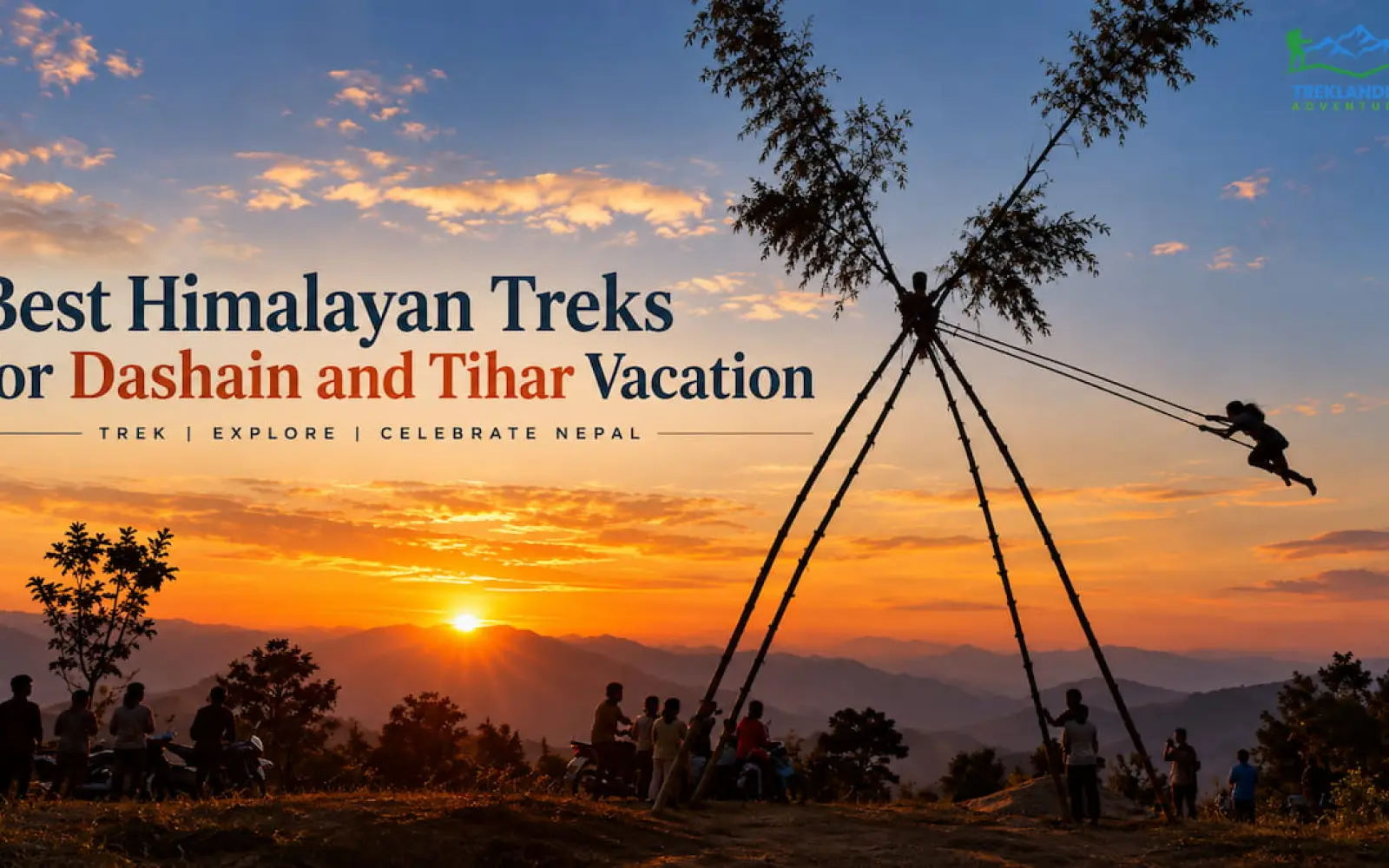
Dashain and Tihar bring the longest holiday window of the year in Nepal. Offices close, students get weeks off, and families travel. For trekkers, this stretch lands right in the middle of autumn, the best trekking season in the Himalayas. If you want to spend this year's Dashain and Tihar on a mountain trail instead of stuck in traffic between family visits, you have several strong options. This guide walks you through the best Himalayan treks for a Dashain and Tihar vacation, built from real itineraries you can book through Treklanders Adventures.
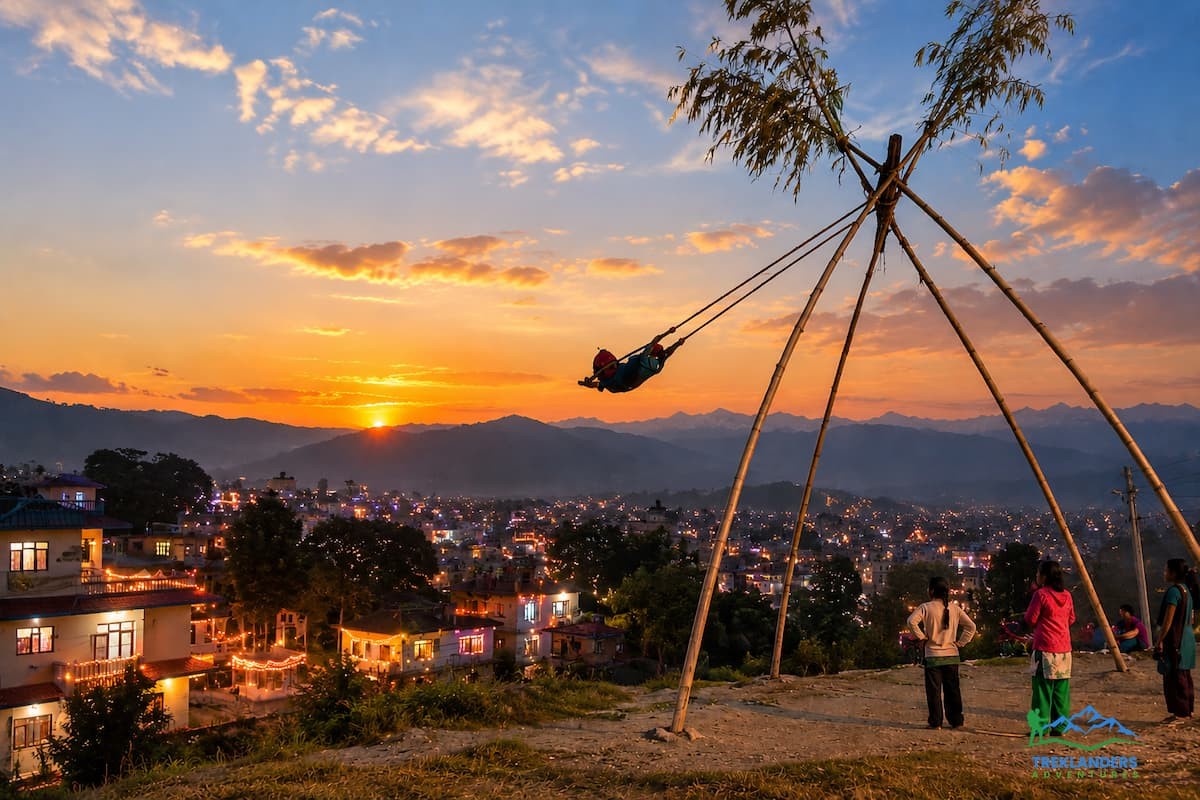
Dashain falls in late September or October, and Tihar follows about two weeks later. This window sits inside Nepal's autumn trekking season, which runs from September through November. The monsoon has just ended, so the air is washed clean of dust and haze. Mountain views stay sharp for days at a stretch, morning to evening. Rain is rare. Trails that turned to mud in August are dry and firm again.
Autumn also brings comfortable daytime temperatures at lower and middle elevations, even as nights stay cold above 3,500 meters. You get warm walking weather and cold, star-filled nights at high camps, which is exactly what most people picture when they imagine trekking in Nepal.
There's a cultural layer too. Dashain is Nepal's biggest festival, marked by family gatherings, kite flying, and the blessing of tika and jamara from elders. Tihar follows with five days of lights, Bhai Tika, and worship of animals that people depend on, from crows to dogs to cows. If you trek through villages during these weeks, you'll likely see prayer flags freshly hung, homes decorated with marigold garlands, and locals celebrating in teahouses along the trail. Trekking during Dashain and Tihar isn't just about good weather. It's a chance to see Nepal's culture up close, in the same villages where your guides and porters go home to celebrate with their own families.
The trade-off is that this is peak season. Trails and teahouses fill up fast, especially routes like Everest Base Camp and Annapurna Base Camp. Flights to Lukla get booked out weeks ahead. If you're planning a Dashain or Tihar trek, book early and confirm your teahouse rooms through an established local operator.
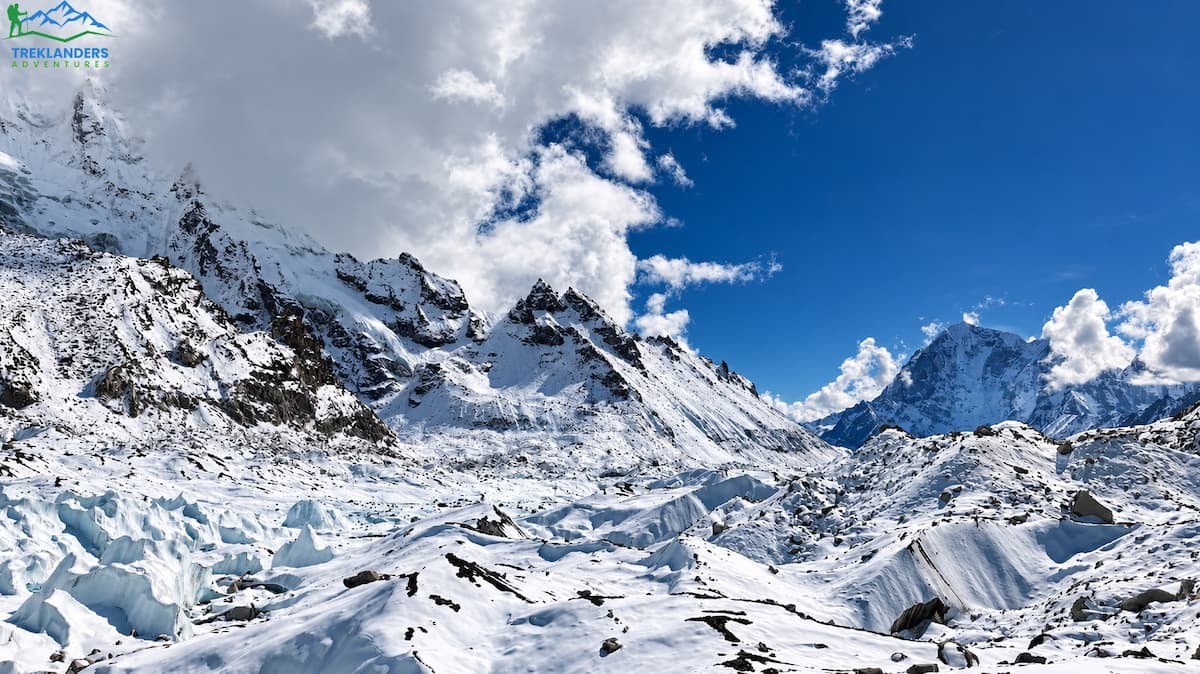
If you have twelve days free during your Dashain and Tihar break, the Everest Base Camp Trek is the trip most people picture when they think of trekking in Nepal. The 12-day itinerary from Treklanders Adventures covers the full route to 5,364 meters and back, with two acclimatization days built in so your body has time to adjust before you push higher.
The trek starts with a short, dramatic flight from Kathmandu to Lukla, landing at Tenzing-Hillary Airport at 2,860 meters. During the busiest weeks of autumn, this flight sometimes shifts to Manthali Airport in Ramechhap, a few hours' drive from Kathmandu, so it's worth building a buffer day into your travel plans around Dashain and Tihar. From Lukla, you follow the Dudh Koshi River through Sherpa villages to Phakding on day one, then climb steadily the next day through Sagarmatha National Park to Namche Bazaar, the trading hub of the Khumbu at 3,440 meters.
Namche earns you two nights and a rest day, which most trekkers spend on a side hike toward the Everest View Hotel or a visit to the local museum covering Sherpa culture and mountaineering history. From Namche, the trail climbs through rhododendron and pine forest to Tengboche, home to the largest monastery in the Khumbu, perched on a ridge with Everest, Lhotse, and Ama Dablam visible from its courtyard on a clear day. If your trek lands close to the Mani Rimdu festival, held here each autumn, you might catch monks preparing for the masked dances that draw villagers from across the region.
Beyond Tengboche, the landscape opens up. You climb to Dingboche at 4,410 meters for a second acclimatization day, then push on to Lobuche and finally to Gorak Shep, the last settlement before Everest Base Camp itself. Reaching base camp at 5,364 meters puts you right beside the Khumbu Glacier, staring at the Khumbu Icefall, the notoriously unstable stretch of tumbling ice that climbers must cross on their way toward the summit. The next morning, you climb Kala Patthar at 5,643 meters before sunrise, the single best viewpoint on the entire trek for a clear, close look at Everest's summit. From there, the trail descends through Pheriche and Pangboche back to Namche, then down to Lukla for the flight home.
Autumn is genuinely the best season for this route. Skies stay clear from Namche onward, and daytime temperatures at lower elevations remain comfortable for walking, even while nights above Dingboche drop well below freezing. Since Dashain and Tihar fall inside this window, you'll pass through villages decorated for the festivals and may see locals celebrating between guiding shifts. Expect the trail to be busy. This is the single most popular trekking route in Nepal, and autumn is its peak season, so book your Lukla flights and teahouse rooms as early as you can.
This trek suits fit beginners as much as experienced hikers. You don't need technical climbing skills, ropes, or crampons. What matters is your ability to walk five to seven hours a day for multiple days in a row at altitude, and your discipline around acclimatization. Start training two to three months ahead with hill walking, stair climbing, and a handful of practice hikes carrying your actual daypack. If you can manage that, the two rest days built into this itinerary give your body a fair shot at handling the altitude without serious trouble.
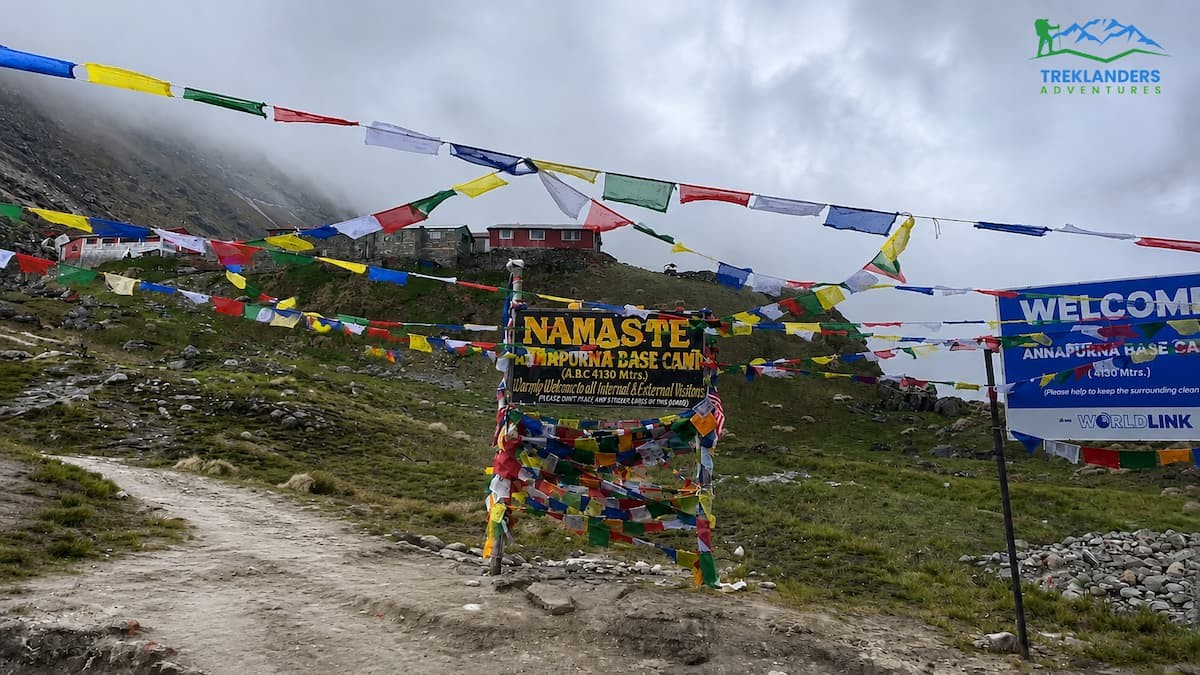
Not everyone gets twelve days off for Dashain and Tihar. If your holiday window is closer to a week, the 7-Day Annapurna Base Camp Trek from Pokhara compresses the full Sanctuary experience into a tight, satisfying loop. You'll reach 4,130 meters and stand inside a natural amphitheater of peaks, all within a week of leaving Pokhara.
The trek begins with a drive from Pokhara toward Nayapul, following the Modi River to Jhinu village, then a climb to Chhomrong, the last permanent village before the Annapurna Sanctuary. From here, the terrain shifts fast. You walk from subtropical farmland through rhododendron and pine forest, then into alpine terrain above 3,000 meters, all inside four days of walking. The trail hugs the Modi River the entire way, tracing it back toward its glacial source.
Day two takes you from Chhomrong down to the river and up through Sinuwa Danda into dense forest toward Bamboo and on to Dovan. Day three is the demanding one: a long climb through Himalayan oak and rhododendron past a place called Hinko Cave, then on to Deurali and finally Machhapuchhare Base Camp at 3,700 meters, sitting directly beneath the sacred fishtail peak of Machhapuchhre. From MBC, the final push to Annapurna Base Camp on day four is short in distance but big in payoff. You walk into the Sanctuary itself, a plateau ringed by Annapurna I, Annapurna South, Hiunchuli, and Machhapuchhre, standing so close to the ice walls that you can hear the occasional rockfall and avalanche echoing off the peaks.
The descent retraces your steps back through Bamboo and Sinuwa to Jhinu, where a natural hot spring on the riverbank waits for exactly this moment. After six days of walking, most trekkers spend their last evening on the trail soaking sore legs in the warm pools before the short final walk and drive back to Pokhara.
Autumn brings the most stable weather of the year to this route, with consistently clear skies and strong visibility of the Annapurna range. Since this itinerary moves fast, gaining nearly 2,500 meters of altitude in four days with two consecutive nights above 3,500 meters, daily endurance matters more here than on longer, gentler routes. Trekking poles help enormously on the descent, and a slow, steady pace on the climbing days matters more than raw fitness. The trail also runs through Gurung villages, where prayer flags mark nearly every house, and many families have relatives who served in Gurkha regiments. If you're walking through during Dashain, you'll likely see tika ceremonies happening in Chhomrong and Jhinu between your meals.
Because this route packs a lot of altitude gain into a short window, it rewards trekkers who arrive already reasonably fit. A month of hill walking, stair climbing, and weekend hikes with a loaded daypack beforehand makes a real difference on the third and fourth days.
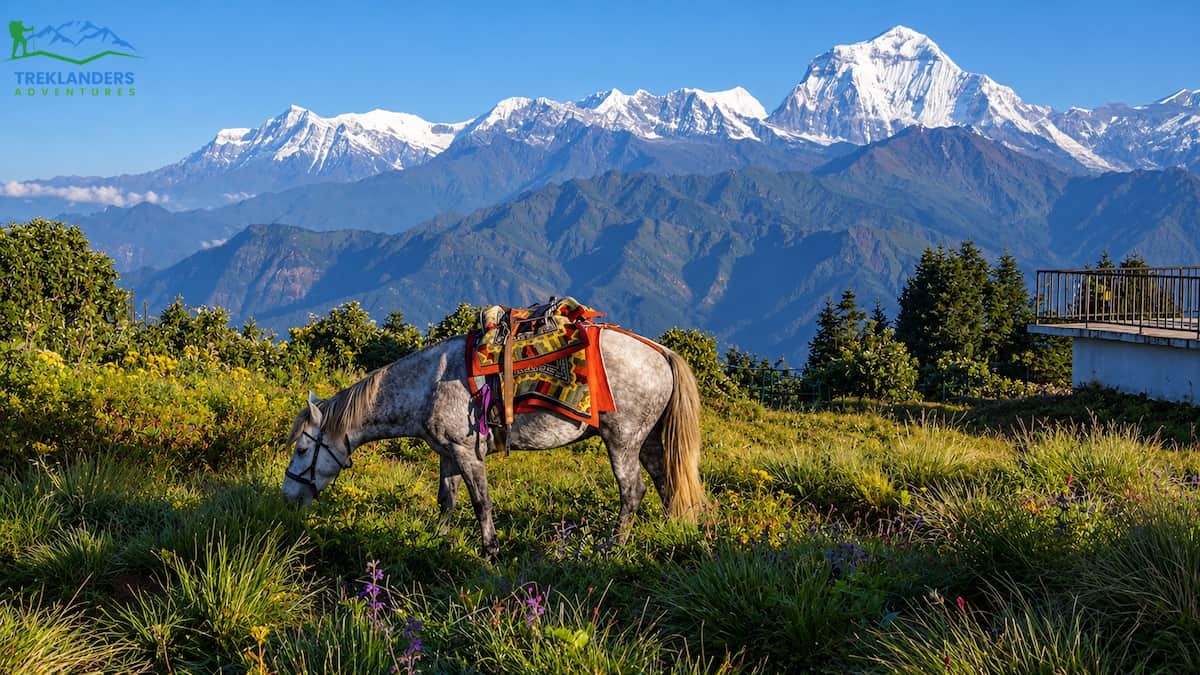
If your Dashain or Tihar leave is only four or five days, the Ghorepani Poon Hill Trek is the most efficient way to get real Himalayan views without a long commitment. This is the trek most families and first-time trekkers choose, and for good reason. The path is well-graded, the villages are close together, and the sunrise payoff at the end is one of the best in Nepal for the effort required.
You start with a drive from Pokhara to Tikhedhunga, then climb a long stretch of stone steps to Ulleri, a spread-out village with views back toward the Annapurna range. The next day takes you gradually higher through cool rhododendron forest to Ghorepani, a village that sits right at the edge of the tree line at nearly 2,900 meters. This forest is often called one of the largest natural rhododendron gardens in the world, though the blooms themselves belong to spring rather than autumn.
The highlight comes before sunrise on day three, with a headlamp-lit climb of about an hour up to Poon Hill at 3,210 meters. From the top, you get a 360-degree panorama that takes in Dhaulagiri, Annapurna South, Annapurna I, Nilgiri, and Machhapuchhre, all catching the first light of the day at once. It's one of the widest mountain panoramas reachable on a short trek anywhere in Nepal. After breakfast back in Ghorepani, the trail climbs again to a ridge called Deurali before descending through Banthanti to Tadapani, a small settlement with close views of Annapurna South and Hiunchuli.
The final day brings you down through forest to Ghandruk, a large Gurung village and one of the cultural highlights of the whole route. Ghandruk functions as a gateway village for several Annapurna treks, and its stone-paved lanes, prayer flags, and lodge-restaurants give you a good, unhurried look at hill life in this part of Nepal before the short drive back to Pokhara.
This route covers around forty kilometers of walking and gains altitude gradually enough that it's genuinely suitable for children, grandparents, and anyone new to trekking. The steepest sections are the stone steps early on, from Tikhedhunga to Ulleri and the pre-dawn climb to Poon Hill itself, but neither demands technical skill. Autumn brings the clearest skies of the year here too, though mornings and evenings get noticeably colder as the season moves toward November, so pack proper layers even for a short trek like this one.
Because it starts and ends in Pokhara with no flights involved, this is the trek to pick if your Dashain and Tihar plans also include family time in Kathmandu or Pokhara and you only want to break away for a few days in the hills.
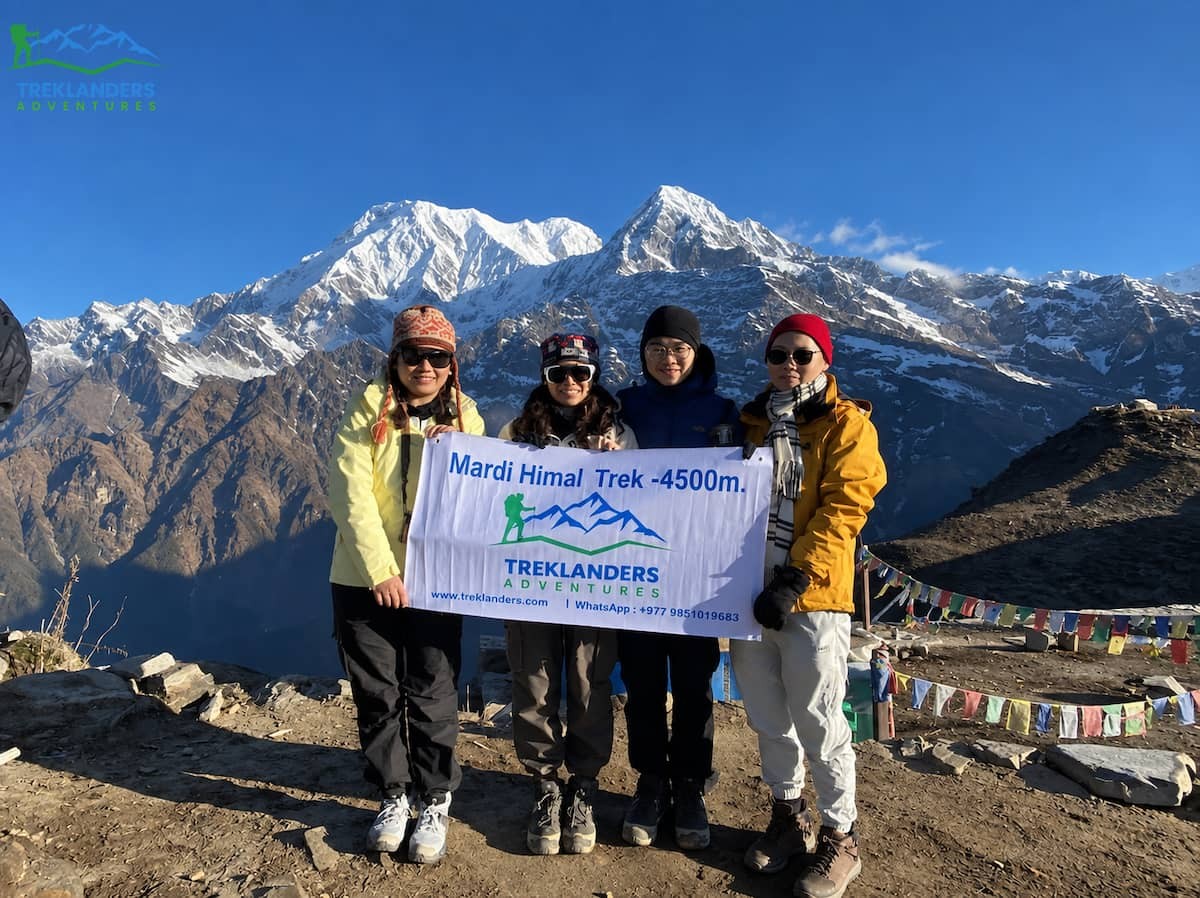
If you'd rather avoid the crowds on the main Annapurna and Everest routes, the 9-Day Mardi Himal Trek gives you nearly the same mountain drama on a much quieter trail. This route only opened to regular trekking in the last couple of decades, and it still sees far fewer people than Poon Hill or the Annapurna Sanctuary, even during the busiest weeks of autumn.
The itinerary starts with a scenic drive from Kathmandu to Pokhara, then a short transfer to Dhampus, where the trekking begins through Gurung villages and stone staircases. The trail climbs steadily through forest to Forest Camp, then continues through oak, pine, and rhododendron toward Low Camp, where the tree line starts to thin and Machhapuchhre comes into clear view for the first time. From Low Camp, the trail breaks above the trees entirely on the way to High Camp at 3,700 meters, opening into alpine ridgeline with Mardi Himal, Machhapuchhre, and Annapurna South all visible at once.
The trek's high point comes on an early morning push from High Camp to Mardi Himal Viewpoint at 4,200 meters, where you get an unusually close, front-on view of Machhapuchhre's fishtail summit, along with Annapurna South and Hiunchuli. After returning to High Camp for breakfast, the route descends to Badal Danda, a ridge whose name translates roughly to "cloud hill," and for good reason. Overnight stays here often put you above a sea of clouds, with sunset and sunrise views over the Annapurna range that few other treks in Nepal can match. The final trekking day drops steeply through forest and terraced farmland to Siding Village, a traditional Gurung settlement rarely visited by larger trekking groups, before a jeep ride back to Pokhara.
Autumn suits this route especially well. The monsoon dust is gone, skies stay a deep, consistent blue, and the long-range visibility toward the Annapurna range makes this one of the better times of year for photography on this trail. Since the route sees a fraction of the traffic that Annapurna Base Camp or Poon Hill get, teahouses along the way rarely feel crowded even during the Dashain and Tihar weeks, which makes this a good pick if you want autumn's clear skies without autumn's crowds.
The trek is graded moderate, with no technical sections, but the narrow ridge trail near High Camp and the sustained uphill walking call for a reasonable base level of fitness. Because the itinerary spreads the altitude gain across three separate camps, Forest Camp, Low Camp, and High Camp, acclimatization happens more gradually here than on some faster routes, which makes it a solid option for fit beginners who still want to touch 4,000 meters.
Your available time is the first filter. If you have twelve days or more, Everest Base Camp gives you the most complete high-altitude experience Nepal offers, with two built-in rest days that make the altitude gain manageable. If you have a week, the 7-Day Annapurna Base Camp Trek delivers a genuine Sanctuary experience without requiring two weeks away from family gatherings. If you only have four or five days, Ghorepani Poon Hill gets you real Himalayan views and one of the best sunrise panoramas in Nepal without flights or long commitments. If you want something in between, with fewer crowds and a quieter trail, the 9-Day Mardi Himal Trek is worth serious consideration.
Fitness matters as much as time. Everest Base Camp and Annapurna Base Camp both call for several months of preparation if you want to enjoy the trek rather than just survive it. Ghorepani Poon Hill is genuinely open to most fitness levels, including children and older trekkers, provided you take the stone steps slowly. Mardi Himal sits in the middle, moderate but manageable for a fit beginner with a few weeks of hill walking behind them.
Crowds are worth factoring in too. Everest Base Camp and Annapurna Base Camp are Nepal's two most popular routes, and autumn is peak season on both, so expect full teahouses and busy trails, especially right around Dashain. Mardi Himal and, to a lesser extent, Ghorepani Poon Hill give you a quieter version of the same autumn mountain scenery.
Book early. Dashain and Tihar fall inside Nepal's busiest trekking month, and teahouse rooms along popular routes fill up well in advance, particularly on the Everest and Annapurna Base Camp trails. If your itinerary includes a Lukla flight, book that as early as possible too, since seats disappear fast during peak autumn weeks and flights sometimes shift to Manthali Airport during the busiest stretches.
Pack for both warm days and cold nights. Autumn afternoons at lower elevations feel mild, even warm, but nights above 3,500 meters drop well below freezing regardless of how clear and sunny the day was. Bring proper layers: a moisture-wicking base layer, a fleece or light down mid-layer, and a windproof, waterproof outer shell, plus a warm hat and gloves for anywhere above Dingboche, Machhapuchhre Base Camp, or High Camp on Mardi Himal.
Get travel insurance that explicitly covers high-altitude trekking and emergency helicopter evacuation. Standard travel policies often exclude trekking above a set altitude, so check the fine print before you buy, especially if your route touches 4,000 meters or higher.
Respect the acclimatization schedule, even if you feel strong. Altitude sickness doesn't correlate cleanly with fitness level, and rushing past a rest day to save time is the single most common mistake trekkers make on these routes. Every itinerary listed here builds in a sensible pace for a reason.
Finally, if your trek takes you through villages during the actual festival days, be open to what you see. You might catch a family performing tika, kids flying kites from a rooftop in Namche, or a Bhai Tika ceremony happening in a teahouse dining hall in Chhomrong. These moments are part of what makes trekking Nepal during Dashain and Tihar different from trekking here any other time of year.
Whichever route fits your holiday window, Treklanders Adventures runs all four of these treks with licensed local guides, porters, and pre-arranged permits, so the only thing left for you to plan is how many days you can spare this Dashain and Tihar.
A quick guide to the Annapurna Base Camp Trek 2027, covering the route, best seasons, difficulty, and essential tips.

Explore three incredible short treks from Pokhara, with stunning Himalayan views, scenic trails, and unforgettable mountain experiences.
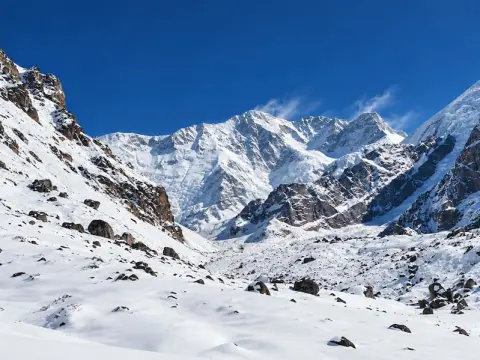
Explore the Kanchenjunga Base Camp Trek with its 23-day itinerary, permits, difficulty, altitude and best season.



