Short treks from Pokhara: three routes you can finish in under a week
17 Sep 2026
Explore three incredible short treks from Pokhara, with stunning Himalayan views, scenic trails, and unforgettable mountain experiences.

Most people picture the Everest Base Camp trek as a test of endurance. A cold room, a shared toilet somewhere down the hall, a bowl of noodles eaten with your jacket zipped to your chin. That version of the trek exists, and plenty of trekkers love it. But the same trail can be walked another way, and a luxury Everest Base Camp trek changes a lot more than the thread count on your bed.
You still do the walking. Every step from Lukla to Gorak Shep is yours, and the altitude has no interest in what kind of room you booked. What changes is everything around the walking: where you sleep, how well you recover, how much energy you have left for the mountains, and how many small problems get solved before they ever reach you.
This guide covers the real benefits of a luxury Everest Base Camp trek with Treklanders Adventures, a Kathmandu based operator running treks across the Everest region. It is built around the company's own 14 day luxury itinerary, so what you read here matches what is actually on offer: a five star hotel in Kathmandu, Yeti Mountain Home lodges in the lower valley, tea house lodges higher up, and a route through Namche Bazaar, Tengboche, Dingboche, Everest Base Camp and Kala Patthar. The full day by day plan sits further down.
A standard trek and a luxury trek share the same trail, the same permits and the same view of the Khumbu Glacier. The route runs through Sagarmatha National Park, which UNESCO listed as a World Heritage site in 1979, and it finishes beneath Mount Everest, 8,848 m tall. Nothing about the geography gets softer because you booked a nicer lodge.
The differences sit in the details. Treklanders describes its luxury version as a trek with upscale lodges, heated rooms, private bathrooms where available, better dining and an experienced guide, with a helicopter option if you want a shorter return. In practice that adds up to better beds, better food, more personal attention, smoother logistics and more flexibility when the weather turns. The sections below take those in order, along with a few benefits that are easy to overlook until you are standing in a warm dining room at 3,440 m watching snow fall on Thamserku.
It also helps to know what a luxury trek is not. It is not a helicopter tour of the mountain, and it is not a hotel stay with a view. You are on foot for roughly eleven nights on the trail, breathing the same thin air as every other trekker. Luxury here means support: rooms that let you recover, staff who handle the logistics, and a schedule with room to breathe.
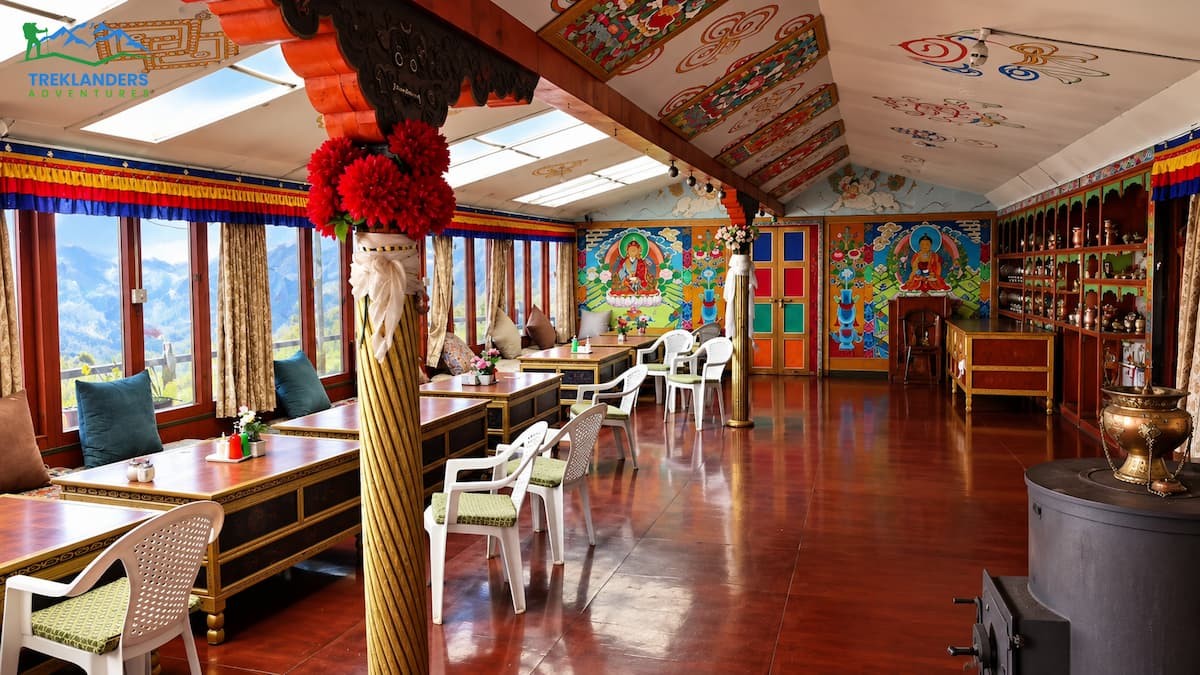
The first benefit shows up around five in the afternoon on day two. You have flown from Kathmandu to Lukla, walked about three hours down to Phakding, and all you want is a hot shower and a chair with a back. On Treklanders' luxury itinerary the lower valley nights at Phakding, Namche Bazaar and Tengboche are booked at Yeti Mountain Home, and the return nights at Namche and Lukla use the same kind of lodge. Trade press reported that the group behind Yeti Mountain Home has since launched a newer brand called Mountain Lodges of Nepal, so you may see either name online.
What you get is simple, and it matters. Treklanders describes warm rooms with proper bedding, private bathrooms where they exist, heated common areas, tea and coffee, and Wi-Fi that works when weather and altitude cooperate. Compare that with a basic tea house: plywood walls, a thin mattress, a toilet outside and a single stove in the dining room that everybody crowds around. Both kinds of lodge sit on the same trail. A night in one of them just feels very different from a night in the other.
Be realistic about the upper valley, though. From Dingboche onward the itinerary lists tea house lodges, meaning the best rooms available in each village. Nights at 4,360 m, 4,940 m and 5,170 m are colder and simpler whoever you travel with. A sleeping bag rated to minus 10 or lower is still worth packing. Knowing where the comfort ends is part of planning well, and it is better to hear it before you book than on the night you reach Lobuche.
Comfort does not cure altitude sickness. Say that plainly first, because some luxury trek marketing implies otherwise. The CDC Yellow Book, a standard reference in travel medicine, names low oxygen pressure as the main problem at high altitude and says the risk depends on how high you go, how quickly you climb and how long you stay. It also notes that blood oxygen dips lowest during sleep. If you want the medical detail, the chapter on high altitude travel and altitude illness is worth reading before you go.
So where does luxury help? Mostly in the margins, and the margins add up. A warm room lets you sleep instead of shivering. A private bathroom means you are not pulling on boots and a headlamp at 2 am. Good food and hot drinks keep you hydrated. Rested legs walk better the next day, and a rested head makes better decisions about how you actually feel. None of that removes the risk, but it strips away a lot of the ordinary fatigue that makes altitude symptoms harder to read.
The bigger factor is the schedule. Treklanders puts two full rest days into the plan, one at Namche Bazaar (3,440 m) and one at Dingboche (4,360 m), and after Kala Patthar the route drops to Pheriche at 4,288 m. Your guide keeps an eye on headaches, appetite, sleep and pace. If symptoms get worse, the answer is to go down. Nothing in a luxury package changes that rule, and any operator who suggests otherwise should make you nervous.
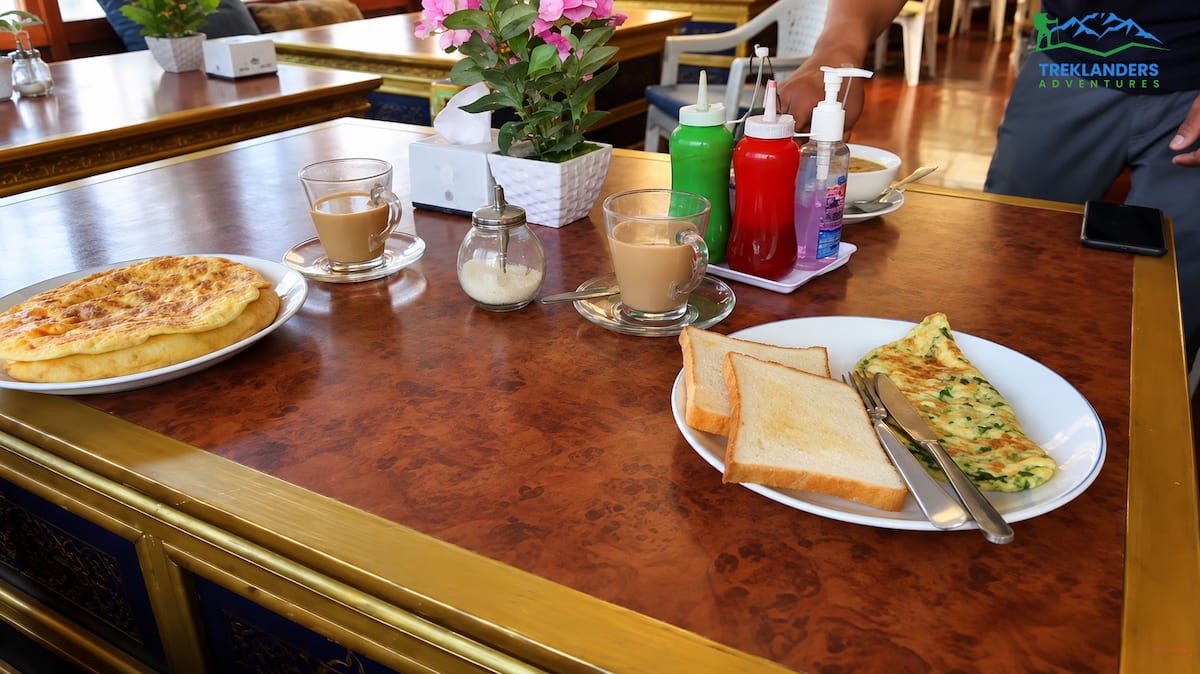
Long days at altitude burn more than most people expect, and appetite tends to fade above 4,000 m. A good kitchen matters more than it sounds. In the luxury lodges the menus run wider than the standard dal bhat and fried rice: eggs, pancakes or porridge in the morning, then soups, pasta, rice dishes and curries later, with fresh baked bread in the bigger villages. Treklanders says lodges can handle vegetarian, vegan, gluten free and dairy free requests if your guide hears about them a day or two ahead.
Meat is one place to go easy. Lodges around Phakding and Namche usually get fresh supplies, but higher up it spends days being carried and stored, so vegetarian meals are the safer pick from Dingboche on. Hot drinks never stop coming: ginger tea, hot lemon with honey, hot chocolate, coffee. Drinking water arrives boiled or purified, and you can refill a reusable bottle each morning. A filter or a pack of purification tablets makes a sensible backup.
Breakfast, lunch and dinner on the trek are all part of the package, so there is no daily debate about where to eat or whether the kitchen is worth the risk. That small relief in mental effort shows up around day eight, when you are tired and still have to make good choices.
A good guide changes the trek more than any bed does. Treklanders provides a government licensed guide and porter support, with one porter for every two trekkers, and group sizes from one to ten people. That ratio is what lets you walk with a small daypack of 30 to 40 litres holding water, a warm layer, sunscreen, snacks and a camera while your duffel travels ahead. Porters usually carry 15 to 20 kg between two people, so pack sensibly and leave the fourth pair of trousers at the hotel.
Because the group is small, the pace is yours. If you like stopping for photographs on the suspension bridges, you can. If you climb best slowly and steadily, nobody hurries you. The guide's job is to watch you rather than the clock, and to make the calls that individual trekkers are bad at making for themselves: when to rest, when to eat, when to turn around. The lead Sherpa carries a first aid kit, and guides are trained in altitude problems and emergency handling.
The Treklanders site shows membership logos for the Trekking Agencies' Association of Nepal and other national bodies, and its inclusions list food, salary and insurance for the guide and porter. That last detail is worth asking any operator about, because how a company treats its team usually tells you how it will treat you. Reviewers describe the same thing from the other side: guides who explain the culture and history as you walk, and porters who are cheerful and careful with your bags. You can read those accounts on the Treklanders reviews page.
Trekkers rarely count Kathmandu as part of the experience, but on a luxury trek it is. You land at Tribhuvan International Airport, someone meets you, and you are driven to a luxury hotel where you can shower, sleep and get a briefing about the days ahead. When you return from Lukla on day 13, the same kind of hotel is waiting with hot water that does not run out and a real mattress. After twelve days of trail dust, you will notice both.
Two nights in the hotel, with breakfast, are part of the package, and airport pickup and drop off are covered too. If your flight arrives with a day to spare, Treklanders also runs a Kathmandu full day sightseeing tour and a seven UNESCO heritage sites day tour, and either one slots in easily before you fly to Lukla or after you come down. The extra day has a practical purpose too. Lukla flights get delayed by weather, and a rested trekker handles a delay better than a jet lagged one.
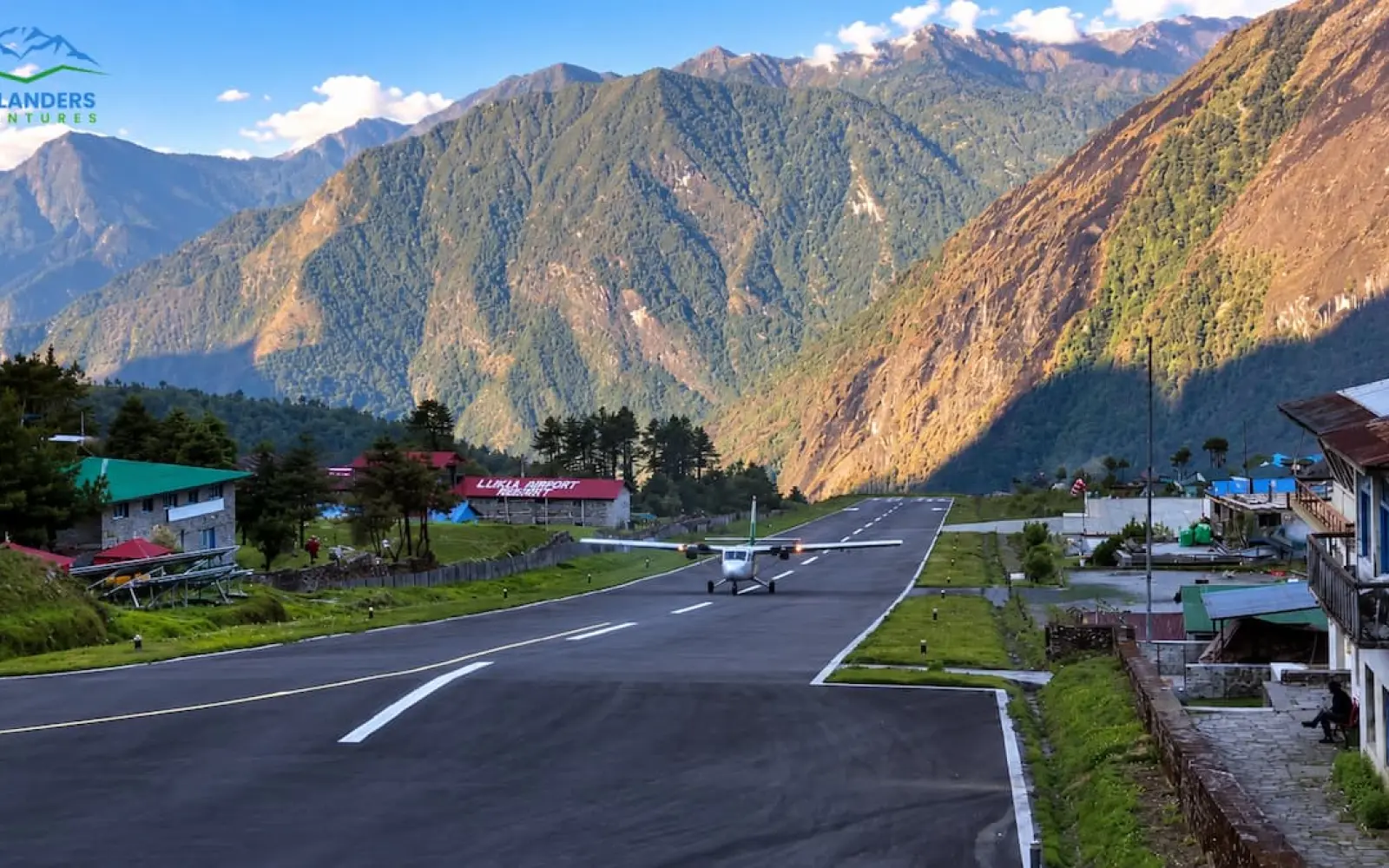
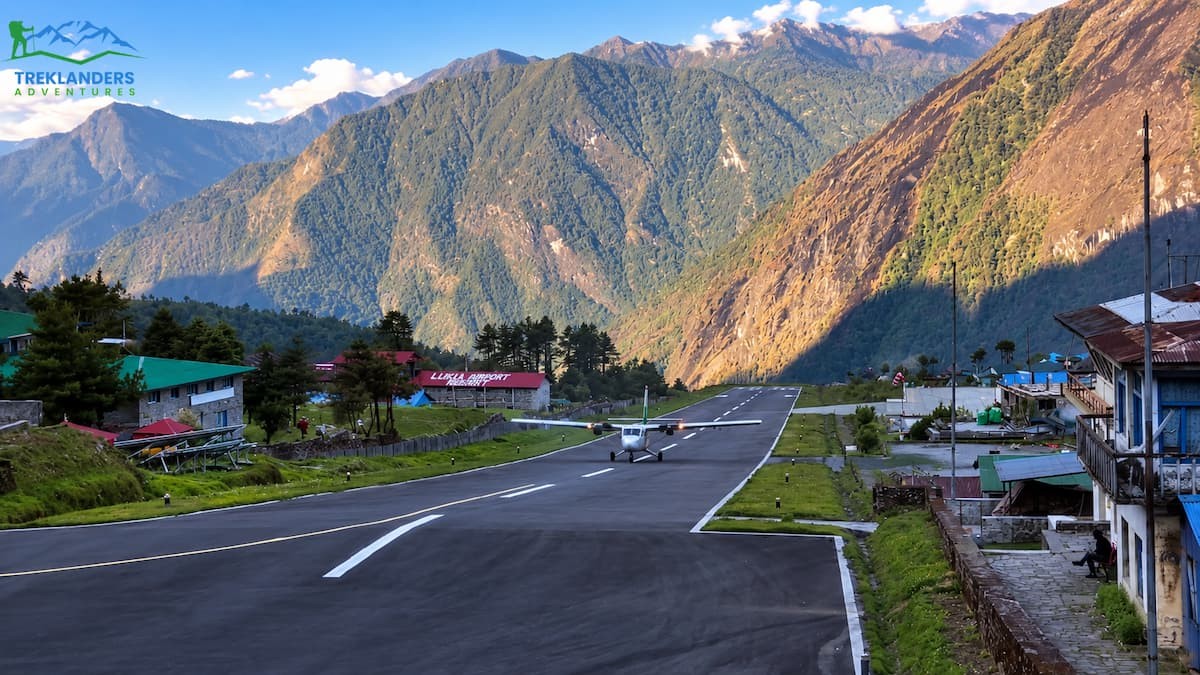
Lukla has one of the most talked about runways on earth, and Tenzing-Hillary Airport earns the reputation. Flights take about 35 minutes and depend completely on cloud. In busy seasons the Kathmandu flight is often diverted to Manthali airport in Ramechhap, roughly 150 km and four to five hours away by road, from where the hop to Lukla takes only 20 to 25 minutes. That can mean an early start or an extra night before you begin walking, and Treklanders says it will tell clients when this applies to their dates.
This is where an organized operator earns its place. Delays, diversions and rebooked seats become the operator's problem rather than yours. Domestic flights between Kathmandu and Lukla are already in the plan, the ground transfers are private, and the company says it will look for another solution whenever bad weather disrupts the schedule. A delayed flight is still annoying. It just does not turn into a scramble.
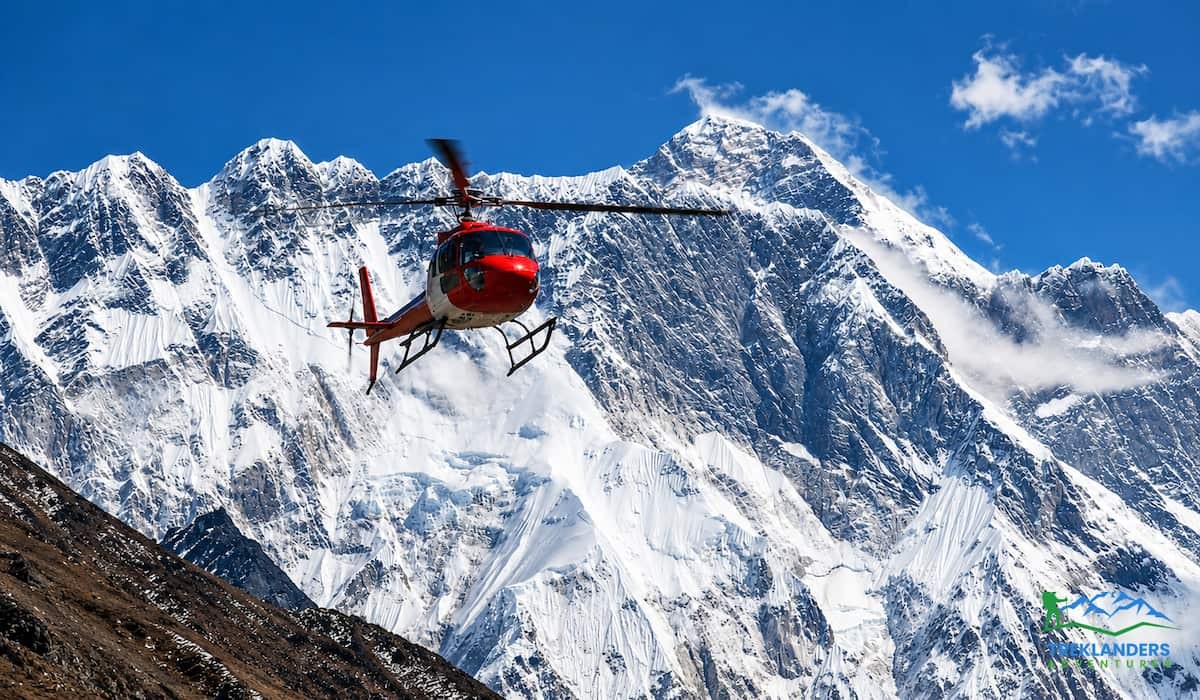
Then there is the helicopter. If you would rather skip the two day walk down, Treklanders can arrange a return from Gorak Shep or Base Camp by air. Its Everest Base Camp trek with a helicopter return runs 13 days, and the 9 day version suits people short on time. If all you want is the aerial view, an Everest heli tour takes a single day. Helicopters fly only in safe weather, so treat the option as flexible rather than guaranteed, and make sure your travel insurance covers high altitude trekking and helicopter evacuation.
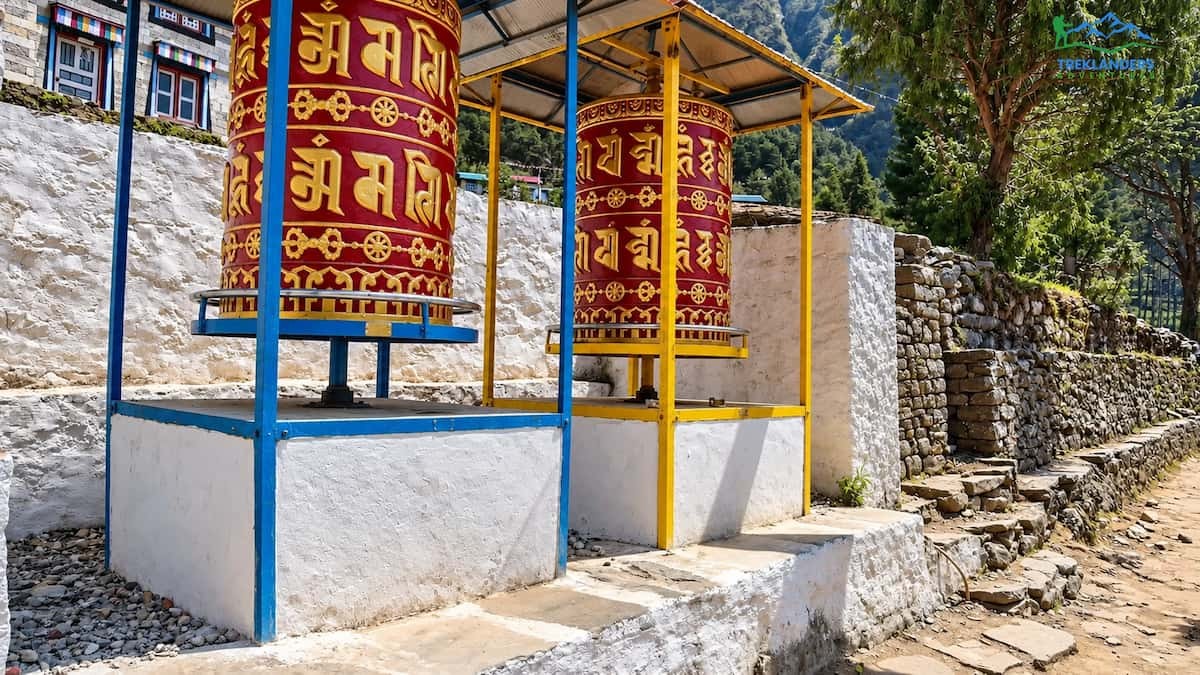
The Khumbu is the homeland of the Sherpa people, and most large villages have a gompa, prayer flags along the rooflines and mani stones carved with Tibetan Buddhist prayers beside the trail. On day three you reach Namche Bazaar, the region's trading hub, and on day four you get a full rest day there. That leaves time to wander the market lanes and, if your legs feel good, to walk toward Khumjung, where Sir Edmund Hillary helped set up a school.
On day five the trail reaches Tengboche Monastery at 3,870 m, probably the best known gompa in the region, and on day six it passes the old monastery at Pangboche. Between Dingboche and Lobuche you climb to Chupki Lhara, a ridge of prayer flags and stone memorials, including ones for the American mountaineer Scott Fischer and the ten time Everest summiter Babu Chiri Sherpa. Standing there is quieter than any museum.
What matters here is arriving at each of these places with enough energy to actually look at them, which a luxury trek makes far more likely. Tired trekkers walk past monasteries. Rested ones go inside.
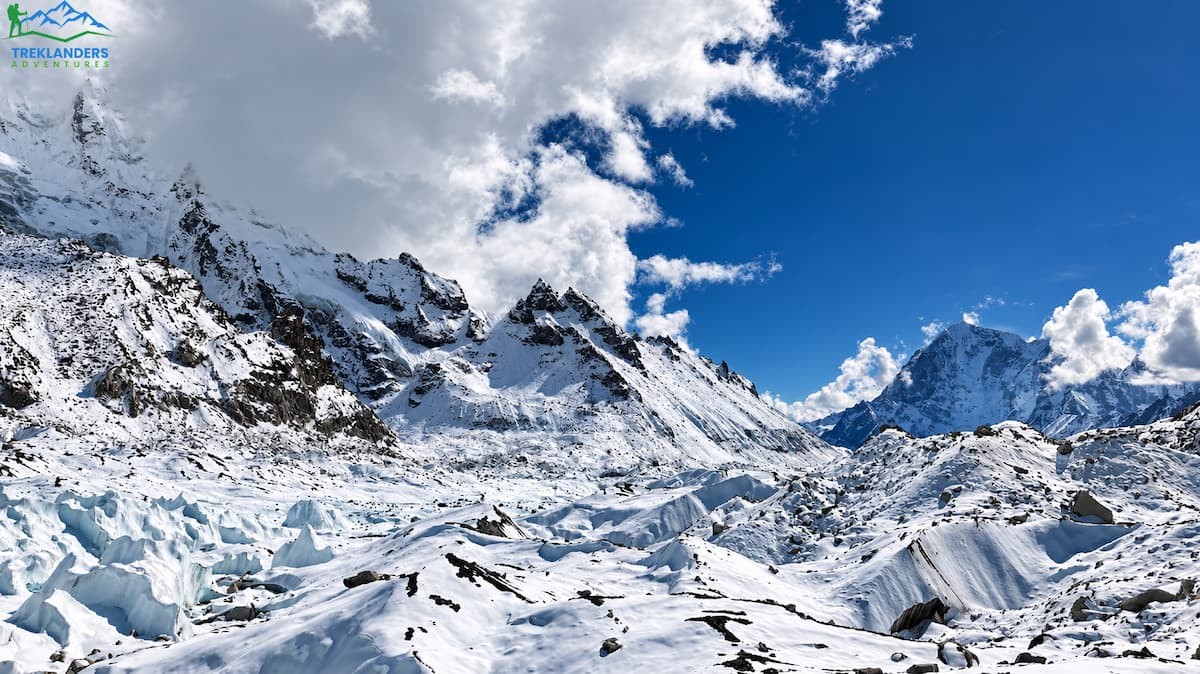
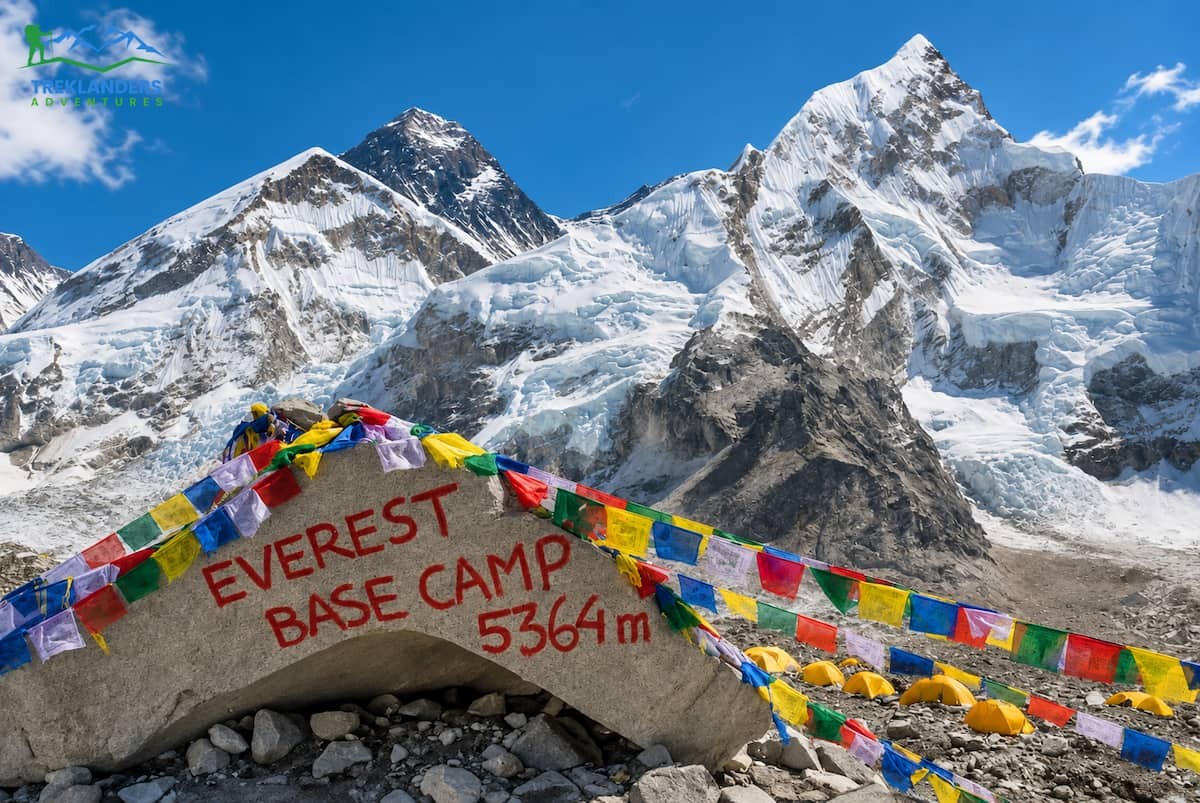
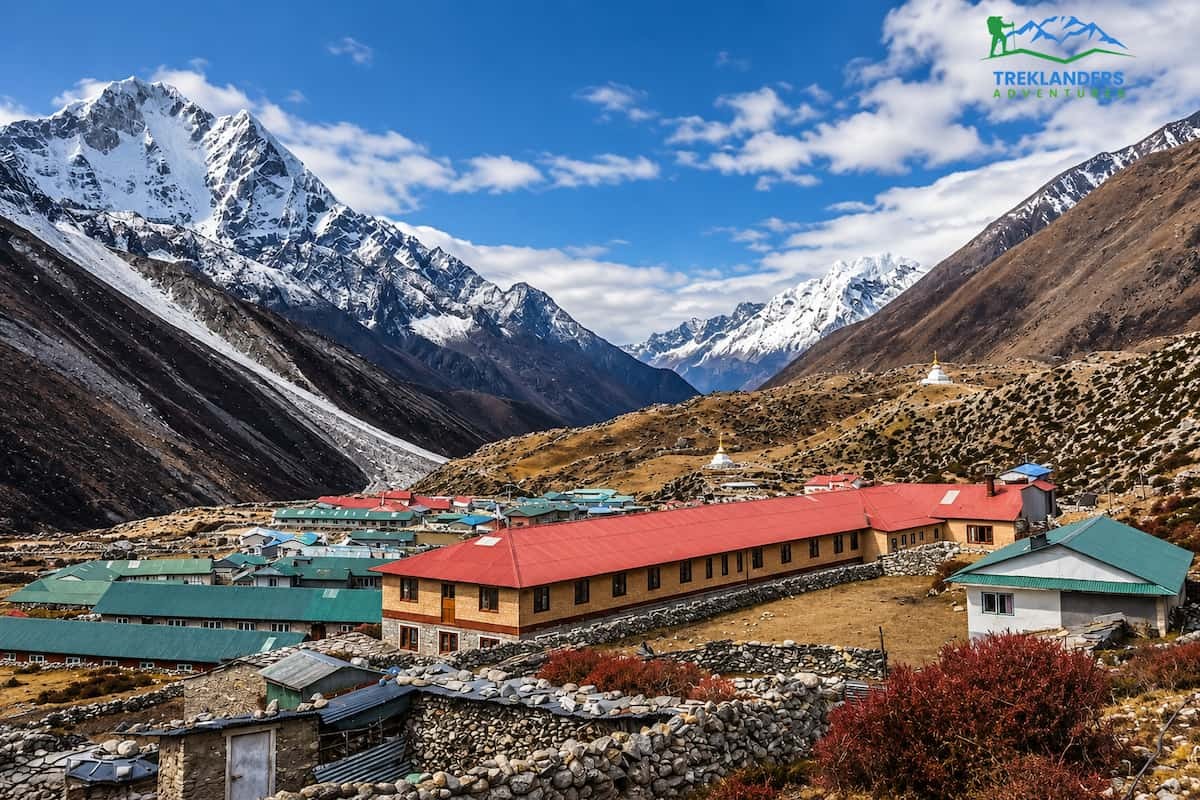
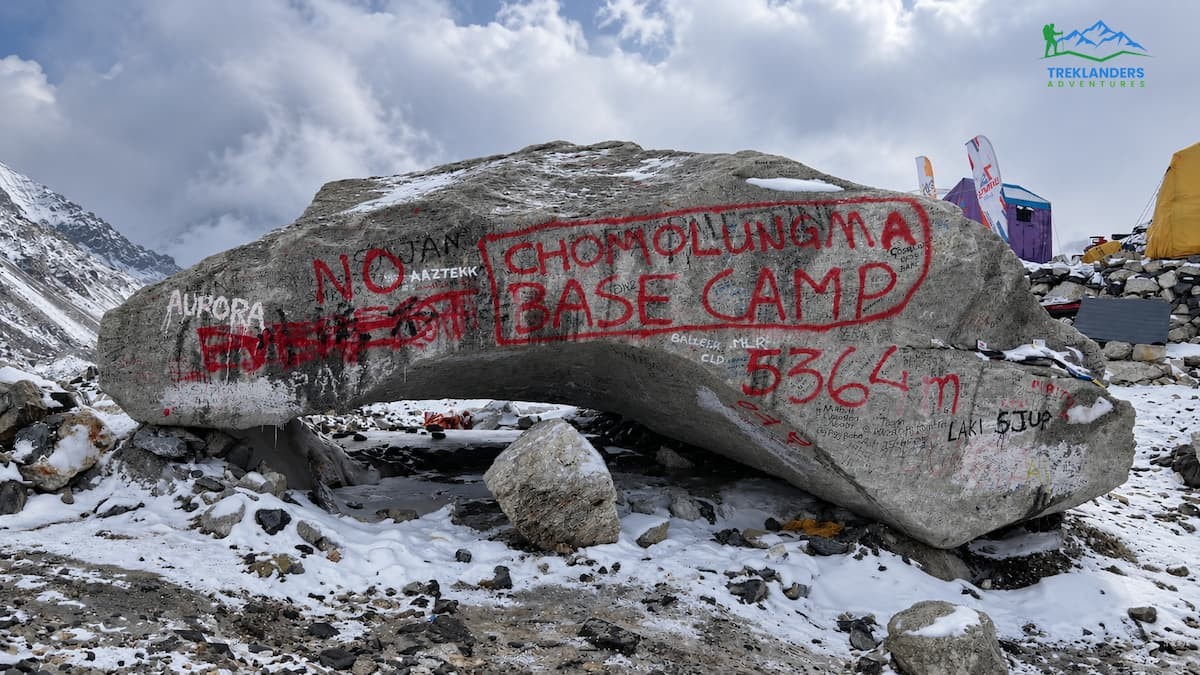
Everest itself is hard to see from the trail for most of the trek, which surprises people. The famous close view comes on day ten, when you leave Gorak Shep in the dark and climb Kala Patthar to about 5,644 m. From the top you get a 360 degree panorama with Everest, Lhotse, Nuptse and Pumori around you. Base Camp itself, reached on day nine at 5,364 m, is a walk over glacier rubble beneath the Khumbu Icefall. Nuptse, Khumbutse and Pumori frame it, but you will not see Everest's summit from there. Honestly, Kala Patthar is the better payoff of the two, because the summit is finally in view. Do not skip that morning.
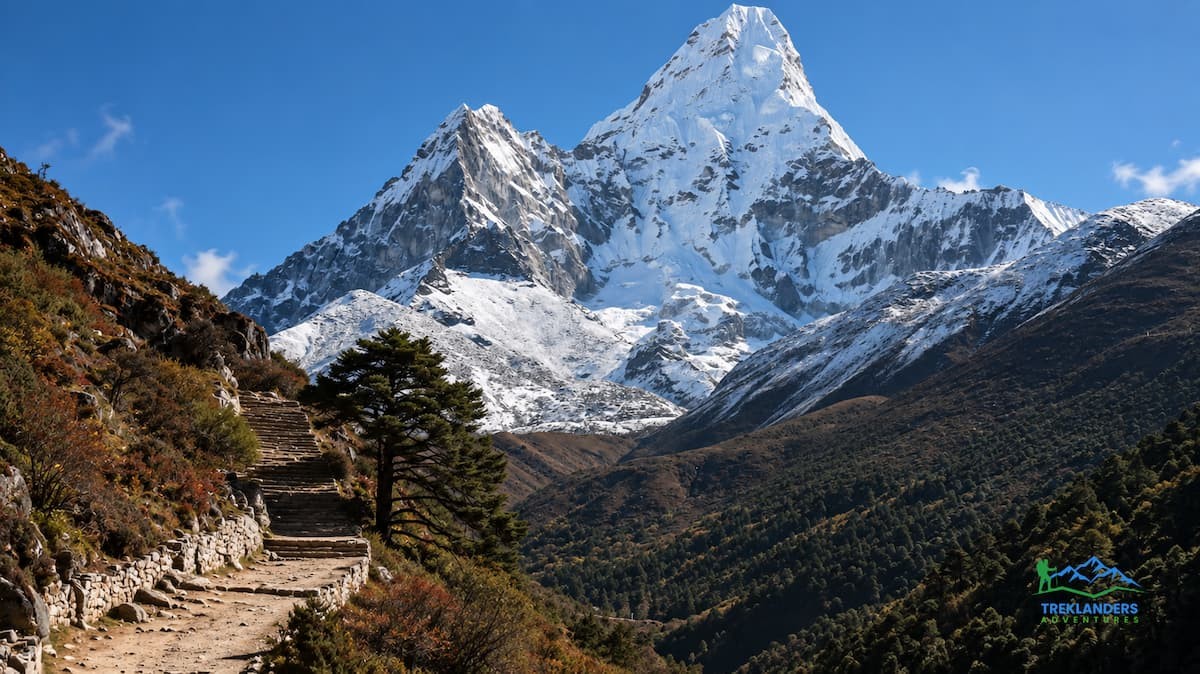
Earlier, between Tengboche and Dingboche, the trail offers good views of Everest, Lhotse and Ama Dablam, the sharp pyramid of a peak that is so often compared to the Matterhorn.
Photography is mostly a stamina problem. Good pictures need fingers that still work, batteries that are not dead and a mind that is not counting steps. Sleeping well, carrying a light daypack and having charging points at the lodges (usually for a small fee) all help. Keep spare batteries inside your jacket overnight, because cold drains them faster than anything else.
Ask trekkers what worried them most before booking and the answers are nearly always the same: altitude, injury and being far from help. A luxury trek does not remove those risks, but it puts more structure around them. The guide, the rest days, the warm rooms and the food are all doing safety work quietly in the background.
There are medical posts on the route, too. Treklanders notes that clinics at Namche, Pheriche and Khumjung operate in the busy seasons, and that a helicopter evacuation can be arranged in serious cases. That last part only works if your insurance covers it, so buy a policy that explicitly includes high altitude trekking and helicopter rescue before you fly. Travel insurance is not part of the package.
Fitness is the other question. Treklanders rates the trek moderate to strenuous, recommends ages 16 to 70 and says no technical climbing skills are needed. First timers finish this trek every season, provided they train for six to eight weeks and listen to their guides. The permits, including the Sagarmatha National Park permit and the Pasang Lhamu rural municipality permit, are arranged for you, and there is no TIMS card on this route. If your plans change, the flexible booking policy lets you shift your start date up to 30 days before departure.
Some people want to be reachable on a trek, and others want the opposite. Either way it helps to know what to expect. Phone signal is usually decent around Lukla, Phakding, Monjo and Namche Bazaar, then gets patchy toward Tengboche, Dingboche, Lobuche and Gorak Shep, and it shifts with weather and altitude. Both Nepal Telecom and Ncell work in the region, and NTC tends to hold a signal better at height, so some trekkers carry both SIM cards.
Luxury lodges usually have faster Wi-Fi than a basic tea house, though speeds drop in bad weather and at the top of the valley. Some lodges include it, others charge a small fee for a password, and the higher villages nearly always charge because bandwidth and power are limited. Charging works the same way: often available in rooms or common areas at the luxury lodges, and for a small fee in the higher villages. A power bank of 10,000 to 20,000 mAh removes most of the worry. Treat the connection as a bonus rather than a plan, and tell family that a quiet day usually means bad signal, not bad news.
A luxury trek works well when the people in your group are not equally fit, equally fast or equally comfortable with cold. With a small group and a guide who walks with the slowest person, nobody has to pretend. One partner can take a slower morning and meet the rest at the next lodge while the other adds an extra viewpoint. A private setup also makes it easier to stop when a headache starts instead of pushing on to keep up with strangers.
With a recommended age range of 16 to 70, a teenager and a grandparent can both take part as long as they are healthy and have prepared. Friends who like different rhythms, a couple celebrating something, or a solo traveller who wants a professional for company rather than a crowd all get the same benefit, which is a trek that bends around the person instead of the other way round.
The rest days help mixed groups in particular. At Namche Bazaar and Dingboche, the strong walkers can hike a little higher while others read, sleep or write postcards, and everyone still ends the day at the same lodge with the same dinner.
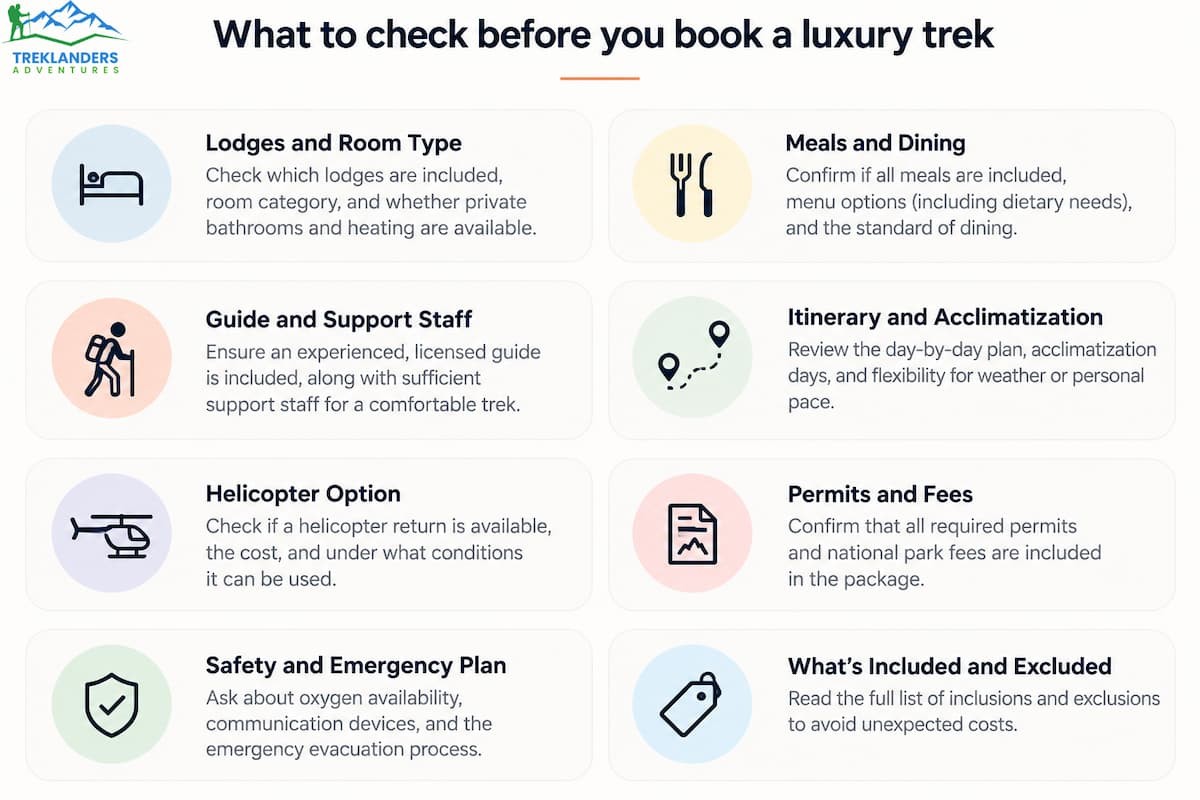
Not every trek sold as luxury is the same, and the word covers a wide range. A few checks make the difference between a well built trip and a marketing label.
Start with the lodges. Ask which lodge is booked for each night and what kind of rooms it has. Treklanders' itinerary names Yeti Mountain Home for the lower nights and tea house lodges from Dingboche, which is the honest shape of the route. Be wary of any plan that promises identical luxury at 5,170 m, because no lodge in Gorak Shep works that way.
Next, look at acclimatization. Two rest days and a sensible ascent profile matter more than any amenity. A luxury trek that rushes you past Namche is just a comfortable way to get sick. Then ask about the team: guide licensing, porter ratios, first aid training and insurance for staff. Ask what happens if a flight is cancelled, if the airline diverts you to Manthali, or if you need to descend early. Good operators answer these questions specifically and without hesitation.
Finally, read the inclusions and exclusions line by line. Treklanders lists the Kathmandu hotel nights, airport transfers, all meals on the trek, flights between Kathmandu and Lukla, guide and porter, park entry fees and government charges. It also states plainly that travel insurance, personal equipment and tips for the guide and porter are yours to arrange. When a company spells out both sides of the list, you know where you stand before you land.
Here is the plan as Treklanders publishes it. Walking times are approximate, and the route can shift with weather, flight schedules and how your body responds to altitude.
You are met at Tribhuvan International Airport and transferred to a five star hotel at 1,365 m. After a chance to freshen up, the team gives you a short briefing about the schedule and answers questions on gear, flights and the route. Use the evening to repack: one duffel for the porters, one daypack for you, and a bag of city clothes to leave at the hotel.
The 35 minute flight lands at Lukla (2,828 m). After meeting the porters you walk about three hours to Phakding (2,610 m), an easy first stretch beside the Dudh Koshi. You sleep at Yeti Mountain Home with all meals included. If your flight is diverted to Manthali, this day begins with a drive and your guide adjusts the plan.
Expect five to seven hours through pine forest, over suspension bridges and past the entrance to Sagarmatha National Park, with Thamserku showing along the way. The last climb into Namche Bazaar (3,440 m) is steep, so take small steps and drink plenty of water. You stay at Yeti Mountain Home.
This is your first acclimatization day. A short walk higher and back down is the usual approach, and the bakeries and market give you plenty to do at a gentle pace. If you feel strong, walk toward Khumjung. Your guide checks how everyone is sleeping and eating.
About ten kilometres and five to six hours bring you to Tengboche (3,870 m), where the monastery sits in front of Ama Dablam and Everest. Stay for the evening prayers if the monks allow visitors, then eat early. The night is at Yeti Mountain Home.
You descend through Deboche, cross the Imja river and pass the old monastery at Pangboche before climbing to Dingboche (4,360 m), roughly five to six hours in total. Views of Everest, Lhotse and Ama Dablam follow you for much of the day. From here on the rooms are in tea house lodges.
Your second acclimatization day at 4,360 m. Nangkartshang Peak is an option for a short hike if your guide agrees, and otherwise the best plan is to rest, eat and drink. Nights here are properly cold, so dress warmly and keep a bottle of hot water near your sleeping bag.
Five to six hours lead to Lobuche (4,940 m). A steep climb takes you to Chupki Lhara and its memorials, then the trail crosses a wide pass with Pumori ahead. The air feels thin, and everything from lacing boots to eating dinner takes more effort. Go to bed early.
You climb the moraine of the Khumbu Glacier for six to seven hours to Gorak Shep (5,170 m), then continue to Everest Base Camp (5,364 m). Nuptse, Khumbutse and Pumori frame the view. After time at Base Camp you return to Gorak Shep for the night.
An early start takes you up Kala Patthar (5,644 m) for sunrise over Everest and its neighbours. Take your photographs, then head down. The long descent to Pheriche (4,288 m) takes seven to eight hours in total, and the thicker air brings quick relief.
The trail follows rhododendron and juniper slopes, crosses a prayer flag bridge over the Dudh Koshi, and drops through pine forest past Sansa, with views of Ama Dablam, Thamserku and Nuptse. It takes six to seven hours. Back at Namche Bazaar you sleep in a Yeti Mountain Home lodge again.
Six to seven hours of mostly gentle walking take you over the Hillary suspension bridge and other crossings above the Dudh Koshi to Lukla (2,860 m). The final night is a celebration of sorts, with everyone on the team together.
The 35 minute flight returns you to Kathmandu, followed by a transfer to your five star hotel. Freshen up, then explore the city if time allows.
Your Treklanders representative takes you to the airport about three hours before your international flight.
A trek through a protected area comes with a few responsibilities, and comfort should not make them easier to ignore. Treklanders lists environmentally friendly tours among its commitments, and the habits that back that up are small ones. Refill a reusable bottle at the lodge rather than buying bottled water that porters have to carry up and the rubbish has to come back down. Keep to the marked trails, and pack out anything your daypack brought in.
The park protects more than views. UNESCO notes that rare species such as the snow leopard and the red panda live here, and that Sherpa communities have shaped the valley for generations. Greeting people, asking before you photograph a family or a ceremony, and tipping your guide and porters fairly are the everyday ways a visitor gives something back.
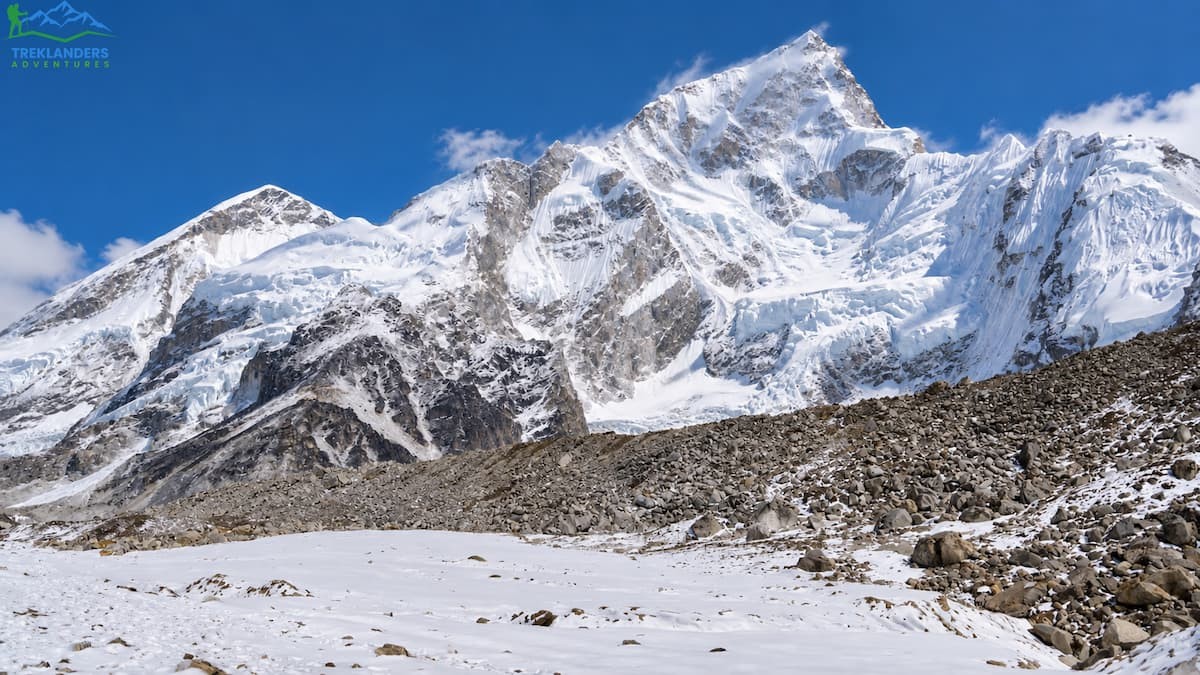
The best seasons for a luxury Everest Base Camp trek are spring, from March to May, and autumn, from September to November. Spring brings rhododendron blooms on the lower slopes, longer days and mostly clear mornings, although afternoons can cloud over and the high villages may still see snow. Autumn follows the monsoon, so the air is clean and the mountain views are at their sharpest. Days are shorter and mornings are cold, and snow is possible at the top.
Winter, from December to February, gives brilliant views and the lowest temperatures on the route, along with icy trails and short days. Warm lodges help, but they cannot heat the trail. The monsoon from mid June to August is the least practical time, with cloud, rain, slippery paths and frequent flight delays.
Because spring and autumn are popular, good lodges fill early, particularly for groups. Booking several months ahead is sensible for a trip that depends on specific rooms in specific villages.
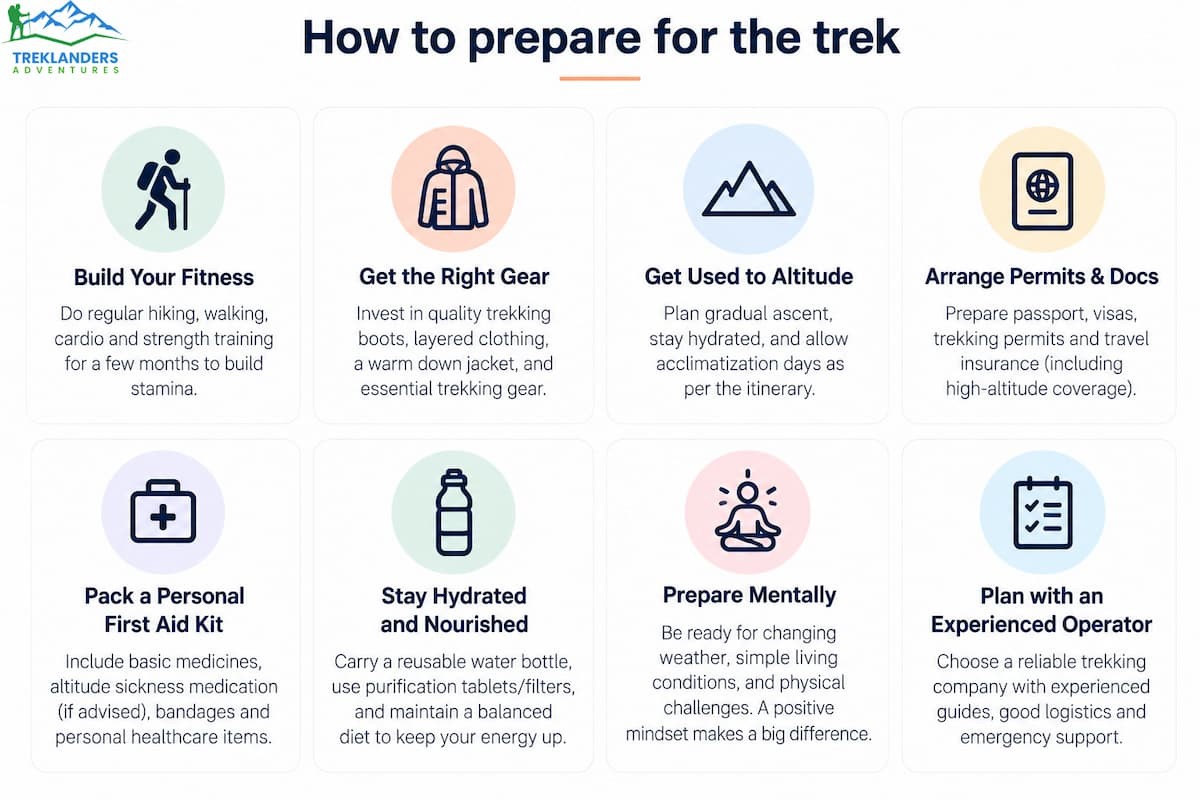
Start training six to eight weeks before you fly. Long hikes with a loaded daypack, stair climbing and cardio work such as running or cycling all help, and leg strength matters on the descent days as much as on the climbs. Most days on the trail mean five to seven hours of walking, so your legs need stamina more than they need speed.
Packing is easier when you remember that the lodges are warm at the bottom and cold at the top. Bring moisture wicking base layers, a fleece, a light down or synthetic jacket, a heavy down jacket for the stretch above Dingboche and a waterproof shell. Boots should be waterproof, supportive and properly broken in, and poles save your knees on the way down. A headlamp with spare batteries is not optional, since Kala Patthar begins in the dark. Add a power bank, sun protection, a reusable bottle and a sleeping bag rated to roughly minus 10 to minus 15 degrees. Carry small denomination cash for charging fees, hot drinks and snacks in the higher villages. Keep your phone dry.
Weight limits on the Lukla flights are strict, at roughly 10 to 15 kg for checked luggage and 5 kg for carry on, so keep the duffel light and leave extras at your Kathmandu hotel. Bring any personal medicines, and talk to a doctor about altitude medication before you go rather than deciding on the trail.
Do some mental preparation as well. The hardest part for many trekkers is not the steep ground but the repetition: five to seven hours of walking, a cold night, an early start, and then the same again. Patience helps more than strength on days like that. Give yourself permission to go slowly, keep nuts, dried fruit and energy bars in your daypack, and let the guide set the tempo. A steady attitude on day eight is worth more than a perfect boot.
If a luxury Everest Base Camp trek sounds right, the practical next step is to tell the team when you want to go and how you like to travel. Treklanders' Plan My Trip page lets you send dates, group size and any changes you want, such as an extra Kathmandu day, a helicopter return or a longer acclimatization stretch. The company is based in Thamel, Kathmandu, and you can read about the people behind it on the about page or check independent feedback on its TripAdvisor listing.
Not sure luxury is the right fit? Treklanders also runs the 12 day and 14 day standard Everest Base Camp treks for people who want the classic tea house experience. Trekkers who want something longer or quieter can look at the Gokyo Valley trek or the Everest Three Passes trek, and experienced walkers with time can add the Lobuche East peak climbing expedition to a base camp itinerary. Other regions are gathered under trekking in Nepal.
If your priority is to reach Base Camp with the fewest sacrifices, the answer is probably yes. The trek suits people who sleep badly in basic rooms, older trekkers up to 70, couples who want a hot bath after a hard day, photographers who need energy at dawn, and first timers who prefer a proper safety net. It also suits anyone with limited days who wants the itinerary to work rather than improvise.
It is less suited to trekkers who want the plain tea house experience, who enjoy being cold and improvising, or who see the trail as a test of toughness. Neither choice is wrong. But the mountain is the same, and the benefits of a luxury Everest Base Camp trek come down to arriving at Kala Patthar with a body that had a decent night's sleep, warm food behind it, reliable logistics and a guide who is watching you. If that sounds like the trek you want, send Treklanders your dates and start from there.
Explore three incredible short treks from Pokhara, with stunning Himalayan views, scenic trails, and unforgettable mountain experiences.
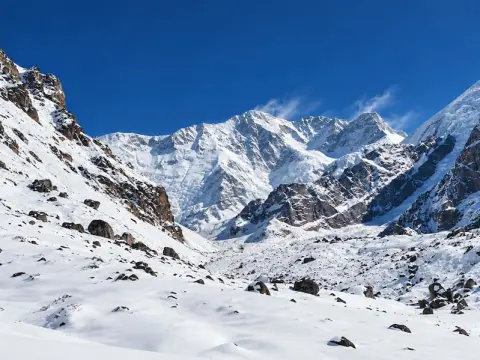
Explore the Kanchenjunga Base Camp Trek with its 23-day itinerary, permits, difficulty, altitude and best season.
Celebrate Dashain and Tihar with Nepal’s best Himalayan treks and stunning autumn views.



