
Langtang Valley vs Mardi Himal Trek – Which One Should You Choose? Full Comparison Guide
26 Dec 2025
A quick guide comparing Langtang Valley vs Mardi Himal Trek to help you choose the right Himalayan adventure.

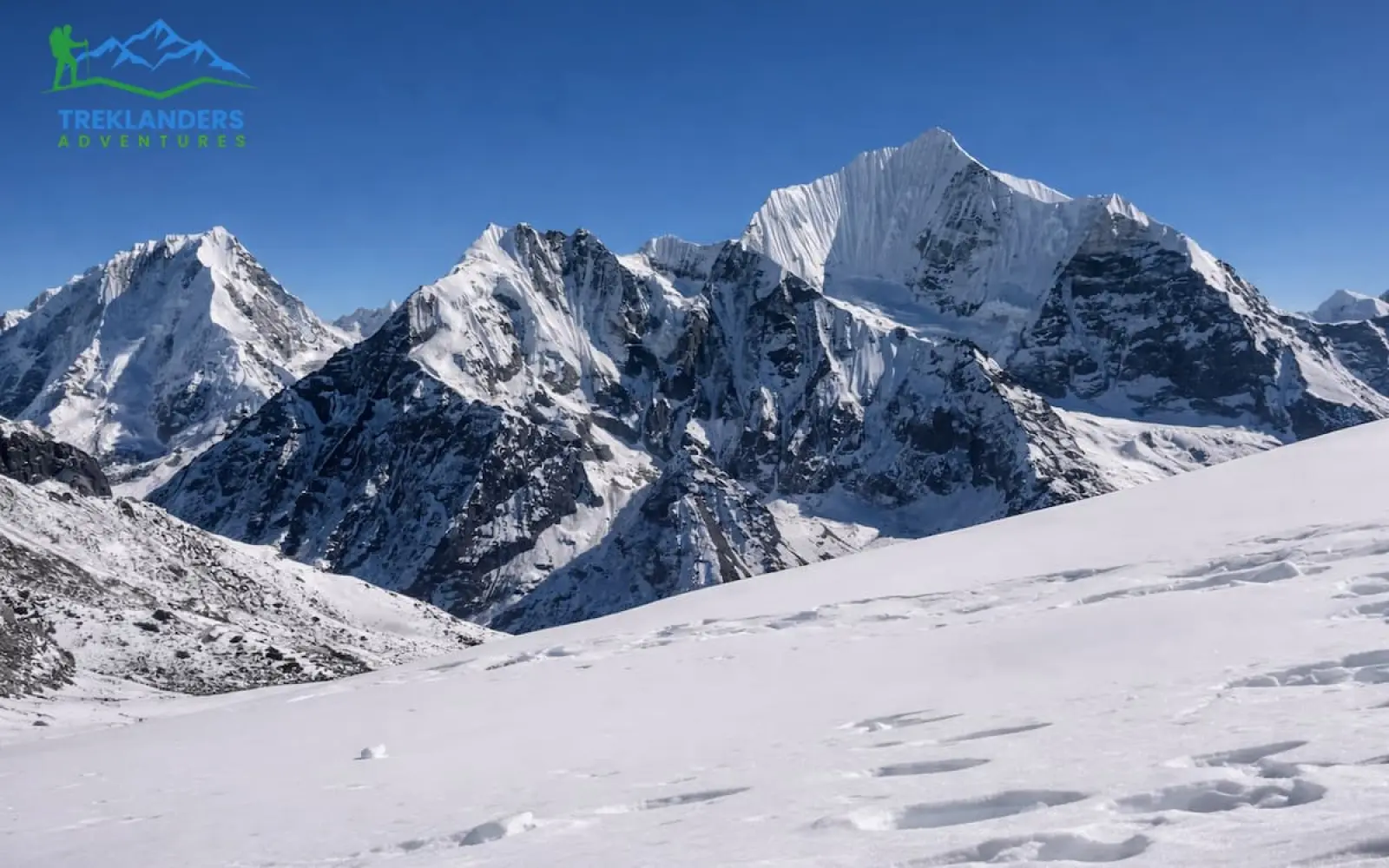
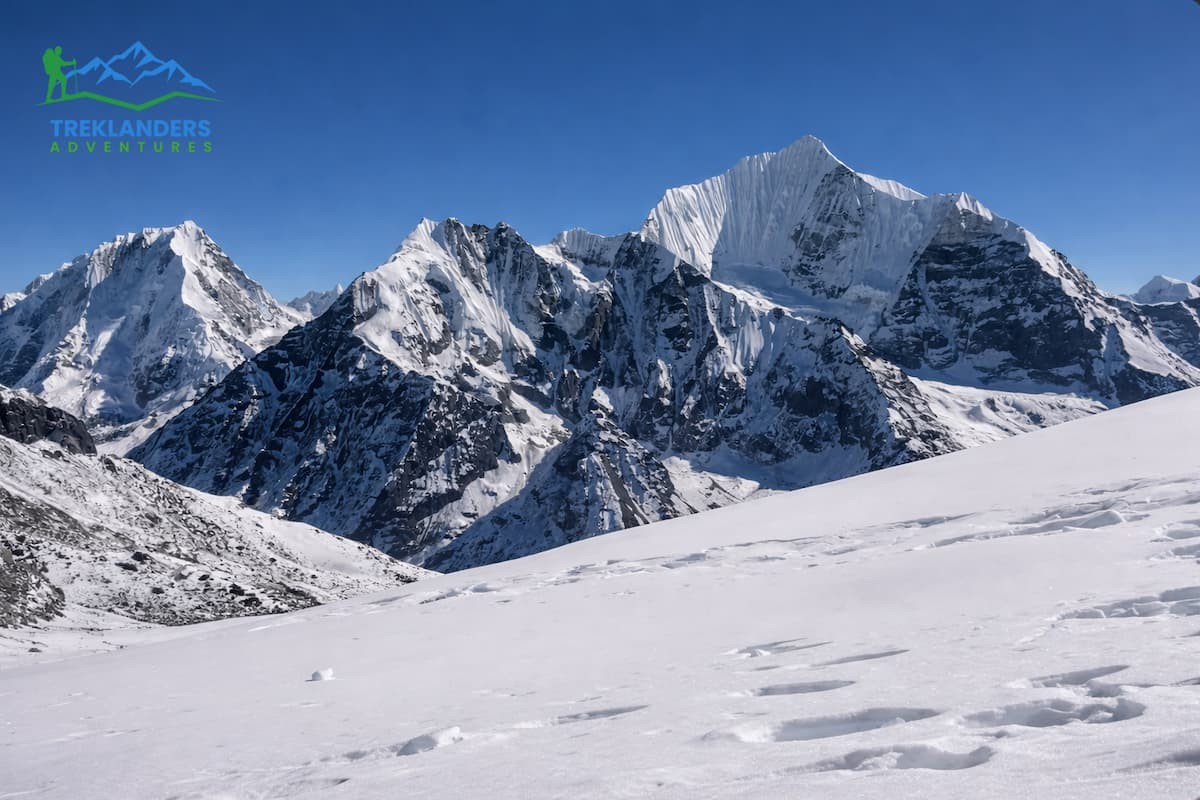
The Langtang region of Nepal is a premier destination for trekking in the country that gives travelers a wonderful mix of dramatic Himalayan scenery, outstanding local culture, and fun outdoor activities. It is positioned slightly north of Kathmandu and shares a border with Tibet. Langtang is typically referred to as a less crowded option than Everest and Annapurna. However, it offers equally magnificent landscapes and genuine experiences in the mountains. Hikers who want to enjoy untouched nature, quaint local villages, and stunning mountain vistas without experiencing too many people will find the Langtang Valley to be a perfect destination.
One of the main reasons why Langtang is so attractive is the variety that is concentrated in a rather small area of the trek. In just a couple of days, hikers get to see the gradual changes in nature from rich green subtropical forests to bamboo thickets, to alpine meadows, and finally to high mountain valleys surrounded by the snow-clad peaks of Langtang Lirung, Dorje Lakpa, and Ganesh Himal. Moreover, the entire region is a part of the Langtang National Park, which was the first Himalayan national park in Nepal. In addition to that, the park is home to different kinds of plants and animals, including the red panda, Himalayan black bear, and various species of colorful birds. Such natural diversity enhances the trekking adventure, leaving every step of the journey both visually and ecologically fascinating.

Beyond its splendid natural beauty, the Langtang region is also a cultural enclave. The principal inhabitants of the area are the Tamang people, whose Tibetan-influenced customs, style of dwelling, and Buddhist faith you will notice everywhere on the trek. Old monasteries, prayer wheels, mani walls, and chortens decorate the paths and give the trekkers cultural experiences that are even more rewarding than the physical ones. Communities like Langtang and Kyanjin Gompa offer visitors an insight into the lifestyle in the mountains and the resilience of the people who have managed to rebuild after the 2015 earthquake.
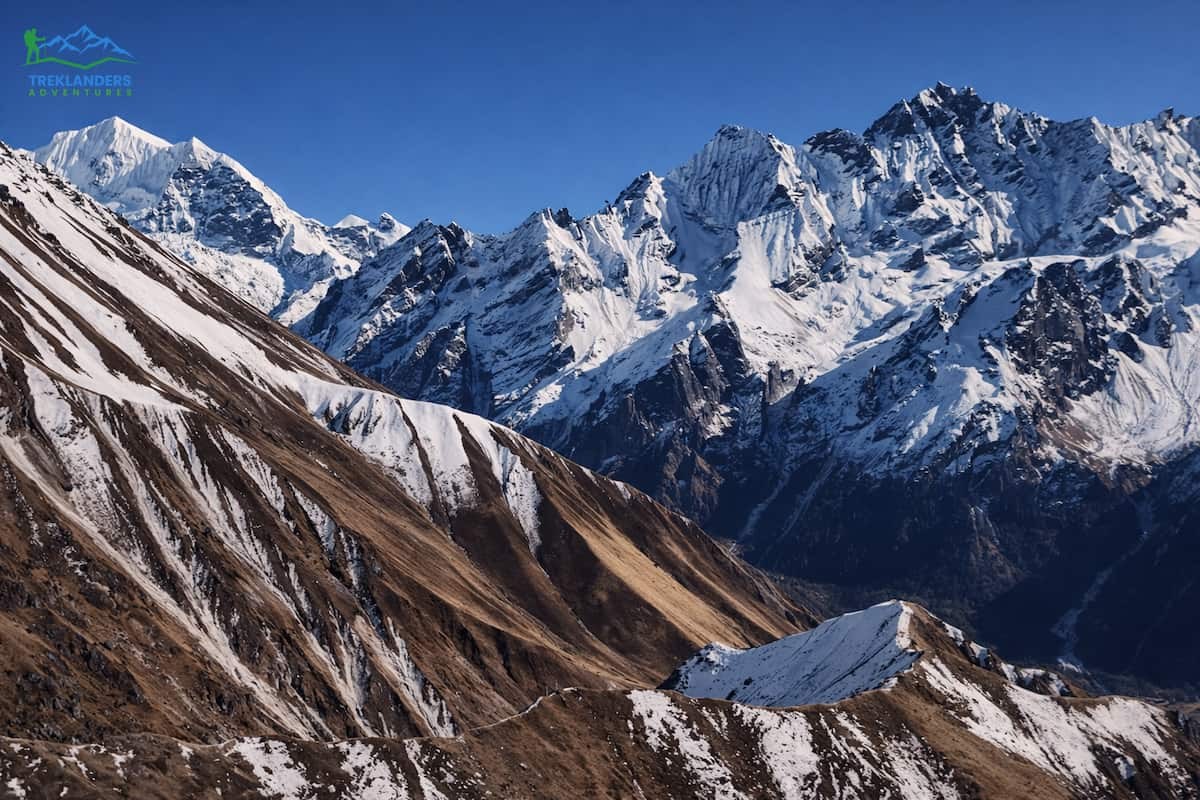
Another significant charm of Langtang is its convenience and the moderate level of trekking difficulty. The region, with its trailheads that can be reached by a road trip from Kathmandu, is ideal for those trekkers who have only a short time but want to experience the Himalayas authentically. Together with the provision of comfortable teahouse-style lodging and well-marked trails, Langtang becomes attractive not only to the very first trekkers but also to experienced hikers. From holy lakes and noble mountain lookouts to glaciers and old-style settlements, the Langtang district abounds in must-see sights that justify every step. Delving into these features makes it clear why Langtang is still one of Nepal's most overlooked yet unforgettable trekking venues.
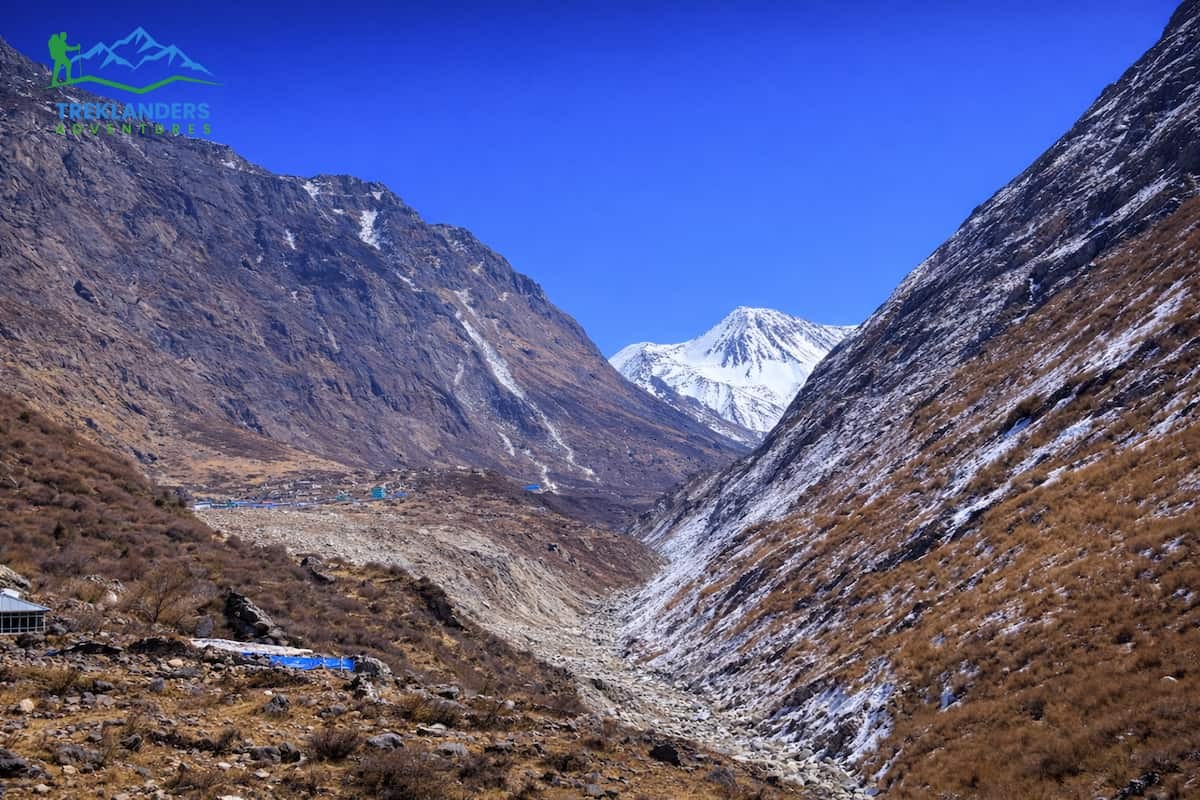
Langtang Valley is the main trekking route of the Langtang area and one of Nepal's most beautiful Himalayan valleys. Moving north from Syabrubesi to the Tibetan border, the valley presents a stunning mixture of vast glaciers, majestic snow-covered peaks, and mountain villages full of Nepalese culture for the travelers. Compared with some of the more commercial trekking routes in Nepal, Langtang Valley still has a serene and genuine vibe, which makes it very attractive to trekkers who are looking for both sightseeing and cultural experiences.
The valley has been formed by the inheritance of glaciers coming down from Langtang Lirung (7,227 m), the highest mountain in the district. These glaciers have cut deep U-shaped valleys, which now offer open alpine areas that visually stand out against the dense forests in the lower regions. When trekkers get higher, the scenery changes from the subtropical forests of bamboo and rhododendron into wide yak pastures and high mountain meadows flanked by stunning Himalayan Mountain ridges. Such changes can really be seen as one of the main reasons people are attracted to Langtang Valley.
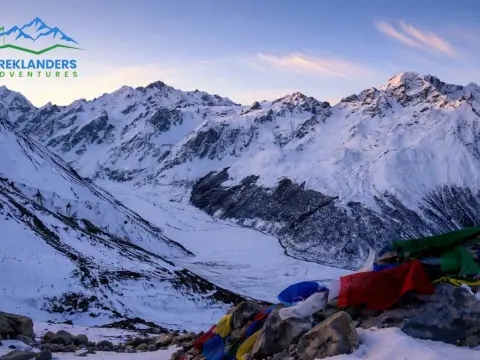
Likewise, the dilapidated mountain villages set up at intervals also carry great importance alongside the route. Villages like Langtang and Kyanjin Gompa are mainly populated by the Tamang ethnic groups whose lifestyle is heavily based on Tibetan Buddhism. Along the tracks, one can find stone houses, prayer wheels, mani walls, and old monasteries, all of which provide the travelers with a great exposure to the local customs and religious life. The ability of the people in these villages, especially after the 2015 earthquake, contributes greatly to the human aspect of your experience.
Located within the boundary of the Langtang National Park, the valley of Langtang also benefits from the rich biodiversity in the area. Nature lovers can be lucky enough to have a glimpse of the secluded Himalayan species like langur monkeys, musk deer, or spot a huge variety of birds. Because of the moderate challenge level, the easy access to the starting points of the trails, and the amazing views, the Langtang Valley is an excellent first trek in the Himalayas. Besides, to this day, it continues to be the most attractive spot of the Langtang region for those who love wilderness and adventure.
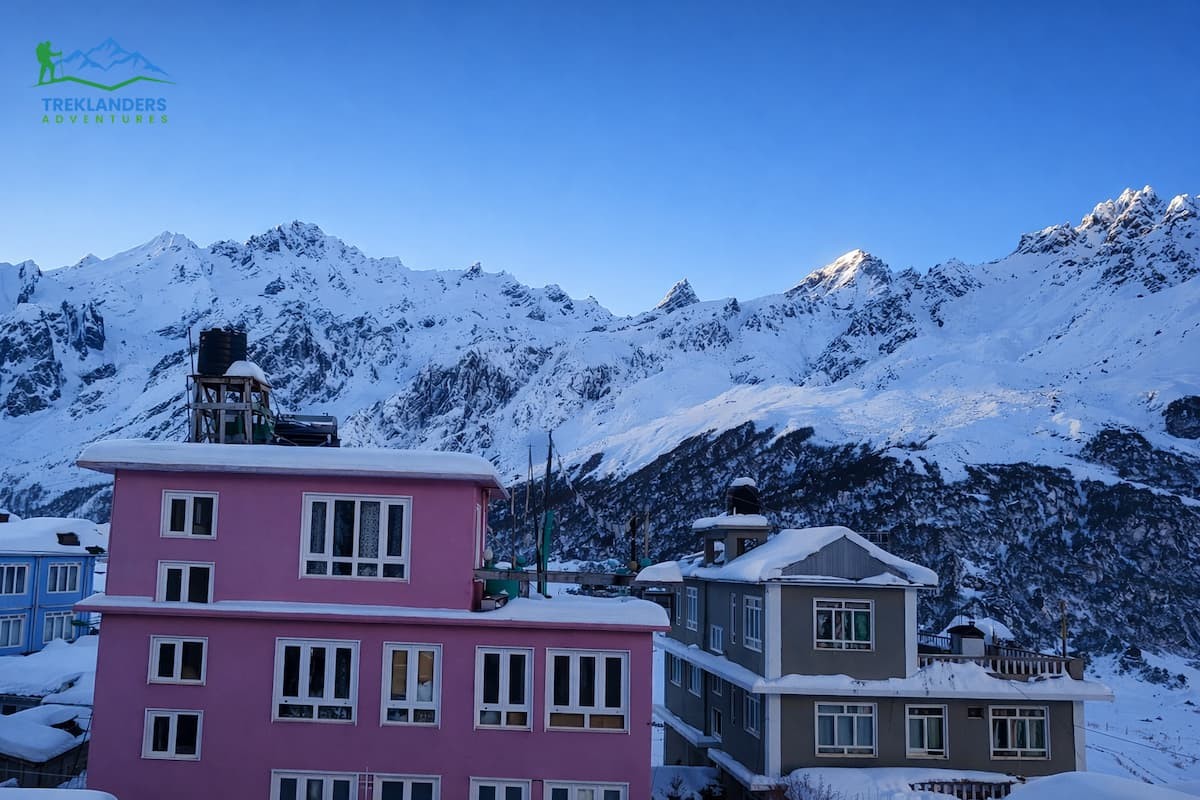
Kyanjin Gompa symbolizes both the spiritual and natural origins of the Langtang Valley. It ranks among the most significant spots to visit on the entire trek. Located around 3,865 meters above sea level, this ancient Buddhist monastery area is the main resting and acclimatizing point for hikers in the upper Langtang region. With a backdrop of Himalaya giants and glaciers, Kyanjin Gompa intertwines culture with nature in a picturesque way that is hard to forget.
The building of a monastery stands as a religious symbol to the Tamang people who've lived there for a long time. The Tamang people's living culture and tradition, which is backed by Tibetan Buddhism, are reflected in the religious importance of the monastery to them. Prayer flags catching the breeze, mani walls alongside the lanes, and the serene spiritual vibe create a totally different kind of peace that goes perfectly well with the raw alpine scenery. It is not uncommon for visitors who come to the monastery for their spiritual journey to be fascinated by the high Himalayas' spiritual life, and thus the monastery offers them insight beyond religion.
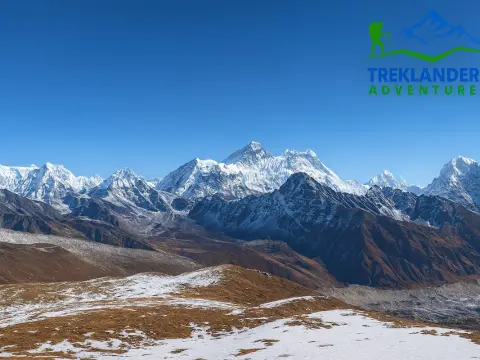
Kyanjin Gompa is famous for its beautiful views all around. Here you get a chance to see some of the Langtang valley's top high peaks, such as Langtang Lirung, Yala Peak, and Dorje Lakpa, as well as the Langtang Glacier from this spot. The combination of ice masses, rocky debris, and snow-capped peaks all around gives photographers plenty of opportunities to take great shots. Trekking from Kyanjin Gompa to heavenly spots like Kyanjin Ri and Tserko Ri mainly serves as the way to get used to the altitude, but visitors get to see the whole Himalayan range in its glory and farewell the day with amazing images of the mountain landscape.
Besides its nature and spiritual beauty, Kyanjin Gompa is well-equipped with the necessary trekking facilities such as tea houses, bakeries, and the well-known yak cheese factory. These conveniences, together with the tranquil surroundings and the extraordinary scenic beauty, make Kyanjin Gompa the main attraction of the Langtang Valley trek and a spot where a lot of trekkers prefer to stay an additional day for exploration and acclimatization.
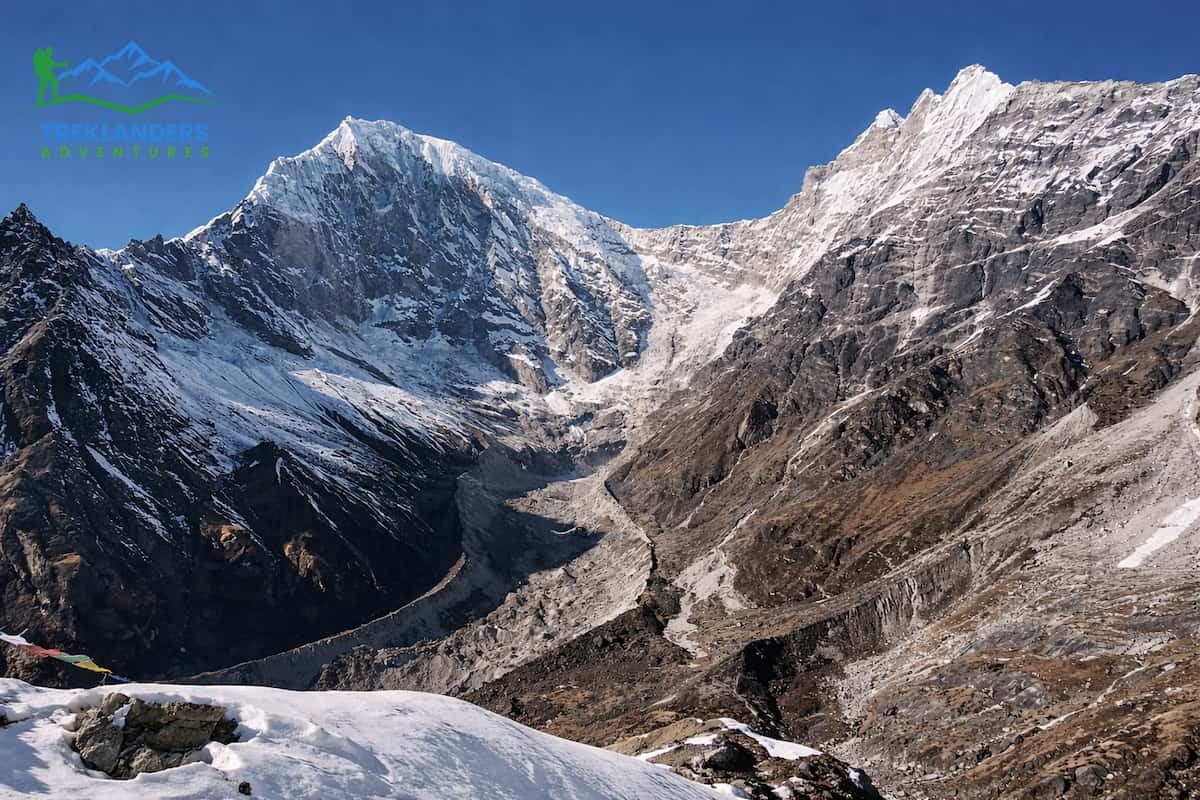
Langtang Lirung (7,227 m) is the tallest and most prominent peak in the Langtang area. It dominates the landscape and is the main highlight that you will see throughout the Langtang Valley trek. The mountain rises sharply from the valley floor and is thus the main character of the region. In fact, it is one of the first high peaks that becomes visible when trekkers go above the forest trails. The very steep north face, the glaciers on the slopes, and the snow-covered ridges make it very beautiful and impressive.
The mountain is so huge that its glaciers have moved down the valley for a long time, and they have always created the beautiful U-shaped valleys and moraines that hikers can still enjoy today. Langtang Glacier, which is one of the biggest glaciers in the whole region, starts on the slopes of this mountain, and if you go near Kyanjin Gompa, you will be able to see it very clearly. Glaciers not only make the trek more scenic, but they also offer clues about the past and present climate and nature of the area.
To trekkers, Langtang Lirung is more than just a pretty picture; it's a trail partner that is always there. The peak's transformation each day, from a distant snow-capped summit to a massive ice and rock wall, keeps the experience engaging and thrilling. Particularly, the mountain looks very fascinating when the sun is just rising or going down because the changing light decorates it with colors of gold, pink, and dark blue.
Notwithstanding the fact that Langtang Lirung is a technically challenging mountaineering objective and so it is not a climber trek, its mere presence heightens the trekking journey. Being under this giant mountain gives one an impressive feeling of proportion and being in the wild. Hence, Langtang Lirung has been identified as one of the most striking natural attractions of the Langtang area, as well as the main highlight of the whole trek.
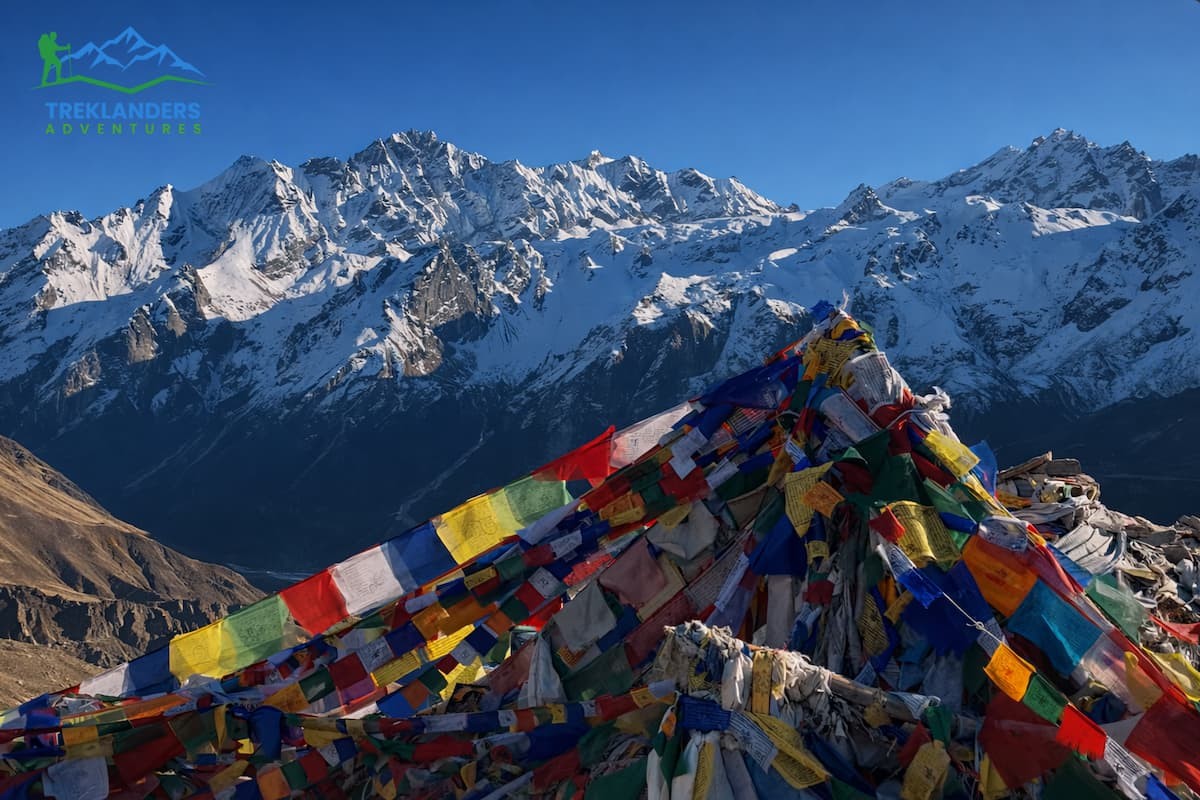
Kyanjin Ri is among the most well-known and gratifying vantage point hikes in the Langtang area. It gives trekkers magnificent and unquestionable close-up views of Langtang Lirung and the vast Langtang Glacier. Directly, the wonderful peak of Kyanjin Gompa is often used for acclimatization as a half-day hike, so it is both very accessible and attractive for travelers with a moderate level of fitness.
The path to Kyanjin Ri starts from Kyanjin Gompa and goes up steadily through stony areas and alpine meadows. With the increase in height, the scenes are getting more and more spectacular. Mountaineers can enjoy the magnificent view of Langtang Lirung's gigantic ice-covered wall. Its crevassed glaciers and sharp ridgelines appear unbelievably nearby. At the bottom of the valley, the Langtang Glacier extends, its rugged moraines and icy flows being very clearly visible from the top, giving a strong idea of the glacial nature of this region.
Besides Langtang Lirung, the terrace also reveals a wide range of views of the neighboring peaks, for example, Yala Peak, Dorje Lakpa, and the snow-capped summits that create the Langtang skyline. On a nice day, the contrast between the spotlessly desolate high-altitude ground and the distant mountains brings an unforgettable view. The open summit of Kyanjin Ri is particularly inspiring at the break of dawn, with the mountain silhouettes first turning golden as the sun rises.
Kyanjin Ri is acknowledged in the first place because of its beautiful nature, but it is also recognized for its role in acclimatization. The trek helps the climbers to get used to the altitude, and it also gives them that feeling of accomplishment since there is no technical difficulty. To a lot of people, the trek to Kyanjin Ri is considered the most memorable part of the Langtang Valley trek that brings together the physical challenge, stunning vistas, and a profound connection to the Himalayan environment.
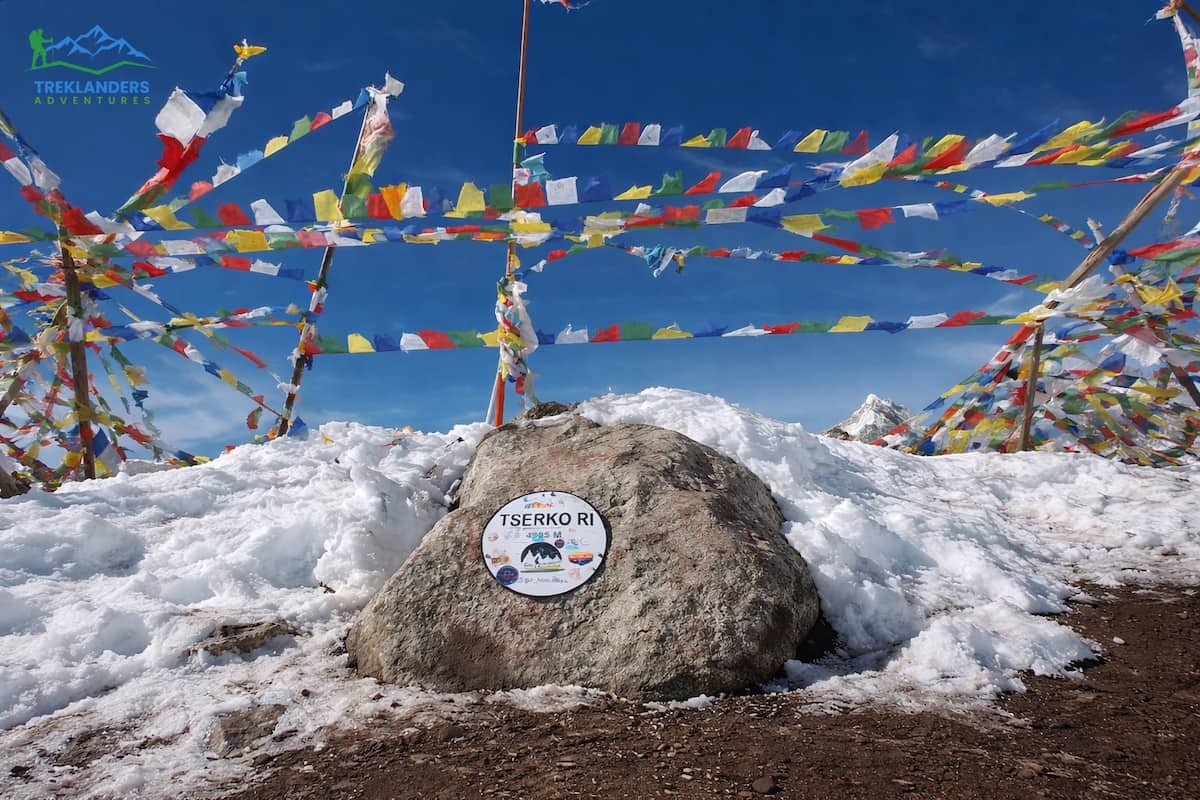
Tserko Ri ranks among the highest and most magnificent viewpoints that Langtang trekkers can reach, as it stands at a height of around 4,984 meters. Situated directly above Kyanjin Gompa, the trekking route to the summit of Tserko Ri entails a tough physical effort, but it is very rewarding due to the spectacular sunrise and sunset views that can be enjoyed from there. For those who wish to get the best aerial viewpoint of the Langtang Valley, Tserko Ri is definitely a rewarding experience.
Usually, the sunrise trek to Tserko Ri is commenced at the crack of dawn to make use of the best weather and sky conditions. The path gradually ascends through the alpine landscape where yaks graze, and further up, the inclined trail changes into rocky sections as the altitude gets higher. Besides being physically difficult due to the altitude and less oxygen, the trail does not involve any technical climbing, so it is accessible for well-acclimatized hikers who have a good level of fitness.
The views from the top are truly amazing. Tserko Ri boasts a full-circle view of the Langtang Himalaya range, including the famous peaks of Langtang Lirung, Yala Peak, Dorje Lakpa, Ganesh Himal, as well as many other less prominent snow-capped peaks. In the morning, the light of the rising sun colors the mountains with a warm golden and pink palette, whereas the setting sun makes the peaks radiate by contrasting them with the darkening blue skies, and thus, the memory of such a spectacular photo opportunity will stay with you forever.
Tserko Ri not only looks good but also gives a great feeling of achievement. At almost 5,000 meters, climbers get a real taste of the high Himalayan altitude without having to go on a complete mountaineering expedition. Tserko Ri, which is just a bit outside the popular trekking area around Langtang, is a long way from home for many of us. A team of three experienced climbers took this challenge quite literally. They made quite a trip and experienced arguably one of the most rewarding and memorable things one can do in the whole of Nepal's Langtang area. It is the perfect mix of a physical challenge and awe-inspiring scenic beauty in isolation that makes the peak so special.
Langtang National Park is a large and ecologically important protected area that is the core of the Langtang trekking region. In 1976, it was designated as Nepal's first Himalayan national park, and it spans a wide variety of landscapes and elevations from subtropical river valleys to high alpine and glacial zones near the Tibetan border. The pronounced altitude gradient supports the presence of different ecosystems and makes the park one of the top-ranking areas in Nepal for biodiversity.
Langtang National Park is traversed by trekkers who witness a striking change of scenery. The vegetation at lower levels consists mainly of mixed forests with oak, maple, pine, and bamboo, whereas at higher levels, naturally growing rhododendrons, alpine grasslands, and tough high-mountain plants gradually take over. The moment when the park comes alive in colors with the flowering of red, pink, and white rhododendrons is in spring, and this spectacle is the highlight of the trekking routes. Alpine plants that are specially adapted to the conditions at that altitude are to be seen in the rocky area and glacial moraines where the trees no longer grow.
The park's fauna includes a variety of animals, some of which are rare or on the brink of extinction. The red panda is one of the most remarkable species, and it can be seen very rarely; in fact, it lives in the bamboo forests of the park. Himalayan black bears, musk deer, Himalayan tahr, and langur monkeys are among other mammals that roam the park. The park is also a bird heaven; for pheasants, eagles, and various other high-altitude birds are abundant, and they add to the pleasure of trekking in the park.
Langtang National Park is an integral part of the environment, but it also plays a key role in conservation and sustainable tourism. It helps the local people and at the same time preserves the delicate Himalayan ecosystems. For trekkers, hiking in this protected area is a rewarding experience as it not only offers great views but also allows one a very special moment to witness Nepal's natural heritage in a pristine and unspoiled condition.
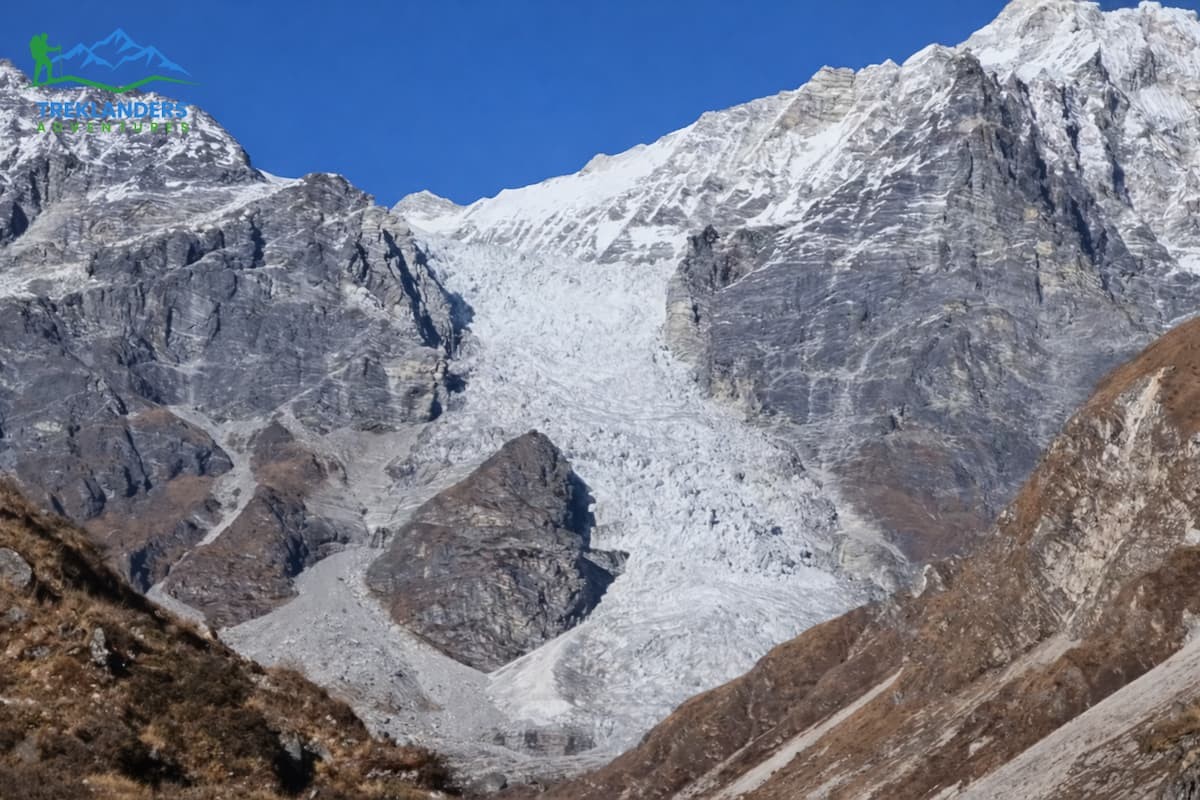
Langtang Glacier, the ice giant in the Langtang region, is an undeniable charm of the Himalayas, inviting trekkers for a close, personal yet spellbound encounter. The glacier bears the signature of the mountain as it originates from the steepest faces of Langtang Lirung. This enormous ice body literally blankets the valley at the upper reaches near Kyanjin Gompa and is instrumental in sculpting the topography of the valley and beyond. Moreover, its gigantic size and harsh carving have turned it into one of the greatest attractions for any trekker going through Langtang Valley.
The glacier itself is a frozen compendium of the Earth's memory through layers of ice, snow, and rock traveled by glaciers for thousands of years. Trekkers can witness, through the clear and unspoiled views from Kyanjin Gompa and such places as Kyanjin Ri, the glaciers' surface in fragments and how it descends from the mountain snowfields, like a snake. The contrast of the white ice with the dark rock debris and the surrounding snow-covered peaks creates a powerful and visually stunning tableau, which is the very essence of the high Himalayan environment.
Besides being a photographic magnet, Langtang Glacier is a significant element of the landscape and a key to understanding the local geography and climate. It feeds the Langtang Khola river system and stands as a testament to the continuing influence of climate change in the Himalayas, as the changes in the ice volume and structure are noticeable over time. Thus, the trekking experience gains a learning and ecological perspective.
For trekkers, a moment by the Langtang Glacier can bring the profound feeling of isolation and vastness. The only sounds that interrupt the tranquility are the moving ice or the nearby running water. The experience is heightened by the fact that your senses are surrounded by raw nature in the solitary mountain area. This direct contact with the glacial environment renders the Langtang Glacier an unforgettable highlight of the Langtang Valley trek.
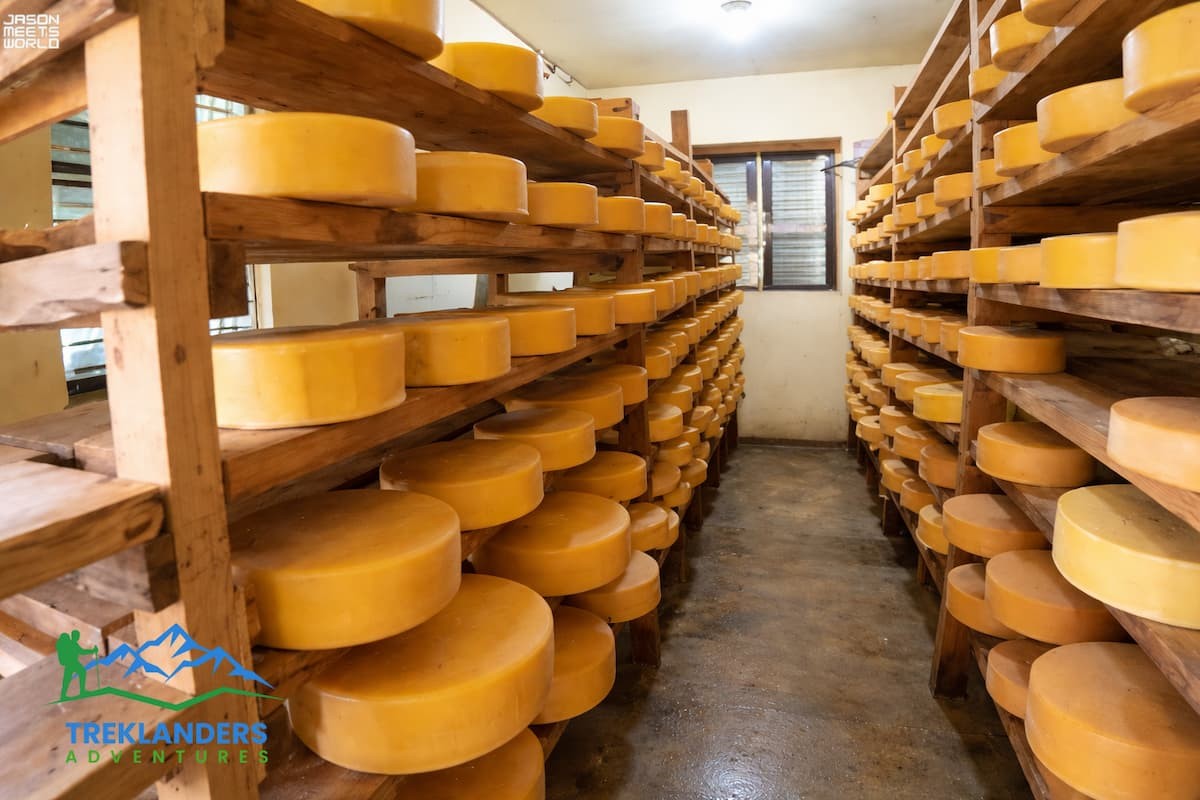
Yak Cheese Factory (Kyanjin) is likely one of the coolest culturally oriented things to see in Langtang Valley. It gives you an insight into traditional high-altitude dairy production. Kyanjin Gompa neighborhood houses the factory around the 3,800-meter mark. The factory is a joint effort of the government and locals, and it is the main source of income for residents in this remote Himalayan region.
The factory uses milk from yaks and chauris (a yak cow hybrid) to make cheese. The yaks and chauris are the only animals able to survive the cold alpine environment. When the cheese animal product is made in the factory, visitors get to see the process with their own eyes. The invisible ingredients are local knowledge and natural resources, which, when combined, lead to an ecologically and economically sustainable high mountain food source, as can be seen.
A visit to the Yak Cheese Factory is interesting primarily because the visitors get to try fresh yak cheese. The cheese has a strong, slightly salty flavor and is very nutritious, which is why it is the ideal food for hikers at high altitudes. Lots of trekkers also buy it as a souvenir or snack, thus putting money into the local economy.
Besides being a place to get good food, the Yak Cheese Factory also reveals the life and strength of mountain people. It tells the story of how the folks in Langtang, through their sustainable practices and small-scale industries, have become a self-supporting community living in harmony with nature. For those on a trekking adventure, the Kyanjin Yak Cheese Factory stop not only gives them another taste of the local culture but also enriches their experience of the trek. It undoubtedly becomes a very memorable and refreshing time for them, and at the same time deepens their respect for the local traditions and the way of life of the people living in the mountains.
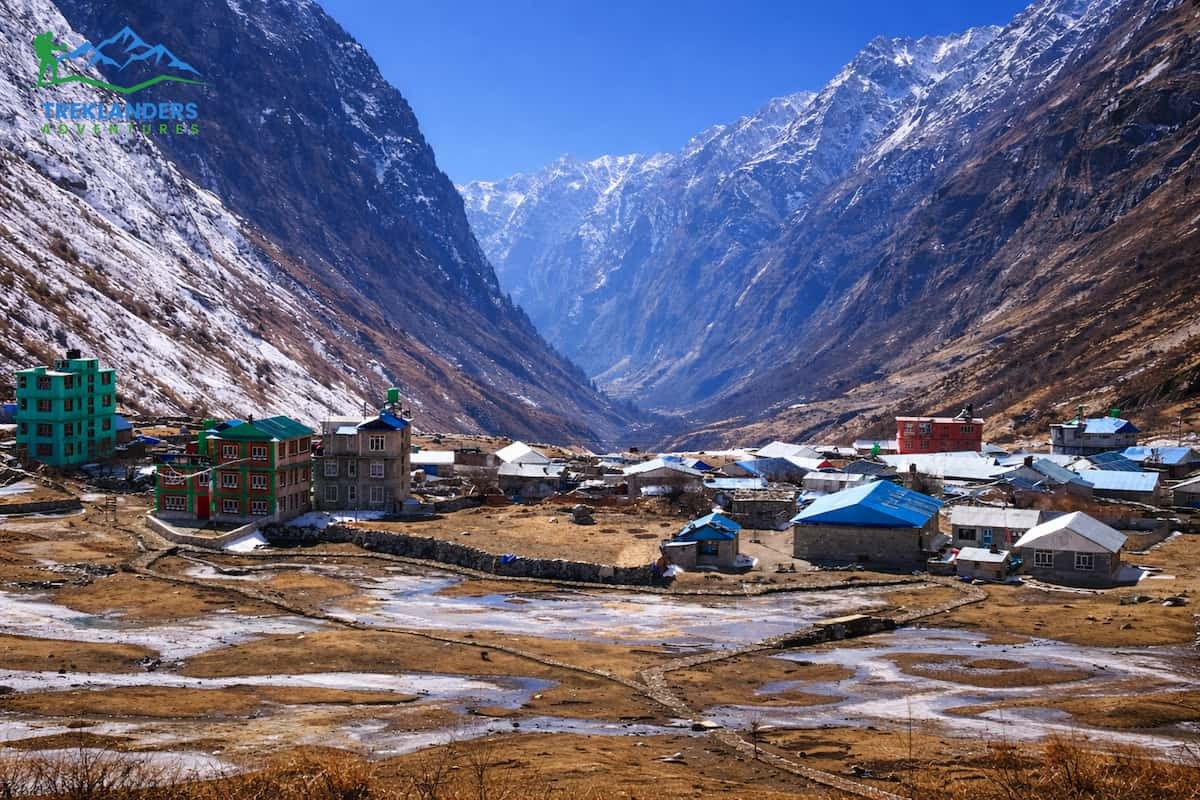
Langtang Village is a culturally rich settlement in the Langtang region, and it greatly helps visitors understand the traditional Tamang lifestyle in the mountains. At a height of around 3,430 meters, the village is located on the main trekking route and has historically been a favored spot among explorers going through the Langtang Valley. Nestled among dramatic Himalayan peaks and alpine terrains, Langtang Village offers a perfect blend of natural beauty and cultural depth.
The majority of the village residents are the Tamang people, an ethnic group whose culture, language, and ties with Tibetan Buddhism set them apart. Their stone houses with flat roofs, intricately carved wooden windows, prayer wheels, mani walls, and little monasteries speak of their strong religious roots. The lifestyle in Langtang revolves mainly around farming, yak herding, and tourism, thus providing trekkers with a genuine look at how mountain dwellers lead their lives in difficult, high-altitude settings.
Langtang Village is also a testament to the community's strength. The village was completely demolished when the earthquake of 2015 unleashed a gigantic landslide from Langtang Lirung. The people have put in a lot of effort over the years to reconstruct the village, which is now slightly higher than in its original position. Presently, the rebuilt village stands for qualities such as courage, harmony, and persistence, enriching the trekking journey with an emotional layer.
If one looks at it only from the perspective of accommodation, Langtang Village can actually be quite a dull stay. However, it is the very advantage of the locals, their lifestyle, and Himalayan warmth that makes a visit here so rewarding. It is hard to beat Langtang Village for a combination of the profound cultural component, beautiful landscape, and witnessing human endurance at its best. All this makes it one of the most unforgettable and meaningful spots in the Langtang Valley trek.
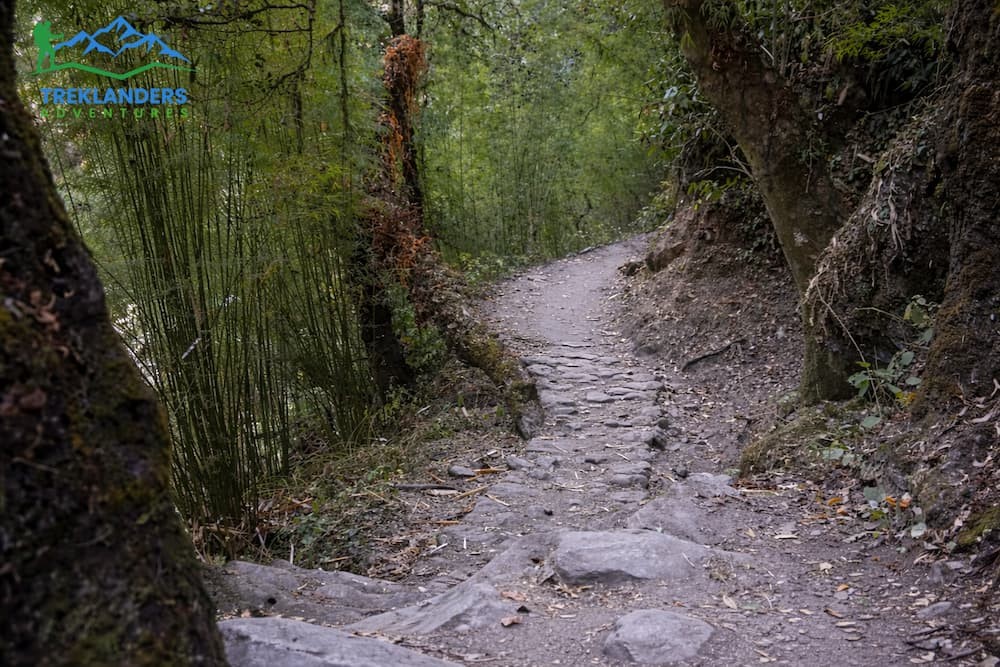
Bamboo and Rhododendron Forests are among the most beautiful and peaceful areas of the Langtang Valley trek, which offers a refreshing change from the high alpine sceneries at higher elevations. These green forest belts occur mostly at the lower and middle parts of the mountain, especially the stretch between Syabrubesi, Lama Hotel, and Ghoda Tabela. The shady paths in these woods give the walkers a quiet and deeply natural moment in the company of plentiful Himalayan flora.
The bamboo groves are thick and full of character, making cool and green pathways along the route. These spots are prime wildlife habitats, most notably for the secretive red panda, which always looks for bamboo to eat. Even though the red panda is not often seen, the trek is more thrilling and has a higher ecological value because of the existence of these bamboo communities. The mix of the babbling waters, the leaves flashing by, and the singing birds creates the feeling of being in a protected nature reserve.
Rhododendron woods look stunning during the flowering season in spring, usually between March and May. Being Nepal's national flower, rhododendrons in red, pink, and white colors cover the slopes like natural paintings. This time of year, is thus ideal for trekking in the Langtang area. Even when they are not flowering, the tall rhododendron trees decorate the forest with their magnificent presence.
Besides their beauty, these forests have a very important ecological function as they prevent soil erosion and help maintain the biodiversity of Langtang National Park. For hikers, the bamboo and rhododendron forests are a source not only of picturesque landscapes but also of excellent walking paths, sun protection, and a soothing environment that makes walking through Langtang Valley fun and unforgettable.
Rimche Village is a small and quiet settlement that attracts a number of trekkers for an overnight stop in Langtang Valley. The town is surrounded by dense forest and located on the side of the cliff above the rushing Langtang Khola. Rimche offers a tranquil and refreshing atmosphere, and therefore it serves as a perfect spot to have a good night's sleep after a day of hiking. One can find peace here and be close to nature, which is a good change from the more commercialized villages located at the upper part of the valley.
The village of Rimche is almost completely hidden by the woods of oak, pine, bamboo, and rhododendron, so the attractiveness of the place to nature lovers is obvious. The trails which are covered with shade from the leaves to and from the village are going through a luxuriant vegetation, pets, only birds, and rarely animals may be seen, which could even be considered as a part of the Langtang National Park experience. The river that runs underneath the village can be heard, which adds to the serene atmosphere, and thus the feeling of isolation and tranquility is even more intensified.
Along with being a place of great natural beauty, the village of Rimche is also known for being the best stopping point on the trekking route. Situated midway between Lama Hotel and Ghoda Tabela, the village provides trekkers with the opportunity to plan their itinerary so that the walking days are not too long, particularly for those who like a gentle uphill walk. There are a few teahouses in the village which offer basic, but quite decent and comfortable lodging, warm meals, and a very friendly atmosphere. Meeting the locals is a good way to learn about the simple life in the mountains and how the people there depend on and live in harmony with their natural environment.
Even though Rimche might not be the highlight of the sightseeing tour, the place has a charm that comes from its simplicity and calm. For a lot of trekkers, spending a night at Rimche is something they will remember forever, as it offers them a chance to relax, enjoy the beauty of nature, and have a peaceful communion with the forested core of the Langtang Valley.
Lama Hotel remains one of the most famous and strategically significant halts on the Langtang Valley trek. Positioned at an approximate height of 2470 m, it is a major trail intersection where trekkers going further to the Langtang get off. The habitation serves the function of a stopover as well as a hub where different trekking routes come together, thus it presents a suitable place for overnight stays, acclimatization, and planning the further stage of the journey.
The village is located amid wonderfully beautiful forest landscapes such as rhododendron, oak, and bamboo woods, which not only give shade but also create a quiet environment for the trekkers. The natural surroundings here help to relax and serve as an excellent getaway from the open high-altitude routes. Besides, the birds and small animals are often seen along the trails, thus adding to the total experience of strolling in Langtang National Park.
Lama Hotel has turned into a focal point for accommodation and other basic services in the valley. Local teahouses provide a variety of old-fashioned comforts such as warm meals, hot beverages, and clean beds, which are especially appreciated after a day's hike. Therefore, Lama Hotel is not just a very convenient resting place on the way, but also a location where trekkers can get to know the local residents as well as fellow trekkers.
Lama Hotel is not only functionally important, but it is also visually beautiful. The wooded hills around and the far-away views of the snow-covered mountains form a stunning scenery which makes it very enjoyable to stop and absorb the natural beauty of the valley. For lots of hikers, Lama Hotel is indeed one of the most charming stops during their journey through Langtang Valley, as it caters to their needs for rest and comfort and also gives them a strong feeling of being one with the peaceful mountain environment of the region.
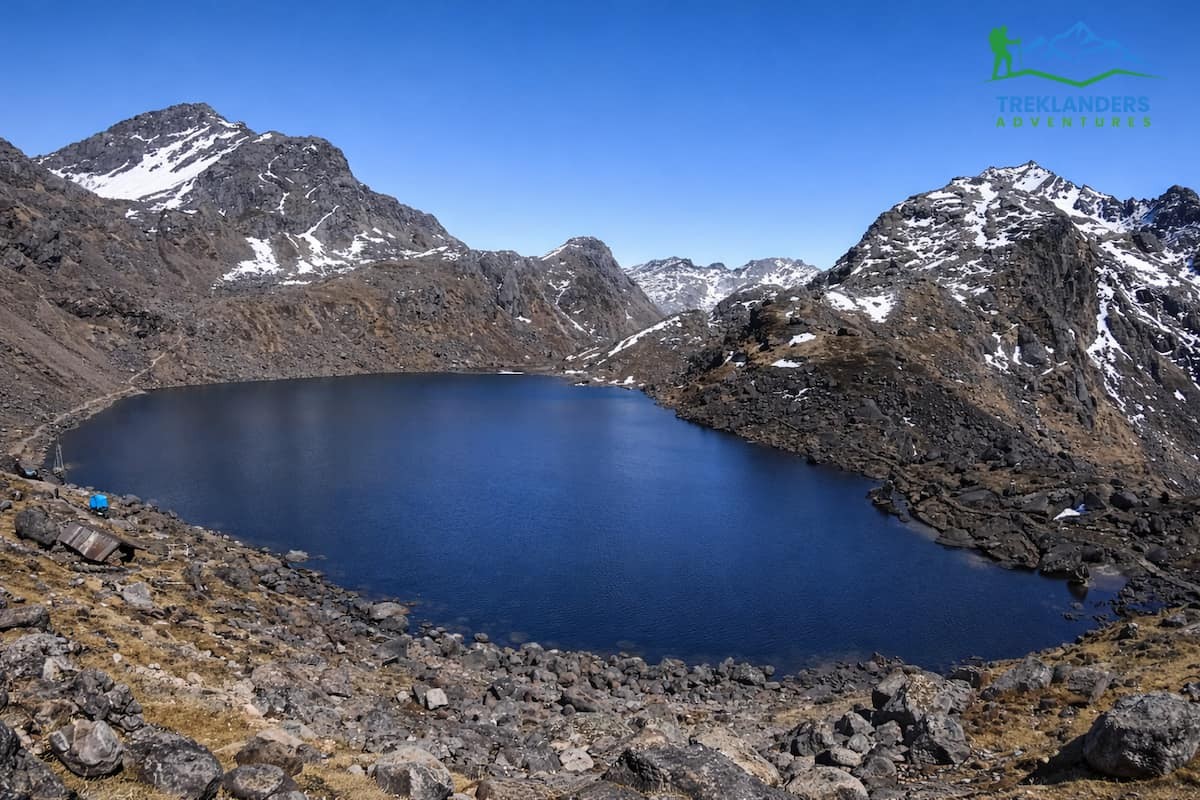
Gosaikunda Lake is probably one of the most religiously significant and visually astounding sites in the Langtang area. Positioned at an elevation of about 4,380 meters, this sacred mountain lake is greatly revered for religious ceremonies by both Hindus and Buddhists. In the Hindu mythology narrative, it is said that Lord Shiva made Gosaikunda, and hence it is a sacred place of pilgrimage where thousands of followers gather during the festival of Janai Purnima in August. The lake is a harmonious blend of its spiritual allure and spectacular natural beauty, a must-see for those on a trek in the Langtang area.
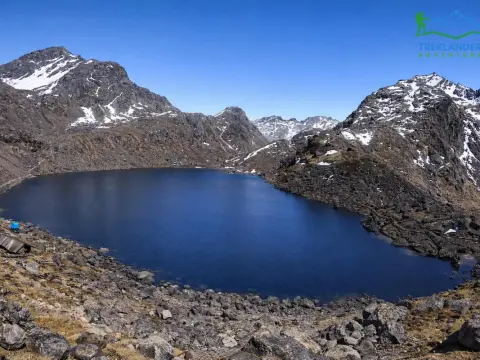
The lake lies in the middle of a desolate alpine landscape with snow-capped mountains and stony ridges around it. Its transparent waters mirror the mountains, forming a very peaceful and almost mystical scenery. In the time of spring and summer, the colorful wildflowers and a few alpine plants brighten the barren landscape, while in the winter, the lake gets covered with ice, making it look so clean and isolated. Visitors who walk to Gosaikunda proceed through mountain meadows at a great height and hills with a smooth wave-like shape, going from forest-rich valleys to natural landscapes at high altitude.
Gosaikunda is often included in a variety of Langtang trekking plans as an add-on, either as a trip around the Langtang-Gosaikunda loop or a side walk from the standard Langtang Valley paths. The trek to the lake is a spiritual and physical workout at the same time, with the high-altitude conditions testing the trekkers and the view of the peaks such as Ganesh Himal and Langtang Lirung from the top rewarding them.
A visit to Gosaikunda Lake is not only about the breathtaking view but also about learning the religious beliefs and cultural traditions of the locals in the Himalayas. For hikers, the mixture of holy significance, stunning landscape, and challenging high-altitude trek turns Gosaikunda into one of the most unforgettable and spiritually rewarding places in the Langtang area.
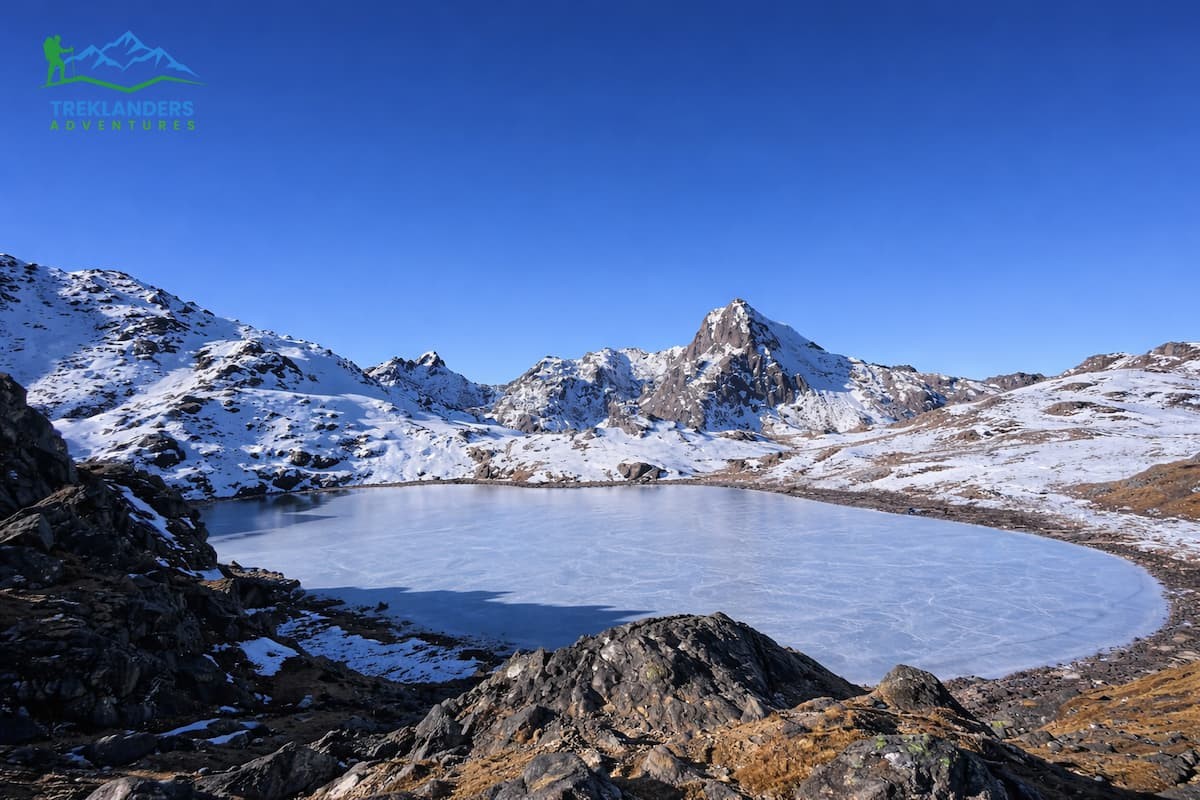
Suryakunda Lake is a pristine high-altitude alpine lake located in the remote Himalayan region of Nepal. It is famous for its natural beauty as well as its cultural and religious significance to the locals. Perched at an altitude of around 4,600 meters, the lake is close to Lauribina La Pass and is part of the popular trekking circuit that connects Langtang Valley and Gosaikunda. The lake derives its name from the sun god Surya, in reflection of its sacred status to both Hindu and Buddhist pilgrims.
It is a wild landscape of rugged mountain ridges and rocky moraines, with vast stretches of alpine terrain that surround the lake. In contrast to the widely known Gosaikunda Lake, the rarely visited Suryakunda provides an environment of serenity and tranquility. The glassy surface of the water mirrors the jagged peaks and the clear blue sky, creating a splendid display of the high mountain world. Under bright skies, the trekkers enjoy stunning views of Langtang Lirung, Dorje Lakpa, and other Himalayan summits covered with snow. The lake is a site of pilgrimage in the Janai Purnima festival season, when devotee’s brave harsh mountain terrain to take a dip in the holy water. It is the belief here that the bodily immersion will wash away the sins and confer spiritual merit. Because of the high elevation and weather conditions, the lake is more often than not covered with ice, which only adds to its mystique.
A trek to Suryakunda from a trekking perspective offers the advantages of both challenging physical exertion and great emotional fulfillment. The path consists of steep climbs, low oxygen in the air, and weather that can change very quickly, so proper acclimatization is absolutely necessary. Still, the feeling of success after arriving at the lake is very great, most of all because of its quiet seclusion and the spiritual atmosphere. There is also an excellent variety of high-altitude plant and animal life near the lake, such as birds of the Himalayas and some alpine plants very resistant to the harsh climate, which have all become specially adapted to the extreme conditions.
To sum up, Suryakunda Lake is a lesser-known treasure of the Himalayas that combines the depths of spirituality, the majesty of nature, and the joys of adventurous mountain trekking. Suryakunda Lake is a place that offers a truly marvelous journey into the sacred wilderness of Nepal's mountains to those seeking peace, cultural understanding, and a genuine high-altitude experience away from the well-trodden tourist paths.
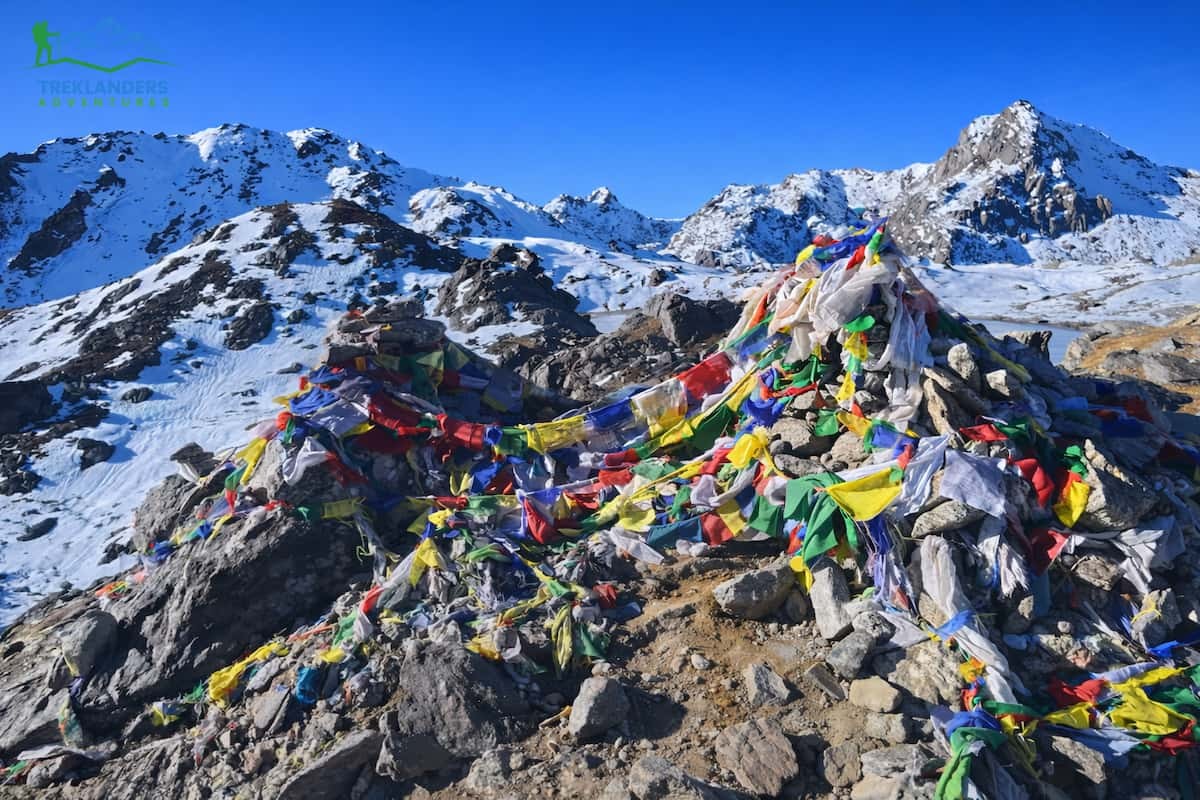
Among the most difficult yet most rewarding high-altitude segments of the Langtang region is Lauribina La Pass (4,610 m). Here, trekkers can have an extraordinary Himalayan experience. This mountain pass, lying at an altitude of 4,610 meters, is a link between the upper Langtang Valley and the Gosaikunda region. It thus serves as a key route for trekkers who combine a high-altitude adventure with cultural exploration. Known for its steep ascent and exposed terrain, Lauribina La requires physical fitness, proper acclimatization, and good preparation, but the stunning views offer an undeniable reward for the effort made.
The way up to Lauribina La takes the trekkers through a variety of landscapes. Initially, the path is through forested and alpine meadow trails, but at higher elevations, the trek enters rocky slopes and moraine-filled paths. The air gets thinner and the terrain more rugged with each step as the trekkers ascend. Along the way, one can see a panorama unrolling in front with snow-capped peaks, glacial streams, and deep valleys. At the top of the pass, trekkers are able to take in the views of such famous Himalayan giants as Langtang Lirung, Dorje Lakpa, and Ganesh Himal, all of which are set against a backdrop of glaciers and distant ridges. The landscape at Lauribina La is spectacular and tranquil. It offers the best picture-worthy moments and a great sense of fulfillment.
Lauribina La Pass is a stirring and commemorative location for trekkers, the attainment of which brings its own rewards besides the pretty view. It can be rather tough to carry on the physical and mental effort, but at the same time, it allows the trekkers to have an intimate experience with the high Himalayan Mountain environment. The way down to the Gosaikunda area is just as fabulous, with vistas of mountain lakes, pastures, and the homes of local villagers. Lauribina La Pass still stands out as an absolute highlight for the thrill-seeking adventurers who get a high-altitude workout along with some of the most dramatic and eternally beautiful vistas in the Langtang region.
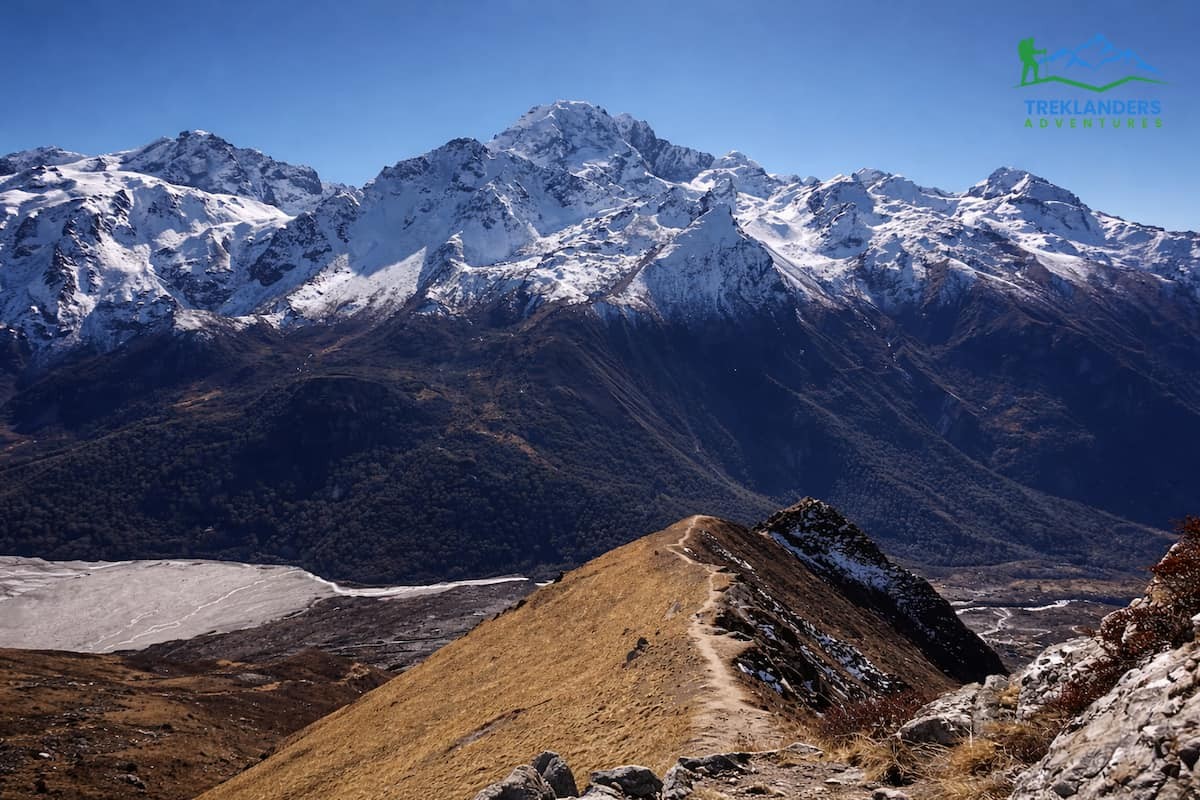
To sum up, the Langtang area has so much natural beauty, cultural history, and Himalayan adventure that one can simply call it a treasure. There are serene villages and lush forests. Not to forget the towering peaks, glaciers, and sacred lakes. Each of the trekking attractions offers the hikers a different experience. If you are one who seeks awe-inspiring sceneries, spiritual encounters, or simply the mountain way of life, then Langtang Valley will be a memorable journey you can tick off your list of places to trek.
A quick guide comparing Langtang Valley vs Mardi Himal Trek to help you choose the right Himalayan adventure.
Langtang Valley vs Ghorepani Poon Hill Trek 2026: altitude, difficulty, scenery, culture, and best choice.
A complete facts guide to the Annapurna Circuit Trek covering route, altitude, Thorong La Pass, permits, and difficulty.



