
10 Best Treks in Nepal for September : Complete Guide to Weather, Trails & Trekking Routes
31 Jul 2026
Discover the best treks in Nepal for September, with expert tips on weather, trail conditions, and the perfect Himalayan adventure.

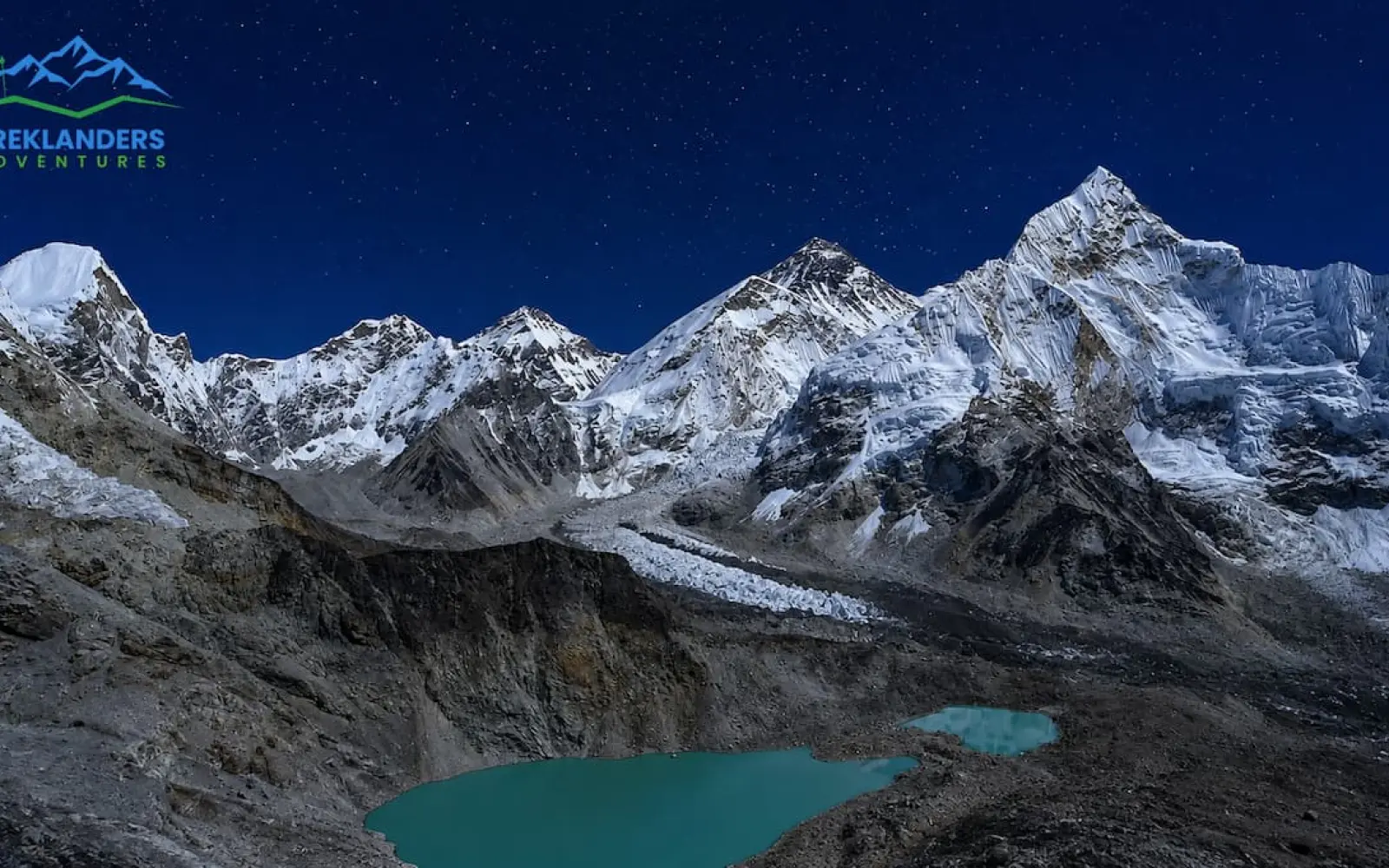
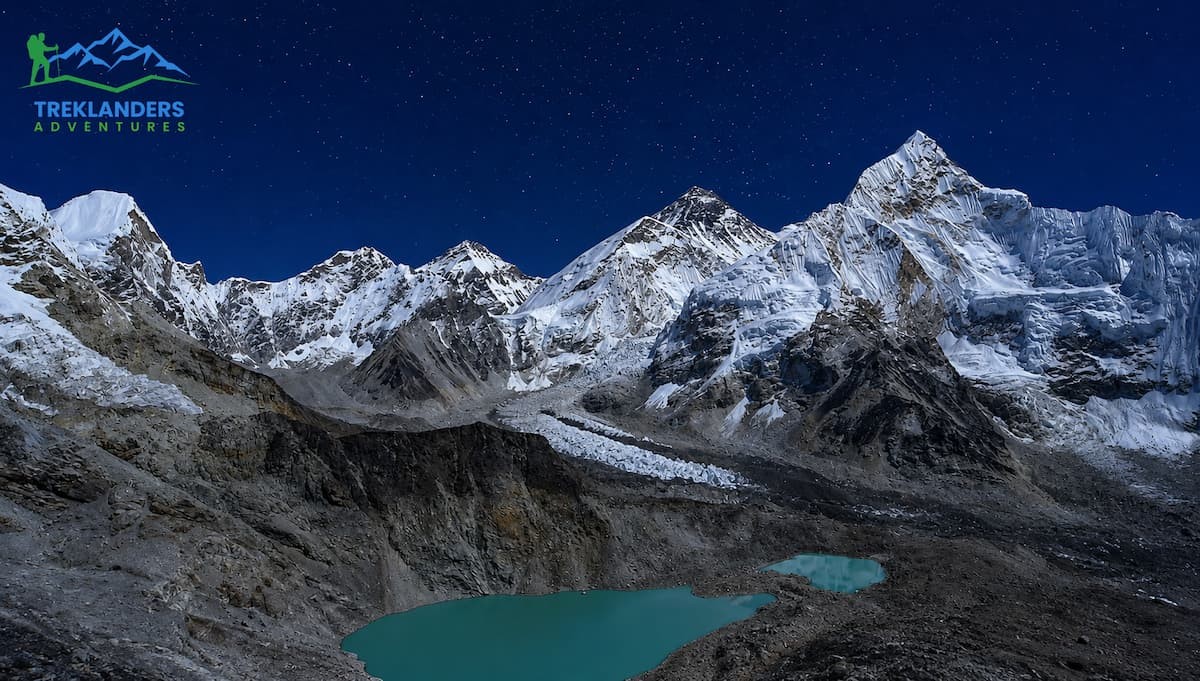
Autumn arrives in Nepal in late September and holds the trails until late November. Ask any guide in Kathmandu or Pokhara which months they prefer to work, and most point straight to this window. The monsoon has washed the dust out of the sky, the temperatures sit in a comfortable range, and the mountains stand out against the blue with a clarity you rarely get any other time of year.
If you are planning your first trek in the Himalayas or your tenth, autumn changes the experience in ways that go beyond good weather. It affects your safety on the trail, the quality of your photos, the food and rooms available at teahouses, and even who you meet along the way. This guide walks through exactly why autumn works so well for trekking in Nepal, and how to use that knowledge to plan a stronger trip.
Why Autumn Stands Out as Nepal's Peak Trekking Season
Nepal has four broad trekking windows: spring, summer monsoon, autumn, and winter. Summer brings heavy rain to most of the country, which turns trails into mud and blocks mountain views with cloud. Winter brings clear skies too, but the cold at altitude keeps many trekkers away from high passes and remote regions. Spring offers good weather and rhododendron blooms, but afternoon haze builds up as the dry season wears on.
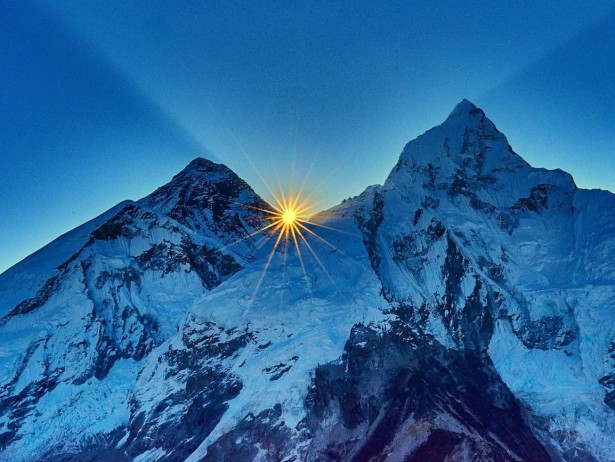
Autumn sits between the monsoon and winter, and it inherits the best of both. The rain has just stopped, so the air is clean and the rivers run full and clear. Winter's cold has not yet set in, so nights at altitude stay manageable rather than brutal. Every major agency in Nepal, Treklanders included, sees its highest volume of trekkers book trips for September through November, and the reason is simple: the odds of a smooth trip are higher during these ten or so weeks than at any other point in the calendar.
This is not a marketing claim. It comes from decades of pattern observation by guides who walk these trails season after season. Trekking agencies build their staffing, permit applications, and teahouse bookings around this reality, because demand concentrates so heavily in autumn.
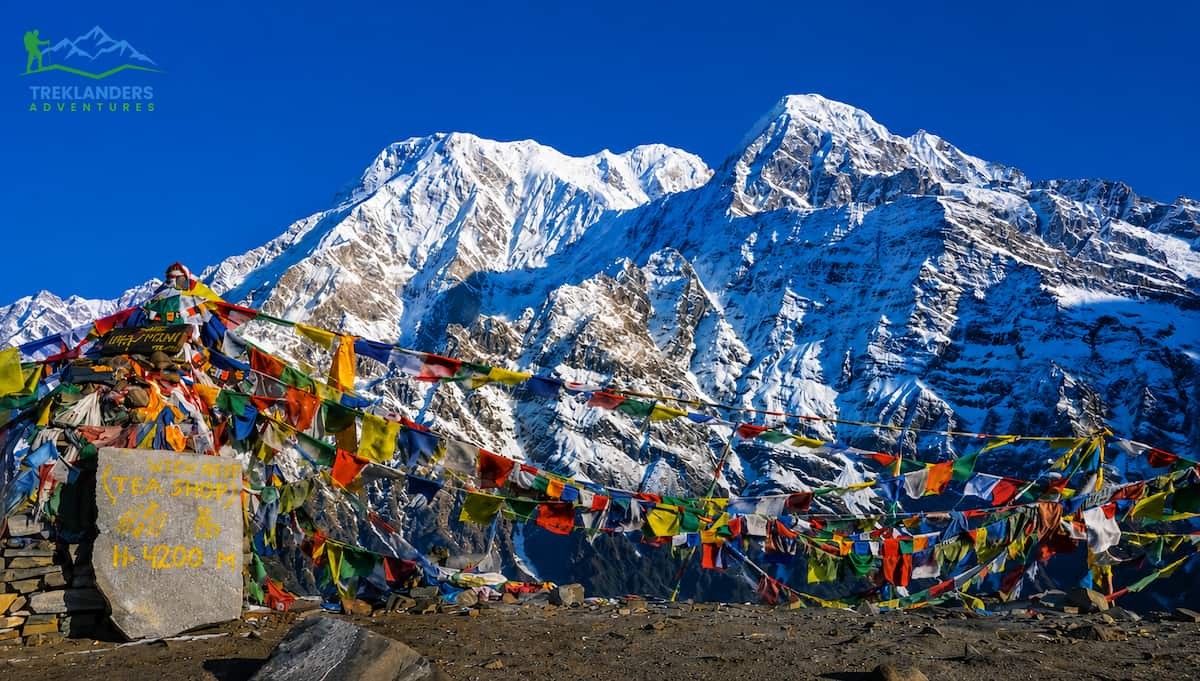
Comparing autumn side by side with the other three seasons makes the case even clearer. Summer monsoon, running roughly June through early September, brings daily rain to most of Nepal outside rain-shadow regions like Upper Mustang and Upper Dolpo. Trails turn to mud, leeches show up in forested lower elevations, and cloud cover blocks mountain views for days at a stretch. Very few trekkers choose this window unless they are specifically after a quiet trail or a botanical trip timed around monsoon flowers.
Winter, from December through February, offers some of the same clear-sky benefits as autumn, and many photographers prefer it for that reason. The tradeoff is cold. Night temperatures at altitude routinely drop well below freezing, some high passes close due to snow, and shorter daylight hours compress your walking window. Winter suits experienced trekkers heading to lower-altitude routes, but it adds real risk and discomfort on high passes like Thorong La or the Everest Three Passes route.
Spring, March through May, sits closest to autumn in comfort and popularity, and it has one advantage autumn cannot match: rhododendron forests in full bloom on routes like Ghorepani Poon Hill or Mardi Himal. Spring also runs into a problem that builds as the dry season wears on. Dust and haze accumulate in the air over the weeks between the last winter snow and the first monsoon rain, and by late April visibility on many routes has dropped compared to how it looked in October or November of the previous autumn. Spring afternoons also tend to cloud over more than autumn afternoons, which can block views right around the time many trekkers reach a summit viewpoint.
Autumn avoids the worst problems of the other three seasons at once. It skips the mud and leeches of monsoon, the bitter cold and pass closures of winter, and the building haze of late spring. That combination is the real reason it holds its position as Nepal's most booked trekking window year after year.
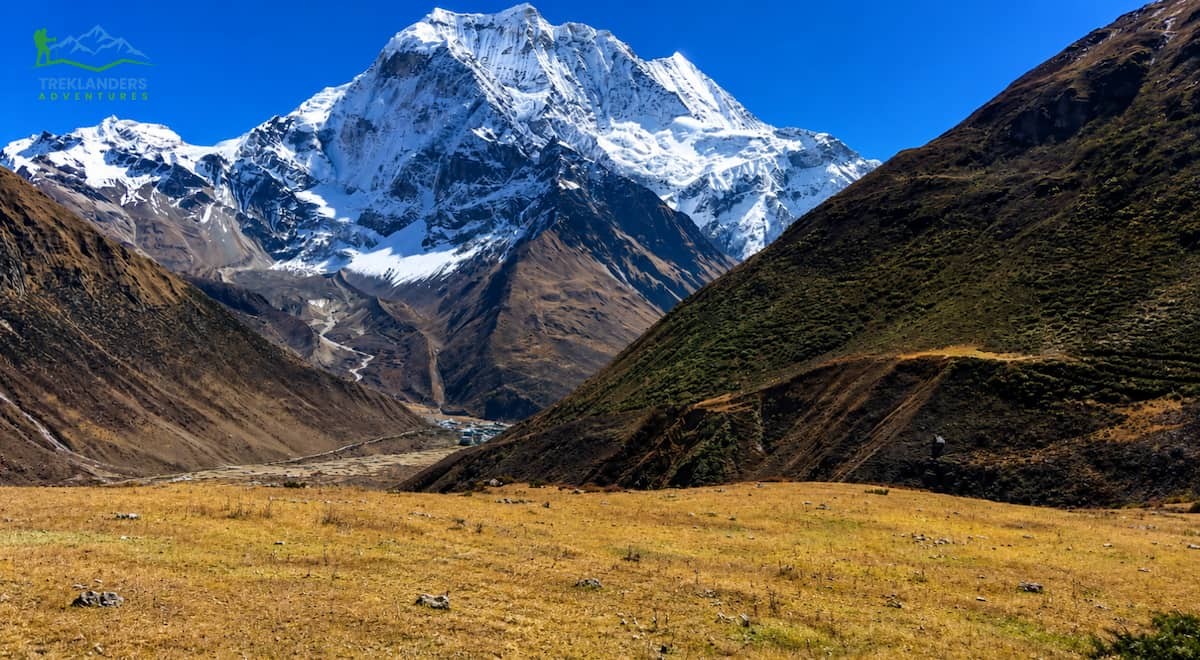
The single biggest reason people choose autumn is visibility. Monsoon rain scrubs pollution and dust out of the atmosphere between June and September. Once the rain stops, that clean air stays in place for weeks before haze builds up again ahead of the next spring.
This matters enormously in the mountains, where the entire point of the trek is often the view. On a clear autumn morning at Poon Hill, you can pick out Dhaulagiri, Annapurna South, Machhapuchhre, and a long stretch of the Annapurna range without a single cloud in the way. On the Everest Base Camp trek, autumn mornings at Kala Patthar routinely deliver full, uninterrupted views of Everest, Nuptse, and Lhotse. Trekkers who walk the same route in spring often report a thinner, hazier version of the same view, especially by mid-morning once the valley warms up.
Photographers value autumn for this reason above all others. Contrast is sharp, colors read true in photos, and you rarely need to wait around for cloud to clear. If a trip report or brochure includes a postcard-perfect shot of a snow peak against a deep blue sky, there is a good chance it was taken in October or November.
Visibility also affects your day-to-day navigation and decision-making on the trail. Guides can point out the next pass, identify a distant village, or show you where the trail switches back, because they can actually see it. In heavy cloud or rain, all of that becomes guesswork, and pace naturally slows down.
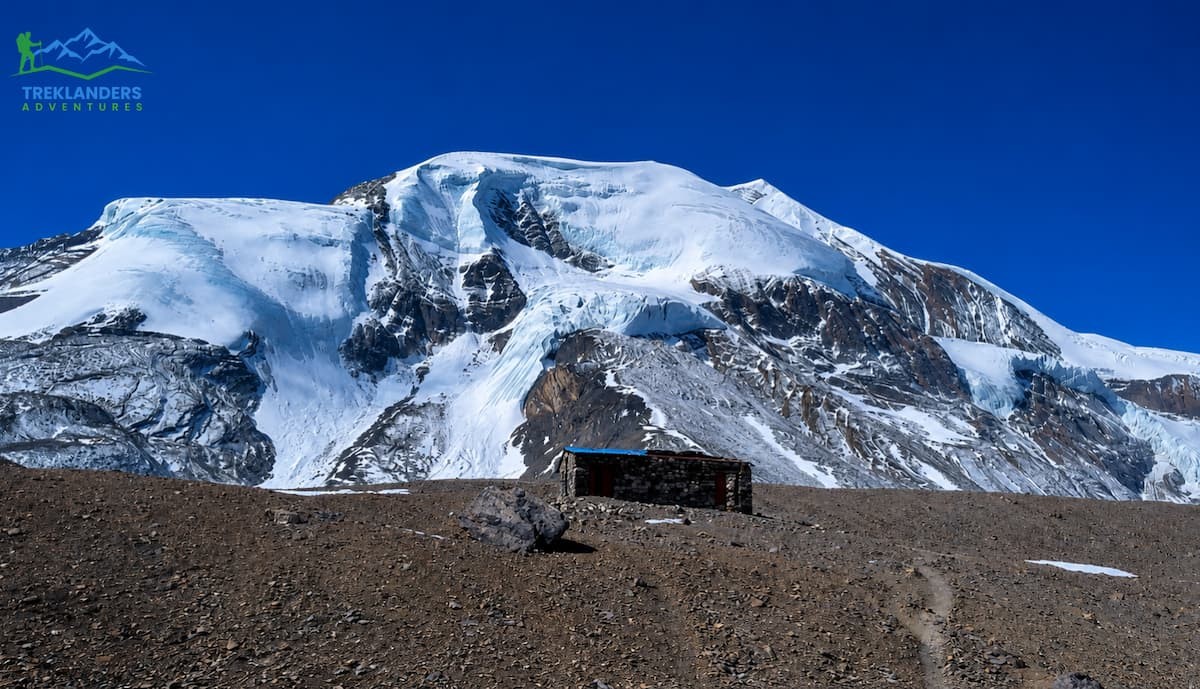
Temperature swings define how enjoyable a trek feels, and autumn keeps those swings within a workable range. At lower elevations, such as the lush hills around Ghandruk or the terraced fields near Helambu, daytime temperatures often sit between 15 and 20 degrees Celsius, which is warm enough for a t-shirt on the move but cool enough that you are not fighting heat exhaustion on steep climbs.
Higher up, at places like Dingboche or Manang, autumn days still allow comfortable walking in a light fleece, while nights drop toward freezing but rarely turn dangerously cold the way they do in December and January. This matters most for sleep quality and recovery. A trekker who sleeps well at 4,000 meters recovers better and acclimatizes better than one who spends the night shivering.
Rainfall drops sharply once the monsoon clears out. Where July and August might bring rain most afternoons, October sees only occasional short showers, and November is typically dry from start to finish. That predictability lets you plan your daily walking window with more confidence, since you are not constantly checking the sky for an incoming storm.
Wind is another factor that autumn handles better than most seasons. Storms and jet-stream winds that batter high passes in winter tend to hold off until later in the season, so crossing something like Thorong La or the Cho La generally happens under calmer conditions in October and early November than it would in December.
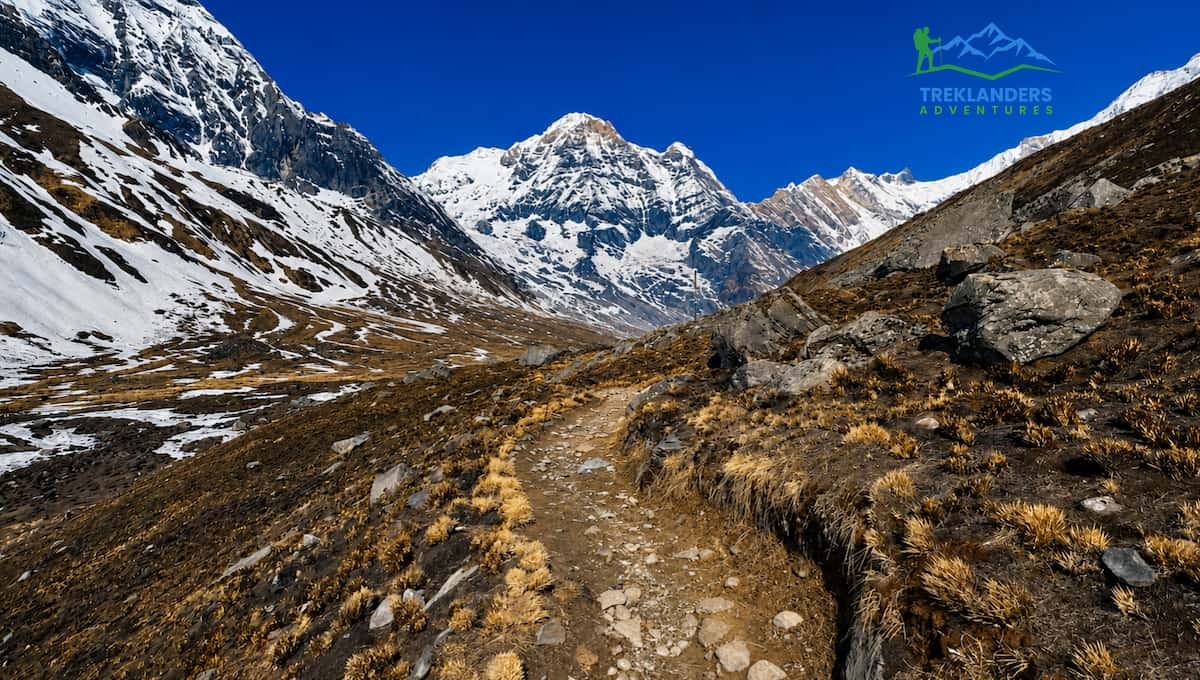
Trail conditions shift dramatically between monsoon and autumn. During the rainy months, paths through the mid-hills turn slick with mud, streams swell and sometimes wash out sections of trail, and leeches become a persistent nuisance in forested lower elevations like the approach to Annapurna Base Camp or the lower Langtang valley.
By the time autumn sets in, most of that clears up. Trails firm up within a couple of weeks of the monsoon ending, footing becomes far more predictable on steep and rocky sections, and the leech problem disappears almost entirely. This reduces your risk of slips and falls, which are among the most common injuries reported on Nepal's trekking routes.
River crossings also become safer. Suspension bridges and log crossings that carry dangerous volumes of glacial meltwater and rain runoff during monsoon settle down to manageable levels by September and October. Guides who have to make daily judgment calls about crossing swollen streams get a much easier job in autumn, since water levels drop and stay lower through most of the season.
Landslide risk drops as well. Nepal's hill terrain is naturally prone to slides when soil is saturated, and monsoon rain saturates it heavily. Once the rain stops and the ground dries, the terrain stabilizes, and the roads and trails that connect trailheads to the highway network, such as the Besisahar to Chame stretch on the Annapurna Circuit or the Syabrubesi road into Langtang, run with far fewer disruptions.
Autumn in Nepal is festival season, and this adds a layer to trekking that no other time of year offers. Dashain, the country's biggest festival, usually falls in late September or October, followed a couple of weeks later by Tihar, the festival of lights. Both fall squarely within the main autumn trekking window.
Trekking through villages during Dashain means walking past homes decorated for the holiday, seeing families gather, and often getting invited to share tea or food by locals celebrating the season. Kites fill the sky over the Kathmandu Valley in the lead-up to Dashain, a tradition tied to the festival. In rural areas along routes like Helambu or the lower Annapurna foothills, you may see bamboo swings built specially for the occasion, a Dashain custom that goes back generations.
Tihar brings its own atmosphere. Homes get decorated with oil lamps and marigold garlands, and the festival includes specific days honoring crows, dogs, cows, and finally the bond between brothers and sisters. Trekking through a village lit up for Tihar in the evening, with marigold strings across doorways, gives you a version of Nepal that a trekker visiting in March or June simply does not encounter.
For guides and porters, autumn festivals carry personal weight too. Many take short breaks to return home for Dashain, and a trekking company with an established local team, the kind Treklanders has built up over years of operating in these regions, plans staffing and schedules around this so your trip is not disrupted while still respecting the cultural importance of the season for the people supporting your trek.
Beyond the visual and cultural experience, trekking during festival season often means richer conversations with locals along the trail. People are in a celebratory mood, tea houses put out special seasonal dishes, and villages that might otherwise feel quiet come alive with music and gatherings.
Dashain itself runs for fifteen days, though the main celebrations concentrate around the final few. Families travel from cities back to their home villages for the holiday, so trekking through the hills during this period, you may notice houses freshly painted, courtyards swept clean, and extended families gathered together in a way you would not see during a quieter month. The tika ceremony, where elders bless younger family members with a mix of rice, yogurt, and vermilion on the forehead, is a Dashain tradition you may see practiced in teahouses and villages along the way.
Tihar follows a similar pattern of household preparation, with the added visual element of light. Rows of small oil lamps line doorways and windowsills each evening, and in villages without much electric lighting, this creates a genuinely striking scene after dark. If your trek timing lines up with Tihar, walking into a village lit this way at dusk is a memory that stands apart from anything you would experience trekking the same route in a different month.
Nearly every trekking route in Nepal benefits from autumn conditions, but a few stand out because they depend so heavily on clear mountain views and stable high-altitude weather.
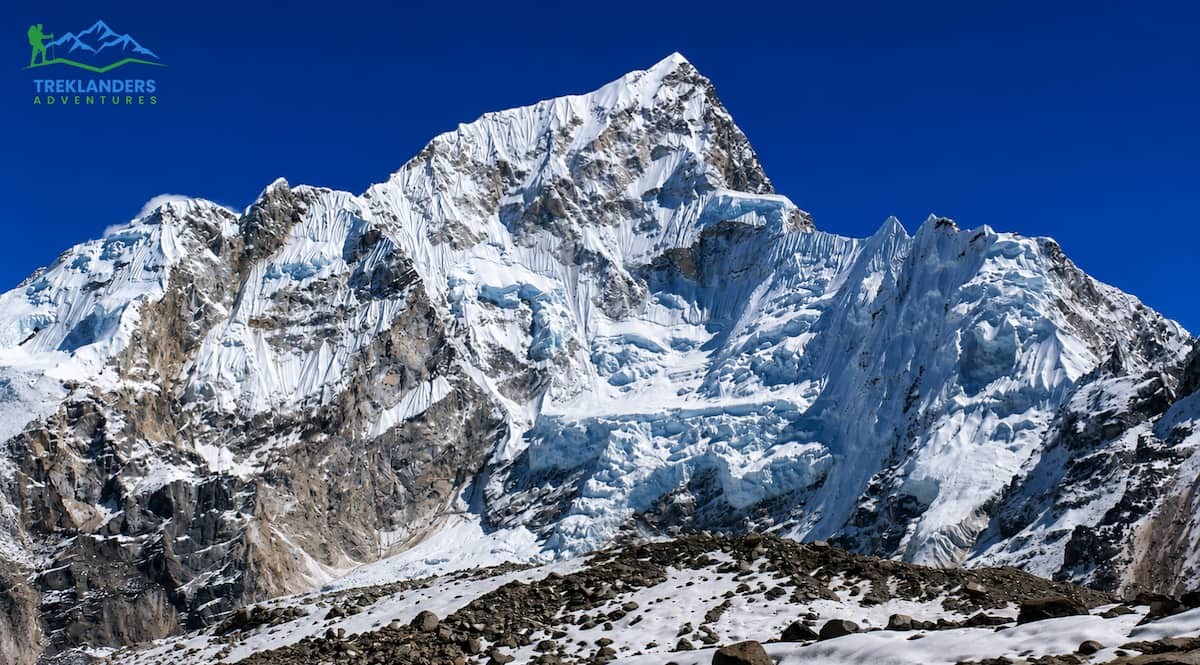
This route lives and dies by visibility. The entire draw of walking to Everest Base Camp or climbing Kala Patthar is the payoff view of Everest and its neighboring peaks. Autumn delivers that payoff more consistently than any other season, which is why routes like the classic Everest Base Camp Trek, the 12-Day Everest Base Camp Trek, and the Everest Base Camp Trek with Lobuche East Peak Climbing Expedition see their busiest months from late September through November.
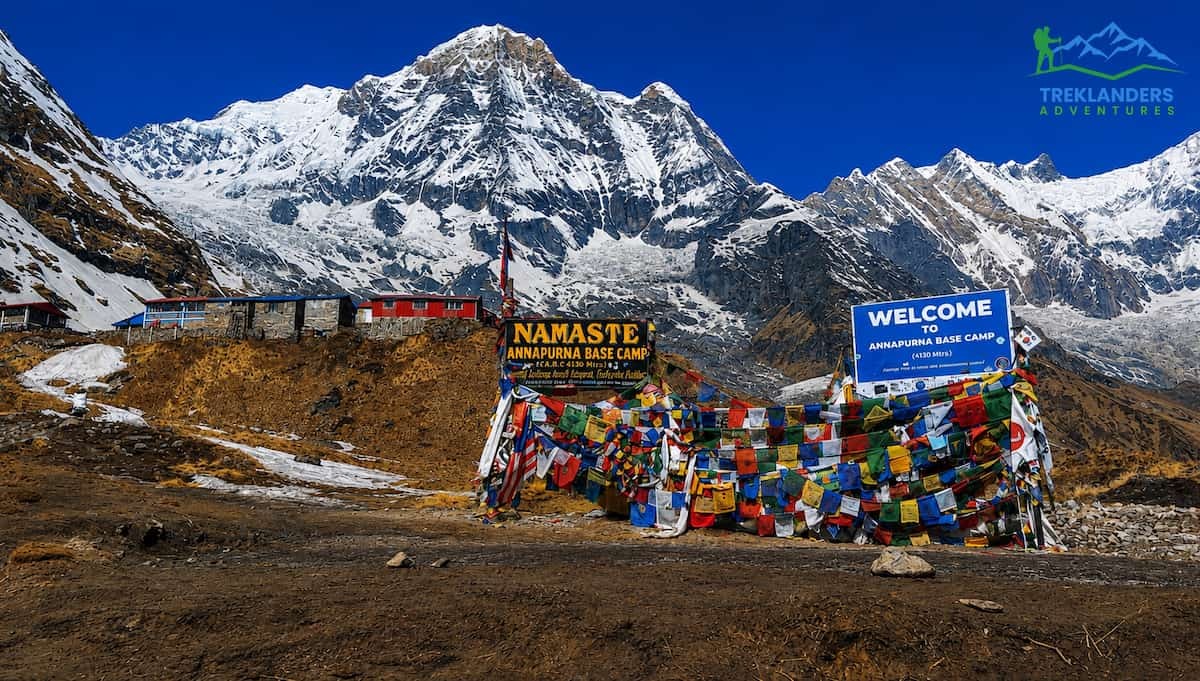
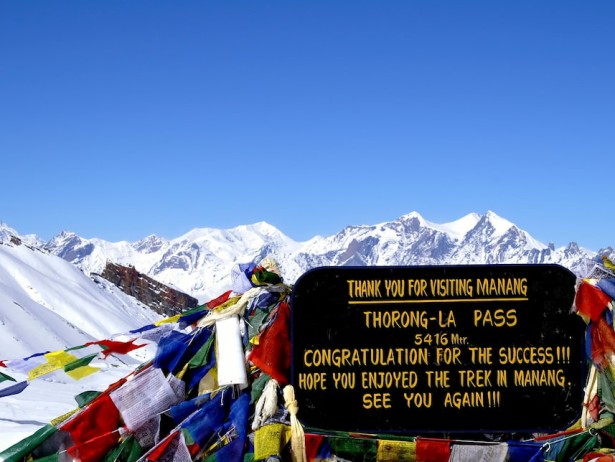
These routes pass through a wide range of elevations and ecosystems, from subtropical forest to high alpine terrain, and autumn keeps every one of those zones pleasant to walk through. The 7-Day Annapurna Base Camp Trek from Pokhara and the longer 11-Day Annapurna Base Camp Trek both benefit from dry trails and open mountain views at the sanctuary itself. On the Annapurna Circuit, crossing Thorong La in autumn means calmer wind and less risk of the pass closing due to early snow, which becomes more of a concern later in the season.
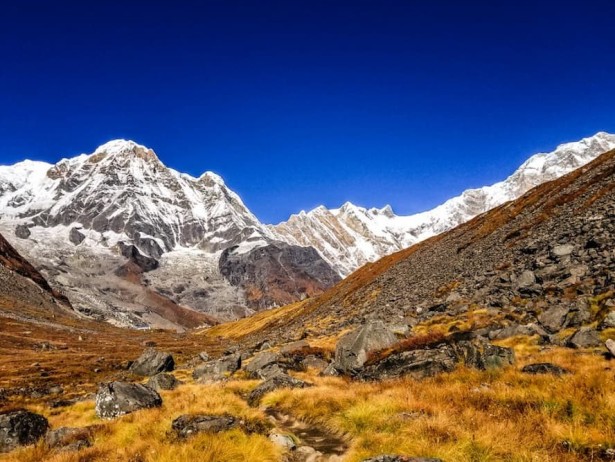
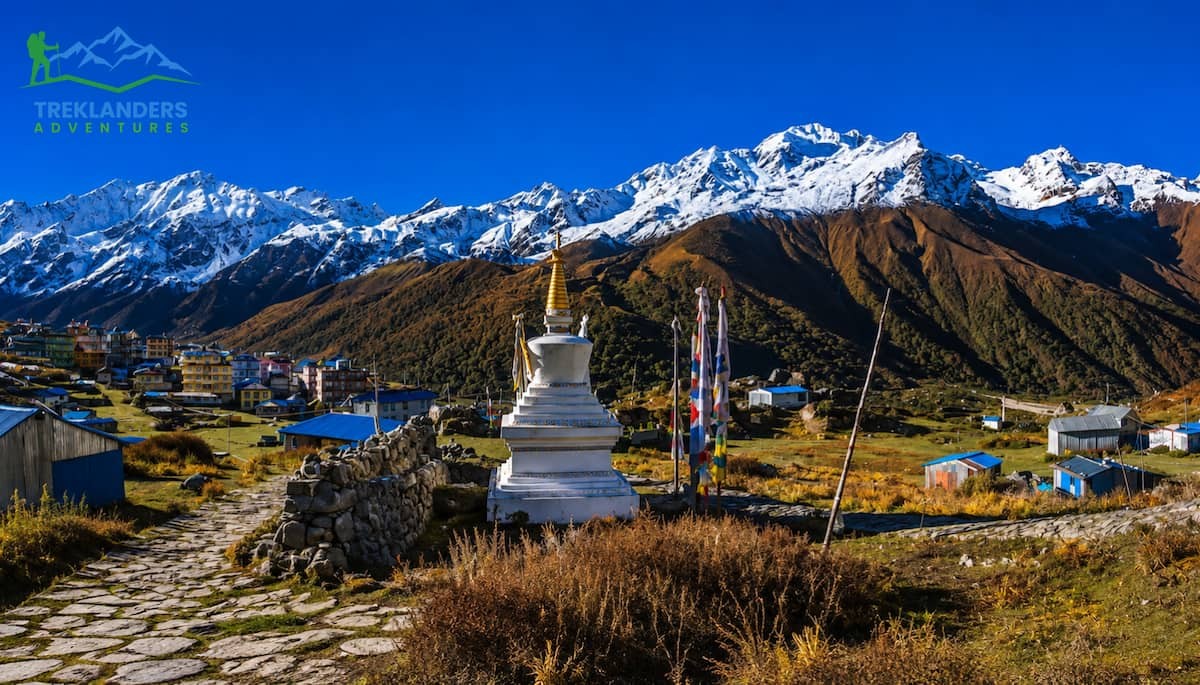
Closer to Kathmandu, these routes see excellent forest color in autumn as the monsoon greenery starts to shift, combined with clear views of Langtang Lirung and the surrounding peaks. The Langtang Valley Trek and Gosainkunda Lake Trek both work well as shorter autumn options for trekkers with limited time.

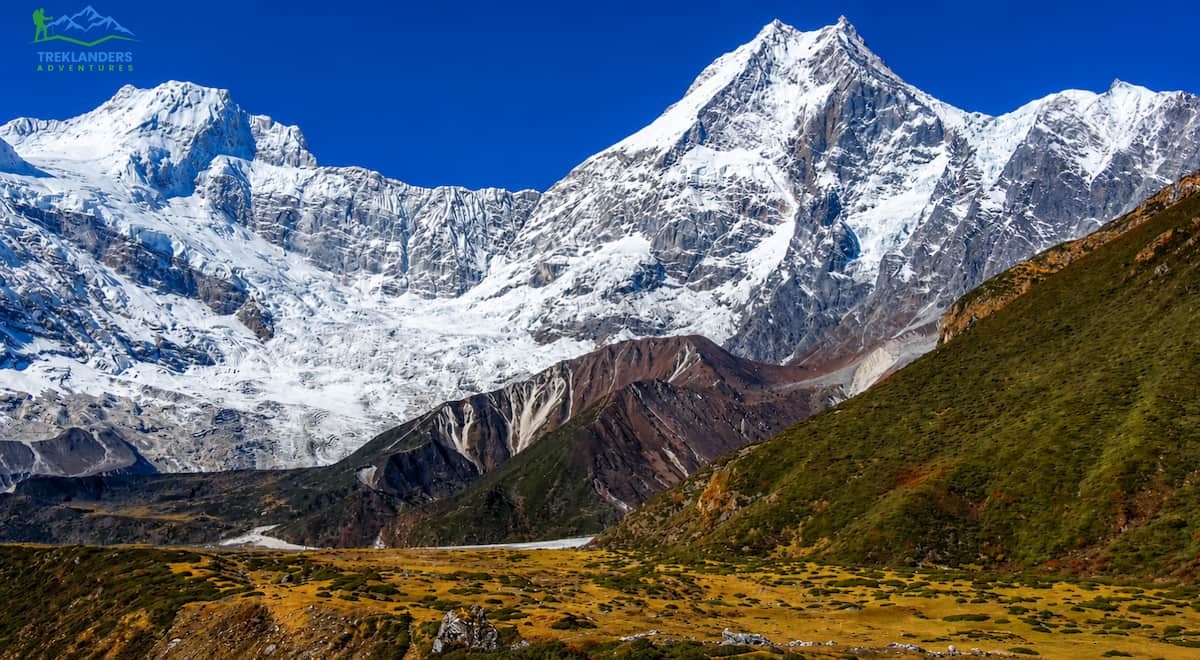
This restricted region requires a special permit and rewards trekkers with a quieter trail than Everest or Annapurna. Autumn conditions make the Larke La pass crossing far more predictable, and the 13-Day Manaslu Circuit Trekking and 14 Day Manaslu Circuit Trek both benefit from the season's dry, stable weather at altitude.
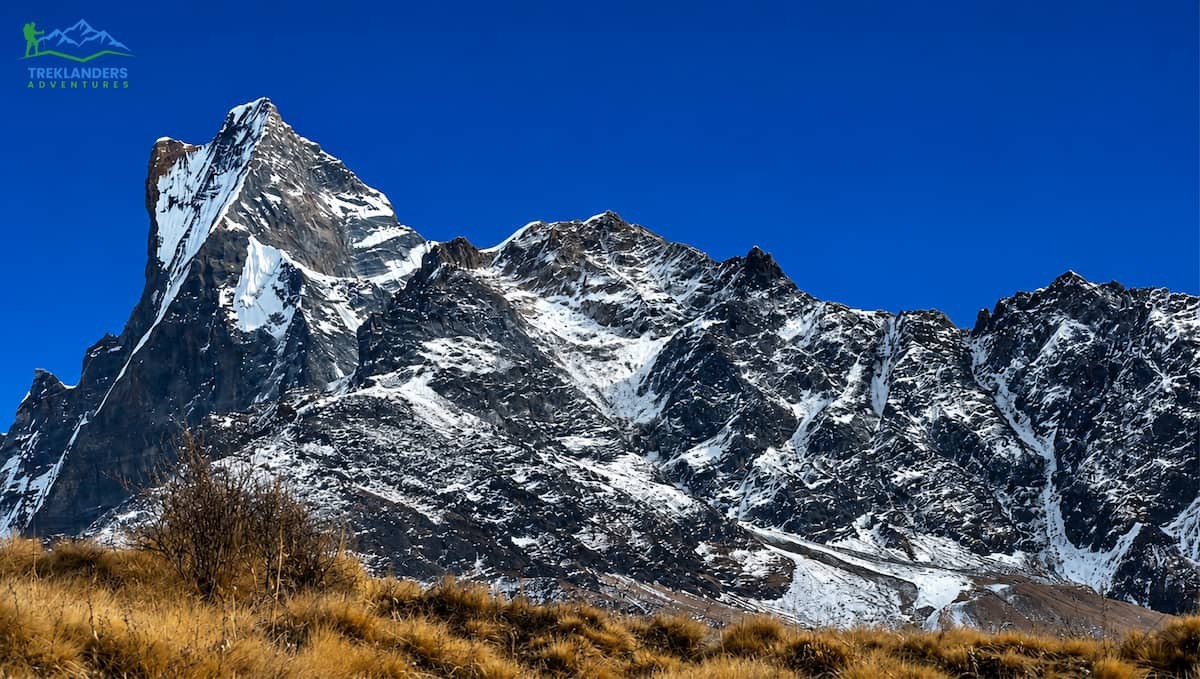
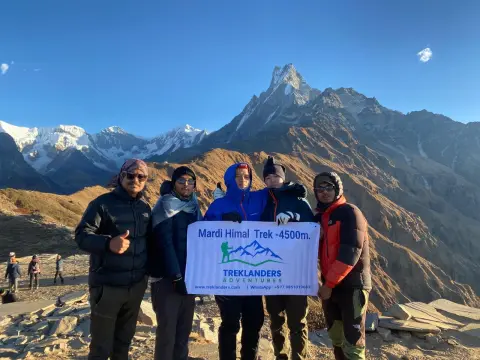
These shorter treks near Pokhara are ideal for trekkers who want big mountain views without committing to three or more weeks. The 9 Day Mardi Himal Trek and the 4-Day Ghorepani Poonhill Trek from Pokhara both hinge on clear sunrise views of the Annapurna and Dhaulagiri ranges, which autumn delivers with far more consistency than the hazier months of spring.
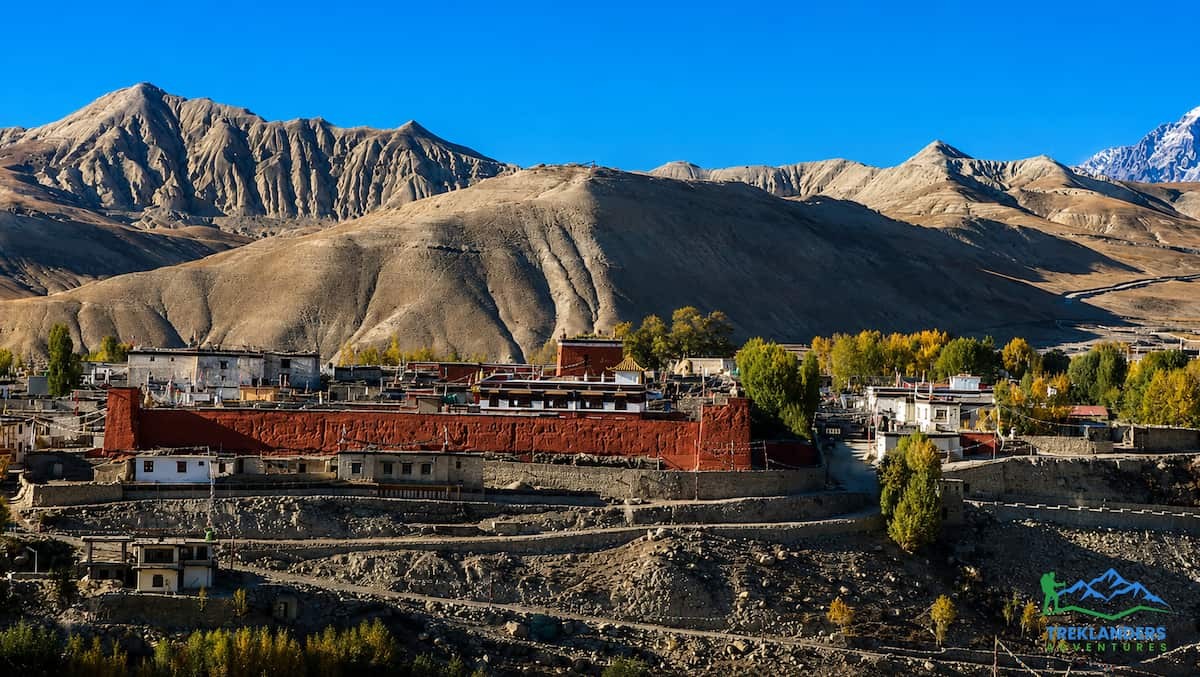
For trekkers seeking something more remote, Upper Mustang sits in a rain shadow and can technically be trekked in monsoon, but autumn still offers the most comfortable temperatures and clearest access. Kanchenjunga, in Nepal's far east, benefits enormously from autumn's dry trails given how much forest and river terrain the route covers before reaching high altitude.
Whichever route you choose, autumn conditions reduce the number of variables working against you, which lets you focus your energy on the walking itself rather than managing weather-related setbacks.
Altitude sickness is one of the most serious risks on any high-altitude trek in Nepal, and weather stability plays a bigger role in managing that risk than most trekkers realize. Acclimatization depends on your body having consistent conditions to adjust to. Wild swings in temperature, sudden storms that force rushed itinerary changes, or unexpected cold snaps at altitude can all interfere with the gradual, steady ascent that proper acclimatization requires.
Autumn's predictable weather pattern supports the "climb high, sleep low" approach that guides use to help your body adjust safely. When the forecast holds steady day after day, your guide can plan acclimatization days at the right points in the itinerary and trust that a scheduled rest day at a place like Namche Bazaar or Manang will play out as planned, rather than being disrupted by a storm that forces an early move to a different elevation.
Because trails stay dry and visibility stays high, guides can also monitor how you are handling the altitude more closely. Watching your pace, your breathing, and your color is easier when you are walking in daylight through open terrain rather than through fog or rain. That extra margin of observation lets a good guide catch early symptoms of altitude sickness before they become serious, which is one of the quieter but genuinely important safety benefits of trekking during this season.
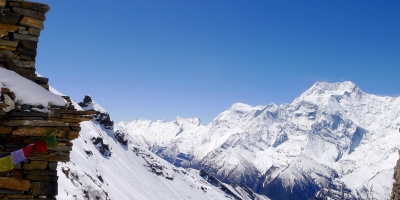
Air quality shifts noticeably once the monsoon clears out, and this has a direct effect on how your body performs on the trail. Kathmandu and Pokhara both see improved air quality once the rains wash out dust and particulate matter, and that cleaner air extends up into the hills as you start walking. Breathing easier at the trailhead means less strain before you even reach altitude, where your lungs are already working harder to extract oxygen from thinner air.
Cooler autumn temperatures also reduce the physical toll of steep climbs. Overheating on a long uphill stretch drains energy fast and increases fluid loss through sweat, which then increases your risk of dehydration, a factor that compounds altitude sickness symptoms. Autumn's moderate daytime temperatures let you maintain a steady pace without the heat exhaustion that can set in during warmer months on exposed, sun-facing trail sections.
Sleep quality benefits too. Teahouse rooms without heating stay far more comfortable on an autumn night than in the depths of winter, and better sleep translates directly into better recovery and steadier energy levels day after day on a multi-day trek. Trekkers consistently report feeling stronger and more rested during autumn treks compared with trips taken in the harsher extremes of monsoon heat or winter cold.
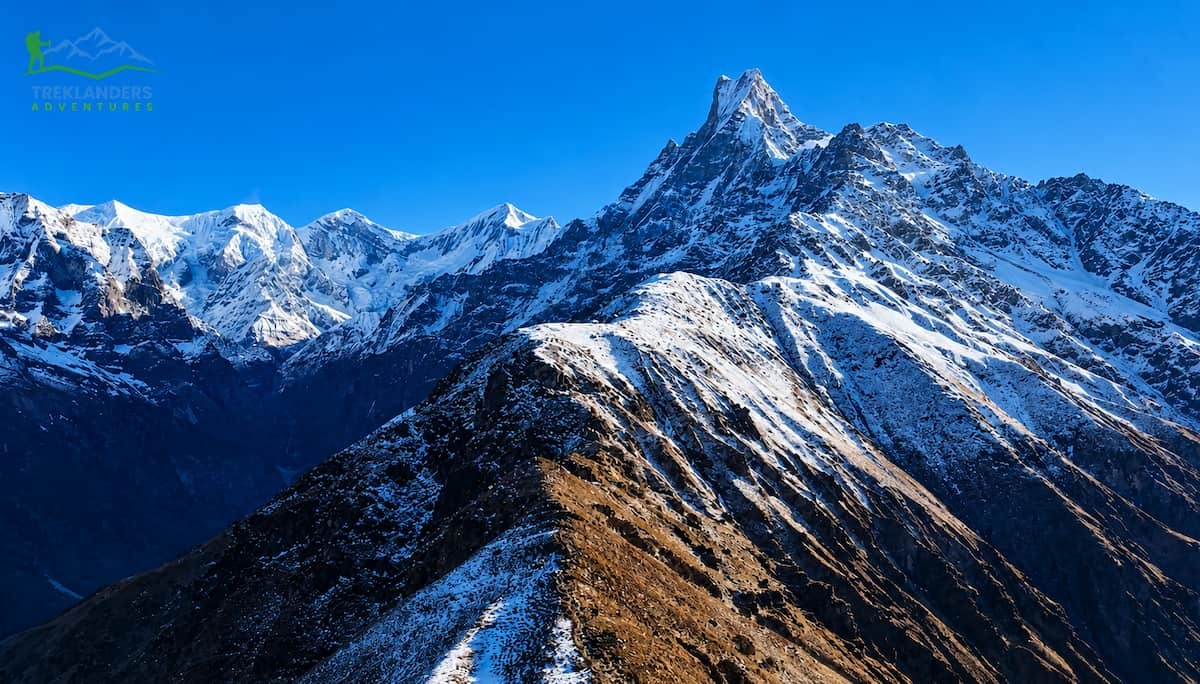
Autumn transforms the visual character of Nepal's trekking routes. The monsoon leaves hillsides a deep, saturated green, and as autumn progresses, terraced farmland turns gold with ripening rice and millet, particularly noticeable on routes like the lower stretches of the Annapurna or Langtang treks that pass through farming villages.
At higher elevations, the light itself changes. Autumn sun sits at a lower angle than the harsh midday summer sun, which produces longer shadows and a warmer color temperature in early morning and late afternoon, the exact hours photographers call the golden hours. Combined with the clean, haze-free air, this light makes autumn the season most photographers request when booking a trek specifically for photography.
Sky color also benefits. Deep, saturated blue skies are far more common in autumn than the whitish, hazy skies typical of late spring. This difference shows up clearly in any side-by-side comparison of photos taken at the same viewpoint in different seasons, whether that viewpoint is Kala Patthar, Poon Hill, or the Annapurna Base Camp amphitheater itself.
Even without a professional camera, the visual clarity of autumn trekking sticks with you. Trekkers who walk in this season consistently describe being able to see farther, more clearly, and with sharper detail than they expected, from distant snow ridges down to individual prayer flags fluttering on a bridge two valleys away.
Autumn is peak season, and that means more people on the trail. Some trekkers see this as a downside, but for many it becomes one of the best parts of the trip. Teahouses fill with a mix of nationalities and backgrounds, dining rooms buzz with conversation in the evening, and it becomes easy to swap stories, tips, and encouragement with people tackling the same route.
This social atmosphere has practical value too. Trails see more foot traffic, which means paths stay well-marked and well-maintained through natural use, and help is rarely far away if you run into trouble. Guides and porters also tend to know each other across different groups, since the same teams work the same routes throughout the season, and this creates a kind of informal support network on the trail that thinner seasons simply do not have.
Group trek departures, which many agencies including Treklanders run specifically during peak months, work best in autumn for exactly this reason. Joining a group means splitting costs on shared guides and porters, but it also means walking alongside other travelers who become part of the story of your trip, from summit morning conversations over hot tea to shared relief at reaching a high pass together.
Teahouse owners also plan their busiest, most well-stocked months around autumn. Menus tend to be more varied, staff numbers are higher to handle the volume, and rooms get maintained and cleaned more frequently given the steady flow of guests. None of this happens by accident. It reflects decades of teahouse operators adjusting their business around the same seasonal patterns that guide companies plan their trips around.
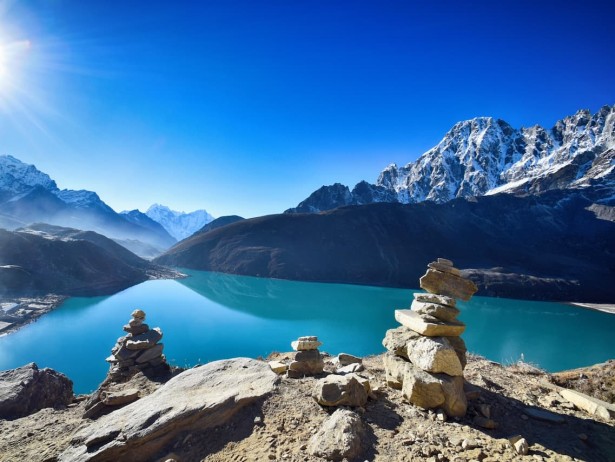
Nepal's mid-hill forests come alive with activity in autumn. Lower-elevation trekking routes, such as the approach to Annapurna Base Camp through Chhomrong and Sinuwa, or the forested lower sections of the Manaslu Circuit, pass through dense rhododendron and oak forest that supports a wide range of birdlife and small mammals.
Autumn is also harvest season in the hills, which means you will pass through villages busy with the seasonal rhythm of farming life. Millet, rice, and buckwheat fields get harvested through September and October, and it is common to see entire families out working the terraces, threshing grain by hand, or drying crops on rooftops and courtyards. This adds a layer of everyday cultural texture to the trek that goes beyond the mountain scenery itself.
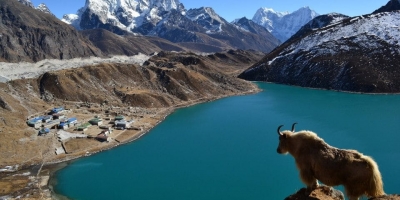
Higher-altitude routes bring their own encounters. Yaks graze in high pastures like those above Manang or Kyanjin Gompa, taking advantage of the last good grazing weeks before winter forces them lower. Danphe, Nepal's national bird, and other high-altitude species are more visible in the clear, dry conditions of autumn than in the fog and rain of monsoon.
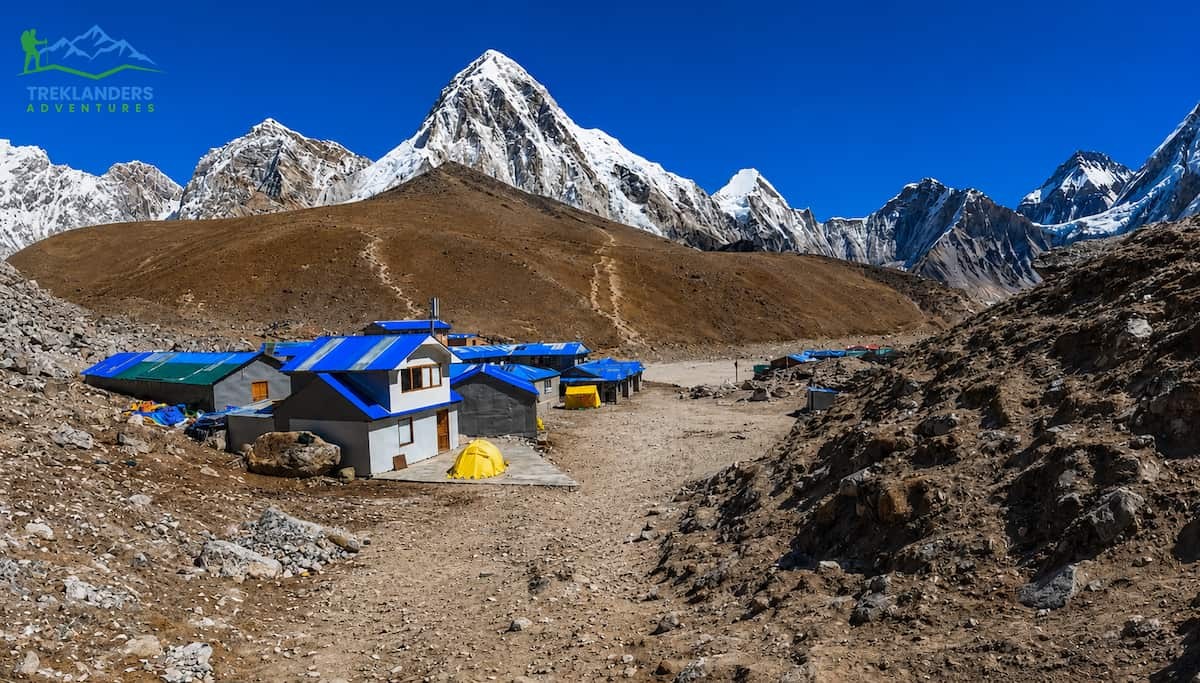
Beyond weather and views, autumn offers a set of practical advantages that make the entire trip run more smoothly. Teahouses along every major route stay open and fully staffed during this period, since it represents their busiest and most profitable stretch of the year. This means more reliable hot showers, better food variety, and generally higher standards of comfort than you would find during the quieter monsoon or deep winter months.
Guides and porters are also at their sharpest during autumn. Companies bring on their most experienced staff for peak season, and because so many trekkers are on the trail at once, local knowledge gets shared constantly between teams working the same route. If a bridge is out, a trail section has shifted, or a particular teahouse has closed for renovation, that information travels fast among guides working the same season.
Flights to mountain airstrips, particularly the notoriously weather-sensitive Lukla airport on the way to Everest Base Camp, run with far better reliability in autumn than in monsoon or winter. Clear skies mean fewer cancellations and delays, which matters enormously given how tightly most trekking itineraries are scheduled around flight timing.
Permit offices and checkpoints along popular routes also operate at full capacity during autumn, since staffing typically scales up to match the higher volume of trekkers passing through. This usually means smoother, faster processing compared with quieter months when offices may run with reduced staff.
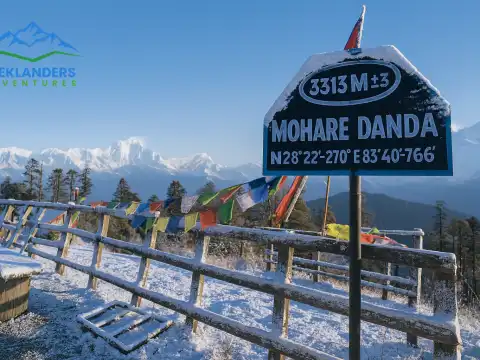
Autumn's high trekker numbers matter to the villages and families whose income depends on the trekking season. Teahouse owners, porters, guides, and the farmers and traders who supply mountain lodges all earn a large share of their yearly income during these ten or so weeks. A busy autumn season means steadier work for porters who might otherwise struggle to find enough trekking days to support a family through the rest of the year, and it means teahouse owners can justify keeping full staff on hand, stocking a wider variety of food, and maintaining their buildings to a higher standard.
Choosing to trek in autumn, then, connects directly to the wellbeing of the communities you pass through. Every meal you buy at a teahouse, every porter you hire, and every local guide you work with feeds into an economy that depends heavily on this concentrated window of high demand. Companies that have operated in these regions for years, working with the same guides, porters, and lodge owners season after season, build relationships that translate into better service and more consistent standards for trekkers, while also providing more reliable, repeat income for the local staff and families involved.
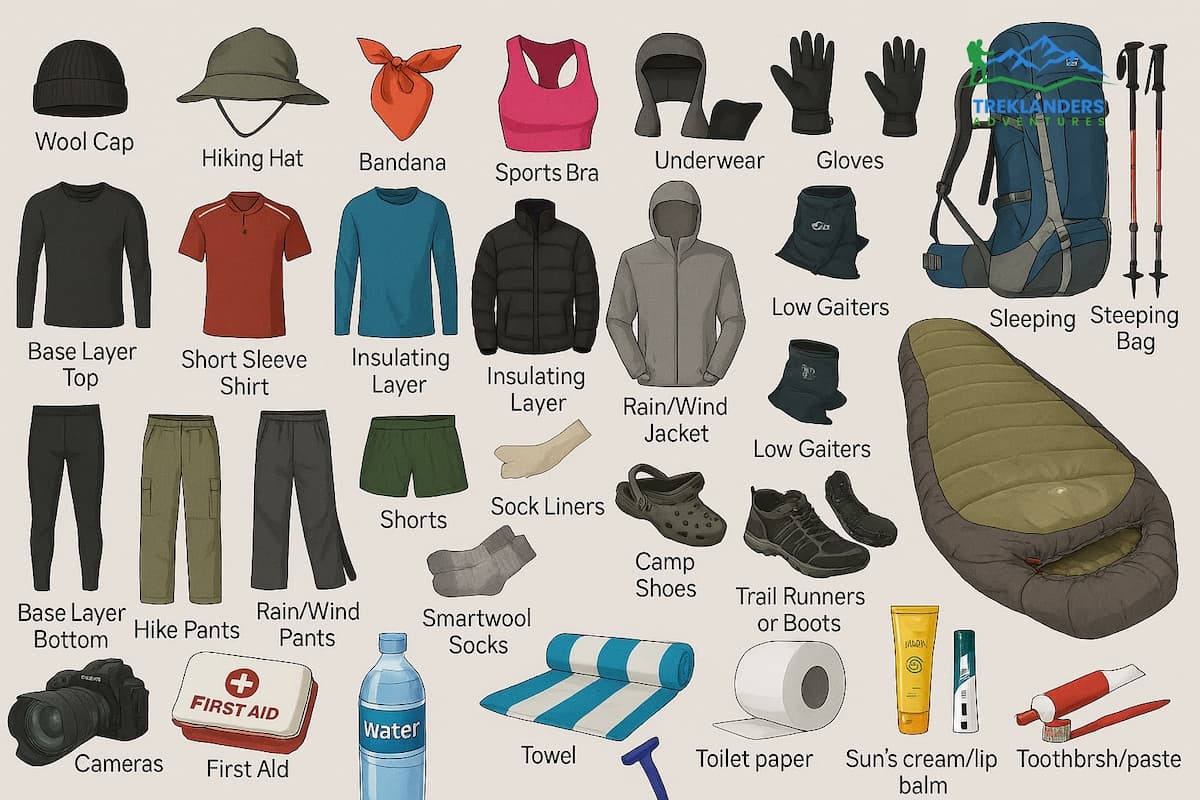
Autumn's comfortable conditions do not mean you can pack light and skip preparation. Temperature still swings significantly between day and night, and between low and high elevations, so layering remains the key packing strategy.
For lower elevations, bring breathable, moisture-wicking layers for daytime walking, since afternoon sun can still push temperatures into the high teens or low twenties on exposed sections. As you gain altitude, pack a proper insulated jacket, thermal base layers, and a warm hat and gloves for the cold that sets in once the sun drops behind the ridgeline, usually by mid-afternoon at higher camps.
A good sleeping bag rated for at least minus ten degrees Celsius is worth carrying on any trek that climbs above 3,500 meters, since teahouse rooms at that altitude are rarely heated and nighttime temperatures drop close to or below freezing even in the mildest autumn weeks.
Footwear matters as much in autumn as any other season. Broken-in, waterproof trekking boots handle the dry trail conditions well, but you should still prepare for the occasional stream crossing or short rain shower, particularly in September when the tail end of monsoon can still bring an afternoon downpour.
Sun protection deserves more attention than most first-time trekkers expect. The clear autumn skies that make for great mountain views also mean stronger UV exposure at altitude, so sunglasses with good UV protection, a wide-brimmed hat, and high-SPF sunscreen belong in every pack.
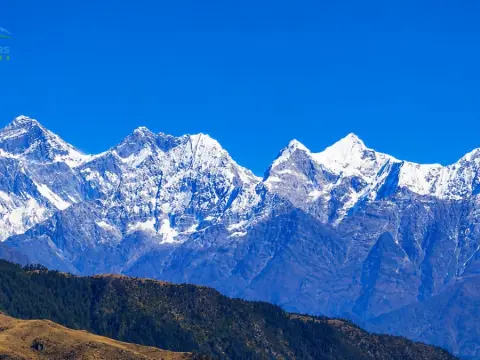
Physical preparation deserves the same attention as your gear list. Autumn's comfortable weather makes the walking itself easier, but it does not replace the cardiovascular fitness and leg strength that a multi-day trek at altitude demands. Building up your stamina with regular hiking, stair climbing, or long walks with a loaded pack in the weeks before your trip pays off on the steep, sustained ascents and descents you will face on nearly every route in Nepal. Trekkers who arrive with a reasonable fitness base handle long trekking days with far less fatigue and recover faster overnight, which matters even more once you are gaining altitude day after day.
Travel insurance that covers high-altitude trekking and emergency evacuation is worth arranging before you leave home, regardless of season. Autumn's stable weather reduces certain risks, but altitude sickness, falls, and other trail injuries remain possible on any trek above a few thousand meters, and having the right coverage in place removes one more variable from your trip.
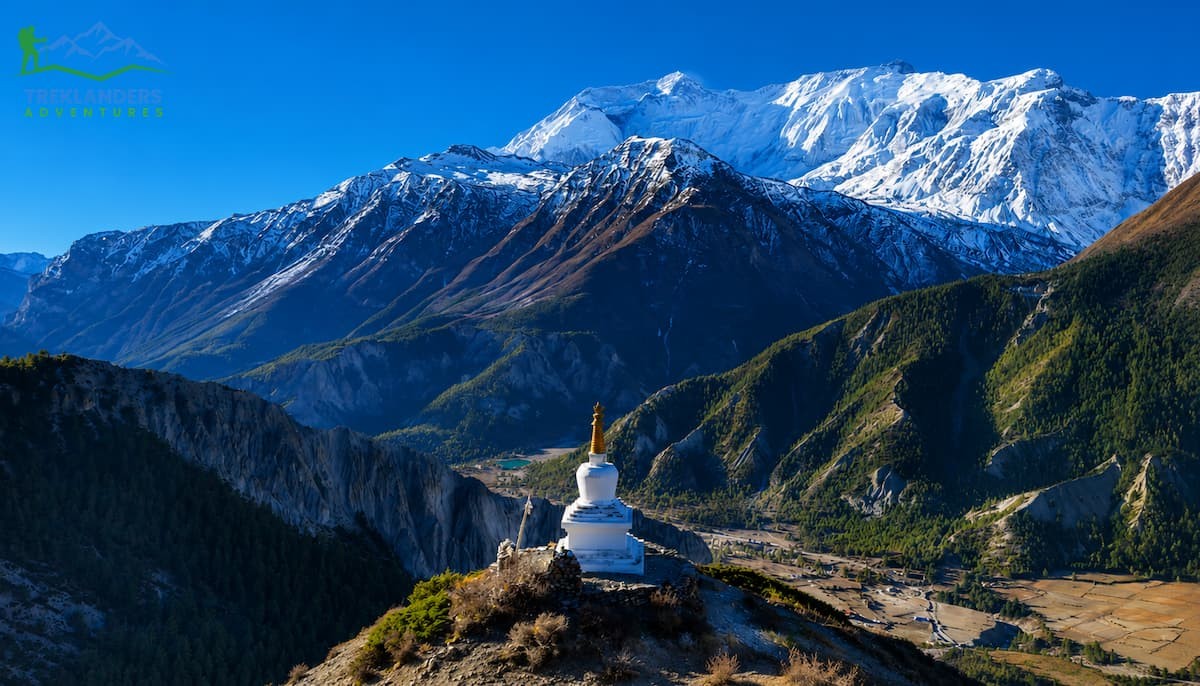
With so many route options available during autumn, matching the trek to your fitness level, available time, and goals makes a real difference in how much you enjoy the experience. If you have a week or less, routes like the 4-Day Ghorepani Poonhill Trek from Pokhara or the 7-Day Langtang Valley Trek deliver strong mountain views and cultural immersion without a long time commitment.
If you have two to three weeks and want the classic Himalayan experience, the Everest Base Camp Trek and Annapurna Circuit Trek remain the benchmark routes, both of which perform at their best during autumn's stable weather window.
For trekkers looking for something quieter and further off the standard circuit, the Manaslu Circuit Trek or Kanchenjunga Trek offer the same autumn advantages of clear skies and dry trails, but with noticeably fewer people on the trail than Everest or Annapurna.
Whatever route you choose, working with a company that has operated through many autumn seasons matters. Treklanders has built its trip planning, guide staffing, and teahouse relationships around exactly this kind of seasonal pattern, drawing on years of running treks through the Everest, Annapurna, Langtang, Manaslu, and Mustang regions during the peak autumn window.
If you are unsure which route fits you best, a conversation with an experienced planner helps more than any guidebook. Your available time, fitness level, comfort with altitude, and interest in cultural stops versus pure mountain scenery all factor into which trek will suit you, and a team that has walked these trails repeatedly during autumn can match your goals to the right route with far more precision than a generic recommendation ever could.
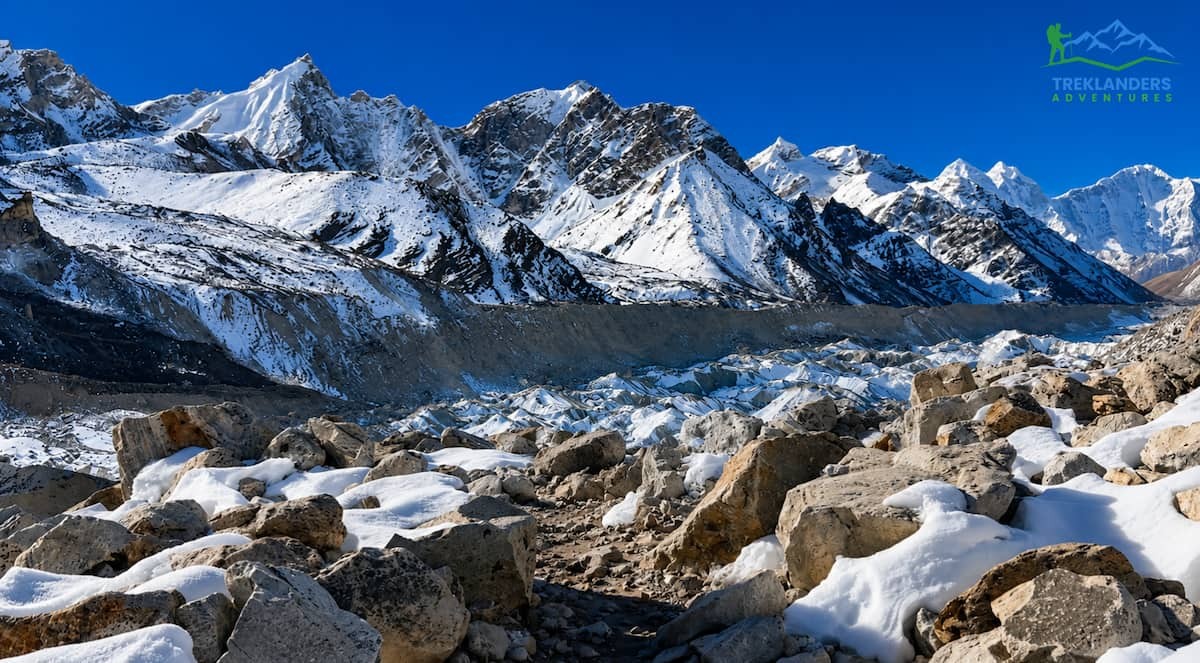
Autumn earns its reputation as Nepal's best trekking season through a combination of factors that reinforce each other. Clear skies deliver the mountain views that draw people to the Himalayas in the first place. Stable temperatures and dry trails reduce risk and physical strain. Festivals add cultural depth you will not find at other times of year. Full teahouses and experienced guides make the practical side of the trip run smoothly, and a busy trail full of fellow trekkers adds a social dimension that many people end up valuing as much as the scenery itself.
If you are weighing when to book your Nepal trek, autumn gives you the strongest combination of safety, comfort, and reward that the calendar offers. Whether you are aiming for Everest Base Camp, the Annapurna Sanctuary, the Langtang Valley, the Manaslu Circuit, or a quieter route further off the beaten path, the September through November window puts the odds firmly in your favor. Start planning early, pack for both warm afternoons and cold nights, and let the season do a good part of the work for you.
Discover the best treks in Nepal for September, with expert tips on weather, trail conditions, and the perfect Himalayan adventure.
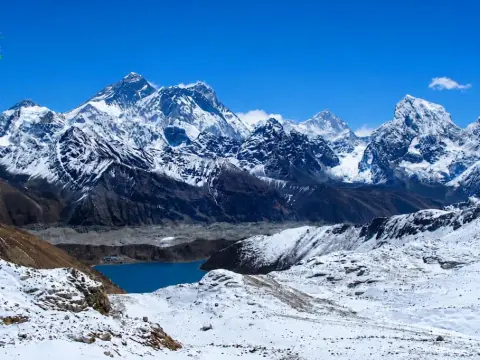
Find the perfect Nepal trek with this difficulty guide, from easy hikes to extreme Himalayan expeditions.
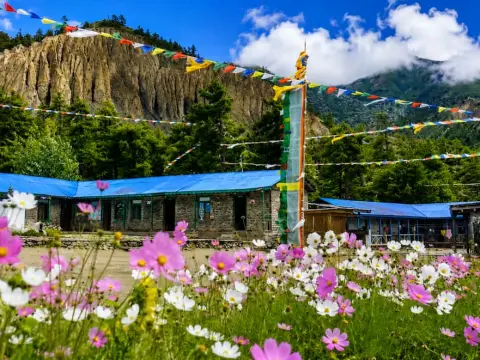
Discover the best rain-shadow treks in Nepal for a dry and scenic monsoon adventure.



