
Everest vs Annapurna vs Langtang vs Manaslu Trek: Which Nepal Trek is Best for You?
29 Jul 2026
Compare the Everest, Annapurna, Langtang, and Manaslu treks to choose the perfect trekking adventure in Nepal.

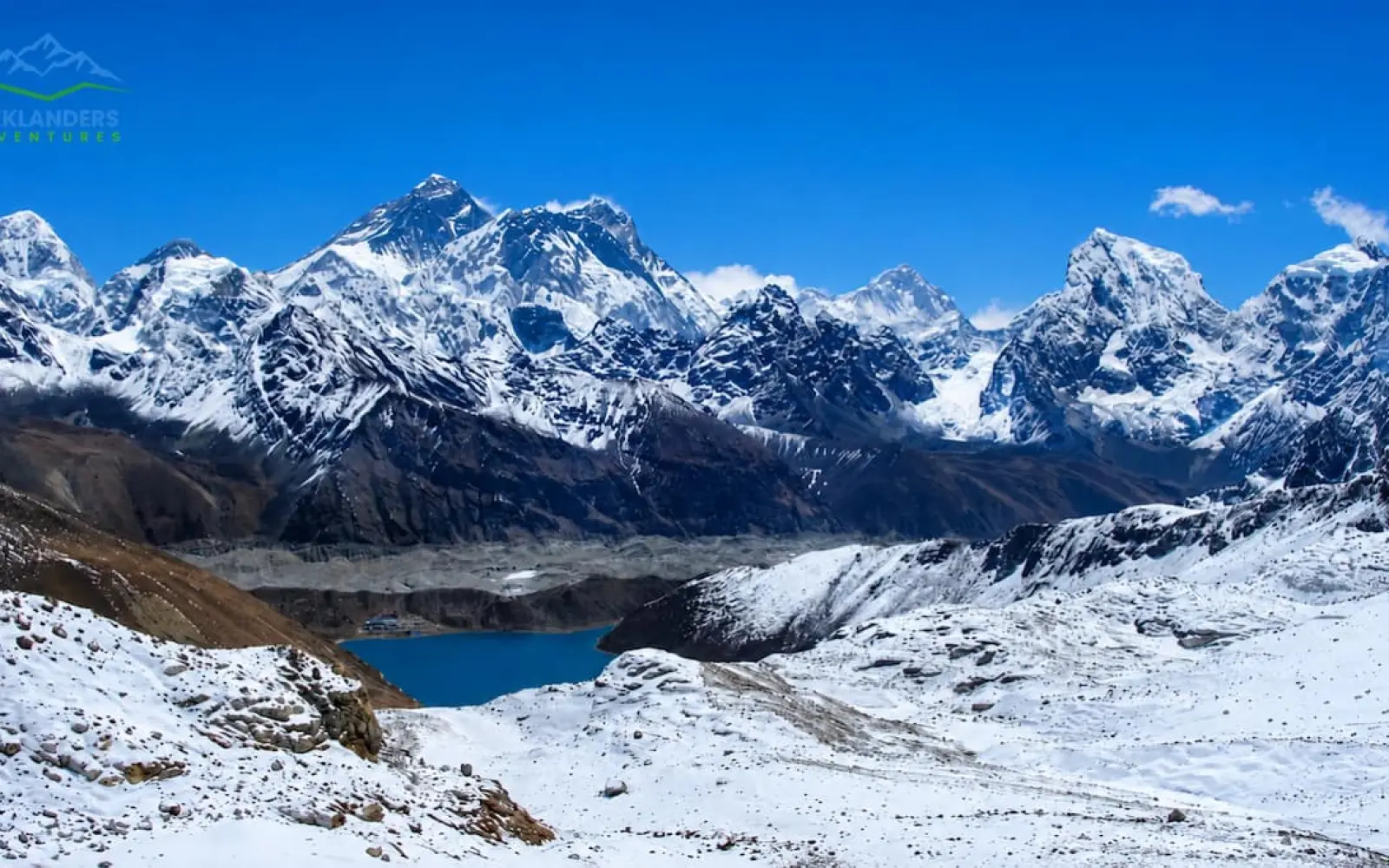
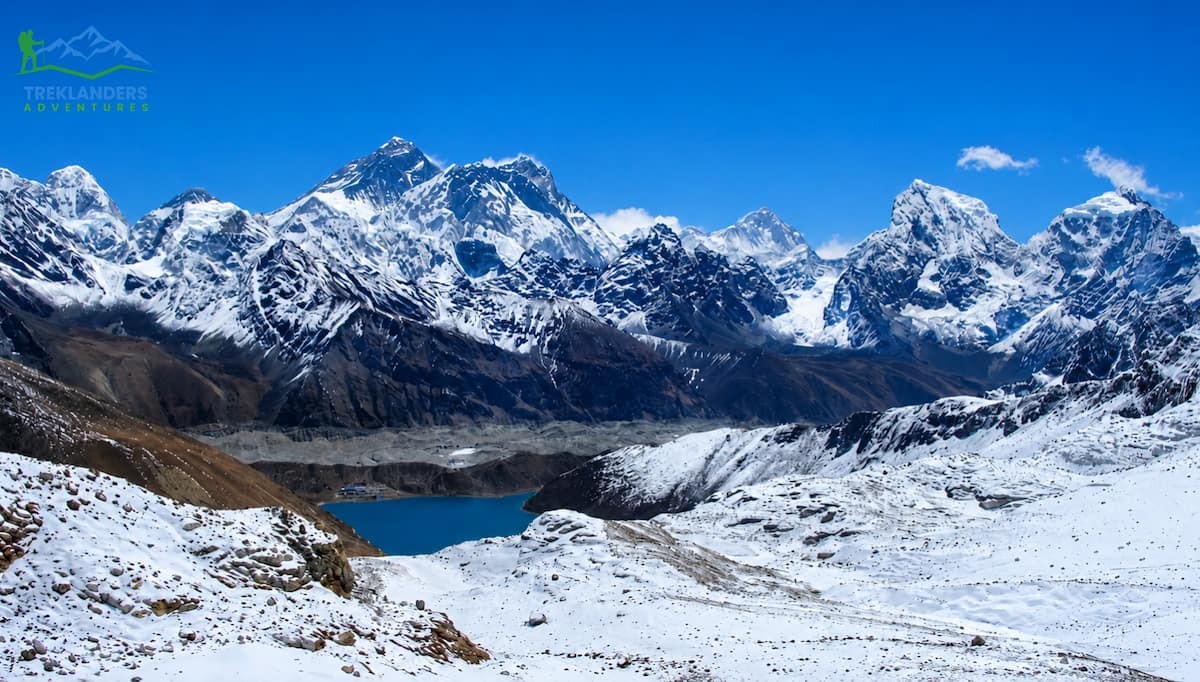
Nepal packs more trekking variety into one country than almost anywhere on earth. You can walk gentle village trails with your kids one week and stand on a 5,400-meter pass gasping for air the next. The hard part isn't finding a trek. It's finding the right one for your fitness level, your time off, and your tolerance for cold, thin air, and long days on your feet.
This guide ranks Nepal's most popular treks by difficulty, using Treklanders Adventures' full trekking portfolio as the reference point. You'll see what separates an easy three-day hike from a three-week expedition, what your body actually goes through at each level, and which trek matches where you are right now as a trekker.
Difficulty in Nepal comes down to four factors: altitude, daily walking hours, trail terrain, and how many days you spend above 3,500 meters. A trek can be short and still brutal if it gains height too fast. A trek can last three weeks and still feel manageable if the altitude gain is spread out, and the trail stays gentle. Keep these four factors in mind as you read, because they explain every ranking below.
How Nepal Treks Get Their Difficulty Rating
Before you look at specific routes, you need a shared vocabulary for what "easy," "moderate," "challenging," and "extreme" actually mean on the ground.
Easy treks stay below 3,000 meters for most of the route, involve four to six hours of walking a day, and follow well-maintained stone steps or dirt trails through villages and forests. You don't need previous trekking experience. A reasonable level of everyday fitness gets you through.
Moderate treks push past 3,000 meters, sometimes touching 4,000, and ask for six to seven hours of walking on several days. The trail gets steeper and rockier. You'll feel the altitude on the higher days, though not to a dangerous degree if you pace yourself and acclimatize properly.
Challenging treks cross 4,000 meters regularly and often reach a high point above 5,000. Walking days stretch to seven or eight hours, sometimes over loose scree or exposed ridgelines. You need prior trekking experience, solid cardiovascular fitness, and a realistic understanding of altitude sickness and how to respond to it.
Strenuous and extreme treks spend multiple days above 4,500 meters, cross one or more passes near or above 5,000 meters, and demand eight-plus hour days on remote, rough terrain with limited rescue access. Some routes in this category also involve technical climbing sections, glacier travel, or teahouse-free stretches where you camp. These trips are built for trekkers who already have high-altitude experience under their belts.
Weather adds a fifth variable that cuts across every category. A moderate trek in heavy monsoon rain or deep winter snow can feel harder than an easy trek in perfect autumn conditions. October and November, then March through May, give you the most stable weather windows in Nepal, and most of the treks below are built around those two seasons. Trekking outside them isn't impossible, but it shifts the difficulty math, sometimes in your favor and sometimes against it.
Your body also plays a bigger role than most first-time trekkers expect. Two people with identical fitness levels can respond very differently to the same altitude. Genetics, hydration, sleep, and how fast you climb all affect whether you feel fine at 4,500 meters or start showing symptoms of acute mountain sickness. That's why every itinerary below builds in acclimatization days at key points rather than rushing straight to the highest elevation. Skipping those days to save time is the single most common mistake trekkers make, and it's also the fastest way to end a trek early.
With that framework set, here's how Treklanders' treks stack up, from the gentlest introduction to the Himalayas to the routes that test even seasoned mountaineers.
If you've never trekked in Nepal, or you're bringing family members who aren't hardcore hikers, start here. These routes deliver genuine mountain views and cultural immersion without punishing your body.
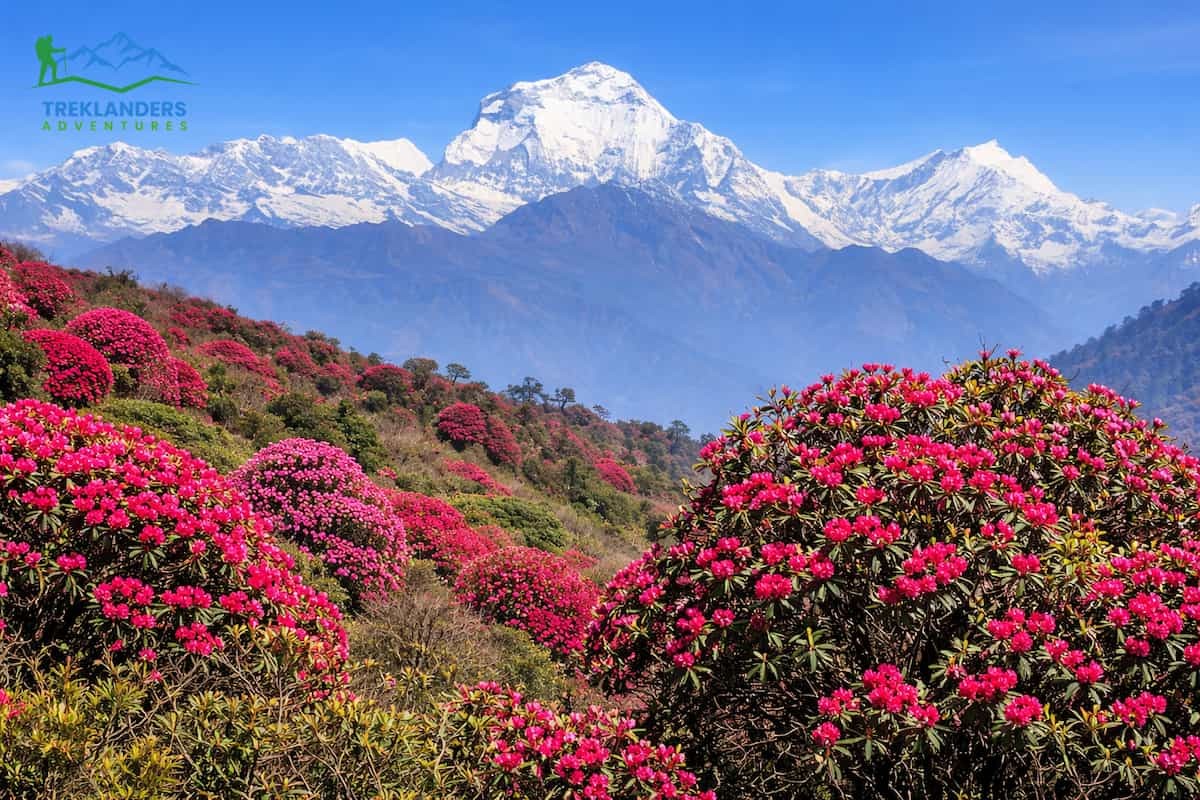
This is the trek most first-timers in Nepal end up doing, and for good reason. The route runs through the Annapurna foothills, climbing through rhododendron forest and stone-step villages to the Poon Hill viewpoint at 3,210 meters. From there, you get an unobstructed sunrise view of Annapurna South, Dhaulagiri, and Machhapuchhre, all without needing more than four days on the trail.
The walking days run four to six hours, mostly on well-built stone staircases that connect Gurung and Magar villages. You sleep in teahouses with hot showers and proper beds most nights. The steepest section, the final climb to Poon Hill for sunrise, takes about an hour and feels tough mainly because you're doing it in the dark on an empty stomach. Everything else on this route is forgiving.
This trek works for trekkers of nearly any age and fitness background, as long as you can handle stairs for a few hours at a stretch. It's also a smart way to test how your body handles moderate altitude before committing to a longer, higher trip.

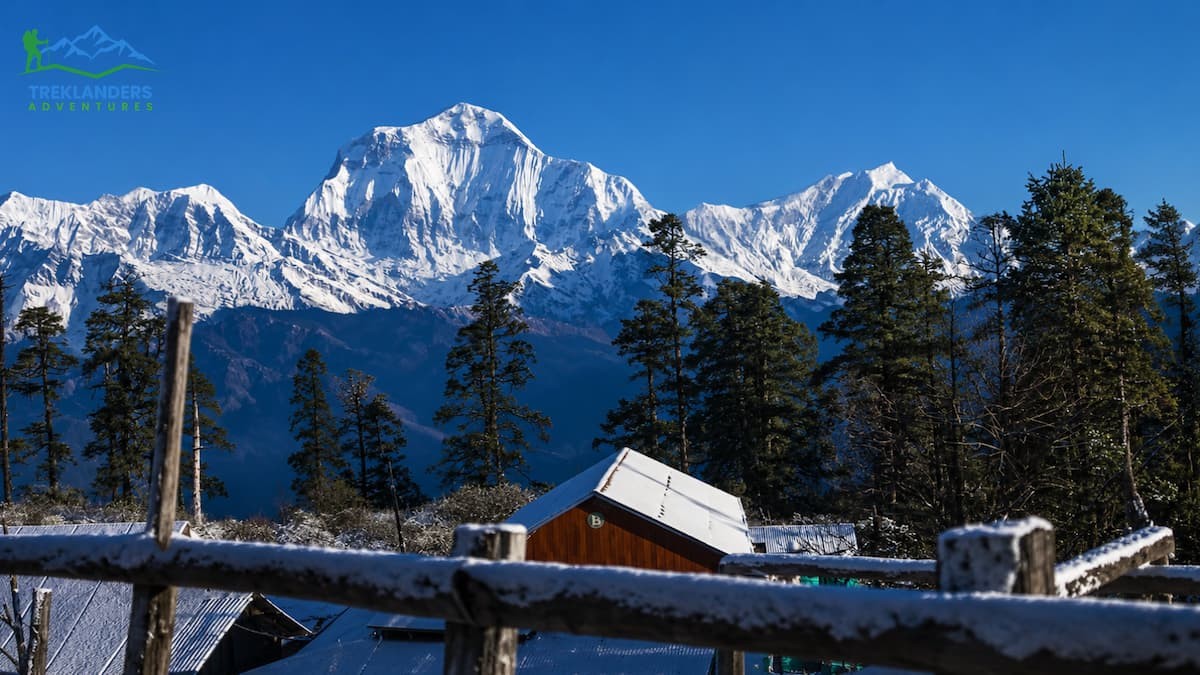
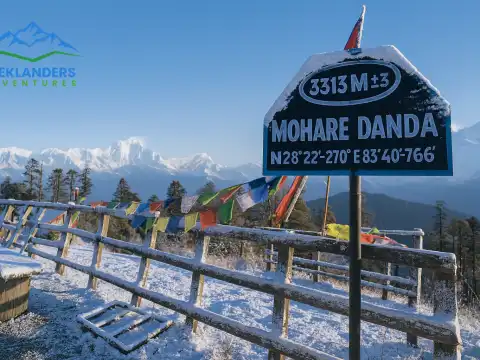
Mohare Danda sits in a quieter corner of the Annapurna region, away from the busier Poon Hill crowds. The trail climbs through community forest and terraced farmland to a ridge at roughly 3,300 meters, where the mountain panorama rivals anything, you'd see on more famous routes.
What sets this trek apart is the community-run lodge system built specifically to support local livelihoods. You're staying in villages that depend directly on trekking tourism, and the trail infrastructure reflects that investment: clean lodges, marked paths, and villages that haven't been overrun by trekking traffic.
Daily walking hours sit in the four-to-six range, similar to Poon Hill. The terrain includes some steep switchbacks through forest, but nothing that requires technical skill or extreme fitness. If you want an easy trek that feels less crowded and more personal, this is where you go.
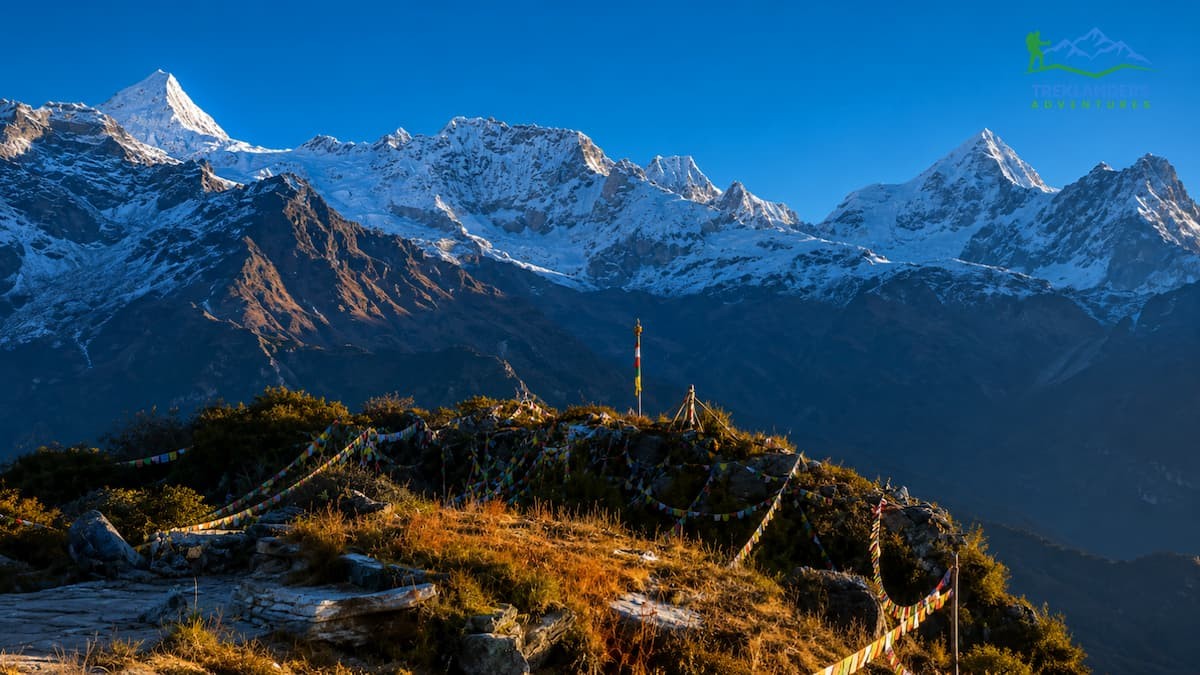
Helambu Trek lies in the north of Kathmandu Valley, making it one of the most accessible treks on this entire list. You can start walking within a couple hours of leaving the capital. The trail winds through Sherpa and Tamang villages, forests thick with rhododendron and oak, and terraced hillsides that stay green most of the year.
The highest point on standard Helambu itineraries sits around 3,600 meters, reached gradually over several days rather than in one steep push. That gradual gain is what keeps this trek in the easy category despite touching moderate altitude. Walking days run five to six hours on trails that mix dirt paths, stone steps, and the occasional muddy or slippery patch during monsoon months.
Helambu also gives you a cultural angle that's harder to find on busier routes. Monasteries, chortens, and prayer wheels line the trail, and many villages maintain Tibetan Buddhist traditions that predate the modern trekking industry. If you want mountains and culture in a short window without physical strain, Helambu delivers both.
Once you've built confidence on an easy trek, these routes push you into terrain where altitude, distance, and trail difficulty all step up a notch. You'll want decent fitness and at least one previous trek behind you.
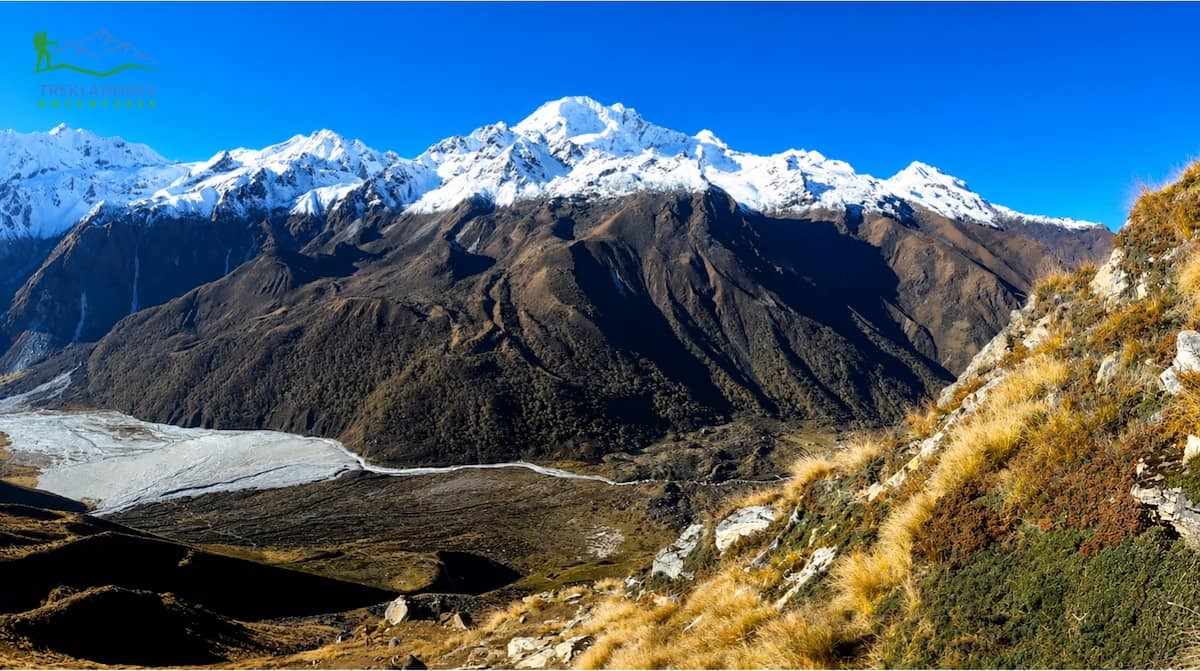
Langtang Trek is closer to Kathmandu than the Everest or Annapurna regions, which makes it a favorite for trekkers with limited time. The trail follows the Langtang River up through the forest, then opens into a wide glacial valley flanked by peaks over 6,000 meters. The trek's high point, Kyanjin Ri, sits at roughly 4,773 meters, giving you serious mountain views without the multi-week commitment of bigger circuits.
Walking days run six to seven hours on trails that mix forest paths, riverside trails, and rockier moraine sections near the valley's upper reaches. The altitude gain happens over several days rather than all at once, which keeps acclimatization manageable if you follow a sensible itinerary with rest days built in.
Langtang also carries a story that shapes the whole experience. The 2015 earthquake triggered a massive landslide that destroyed Langtang village and killed hundreds of residents. The village has since been rebuilt, and trekking through it today supports a community that lost nearly everything a decade ago. That context adds weight to a trek that's already visually stunning.

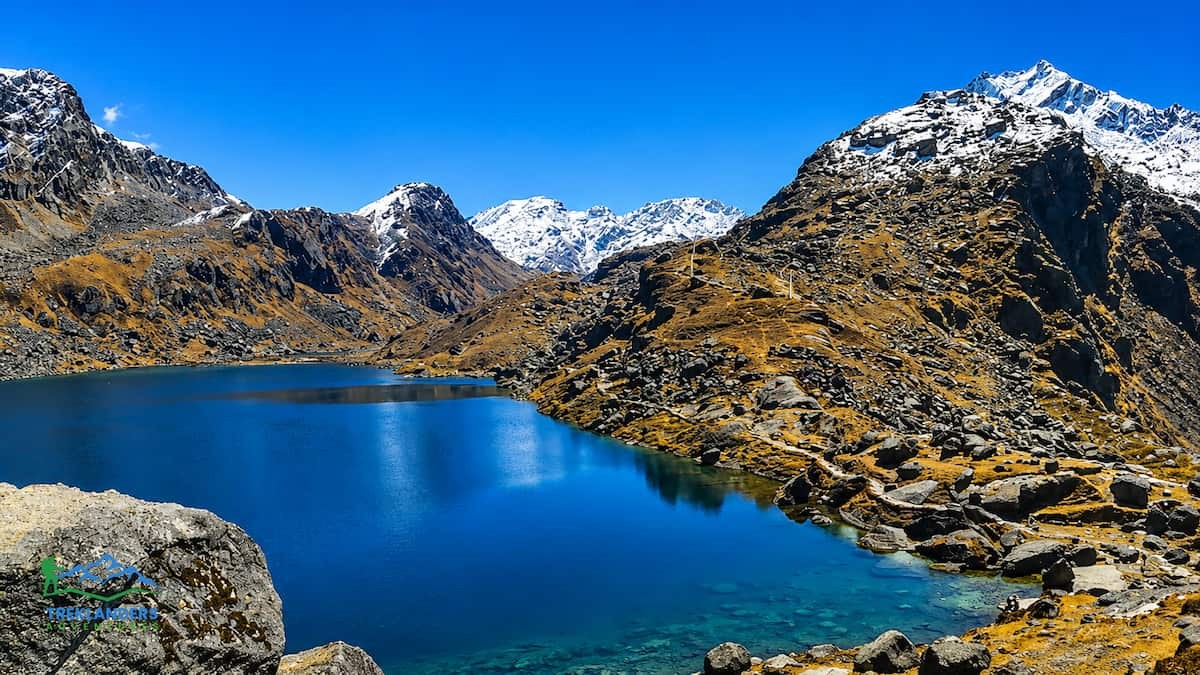
Gosainkunda Lake Trek combines physical challenges with religious significance. The trek climbs to a cluster of alpine lakes at roughly 4,380 meters, sacred to both Hindus and Buddhists and the site of a major pilgrimage festival each August. Getting there means climbing steadily through rhododendron forest, then across more exposed, rocky terrain as you approach the lakes.
This trek runs six to seven hours a day on trail that's rougher underfoot than Langtang Valley, with more loose rock and steeper grades near the top. The altitude at Gosainkunda is high enough that you need to take acclimatization seriously, even though the trip itself typically runs shorter than a full Langtang or Everest circuit.
Many itineraries combine Gosainkunda with Langtang Valley into one longer trek, crossing the Laurebina Pass at around 4,610 meters to link the two regions. That combined route pushes into more demanding territory, so treat the standalone Gosainkunda trek and the combined version as two different difficulty levels.
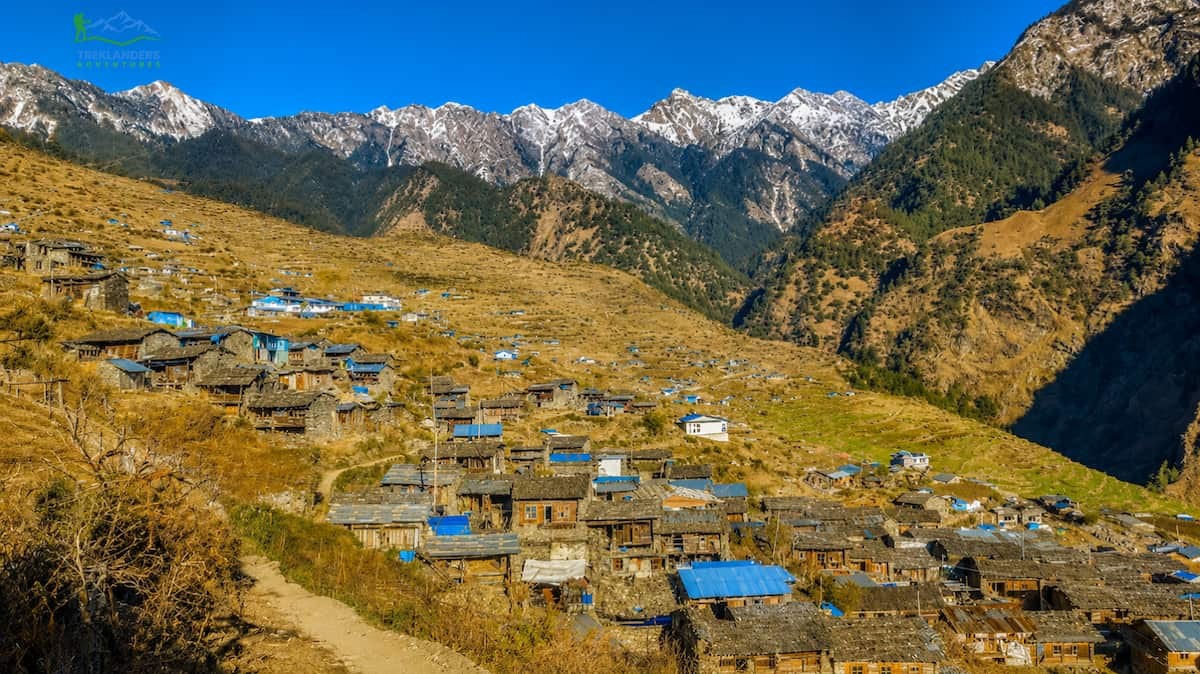
The Tamang Heritage Trail runs through villages in the Langtang region that historically saw far fewer trekkers than the main valley trail. You'll pass through Tamang settlements with distinct architecture, natural hot springs at Tatopani, and views across to Tibet from the higher viewpoints near Nagthali, which sits around 3,300 meters.
Walking days run five to seven hours, with more up-and-down trail than a straight valley walks, since the route weaves between ridgelines and village clusters rather than following one river valley. The terrain includes stone paths, forest trail, and some steeper sections near the highest points, but nothing that requires technical skill.
Many trekkers combine this trail with Langtang Valley for a longer, more complete regional trek. On its own, Tamang Heritage sits at a moderate difficulty level, with the cultural depth of the route matching its physical demands.

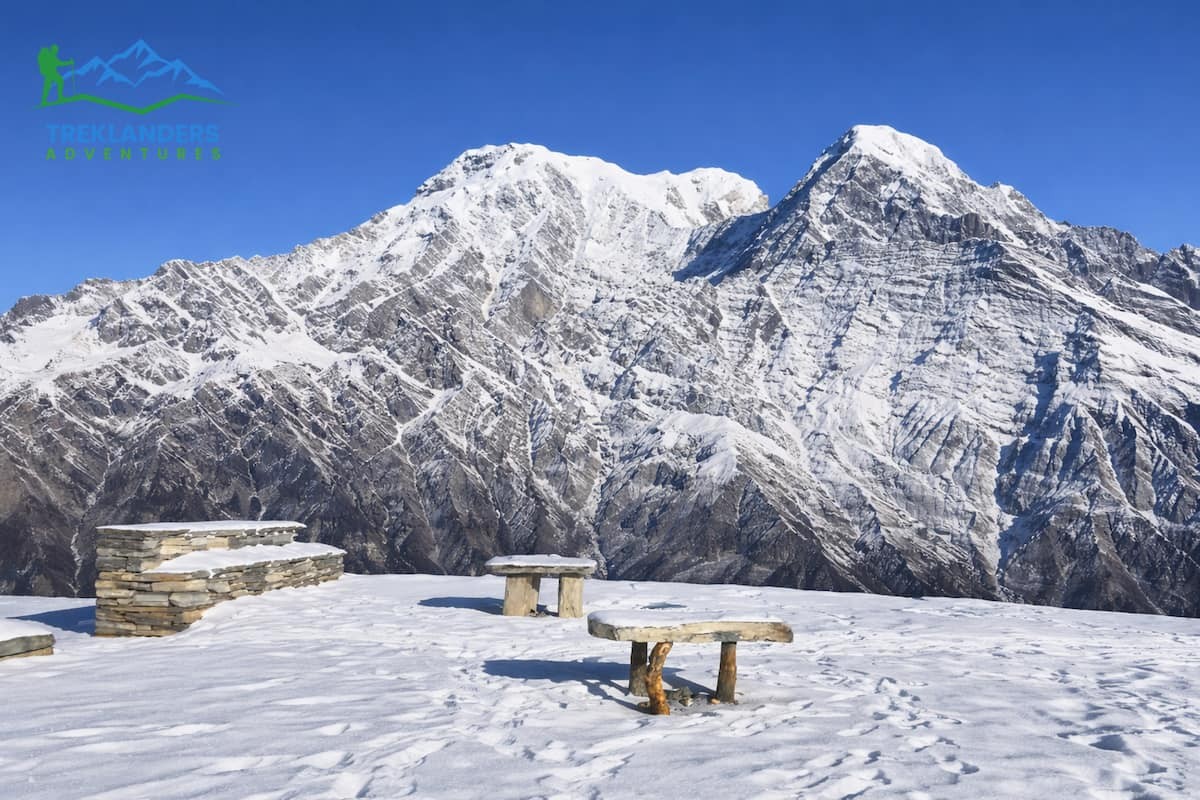
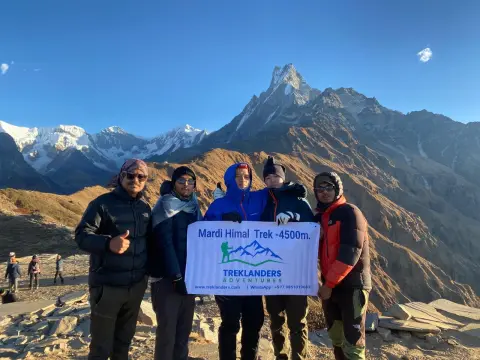
Mardi Himal Trek offers something rare in the Annapurna region: a trail that still feels wild and lightly trafficked. The route climbs through dense forest to a ridge that opens dramatically at the upper base camp, sitting at roughly 4,500 meters, with Machhapuchhre looming close enough to feel within reach.
The 9-day version of this trek covers more ground and altitude gain than shorter 5-day itineraries, which changes the difficulty picture depending on which version you book. Walking days run six to seven hours through a forest trail that turns to open ridge above the tree line, with the final push to base camp involving steep, exposed sections that test your legs and your lungs.
What makes Mardi Himal Trek moderate rather than easy is that final stretch. The ridge walks to base camp gains altitude fast, and the exposure on the trail means you need decent trekking legs and a clear head at altitude. Trekkers who've done Poon Hill or Helambu first tend to handle Mardi Himal Trek comfortably.
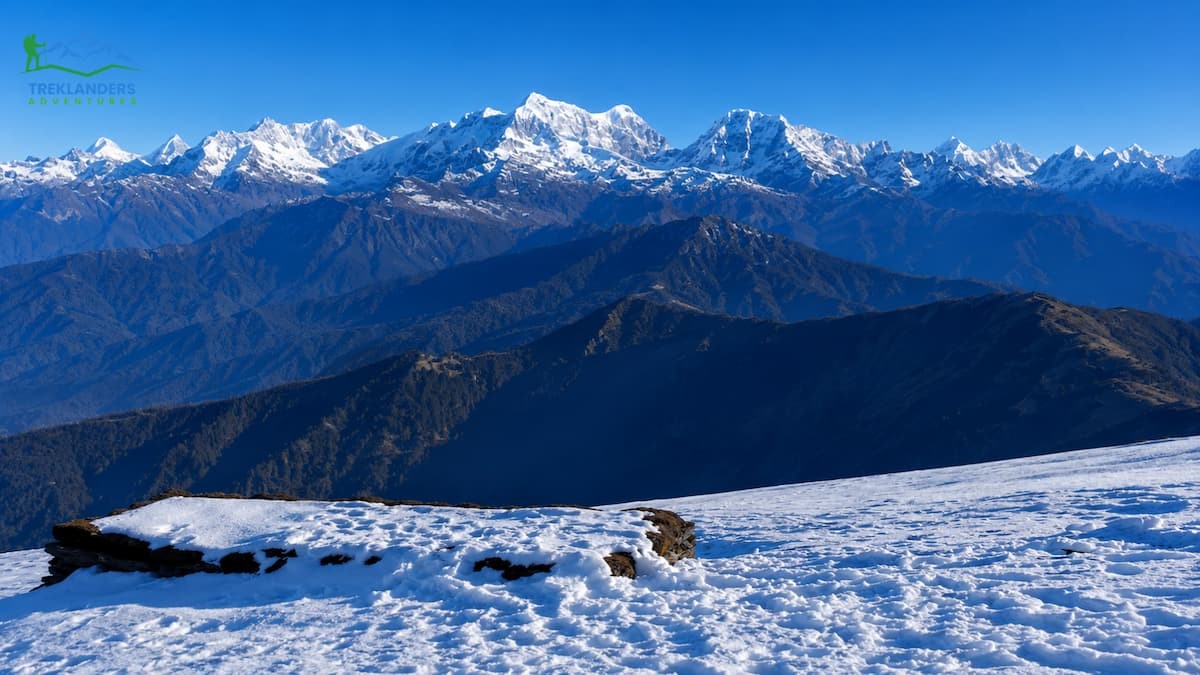
Pikey Peak Trek lies in the lower Everest region, offering some of the best panoramic mountain views in Nepal without the altitude or duration of a full Everest Base Camp trek. From the summit at roughly 4,065 meters, you can see Everest, Kanchenjunga, Makalu, and a long stretch of the Himalayan range in one sweep.
This trek runs through Sherpa villages, rhododendron forest, and open ridgeline, with walking days averaging five to six hours. The final climb to Pikey Peak for sunrise involves a steep but short push, similar in character to the Poon Hill climb but at a higher elevation. Because the route stays below 4,100 meters and the daily distances remain manageable, Pikey Peak works well as a moderate trek for people who want Everest-region scenery without Everest-region difficulty.
This tier is where Nepal trekking starts to demand real preparation. You're looking at multi-week trips, altitudes above 4,000 meters sustained over many days, and a genuine risk of altitude sickness if you rush.
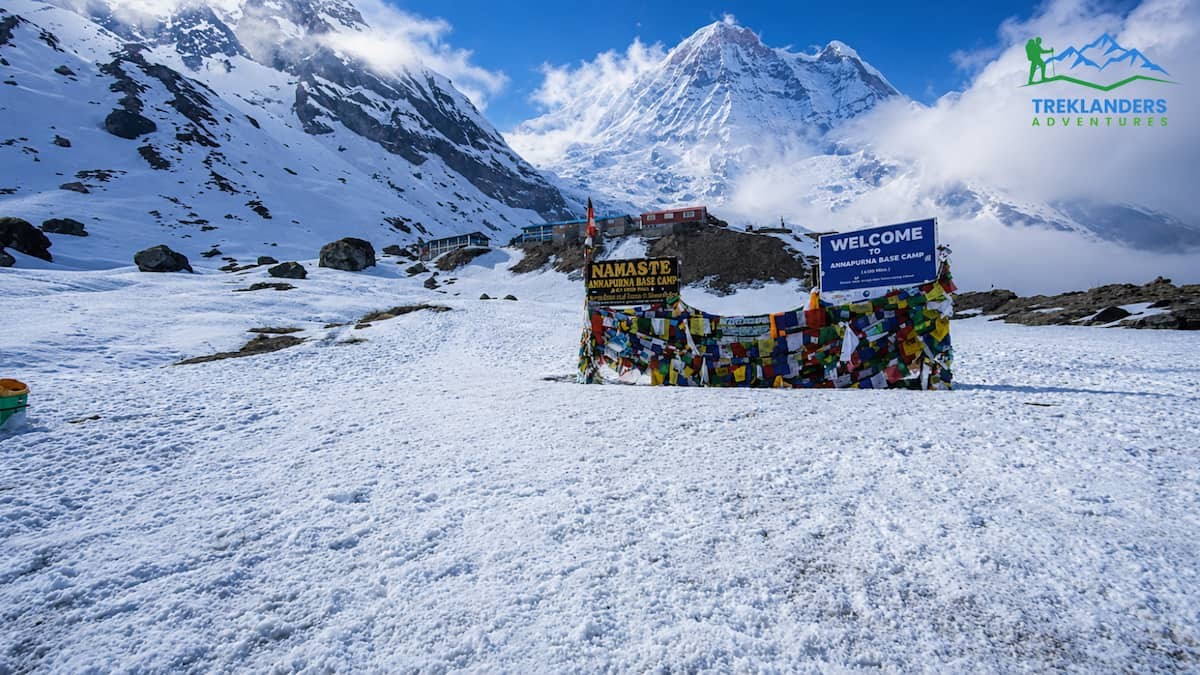
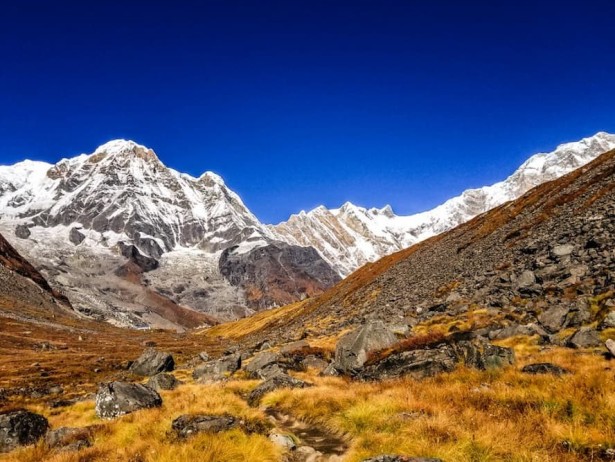
Annapurna Base Camp sits at 4,130 meters, tucked into a natural amphitheater surrounded by peaks on every side, including Annapurna I, Annapurna South, and Machhapuchhre. Getting there means seven days of trekking through a dramatic shift in landscape, from subtropical forest and terraced farmland at lower elevations to alpine terrain and glacial moraine near base camp itself.
Walking days run six to seven hours, with the trail alternating between stone staircases, forest paths, and rockier terrain as you gain altitude. The steepest sections come in the final two days, where the valley narrows, and the trail climbs more aggressively toward base camp. Because the altitude gain happens over a full week with a logical acclimatization pattern built into most itineraries, ABC sits at the more approachable end of the challenging category, but it still demands solid fitness and previous trekking experience.
Annapurna Base Camp itself, surrounded by a wall of 7,000 and 8,000-meter peaks, delivers one of the most complete mountain panoramas in Nepal. Many trekkers rank the arrival at ABC as the single best moment of any trek in the country.
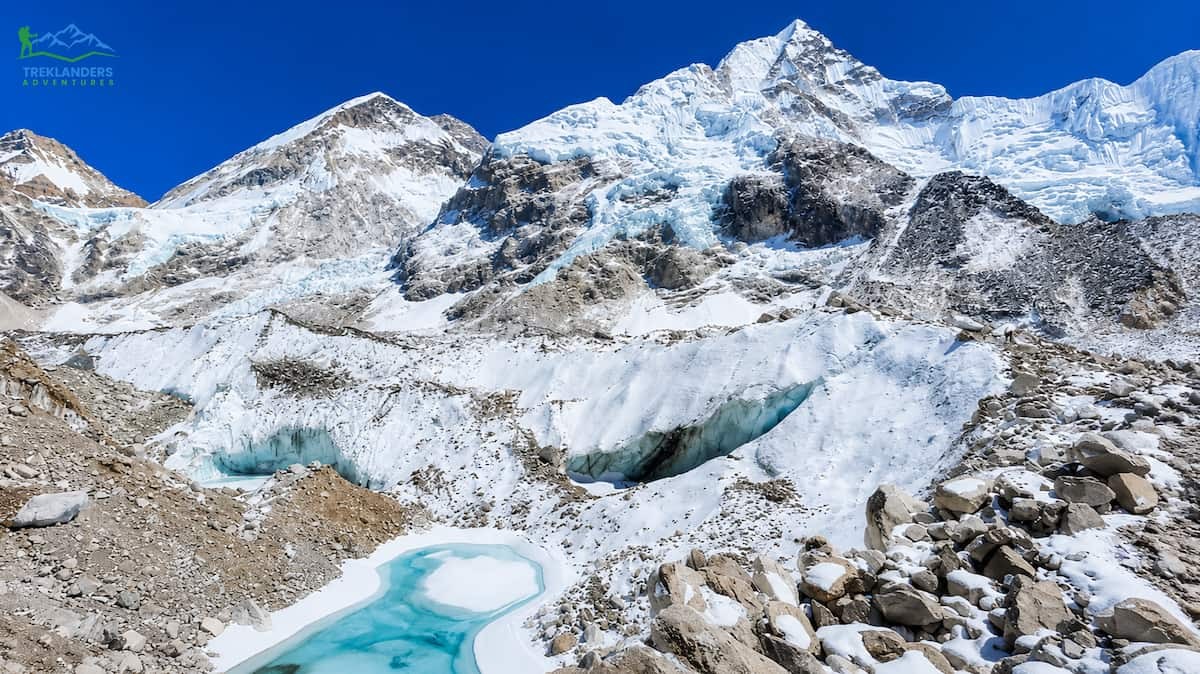
Everest Base Camp is the trek most people picture when they think of Nepal, and it earns that reputation. The standard 12-day itinerary flies you into Lukla at 2,860 meters, then climbs steadily through Namche Bazaar, Tengboche, and Dingboche before reaching Everest Base Camp at 5,364 meters and the viewpoint at Kala Patthar, which sits even higher at roughly 5,545 meters.
This trek demands seven to eight hours of walking on several days, over a rocky, uneven trail that climbs through the Khumbu Valley's dramatic terrain. The altitude is the defining challenge here. You're spending multiple nights above 4,000 meters and pushing into the 5,000-meter range on summit day, which means acclimatization days at Namche and Dingboche aren't optional. Skipping them is how trekkers end up evacuated.
The trail itself isn't technically difficult. There's no climbing gear involved, no glacier travel, no ropes. What makes EBC hard is the cumulative effect of altitude, cold, and consecutive long walking days on a body that's working with less oxygen every day you climb higher.
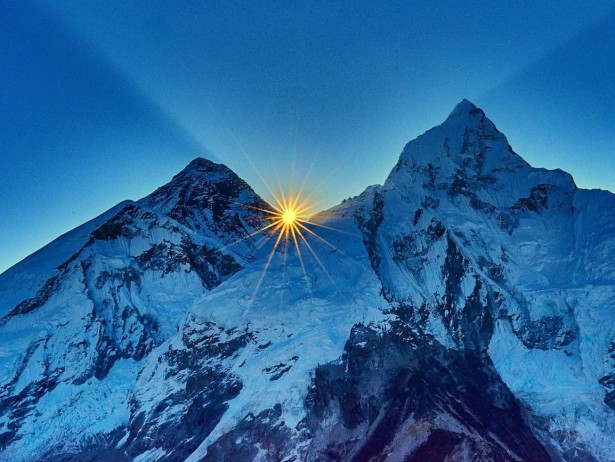
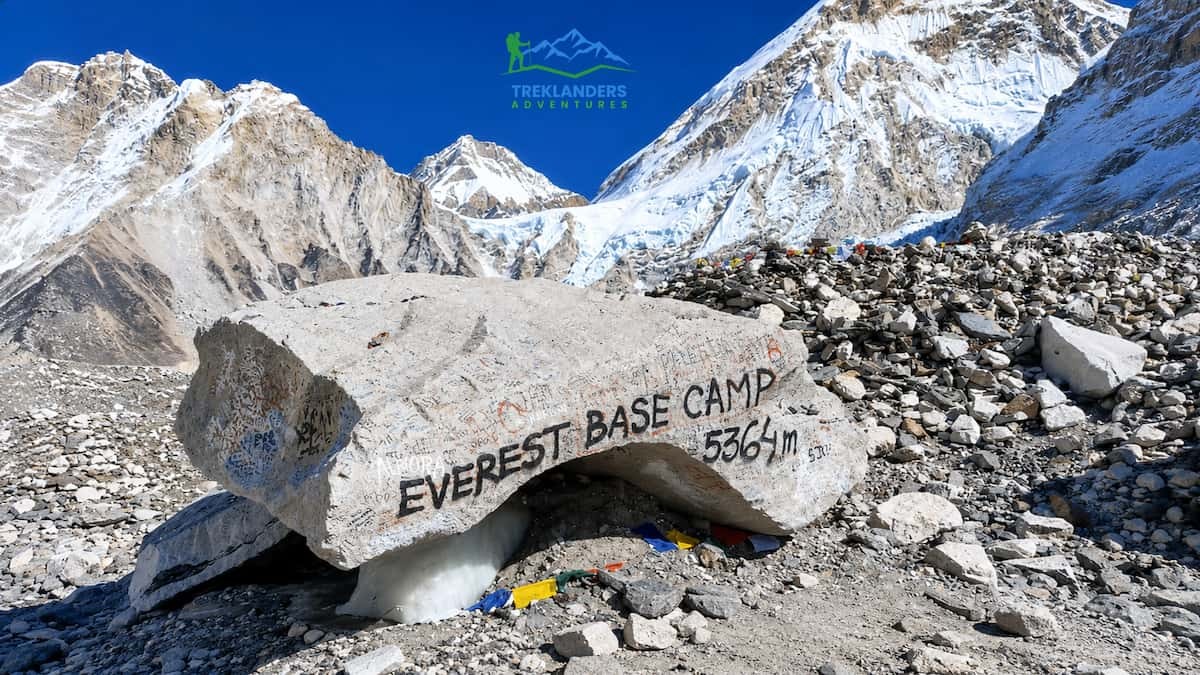
This version of the Everest Base Camp trek skips the flight into Lukla and instead starts the classic way, walking in from Jiri, the roadhead that mountaineers used before the airstrip existed. Adding this approach section extends the trek by several days and pushes total trekking time closer to three weeks.
The extra days through the mid-hills of the Solu region, before you reach the higher Khumbu Valley, add real physical demand. You're covering more ground, crossing more ridges, and spending more consecutive days walking before you even reach the altitude that defines the standard EBC route. That said, this extended approach also gives your body more time to adjust gradually, which some trekkers find easier on their system than flying straight into thinner air at Lukla.
Overall, this route sits at a similar or slightly higher difficulty level than the standard 12-day EBC trek, mainly because of the added distance and cumulative fatigue over a longer trip.

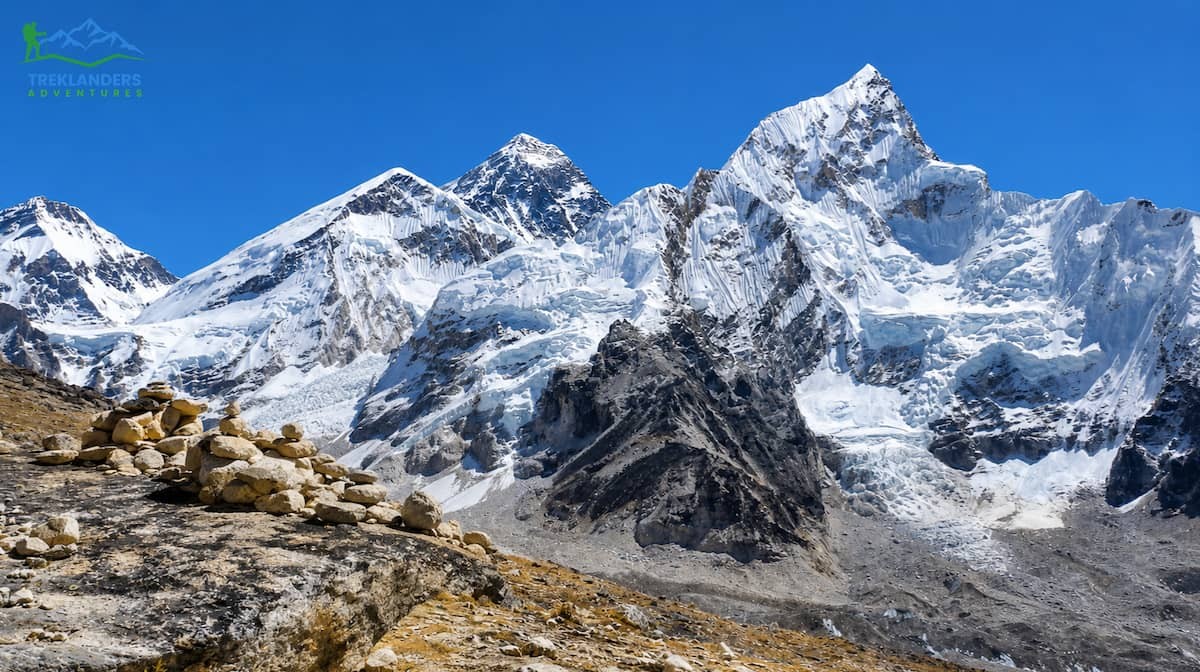
The luxury version of EBC trek follows largely the same trail and altitude profile as the standard route, staying in upgraded lodges with better food and more comfortable rooms along the way. The physical difficulty doesn't change much: you're still climbing to 5,364 meters, still dealing with thin air at Kala Patthar, and still walking seven to eight hours on demanding days.
What changes is recovery. Better food, more comfortable beds, and sometimes private rooms mean your body gets more genuine rest between trekking days, which can make a real difference on a trip where cumulative fatigue and altitude stress add up fast. If your budget allows for it, the comfort upgrade doesn't lower the trek's difficulty rating, but it can make the experience more manageable for trekkers who want the classic EBC challenge with a bit less physical wear and tear each night.

This tier asks for a real high-altitude experience. You're crossing passes near or above 5,000 meters, spending long stretches in remote terrain with limited infrastructure, and dealing with weather and altitude risks that demand careful planning.
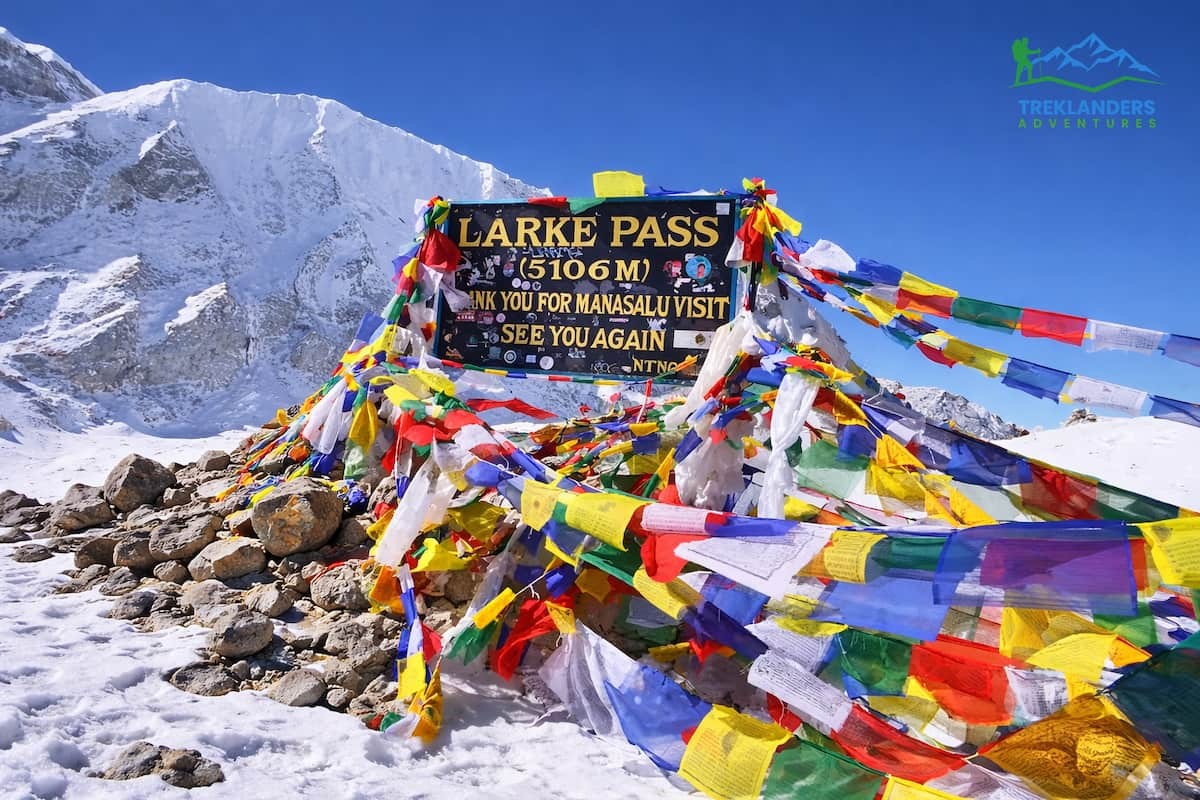
The Manaslu Circuit Trek circles the eighth-highest mountain in the world through a restricted area that requires a special permit and a licensed guide by law. That restriction has kept the region far less crowded than Annapurna or Everest, and the trail rewards you with some of the most dramatic, unspoiled scenery in Nepal.
The trek's defining moment is the crossing of Larkya La Pass at 5,160 meters, a long, exposed day that starts before dawn and can take eight to ten hours depending on snow conditions and your pace. Before you reach the pass, you climb steadily through the Nubri and Tsum valleys, gaining altitude over roughly two weeks with rest days built in at key points.
Walking days on this trek regularly run seven to eight hours, over terrain that mixes forest trails, high alpine paths, and the steep, often icy approach to Larkya La itself. Because the region is remote, rescue options are more limited than in the Everest or Annapurna areas, which raises the stakes if something goes wrong. This is a trek for people who've already handled sustained altitude on a previous trip.
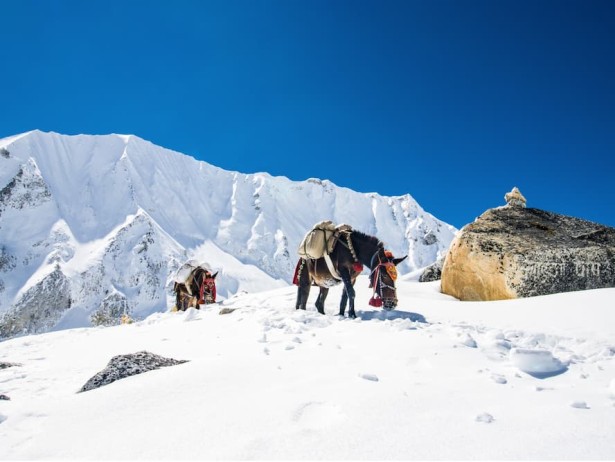
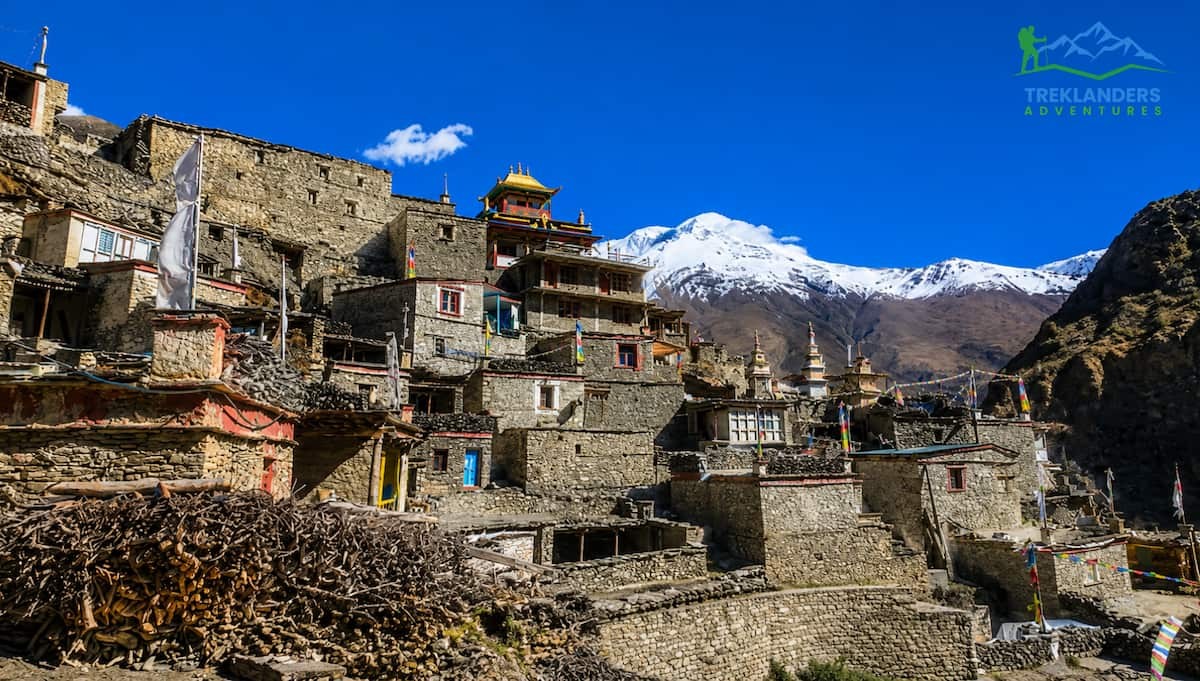
This Nar-Phu Valley with Thorong La Pass Trek combines two experiences in one trip: the restricted, culturally distinct Nar-Phu valleys, home to villages that maintain a Tibetan-influenced way of life largely unchanged for generations, and the famous Thorong La Pass crossing at 5,416 meters, one of the highest trekked passes in the world.
Getting into Nar-Phu requires a special permit, similar to Manaslu, and the valleys themselves involve narrow gorges, suspension bridges, and steep trail sections that demand sure footing. After exploring Nar and Phu villages, the route joins the classic Annapurna Circuit path toward Thorong La, where the crossing itself is a long, cold, early-morning push from Thorong Phedi or High Camp.
Total trekking time on this route runs around three weeks, with walking days averaging six to eight hours. The combination of remote valley trekking and a genuinely high pass crossing puts this trek firmly in strenuous territory, best suited for trekkers with prior high-altitude experience.
[trip:nar-phu-valley-with-thorang-la-pass-trek}
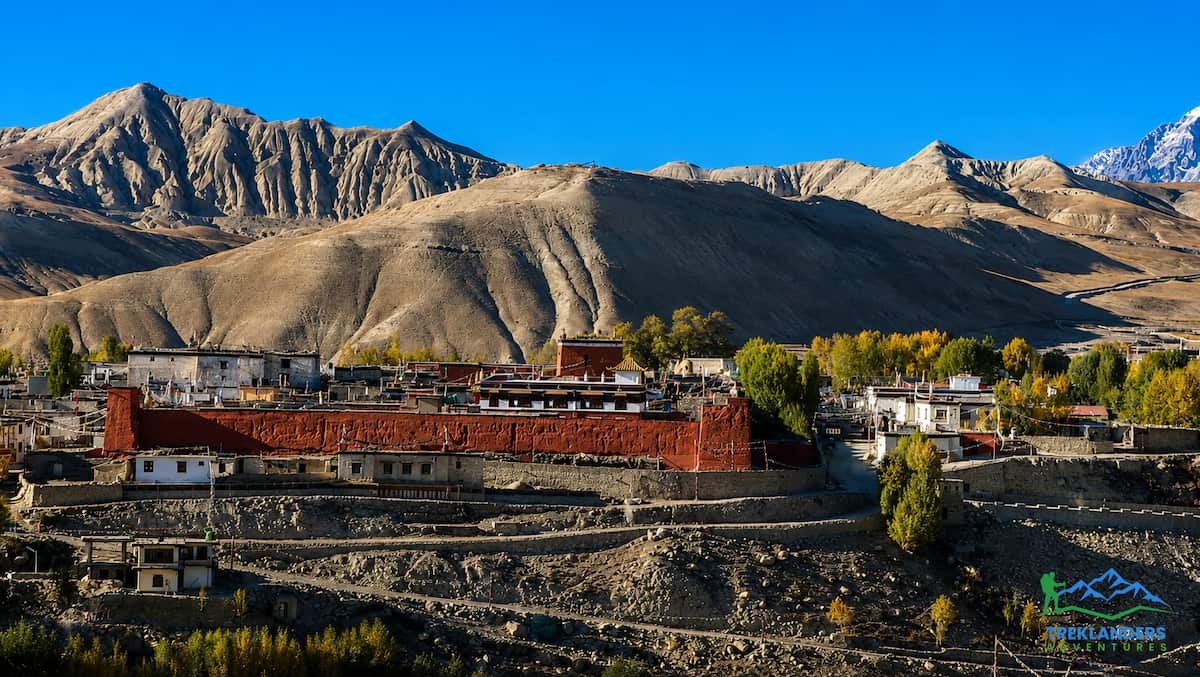
Upper Mustang feels less like Nepal and more like the Tibetan plateau, which makes sense given its historical and cultural ties to Tibet. The landscape is a high-altitude desert, all wind-carved cliffs, red rock canyons, and ancient cave dwellings, a sharp visual contrast to the green, forested trails common elsewhere in Nepal.
The trek's high points hover around 3,800 to 4,000 meters, lower than many other treks on this list, but the difficulty here comes from a different source: relentless wind. Afternoon winds in Mustang can be strong enough to slow your pace to a crawl and make even a short walk exhausting. Trekkers typically start early and aim to finish walking before the wind picks up around midday.
Walking days run five to seven hours across open, exposed terrain with little tree cover for shelter. The trail itself isn't steep or technical, but the combination of altitude, dust, wind, and long exposed stretches between villages makes this a strenuous trek despite its relatively modest elevation numbers. Reaching Lo Manthang, the walled former capital of the Mustang kingdom, is the trek's cultural and visual high point.
[trip:upper-mustang-trekking}
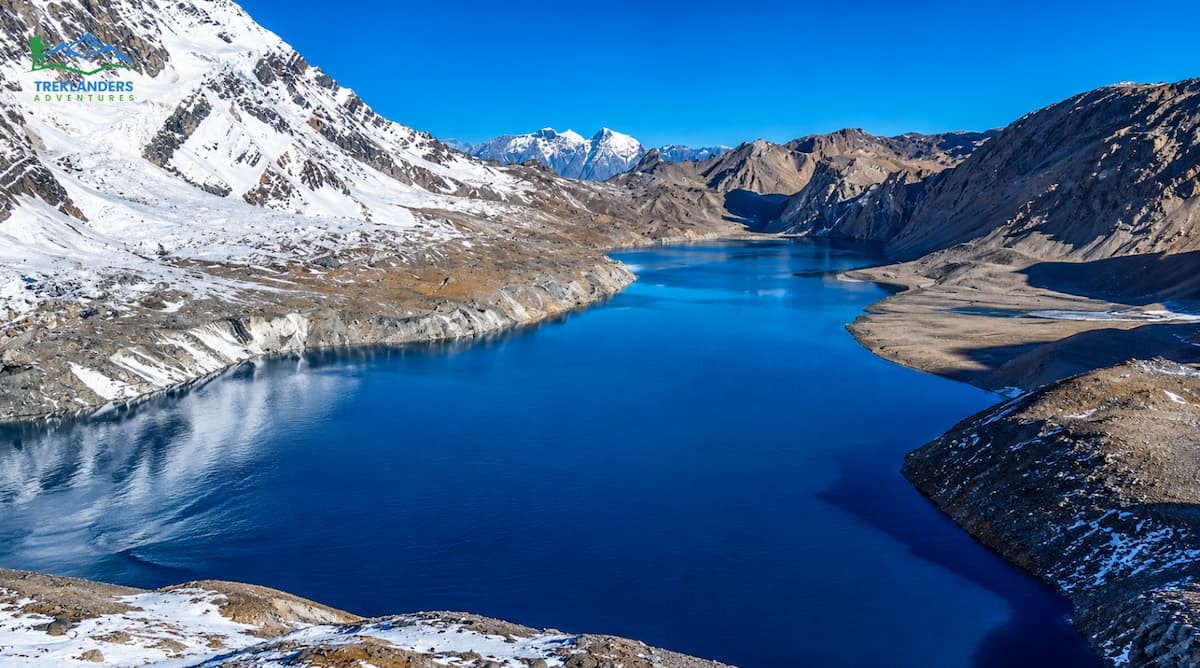
Tilicho Lake sits at roughly 4,919 meters, making it one of the highest lakes in the world at that scale. The trek to reach it branches off the classic Annapurna Circuit route and climbs through increasingly barren, high-altitude terrain before the final approach to the lake itself.
The last stretch to Tilicho Lake crosses a section of trail known for landslide risk, a narrow path cut into a steep, loose slope above the valley floor. This section demands careful footing and good weather conditions, and guides typically time the crossing for early morning, when the slope is more stable before the day's heat loosens rock and debris.
Walking days run six to eight hours, with the altitude gain in the final days pushing your body harder than most of the trek's earlier stages. Combined with Thorong La Pass on extended itineraries, Tilicho Lake becomes part of one of the more demanding high-altitude circuits in Nepal.
[trip:15-day-tilicho-base-camp-with-thorong-la-pass-trekking]
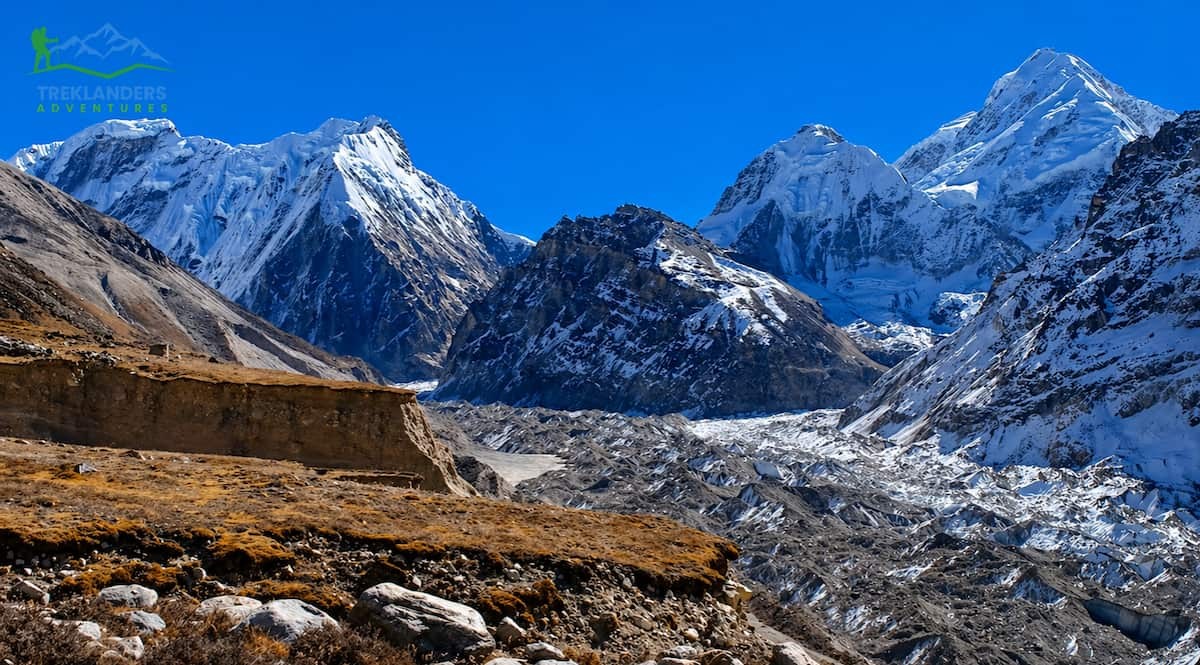
Kanchenjunga, the third-highest mountain in the world, sits in Nepal's far eastern corner, in a region that sees a fraction of the traffic that Everest or Annapurna do. That remoteness is both the trek's biggest draw and its biggest challenge. You're walking through genuinely wild terrain, with fewer teahouses, longer gaps between villages, and less infrastructure to fall back on if plans change.
The trek typically explores both the north and south base camps of Kanchenjunga, with high points reaching above 5,000 meters at viewpoints like Pangpema. Total trekking time runs three weeks or more, with walking days averaging seven hours over trail that mixes dense forest, high alpine terrain, and long stretches of genuine wilderness.
Because of the region's remoteness, this trek demands more self-sufficiency and a higher tolerance for basic accommodation than routes in more developed trekking areas. Combined with the sustained altitude and long daily distances, Kanchenjunga sits near the top of Nepal's strenuous trekking category.
The final tier includes routes that combine extreme altitude, technical terrain, multiple high passes, or actual mountaineering elements. These trips are not entry points into Himalayan trekking. They're the reward for years of building experience on easier routes first.
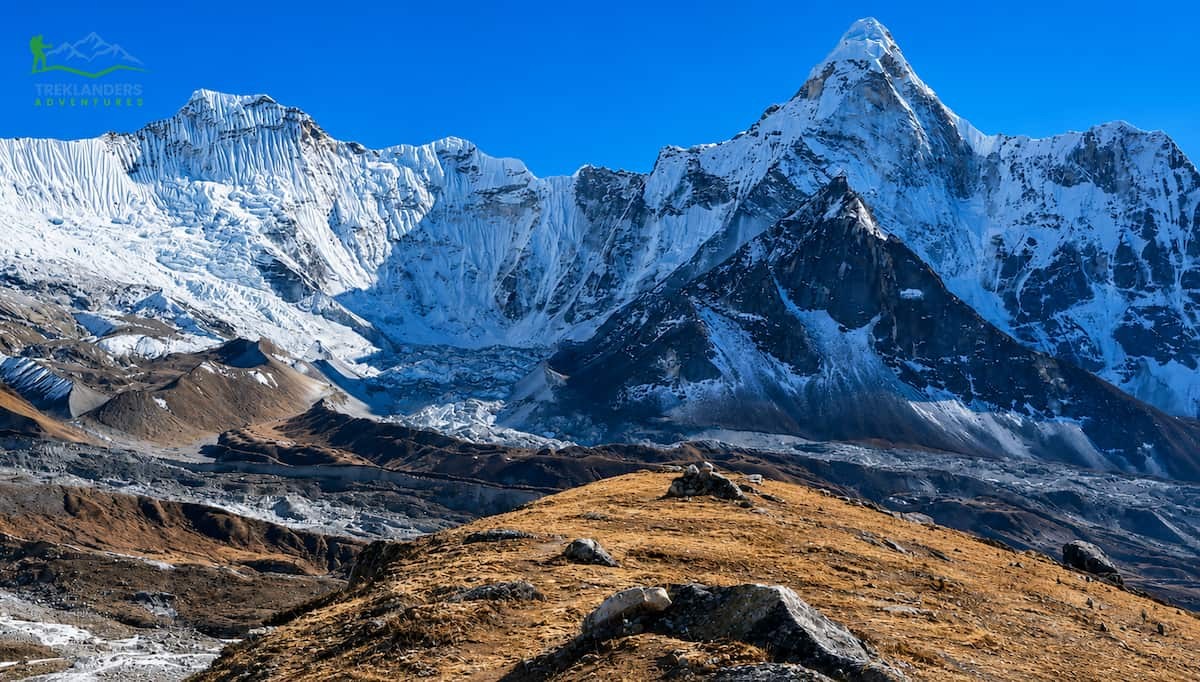
The Everest Three Passes Trek takes the classic Everest Base Camp route and adds three separate high pass crossings: Kongma La at 5,535 meters, Cho La at 5,420 meters, and Renjo La at 5,360 meters. Instead of one high point, you're facing three, each involving steep, often icy or snow-covered terrain that can require microspikes or crampons depending on conditions.
This trek runs roughly three weeks and includes visits to Gokyo Lakes and Kala Patthar in addition to Everest Base Camp itself, meaning you get essentially every major viewpoint in the Khumbu region in one extended loop. Walking days regularly stretch to eight hours, and the pass crossings themselves can take even longer depending on snow and route-finding conditions.
What makes this trek extreme rather than merely strenuous is the cumulative altitude exposure. You're not just reaching one high point and descending. You're repeatedly climbing to 5,300-plus meters, descending, and climbing again, which taxes your body's acclimatization far more than a single pass crossing does. This route is best attempted by trekkers who've already completed a standard EBC trek or a similarly high-altitude route.
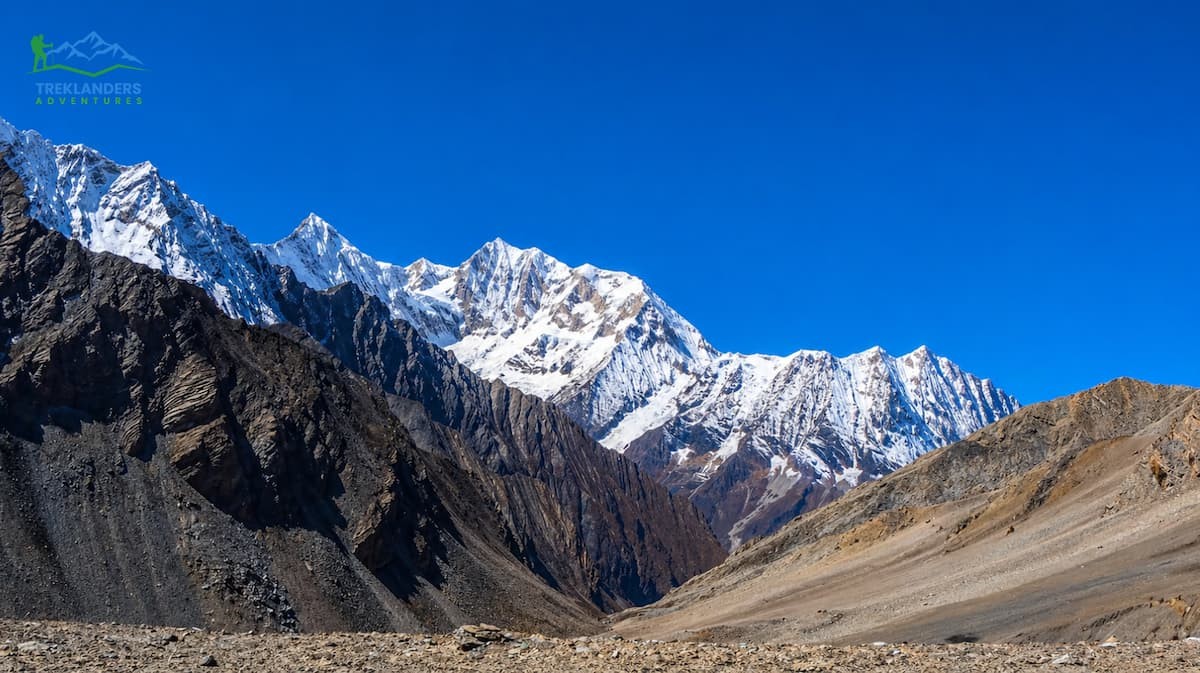
Upper Dolpo is one of the most remote trekking regions left in Nepal, a restricted area bordering Tibet that requires special permits and, on many itineraries, a full camping setup rather than teahouse stays. The landscape here resembles a high-altitude moonscape: dry, wind-scoured valleys, turquoise lakes like Shey Phoksundo, and ancient Bon monasteries that predate mainstream Tibetan Buddhism.
This trek typically runs three to four weeks, crossing multiple passes above 5,000 meters with long, isolated stretches between any form of settlement. Walking days run seven to eight hours over rough, often trail-less terrain where route-finding itself becomes part of the challenge. Because much of the region operates on a camping basis, you also need to manage your own logistics for food, shelter, and gear in a way that teahouse treks don't require.
The combination of extreme remoteness sustained high altitude, and limited rescue access places Upper Dolpo among the hardest treks Nepal offers. This is a trip for trekkers who've built up serious high-altitude mileage and want the most authentic, unsupported wilderness experience available in the country.
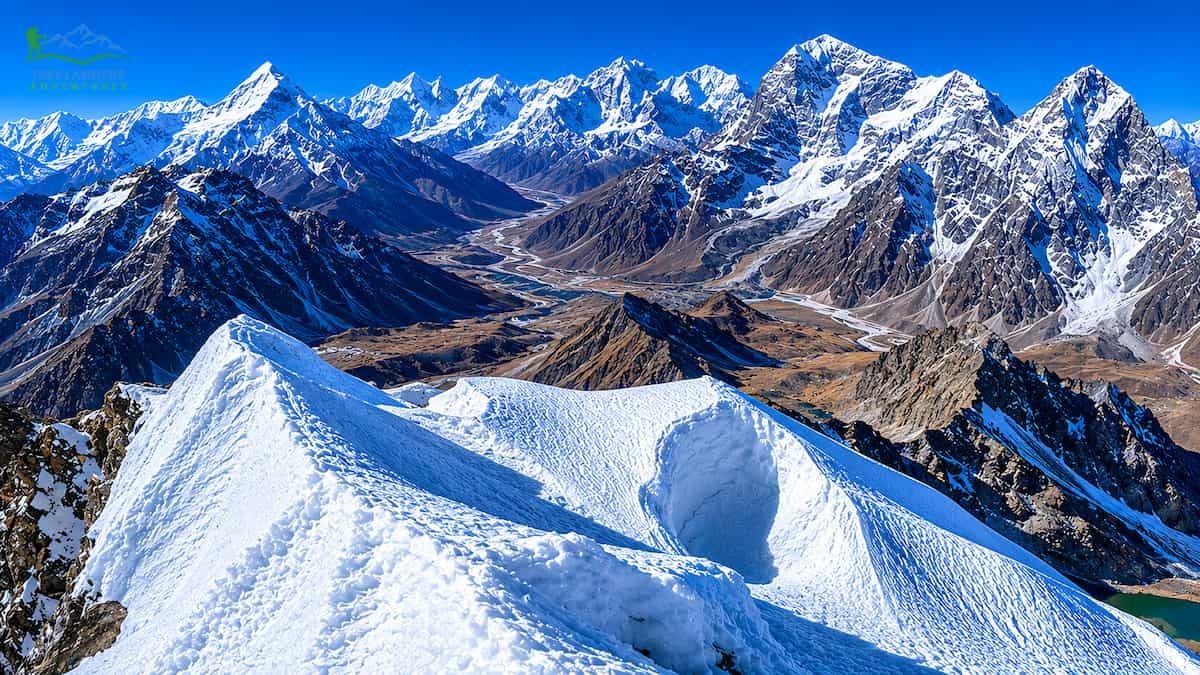
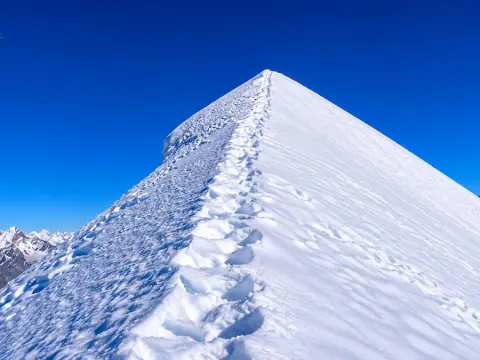
Lobuche East Peak pushes past trekking into technical mountaineering. At 6,119 meters, this peak sits above the standard trekking altitude ceiling and requires climbing gear, including crampons, an ice axe, harness, and rope work on the summit push. You'll typically combine Lobuche East Peak climb with an Everest Base Camp trek approach, meaning you're already dealing with altitude fatigue by the time you reach base camp for the peak itself.
The summit day starts in the middle of the night, climbing steep snow and ice slopes in the dark and cold to reach the top before weather conditions deteriorate, which they often do by mid-morning at this altitude. This isn't a walk. It's a climb that demands prior training in basic mountaineering techniques, ideally practiced before you arrive in Nepal.
Because this expedition combines sustained high-altitude trekking with genuine technical climbing, it sits at the extreme end of everything Treklanders offer. Trekkers considering Lobuche East Peak should have solid experience with both high-altitude trekking and basic climbing skills before committing to this route.
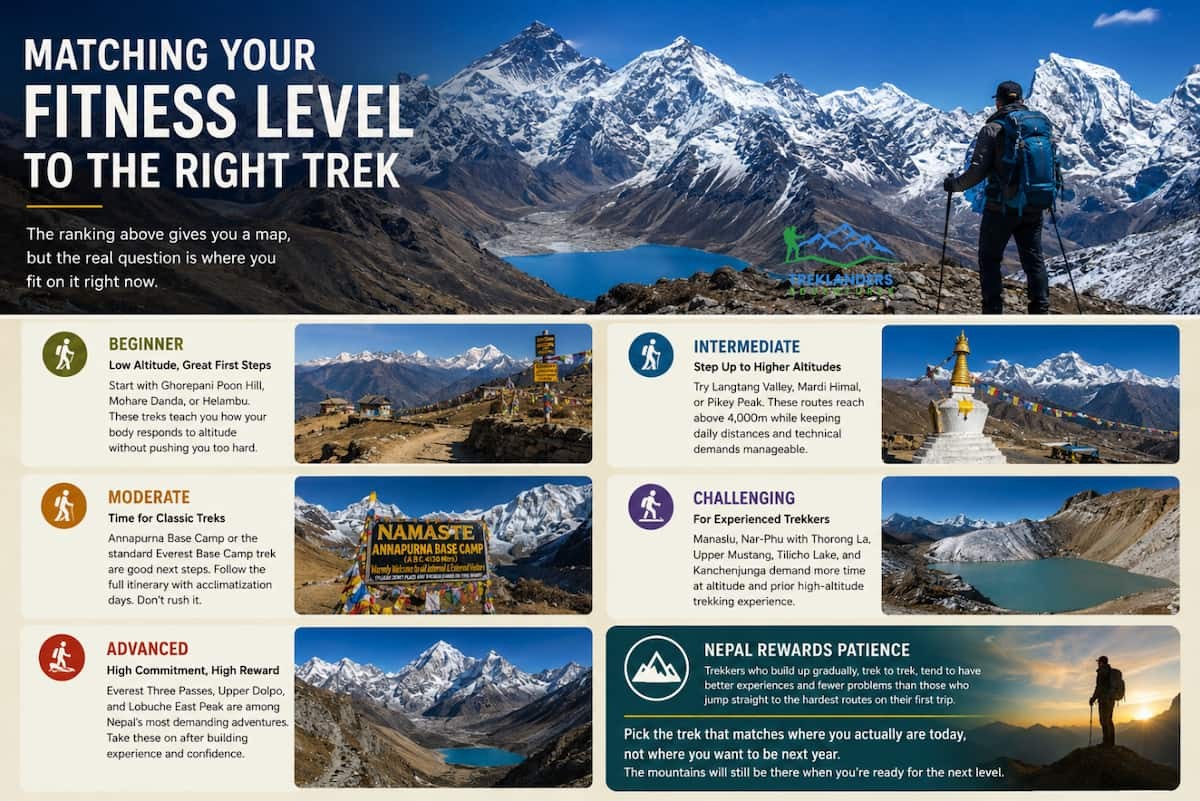
The ranking above gives you a map, but the real question is where you fit on it right now.
If you've never trekked at altitude before, start with Ghorepani Poon Hill, Mohare Danda, or Helambu. These treks teach you how your body responds to thinner air without pushing you into dangerous territory if something feels off.
If you've done one of those and want more, move into Langtang Valley, Mardi Himal, or Pikey Peak Trek. These routes introduce sustained altitudes above 4,000 meters while keeping daily distances and technical demands manageable.
Once you've handled a moderate trek without altitude issues, Annapurna Base Camp or the standard Everest Base Camp trek are reasonable next steps. Give yourself the full recommended itinerary length, including acclimatization days. Don't compress these trips to save time. That's how people end up turning around early or getting sick.
Manaslu Circuit Trek, Nar-Phu with Thorong La, Upper Mustang, Tilicho Lake, and Kanchenjunga belong on your list only after you've completed at leastone trek in the challenging category above. These trips ask more of your body over longer stretches, and prior experience with multi-day altitude exposure matters more here than raw fitness alone.
Everest Three Passes, Upper Dolpo, and Lobuche East Peak sit at the top for a reason. Approach them after you've built a track record of handling high altitude well, ideally with more than one successful high-altitude trek behind you, and in the case of Lobuche East, some basic mountaineering training as well.
Nepal rewards patience more than ambition. Trekkers who build up gradually, trek to trek, tend to have better experiences and fewer problems than those who jump straight to the hardest routes on their first trip. Pick the trek that matches where you actually are today, not where you want to be next year. The mountains will still be there when you're ready for the next level.
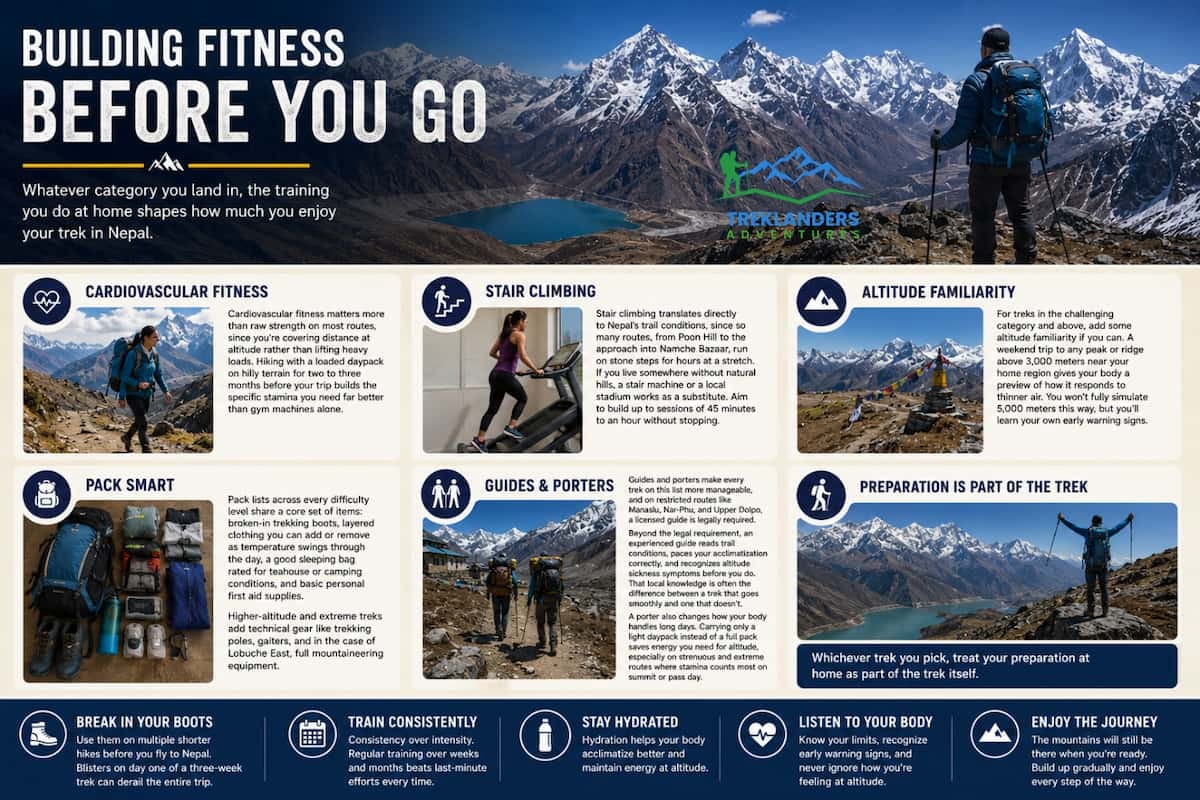
Whatever category you land in, the training you do at home shapes how much you enjoy your trek in Nepal. Cardiovascular fitness matters more than raw strength on most routes, since you're covering distance at altitude rather than lifting heavy loads. Hiking with a loaded daypack on hilly terrain for two to three months before your trip builds the specific stamina you need far better than gym machines alone.
Stair climbing translates directly to Nepal's trail conditions, since so many routes, from Poon Hill to the approach into Namche Bazaar, run on stone steps for hours at a stretch. If you live somewhere without natural hills, a stair machine or a local stadium works as a substitute. Aim to build up to sessions of 45 minutes to an hour without stopping, since that mirrors the sustained climbing you'll face on the trail.
For treks in the challenging category and above, add some altitude familiarity if you can. A weekend trip to any peak or ridge above 3,000 meters near your home region gives your body a preview of how it responds to thinner air. You won't fully simulate 5,000 meters this way, but you'll learn your own early warning signs, whether that's a mild headache, disturbed sleep, or shortness of breath on exertion, so you can recognize them faster on the actual trek.
Pack lists across every difficulty level share a core set of items: broken-in trekking boots, layered clothing you can add or remove as temperature swings through the day, a good sleeping bag rated for teahouse or camping conditions, and basic personal first aid supplies. Higher-altitude and extreme treks add technical gear like trekking poles, gaiters, and in the case of Lobuche East, full mountaineering equipment. Whatever trek you choose, break in your boots on multiple shorter hikes before you fly to Nepal. Blisters on day one of a three-week trek can derail the entire trip.
Guides and porters make every trek on this list more manageable, and on restricted routes like Manaslu, Nar-Phu, and Upper Dolpo, a licensed guide is legally required. Beyond the legal requirement, an experienced guide reads trail conditions, paces your acclimatization correctly, and recognizes altitude sickness symptoms before you do. That local knowledge is often the difference between a trek that goes smoothly and one that doesn't.
A porter also changes how your body handles long days. Carrying only a light daypack instead of a full pack saves energy you need for altitude, especially on strenuous and extreme routes where stamina counts most on summit or pass day. Whichever trek you pick, treat your preparation at home as part of the trek itself.
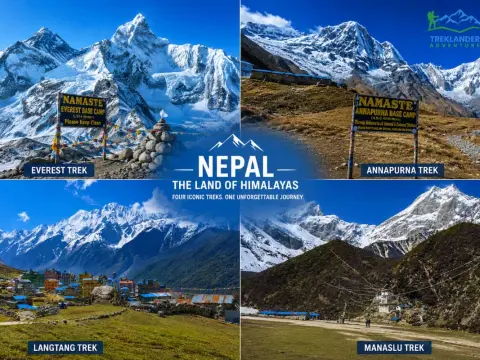
Compare the Everest, Annapurna, Langtang, and Manaslu treks to choose the perfect trekking adventure in Nepal.
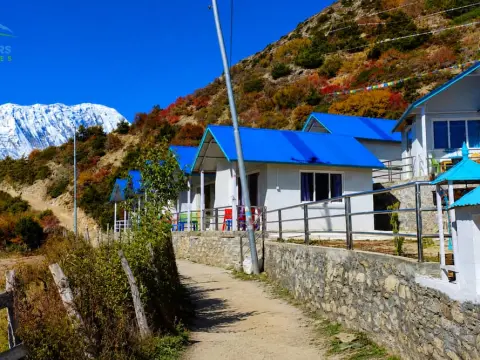
Discover Shree Kharka, the scenic gateway to Tilicho Lake and one of the Annapurna Circuit's most rewarding high-altitude stops.
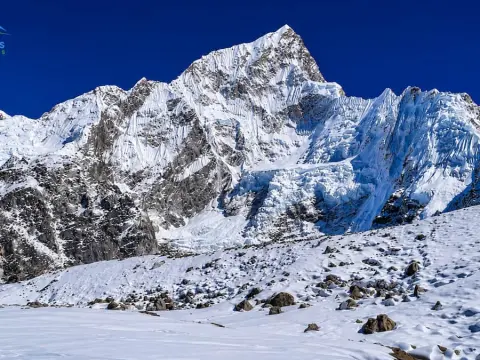
Discover the best treks in Nepal for September, with expert tips on weather, trail conditions, and the perfect Himalayan adventure.



