Safe Treks in Nepal Right Now: Routes Untouched by the Recent Floods
30 Aug 2026
Discover which trekking routes in Nepal remain safe and open after the recent floods, and which affected areas travelers should avoid for now.

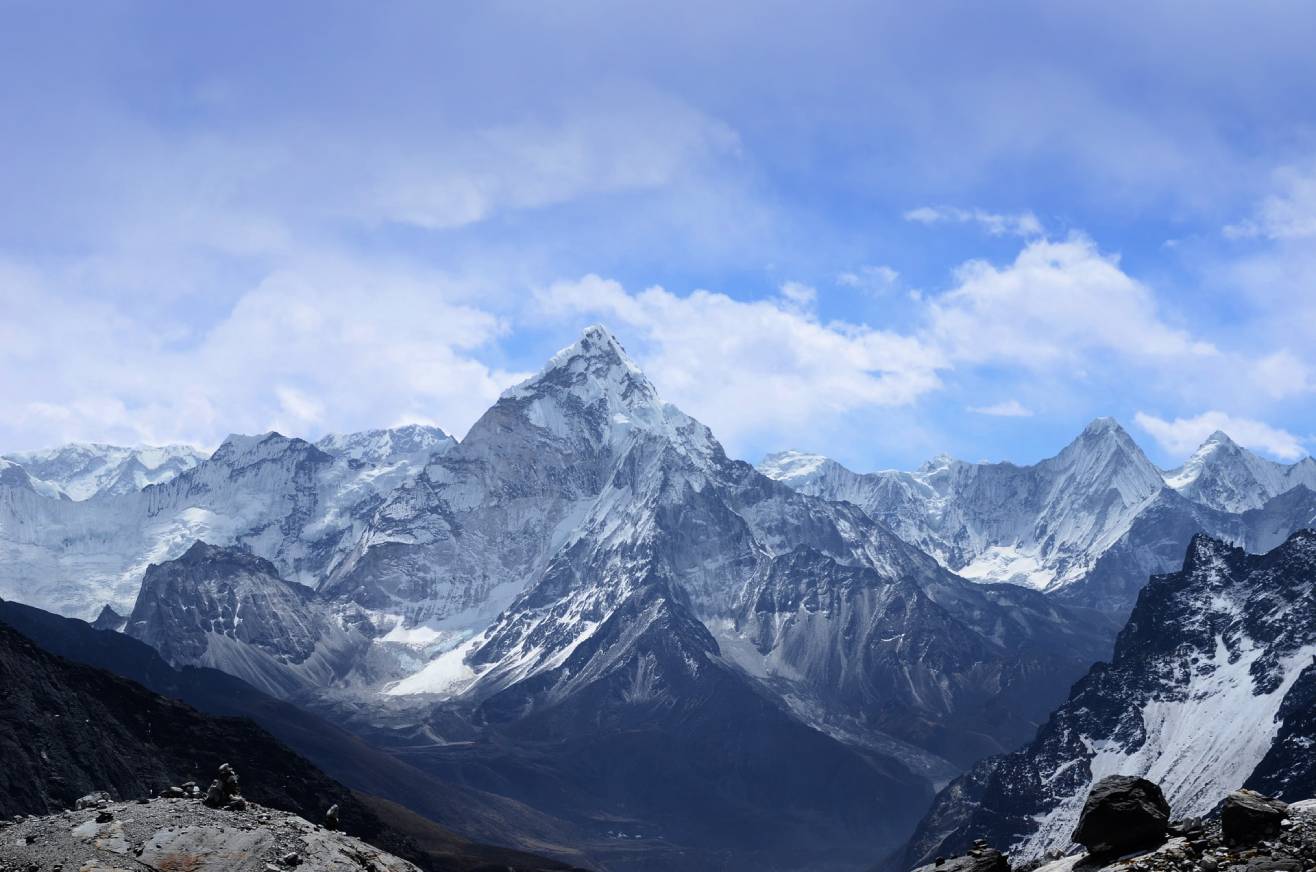
Mustang, rising dramatically in tiers of wind-eroded cliffs and monasteries painted in the Tibetan sky perched at the top, above the Kali Gandaki gorge, is not like any other trekking destination worldwide. It was the Kingdom of Lo that was independent once, but this Trans-Himalayan area did not allow foreigners until 1992. Upper Mustang still needs a special restricted area permit (USD 500 for 10 days), which helps keep its amazing cultural purity.
Lower Mustang - which can be reached without a permit and includes Jomsom and the Muktinath temple - and the challenging Upper Mustang with its ancient walled city of Lo Manthang (3,840 m), cave monasteries, sky cave systems, fossil beds of ammonites, and sacred chortens colored by the elements in brilliant ochre and crimson are the two parts of the region.
Starting from Jomsom, one can complete the Upper Mustang Trek in 12-15 days and visit Kagbeni, Chele Ghemi, Charang, and Lo Manthang. The maximum altitude of the trek is about 4,500 meters. The difficulty level is rated as moderate, and the paths are well-marked with a gradual increase in elevation. It is suitable for trekkers who are not quite ready for challenging routes like Manaslu Circuit or Everest Three Passes.
One of the major benefits is Mustang's excellent monsoon survival. Located in the Himalayas' rain shadow, it is still largely dry during the monsoon months of June to August, So becoming one of Nepal's premier monsoon trekking destinations. (In general, the best seasons are spring (March-May) and autumn (September-November).
From a cultural perspective, Mustang is a living museum of Tibetan civilization. The Loba people not only speak a Tibetan dialect but also continue the practice of Vajrayana Buddhism in their 14th-century monasteries. Besides, the royal palace in Lo Manthang, Thubchen Gompa, and the stunning Tiji Festival held in May are just some noteworthy cultural highlights that one cannot miss. The ancient sky caves - some estimated to be 2,000 years old - also offer a deep archaeological dimension that is unique to Nepal.
Permits necessary include the restricted area permit, ACAP, and TIMS card. Besides, a licensed guide is compulsory. Housing will be provided in tea houses all along the route.
Because it was only in 1992 that Upper Mustang finally opened its doors to foreign tourists after being a no-entry area for such visitors, the name 'Forbidden Kingdom' stuck with it. But even after the opening, visitors have had to get a very pricey restricted area permit, which has been a big factor in keeping the number of tourists low. The region was, until 2008, ruled by the independent Kingdom of Lo and the Raja of Mustang, who was the king of the area, enjoyed a special status recognized by the Nepalese government as a kind of semi-autonomous ruler. Besides being one of the most isolated regions on earth, the area's unique and pristine medieval Tibetan culture, including its architecture and monasteries, creates the perfect setting for a mythical land that clearly lives up to its legendary image.
The price of the Upper Mustang restricted area permit is USD 500 per person for a stay of up to 10 days, and for each extra day, the traveller is charged an additional USD 50. The high price for a premium permit was a deliberate strategy to limit the number of visitors as well as to generate revenue for the conservation of the cultural heritage of the area. Besides the restricted area permit, trekkers also require the Annapurna Conservation Area Permit (ACAP) and a TIMS card. When combined, the total permit cost places Upper Mustang as the most expensive trekking permit in Nepal, something that speaks to its outstanding cultural and environmental significance.
Let me tell you, the Upper Mustang Trek is one of the best trekking experiences in Nepal during the monsoon season. Why? Well, Mustang is located quite a bit north of the main Himalayan range, and because it's in this big rain shadow, it receives hardly any rainfall even during the monsoon period of June-August, which is when southern Nepal gets soaked. So, the trails don't get wet, you can see the sky clearly, and the landscape, thanks to meltwater streams flowing through the dry plateau, offers a very unique seasonal beauty. In fact, many seasoned trekkers opt for the monsoon in Mustang to sidestep spring and autumn crowds and enjoy more tranquil trails.
Tiji Festival, also known as the Tenjong Gyalpo, is a three-day sacred masked dance ritual that takes place every year in Lo Manthang, the old capital of Upper Mustang. Usually, the festival occurs in May (though the exact dates are determined by the Tibetan lunar calendar), and it honors the story of Dorje Jono, who is said to have vanquished a demon that was intent on destroying Mustang. The monks, wearing very ornate costumes and masks, enact the ritual dances in the palace courtyard of Lo Manthang while the whole town comes together to watch and join in. Going to the Tiji Festival is an unforgettable cultural event that trekkers can experience in Nepal.
Jomsom (2,720 m) is typically reached by a mountain flight from Pokhara lasting about 20-25 minutes. These small plane services are scheduled early in the morning before the strong winds in the Kali Gandaki valley that can make flying risky, so being on time is a must. The other way to reach Jomsom is by road (jeep track) from Beni through the Kali Gandaki valley but be aware that the road is accessible only seasonally and subject to weather conditions. From Jomsom, the Mustang trekking route goes north through Kagbeni, leading to the restricted Upper Mustang area.
Upper Mustang brings the most unbeatable exposure to Tibetan culture. People trekking there come across the Loba Tibetan language-speaking traditional-dress-wearing people around, who have preserved their culture with remarkable continuity. Besides, going to 14th-15th century monasteries that still have beautiful ancient murals, the royal palace of Lo Manthang, sky caves where archaeologically significant artefacts were discovered, mani walls that extend for hundreds of meters and Buddhist festivals, make the area a culturally rich journey that very few places in Asia can offer. Tibetan highland traditions are also well represented in the food items like tsampa (roasted barley flour), butter tea and local apple products.
Yes. Lower Mustang is accessible without the restricted area permit and encompasses the Jomsom area and the sacred pilgrimage site of Muktinath (3,760 m) - one of the holiest temples for both Hindus and Buddhists, where eternal flame burns from natural gas vents. The Jomsom Muktinath route forms part of the Annapurna Circuit and can be trekked as a shorter standalone journey. Treklanders also offer an Upper Mustang Heli Tour for those who want to experience the landscape's grandeur from the air without the multi-day trekking commitment.
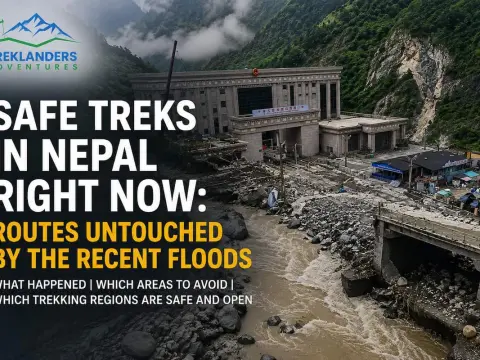
Discover which trekking routes in Nepal remain safe and open after the recent floods, and which affected areas travelers should avoid for now.
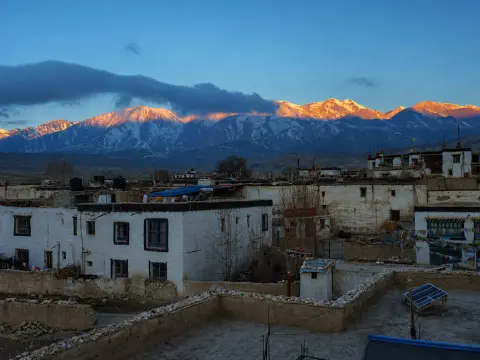
Explore Lo Manthang, Upper Mustang’s ancient walled capital, rich in royal history, Tibetan culture, monasteries, and Himalayan beauty.
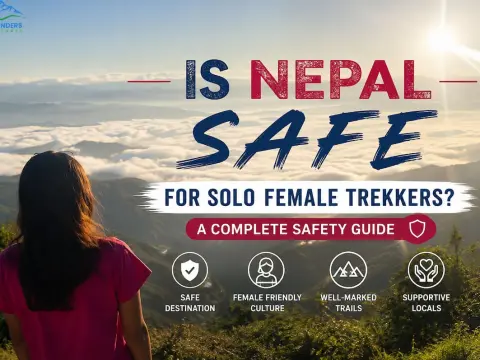
Discover how solo female trekkers can explore Nepal safely with practical advice on guides, permits, altitude, preparation, and trail safety.
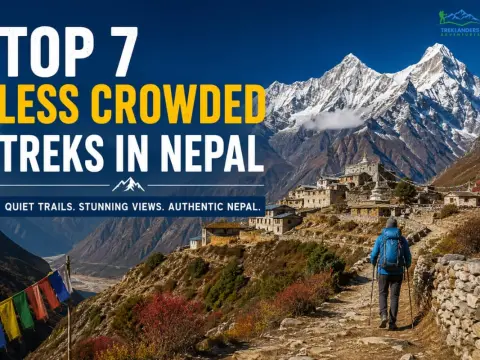
Discover 7 less crowded treks in Nepal with quiet trails, stunning Himalayan views, remote villages, and authentic experiences away from the crowds.
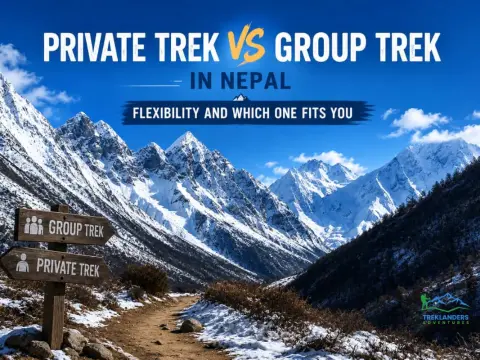
Choosing between a private and group trek in Nepal depends on flexibility, pace, budget, and travel style. Compare both to find your best fit.
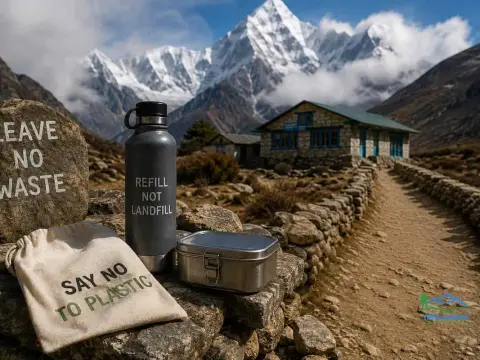
Learn how to reduce plastic waste while trekking in Nepal with simple zero-waste tips for water, food, gear, and responsible trail travel.
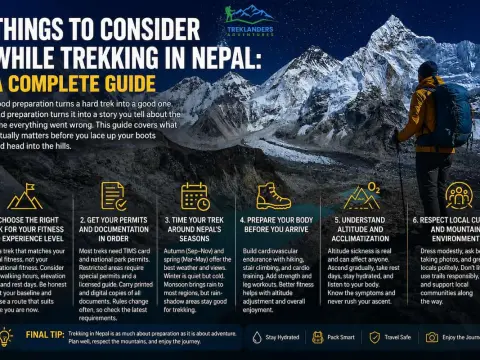
Plan your Nepal trek with confidence. Discover essential tips on permits, altitude, gear, seasons, safety, accommodation, and responsible trekking.
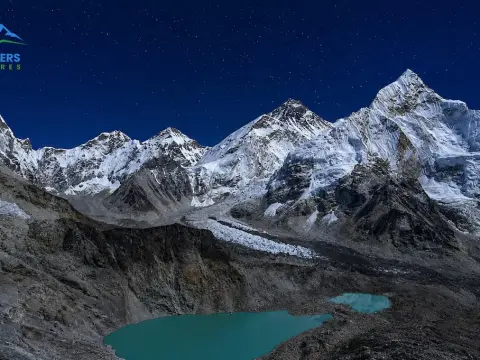
Discover why autumn is Nepal's best trekking season, with clear mountain views, stable weather, safer trails, and unforgettable Himalayan adventures.
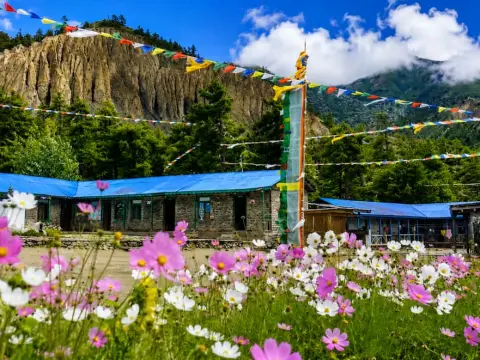
Discover the best rain-shadow treks in Nepal for a dry and scenic monsoon adventure.



