Is Mardi Himal Trek in Winter Possible?
8 Nov 2026
Is the Mardi Himal Trek possible in winter? Explore weather, snowfall, trail conditions, safety tips, and stunning Himalayan views.

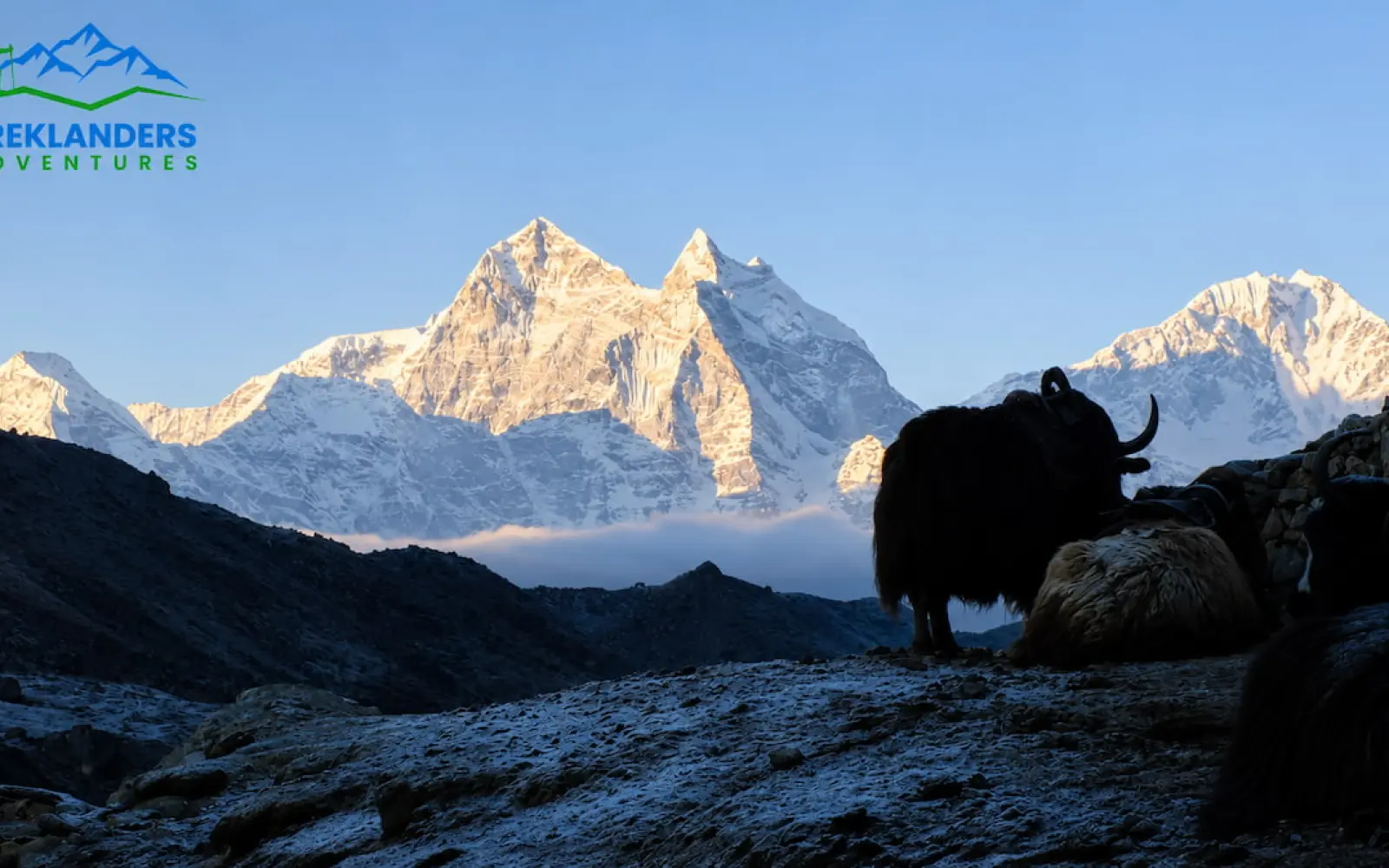
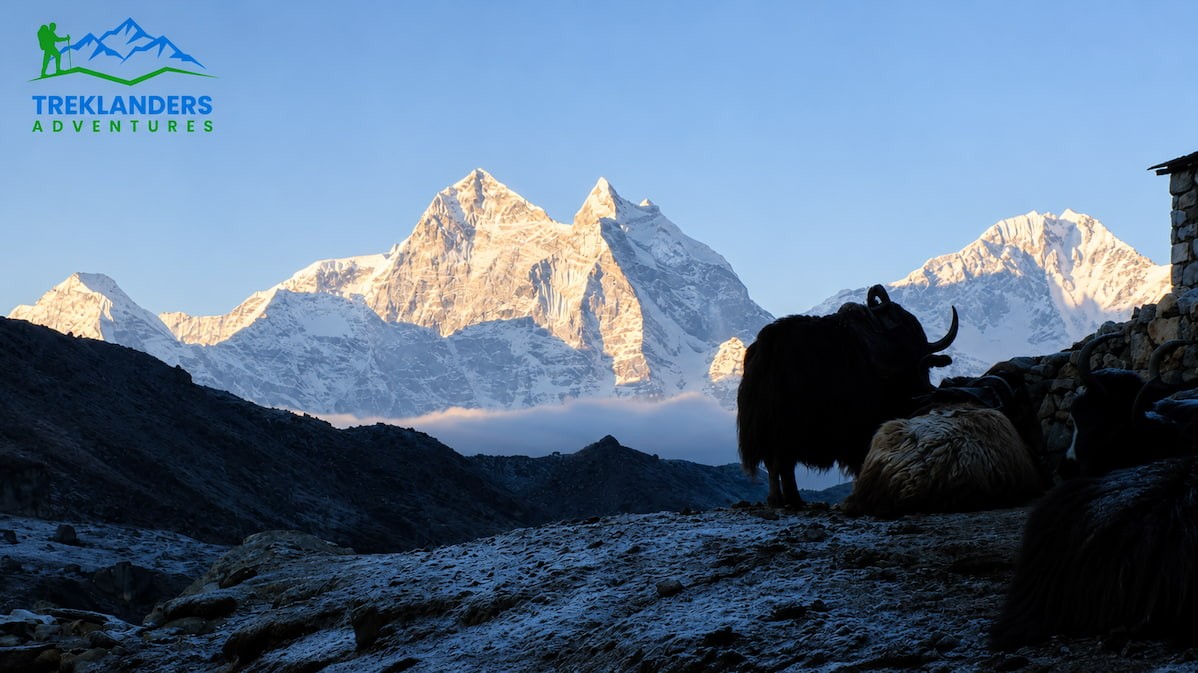
If you have two weeks of leave and one mountain on your mind, this is the plan. The 12-day Everest Base Camp trek takes you from Kathmandu to the foot of Mount Everest and back in 11 nights. You fly to Lukla, walk to 5,364 meters, climb Kala Patthar at 5,643 meters, and land in Kathmandu again on day 12.
Treklanders Adventures runs this route with government-licensed guides, one porter for every two trekkers, and two scheduled rest days. The Everest Base Camp trek is a long walk at altitude, so the schedule matters more than any single view. This guide covers the itinerary day by day, the best season, the training you need, the lodges, the permits, and the gear. Read it once, then decide whether 12 days fits your calendar.
Many trekkers search for a short EBC trek and find plans that skip rest days. This Everest Base Camp trek itinerary keeps both acclimatization stops, one in Namche Bazaar and one in Dingboche. You still reach the base camp and the viewpoint in under two weeks. The longer 14-day Everest Base Camp trek adds more buffer if you prefer a slower pace.
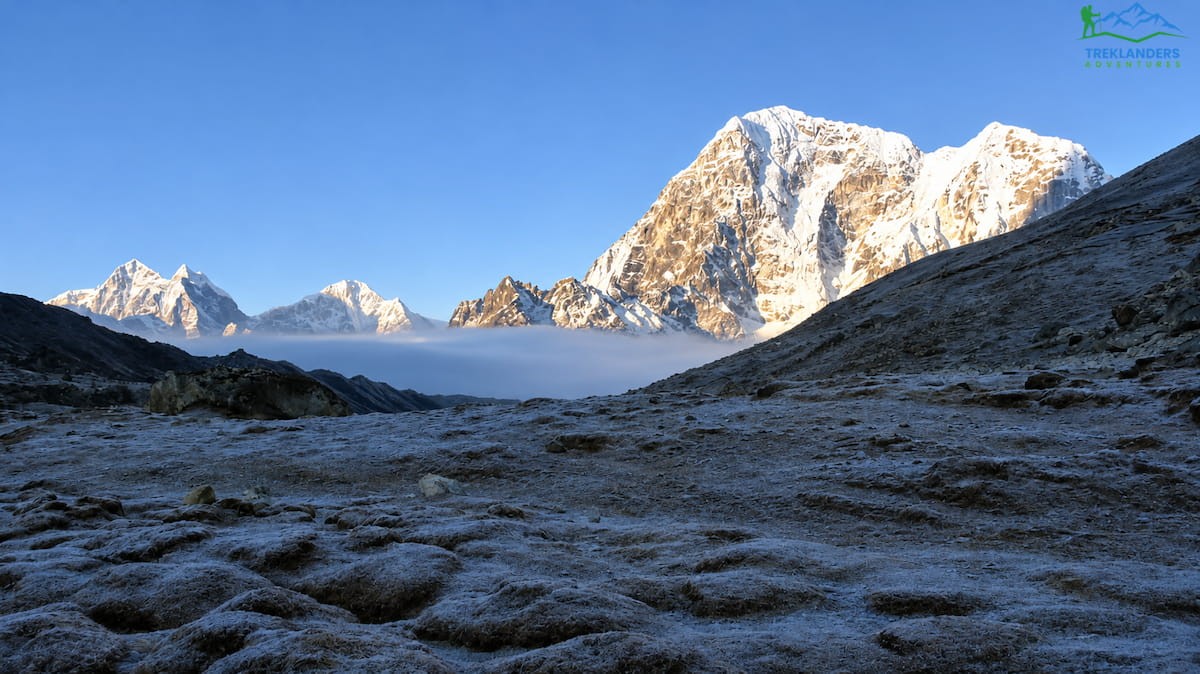
Twelve days is tight but workable. Your body needs time to adjust as you climb from 2,860 meters at Lukla to 5,364 meters at the base camp. This plan gives you that time in three ways.
First, you gain height slowly on most days. Phakding sits at 2,610 meters, Namche Bazaar at 3,440, Tengboche at 3,867, Dingboche at 4,410, and Lobuche at 4,928. Second, you spend two nights in Namche and two in Dingboche, with short hikes on both rest days. Third, you descend fast after Kala Patthar, so your body recovers on the way down.
The route is also direct. You skip side valleys and extra passes. If you want those, the Everest Three Passes trek and the Gokyo Valley trek cover them in more days. The Everest region treks page lists every option side by side.
This trek suits you if you walk regularly, handle five to seven hours on your feet, and have around two weeks free. It does not suit you if you need a fixed flight home on day 12. Weather can delay the Lukla flight, so leave a spare day at the end of your plans.
Duration: 12 days and 11 nights, Kathmandu to Kathmandu
Maximum elevation: Kala Patthar at 5,643 meters (18,514 feet)
Base camp elevation: 5,364 meters (17,598 feet)
Region: Khumbu, inside Sagarmatha National Park
Grade: moderate to challenging, with no technical climbing
Accommodation: tea house lodges
Meals: breakfast, lunch, and dinner during the trek
Transport: domestic flights between Kathmandu and Lukla, plus ground transfers
Group size: 1 to 30 trekkers
Best seasons: March to May and September to November
The trek follows this line: Kathmandu, Lukla, Phakding, Namche Bazaar, Tengboche, Dingboche, Lobuche, Gorak Shep, Everest Base Camp, Kala Patthar, Pangboche, Namche Bazaar, Lukla, and back to Kathmandu. You can compare it with the standard Everest Base Camp trek in Nepal to see where the days differ.
Numbers help when you plan your legs. Day 1 takes about four hours. Days 2, 8, 9, 10, and 11 take about six hours each. Days 4, 5, and 7 take about five hours each. Days 3 and 6 are rest days with short hikes, and day 12 is a flight. That adds up to roughly 49 hours of walking across the whole trek.
Sleeping heights climb in steps: 2,610 meters at Phakding, 3,440 at Namche Bazaar, 3,867 at Tengboche, 4,410 at Dingboche, 4,928 at Lobuche, and 5,180 at Gorak Shep. Notice that you never jump more than about 550 meters between two nights above Namche. That limit is the reason this itinerary follows its exact order. Compare it with the longer standard trek and you see the same logic stretched over more days.
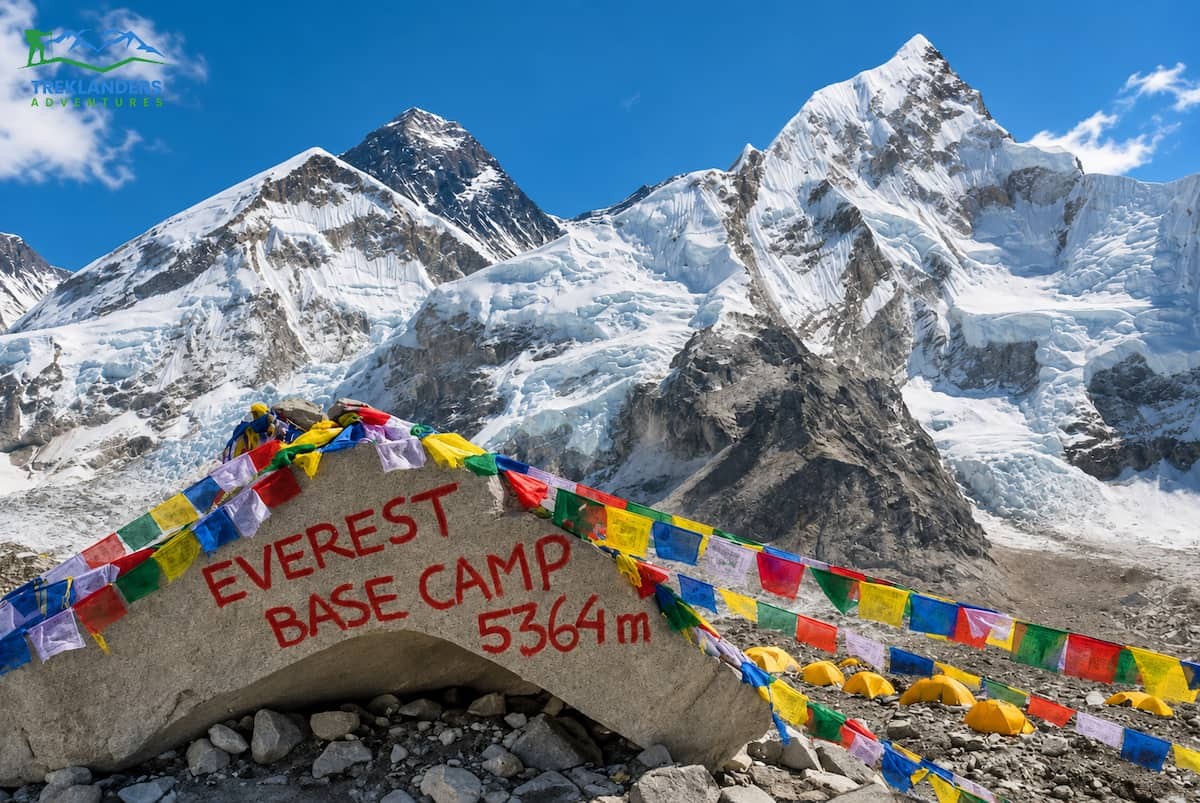
Your day starts with an early breakfast and a short drive to the domestic airport in Kathmandu. After check-in, you board a small aircraft for the flight to Lukla, which takes about 35 minutes. On clear mornings you see Everest, Lhotse, and Makalu from the window.
The plane lands at Tenzing-Hillary Airport. Your guide organizes the bags, and you rest briefly before you start walking. The trail runs through Lukla town, then rolls up and down past Sherpa villages to Phakding. Plan on about four hours. The walk is short on purpose, because your body is still adjusting to altitude. You eat lunch and dinner on the trail and sleep in a tea house.
Lukla is the gateway to the Khumbu region, so every Everest trekker passes through it. If bad weather grounds flights, your guide handles the rebooking.
Day 2 is the first real climb. You eat breakfast and walk about six hours, crossing suspension bridges and following the Dudh Koshi River. The trail drops gently, rises in short sections, and reaches Monjo village.
Past Monjo you enter Sagarmatha National Park. UNESCO lists the park as a World Heritage Site, and it holds some of the highest mountains on Earth. You cross another bridge above the river, then stop for lunch at Jorsalle. In the afternoon you walk along the riverbank through rhododendron and pine, cross a high bridge, and start a long climb to Namche Bazaar.
The last few hours feel steep. Walk slowly and drink water. You sleep two nights in Namche, which gives you a rest day tomorrow. Treklanders Adventures also runs trekking in Nepal well beyond the Khumbu, so you can plan a second trip once this one ends.
Namche Bazaar is the commercial center of the Khumbu. The town got its name from the Saturday market that has drawn traders here for generations. Shops, bakeries, cafes, and gear stores line the stepped streets.
Today you stay at the same height but hike a little higher. The standard choice is the climb to the Everest View Hotel, a few hours above town. The hotel appears in the Guinness World Records as one of the highest hotels in the world. From its terrace you see Everest, Lhotse, and Ama Dablam. You then return to Namche to sleep at the lower elevation. That pattern, climb high and sleep low, is what makes rest days work.
Other options are a walk to the Sherwi Khangba Museum above town. It covers Khumbu culture, local plants and animals, and the history of Everest climbing. After lunch you can explore the market streets at an easy pace. Do not skip this day. It is the reason the schedule works. The shorter 8-day Everest Panorama trek is the alternative if you want mountain views in less time.
You leave Namche after breakfast on a gradual trail with open views of Everest and the peaks around it. The path drops to Phunki Tenga, where you stop for lunch among rhododendron and pine forest. After lunch you climb for a few hours to reach Tengboche, about five hours of walking in total.
Tengboche Monastery is the largest Buddhist monastery in the Khumbu. It sits on a ridge with Everest, Lhotse, and Ama Dablam in view. The current building dates from 1993. A fire destroyed the earlier structure in 1916, and an earthquake damaged a rebuilt version in 1934. Your guide can arrange for you to sit in on the monks' prayer session if your arrival matches the schedule. You also tour the interior, where painted walls show Buddhist art.
Each autumn the monastery hosts the Mani Rimdu festival with masked dances. If your dates fall in the autumn season for Everest Base Camp, ask your guide about the festival dates.
Today you walk about five hours. The morning starts with views of the high peaks, then a descent to a bridge. You leave the forest behind and climb to Pangboche, the last permanent settlement on the route. Lunch is at Somare, with close views of Ama Dablam.
After lunch the trail turns open and exposed. It drops to a stream, then climbs for about an hour into the Imja Valley, where Dingboche sits. Ama Dablam rises above the village, and Island Peak shows to the east. If the view tempts you, our Island Peak trek and climb goes right through this valley.
You are above 4,000 meters now, and the nights get cold. Wear your warm layers at dinner and keep your water bottle inside your sleeping bag so it does not freeze.
This is your second rest day. You spend it in Dingboche with a morning hike to the Nakarjung ridge. From the top you see Ama Dablam, Island Peak, and as far east as Makalu. The hike is short and slow. Its job is to push your body slightly higher before you return to sleep at 4,410 meters.
The rest of the day is free. Wash a few clothes, charge your devices, and check your gear. Eat well even if your appetite drops. Many trekkers lose some appetite at this height, but your legs still need fuel for the days ahead.
Tell your guide how you feel. A mild headache is common. Strong headaches, nausea, or unusual tiredness need attention, and your guide checks on you daily. You can read about how guides handle this on our about Treklanders Adventures page.
Day 7 takes about five hours. The morning begins with a short steep climb out of Dingboche. From the top you look back over the Imja Valley, then follow a gradual uphill path to Thugla. This small place sits halfway between the Dingboche and Pheriche routes, and you stop there for lunch.
After lunch you climb steeply for less than an hour to reach a high ridge. The trail then rises gently, but the thin air slows you down. A few more hours bring you to Lobuche, your last overnight stop before base camp.
Go to bed early. Tomorrow starts before sunrise, and sleep at this elevation is light for most people. Keep a headlamp, a hat, and your down jacket within reach.
This is the day you came for. Start as early as you can and carry a packed lunch. The first section is a pleasant trail that climbs onto rocky ground above the Khumbu Glacier. After a short descent you reach Gorak Shep, a small settlement with a few lodges. It sits on a wide sandy flat below Pumori and Kala Patthar.
Rest briefly, then head for base camp. The path winds between rocks and glaciers. When you arrive, you stand beneath Everest in a landscape of ice, snow, and stone, ringed by Lhotse, Nuptse, and Pumori. The Khumbu Icefall hangs above the camp, and in spring you may see expedition tents pitched below it.
Everest itself is not visible from the camp, because Nuptse blocks the view. That is why the next morning matters. After you take your photos, you walk back to Gorak Shep for the night. The day takes about six hours. If you want a different ending to this section of the route, the 9-day Everest Base Camp trek with helicopter return flies you out from here.
Day 9 starts in the dark and the cold. You climb steeply to the top of Kala Patthar, the black ridge above Gorak Shep. The name means black rock in Nepali. It is the best place on this trek to see Everest's summit at close range. Pumori stands in front of you, and a ring of snow peaks surrounds the ridge. Most trekkers reach the top before dawn to watch the first light hit Everest, Nuptse, and Pumori.
This is the highest point of your trek, at 5,643 meters. Take your photos, then go down. Cold and thin air wear you out quickly, and you still have a long day ahead.
Back at Gorak Shep you eat breakfast, then retrace your steps to Lobuche and Thugla. From there you take an alternate path down to Pheriche for lunch. In the afternoon the trail rises and falls along a high ridge, then drops for a long descent to Pangboche. The day takes about six hours, and you lose a lot of height. Your lodge in Pangboche has a clear view of Ama Dablam.
You can find more photos of the viewpoint in the Treklanders trek gallery.
You wake to views of Ama Dablam and walk down to the river bridge. A climb then takes you back up to Tengboche Monastery. From there the trail returns to the forest, and you see Phunki Tenga below. Slow uphill sections and a winding path carry you into Namche Bazaar for the night. Plan on about six hours.
The air feels thick after the high camps. Most trekkers sleep better here and eat more. If you want a hot drink or a baked treat, Namche has bakeries and cafes. Tonight is a good time to share stories with your group and thank your porter.
The last walking day is long, about six hours, and mostly downhill. You follow the Dudh Koshi Valley and pass Jorsalle, the national park exit near Monjo, and Phakding, where you stop for lunch. The path then turns gentle and winding before one last climb into Lukla.
You reach Lukla by late afternoon. This is your final night in the Everest region. Many groups celebrate with their guide and porter team here. Tipping is customary, and tips are not part of the package, so bring cash. Treklanders Adventures also lists the guides and team members on its website if you want to learn who works on this route.
You transfer to the airport early and board the short flight back to Kathmandu. Your team then takes you to your hotel. The rest of the day is free. Most trekkers shower, sleep, and eat something other than dal bhat. The package includes a farewell dinner on the final night in Kathmandu.
If you have a spare day, Kathmandu has plenty to see. The seven UNESCO heritage sites tour and the Kathmandu full-day sightseeing tour cover the old city well. The Patan and Bhaktapur tour adds two more royal squares.
Everest stands 8,848 meters tall. You do not climb it on this trek, but you reach its base and see its summit from Kala Patthar. At the base camp you look toward the Khumbu Icefall, where blocks of ice fall between Everest, Lhotse, and Nuptse. Climbers cross it on the main summit route. You watch from a safe distance after a short flat walk.
Sagarmatha National Park has protected this part of the Khumbu since 1976. UNESCO listed it as a World Heritage Site in 1979. Sagarmatha is the Nepali name for Everest, and Sherpas call the mountain Chomolungma. In the lower forests you may spot Himalayan tahr on the crags and the Impeyan pheasant, which is Nepal's national bird.
The Sherpa people have lived in the Khumbu for many generations and practice Tibetan Buddhism. You see their culture in mani walls, prayer wheels, and chortens along the path. Pass these on the left side, so you walk clockwise around them. A simple Namaste works with everyone you meet. Most lodge owners speak enough English to handle menus and bookings.
For more places on the same side of the country, look at the Nepal destinations page. It links to treks, tours, and one-day hikes that you can add before or after this trek.
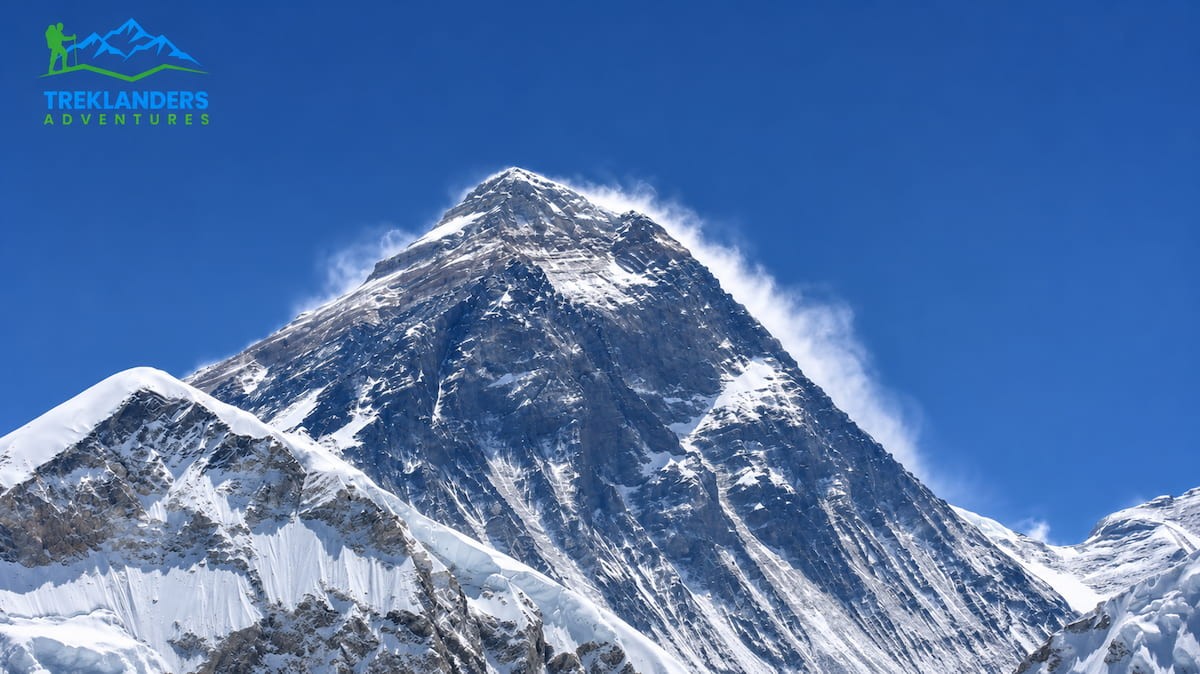
The best seasons for the Everest Base Camp trek are spring and autumn. Pick the one that suits your schedule, then book early, because lodges and flights fill fast.
Spring runs from March to May. Daytime temperatures are comfortable at lower elevations, and nights stay cold above 4,000 meters. Rhododendron forests bloom red, pink, and white between Lukla and Namche. Spring is also the main climbing season on Everest, so you may meet expedition teams at base camp.
Autumn runs from September to November. This is the busiest period. The monsoon has washed the air, so mountain views are clear from Namche onward. Days are warm at lower elevations, and nights turn very cold above Dingboche. Dashain and Tihar, Nepal's biggest festivals, fall in these months, and you may see celebrations in villages.
Winter runs from December to February. The trails are quiet, and the days are often clear and sunny. Nights drop well below freezing, especially at Lobuche and Gorak Shep. Some lodges above Dingboche reduce service or close in the coldest weeks, so ask your guide before you book.
Monsoon runs from June to August. Heavy rain falls on the lower trail, leeches appear in forest sections, and clouds hide most views. The trail stays open, and few trekkers go. Most people choose another season.
Whatever month you pick, carry warm clothes. Temperatures above 4,000 meters stay below freezing at night all year. You can see the season guide for Everest Base Camp for a wider comparison, and the Everest Panorama trek works if you want views without the high camps.
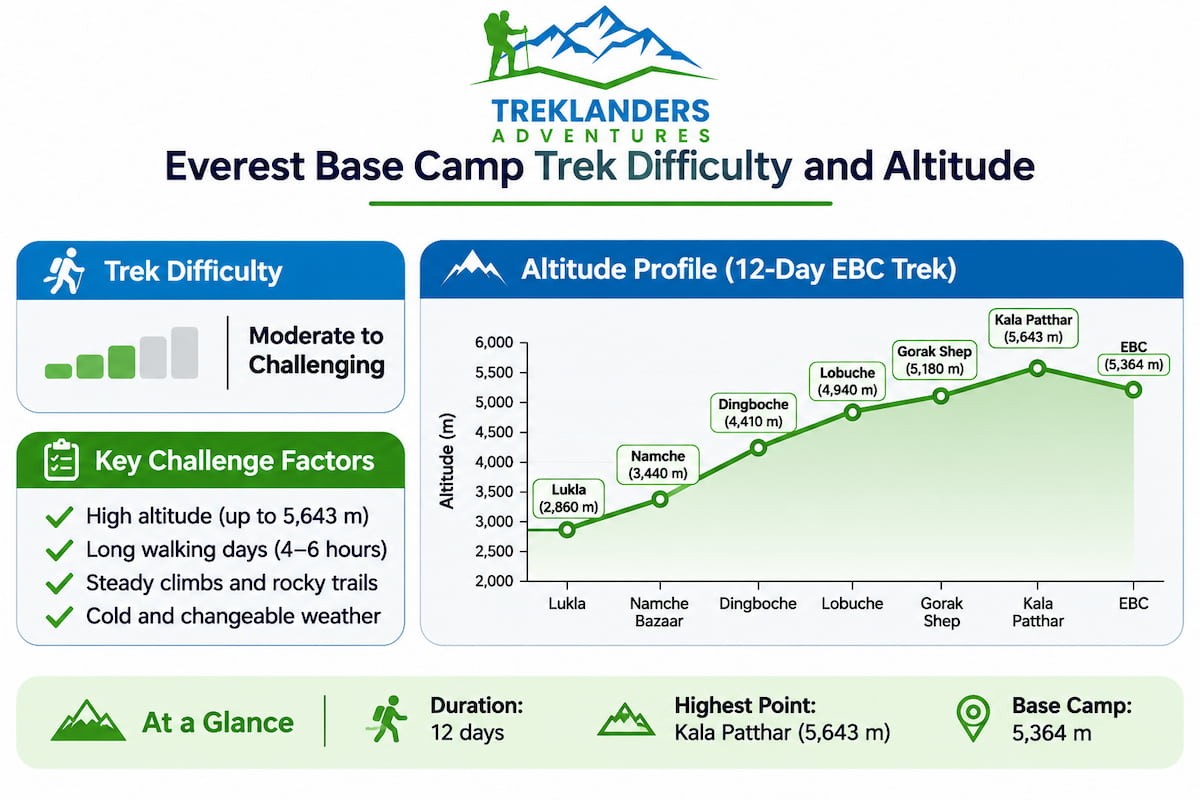
This trek is moderate to challenging. You walk five to seven hours on most days over stone steps, rocky moraine, and forest paths. You need no ropes, crampons, or climbing skills. Altitude is the real challenge, not the terrain.
Start training 8 to 12 weeks before departure. Do cardio for 30 to 45 minutes, four to five days a week. Hill walking, stair climbing, and cycling all work. Add squats, lunges, and step-ups two to three times a week. In the last weeks, take four to six practice hikes with the daypack you plan to carry. Include steep climbs and descents in at least some of them.
Most healthy trekkers between 12 and 65 years old can finish this route after a few months of preparation. If you have a heart, lung, or joint condition, see your doctor before you book.
Altitude sickness can affect anyone, including very fit people. The rest days at Namche Bazaar and Dingboche reduce the risk, and your guide checks your condition each day. Walk at a steady pace, drink plenty of water, and report headaches, nausea, or fatigue at once. Do not hide symptoms to stay on schedule. If you feel unwell, tell your guide early.
Plan your preparation with a trip adviser on the plan my trip page. You can also read about one-day hiking options near Kathmandu to build fitness before you travel. The Nagarkot day hike, the Nagarjun Jamacho hike, and the 4-day trekking adventure near Kathmandu all work as warm-ups if you arrive early.
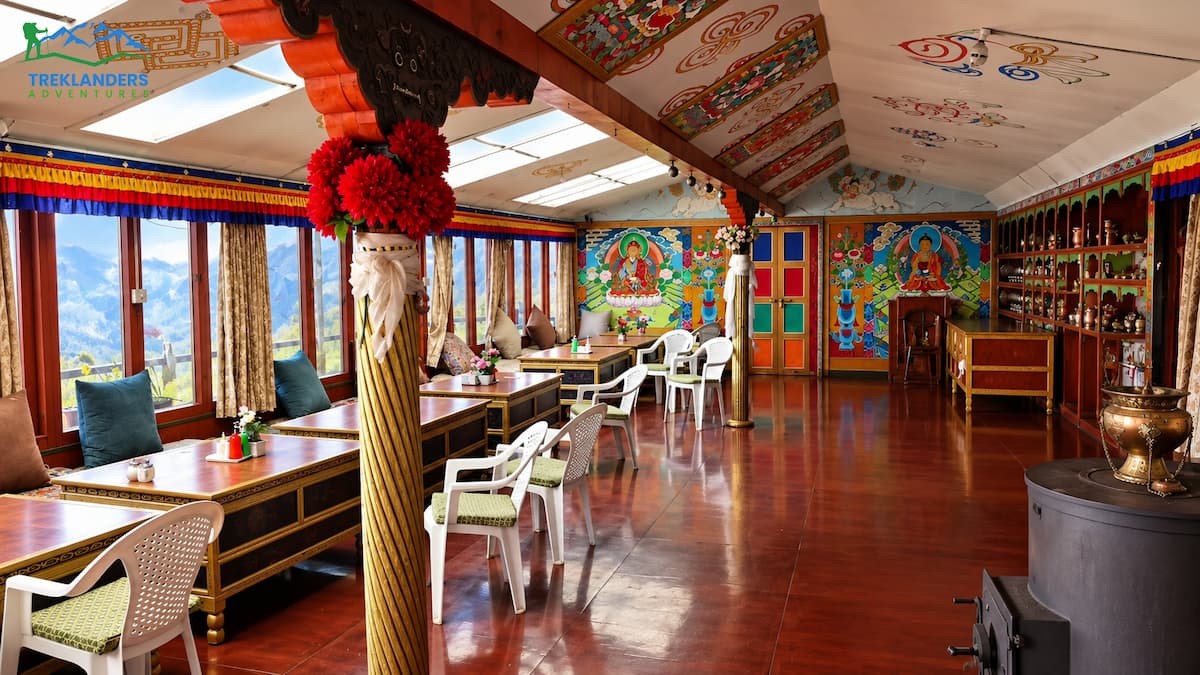
You sleep in tea house lodges every night of the trek. Rooms are usually twin share with shared bathrooms. Some lodges in Phakding, Namche, and Tengboche have rooms with attached bathrooms. Above Dingboche, expect shared facilities only.
The dining room is the center of each lodge. A central stove heats it, and it burns wood, dung, or kerosene depending on the altitude. This is where you eat, charge devices, and talk with other trekkers. Move close to the stove in the evening and keep your jacket on until the room warms.
Menus are similar from lodge to lodge. Breakfast includes porridge, eggs, pancakes, and Tibetan bread. Lunch and dinner bring dal bhat, noodle soups, fried rice, and momo. Many lodges also serve pasta and pizza, but the choices shrink as you climb. Dal bhat is a good choice at altitude because you get rice, lentils, and vegetables, and refills are common.
Each lodge serves boiled or treated water. Bottled water is sold along the trail, but plastic bottles are a growing problem in the Khumbu. Bring a reusable bottle and purification tablets or a filter, and refill it each morning.
Most lodges charge phones and cameras with solar panels or micro-hydro power. Wi-Fi is available at many stops, but speed drops as you gain height, and signal may disappear above Lobuche. Bring a power bank and keep batteries in an inner pocket at night, since cold drains them fast.
If you want more comfort on the same route, the Everest Base Camp luxury trek is the option if you want a more comfortable version of the route. Food fans can also join a momo making class in Thamel or a cooking class in Thamel before or after the trek.
The flight to Lukla depends on weather and air traffic. In March to May and September to November, flights may leave from Manthali Airport in Ramechhap instead of Kathmandu. Manthali is about a 3 to 4 hour drive from the capital, so you may need to leave before dawn. In that case, your team may arrange a night in a local hotel in Manthali before the early flight.
Flights can also be delayed or canceled when weather turns bad, sometimes for several days. Add a buffer day before your international flight home. If conditions force a helicopter transfer between Lukla and Kathmandu, that transfer is not part of the standard package.
You need two permits for this route. The first is the Sagarmatha National Park entry permit, checked at Monjo. The second is the Khumbu Pasang Lhamu Rural Municipality entry permit, checked at the same place. Treklanders Adventures arranges both before you start. You only need your passport and a few passport-size photos.
Buy travel insurance before you leave home. It must cover high-altitude trekking up to at least 6,000 meters and include emergency helicopter evacuation. Many standard policies exclude trekking above a set altitude, so read the fine print. Carry a printed or digital copy with the emergency contact number, and share it with your guide before you start walking.
If you want to avoid the Lukla flights on one leg of the trek, look at the Everest Base Camp trek returning via helicopter or the Everest Base Camp trekking from Jiri, which starts on foot from the road. You can also see the mountain without trekking on the Everest mountain flight from Kathmandu or the Everest heli tour.
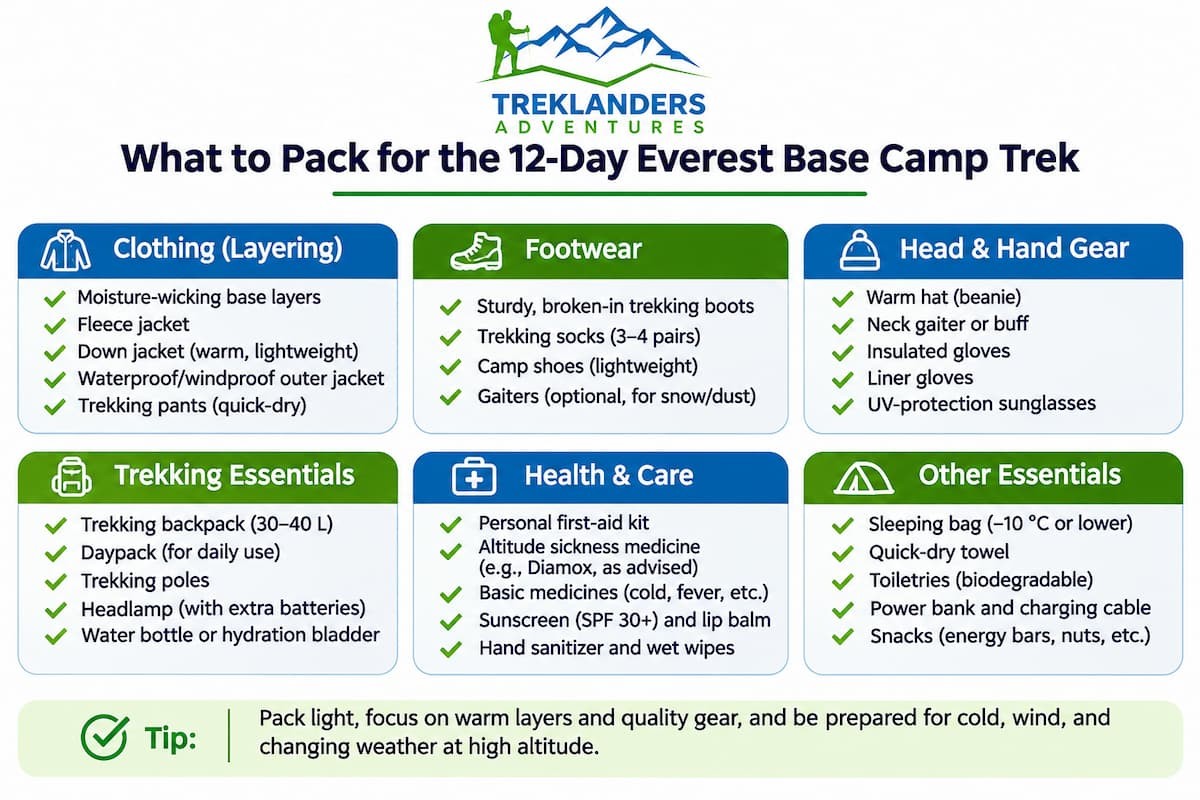
Pack in layers instead of a few heavy items. A moisture-wicking base layer, a fleece or light down mid-layer, and a windproof, waterproof shell cover most conditions. Add a warm hat, gloves, and a heavy down jacket for the days above Lobuche, where nights fall well below freezing.
Your boots matter more than almost any other item. Choose sturdy, waterproof trekking boots with ankle support, and wear them on several practice hikes before you arrive. Bring camp shoes or sandals for the lodge, plus two or three pairs of wool or synthetic socks and one thick pair for the cold days.
Here is a short checklist for the essentials:
Base layers: two or three T-shirts, one or two thermal tops, one or two thermal bottoms
Insulation: fleece jacket, light down or synthetic jacket, heavy down jacket
Outer layers: waterproof jacket and pants, trekking gloves, heavy gloves or mittens, beanie, sun hat
Gear: trekking poles, 30 to 35 liter daypack, duffel bag, rain cover, two 1-liter bottles, headlamp with spare batteries
Sleeping: sleeping bag rated for minus 10 to minus 20 degrees Celsius
Electronics: power bank, cables, plug adapter, phone in a waterproof pouch
Health: personal first aid kit, pain relievers, blister tape, water purification tablets, prescription medicine
Documents: passport, permit copies, cash in small notes, insurance papers
Ask your doctor before you carry Diamox. Use it only if a doctor advises it. Sunscreen with SPF 50 or higher, lip balm with SPF, and category 3 or 4 sunglasses protect you from the strong light at altitude. Your guide carries a first aid kit for the group, but your own kit handles blisters and small problems quickly.
If you plan to buy gear in Kathmandu, allow a day before the flight. The Chandragiri cable car tour or the Nagarkot sunrise tour fills that day with a view of the Himalaya and a rest for your legs.
Treklanders Adventures bundles the main logistics into one booking. The 12-day Everest Base Camp trek package includes:
Domestic airport pick-up and drop-off
Tea house lodge accommodation during the trek
Breakfast, lunch, and dinner during the trek
Experienced, government-licensed guide and porter
One porter for every two trekkers
Domestic flight tickets, Kathmandu to Lukla and back
First aid kit carried by the Sherpa leader
Insurance for the guide and porter team
National park entrance fee
All government charges and taxes
Farewell dinner on the last night in Kathmandu
The package does not include your travel insurance, personal equipment and expenses, or tips for the guide and porter. You can contact the team with any question about what falls inside or outside the plan.
Thousands of trekkers walk this trail each season, so small habits add up. Carry a reusable bottle and refill it at your lodge. Bring your own litter out of the high camps. Keep to the marked trail near villages, and ask before you photograph monks, locals, or prayer rooms.
Respect the porters too. Each porter on this trek carries a shared load for two trekkers, so pack light and keep your duffel within the weight limit your guide gives you. Say thank you at the end of each day. Treklanders Adventures follows Nepal's responsible tourism rules for its team, with fair wages, meals, lodging, and insurance for guides and porters.
You can also support local business by buying snacks, tea, and baked goods from lodge kitchens and village shops. If you want a lighter-impact day before the trek, try a one day hiking trip from Kathmandu. Peak seekers can browse peak climbing in Nepal after they finish base camp.
Treklanders Adventures operates this program with guides who hold government licenses and know the Khumbu well. They are trained in altitude health risks and emergency first aid. Each group travels with one porter for every two trekkers, so you carry only a daypack.
Guides and porters receive fair wages, food, lodging, and insurance for the whole trek. Your guide handles permits, lodge bookings, and the daily pace. That leaves you free to walk, look around, and rest.
Group size varies from a solo traveler to a large party, and the plan stays the same. You follow the same route, the same two rest days, and the same cautious pace at altitude. Many trekkers return for other routes after their first trip. They go on to the Annapurna region treks, the Langtang region treks, or the Manaslu region treks. Past guests mention the guiding team as a main reason they come back, and you can read their words on the Treklanders reviews page.
Past trekkers describe the guiding in specific terms. A trekker from Germany felt dizzy between Lobuche and base camp, and the guide monitored her condition, encouraged her, and slowed the pace. She finished the trek. A first-time high-altitude trekker from the United States reported no serious altitude sickness and praised the guide and porter for sharing local history. A family from Switzerland credited their guide, Anurag, for keeping every member motivated. Read more of these accounts on the guest reviews page, or meet the people behind them on the Treklanders team page.
If 12 days does not fit your plans, other options exist. The Everest Base Camp via Cho La Pass route takes you through the Gokyo Valley first. The Everest Base Camp trek with Lobuche East peak climbing adds a summit. The Mera Peak trek and climb suits experienced climbers. If you travel from far away, pair the trek with a 3-day Chitwan wildlife tour or the 3-day Pokhara sightseeing tour.
Trekkers who want a different trip later can look at heli tours, tours in Nepal, or the Langtang Valley trek, and the Manaslu Circuit trek suits a longer holiday.
Reading about the trail helps, and seeing it helps more. Browse the Treklanders blog for more route notes, or visit the Treklanders Adventures homepage to see every trek and tour in Nepal, Tibet, and Bhutan. The Tibet tours include the 13-day Lhasa tour via Everest Base Camp, which reaches the north side of the mountain.
You now have the full picture. The route is direct, the rest days are fixed, and the support team handles permits, flights, lodges, and meals. Your job is to train, pack well, and give the schedule room for weather.
Pick a season, check your calendar, and send your dates. You can book the 12-day Everest Base Camp trek online, or use the custom trip planner if you want to change the plan. The team answers by WhatsApp and email, and you can reach it through the Treklanders contact page. Send your questions early, because flights and lodges fill fast in peak months.
Everest does not need you to be an athlete. It needs you to be prepared, patient, and willing to walk slowly. Do that, and you will stand beneath the highest mountain on Earth on day 8 and see its summit at dawn on day 9.
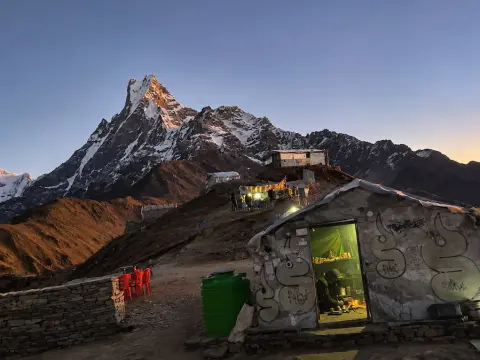
Is the Mardi Himal Trek possible in winter? Explore weather, snowfall, trail conditions, safety tips, and stunning Himalayan views.
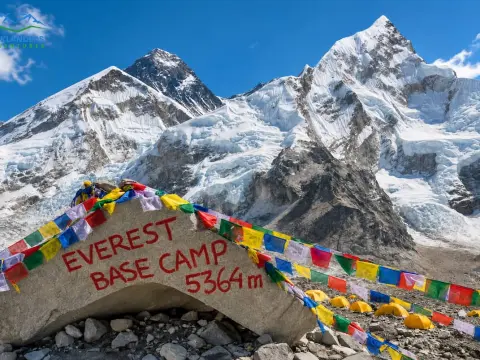
Explore the 12-Day Everest Base Camp Trek itinerary, difficulty, altitude, acclimatization, best seasons, permits, and essential trekking tips.
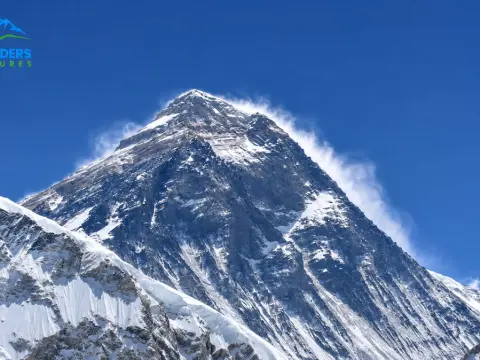
Explore our first-timer’s Everest Base Camp Trek guide covering the 16-day itinerary, difficulty, altitude, acclimatization, and essential tips.



