Manaslu Circuit Trek Itinerary: 13-Day, 14-Day and 18-Day Options
5 Nov 2026
Compare 13, 14, and 18-day Manaslu Circuit Trek itineraries, routes, altitude, acclimatization, difficulty, and Larkya La Pass.

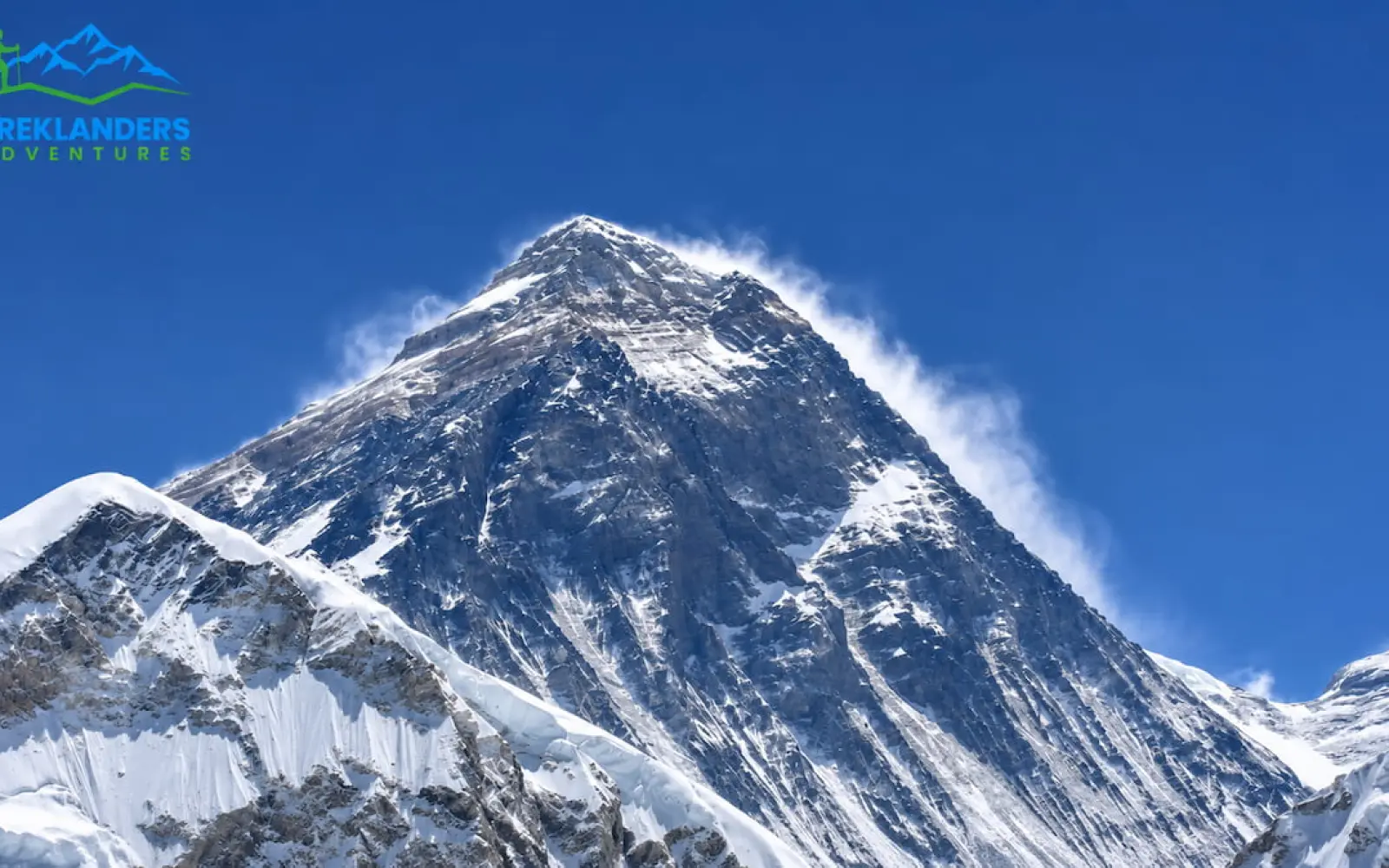
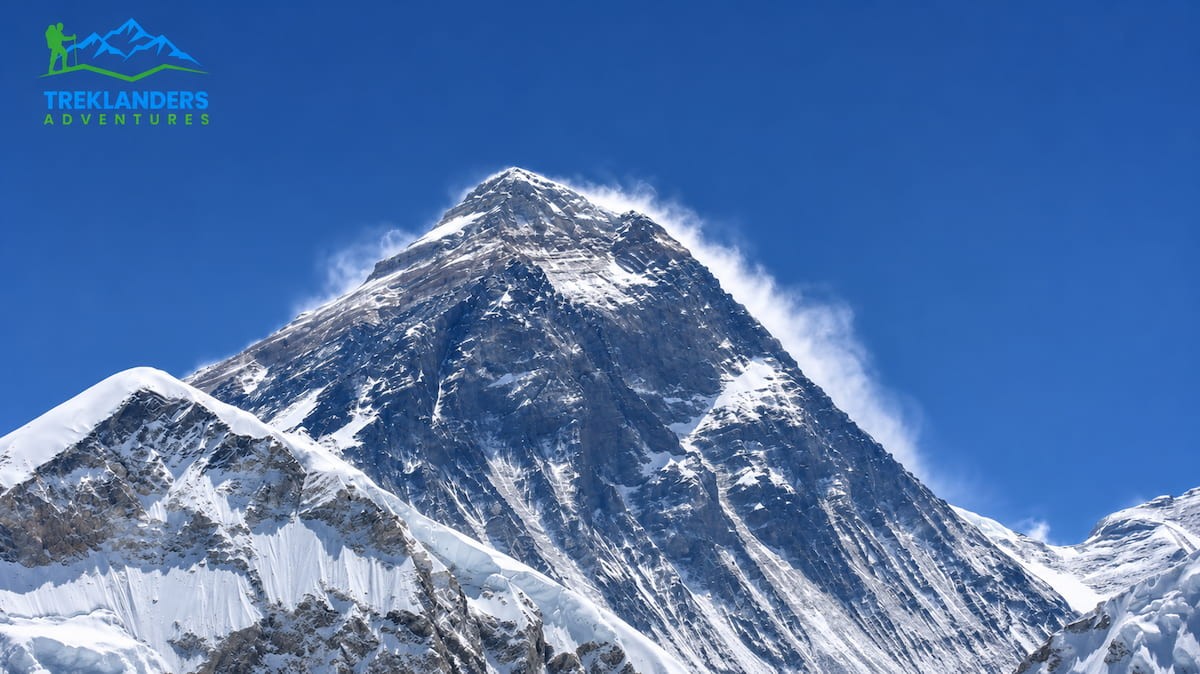
The Everest Base Camp trek takes you from Lukla at 2,846 m to the foot of the Khumbu Icefall at 5,364 m. You walk about 130 km (80 miles) round trip, sleep in village teahouses, and cross the Khumbu region with Sherpa guides. You do not need climbing experience. You need steady fitness, a slow pace, and a schedule that gives your body time to adjust to altitude.
This guide follows the 16-day Everest Base Camp trek from Kathmandu that Treklanders Adventures operates. A team of licensed local guides leads it, and the details below reflect the route as they walk it each season. You will find the difficulty, the best months, a day-by-day itinerary, altitude rules, permits, flights, teahouse life, training, and a packing list.
First-time trekkers usually want to know three things before booking: how hard the trek is, when to go, and what happens when weather stops the Lukla flight. The sections below answer all three. If you want a plan that fits your own dates, use the trip planner or contact the team directly.
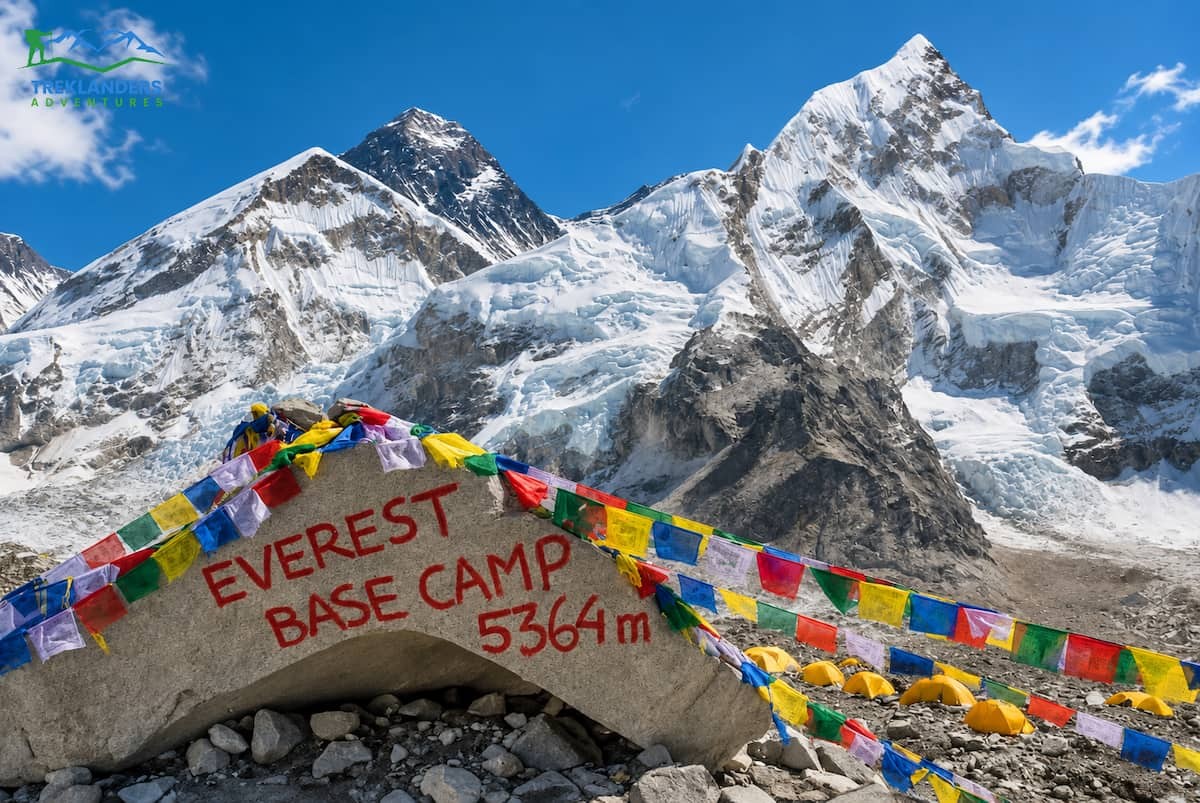
The trek starts with a 25 to 30 minute flight from Kathmandu to Tenzing-Hillary Airport in Lukla. From there you follow the Dudh Koshi River north through Phakding, Monjo, and Jorsalle to Namche Bazaar at 3,440 m. You then climb through Tengboche and Dingboche to Lobuche at 4,960 m and on to Gorakshep, the last settlement. Everest Base Camp sits a few hours beyond Gorakshep at 5,364 m. Kala Patthar, the viewpoint above Gorakshep, reaches 5,643 m on the Treklanders itinerary.
The trail runs through Sagarmatha National Park, a World Heritage Site. Below 4,000 m you walk through rhododendron, pine, fir, and juniper forest. Above that, the trees stop and you cross rock, moraine, and glacier ice. You return by the same route, so you pass each village twice. The second pass feels different because you arrive tired, acclimatized, and ready for warmer air.
The numbers help you plan. Lukla to Lukla takes 12 days on the trail, with 11 nights in teahouses. Add arrival, a Kathmandu tour, a spare day, and departure, and the full trip lasts 16 days. You walk 5 to 7 hours on most days. Mount Everest stands at 8,848.86 m, but you cannot see its summit from base camp because Nuptse and Lingtren block the view. Kala Patthar gives you the clear look. If you only want to see the mountain from the air, the Everest mountain flight from Kathmandu takes one morning.
Treklanders grades the trek as moderate to adventurous. The trail has no ropes, no technical climbing, and no glacier travel with crampons. The difficulty comes from altitude, distance, and cold. A fit person who walks slowly and drinks enough water can finish. A very fit person who rushes can fail.
Five parts of the route feel harder than the rest. The first is the climb from Phakding to Namche Bazaar, which gains about 795 m in six hours. The second is the 620 m rise from Dingboche to Lobuche. The third is base camp day, which runs six hours at over 5,000 m. The fourth is the pre-dawn Kala Patthar climb in freezing air. The fifth is the seven-hour descent from Pangboche to Namche Bazaar on tired knees.
Cold and sleep matter as much as the climbing. Nights at Lobuche and Gorakshep drop well below freezing, and many trekkers sleep badly above 4,500 m. Appetite also drops with altitude. Eat even when you do not want to. Your legs run on that food.
Pace decides success more than athletic ability. Walk slowly enough that you can speak in full sentences. Let faster groups pass. Take every rest day on the schedule. Talk to your doctor before you book, especially if you have heart, lung, or knee problems. If a 16-day trek feels too long or too high for a first attempt, the Everest Panorama Trek and the shorter 8-day Everest Panorama Trek offer big mountain views at lower altitude and an easier grade.
Spring (March to May) and autumn (September to November) are the two best seasons. Both offer stable weather and clear mornings. Winter and the monsoon work only for trekkers who accept trade-offs.
Spring. Rhododendrons bloom on the lower trail, mornings are clear, and clouds often build in the afternoon. Expect cold evenings and occasional snow at higher elevations. This is also the Everest climbing season, so you share the trail with expedition members heading to base camp.
Autumn. After the monsoon, the air is clean and visibility is at its best. Days are sunny, nights are cold, and daylight hours shrink toward November. Dashain and Tihar, Nepal's largest festivals, fall in these months, so you see local celebrations in Kathmandu. This is the busiest period. Lodges at Namche Bazaar, Dingboche, and Lobuche fill quickly, which is why advance booking matters.
Winter. From December to February, trails are quiet, skies are often clear, and nights fall well below freezing. Snow can close sections near Gorakshep. Pack for much colder conditions and allow extra buffer days.
Monsoon. From mid-June to August, rain and cloud hide the mountains, and leeches appear on lower trails. Flights to Lukla are more likely to be delayed or canceled. Few trekkers go, and those who do find empty trails.
Temperature changes quickly in every season. In April and May, daytime air at Namche Bazaar feels mild, while nights at Gorakshep stay below freezing. In October, days are warm in the sun and sharply cold in the shade. Once the sun leaves the valley, the temperature drops within minutes, so keep your down jacket within reach.
For a first Everest Base Camp trek, choose late September to November or late March to May. If you want fewer people, aim for early April or the final weeks of November. Whichever month you pick, book early. You can browse upcoming group departures to find a date with other trekkers.
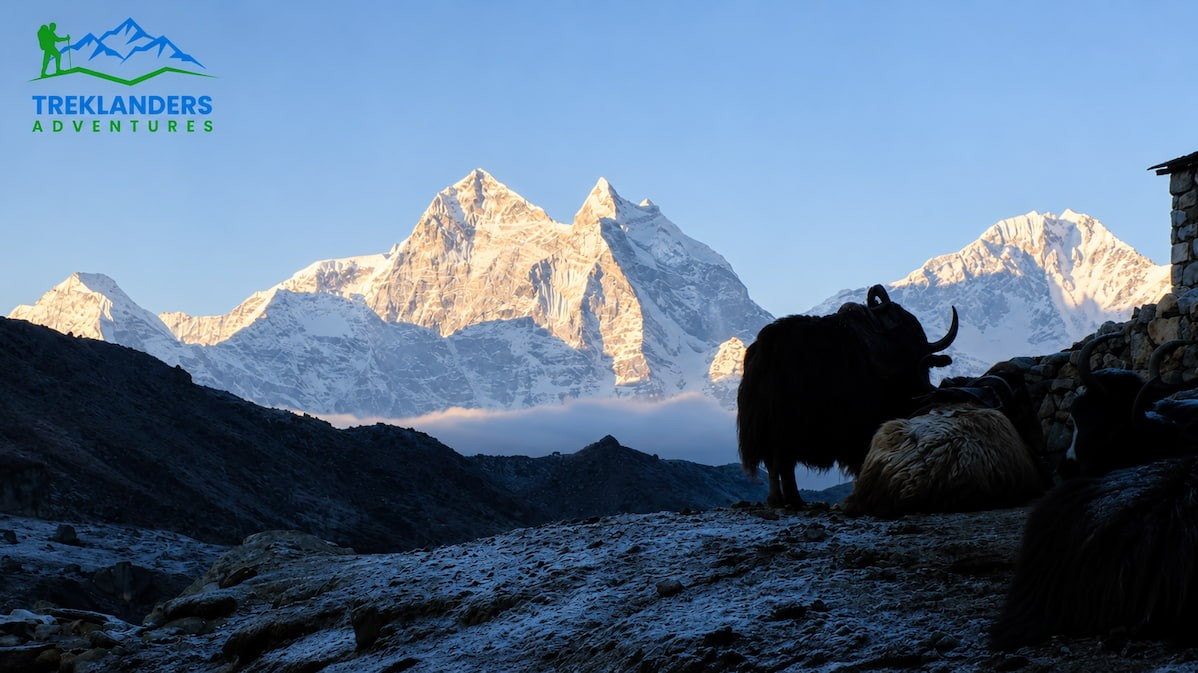
This itinerary comes from the standard Treklanders program. It includes two acclimatization days, one spare day in Kathmandu for flight delays, and a free afternoon after the trek. Shorter schedules exist, including the 12-day Everest Base Camp trek and the 14-day Everest Base Camp trek, but they compress the same route and leave less margin for altitude and weather.
Your guide meets you at Tribhuvan International Airport and drives you to your hotel in central Kathmandu. After you check in, the group meets for a briefing on the route, health, and hotel services. In the evening the team hosts a welcome dinner at a Nepali restaurant, which gives you a first taste of dal bhat and local customs. Send your flight details early through the contact page so staff can track your arrival.
Spend the morning on a half-day tour of Kathmandu's heritage sites. The Kathmandu full-day sightseeing tour and the seven UNESCO heritage sites tour cover similar ground in more depth. Use the afternoon to check your gear and buy anything missing. If your flight leaves from Manthali airport in Ramechhap, staff tell you today when to leave the hotel tomorrow.
Eat an early breakfast and board the 25 to 30 minute flight to Lukla. The walk to Phakding takes 3 to 4 hours and loses about 200 m of elevation. The trail follows the Dudh Koshi River past Sherpa villages with Buddhist monuments. This is an easy first day, and it lets your legs settle before the climbing starts. You sleep in a teahouse in Phakding.
Today takes about 6 hours and gains roughly 795 m. You cross several suspension bridges, pass through Monjo, and enter Sagarmatha National Park. Lunch usually falls at Jorsalle. After lunch you climb to a high suspension bridge and then follow a steady uphill trail into Namche Bazaar, the main trading town of the Khumbu Sherpa. The houses sit in a U-shaped bowl, and a colorful market runs here every Saturday. You stay two nights.
Rest today, and use short hikes to help your body adjust. The first option is a steep climb to the national park museum, which has exhibits on Sherpa culture, wildlife, and mountaineering history. The second is a 2 to 3 hour hike to the Everest View Hotel at 3,880 m, where you can see Everest, Lhotse, Nuptse, and Ama Dablam. Both hikes follow the climb high, sleep low rule. Spend the afternoon in the cafes and bakeries of Namche, and drink plenty of fluids.
The walk takes about 5 hours. You leave Namche on a winding trail with views of Everest, drop to the Imja River, and cross to Phungi Tenga for lunch. After lunch you climb through tall rhododendron, pine, fir, and juniper forest to the Tengboche plateau. The monastery sits above the village with Ama Dablam, Kantega, Thamserku, and the Kwangde range behind it. In the late afternoon you can walk inside and watch the monks pray.
You walk about 5 hours today. The forest ends, and short juniper bushes replace the trees. You pass through Pangboche, the last permanent village on the route, and stop for lunch at Somare beneath Ama Dablam. After lunch you cross a river and climb into the Imja valley to Dingboche. From here you can see Island Peak, which climbers reach on the Island Peak trek and climb. Nights are noticeably colder at this elevation.
Today is your second acclimatization day. Hike up Nakarjung hill for panoramic views of the surrounding peaks, then return to Dingboche and rest. Do not skip the hike, and do not overdo it. You gain 620 m tomorrow, so this day protects your next two nights.
The walk takes about 5 hours. The trail climbs above Dingboche and the Imja valley, then crosses the Khumbu glacier area. A steep climb over rocky moraine brings you to Lobuche. Many trekkers feel the altitude here as headache, poor appetite, or a restless night. Tell your guide how you feel. Wear your warmest layers in the dining room, because the temperature drops fast after sunset.
Start early. A gentle trail with a few climbs takes you over the moraine above the Khumbu glacier to Gorakshep, the last settlement below Kala Patthar. After a short stop, you follow a defined path east for about an hour, then walk the final section across moraine and ice to base camp. Lhotse, Nuptse, and Lingtren surround you, and the Khumbu Icefall tumbles close by. You cannot see Everest itself from here, because neighboring peaks block it. Return to Gorakshep for the night. The day takes about 6 hours.
Climb Kala Patthar before sunrise. The slope is steep, and the reward is the closest view of Everest on the trek, with Lhotse, Nuptse, and Pumori beside it. Return to Gorakshep for breakfast, then start a long descent. You pass Lobuche and Thukla, drop to Pheriche, where the Himalayan Rescue Association post operates, and continue to Pangboche. The thicker air makes the walk easier on your lungs, but your legs work hard.
This is a 7-hour day. You descend to a bridge, climb back to Tengboche, and have time for another look inside the monastery. The trail then drops to the Imja River and climbs steadily past Sanasa to the junction where the Gokyo, Khumjung, and base camp routes split. A few more hours bring you into Namche. The Gokyo Valley trek follows the branch you pass today.
You walk about 6 hours downhill along the Dudh Koshi valley. The trail passes Jorsalle, exits Sagarmatha National Park, and continues through Monjo to Phakding, where you stop for lunch. A final hour of climbing brings you into Lukla in the late afternoon. In the evening you share a farewell dinner with your guides and porters.
Transfer to Tenzing-Hillary Airport early and fly back to Kathmandu. If your plane lands at Manthali, staff drive you to Kathmandu, which takes 4 to 5 hours. You reach the hotel with the afternoon free.
This day is a contingency for flight delays or cancellations caused by weather. If everything runs on schedule, you have a free day. Visit Patan and Bhaktapur, ride the Chandragiri cable car, or learn to fold dumplings in a momo making class in Thamel.
Staff transfer you to the international airport for your flight home or onward. If you want more time in Nepal, add the 3-day Chitwan wildlife tour or the 3-day Pokhara sightseeing tour.
Everest Base Camp is a rocky campsite on the Khumbu Glacier, not a viewpoint. In spring, expedition tents fill the site while climbers wait for a weather window. In autumn, the camp is usually quiet. Most trekkers walk to the painted rock that marks the spot, take photos, and look up at the Khumbu Icefall, where blocks of ice shift and crack. The glacier makes noise, and you often hear it before you see anything move.
The summit of Everest stays hidden behind Nuptse, which surprises many first-time trekkers. Kala Patthar solves that. The name means black rock, and the ridge gives you a direct view of Everest with Lhotse, Nuptse, and Pumori beside it. At 5,643 m, it is also the highest point on this itinerary. Guides lead the climb before dawn so you see first light reach the peaks. Bring your warmest gloves and a headlamp, because the air at that hour is among the coldest of the trip. Climb slowly, stop often, and descend if you feel unwell.
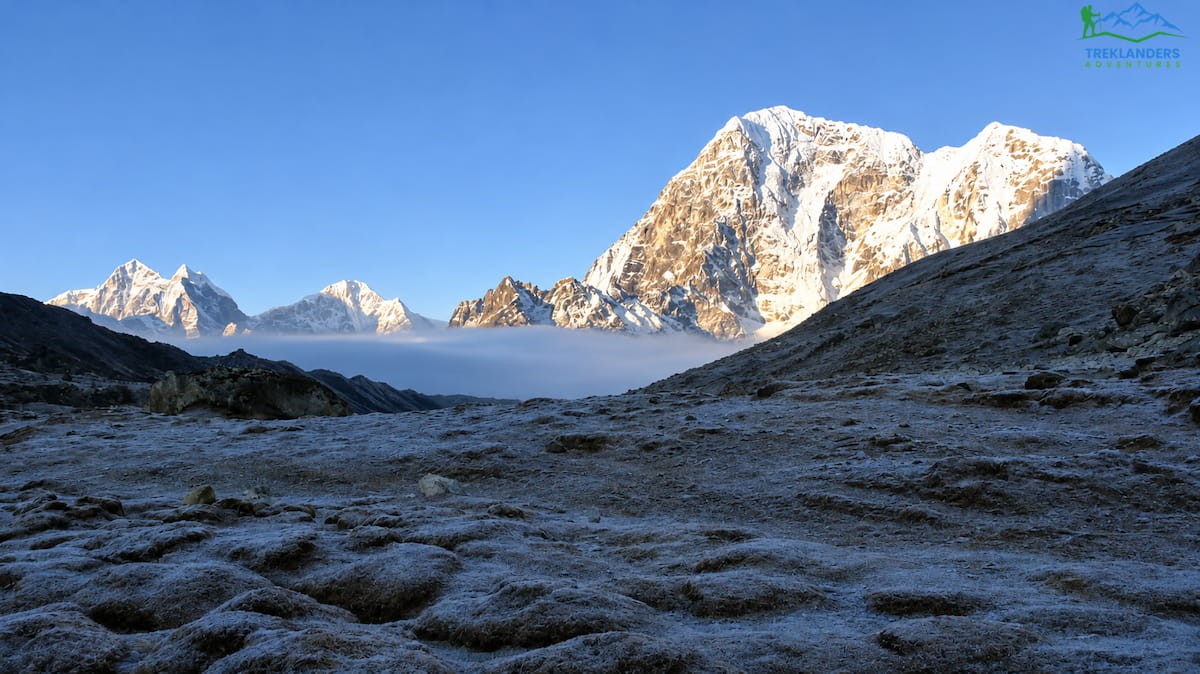
Days follow a steady rhythm. You wake around 6:00 am, pack your duffel, and eat breakfast in the lodge dining room at about 7:00. You leave by 7:30 or 8:00, because mornings bring the clearest skies and clouds often build by early afternoon. The guide sets the pace and often repeats bistari, bistari, which means slowly, slowly in Nepali. You stop every hour or so for water and photos.
Lunch comes around noon in a village along the route. Expect to spend 60 to 90 minutes there, since teahouse kitchens cook each order from scratch. You then walk 2 to 3 more hours and reach the next lodge by mid-afternoon. Use that time to wash, change into dry clothes, and refill your bottles. Everyone gathers in the dining room for tea and dinner at about 6:30 pm. Your guide briefs you on tomorrow's route and checks how you feel. Most trekkers sleep by 8:30 or 9:00 pm. The early schedule makes sense, because daylight is short and lodges are cold after dark.
Altitude sickness affects trekkers of every fitness level, and it is the main reason people turn back. Above 2,500 m your body gets less oxygen with each breath. Mild symptoms include headache, nausea, dizziness, poor sleep, and low appetite. They most often appear at Dingboche, Lobuche, and Gorakshep.
Four habits lower your risk.
Some signs mean you must descend. These include a severe headache that painkillers do not ease, repeated vomiting, confusion, loss of balance, breathlessness at rest, and a wet cough. They can point to fluid on the brain or lungs, and both conditions get worse quickly. Descend immediately and do not wait for morning. The Himalayan Rescue Association post at Pheriche offers medical help on the trail.
Guides often check your oxygen saturation and pulse each evening with a pulse oximeter. Readings in the 80s are common above 4,500 m, so one number matters less than the trend. A steady fall from day to day, or any symptom, deserves attention. Keep a simple log of your sleep, appetite, and headaches. Your guide uses this information to decide whether you continue, rest, or descend.
Use altitude medication only if your doctor recommends it. Pack a personal first aid kit, and make sure your insurance covers emergency helicopter evacuation. Your guide decides whether you continue, rest, or go down, so follow that decision even if you feel you can push on.
You need two permits: the Sagarmatha National Park entry permit and the Khumbu Pasang Lhamu Rural Municipality permit. Every trekker needs both, including those with a guide. Treklanders arranges them before your trek begins, so you only supply a passport copy, two passport-size photos, and your itinerary. The TIMS card has not been required in the Everest region since April 2023. Independent trekkers collect the national park permit in Kathmandu or Monjo and the municipal permit in Lukla.
Insurance belongs on the same checklist. Choose a policy that covers high-altitude trekking up to 6,000 m, emergency helicopter evacuation, medical treatment in Nepal, and trip delays. Buy it in your home country, because local policies often lack full evacuation cover. Your trekking company will ask for a copy before departure.
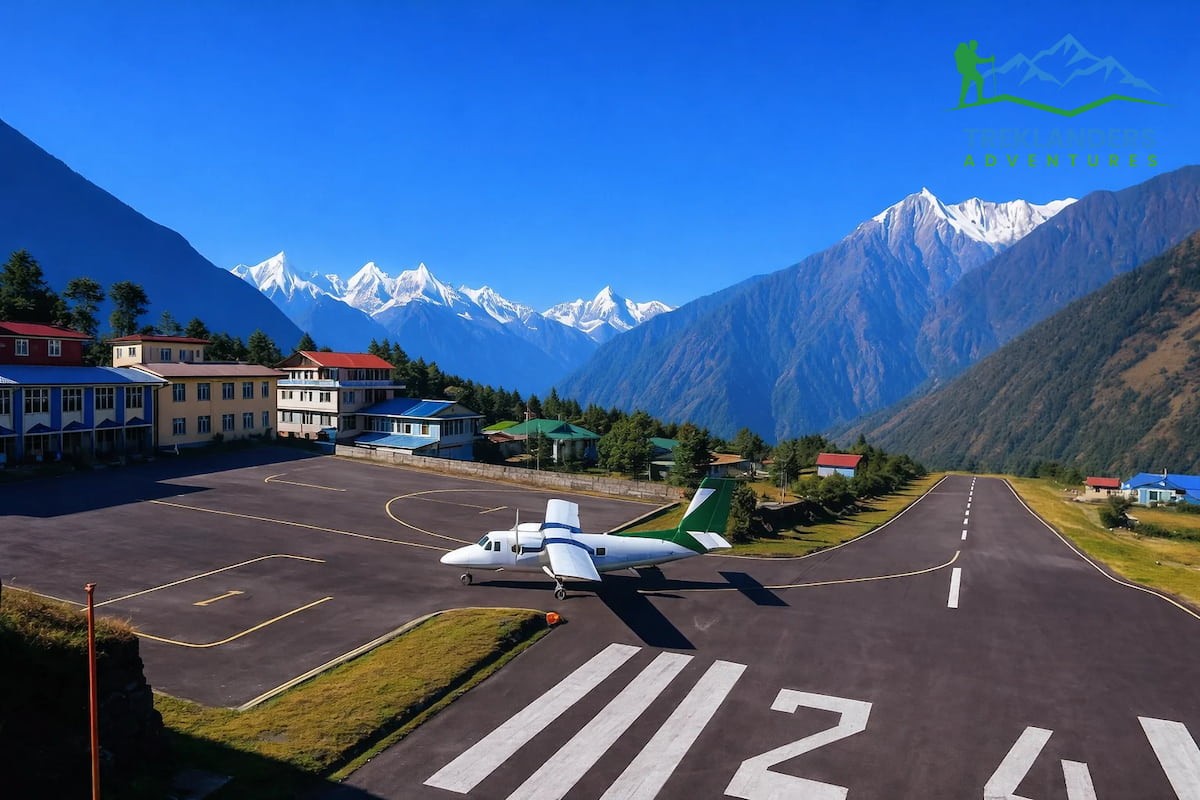
Nearly every trekker starts with a flight to Lukla. To reduce air traffic at Kathmandu, authorities divert many Lukla flights to Manthali airport in Ramechhap. Manthali sits about 150 km from Kathmandu, a 4 to 5 hour drive. The flight from Manthali takes 20 to 25 minutes, compared with 25 to 30 minutes from Kathmandu. If your flight leaves from Manthali, you travel there the day before or leave Kathmandu very early.
Weather delays Lukla flights often, and this is normal in the Himalayas. Morning flights are more reliable, because clouds and wind build in the afternoon, so airlines schedule most departures early. Keep one or two buffer days at the end of your trip and avoid booking your flight home for Day 14. Most airlines allow 10 kg of checked baggage and 5 kg of hand baggage on Lukla flights, so pack light. A porter carries your duffel on the trail.
Helicopters give you more flexibility. You can fly out of Gorakshep on the Everest Base Camp trek returning via helicopter or save time on the 9-day Everest Base Camp trek with helicopter return. If you prefer to skip the flight entirely, the Everest Base Camp trek from Jiri starts on the road and adds several days of walking through Sherpa and Rai villages.
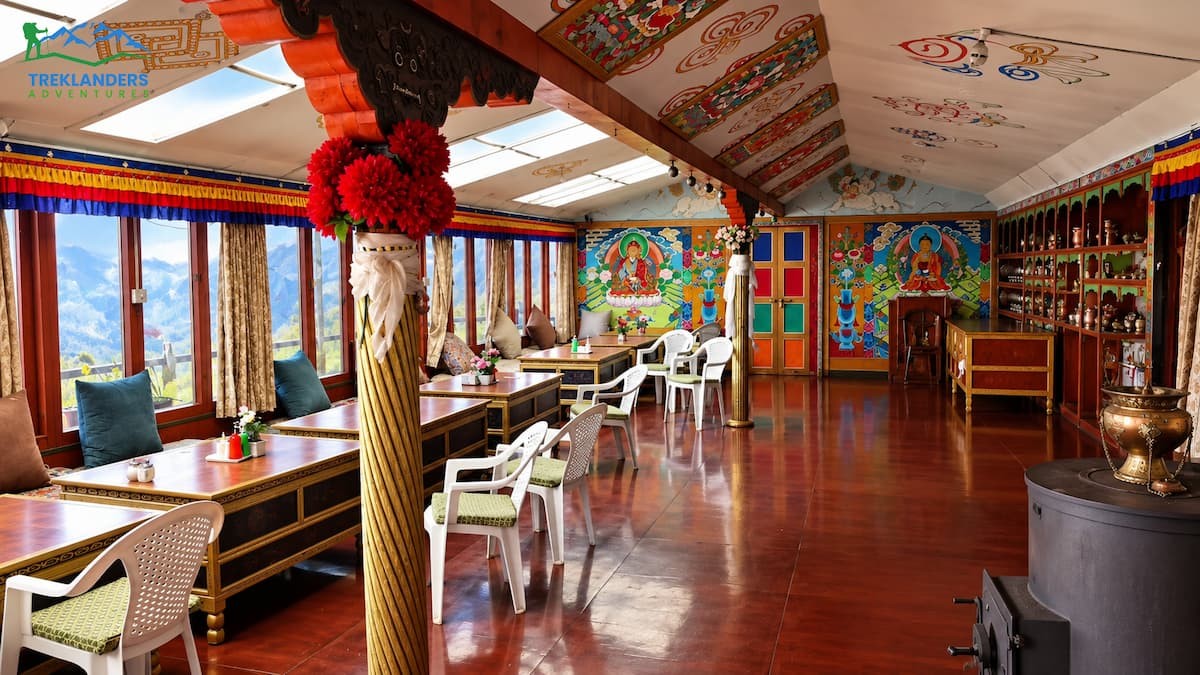
Teahouses are family-run lodges. A standard room has two single beds, a mattress, and blankets. Bathrooms are usually shared. The dining room has the only heated space, and everyone gathers there in the evening. Phakding and Namche Bazaar offer comfortable rooms and hot showers. Lobuche and Gorakshep are basic, but they stay warm enough with the right gear. Bring a sleeping bag rated for -10 C to -20 C, because nights above 4,000 m fall below freezing. Treklanders aims for private twin rooms and books lodges ahead, which matters in peak season.
Meals come from a long menu. Dal bhat, a plate of rice, lentil soup, and vegetables, usually comes with free refills. You can also order noodles, fried rice, pasta, momos, pancakes, eggs, potatoes, and porridge. Meat is available at lower elevations, but above 3,500 m vegetarian meals are the safer choice because lodges have no refrigeration. Drink boiled or purified water and skip raw salads. Avoid alcohol, since it slows acclimatization. Carry your own snacks, such as energy bars, nuts, and chocolate. Before you leave Kathmandu, you can learn to cook the food in a Thamel cooking class.
Wi-Fi exists in most lodges through Everest Link or Airlink, paid per session, and it slows down with altitude. Charging is scarce, and solar power restricts supply on cloudy days. A local Ncell or Nepal Telecom SIM card works well up to about 4,500 m and weakly above Lobuche. Bring a 10,000 to 20,000 mAh power bank, and keep electronics in an inner pocket at night so the cold does not drain them.
Start 3 to 4 months before departure. Training is the part of your preparation that you control, and it affects how much you enjoy the trek.
A sample week looks like this. Monday: 45-minute hill run. Tuesday: leg strength. Wednesday: 2 to 3 hour hike with a backpack. Thursday: core work. Friday: 45 minutes of cardio. Saturday: hill trek of 3 hours or more with a backpack. Sunday: rest. Sleep 7 to 9 hours a night, eat enough protein, and wear your boots on every long hike so they are broken in before you fly.
If you arrive in Nepal a few days early, test your legs on a local walk. The Nagarkot day hike, the Nagarjun Jamacho hike, and the Chisapani to Dhulikhel hike all offer good practice. For a longer warm-up, try the 4-day trek near Kathmandu. More options sit under one day hiking.
Dress in layers so you can add or remove clothing as temperature changes. Porters carry a duffel of 60 to 70 L, and you carry a 30 to 35 L daypack with water, a jacket, and your daily essentials.
Leave jewelry, large amounts of cash, and heavy electronics at your Kathmandu hotel. Weight slows you down, and the baggage limit on Lukla flights is strict.
Most problems on the trail come from a short list of avoidable choices.
Pick a company registered with the Nepal Tourism Board and a member of the Trekking Agencies' Association of Nepal. Confirm that guides hold government licenses and carry insurance. Check reviews on TripAdvisor and read the Treklanders reviews page to see what trekkers report after finishing. Browse the photo gallery to see real trips.
Choose the format that fits you. A group departure suits solo travelers and keeps the schedule fixed, and you meet people with the same goal. A private trek suits couples, families, and friends who want to set their own start date and pace. Either way, you walk with a licensed guide, and the guide can slow the group or add a rest stop when someone struggles. Tell the team about your experience, any health concerns, and your preferred pace when you inquire.
Ask how the company treats its porters. Treklanders assigns one porter for every two trekkers and provides insurance for guides and porters. Ask about group size as well. Departures run from 1 to 30 people, and solo travelers can join a scheduled group. Date changes are free up to 30 days before departure. When you are ready, book the trek online or ask for a custom plan through the Everest Base Camp trip planner.
The Khumbu offers many routes beyond the standard trek. Pick the one that matches your time and fitness.
Trekkers who finish Everest often look for the next route. The Annapurna region offers the Annapurna Base Camp trek and the Ghorepani Poon Hill trek. The Langtang region has the Langtang Valley trek. The Manaslu region has the Manaslu Circuit trek, and the Mustang region has the Upper Mustang trek.
Sherpa communities live across the Khumbu, and Buddhism shapes daily life. Most large villages have a gompa, and prayer flags hang from houses and bridges. Respect these customs and you will get a warm welcome.
The Saturday market in Namche Bazaar draws villagers from nearby valleys to trade food, goods, and news. Visit it if your schedule allows.
Pass mani walls and stupas on the left, which means walking clockwise around them. Remove your shoes inside monasteries and ask before you photograph monks or villagers. When yaks and porters approach, step to the uphill side of the trail. Carry out your trash, refill your bottle with boiled or purified water, and follow the lodge rules on fuel and waste. These habits protect Sagarmatha National Park and keep the trail pleasant for the next group.
If you want more cultural background before you fly, the Namobuddha day tour and the Nagarkot sunrise tour are easy introductions to Himalayan Buddhist and Hindu sites near Kathmandu. Other tours in Nepal cover more of the country.
Start with three decisions: your season, your schedule, and your training plan. Then pick the route. The 16-day program gives you the most margin for acclimatization, and shorter versions suit trekkers who already have altitude experience. Read the 12-day Everest Base Camp trek guide if you want to compare itineraries, and browse the full Treklanders blog for more route advice.
Treklanders runs trekking in Nepal from its office in Thamel, Kathmandu. Message the team on WhatsApp at +977 9851019683 or write to info@treklanders.com, and a trek planner will reply with dates and a route that fits your fitness and time. You can also browse Nepal destinations to combine the trek with a cultural tour or a short visit to Bhutan or Tibet.
Book early for spring and autumn, because lodges and Lukla flights fill quickly in those months. Share your fitness level, your dates, and health concerns, and the team will suggest a schedule with the right number of rest days.
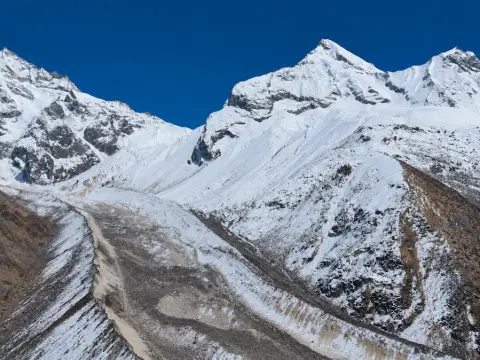
Compare 13, 14, and 18-day Manaslu Circuit Trek itineraries, routes, altitude, acclimatization, difficulty, and Larkya La Pass.
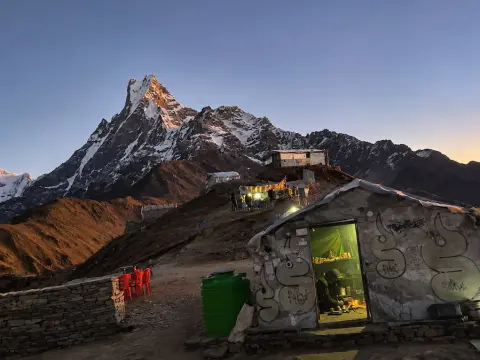
Is the Mardi Himal Trek possible in winter? Explore weather, snowfall, trail conditions, safety tips, and stunning Himalayan views.
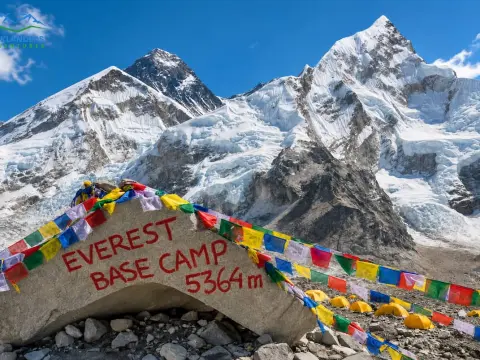
Explore the 12-Day Everest Base Camp Trek itinerary, difficulty, altitude, acclimatization, best seasons, permits, and essential trekking tips.



