
How to Train for Everest Base Camp: Complete 6-Month Fitness Guide
24 May 2026
Complete fitness and training guide for the Everest Base Camp Trek, including cardio, strength, altitude preparation, endurance, and hiking workouts.

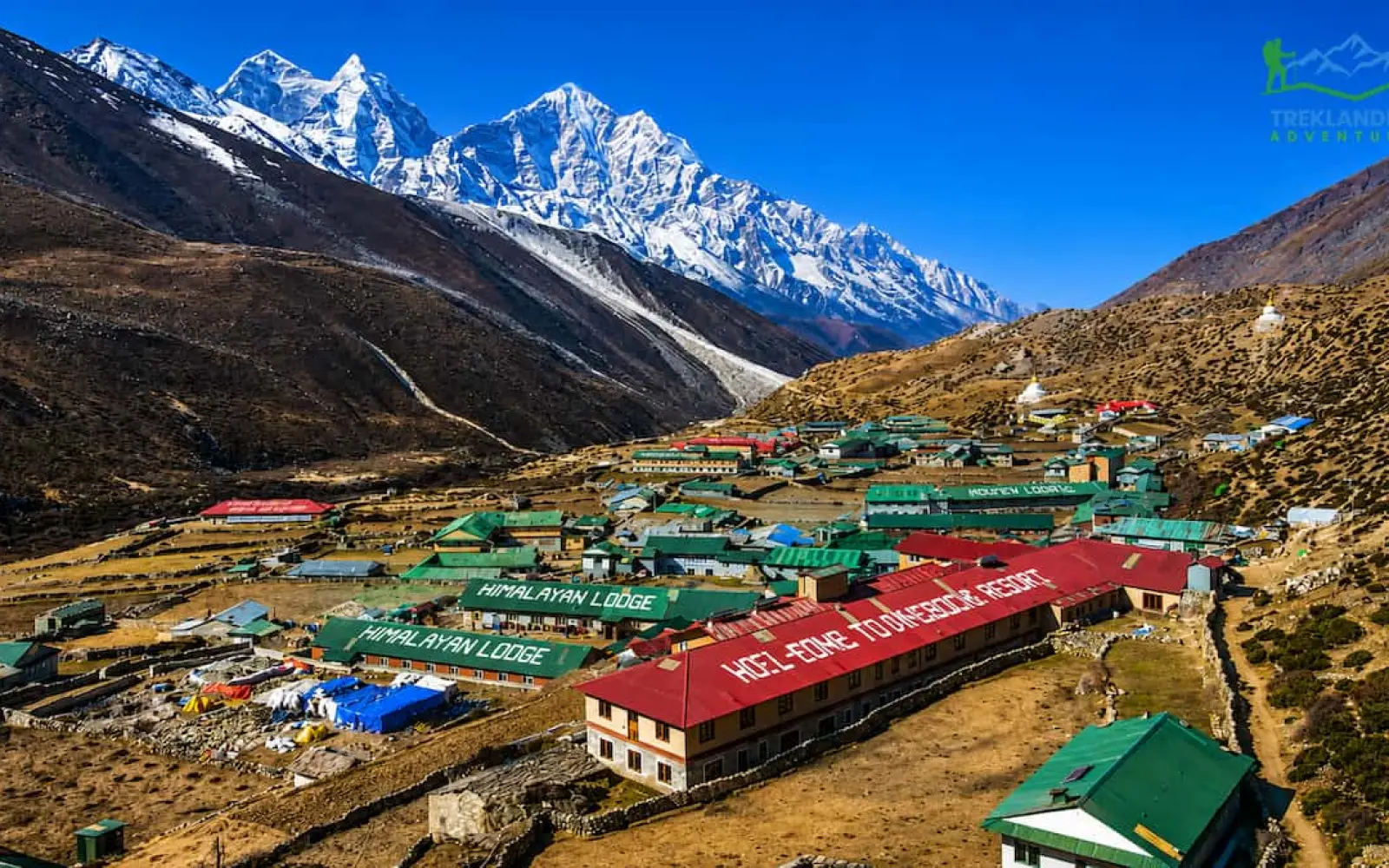
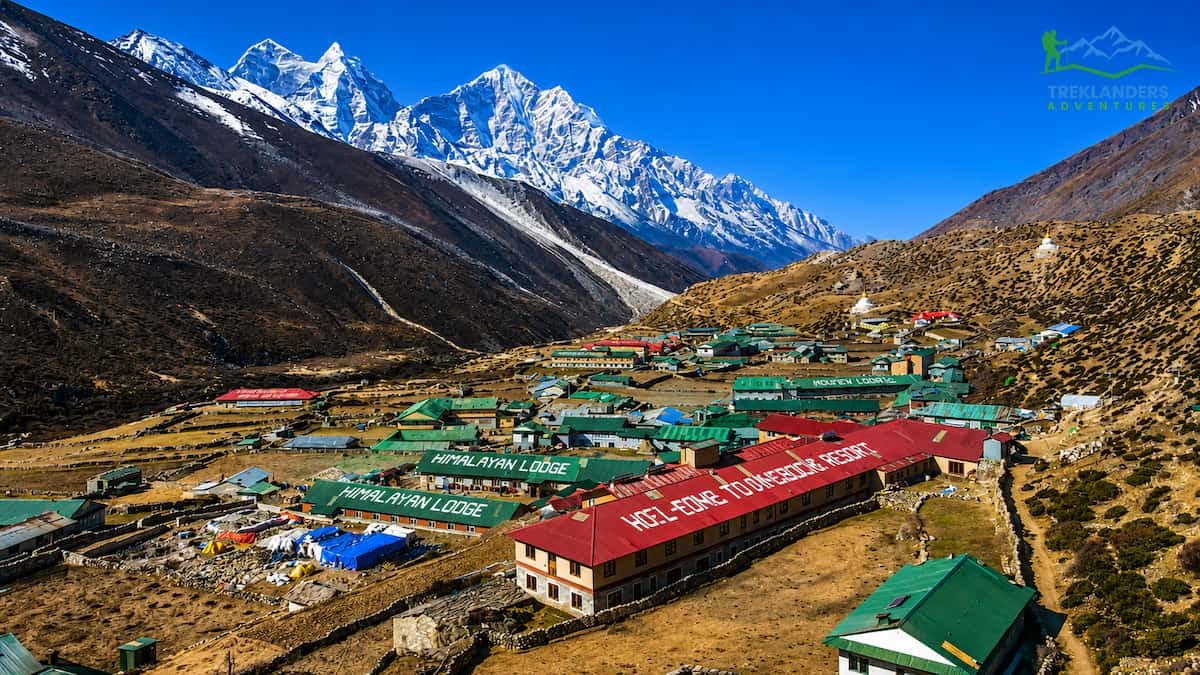
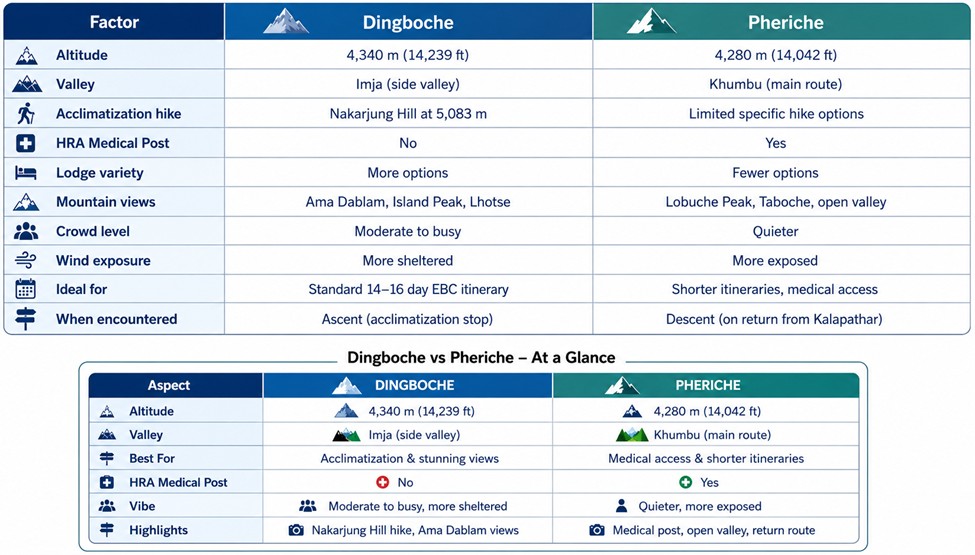
You are several days into the Everest Base Camp Trek. Your legs are strong, your backpack is comfortable and the path has become a routine. Afterwards, confusion often arises among trekkers regarding the decision: should you spend your acclimatization night in Dingboche or Pheriche? These two villages are positioned at the same altitude. They are less than an hour apart by trail. However, they attract different types of trekkers and serve different needs along the route. Making the right choice here can significantly influence how well your body acclimates during the ascent to Lobuche, Gorakshep, and finally Everest Base Camp at 5,364 m.
This guide covers everything you need to know about both villages. By the end, you’ll know precisely which stop matches your trek style, fitness level, and itinerary.
The regular route for an Everest Base Camp Trek provided by Treklanders Adventures is: Kathmandu, Lukla, Phakding, Namche Bazaar, Tengboche, Dingboche, Lobuche, Gorakshep, Everest Base Camp, Kalapathar, and finally the descent through Pheriche.
Dingboche and Pheriche are two villages in the upper Khumbu region. Geographically, they are situated above Pangboche and below Lobuche. Besides being in the same general altitude range (approximately 4, 300 to 4, 360 m), they also share the same valley system. The Imja valley and the Khumbu valley separate them.
Dingboche is located in the Imja valley, to the east, with a view of Ama Dablam’s North Face and Island Peak. On the other hand, Pheriche is situated in the Pheriche valley, to the west, on the main Khumbu trail, and is the direct route to Lobuche. The two villages are connected by a trail and encounter each other at Thugla, which is the junction point above both settlements.
According to the Treklanders 16-day EBC plan, trekkers spend two nights at Dingboche (Days 7 and 8), followed by a Day 9 hike to Lobuche by the Kongma-La pass route. After the Kalapathar descent, the plan goes through Pheriche before arriving at Pangboche. Most trekkers therefore see both villages, but the rest day for acclimatization is at Dingboche.
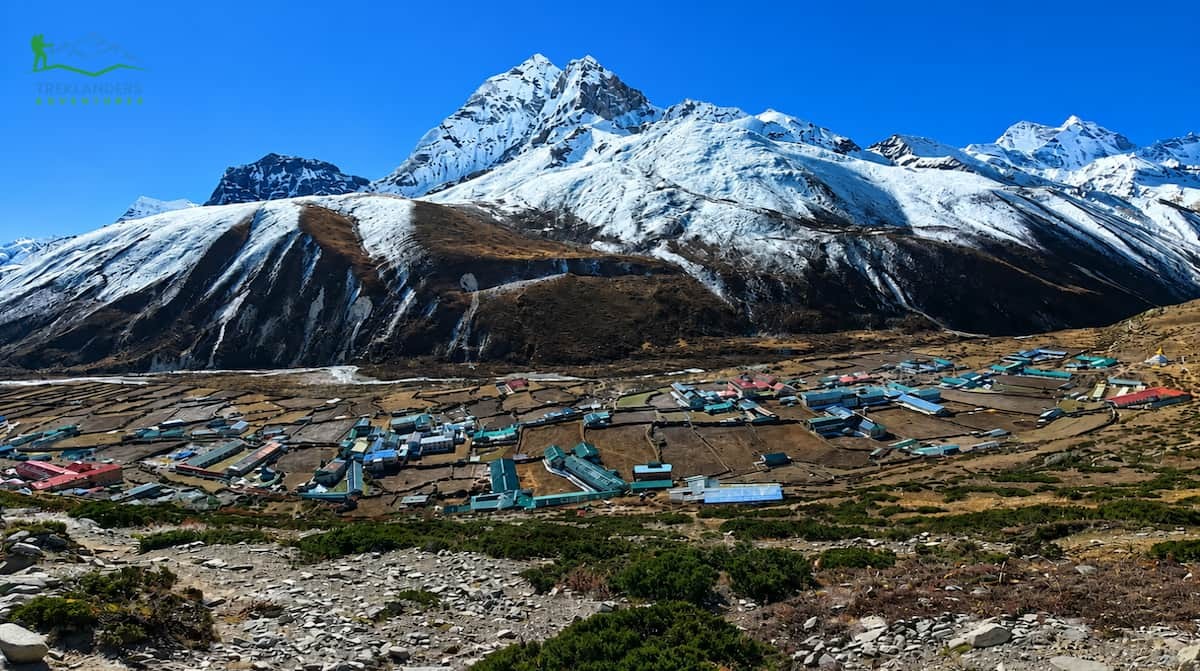
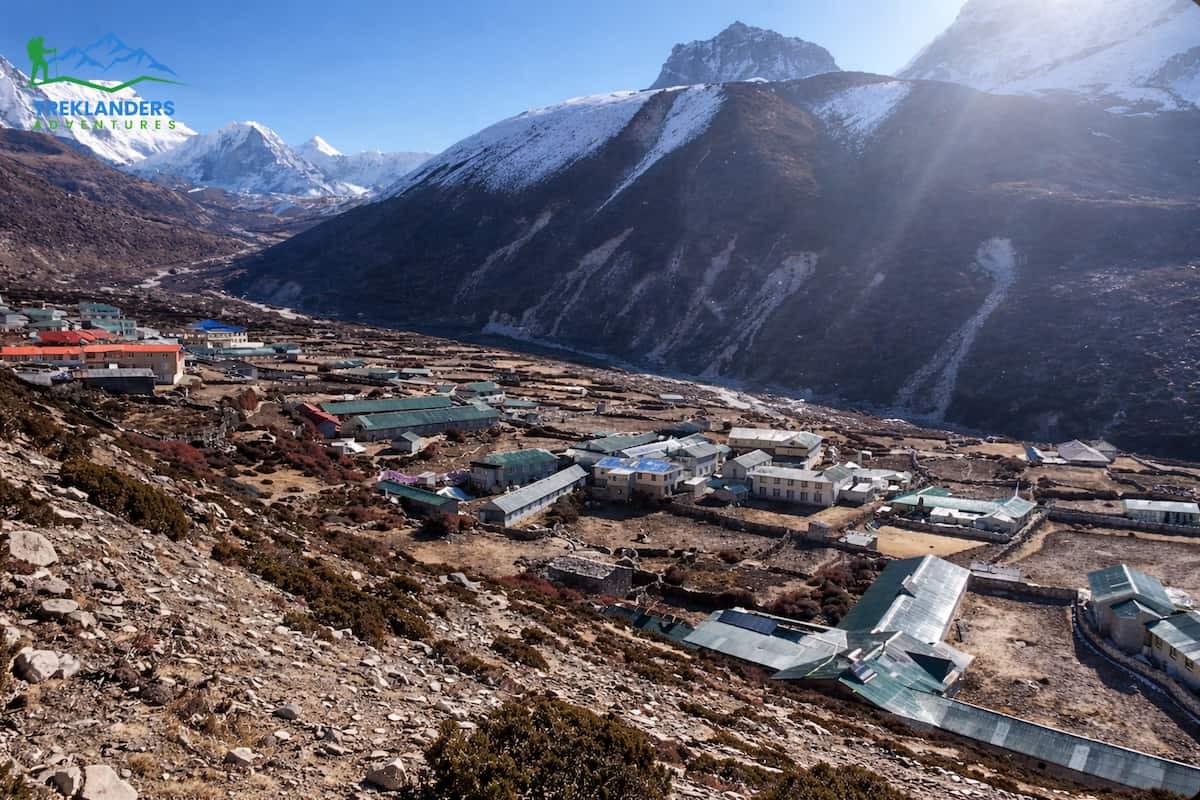
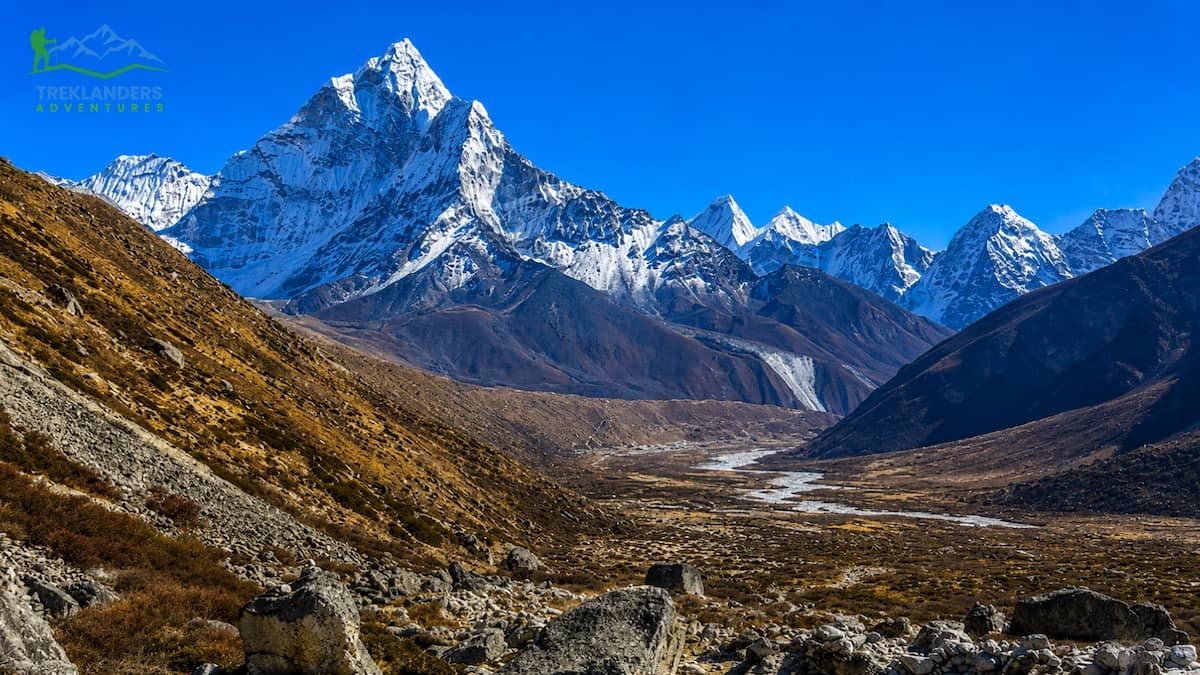
Dingboche is located at an elevation of 4, 340 m (14, 239 ft) in the Imja valley. The Treklanders itinerary schedules trekkers in this village for two consecutive nights: Day 7 (arrival) and Day 8 (full rest and acclimatization day). The village is situated under the massive North Face of Ama Dablam (6, 812 m) and Lhotse (8, 516 m). Island Peak (6, 189 m) is the main feature on the eastern skyline. On a clear day, the views from Dingboche are some of the best on the entire route.
Day 8 of the Treklanders itinerary is a full rest day at Dingboche. The schedule specifically mentions a walk up to Nagarjung (Nangkartshang Peak) Hill for great views of the surrounding mountains. This walk is the acclimatization hike. You go up during the day, but come back to sleep at 4, 340 m. The idea is to climb high, sleep low, which is being used here within just one day.
This is important as it is the usual high-altitude acclimatization method. Your body makes more red blood cells when it is in high altitude conditions. Having a second night at the same elevation, with a daytime hike to higher ground, enhances this physical change. Your next place after Dingboche is Lobuche at 4, 960 m. Not taking the acclimatization day could result in a very dangerous altitude sickness due to this high elevation gain.
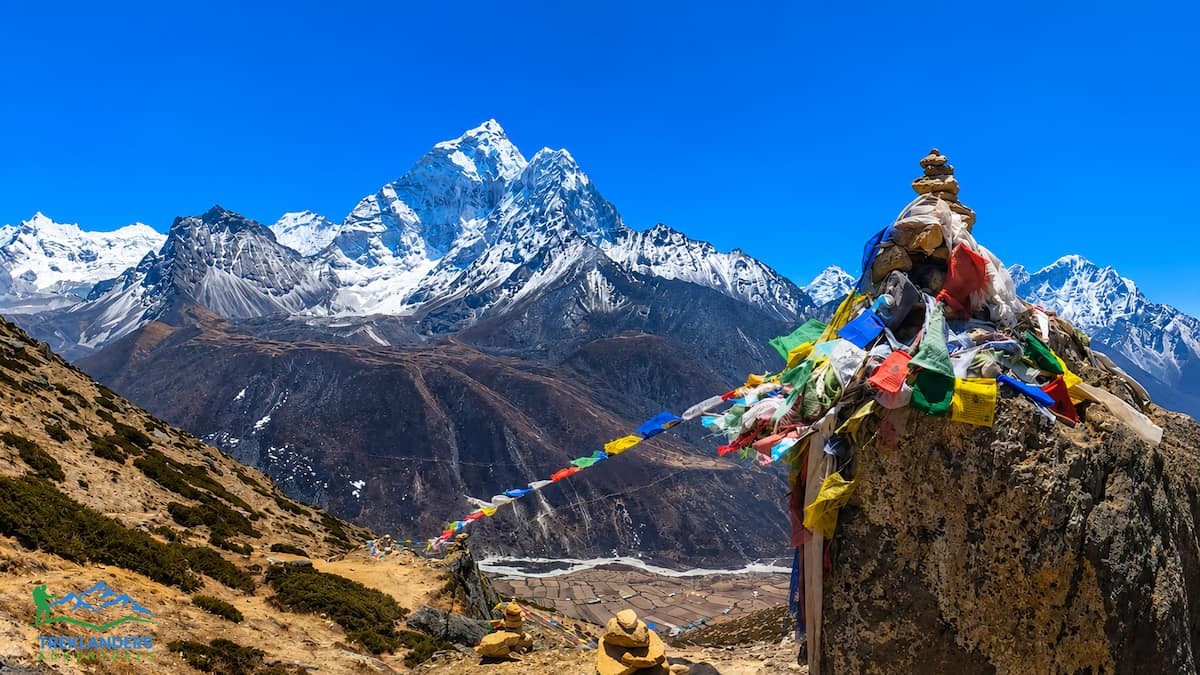
If you take the hike from Dingboche to Nakarjung, it will take you approximately 2 to 3 hours round-trip. The ridge is located at an altitude of 5, 083 m. From this place, you have a 360-degree view, including Ama Dablam, Makalu, Baruntse, Nuptse, and on a very clear day, even the upper pyramid of Everest can be seen.
This hike is like doing a practice of how your body will react to high altitude. Also, it is very helpful to see at a glance how huge the mountains are that you will be climbing. After finishing the Nagarjung (Nangkartshang Peak) hike, many trekkers feel that they are more prepared for the coming days.
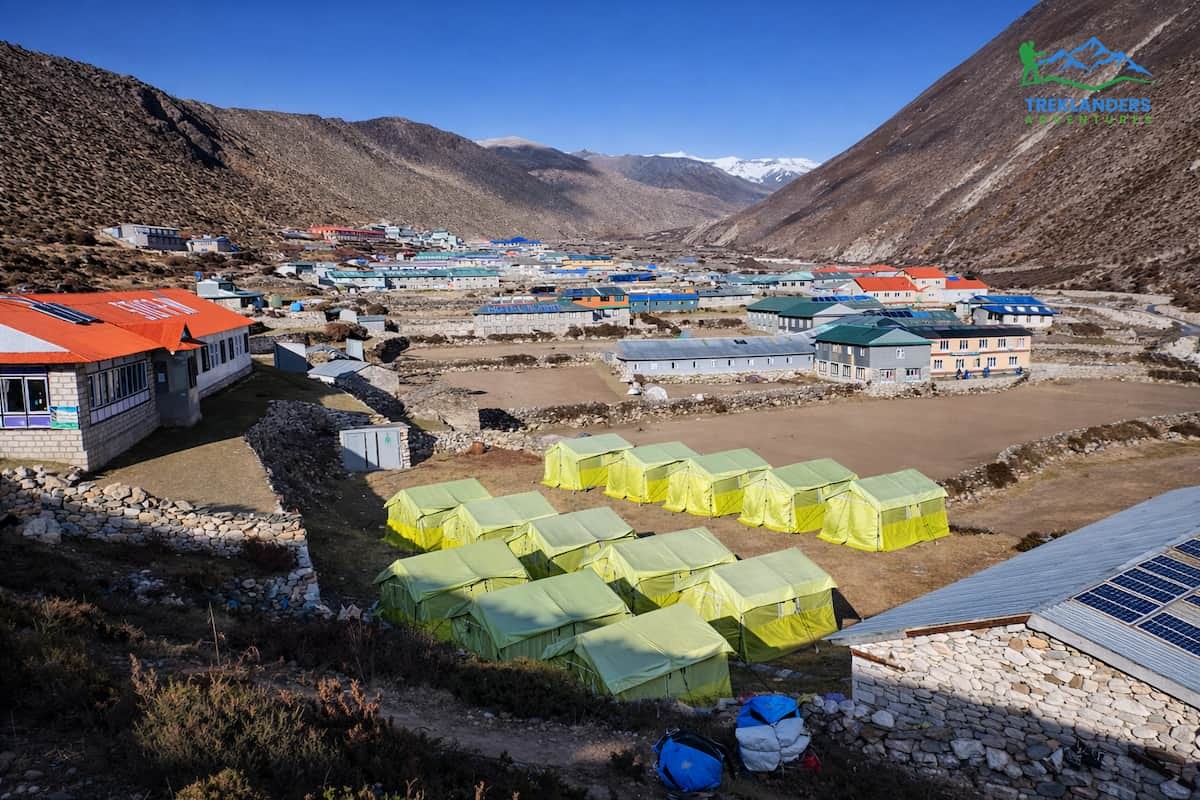
Dingboche’s lodge network is more spaced out than Pheriche’s. It became a trekking center because new paths were opening up here, including the route to Island Peak and the Chhukung valley. You will definitely come across various lodges from the most basic to ones that are more comfortable with private rooms and good dining halls.
Almost all lodges at Dingboche provide en-suite or shared toilet facilities, offer hot showers (extra cost), have charging points, and even Wi-Fi. Food menus are quite diverse. At some lodges, you can order Nepali dal bhat, pasta, soup, noodles, porridge, eggs, and freshly baked food items. Trekkers are kept warm during the cold evenings with tea, coffee, hot lemon, and ginger drinks.
The Treklanders itinerary puts trekkers in as good a lodge as possible in Dingboche, with breakfast, lunch, and dinner included for both days.
Dingboche is located in a small side valley, and because its position is such that the main Khumbu wind corridor bypasses it, this, in a way, acts as a partial shelter against the very strong afternoon winds that are blowing all the way up the Khumbu valley. So, mornings are mostly calm and clear. Afternoons can bring clouds and the temperature starts to fall. At 4,340 m, during the night in the autumn and winter period when trekking, it gets so cold that the temperature goes below freezing.
In spring (March to May) and autumn (September to November), the two seasons considered best for trekking to EBC, the night-time temperature at Dingboche will be somewhere between -5°C and -15°C. You should always carry several layers. Your down jacket will be very useful here.
Dingboche is perfect for people who:
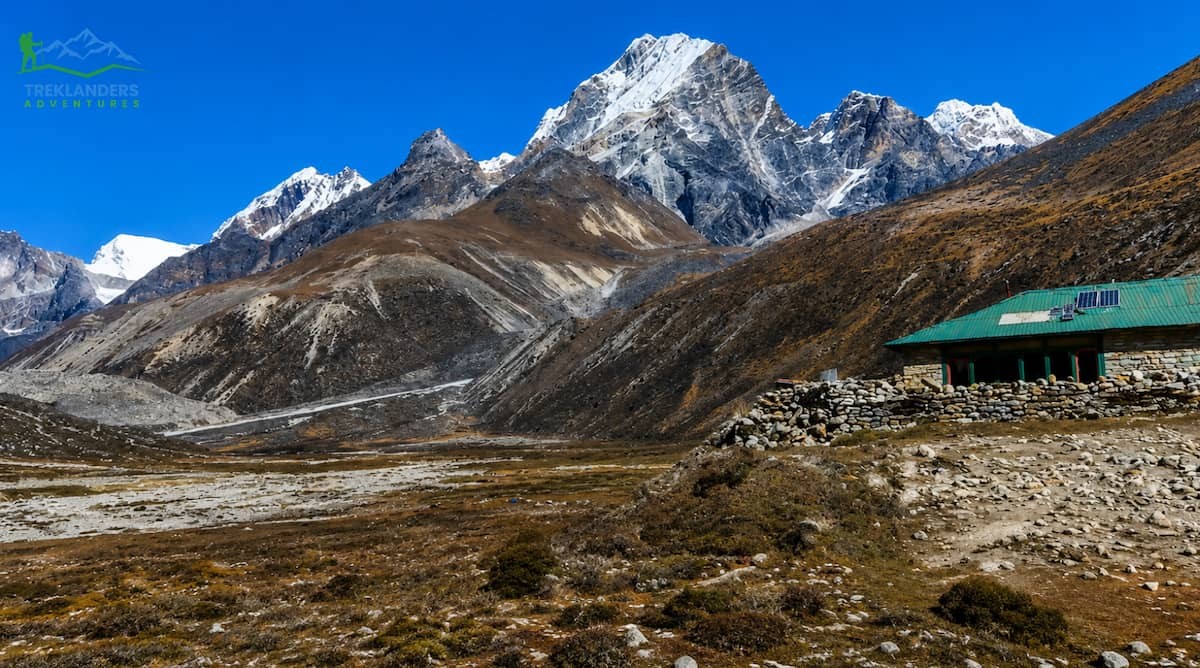
Compared to Dingboche, it’s slightly lower by about 60 m. And from an acclimatization point of view, this difference is so small that it can be completely ignored.
On this side, the village is situated in a wide open valley that is on the direct route from Tengboche and Pangboche to Lobuche. Those who take the Pheriche path will not enter the Imja valley at all.
One of the great things about Pheriche is the presence of the HRA (Himalayan Rescue Association) Post. Unlike Pheriche, Dingboche does not. According to the Treklanders’ plan, a place where the HRA Post is located is marked on Pheriche in fact.
This HRA post is open only during the main trekking seasons. The HRA hosts everyday altitude sickness workshops open to all trekkers free of cost. These workshops talk about acute mountain sickness (AMS), high-altitude pulmonary edema (HAPE), high-altitude cerebral edema (HACE), and deciding the proper time to move down. If you feel like your acclimatization is not good, then the medical team at the HRA post will get you checked out.
You can get that at the same time and place. For the route Pheriche, it is simply more than an overnight stop, it also serves as a medical checkpoint.
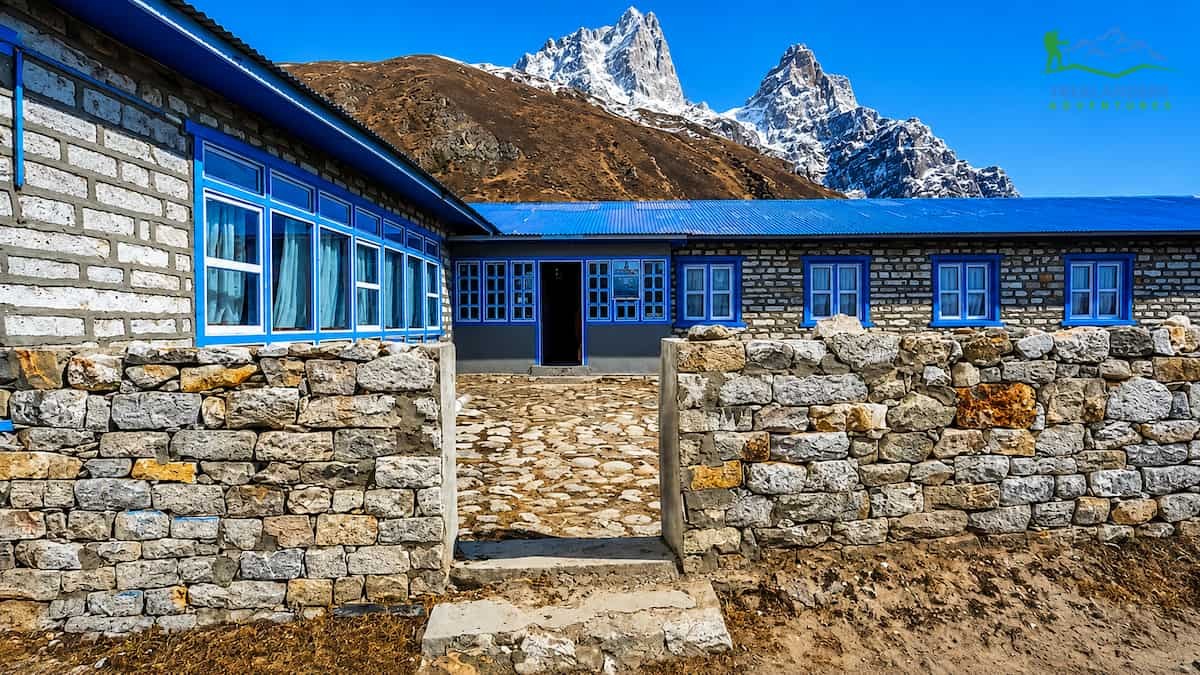
Pheriche has fewer lodges than Dingboche, but their quality is on the same level. Facilities at lodges include simple rooms, communal bathrooms, dining halls, and charging points. Recently, some lodges have upgraded their buildings after more trekkers came.
Since Pheriche is located along the main Khumbu trail rather than a side valley, it gets a steady flow of people. However, most trekkers who plan longer trips go to Dingboche, which makes Pheriche less crowded.
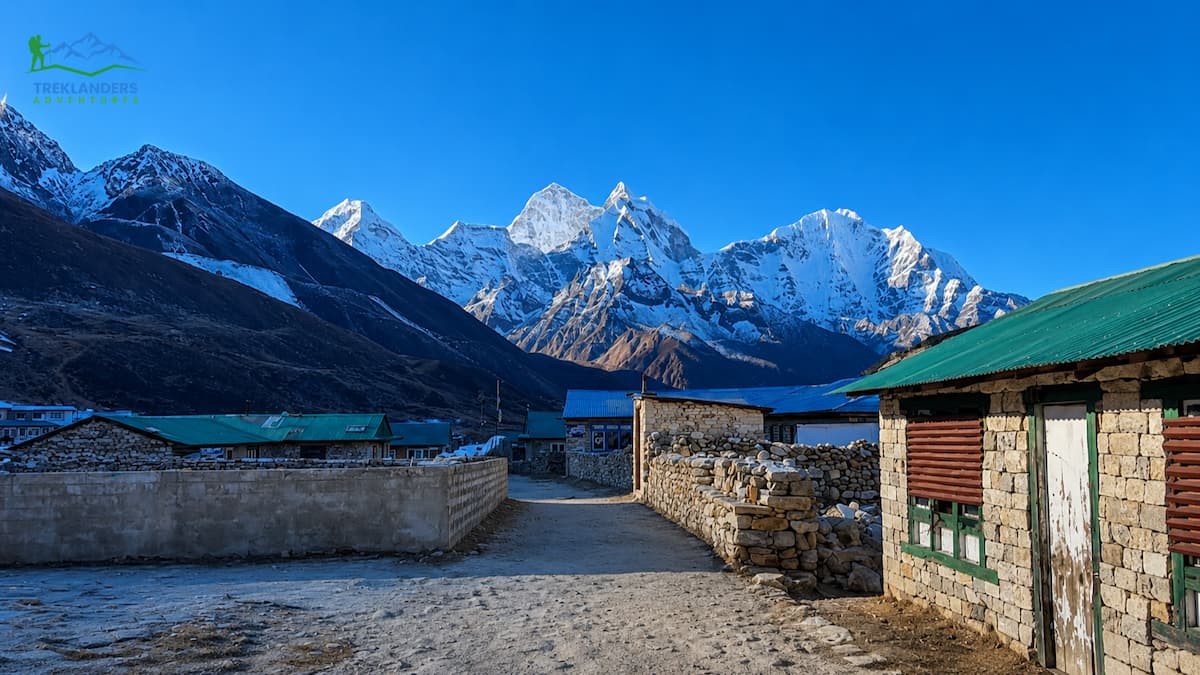
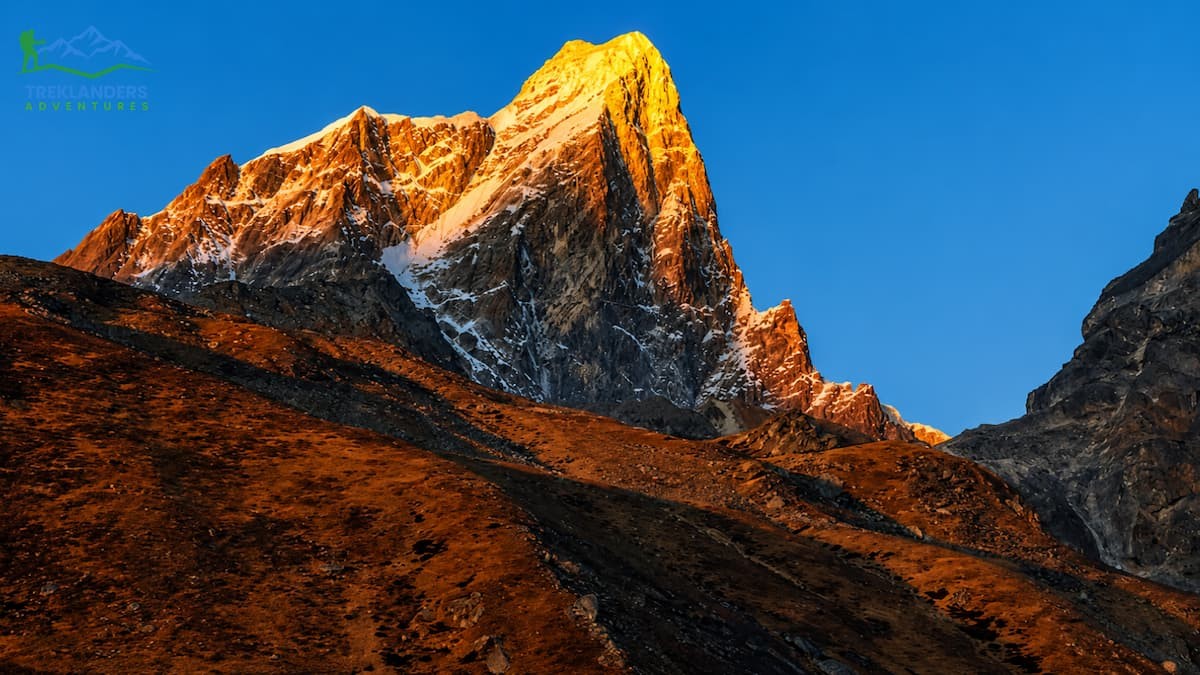
Pheriche is located in an open valley with its back to the west and the north. Here one can see the peak of Lobuche, Taboche, and the line of ridges leading towards Lobuche. You can even spot Ama Dablam from some angles. So it is expansive but open views that are striking here as compared to the views in Dingboche. Rather than seeing the isolated dramatic peaks, here, you are looking down the valley towards your next destination.
Being Pheriche in the exposed position in the open Khumbu valley makes it more windy than Dingboche, especially in the gang afternoon when the valley winds increase. The range of temperatures on both sites is similar but the wind chill at Pheriche can make it feel much colder.
If you are the kind of trekker who:
Knowing what changes your body undergoes at 4,300 m can help you understand why this choice is so important. At sea level, your blood oxygen saturation usually ranges from 95 to 99%. At 4,300 m, the typical saturation for most trekkers will be between 80 and 88%, sometimes even lower. Your body will react by accelerating your breathing, producing more red blood cells, and redistributing fluids. However, this adjustment takes days, not hours.
The usual acclimatization strategy applied throughout the Khumbu region is: climb high, sleep low. That is, during the day, after being at an altitude higher than the one you will sleep, you will come back to your sleeping elevation. Go to sleep. Do it again. This will set off the adaptation response while you will not be doing work that exhausts your body’s recovery capacity.
At Namche Bazaar (3, 440 m), Treklanders incorporates one full rest day with an outing to the Everest View Hotel at 3, 880 m. This is the first acclimatization stop. The second one is at Dingboche (4, 340 m) on Day 8, with the Nakarjung hike gaining an elevation of 5, 083 m.
Before setting off to Lobuche (4, 960 m) on Day 9, your body will have gone through two rounds of rescheduled acclimatization. This drastically lowers the chances of acute mountain sickness for you.
Most trekkers who have to abandon their journey early have skipped or cut short either of the rest days. The mountain does not give rewards to those who are impatient.
Whether you stop at Dingboche or Pheriche, you must know that altitude sickness can be experienced by anyone. Fitness, age, and previous experiences with altitude do not guarantee that you will not be affected.
The mild symptoms of AMS include a headache, tiredness, loss of appetite, dizziness, and difficulty sleeping. These are common and with the right amount of water, rest, and slow climbing, you will usually be able to manage them.
One should not bear severe symptoms at all times, which include loss of coordination, confusion, cough producing pink or frothy mucus, inability to walk a straight line, and severe breathlessness at rest. You should not wait and see if it is getting better. Immediate descent is the only solution.
As a result of this altitude zone being where the majority of serious symptoms first come up for trekkers, the HRA post at Pheriche has doctors during the peak season. If you have found your way down from your difficult summit push to Kalapathar via Pheriche, the HRA post can be considered a checkpoint that is definitely worth your time and effort.
Treklanders are equipped with a first aid kit on all EBC treks. Your guide is familiar with acclimatization, is able to recognize warning signs, and is capable of taking appropriate measures.
Both villages feature on Treklanders 16-day Everest Base Camp trekking itinerary but they are at different stages of the trek:
Day 7: Trek from Tengboche to Dingboche (4, 340 m), 5 hours approx. Get there and lodge a check-in. It is the first night when your body starts to feel the effects of the altitude. Ama Dablam, Island Peak and other mountain landscapes welcome you.
Day 8: Complete rest day at Dingboche. You will do a short hike in the morning to Nakarjung (Nangkartshang Peak) Hill for acclimatization, and in the afternoon, you are free to explore the village. The body gradually gets used to the altitude changes while the mind gears up for the big challenge ahead.
Day 9: After crossing the Kongma-La pass and walking on the Khumbu glacier moraine, the journey leads you from Dingboche to Lobuche (4, 960 m) where it lasts approximately 5 hours. The guide says that this day, which demands a lot of effort, marks the beginning of the adventurous route leading to Everest Base Camp.
Day 11 (return): Once at Kalapathar, Pheriche valley is reached by mainly descending through Gorakshep, Lobuche, and Thugla junction parts. There will be some more days in the mountains after the “possible lunch stops at Pheriche” as mentioned in the program before going to Pangboche.
So, the majority of people trekking the Treklanders 16-day program would have their important acclimatization time at Dingboche during the ascent and would only have a short time passage through Pheriche during the descent. Both villages have a role to play. You shouldn’t write off either one.
Understanding the altitude progression helps you appreciate why both these villages matter:
The jump from Dingboche (4,340 m) to Lobuche (4,960 m) is 620 m. Without the acclimatization day at Dingboche, this gain becomes dangerous. With it, trekkers consistently report manageable symptoms and good oxygen saturation at Lobuche.
One of the major causes of altitude sickness is dehydration, and at 4,300 m, going without water for long periods can lead to serious health issues. Therefore, drink 3 to 4 liters of water every day. Do not drink alcoholic beverages while you are adjusting to the new altitude.
Eat even if you do not feel like it. At high altitudes, people tend to lose their appetite, but it is important that you eat carbohydrates and warm meals. Dal bhat, soups, and porridge can be found at lodges in villages and are also very light on the stomach.
It is important to sleep at your acclimatization altitude. Do not sleep lower than Dingboche or Pheriche unless you are sick. Remember that a downward trip is contrary to acclimatization.
Diamox is merely an aid, not a replacement. Acetazolamide (Diamox) may help you to prevent symptoms of AMS however it cannot replace proper acclimatization. Always seek the advice of a physician before proceeding with this medication. The Treklanders packing list mentions this as an option only on the doctor’s advice.
Be prepared for the cold outdoors. Both villages experience freezing temperatures after sunset. Your sleeping bag must be at least -10°C to -20°C as mentioned in the Treklanders packing guide. Also, wear your thermal base layers when sleeping.
Monitor your oxygen saturation levels. Many lodges at Dingboche and Pheriche have guides who possess a pulse oximeter. For these measurements, you can ask the guide. If your oxygen saturation is 75% or lower when you are resting, then it is a warning that something needs to be done.
Use your day off manners. Nowadays, more people are taking the needed time to relax on the acclimatization day at Dingboche however this is not really the time to be lazing around. Go for the Nakarjung (Nangkartshang Peak) hike. Get your body moving, reach an altitude, and then go back to sleep. This is the method that yields results.
Nutrition at high altitudes has several impacts on our bodies. The body's energy expenditure at high elevation increases due to additional body heating from the work of breathing. At the same time, appetite decreases. Together, these changes produce a calorie deficit that makes your immune system vulnerable and slows down your acclimatization.
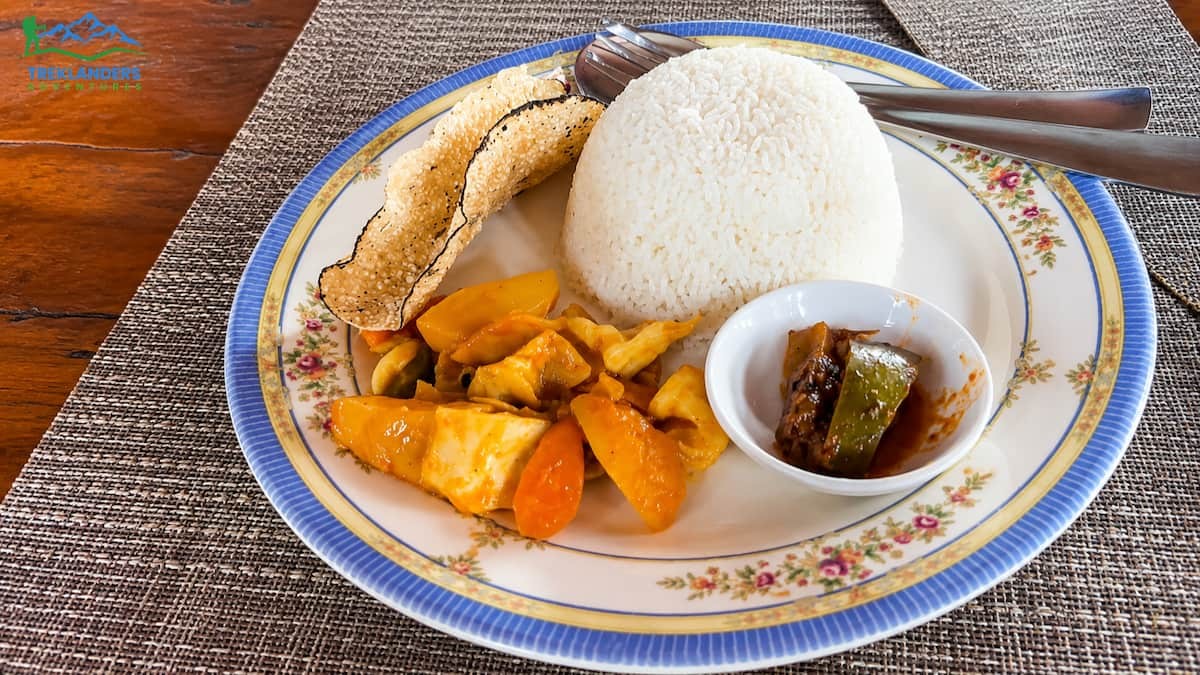
Meals offered by lodges at both Dingboche and Pheriche comprise: Nepali dal bhat (lentil soup, rice, vegetables), pasta, noodle soup, potato dishes, eggs (boiled, fried, scrambled), mash, pancakes, fresh bread on availability, instant noodles, and a variety of Tibetan and Indian dishes. Hot beverages include tea (milk or black), lemon honey ginger tea, hot chocolate, coffee, and soups.
Treklanders during the trek include properly set full meals as a part of the EBC trek package. So, you do not have to allocate a separate budget for food while on the trail.
It is really important to be mindful when choosing your meals, as they can add or detract from your personal health and well-being. Go for comforting, warm meals that can be digested without much effort. In general, grilled/fried items and heavy spices are not recommended on acclimatization days, as the body's ability to digest is compromised at altitude. Also, focus on eating mainly carbohydrates. Although dal bhat is quite a basic meal, it is considered one of the best meals for the high-altitude trek. For this reason, porters and Sherpa guides consume it twice a day.
Hydrate even before your mouth starts to feel dry. The reason why your body at 4,300 m gets dehydrated faster is the cold, dry air compared to warm lowland conditions. So, make it a habit to drink a minimum of 3 liters of water daily. If you plan to get water from the village sources, first purify it either with tablets or a filter. Quite a few lodges offer boiled water for sale.
The question of Dingboche versus Pheriche connects directly to the length of your itinerary. Shorter itineraries compress the acclimatization schedule and force decisions about which stops to include.
The choice between Dingboche and Pheriche directly depends on the number of days you have for the trip. Shorter schedules mean squeezing the acclimatization portions, and sometimes we must leave out certain places.
Our 16-day EBC trek (USD 1,405 per person, group pricing) is the one that offers the best acclimatization period. You will get to spend two nights at Namche Bazaar with a rest day hike to an altitude of 3, 962 m, two nights at Dingboche with a rest day Nakarjung (Nangkartshang Peak) hike and after Kalapathar, a descent through Pheriche. This programme gives your body the highest probability of completing the trek without suffering from altitude sickness.
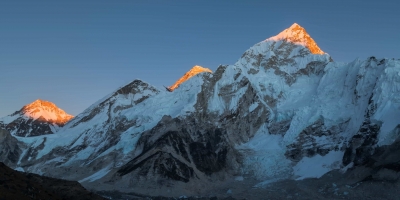
You can find a 14-day EBC package with Treklanders starting at USD 1,175 per person (group pricing). In this plan, the trek is shortened by eliminating a buffer day. However, the two main acclimatization stops at Namche Bazaar and Dingboche are still kept, so it can be considered by very fit trekkers who have a good understanding of the effects of altitude.
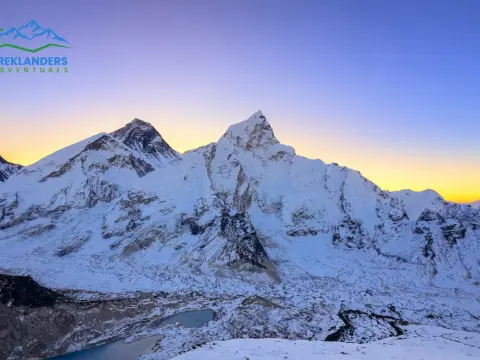
Treklanders 12-day itinerary (from USD 1,000 per person, group pricing) is the rapidly paced EBC version of the standard route. At this speed, the acclimatization periods are reduced, and the rate of ascent is increased. This program is for those who have a good physical condition and have already been at altitudes above 4, 000 m. It is highly recommended that new high-altitude trekkers avoid this option.
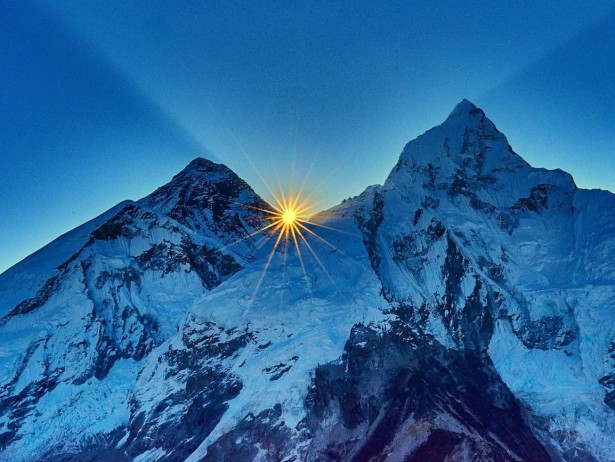
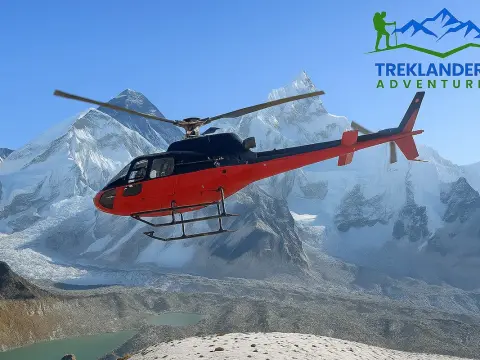
For those who have very little time, we have a 9-day EBC program with a helicopter return from Gorakshep to Kathmandu, starting at USD 1, 990 per person (group pricing). Such a shortened schedule almost completely overloads the acclimatization process and therefore requires very good physical shape and preferably previous high-altitude experience. The helicopter return does away with the descent days, thereby allowing more time for the ascent. Even at such a pace, Dingboche is a necessary overnight stop.

The 13-day EBC trek with helicopter return from Lukla (from USD 2,100 per person) provides a middle ground: a full trekking ascent with a flight back instead of the 2-day walk down to Lukla. This is popular with trekkers who want the full EBC experience without repeating the descent trail.
During the two-night stay at Dingboche, you have one full day completely free with no specific destination. While the Nakarjung (Nangkartshang Peak) hike is the main suggestion, walkers with very fit legs and high acclimatization may decide to go further.
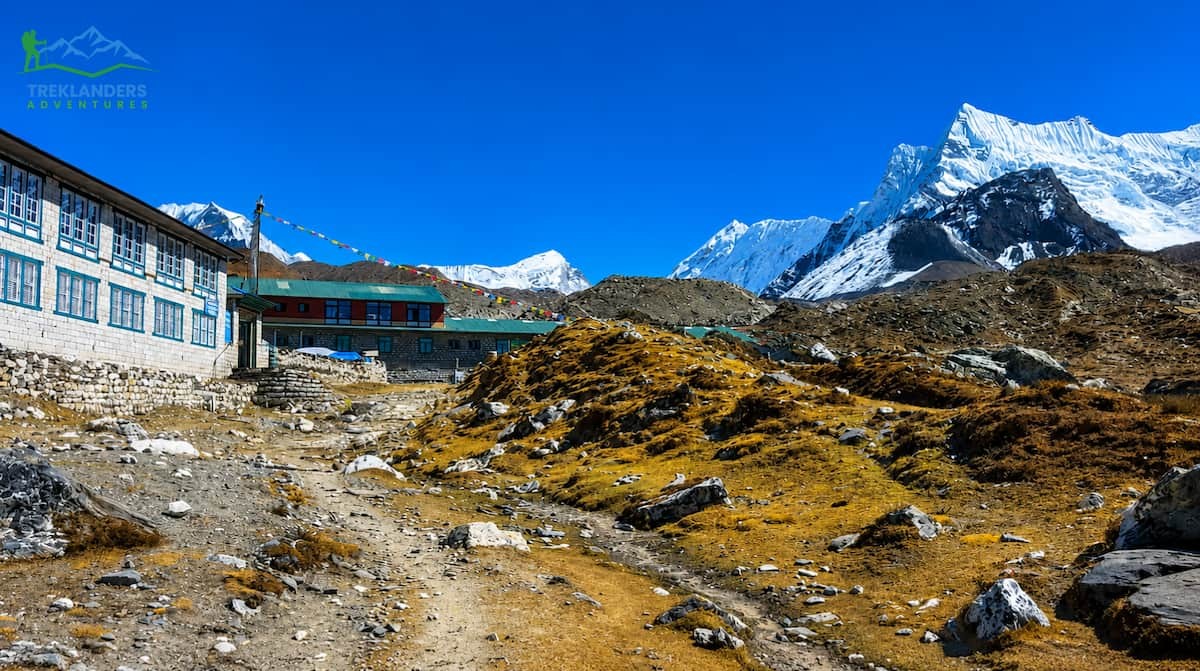
Located only about 2 hours on foot east of Dingboche, the high valley of Chhukung is at a height of 4, 730 meters. The beautiful valley is on the way to Island Peak Base Camp and the Imja Glacier. Hiking to Chhukung and back is not just a great day out; it will also help you very effectively acclimatize: you will have gained almost 400 m up in altitude, will have spent some time at height, and then gone back down to sleep at 4,340 m. The Himalayas you will be able to see from Chhukung include Lhotse, Nuptse, and Ama Dablam and the views are magnificent.
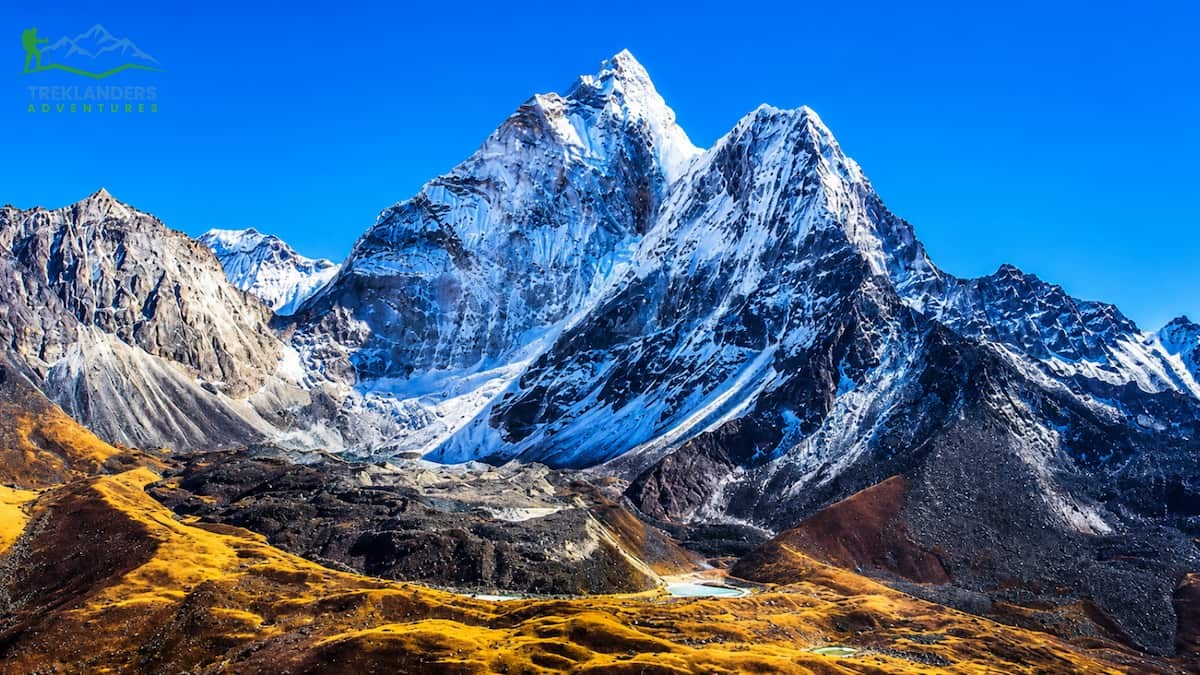
You might have heard about this as the main acclimatization hike, but it is worthwhile elaborating. Between Dingboche and Nagarjung (Nangkartshang Peak), the path raises your level by about 700 m in 2 hours. At the ridge top, which is approximately 5,083 m, you will be above the area where teahouses normally are located. The view from here includes Island Peak (6,189 m), Makalu (8,485 m), Baruntse (7,129 m), and, if it is a very clear morning, you can spot the distinctly triangular summit of Everest peeping out above the other ridges. The majority of trekkers recount this as being one of the best sights they have ever seen on the whole trek, even better than the sights from Tengboche.
On Day 8, some trekkers may decide to have a complete rest at Dingboche, especially those who showed symptoms of mild AMS earlier at Tengboche or on ascent to Dingboche. You may do this, no problem. The main purpose of the rest day is your adaptation, not your performance. Simply sitting in the sunshine at 4, 340 m, having good food, drinking water, and sleeping properly will bring about your acclimatization even if you do not do a hike. Your Treklanders' guide will check how you are doing and guide you accordingly.
Every year, trekkers turn back from EBC not because of a lack of fitness, but because of poor acclimatization. Altitude sickness does not discriminate. Experienced mountain runners have been helicopter evacuated from Gorakshep. Fit cyclists have struggled at Tengboche.
The difference between those who reach Kalapathar and those who do not usually comes down to the acclimatization days. Specifically, whether they actually used the rest days as prescribed, or tried to skip ahead.
Dingboche and Pheriche exist on this route for a reason. They are positioned in the altitude band where the body needs a pause before the final push above 5,000 m. One full acclimatization day at Dingboche, combined with a structured hike, is not a luxury on the EBC itinerary. It is a requirement.
Treklanders builds both Namche Bazaar and Dingboche acclimatization days into the 16-day EBC itinerary for this reason. The route, the timing, and the overnight stops are designed around what actually works, not what is fastest.

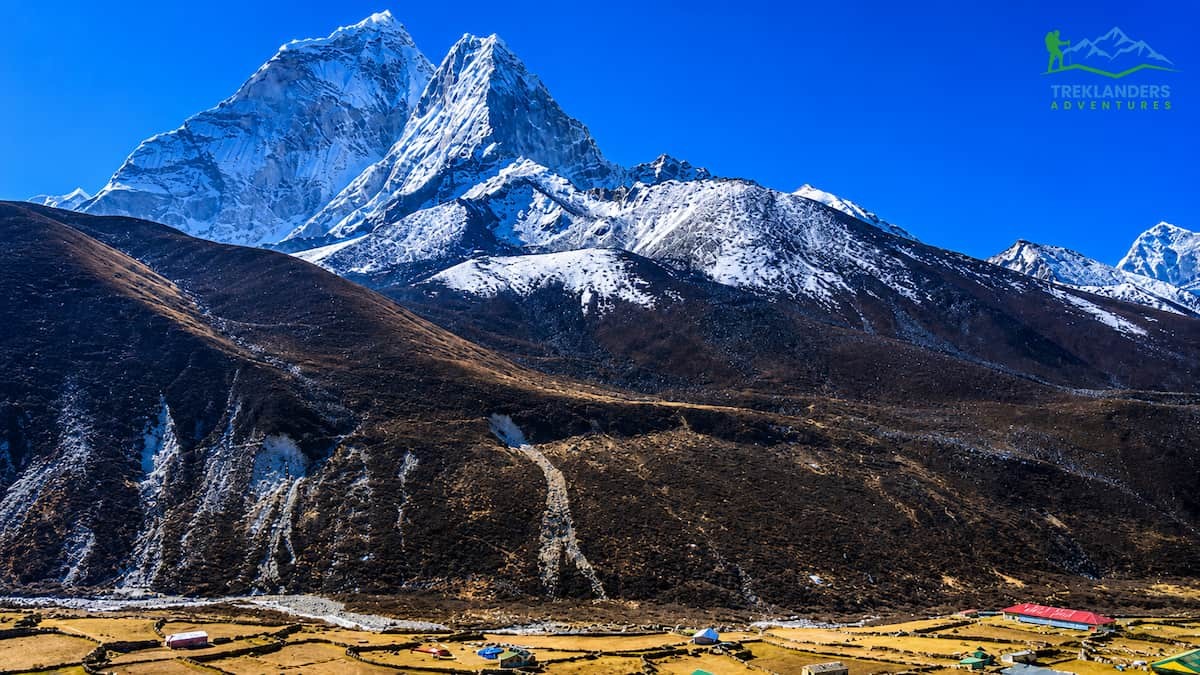
Dingboche is a better place to acclimate on the way to Everest Base Camp. Why? The reasons are simple.
Take the Nakarjung (Nangkartshang Peak) hike to 5,083 m, for example, as it offers a planned high-altitude acclimatisation day that a Pheriche hike can't match. Better lodges, more comforts, and, most importantly, two nights in Dingboche that align with the exact acclimatisation plan that enables EBC for moderately fit trekkers.
On the return journey, Pheriche has a particular and valuable use. The HRA medical post gives access to medical personnel that no one can find in Dingboche. After Kalapathar, if you are uncertain about your condition, it would be a wise decision to stop at Pheriche for a medical examination.
The best EBC itineraries include both. Dingboche is for acclimatization while Pheriche is a descent checkpoint. The Treklanders 16-day EBC itinerary is a great example of this plan.
If time is short and you only have the chance for one stop, pick Dingboche. If you can access both, go for both.
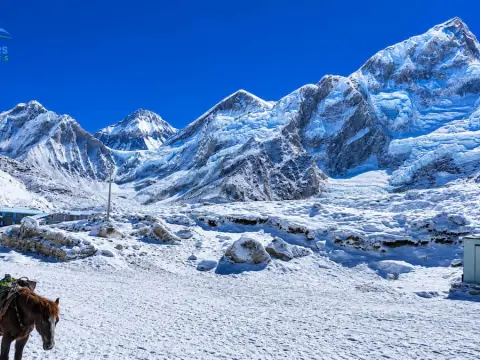
Complete fitness and training guide for the Everest Base Camp Trek, including cardio, strength, altitude preparation, endurance, and hiking workouts.
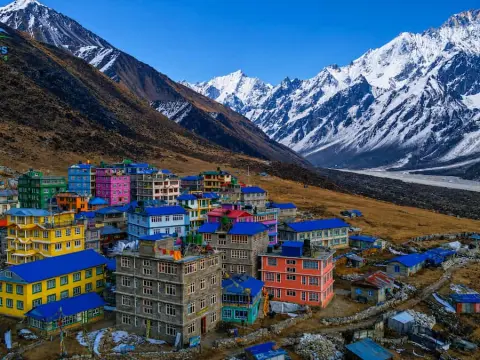
Experience the stunning final stretch to Kyanjin Gompa with breathtaking Himalayan views and unforgettable Langtang Valley scenery.
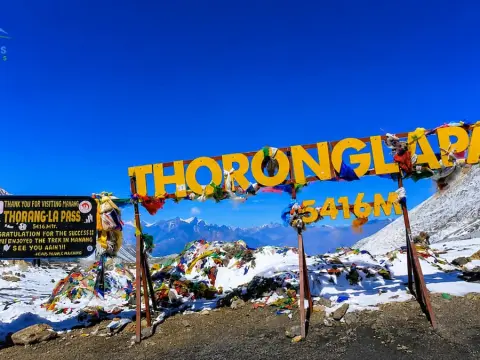
Complete guide to Thorong La Pass with trekking tips, altitude safety, acclimatization, permits, and route details for the Annapurna Circuit Trek.



