Upper Mustang in Winter (December–February): Is It Worth Trekking During the Off-Season?
7 Jul 2026
Trek Upper Mustang in winter and discover the weather, trail conditions, permits, and whether the off-season adventure is worth it.

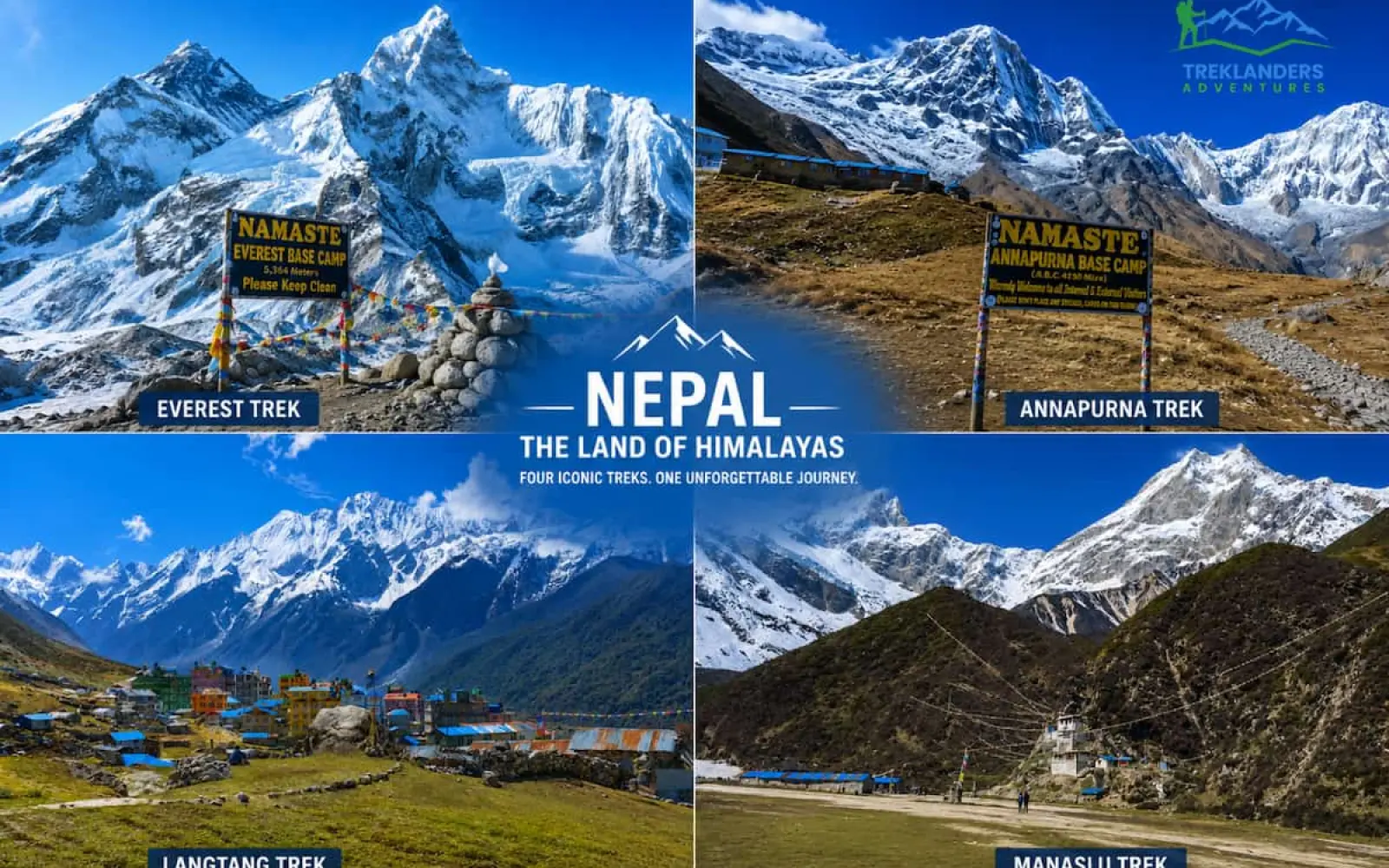
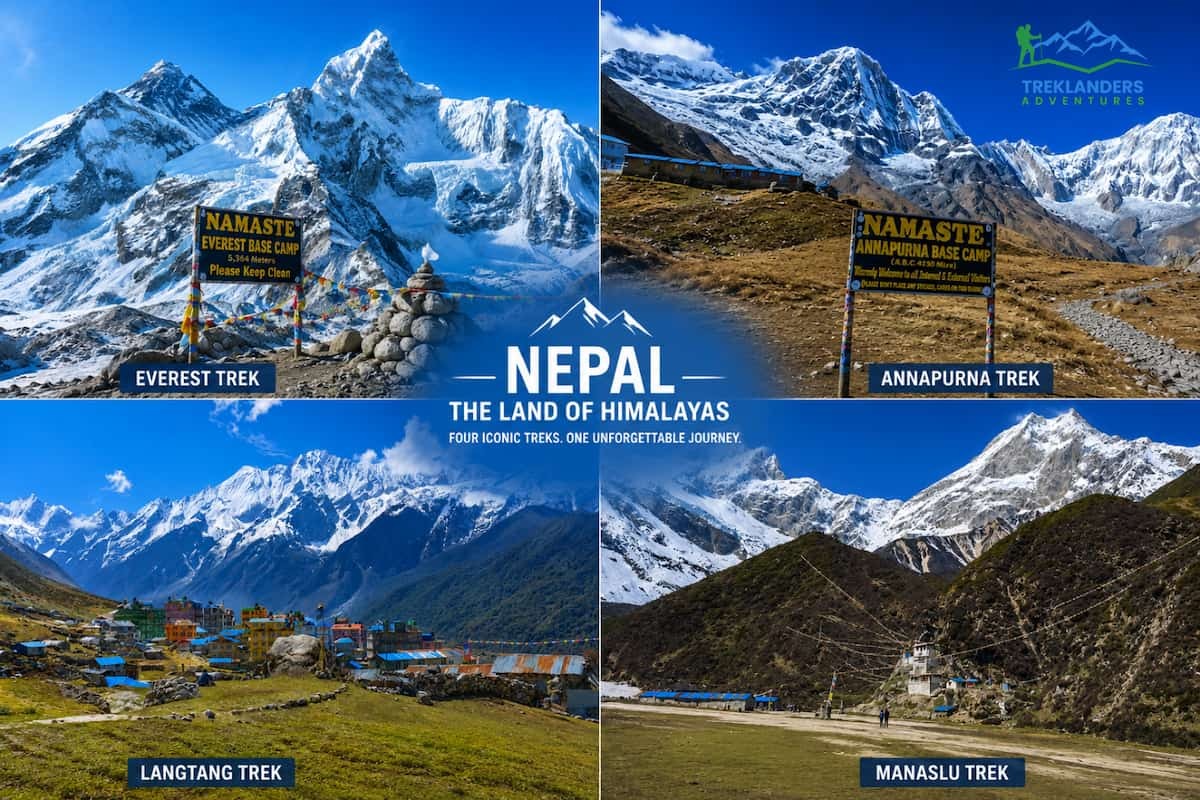
Nepal packs eight of the world's ten highest mountains into a country smaller than England. You can walk for two weeks and pass through jungle, terraced farmland, pine forest, and finally glacier and rock, all without a single flight beyond the domestic hop that gets you started. Four regions carry most of that foot traffic: Everest, Annapurna, Langtang, and Manaslu. Each one gives you a completely different trek, even though they sit within a few hundred kilometers of each other.
At Treklanders, we run trips through all four regions every season. This guide walks you through what each trek actually feels like on the ground, who it suits, and how to decide where you should point your boots this year.
Why Nepal Still Leads for Mountain Trekking
Plenty of countries have mountains. Nepal has a trekking culture built around them. Teahouses line the main routes, so you don't need to carry a tent or cook your own food unless you actively choose a camping trek. Local guides know these trails from childhood, not from a training course. And the government has kept large stretches of the high Himalaya free from road access, which means you still walk to get there.
That last point matters more than people realize. Roads have crept into the Everest and Annapurna regions over the past two decades, shortening some classic routes and changing how the first few days of those treks actually feel on foot. But the high sections, the parts above 3,500 meters where the views actually open up, remain foot-only. You still earn every glimpse of Ama Dablam or Annapurna South.
Each region also has its own ethnic character. Sherpa communities run the Everest trails and have done so since Tenzing Norgay's era. Gurung and Thakali villages anchor the Annapurna circuit. Tamang settlements define Langtang. Manaslu blends Tibetan Buddhist culture with a more remote, less commercial feel, since the region only opened to trekkers in 1991 and still requires a restricted area permit.
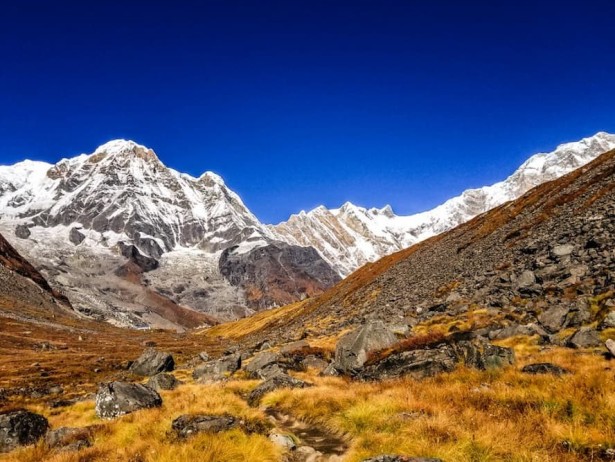
Geography explains a lot of this variation. Nepal runs roughly 800 kilometers east to west, but the mountains sit stacked close together along that stretch, separated by deep river valleys that funnel weather, culture, and trade routes in specific directions. Everest sits in the far east, closer to Tibet than to Kathmandu in cultural terms. Annapurna sits centrally, accessible from Pokhara, Nepal's second city and gateway to the west. Langtang sits due north of Kathmandu, tucked against the Tibetan border. Manaslu sits between Annapurna and Langtang geographically, but its restricted status has kept it developing on its own slower timeline.
The Everest region, known locally as Khumbu, draws more attention than any other trekking area on earth. Most people arrive here for one reason: to stand at Everest Base Camp and look up at the mountain that started the whole industry of high-altitude tourism.
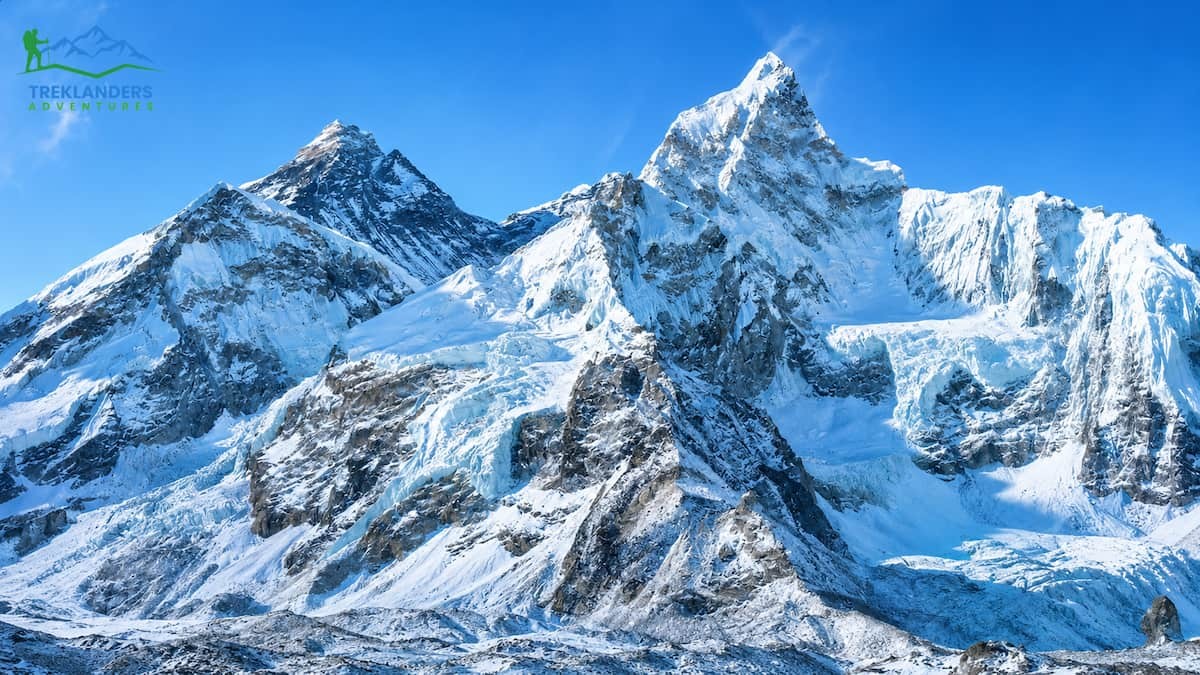
The classic Everest route starts with a flight into Lukla, one of the more talked-about airstrips in aviation, carved into a hillside at 2,860 meters. From there, you walk north along the Dudh Kosi river valley, gaining altitude gradually through villages like Phakding, Namche Bazaar, and Tengboche.
Namche Bazaar deserves its reputation as the unofficial capital of Khumbu. It sits in a natural amphitheater carved into the hillside, and it's where most trekkers take their first acclimatization day. Bakeries here sell better pastries than you'd expect at 3,440 meters, and the Saturday market still draws traders down from Tibet.
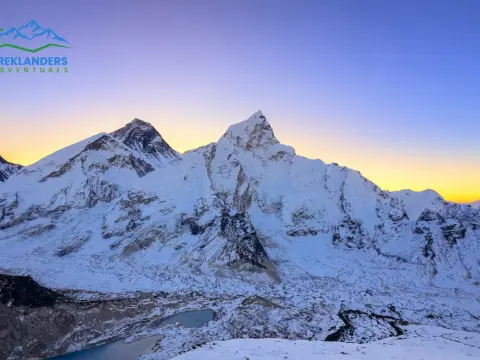
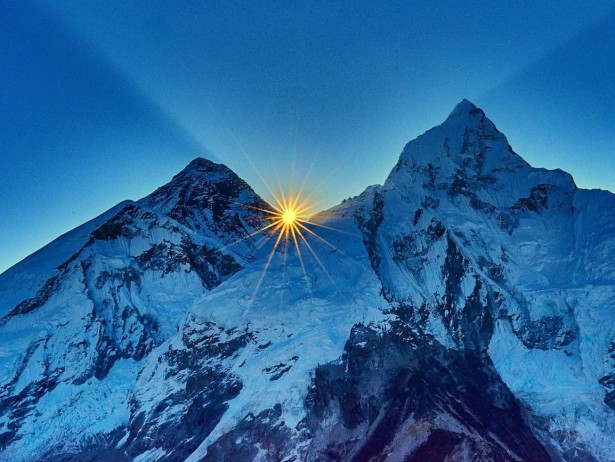
Past Namche, the trail opens up. Tengboche monastery gives you your first real look at Ama Dablam, a peak so sharply pointed it looks unreal even in photos. Dingboche and Lobuche follow, each one thinner on oxygen and heavier on views. Base Camp itself sits at 5,364 meters, a jumble of rock and ice with no clear view of Everest's summit. Most people climb Kala Patthar the next morning instead, a hill above Gorak Shep that gives you the actual postcard shot of the mountain.
The trek typically runs 12 to 14 days round trip, including acclimatization days that you should not skip regardless of how fit you feel. Altitude does not care about your gym routine.
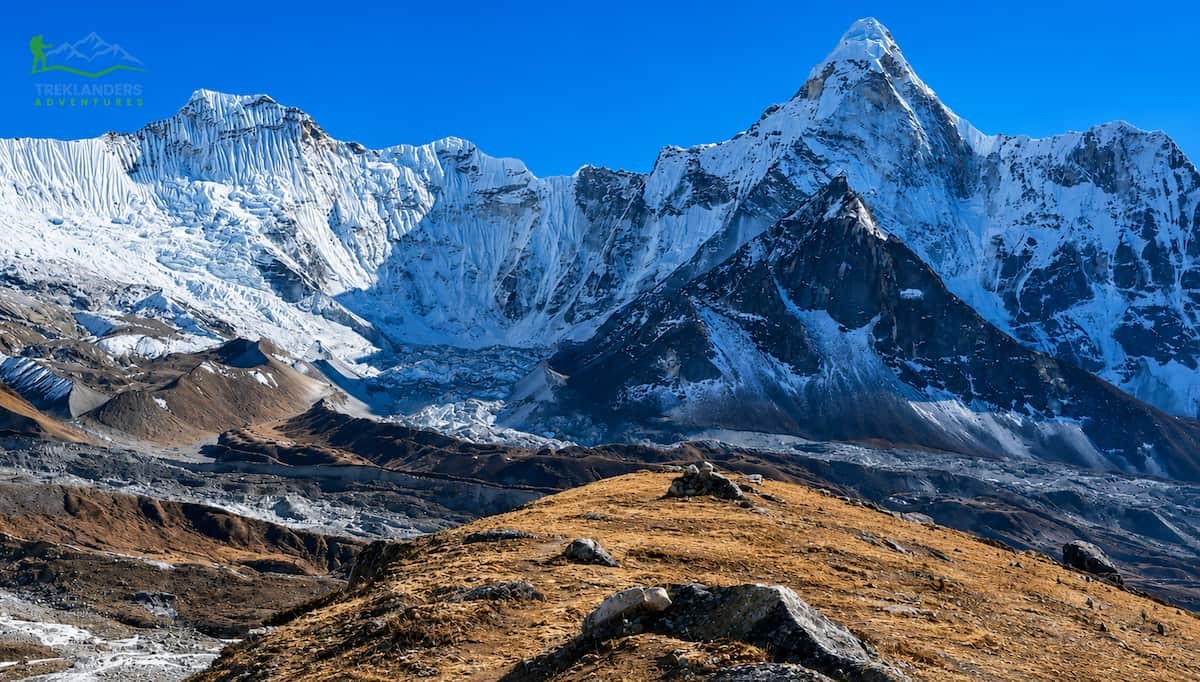
If you've already done Everest Base Camp, or you want more from your trip than one destination and back, the Everest Three Passes route adds Kongma La, Cho La, and Renjo La into the mix. This version loops through the Khumbu rather than going straight up and down, crossing three passes above 5,000 meters and adding Gokyo Lakes and Gokyo Ri to the itinerary.
This is a harder trek. You need better fitness, more experience with exposed scrambling, and comfort with early starts in the cold before the passes turn slick. But you get a version of Everest that most trekkers never see turquoise glacial lakes, fewer crowds on the pass days, and views of four 8,000-meter peaks from Gokyo Ri, including Everest, Lhotse, Makalu, and Cho Oyu.
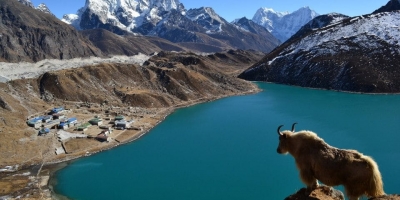
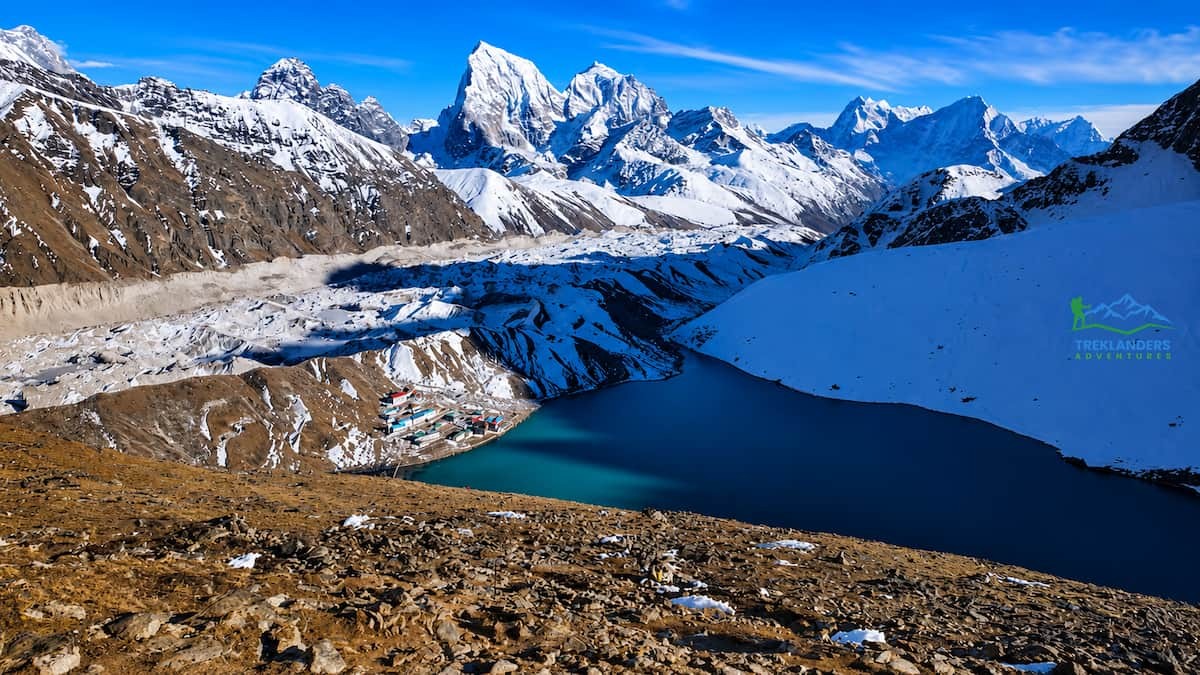
For trekkers who want Everest region views without tackling all three passes, the Gokyo Valley trek branches off before Dingboche and follows the Ngozumpa Glacier, Nepal's largest, up to the Gokyo Lakes. Gokyo Ri offers a viewpoint many guides rate above Kala Patthar for sheer breadth of what you can see. It's a strong option if your schedule or fitness rules out the full Three Passes loop, but you still want serious altitude and serious views.
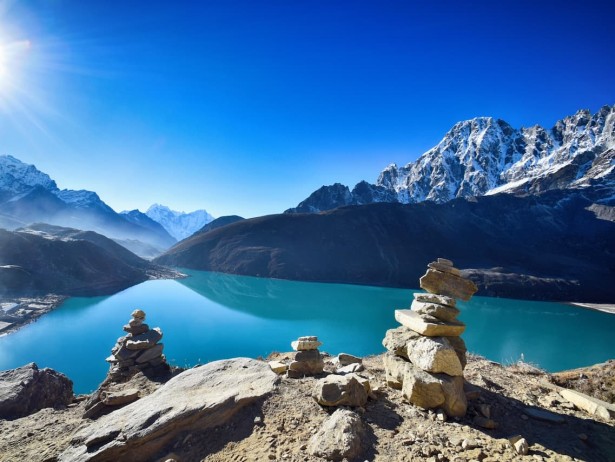
Everest region trails suit people who want infrastructure alongside adventure. Teahouses here are the best equipped in Nepal, with hot showers, Wi-Fi in most villages, and menus that stretch well beyond dal bhat. That said, this popularity means busier trails, especially during October and November. If you want solitude, look at Three Passes or shift your season toward late spring.
Where Everest gives you one dominant storyline, the Annapurna region gives you a range. You can trek through subtropical forest, rhododendron groves, high desert, and glacial cirques within the same broad region, sometimes within the same week.
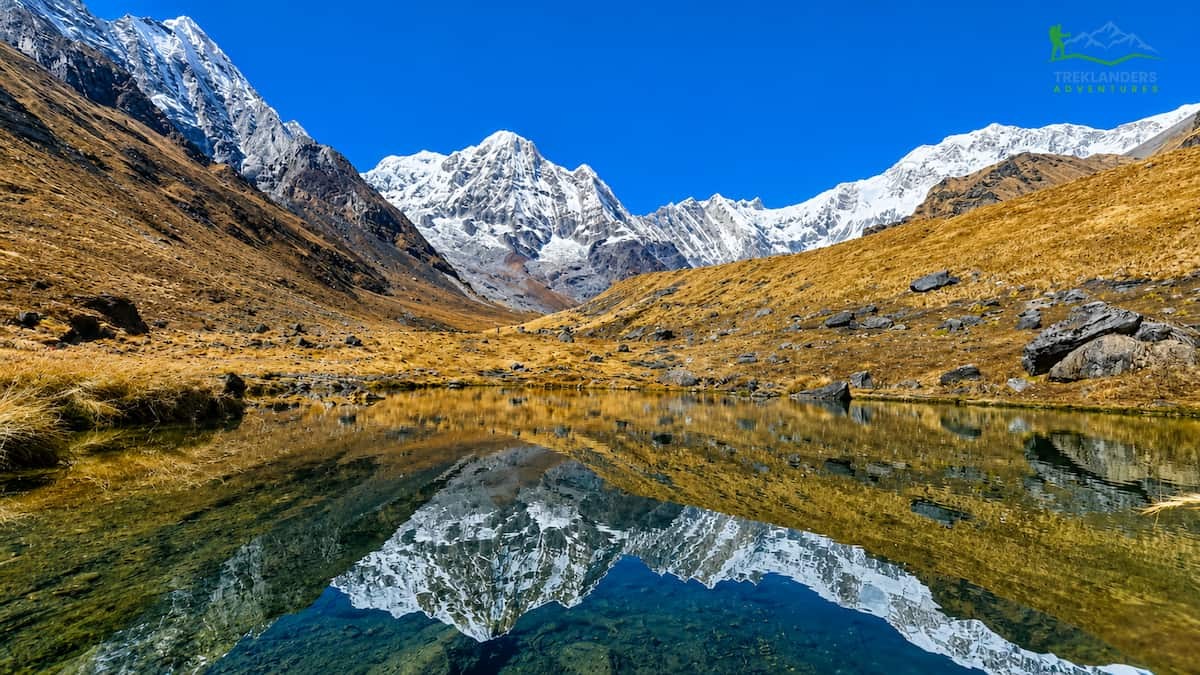
This is the region's signature route, and for good reason. The trail climbs through terraced rice paddies and dense forest before opening into the Annapurna Sanctuary, a natural bowl surrounded by Annapurna I, Machapuchare, Hiunchuli, and Gangapurna. A few places in the Himalaya put you this close to peaks this tall, this fast. You reach Annapurna Base Camp at 4,130 meters, low enough that altitude sickness risk stays manageable for most trekkers, which makes this one of the more accessible high-altitude treks in Nepal.
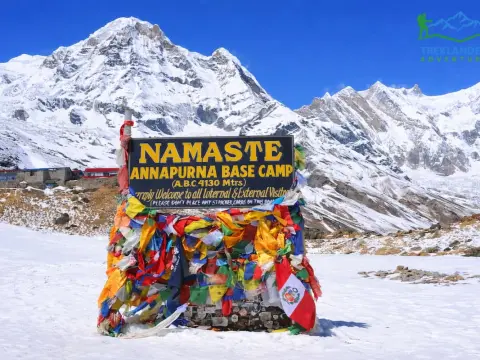
The trek typically takes 7 to 12 days depending on your starting point and pace. Machapuchare, also called Fishtail, dominates the skyline for most of the route and never gets less striking no matter how many times you look up at it.
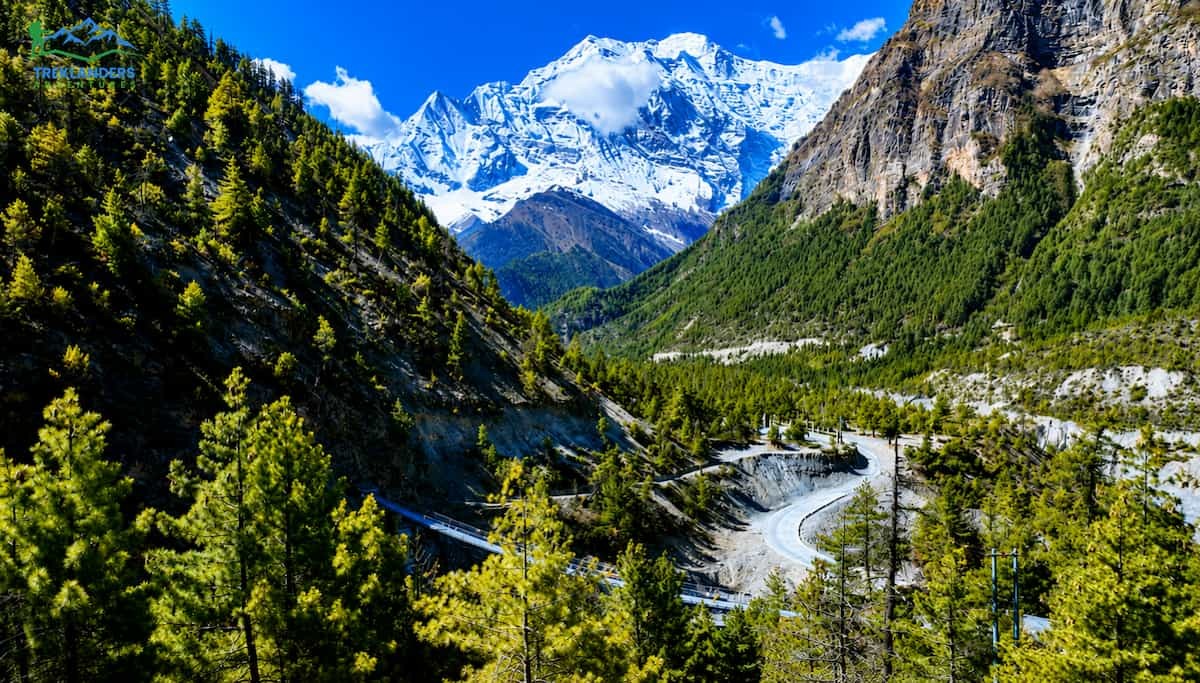
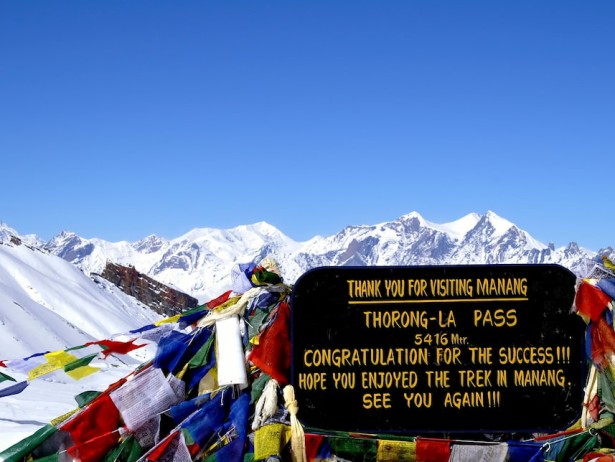
The full Annapurna circuit used to be the benchmark trek in Nepal before road construction cut into parts of the original route. It still delivers one of the most dramatic altitude and landscape shifts you'll find anywhere: you start in humid, green lowlands and end up crossing Thorong La at 5,416 meters, dropping into the high desert of Muktinath and the Mustang region on the other side.
That crossing is the heart of the trek. Thorong La sits above 5,400 meters, and the climb up from High Camp starts well before sunrise, so you can clear the pass before afternoon winds pick up. The descent into Muktinath, a pilgrimage site sacred to both Hindus and Buddhists, marks one of the sharpest cultural and geographic transitions in Himalayan trekking.
Manang, the main acclimatization stop before the pass, sits in a high, dry valley that looks more like Tibet than the Nepal most people picture. Spend the extra day here. The altitude gain from Manang to Thorong La High Camp is steep enough that rushing it raises your risk of altitude sickness substantially.
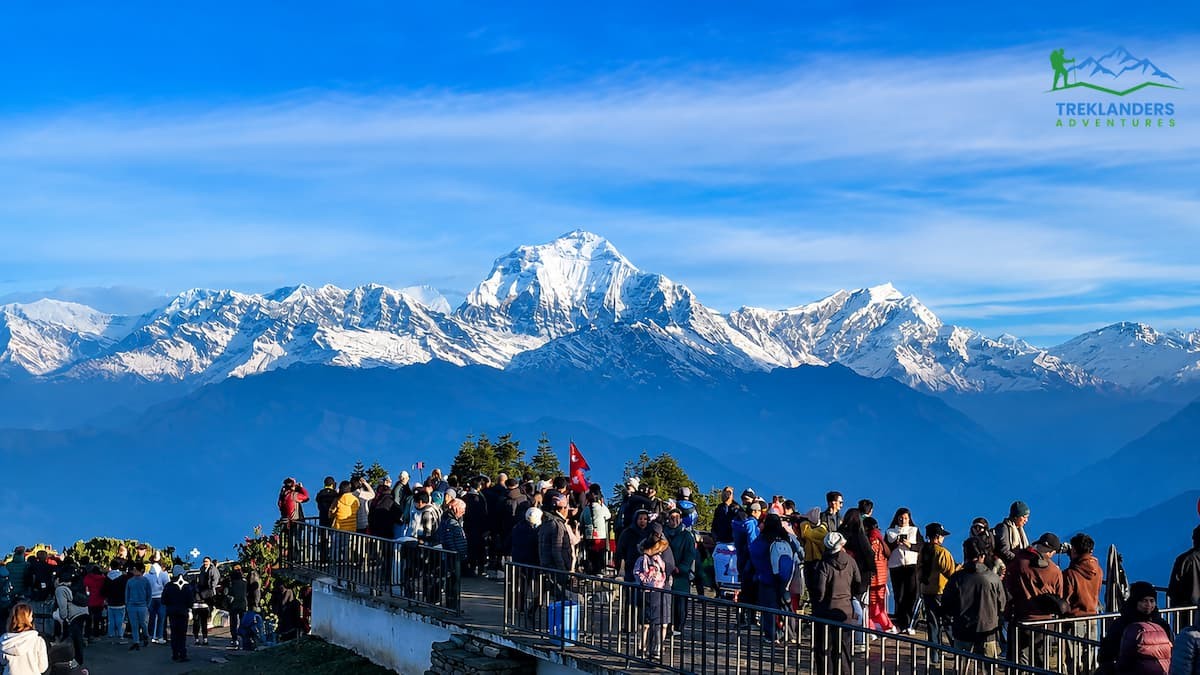
Not every trekker wants two weeks at altitude, and the Ghorepani Poon Hill trek answers that. At 4 to 5 days, it's the shortest well-known trek in the Annapurna region, and it still delivers one of the best sunrise viewpoints in Nepal. Poon Hill sits at 3,210 meters, low enough for most people to handle without serious acclimatization concerns, and the view at dawn stretches across Dhaulagiri, Annapurna South, and Machapuchare.
This trek suits first-time trekkers, families with older kids, or anyone short on time who still wants a real Himalayan experience. Rhododendron forests along the route bloom hard in March and April, turning entire hillsides red and pink.

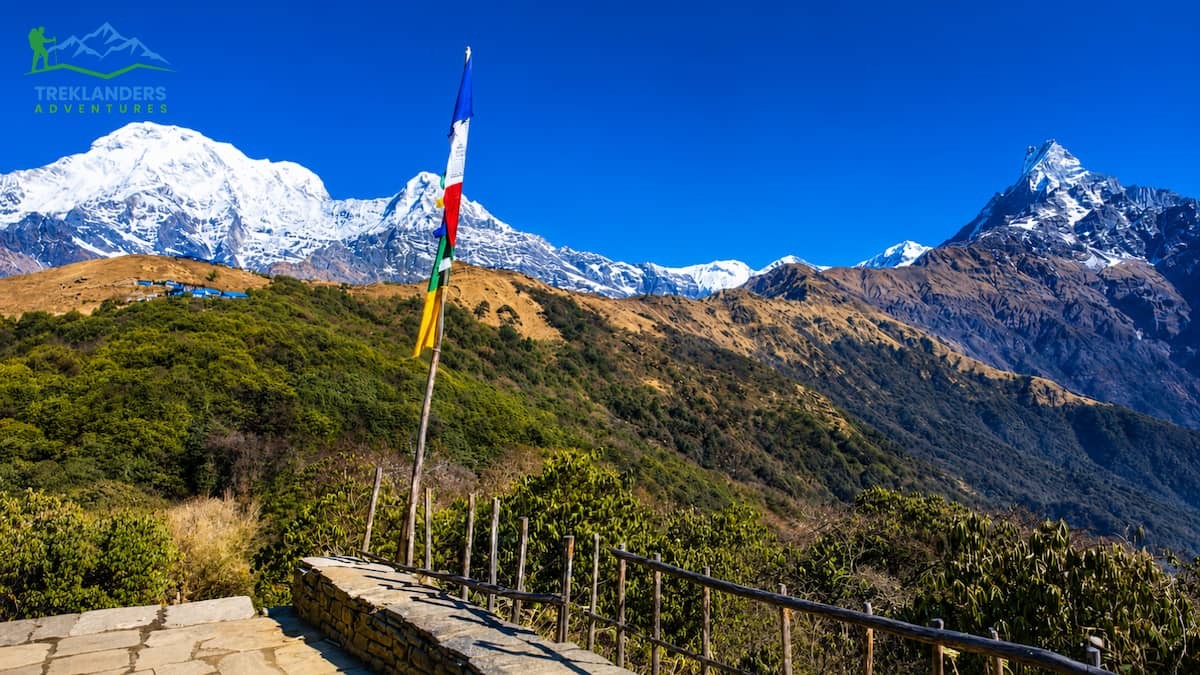
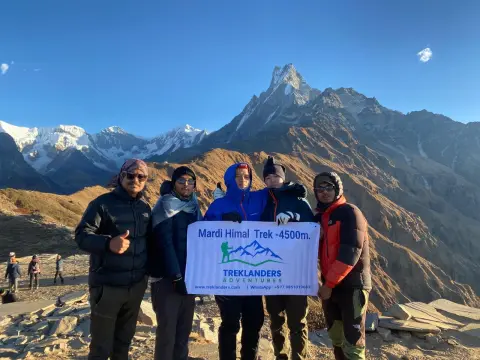
Mardi Himal stayed under the radar until fairly recently, and it still carries fewer crowds than the routes above. The trail climbs through rhododendron and oak forest to a ridge with close-up views of Machapuchare's south face, a mountain that remains legally unclimbed out of respect for its religious significance to local Gurung communities. Mardi Base Camp sits around 4,500 meters, giving you a serious altitude in a shorter window than Annapurna Base Camp requires.
For trekkers who want the Annapurna region without Annapurna region crowds, Nar Phu Valley is a restricted area trek through two villages that stayed isolated from mainstream tourism until 2003. Stone houses, chortens, and monasteries here look closer to Tibet than to the Nepal most visitor's picture. It's often combined with a Thorong La crossing, giving you the isolation of Nar Phu and the drama of the main circuit pass in one trip.
Annapurna trails fit almost any experience level, which is the region's real strength. Poon Hill works for beginners. Annapurna Base Camp works for intermediate trekkers wanting real altitude without extreme risk. The full Circuit and Nar Phu work for people chasing longer, harder routes. Whatever your fitness or timeline, there's a version of Annapurna that fits it.
Langtang sits closer to Kathmandu than any other major trekking region, which surprises people once they realize how quiet the trails still feel. You can reach the trailhead by road in under eight hours, no flight required and still walk into terrain that feels genuinely remote within a day or two.
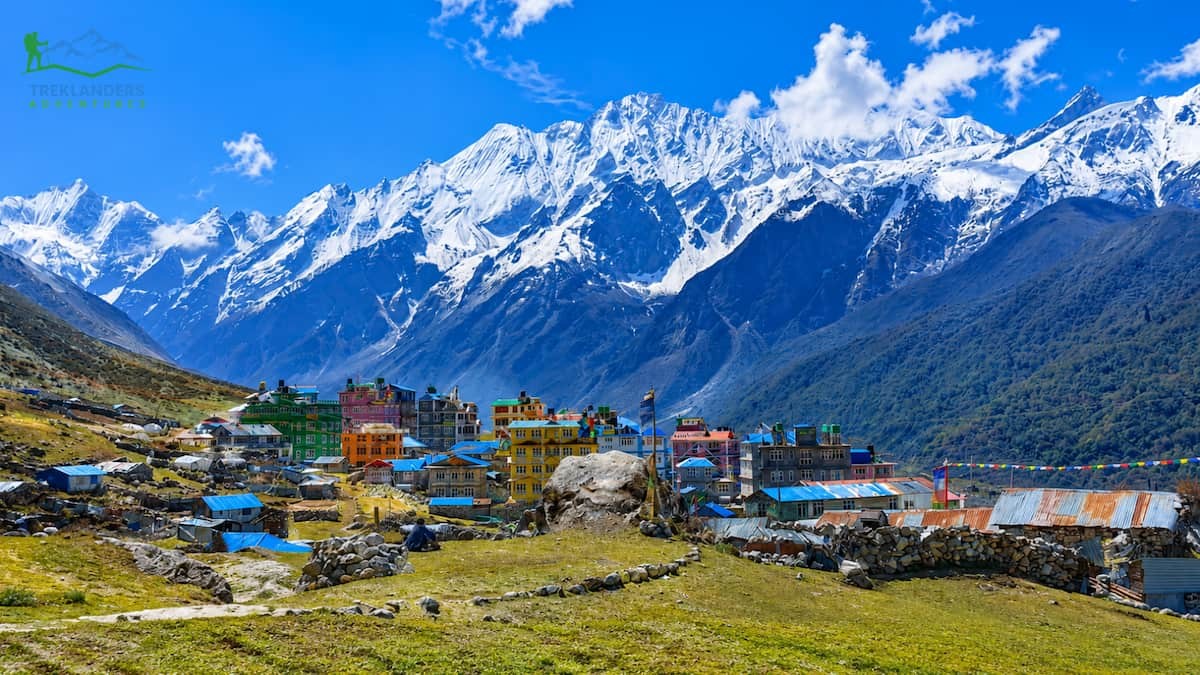
The main Langtang Valley trek follows the Langtang river through forest thick with rhododendron, oak, and bamboo, prime territory for spotting red pandas if you're patient and lucky. The valley opens up past Lama Hotel into high pasture country, with Langtang Lirung's glaciers hanging directly above the trail.
This region suffered badly during the 2015 earthquake. An avalanche triggered by the quake destroyed Langtang village entirely. The community rebuilt, and the trek today passes through a village that stands as proof of how fast these communities recover when tourism returns. Trekking here directly supports that recovery, since Langtang still receives a fraction of the visitor numbers Everest and Annapurna see.
The trek runs 7 to 10 days round trip and reaches Kyanjin Gompa at around 3,870 meters, with a viewpoint above the village giving you a full panorama of the Langtang range.

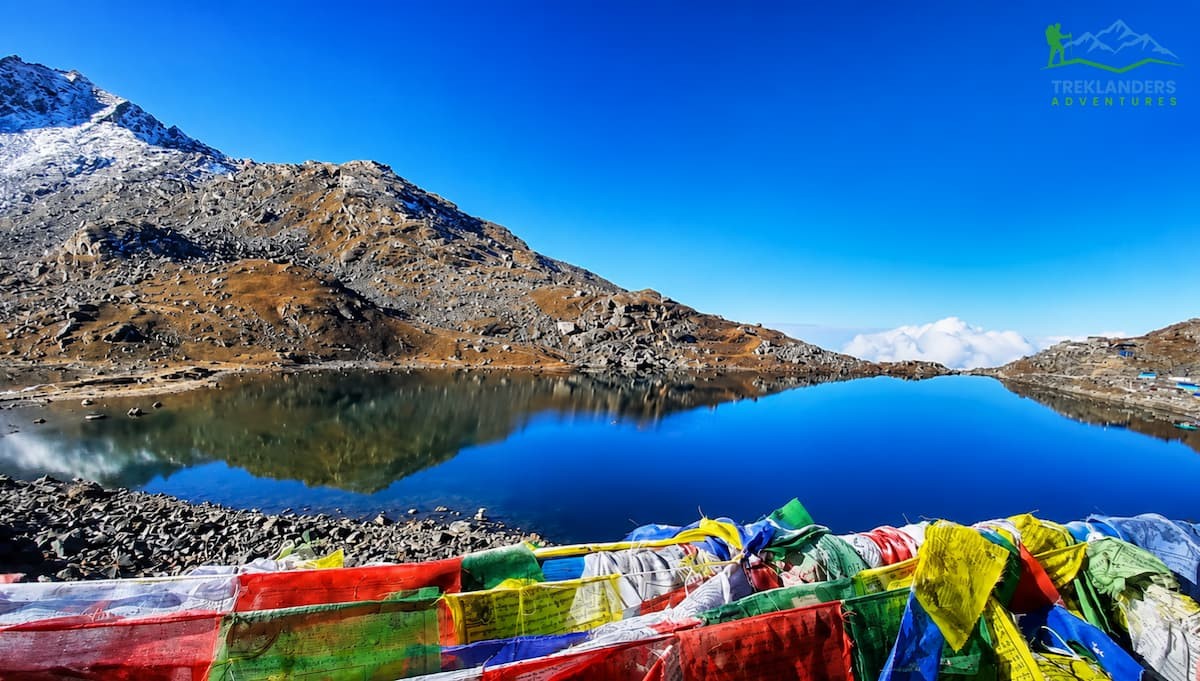
Gosainkunda is a set of sacred alpine lakes sitting above 4,300 meters, held sacred in Hindu mythology as the spot where Shiva created the lake by driving his trident into a glacier. Thousands of pilgrims visit during the August full moon festival, but the rest of the year, the trail stays peaceful. You can combine Gosainkunda with the Langtang Valley trek into a longer loop or trek it as a standalone route through Helambu.
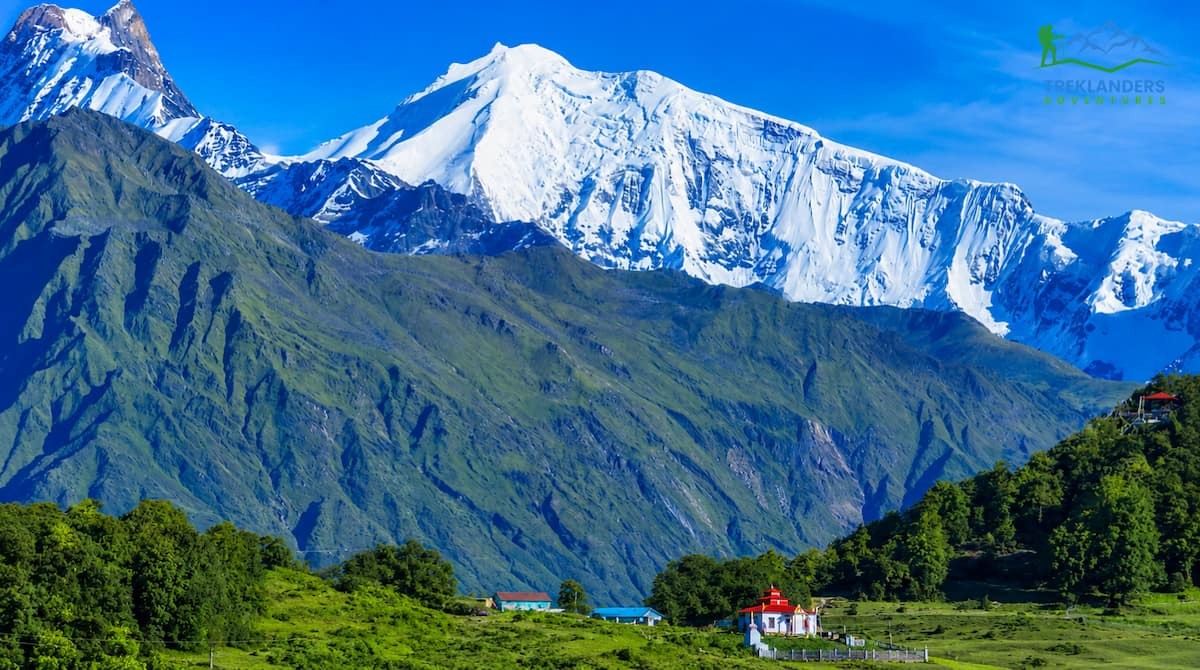
This Tamang Heritage route runs through villages built and inhabited by the Tamang community, one of the ethnic groups most closely tied to the Langtang region. Stone houses, traditional dress, and local hot springs at Tatopani give this trek a cultural depth that pure mountain routes don't always offer. It runs at a lower altitude than the main Langtang Valley trek, which makes it a solid choice if you want culture alongside your mountain views rather than pure altitude.

Helambu sits closer to Kathmandu still, and the Helambu trek here stays under 3,000 meters for most of its length. That makes it one of the gentler options in the region, suited to trekkers short on time or acclimatization days but still wanting genuine Himalayan foothill scenery and Sherpa and Tamang village life.
Langtang suits trekkers who want a shorter approach without giving up remoteness once they're on trail. It also suits anyone specifically interested in supporting post-earthquake community recovery through tourism, since the impact of your visit here goes further than it would in busier regions.
Manaslu Circuit Trek is often described as what Annapurna Circuit felt like decades ago, before roads and crowds changed the character of that trek. It's not an exaggeration. Manaslu stayed closed to foreign trekkers until 1991, and it still requires a restricted area permit and a licensed guide by law, which keeps numbers low even now.
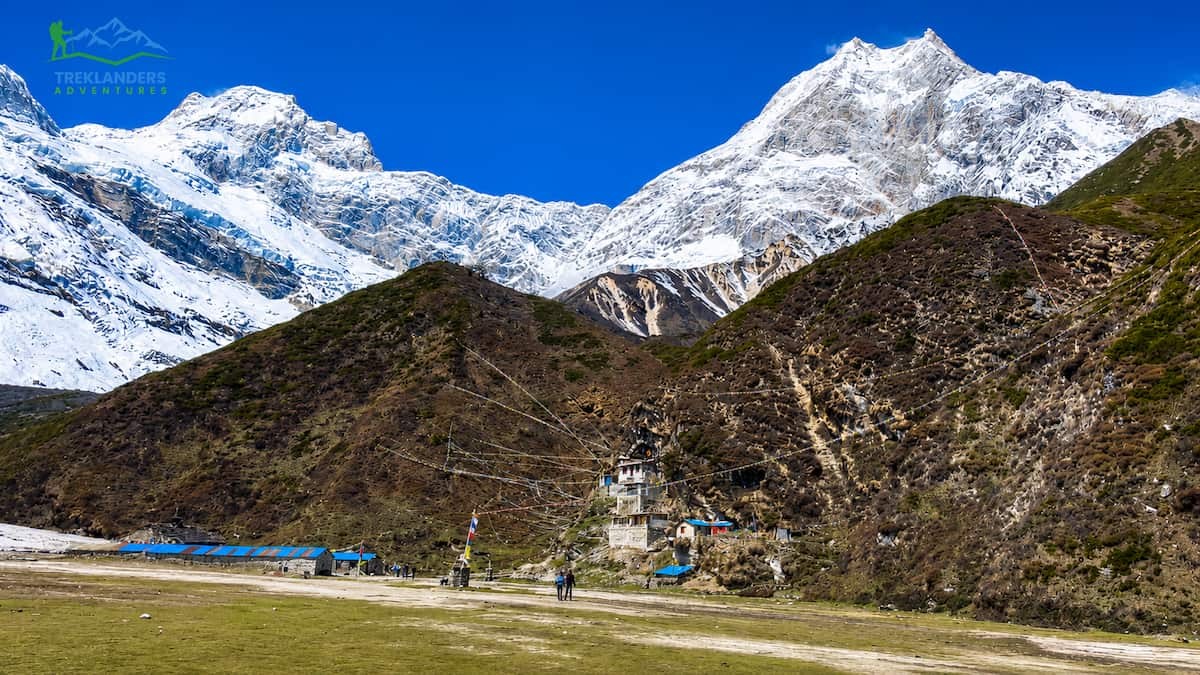
The trek circles Mount Manaslu, the world's eighth-highest peak, following the Budhi Gandaki river valley up through forest, terraced fields, and finally high alpine terrain before crossing Larkya La at 5,106 meters. The villages along the lower trail are Gurung and Hindu; higher up, past Samagaon, the culture shifts to Tibetan Buddhist, with prayer flags, mani walls, and monasteries lining the trail.
Samagaon itself sits below Manaslu's north face and makes a natural acclimatization stop, with day hikes available up toward Manaslu Base Camp or Pungyen Gompa for anyone with an extra day to spare. Larkya La crossing marks the trek's high point, both literally and in terms of difficulty. The pass day is long, cold, and exposed, and it typically requires an early start well before dawn.
The full circuit runs 14 to 18 days depending on your itinerary and whether you tack on extra acclimatization or side trips. It's a serious trek, comparable in difficulty to the Annapurna Circuit or Everest Three Passes, but with a fraction of the trail traffic.
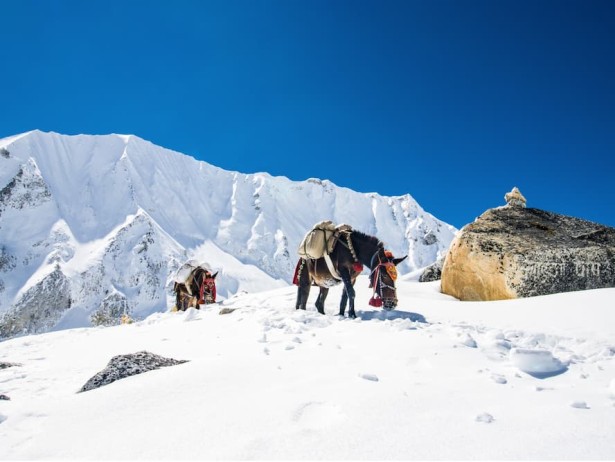
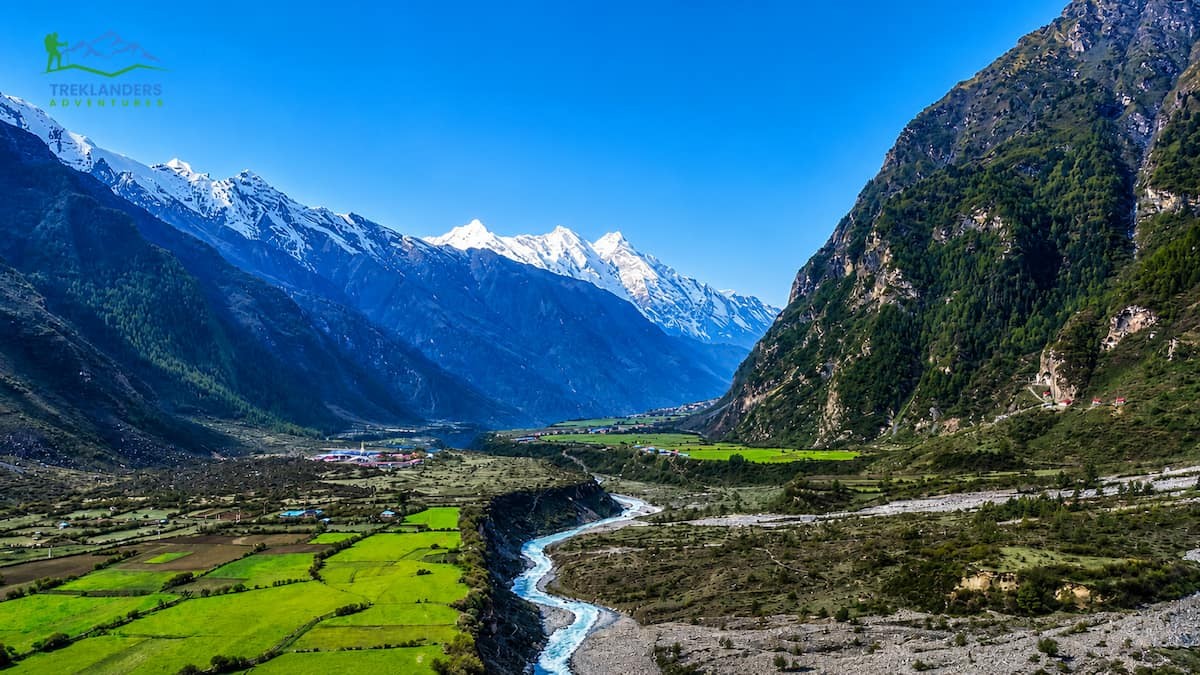
Tsum Valley Manaslu Circuit Trek branches off the main Manaslu route and leads into a hidden valley that was only opened to trekkers in 2008. It's often described as a "hidden land" in Tibetan Buddhist tradition, and the description holds up. Monasteries here, including Mu Gompa and Rachen Gompa, feel untouched by the pace of change that's reshaped more popular routes. Combining Tsum Valley with the main Manaslu Circuit gives you one of the longest, most culturally rich treks available in Nepal today.
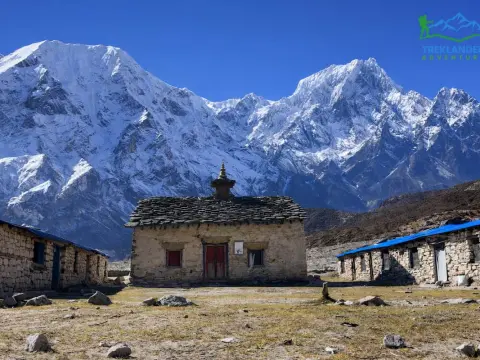
Manaslu suits experienced trekkers looking for the difficulty and scenery of Everest or Annapurna's classic routes without the crowds. It also suits anyone specifically drawn to Tibetan Buddhist culture, since the upper Manaslu and Tsum Valley areas preserve that heritage more intact than most other accessible trekking regions in Nepal.
Picking between these four regions comes down to a handful of practical questions.
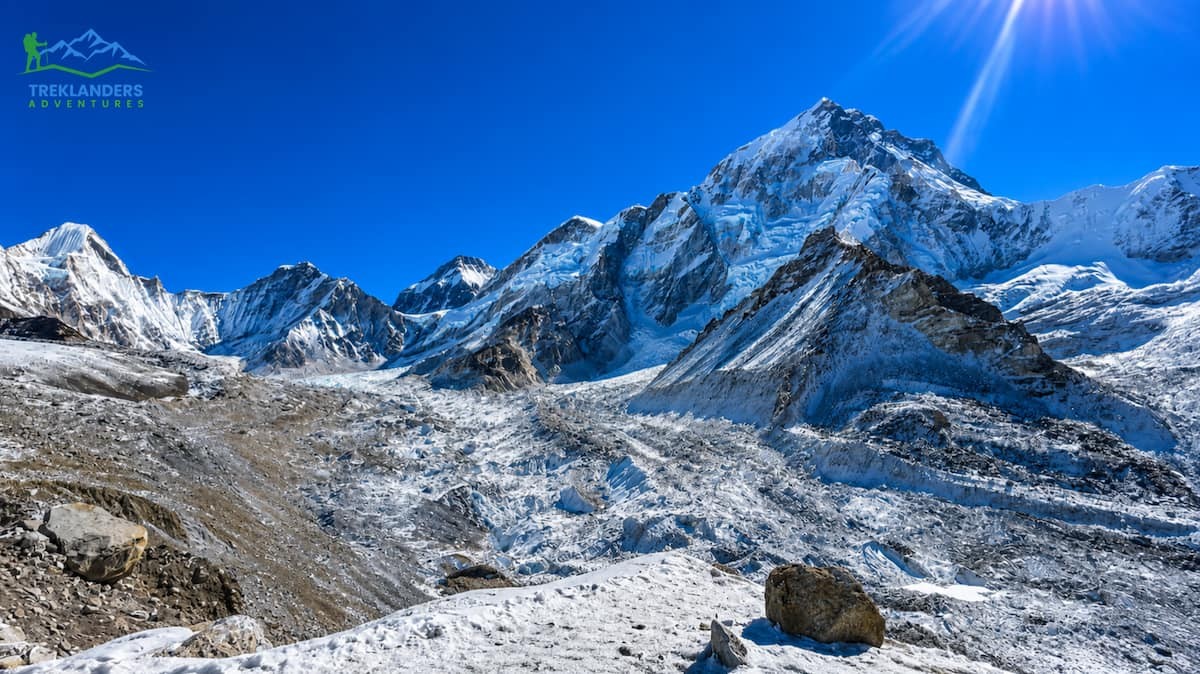
If crowds bother you, skip Everest Base Camp in peak season and look at Manaslu, Langtang, or the Everest Three Passes route instead. If you have limited time, Ghorepani Poon Hill or the Helambu trek in Langtang give you real mountain scenery in under a week. If altitude is your main concern, Annapurna Base Camp and the Langtang Valley trek both stay below the extreme elevations you'll hit on Everest Base Camp, Annapurna Circuit, or Manaslu Circuit.
If you want the single most famous trekking destination on the planet, Everest Base Camp remains that trek, full stop. If you want variety within one region, Annapurna's mix of short and long routes, jungle and desert, easy and difficult, gives you the most flexibility to build a trip around your own limits. If you want a trek that feels genuinely undiscovered while still being fully supported with teahouses and trails, Manaslu is the strongest current option in Nepal. And if you want to trek somewhere, your visit directly supports a community still rebuilding; Langtang deserves serious consideration.
Difficulty also separates these regions in ways worth knowing before you commit. Poon Hill and Helambu sit at the easy end. Annapurna Base Camp, Langtang Valley, and Gokyo Valley sit in the moderate range, achievable for most reasonably fit trekkers with proper acclimatization. Everest Base Camp, Annapurna Circuit, and Manaslu Circuit require a stronger fitness base and more trekking experience, mainly due to sustained days at altitude and one or more high pass crossings. Everest Three Passes and Nar Phu combined with Thorong La sit at the demanding end, best suited to trekkers who've already completed at least one major Himalayan trek.
Two seasons dominate trekking in all four regions: spring and autumn.
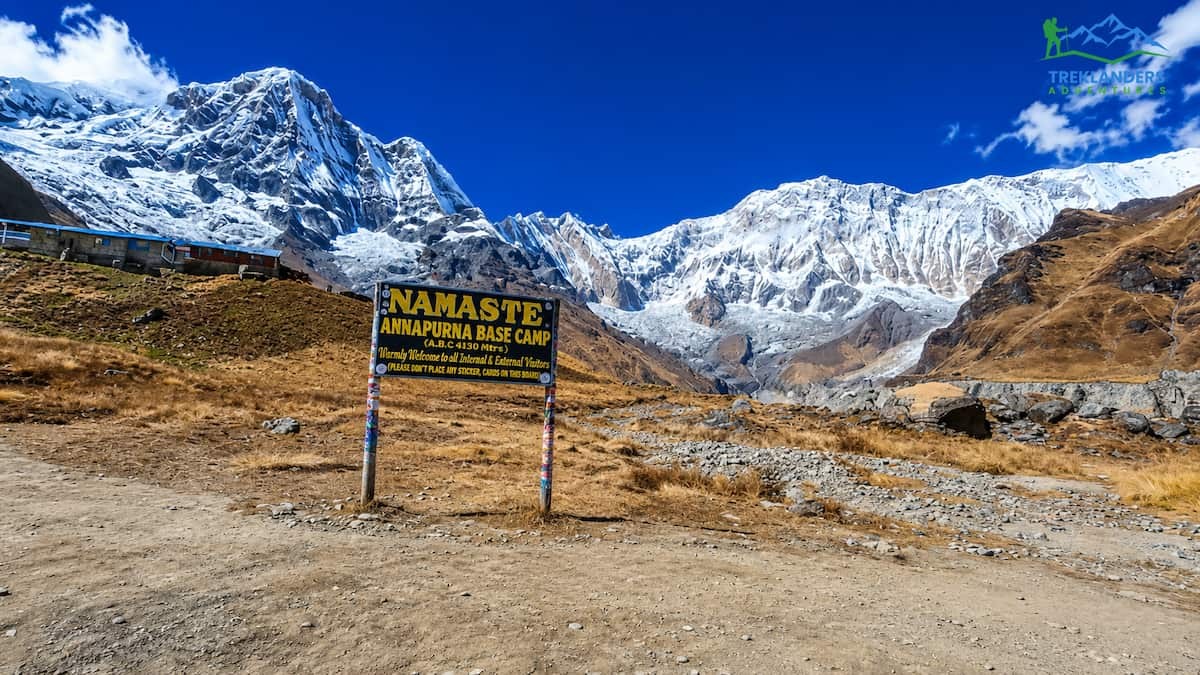
Autumn, running roughly from late September through November, gives you the clearest skies of the year along with stable weather and warm daytime temperatures at lower elevations. This is peak season across Everest and Annapurna specifically because the conditions are that reliable. Expect busier trails and teahouses, particularly around Everest Base Camp and Annapurna Base Camp.
Spring, from March through May, brings rhododendron blooms across Annapurna and Langtang, turning entire forested hillsides red, pink, and white. Visibility stays good, though slightly less consistent than autumn, and afternoon clouds can build up by late spring. This is a strong season for Manaslu and Langtang if you want good weather without autumn's crowd levels.
Winter treks are possible at lower altitudes, particularly Poon Hill, Helambu, and the lower Langtang Valley trail, though high passes like Thorong La and Larkya La can close with heavy snow. December and January bring genuinely cold nights at altitude, often well below freezing inside teahouse rooms, so winter trekkers need a stronger sleeping bag and more layers than spring or autumn visitors. The tradeoff is near-total solitude on trails that feel crowded just months earlier.
Monsoon season, June through August, brings rain and leeches to most regions, though the Manaslu and Annapurna areas that sit in the rain shadow, like Upper Mustang, stay relatively dry. Monsoon trekking elsewhere means muddy trails, leech-heavy forest sections, and cloud cover that can block mountain views for days at a time. Flight delays into Lukla also increase during monsoon months, since small aircraft need clear visibility to land on that short, angled runway. Most trekkers avoid Everest and the main Annapurna routes during this window for exactly that reason, though it remains a realistic time to explore Upper Mustang if that's specifically on your list.
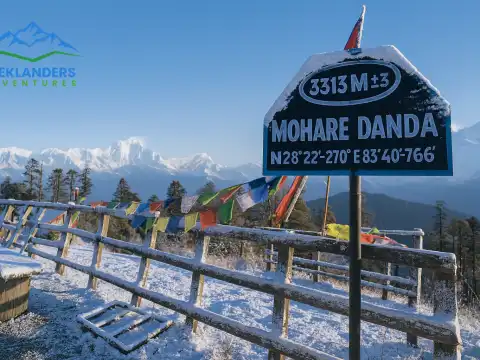
Each region has its own permit requirements, and getting these wrong before your trip causes more headaches than almost anything else. Everest region trekkers need a Sagarmatha National Park permit and a Khumbu Pasang Lhamu Rural Municipality entry permit. Annapurna region trekkers need an Annapurna Conservation Area Permit, and Circuit or Nar Phu trekkers combined with a TIMS card in most cases. Langtang trekkers need a Langtang National Park permit. Manaslu, as a restricted area, requires a Manaslu Restricted Area Permit, an Annapurna Conservation Area Permit for the lower stretch, and a licensed guide by law, since solo trekking isn't permitted in this region.
Physical preparation matters more than gear obsession. Cardiovascular fitness built through hiking with a loaded pack, ideally on hills or stairs, translates directly to trail performance. Start training at least two months out if you're tackling Everest Base Camp, the full Annapurna Circuit, or Manaslu Circuit. Shorter treks like Poon Hill or Helambu need less specific preparation, though basic fitness still makes the experience more enjoyable.
Altitude sickness deserves real attention regardless of which region you choose. Ascend gradually, respect scheduled acclimatization days, drink more water than feels necessary, and know the symptoms of Acute Mountain Sickness well enough to recognize them in yourself and your trekking partners. Headache, nausea, and fatigue beyond what normal exertion explains are early warning signs. Descending is the only reliable treatment once symptoms turn serious.
Pack layers rather than one heavy jacket. Temperature swings across a single trekking day can run 20 degrees Celsius or more, from warm midday sun to freezing pre-dawn starts on pass days. A good sleeping bag rated to at least negative 15 degrees Celsius covers you at teahouse altitudes across all four regions.
Footwear breaks more trips than any other gear choice. Break in your boots for weeks before you fly, not days, since blisters on day two of a two-week trek turn every subsequent step into a problem. Bring at least one dedicated pair of camp shoes too, since giving your feet a break from trekking boots at the end of each day noticeably improves recovery overnight.
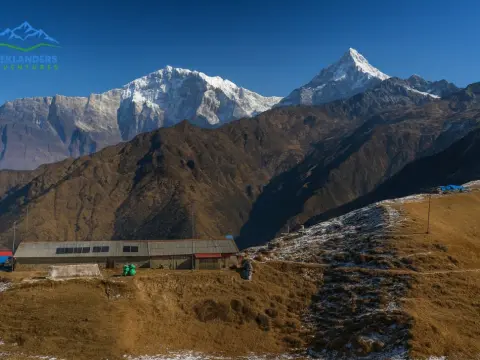
Teahouses form the backbone of trekking in all four regions, and the experience varies more than most first-timers expect. In the Everest region, teahouses run the full range from basic to genuinely comfortable, with attached bathrooms, hot showers, and bakery items available in Namche Bazaar, Lukla, and several villages in between. Wi-Fi is available for a small fee in most lodges, though the connection thins out the higher you climb.
Annapurna teahouses follow a similar pattern on the Annapurna Base Camp and Poon Hill routes, where high trekker volume has pushed lodge owners to add extra comforts over the years. The full Annapurna Circuit and Nar Phu Valley offer more basic setups the further you get from Besisahar and Jomsom, particularly around Manang and the Thorong La approach, where rooms are simple and shared bathrooms are standard.
Langtang teahouses sit somewhere in the middle. Kyanjin Gompa has a handful of comfortable options with bakery items, since Langtang has its own small dairy and cheese-making tradition dating back decades. Lower villages along the trail rebuilt after the 2015 earthquake, and most now offer clean, simple rooms with solid home-cooked meals.
Manaslu and Tsum Valley teahouses are the most basic of the four regions, a direct result of lower trekker numbers and the restricted area status. Rooms are simple, often just a bed and a blanket, and menus stay narrower, heavy on dal bhat, noodle soup, and tsampa in the higher Tibetan Buddhist villages. Bring a good sleeping bag here regardless of season, since blankets alone won't cut it at altitude.
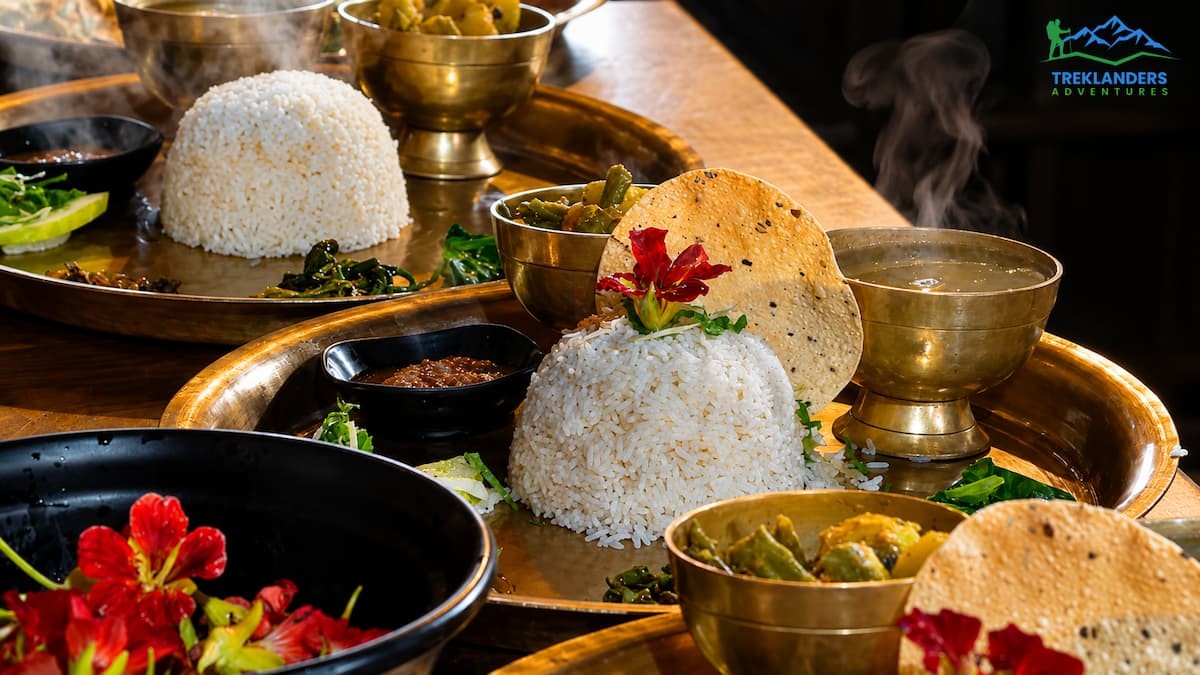
Dal bhat, the Nepali staple of rice, lentil soup, and vegetable curry, remains the smartest meal choice across every region. Refills are free, it's freshly cooked rather than reheated, and it gives you the carbohydrate load your body needs for long trekking days. Trekkers who stick to pizza, pasta, and other Western-style dishes at altitude often end up with slower-cooked, less satisfying meals, since these ingredients typically need to be carried up from lower elevations.
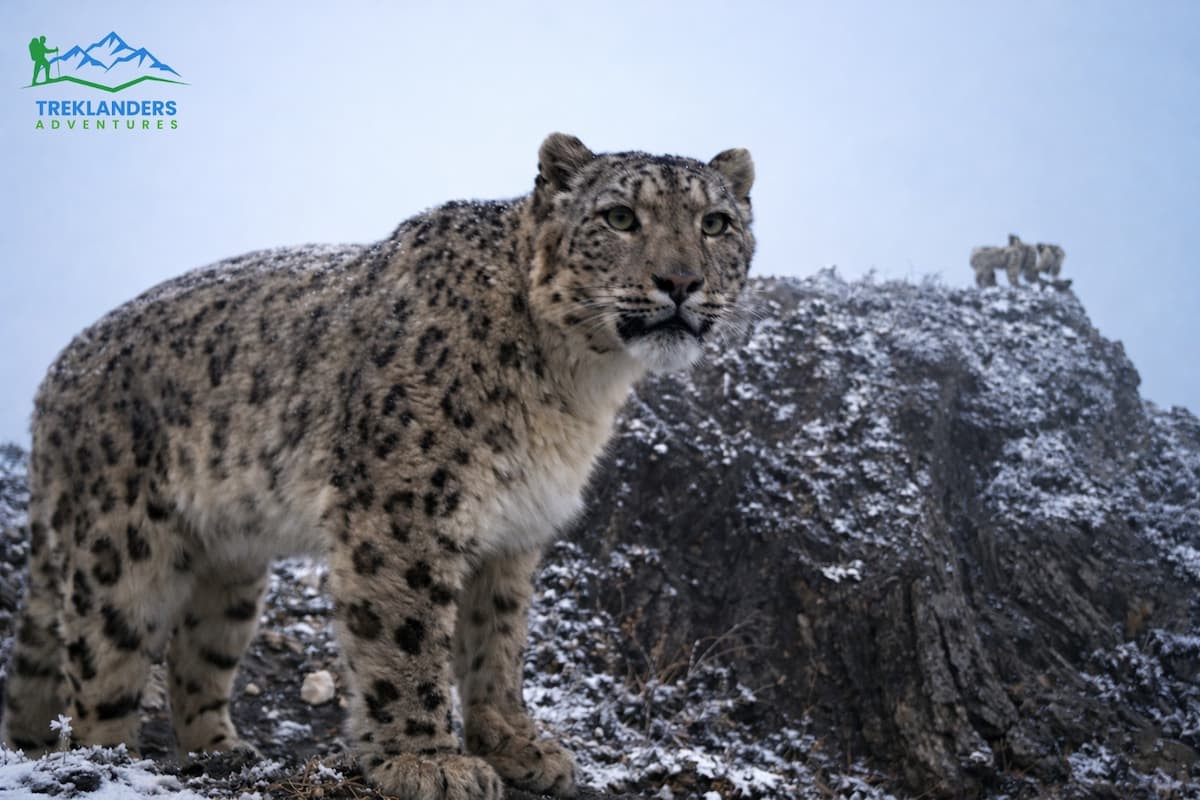
Each region protects its own stretch of Himalayan ecosystem, and the differences show up in what you're likely to see on the trail. Sagarmatha National Park, covering the Everest region, is home to the Himalayan tahr, musk deer, and, at the right time and place, the elusive snow leopard, though sightings remain rare given the animal's camouflage and low population density. Danphe, Nepal's national bird with iridescent plumage, turns up occasionally on the higher stretches of trail.
The Annapurna Conservation Area is Nepal's largest protected area and covers the widest range of ecosystems on this list, from subtropical forest below 1,000 meters to high alpine desert above 4,000 meters. This range supports over 100 mammal species and more than 400 bird species, along with rhododendron forests that put on one of the best flowering displays in the Himalaya each spring.
Langtang National Park has built a reputation around its red panda population, concentrated in the bamboo and rhododendron forest between Syabrubesi and Lama Hotel. Sightings require patience and quiet walking but guides here know the habits and territory well enough to improve your odds. Himalayan black bear and various pheasant species also live within the park boundaries.
Manaslu Conservation Area protects some of the least disturbed high-altitude habitat left in Nepal, given how recently the region opened to outside visitors. Blue sheep, snow leopard, and Himalayan marmot all live within its boundaries, and the upper Tsum Valley in particular has become a quiet stronghold for populations that have been pushed out of busier regions elsewhere in the Himalaya.
Trekking through any of these four regions puts real pressure on fragile mountain ecosystems and small communities, and a few habits make a meaningful difference. Carry out what you carry in, particularly plastic waste, since waste management infrastructure thins out fast above the road-connected villages. Refill water bottles using filtration or purification tablets rather than buying bottled water, which has become a serious plastic problem in high-traffic areas like the Everest and Annapurna Base Camp routes.
Respect photography boundaries around monasteries, chortens, and local homes, and ask before photographing people directly, particularly in the more traditional Tibetan Buddhist villages of upper Manaslu and Tsum Valley. Support local lodges and shops rather than bringing all your snacks and gear from Kathmandu, since trekking income is one of the more direct ways these communities' benefit from tourism.
Langtang deserves particular attention here. The region's recovery from the 2015 earthquake has depended heavily on returning trekker numbers, and choosing Langtang over a busier alternative puts your trekking spend directly into a community still rebuilding.
Every region on this list benefits from hiring local guides and porters, and Manaslu requires it by law. Beyond the legal requirement, there's a practical case for guides everywhere: they read weather changes, manage altitude-related decisions, handle permit checkpoints, and know which teahouses serve better food and cleaner rooms. Porters carry physical weight so you can focus on covering the ground safely.
Hiring locally also puts trekking income directly into the communities these treks pass through. Guides and porters from Sherpa, Gurung, Tamang, and Tibetan Buddhist communities depend on this work, and the wages from a single trekking season often support a family through the rest of the year.
Communication between you and your guide matters more than people expect going in. A good guide adjusts pace based on how you're actually feeling, not just the schedule on paper, and pushes back when a trekker wants to skip an acclimatization day out of impatience. That pushback has saved more trips than it's delayed. Porters typically carry between 15 and 20 kilograms, split between two trekkers' duffel bags, which means you walk with just a daypack holding water, snacks, and layers. This alone changes how much energy you have left for the actual views at the end of the day.
Solo trekking without a guide is still legal in the Everest, Annapurna, and Langtang regions, though Nepal's government has tightened rules in recent years around independent trekking in more remote sections. Manaslu has never allowed unguided trekking, given its restricted area status, and this isn't likely to change. Even where solo trekking remains legal, going with a guide adds a safety margin that matters most exactly when you'd least expect to need it, whether that's a sudden weather shift on a pass day or an unexpected case of altitude sickness in your group.
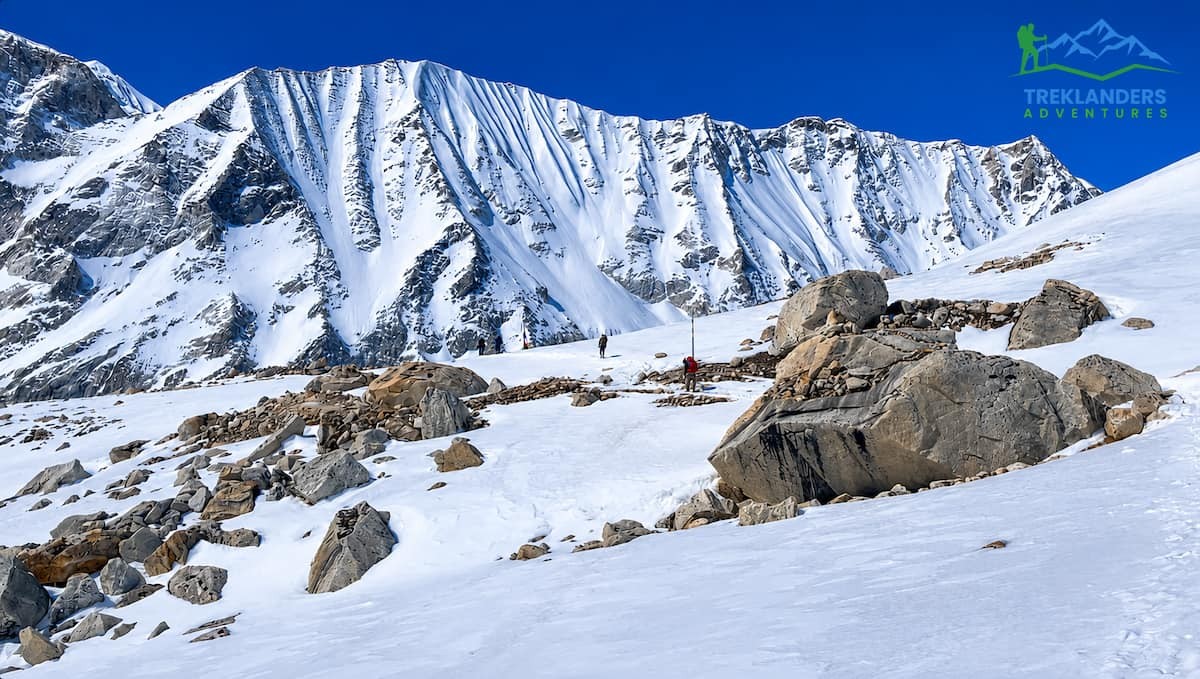
Most trekkers coming to Nepal for the first time ask which single trek to prioritize. If this is your only trip, Everest Base Camp or Annapurna Base Camp give you the strongest combination of iconic scenery and manageable logistics. If you've trekked in Nepal before and want something quieter, Manaslu Circuit or the Langtang region should move to the top of your list.
For trekkers with three or more weeks available, combining two regions in one trip is realistic, particularly pairing a shorter Langtang trekor Annapurna route with a longer Everest or Manaslu circuit. Flights connect Kathmandu to Lukla for Everest access, while Annapurna, Langtang, and Manaslu all start from road access points reachable by jeep or bus from Kathmandu or Pokhara.
Whichever region you choose, book your permits, guide, and accommodation well ahead of peak season. October in the Everest and Annapurna regions books out teahouse rooms fast, and last-minute trekkers sometimes end up walking longer days than planned just to find a bed.
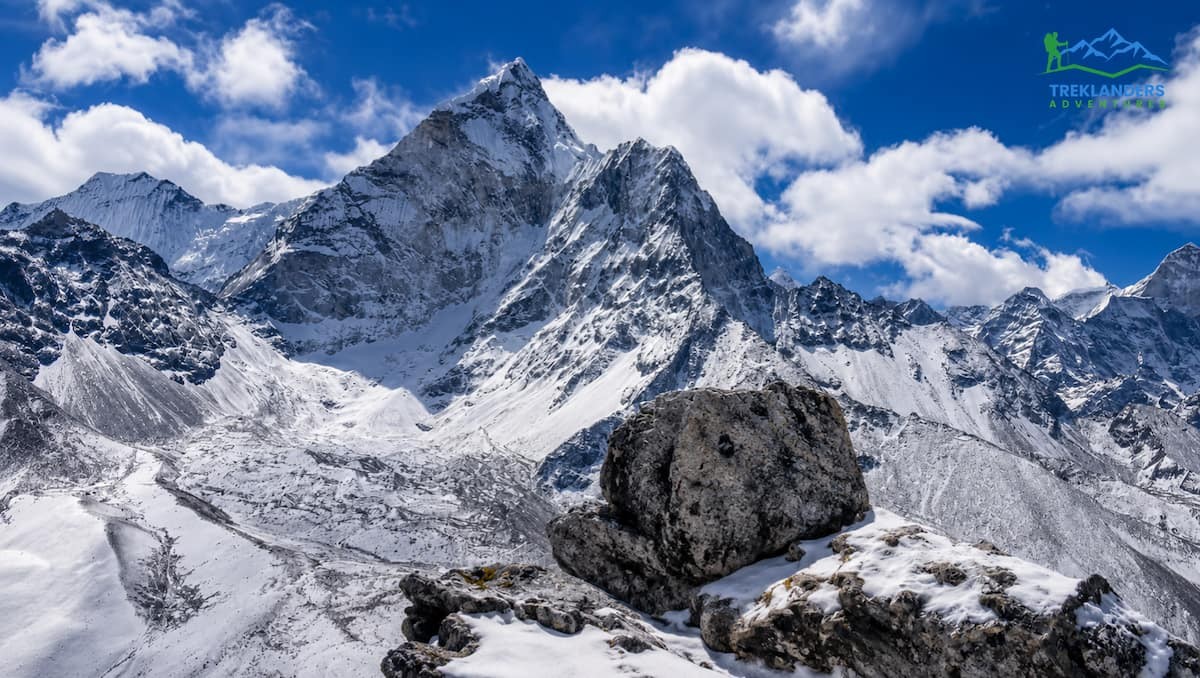
Everest gives you the mountain everyone recognizes. Annapurna gives you the range everyone should experience at least once. Langtang gives you remoteness within a day's drive of Kathmandu. Manaslu gives you the trek Nepal's more famous routes used to be.
None of these regions is objectively better than the others. They serve different trekkers with different goals, timelines, and appetites for crowds versus solitude. At Treklanders, we've walked all four regions ourselves, and we build every itinerary around matching the right trek to the right trekker, not the other way around.
The question worth asking yourself before you book anything isn't which trek is the best in Nepal. It's which trek matches the trip you actually want. Someone chasing the highest possible pass crossing and the fewest other trekkers on the trail will end up disappointed on Poon Hill. Someone with eight days off work and no interest in altitude sickness risk will end up miserable trying to force in the full Annapurna Circuit. Match the trek to your actual constraints first, and the region usually picks itself.
Whichever trail you choose, you'll come back with a different picture of Nepal than the one you had walking in. Reach out to our team, and we'll help you build the itinerary that fits your fitness, your schedule, and the version of the Himalaya you're actually looking for.
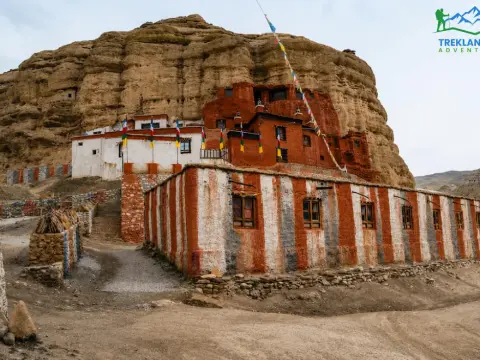
Trek Upper Mustang in winter and discover the weather, trail conditions, permits, and whether the off-season adventure is worth it.
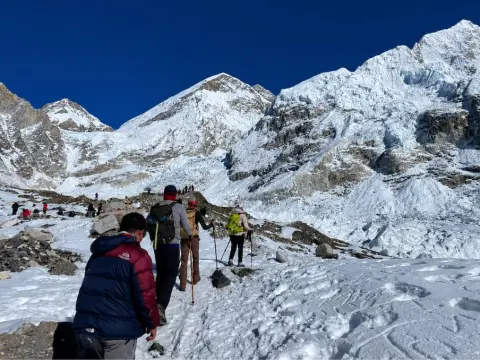
Learn what changes above Namche Bazaar during the Everest Base Camp Trek in winter, from icy trails to stunning Himalayan views.
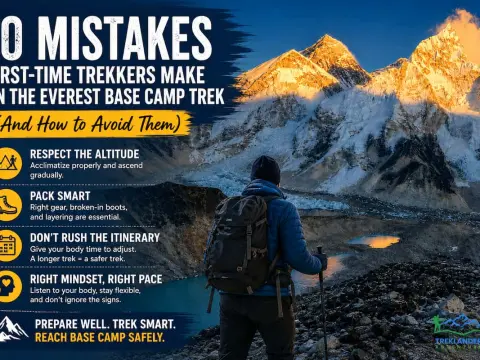
Avoid the 10 most common Everest Base Camp Trek mistakes and prepare with expert tips for a safer, more enjoyable Himalayan adventure.



