[{"name":"Everest Base Camp Trek","duration":"16","image_url":"https:\/\/www.treklanders.com\/storage\/trip-galleries\/1\/thumb_419a755c003cc609f3030ee332965ebe.jpg","offer_price":1405,"url":"https:\/\/www.treklanders.com\/trips\/everest-base-camp-trek"},{"name":"Gokyo Valley Trekking","duration":"16","image_url":"https:\/\/www.treklanders.com\/storage\/trip-galleries\/2\/thumb_676d1021b574aeba4d19d3f2a0b04ed2.webp","offer_price":1205,"url":"https:\/\/www.treklanders.com\/trips\/gokyo-valley-trekking"},{"name":"Annapurna Circuit Trek","duration":"23","image_url":"https:\/\/www.treklanders.com\/storage\/trip-galleries\/3\/thumb_2a9a92ea23c62f41de27b37f5e3e8c17.webp","offer_price":1495,"url":"https:\/\/www.treklanders.com\/trips\/annapurna-circuit-trek"},{"name":"Everest Panorama Trek","duration":"12","image_url":"https:\/\/www.treklanders.com\/storage\/trip-galleries\/4\/thumb_35c9f677ea2e88b1ff11a9f43daa3ddb.jpg","offer_price":1100,"url":"https:\/\/www.treklanders.com\/trips\/everest-panorama-trek"},{"name":"Everest Base Camp Trekking from Jiri","duration":"22","image_url":"https:\/\/www.treklanders.com\/storage\/trip-galleries\/6\/thumb_14763592492417b294aa66bf0ebf4e64.webp","offer_price":1400,"url":"https:\/\/www.treklanders.com\/trips\/everest-base-camp-trekking-from-jiri"},{"name":"Everest Base Camp via Cho la Pass from Gokyo Valley Trekking","duration":"18","image_url":"https:\/\/www.treklanders.com\/storage\/trip-galleries\/7\/thumb_d4e470e98d4e9e2ab8e93e39b8b7d252.jpg","offer_price":1405,"url":"https:\/\/www.treklanders.com\/trips\/everest-base-camp-via-cho-la-pass-from-gokyo-valley-trekking"},{"name":"Everest Three Passes Trekking","duration":"22","image_url":"https:\/\/www.treklanders.com\/storage\/trip-galleries\/8\/thumb_b413b221e913171500bb3dfd5c08ceea.jpg","offer_price":1635,"url":"https:\/\/www.treklanders.com\/trips\/everest-three-passes-trekking"},{"name":"Annapurna Base Camp Trekking","duration":"14","image_url":"https:\/\/www.treklanders.com\/storage\/trip-galleries\/9\/thumb_2e71f2ffe116c659fa66b01c2d571b4e.webp","offer_price":845,"url":"https:\/\/www.treklanders.com\/trips\/annapurna-base-camp-trekking"},{"name":"Mardi Base Camp Trekking","duration":"14","image_url":"https:\/\/www.treklanders.com\/storage\/trip-galleries\/10\/thumb_d7b2d2dc638f6bbf2c31c167ac68029d.webp","offer_price":845,"url":"https:\/\/www.treklanders.com\/trips\/mardi-base-camp-trekking"},{"name":"Mohare Danda Trekking","duration":"12","image_url":"https:\/\/www.treklanders.com\/storage\/trip-galleries\/11\/thumb_a384c8d35d789d29b19991c1d675c910.webp","offer_price":755,"url":"https:\/\/www.treklanders.com\/trips\/mohare-danda-trekking"},{"name":"Khopra Ridge & Khair Lake Trekking","duration":"15","image_url":"https:\/\/www.treklanders.com\/storage\/trip-galleries\/12\/thumb_c0f50461ddc74acfb553ba85be00fab0.webp","offer_price":855,"url":"https:\/\/www.treklanders.com\/trips\/khopra-ridge-khair-lake-trekking"},{"name":"Upper Mustang Trekking","duration":"17","image_url":"https:\/\/www.treklanders.com\/storage\/trip-galleries\/13\/thumb_7aa4dfdb69186b0f224a303d80a25c95.jpg","offer_price":1715,"url":"https:\/\/www.treklanders.com\/trips\/upper-mustang-trekking"},{"name":"Langtang Valley Trek","duration":"12","image_url":"https:\/\/www.treklanders.com\/storage\/trip-galleries\/14\/thumb_8650b4b1a3c160cff75da65369398353.webp","offer_price":735,"url":"https:\/\/www.treklanders.com\/trips\/langtang-valley-trek"},{"name":"Gosainkunda Lake Trek","duration":"11","image_url":"https:\/\/www.treklanders.com\/storage\/trip-galleries\/15\/thumb_bfe94c14e760c48234e117021105be84.webp","offer_price":735,"url":"https:\/\/www.treklanders.com\/trips\/gosainkunda-lake-trek"},{"name":"Chisapani-Nagarkot to Dhulikhel Hiking","duration":"7","image_url":"https:\/\/www.treklanders.com\/storage\/trip-galleries\/16\/thumb_468defe9a4000ee3129cd7e6421ee105.webp","offer_price":565,"url":"https:\/\/www.treklanders.com\/trips\/chisapani-nagarkot-to-dhulikhel-hiking"},{"name":"Kanchenjunga Trek","duration":"23","image_url":"https:\/\/www.treklanders.com\/storage\/trip-galleries\/17\/thumb_51f43fa4203106cc49aaedc89d76e01d.jpg","offer_price":1725,"url":"https:\/\/www.treklanders.com\/trips\/kanchenjunga-trek"},{"name":"Helambu Trek","duration":"12","image_url":"https:\/\/www.treklanders.com\/storage\/trip-galleries\/18\/thumb_0fe8e3fa1299d2e43bf1fb5977875ce2.jpg","offer_price":685,"url":"https:\/\/www.treklanders.com\/trips\/helambu-trek"},{"name":"Upper Dolpo Trek","duration":"26","image_url":"https:\/\/www.treklanders.com\/storage\/trip-galleries\/19\/thumb_d6080d490e1db83b0a711e7304000864.jpg","offer_price":3005,"url":"https:\/\/www.treklanders.com\/trips\/upper-dolpo-trek"},{"name":"Manaslu Circuit Trek","duration":"18","image_url":"https:\/\/www.treklanders.com\/storage\/trip-galleries\/20\/thumb_1fdd224e849f4f328e73d2d12b3d282d.jpg","offer_price":1225,"url":"https:\/\/www.treklanders.com\/trips\/manaslu-circuit-trek"},{"name":"Tilicho Lake Base Camp Trek","duration":"19","image_url":"https:\/\/www.treklanders.com\/storage\/trip-galleries\/21\/thumb_eba8ac5e029e6543e0c17630ebd9e2fb.jpg","offer_price":1220,"url":"https:\/\/www.treklanders.com\/trips\/tilicho-lake-base-camp-trek"},{"name":"Nar-Phu Valley With Thorang-La Pass Trek","duration":"21","image_url":"https:\/\/www.treklanders.com\/storage\/trip-galleries\/22\/thumb_43597423a5a366fe9c8937fb30d2fe2a.jpg","offer_price":1315,"url":"https:\/\/www.treklanders.com\/trips\/nar-phu-valley-with-thorang-la-pass-trek"},{"name":"Nepal Round Trip of Kathmandu-Pokhara-Lumbini and Chitwan Tour","duration":"10","image_url":"https:\/\/www.treklanders.com\/storage\/trip-galleries\/23\/thumb_32497d170b2ab340b0a1b3310e91e784.webp","offer_price":845,"url":"https:\/\/www.treklanders.com\/trips\/nepal-round-trip-of-kathmandu-pokhara-lumbini-and-chitwan-tour"},{"name":"Nagarkot Day Hike","duration":"2","image_url":"https:\/\/www.treklanders.com\/storage\/trip-galleries\/24\/thumb_a5a654930fd8ba7852e41738105bacfc.webp","offer_price":105,"url":"https:\/\/www.treklanders.com\/trips\/nagarkot-day-hike"},{"name":"Nagarkot Sunrise Tour","duration":"1","image_url":"https:\/\/www.treklanders.com\/storage\/trip-galleries\/25\/thumb_17dc28a29cfa44381ad503f0a75ee84f.webp","offer_price":22,"url":"https:\/\/www.treklanders.com\/trips\/nagarkot-sunrise-tour"},{"name":"Namobuddha Day Tour with Shiva Statue","duration":"1","image_url":"https:\/\/www.treklanders.com\/storage\/trip-galleries\/26\/thumb_beeb34202f9077764aa08c67ef2867f9.webp","offer_price":45,"url":"https:\/\/www.treklanders.com\/trips\/namobuddha-day-tour-with-shiva-statue"},{"name":"Kathmandu Full Day Sightseeing Tour","duration":"1","image_url":"https:\/\/www.treklanders.com\/storage\/trip-galleries\/27\/thumb_d045fc0f1acee2cfa6b3c95f3c656d18.jpg","offer_price":30,"url":"https:\/\/www.treklanders.com\/trips\/kathmandu-full-day-sightseeing-tour"},{"name":"Patan and Bhaktapur Sightseeing Tour","duration":"1","image_url":"https:\/\/www.treklanders.com\/storage\/trip-galleries\/28\/thumb_750eacac3424b5dba686dd93656ab87c.jpg","offer_price":30,"url":"https:\/\/www.treklanders.com\/trips\/patan-and-bhaktapur-sightseeing-tour"},{"name":"Upper Mustang Heli Tour","duration":"1","image_url":"https:\/\/www.treklanders.com\/storage\/trip-galleries\/29\/thumb_0b785f69a15557f8660c805c76fda14e.webp","offer_price":1250,"url":"https:\/\/www.treklanders.com\/trips\/upper-mustang-heli-tour"},{"name":"Everest Heli Tour","duration":"1","image_url":"https:\/\/www.treklanders.com\/storage\/trip-galleries\/30\/thumb_dc45f2beb36a3699e0decf0de41a6f17.jpg","offer_price":1495,"url":"https:\/\/www.treklanders.com\/trips\/everest-heli-tour"},{"name":"Island Peak Trek & Climb","duration":"21","image_url":"https:\/\/www.treklanders.com\/storage\/trip-galleries\/31\/thumb_a0f3e3468c92a8e436045cf8b2fbf361.jpg","offer_price":2295,"url":"https:\/\/www.treklanders.com\/trips\/island-peak-trek-climb"},{"name":"Mera Peak Trek & Climb","duration":"18","image_url":"https:\/\/www.treklanders.com\/storage\/trip-galleries\/32\/thumb_3e8128a23c36f02fa38135475e811b9e.jpg","offer_price":2815,"url":"https:\/\/www.treklanders.com\/trips\/mera-peak-trek-climb"},{"name":"Chandragiri Cable Car Tour","duration":"1","image_url":"https:\/\/www.treklanders.com\/storage\/trip-galleries\/33\/thumb_faa70b716449eada6d7f1450335edbb3.jpg","offer_price":30,"url":"https:\/\/www.treklanders.com\/trips\/chandragiri-cable-car-tour"},{"name":"Everest Base Camp Trek and Returning via Heli","duration":"13","image_url":"https:\/\/www.treklanders.com\/storage\/trip-galleries\/34\/thumb_11190941866206e1d578db11986ebc73.webp","offer_price":2100,"url":"https:\/\/www.treklanders.com\/trips\/everest-base-camp-trek-and-returning-via-heli"},{"name":"Annapurna Semi Circuit Trek","duration":"15","image_url":"https:\/\/www.treklanders.com\/storage\/trip-galleries\/35\/thumb_30ddd8ba818cdcb52efd5eb0a017bcdb.jpg","offer_price":965,"url":"https:\/\/www.treklanders.com\/trips\/annapurna-semi-circuit-trek"},{"name":"Everest Base Camp Luxury Trek","duration":"14","image_url":"https:\/\/www.treklanders.com\/storage\/trip-galleries\/39\/thumb_6079aea3c5dd83e745a16fd6162270dc.jpg","offer_price":2685,"url":"https:\/\/www.treklanders.com\/trips\/everest-base-camp-luxury-trek"},{"name":"Mt. Kailash & Lake Manasarover Tour","duration":"15","image_url":"https:\/\/www.treklanders.com\/storage\/trip-galleries\/41\/thumb_cf3fededfd7dd2b40399af399e04f95a.jpg","offer_price":2205,"url":"https:\/\/www.treklanders.com\/trips\/mt-kailash-lake-manasarover-tour"},{"name":"Ghorepani Poonhill Trek","duration":"11","image_url":"https:\/\/www.treklanders.com\/storage\/trip-galleries\/43\/thumb_602d9a56976e1b836ba8adc69b8d09c5.webp","offer_price":720,"url":"https:\/\/www.treklanders.com\/trips\/ghorepani-poonhill-trek"},{"name":"11 Days Gokyo Valley Trekkking","duration":"11","image_url":"https:\/\/www.treklanders.com\/storage\/trip-galleries\/45\/thumb_ab552c3c91de392f94230a937b1c4801.jpg","offer_price":900,"url":"https:\/\/www.treklanders.com\/trips\/11-days-gokyo-valley-trekkking"},{"name":"9-Day Everest Base Camp Trekking with Helicopter Return","duration":"9","image_url":"https:\/\/www.treklanders.com\/storage\/trip-galleries\/46\/thumb_9a8ba2b582500cd86786be056902c31a.webp","offer_price":1990,"url":"https:\/\/www.treklanders.com\/trips\/9-day-everest-base-camp-trekking-with-helicopter-return"},{"name":"12-Day Everest Base Camp Trek","duration":"12","image_url":"https:\/\/www.treklanders.com\/storage\/trip-galleries\/47\/thumb_d12c9ef776c0b395ceea817fe05c5892.jpg","offer_price":1000,"url":"https:\/\/www.treklanders.com\/trips\/12-day-everest-base-camp-trek"},{"name":"8-Day Everest Panorama Trek","duration":"8","image_url":"https:\/\/www.treklanders.com\/storage\/trip-galleries\/49\/thumb_c81ae3a8ac757a317a9362e6872e2dcb.jpg","offer_price":850,"url":"https:\/\/www.treklanders.com\/trips\/8-day-everest-panorama-trek"},{"name":"7-Day Langtang Valley Trek","duration":"7","image_url":"https:\/\/www.treklanders.com\/storage\/trip-galleries\/50\/thumb_99c2904df5475ab028c9e3633ea95ef3.jpg","offer_price":420,"url":"https:\/\/www.treklanders.com\/trips\/7-day-langtang-valley-trek"},{"name":"4-Day Trekking Adventure near Kathmandu","duration":"4","image_url":"https:\/\/www.treklanders.com\/storage\/trip-galleries\/51\/thumb_594681060514dc57be1959236a6996d0.jpg","offer_price":275,"url":"https:\/\/www.treklanders.com\/trips\/4-day-trekking-adventure-near-kathmandu"},{"name":"4-Day Ghorepani Ponnhill Trek from Pokhara","duration":"4","image_url":"https:\/\/www.treklanders.com\/storage\/trip-galleries\/53\/thumb_eede04edac01f983d9af2c16f55d03e8.webp","offer_price":500,"url":"https:\/\/www.treklanders.com\/trips\/4-day-ghorepani-ponnhill-trek-from-pokhara"},{"name":"7-Day Annapurna Base Camp Trek from Pokhara","duration":"7","image_url":"https:\/\/www.treklanders.com\/storage\/trip-galleries\/55\/thumb_547e91c74088c491111ebe31a759cfbb.jpg","offer_price":420,"url":"https:\/\/www.treklanders.com\/trips\/7-day-annapurna-base-camp-trek-from-pokhara"},{"name":"13-Day Manaslu Circuit Trekking","duration":"13","image_url":"https:\/\/www.treklanders.com\/storage\/trip-galleries\/56\/thumb_aef1af4f0c4a2a9622d518ad5959542b.jpg","offer_price":1050,"url":"https:\/\/www.treklanders.com\/trips\/13-day-manaslu-circuit-trekking"},{"name":"5-Day Mardi Himal Trek from Pokhara","duration":"5","image_url":"https:\/\/www.treklanders.com\/storage\/trip-galleries\/57\/thumb_dcd598d556c14835f0a18169afafcbc6.webp","offer_price":420,"url":"https:\/\/www.treklanders.com\/trips\/5-day-mardi-himal-trek-from-pokhara"},{"name":"Nagarkot Sunrise Tour with Day Hike","duration":"1","image_url":"https:\/\/www.treklanders.com\/storage\/trip-galleries\/58\/thumb_7cdfa1f16719486da2a0718da45b1f2f.webp","offer_price":30,"url":"https:\/\/www.treklanders.com\/trips\/nagarkot-sunrise-tour-with-day-hike"},{"name":"Seven Unesco Heritage Sites Day Tour in Kathmandu","duration":"1","image_url":"https:\/\/www.treklanders.com\/storage\/trip-galleries\/59\/thumb_92aed7b9c67e76740000aab9313dced7.jpg","offer_price":40,"url":"https:\/\/www.treklanders.com\/trips\/seven-unesco-heritage-sites-day-tour-in-kathmandu"},{"name":"10-Day Ghorepani Poonhill with Annapurna Base Camp Trek","duration":"10","image_url":"https:\/\/www.treklanders.com\/storage\/trip-galleries\/60\/thumb_d4c2c089497950ccb5f8541d76e1269b.webp","offer_price":835,"url":"https:\/\/www.treklanders.com\/trips\/10-day-ghorepani-poonhill-with-annapurna-base-camp-trek"},{"name":"3-Day Chitwan Wildlife Tour","duration":"3","image_url":"https:\/\/www.treklanders.com\/storage\/trip-galleries\/61\/thumb_7963c9033b4ecfb5d29583fb0965d521.webp","offer_price":150,"url":"https:\/\/www.treklanders.com\/trips\/3-day-chitwan-wildlife-tour"},{"name":"3-Day Pokhara Sightseeing Tour","duration":"3","image_url":"https:\/\/www.treklanders.com\/storage\/trip-galleries\/62\/thumb_61542f3c38329bcce9d2771c96f265a4.jpg","offer_price":230,"url":"https:\/\/www.treklanders.com\/trips\/3-day-pokhara-sightseeing-tour"},{"name":"7-Day Kathmandu Pokhara and Chitwan wildlifeTour","duration":"7","image_url":"https:\/\/www.treklanders.com\/storage\/trip-galleries\/63\/thumb_803b98ae15f14366124ebb109a32f49d.webp","offer_price":545,"url":"https:\/\/www.treklanders.com\/trips\/7-day-kathmandu-pokhara-and-chitwan-wildlifetour"},{"name":"Nagarjun Jamacho Day Hiking","duration":"1","image_url":"https:\/\/www.treklanders.com\/storage\/trip-galleries\/64\/thumb_85867eb85c60c8228e44f927341f67d1.jpg","offer_price":30,"url":"https:\/\/www.treklanders.com\/trips\/nagarjun-jamacho-day-hiking"},{"name":"Everest Mountain Flight from Kathmandu","duration":"1","image_url":"https:\/\/www.treklanders.com\/storage\/trip-galleries\/65\/thumb_1a66526d340ec175023842c38efd8a95.webp","offer_price":120,"url":"https:\/\/www.treklanders.com\/trips\/everest-mountain-flight-from-kathmandu"},{"name":"One Day Trishuli River Rafting Adventures","duration":"1","image_url":"https:\/\/www.treklanders.com\/storage\/trip-galleries\/66\/thumb_55ba0ea676c9c625f99f3d41bda224fb.jpg","offer_price":35,"url":"https:\/\/www.treklanders.com\/trips\/one-day-trishuli-river-rafting-adventures"},{"name":"13-Day Annapurna Circuit Trek","duration":"13","image_url":"https:\/\/www.treklanders.com\/storage\/trip-galleries\/67\/thumb_859e7a1fbb468a9252d365cab8379f10.jpg","offer_price":815,"url":"https:\/\/www.treklanders.com\/trips\/13-day-annapurna-circuit-trek"},{"name":"15-Day Tilicho Base Camp with Thorong-La Pass Trekking","duration":"15","image_url":"https:\/\/www.treklanders.com\/storage\/trip-galleries\/68\/thumb_56a5fd1506c9b9f1f83844353dc55edf.jpg","offer_price":920,"url":"https:\/\/www.treklanders.com\/trips\/15-day-tilicho-base-camp-with-thorong-la-pass-trekking"},{"name":"Cooking Class in Thamel-Full Course Meal","duration":"1","image_url":"https:\/\/www.treklanders.com\/storage\/trip-galleries\/69\/thumb_ed5cfbc0d94b624642d347c0776d36bb.webp","offer_price":30,"url":"https:\/\/www.treklanders.com\/trips\/cooking-class-in-thamel-full-course-meal"},{"name":"Cooking Class in Thamel-Full Course","duration":"3 Hours 30 Minutes","image_url":"https:\/\/www.treklanders.com\/img\/default.gif","offer_price":30,"url":"https:\/\/www.treklanders.com\/trips\/cooking-class-in-thamel-full-course"},{"name":"Cooking Class in Thamel-Full Course Meal","duration":"3 Hours 30 Minutes","image_url":"https:\/\/www.treklanders.com\/img\/default.gif","offer_price":30,"url":"https:\/\/www.treklanders.com\/trips\/cooking-class-in-thamel-full-course-meal"},{"name":"Momo Making Class in Thamel","duration":"1","image_url":"https:\/\/www.treklanders.com\/storage\/trip-galleries\/72\/thumb_a36e5ceca4d5c4cb0ecda367505b31d3.webp","offer_price":20,"url":"https:\/\/www.treklanders.com\/trips\/momo-making-class-in-thamel"},{"name":"8 Days Bhutan Tour from Kathmandu","duration":"8","image_url":"https:\/\/www.treklanders.com\/storage\/trip-galleries\/73\/thumb_df319d7d3ac21bcd9cf728cb1a70ea09.webp","offer_price":2275,"url":"https:\/\/www.treklanders.com\/trips\/8-days-bhutan-tour-from-kathmandu"},{"name":"10 Days Bhutan Tour with Druk path Trek","duration":"10","image_url":"https:\/\/www.treklanders.com\/storage\/trip-galleries\/74\/thumb_c7d4a4b89aceaf5d3aac313265729bb3.webp","offer_price":5715,"url":"https:\/\/www.treklanders.com\/trips\/10-days-bhutan-tour-with-druk-path-trek"},{"name":"9 -Day Langtang Valley Trek","duration":"9","image_url":"https:\/\/www.treklanders.com\/storage\/trip-galleries\/75\/thumb_65e69cec8917e39091c9e40ae06df3da.webp","offer_price":620,"url":"https:\/\/www.treklanders.com\/trips\/9--day-langtang-valley-trek"},{"name":"14 Day Everest Base Camp Trek","duration":"14","image_url":"https:\/\/www.treklanders.com\/storage\/trip-galleries\/76\/thumb_446e7f33a5f43896c9cdf470cd7be947.webp","offer_price":1175,"url":"https:\/\/www.treklanders.com\/trips\/14-day-everest-base-camp-trek"},{"name":"Lhasa Tour from Kathmandu: 10-Day Tibet Overland Journey via Gyirong","duration":"10","image_url":"https:\/\/www.treklanders.com\/img\/default.gif","offer_price":null,"url":"https:\/\/www.treklanders.com\/trips\/lhasa-tour-from-kathmandu-10-day-tibet-overland-journey-via-gyirong"},{"name":"13 Day Lhasa Tour from Kathmandu via Everest Base Camp","duration":"13","image_url":"https:\/\/www.treklanders.com\/storage\/trip-galleries\/78\/thumb_8a2bfb2abd99ba9ddc902b768e7b0759.webp","offer_price":2565,"url":"https:\/\/www.treklanders.com\/trips\/13-day-lhasa-tour-from-kathmandu-via-everest-base-camp"},{"name":"11 Day Annapurna Base Camp Trek","duration":"11","image_url":"https:\/\/www.treklanders.com\/storage\/trip-galleries\/79\/thumb_4e48a19c538c00cc8c36160ca97c5f21.webp","offer_price":720,"url":"https:\/\/www.treklanders.com\/trips\/11-day-annapurna-base-camp-trek"},{"name":"9 Day Mardi Himal Trek","duration":"9","image_url":"https:\/\/www.treklanders.com\/storage\/trip-galleries\/80\/thumb_8214945c5614ac9a84e5ca0b58b1f5a3.webp","offer_price":735,"url":"https:\/\/www.treklanders.com\/trips\/9-day-mardi-himal-trek"},{"name":"14 Day Manaslu Circuit Trek","duration":"14","image_url":"https:\/\/www.treklanders.com\/storage\/trip-galleries\/81\/thumb_b3ec98cd4036da5cb6e92250afa0d59e.webp","offer_price":1085,"url":"https:\/\/www.treklanders.com\/trips\/14-day-manaslu-circuit-trek"},{"name":"20 Day Manaslu Circuit with Tsum Valley Trek","duration":"20","image_url":"https:\/\/www.treklanders.com\/storage\/trip-galleries\/82\/thumb_b8c202cf8e16197517811d535f2a6795.webp","offer_price":1765,"url":"https:\/\/www.treklanders.com\/trips\/20-day-manaslu-circuit-with-tsum-valley-trek"},{"name":"15 Day Langtang Gosaikunda Lake Helambu Trek","duration":"15","image_url":"https:\/\/www.treklanders.com\/storage\/trip-galleries\/83\/thumb_a9c7bbb74f733cdc9a3469a448df7109.webp","offer_price":985,"url":"https:\/\/www.treklanders.com\/trips\/15-day-langtang-gosaikunda-lake-helambu-trek"},{"name":"14 Day Tamang Heritage with Langtang Valley Trek","duration":"14","image_url":"https:\/\/www.treklanders.com\/storage\/trip-galleries\/84\/thumb_57fe1b0ad2b7d0489273633b906d2f43.webp","offer_price":895,"url":"https:\/\/www.treklanders.com\/trips\/14-day-tamang-heritage-with-langtang-valley-trek"},{"name":"6 Day Pikey Peak Trek","duration":"6","image_url":"https:\/\/www.treklanders.com\/storage\/trip-galleries\/85\/thumb_f69c5c05ac7a2100c9010f66292efc86.webp","offer_price":550,"url":"https:\/\/www.treklanders.com\/trips\/6-day-pikey-peak-trek"},{"name":"Everest Base Camp Trek with Lobuche East Peak Climbing Expedition","duration":"17","image_url":"https:\/\/www.treklanders.com\/storage\/trip-galleries\/86\/thumb_9e7f330ecdbd7f74fe6f16202d3fed28.webp","offer_price":2295,"url":"https:\/\/www.treklanders.com\/trips\/everest-base-camp-trek-with-lobuche-east-peak-climbing-expedition"}]
Gosaikunda Lake Trek: Complete Guide, Essential Tips & Travel Advice Before You Go
Gosaikunda Lake Trek: Complete Guide, Essential Tips & Travel Advice Before You Go
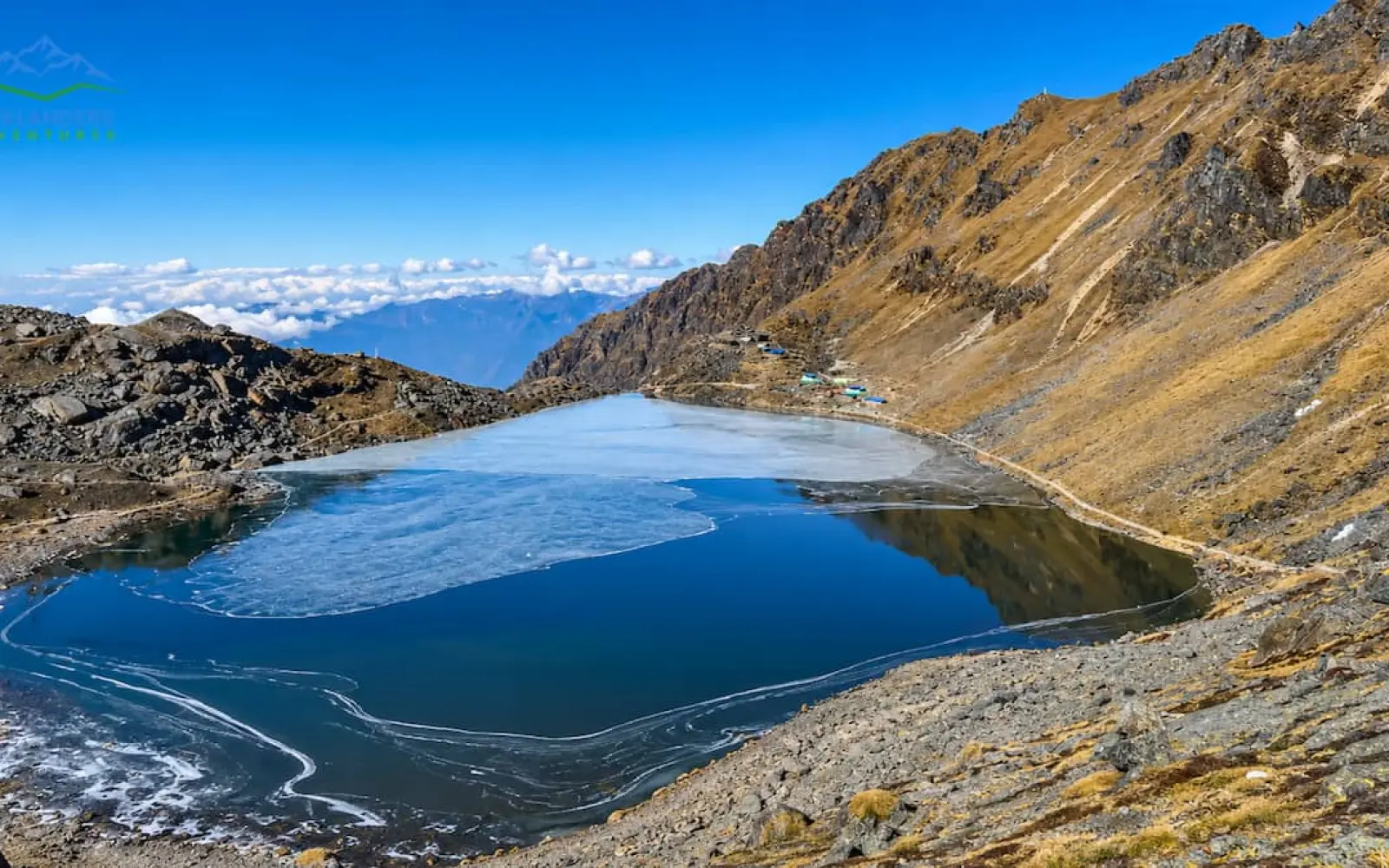
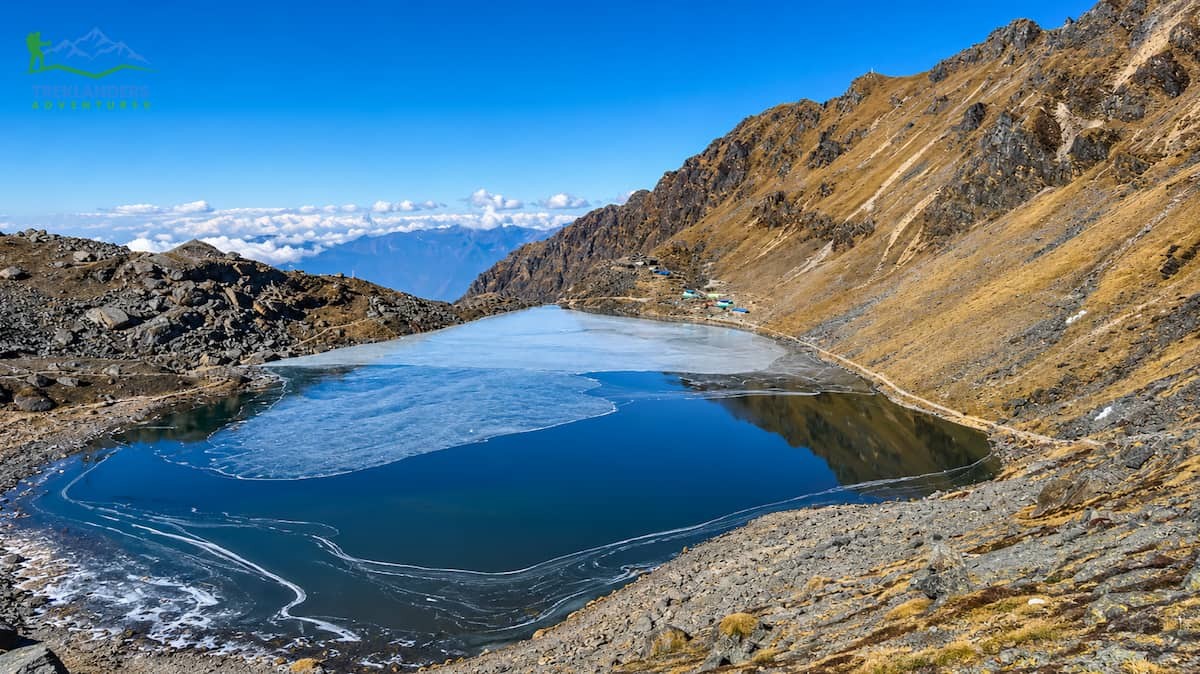
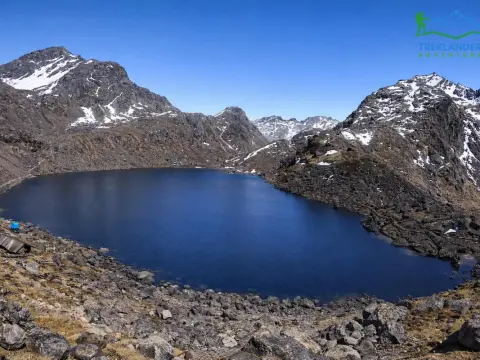
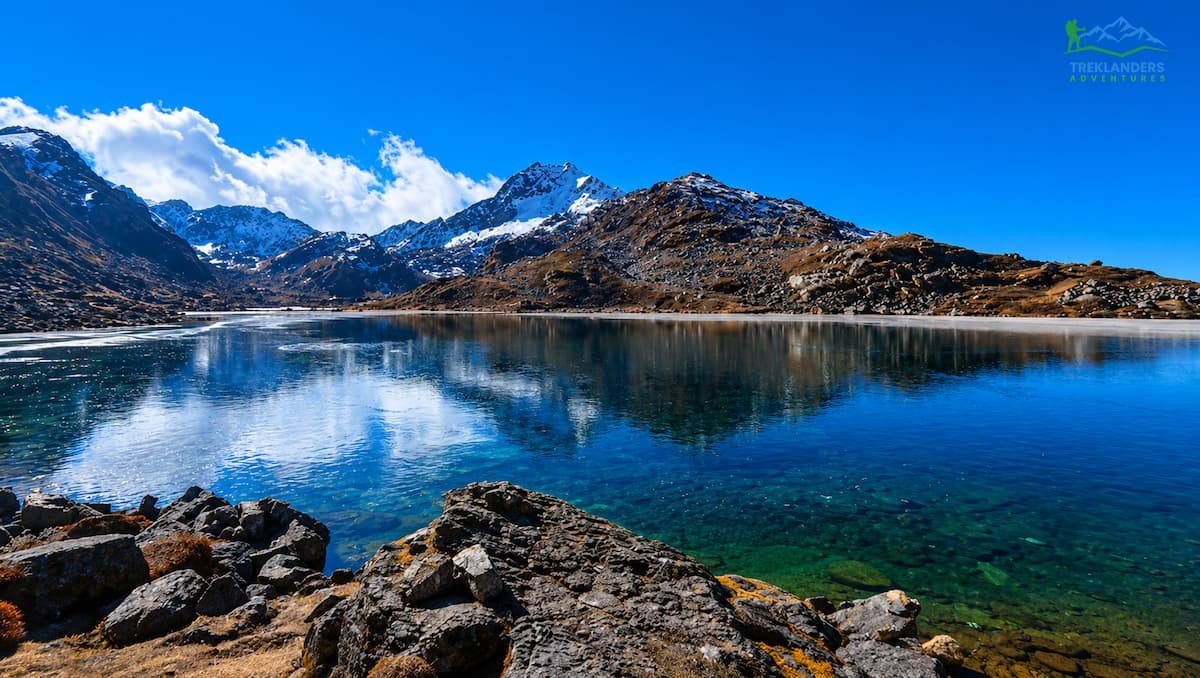
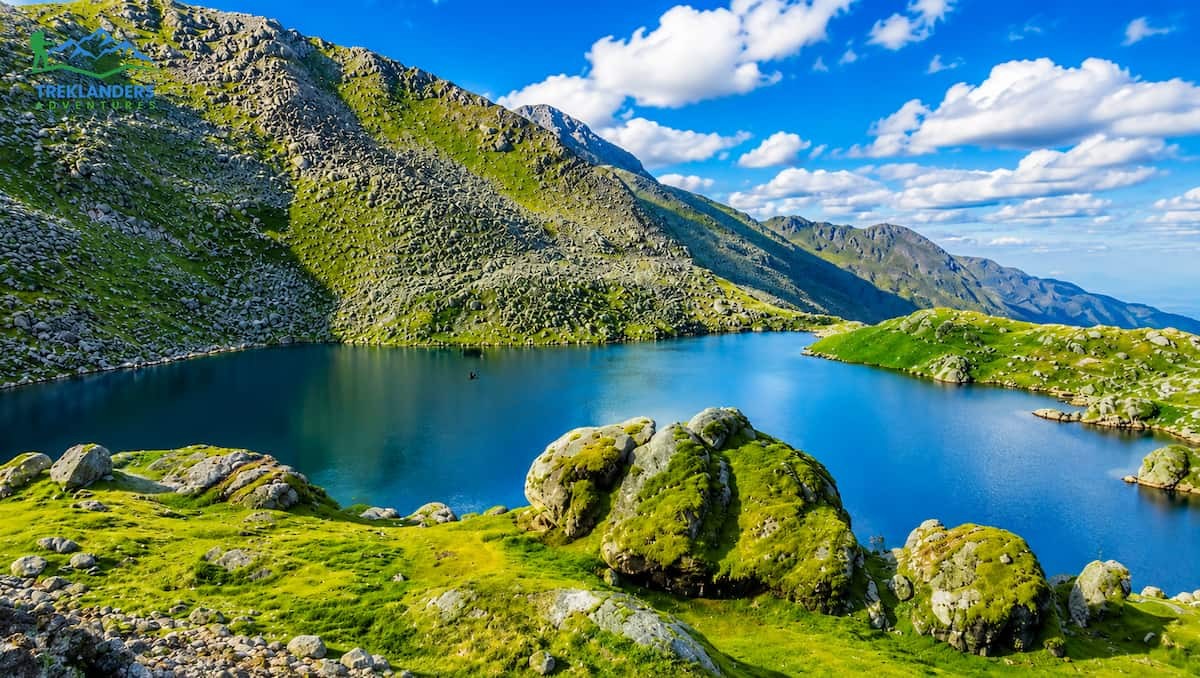
Gosaikunda Lake is located in Nepal's Rasuwa District, right at the center of Langtang National Park. It is positioned at a stunning height of 4,380 meters above sea level. Surrounded by towering snowy Himalayan peaks, this glacial lake is not only a popular trekking spot but also ranks among the most holy pilgrimage sites in South Asia, being sacred to both Hindus and Buddhists. Whether it is your spiritual instinct that brings you here, your admiration for alpine landscapes, or your enjoyment of trekking in high-altitude that leads you to Gosaikunda, the lake is bound to satisfy you at every stage of the journey. However, just like any demanding trek in the Himalayas, it requires getting ready. In this guide, Treklanders helps you discover the top seven things you must know before starting your trekking adventure.
1. The Deep Spiritual Significance You Should Understand First
Gosaikunda lake
Read up on why Gosaikunda Lake holds a special place in Himalayan culture before you tie your boots. Gosaikunda is not just another stunning mountain lake. It is a sacred site that has been visited by pilgrims for millennia, and their devotion will surround you during the trek.
The Hindu Mythology of Lord Shiva
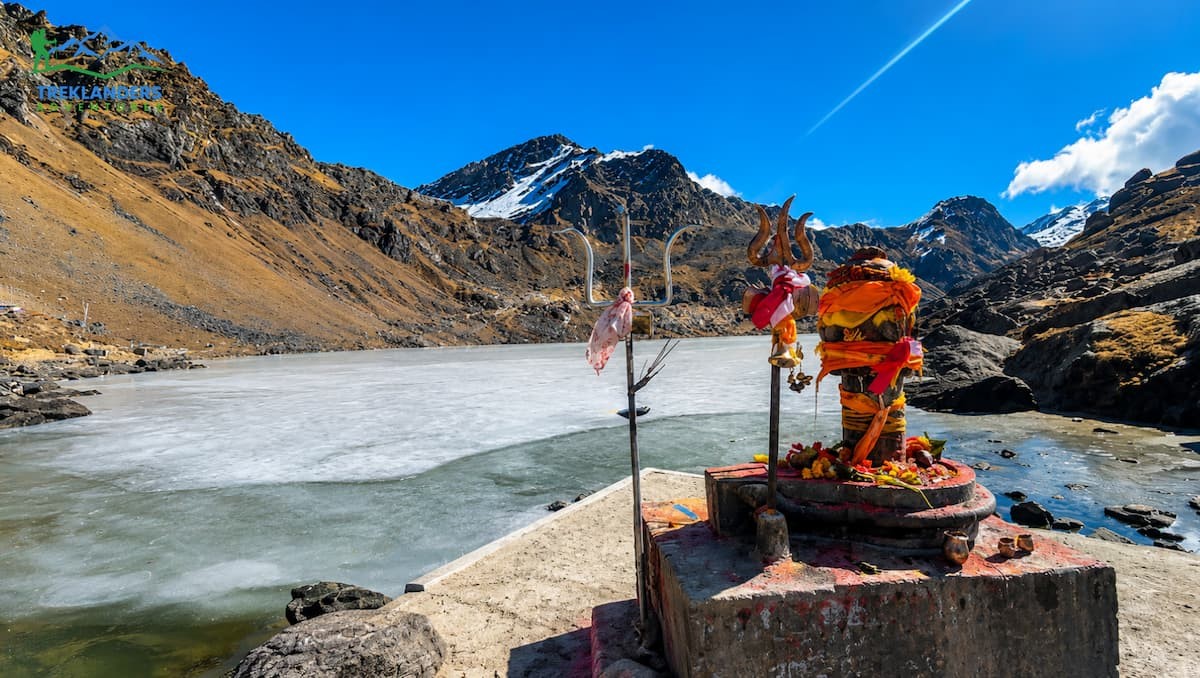
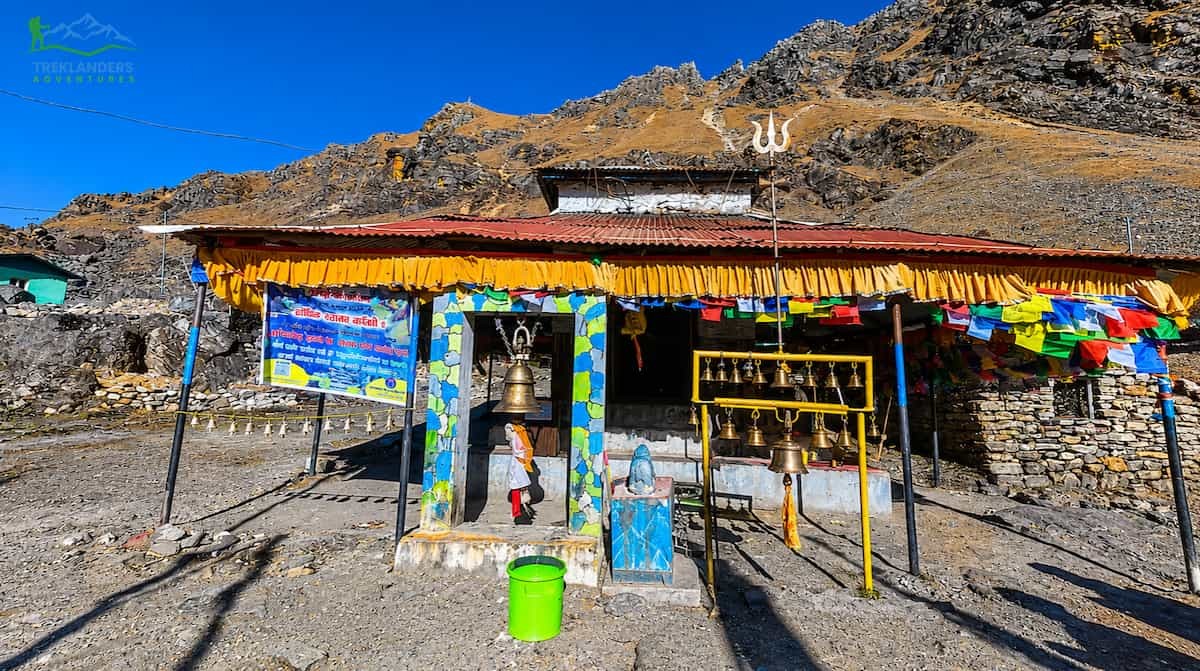
Lord Shiva Temple- Gosaikunda Lake Trek
Gosaikunda Lake was born from Lord Shiva. During the churning of the primal ocean by demons and deities (Samudra Manthan), a potent poison, Kalkut, emanated, which threatened to end all existence. Lord Shiva then consumed the poison to protect the world, but the burning agony of it consumed him, forcing him to stab his trident (trishul) into a glacier, creating the sacred lake. Even the name of the river that flows away from it, Trisuli, is derived from Trisul. Today, three stone waterspouts at the edge of the lake signify the points of the piercing of Shiva's trident. For devout Hindus, bathing in the lake's freezing waters at Janai Purnima (the full moon of Shrawan, normally July or August) absorbs all sins and imbues the body with the Lord's blessings. The lake is also thought to be linked spiritually with the Pashupatinath Temple in Kathmandu, the holiest Shiva temple on Earth.
Buddhist Significance and Guru Rinpoche
The sacred nature of the lake flows over into Buddhist belief. Legend has it that Guru Rinpoche (the great Tantric Buddhism master) sat in meditation nearby and consecrated the area around Gosaikunda about 600 years ago. This Tibetan Buddhism expert purified the land around the lake as an area of worship. This is reflected in the monasteries, chortens, prayer flags, and hermitages seen throughout the trek. The Tamang people living in the region practice Tibetan-influenced Buddhism, and their kindness and spiritual connection contribute in large part to the journey.
The Janai Purnima Festival - Once in a Lifetime
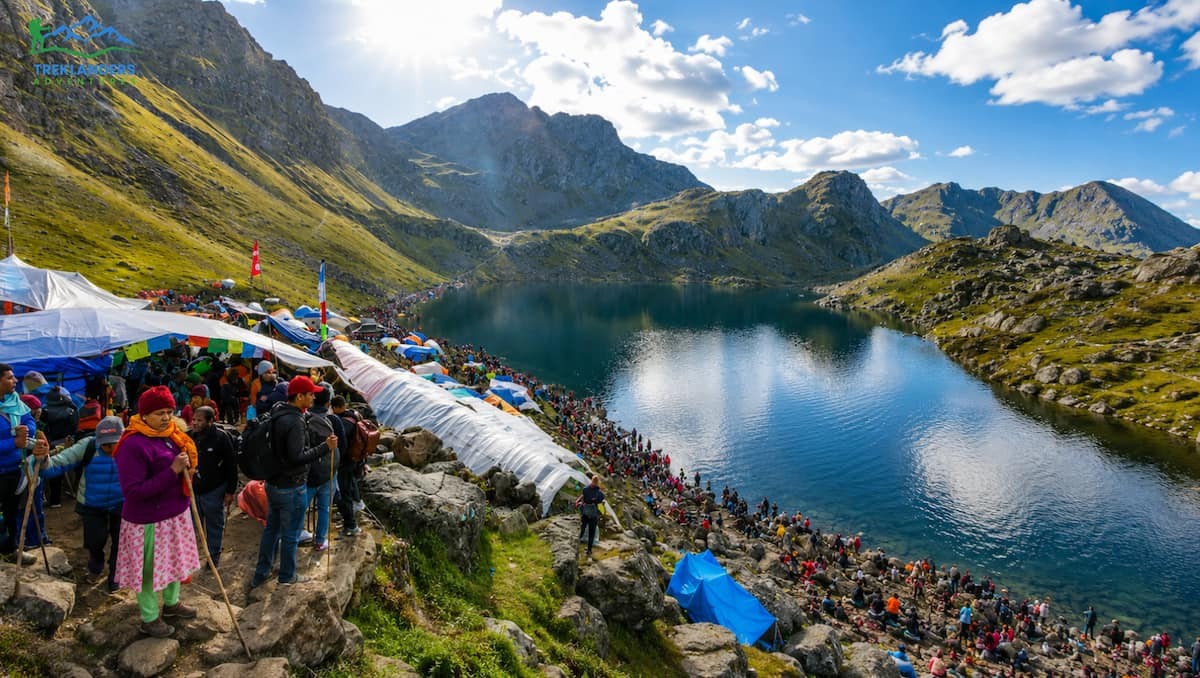
Janai Purnima Festival at Gosaikunda Lake
If travel dates can be made flexible at all, attempting to arrange travel during Janai Purnima would make this a once-in-a-lifetime experience. 20,000-40,000 people come for this festival each year: Hindu pilgrims, Tibetan monks, Nepali sadhus and Jhankri (shaman). It is here that Hindu men change their Janai (sacred thread) into new ones at the lake to mark a change in state of purity. During the night before the full moon, a candle-lit procession of Jhankri people would move from one side of the lake to the other to sound drums and chant, invoking mountain spirits. Butter lamps would illuminate the shore; the thin air filled with prayer and incense. Without doubt, one of the most amazing sights to see in the Himalayas.
2. Trek Difficulty, Fitness Requirements & Who Can Do It
The Gosaikunda Lake Trek is defined by the Nepalese trekking community as a 'moderate' trek - placing it in between easy, one-day walks in the vicinity of the Kathmandu Valley and hardcore, weeks-long journeys to Everest Base Camp or the Annapurna Circuit. However, 'moderate' is a very relative term in the Himalayas, and a clear conception of what the trail demands you should enable honest preparation.
Walking Hours and Terrain on a Typical Route
On a typical trekking route, you will be trekking for five to seven hours a day. The trail starts at an altitude of approximately 2,000 meters, in Dhunche, and ascends over several days to an altitude of 4,380 meters, at Gosaikunda - meaning you will gain nearly 2,380 meters in altitude. The trek goes through areas of thick rhododendron and oak forest at lower altitudes before rising above the tree line and through areas of open grassland and rocky terrain, before travelling across broad, exposed ridges just above Gosaikunda. The gradient of the ascent is predominantly gradual, but at certain points, especially approaching Lauribina Yak and onward to Gosaikunda, the path steepens considerably.
Start Elevation
2,000 m
Dhunche village
Maximum Elevation
4,380 m
Gosaikunda Lake
Daily Walking
5–7 hrs
Varies by segment
Trek Grade
Moderate
Suitable for beginners with preparation
Who is it for?
The trek is truly suited to a first-time high-altitude trekker who is properly conditioned. No technical climbing experience or special mountaineering equipment is necessary, although some prior backpacking experience - in the hills or at lower altitudes - is helpful. Anyone reasonably fit and who has conditioned their cardiovascular endurance over several months via jogging, cycling, swimming or long walks on uneven terrains would be a suitable candidate. People with knee trouble may have an issue as the trail goes steeply uphill and downhill, making well-fitting knee supports a must. While the trek is typically suited for adults of all ages, with several trekking companies successfully taking people into their fifties and even sixties, any older trekkers and those with health concerns should always consult a doctor before attempting it.
Physical Preparation Advice: In the two to three months before your trek, build a routine that includes at least three to four cardio sessions per week. Stair climbing, hill walks with a loaded pack, and leg-strengthening exercises will prepare your body for the repetitive demands of seven hours a day on steep Himalayan trails.
3. Permits, Entry Fees & Paperwork You Must Have
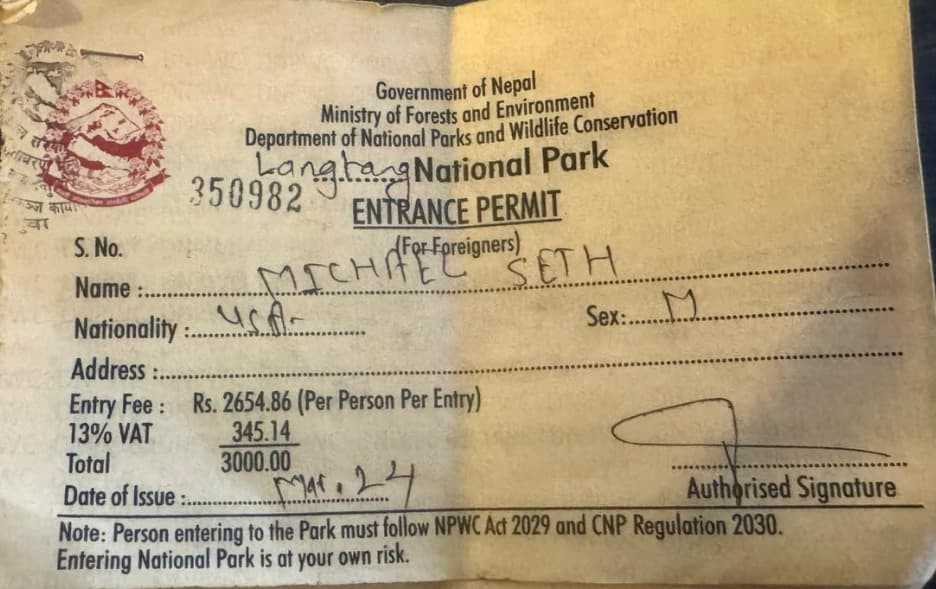
Permits for Gosaikunda lake Trek
To trek in the Gosaikunda region, all trekkers need to have 2 official permits. Trekking in the area without permits is a legal offence (you can be fined and/or sent back at one of the check posts that are positioned at strategic points throughout the trail). It's thankfully quite easy to get both permits, especially if using an official trekking agency like ourselves.
Langtang National Park Entry Permit:- USD 30 Nepal Tourism Board office, Kathmandu; or at the park entrance Valid for the duration of your stay in the park TIMS Card (Trekkers' Information Management System):- USD 20 (individual) / USD 10 (group) Nepal Tourism Board or Trekking Agencies' Association of Nepal (TAAN) Group rate applies when booking through a licensed agency
Both of the above can be organized in Kathmandu before departure, and the majority of the best trekking agencies will sort these out for you as part of the package service they provide. Should you wish to acquire these in person, you are most likely to be able to do so at the Nepal Tourism Board offices in Kathmandu, bringing a passport-size photo (bring at least four copies of these) and a photocopy of your passport's info page with you.
Other things to bring with you
Besides these permits, make sure you have your passport (original), your insurance and plenty of Nepalese Rupees to pay for your daily expenses on the trekking trail - there is no cash ATM beyond Dhunche and, although you will be able to pay with USD in some teahouses, you will need local currency for food, lodging, hot showers and other expenses (small charges are added for water, WI-FI, etc.)
Insurance is Non-Negotiable: Your travel insurance must specifically cover high-altitude trekking above 4,000 meters and must include helicopter evacuation coverage. In the event of severe altitude sickness or an accident in a remote section of the trail, helicopter rescue is often the only viable option, and the cost without insurance can be devastating.
4. The Best Time to Trek Gosaikunda — Season by Season
Gosaikunda Lake
The time of the year you undertake the Gosaikunda Lake Trek greatly impacts the safety and overall enjoyment of your journey. The Himalayan climate in Nepal can be summarized by its monsoonal cycle, and by identifying the specific climate conditions associated with each season, you can plan your trekking itinerary best according to your needs and requirements.
Spring Excellent ★★★★★ March–May. Clear skies, rhododendrons in bloom, warm days. Peak season.
Monsoon Avoid ★★☆☆☆ June–Aug. Heavy rain, leeches, landslide risk except Janai Purnima in Aug.
Winter Challenging ★★★☆☆ Dec–Feb. Heavy snowfall, extreme cold. Only for experienced trekkers.
Spring (March to May) – Best Season for Trekking
For most trekkers spring is regarded as the ideal season for trekking to Gosaikunda, and it certainly offers many advantages. After the melting snows of winter have receded the trails are open and the higher temperatures cool. The mountainsides come to life with bright rhododendron flowers, which cover the slopes with brilliant red, pink and white. Visibility is often excellent in the early morning, becoming cloudy during the day. Between the start of March and early May, conditions can usually be relied upon for good trail, excellent mountain visibility, and pleasant walking temperatures. Later in May it starts to heat up and the pre-monsoon season is approaching.
Autumn (September to November) – Almost as Good as Spring.
This post-monsoon season is a very good second choice. Many experienced trekkers actually prefer it to the spring months. After the deluges of the monsoon, the air has been scrubbed clean, and visibility is fantastic, with clear, sharply defined mountain views. October in particular offers incredibly stable weather, perhaps as stable as anywhere in Nepal, the paths will be teeming with trekkers from across the globe, teahouses well stocked and the subtly spectacular mountains cape turning from green to golden.
Monsoon (June to August) – Do not visit unless
Monsoon rains mean heavy, persistent rainfall, which means that landslides become a much greater hazard; many trail crossings are likely to flood, and leeches will be an ever-present problem on the leech-infested lower reaches of the trail. Views of the mountain peaks are minimal throughout the day. Treklanders recommend not travelling in this window of the year, apart from the singular opportunity to travel at this time to arrive for the Janai Purnima festival (late July / August). The hardship of travelling in the monsoon is more than justified for the chance to experience a spiritual journey to Gosaikunda.
Winter (December to February) – For the brave and experienced
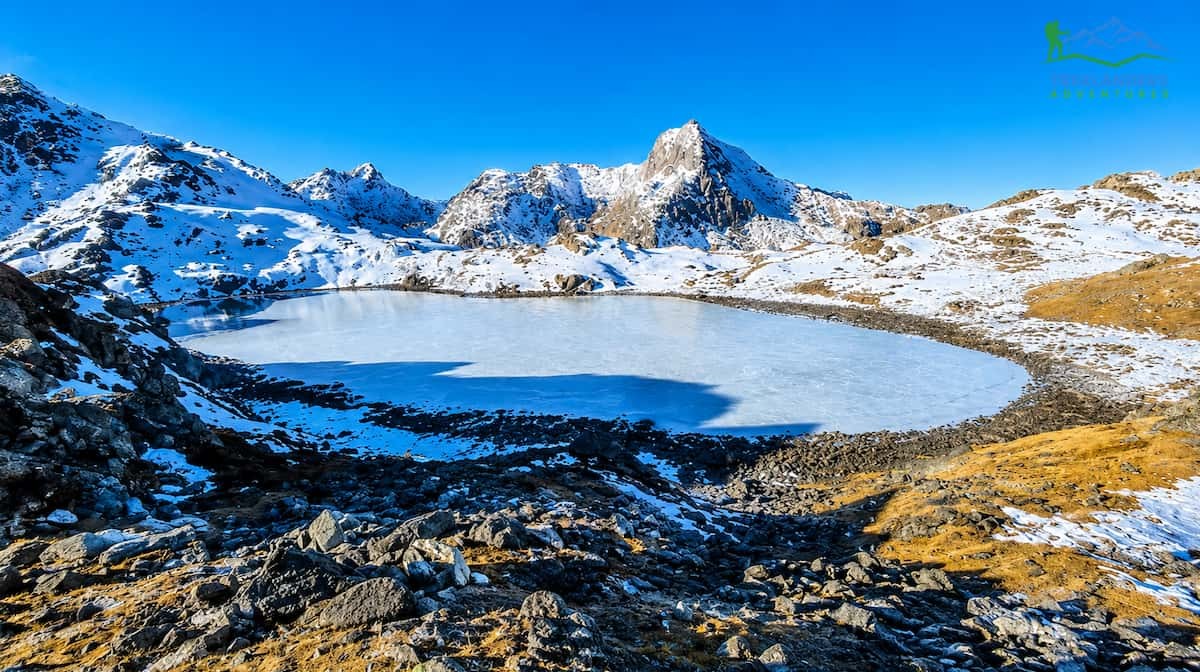
The journey to Gosaikunda can be attempted in winter. Heavy snowfalls can obstruct the trail completely above 3000 meters, it will be cold and there will be below freezing temperatures at Gosaikunda each night and several teahouses on the upper sections of the trail will be closed. Anyone who is experienced in winter mountaineering with the necessary equipment, tolerance to extremes, and willpower to continue despite potentially blizzard conditions, can attempt to travel in this period. The destination is truly a unique experience and could present an astounding sight and, with the right conditions, potentially a frozen lake- but the risks involved can be considered extreme.
5. A Practical Route & Itinerary Overview
Day 1: Drive from Kathmandu to Dhunche (1,950 m), approximately 6 hours. Enjoy scenic views of hills, rivers, terraced farms, and rural villages along the way.
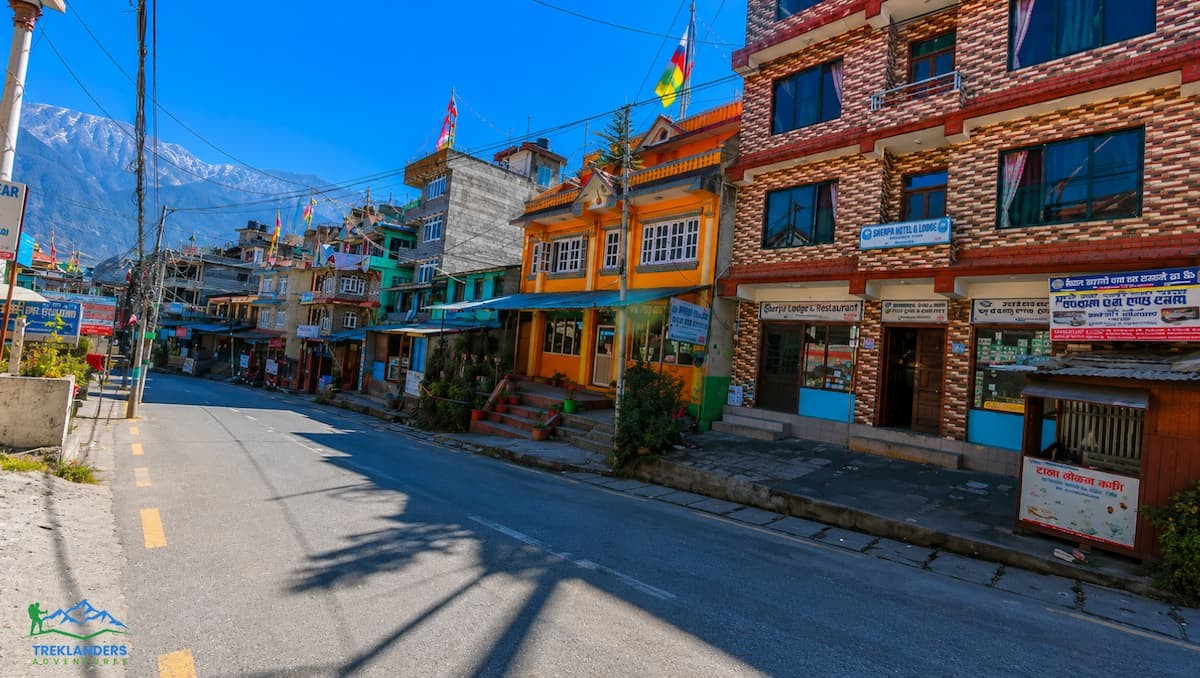
Dhunche- Gosaikunda Lake Trek
Day 2: Trek from Dhunche to Sing Gompa (3,250 m), approximately 6 hours. Walk through beautiful forests of pine, oak, and rhododendron while gradually gaining altitude.
Day 3: Trek from Sing Gompa to Gosainkunda (4,380 m), approximately 5 hours. Pass through Lauribina and enjoy spectacular views of the Langtang Himal before reaching the sacred alpine lake.
Day 4: Rest and acclimatization day at Gosainkunda. Take an optional hike to Suryakunda (4,610 m), explore nearby lakes, and visit important pilgrimage sites.
Day 5: Trek from Gosainkunda back to Sing Gompa, approximately 4 hours. Descend through alpine terrain and forested trails while enjoying mountain scenery.
Day 6: Trek from Sing Gompa to Dhunche (1,950 m), approximately 5 hours. Continue descending through rhododendron forests and traditional Tamang settlements.
Day 7: Drive from Dhunche to Kathmandu, approximately 6 hours. Return to the capital with memorable views of the Himalayan foothills and completion of the trek.
Trek Highlights
Suryakunda Lake
Sacred high-altitude lakes of Gosainkunda.
Optional excursion to Suryakunda.
Rhododendron, pine, and oak forests.
Traditional Tamang culture and villages.
Panoramic views of the Langtang Himalaya.
Excellent short trek combining nature, culture, and spirituality.
Out of all the things that you should know before trekking to Gosaikunda, altitude sickness is what you should pay the most attention to. When compared to many other Himalayan routes, the rise in altitude during the trek is quick and sudden - from 2,260 meters at Shin Gompa to 4,380 meters at the lake over a period of two or three days is a great amount of stress on your body, regardless of your level of fitness. The most frequent type of altitude illness is AMS - Acute Mountain Sickness - a condition that any person trekking above 3,000 meters could suffer from regardless of their age, level of fitness or trekking experience.
Signs to be alert for
Initial signs of AMS can be deceptively simple, like being overtired or having a mild cold. When on the trail to Gosaikunda, keep an eye out for: continued headache unrelieved by paracetamol, nausea or vomiting, dizziness, loss of appetite, an abnormally lethargic state, breathing difficulties without activity, and blocked ears. If you start experiencing confusion, unsteadiness, persistent dry cough or significant difficulty breathing while stationary, the problem could be more severe, with High Altitude Cerebral Oedema (HACE) and High-Altitude Pulmonary Oedema (HAPE) needing an immediate descent.
The golden rule of altitude illness: Never ascend if you are experiencing symptoms. Descend immediately if symptoms worsen. No summit, no lake view; no planned itinerary is worth the risk of serious altitude-related illness. Descent of even 300–500 meters typically produces rapid improvement.
A Realistic Approach to Prevention
Without a doubt, the most effective preventative measure is paced acclimatisation. Generally, you don't want to increase your sleeping altitude by more than 300-500 m per day, with a rest day after every 1,000 m gained. On the Gosaikunda trail, your rest night before the final ascent to the lake should be spent at Lauribina Yak (3,920 m) – do not miss this. Also, remember to drink between two and four litres of water every day of the trek. Dehydration is one of the major triggers for altitude symptoms, and it is astonishingly common on these cold, dry, high-altitude treks where you don't notice you are dehydrating. It goes without saying that alcohol should be avoided for at least the first 24-48 hours after each altitude gain, as it can interfere with normal regulation of respiration during sleep (and this is when altitude adaptation primarily occurs). Eat balanced meals every few hours, even if you don't feel hungry, as you may find that you burn significantly more calories at altitude. Some trekkers and their doctors have also opted for the prophylactic drug Acetazolamide (Diamox) – if this is of interest to you, talk to your travel doctor or family physician in advance.
Dealing with illness
Inform your guide at the earliest opportunity. A qualified and licensed guide - as Treklanders provides on all its tours - will recognize the symptoms of altitude sickness and the procedure to follow, i.e., rest, drink fluids, observe, and descend if the patient doesn't improve after a couple of hours. Increasingly guided treks are equipped with pulse oximeters to measure blood oxygen saturation as a good warning sign. If helicopter evacuation proves necessary, your guide will liaise with your trekking agency to arrange it-just one more reason why a booking with a competent and prompt travel agent is essential.
7. Gear, Packing & On-Trail Essentials
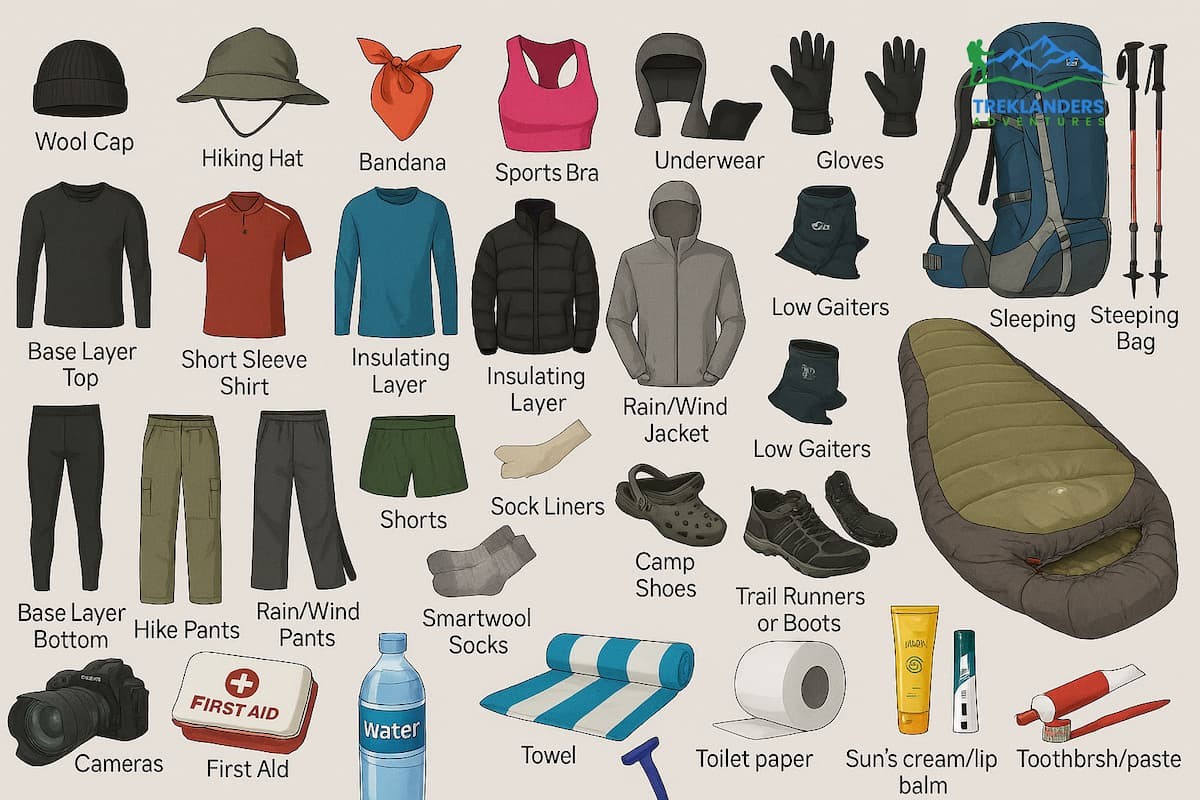
Packing lis for Gosaikunda lake Trek
Smart packing for the Gosaikunda Lake Trek requires a delicate balance between carrying sufficient gear to ensure your safety and comfort at altitude and managing the pack weight so that the walk itself remains enjoyable. The usual guideline for teahouse trekking in Nepal is for a pack weight of between 10 and 12 kg, including water, and to hire a porter if you don't feel capable of managing that over 7+ hours of mountain walking each day.
First aid kit (blister treatment, bandages, antiseptic)
Personal medications + altitude sickness tablets
Water purification tablets or filter
Sunscreen SPF 50+ and lip balm
Pulse oximeter (strongly recommended)
Supplies & Extras
Headlamp with spare batteries
Power bank (teahouse power is limited)
Water bottles (2 × 1 L minimum)
Lightweight dry bags / stuff sacks
Nepali rupees (cash, sufficient for all days)
Snacks and energy bars for the trail
Trekking map or downloaded offline GPS
Reusable cup (reduces plastic waste on trail)
8. Accommodation & Food on the Trail
Accommodation and Teahouse Lodges During the Gosaikunda Lake Trek
Accommodation on the Gosaikunda route is abundant. The trail is serviced by teahouses (small family-run guesthouses and lodges that are the cornerstone of Nepal's trekking infrastructure). In Dhunche, there are a few more comfortable lodges available with private facilities, but higher on the trail, teahouses become increasingly basic. These offer simple wooden framed rooms, shared facilities, cold showers (hot showers are often available for a small extra fee) and communal dining areas that serve as the trekking social centers. There is wi-fi and charging facilities available in most teahouses, although this does come at a small price and speeds are limited.
The food offered in the teahouses is simple and delicious. Dal Bhat (Nepal's national dish of rice, lentil soup, curried vegetables and pickles) is ubiquitous, generally very good, and usually bottomless, so be sure to get this on the menu. Noodle soups, pasta, porridge, and eggs are available in abundance. Be sure to avoid raw salads, unpeeled fruit (at altitude) and unboiled tap water in order to avoid any debilitating traveller's stomach.
15 Day Langtang Gosaikunda Lake Helambu Trek | 15 days
Though a guide is not legally mandatory for this trek, the team at Treklanders would strongly recommend that you hire one. It is not to say the trail itself is confusing (it's usually fairly well-signed) but as everyone knows the mountain environment can be treacherous and subject to dramatic changes, and having a guide with proper certification from the government means you'll be in safe hands to assist with altitude related problems and any communication with the local teahouse owners you may experience (though your guide will speak their language). Guides will interpret any natural or cultural highlights on the way, will be able to contact people in case of an emergency, should one arise and provide an invaluable human element to the trekking experience. It's likely your guide will be well-versed on the local Tamang culture and the diverse and beautiful nature, not to mention the rich religious significance that Gosaikunda holds for both Hindus and Buddhists.
The optional inclusion of a porter means that they carry your large main duffel bag (approx. 20kg for every two trekkers, at the most), so you only have to carry your daypack. This choice would be an enormous change to your overall physical experience and provides immediate support to the local communities you are travelling through, and it is both expected and enormously appreciated that you would offer them an adequate tip at the end of the trek.
Responsible Trekking: The Gosaikunda trail passes through a designated Ramsar wetland site internationally protected for its ecological importance. Please carry out all non-biodegradable waste, use refillable water bottles rather than single-use plastic, and respect the environment that pilgrims and trekkers have been drawn to for centuries. Your choices on the trail directly affect the long-term health of this sacred ecosystem.
The Gosaikunda Lake Trek is not Nepal's highest, not longest, not even its most technically challenging trek in the Nepalese canon-a very impressive one at that. But what it is is perhaps its most complete one. It offers good, if strenuous, high mountain country, truly sensational Himalayan views, taking in as many as Manaslu and Annapurna to Ganesh and Langtang Lirung in the same panorama, and a worthwhile cultural immersion into an ancient Tamang lifestyle, coupled with the profoundly meaningful experience of standing by a sacred glacier lake that predates written history. Whether you are a trekker, a pilgrim, or a traveller with curious eyes and sturdy boots, Gosaikunda is a lake that will remain with you long after you descend.
Just think about what that really means. Generally, treks offer one major 'reward"-be it a pass's view, a base camp drama, a summit's satisfaction. Gosaikunda offers several, combined and interwoven within a single journey. There is the sublime silence of walking beneath rhododendron forests so thick and so colour-drenched in the spring months that they resemble a state rather than a forest. There is the subtle transformation of the scenery over the hours-the rise of the forests to meadows, the spread of meadows into rock, the rise of rock into the sky. There is the initial ridge crest above Lauribina Yak and the unveiling of the Himalayan wall of snow, a truly awesome panorama stretching across the northern sky and seeming to encompass the whole world. And then there is a lake. No image can do justice to the special quality of Gosaikunda's silence, to the sheer meaning you feel, before you truly comprehend it, in this 4,380-metre glacial lake where the wind whispers and the prayer flags dance.
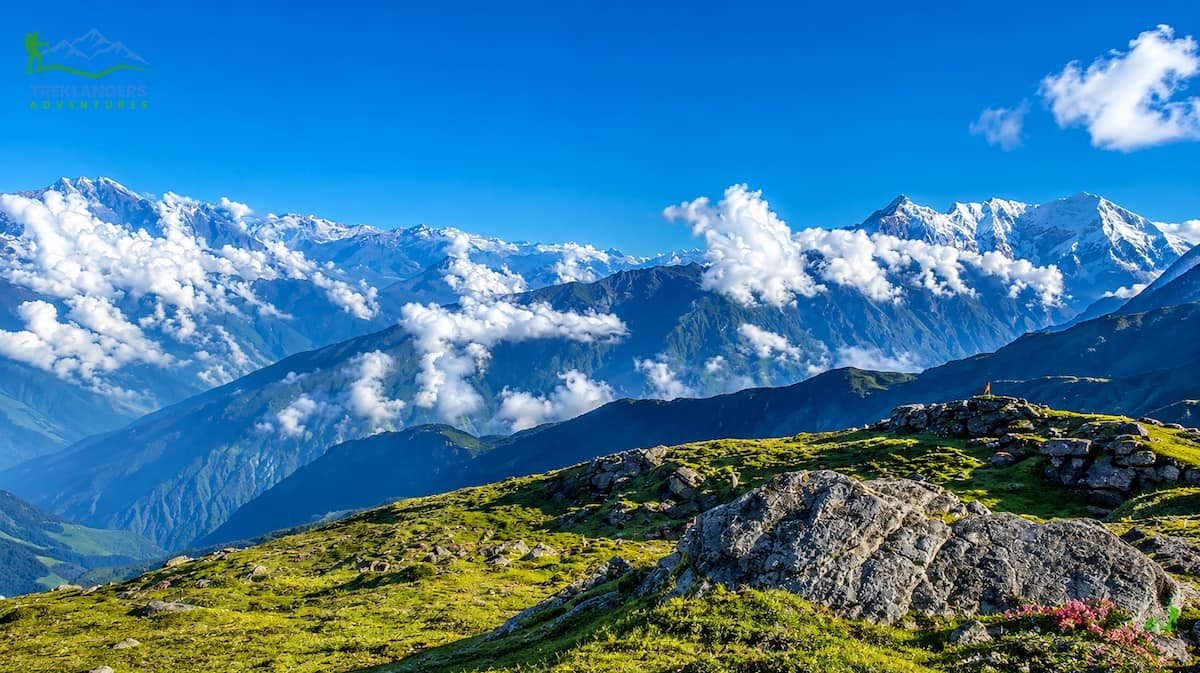
Stunning mountain views seen during the Gosaikunda Lake Trek
This atmosphere is no coincidence. Gosaikunda has been a site of pilgrimage for many centuries and is regarded by locals as a sacred lake. The Tamang settlements, which you will see along the trail, the butter lamps that burn at the edge of the water during Janai Purnima and the mani walls and stupas that decorate the latter stages of the walk are all testament to the fact that the human relationship to this place is of much longer standing than its present appeal to trekkers. Walking through it in a thoughtful manner transforms it into something different; it is no longer a location, but a living tradition.
It is this potent mixture of awesome nature and very ancient meaning that distinguishes the Gosaikunda Lake Trek and makes the trek so difficult to forget. Those who are fortunate enough to trek the Gosaikunda Lake are invariably very keen to return; not because they want to achieve the same sense of wonder that the Everest Base Camp trek inspires, but because they wish to find an echo of a feeling. The Gosaikunda Lake draws the visitor in its own unique way.
14 Day Tamang Heritage with Langtang Valley Trek | 14 days
If prepared with adequate planning, during the appropriate season, with an eye for detail and a respect for both the environment and its people and a healthy dose of altitude consciousness, the trek will live long as one of the most memorable treks of a lifetime. From permit issues and the creation of a tailored itinerary to the recruitment of knowledgeable guides and suitable accommodation, the team at Treklanders can take the strain out of your preparations; contact us today to begin planning your Gosaikunda trek.