Langtang Valley Trek vs Gosaikunda Trek: Which Trek Should You Choose in Nepal?
9 Jun 2026
Compare the Langtang Valley Trek and Gosaikunda Trek to choose the best Himalayan trek in Nepal.

Nepal contains eight of the 14 peaks above 8,000 meters in the world and some of the most diverse trekking country anywhere, ranging from humid, subtropical forests at 1000 meters to glaciated high passes at over 5400 meters. Whatever your timeframe (five days to five weeks) or trekking style (low-level amble through Gurung villages to serious three high-pass technical traverse), there's a trek in Nepal for you.
There are over 200,000 trekking permits sold every year. Most go to one of three major routes: Everest Base Camp, the Annapurna trails, and the Langtang Valley. These major routes are popular for good reasons: their established teahouse networks, clearly marked trails and incredible rewards for the work put in. But Nepal has quieter, undiscovered routes too, such as the Mardi Himal ridge, the Pikey Peak viewpoint or the secluded upper section of the Manaslu Circuit.
This guide covers the 10 most recommended trekking routes. They range from 4-day taster hikes to 21-day slogs; in each case, it's got the essential stats, reasons to do it, best trekker profile, and where to book from. All tours listed are booked through Treklanders, a Kathmandu-based trekking operator and guide service with experience in every corner of Nepal.
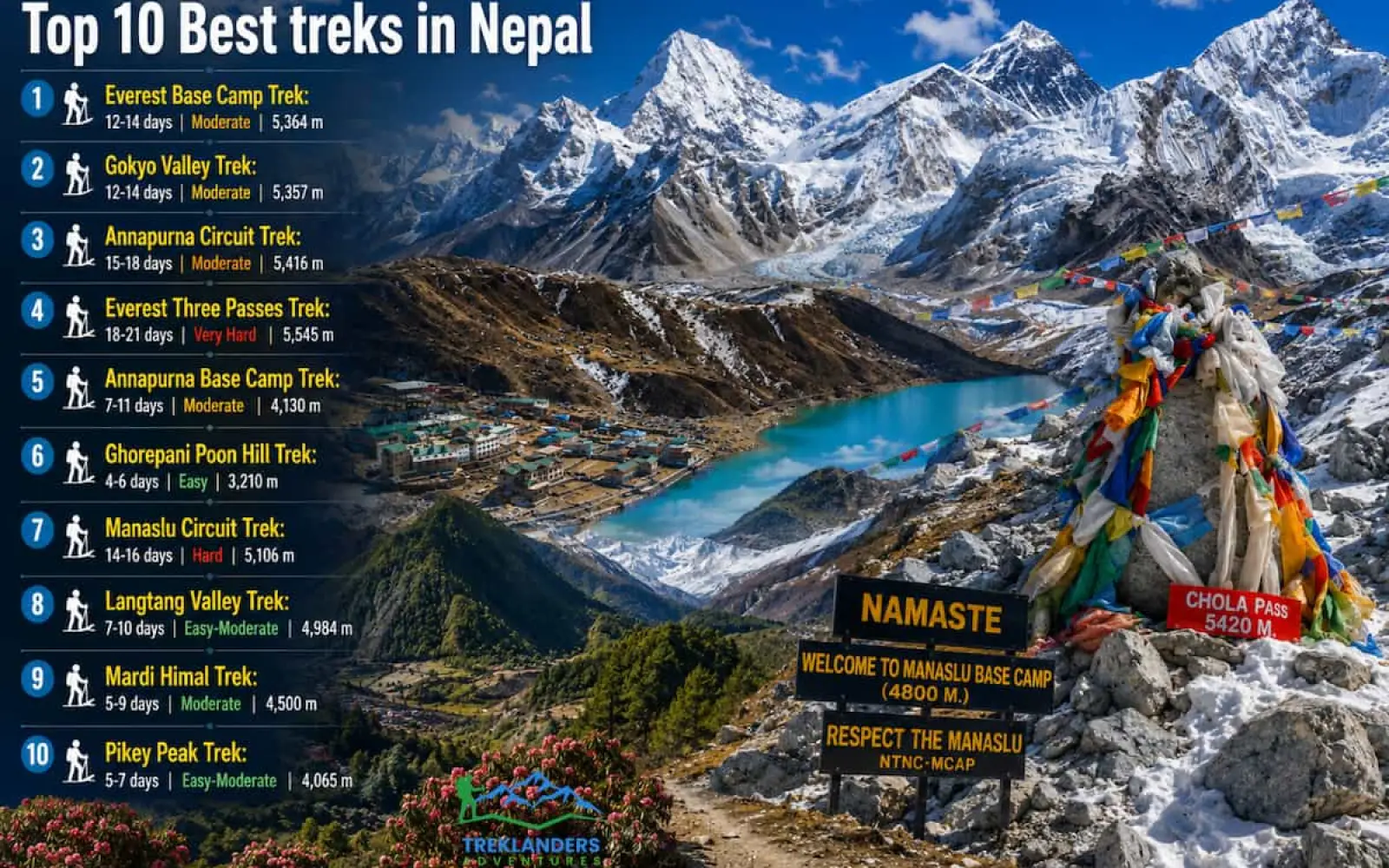
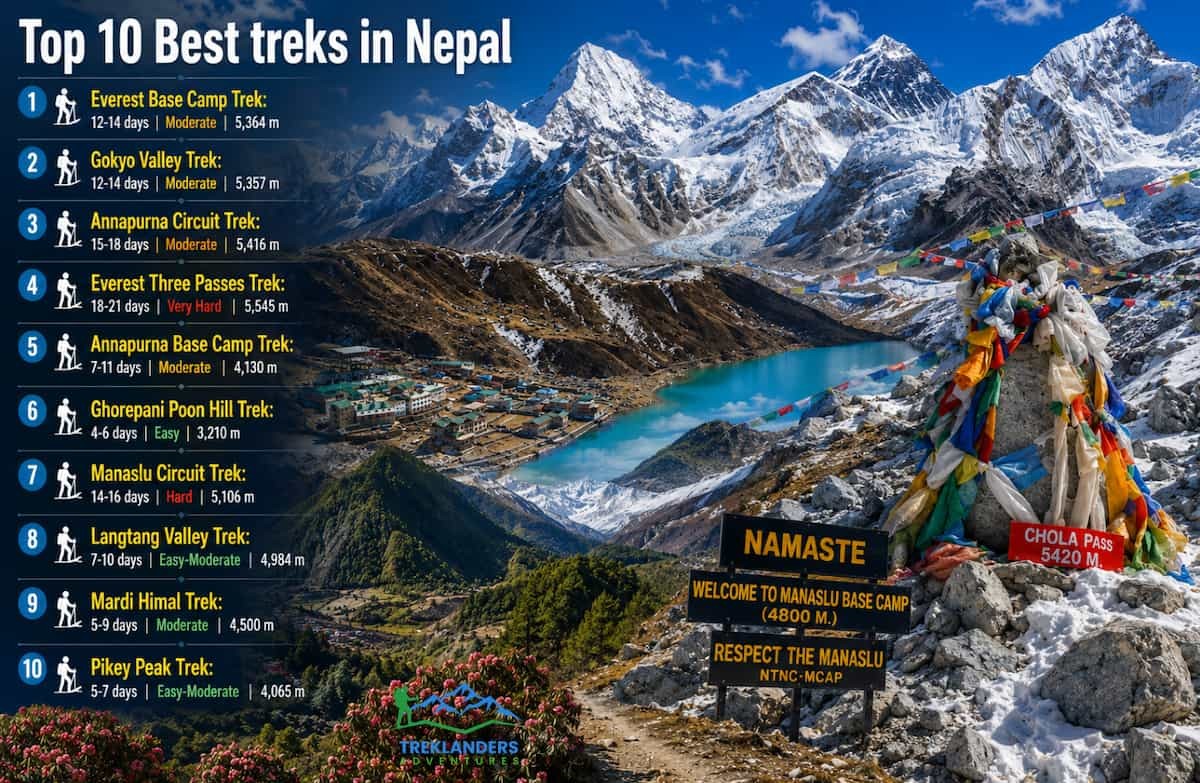
Before going into each route, here is a summary table to help you compare treks by duration, difficulty, and maximum elevation.
The trekking seasons in Nepal are primarily autumn (October-November) and spring (March-May). Autumn trekking can produce some of the best clear-sky conditions, with the weather being most stable in October and November. Skies can be 100km on a good day once the monsoon rains have retreated in late September. Temperatures fall quickly at night, and are cool rather than warm at altitude, but the trekking is generally comfortable. It is the peak trekking season on all the main trekking routes.
Spring treks can mean witnessing rhododendron flowers in the middle hills, and, although warmer than autumn trekking at altitude, the forests below 3,500 m will also be vividly red and pink between February and April. Trekking conditions are good, but slightly hazier than in autumn due to atmospheric dust and pre-monsoon cloud build-ups from early afternoon. High passes like Thorong La are likely to be open reliably from mid-March.
The winter trekking months from December to February offer good weather but are very cold and often deserted. Many high passes can become impassable with heavy snow. Teahouses at high altitudes (above 4,000 m) can have a reduced workforce. However, late November and December provide some of the best clear-sky conditions of the year and are ideal for the fit trekker equipped with appropriate gear. Trekking below 3,500 m during winter, for instance on Ghorepani Poonhill route and Mardi Himal routes, is generally possible.
Monsoon season runs from June to August. Lower trails become slippery and leech infested. Cloud cover blocks mountain views for weeks at a time. The Upper Mustang trail and Dolpo regions sit in a Himalayan rain shadow and remain relatively dry. For most routes on this list, stick to October-November or March-May.
For most treks on this list, October and November are the best months. Book guides, teahouses, and domestic flights early for these peak months, particularly the Lukla flights that service Everest region treks.
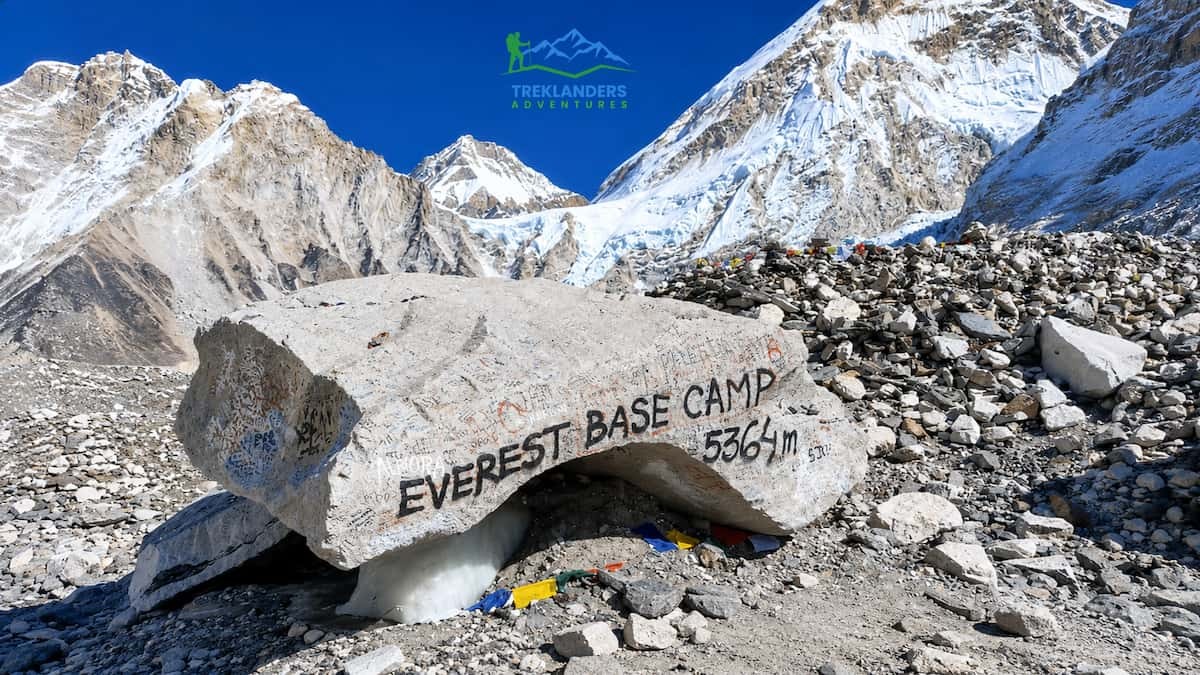
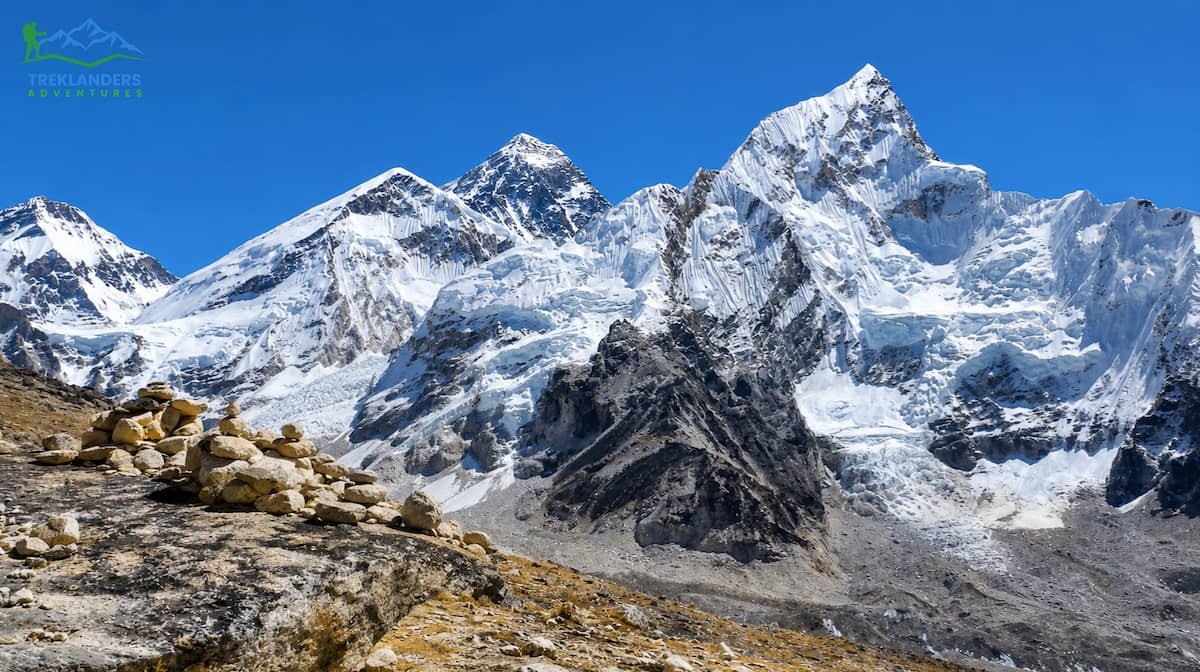
The Everest Base Camp Trek is Nepal's most famous trekking route. The trek begins with a short but breathtaking flight to Lukla (2,860m) before following the Dudh Koshi river valley through Namche Bazaar, Tengboche and Dingboche to the Base Camp (5,364m). Most trekkers climb Kala Patthar (5,545m) for a clear view of the Everest summit pyramid.
The route leads directly through the Sherpa heartland. Namche Bazaar, a lively center of trekking shops and bakeries, is best known for its buzzing Saturday market, while Tengboche Monastery against the backdrop of Ama Dablam and Lhotse is one of the most photographed places in the Himalayas.
Acute Mountain Sickness is the main obstacle. The popular 12-day itinerary allows for Acclimatization days in Namche (3,440m) and Dingboche (4,360m). You will spend several days at altitudes above 4,000m, so do not underestimate this trek, but the teahouses along the way are well-developed with hot food and charging facilities. However, conditions in these get considerably more basic above Lobuche.
Anyone who can walk at a reasonable pace, is prepared for cold nights (-10 °C or below at base camp in October), and who is willing to spend the time necessary to ascend to 5,364m slowly, should consider this trip. No technical climbing is required.
The flight to Lukla is a common entry point. A 30-minute flight from Kathmandu that follows the Dudh Kosi river valley at a low level and then touches down on a steep uphill landing strip. Flights are cancelled regularly if the weather is bad, so factor in at least one day buffer at both the beginning and end of the Lukla part of the journey. It can also be difficult in November and at the beginning of Spring. If you have a fixed departure, then a charter flight from Kathmandu by helicopter is possible.
Book the Everest Base Camp Trek with Treklanders Adventures
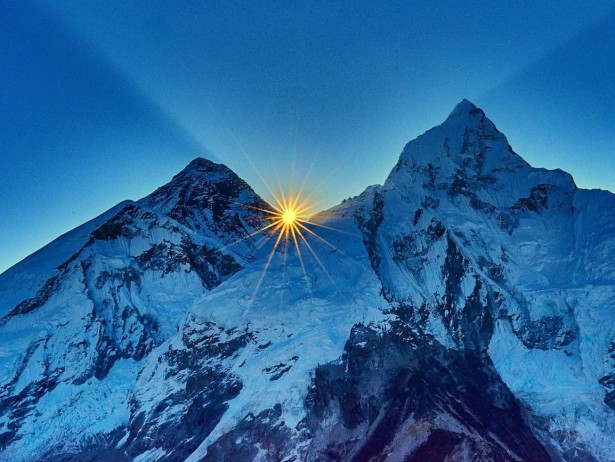
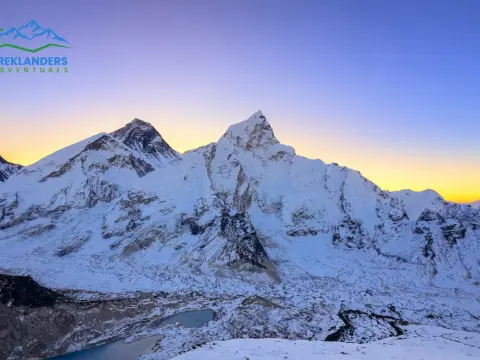

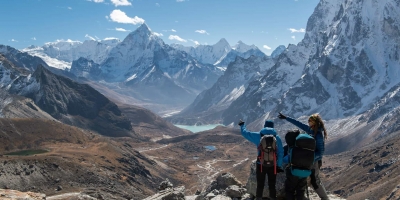

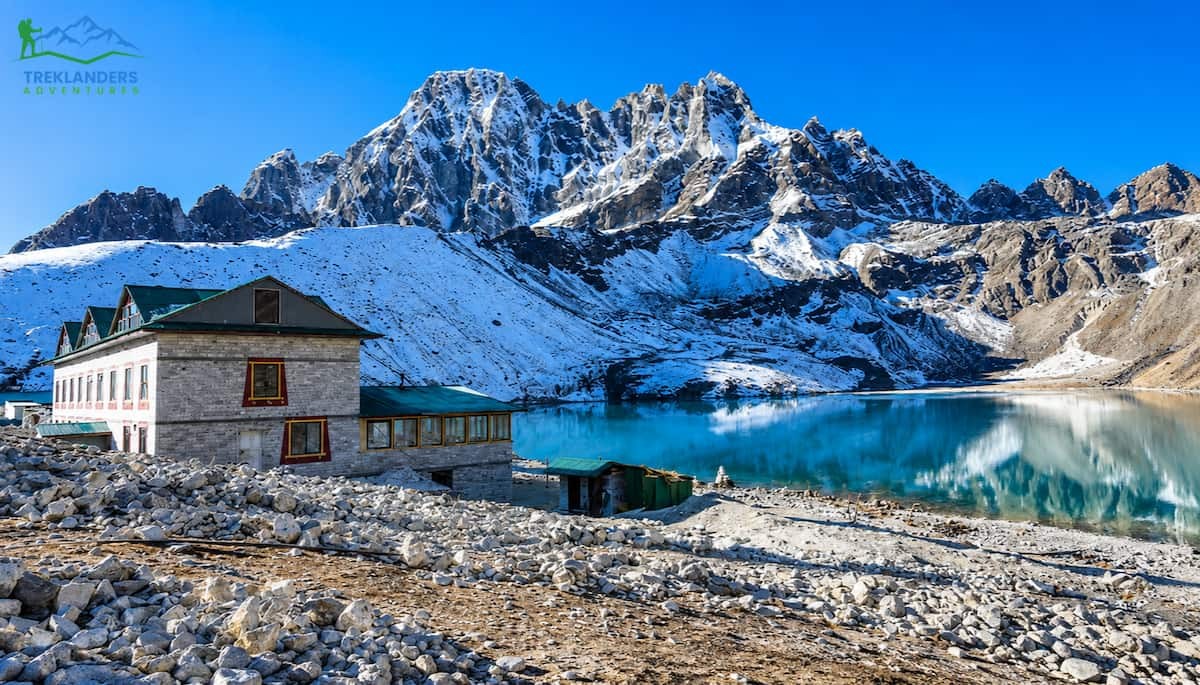
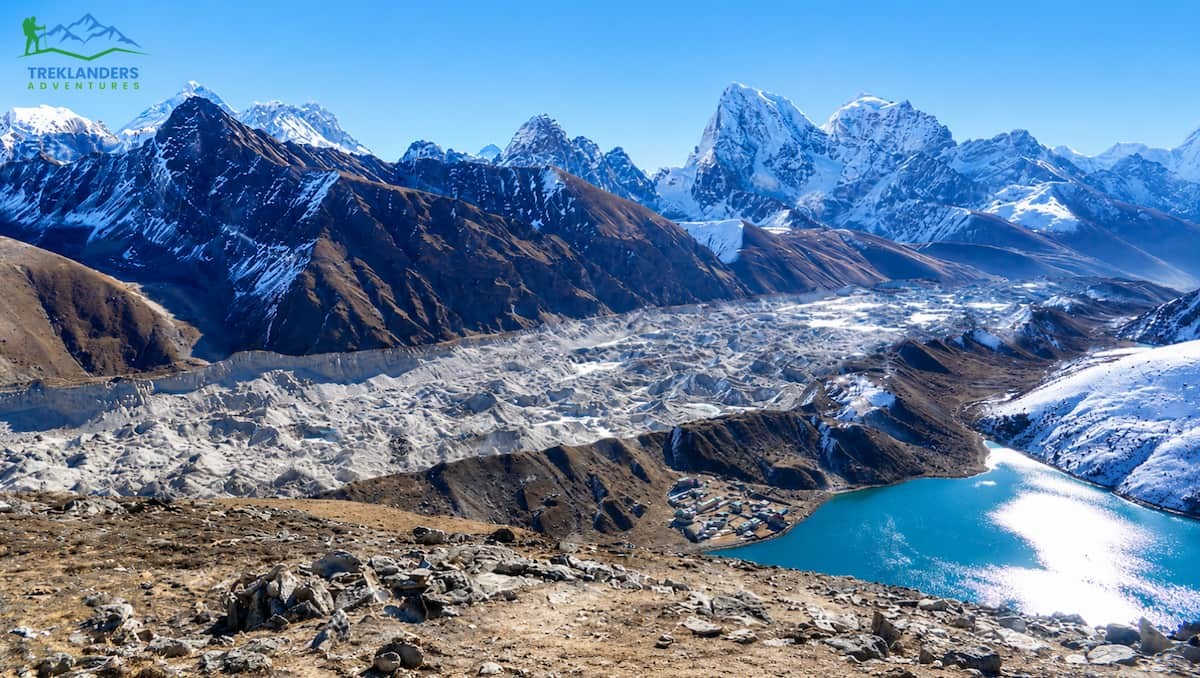
The Gokyo Valley Trek is another wonderful substitute for the conventional Everest Base Camp trekking route. Rather than proceeding straight on to Everest Base Camp, you turn off west at Namche Bazaar and head up the Dudh Kosi to the Gokyo lakes, a series of four dazzling turquoise glacial lakes sitting at approximately 4,700 to 4,990 meters (15,420 to 16,370 ft) above sea level. Climbing Gokyo Ri (5,357 m / 17,575 ft) provides trekkers with four separate views of the 8,000 m giants Everest, Lhotse, Makalu and Cho Oyu. Many trekkers consider this view superior to that of Kala Patthar.
Overall, the valley is a much quieter trek than the traditional Everest Base Camp trek (especially the higher up the valley you go, above Dole), and the lakes themselves are truly beautiful. Gokyo (the largest) perfectly mirrors the mountains that surround it in the calm stillness of a clear morning. The Ngozumpa Glacier, Nepal's biggest glacier, lies on the eastern side of the valley.
Most trekkers undertaking this route add the pass over to Everest Base Camp by taking the Cho La Pass (5,420 m / 17,780 ft). This is a serious pass, and requires glacier crossing ability, good weather and confident footwork, where microspikes or crampons may prove beneficial. A loop trek, either from Namche up to EBC via Gokyo, or from EBC to Namche via Gokyo, creates perhaps one of the most satisfying round treks to be found in the Khumbu.
Book the Gokyo Valley Trek with Treklanders Adventures
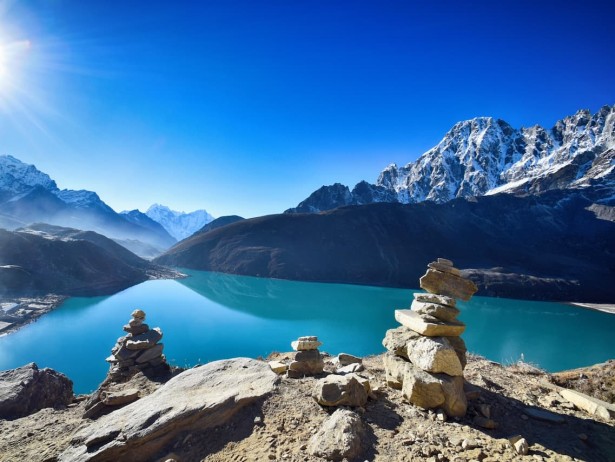
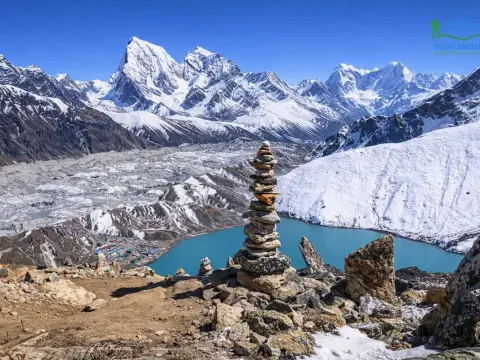
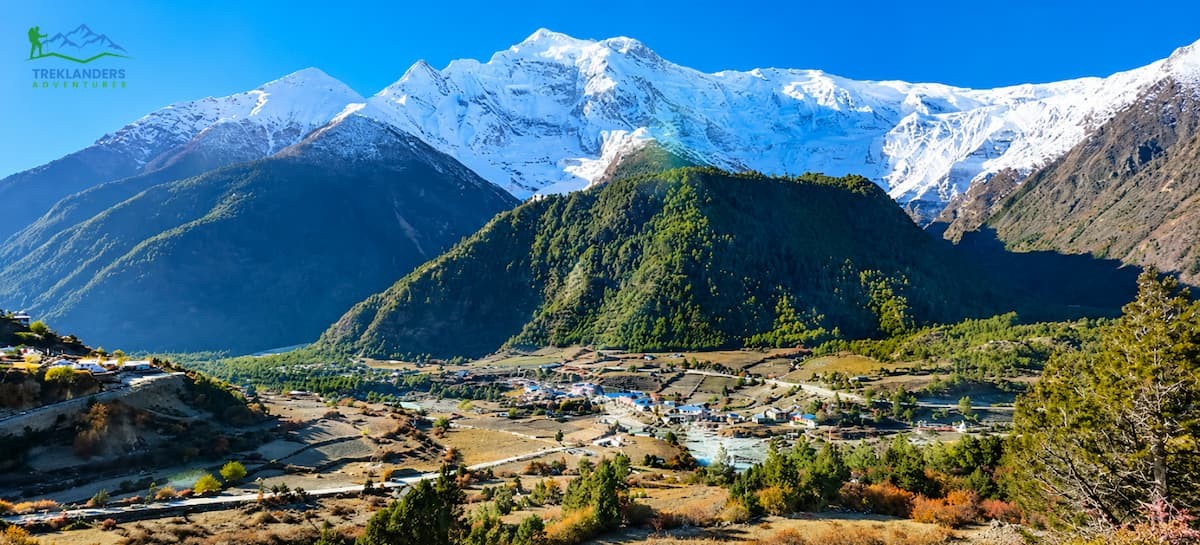
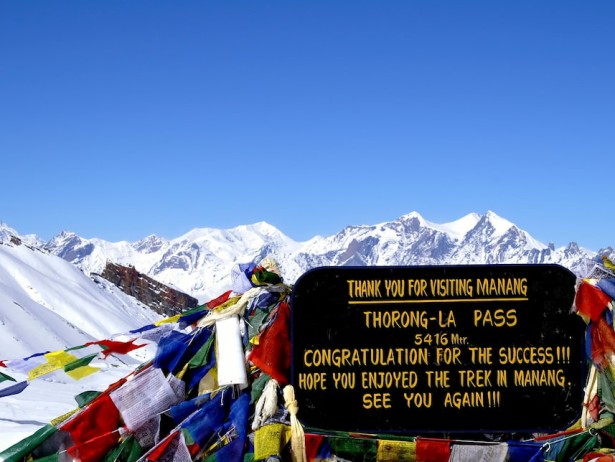
Annapurna Circuit Trek One of the great long-distance treks on Earth, the Annapurna Circuit circumnavigates the Annapurna massif, crossing Thorong La Pass (5,416m), the highest of any teahouse trek in Nepal. Between 160-230km, depending on your route, the trek takes you through a spectrum of landscapes: from subtropical farmland to rhododendron and oak forest, high-altitude steppe, and the rain-shadow desert of Upper Mustang.
The cultural equivalent matches. You journey through Gurung, Manangi and Thakali villages, each possessing individual styles of architecture, cuisine and religious ritual. The village of Marpha, a haven of apple orchards and brandy producers, rests in the immense Kali Gandaki gorge, the deepest canyon in the world.
Near the summit of Thorong La Pass is a pilgrimage site shared by Hindus and Buddhists alike: Muktinath (3,710m). The Thorong La crossing: arguably the defining moment of the trek. Typically, leaving Thorong High Camp (4,925m) pre-dawn, you can reach the pass by mid-morning and before the relentless wind can gather force. The descent to Muktinath plunges a total of 1,600m in a couple of hours. It is vital to acclimatize in Manang (3,519m) before taking the pass.
Road construction has changed parts of this circuit. The section from Besisahar to Chame now runs alongside a rough jeep road. Most trekkers start walking from Chame or Dharapani to avoid the dusty lower road sections.
See Treklanders' Annapurna Circuit packages

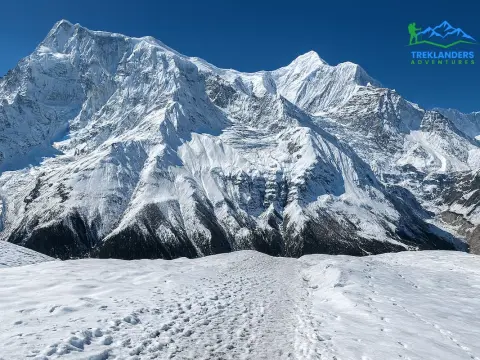
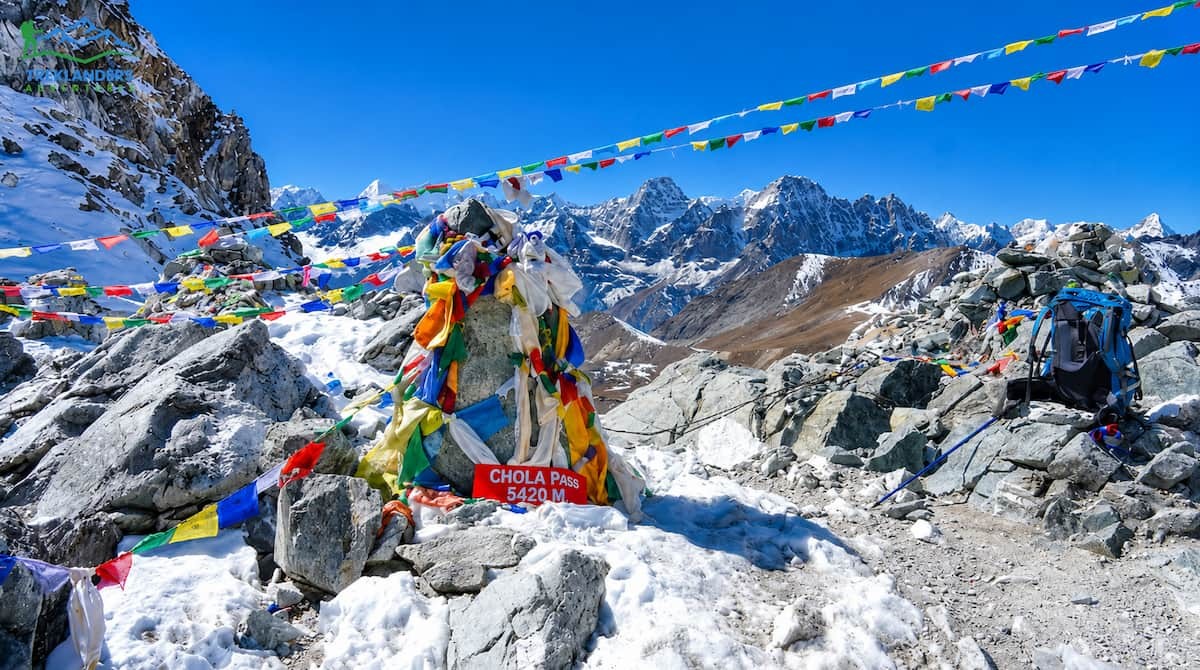
The Everest Three Passes Trek is the ultimate, most comprehensive tour of Khumbu. With all three of the high passes crossed-Renjo La (5,360m), Cho La (5,420m) and Kongma La (5,535m)-and Gokyo, Everest Base Camp and Kala Patthar included, the entire loop covers approximately 200km in 18-21 days.
This is not a trek that should be taken lightly, as almost all of the journey is undertaken above 4,000m. All three of the passes are strenuous, and Kongma La Pass is especially lengthy and exposed. High fitness, good acclimatisation and a strong weather window, along with the capacity to manage glaciated walking, are all essential, and a guide is recommended.
However, this unparalleled opportunity to explore the Everest region in its entirety is invaluable. You see the Khumbu from every possible angle and walk in the wild yak fields and high valleys that most trekkers never get to experience, really comprehending the vast scale of the range. If you've done EBC already and are looking for a substantial challenge to return to, then the Everest Three Passes Trek is the answer.
Book the Everest Three Passes Trek with Treklanders Adventures
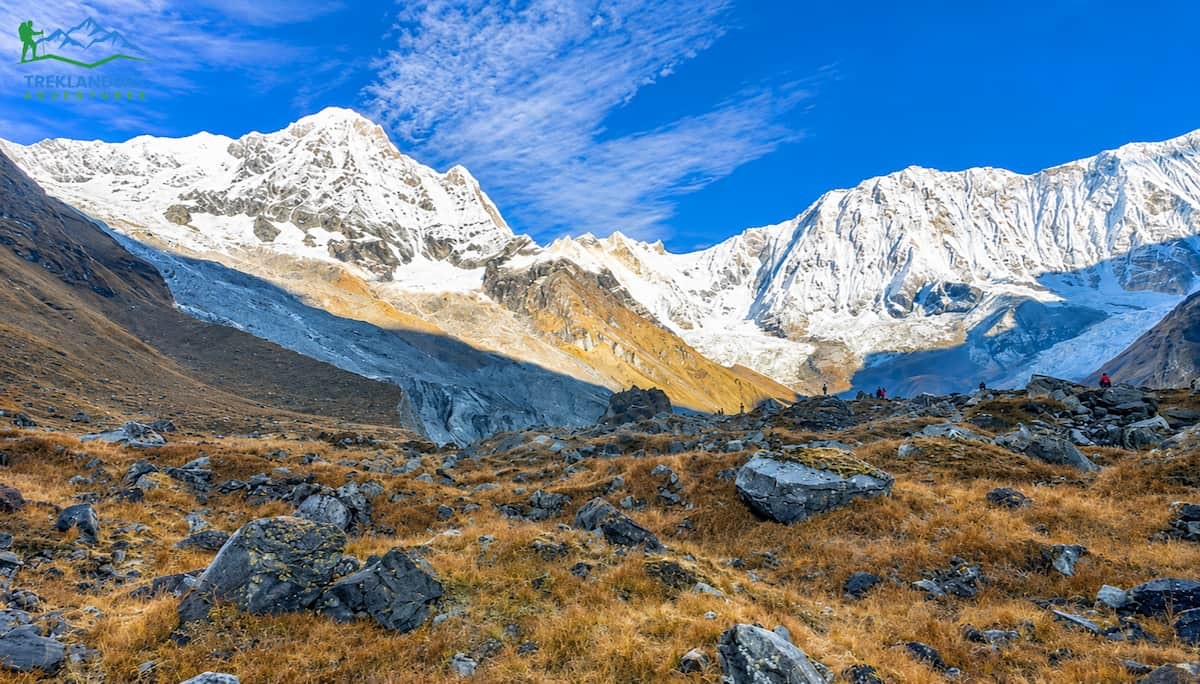
This trek reaches the Annapurna Sanctuary, a high glacial amphitheatre surrounded by Annapurna I (8,091 m), Machhapuchhre (6,993 m), Hiunchuli and Gangapurna. Reaching it via the Modi Khola valley and Chhomrong passes through rich rhododendron and bamboo forests, as well as through the Gurung villages of Chhomrong and Ghandruk and has hot springs in Jhinu Danda.
ABC, at the foot of the steep south face of Annapurna I, is an incredibly spectacular spot that cannot be beaten. Waking up before dawn and seeing the first light crest the summit faces is a memory I will cherish forever.
While typically shorter than EBC (between 7 and 11 days), this trek can still be arduous, particularly because of the high altitudes of the upper sanctuary and its possibility to be snow-blocked in winter, which does make acclimatisation somewhat easier. It is commonly extended down from the Annapurna sanctuary via Poon Hill and Ghorepani Trek for an extra 2–3 days for even more spectacular sunrise views.
The Annapurna Base Camp trek is a great option if you want the feel of a high-altitude base camp but don't have the time or are on a Pokhara-based trip to Nepal.
Book the Annapurna Base Camp Trek with Treklanders Adventures
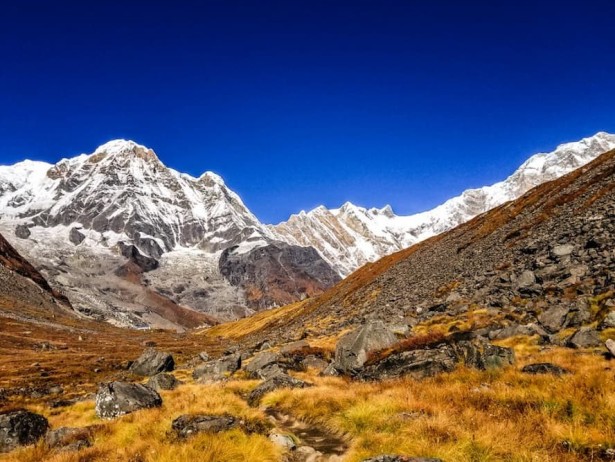
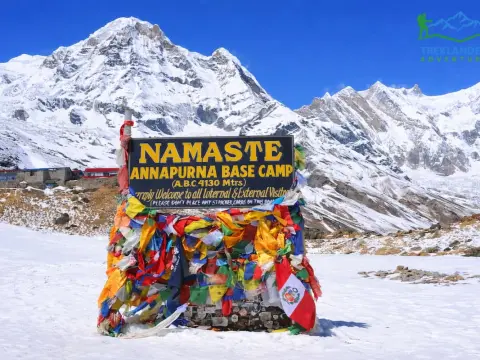

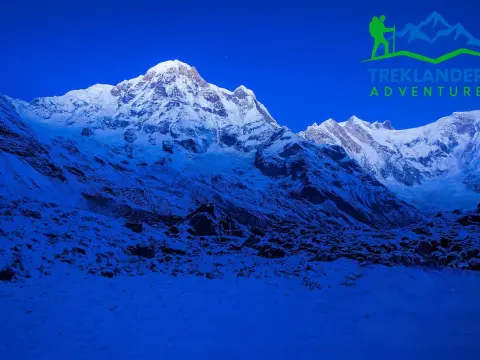
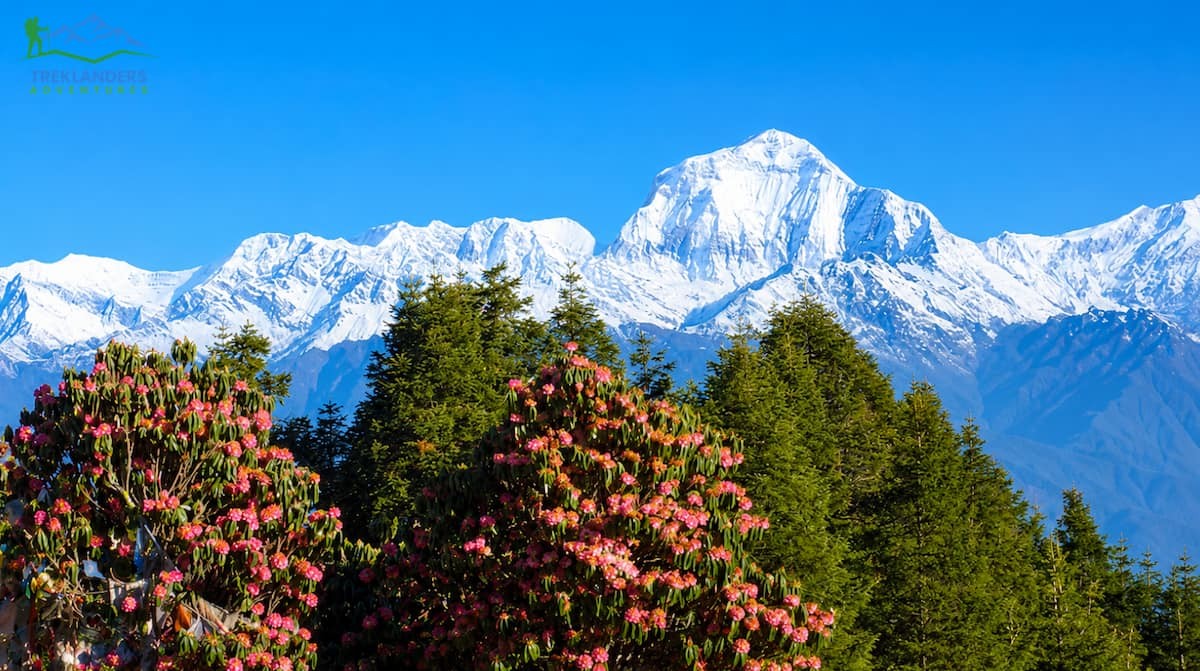
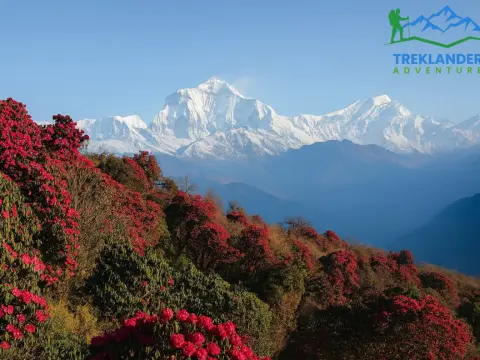
The Ghorepani Poon Hill Trek is the most popular of Nepal’s short treks, and rightly so. For just four or six days, it offers you an uninterrupted view of Dhaulagiri (8,167m), Annapurna South, Machhapuchhre, and more than a dozen other Himalayan giants at sunrise from Poon Hill (3,210m). On your trek, you pass through the villages of Magar and Gurung peoples; forests ablaze with scarlet rhododendrons in spring, and the bustling trekking village of Ghorepani itself.
It is available to nearly all able-bodied people, including those who haven’t trekked before. The highest altitude you’ll reach is low enough that sickness rarely causes an issue. Teahouses are comfortable and offer adequate food choices; from Pokhara, you can reach the trailhead of Nayapul by taxi or bus within an hour.
Poon Hill at sunrise is no longer a hidden treasure. At certain times of day during the trekking season, as many as 200 or 300 trekkers may be congregated at the viewpoint before light. For solitude, trek in December or late February. From mid-February to April, it’s a blaze of red, and worth it.
This trek works well for families with older children, first-time trekkers, and anyone combining it with a longer Annapurna itinerary. The Ghorepani to Annapurna Base Camp combination is one of Treklanders' most popular multi-week packages.
Book the Ghorepani Poon Hill Trek with Treklanders Adventures

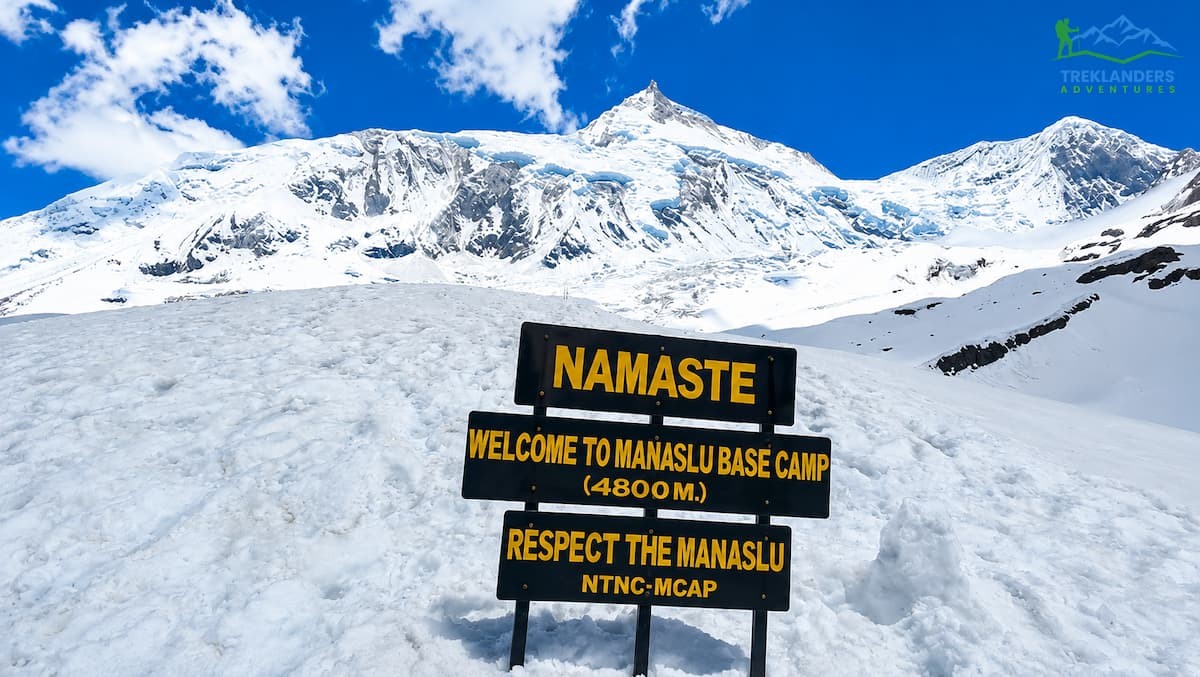
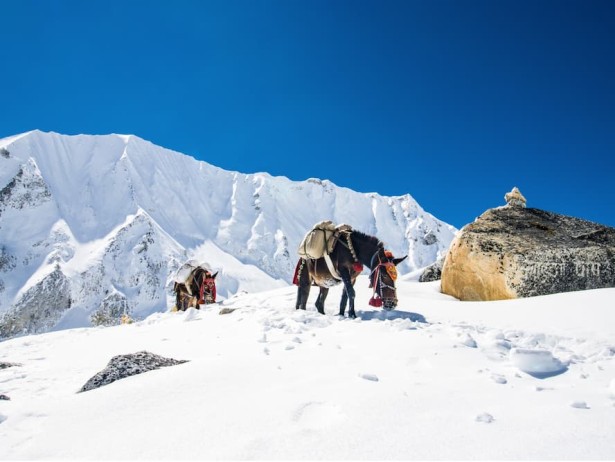
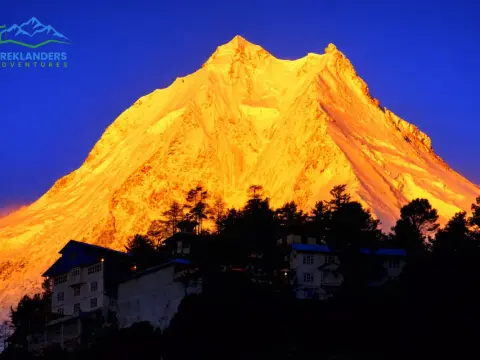
The Manaslu Circuit Trek winds its way around the world's eighth-highest peak (8,163m). As a restricted area, this circuit requires a specific permit and a guide. Its limited access is arguably its main appeal. Trekking routes are less trodden; teahouses are more basic, and villages have an "un-touristed" feel to them when compared with Annapurna and Everest Treks.
The route takes you north along the Budhi Gandaki River from the tropical lowlands by Soti Khola and into rich forests and villages inhabited by the Gurung people. You then traverse the high Nubri and Tsum cultural areas, where everyday life is influenced by the local Buddhist faith. Samagaun at 3,519 m makes a fine last village stop, and an ideal acclimatisation stop-off.
Larkya La Pass, at 5,106m, is an intimidating pass, normally undertaken in a long pre-dawn, bitterly cold slog from the high mountain refugees of Dharamsala. Once over, the steep descent into the Marsyangdi valley offers the sight of Annapurna II and Chulu West. From the end of this particular circuit at Besisahar, transport back to Pokhara or Kathmandu is easily arranged.
This is the walk for an experienced trekker wanting to get off the circuit. The infrastructure is getting better, but don't be surprised by the quality of teahouses beyond 4000 m. The guide is mandatory for the permits and also highly recommended.
See Manaslu Circuit Trek options
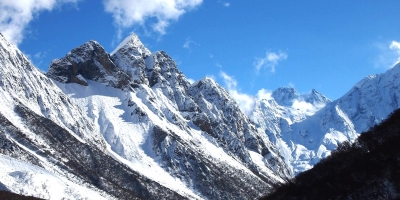
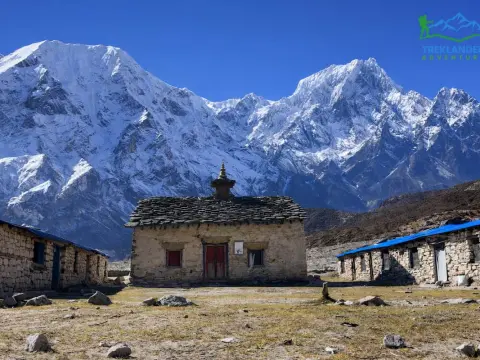
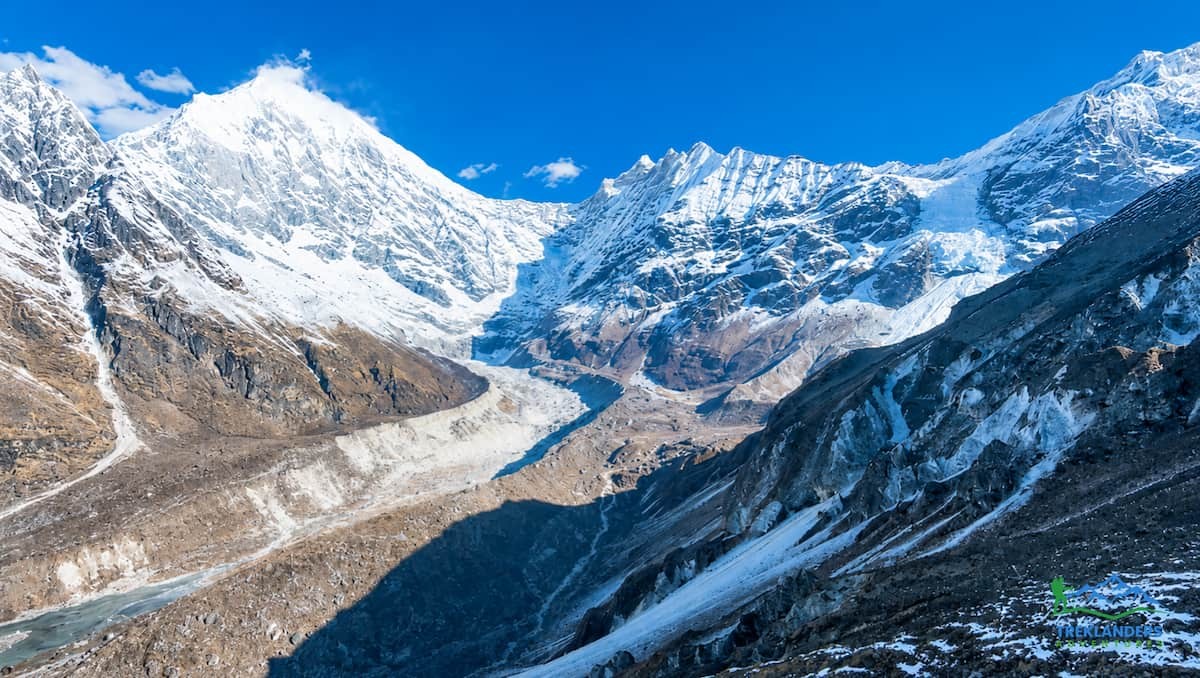
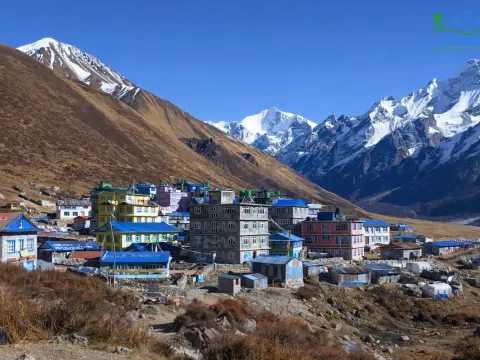
The Langtang Valley Trek, lying closest to Kathmandu, can be reached after a 7–8-hour bus or jeep journey from the capital to Syabrubesi. The valley itself is situated along the border with Tibet, between peaks such as Langtang Lirung (7,227 m), Ganchenpo (6,387 m) and the glaciated Langtang peaks.
The trekking path leads through yak pastures and into dense rhododendron and oak woodland before opening up into Kyanjin Gompa at 3,870 m. From Kyanjin Gompa, it's possible to take a day-hike to the Langtang glacier or scramble up Tserko Ri (4,984 m) to reach a superb panoramic vantage point for the whole range. Yak cheese is produced on a small scale in Kyanjin, and it appears in the varied teahouse menus across the valley, as do various Tamang and Tibetan delicacies.
The 2015 earthquake heavily affected much of the upper valley, and it has been remarkable how many people have rebuilt, often on previously untouched locations, demonstrating fantastic resilience. Hiking here directly aids local recovery. The trails are well- maintained and easy to navigate.
Langtang is the perfect trek to start a high-altitude trekking career on. The lower part is forested and verdant, the higher part opens and epics, and it is small enough to complete in about 7 to 10 days comfortably. The side trip to the 4,380m alpine lake of Gosaikunda is very worthwhile to extend the trek for another two or four days.
View Langtang trekking packages

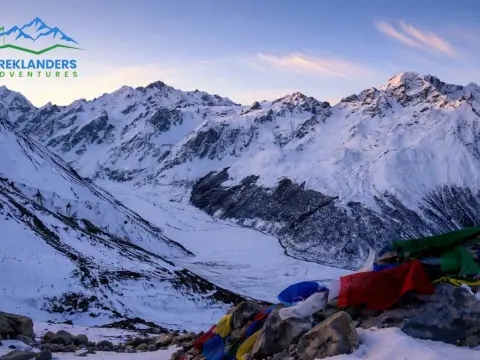

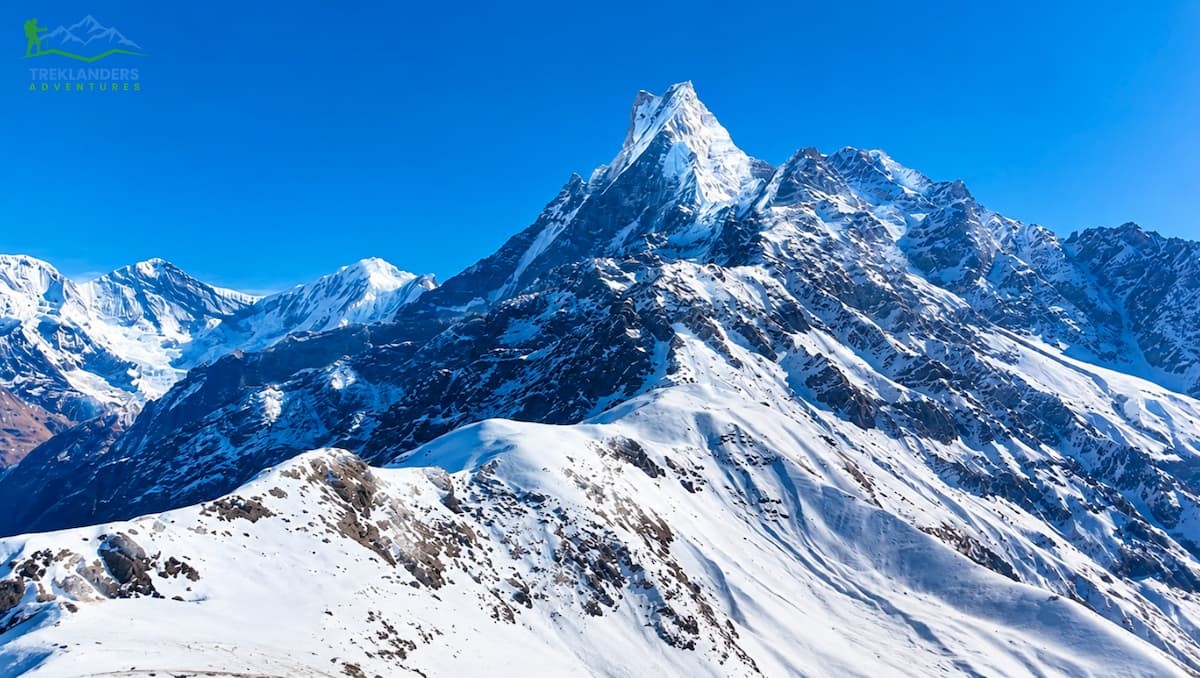
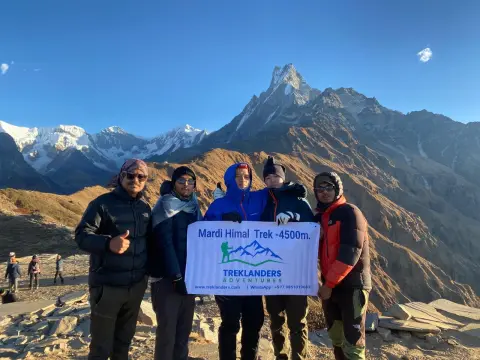
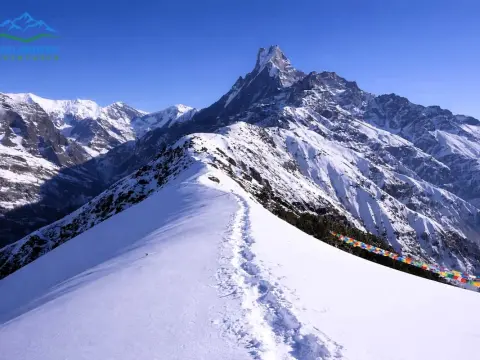
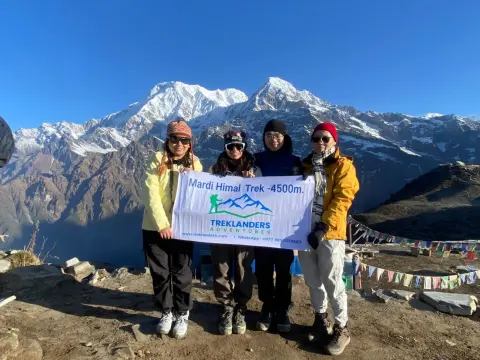
The Mardi Himal Trek is a more recent route (established in 2012) along the east ridge approach to the Annapurna Sanctuary. Although visited less often than ABC, it has the same towering backdrop of peaks. The higher part of the route offers great views of Machhapuchhre (Fishtail) from perspectives not normally encountered along the ABC route.
Elevation gain over this trek is gradual, passing through dense rhododendron and bamboo forests towards the High Camp at around 3,580m before reaching Mardi Himal Base Camp at 4,500m. When visible on a clear day from the Mardi Base Camp, one can also take in the views of Annapurna I, II, III, IV and the striking profile of Machhapuchhre.
As this is a less popular route, it is somewhat quieter than the well-worn trails nearby. The trail lacks decent teahouses above High Camp, so a warm sleeping bag is advised. At 5-9 days, it is a very achievable trekking duration and is the perfect addition to any Pokhara-based itinerary.
Book the Mardi Himal Trek with Treklanders Adventures
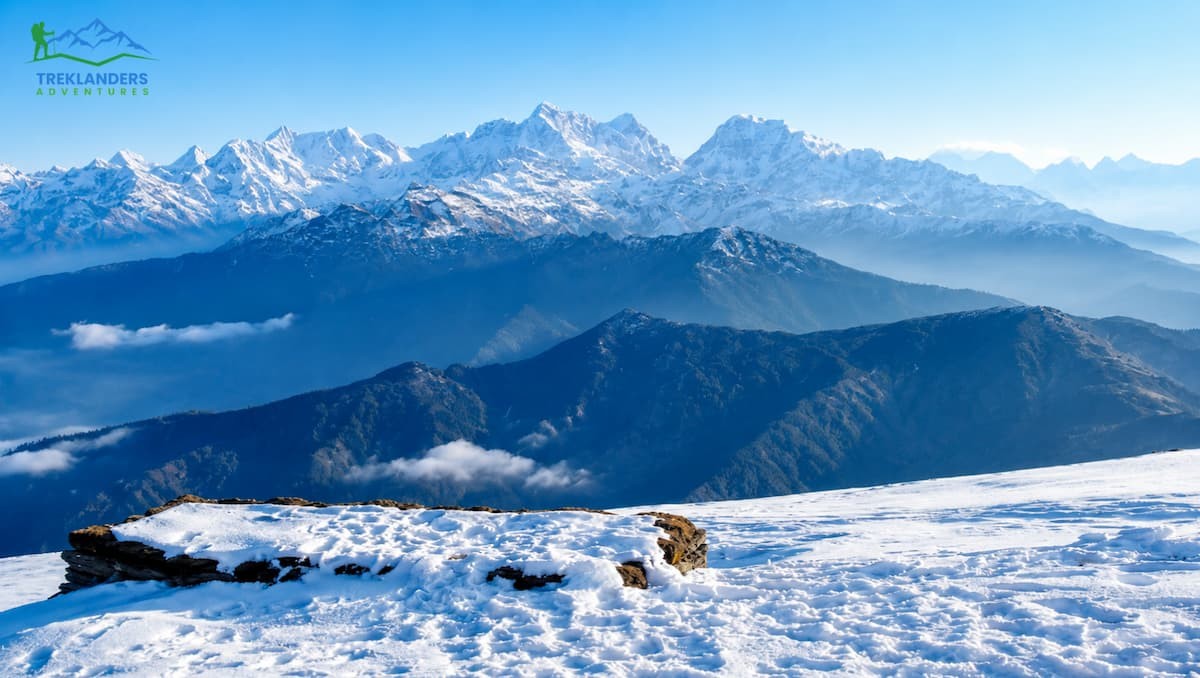
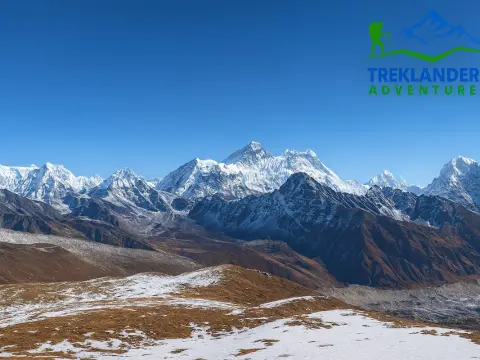
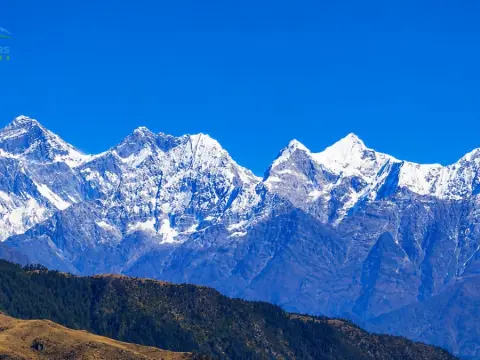
Situated in the Solu region south of Khumbu, Pikey Peak Trek is a relatively obscure trekking trail in Nepal. One of the finest panoramic views of the Himalayas available at its elevation; one can witness the likes of Everest, Makalu, Kanchenjunga, Numbur, and the Annapurna ranges at dawn. It is said that Sir Edmund Hillary described the views from Pikey peak to be one of the best in Nepal.
You will pass through traditional Sherpa villages, deep rhododendron and pine forests and high grazing meadows with yak. As it does not lie in the main trekking corridor of Khumbu, you will witness very few trekkers. Here you can experience the authentic Sherpa culture without haste.
At an elevation of 4065 meters and of a trek lasting between 5 and 7 days, this trek can be undertaken by trekkers of average fitness, with altitude sickness not being a major issue at this elevation. From Phaplu, you can either fly (a short flight from Kathmandu) or take a road. It's a great trekking destination for trekkers wanting a quality experience in the Himalayas, with not too much in terms of crowds and the cost of a flight to Lukla.
Book the 6-Day Pikey Peak Trek with Treklanders Adventures
All trekkers to Nepal need at least 2 permits: a TIMS (Trekkers Information Management System) card and a Conservation Area/National Park pass, depending on your itinerary.
Trekking to Everest requires an entry pass to the Sagarmatha National Park. Annapurna treks require an Annapurna Conservation Area Pass (ACAP). Langtang treks require a Langtang National Park permit. Manaslu and other restricted areas require a separate permit to be acquired from a registered trekking agency before leaving Kathmandu. These passes require a minimum group size and must be secured before the trail.
A TIMS card can be obtained at NPR 2000 for independent trekkers or at NPR 1000 if trekking with a registered agency. All regular permits can be obtained in Kathmandu either at the Nepal Tourism Board offices at Bhrikuti Mandap or from a trekking agency. The standard permits require less than an hour of processing time in Kathmandu. The special permits for restricted areas take about 3-5 working days to obtain.
Bring at least four passport-sized photos and photocopies of your passport photo page. Your original passport is required for verification at the permit office. Keep permit documents with you throughout the trek: checkpoints on major routes verify them at multiple points. Treklanders handle all permit arrangements for clients on agency-booked packages, so you do not need to visit permit offices yourself.
Any trek is made infinitely better by using a licensed guide. Technical or restricted routes such as Manaslu, Dolpo and Upper Mustang require the presence of a registered guide. With open routes like EBC and Annapurna, it is highly advised to hire a guide, although it is not a requirement for trekkers to travel on their own.
A knowledgeable guide can anticipate the weather, control the rate of acclimatisation and communicate with teahouses, as well as help bridge the cultural divide with the locals. When facing a medical emergency or other logistical problem on a route, a capable guide is often the differentiating factor between an inconvenience and a critical situation. All Treklanders guides hold a Wilderness First Aid certification and have several years of route experience.
Porters carry up to 20 to 25 kilograms of weight each, meaning you only need to carry a light day pack. Generally, it is 1 porter to 2 trekkers. Fair wages are key, ensuring you provide equipment (including warm clothing and rain protection) and that the porter is not overloaded. Agencies such as Treklanders adhere to ethical porter policies.
What treks are possible depends on four variables. These are: fitness level, available time, tolerance to altitude, and interest.
For a new trekker with limited fitness and five days: Ghorepani Poon Hill; with ten days: Langtang Valley or Mardi Himal; with twelve to fourteen days and high fitness: Everest Base Camp or Annapurna Base Camp; with fifteen days or more: Annapurna Circuit or Manaslu Circuit; or for the fittest, seasoned trekker: the Everest Three Passes.
Your tolerance to altitude is unpredictable from fitness alone; a finely tuned marathon runner may fall victim to Acute Mountain Sickness; an unfit person may simply trot the entire way! There is no shortcut to avoid it; always trek slowly above three thousand meters, walk no more than three to five hundred meters altitude gain per day above 3500 meters, and maintain a strong hydration and calorie intake of three to four liters of water daily and sufficient food to sustain prolonged trekking in the cold.
The prescription medication, Diamox (acetazolamide), is very effective at accelerating acclimatisation. While it can lessen symptoms for many trekkers, it should be considered a supplement to good ascent procedures, and advice should be sought from a doctor before the expedition. If headaches, lasting more than 24 hours, unresponsive to ibuprofen, are accompanied by nausea, ataxia or shortness of breath at rest, descend immediately. This is an early warning sign of severe altitude sickness. A pulse oximeter and supplemental oxygen are carried by guides on all Treklanders group departures.
Nepal offers an overwhelming variety of treks in terms of difficulty, time commitment and levels of experience, and these 10 cover that range of journeys, from the 4-day Poon Hill sunrise trek to a 21-day Everest Three Passes Trek; whichever you choose, there's a trip out there to suit your availability, your fitness level and your thirst for high altitude adventure.
The shared factor is size; what they all have in common is that they put you in the presence of mountains that exist at a different order of magnitude to anything most of us trekkers have experienced before, and that alone is worth the trip, no matter where you go.
Prepare carefully, obtain the correct permits, take a reliable tour operator, and acclimatize properly to the altitude; those mountains aren't going anywhere.
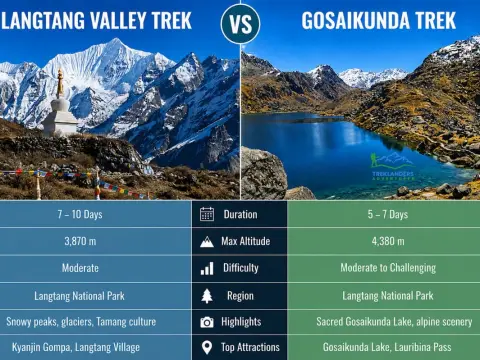
Compare the Langtang Valley Trek and Gosaikunda Trek to choose the best Himalayan trek in Nepal.
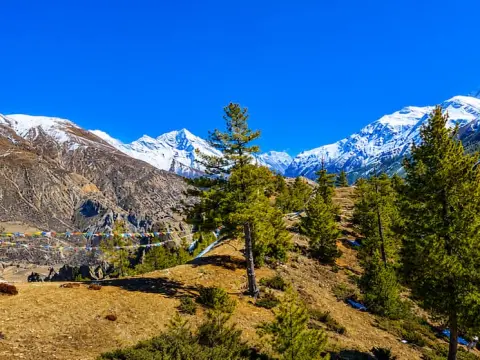
Essential guide to crossing Thorong La Pass from Manang with acclimatization tips, altitude safety, and Annapurna Circuit trekking advice.
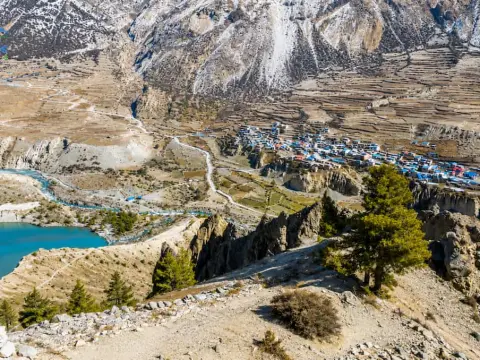
Explore Manang, the cultural heart of the Annapurna Circuit Trek, famous for Himalayan views, monasteries, and acclimatization hikes.



