Tilicho Lake Trek: Complete Guide to Nepal's Highest Glacial Lake
19 Jun 2026
Explore the Tilicho Lake Trek with this guide to the route, difficulty, permits, and best time to visit Nepal's iconic high-altitude lake.

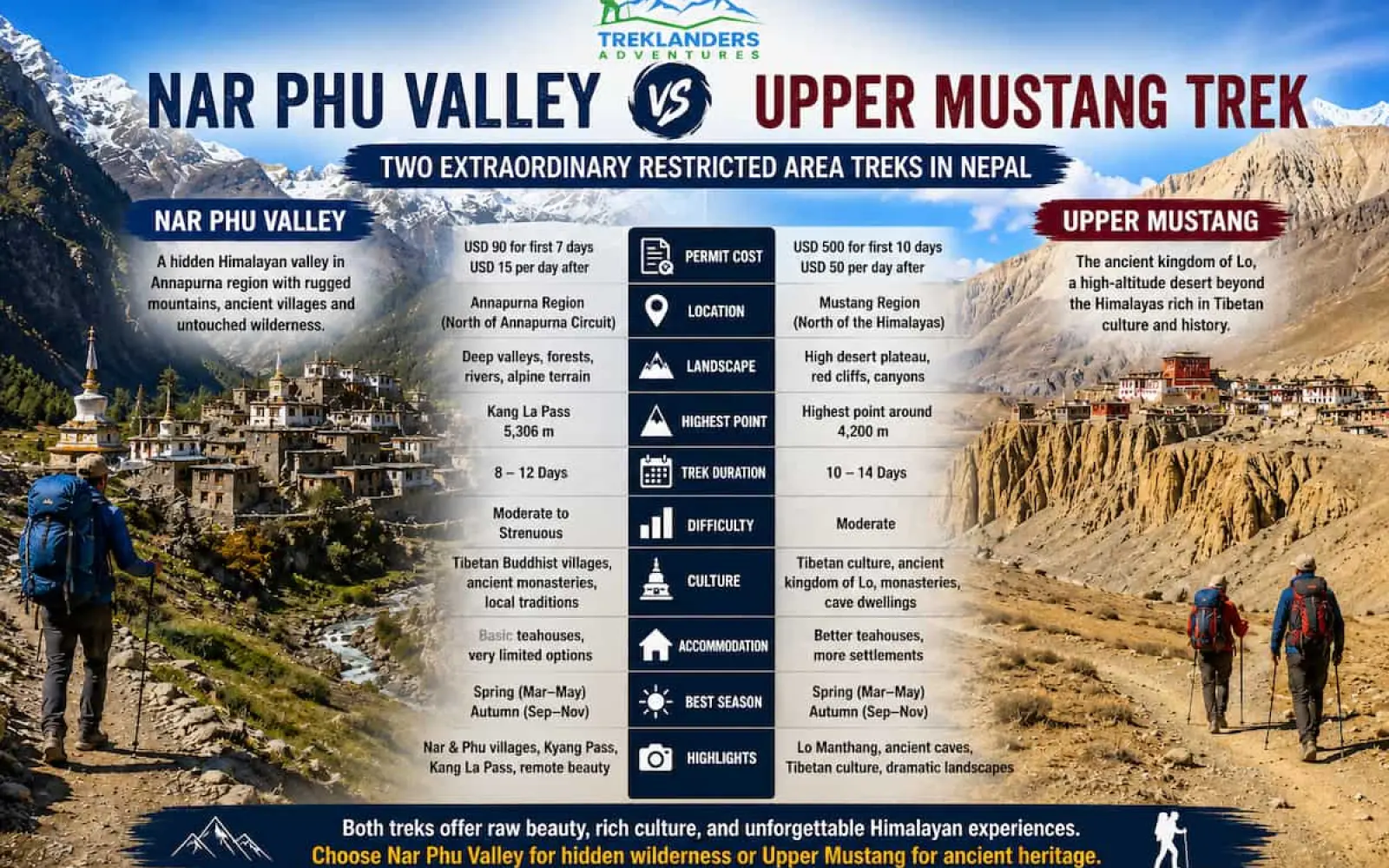
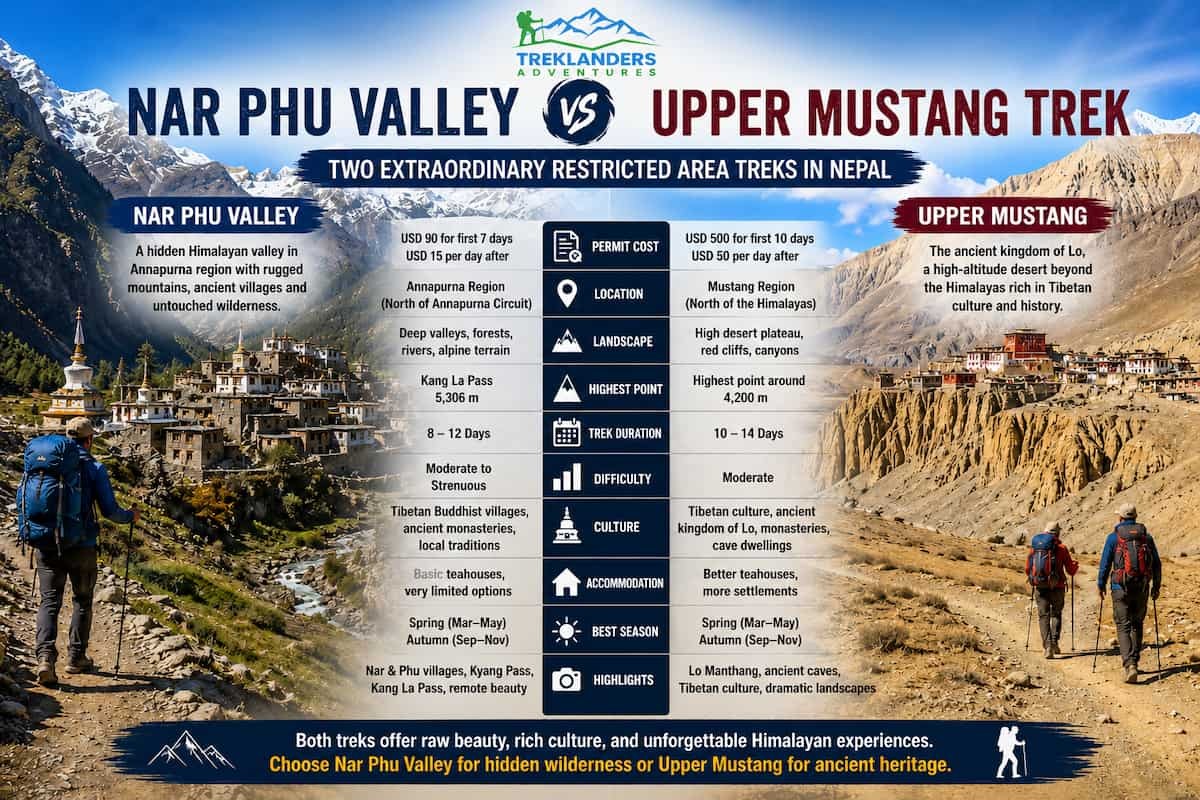
Nepal has dozens of trekking routes, but only a handful require special restricted area permits to enter. Two of the most compelling are the Nar Phu Valley Trek and the Upper Mustang Trek. Both sit behind permit barriers that limit daily visitor numbers, both traverse high-altitude terrain through ancient Tibetan-influenced cultures, and both demand more planning than a standard trail. But they are fundamentally different experiences, and choosing the wrong one wastes a once-in-a-season opportunity.
The comparison matters because both treks attract a similar type of trekker: someone who has already done the crowd-heavy Himalayan routes and wants something that trades comfort for authenticity. You will find Nar Phu Valley and Upper Mustang recommended together in almost every serious Nepal trekking resource, and for good reason. They occupy a tier above the standard circuit trails. But the comparison usually stops at surface level, listing permit costs and elevation stats without explaining what the actual day-to-day experience of each trek looks and feels like.
This guide closes that gap. It compares them across every factor that matters terrain, permits, weather windows, culture, difficulty, and logistics. By the end, you will know which trek fits your objectives, your fitness level, your budget, and the time you have available.
Nepal's restricted area system exists for two reasons: conservation and cultural preservation. Certain regions border Tibet or contain ecosystems so fragile that unrestricted trekker access would degrade them within a decade. The government manages this through permits that are expensive, zone-specific, and non-transferable.
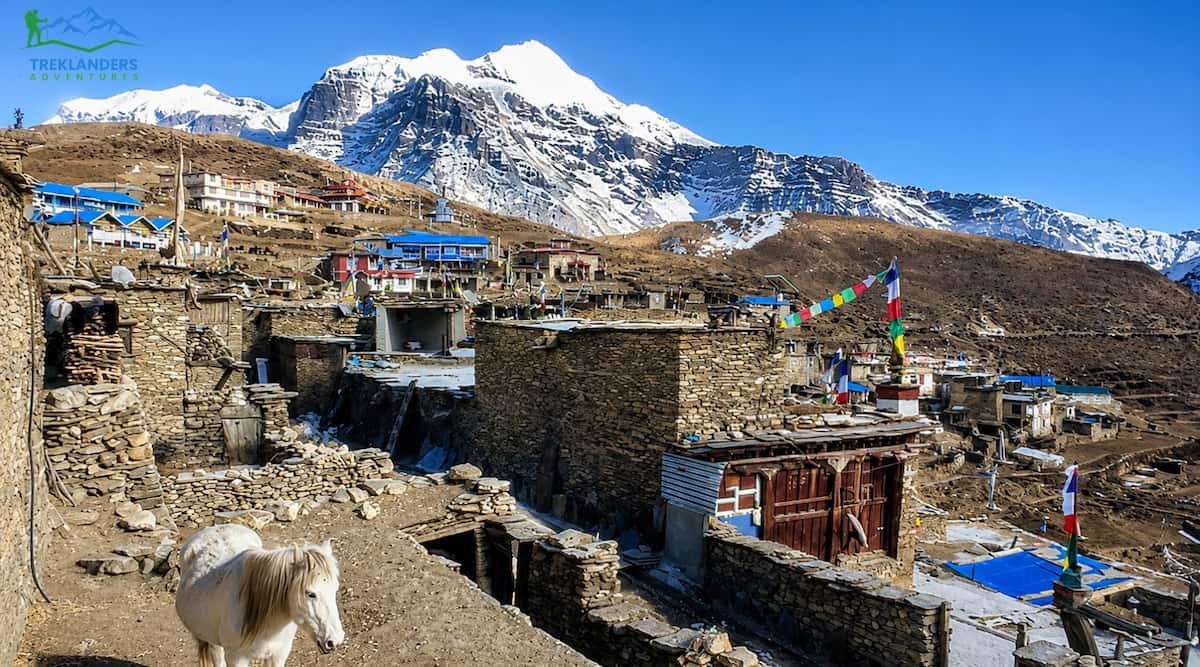
Nar Phu Valley sits in the Annapurna region, north of the main Annapurna Circuit trail. It is one of Nepal's most isolated valleys, and the Nepalese government only opened it to foreign trekkers in 2002. Even then, access remained strictly regulated. You must trek with a registered guide; solo trekking is not permitted. The permit for Nar Phu Valley costs USD 90 per person for the first week and USD 15 per day after that. A separate Annapurna Conservation Area Project (ACAP) permit is also required.
Upper Mustang, the ancient kingdom of Lo, sits north of the main Himalayan range in the rain shadow zone. The region was closed to outsiders until 1992. Even after opening, the government capped entries and set a high permit fee to protect the fragile desert ecosystem and the Tibetan Buddhist culture still practiced there. The current permit costs USD 500 per person for the first 10 days and USD 50 per day after that, making it the most expensive restricted area permit in Nepal.
The permit difference alone is a significant planning factor. For a 10-day Upper Mustang trek, you are looking at USD 500 per person before any other costs. Nar Phu, for a typical 8 to 10-day itinerary, costs between USD 90 and USD 120 per person for the restricted area permit. Both require the standard TIMS card as well.
Beyond the financial difference, the permit structures also reflect different conservation priorities. Upper Mustang's high fee is designed to limit total visitor numbers by pricing out casual tourists, ensuring that those who enter are committed trekkers rather than day-trippers. The revenue generated supports infrastructure maintenance and contributes to the local community fund administered through the Mustang district. Nar Phu's permit system works differently, relying more on guide requirements and checkpoint verification than on pricing alone to regulate access. The result is a valley that sees even fewer visitors than Upper Mustang, despite the lower permit fee.
The reason for keeping these regions restricted is visible at the moment you enter them. Nar Phu has fewer than a few hundred foreign trekkers per year. Upper Mustang, despite its fame, receives a controlled number too, but it is significantly more visited than Nar Phu Valley. This difference shapes everything from trail solitude to teahouse availability to the degree of change the communities experience from outside contact.
The landscapes of Upper Mustang and Nar Phu Valley are both dramatic, but they look nothing alike, and your preference for one over the other may come down entirely to terrain aesthetics.
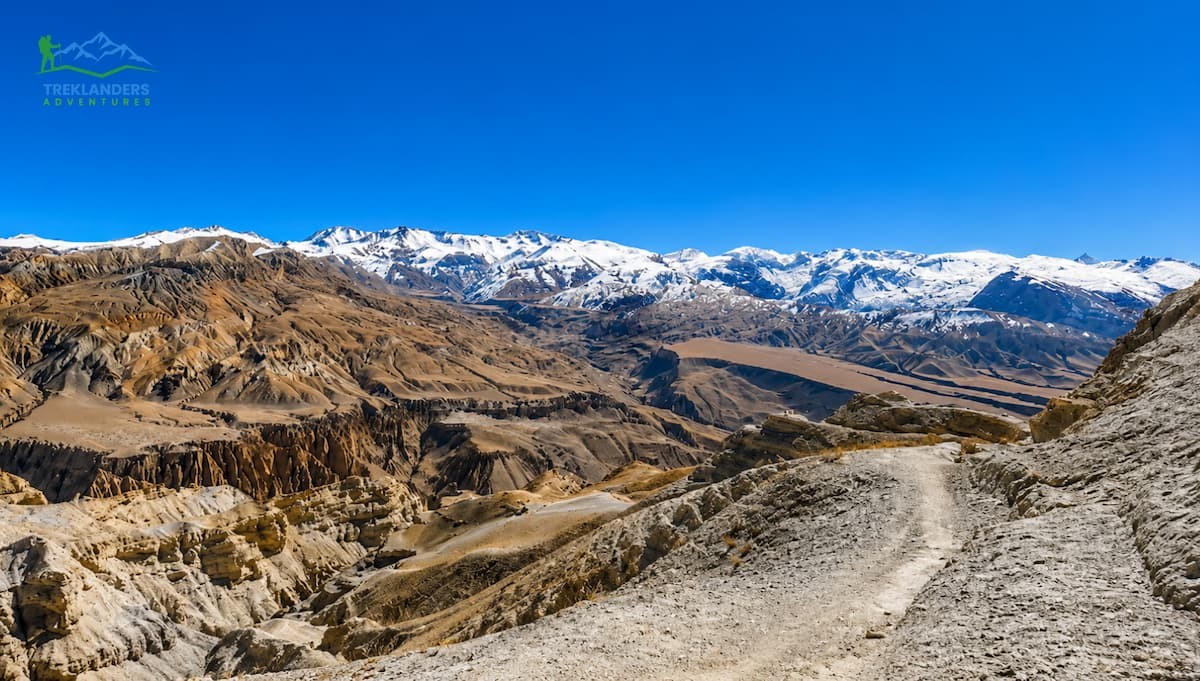
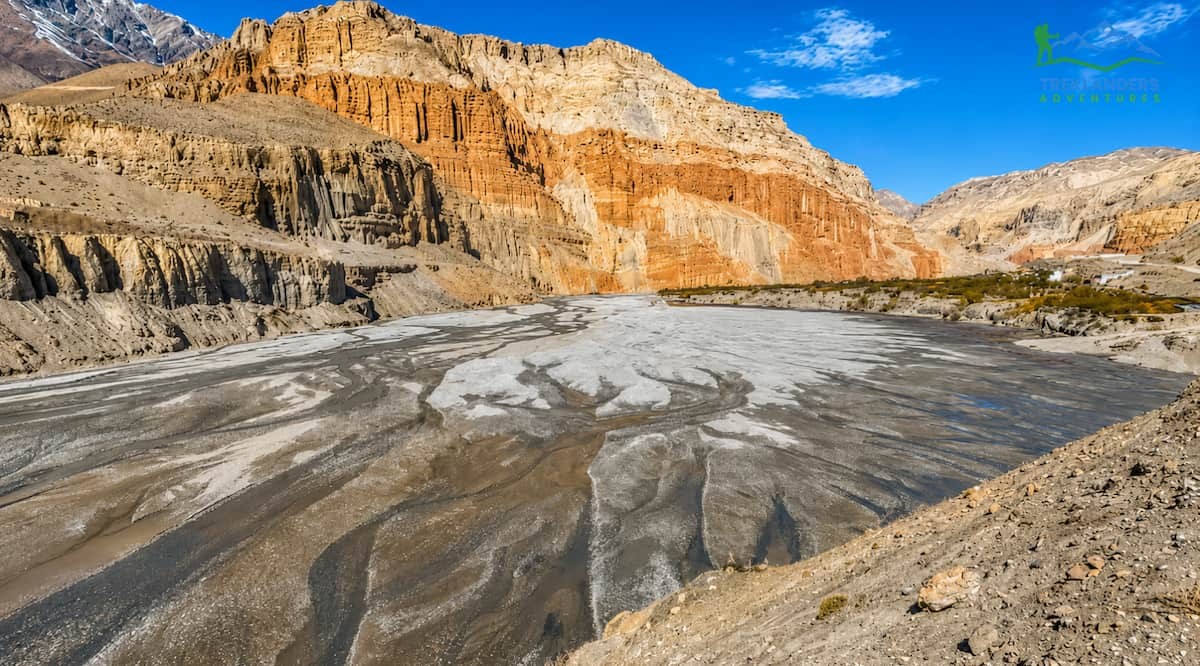
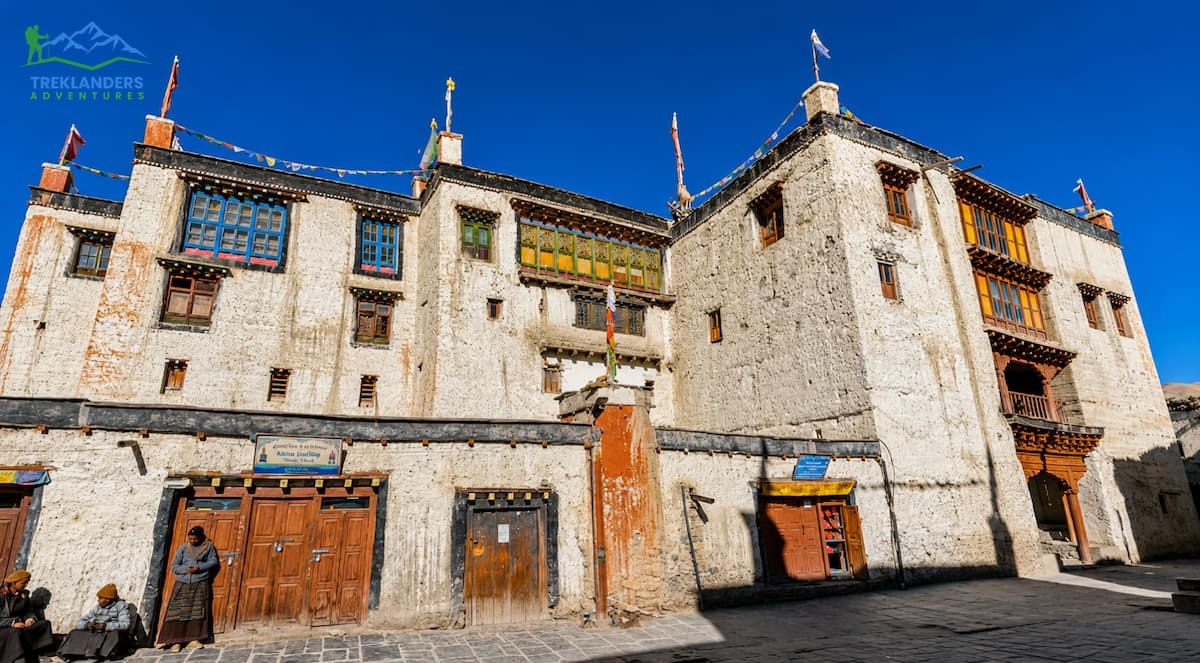
Upper Mustang is a high-altitude desert. The landscape is wind-carved, raw, and almost lunar in character. Towering cliffs striped in ochre, red, grey, and white dominate the horizon. Mani walls, chortens, and ancient cave monasteries are carved directly into cliff faces hundreds of meters above the valley floor. The plateau sits above 3,500 meters for most of the trek, and the Kali Gandaki gorge, one of the deepest in the world, flanks the region to the south. There are very few trees. The wind is a constant companion, especially in spring. The capital, Lo Manthang, is a walled medieval city that has barely changed since the 15th century.
The terrain in Upper Mustang is not steep in the conventional trekking sense. You are mostly walking across open plateaus, following wide valleys, crossing low passes, and descending into dry riverbeds. The elevation gain per day is manageable. What makes walking demanding is the wind, the altitude, and the distances between settlements.
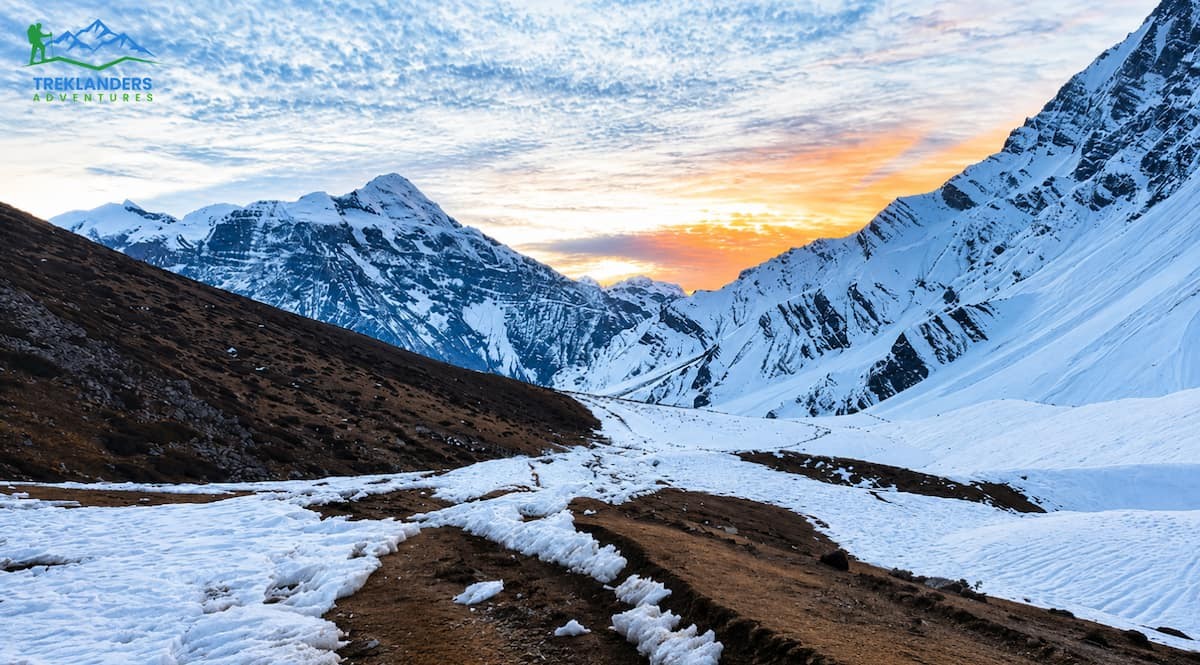
Nar Phu Valley is something different. The valley system cuts deep into the Himalayan massif north of the Annapurna range. Steep forested gorges in the lower sections give way to open alpine terrain as you gain altitude. The valley walls are vertical in places, and the route traces narrow paths above rivers and through boulder fields. You pass through pine and birch forests before emerging into the open highland zone near Nar village. At the head of the valley, the high camps and passes sit at 5,000 meters and above.
The scenery in Nar Phu is less about wide panoramas and more about geological drama up close. Cliffs press in from both sides. Rivers cut through the gorge floor with force. The scale feels vertical rather than horizontal. The twin villages of Nar and Phu are small, remote, and remarkably intact. Phu, in particular, sits at around 4,080 meters and has a population of under 200 people. Few trekkers reach it each season.
If you want big sky, open desert, and horizontal scale, Upper Mustang is the choice. If you want compressed, dramatic valleys with intimate scale and almost zero other trekkers, Nar Phu Valley Trek is the pick.
Neither landscape is superior in any objective sense. They are different in kind, not in quality. Trekkers who return from Upper Mustang consistently describe the experience as visually unlike anything else in Nepal. Trekkers who finish Nar Phu consistently say they felt like they had found something the trekking world had not yet catalogued properly. Both responses are accurate, and both reflect how genuinely distinct these two regions are despite sitting within the same country and drawing from the same broad Himalayan and Tibetan cultural tradition.
Neither trek is technically difficult in the mountaineering sense. You do not need ropes or crampons for either route under normal spring or autumn conditions. But difficulty in high-altitude trekking is rarely about technical skill. It is about cardiovascular fitness, altitude tolerance, daily distance, and cumulative strain.
Upper Mustang is the more accessible of the two for trekkers without extensive high-altitude experience. The highest point on the standard Upper Mustang circuit is around 4,018 meters at the Gyu La pass near Lo Manthang, with some variations crossing the Chogo La at around 4,380 meters. The daily walking is steady but rarely punishing. You typically cover 12 to 20 kilometers per day on well-marked trails. Many sections are now accessible by jeep road, which means supply vehicles regularly travel the route, and teahouses are reasonably well-stocked.
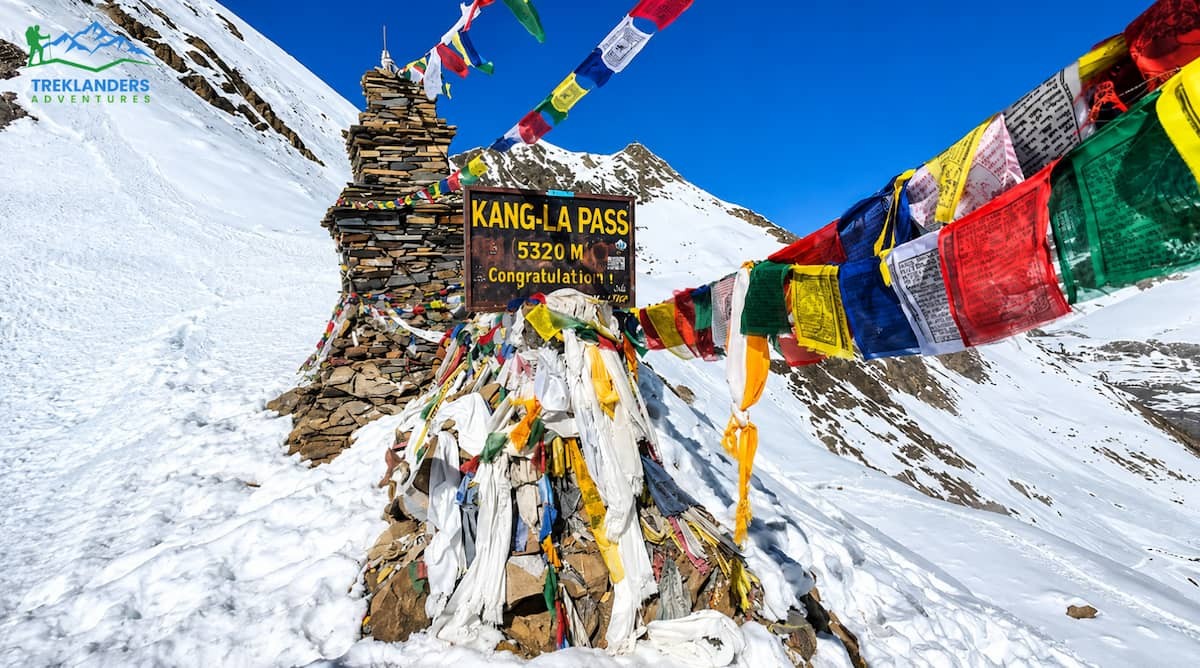
Nar Phu is harder. The gorge sections involve careful footing on narrow trails above steep drops. The altitude at Nar village sits at around 4,110 meters, and if you plan to cross the Kang La pass into the Manang side of the circuit, you will reach 5,322 meters. That is a serious altitude for any trekker without proper acclimatization. The trail through the Phu gorge involves wire bridges over fast rivers, loose rock sections, and passes with minimal infrastructure compared to Upper Mustang. You will carry more of your own gear if you are on a lightweight itinerary, as porter access is limited in the narrow gorge sections.
Both treks require a minimum of two to three weeks of cardio preparation before departure. For Nar Phu, add strength training for the lower legs and core, since the uneven gorge terrain puts far more lateral stress on the body than the open plateau walking of Upper Mustang.
Altitude sickness is a real risk on both routes. Upper Mustang's gradual ascent profile gives your body time to adapt. Nar Phu's route through a compressed valley means you gain altitude quickly in the upper sections, and there is less room to descend rapidly if symptoms develop. Carry a pulse oximeter on either trek, know the symptoms of acute mountain sickness, and build in rest days proactively, not reactively.
Gear requirements differ between the two routes as well. For Upper Mustang, standard trekking equipment is adequate: good boots broken in before the trip, thermal base layers for cold nights, a quality sleeping bag rated to minus 10 degrees Celsius, and effective sun and wind protection. The plateau is exposed, and the UV intensity at altitude is severe. The wind in spring can make 5-degree days feel far colder, and good windproof outer layers are not optional.
For Nar Phu, the same base gear applies but you should add trekking poles with a wider basket for the loose rock sections and wire bridge crossings. The gorge trail involves more lateral movement and uneven footing than anything you will encounter on Upper Mustang. If you plan to cross the Kang La pass, crampons or microspikes and an ice axe may be required depending on season, and your guide will advise based on current conditions. The Kang La pass is a genuine high mountain pass and conditions can change quickly.
Seasonal timing separates these two treks from almost every other trekking route in Nepal in one important way: Upper Mustang is one of the only treks in Nepal that is viable during the monsoon season.
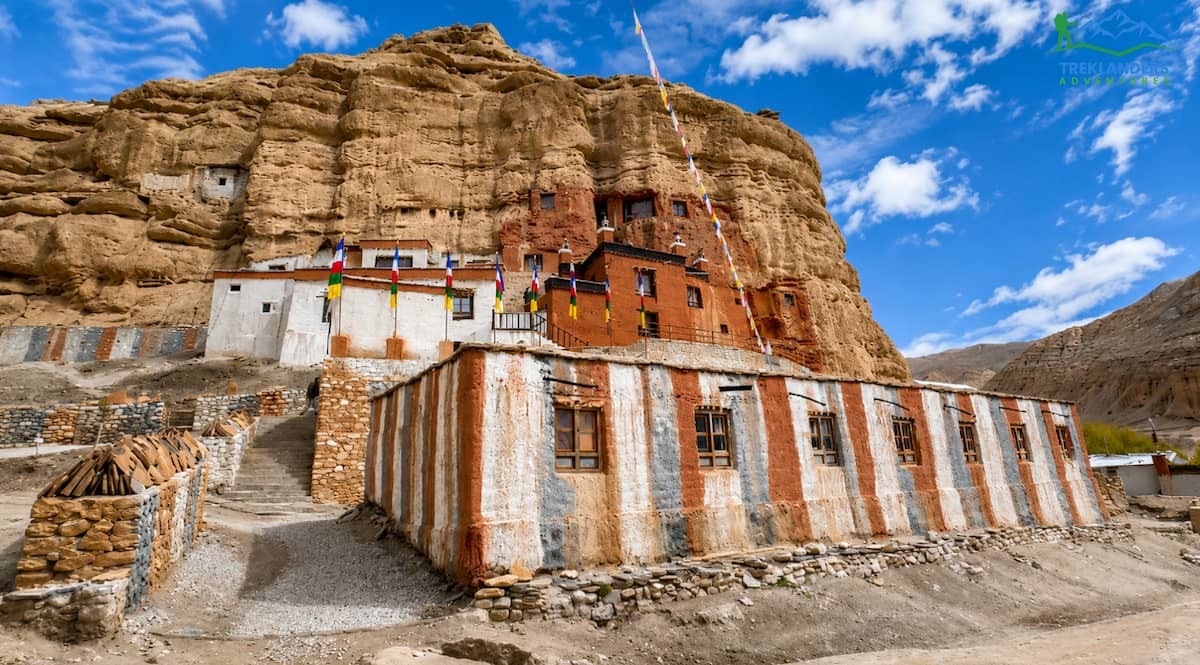
Because Upper Mustang sits in the rain shadow of the Annapurna and Dhaulagiri massifs, the monsoon clouds that drench the rest of Nepal from June to September dump most of their moisture before reaching the plateau. The region receives very little rainfall during monsoon months. This makes June, July, and August genuinely good months to trek Upper Mustang, while virtually every other Himalayan trail in Nepal is muddy, leech-ridden, or socked in with clouds. The spring window from March to May is also excellent, with clearer skies but stronger winds, especially in April.
The autumn window from September to November suits Upper Mustang well too. Temperatures are stable, skies are clear, and the wind that batters the plateau in spring has died down. October is peak season for all Nepal trekking, so Upper Mustang sees its highest visitor numbers then, even if they remain modest by major trail standards.
Nar Phu has a narrower weather window. The gorge sections are low enough to be affected by monsoon rainfall, making the trails dangerously slippery, and the rivers prone to flooding between June and September. The spring window from April to May is the primary season, with October and November as a strong secondary window. March is possible in the lower sections, but snow can block the higher passes. December through February sees extreme cold and closed conditions in the upper valley.
If you can only travel during the summer months, Upper Mustang is your realistic option between these two. If you have flexibility for spring or autumn, both treks open up fully.
One additional factor worth noting for Upper Mustang is the spring wind. April and May are among the most visually clear months in Mustang, but the Kali Gandaki valley acts as a wind tunnel and by mid-afternoon the gusts on the open plateau can make forward progress genuinely difficult. Most experienced guides on the Upper Mustang route recommend starting walking by 6 or 7 in the morning and reaching your destination before noon. This early-start rhythm is part of the Upper Mustang experience and changes how you structure your days compared to the gorge walk in Nar Phu, where the enclosed terrain provides natural wind shelter.
For Nar Phu in autumn, October offers the most stable conditions. The post-monsoon air is clear, the light is exceptional for photography, and the temperatures at altitude are cold but manageable. November brings colder nights and the possibility of early snowfall on the higher sections above Nar, so itineraries in November should build in flexibility for weather delays near the Kang La pass.
Both regions trace their cultural heritage to Tibet, but the communities and the way that culture is expressed differ in ways that matter to trekkers who care about what they are walking through.
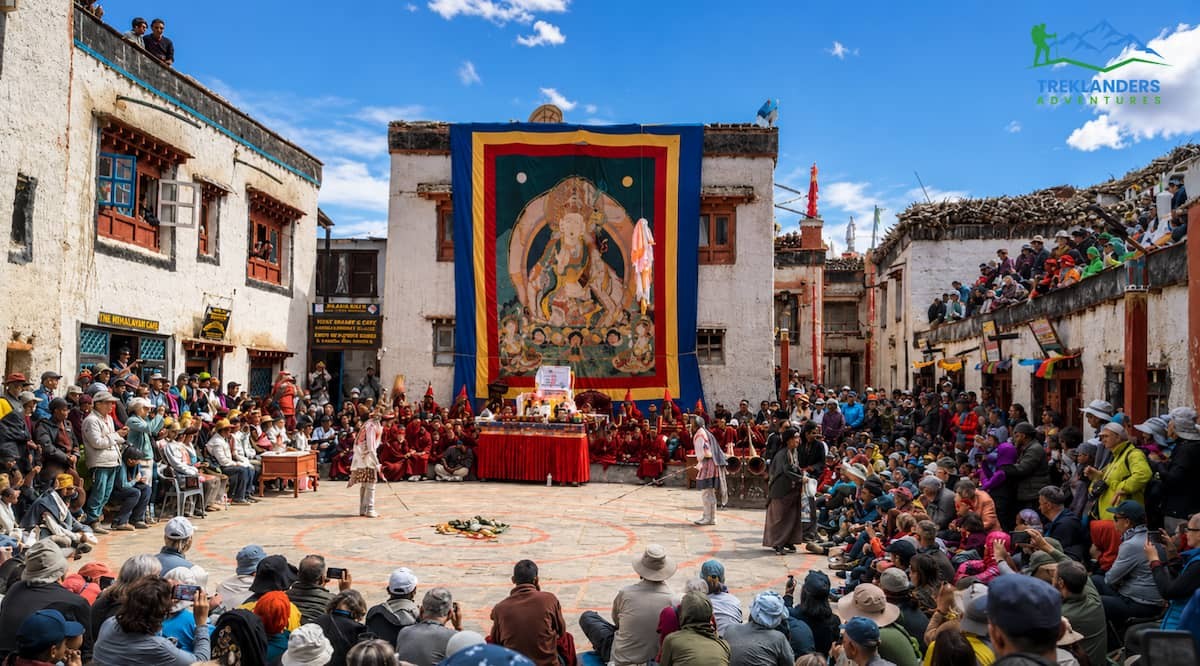
Upper Mustang is the former Kingdom of Lo. The region maintained its own monarchy until 2008, when the last king, Jigme Palbar Bista, was formally stripped of royal authority following Nepal's abolition of its monarchy system. The kingdom lasted for over 600 years and developed a distinct identity that blended Tibetan Buddhism with the political structures of a highland plateau state. Lo Manthang, the walled capital, contains four major monasteries, a royal palace, and centuries of mural painting that art historians consider among the finest surviving examples of Tibetan Buddhist art in the world.
When you reach Lo Manthang, you walk through a medieval city that still functions as a living community. The streets are narrow and unpaved. The whitewashed walls of the city are surrounded by agricultural fields irrigated by a system centuries old. The Tiji Festival, held annually in May, draws the community together in a three-day ceremony of masked dances that re-enact the mythological defeat of a demon threatening the kingdom. If your visit aligns with Tiji, you witness a cultural event that is genuinely rare.
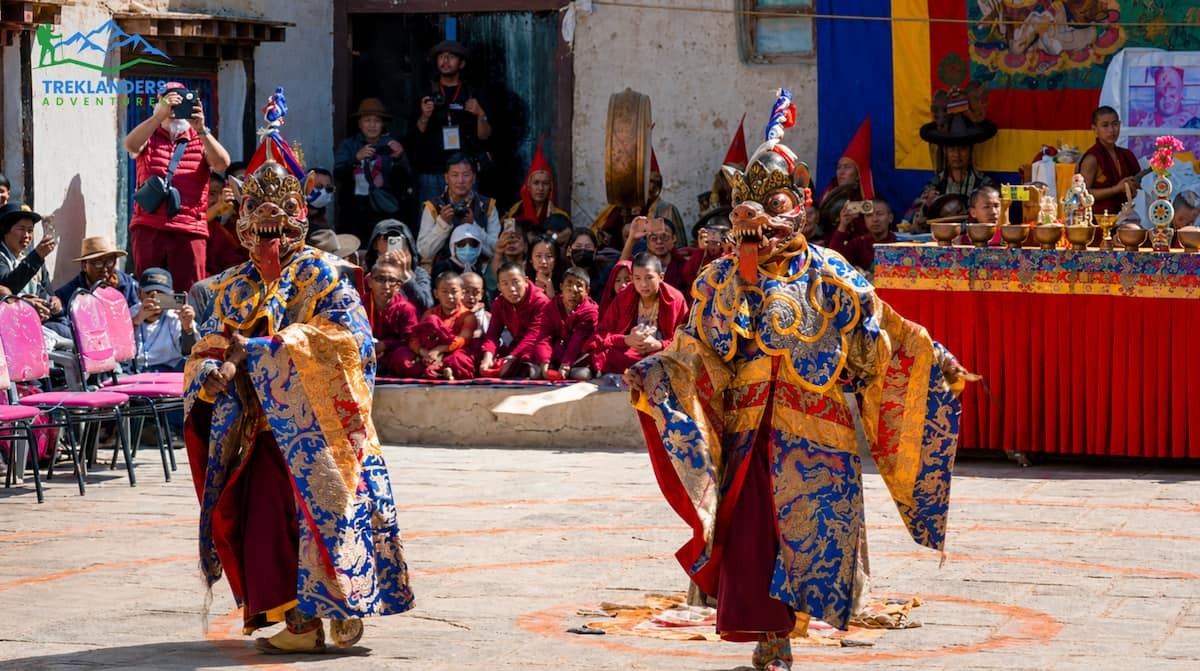
The culture in Upper Mustang is more visible and more accessible to trekkers because the infrastructure supports it. Local guides are experienced at explaining the monastery's histories, the significance of the cave dwellings, and the role of the royal family in the community's social structure. You can arrange monastery visits, and in Lo Manthang, the restoration work on ancient frescoes by the American Himalayan Foundation is visible in real time.
Nar Phu's culture is equally deep but far less curated for visitors. The villages of Nar and Phu follow a seasonal transhumance pattern. Families move between high pastures in summer and lower elevations in winter, following yak herds and agricultural cycles that have not changed in generations. The gompa in Phu is one of the oldest in the region and contains valuable thangka paintings, but there is no formal visitor program. You experience these villages as a guest in a working community, not as a visitor to a preserved heritage site.
The people in Nar Phu are accustomed to very few outsiders. Interactions are genuine and unscripted. There are no souvenir shops and no guestbook traditions. If you are looking for cultural immersion that feels real rather than interpreted, Nar Phu offers it. If you want depth with context and access to a richer infrastructure for understanding what you are seeing, Upper Mustang is the better option.
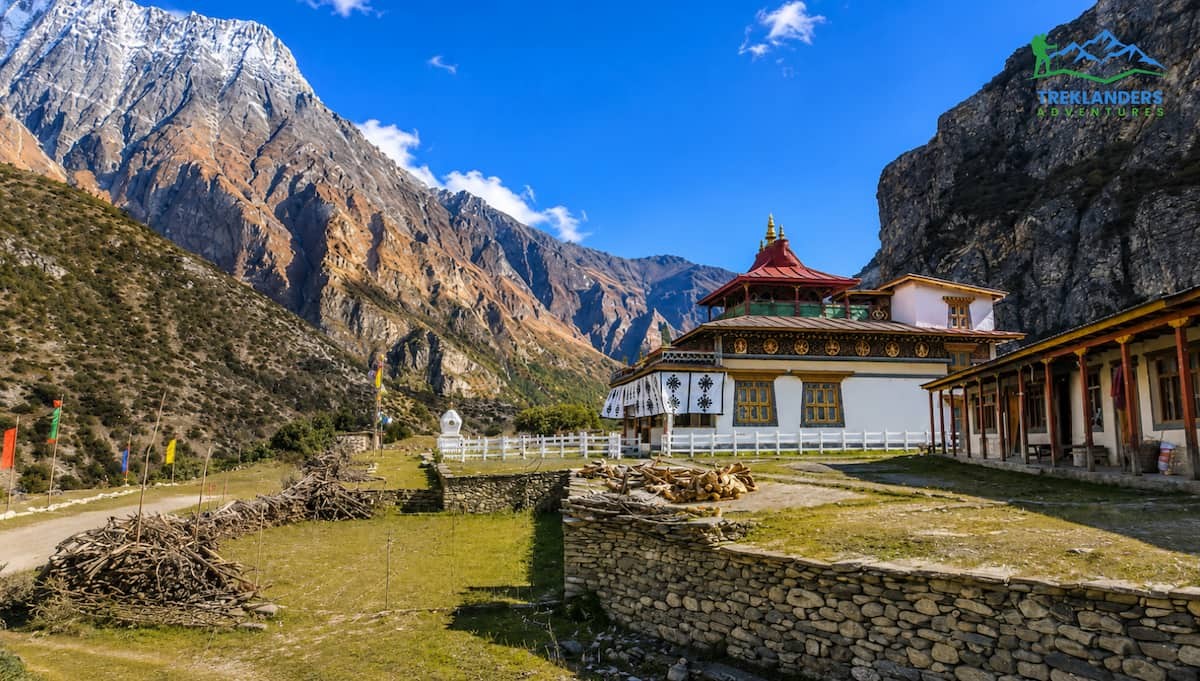
A practical consideration in Upper Mustang is that the Mustangi culture has been in contact with outside visitors for over three decades now. This has benefits and drawbacks. The benefit is that the community is experienced at welcoming trekkers, and many locals in Lo Manthang speak enough English to engage beyond transactional interactions. The drawback is that some of the commercial activities in the region now serve trekker expectations rather than local needs. Souvenir shops in Lo Manthang sell goods that are not made locally. The teahouse menus include items that require significant resupply effort and exist because visitors want them. None of this breaks the cultural experience, but it does mean Upper Mustang has shifted further toward a curated heritage visit than Nar Phu.
In Nar Phu, the Nar phu people maintain their traditional livelihood because trekking is not yet economically central to the community. The yak herding, the seasonal movement, the gompa rituals, and the agricultural calendar. These continue because they are economically necessary, not because they are preserved for visitors. That distinction creates a completely different texture to cultural encounters. You are seeing something intact rather than maintained.
This is where the practical gap between the two treks becomes most apparent, and it will affect your planning significantly depending on your comfort threshold.
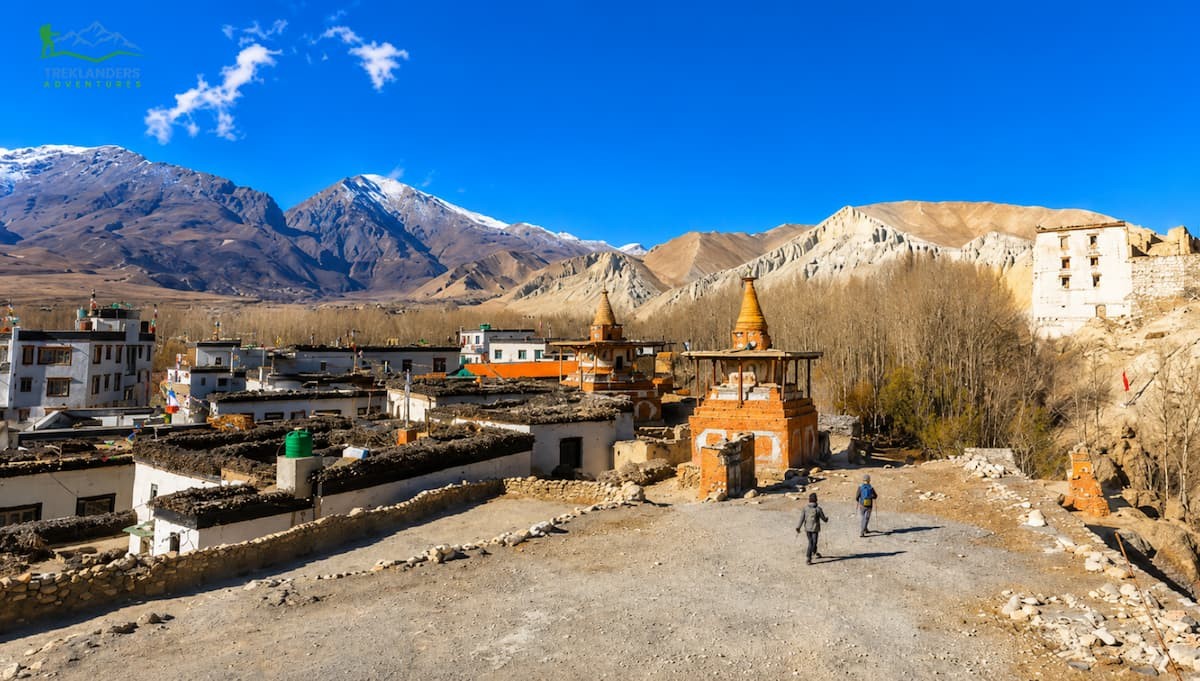
Upper Mustang has a network of teahouses along the main trail. Accommodation ranges from basic guesthouses in smaller villages to reasonably well-appointed lodges in Kagbeni and Lo Manthang. Hot showers are available in most places, though they may be solar heated rather than plumbed. Meals follow standard Nepal teahouse offerings: dal bhat, noodle soup, pasta, momos, and some local dishes. You will find Tibetan bread and butter tea in the northern villages. Mobile network coverage exists in some sections near Lo Manthang, and solar power is widely used for lighting.
The jeep road that now extends deep into Mustang changed the infrastructure significantly. It allows resupply vehicles to reach villages that were once fully dependent on pack animals. This is a practical benefit for trekkers because food variety and availability improved, but it also means the trail shares space with vehicles on some sections, which reduces the wilderness feel compared to a decade ago.
Nar Phu has almost no developed teahouse infrastructure by comparison. The gorge trail between Koto and Phu has basic guesthouses in Meta and Kyang, but they are simple in the extreme. Single rooms, shared outdoor facilities, and limited menu options are the norms. In Phu itself, accommodation is in local homes or a small basic lodge. You cannot expect menu variety, reliable charging points, or hot showers in the upper valley. Camping is possible and sometimes the better option for groups that want consistent conditions.
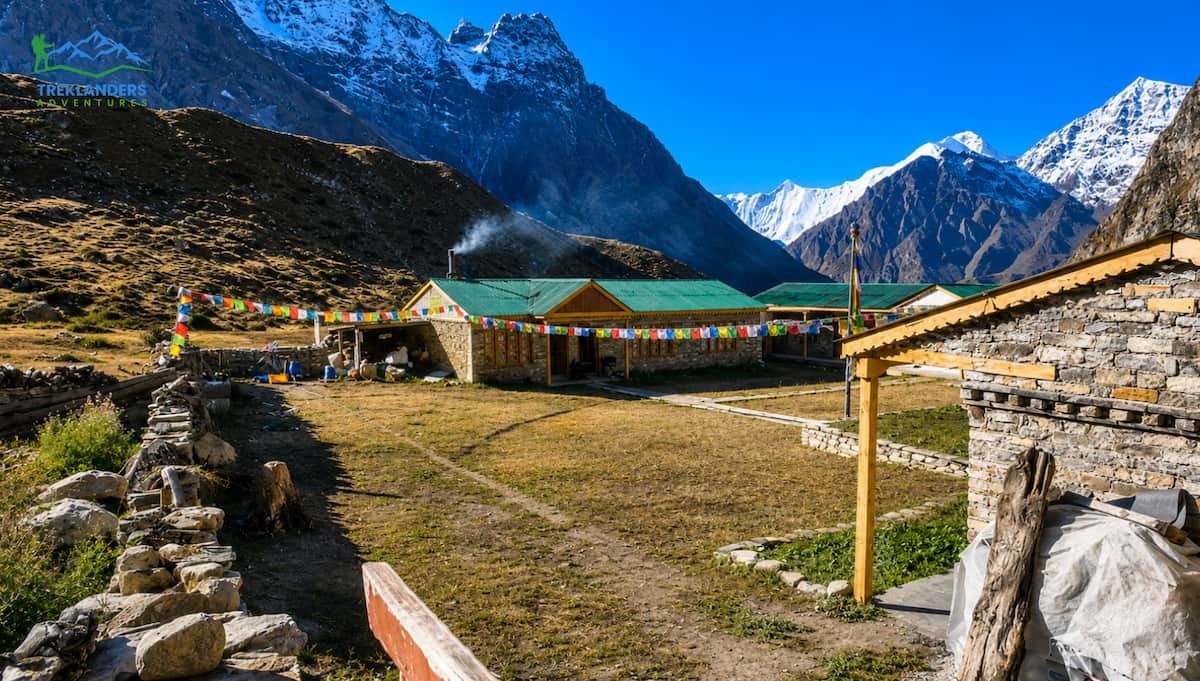
The logistical implication is that Nar Phu requires more self-sufficiency. Your guide and porter arrangement is not optional from a permit standpoint, and a good guide will know which families along the route provide food and shelter. Book accommodations in advance for the Nar Phu section, particularly in peak season, because the capacity is small and fills quickly with the small volume of permitted groups.
Both treks require a licensed guide. For Nar Phu, this is a legal requirement without exception. For Upper Mustang, a guide is legally required for the restricted area portion north of Kagbeni. Attempting either trek without the proper guide and permit arrangement will result in fines and expulsion from the region.
The guide quality difference between the two treks is worth understanding before you book. Upper Mustang has a well-established pool of local guides from the Mustang region who have extensive experience with foreign trekkers and can communicate effectively in English about the history, religion, and geography of the area. They know the optimal routing for the season, the best light for photography at specific sites, and which families in Lo Manthang welcome visitors. Nar Phu guides are fewer in number and harder to find. A genuinely knowledgeable Nar Phu guide knows the local trail conditions intimately, has relationships with the guesthouse families in Meta, Kyang, and Phu, and understands the seasonal bridge and river crossing status. Choose your trekking agency based on their guide network for each specific region, not just their general Nepal trekking credentials. Ask directly which guide will lead your Nar Phu or Upper Mustang trek and what their experience in that specific zone is.
Emergency evacuation is another infrastructure factor. Upper Mustang, with its jeep road access and helicopter landing areas, has better evacuation options than Nar Phu's narrow gorge. In Nar Phu, a medical emergency in the upper valley requires helicopter evacuation, which is both expensive and weather dependent. Ensure your travel insurance covers high-altitude helicopter rescue before either trek but treats this requirement as especially critical for Nar Phu.
The starting points for both treks are accessible by domestic flight and road, but the journey to the trailhead differs in length and complexity.
Upper Mustang typically begins in Jomsom, which has a small airport with daily flights from Pokhara operated by Tara Air and Summit Air. The flight takes about 20 minutes and offers its own spectacle as the aircraft threads through the Kali Gandaki gorge. Alternatively, you can drive from Pokhara to Beni and continue by jeep on the increasingly improved road to Jomsom or even to Kagbeni, the last settlement before the restricted area begins. This road journey takes 8 to 12 hours depending on road conditions. From Kagbeni, the trek north into the restricted zone starts immediately.
Jomsom has hotels, a bank, and reliable food options. It is a comfortable staging point. Permits for Upper Mustang can be arranged in Pokhara or Kathmandu before departure. Do not arrive at Kagbeni expecting to sort out your permit paperwork; the checkpoint is strict and will turn back any group without proper documentation.
Nar Phu begins from Koto, a small village on the Annapurna Circuit roughly eight hours of driving from Besisahar. The drive from Kathmandu to Besisahar takes about five hours, and from Besisahar, jeeps or local buses continue to Chame or Koto. Alternatively, many groups fly from Kathmandu to Pokhara and then take a vehicle to Besisahar and beyond.
Nar Phu is most commonly combined with the Annapurna Circuit. You enter through Koto, trek north into Nar Phu, exit via the Kang La pass into Manang, and then continue the circuit over Thorong La to complete the loop. This combined itinerary typically runs 18 to 22 days. If you want to do only the Nar Phu Valley section without the full circuit, you enter and exit through Koto, which is an out-and-back approach adding roughly 10 to 14 days to your Nepal itinerary.
Permits for Nar Phu can be arranged in Kathmandu through a registered trekking agency. The restricted area permit requires agency processing and cannot be obtained independently. Your guide will typically handle permit logistics but verify this in advance and confirm all paperwork is stamped before you reach the Koto checkpoint.
One logistical detail that catches first-time visitors to both regions off guard is the checkpoint process itself. Both the Koto checkpoint for Nar Phu and the Kagbeni checkpoint for Upper Mustang are serious entry points. Rangers check permits, guide licenses, and TIMS cards against a register. They verify that your permit matches the stated itinerary and group composition. This is not a formality. Groups have been turned back at both checkpoints for incomplete paperwork. Carry physical copies of all permits even if digital versions are also available, because checkpoint internet connectivity is unreliable, and rangers prefer paper documentation.
Very few trekkers who commit to a restricted area permit in Nepal do so for that region alone. Both Nar Phu and Upper Mustang fit naturally into broader itineraries that make full use of a Nepal visit.
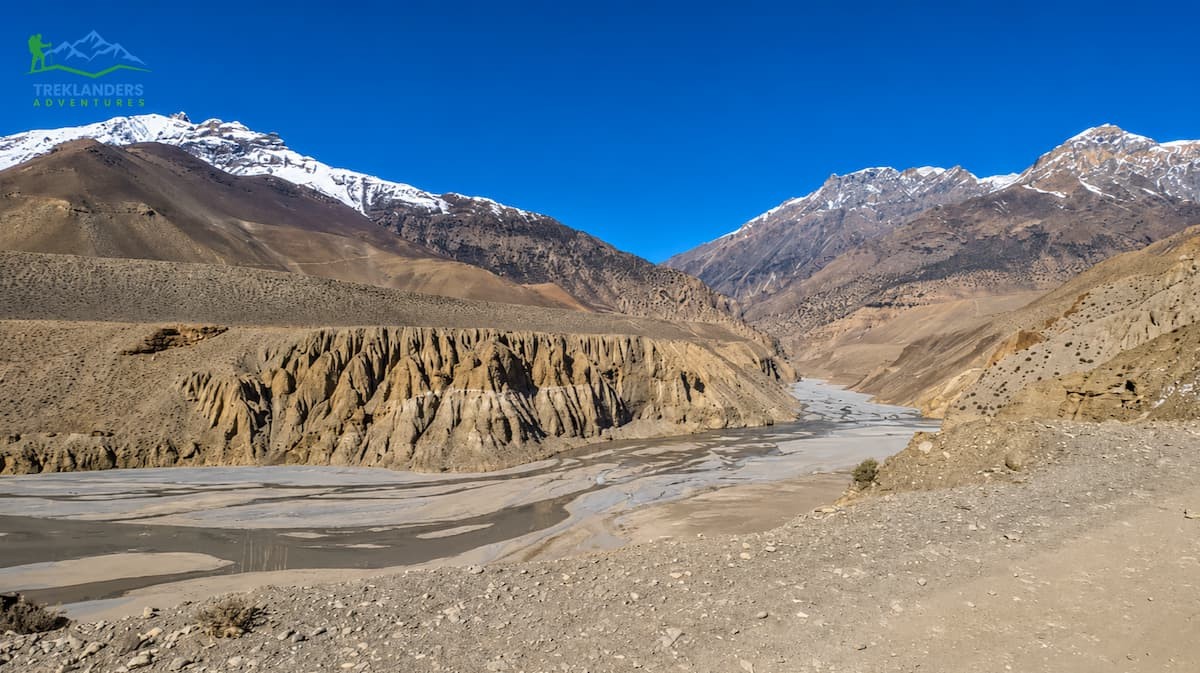
Upper Mustang integrates cleanly with the Annapurna Circuit. The most efficient approach is to complete the Annapurna Circuit via Thorong La first, descend to Jomsom, and then head north into Mustang. This way you use the Thorong La acclimatization as preparation for Mustang's altitude, and you see two of Nepal's most remarkable regions in a single trip. The combined itinerary runs 25 to 30 days. Alternatively, you can do Upper Mustang as a standalone trek from Jomsom, keeping the total time to 10 to 14 days, and pair the Nepal trip with a Chitwan jungle safari or rest days in Pokhara before or after.
Nar Phu is almost always done as part of the Annapurna Circuit, with the valley as a detour off the main route. The combined Circuit-plus-Nar-Phu itinerary is one of the most complete trekking experiences in Nepal: you get the great diversity of the Annapurna region, the drama of Thorong La, the quietude of the restricted zone, and the cultural depth of a genuinely off-the-radar valley. If you are serious about Himalayan trekking, this combination is difficult to improve on.
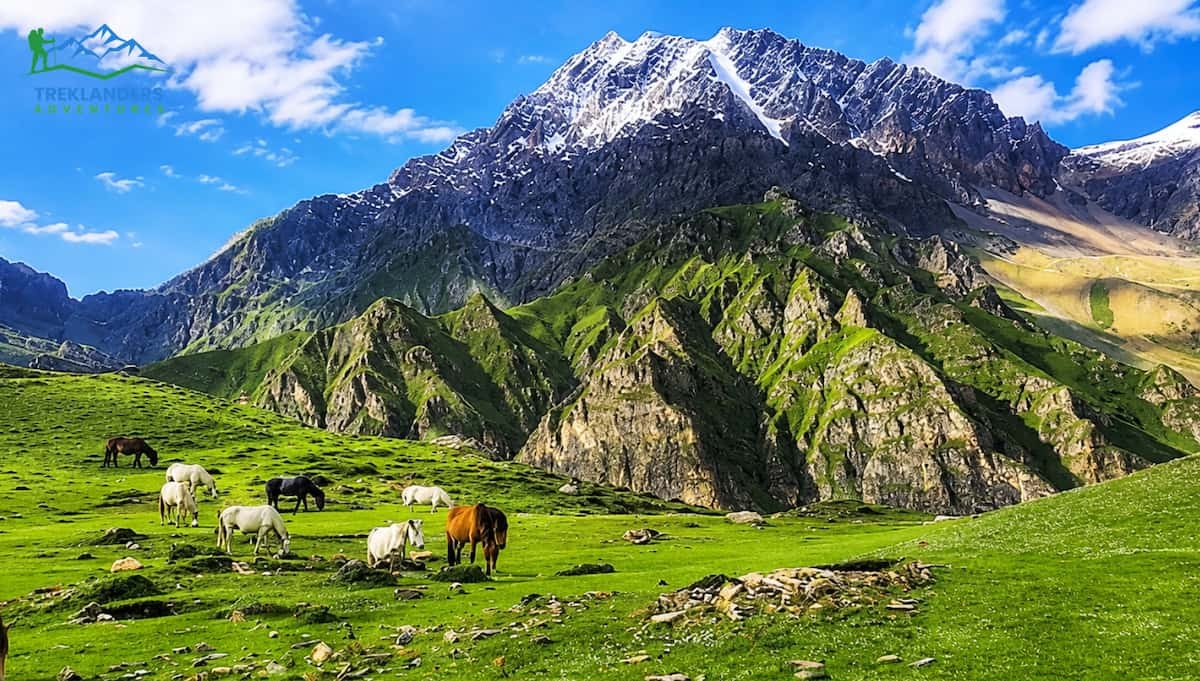
Both treks pair well with time in Kathmandu at the start, both for acclimatization and for permit logistics. Arriving in Kathmandu two to three days before the trek begins gives you time to confirm permits, meet your guide, purchase any final gear, and begin adjusting to the altitude difference from sea level.
For trekkers with limited Nepal experience, the Kathmandu days also serve as an orientation. Visiting the stupa at Boudhanath, which is the center of Tibetan Buddhist life in Nepal, provides useful context for both Nar Phu and Upper Mustang. The iconography, prayer wheel customs, thangka styles, and architectural forms you will encounter in both restricted regions are all variations on what you first encounter at Boudhanath. Arriving at a Mustangi monastery or a Nar Phu gompa with a basic visual vocabulary for Tibetan Buddhist art makes the experience significantly richer than walking in cold.
A second practical benefit of Kathmandu pre-trek time is gear verification. Both treks demand specific items that are easy to forget or underestimate: high-SPF lip balm, quality gaiters for the dusty Mustang plateau or wet gorge sections of Nar Phu, a backup battery for camera equipment since charging is unreliable on both routes, and water purification tablets or a filter for sections where clean water sources are scarce. Kathmandu's trekking gear market on Thamel is well-stocked and competitively priced. Do not leave gear gaps until you are in Jomsom or at the Annapurna Circuit trailhead, where selection is narrower, and prices are higher.
The answer comes down to four factors: experience level, budget, available time, and what kind of experience you are after.
If you are trekking in Nepal for the first time at high altitude, Upper Mustang is the better starting point. The infrastructure is more forgiving, the altitude profile is more gradual, and the cultural highlights are more accessible. You will still have a genuinely remote experience, and the permit system ensures you will not share the trail with heavy tourist traffic. The permit cost is high, but the trip is operationally straightforward when organized through a quality trekking agency.
If you have done the Everest Base Camp trek, the Annapurna Circuit, or equivalent high-altitude routes and you are looking for something that pushes further into the unknown, Nar Phu is the logical next step. The terrain is more demanding, the infrastructure is thinner, and the experience is rawer. You will return from Nar Phu having seen something that very few trekkers on Earth have seen. The permit is more affordable, which offsets some of the higher guide and logistics costs that come with trekking in a zone with minimal teahouse infrastructure.
Budget-conscious trekkers will find Upper Mustang's permit the primary obstacle. At USD 500 for 10 days, it is a significant expense before accommodation, food, guide fees, and transport. Nar Phu's permit, at USD 90 for the first week, is far more accessible, though the total trip will still cost more than a standard non-restricted trail because of the mandatory guide and the limited competition among guesthouses.
Time availability matters too. A standalone Upper Mustang trek can be done in 12 to 14 days including travel from Kathmandu. Nar Phu, done properly as part of the Annapurna Circuit, needs three to four weeks. If you are working with a two-week window, Upper Mustang is the realistic choice between the two.
Both treks reward patience and preparation. The permit system exists to keep these regions intact, and it works. You will walk through landscapes and communities that most of the world will never see, and that is worth the planning effort.
There is a third category of trekker worth addressing: the person who is genuinely unsure. If you are reading this comparison still unable to decide, consider which objection matters more to you. If the Upper Mustang permit cost feels like the primary barrier, that points toward Nar Phu. If the idea of basic accommodation with no hot showers and extremely limited food options for two weeks gives you real pause, that points toward Upper Mustang. If you care most about how many other trekkers you share the trail with, Nar Phu wins by a large margin. If you care most about understanding what you are seeing with proper historical and cultural context, Upper Mustang has the infrastructure to support that.
Both treks are exceptional. The comparison is not between a better and a worse option. It is between two routes that serve different trekking objectives at different levels of experience and budget. Make the decision based on your specific situation, not on which trek sounds more impressive to describe afterward.
Treklanders handle both the Nar Phu Valley Trek and the Upper Mustang Trek as guided itineraries with full permit processing included. Every trek departs with a licensed guide, and the itineraries are structured around proper acclimatization days based on the altitude profiles of each route.
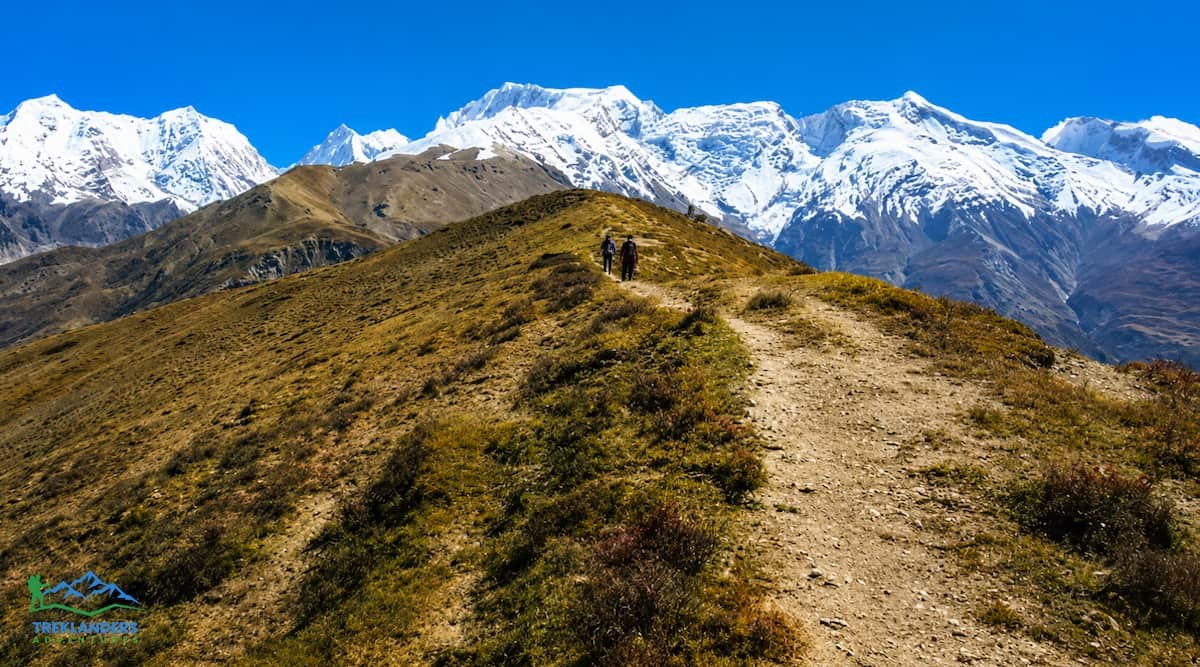
For Upper Mustang, the standard itinerary covers the full restricted zone from Kagbeni to Lo Manthang, including the Chhoser caves, the Lori Gompa cave monastery, the walled city of Lo Manthang, and the ancient salt trade trail between Dhi and Ghemi.
For Nar Phu, the recommended approach is the combined Annapurna Circuit itinerary with the Nar Phu detour included. This gives you adequate acclimatization for the Kang La pass and ensures enough time in both Nar and Phu villages to experience the community rather than simply pass through.
Group sizes are kept small on both routes to minimize impact and maintain the quality of the experience. All restricted area permit applications are submitted in advance of departure, and guides are selected specifically for regional expertise in each zone.
Contact Treklanders to discuss dates, group size, and which route fits your trekking history. Both treks require advance planning of at least four to six weeks for permit processing and logistics, and peak spring and autumn slots fill well ahead of the season.
Explore the Tilicho Lake Trek with this guide to the route, difficulty, permits, and best time to visit Nepal's iconic high-altitude lake.
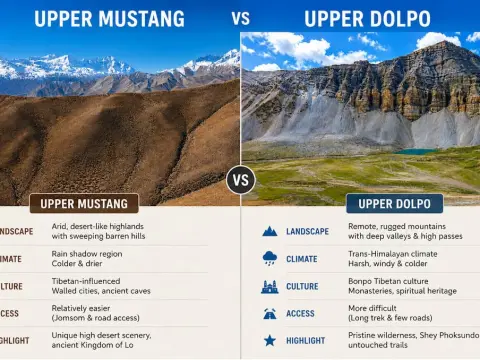
Compare Upper Mustang and Upper Dolpo to discover which of Nepal's most remote treks is right for you.
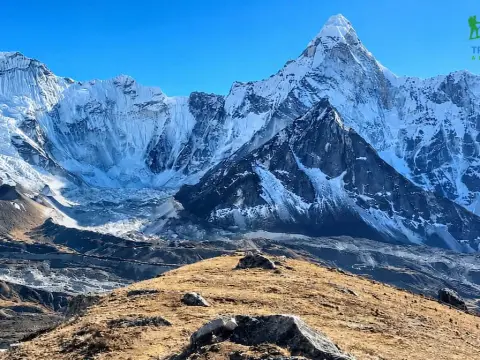
Completed Everest Base Camp? Cross Kongma La, Cho La, Renjo La, and explore the stunning Gokyo Lakes on Nepal's ultimate trekking circuit.



