[{"name":"Everest Base Camp Trek","duration":"16","image_url":"https:\/\/www.treklanders.com\/storage\/trip-galleries\/1\/thumb_419a755c003cc609f3030ee332965ebe.jpg","offer_price":1405,"url":"https:\/\/www.treklanders.com\/trips\/everest-base-camp-trek"},{"name":"Gokyo Valley Trekking","duration":"16","image_url":"https:\/\/www.treklanders.com\/storage\/trip-galleries\/2\/thumb_676d1021b574aeba4d19d3f2a0b04ed2.webp","offer_price":1205,"url":"https:\/\/www.treklanders.com\/trips\/gokyo-valley-trekking"},{"name":"Annapurna Circuit Trek","duration":"23","image_url":"https:\/\/www.treklanders.com\/storage\/trip-galleries\/3\/thumb_2a9a92ea23c62f41de27b37f5e3e8c17.webp","offer_price":1495,"url":"https:\/\/www.treklanders.com\/trips\/annapurna-circuit-trek"},{"name":"Everest Panorama Trek","duration":"12","image_url":"https:\/\/www.treklanders.com\/storage\/trip-galleries\/4\/thumb_35c9f677ea2e88b1ff11a9f43daa3ddb.jpg","offer_price":1100,"url":"https:\/\/www.treklanders.com\/trips\/everest-panorama-trek"},{"name":"Everest Base Camp Trekking from Jiri","duration":"22","image_url":"https:\/\/www.treklanders.com\/storage\/trip-galleries\/6\/thumb_14763592492417b294aa66bf0ebf4e64.webp","offer_price":1400,"url":"https:\/\/www.treklanders.com\/trips\/everest-base-camp-trekking-from-jiri"},{"name":"Everest Base Camp via Cho la Pass from Gokyo Valley Trekking","duration":"18","image_url":"https:\/\/www.treklanders.com\/storage\/trip-galleries\/7\/thumb_d4e470e98d4e9e2ab8e93e39b8b7d252.jpg","offer_price":1405,"url":"https:\/\/www.treklanders.com\/trips\/everest-base-camp-via-cho-la-pass-from-gokyo-valley-trekking"},{"name":"Everest Three Passes Trekking","duration":"22","image_url":"https:\/\/www.treklanders.com\/storage\/trip-galleries\/8\/thumb_b413b221e913171500bb3dfd5c08ceea.jpg","offer_price":1635,"url":"https:\/\/www.treklanders.com\/trips\/everest-three-passes-trekking"},{"name":"Annapurna Base Camp Trekking","duration":"14","image_url":"https:\/\/www.treklanders.com\/storage\/trip-galleries\/9\/thumb_2e71f2ffe116c659fa66b01c2d571b4e.webp","offer_price":845,"url":"https:\/\/www.treklanders.com\/trips\/annapurna-base-camp-trekking"},{"name":"Mardi Base Camp Trekking","duration":"14","image_url":"https:\/\/www.treklanders.com\/storage\/trip-galleries\/10\/thumb_d7b2d2dc638f6bbf2c31c167ac68029d.webp","offer_price":845,"url":"https:\/\/www.treklanders.com\/trips\/mardi-base-camp-trekking"},{"name":"Mohare Danda Trekking","duration":"12","image_url":"https:\/\/www.treklanders.com\/storage\/trip-galleries\/11\/thumb_a384c8d35d789d29b19991c1d675c910.webp","offer_price":755,"url":"https:\/\/www.treklanders.com\/trips\/mohare-danda-trekking"},{"name":"Khopra Ridge & Khair Lake Trekking","duration":"15","image_url":"https:\/\/www.treklanders.com\/storage\/trip-galleries\/12\/thumb_c0f50461ddc74acfb553ba85be00fab0.webp","offer_price":855,"url":"https:\/\/www.treklanders.com\/trips\/khopra-ridge-khair-lake-trekking"},{"name":"Upper Mustang Trekking","duration":"17","image_url":"https:\/\/www.treklanders.com\/storage\/trip-galleries\/13\/thumb_7aa4dfdb69186b0f224a303d80a25c95.jpg","offer_price":1715,"url":"https:\/\/www.treklanders.com\/trips\/upper-mustang-trekking"},{"name":"Langtang Valley Trek","duration":"12","image_url":"https:\/\/www.treklanders.com\/storage\/trip-galleries\/14\/thumb_8650b4b1a3c160cff75da65369398353.webp","offer_price":735,"url":"https:\/\/www.treklanders.com\/trips\/langtang-valley-trek"},{"name":"Gosainkunda Lake Trek","duration":"11","image_url":"https:\/\/www.treklanders.com\/storage\/trip-galleries\/15\/thumb_bfe94c14e760c48234e117021105be84.webp","offer_price":735,"url":"https:\/\/www.treklanders.com\/trips\/gosainkunda-lake-trek"},{"name":"Chisapani-Nagarkot to Dhulikhel Hiking","duration":"7","image_url":"https:\/\/www.treklanders.com\/storage\/trip-galleries\/16\/thumb_468defe9a4000ee3129cd7e6421ee105.webp","offer_price":565,"url":"https:\/\/www.treklanders.com\/trips\/chisapani-nagarkot-to-dhulikhel-hiking"},{"name":"Kanchenjunga Trek","duration":"23","image_url":"https:\/\/www.treklanders.com\/storage\/trip-galleries\/17\/thumb_51f43fa4203106cc49aaedc89d76e01d.jpg","offer_price":1725,"url":"https:\/\/www.treklanders.com\/trips\/kanchenjunga-trek"},{"name":"Helambu Trek","duration":"12","image_url":"https:\/\/www.treklanders.com\/storage\/trip-galleries\/18\/thumb_0fe8e3fa1299d2e43bf1fb5977875ce2.jpg","offer_price":685,"url":"https:\/\/www.treklanders.com\/trips\/helambu-trek"},{"name":"Upper Dolpo Trek","duration":"26","image_url":"https:\/\/www.treklanders.com\/storage\/trip-galleries\/19\/thumb_d6080d490e1db83b0a711e7304000864.jpg","offer_price":3005,"url":"https:\/\/www.treklanders.com\/trips\/upper-dolpo-trek"},{"name":"Manaslu Circuit Trek","duration":"18","image_url":"https:\/\/www.treklanders.com\/storage\/trip-galleries\/20\/thumb_1fdd224e849f4f328e73d2d12b3d282d.jpg","offer_price":1225,"url":"https:\/\/www.treklanders.com\/trips\/manaslu-circuit-trek"},{"name":"Tilicho Lake Base Camp Trek","duration":"19","image_url":"https:\/\/www.treklanders.com\/storage\/trip-galleries\/21\/thumb_eba8ac5e029e6543e0c17630ebd9e2fb.jpg","offer_price":1220,"url":"https:\/\/www.treklanders.com\/trips\/tilicho-lake-base-camp-trek"},{"name":"Nar-Phu Valley With Thorang-La Pass Trek","duration":"21","image_url":"https:\/\/www.treklanders.com\/storage\/trip-galleries\/22\/thumb_43597423a5a366fe9c8937fb30d2fe2a.jpg","offer_price":1315,"url":"https:\/\/www.treklanders.com\/trips\/nar-phu-valley-with-thorang-la-pass-trek"},{"name":"Nepal Round Trip of Kathmandu-Pokhara-Lumbini and Chitwan Tour","duration":"10","image_url":"https:\/\/www.treklanders.com\/storage\/trip-galleries\/23\/thumb_32497d170b2ab340b0a1b3310e91e784.webp","offer_price":845,"url":"https:\/\/www.treklanders.com\/trips\/nepal-round-trip-of-kathmandu-pokhara-lumbini-and-chitwan-tour"},{"name":"Nagarkot Day Hike","duration":"2","image_url":"https:\/\/www.treklanders.com\/storage\/trip-galleries\/24\/thumb_a5a654930fd8ba7852e41738105bacfc.webp","offer_price":105,"url":"https:\/\/www.treklanders.com\/trips\/nagarkot-day-hike"},{"name":"Nagarkot Sunrise Tour","duration":"1","image_url":"https:\/\/www.treklanders.com\/storage\/trip-galleries\/25\/thumb_17dc28a29cfa44381ad503f0a75ee84f.webp","offer_price":22,"url":"https:\/\/www.treklanders.com\/trips\/nagarkot-sunrise-tour"},{"name":"Namobuddha Day Tour with Shiva Statue","duration":"1","image_url":"https:\/\/www.treklanders.com\/storage\/trip-galleries\/26\/thumb_beeb34202f9077764aa08c67ef2867f9.webp","offer_price":45,"url":"https:\/\/www.treklanders.com\/trips\/namobuddha-day-tour-with-shiva-statue"},{"name":"Kathmandu Full Day Sightseeing Tour","duration":"1","image_url":"https:\/\/www.treklanders.com\/storage\/trip-galleries\/27\/thumb_d045fc0f1acee2cfa6b3c95f3c656d18.jpg","offer_price":30,"url":"https:\/\/www.treklanders.com\/trips\/kathmandu-full-day-sightseeing-tour"},{"name":"Patan and Bhaktapur Sightseeing Tour","duration":"1","image_url":"https:\/\/www.treklanders.com\/storage\/trip-galleries\/28\/thumb_750eacac3424b5dba686dd93656ab87c.jpg","offer_price":30,"url":"https:\/\/www.treklanders.com\/trips\/patan-and-bhaktapur-sightseeing-tour"},{"name":"Upper Mustang Heli Tour","duration":"1","image_url":"https:\/\/www.treklanders.com\/storage\/trip-galleries\/29\/thumb_0b785f69a15557f8660c805c76fda14e.webp","offer_price":1250,"url":"https:\/\/www.treklanders.com\/trips\/upper-mustang-heli-tour"},{"name":"Everest Heli Tour","duration":"1","image_url":"https:\/\/www.treklanders.com\/storage\/trip-galleries\/30\/thumb_dc45f2beb36a3699e0decf0de41a6f17.jpg","offer_price":1495,"url":"https:\/\/www.treklanders.com\/trips\/everest-heli-tour"},{"name":"Island Peak Trek & Climb","duration":"21","image_url":"https:\/\/www.treklanders.com\/storage\/trip-galleries\/31\/thumb_a0f3e3468c92a8e436045cf8b2fbf361.jpg","offer_price":2295,"url":"https:\/\/www.treklanders.com\/trips\/island-peak-trek-climb"},{"name":"Mera Peak Trek & Climb","duration":"18","image_url":"https:\/\/www.treklanders.com\/storage\/trip-galleries\/32\/thumb_3e8128a23c36f02fa38135475e811b9e.jpg","offer_price":2815,"url":"https:\/\/www.treklanders.com\/trips\/mera-peak-trek-climb"},{"name":"Chandragiri Cable Car Tour","duration":"1","image_url":"https:\/\/www.treklanders.com\/storage\/trip-galleries\/33\/thumb_faa70b716449eada6d7f1450335edbb3.jpg","offer_price":30,"url":"https:\/\/www.treklanders.com\/trips\/chandragiri-cable-car-tour"},{"name":"Everest Base Camp Trek and Returning via Heli","duration":"13","image_url":"https:\/\/www.treklanders.com\/storage\/trip-galleries\/34\/thumb_11190941866206e1d578db11986ebc73.webp","offer_price":2100,"url":"https:\/\/www.treklanders.com\/trips\/everest-base-camp-trek-and-returning-via-heli"},{"name":"Annapurna Semi Circuit Trek","duration":"15","image_url":"https:\/\/www.treklanders.com\/storage\/trip-galleries\/35\/thumb_30ddd8ba818cdcb52efd5eb0a017bcdb.jpg","offer_price":965,"url":"https:\/\/www.treklanders.com\/trips\/annapurna-semi-circuit-trek"},{"name":"Everest Base Camp Luxury Trek","duration":"14","image_url":"https:\/\/www.treklanders.com\/storage\/trip-galleries\/39\/thumb_6079aea3c5dd83e745a16fd6162270dc.jpg","offer_price":2685,"url":"https:\/\/www.treklanders.com\/trips\/everest-base-camp-luxury-trek"},{"name":"Mt. Kailash & Lake Manasarover Tour","duration":"15","image_url":"https:\/\/www.treklanders.com\/storage\/trip-galleries\/41\/thumb_cf3fededfd7dd2b40399af399e04f95a.jpg","offer_price":2205,"url":"https:\/\/www.treklanders.com\/trips\/mt-kailash-lake-manasarover-tour"},{"name":"Ghorepani Poonhill Trek","duration":"11","image_url":"https:\/\/www.treklanders.com\/storage\/trip-galleries\/43\/thumb_602d9a56976e1b836ba8adc69b8d09c5.webp","offer_price":720,"url":"https:\/\/www.treklanders.com\/trips\/ghorepani-poonhill-trek"},{"name":"11 Days Gokyo Valley Trekkking","duration":"11","image_url":"https:\/\/www.treklanders.com\/storage\/trip-galleries\/45\/thumb_ab552c3c91de392f94230a937b1c4801.jpg","offer_price":900,"url":"https:\/\/www.treklanders.com\/trips\/11-days-gokyo-valley-trekkking"},{"name":"9-Day Everest Base Camp Trekking with Helicopter Return","duration":"9","image_url":"https:\/\/www.treklanders.com\/storage\/trip-galleries\/46\/thumb_9a8ba2b582500cd86786be056902c31a.webp","offer_price":1990,"url":"https:\/\/www.treklanders.com\/trips\/9-day-everest-base-camp-trekking-with-helicopter-return"},{"name":"12-Day Everest Base Camp Trek","duration":"12","image_url":"https:\/\/www.treklanders.com\/storage\/trip-galleries\/47\/thumb_d12c9ef776c0b395ceea817fe05c5892.jpg","offer_price":1000,"url":"https:\/\/www.treklanders.com\/trips\/12-day-everest-base-camp-trek"},{"name":"8-Day Everest Panorama Trek","duration":"8","image_url":"https:\/\/www.treklanders.com\/storage\/trip-galleries\/49\/thumb_c81ae3a8ac757a317a9362e6872e2dcb.jpg","offer_price":850,"url":"https:\/\/www.treklanders.com\/trips\/8-day-everest-panorama-trek"},{"name":"7-Day Langtang Valley Trek","duration":"7","image_url":"https:\/\/www.treklanders.com\/storage\/trip-galleries\/50\/thumb_99c2904df5475ab028c9e3633ea95ef3.jpg","offer_price":420,"url":"https:\/\/www.treklanders.com\/trips\/7-day-langtang-valley-trek"},{"name":"4-Day Trekking Adventure near Kathmandu","duration":"4","image_url":"https:\/\/www.treklanders.com\/storage\/trip-galleries\/51\/thumb_594681060514dc57be1959236a6996d0.jpg","offer_price":275,"url":"https:\/\/www.treklanders.com\/trips\/4-day-trekking-adventure-near-kathmandu"},{"name":"4-Day Ghorepani Ponnhill Trek from Pokhara","duration":"4","image_url":"https:\/\/www.treklanders.com\/storage\/trip-galleries\/53\/thumb_eede04edac01f983d9af2c16f55d03e8.webp","offer_price":500,"url":"https:\/\/www.treklanders.com\/trips\/4-day-ghorepani-ponnhill-trek-from-pokhara"},{"name":"7-Day Annapurna Base Camp Trek from Pokhara","duration":"7","image_url":"https:\/\/www.treklanders.com\/storage\/trip-galleries\/55\/thumb_547e91c74088c491111ebe31a759cfbb.jpg","offer_price":420,"url":"https:\/\/www.treklanders.com\/trips\/7-day-annapurna-base-camp-trek-from-pokhara"},{"name":"13-Day Manaslu Circuit Trekking","duration":"13","image_url":"https:\/\/www.treklanders.com\/storage\/trip-galleries\/56\/thumb_aef1af4f0c4a2a9622d518ad5959542b.jpg","offer_price":1050,"url":"https:\/\/www.treklanders.com\/trips\/13-day-manaslu-circuit-trekking"},{"name":"5-Day Mardi Himal Trek from Pokhara","duration":"5","image_url":"https:\/\/www.treklanders.com\/storage\/trip-galleries\/57\/thumb_dcd598d556c14835f0a18169afafcbc6.webp","offer_price":420,"url":"https:\/\/www.treklanders.com\/trips\/5-day-mardi-himal-trek-from-pokhara"},{"name":"Nagarkot Sunrise Tour with Day Hike","duration":"1","image_url":"https:\/\/www.treklanders.com\/storage\/trip-galleries\/58\/thumb_7cdfa1f16719486da2a0718da45b1f2f.webp","offer_price":30,"url":"https:\/\/www.treklanders.com\/trips\/nagarkot-sunrise-tour-with-day-hike"},{"name":"Seven Unesco Heritage Sites Day Tour in Kathmandu","duration":"1","image_url":"https:\/\/www.treklanders.com\/storage\/trip-galleries\/59\/thumb_92aed7b9c67e76740000aab9313dced7.jpg","offer_price":40,"url":"https:\/\/www.treklanders.com\/trips\/seven-unesco-heritage-sites-day-tour-in-kathmandu"},{"name":"10-Day Ghorepani Poonhill with Annapurna Base Camp Trek","duration":"10","image_url":"https:\/\/www.treklanders.com\/storage\/trip-galleries\/60\/thumb_d4c2c089497950ccb5f8541d76e1269b.webp","offer_price":835,"url":"https:\/\/www.treklanders.com\/trips\/10-day-ghorepani-poonhill-with-annapurna-base-camp-trek"},{"name":"3-Day Chitwan Wildlife Tour","duration":"3","image_url":"https:\/\/www.treklanders.com\/storage\/trip-galleries\/61\/thumb_7963c9033b4ecfb5d29583fb0965d521.webp","offer_price":150,"url":"https:\/\/www.treklanders.com\/trips\/3-day-chitwan-wildlife-tour"},{"name":"3-Day Pokhara Sightseeing Tour","duration":"3","image_url":"https:\/\/www.treklanders.com\/storage\/trip-galleries\/62\/thumb_61542f3c38329bcce9d2771c96f265a4.jpg","offer_price":230,"url":"https:\/\/www.treklanders.com\/trips\/3-day-pokhara-sightseeing-tour"},{"name":"7-Day Kathmandu Pokhara and Chitwan wildlifeTour","duration":"7","image_url":"https:\/\/www.treklanders.com\/storage\/trip-galleries\/63\/thumb_803b98ae15f14366124ebb109a32f49d.webp","offer_price":545,"url":"https:\/\/www.treklanders.com\/trips\/7-day-kathmandu-pokhara-and-chitwan-wildlifetour"},{"name":"Nagarjun Jamacho Day Hiking","duration":"1","image_url":"https:\/\/www.treklanders.com\/storage\/trip-galleries\/64\/thumb_85867eb85c60c8228e44f927341f67d1.jpg","offer_price":30,"url":"https:\/\/www.treklanders.com\/trips\/nagarjun-jamacho-day-hiking"},{"name":"Everest Mountain Flight from Kathmandu","duration":"1","image_url":"https:\/\/www.treklanders.com\/storage\/trip-galleries\/65\/thumb_1a66526d340ec175023842c38efd8a95.webp","offer_price":120,"url":"https:\/\/www.treklanders.com\/trips\/everest-mountain-flight-from-kathmandu"},{"name":"One Day Trishuli River Rafting Adventures","duration":"1","image_url":"https:\/\/www.treklanders.com\/storage\/trip-galleries\/66\/thumb_55ba0ea676c9c625f99f3d41bda224fb.jpg","offer_price":35,"url":"https:\/\/www.treklanders.com\/trips\/one-day-trishuli-river-rafting-adventures"},{"name":"13-Day Annapurna Circuit Trek","duration":"13","image_url":"https:\/\/www.treklanders.com\/storage\/trip-galleries\/67\/thumb_859e7a1fbb468a9252d365cab8379f10.jpg","offer_price":815,"url":"https:\/\/www.treklanders.com\/trips\/13-day-annapurna-circuit-trek"},{"name":"15-Day Tilicho Base Camp with Thorong-La Pass Trekking","duration":"15","image_url":"https:\/\/www.treklanders.com\/storage\/trip-galleries\/68\/thumb_56a5fd1506c9b9f1f83844353dc55edf.jpg","offer_price":920,"url":"https:\/\/www.treklanders.com\/trips\/15-day-tilicho-base-camp-with-thorong-la-pass-trekking"},{"name":"Cooking Class in Thamel-Full Course Meal","duration":"1","image_url":"https:\/\/www.treklanders.com\/storage\/trip-galleries\/69\/thumb_ed5cfbc0d94b624642d347c0776d36bb.webp","offer_price":30,"url":"https:\/\/www.treklanders.com\/trips\/cooking-class-in-thamel-full-course-meal"},{"name":"Cooking Class in Thamel-Full Course","duration":"3 Hours 30 Minutes","image_url":"https:\/\/www.treklanders.com\/img\/default.gif","offer_price":30,"url":"https:\/\/www.treklanders.com\/trips\/cooking-class-in-thamel-full-course"},{"name":"Cooking Class in Thamel-Full Course Meal","duration":"3 Hours 30 Minutes","image_url":"https:\/\/www.treklanders.com\/img\/default.gif","offer_price":30,"url":"https:\/\/www.treklanders.com\/trips\/cooking-class-in-thamel-full-course-meal"},{"name":"Momo Making Class in Thamel","duration":"1","image_url":"https:\/\/www.treklanders.com\/storage\/trip-galleries\/72\/thumb_a36e5ceca4d5c4cb0ecda367505b31d3.webp","offer_price":20,"url":"https:\/\/www.treklanders.com\/trips\/momo-making-class-in-thamel"},{"name":"8 Days Bhutan Tour from Kathmandu","duration":"8","image_url":"https:\/\/www.treklanders.com\/storage\/trip-galleries\/73\/thumb_df319d7d3ac21bcd9cf728cb1a70ea09.webp","offer_price":2275,"url":"https:\/\/www.treklanders.com\/trips\/8-days-bhutan-tour-from-kathmandu"},{"name":"10 Days Bhutan Tour with Druk path Trek","duration":"10","image_url":"https:\/\/www.treklanders.com\/storage\/trip-galleries\/74\/thumb_c7d4a4b89aceaf5d3aac313265729bb3.webp","offer_price":5715,"url":"https:\/\/www.treklanders.com\/trips\/10-days-bhutan-tour-with-druk-path-trek"},{"name":"9 -Day Langtang Valley Trek","duration":"9","image_url":"https:\/\/www.treklanders.com\/storage\/trip-galleries\/75\/thumb_65e69cec8917e39091c9e40ae06df3da.webp","offer_price":620,"url":"https:\/\/www.treklanders.com\/trips\/9--day-langtang-valley-trek"},{"name":"14 Day Everest Base Camp Trek","duration":"14","image_url":"https:\/\/www.treklanders.com\/storage\/trip-galleries\/76\/thumb_446e7f33a5f43896c9cdf470cd7be947.webp","offer_price":1175,"url":"https:\/\/www.treklanders.com\/trips\/14-day-everest-base-camp-trek"},{"name":"Lhasa Tour from Kathmandu: 10-Day Tibet Overland Journey via Gyirong","duration":"10","image_url":"https:\/\/www.treklanders.com\/img\/default.gif","offer_price":null,"url":"https:\/\/www.treklanders.com\/trips\/lhasa-tour-from-kathmandu-10-day-tibet-overland-journey-via-gyirong"},{"name":"13 Day Lhasa Tour from Kathmandu via Everest Base Camp","duration":"13","image_url":"https:\/\/www.treklanders.com\/storage\/trip-galleries\/78\/thumb_8a2bfb2abd99ba9ddc902b768e7b0759.webp","offer_price":2565,"url":"https:\/\/www.treklanders.com\/trips\/13-day-lhasa-tour-from-kathmandu-via-everest-base-camp"},{"name":"11 Day Annapurna Base Camp Trek","duration":"11","image_url":"https:\/\/www.treklanders.com\/storage\/trip-galleries\/79\/thumb_4e48a19c538c00cc8c36160ca97c5f21.webp","offer_price":720,"url":"https:\/\/www.treklanders.com\/trips\/11-day-annapurna-base-camp-trek"},{"name":"9 Day Mardi Himal Trek","duration":"9","image_url":"https:\/\/www.treklanders.com\/storage\/trip-galleries\/80\/thumb_8214945c5614ac9a84e5ca0b58b1f5a3.webp","offer_price":735,"url":"https:\/\/www.treklanders.com\/trips\/9-day-mardi-himal-trek"},{"name":"14 Day Manaslu Circuit Trek","duration":"14","image_url":"https:\/\/www.treklanders.com\/storage\/trip-galleries\/81\/thumb_b3ec98cd4036da5cb6e92250afa0d59e.webp","offer_price":1085,"url":"https:\/\/www.treklanders.com\/trips\/14-day-manaslu-circuit-trek"},{"name":"20 Day Manaslu Circuit with Tsum Valley Trek","duration":"20","image_url":"https:\/\/www.treklanders.com\/storage\/trip-galleries\/82\/thumb_b8c202cf8e16197517811d535f2a6795.webp","offer_price":1765,"url":"https:\/\/www.treklanders.com\/trips\/20-day-manaslu-circuit-with-tsum-valley-trek"},{"name":"15 Day Langtang Gosaikunda Lake Helambu Trek","duration":"15","image_url":"https:\/\/www.treklanders.com\/storage\/trip-galleries\/83\/thumb_a9c7bbb74f733cdc9a3469a448df7109.webp","offer_price":985,"url":"https:\/\/www.treklanders.com\/trips\/15-day-langtang-gosaikunda-lake-helambu-trek"},{"name":"14 Day Tamang Heritage with Langtang Valley Trek","duration":"14","image_url":"https:\/\/www.treklanders.com\/storage\/trip-galleries\/84\/thumb_57fe1b0ad2b7d0489273633b906d2f43.webp","offer_price":895,"url":"https:\/\/www.treklanders.com\/trips\/14-day-tamang-heritage-with-langtang-valley-trek"},{"name":"6 Day Pikey Peak Trek","duration":"6","image_url":"https:\/\/www.treklanders.com\/storage\/trip-galleries\/85\/thumb_f69c5c05ac7a2100c9010f66292efc86.webp","offer_price":550,"url":"https:\/\/www.treklanders.com\/trips\/6-day-pikey-peak-trek"},{"name":"Everest Base Camp Trek with Lobuche East Peak Climbing Expedition","duration":"17","image_url":"https:\/\/www.treklanders.com\/storage\/trip-galleries\/86\/thumb_9e7f330ecdbd7f74fe6f16202d3fed28.webp","offer_price":2295,"url":"https:\/\/www.treklanders.com\/trips\/everest-base-camp-trek-with-lobuche-east-peak-climbing-expedition"}]
Things to Consider Before Trekking the Manaslu Circuit Trek
Things to Consider Before Trekking the Manaslu Circuit Trek
Things to Consider While Trekking the Manaslu Circuit Trek
Things to Consider While Trekking the Manaslu Circuit Trek
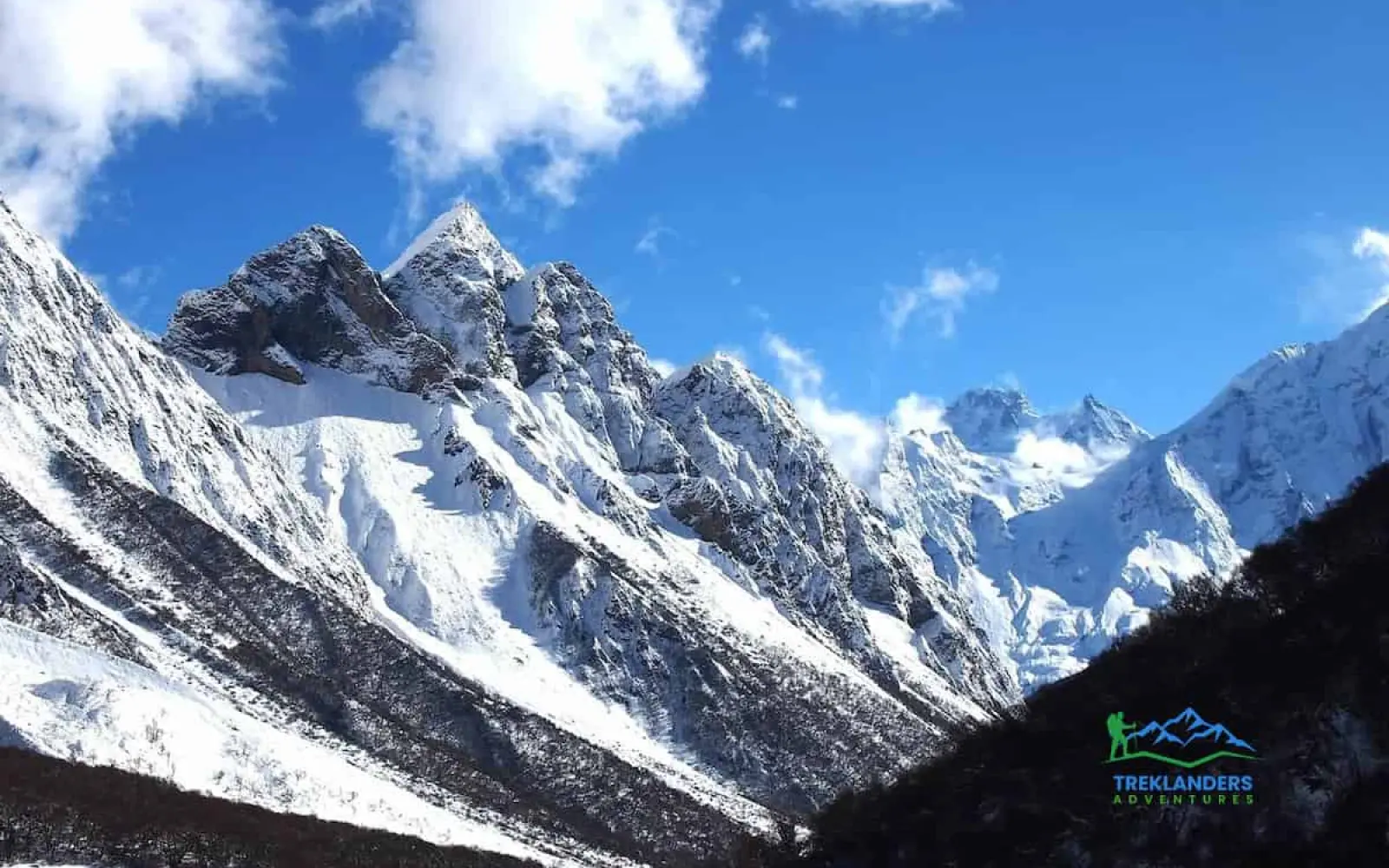
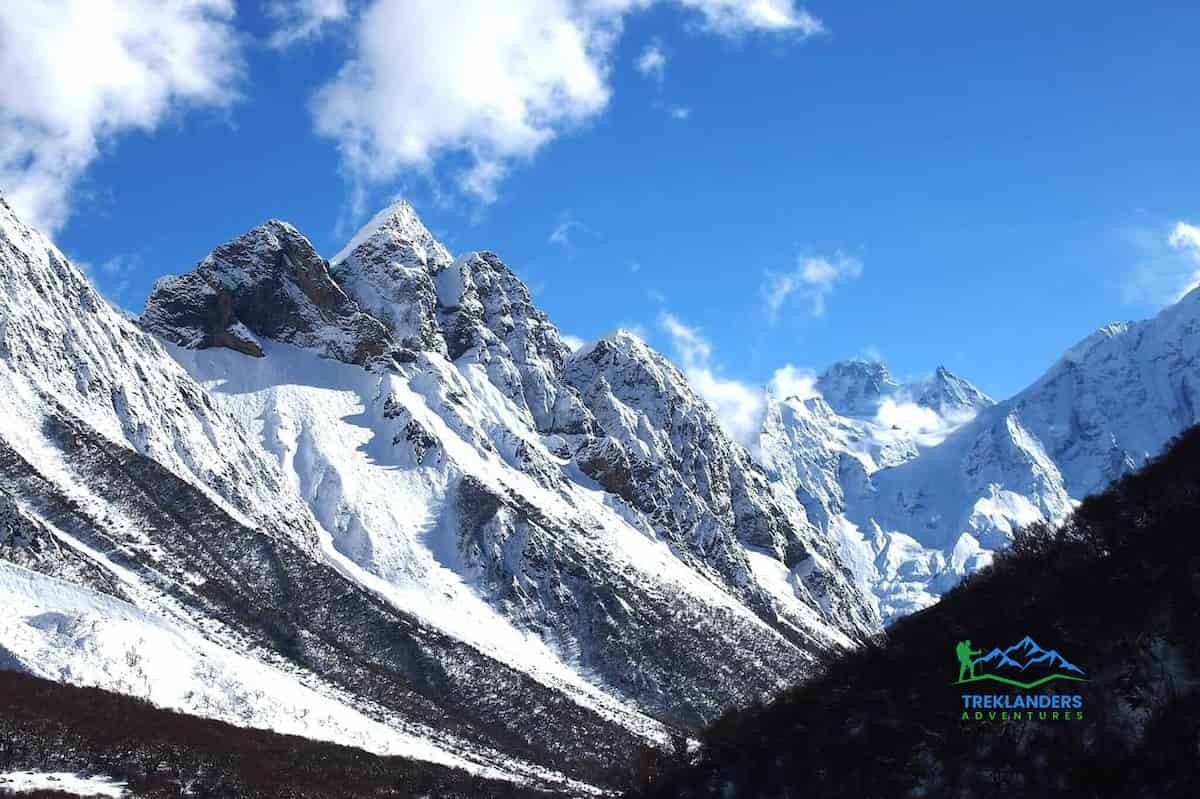
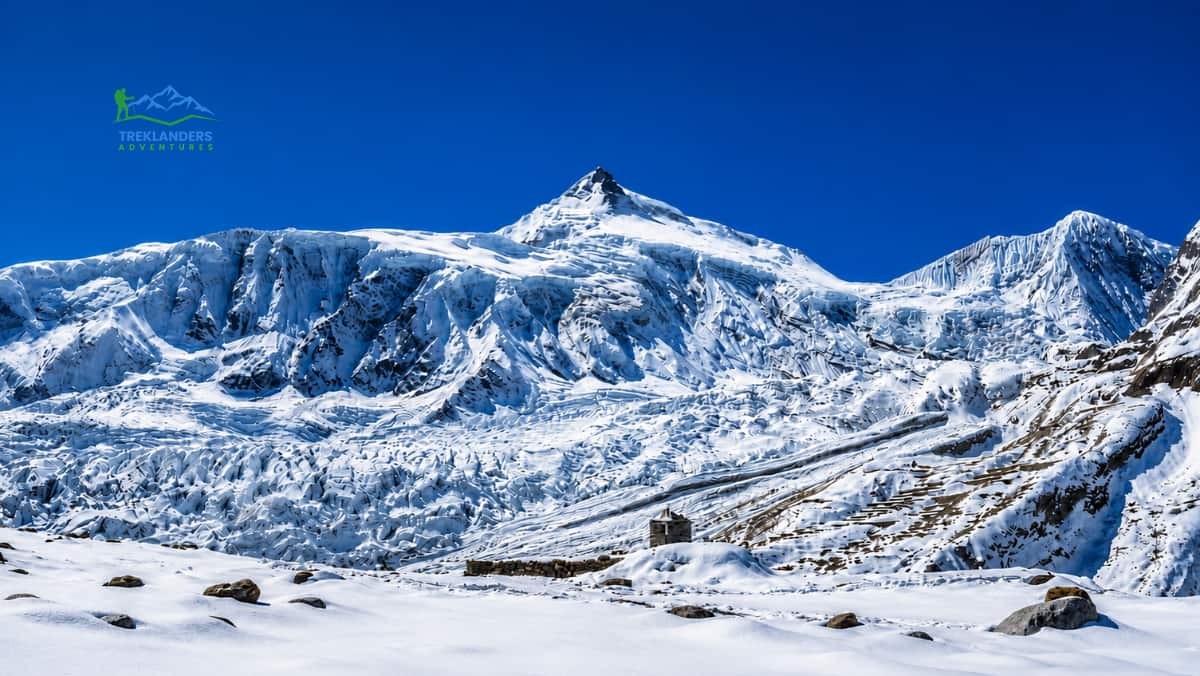
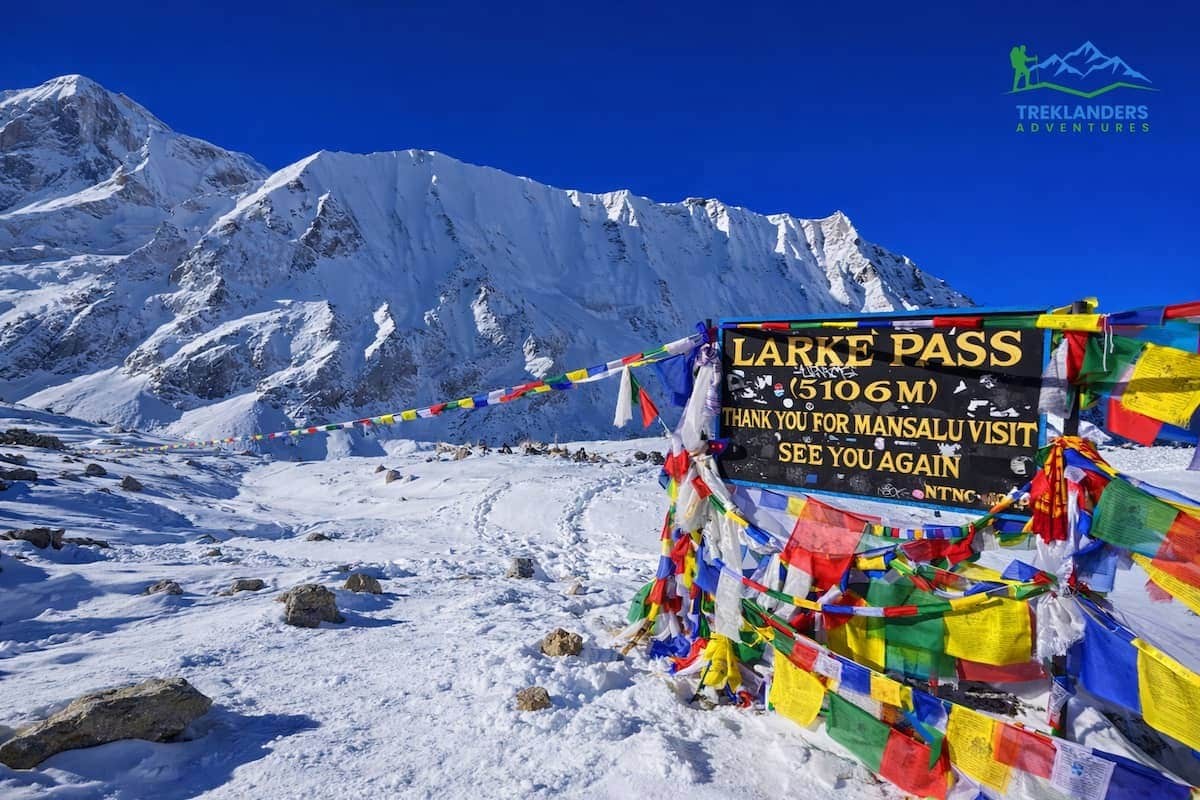
The Manaslu Circuit Trek takes you around the eighth-highest mountain on earth, through gorges, pine forests, and villages that still run on yak trade and Tibetan Buddhist ritual. You cross Larke Pass at 5,106 meters, drop into the Marsyangdi valley, and walk through landscapes that shift from subtropical lowland to high alpine desert in under two weeks.
It's not a trek you can wing. The route sits inside a restricted area, which means permits, a licensed guide, and a fixed set of rules you don't get to negotiate. Add in altitude, weather that changes fast, and teahouses that thin out the higher you climb, and you have a trek that rewards preparation and punishes trekkers who show up without it.
This guide walks through what actually matters before you commit to the Manaslu Circuit. Permits, timing, fitness, altitude, gear, guides, culture, and safety. Read it before you book, not after you've already landed in Kathmandu.
Permits and Restricted Area Rules
Permits and Restricted Area
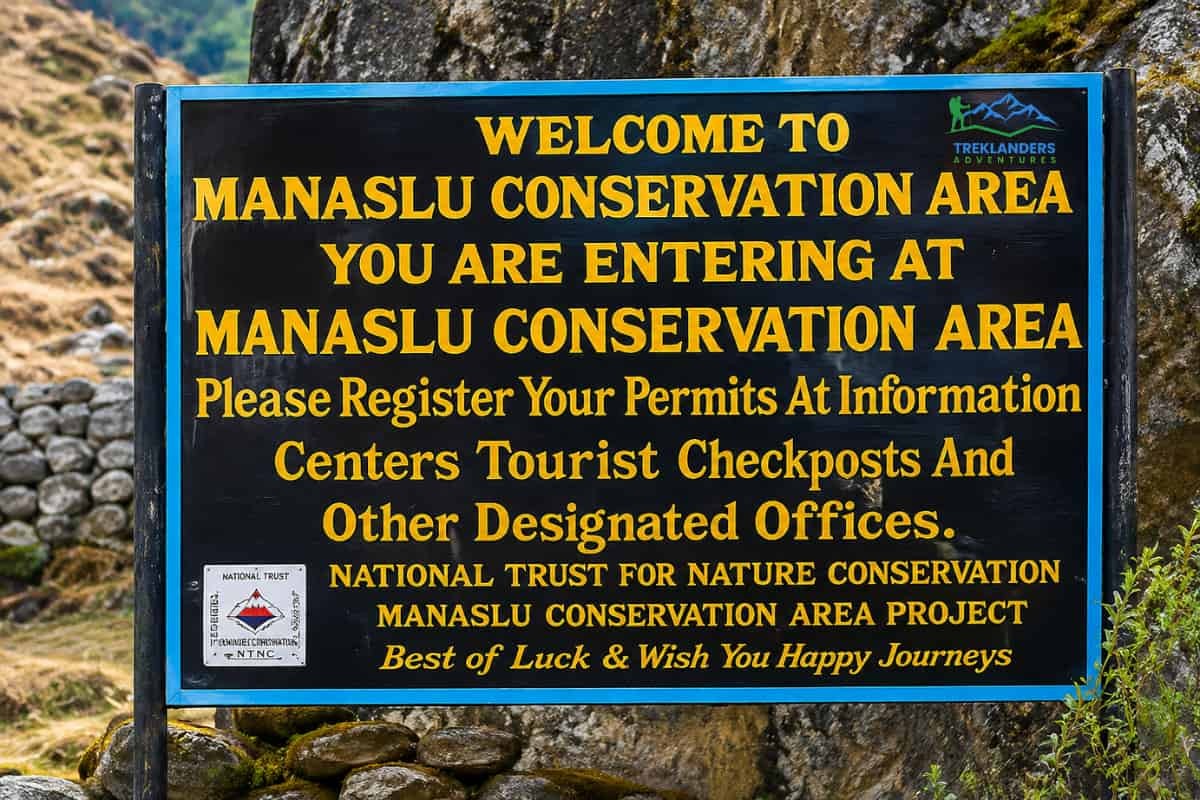
Manaslu sits in a restricted area, and Nepal's government treats it differently from Everest or Annapurna. You need three permits to walk this route legally.
The Manaslu Restricted Area Permit (RAP) is the big one. It's issued through a registered trekking agency, not over the counter, and the price changes depending on the season and how many days you're inside the restricted zone. You also need the Manaslu Conservation Area Project (MCAP) permit for the lower and middle sections, and the Annapurna Conservation Area Project (ACAP) permit once you cross into the Annapurna side near Larke Pass and descend toward Dharapani.
Here's the part that catches people off guard: you cannot get a Manaslu RAP as a solo trekker. Nepal requires a minimum of two trekkers on the same permit, and you must trek with a licensed guide from a government-registered agency. Independent, guideless trekking isn't an option on this route, unlike Annapurna Base Camp or Langtang, where solo trekking is still legal.
Bring your passport-sized photos and passport copies before you leave home. Agencies process the paperwork in Kathmandu, and it typically takes a day or two once your documents are in order. If you're trekking during peak season, sort your permits early. Agencies handle a backlog of applications in March, April, October, and November, and delays at this stage can push your start date.
Checkpoints along the trail verify your permits. Officials at Jagat, Deng, and Sama Gaun check paperwork, so keep physical copies on you, not just photos on your phone. A dead battery at a checkpoint is not a good excuse.
The restricted area classification exists for a reason beyond bureaucracy. The Manaslu region borders Tibet, and the Nepali government monitors trekker movement through this corridor more closely than in open trekking areas. It also means the trail has seen far less commercial development than Everest or Annapurna, which keeps villages more traditional and infrastructure lighter. That's part of the appeal, but it also means you need to plan around the permit system rather than treat it as an afterthought.
Permit rules and fees change periodically, so confirm current requirements with your agency close to your departure date rather than relying on information from a previous season. Agencies that run Manaslu regularly stay current on these changes and can flag anything new, such as adjusted checkpoint locations or updated documentation requirements, before you leave Kathmandu.
Best Time to Trek the Manaslu Circuit
Best Time to Trek the Manaslu Circuit
Two windows work well for this trek: spring, from March through May, and autumn, from late September through November.
Autumn gives you the clearest skies of the year. The monsoon has washed the dust out of the air, visibility runs long, and you get sharp views of Manaslu, Himlung, and Ngadi Chuli from the high camps. Daytime temperatures in the lower valleys sit comfortably in the teens Celsius, dropping toward freezing as you approach Samdo and Dharamsala. This is also the busiest season on the trail, so teahouses fill up and you'll share the route with more trekking groups.
Spring brings rhododendron blooms through the forests below 3,000 meters, which the autumn season doesn't offer. Mornings tend to be clear, with cloud building through the afternoon, particularly near the pass. Temperatures run a few degrees warmer than autumn at similar elevations, which some trekkers find more comfortable for the Larke Pass crossing.
Winter, from December through February, is technically possible but brutal. Larke Pass sees heavy snowfall, and many teahouses above Samdo close for the season because there isn't enough trekker traffic to justify staying open. If you're set on a winter attempt, you need serious cold-weather gear and a guide with direct experience on winter pass crossings.
Monsoon season, June through early September, is the one stretch to avoid outright. Rain triggers landslides on the lower trail sections near Machha Khola and Jagat, where the path runs along steep, loose slopes above the Budhi Gandaki river. Leeches are heavy in the forest sections, visibility drops, and the risk of trail damage from flooding is real. Agencies rarely recommend booking Manaslu during these months.
Physical Fitness and Training
Physical Fitness and Training
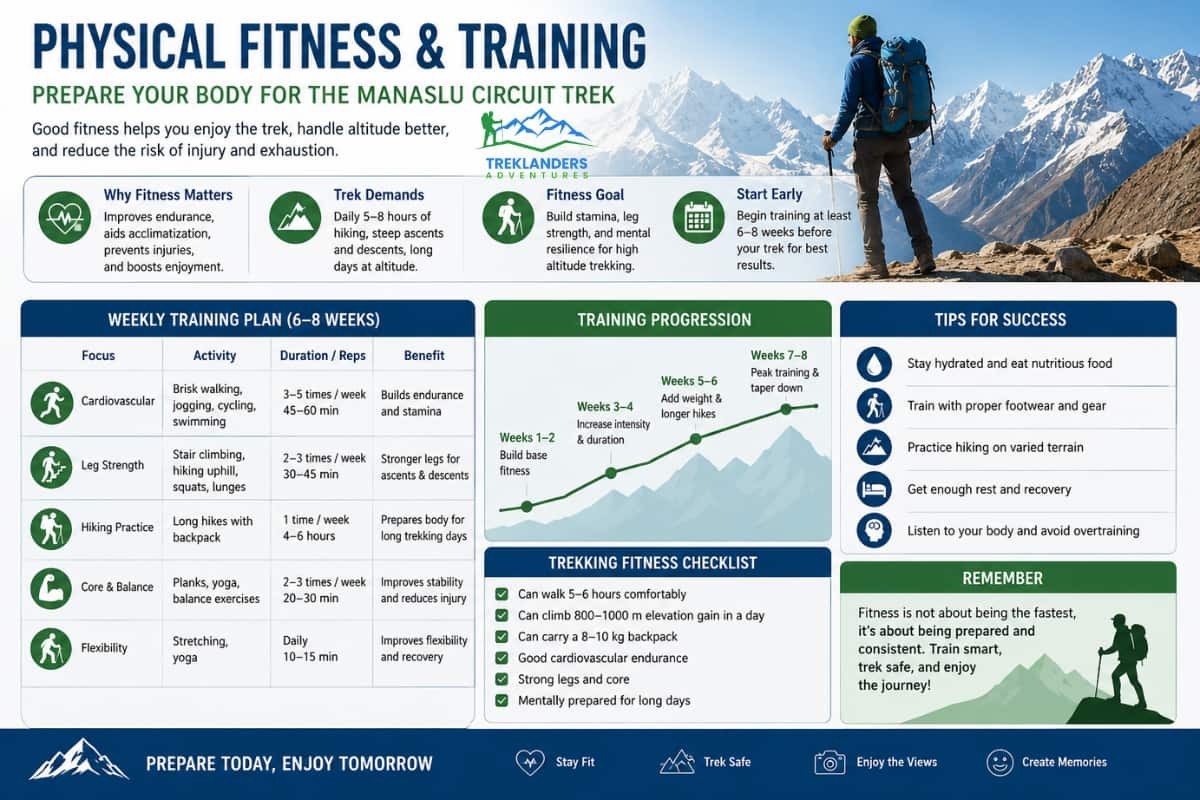
The Manaslu Circuit runs 14 to 18 days depending on your itinerary, with daily walking stretches of five to seven hours. You gain significant elevation over a short distance, climbing from around 700 meters at Soti Khola to 5,106 meters at Larke Pass in under two weeks. That rate of ascent puts real strain on your body, and fitness level directly affects how well you handle it.
Start training at least two months before departure if you're not already active. Focus on three things: cardiovascular endurance, leg strength, and time on your feet carrying weight.
For cardio, build up to running or hiking for 45 to 60 minutes, four to five times a week. Stair climbing works well too, since it mimics the up-and-down nature of Himalayan trails better than flat running. For leg strength, add squats, lunges, and step-ups to your routine twice a week. Your quads and calves take the brunt of the descents, which are often harder on the body than the climbs.
Practice hikes matter more than gym sessions. If you have access to hills or mountains, do a few multi-hour hikes with a loaded backpack in the weeks before you leave. This trains your body for the specific demand of walking for hours with weight on your back, at a pace you can sustain day after day.
You don't need to be an elite athlete to complete this trek. Trekkers in their fifties and sixties finish the Manaslu Circuit every season. What matters is consistent preparation, not raw athletic ability. If your training has gaps, build in extra rest days on the itinerary rather than pushing through fatigue at altitude, where the margin for error is smaller.
Altitude Sickness and Acclimatization
Altitude Sickness and Acclimatization
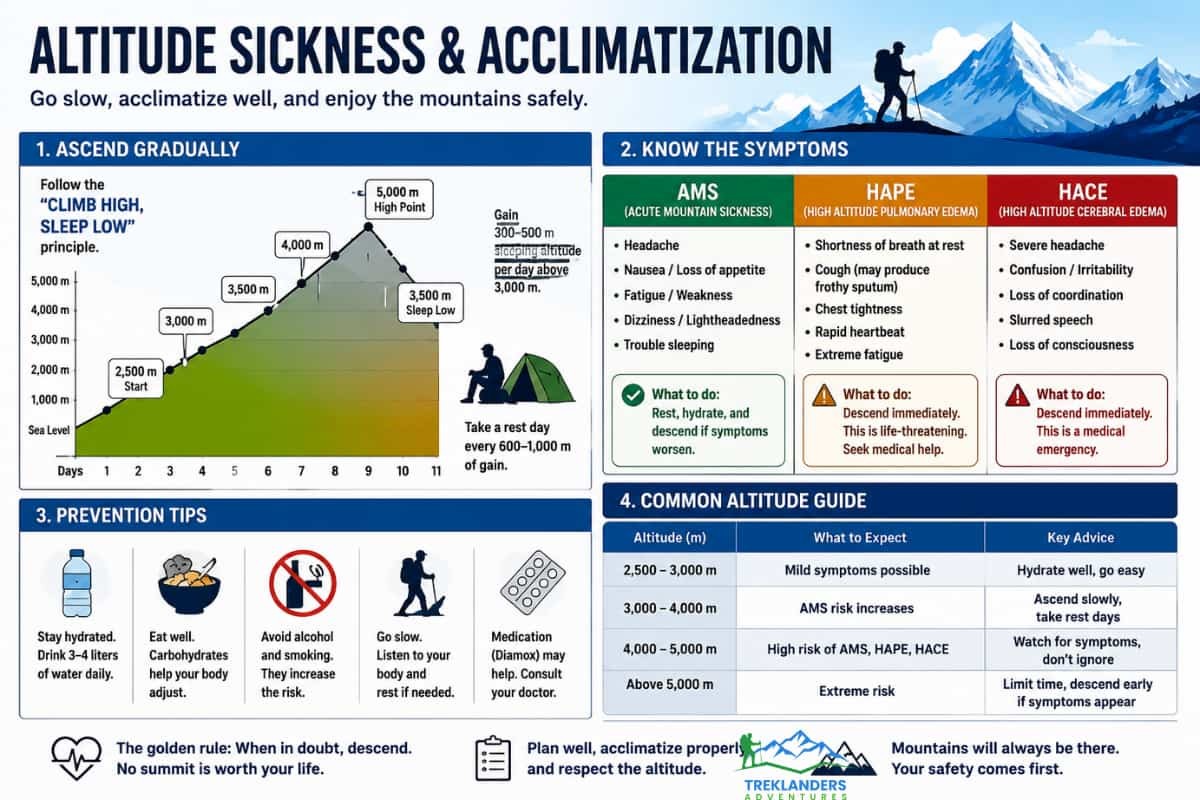
Larke Pass sits at 5,106 meters, and you'll spend several nights above 3,500 meters before you cross it. Altitude sickness is the single biggest health risk on this trek, and it doesn't care how fit you are.
Acute Mountain Sickness (AMS) shows up as headache, nausea, dizziness, and fatigue that doesn't match your exertion level. Most trekkers feel some mild symptoms above 3,000 meters. The problem starts when those symptoms worsen instead of easing off, or when you push higher without giving your body time to adjust.
A good Manaslu itinerary builds in acclimatization days at Sama Gaun (around 3,530 meters) and sometimes Samdo (3,875 meters). Use these days for short acclimatization hikes rather than full rest. Walking a few hundred meters higher during the day, then sleeping lower, helps your body adjust faster than sitting still. Trekkers in the region call this "climb high, sleep low," and it works.
Follow the basic rules once you're above 3,000 meters. Don't ascend more than 300 to 500 meters in sleeping altitude per day. Drink three to four liters of water daily, since dehydration makes AMS symptoms worse and easy to confuse with altitude sickness. Avoid alcohol until you're back at lower elevation. Eat enough, even when altitude kills your appetite, because your body burns significant calories fighting the cold and thin air.
Take symptoms seriously. If a headache doesn't respond to rest, water, and basic pain relief, or if you develop confusion, loss of coordination, or breathlessness at rest, descend immediately. Don't wait for symptoms to become severe before you act. A guide experienced on this route will recognize warning signs and push for descent when needed, which is one more reason the mandatory guide requirement works in your favor here.
Diamox (acetazolamide) helps some trekkers with acclimatization, but talk to a doctor before your trip if you're considering it. It's not a substitute for proper acclimatization days, and it won't protect you if you ascend too fast.
Choosing a Guide and Porter
Since Nepal requires a licensed guide for the Manaslu Circuit, your choice of agency and guide has more weight here than on unrestricted routes. A strong guide does more than lead the walk. They manage your permits, communicate with teahouse owners, watch for altitude symptoms, and make the call on rest days or descent if something goes wrong.
Look for a guide with specific Manaslu experience, not just general Himalayan trekking background. The restricted area has fewer rescue options and thinner teahouse infrastructure than Everest or Annapurna, so local knowledge of the route, the villages, and the weather patterns around Larke Pass matters.
Ask your agency directly how many times your assigned guide has crossed Larke Pass, and in which seasons. A guide who has only worked the popular autumn window may have less experience handling early or late-season snow conditions on the pass.
Porters are optional but worth considering if you're carrying more than a daypack's worth of gear, or if you want to conserve energy for the altitude gain. A porter typically carries up to 15 kilograms, shared between two trekkers in many packages. If you hire a porter independently rather than through an agency, confirm they have proper gear for the pass crossing and are insured for high-altitude work. Underequipped porters face real risk on Larke Pass, and responsible trekking means checking on this before you hire anyone.
Build a working relationship with your guide before the trek starts. Ask questions about the daily plan, the acclimatization schedule, and what happens if weather closes in near the pass. A guide who answers clearly and specifically, rather than vaguely, is generally a good sign.
Group size affects your experience too. A smaller group, four to eight trekkers, moves at a more consistent pace and gives your guide more capacity to manage individual acclimatization needs. Larger groups can work well if everyone is at a similar fitness level, but mismatched paces create friction on long climbing days, and slower trekkers can feel pressured to keep up when they should be resting instead.
Confirm what's included in your guide and porter arrangement before you sign anything. Ask specifically whether your guide carries first aid supplies and oxygen for emergencies, and whether porters are insured for high-altitude work. Reputable agencies in Nepal now carry porter insurance as standard, following years of advocacy from organizations working to improve conditions for trekking staff, but it's still worth confirming directly rather than assuming.
Packing List and Gear Essentials
Packing List and Gear Essentials
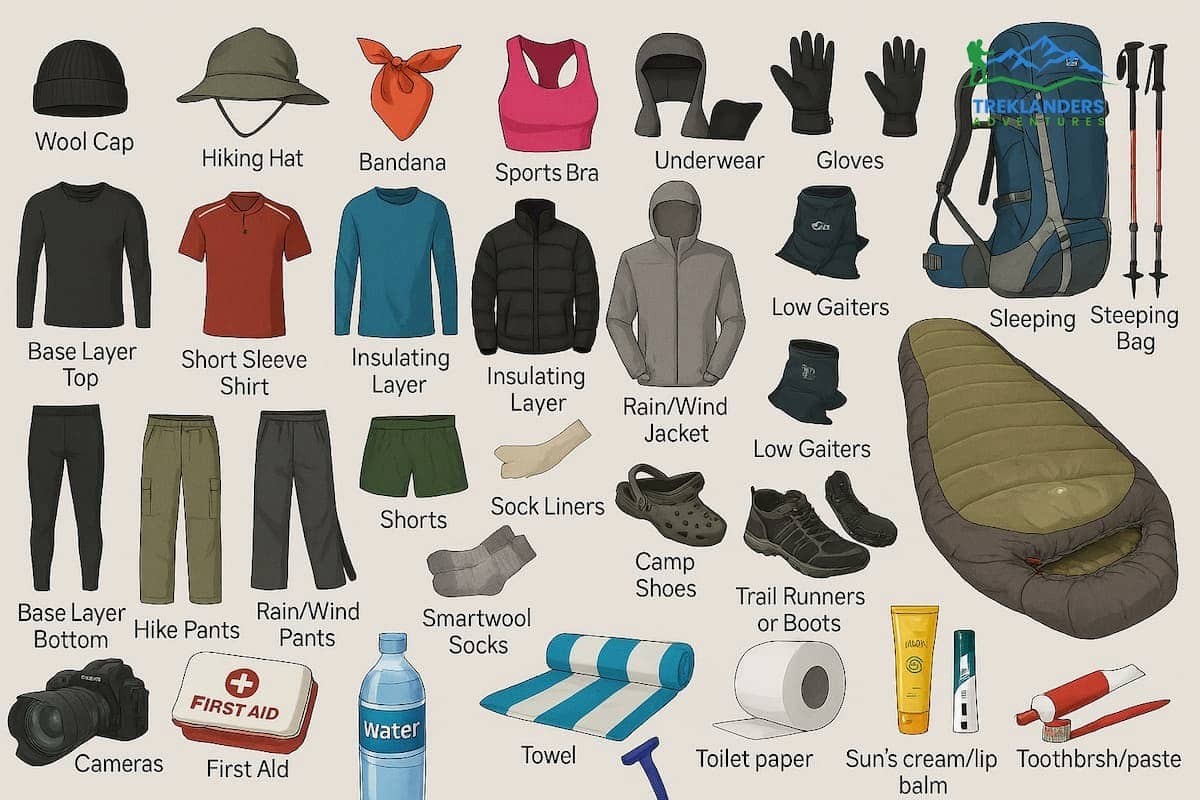
Temperatures on the Manaslu Circuit swing from subtropical warmth in the lower Budhi Gandaki valley to sub-zero cold at Larke Pass. Pack in layers, and don't assume gear from a lowland trek will carry you through the high sections.
For your base layer, bring moisture-wicking thermal tops and bottoms. Cotton holds sweat and dries slowly, which becomes dangerous at altitude when wet clothing chills your body fast. A mid-layer fleece or insulated jacket handles the cooler evenings in the mid-altitude villages. For the pass crossing and high camps, a down jacket rated for sub-zero temperatures is non-negotiable, along with a hard-shell or waterproof outer layer to block wind.
Footwear matters more than most trekkers expect. Bring broken-in, waterproof trekking boots with ankle support, and test them on multi-hour hikes before you leave home. New boots on a 14-day trek is how blisters end trips early. Pack two to three pairs of wool trekking socks and a lighter pair for lower altitude walking.
For the pass crossing specifically, bring gaiters if you're trekking in a season with snow, trekking poles for the steep, loose descent on the Bimthang side, and a headlamp, since many groups start the pass crossing before dawn to avoid afternoon weather.
Sleep gear needs attention too. A sleeping bag rated to at least minus 15 degrees Celsius covers you for the high camps, since teahouse rooms above 3,500 meters have minimal insulation and no heating in the bedrooms. A liner adds warmth and keeps the bag cleaner over multiple nights.
Other essentials: a water purification method, since bottled water becomes expensive and creates plastic waste higher up the trail; a basic first aid kit with blister treatment, altitude medication if prescribed, and any personal medication; sun protection, including a high-SPF sunscreen and UV-blocking sunglasses, since sun exposure at altitude is stronger than most trekkers expect; and a power bank, because electricity access thins out above Sama Gaun and charging often costs a fee where it's available at all.
Pack light where you can. Whatever you carry yourself or hand to a porter, you'll be grateful for every kilogram you didn't bring once you're climbing toward Larke Pass.
A duffel bag works better than a hard-shell suitcase for the portion of your gear a porter carries, since it's easier to load onto mules and pack animals used on parts of the lower trail. Keep your daypack for items you need through the day: water, snacks, camera, extra layer, and any medication you might need without waiting for a porter to catch up. A daypack in the 30 to 35 liter range covers this without becoming a burden on the longer walking days.
Don't overpack on the assumption you'll need everything for every scenario. Trekkers who bring too much end up carrying dead weight through the humid lower valleys, and swap regret for relief once they reach the cold high sections and realize the extra layers actually mattered. A packing list reviewed against your specific itinerary and season, rather than a generic template, serves you better than guessing.
Teahouses, Food, and Accommodation on the Trail
Teahouses, Food, and Accommodation
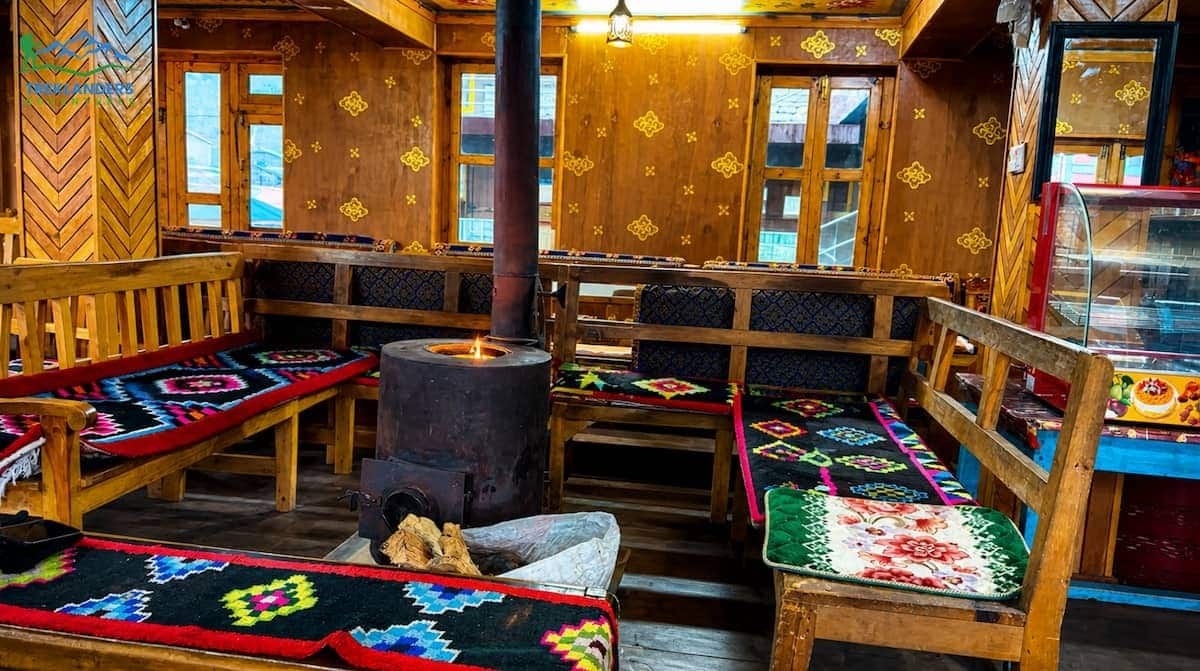
The Manaslu Circuit runs on the teahouse system, meaning you sleep and eat at small, family-run lodges along the route rather than camping. Rooms are basic: twin beds, a thin mattress, and shared bathrooms in most places. Above Sama Gaun, expect fewer amenities and colder rooms, since these lodges operate at higher altitude with a shorter trekking season.
Menus follow a similar pattern across the region. Dal bhat, the Nepali staple of lentils, rice, and vegetable curry, is the most reliable option, partly because it's freshly cooked and partly because most lodges offer free refills. Other common dishes include noodle soups, fried rice, momo (dumplings), and basic pasta. Don't expect much variety above 3,500 meters. The higher you climb, the more limited the kitchen becomes, since supplies have to be carried in by porters or mules.
Meat is generally not recommended above the mid-altitude villages. Without reliable refrigeration, meat that's been carried up over multiple days poses a real food safety risk. Stick to vegetarian dishes once you're past Deng or Namrung.
Book your accommodation as you go rather than in advance, which is standard practice on this route. Your guide typically handles this, checking ahead by phone where signal allows or simply arriving and negotiating a room. During peak season, particularly October and November, some popular stops like Sama Gaun can fill up, so arriving reasonably early in the day gives you better odds of a room close to the dining area, which matters when temperatures drop after dark.
Water, Wi-Fi, and Charging on the Trail
Access to basic services drops steadily as you climb. In the lower villages, most teahouses offer Wi-Fi for a small fee, and mobile signal from Nepal Telecom or Ncell covers a good stretch of the route, though coverage gets patchy past Namrung.
Charging is available at most teahouses through solar power or small hydro setups, but expect to pay a per-device or per-hour fee above Sama Gaun. Bring a power bank as backup, and charge it whenever you have free electricity in the lower villages, since paid charging becomes the norm the higher you go.
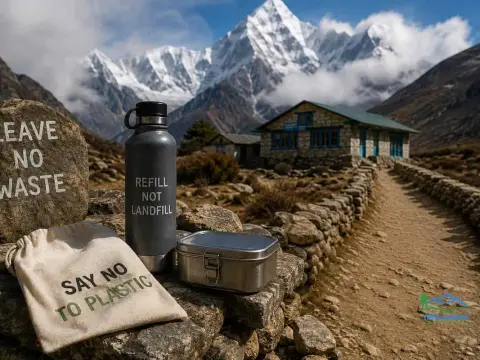
For drinking water, boiled or filtered water is available for purchase at most teahouses, though it's cheaper and better for the environment to carry a filter or purification tablets and refill from tap or stream sources where your guide confirms it's safe. Bottled water sold in the villages gets more expensive with elevation, since it has to be carried in, and plastic waste from bottles is a real problem on high-traffic trekking routes. A reusable bottle with a filter cuts both costs and your environmental footprint.
Trail Difficulty and Daily Walking Hours
Trail Difficulty and Daily
The Manaslu Circuit is rated moderate to strenuous, sitting above Annapurna Base Camp in difficulty but generally comparable to or slightly harder than the Everest Base Camp trek, mainly because of the Larke Pass crossing.
Daily walking hours range from four to seven, depending on the stage of the trek. Early days from Soti Khola to Jagat follow the Budhi Gandaki river through forested, humid terrain with a mix of flat sections and steep, stone-stepped climbs. The trail narrows in places, running along cliffside paths with drops to the river below, particularly through the gorge sections near Deng and Namrung.
The middle stretch from Namrung to Sama Gaun opens into wider valleys with views of Manaslu itself, and the walking becomes less technical but more demanding on the lungs as elevation builds. The final push from Dharamsala to Larke Pass and down to Bimthang is the hardest single day of the trek: a pre-dawn start, several hours of steady climbing on loose scree and possible snow, the pass crossing itself, and then a long, steep descent that runs six to eight hours in total.
Trail conditions vary by season. Post-monsoon trekking (autumn) offers the most stable footing, while spring can bring muddy patches at lower elevation and occasional snow near the pass. Suspension bridges cross the river repeatedly through the lower valley, and while they're standard infrastructure on Nepali trekking routes, trekkers uneasy with heights should know they're a regular feature of this trail, not an occasional obstacle.
Rest and acclimatization days break up the physical demand, but don't underestimate the cumulative fatigue of walking five-plus hours a day for two weeks straight. Pace yourself early in the trek rather than pushing hard on the easier lower sections, since the effort you save shows up when it matters most, near the pass.
Weather and Temperature Swings
Weather on the Manaslu Circuit changes fast, and the range between the lowest and highest points of the trek is extreme. At Soti Khola, daytime temperatures in peak season can reach the mid-20s Celsius, with humidity typical of a subtropical river valley. By the time you reach Dharamsala or the Larke Pass high camp, nighttime temperatures regularly drop below minus 10 degrees Celsius, even in the main autumn trekking season.
Mornings tend to be clearer than afternoons throughout the trek, particularly near the pass. Cloud builds through the day, and wind picks up in the exposed high sections. This is why most groups cross Larke Pass early, often starting from Dharamsala at 3 or 4 a.m. to reach the pass and begin descending before the afternoon weather turns.
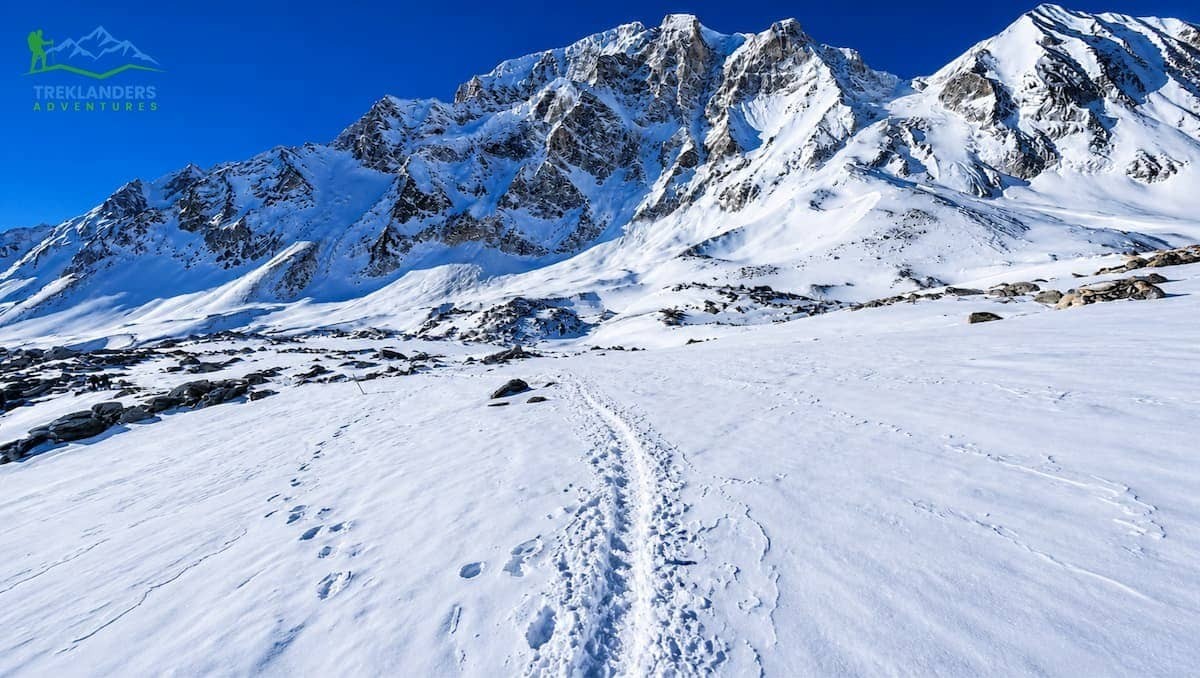
Snow is a real possibility on the pass even during the main trekking seasons, and conditions can shift within a single day. Trekking poles, proper footwear, and a guide who monitors weather patterns closely all reduce risk here. If your guide recommends delaying the pass crossing by a day due to weather, that delay is worth respecting rather than pushing against.
Pack for the coldest realistic scenario, not the average conditions. A clear, mild morning at Sama Gaun doesn't guarantee the same at Larke Pass three days later. Layering flexibly, so you can add or remove clothing as temperature and exertion change through the day, works better than a single heavy layer you can't adjust.
Cultural Etiquette in the Manaslu Region
Cultural Etiquette in the Manaslu Region
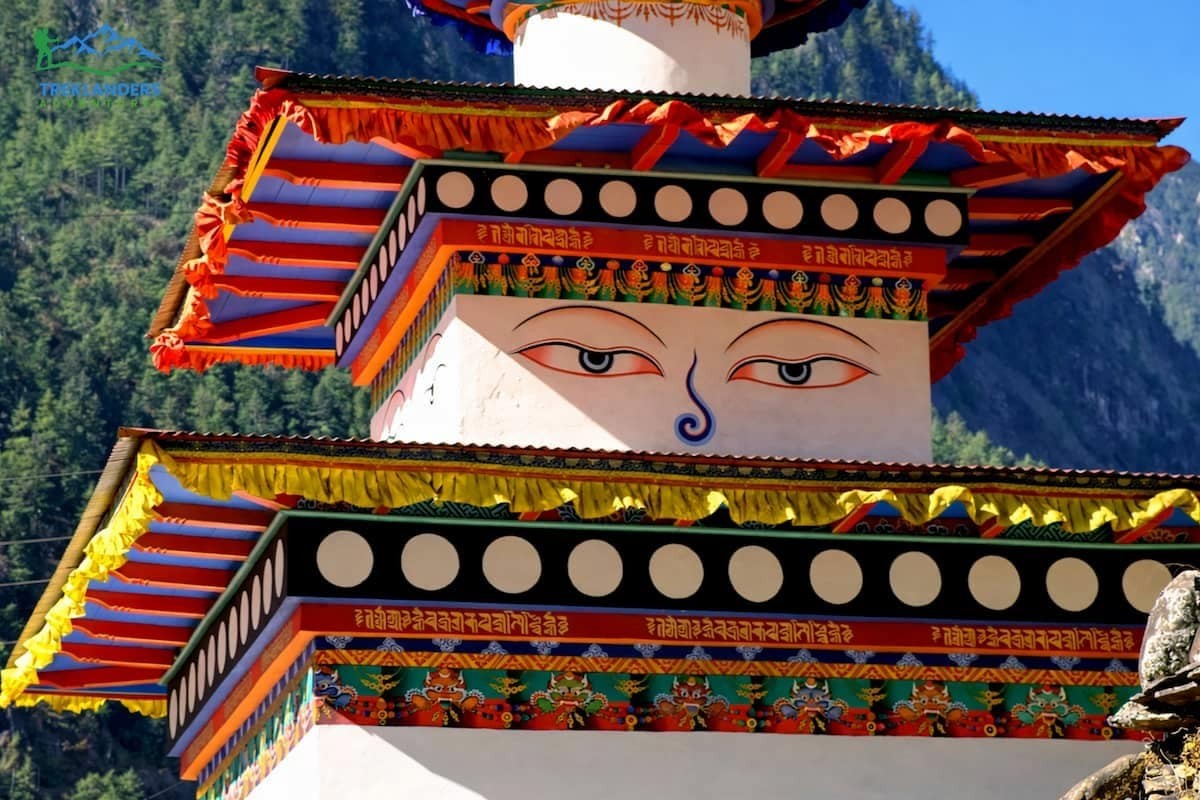
The Manaslu region is home to a mix of ethnic groups, with strong Tibetan Buddhist influence in the upper villages around Sama Gaun and Samdo, and Gurung communities through the lower and middle sections. Monasteries, chortens, mani walls, and prayer flags are a constant presence on the trail, and how you interact with them matters.
Walk clockwise around mani walls and chortens, keeping them on your right side, which follows Buddhist tradition observed throughout the region. Ask before photographing people, particularly at monasteries or during religious ceremonies. Some monasteries welcome visitors respectfully, but always check with your guide or a local before entering, since access rules vary by site.
Dress modestly, particularly in villages and around religious sites. Shoulders and knees covered is a safe standard, for both men and women. Public displays of affection are uncommon in these communities and best avoided.
Sama Gaun, one of the larger settlements on the route, holds particular religious significance, with its own monastery and strong ties to Tibetan Buddhist practice. Trekkers who take time to learn a bit about local customs before arriving, rather than treating the village purely as a stopover, tend to have better interactions with residents.
Basic greetings go a long way. "Namaste" works throughout Nepal, and learning a handful of words in Nepali or the local Tibetan-influenced dialect, even just "thank you," shows respect that locals notice and appreciate. Tipping guides and porters at the end of the trek is customary and expected, and your agency can advise on appropriate amounts based on group size and trek length.
Travel Insurance and Emergency Preparedness
Travel insurance isn't optional for the Manaslu Circuit. You need a policy that specifically covers high-altitude trekking up to at least 5,500 meters, since standard travel insurance policies often cap coverage at 3,000 or 4,000 meters and exclude trekking activity entirely.
Confirm your policy includes helicopter evacuation. Larke Pass and the sections around it are remote, with no road access and limited ground evacuation options if something goes wrong. Helicopter rescue is the standard emergency response in this part of Nepal, and it's expensive without insurance. Read your policy closely for exclusions around altitude sickness specifically, since some cheaper policies exclude AMS-related evacuations even when they cover trekking generally.
Carry a copy of your insurance details, including the emergency contact number, separate from your phone in case of loss or damage. Your guide should also have this information and know the evacuation protocol for your group.
Basic emergency preparedness starts before the trek. Share your itinerary with someone at home, know the location of the nearest health post along your route (available at a few larger villages, though facilities are extremely limited), and carry a basic first aid kit even if you're trekking with a guide who carries their own.
Mobile signal is unreliable above Namrung, so don't count on calling for help in every situation. Your guide's judgment and experience become your primary safety resource once you're deep into the restricted area, which is another reason the mandatory guide requirement isn't just bureaucracy. It's a real safety measure on a route with thin infrastructure.
Health and Hygiene on the Trail
Health and Hygiene on the Trail
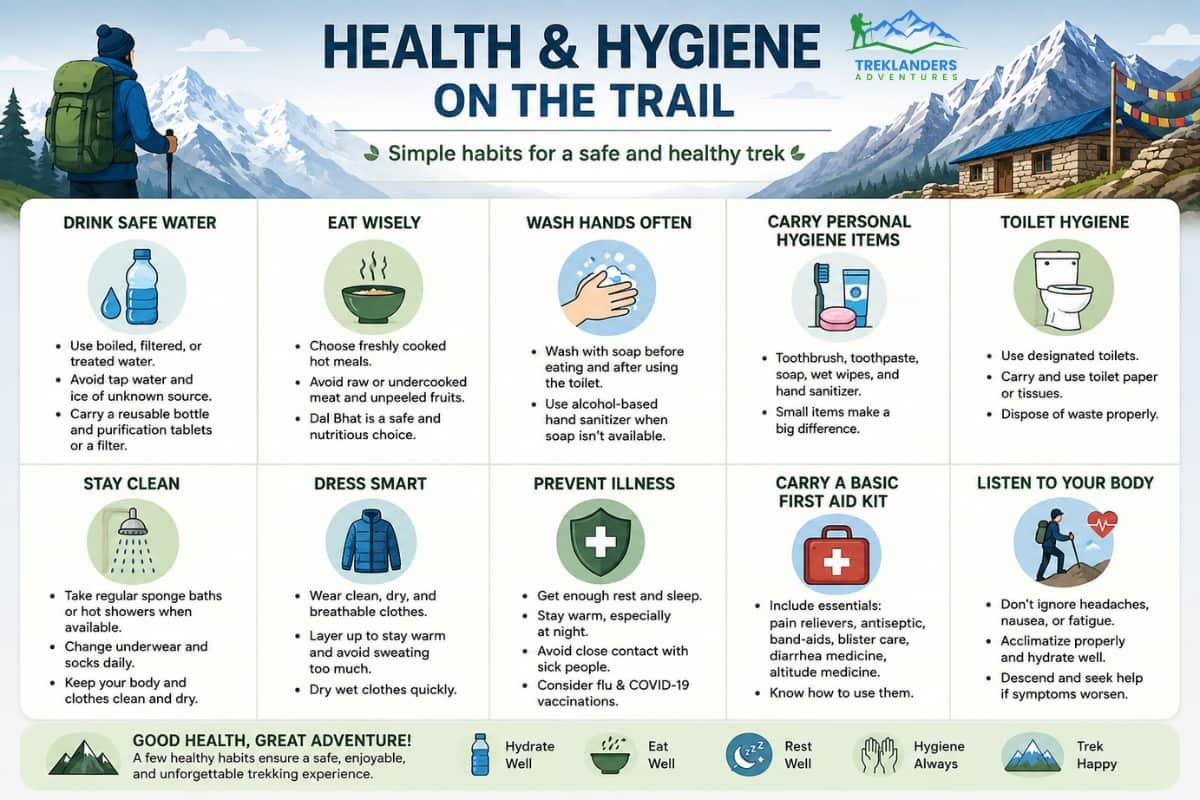
Basic hygiene habits matter more on a multi-week trek than most people expect, and small lapses cause a large share of the illness that ends up derailing trekkers halfway through.
Hand sanitizer or soap before meals cuts down on the stomach bugs that circulate through teahouses, since kitchens are small, shared spaces without the sanitation standards you'd expect at home. Bring your own supply, since it isn't always available for sale higher up the trail.
Toilets range from Western-style in the lower villages to basic squat toilets above Namrung, often without running water. Pack toilet paper and hand sanitizer, since teahouses rarely stock either. A quick-dry travel towel and a small bag of wet wipes cover the days when a proper shower isn't available, which becomes more common as you climb, since hot showers run on limited fuel and cost extra above Sama Gaun.
Look after your feet daily. Check for blisters or hot spots each evening, and treat them immediately rather than pushing through discomfort, since a small blister ignored for two days can turn into a real problem on a trek with no easy exit route. Keep toenails trimmed short before you leave home, since long descents put steady pressure on your toes and cause bruised or lost nails if you're not careful.
Sun exposure at altitude is stronger than it feels, since thinner air filters out less UV radiation. Reapply sunscreen through the day, even when it's cloudy or cold, and cover your neck and ears, which trekkers commonly forget. Chapped lips and windburn are common near the pass, so a good lip balm with SPF earns its place in your daypack.
Cold and flu symptoms are common at altitude, partly from the physical stress of exertion and partly from close contact in shared dining rooms each evening. A sore throat or cough that most trekkers write off as nothing can be harder to shake at altitude, since your body is already working overtime to manage lower oxygen levels. Rest rather than push through if you start feeling run down, and flag any symptoms to your guide early rather than waiting to see if they pass.
Terrain and Landscape Diversity Along the Route
Terrain and Landscape
Few treks in Nepal cover as much ecological range in such a short distance as the Manaslu Circuit. Understanding what to expect at each stage helps you prepare mentally and physically for a route that changes character almost daily.
The lower section, from Soti Khola to around Jagat, runs through subtropical forest and terraced farmland along the Budhi Gandaki river. Expect humidity, dense vegetation, and river crossings on suspension bridges that sway with each step. This section sees the most agricultural activity, with rice and millet terraces cut into the hillsides and small settlements built around river access.
Past Jagat, the trail climbs into temperate forest, with pine, rhododendron, and oak covering the slopes through villages like Deng and Namrung. This middle stretch is where the trek starts to feel genuinely Himalayan, with narrower valleys, colder air, and your first real views of snow-capped peaks between the trees.
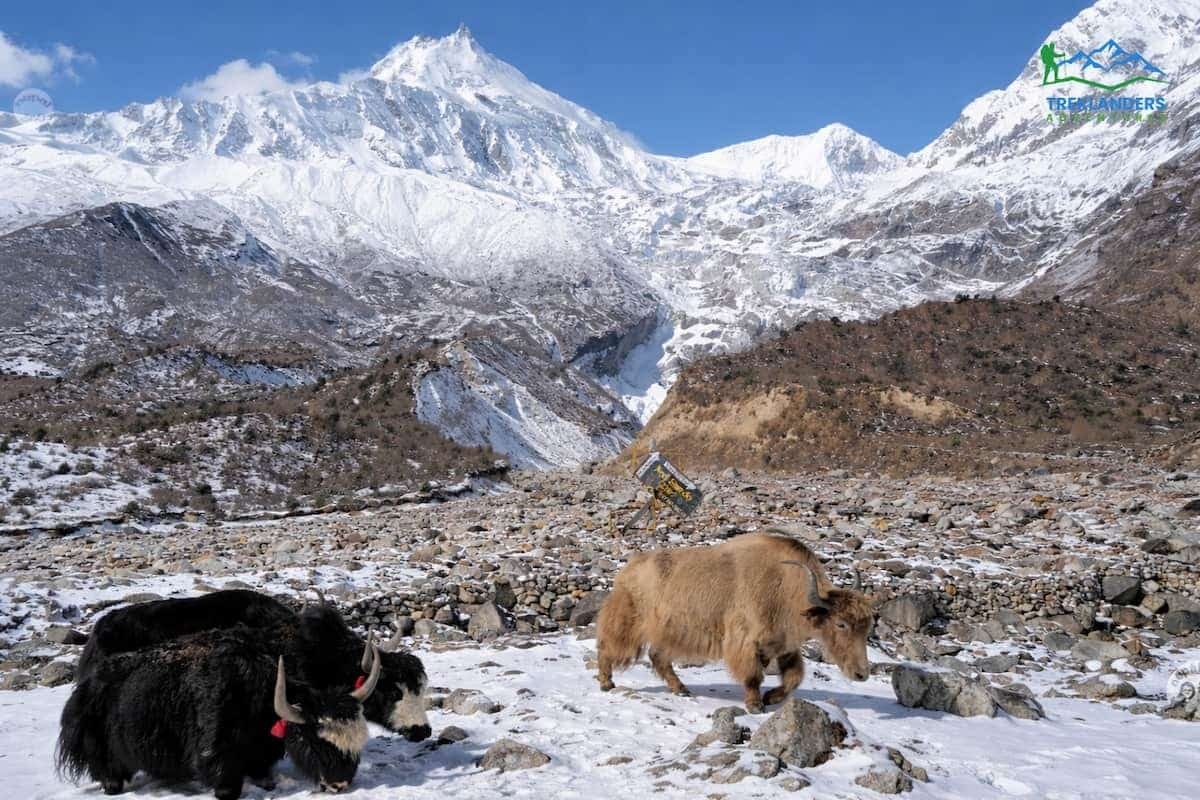
Above Namrung, the landscape opens into the Nubri valley, with wider views and a noticeable drop in vegetation as you approach Sama Gaun. Stone-built villages, yak pastures, and mani walls become common here, and Manaslu itself dominates the skyline on clear days.
From Samdo to Larke Pass, the trail moves into true high-alpine terrain: sparse vegetation, loose rock, and eventually snow and ice near the pass itself. This is the most physically demanding and visually dramatic section of the trek, with glacial views and a stark, quiet landscape that contrasts sharply with the green lower valleys.
The descent from Larke Pass into Bimthang and toward Dharapani drops you back into forest and farmland on the Annapurna side, closing the loop on a trek that takes you through nearly every major ecosystem found in the Nepal Himalaya.
Environmental Responsibility on the Trail
The Manaslu region sees far less trekking traffic than Everest or Annapurna, which keeps the trail and villages cleaner, but that only holds if trekkers actively protect it rather than assuming someone else will.
Carry out what you carry in, particularly plastic. Bottled water and packaged snacks generate waste that villages along the route have limited capacity to manage, since there's no road access for waste removal in most sections. Bring a reusable water bottle with a filter or purification tablets instead of buying bottled water at every stop.
Stick to marked trails, especially in the fragile alpine sections above Sama Gaun, where vegetation regrows slowly in the thin air and cold climate. Cutting across switchbacks or camping outside designated areas damages terrain that takes years to recover.
Respect firewood use in teahouses. Many lodges above 3,000 meters burn wood or dung for heating and cooking, since electricity and gas are limited. Ask before requesting extra hot water or heating beyond what's offered, since resources are genuinely limited at altitude, not just held back for cost reasons.
Support local economies directly where you can. Buying snacks, tea, or small items from village shops, rather than carrying everything from Kathmandu, keeps money in the communities you're passing through and reduces the volume of goods that need to be transported in.
Final Thoughts
Manaslu Circuit Trek
The Manaslu Circuit rewards trekkers who prepare properly and respects the ones who don't push their limits at altitude. Sort your permits and guide arrangements early, train with real hikes rather than gym sessions alone, pack for temperature extremes, and take acclimatization seriously above Sama Gaun.
The trail itself delivers what few other routes in Nepal can match: real cultural immersion in Tibetan Buddhist villages, close views of an 8,000-meter peak without the crowds of Everest, and a pass crossing that earns every step leading up to it. Get the preparation right, and the Manaslu Circuit becomes one of the most rewarding treks in the Himalaya.