10 Essential Tips for Trekking in Nepal
16 Oct 2026
Discover 10 essential trekking tips for a safe, enjoyable, and unforgettable Himalayan adventure in Nepal.

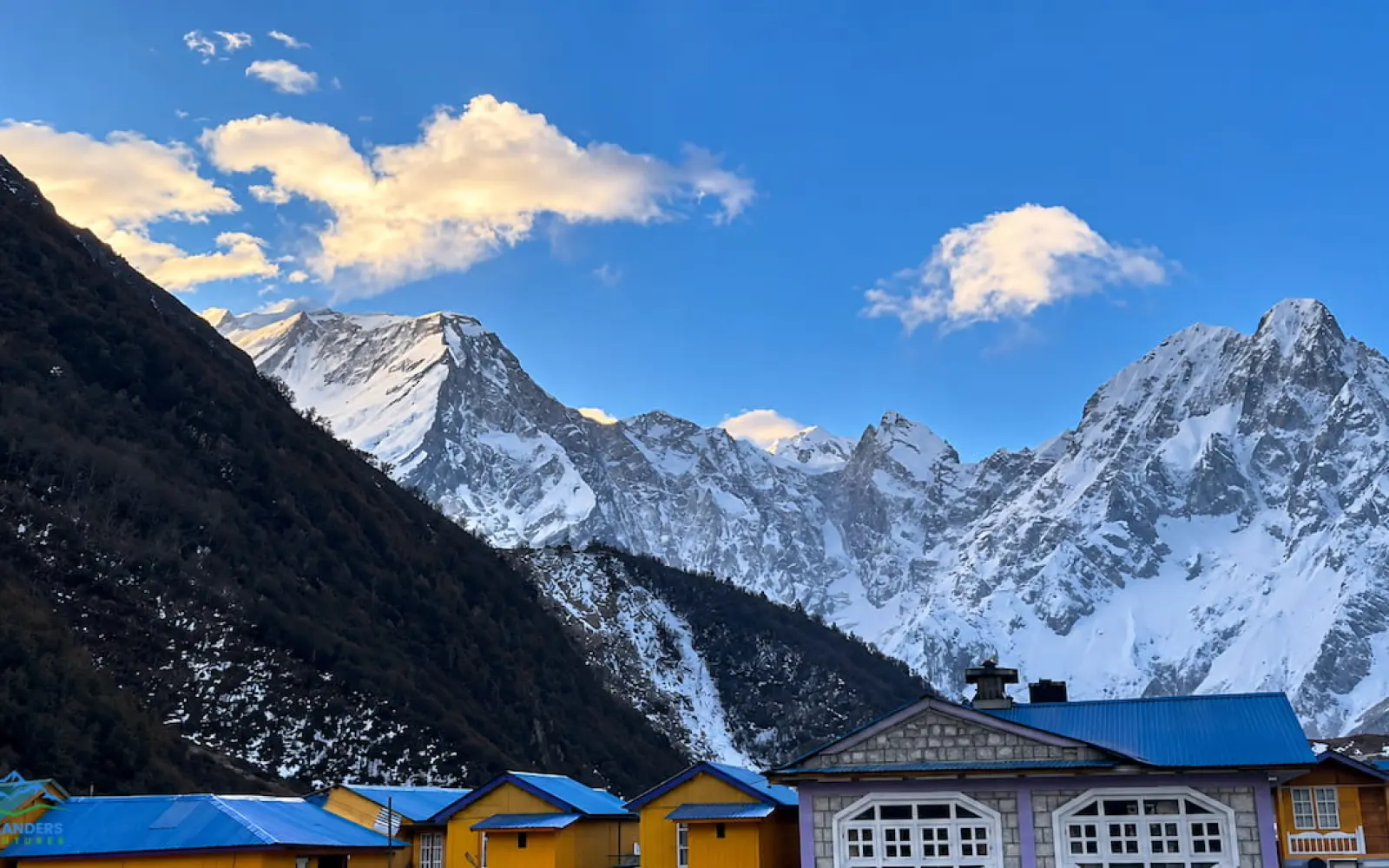
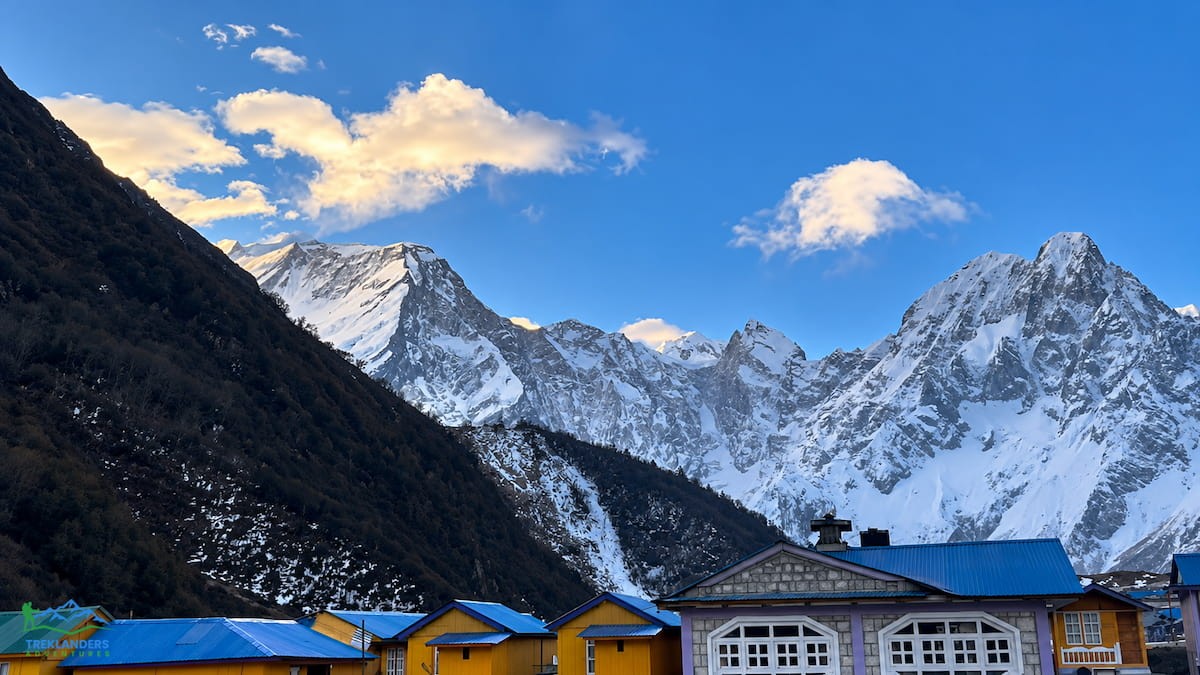
The Manaslu Circuit Trek and the Everest Base Camp Trek both climb above 5,000 meters. Both use family-run teahouses. Both finish with views of some of the highest mountains on Earth. They differ in one way that matters to many trekkers: the number of people on the trail.
Government data, permit rules, road access, lodge capacity and seasonal timing all point the same direction. The Manaslu Circuit stays quieter than Everest Base Camp because Nepal restricts entry, because the approach takes a full day by road, and because the valley has far fewer beds. This guide covers each reason with numbers, then walks you through the 18-day Manaslu Circuit Trek from Treklanders Adventures stage by stage.
You will also see where the quiet ends. One night on the circuit gets crowded, and the Everest region has quiet corners of its own. A fair comparison needs both facts.
Start with the counts. Nepal's tourism statistics for 2025 recorded 47,524 foreign tourists in Sagarmatha National Park, the protected area that holds the Everest Base Camp trail. The same report counted 14,720 trekkers in the Manaslu region, the most visited of Nepal's controlled areas. Everest drew about 3.2 times as many people.
Spread across a full year, the Manaslu total comes to roughly 40 trekkers a day. The Sagarmatha total comes to roughly 130. Real days look different, because both regions fill in spring and autumn. Park staff in Namche counted 8,902 arrivals in the Khumbu between mid-September and mid-October of 2024/25 and reported an average near 1,000 a day in peak season. One Monday in April 2025 sent 694 visitors through the park office.
Now add the Annapurna figure for scale. The Annapurna Conservation Area received 313,549 foreign tourists in 2025. Manaslu's count equals less than five percent of that, even though the Annapurna Circuit joins the Manaslu route at Dharapani.
Treat these figures with care. The Sagarmatha count covers everyone who enters the park, including visitors who never go near Base Camp, while the Manaslu count covers trekkers in a controlled area. Different offices collect the two datasets. The direction of the gap is clear, though, and every other factor in this guide supports it. A trail that needs a special permit, a guide and a day-long drive draws fewer people than a trail you reach by air in the morning.
These numbers explain the feel of the trail. On the Manaslu Circuit you meet other groups at lodges and on the path, and the encounters stay occasional. On the Everest trail in October you share the path with a steady flow of hikers, porters and yak trains.
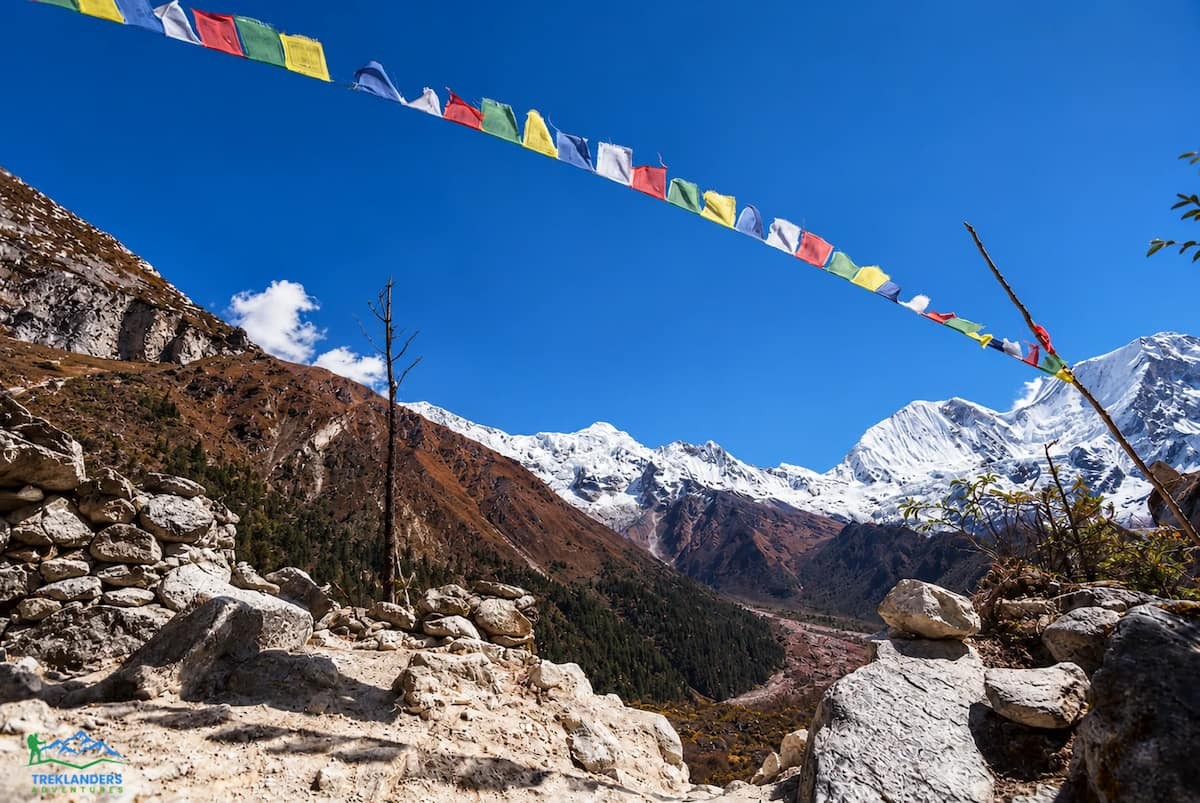
Upper Manaslu opened to outside trekkers in the early 1990s. Nepal still classes it as a restricted area, partly because the valley sits close to the Tibet border. That classification controls who can walk the trail.
Three permits cover the standard circuit. The Restricted Area Permit applies to everyone who goes beyond Jagat, and only a government-registered trekking agency can obtain it. The Manaslu Conservation Area Permit covers the protected area. The Annapurna Conservation Area Permit applies because the route leaves through Dharapani on the Annapurna side. Treklanders Adventures handles all three on its 13-day Manaslu Circuit trekking itinerary and on the longer versions.
A licensed guide is compulsory. You cannot walk the circuit alone. Your guide checks you in at the permit posts between Jagat and the army post near Larkya La, sets the daily pace and manages your lodges. Nobody lands in Kathmandu, buys a map and starts walking the next morning.
Compare the Everest approach. You fly to Lukla, pay the park entry fee and a local trek card fee, and walk. No restricted-area gate screens trekkers beyond the park entrance, and teahouses appear every hour or two along the main trail. That simplicity is why the 12-Day Everest Base Camp Trek fills so fast in spring and autumn.
The Manaslu system adds lead time and paperwork, and the extra effort filters the crowd. People who choose it usually plan months ahead. They pick an agency, confirm a start date and prepare for 18 days away. Fewer trekkers clear that bar.
Everest begins with a flight. Most trekkers fly to Lukla and start walking the same morning. The flight turns a multi-day approach into a short hop, which opens the trek to a wide range of visitors and sends many of them into the Dudh Koshi valley in the same weeks.
The Manaslu Circuit begins with a road. Day 3 of the Treklanders itinerary is a drive of about seven hours from Kathmandu to Machha Khola at 900 meters. The route follows the main highway, turns onto a rough dirt road near Arughat in Gorkha, then tracks the Budhi Gandaki River to the village. The first walking day comes the next morning and covers four hours to Dovan.
That approach filters trekkers in three ways. The drive takes a full day. The dirt section slows down after heavy rain. And the first three walking days stay below 1,900 meters, so the route offers no quick mountain views to a casual visitor. People who finish that approach arrive committed.
The exit follows the same logic. After Larkya La you descend to Dharapani, drive about four hours to Besisahar, then about five hours to Kathmandu. The full program runs 18 days from arrival to departure. Many travelers have two weeks or less, so they choose the 14 Day Everest Base Camp Trek or a shorter option. That time gap trims Manaslu demand.
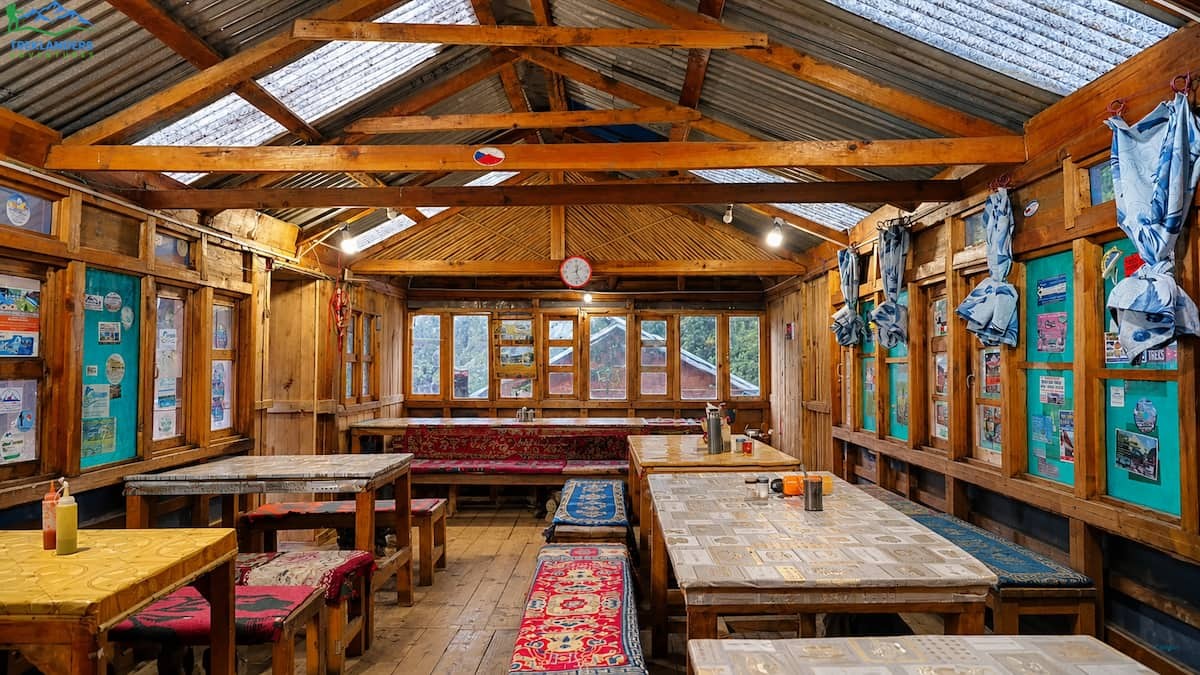
Quiet depends on beds. The Manaslu valley holds fewer lodges than Khumbu, and each lodge is smaller. Lho Gaon, Sama Gaon and Samdo each offer a modest set of guesthouses with a large dining room and a wood stove. Namche Bazaar, by contrast, is a town with dozens of lodges, bakeries, gear shops and cafes.
A limited supply of beds caps the number of trekkers the trail can absorb on a given night. Agencies know this. They book lodges ahead and stagger start dates. Treklanders Adventures arranges accommodation for every guest on the 14 Day Manaslu Circuit Trek and the other Manaslu departures, so you do not hunt for a room at the end of a long day.
The one pinch point is Dharmasala, also called Larkya Phedi, at 4,450 meters. It sits below the pass and has a few lodges, a large dormitory and tented camps. Every group that plans to cross Larkya La the next morning ends up there. During the October peak, guides tell trekkers to order dinner early and claim a sleeping space on arrival. This is the one night on the circuit where you notice the crowd. By breakfast it thins out, because each group leaves in the dark.
Everest has pinch points at Namche Bazaar, Dingboche, Lobuche and Gorakshep, where beds fill early in spring and autumn. Those towns stay busy for weeks, not for a single night.
Treklanders runs the circuit for groups of one to 30 people. Group size changes the feel of a quiet trail. One large party fills a small lodge, crowds the dining room stove and slows the line at the pass. A small group or a private departure keeps the trail as quiet as the permit numbers suggest. You can request either through the Plan My Trip page.
Your package includes a government-licensed, English-speaking guide and one porter for every two trekkers. The guide sets a pace that favors acclimatization over speed, and adjusts each day to the weather and to how the group feels. That approach matters on a route where help sits several days from a hospital. It also keeps your group from racing the next one to a bed.
Plan for a steady rhythm. Expect between four and eight hours of walking per day, a break for lunch at a village teahouse and arrival by mid-afternoon. The short days at Dovan, Jagat, Samdo, Dharmasala and Gho leave time to rest, wash laundry, write notes and talk with your hosts. Those unhurried afternoons are part of what the quiet gives you.
Both treks share the same two windows. Spring runs from March to May. Autumn runs from September to November. October is the busiest month on both trails, because the skies clear after the monsoon and the mountain views peak.
If you want the quiet version of Manaslu, move off the October peak. Late April and May bring rhododendron blooms in the lower forests and clear mornings. Early November brings cold nights and short days. Spring and early November tend to bring fewer groups than October.
The upper Manaslu valley sits in a rain shadow, so it stays relatively dry during the monsoon from June to August. The lower valley turns damp and slippery, and Treklanders does not recommend the season for most trekkers. Winter trekking from December to February suits only experienced trekkers who are prepared for extreme cold and for the chance that snow blocks Larkya La.
The Everest trail has the same rhythm with one extra factor. Spring is also the Everest climbing season, so Lukla, Namche Bazaar and Base Camp host expedition teams as well as trekkers.
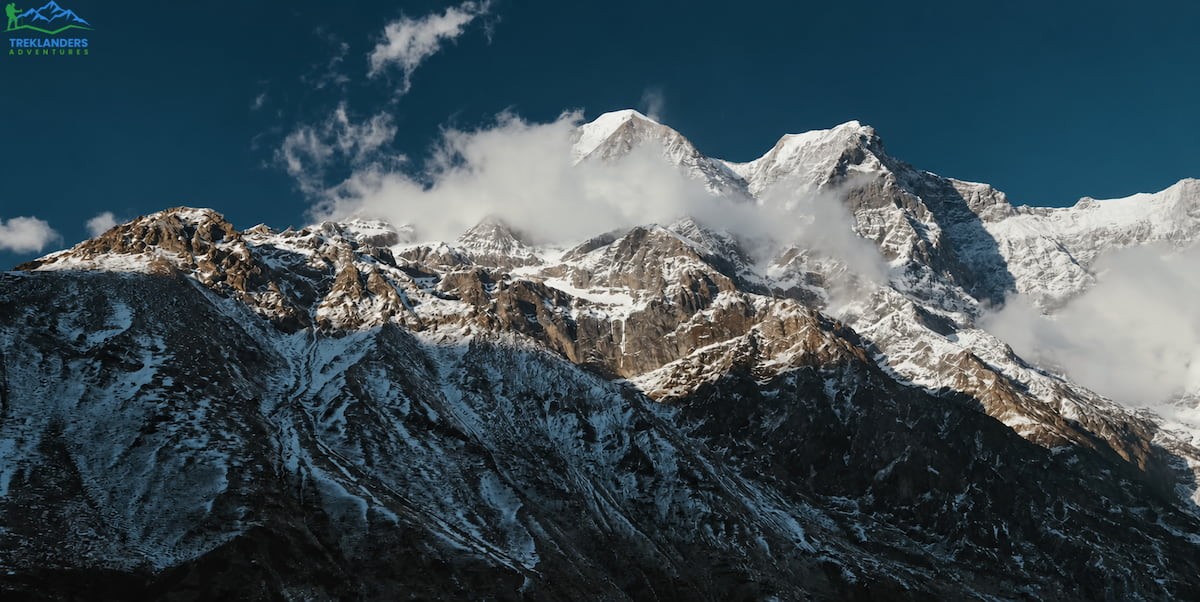
The narrative below follows the 18-day itinerary from Treklanders Adventures. The trek itself runs 14 days, with drives at both ends and one rest day at Sama Gaon. Read it as a picture of how the route unfolds and where you will notice the lack of crowds.
You arrive in Kathmandu at 1,365 meters. Your guide meets you at the airport, drives you to a three-star hotel and runs a trek briefing that covers lodges, trails, food and etiquette. A welcome dinner with a cultural program follows. Day 2 is a guided tour of the city's heritage sites and a final gear check. On day 3 you leave early for the seven-hour drive to Machha Khola, a farming village where the Budhi Gandaki meets a smaller stream. The name means fish stream.
Day 4 is the shortest walk of the trek, four hours to Dovan at 1,070 meters. You follow the Budhi Gandaki upstream through small sal and pine forests, cross the Tharo Khola and the Machha Khola, and reach Tatopani, which has a natural hot spring. Dovan sits where two streams meet.
Day 5 brings four to five hours to Jagat at 1,340 meters. The trail climbs steeply to Louri, continues uphill to Thado Bhanjyang, crosses a river and arrives at Jagat by lunch. Jagat is the entry post for the restricted area. Your permits get checked here, and every trekker beyond this point holds the same paperwork.
Day 6 begins the true Manaslu country. You walk north to Philim, a village with millet terraces, then to Ekle Bhatti, a former lone hut that now has shops and teahouses. The afternoon climbs through gorges, crosses the Budhi Gandaki and enters a dense bamboo forest. You sleep in Deng at 1,860 meters, after six hours on the trail. Tibetan Buddhist culture takes over from here.
Day 7 stretches six hours to Namrung at 2,660 meters. You pass Bihi, descend briefly, then climb to a bridge and enter pine and rhododendron forest dotted with Buddhist prayer monuments. Ghap comes next, followed by woods of fir, oak and pine, and a suspension bridge. Stone-paved stairs lead into Namrung, where barley and buckwheat fields open toward snow peaks. The lodges here are among the better ones on the route.
Day 8 covers five hours to Lho Gaon at 3,180 meters. The path climbs through pine woods to Lihi, crosses a stream fed by glaciers on Lidanda peak, and rolls through gentle ups to Sho, which faces Simnang Himal. Lho Gaon is full of mani walls, chortens and stupas. Its dining rooms are large and its menu is broad.
Day 9 delivers six hours to Sama Gaon at 3,500 meters. You walk through cool forest to Shyala, a village with wide crop fields and resting benches, cross a stream that flows from the Pungyen glacier and arrive at the largest settlement in the upper valley. You stay two nights.
Day 10 is the rest day, and it matters. A day at 3,500 meters prepares your body for the pass. You can hike to Pungyen Gompa, a round trip of three to four hours, or walk to Birendra Tal, a glacial pond. Stronger trekkers can head toward Manaslu Base Camp at about 4,400 meters. Each option gives you direct views of Manaslu at 8,163 meters. The upper valley carries few trekkers, and a monastery visit here often means you share the courtyard with your own group alone.
Day 11 is a four-hour walk to Samdo at 3,875 meters. The trail follows grazing pastures, passes birch and juniper woods, crosses a small wooden bridge over the Budhi Gandaki and climbs steeply into Samdo. This Tibetan-style village sits on the route to the border and holds the last permanent homes in the upper Manaslu valley. You spend the afternoon on foot around the village.
Day 12 climbs four hours to Dharmasala at 4,450 meters. You leave the last village, follow the valley rim, cross a wooden bridge over the Budhi Gandaki for the final time and pass old mani walls and prayer flags beside the Larke streams. Dharmasala means shelter for travelers, and it needs the name. A dormitory and tented camps absorb the groups that arrive for the pass. Order your meal early. In the afternoon, walk a short distance or rest and watch the Larke glacier and the peaks of Larke and Manaslu.
Day 13 is the big day, and it takes eight hours. You wake early, eat breakfast and carry a packed lunch. Your guide leads a steep climb over moraine, a short descent to a glacial pond, and more rocky moraine past frozen ponds. The final climb reaches Larkya La at 5,106 meters. Thousands of prayer flags and rock cairns mark the top, and a sign states the name and altitude. The pass forms the boundary between Manang and Gorkha districts.
From the summit you see a ring of snow peaks. Then comes a long descent to Bhimthang at 3,590 meters, a settlement in a wide meadow with comfortable lodges. After the hardest day of the trek, Bhimthang is the place where your legs finally stop working against you.
Day 14 is flexible and short. You walk four hours down to Gho at 2,535 meters through pasture and forest lined with rhododendron, magnolia, pine and fir. The afternoon is free for a gentle hike. Day 15 continues downhill for five hours through the forest to Tilje, crosses the Marsyangdi River by bridge and climbs briefly to Dharapani at 1,820 meters. The Annapurna Circuit trail joins here.
Day 16 is a drive to Besisahar at 760 meters, in four-wheel-drive vehicles over a rough road. Day 17 takes about five hours to Kathmandu. Day 18 is your international departure. If you have more days, the trail from Dharapani continues into the Annapurna region, and Treklanders can link the circuit to the Annapurna Circuit.
Days follow a steady pattern. You pack your main bag the evening before so your porter can load it at dawn. Breakfast comes at the lodge, then you walk. A lunch stop falls in a village or at a roadside teahouse, and the afternoon walk ends with a hot drink and a seat near the stove.
Rooms change with altitude. Machha Khola, Dovan and Jagat offer simple twin rooms with foam mattresses, heavy blankets and shared toilets. From Namrung upward the lodges improve. Lho Gaon, Sama Gaon and Samdo have larger dining halls, better bedding and in some cases attached bathrooms with limited hot water. Hot showers and device charging cost extra, and both depend on solar power or generators. Dharmasala is the exception, with dormitory beds and tents by design.
Food is better than most first-time visitors expect. Dal bhat appears on every menu, and you can eat it as often as you want. Tibetan bread, thukpa soup, vegetable momos, pasta, omelets and pancakes join it in larger villages. Some lodges bake cakes and apple pie in wood-fired ovens. Butter tea takes a few cups to enjoy, and ginger lemon honey tea works better for most people. Your package covers breakfast, lunch and dinner on the trail.
Mobile service is limited. Ncell gives the best signal, mostly at Lho Gaon, Sama Gaon and Samdo, and long stretches between villages have none. Download offline maps in Kathmandu and let your guide handle navigation. Evenings pass around the dining room stove, where trekkers from different countries trade notes about the day. On a quiet trail that circle stays small enough for a real conversation.
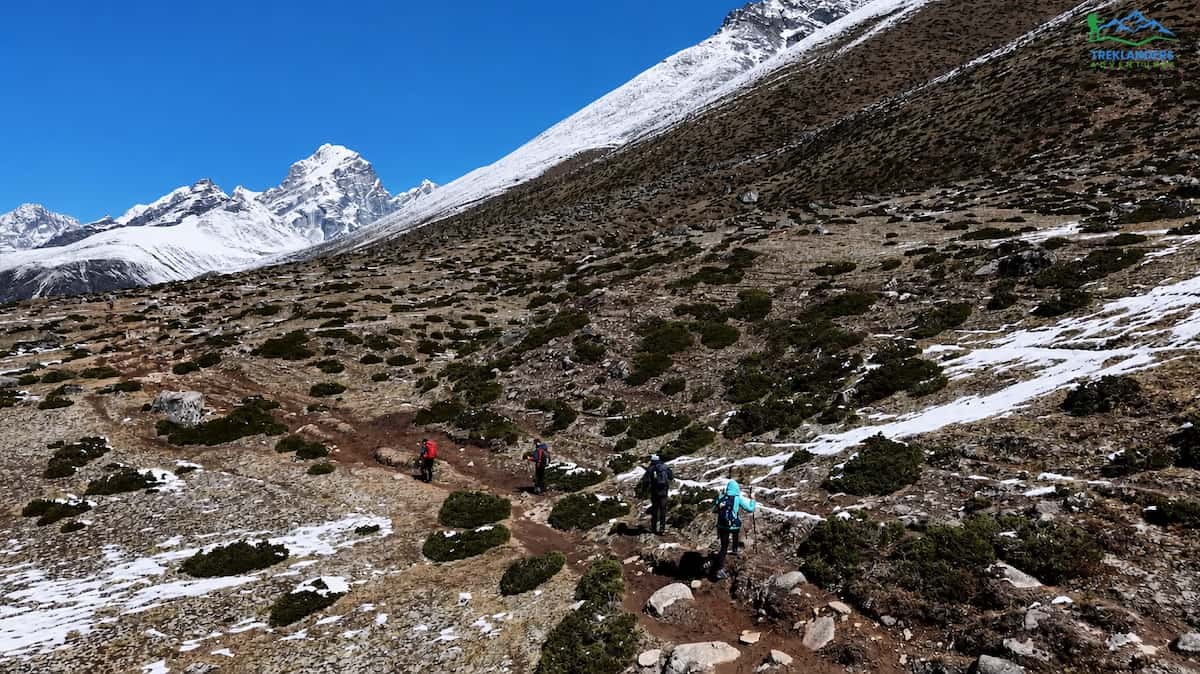
The standard Everest route starts at Lukla at 2,860 meters and runs through Phakding to Namche Bazaar at 3,440 meters. It continues to Tengboche, Dingboche, Lobuche and Gorakshep. Base Camp sits at 5,364 meters, and Kala Patthar at 5,545 meters is the usual viewpoint for Everest itself. The trail passes Sherpa villages, monasteries, suspension bridges and glaciers.
That scenery explains the traffic. Everest, Lhotse, Nuptse and Ama Dablam appear in photographs around the world, and many trekkers want to stand where those peaks fill the sky. The trail rewards that goal. It also asks you to share it, particularly in October and April.
If you want Everest scenery with fewer people, the region offers alternatives. Gokyo Valley Trekking follows a side valley of glacial lakes. Everest Base Camp via Cho La Pass from Gokyo Valley combines Gokyo with a high pass crossing. Everest Three Passes Trekking covers most of the Khumbu. Everest Base Camp Trekking from Jiri approaches on foot from the mid-hills of Solu, as early expeditions did. The 6 Day Pikey Peak Trek gives you a sunrise view of Everest, Kanchenjunga and Makalu from a lower peak, with fewer crowds on the trail.
Time-limited trekkers also pick the 9-Day Everest Base Camp Trekking with Helicopter Return or the Everest Panorama Trek, which keep the route shorter and lower. Those trips solve a time problem, not a crowd problem. The Manaslu Circuit solves the crowd problem and asks for more days in return.
The Manaslu Circuit crosses two cultural zones. The southern hills belong to Gurung and Magar communities with Hindu and animist traditions. North of Jagat, villages follow Tibetan Buddhist customs. Prayer flags cover the rooftops, and the trail runs past mani walls, prayer wheels, chortens and active monasteries.
Pungyen Gompa, near Sama Gaon, ranks among the oldest Tibetan Buddhist monasteries in the valley and looks across to the north face of Manaslu. Samdo carries Tibetan style in its houses and its position near the border route. Most families farm barley and buckwheat or herd livestock, and yak caravans use the high pastures during the trekking season.
Fewer trekkers change the way you meet these places. A teahouse dining room on the circuit often holds a single group around a wood stove, and your host family has time to talk. Meals from Nepali dal bhat to Tibetan bread, thukpa and apple pie from a wood-fired oven all support local households directly.
A few rules help you walk respectfully. Pass mani walls, chortens and stupas in a clockwise direction. Ask permission before you photograph monks, elders or children. Remove your shoes inside monasteries. Keep music off near sacred sites. Carry a reusable bottle and refill it with boiled or filtered water rather than buying plastic.
Treklanders Adventures follows responsible trekking practice on the circuit. Porters carry a maximum of 12 kilograms of each trekker's gear, and the company pays guides and porters above the national minimum wage. Quiet trails stay quiet when the visitors who use them follow the same rules.
The Everest region also has deep Sherpa culture, and Tengboche Monastery draws visitors every season. The difference is volume. A monastery that hosts one group at a time feels different from one that hosts several at once.
Low traffic changes the economics of the valley. Teahouses on the circuit are family-owned, and every meal and bed pays Gurung, Magar and Tibetan-heritage households directly. A small number of guests per night means each lodge sees steady business across the season without the pressure to expand beyond what the village can support.
It also changes the strain on the land. Plastic waste is a visible problem in Nepal's mountain areas, and the Manaslu Conservation Area has limited waste infrastructure. Fewer people produce less trash, but the burden still falls on each trekker. Carry out wrappers and batteries, refill your bottle instead of buying plastic, and tip your guide and porter fairly. Those habits keep tourist income in the valley and give residents a reason to protect the forests.
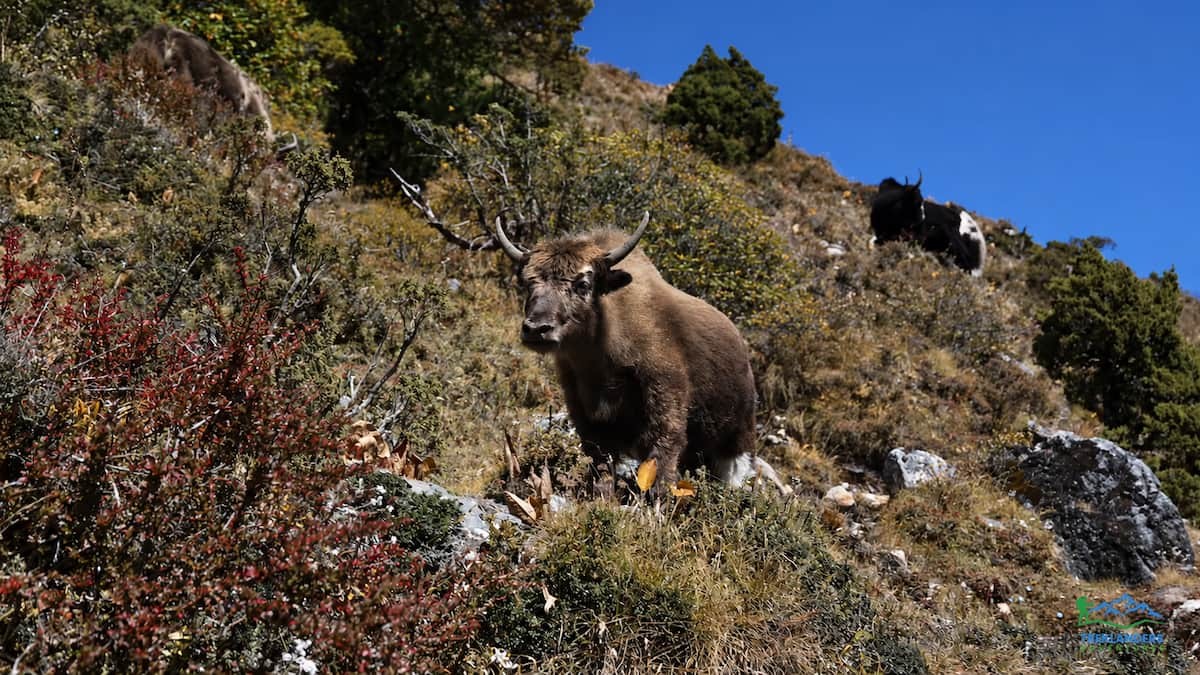
The Manaslu Circuit passes through five landscape belts: warm lowland farmland, sal and pine forest, rhododendron highlands, alpine meadows and a glacial zone near the pass. Few treks compress that range into 14 walking days.
The Manaslu Conservation Area protects snow leopard, Himalayan tahr, blue sheep, musk deer and red panda. Most trekkers will not see a snow leopard, but tahr and blue sheep appear on high slopes, and birdwatchers can find Himalayan monal, blood pheasant and lammergeier. Lower foot traffic gives birds and grazing animals more room near the trail.
You do not need climbing skills. The route follows established trails, stone staircases and a high pass that most trekkers cross without technical equipment. You need endurance, steady lungs and a willingness to walk for several hours a day with a daypack.
Treklanders states that the trek suits trekkers from 16 to 70 years old who are physically fit and in sound medical health. A fit beginner with good preparation and a competent guide can complete it. Mental readiness counts as much as fitness. Some mornings start cold and gray, your legs ache, and the pass looks far away. Trekkers who keep a patient pace and trust the schedule finish with the best memories.
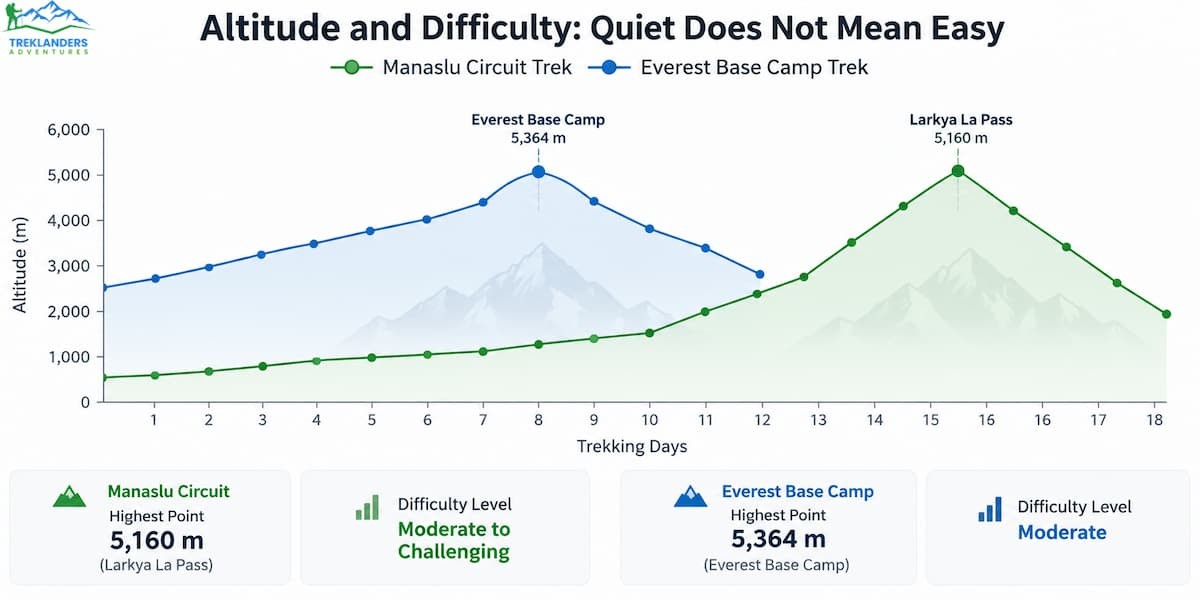
The circuit climbs from 900 meters at Machha Khola to 5,106 meters at Larkya La, a gain of roughly 4,200 meters across ten days. The itinerary spreads that gain with a rest day at Sama Gaon and short walking days at Samdo and Dharmasala. Most fit trekkers acclimatize without medication, but altitude sickness can affect anyone, regardless of fitness.
Daily walking runs between four and eight hours. Trails include riverside paths with loose rock, stone staircases in villages, moraine fields and snowpack near the pass. Treklanders rates the trek as moderate to adventurous. The hardest day is Larkya La, with a pre-dawn start, eight hours on the move and a descent of more than 1,500 meters to Bhimthang.
Everest Base Camp reaches 5,364 meters, and Kala Patthar reaches 5,545 meters. Larkya La at 5,106 meters sits lower, but the Manaslu route has longer walking days and a more remote setting. A quiet trail also means fewer people nearby if something goes wrong, which is why guides carry oxygen and medical kits and keep evacuation plans ready.
Prepare six to eight weeks before departure. Combine endurance cardio such as running, cycling or uphill hiking with leg strength work such as squats, lunges and step-ups. If you live in a flat area, climb stairs with a loaded daypack. Drink plenty of water, avoid alcohol as you gain altitude and walk slowly on the way to Dharmasala. Speak with your doctor about acetazolamide at least four to six weeks before you leave. Treklanders publishes more guidance in its post on 10 essential tips for trekking in Nepal.
A quiet trail needs good preparation, because shops and repair options thin out above Namrung. Treklanders lists a full packing list on its Manaslu Circuit page. The core items matter most.
Choose waterproof boots with ankle support and a firm midsole, and break them in before you arrive. The route crosses wet rock beside the river, angular moraine near Samdo and packed ice on the pass. Trail runners will not protect your feet in those conditions.
Build a layered clothing system instead of carrying bulk. Wear a merino or synthetic base layer, add a fleece or light down mid layer, and carry a waterproof, windproof shell with a hood. Avoid cotton. Pack a heavy down jacket for pass day, a warm hat, a sun hat, a neck gaiter, insulated gloves and UV-rated sunglasses. A sleeping bag rated to minus 10 degrees Celsius covers the cold night at Dharmasala.
Bring trekking poles. The descent from Larkya La to Bhimthang drops about 1,500 meters in a single day, much of it over loose stone. Carry a headlamp with spare batteries for the pre-dawn start, a high-SPF sunscreen, lip balm with sun protection, and water purification tablets or a filter. Keep a 20,000 mAh power bank in your daypack, where body warmth protects the battery from the cold.
Your main bag goes to the porter and should weigh no more than 12 kilograms. A 20 to 25 liter daypack carries water, layers, snacks, documents and your camera.
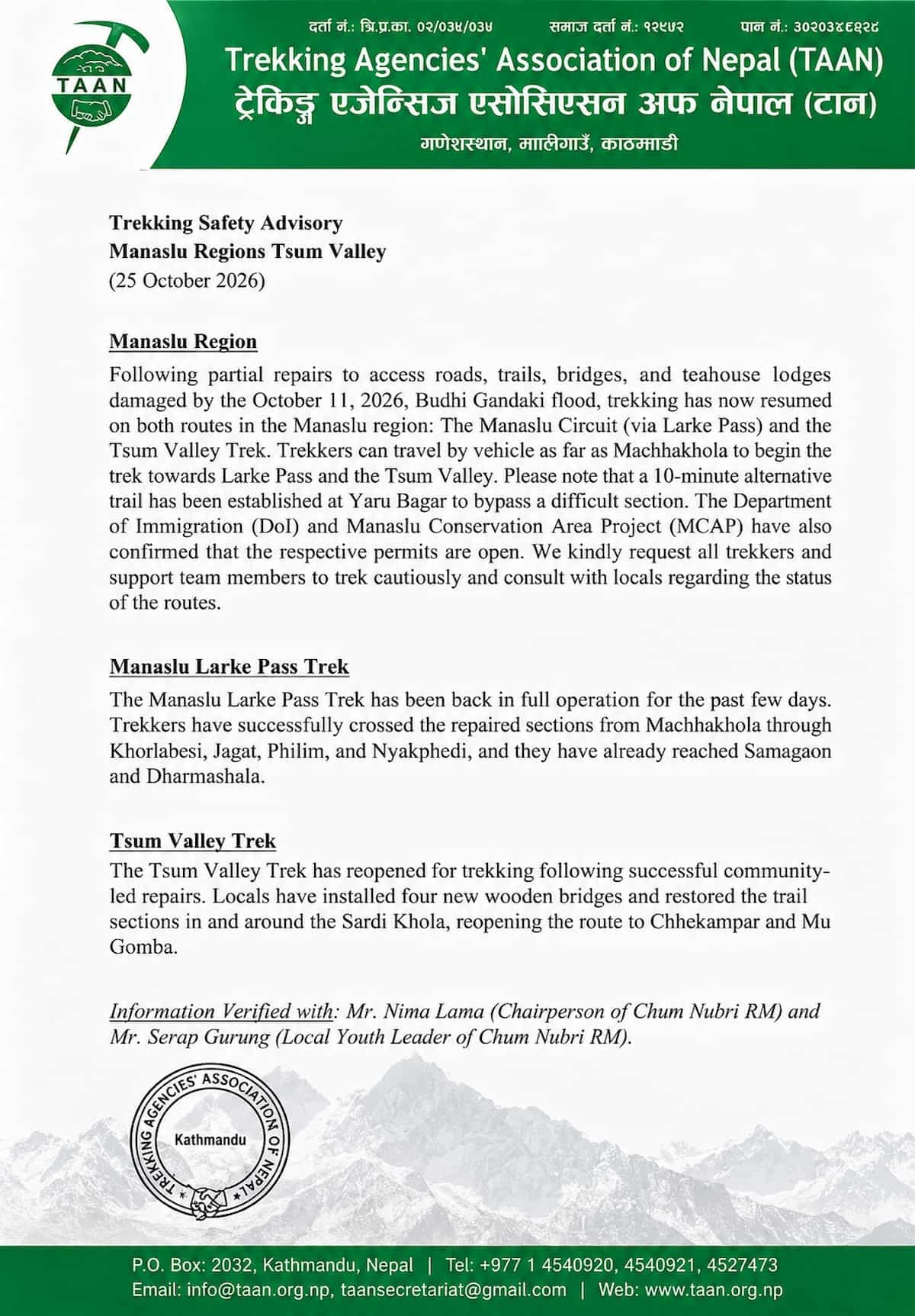
Flash floods in the Budhi Gandaki valley on 11 October 2026 damaged access roads, trails, bridges and teahouse lodges across the Manaslu region. The Trekking Agencies' Association of Nepal issued a safety advisory on 25 October 2026 confirming that trekking has resumed on both the Manaslu Circuit via Larkya La and the Tsum Valley Trek.
The advisory lists practical details. Vehicles reach Machha Khola. A 10-minute alternative trail at Yaru Bagar bypasses one difficult section. The Department of Immigration and the Manaslu Conservation Area Project have confirmed that permits are open. Trekkers have crossed the repaired sections through Khorlabesi, Jagat, Philim and Nyakphedi, and have reached Sama Gaon and Dharmasala. The Larkya La trek has been back in full operation for the past few days.
Tsum Valley has reopened as well. Locals installed four new wooden bridges and restored the trail around the Sardi Khola, which reopens the route to Chhekampar and Mu Gompa. The advisory cites the chairperson of Chum Nubri Rural Municipality and a local youth leader as its sources. It asks trekkers to walk cautiously and to consult locals about the status of each section.
Conditions can still shift after heavy rain. Read the latest Nepal trekking update on Manaslu, Langtang and Tsum Valley and confirm your dates with the team before you book flights. The 20 Day Manaslu Circuit with Tsum Valley Trek page lists the longer route.
The differences come down to a short list. Everest starts with a flight, requires no restricted-area permit, offers a dense network of lodges and recorded 47,524 foreign visitors in 2025. Manaslu starts with a drive, requires a restricted-area permit and a guide, has a thinner lodge network and recorded 14,720 trekkers in the same year.
Spring adds another difference. Everest hosts climbing teams as well as trekkers during April and May. If you want to pair a trek with a summit attempt, Treklanders offers peak climbing options, including the Everest Base Camp Trek with Lobuche East Peak Climbing Expedition.
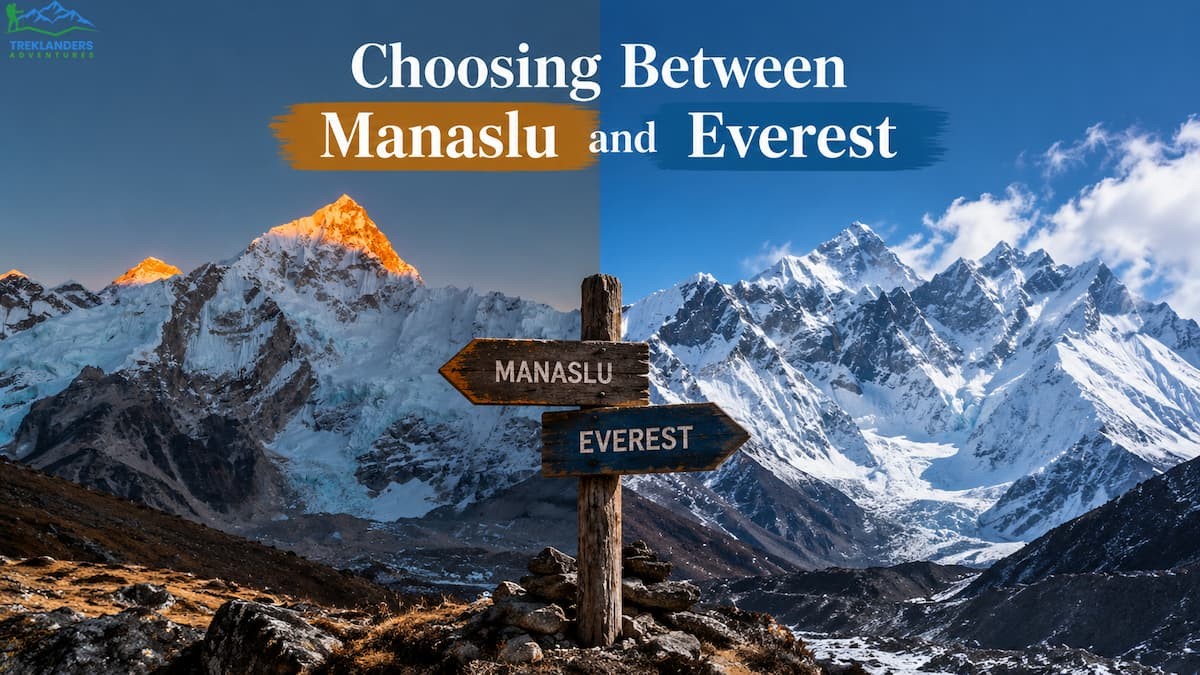
Match the trek to your goal, your calendar and your tolerance for company.
Choose the Manaslu Circuit if you have at least 14 days on the trail and want a pass crossing with fewer people around you. Choose it if Tibetan-heritage villages interest you as much as the mountains, and if you have already walked a busier route. The Manaslu region offers the 13-day, 14-day, 18-day and 20-day versions, so you can pick the length that fits.
Choose Everest Base Camp if you have a tighter schedule or want the most famous destination in Himalayan trekking. Choose it if the Lukla flight and Sherpa villages appeal to you. The Everest region includes short and long itineraries, and the alternatives above reduce the crowd without leaving Khumbu.
Some trekkers do both across two trips. Some start with Everest and return for Manaslu once they want a quieter route. Others link Manaslu to the Annapurna side through Dharapani, then extend into the Annapurna Semi Circuit Trek, Nar-Phu Valley with Thorong La Pass or the 15-Day Tilicho Base Camp with Thorong La Pass trek.
Other quiet routes exist beyond these two. Upper Mustang Trekking, the Kanchenjunga Trek and the Upper Dolpo Trek all require permits and guides, and all see fewer trekkers than the classic routes. Browse the full range under trekking in Nepal.
The Manaslu Circuit stays quieter than Everest Base Camp because Nepal built friction into the route. Restricted-area permits, compulsory guides, a long road in and a short supply of beds each trim the numbers. Those same rules protect the villages and the forests that make the trek worth walking. Choose your season, pick a small group, and give the acclimatization schedule every full day it needs on the trail.
If you want to see it for yourself, start with the Manaslu Circuit Trek page and send your dates through Plan My Trip. Read what past guests say on the reviews page, learn more about the team on the About Us page, or reach the office through the contact page. More route guides and trail updates appear on the Treklanders blog.
Discover 10 essential trekking tips for a safe, enjoyable, and unforgettable Himalayan adventure in Nepal.
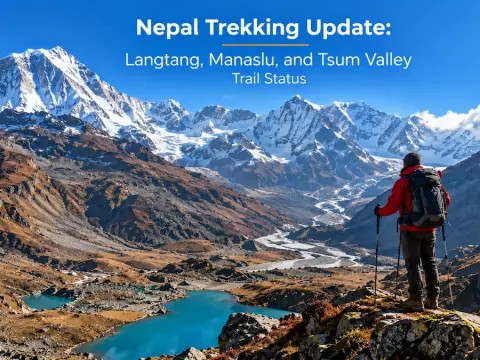
Nepal trekking update 2026: Langtang open, Manaslu accessible with caution, and Tsum Valley temporarily closed. Check the latest trail conditions.
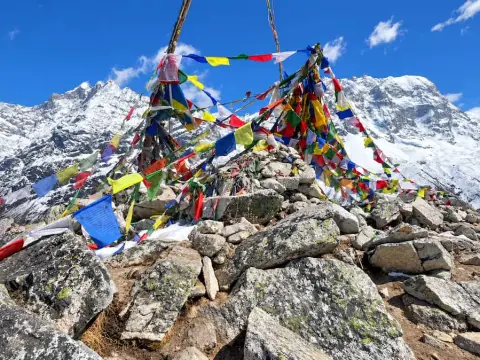
Discover Langtang’s alternate route via Dhunche, with 2026 trail updates, an 8-day itinerary, and essential safety tips.



