Introduction
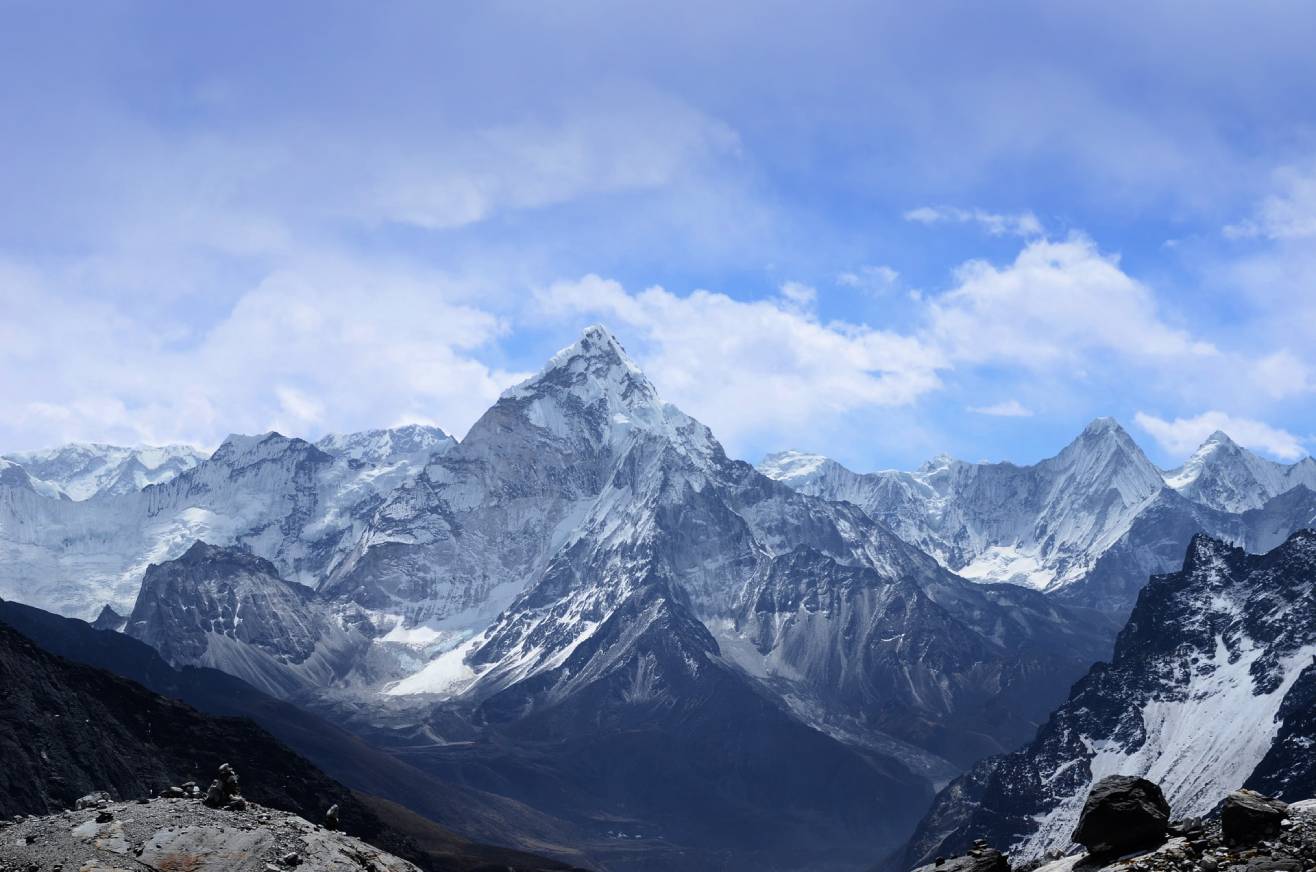
The Mount Everest region trek is considered one of the most famous Himalayan adventures on earth. Located in northeastern Nepal, within Sagarmatha National Park, which is recognized by UNESCO as a World Heritage Site, trekking in the Everest region is not just about seeing the world's highest mountain peaks; it also includes visiting ancient Buddhist monasteries and experiencing the renowned Sherpa culture. For many trekking fanatics all over the world, the Everest region trek in Nepal is the number one dream trip, and it perfectly combines a tough physical challenge with a deep spiritual journey.
The most beautiful part of this region is definitely the Everest Base Camp Trek - a 12 to 14-day trip that takes trekkers to 5,364 meters (17,598 ft) very close to Mount Everest (8,848.86 m). Though the Everest region presents the opportunity to do more than just the single route. You can visit the turquoise glacial lakes of Gokyo Valley, do the work- and adventure-filled Everest Three Passes Trek which lets you cross Renjo La (5,360 m), Cho La (5,420 m), and Kongma La (5,535 m) and the shorter Everest Panorama Trek for beginners, are among the options that Treklanders Adventures offers as a complete set of Everest region treks for different fitness levels.
Difficulty levels range quite a bit from one route to another. The traditional Everest Base Camp Trek, for instance, is graded as moderate to strenuous. It doesn't require any technical climbing skills, but it calls for a good level of cardiovascular fitness and a capability to acclimatize high altitudes safely, as well. Along this journey, the trekkers stay for several days at or above the altitude of 4,000 meters, which is why the right acclimatization becomes a must. The Everest Three Passes Trek, ranked as hard, while the Everest Panorama Trek (reaching Tengboche at 3,867 m) is suitable for moderate walkers.
The ideal time to trek in Everest is the spring (March-May) and autumn (September-November) seasons. In spring, the lower sections of the paths come alive with the blossoming rhododendrons while the air temperatures remain quite the same. Autumn gives the clearest sky, sharp mountain views, and most other weather conducive to trekking. It is quite cold, but doable from December through February on the lower routes. Besides, the monsoon season (June-August) is not at all a good time to trek in the Everest region because of the heavy snowfall on the high passes.
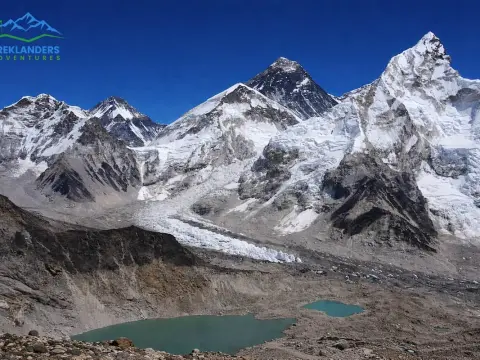
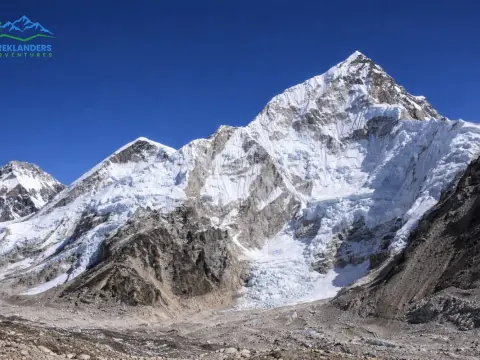
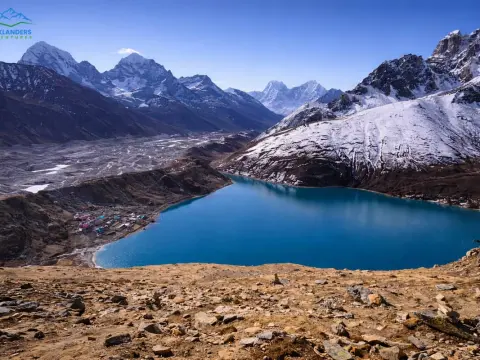
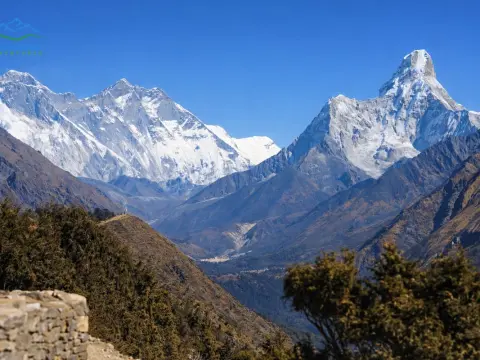
The main attractions of an Everest region trek are: Namche Bazaar which is the vibrant capital of the Sherpas and their main trekking hub at 3,440 m; Tengboche Monastery largest one in the Khumbu Valley, surrounded by views of Ama Dablam, Everest, and Lhotse; Kala Patthar (5,545 m) the best spot for a spectacular view of Mount Everest; the Gokyo Lakes system five sacred high altitude glacial lakes; and the Khumbu Glacier which is among the highest glaciers in the world. Many trekkers acknowledge that seeing the sunrise turning Mount Everest golden from Kala Patthar is at the top of their most unforgettable moments list.
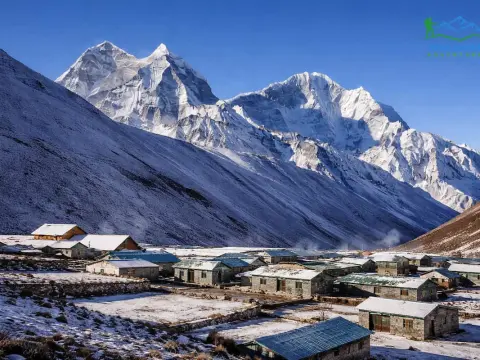
The culture in the Everest region is largely shaped by the Sherpa people, who live there and whose Buddhist beliefs are evident in every part of their lives. You will see prayer flags flying on the ridges, mani walls beside the paths, and the aroma of burning juniper coming from the whitewashed gompas. The warm and generous nature of Sherpa hospitality, deeply influenced by their mountain culture, is what makes the human aspect of trekking in the Everest region stand on par with its magnificent views. Some cultural highlights that you shouldn't miss include Namche's weekend market, Mani Rimdu festival at Tengboche, and serene evenings in genuine Sherpa tea houses.
Generally, teahouses work as accommodation places on the Everest trek, small family-run inns providing basic rooms, with shared facilities and good meals. Yet, those wishing for a bit of comfort may consider the Everest Base Camp Luxury Trek, where upgraded lodges, attached bathrooms, heated dining areas, and enhanced menus come as a standard. And if it's time that is holding you back, then the Everest Base Camp Trek with helicopter return will be your best bet, for it will allow you to descend with a thrilling one-hour flight over the Khumbu after the trek. This way reduces the total time to 9-10 days.
To undertake a trek in the Everest region, you will have to get a Sagarmatha National Park entry permit and a TIMS (Trekkers' Information Management System) card. Lukla, the entry point to Everest, is accessible by a brief 35-minute flight from Kathmandu, a spectacular airstrip which is considered among the most dramatic ones in the world. A few trekkers decided to start their trek from Jiri, like the way mountaineers did before the Lukla airstrip was built, so adding 7-8 whole extra walking days through various hill villages.
Besides the classic 12-Day and 14-Day Everest Base Camp Trek packages, Treklanders Adventures has the complete range of Everest region trekking options, Gokyo Valley Trek, Everest Three Passes Trek, Everest Panorama Trek, and Everest Base Camp Trek from Jiri. You can visit Everest Region Trek and see the complete collection of the Everest Region Treks to choose the itinerary that suits your availability, fitness level, and desires.
Suggested Blogs from Treklanders
Frequently Asked Questions
1. How hard is the Everest Base Camp Trek?
The Everest Base Camp Trek is commonly considered a moderate to hard-level trek. There is no necessity for technical climbing skills; you should be physically fit enough to walk 5-8 hours a day with a daypack. The most significant difficulties come from the altitude and cold, freezing temperatures, rather than walking itself. How well you can get used to altitude (acclimatization) is crucial. Treklanders incorporate rest days in Namche Bazaar and Dingboche for acclimatization. Generally, healthy adults who regularly exercise and prepare well are capable of finishing the trip.
2. What is the highest altitude reached on the Everest region trek?
The highest altitude reached in the classical Everest Base Camp Trek is Kala Patthar (5,545 meters/18,192 ft), where trekkers can get the most wonderful panoramic view of Mount Everest. Everest Base Camp is also quite high at 5,364 meters (17,598 ft). On the Everest Three Passes Trek, the highest point of the trek is Kongma La Pass at 5,535 meters. The Gokyo Ri, which is the highlight of the Gokyo Valley Trek, is 5,357 meters and offers magnificent views of the glacial lakes.
3. What permits do I need for the Everest region trek?
You basically need just two permits: a Sagarmatha National Park Permit (around NPR 3,000 for the SAARC nationals, different rates for others) and a TIMS (Trekkers' Information Management System) card. Your trekking agency in Kathmandu will generally take care of these permits for you. Treklanders Adventures takes care of all the permit work for trekkers. So, all you have to do is provide a copy of your passport and a passport-size photo.
4. How do I get to the start of the Everest trek?
The usual starting point is Lukla, which can be reached by a 35-minute flight from Tribhuvan International Airport in Kathmandu. These mountain flights usually operate early in the morning and are highly dependent on the weather. It's very common for flights to be cancelled because of fog or clouds, so you should always plan some extra days in your Kathmandu itinerary. But there is the Jiri route for Everest Base Camp Trekking, which opens up the journey with a bus or jeep to Jiri, and then one should walk for 7-8 days to reach the main Everest trail at SoluKhumbu. This is an enjoyable, less crowded alternative.
5. What is the best time to trek in the Everest region?
There are two main trekking seasons in the Everest region: spring (March to May) and autumn (September to November). Autumn is the best season for clear mountain views and stable weather. Spring is just as lovely, with rhododendrons flowering at the lower elevations and good visibility of the summits. October and November are the most favorite months. December and January are very cold, but still doable on the lower routes. Monsoon season (June-August) will bring heavy snowfall to the highest passes, and it is generally not advised for the Everest region.
6. What is the accommodation like on the Everest trek?
Accommodation on the Everest trek is in teahouses, small, family-run mountain lodges that provide basic twin or dormitory rooms, shared bathrooms, and a communal dining area. Bedding and pillows are given, but a sleeping bag liner is also a good option. Meals consist of Nepali staples (dal, bhat, noodles, rice), and Western dishes and bakery items in busy villages like Lukla or Namche Bazaar. Namche. Treklanders also offers a Luxury EBC Trek with upgraded lodges featuring attached bathrooms and enhanced menus for a more comfortable experience.
7. Is altitude sickness a serious risk on the Everest Base Camp Trek?
Altitude sickness (or Acute Mountain Sickness, AMS) is a real danger that occurs at altitudes higher than 3,000 meters and should not be disregarded. Some of the signs are headaches, vomiting, getting light-headed, and tiredness. Changing your body to the mountain - going up step by step, taking your rest per the plan, drinking enough water - is the most effective way to keep yourself safe from the disease. As Treklanders, the schedules of their clients include obligatory days for adapting to higher altitudes at Namche Bazaar (3,440 m) and Dingboche (4,410 m). Besides carrying pulse oximeters, guides have undergone training to identify the signs of altitude sickness. It is recommended for trekkers to have acetazolamide (Diamox) as a precaution after a doctor has been consulted before the trip.