Things to Consider Before Trekking the Manaslu Circuit Trek
12 Aug 2026
Prepare for the Manaslu Circuit Trek with essential tips on permits, altitude, Larke Pass, fitness, gear, weather, accommodation, and safety.

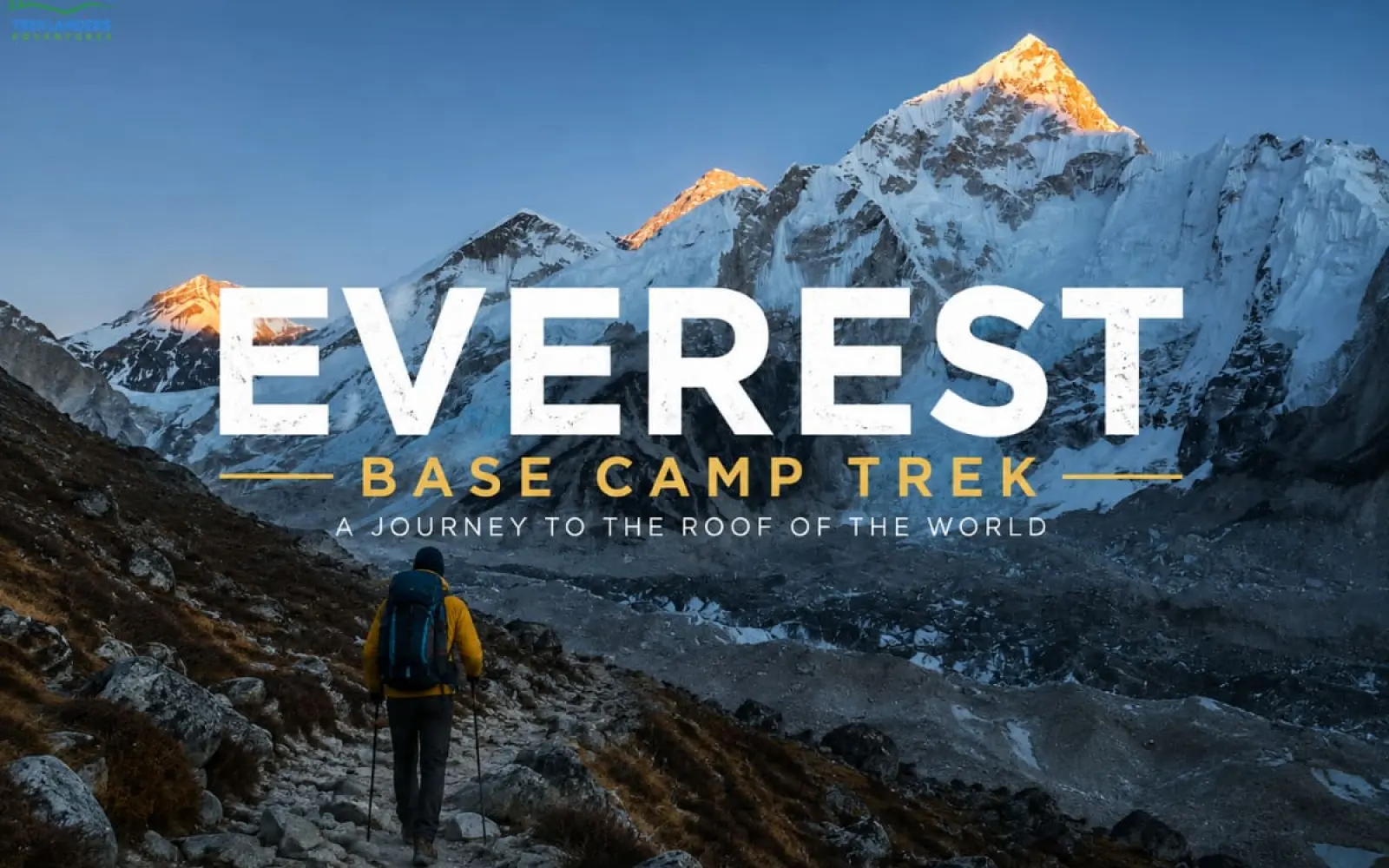
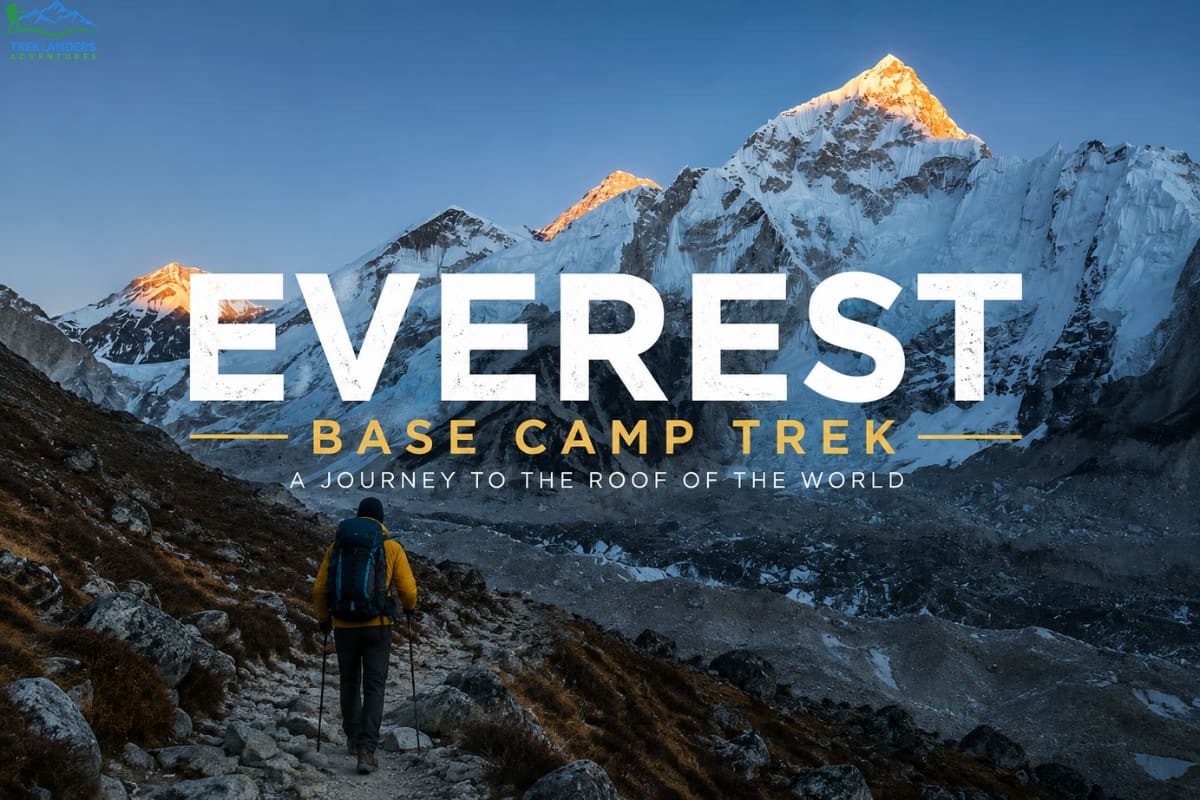
Everest pulls people in for different reasons. Some want to stand at Base Camp after walking every single step of the way, feeling every meter of elevation in their legs and lungs. Others want to see Everest up close without spending two weeks on a trail. Both are valid ways to experience the same mountain, and both leave people changed in different ways, long after they've flown home.
The Everest Heli Tour and the Everest Base Camp Trek are not really competing products. They serve different travelers with different amounts of time, different fitness levels, and different ideas about what "seeing Everest" should feel like. This guide breaks down what each option actually involves, so you can figure out which one fits your body, your schedule, and what you actually want out of the trip.
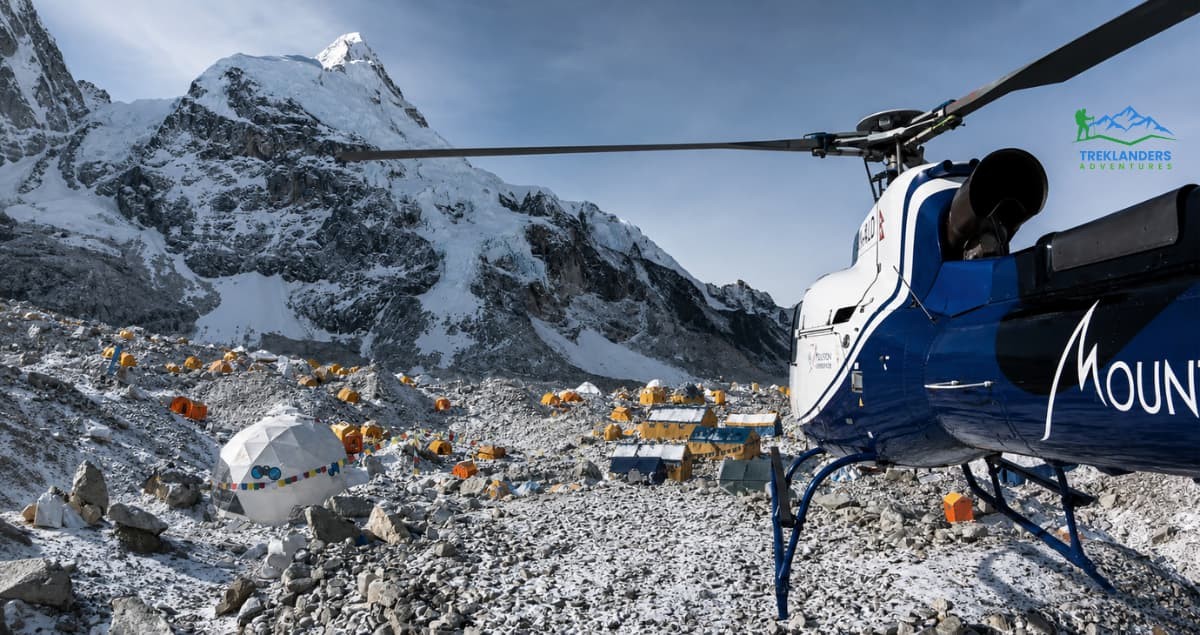
A helicopter tour to Everest starts before sunrise, usually around 5 or 6 AM, when the mountain air is calm and visibility is at its best. You board a helicopter in Kathmandu, and within 40 to 45 minutes, you're flying past peaks that would otherwise take you ten days of walking to reach.
The standard route takes you over the Kathmandu Valley, across the foothills, and into the Khumbu region. You pass Lukla, the small airstrip town that marks the start of the trekking route, then continue toward Namche Bazaar, the Sherpa capital of the Khumbu. From there, the helicopter climbs toward Everest Base Camp itself, or in some cases, up to Kala Patthar, the viewpoint trekkers use to photograph Everest's summit.
Most tours land at or near Everest Base Camp, or at Kala Patthar, for around 15 to 20 minutes. This is enough time to step out, take photos, feel the thin air at over 5,000 meters, and take in a view that very few people ever get to see with their own eyes. Some operators include a stop in Syangboche or Kongde, where you land at a lodge, drink coffee or tea, and get a mountain breakfast with a direct view of Everest, Lhotse, and Ama Dablam before flying back to Kathmandu.
The entire experience, door to door, takes about three to four hours. You leave your hotel in the morning, and you're back in time for lunch. There's no packing list beyond a jacket, no altitude acclimatization schedule, and no multi-day itinerary to plan around. It's compressed, direct, and built for people who want maximum impact from limited time.
Weather plays a bigger role here than most people expect. Helicopters need clear skies to fly safely at these altitudes, so morning flights are standard practice. Cloud cover builds through the day in the Khumbu, which is why nearly every heli tour departs at dawn. If the weather doesn't cooperate, tours get delayed or rescheduled, sometimes by a day.
The helicopters used for these tours are typically Airbus AS350 B3 models, the same aircraft used for high-altitude rescue work in the Himalayas. They're built to handle thin air and sudden downdrafts, and pilots flying this route usually have years of mountain flying experience specific to the Khumbu's terrain. Seating is limited, usually five or six passengers per flight, and window seats rotate so everyone gets a clear view during the outbound and return legs.
You don't need any prior travel documents beyond your Nepal visa and standard ID, and there's no trekking permit required since you're not entering the Sagarmatha National Park on foot. Most operators handle pickup from your hotel and return you the same way, which makes the whole outing feel closer to a scenic city tour than an expedition.
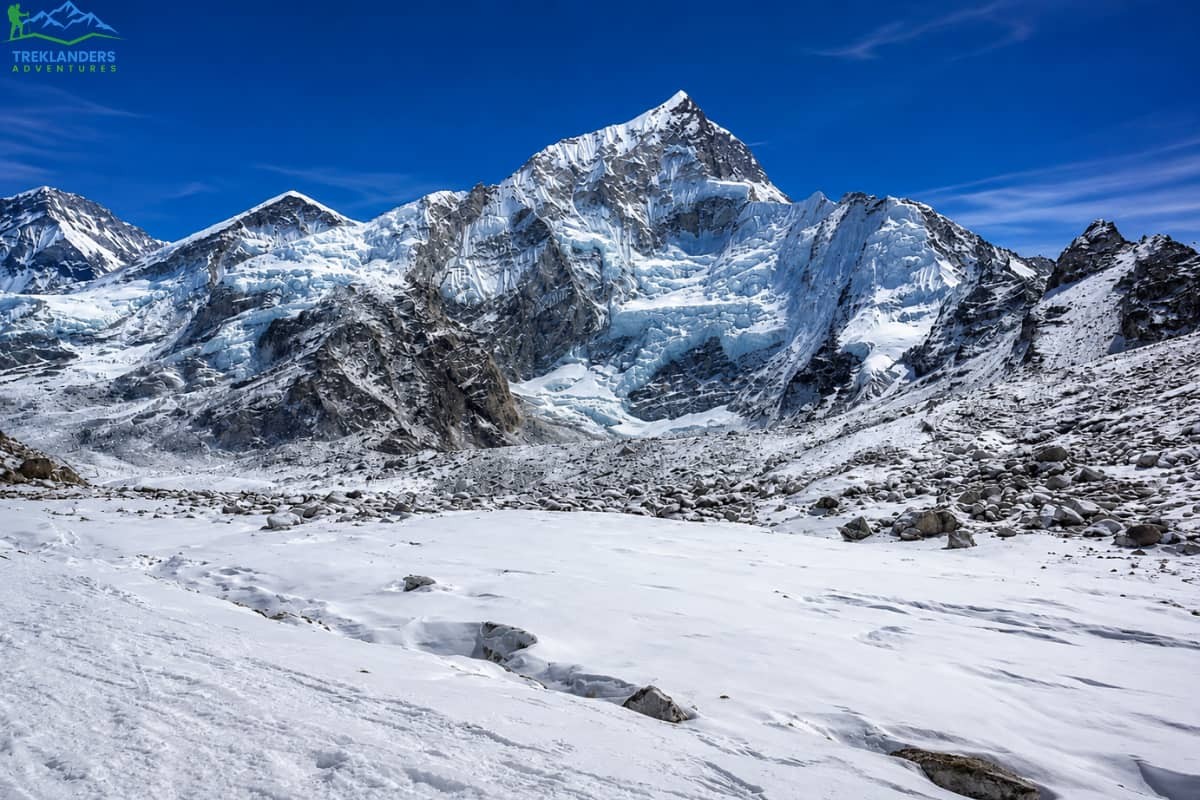
The classic Everest Base Camp Trek runs 12 to 14 days round trip, starting and ending with a flight to Lukla. From there, you walk. Each day covers roughly 4 to 7 hours of trail time, moving between teahouses in villages like Phakding, Namche Bazaar, Tengboche, Dingboche, and Lobuche before reaching Gorak Shep, the last settlement before Base Camp.
The trek is built around gradual altitude gain. You don't walk straight up. The route includes rest days in Namche Bazaar and Dingboche, both used for acclimatization hikes that help your body adjust to thinner air before pushing higher. This pacing isn't optional padding. It's what keeps altitude sickness manageable for most trekkers.
Every day on the trail looks different. You cross suspension bridges over glacial rivers, walk through rhododendron forests in the lower elevations, and pass mani walls and prayer flags left by generations of Sherpa families. Higher up, the trees disappear, replaced by rock, ice, and views of Ama Dablam, Nuptse, and eventually Everest itself.
You sleep in teahouses along the way. These are simple guesthouses run by local families, usually with a shared dining room heated by a yak-dung stove, and basic rooms with twin beds. Wi-fi and hot showers become less reliable the higher you climb, and by the time you reach Gorak Shep, both are often unavailable or expensive add-ons.
Reaching Everest Base Camp itself is often less dramatic than people expect. Everest isn't fully visible from the camp because of the surrounding ridgeline. Most trekkers get their best summit views from Kala Patthar, a separate viewpoint above Gorak Shep that requires an early morning climb, usually starting around 4 AM to catch sunrise light on the peak. Base Camp itself is a shifting site rather than a fixed monument. Outside of climbing season, it's a stretch of rock and glacier at the foot of the Khumbu Icefall, marked mainly by prayer flags and the occasional expedition marker left behind. During spring climbing season, it fills with tents belonging to mountaineers preparing summit attempts, which gives trekkers passing through a rare look at the logistics behind an actual Everest expedition.
The trek ends the same way it started, with a flight between Lukla and Kathmandu. By the time you're done, you'll have walked roughly 130 kilometers round trip and gained and lost thousands of meters of elevation multiple times over.
You'll also need a couple of permits to enter the region: the Sagarmatha National Park entry permit and the Khumbu Pasang Lhamu Rural Municipality permit. Guides typically arrange both before you set out, and rangers check them at checkpoints along the route. Unlike some other Himalayan treks, you don't need a special restricted-area permit for the standard Base Camp route, which keeps the paperwork relatively simple.
Guides and porters shape the experience more than most first-time trekkers expect. A good guide does more than point out the trail. They read your pace, watch for early signs of altitude trouble, translate conversations with teahouse owners, and carry years of route knowledge that becomes useful when weather shifts or a trail section gets rerouted after a landslide. Porters, usually carrying loads for two trekkers each, take the weight off your shoulders so you're hiking with a light daypack instead of full gear. Many trekkers form a real bond with their guide and porter team over two weeks on the trail, something that shapes how they remember the trip almost as much as the mountain views do.
This is the most obvious difference, and for a lot of travelers, it's the deciding factor.
The Heli tour takes half a day. You can do it as a side trip during a longer Nepal itinerary that includes Kathmandu, Pokhara, and Chitwan, without touching your other plans. It fits into a business trip, a honeymoon with limited days, or a family vacation where not everyone wants to spend two weeks on a mountain trail.
The trek takes two full weeks, and that's before you factor in travel time to and from Nepal. Most people need to block out 16 to 18 days total once you include arrival, a buffer day for Lukla flight delays, and departure. Lukla's airport is notorious for weather-related delays, and building in an extra day or two protects your international flight home.
If your total vacation time is limited, this alone might settle the question. But if you have the time and you're set on a physical, immersive experience, the trek's length is part of what makes it worthwhile. The days add up to something. You watch the landscape change in real time, you build relationships with your guide and porters, and you earn the view in a way a helicopter flight doesn't replicate.
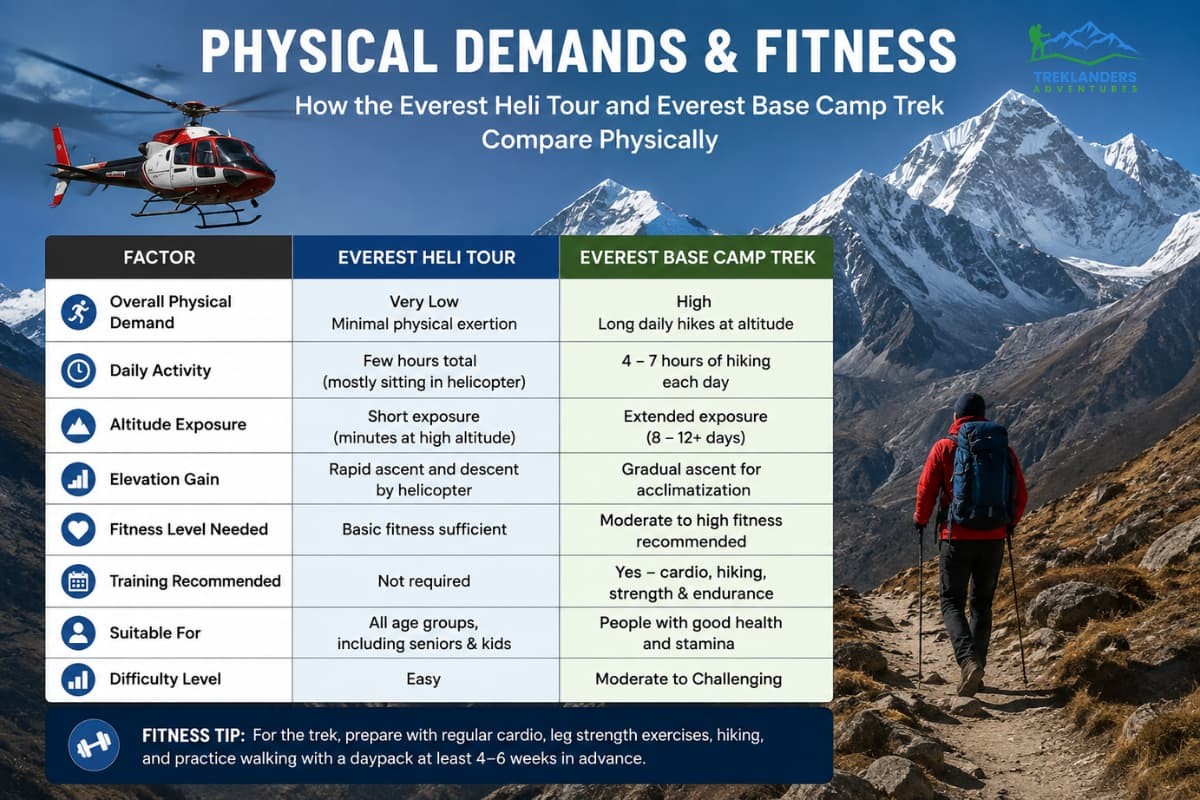
The Heli tour requires almost nothing from your body. You need to be able to sit in a helicopter seat and tolerate a short period at high altitude without a major medical condition. Children, older travelers, and people with mobility limitations can do this tour when the trek would be out of reach for them.
The trek is a different story. You're walking for multiple hours a day, often on uneven, rocky terrain, at altitudes where your body has less oxygen to work with. A reasonable level of fitness matters here, not because the trail is technically difficult, but because sustained walking at altitude taxes your cardiovascular system in ways flat-ground hiking doesn't.
You don't need to be an athlete. Most physically active adults who train for a few months beforehand, building up cardio endurance and getting used to multi-hour walks, complete the trek without major issues. But you do need to show up prepared. People who arrive without any conditioning tend to struggle more, both physically and mentally, especially on the steeper sections between Namche Bazaar and Tengboche, and the final push to Base Camp itself.
Knee and joint health matter too. The descent days, especially coming down from higher elevations, put repeated strain on your knees. Trekking poles help, but they don't eliminate the impact of two weeks of up-and-down walking.
A basic training plan in the two to three months before you leave makes a real difference. Regular cardio sessions, stair climbing or hill walking with a loaded pack, and some strength work for your legs and core all help. You don't need a gym membership or a personal trainer. Long walks on hilly terrain, done consistently, prepare your body better than short, intense workouts. If you can comfortably walk four to six hours on uneven ground before you leave home, the trek's physical demands won't come as a shock.
Packing matters too, and it's more involved than the heli tour's single jacket requirement. You'll need layered clothing for temperature swings that can run from warm daytime sun to well below freezing at night, a sleeping bag rated for cold conditions, sturdy broken-in trekking boots, and basic first aid supplies. Most trekking companies provide a packing list well before departure, and renting gear like sleeping bags and down jackets in Kathmandu is common practice, so you don't need to own everything before you arrive.
Altitude affects both experiences, but in very different ways.
On the heli tour, you're exposed to high altitude for a short window, typically 15 to 20 minutes at Base Camp or Kala Patthar, both of which sit above 5,000 meters. Some people feel lightheaded or short of breath during this brief exposure, but because you're not staying there and not exerting yourself physically, the risk of altitude sickness is low. Your body doesn't have time to develop the symptoms that come from sustained exposure.
On the trek, altitude is a real and ongoing factor. You're gaining elevation gradually over multiple days, sleeping at higher altitudes each night, and giving your body time to adjust. This is why acclimatization days are built into the standard itinerary. Even with proper pacing, many trekkers experience mild symptoms like headaches, reduced appetite, or trouble sleeping as they climb past 4,000 meters. Acute mountain sickness is a genuine risk on this route, and it's the main reason experienced trekking companies insist on slow ascent schedules rather than rushing to Base Camp.
If you have a heart condition, respiratory issues, or other health concerns that make prolonged high-altitude exposure risky, the heli tour is the safer way to see Everest up close. If you're generally healthy and willing to acclimatize properly, the trek is manageable for the vast majority of people, but it demands more attention to your body's signals along the way.
Good guides carry pulse oximeters and check oxygen saturation levels daily during the trek, watching for the kind of decline that signals trouble before it becomes serious. This is standard practice on the route, not an extra precaution. If symptoms worsen despite rest and hydration, the response is straightforward: descend. Altitude sickness improves almost immediately once you drop even a few hundred meters, which is why experienced operators build flexibility into the itinerary rather than pushing forward on a fixed schedule regardless of how trekkers are feeling.
Travel insurance that covers high-altitude trekking and emergency helicopter evacuation is standard practice for anyone attempting the Base Camp trek, and most trekking companies will ask to see proof of it before departure. It's worth arranging this well before you leave, since not all standard travel insurance policies cover activities above a certain elevation.
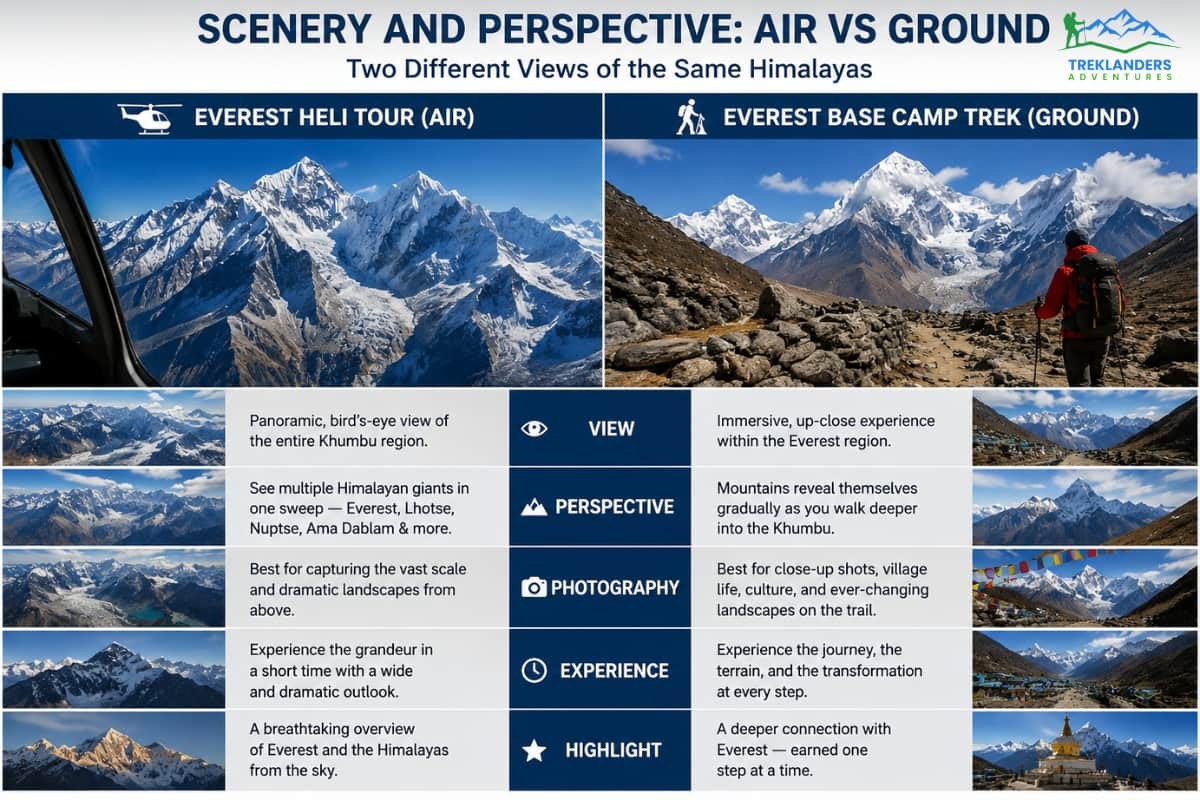
These two experiences don't just differ in effort. They differ in what you actually see and how you see it.
From a helicopter, you get scale. You see the entire Khumbu region laid out below you, ridgelines stretching toward the horizon, and Everest rising above its neighboring peaks in a way that's hard to process from the ground. You see the icefall, the glaciers, and the sheer size of the Himalayan range in a single sweep. It's a bird's-eye view of geography that took millions of years to form, compressed into a window seat.
From the trail, you get intimacy. You watch Everest reveal itself slowly, first as a distant peak glimpsed between ridgelines, then closer and closer as you gain elevation over multiple days. You notice details a helicopter flies past: the sound of a yak bell on the trail, the smell of juniper incense outside a monastery, the way morning light hits Ama Dablam differently every single day. You experience weather, cold, and thin air as lived conditions, not just a view outside a window.
Neither perspective is objectively better. Photographers and people chasing a single unforgettable image often prefer the heli tour's wide-angle drama. People who want to feel the mountain change under their feet, day by day, tend to say the trek gave them something the flight couldn't.
If photography matters to you, both options have practical quirks worth knowing. Shooting through a helicopter window means dealing with glare and vibration, and the best shots usually come from wide-angle lenses rather than telephoto setups, since you're moving fast and the scenery is enormous. On the trek, cold slows down camera batteries fast, so carrying spares in an inner pocket close to your body is standard advice from guides. Sunrise light from Kala Patthar is considered the single best photo opportunity on the entire route, which is exactly why trekkers set an alarm for the middle of the night to catch it.
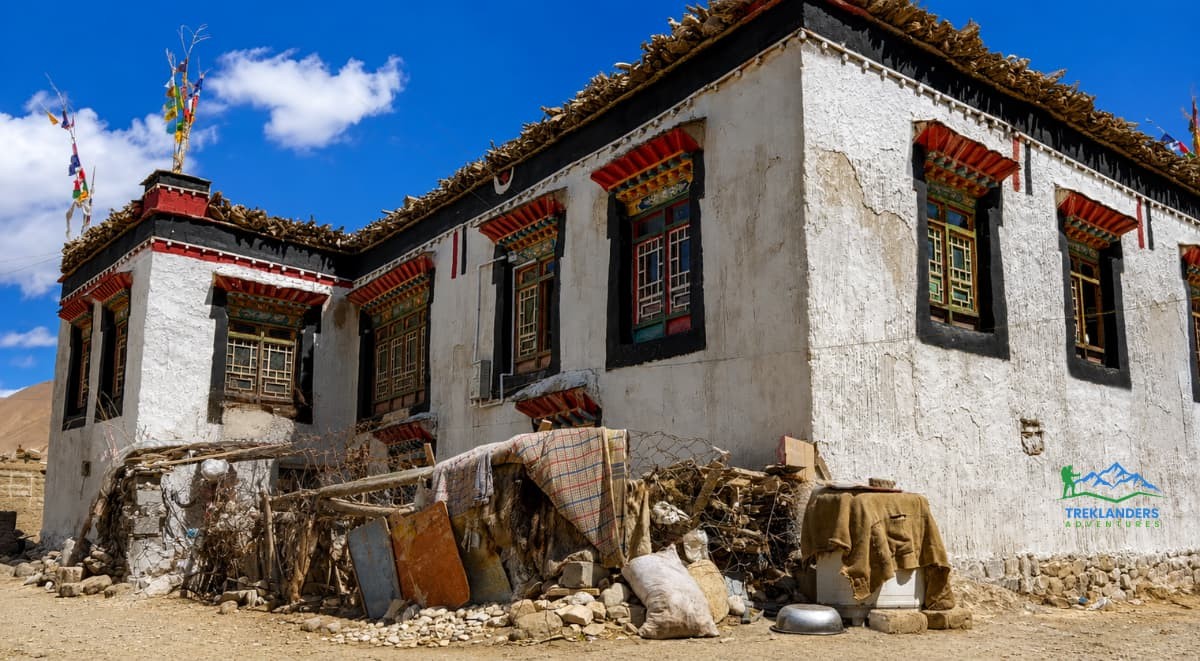
This is where the two experiences diverge the most.
The Heli tour offers glimpses. You might see Namche Bazaar from above, its terraced houses built into the hillside, or land briefly at a mountain lodge in Syangboche for breakfast. These are real, if brief, points of contact with Khumbu life, but they don't add up to a cultural experience in any deep sense.
The trek immerses you in it. You walk through Sherpa villages every single day, eat meals prepared by local families, and sleep in teahouses that have hosted trekkers for generations. You visit Tengboche Monastery, one of the most significant Buddhist sites in the region, and if your timing lines up, you might witness a puja ceremony or catch monks in daily prayer. You talk to your guide about Sherpa mountaineering history, hear stories about Everest expeditions passed down through families, and see prayer flags and mani stones left by people who've lived alongside this mountain for centuries.
If cultural immersion matters to you as much as the mountain itself, this is a significant point in the trek's favor. The Khumbu isn't just scenery. It's home to a community with its own language, religious practices, and relationship to Everest that goes back long before it became a tourist destination.
Namche Bazaar deserves particular attention here, since most trekkers spend two nights there for acclimatization. It's the commercial and cultural hub of the Khumbu, with a Saturday market that draws traders from surrounding villages, bakeries serving fresh pastries at 3,440 meters, and a small museum documenting Sherpa mountaineering history, including the story of Tenzing Norgay, who grew up in this region before becoming one of the first two people to summit Everest in 1953. Spending an extra day here isn't wasted time. It's built into the trek precisely because it gives your body a chance to adjust while giving you something worth doing with the extra hours.
Further up the trail, Tengboche Monastery sits on a ridge with one of the most photographed views in the entire region, Everest and Ama Dablam framed on either side. If you time your visit right, you might catch the evening puja, when monks gather to chant and play traditional instruments as part of daily prayer. Many trekkers describe this as one of the most memorable moments of the entire trip, not because of the mountain views, but because of what it reveals about the spiritual life woven into this landscape.
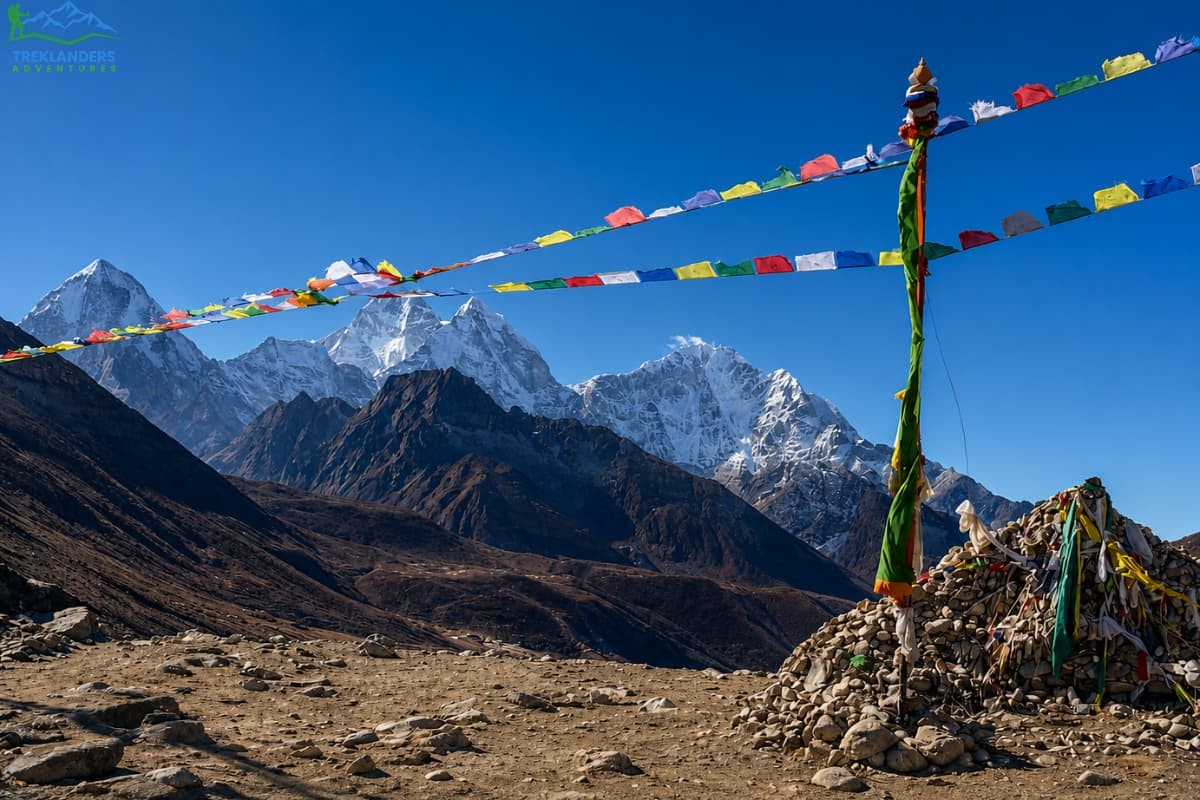
Both experiences are seasonal, but they respond to weather differently.
Helicopter flights depend heavily on clear morning skies. The pre-monsoon season, from March to May, and the post-monsoon season, from late September to November, offer the most reliable flying conditions. Even within these windows, flights typically go out at dawn because cloud buildup over the Khumbu often starts by mid-morning. Winter flights are possible but less predictable, and monsoon season, from June to August, brings enough cloud cover and rain to make flights unreliable.
Trekking season follows a similar pattern for different reasons. Spring and autumn offer the clearest mountain views, stable weather, and comfortable daytime temperatures on the trail, which is why these months see the highest number of trekkers. Winter trekking is possible and offers quieter trails, but you'll face colder temperatures, especially at higher elevations, and some teahouses at the highest points may have limited services. Monsoon trekking means dealing with rain, leeches at lower elevations, and clouds that frequently block mountain views, though the lower crowds and lush greenery appeal to some travelers.
If your trip dates are fixed and fall outside the ideal windows, this matters for your decision. A Heli tour booked during unstable weather risks cancellation or rescheduling, which can be a problem if you're on a tight itinerary. A trek during off-season months is more forgiving in terms of scheduling, since you're not dependent on a single clear morning, but you'll trade some visibility and comfort for that flexibility.
Temperature swings are worth planning around no matter which option you choose, and no matter which season you travel in. Even in peak spring and autumn months, nights at higher elevations on the trek regularly drop below freezing, while daytime temperatures on a sunny trail can feel surprisingly warm once you're moving. Heli tour passengers face a shorter version of the same swing: Kathmandu mornings are mild, but stepping out at Base Camp or Kala Patthar means stepping into genuinely cold, thin air for those 15 to 20 minutes on the ground, even in warmer months. A proper jacket isn't optional for either option, it's just needed for very different lengths of time.
This is worth thinking about, especially if sustainable travel matters to you.
The trekking economy in the Khumbu supports an enormous number of local jobs. Teahouse owners, guides, porters, cooks, and mule and yak handlers all depend on trekkers moving through the region on foot. Every night you spend in a teahouse, every meal you order, and every porter you hire puts money directly into local hands. This economic model has shaped the Khumbu for decades and remains the primary source of income for many Sherpa families.
Helicopter tourism has grown quickly in recent years, partly because it offers a faster, lower-effort way to experience Everest. It creates jobs too, for pilots, ground staff, and lodge operators at stops like Syangboche, but the economic footprint is smaller and spread differently. There's also an ongoing conversation within the trekking community about the noise impact of frequent helicopter traffic on trekkers and wildlife in what was, until recently, one of the quieter high-altitude regions in the world.
Neither option is inherently wrong. But if supporting the full chain of local livelihoods along the trail is important to you, the trek puts your money into that system more directly and more broadly.
Waste management is another piece of this conversation. The Khumbu region has worked for years to address the litter and waste problems that came with rising visitor numbers, and organizations like the Sagarmatha Pollution Control Committee run cleanup programs and manage waste collection points along the main trekking route. Trekkers who carry reusable water bottles and use the water refill stations available at many teahouses, rather than buying bottled water at every stop, help reduce plastic waste in a region where waste disposal is genuinely difficult given the terrain. This is a small habit, but it adds up across the thousands of trekkers who pass through the Khumbu each season.
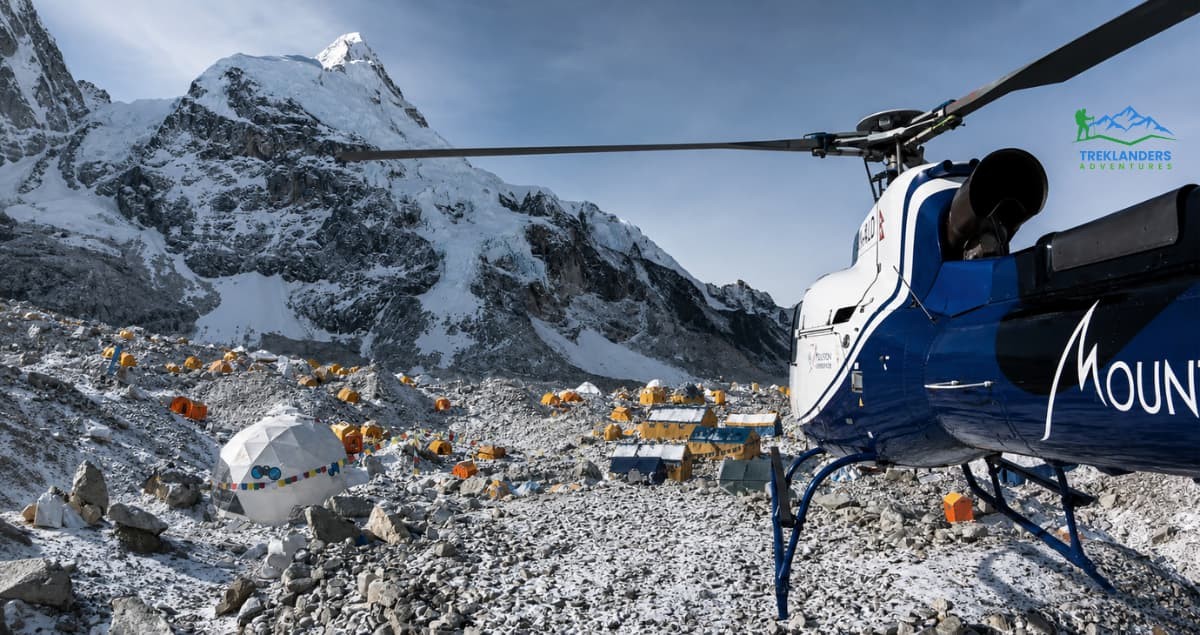
The Heli tour makes sense if your time in Nepal is limited and Everest is one stop among several. If you're combining a Kathmandu city tour, a Pokhara lakeside stay, and a Chitwan wildlife safari into a single ten-day Nepal trip, a half-day Heli tour to Everest fits without disrupting the rest of your plans.
It also makes sense for travelers who physically can't handle two weeks of high-altitude trekking, whether due to age, joint issues, limited mobility, or underlying health conditions, but who still want to see Everest with their own eyes rather than settle for photos. Families traveling with young children, honeymooners who want a dramatic once-in-a-lifetime moment without weeks of preparation, and business travelers extending a work trip by a day or two are all well suited to this option.
If you want the visual payoff of Everest without the physical or logistical commitment, this is the more practical choice.
It also works well as a gift or a milestone celebration. People book Heli tours to mark birthdays, anniversaries, and retirements precisely because the experience delivers something dramatic and memorable without requiring the recipient to train for months beforehand. A grandparent who dreamed of seeing Everest for decades but never had the fitness for a multi-week trek can still stand in its shadow. That access matters, and it's a large part of why demand for these tours has grown steadily over the past several years.
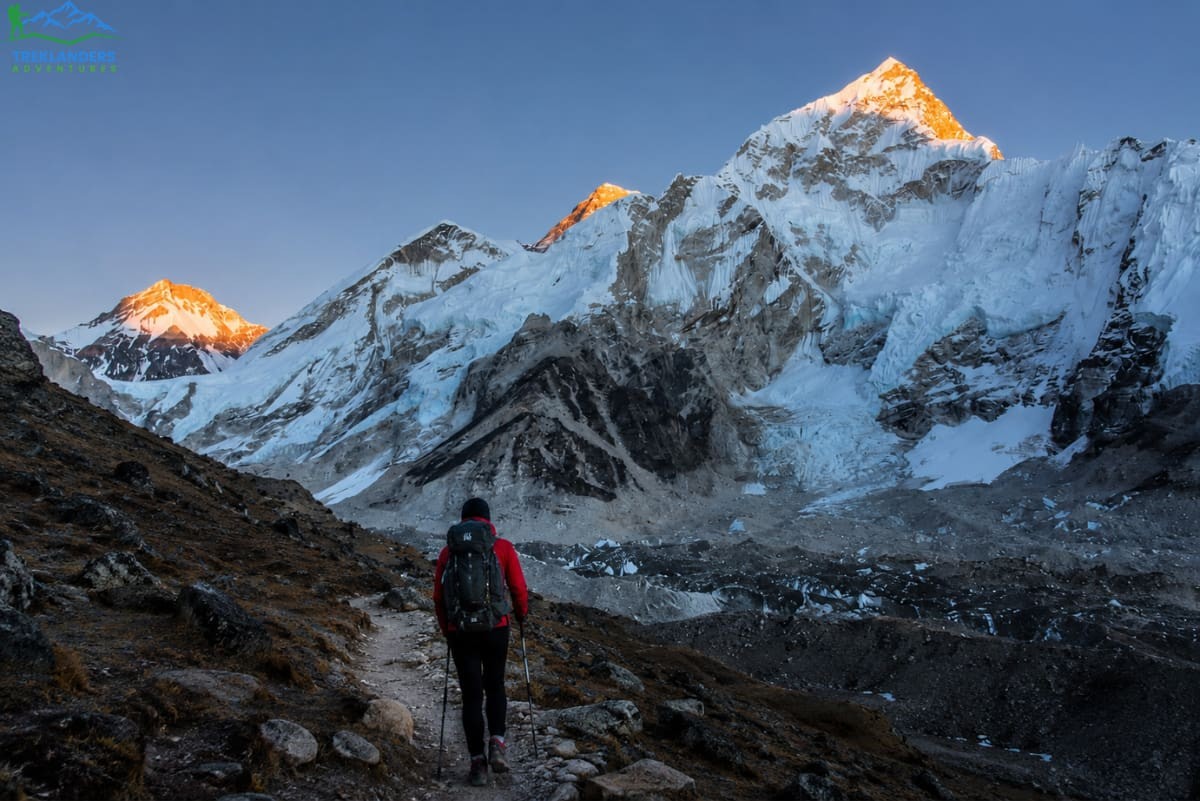
The trek makes sense if you have the time, a reasonable baseline of fitness, and you're looking for more than a viewpoint. This is for travelers who want the walking itself to be part of the story: the gradual altitude gain, the conversations with your guide, the villages passed through one by one, and the sense of having actually reached Base Camp under your own power.
It's also the better fit if you want deep exposure to Sherpa culture, monastery visits, and the day-to-day rhythm of teahouse life in the Khumbu. People who've done both experiences often describe the trek as more demanding but more rewarding in a personal sense, precisely because of everything it asks of you along the way.
If your travel style leans toward slow, immersive experiences rather than efficient sightseeing, and your schedule allows for two to three weeks in Nepal, the trek is where you'll get the fuller picture.
There's also something worth naming honestly: the trek changes how the summit view lands emotionally. Trekkers who've spent ten days watching Everest grow larger on the horizon, who've felt their lungs work harder with every hundred meters of elevation, tend to describe reaching Kala Patthar or Base Camp as an earned moment rather than a scheduled stop. That sense of earning it is hard to manufacture any other way. It's the reason so many trekkers, even the ones who found the trail exhausting and the cold miserable at points, say they'd do it again.
There's a middle path that a growing number of travelers choose: trekking to Everest Base Camp and flying back by helicopter instead of walking the return route.
This option lets you experience the full trek up, including the gradual acclimatization, the villages, the monastery visits, and the physical achievement of reaching Base Camp on foot. Then, instead of retracing your steps for four or five days back to Lukla, you take a helicopter directly from Gorak Shep or a nearby point back to Kathmandu, or sometimes to Lukla first with a short flight onward.
This cuts several days off the total trip length, spares your knees from the punishing descent, and gives you one more perspective on the same landscape you just walked through, seen this time from above. It's a practical option for trekkers with tighter schedules who still want the full ground-level experience of getting to Base Camp, or for anyone who wants to reduce the physical toll of the return trek without giving up the journey up.
This combination also works well for trekkers dealing with mild altitude symptoms by the time they reach Gorak Shep. Instead of facing several more days of walking while not feeling their best, they can fly out the same day they reach their highest point, getting back to lower elevation and proper rest far faster than walking would allow. Guides sometimes recommend this option specifically for trekkers who've had a rougher time acclimatizing, treating the helicopter not just as a convenience but as a sensible way to end the trip on solid footing.
Booking this hybrid route takes a bit more coordination than either standalone option, since it depends on helicopter availability and weather conditions on the specific day you're ready to fly out. Building in a buffer day near the end of your itinerary, the same way you would for a standard Lukla flight, protects you from weather delays affecting your return travel plans.
Start with your calendar. If you have three or four hours to spare, the trek isn't realistic, and the Heli tour becomes the obvious choice. If you have two to three weeks and no major health restrictions, both options are genuinely on the table, and the decision comes down to what kind of experience you're after.
Ask yourself what you actually want from seeing Everest. If the goal is a spectacular view and a checked box, achieved efficiently and safely, the Heli tour delivers that without asking much of you. If the goal is the full experience: the walk, the altitude, the villages, the slow build toward that first clear view of the summit, then the trek is worth the time and effort it demands.
Consider your body honestly too. Altitude affects everyone differently, and pushing through two weeks of trekking when you're not physically prepared isn't the same kind of challenge as pushing through a short flight. If you have doubts about your fitness or existing health conditions, talk to a doctor before committing to the trek, and don't treat the Heli tour as a lesser option. It isn't. It's a different way of encountering the same mountain, and for a lot of travelers, it's the right one.
Think about who you're traveling with, too. A group made up of some trekkers and some non-trekkers doesn't have to split into two separate trips. Some travel companies build itineraries where part of the group flies in by helicopter to meet trekkers partway through the route, or where non-trekking family members do a Heli tour on the same day trekkers reach a milestone point. Talk to your travel planner about what's realistic for your specific group before assuming you have to choose one experience for everyone.
Booking timelines differ too. Heli tours can often be arranged with just a few days' notice, weather and availability permitting, which makes them a reasonable option even for travelers finalizing plans after they've already arrived in Nepal. The trek needs more lead time. Permits, teahouse bookings during peak season, and guide and porter scheduling all work better when arranged weeks or months in advance, particularly if you're traveling during the busiest spring and autumn windows when the trail sees its highest numbers.
Whichever way you choose to see Everest, you'll be looking at one of the most striking landscapes on the planet, shaped by a culture that has lived alongside it for generations. The question isn't which option is better. It's which one matches the traveler you actually are, right now, with the time and body you have to work with.
Talk it through with a trekking company that runs both options regularly. A team that operates Heli tours and Base Camp treks side by side can walk you through realistic timing, current weather patterns for your travel dates, and which choice fits your fitness level and group without pushing you toward whichever option happens to be easier to sell. That kind of honest guidance matters more than any single blog post, since your circumstances, your dates, and your body are specific to you. Use everything above as a starting point for that conversation, not as a final answer.
Prepare for the Manaslu Circuit Trek with essential tips on permits, altitude, Larke Pass, fitness, gear, weather, accommodation, and safety.
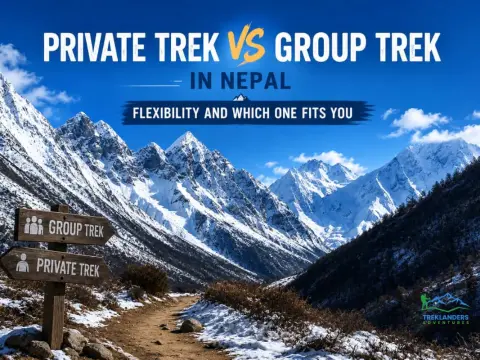
Choosing between a private and group trek in Nepal depends on flexibility, pace, budget, and travel style. Compare both to find your best fit.
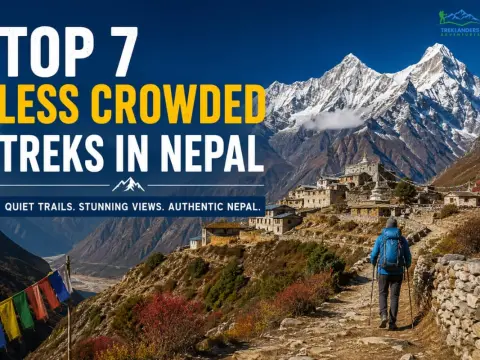
Discover 7 less crowded treks in Nepal with quiet trails, stunning Himalayan views, remote villages, and authentic experiences away from the crowds.



