
Trekking in Nepal in December: Best Treks, Weather, and Everest Base Camp Itinerary
19 Nov 2026
Discover the best treks in Nepal in December, including Everest Base Camp, winter weather, itineraries, and essential trekking tips.

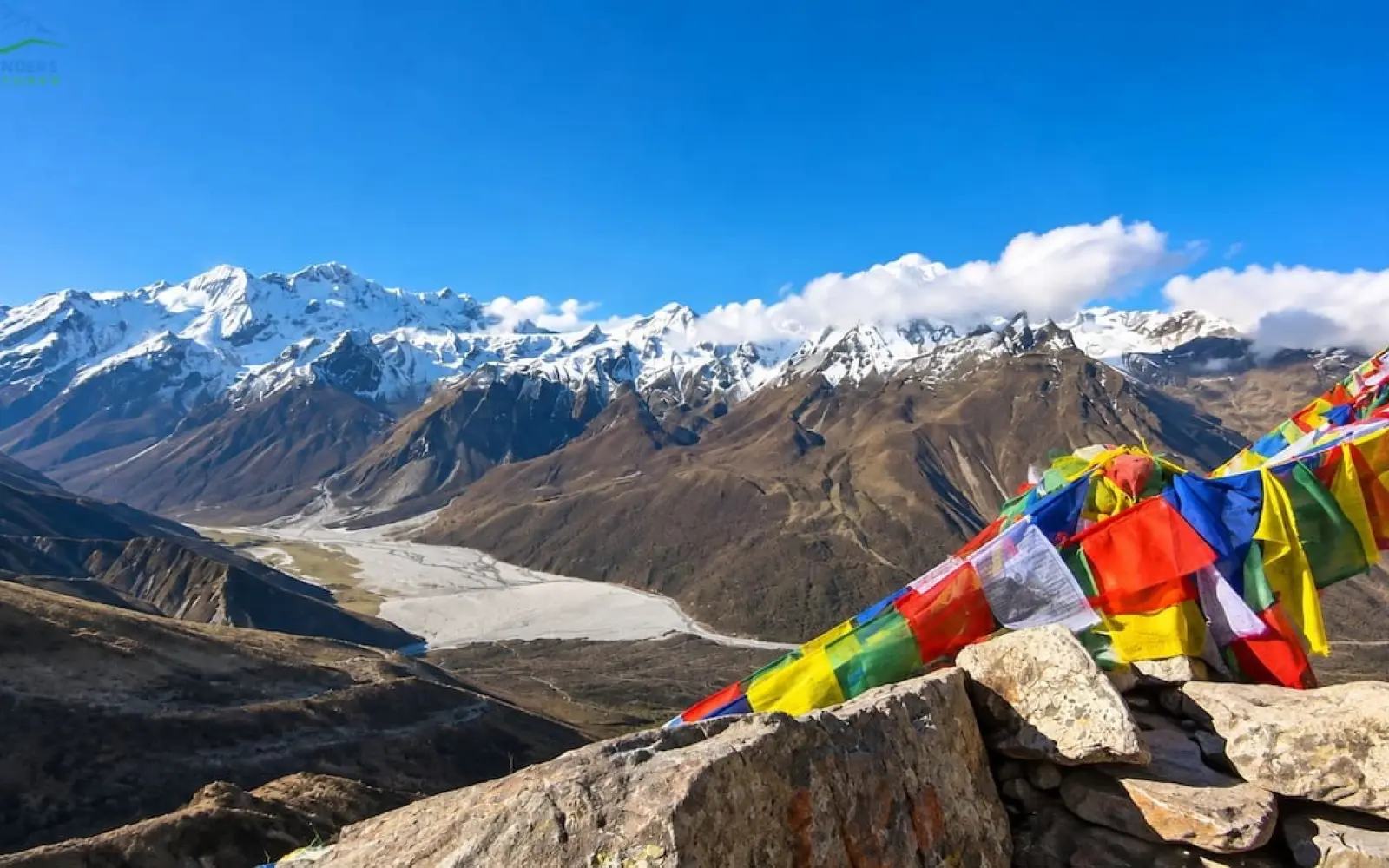
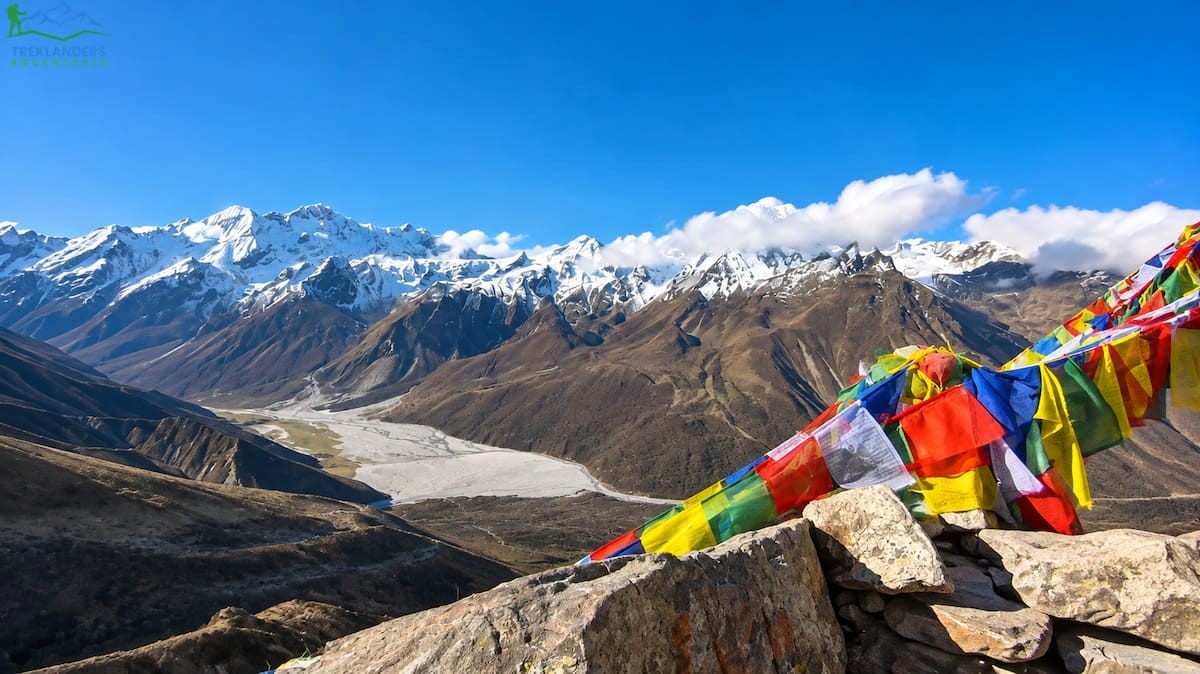
December is one of the best months to trek in Nepal, and it is one of the least discussed by first-timers. The monsoon clouds that hide the mountains from June to August have cleared. The autumn crowds have thinned out. On most mornings the air is dry enough that Annapurna, Machhapuchhre, and the Langtang range show their full outlines before breakfast. The cost is cold. Nights above 3,000 meters drop well below freezing, the days are short, and you need the right gear and a sensible route.
This guide covers five treks from our trekking in Nepal range that suit someone walking for the first time and that work well in December. Each section gives a day-by-day outline, the highest point you reach, what the package covers, and what it costs. We chose these five for three reasons. They stay at altitudes where most healthy beginners adjust without trouble. Their teahouse lodges run through the winter. And the views are worth every hour of walking.
Everest Base Camp is not on this list, and that is deliberate. It climbs to 5,364 meters and asks for more time, fitness, and altitude tolerance than most first-timers can give in one trip. If you already know you want that trail, our complete guide for first-time Everest trekkers explains what to expect. For everyone else, the five treks below make a better starting point.
Weather in December follows altitude more than the calendar. In Kathmandu the days reach about 18 to 20 degrees Celsius, and the nights settle near 4 degrees. Rain is rare across the country that month, so the trails stay dry underfoot. Higher up, the cold arrives in earnest. Villages above 3,000 meters see frost most nights, and the afternoon sun can feel warm one minute before a cloud crosses the ridge and the air turns sharp.
Three things make December easier for beginners than many people expect. The trails are quieter. Most October trekkers have gone home, so you find rooms more easily and share the path with porters, villagers, and mule trains instead of large groups. The views are clearer, too. Dry air strips away the haze that softens the mountains in spring, and the sunrise lights the peaks with real edges. And the low and middle routes stay open. Every trek in this guide keeps you below the altitudes where winter closes lodges or blocks passes.
December does have limits. Days are short, so you start early and aim to reach your lodge by mid-afternoon. A warm sleeping bag matters a great deal. Flights to Lukla can slip when cloud builds, which is one reason our December plans include buffer days. For a fuller comparison of the month with the rest of the year, read our December trekking guide.
| Trek | Length | Highest point | Walking per day |
|---|---|---|---|
| 4-Day Ghorepani Poon Hill Trek | 4 days from Pokhara | 3,210 m | 2 to 6 hours |
| 5-Day Mardi Himal Trek | 5 days from Pokhara | 4,200 m | 4 to 7 hours |
| 7-Day Langtang Valley Trek | 7 days from Kathmandu | 4,773 m | 4 to 6 hours |
| 6-Day Pikey Peak Trek | 6 days from Kathmandu | 4,065 m | about 6 hours |
| Helambu Trek | 12 days from Kathmandu | 3,597 m | 4 to 5 hours |
Check the trek pages for current details before you book, since itineraries and conditions change. Each trek has a different character, so the sections that follow describe what it feels like on the ground as well as the numbers.
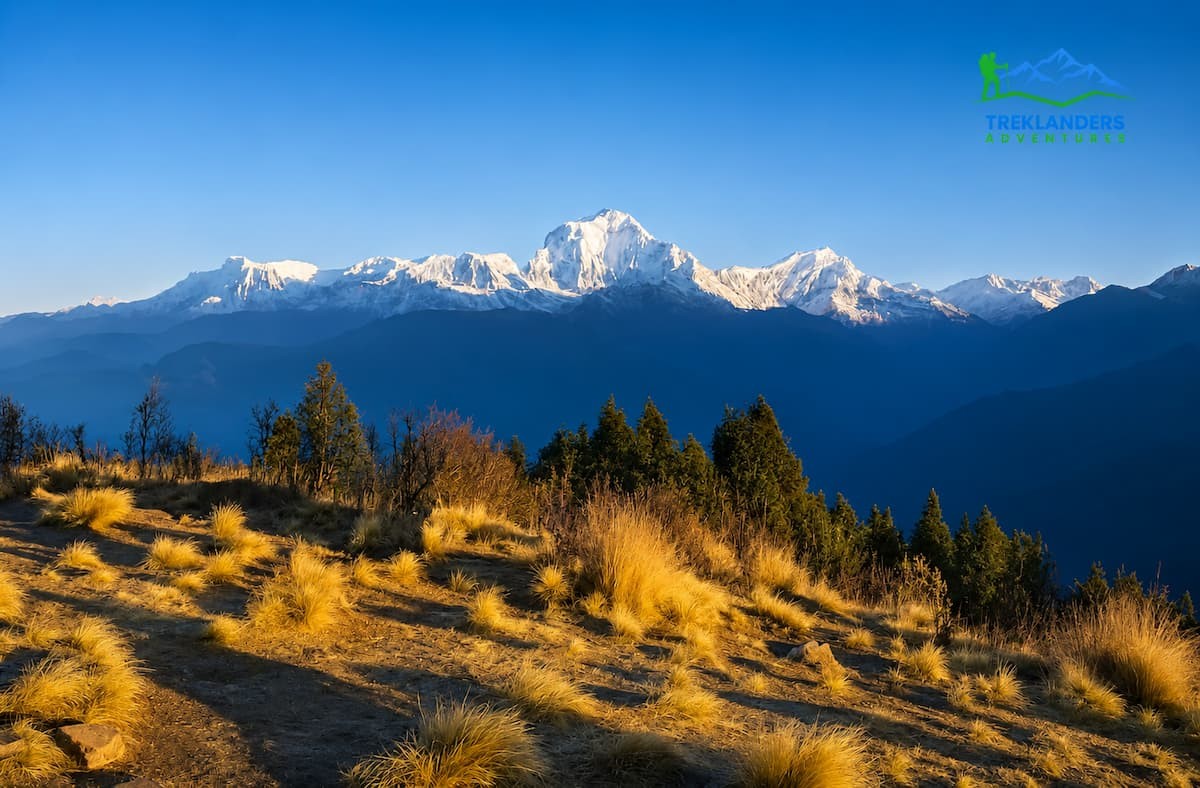
Poon Hill is the trek most people mean when they say their first trek in Nepal. The walk climbs through rhododendron and oak forest to a viewpoint at 3,210 meters, where you watch the sun strike Dhaulagiri, Annapurna, and Machhapuchhre at dawn. The whole trip takes four days from Pokhara, and the trail never asks for technical skill. You do not need to be an athlete. You need decent walking shoes, steady legs, and the patience to climb stone steps.
The route begins with a drive out of Pokhara past Nau Danda and Kande, where the Annapurna peaks come into view on the way down to Nayapul. From there the road gives way to a trail toward Tikhedhunga, at about 1,425 meters. Day one is the hardest climb of the trip. The stone steps rise steeply to Ulleri, a large village at 2,050 meters with a lodge view north toward Annapurna. Day two is gentler. You walk through forest to Ghorepani at 2,874 meters, a village set among rhododendron trees.
Day three is the highlight. You leave before dawn for the hour-long climb to Poon Hill, then return to Ghorepani for breakfast and walk on past Deurali to Tadapani at 2,640 meters. Day four drops to Ghandruk, a Gurung village at 1,950 meters, where you have lunch with a view of the peaks before a jeep carries you back to Pokhara. The trekking itself covers roughly 40 kilometers, not counting the drives.
Why does this route suit beginners? The steepest sections come early and are short. After that the climbs are gradual, and the altitude stays low enough that altitude sickness is uncommon. The highest point is modest, and the sunrise climb is the only real early start. Bring a headlamp, because the dark stretch before dawn is longer than most people expect.
December is inside the window our site recommends. The trek page lists the best seasons as March to May and September to February. Expect cold mornings, and in some years a dusting of snow near Ghorepani. The lodges are simple. Most have shared toilets, and hot showers carry an extra charge. Wi-Fi runs slow, and the signal at Poon Hill itself is weak, so you should download your maps and offline music before you leave Pokhara.
The package includes all meals during the trek, teahouse accommodation, ground transport as listed in the itinerary, a licensed guide, one porter for every two trekkers, and the ACAP and TIMS permits. Personal expenses, travel and rescue insurance, and tips are not included. If four days feels too short, the 10-Day Ghorepani Poonhill with Annapurna Base Camp Trek adds the base camp, and the Ghorepani Poonhill Trek runs a longer version of the loop. For a fuller list of Annapurna options, browse the Annapurna region page.
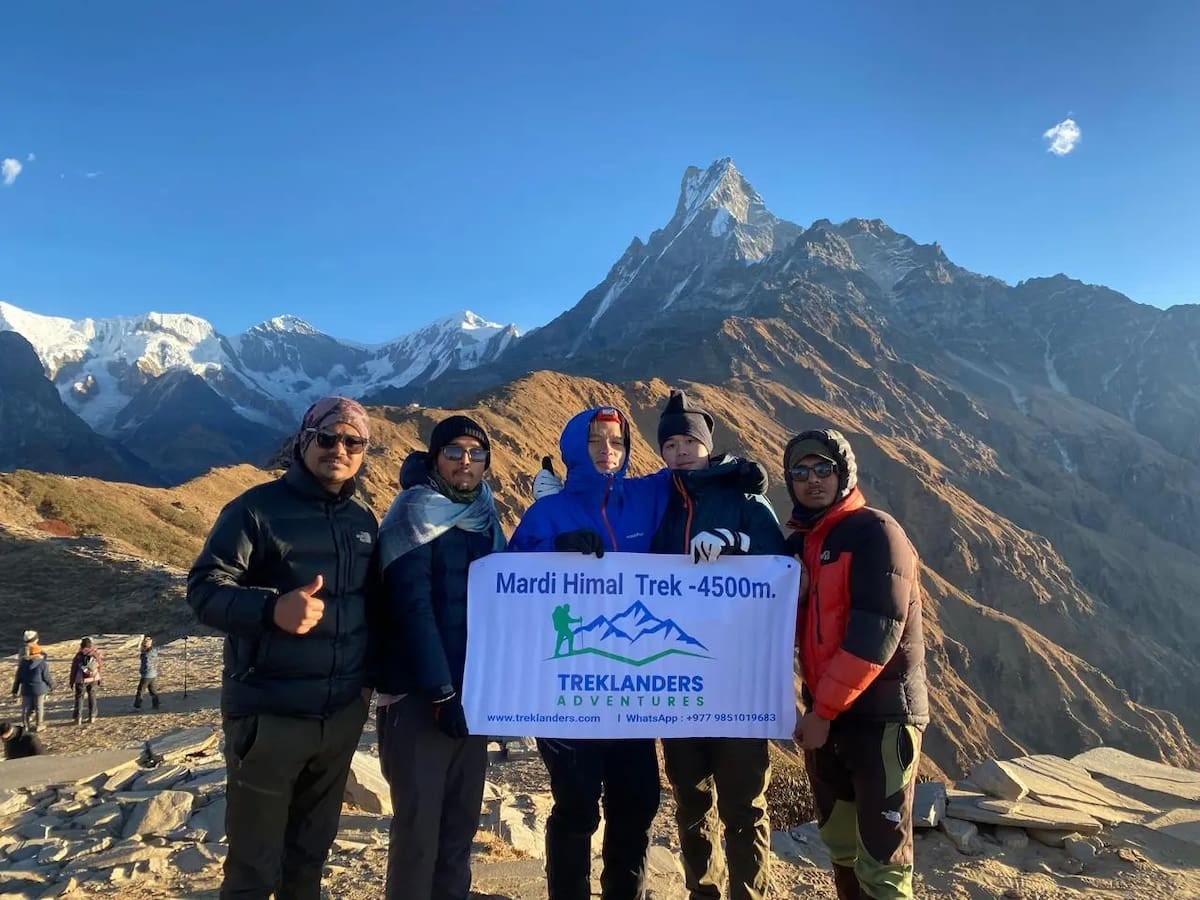
If you want to stand under a famous peak without a long itinerary, the Mardi Himal trek fits the bill. The trail climbs a ridge south of the main Annapurna Sanctuary route and ends at a viewpoint at 4,200 meters, close beneath the fishtail shape of Machhapuchhre. Nearly the whole route runs through forest, so the climb feels shaded and cool even at midday.
Day one starts with a drive out of Pokhara on a rough country road that winds up to Dhampus, a Gurung village with views of the Annapurna and Manaslu ranges. The walk continues through Potana and Deurali, then drops into oak and rhododendron forest to Forest Camp at 2,520 meters. Day two is a steady climb to Low Camp at 2,970 meters. Day three is the highest overnight stop, High Camp at 3,700 meters, where you have time to rest before the big morning.
Day four is the climb to Mardi View Point at 4,200 meters. The walk is the most demanding of the trek, and you should take it slowly, but the reward is a close look at the ridge and the peaks around it. You return to Badal Danda at 3,210 meters for the night. Badal means clouds in the local language, and the name fits, since mist often sits in the valley below. On day five you descend to Siding village at 1,750 meters and drive back to Pokhara, where the hotels sit on the shores of Phewa Lake.
Treklanders describes this trek as moderate, and it is a good choice for a first-timer with some fitness and a little hiking behind them. The walking days run four to seven hours. The steep sections come near High Camp, and the altitude gain is gradual enough that most people adjust well. Walking poles help on the descent from the viewpoint.
Winter needs more planning on this route. Our site notes that the trek is possible in December, but it gets very cold above 3,500 meters, and snow can fall. The upside is that the trail is quieter, and the mountain views after a fresh snowfall can be spectacular. Bring a warm sleeping bag, a heavy down jacket, and insulated gloves. Read our blog on whether the Mardi Himal trek in winter is possible for more detail on trail conditions.
The package includes accommodation in tea house lodges, breakfast, lunch, and dinner during the trek, an experienced licensed guide and porter, ground transportation, a first aid kit carried by the leader, national park fees, and one porter for every two trekkers. Travel insurance, personal equipment, and tips are your responsibility. The ACAP and TIMS permits are handled by the team. If you can give the trek more days, the 9 Day Mardi Himal Trek and the Mardi Base Camp Trekking add extra walking and a longer ridge. The Khopra Ridge and Khair Lake Trekking and the Mohare Danda Trekking offer other ridge walks in the same region.
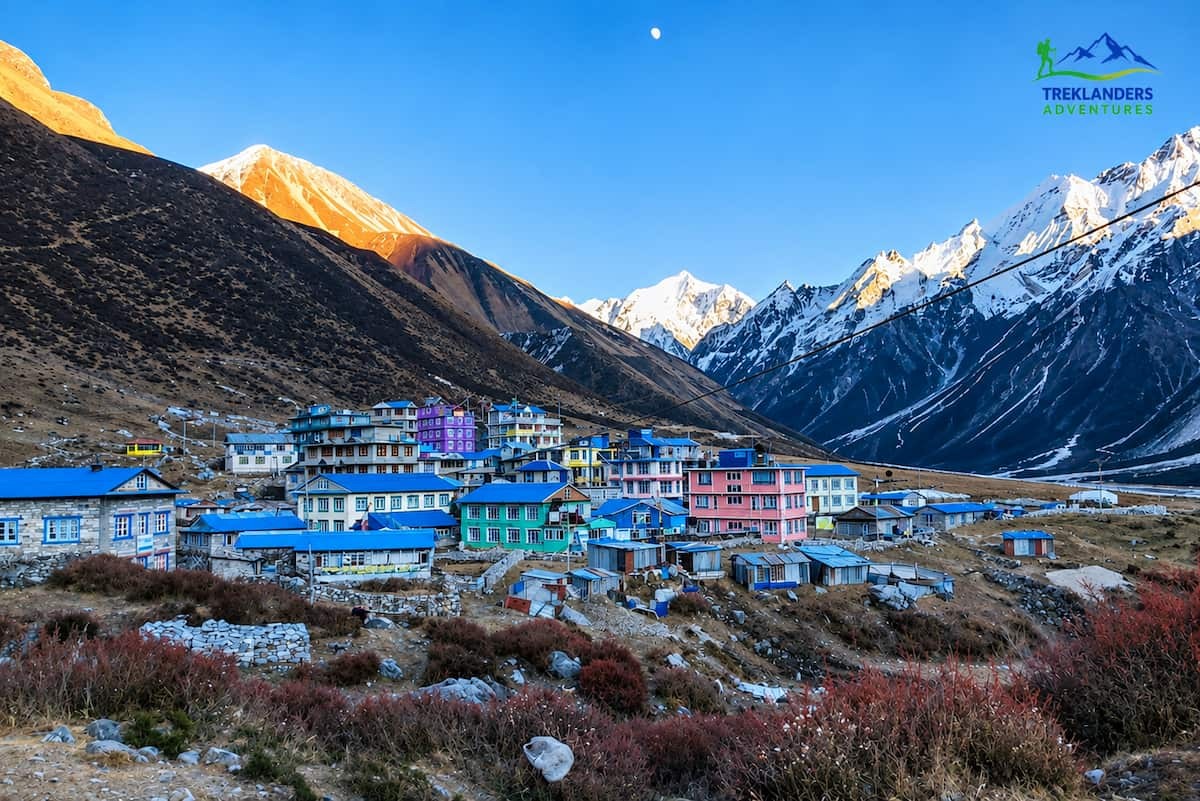
Langtang is the answer to a common question: what is the nearest real Himalayan trek to Kathmandu? The mountains lie about 32 kilometers from the city in a straight line, but the road to the trailhead at Syabrubesi takes six to seven hours by jeep or bus. The route follows a river valley into Langtang National Park, the first national park in the Nepal Himalaya, and it ends at Kyanjin Gompa, a monastery village at 3,870 meters with views of glaciers and snow peaks.
The seven-day plan starts with a morning drive out of Kathmandu through Trisuli Bazaar and the district town of Dhunche. You spend the night at Syabrubesi. Day two is a climb through rhododendron and oak forest to Lama Hotel at 2,455 meters, a small settlement of lodges set in a clearing. Day three brings you to Langtang Village at 3,425 meters, or to Mundu at 3,455 meters, depending on the group's pace. Langtang Village was destroyed by the 2015 earthquake and the landslides that followed, and the houses there have been rebuilt. You can see that recovery as you walk through.
Day four takes you to Kyanjin Gompa, the highest overnight stop of the route. The afternoon is free for an optional climb to Kyanjin Ri at 4,773 meters or the higher Tserko Ri at 5,033 meters. Both hikes reward the effort with a wide panorama of the central Himalaya, and they are the highest points you reach on the trek. Day five is a long downhill walk back to Lama Hotel, and day six takes you down to Syabrubesi on the road head. Day seven is the drive back to Kathmandu.
Langtang suits beginners who have some fitness. Treklanders rates it as a moderate trek with a touch of altitude, and the trails are well marked. The main difficulty comes from a few steep climbs in the forest and the cold at Kyanjin Gompa. Most people adjust to the altitude well, as long as they walk slowly and drink plenty of water.
December is a good month for Langtang, but it asks more of you than autumn does. Days stay clear and sunny, and the trails are quiet. Nights are freezing, especially after Kyanjin Gompa, and a few teahouses may close in the coldest weeks. Before you book, check our Langtang route update for 2026 and the trail status update for Langtang, Manaslu, and Tsum Valley. The team will confirm the current route before departure.
Permits for Langtang include the Langtang National Park entry permit and the TIMS card. Foreign trekkers pay NPR 3,000 for the park permit and NPR 2,000 for the TIMS card, or NPR 1,000 when the trek is booked through an agency with a guide. Nepal requires a licensed guide on most trekking routes, Langtang included, so you cannot walk this trek alone. The package includes all meals on the trek, teahouse accommodation, licensed guide and porter, the national park fee, transport from Kathmandu to Syabrubesi and back, and a farewell dinner on the last night. Travel insurance and personal items are not included.
If the seven-day version feels too brief, the 9 -Day Langtang Valley Trek and the Langtang Valley Trek give you more time at altitude. The 14 Day Tamang Heritage with Langtang Valley Trek adds Tamang villages to the route, and the 15 Day Langtang Gosaikunda Lake Helambu Trek combines the valley with a high lake. For all the Langtang options, visit the Langtang region page.
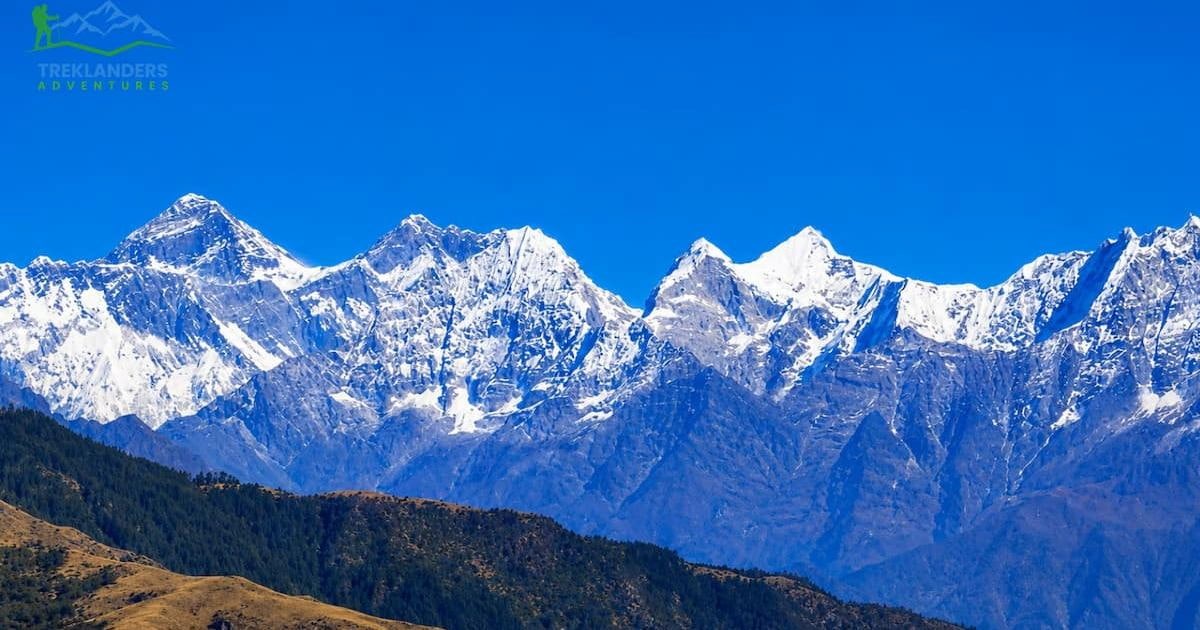
Pikey Peak is less a summit than a ridge with a wide view. At 4,065 meters it sits in the Solu region east of Everest, and from the top you see a 360-degree line of snow peaks, including Everest, Lhotse, Makalu, and Kanchenjunga. Treklanders notes that Sir Edmund Hillary visited the hill on his way to Everest, and the trek still feels like a route for people who want the Everest skyline without the Everest crowds.
The six-day trip begins with a long drive from Kathmandu toward Dhap, roughly seven hours in a private jeep, through Dhulikhel and the hill country around Solu. Day two is a walk on a newly built road and then a forest path to Bhulbhule, passing Jhapre, where you can see Everest and the Khumbu peaks from the village. Day three takes you to Pikey Base Camp at 3,640 meters, a small cluster of lodges where yaks graze on the meadows and the local yak cheese factory is worth a visit before dinner.
Day four is the big morning. You leave the lodge early and climb about an hour to the viewpoint at 4,065 meters for sunrise. From the top you see the Himalayan range in its full width, and then you walk down to Junbesi at 2,701 meters. This is the longest day of the trek, and it is where trekking poles earn their place. Day five is a rest day in Junbesi, with a short hike to Thubten Choling Monastery, home to a large community of Buddhist nuns and monks. Day six is the drive back to Kathmandu.
This trek suits beginners who want more of a challenge than a flat walk but less than a high altitude route. Treklanders grades it as moderate, with some uphill and downhill sections and a modest altitude gain. You walk about six hours on most days. There is no technical climbing, rope work, or glacier crossing. A person in average good health who exercises regularly can complete it, and the team can adapt the pace for older trekkers and families with teenagers.
December brings a particular kind of trip. The trek can be done over the Christmas and New Year holidays, when the sunny days are long enough for good views. Nights and early mornings are freezing, especially at the base camp and on the summit ridge, so pack your heaviest layers. Lodges can be basic. Hot showers are available at some stops for a fee, and at Pikey Base Camp you may find only cold water. Plan your daylight carefully, since the winter sun sets early.
The package includes accommodation in tea house lodges, breakfast, lunch, and dinner on trekking days, private jeep transport from Kathmandu to Dhap and from Junbesi back to Kathmandu, an experienced licensed guide and porter, the national park fee, and a farewell dinner on the last night. Travel insurance is not included, and the team advises cover for high altitude trekking up to at least 4,500 meters, plus emergency helicopter evacuation. If you want to extend the trip, the 8-Day Everest Panorama Trek and the Everest Panorama Trek follow similar ground farther into the Khumbu, while the Everest Base Camp Trekking from Jiri route passes through the same Solu villages on the way to the big peaks. The Everest region page lists all the Khumbu options.
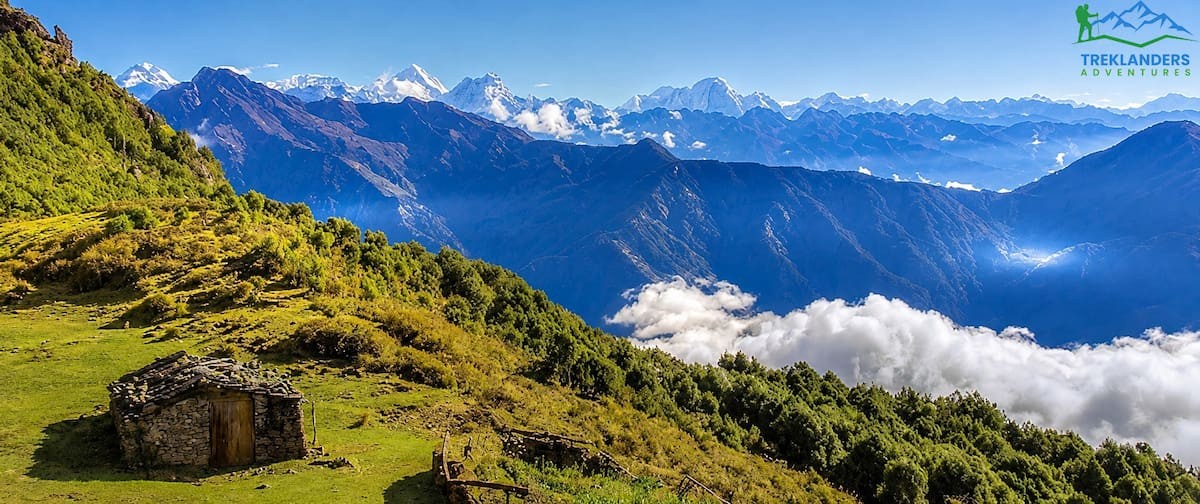
The Helambu trek is the gentlest route on this list, and it is also the most generous with culture. The package runs 12 days, with the trek itself taking about seven days, so it is the right choice for someone who wants a slower pace, a real introduction to Himalayan village life, and time in Kathmandu before and after the walk. Our site describes the route as one of the easiest nature treks in the region, and most of the walking follows well-defined paths through farm villages and rhododendron forest.
The trek starts at Sundarijal, a small town on the eastern rim of the Kathmandu valley. Day three is the first real walk, a climb of about four hours to Chisapani at 2,165 meters, a ridge village with views across the northern peaks. Day four drops and climbs to Gul Bhanjyang at 2,125 meters, a Tamang village with a lively bazaar and prayer monuments on the trail. Day five is a short walk to Kutumsang at 2,446 meters, a village of Sherpa, Hyolmo, and Tamang families.
Day six is the highest point of the trip, Thadepati at 3,597 meters, reached after climbing through dense rhododendron and pine to Yurin Danda. The views from Thadepati stretch across the Langtang and Jugal ranges, and the afternoon is free for a short walk around the ridge. Day seven drops into the inner Helambu valley to Melamche Gaon at 2,530 meters. Day eight is a short morning walk to Tarke Gyang at 2,550 meters, the main village of the Hyolmo people, where you can visit an old monastery and see carved wooden doors and window ledges that the region is known for. Day nine brings you to Sermathang at 2,693 meters, and day ten is a drive back to Kathmandu via Melamche Bazaar and the town of Dhulikhel.
The Helambu trek suits beginners who have never walked in the mountains and who want the ease of an itinerary that is short on hours. Walking days run four to five hours, and the trails are clearly marked. The hardest part is the climb toward Thadepati, but most walkers handle it with steady pacing and regular rests. Altitude is not a major concern, since the highest point sits below 3,600 meters.
December is a fine time for Helambu, with clear winter sunshine on the walking days and cold mornings and nights. Snow can fall at Thadepati in the coldest weeks, and the high ridges can feel windy. The trails are quiet, and the lodges have space in the winter months, which is one of the reasons the team recommends the area for first-time trekkers. Our guide to trekking in Nepal in December explains how the month compares with the rest of the year.
The package includes airport pickup and drop-off, four nights in a three-star hotel in Kathmandu with breakfast, all ground transport, accommodation in tea house lodges during the trek, meals on trekking days, a licensed guide and porter, the national park fee, and a farewell dinner. Travel insurance, personal equipment, and tips are not included. If you want a longer loop through the same region, the 15 Day Langtang Gosaikunda Lake Helambu Trek continues to the lake. For a shorter outing, the Chisapani-Nagarkot to Dhulikhel Hiking and the Nagarkot Day Hike cover similar country near Kathmandu, and the 4-Day Trekking Adventure near Kathmandu works well as a warm-up before a longer walk.
Dressing in layers is the single most useful habit on a winter trek. For your base layer, take two or three moisture-wicking T-shirts, one or two long-sleeve thermal tops, and a pair of thermal bottoms. For the mid layer, take a fleece jacket and a light down or synthetic insulated jacket. For the outer layer, take a waterproof hard shell and a heavy down jacket for the coldest mornings. Add a warm hat, insulated gloves, a neck gaiter, and sunglasses rated category 3 or 4, since snow and high sun both reflect hard.
Your sleeping bag matters as much as your jacket. A bag rated to around minus 10 degrees Celsius is a sensible target for the trek sections above 3,000 meters, and the teahouse blankets rarely do the job alone. Keep electronics in an inner pocket at night, because cold drains batteries quickly. A power bank of 10,000 to 20,000 mAh will cover most trips. Pack a headlamp with spare batteries for the early starts, trekking poles for the descents, and a reusable water bottle that you refill with boiled water at each stop.
Altitude is the main health concern on these routes, and the way to manage it is simple. Walk at a steady pace, drink water through the day, and tell your guide at once if you get a headache, nausea, or unusual tiredness. Descent is the treatment that works, so do not climb higher with symptoms. Diamox should only be taken on a doctor's advice, and you should see your doctor before you travel if you have a heart or lung condition. The rest days on each itinerary help your body adjust, so use them.
Fitness does not need to be elaborate. Three to four weeks of daily walking, stair climbing, and some leg strengthening will carry most beginners through the Helambu and Ghorepani routes with ease. The longer or higher treks, such as Pikey Peak and Langtang, benefit from a few practice walks with the daypack you plan to carry. Our EBC trek training plan gives a more detailed twelve-week program, and the same principles apply to any trek in this guide.
Permits and park fees are handled by the operator. You will need a valid passport, a few passport-size photographs, and your trekking itinerary details. Carry your permits in a waterproof pouch, because officials check them at several points along the route. Keep copies of your insurance policy and the emergency number on your phone, and share them with your guide before you start. The team's contact page lists the office in Thamel and the phone and WhatsApp number for quick questions.
Every trek in this guide uses teahouses, the family-run lodges that line the trail. A teahouse is usually a two-storey stone or timber building with a dining room on the ground floor, a kitchen at the back, and simple rooms above. The rooms have a bed, a thin mattress, a pillow, and a blanket. They rarely have heating, so the dining room with its wood or yak-dung stove is where you will spend most of your evenings. Bring a sleeping bag rated for the cold rather than relying on the blankets provided.
Meals follow a regular pattern. Breakfast is usually porridge, eggs, toast, or fried potatoes with tea or coffee. Lunch and dinner come from a menu that lists dal bhat, noodle soups, pasta, momo dumplings, and fried rice. Dal bhat, a plate of rice, lentil soup, vegetables, and pickle, is the traditional meal of the hills, and it is the best value on the trail because you can ask for a second helping at no extra charge. Order early in the evening, because the kitchen works at its own pace and the cold makes everyone hungry at once.
Water needs care. Bottled water is sold at most stops, but the price rises with every hour of walking from the road, and the plastic waste is a real concern in the mountains. Many lodges offer boiled water for a small fee. Fill your own bottle and use a water purification tablet or a filter if you carry one. Never drink from streams without treating the water first.
Washing and toilets are basic. Most lodges have shared squat or Western-style toilets, and some have a bathroom with a cold tap. Hot showers are usually heated by a solar tank or a gas heater, and they cost extra. In December the sun is weak in the afternoon, so a hot shower is often a cold one. Plan to wash on the lower stretches of each trek, and pack wet wipes and a small pack of hand sanitiser for the higher stops.
Lodges fill up on busy nights, so it helps to walk in early and to let your guide handle the room allocation. Keep your valuables in your daypack rather than leaving them in the room. Charge your phone and power bank in the dining room while you eat, since many lodges charge a fee for charging in the rooms, and the electricity can be unreliable in the colder weeks.
Teahouse owners are part of the trek's story. Many of them grew up on the same trails and know the weather, the trail conditions, and the families living along the route. Ask questions, learn a few words of Nepali, and say thank you when you leave. A friendly guest is often the reason a lodge keeps a warm room ready on the next cold night.
If you have only four days, pick the Ghorepani Poon Hill route. It delivers a strong sunrise, forest walking, and a clear introduction to teahouse life with the least time and altitude. If you want a mountain close enough to touch, choose the Mardi Himal trek and its viewpoint beneath Machhapuchhre. If you want the mountains within easy reach of Kathmandu, Langtang gives the best combination of valley scenery and a high viewpoint. Pikey Peak suits travellers who want a quiet trail and a famous Everest panorama without the heavy traffic of the main routes. And if culture and a relaxed pace matter more than big views, Helambu is the gentlest route, with a long stay in Kathmandu before and after the walk.
Each of the five packages can be adjusted. The team builds custom itineraries for different dates, group sizes, and fitness levels, and many travellers combine a trek with a few days of sightseeing or a flight home from Pokhara. You can see how other trekkers rated their trips on the reviews page, and the photo gallery shows the routes in different seasons. For more background on the company and the guides who lead the treks, read the About Us page.
When you are ready, use the plan my trip form to tell the team your dates, your group size, and your fitness level. They will suggest the route and the start date that fits December best. If you prefer to talk first, message the team on WhatsApp at +977 9851019683 or write to info@treklanders.com. A December trek rewards careful planning, and a good first walk in the Himalayas is easier to build than most people expect.
Discover the best treks in Nepal in December, including Everest Base Camp, winter weather, itineraries, and essential trekking tips.
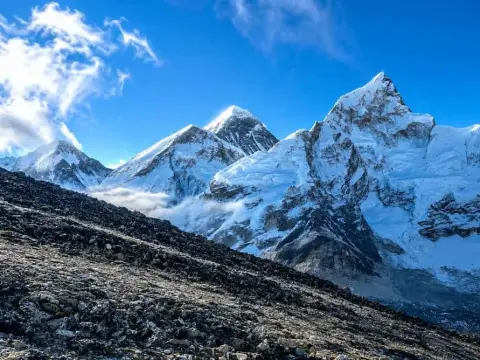
Is Kala Patthar worth the climb? Discover stunning Everest sunrise views, altitude challenges, and trekking tips.
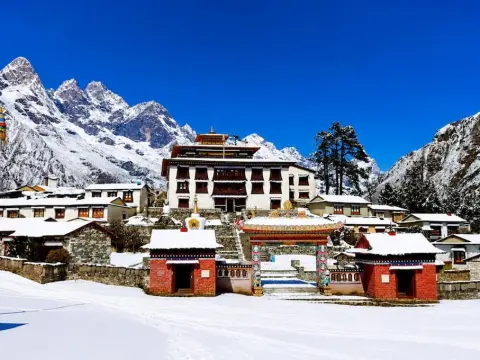
Explore four must-see experiences at Tengboche Monastery on the Everest Base Camp Trek.



