Is Langtang Valley Trek Safe After Monsoon? Trail Conditions, Weather & Best Time to Trek
31 May 2026
Discover the best time to trek the Langtang Valley after monsoon with trail conditions, weather, and essential safety tips.

Trekking to the base of Mount Everest is indeed a bucket-list adventure. Coming face-to-face with the world's highest peak has always required a lot of time and effort. A typical round-trip trek from Lukla to the famous Everest Base Camp (EBC) and back covers about 130 kilometers. Traditionally, this journey along the classic path to the foot of the world's highest mountain requires 12 to 14 days of physically challenging high-altitude walking.
For the majority of modern travelers, spending more than two weeks on a single itinerary is not possible. Busy work schedules, few vacation days, and family commitments usually limit your calendar.
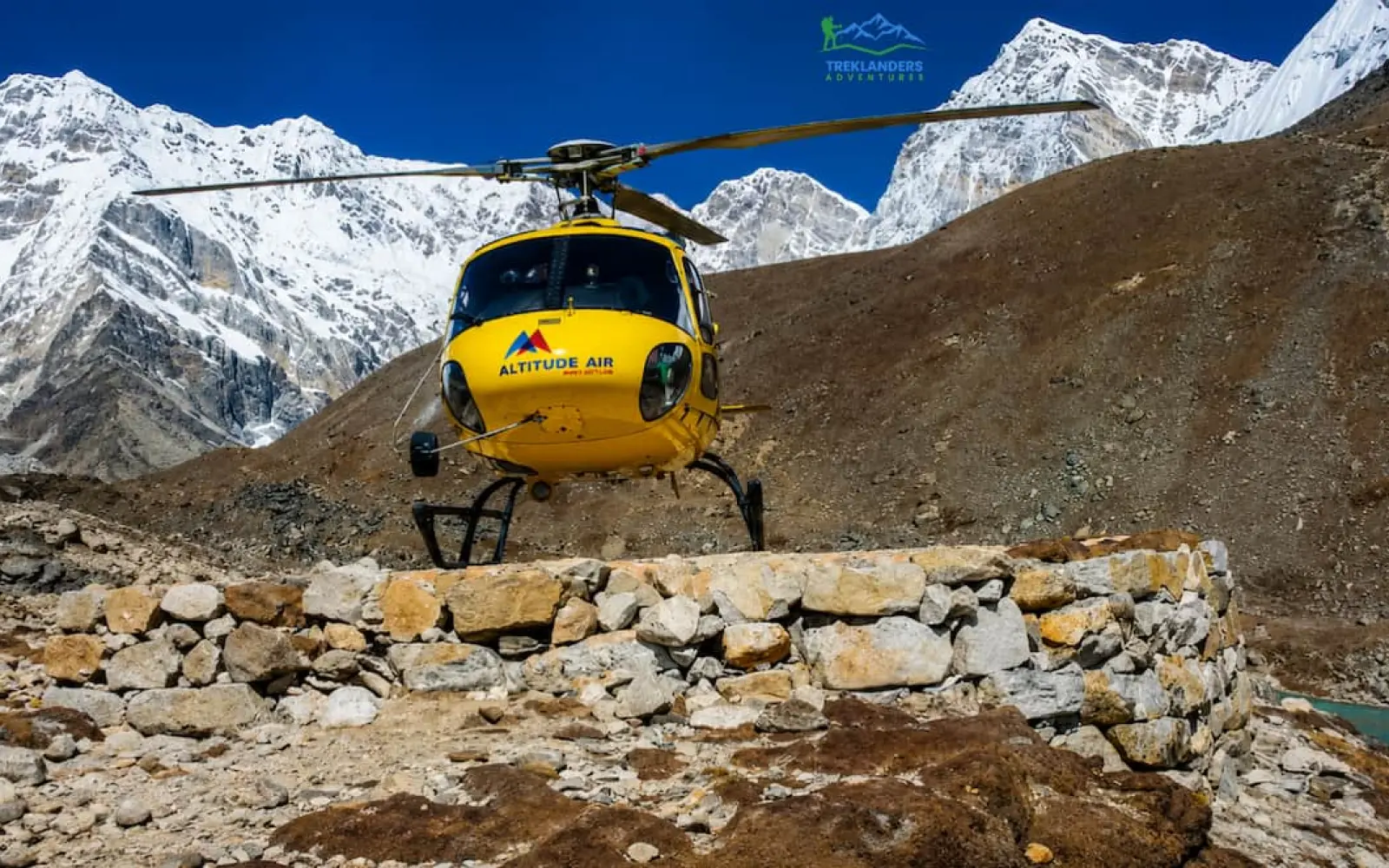
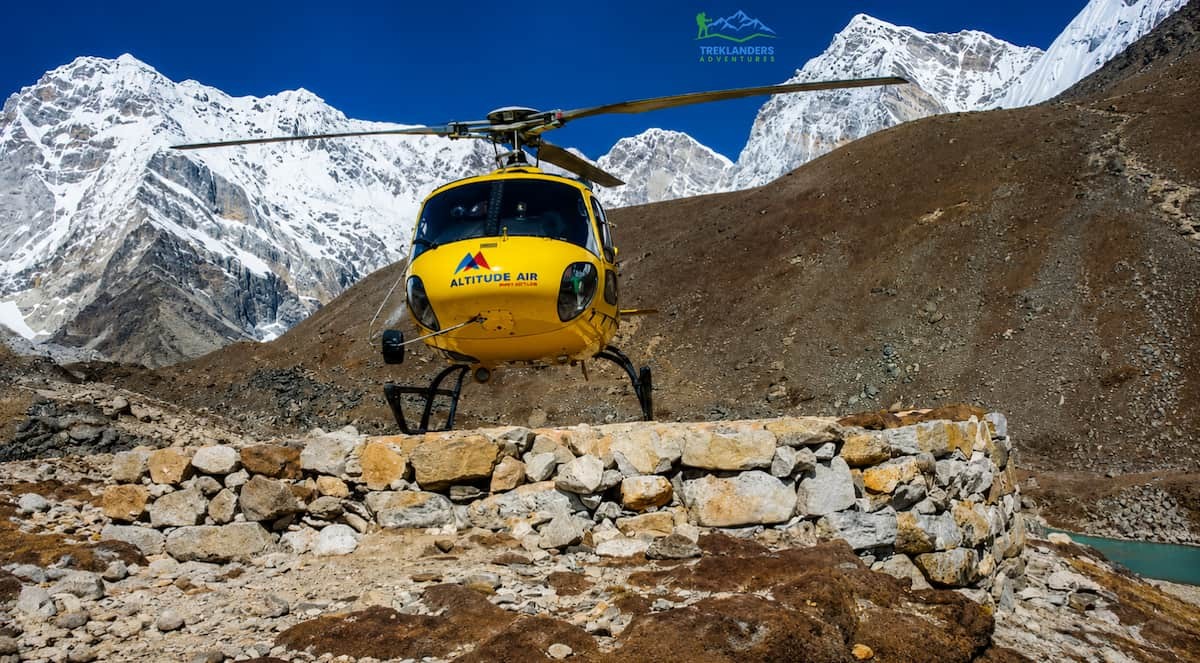
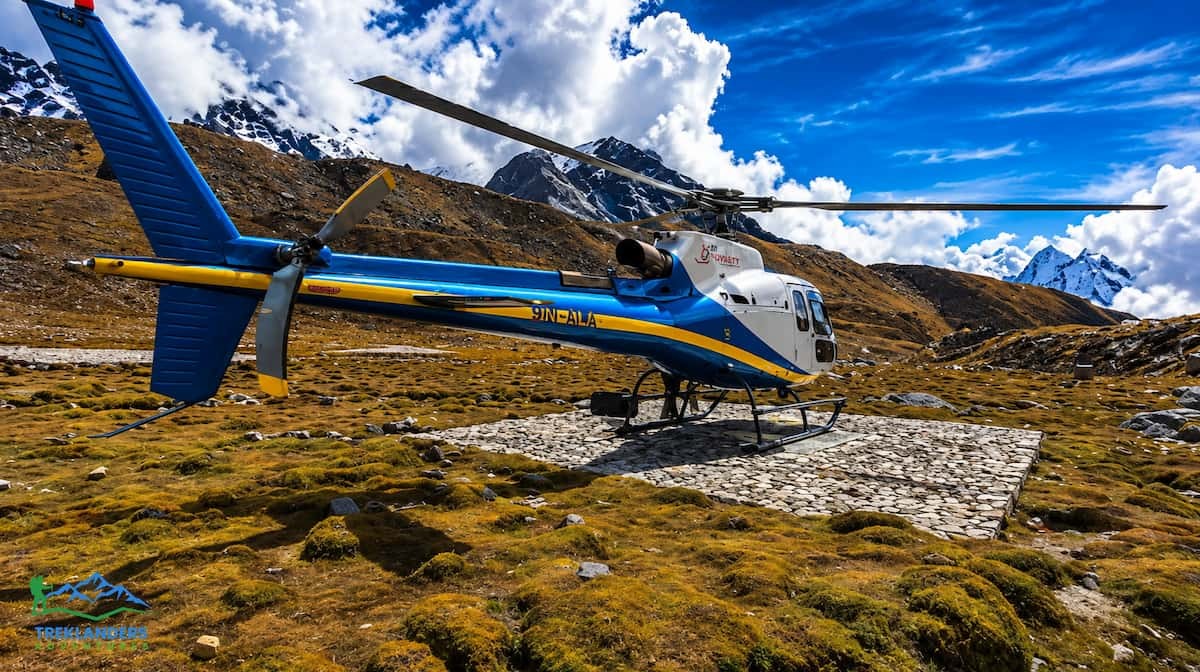
Luckily, luxury and clever use of logistics have made it possible to solve this problem with a quicker solution: the Everest Helicopter Trek. If you replace the long and tiring return hike of the Khumbu Valley with a helicopter flight, you can reduce the total duration of your itinerary immensely.
One specific way to use this concept of a quick return by helicopter is through Treklanders Adventures. They provide two fast-track trips that combine top-notch, adventurous high-altitude trekking with a memorable helicopter flight back to Kathmandu. Nevertheless, these two options handle the aspects of high-altitude acclimatization, physical pacing, and overall scheduling very differently.
Which one of these two itineraries you pick directly affects the amount of daily exertion you are willing to put in, your altitude exposure, and your Nepalese holiday budget. This comprehensive article covers all the differences, features, and aspects of each option, so you can decide which one is most suitable for your lifestyle and physical condition.
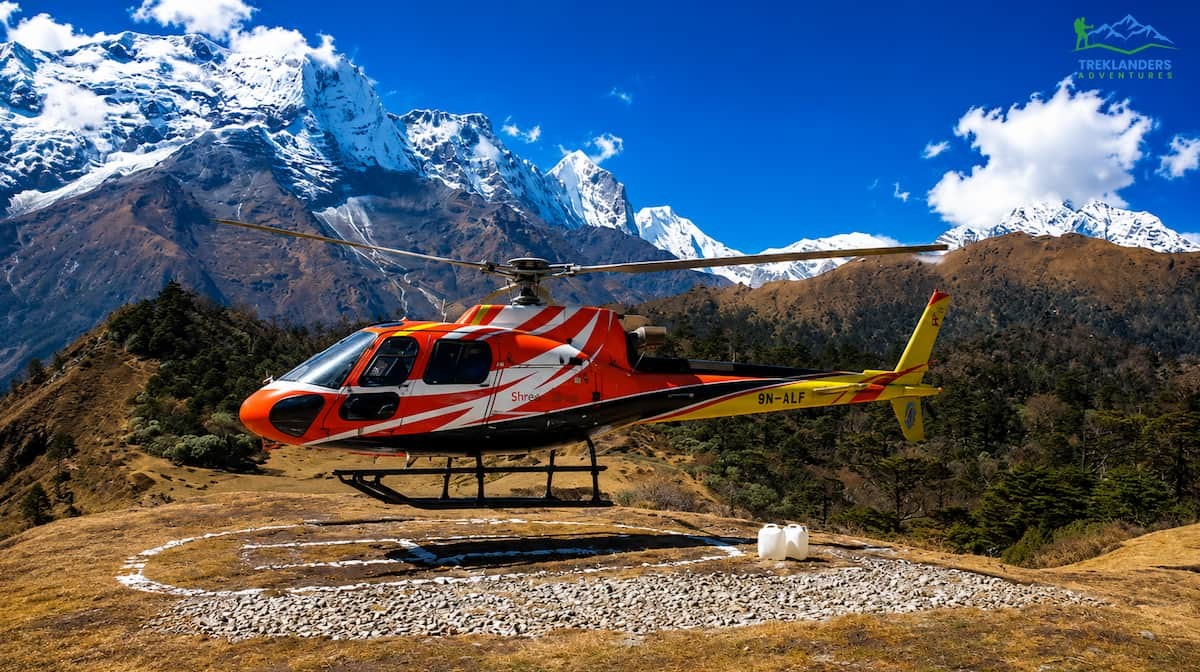
Generally, the Everest Base Camp route follows a simple out-and-back road pattern. Ascending from the Lukla airfield (2, 846 meters), you are likely to spend about eight or nine days till visiting Gorak Shep (5, 164 meters) and finally the base camp itself (5, 364 meters). Subsequently, after you have fulfilled your ambition and been below the Khumbu Icefall, the usual trek instructs you to return and spend three to four days tracing your footprints down the valley all the way to Lukla.
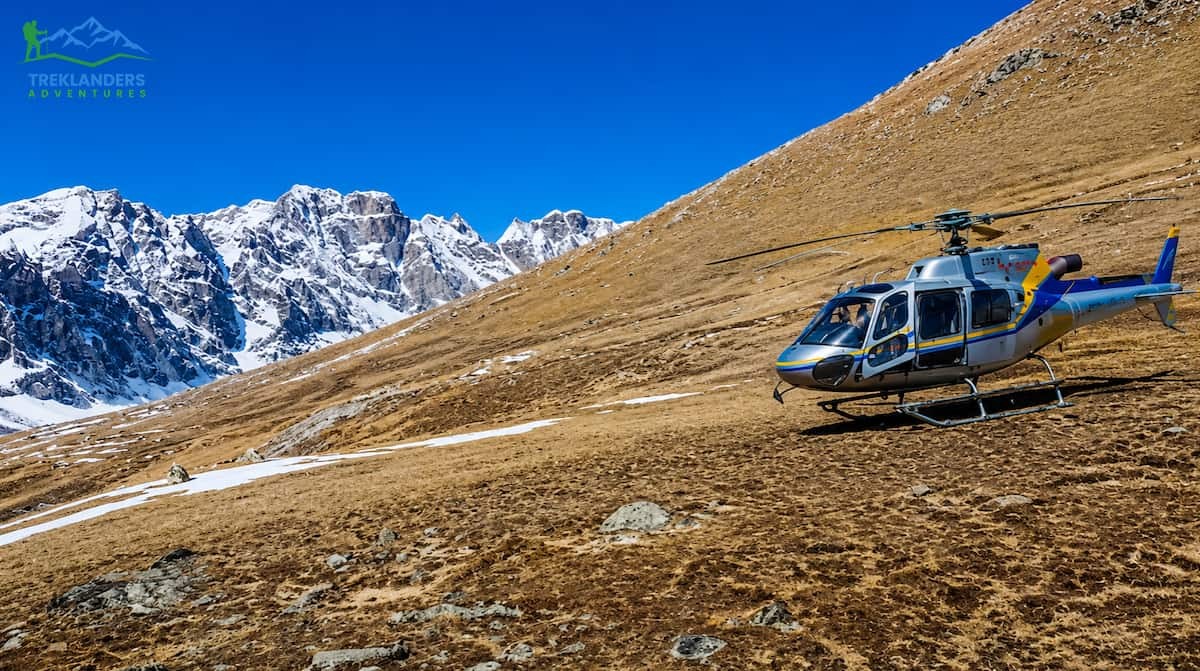
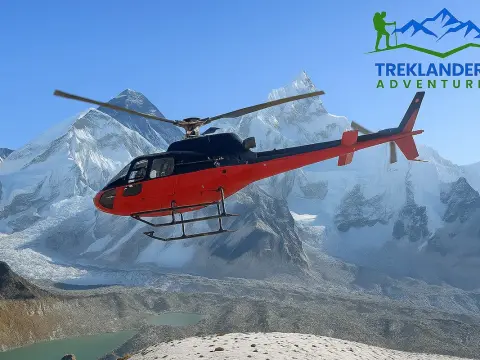
Helicopter return options drastically modify the latter part of the equation. Rather than hurting your knees day after day on steep descents, you get on a helicopter right at Gorak Shep or at another nearby settlement. This aerial ride takes you over the alpine terrain effortlessly while also giving you a spectacular view of those peaks you had been walking next to for days and finally lands you directly back in Kathmandu.
By way of helicopter return, you can skip up to five days of nonstop trail walking. One can thus fit the visit to the ultimate Himalayan spot comfortably within the standard one-week or two-week vacation time frame.
Walking down from a height of several thousand meters on rocky and uneven ground greatly strains your joints, muscles, and lower back. Going by helicopter removes this type of physical tiredness, which is a big plus if also carrying a few injuries or dealing with a simple lack of energy.
The flight reveals the major geographical features of the region from above. You'll be able to view the vast Khumbu Glacier from the air, spot the small houses of Namche Bazaar located within the horseshoe-shaped basin, and have close aerial sights of Lhotse, Nuptse, and Ama Dablam.
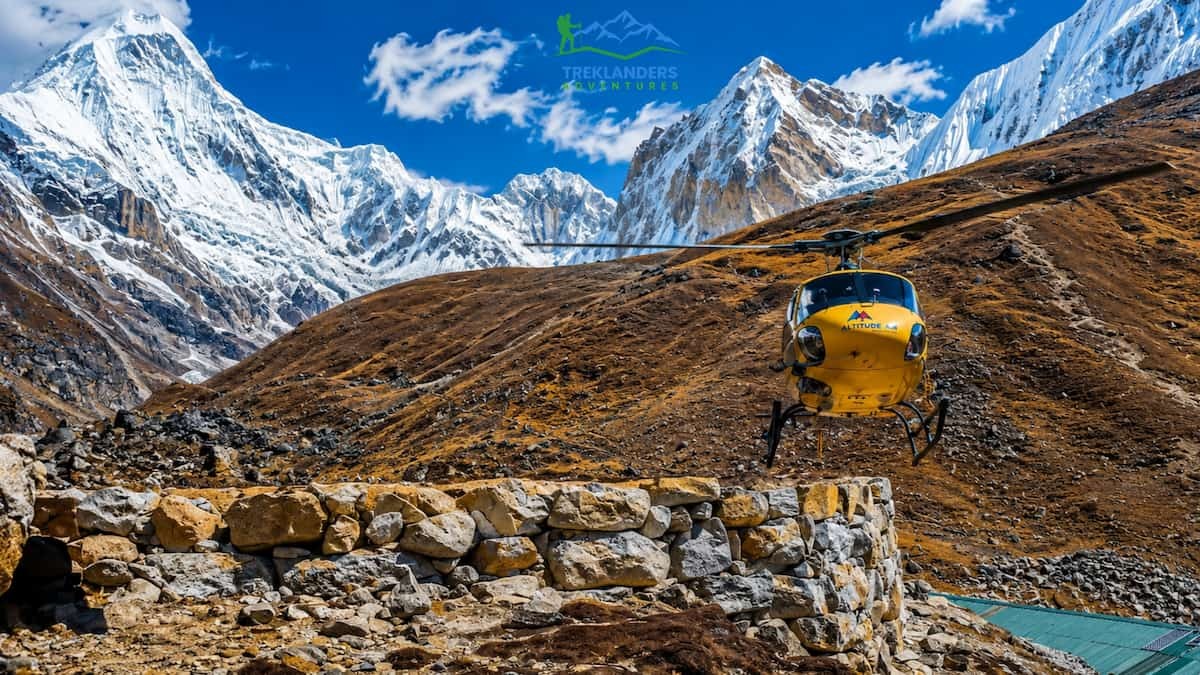
The 9-Day Everest Helicopter Trek is the quickest method to get to the base of Mount Everest on foot. This program reduces the normal trek to its very core, keeping the essential uphill climb and cutting out all the non-essential days for rest. It is a tough, high-energy schedule made especially for people with very limited time.
Step-by-Step Daily Itinerary Breakdown
Welcome to Kathmandu! Once you land at Tribhuvan International Airport (KTM), a Treklanders team member will be there to pick you up at the airport and take you to your hotel. Your guide will conduct a thorough briefing session about the trip in the evening, followed by a dinner with delicious traditional Nepalese food.
You will fly from Kathmandu in the early morning for 35 minutes to Lukla. Heatherly Airport (lot. 2,846m) (In the case of rerouting during peak season, Manthali Airport will be the airport of departure). Once your gear is with you and your porter team is ready, you set off for the trail. The path descends slowly through Sherpa villages and alongside the Dudh Koshi River to Phakding (2,610m), where you will spend your first night.
Here, you can understand that the journey makes sense. You follow the river trail northward, crossing multiple high suspension bridges draped in colorful Buddhist prayer flags. You pass the official entry checkpoint for Sagarmatha National Park at Monjo. After a final lunch stop at Jorsalle, you tackle the legendary, steep uphill climb to Namche Bazaar (3,440m), the bustling commercial capital of the Khumbu region.
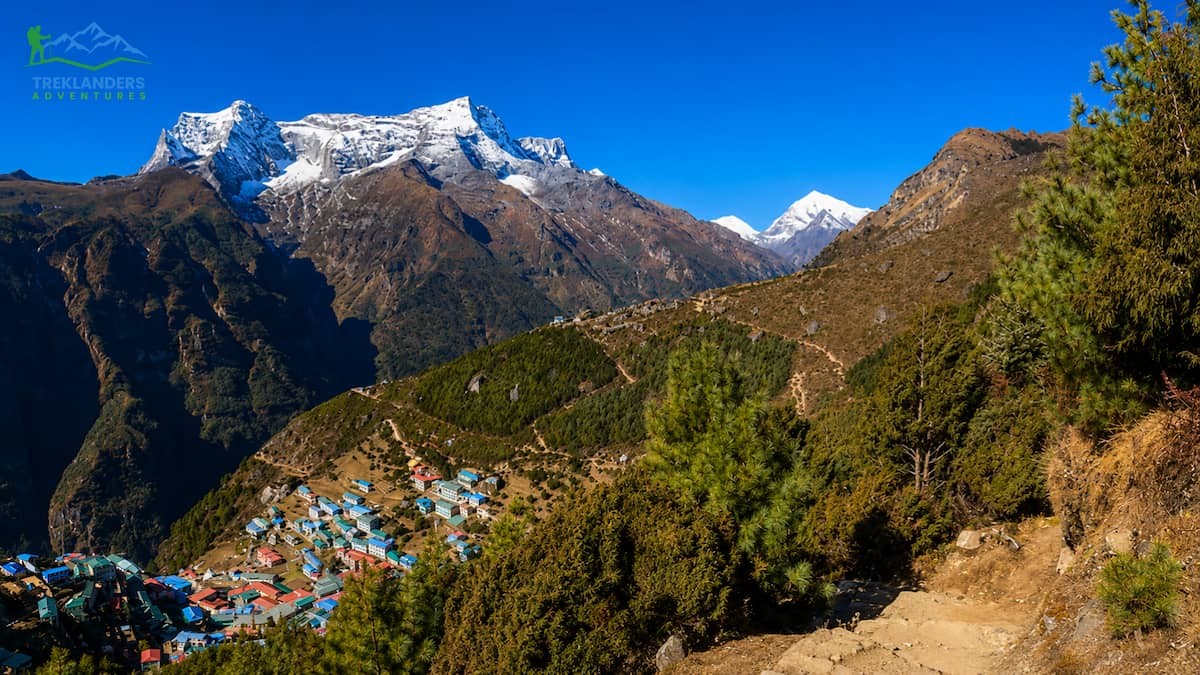
One of the key elements of altitude trekking is the process of acclimatization exposure to higher altitudes for a sufficient length of time to permit the body to adjust to elevations with less oxygen. That is why you will have rest days during the trek, and a rest day in Namche Bazaar is mandatory as it will give your body time to adjust to the thinner air. Besides rest, another way to help your body adapt is by engaging in light physical activity, termed active rest. Active rest can be a short walk or hike that allows the body to work at a low level. Your guide will take you on a short, moderate acclimatization hike to the Everest View Hotel (3, 880m), which is recognized by the Guinness Book of Records as the highest hotel on earth. You will have the opportunity to have tea as you watch your first spectacular views of Mount Everest, Lhotse, and Ama Dablam. Afterwards, you will descend to Namche for the night.
As you walk on the trail which runs along the side of the hill, you will soon find yourself descending down to the river at Phunki Tenga. From there, you must complete the last part of the climb, which is a continuous steep one through rhododendron and pine forests to Tengboche (3, 867m). At the village, you will have time to visit the renowned Tengboche Monastery, which is the heart and soul of the whole valley. What’s more, it is in such a spectacular setting with the great Ama Dablam seen right behind it.
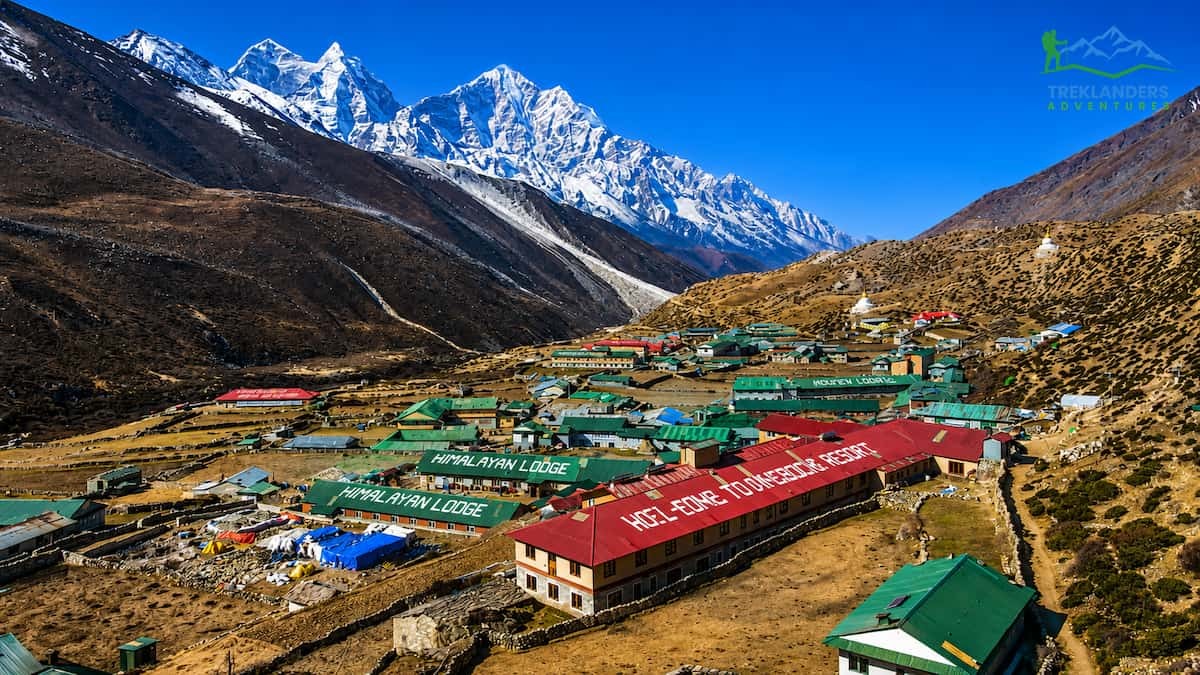
You cross the Imja Khola River at the beginning of the trail and soon after coming to the traditional village of Pangboche. As you continue, the trees disappear completely, and you will see only a few dry alpine shrubs along with open stone-walled fields. After walking through the high-altitude valley of Dingboche (4, 410m), you will arrive at the settlement surrounded by strong winds.
You make a gradual ascension through the high alpine plain, having your midday meal at the very small village of Dughla. Not long after, you tackle the demanding Thukla Pass, which is a very steep section, supplied with the emotive stone memorials commemorating the climbers who have lost their lives on Everest. After that, the trail gets somewhat easier as you are making your way on top of the lateral moraine of the Khumbu Glacier towards Lobuche (4, 960m).
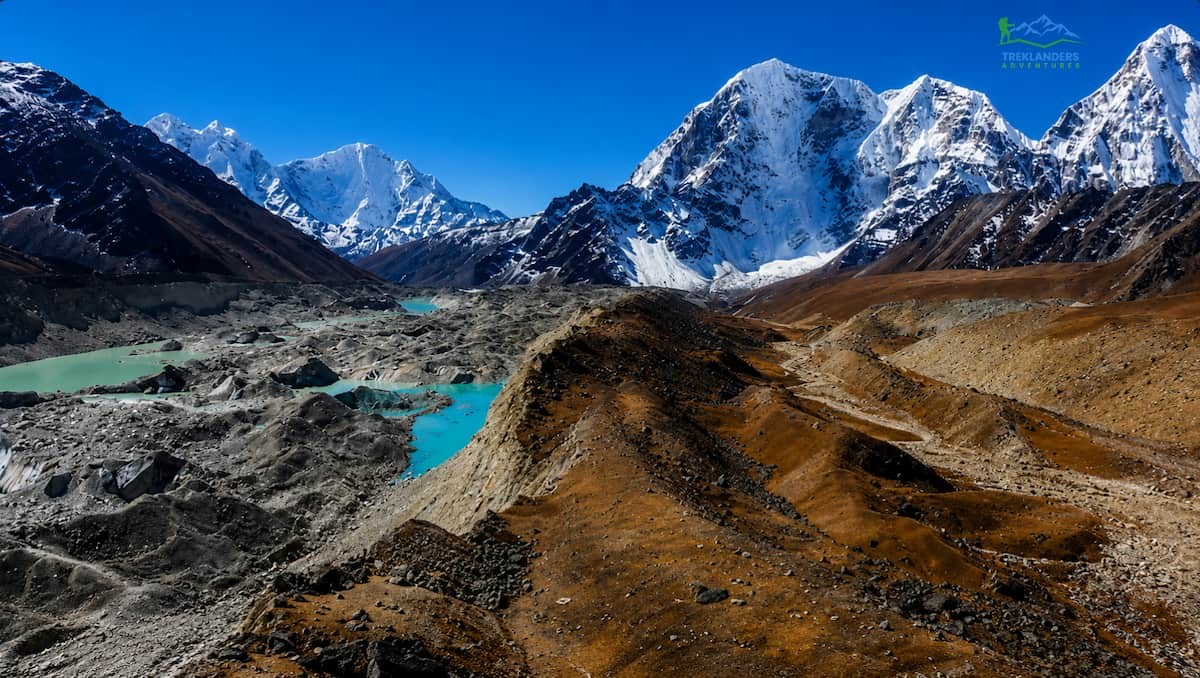
Time for the highlight of your trip. You get up early and walk along the rough terrain of the glacier to Gorak Shep (5, 164m), where you can leave your heavy bags at the lodge. Then you continue your hike along the main ridge of the Khumbu Glacier until you stand on the vast rocky ground of Everest Base Camp (5, 364m). After enjoying the moment and taking pictures of the Khumbu Icefall, you head back to Gorak Shep, where you will spend your last night at altitude.
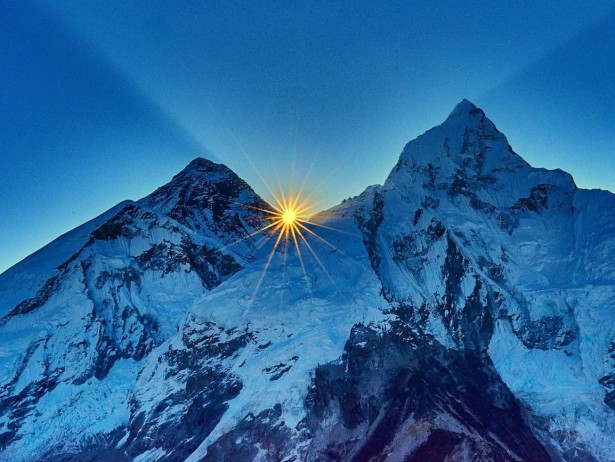
Optionally, at daybreak, you could do a very brief climb for sunrise to Kala Patthar (5, 643m) for the most spectacular panoramic view of Everest’s summit. Then it is time to head back to the helicopter pad at Gorak Shep. You get on board your rented Eurocopter AS350 B3, go on a direct scenic flight over the mountains to Kathmandu and then proceed to the international terminal for your evening flight home.

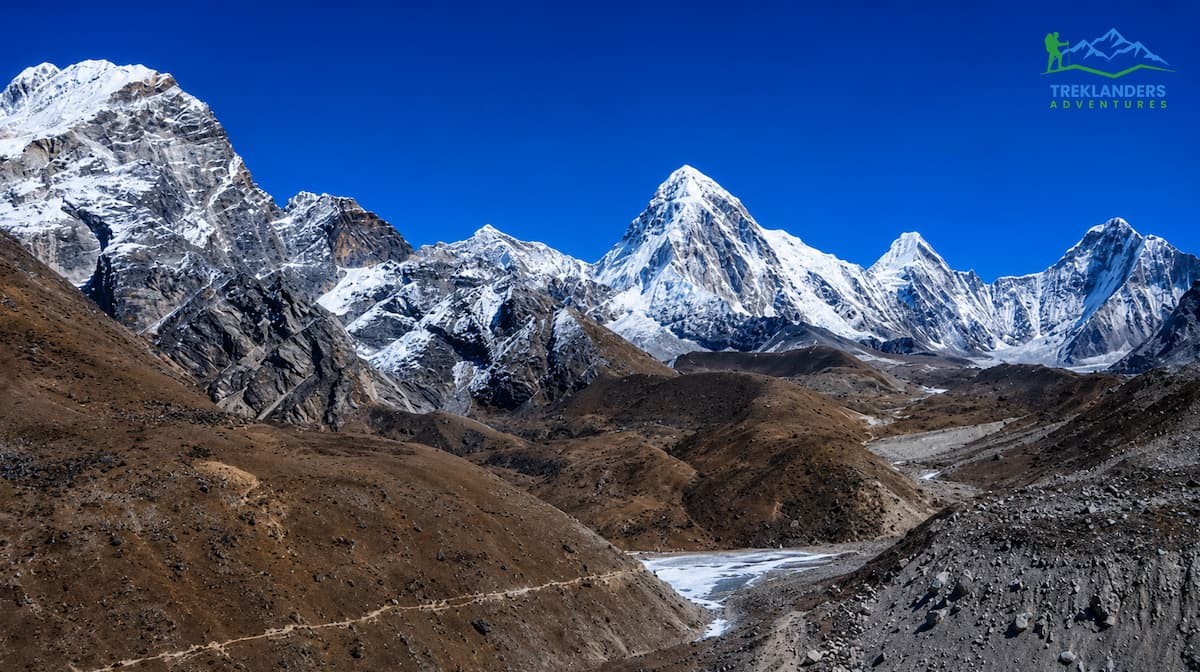
This 9-day itinerary involves a very fast vertical climb. It has only one acclimatization rest day during the whole duration of the climb.
| Day | Starting Point | Ending Point | Nighttime Elevation | Net Elevation Change |
| Day 1 | Kathmandu | Kathmandu | 1,365 m / 4,478 ft | Baseline |
| Day 2 | Kathmandu / Lukla | Phakding | 2,610 m / 8,562 ft | +1,245 m (Flight) / -236 m (Trek) |
| Day 3 | Phakding | Namche Bazaar | 3,440 m / 11,286 ft | +830 m |
| Day 4 | Namche Bazaar | Namche Bazaar | 3,440 m / 11,286 ft | 0 m (Acclimatization Rest) |
| Day 5 | Namche Bazaar | Tengboche | 3,867 m / 12,687 ft | +427 m |
| Day 6 | Tengboche | Dingboche | 4,410 m / 14,468 ft | +543 m |
| Day 7 | Dingboche | Lobuche | 4,960 m / 16,272 ft | +550 m |
| Day 8 | Lobuche | EBC / Gorak Shep | 5,164 m / 16,942 ft | +404 m (EBC peak at 5,364 m) |
| Day 9 | Gorak Shep | Kathmandu / Home | 1,365 m / 4,478 ft | -3,799 m (Helicopter Flight) |
The 12-Day Everest Helicopter Trek provides a more measured, balanced, and physically forgiving approach to the Khumbu region. While it still utilizes a helicopter to bypass the return walk down the valley, it retains the classic high-altitude acclimatization schedule during the ascent. This extra time drastically reduces the physiological stress on your body.
Step-by-Step Daily Itinerary Breakdown
On arrival at Kathmandu's international airport, you will be met by Treklanders staff, and after the transfer to your city hotel, you will unpack and attend an orientation session in the evening, followed by a briefing on trip gear checks, trail safety and helicopter flight logistics.
Rather than rushing through in a 9-day version, you really get to experience the depth of Kathmandu's culture here. You visit famous UNESCO World Heritage sites such as the ancient Boudhanath and the historical courts of Kathmandu Durbar Square, plus there will be time in the afternoon for any last-minute gear rentals.
Your flight is scheduled early in the morning to Lukla (2, 846m). Once you have been introduced to your support porters, it will be a slow, gentle descent walk through alpine countryside to the riverside village of Phakding (2, 610m).
The route follows the Dudh Koshi River, and you cross several suspension bridges that have become iconic. At Monjo, you submit your entry permits. Later, you're really challenging uphill trek through the pine forests is rewarded by a glimpse of the lively town of Namche Bazaar(3, 440m).
You decide to spend a day relaxing and adapting to the altitude. So, you will walk to the Everest View Hotel (3, 880m) for the spectacular mountain views. On your way back to Namche for the night, you will pass by the Sherpa Culture Museum.
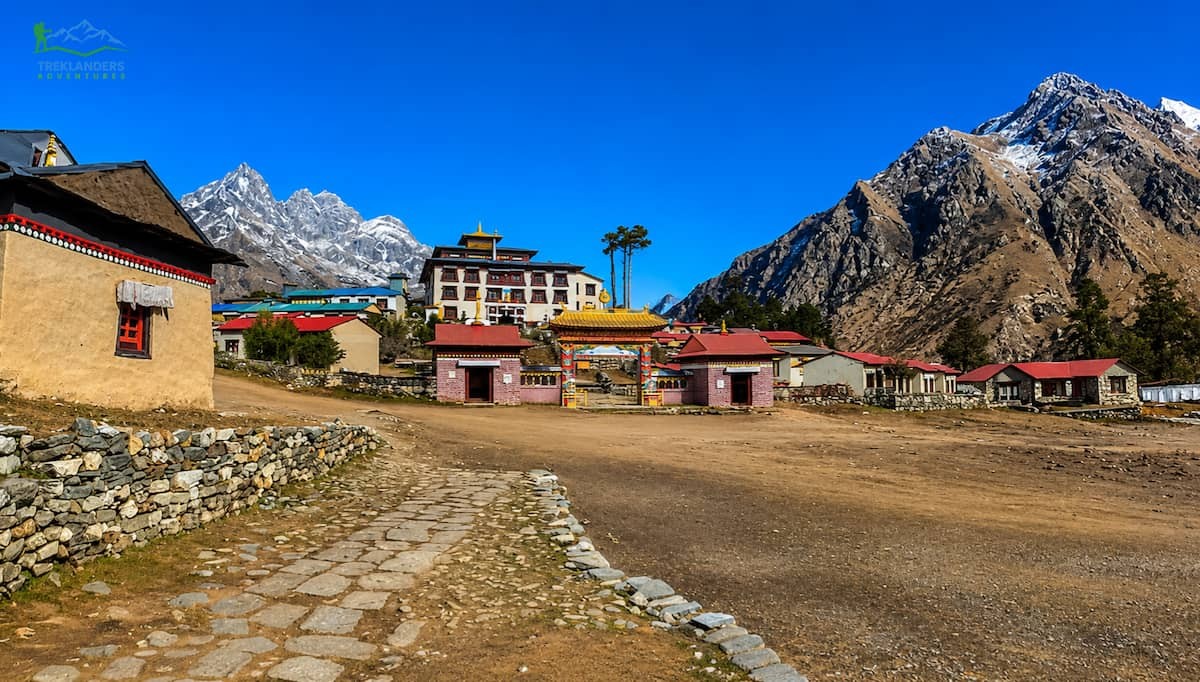
You follow a ridge which offers nice views. At some point, you come down to the riverbed for lunch at Phunki Tenga. After lunch, there is a challenging climb through the wooded area before you reach the monastery settlement of Tengboche (3,867m).
From Pangboche, you begin to descend a little to the river crossing, then climb up the valleys, which are quite open. The trees go away, and the view of Ama Dablam completely opens as you enter the stone-walled fields of Dingboche (4,410m).
This is what sets it apart from the others. You take a very important second rest day at 4,410 m. Your guide takes you on an active ascent of Nagarjun Hill (5, 100m) or toward Chhukung Valley, really putting your body to the test to get used to the thin air before returning to Dingboche for the night.
You proceed through the wide glacier valley to Dughla, after which you make your way up the steep hill to the Thukla Pass climber memorials. You then follow the path along the side of the Khumbu Glacier to reach the high-altitude settlement of Lobuche (4, 960m).
The path is full of rocks and technical moraine as you reach the last lodge area of Gorak Shep (5, 164m). After a short break, you do the final section of the hike that takes you to Everest Base Camp (5, 364m), where you can stand next to the legendary Khumbu Icefall. Then the return is to Gorak Shep, where you stay overnight.
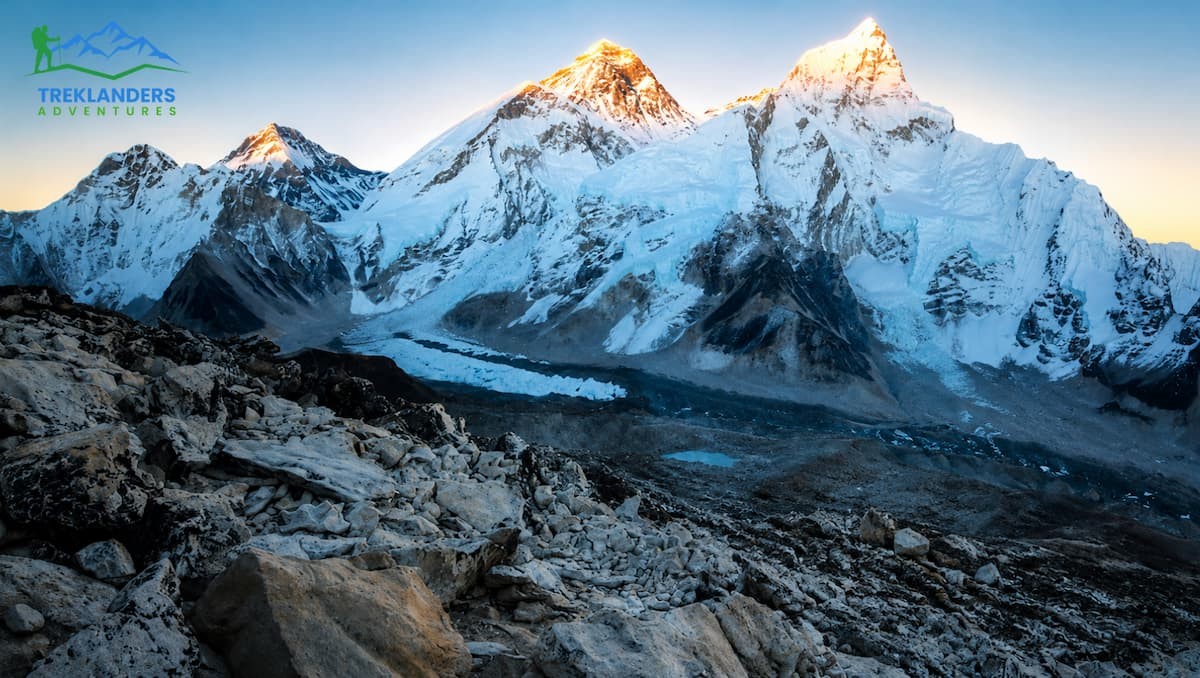
The most difficult part of the day is the early morning dark scree climbing up Kala Patthar (5,643m) before you see the first rays of sun casting light on the summit of Mount Everest. After that, you make your way back to Gorak Shep, where you have a meal before boarding your helicopter for the flight back to Kathmandu.
The peaceful night spent in a lovely hotel in Kathmandu comes to an end when you are taken to the international terminal for your flight home.
The 12-day version spreads the elevation gains more safely by including a full city day at the start and an extra high-altitude acclimatization day in Dingboche.
| Day | Starting Point | Ending Point | Nighttime Elevation | Net Elevation Change |
| Day 1 | Kathmandu | Kathmandu | 1,365 m / 4,478 ft | Baseline |
| Day 2 | Kathmandu | Kathmandu | 1,365 m / 4,478 ft | 0 m (City Tour / Prep Day) |
| Day 3 | Kathmandu / Lukla | Phakding | 2,610 m / 8,562 ft | +1,245 m (Flight) / -236 m (Trek) |
| Day 4 | Phakding | Namche Bazaar | 3,440 m / 11,286 ft | +830 m |
| Day 5 | Namche Bazaar | Namche Bazaar | 3,440 m / 11,286 ft | 0 m (Acclimatization Rest Day 1) |
| Day 6 | Namche Bazaar | Tengboche | 3,867 m / 12,687 ft | +427 m |
| Day 7 | Tengboche | Dingboche | 4,410 m / 14,468 ft | +543 m |
| Day 8 | Dingboche | Dingboche | 4,410 m / 14,468 ft | 0 m (Acclimatization Rest Day 2) |
| Day 9 | Dingboche | Lobuche | 4,960 m / 16,272 ft | +550 m |
| Day 10 | Lobuche | EBC / Gorak Shep | 5,164 m / 16,942 ft | +404 m (EBC peak at 5,364 m) |
| Day 11 | Gorak Shep / Kala Patthar | Kathmandu | 1,365 m / 4,478 ft | -3,799 m (Helicopter Flight) |
| Day 12 | Kathmandu | International Flight | Departure | End of Program |
| Feature / Metric | 9-Day Everest Helicopter Trek | 12-Day Everest Helicopter Trek |
| Total Duration | 9 Days (In-country) | 12 Days (In-country) |
| Total Trekking Days | 7 Days of active foot travel | 8 Days of active foot travel |
| Acclimatization Days | 1 Day (Namche Bazaar only) | 2 Days (Namche Bazaar and Dingboche) |
| Kathmandu Sightseeing | None (Immediate morning flight to Lukla) | 1 Full Day (Guided UNESCO heritage tour) |
| Altitude Sickness Risk | Higher (Requires rapid adaptation) | Lower (Follows classic safety profile) |
| Physical Intensity | High and continuous | Moderate and balanced |
| Target Audience | Ultra-busy pros, elite athletes | Standard hikers, couples, families |
| Base Price (Per Person) | Lower baseline cost | Higher due to extra hotel/lodge nights |
| Weather Cushion | Minimal (Prone to flight delay risks) | Moderate (Built-in schedule buffers) |
The most essential thing to consider when deciding between these two quick itineraries is to know the way your body is affected by the high altitudes. As you go higher, the atmospheric pressure decreases, which means that with each breath you take, fewer oxygen molecules are delivered to your lungs.
Skipping the Dingboche second rest day, the 9-day trek follows the route from Tengboche to Dingboche on Day 6, and the very next morning, you go up to Lobuche (4,960m).
On the other hand, the 12-day trek has a second mandatory rest day at Dingboche on Day 8. This extra day is in line with the main mountain safety rule: "Climb high, sleep low." You will be hiking in the afternoon to higher points such as Nagarjun Hill (5, 100m) to get used to the thinner air safely, and then you will come down to Dingboche to sleep at a lower altitude.
That additional day is like an extra dose of fresh air for your body, encouraging it to make some pretty important changes:
Arguably, removing the Dingboche rest day in the 9-day journey makes you much more susceptible to Acute Mountain Sickness (AMS). Some of the most frequently occurring symptoms are stubborn headaches, vomiting, lightheadedness, insomnia, and general tiredness. If you keep ascending despite these signals, you might eventually fall ill with very dangerous forms of AMS, such as High-Altitude Pulmonary Edema (HAPE) or High-Altitude Cerebral Edema (HACE).
If you've never gone hiking above 4,000 meters or admit that your body is quite a slow adapter to thin air, the 12-day hike is undoubtedly the much safer option. Usage of the 9-day route should be strictly restricted to those with previous high-altitude experience and who are well aware of their bodies' capability to handle rapid elevation gains.
The Himalayas create their own unpredictable weather systems. In the Khumbu region, clear morning skies can quickly give way to dense afternoon fog, strong winds, or sudden heavy snowfalls. This unpredictability creates real logistical challenges for both light aircraft and helicopters.
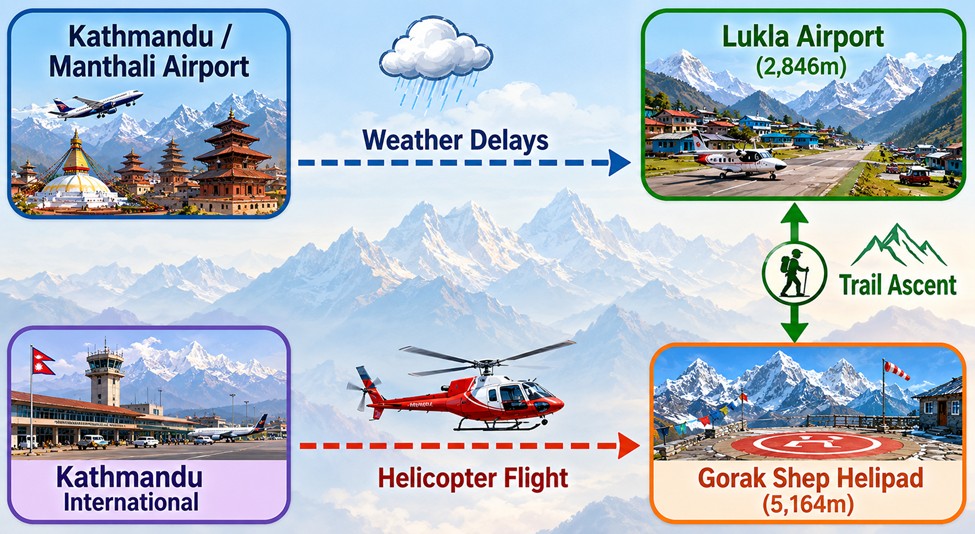
Both itineraries depend on the light aircraft flight from Kathmandu or Manthali to Lukla for the beginning of the trek. Lukla's Tenzing-Hillary Airport must always follow clear visual flight rules (VFR). Not only a slight lowering of visibility but also a little increase in crosswinds can stop all the flights for hours or even days.
Helicopters have more abilities as transport means than fixed-wing aero planes. However, they are also unable to operate through thick fog or heavy blizzards. The helipad of Gorak Shep is located at a very high altitude of 5,164 meters, at which altitude; thin air results in a helicopter rotor lift and overall performance degradation.
The 9-Day Itinerary severely restricts the schedule flexibility. Should a weather system hold you up in Lukla for a couple of days at the very beginning, your remaining timeline is going to fall apart. You would need to hike at very fast and dangerous speeds, or you would have to pay out-of-pocket for an emergency uphill helicopter flight in order to make up the time.
On the other hand, the 12-Day Itinerary has a time buffer built into it. At the start, it offers an entire day for cultural sightseeing in Kathmandu, which can easily be converted into a day for a backup flight to Lukla in case your initial flight gets delayed due to bad weather.
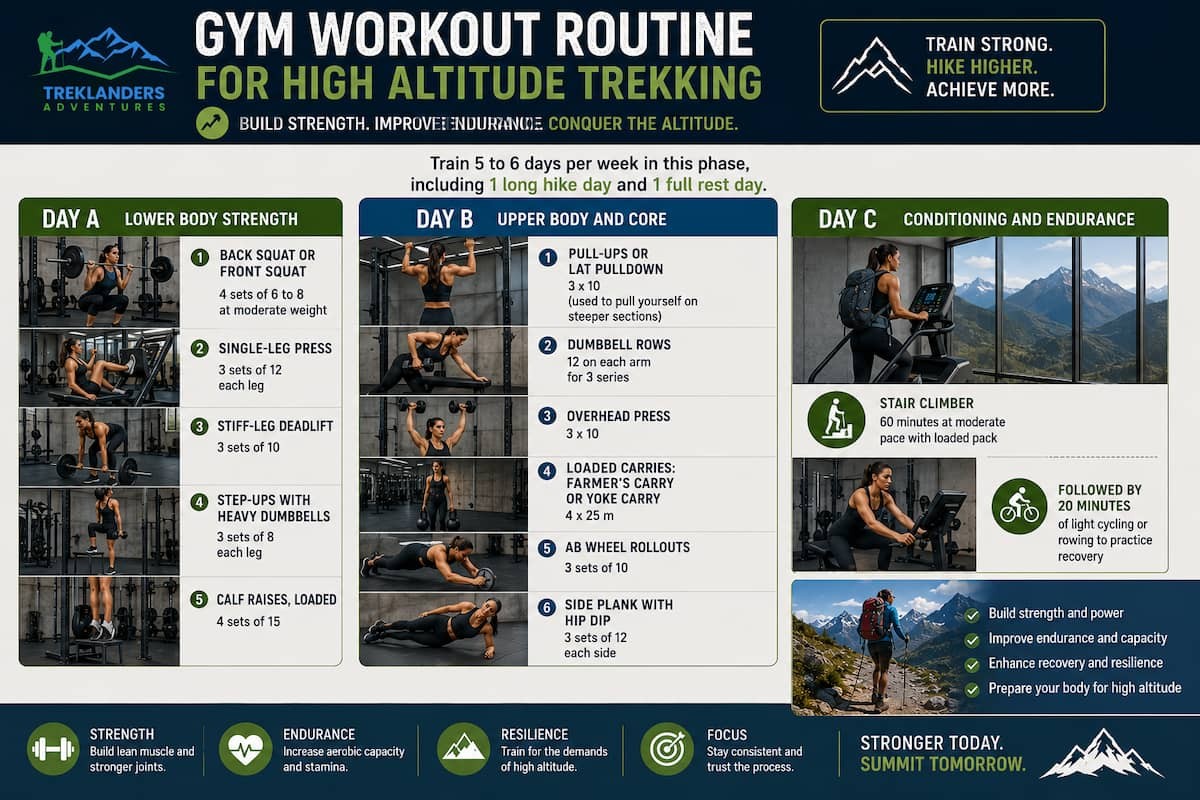
Neither of the two ways requires technical mountaineering skills. You won't have to use climbing ropes, harnesses, ice axes, or crampons. These two options are simply high-altitude wilderness hikes on rocky, unpaved terrain. On the other hand, the short schedule implies that you must have a really strong physical base.
Being able to sustain steep climbs in the thin air calls for a very strong heart and effective lungs. Schedule your exercise in ways that emphasize simply continuous cardiovascular training sessions like running, cycling, swimming, or rowing 3 to 4 times a week.
You will be ascending stone stairs that are continuous, dirt trails with loose gravel, as well as uneven glacial moraines. Strengthen your legs through squats, lunges, step-ups, and calf raises.
If you want to go on a mountain trek and wish to prepare properly, the best way to do so is by hiking. On the weekends, doing some walks in hilly terrain with a loaded backpack not only will condition your body but also will get you familiar with the actual physical requirements of the trail.
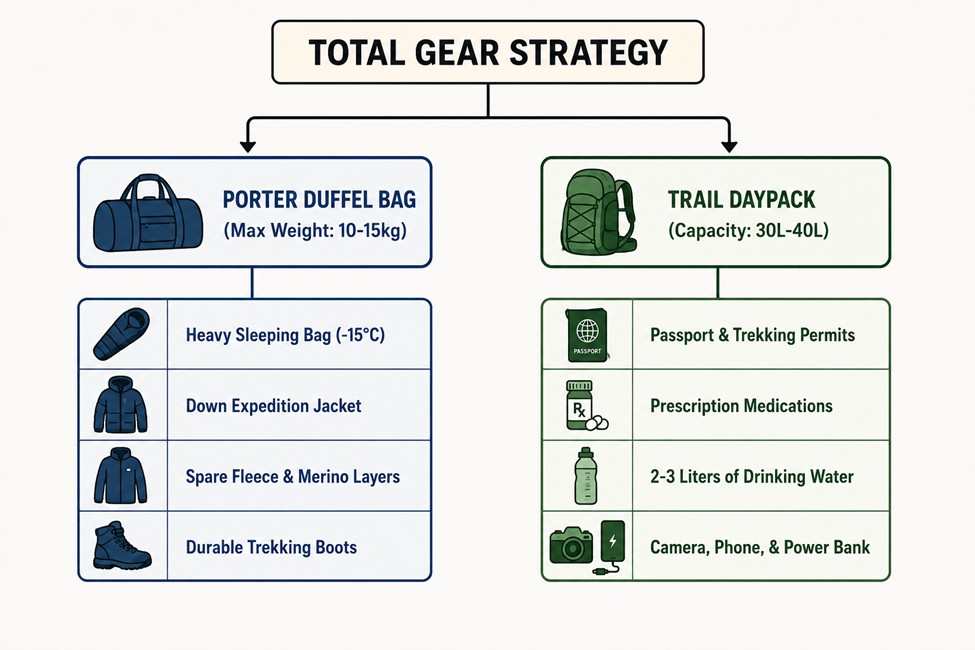
Succeeding on a fast-track trek requires a thoughtful, strategic approach to packing. Because you are flying out of the mountains by helicopter, your baggage needs to be light, compact, and efficient.
To stay warm as you gain elevation, you need to wear several layers of clothing. The first layer should be a merino wool base layer that wicks away moisture. A fleece insulating middle layer and a windproof, waterproof outer shell are also needed.
Don't overlook your footwear. Buy waterproof, highest quality trekking boots with strong ankles support and break them in well before you get to Nepal. This will help you avoid blisters on the trail.
The sun at high altitude is very strong. High-SPF sunblock, polarized sunglasses, and a hat with a wide brim are some of the things you need to carry. Also, get a headlamp since you might have to leave for the summit hike very early.
Travelling through the Khumbu valley definitely feels like a cultural experience as well as a physical one. The pathways lead you through areas where the Sherpa, an ethnic community that has worshipped the mountains for centuries, live.
Walking, you will find on your way deeply revered Mani stones inscribed with Buddhist mantras, beautifully built stupas, and ancient monasteries. You should always keep to the left side of these structures as a sign of respect, and it is courteous to seek permission before snapping pictures of the locals or religious places.
Sagarmatha National Park preserves a delicate alpine ecosystem at high altitude. Strictly adhere to Leave No Trace mentality: dispose of your plastic garbage by taking it back with you, keep on the marked trails so as not to cause soil degradation, and instead of buying single-use plastic water bottles along the route, you may use water purification tablets or filters.
To make your final choice between the 9-Day Everest Helicopter Trek and 12-Day Everest Helicopter Trek, look honestly at your timeline, your physical conditioning, and your goals for the trip.
Choose the 9-Day Everest Helicopter Trek if:
Consider the 12-Day Everest Helicopter Trek if:
Discover the best time to trek the Langtang Valley after monsoon with trail conditions, weather, and essential safety tips.
Everest Base Camp or Cho La Pass? Compare both routes to choose the best Everest trekking experience in Nepal.
Compare Tilicho Lake and Thorong La Pass on the Annapurna Circuit and discover which challenge is tougher.



